




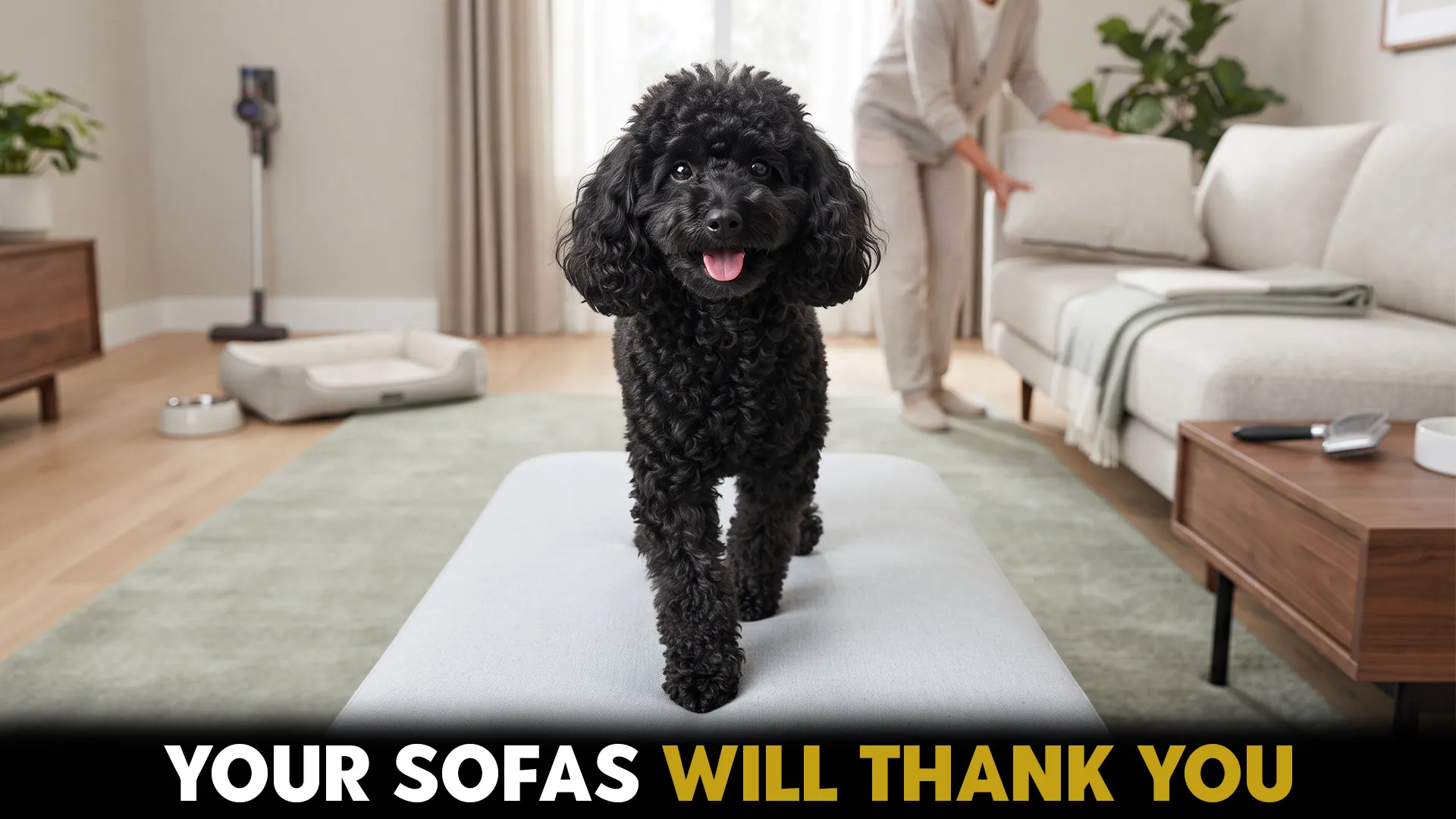
How much does dog hair really matter when you are trying to keep a home clean? If you have vacuumed the same room twice in one day, you know the frustration.
Low-shedding breeds can help reduce the amount of loose fur scattered across floors, furniture, and clothing, making them an appealing choice for tidy households. Their coats work differently from those of heavy shedders, but that still does not remove the need for regular grooming and coat care.
In fact, some low-shedding dogs need regular brushing because shed hair can remain caught in the coat and form tangles or mats. Coat care can include bathing, trimming, or professional grooming. For allergy-sensitive homes, shedding is only one piece of the puzzle because allergens are associated with dander, saliva, and other proteins.
A cleaner home can start with choosing a dog that leaves less loose fur behind, so the following are dog breeds that can match both your home and your daily routine.
Key Takeaways
If dog hair keeps showing up everywhere, the breed you choose can make a real difference to your cleaning routine.
Miniature Poodles shed very little because loose strands tend to stay caught in their tight curls, though that coat still needs regular grooming.
Bichon Frises, Maltese, and Yorkshire Terriers offer similarly low-shedding coats, while each brings a very different personality to the home.
Then come the Shih Tzu, Basenji, and Coton de Tulear, with their own grooming needs and some surprisingly quirky traits worth knowing.
Ideal Dog Breeds for Clean Homes: Low-Shedding Choices
1. Miniature Poodle
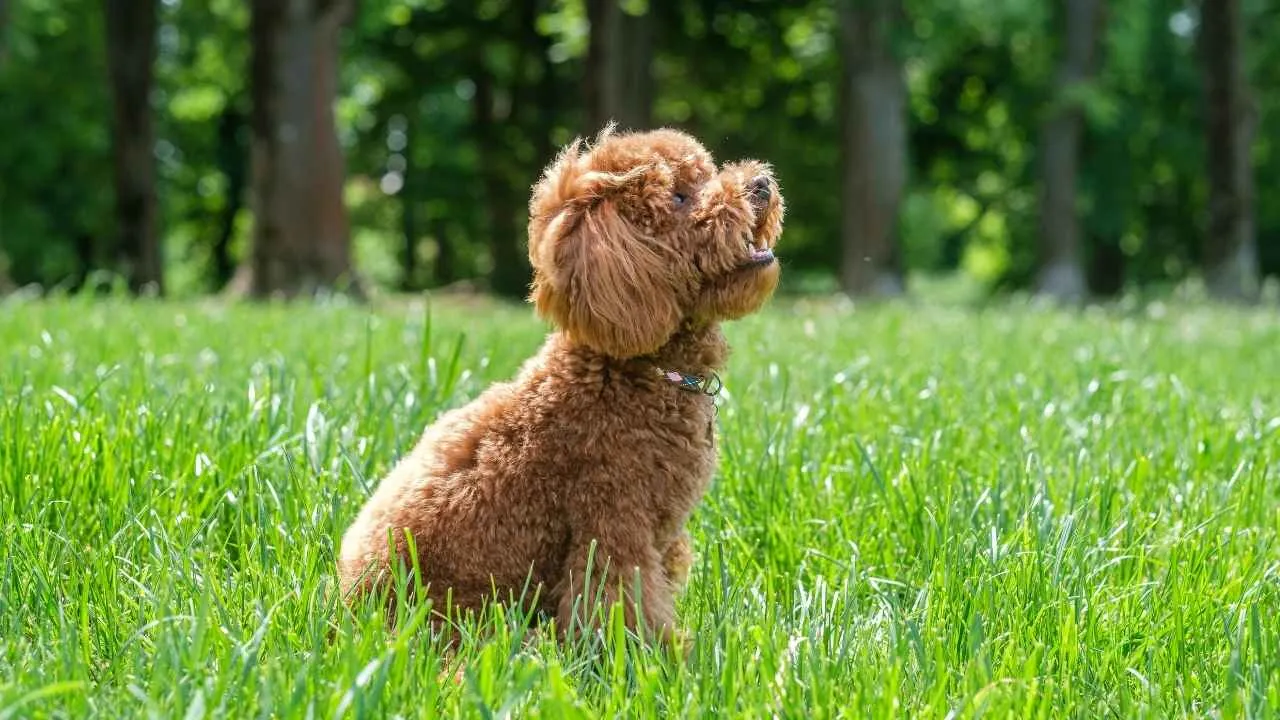
Toy Poodle belongs to a breed line with roots that may reach Asia before curly-coated dogs travelled into Europe with herders. Germany shaped the Poodle into the form recognized today, while France later embraced it so strongly that it became the country’s national breed.
A Coat That Holds Hair
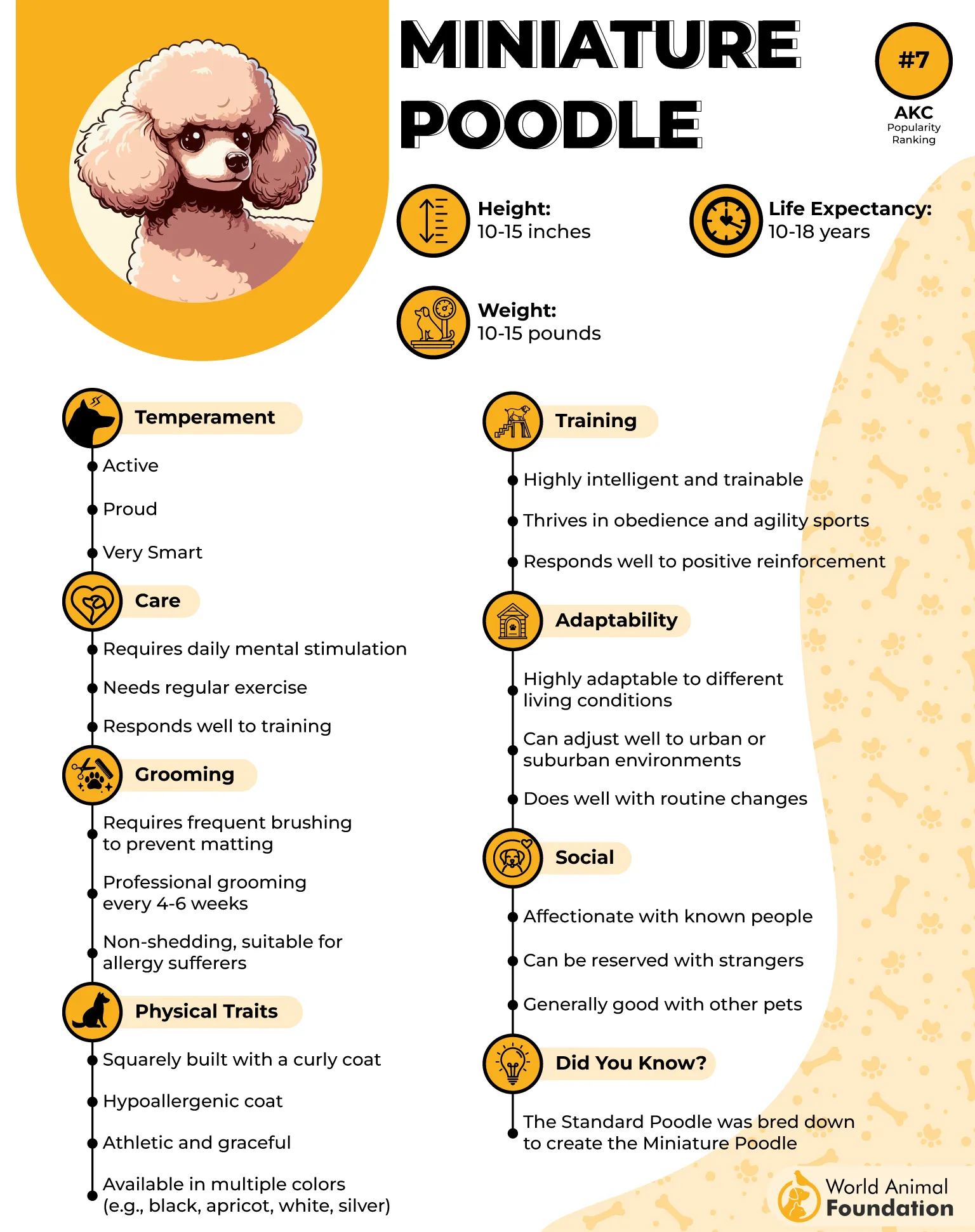
This little family dog has a single curly coat without the heavy undercoat found in breeds such as Huskies and Golden Retrievers. Loose strands tend to remain caught within its tight curls instead of collecting across floors, carpets, and clothing.
A closer look at the coat reveals why it needs regular care:
Hair follows a long growth cycle
Brushing every few days removes loose hair
Trimming or professional grooming every 4-6 weeks
A Clever Little Performer
Toy Poodle learns quickly and responds well to fun, reward-based training, with tricks fitting naturally into its playful personality, as stated by Omlet. Its intelligence also means boredom can lead to mischief or destructive behavior when interaction and mental challenges are lacking.
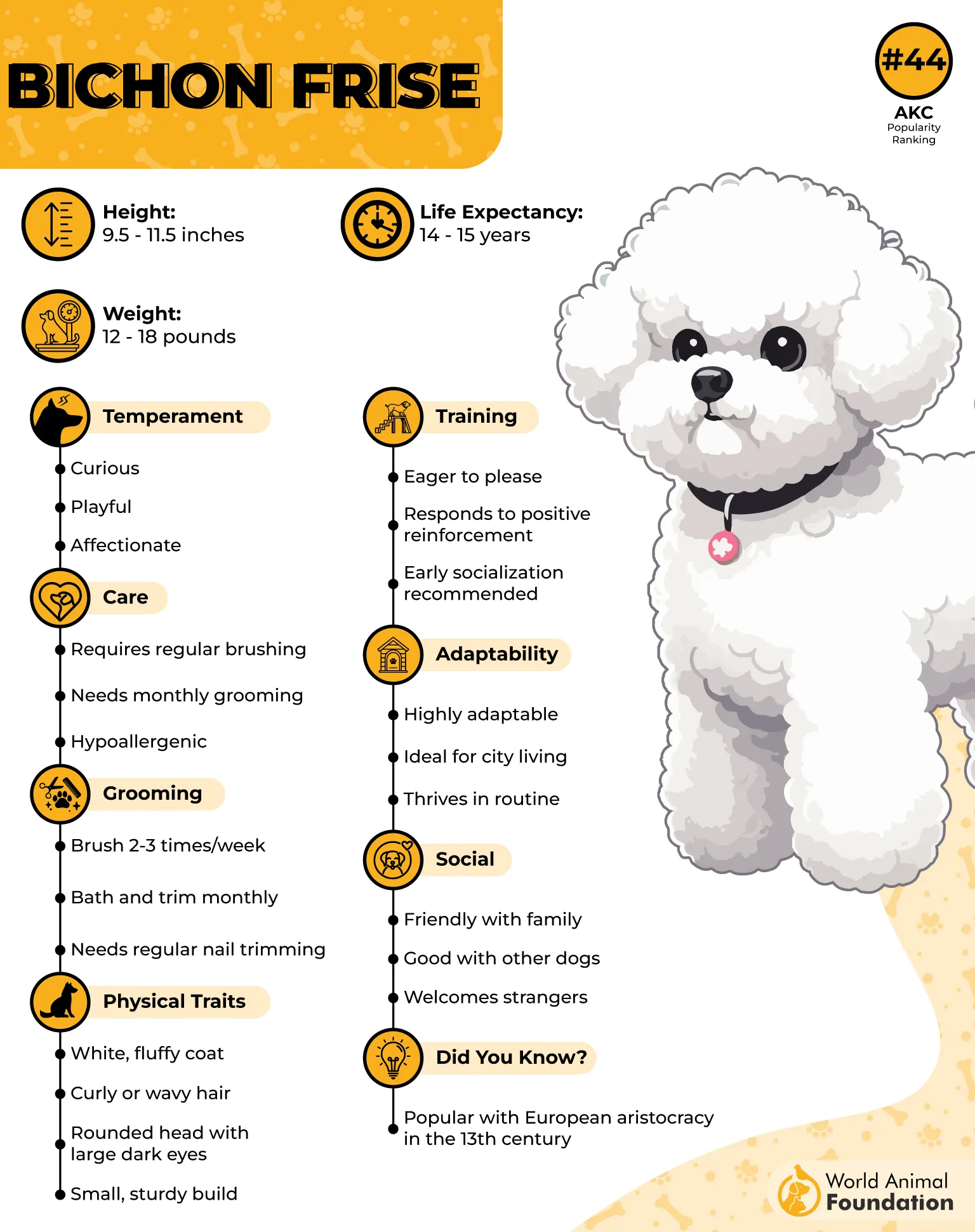
2. Bichon Frise
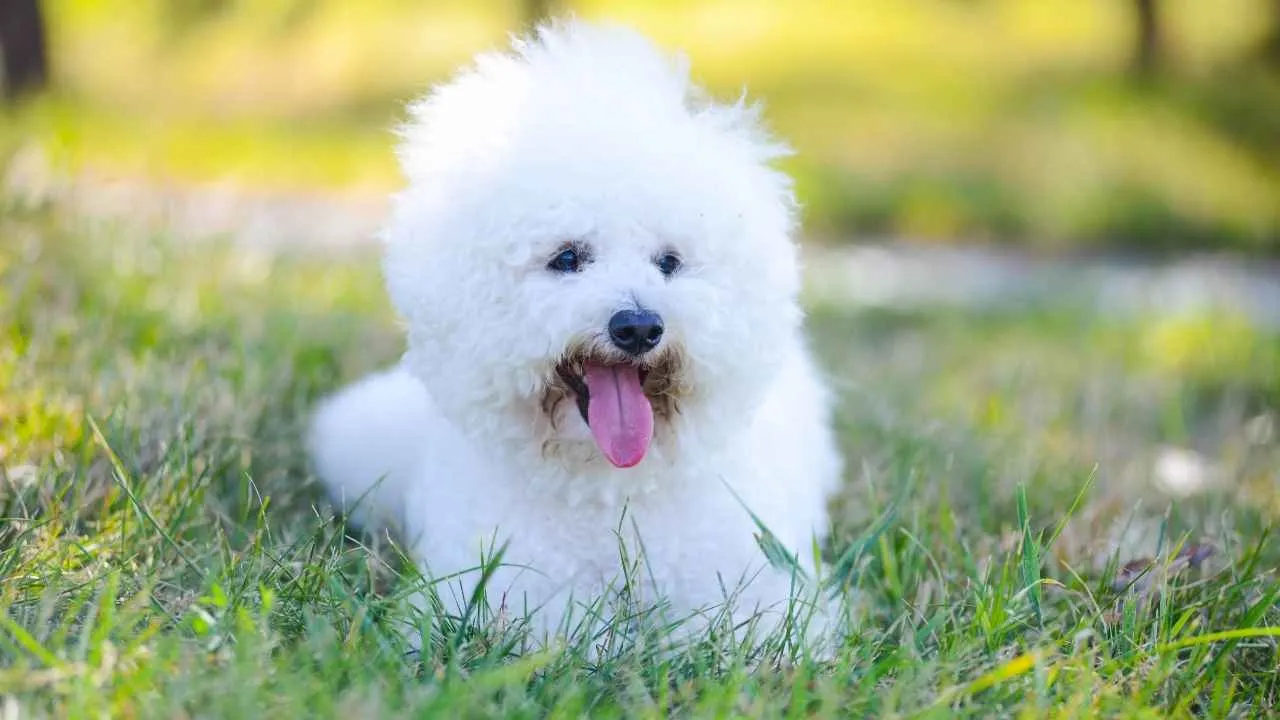
Bichon Frise has roots in Tenerife, where its ancestors lived before reaching the European mainland around the 13th century. From there, these small white dogs became favorites in royal courts across Europe, adding a lively chapter to their unusual past.
Less Loose Fur
Bichon Frise has a curly double coat that tends to hold shed hairs within itself, which is why the breed is classed as hypoallergenic. Loose fur does occur, but much of it remains caught in the coat rather than spreading freely around the home.
The following grooming details are especially useful:
Mats become harder to untangle when wet
Bathing is typically needed every one to two weeks
A puppy cut keeps the coat trimmed short
Social by Nature
These dogs are highly people-oriented and can be gentle with children when socialization and training begin early, as mentioned by PetMD. Their emotional intelligence also helps them adjust well to different people, with playful moments often making their way into family routines.
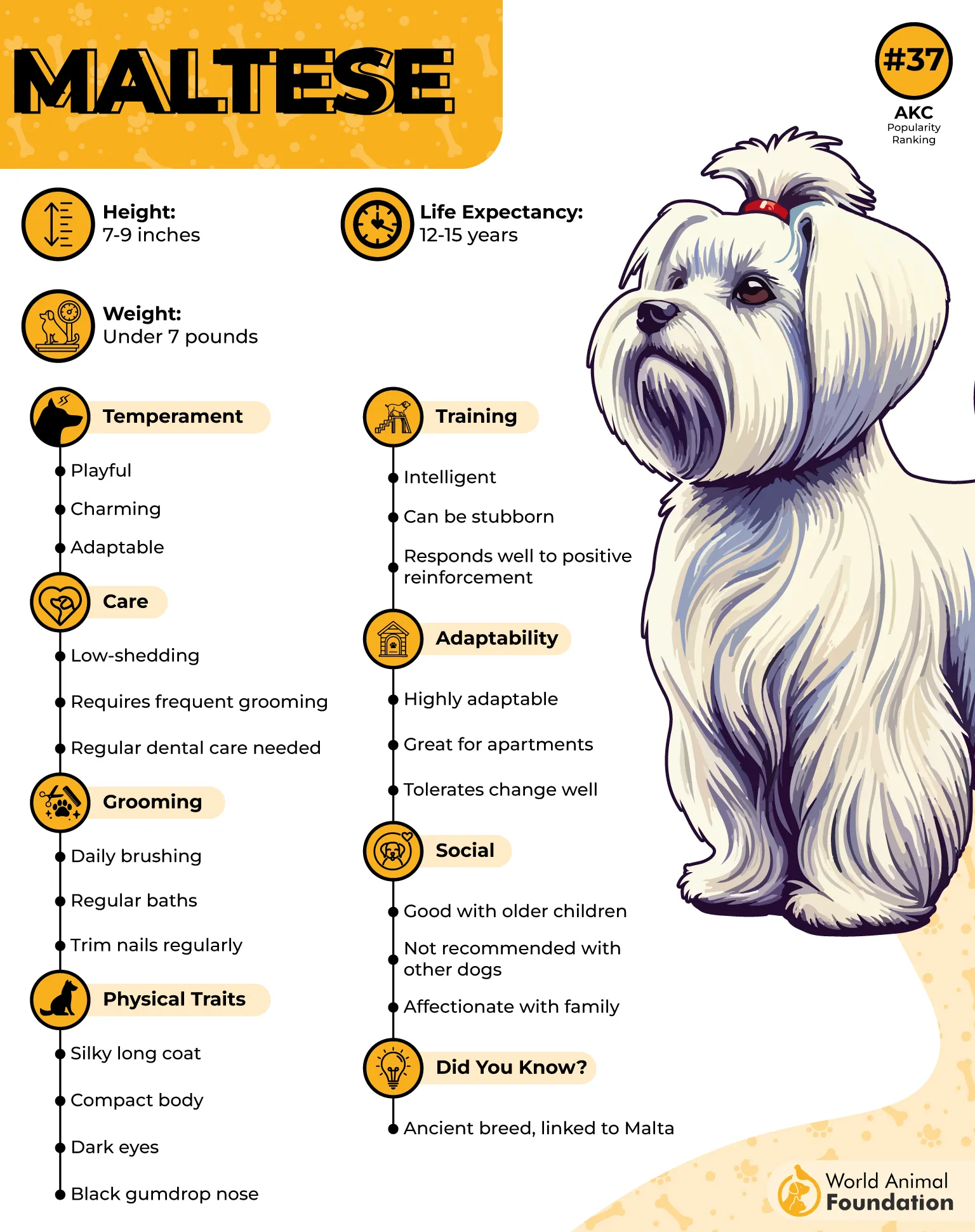
3. Maltese
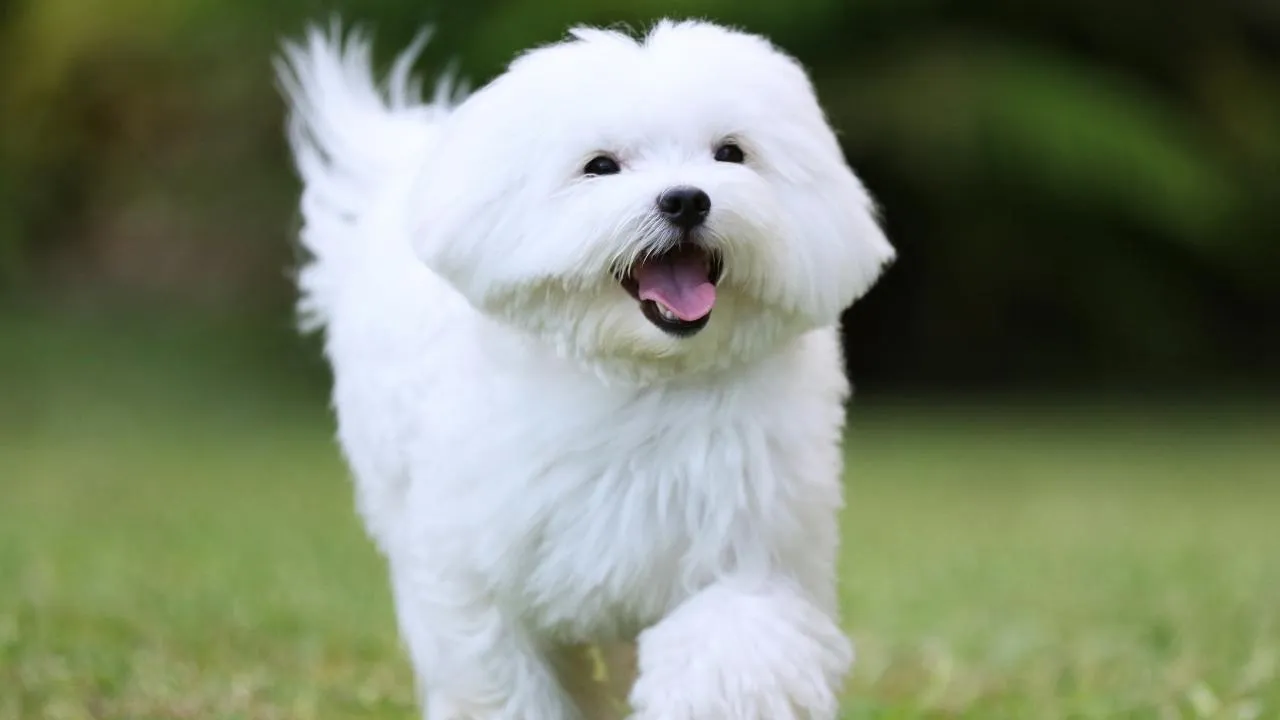
Maltese takes its name from Malta, where these little dogs have been associated with people for centuries. Phoenicians are thought to have introduced them to the island, where they became familiar companions long before their place in Greek culture during the 4th and 5th centuries B.C.E.
Less Fur Around Home
Maltese has no undercoat, which contributes to very low shedding and makes the breed appealing for people who want fewer loose hairs indoors. Regular brushing helps manage the fine flyaway hairs that can collect around the house.
Beyond shedding level, here’s what life with this breed looks like:
Naturally affectionate and enjoys staying close to favorite people
Lively, playful, and gentle in everyday interactions
Its calm nature makes it suitable for therapy work
Small but Lively
This lap dog does not need the intense workload associated with highly athletic breeds, though daily activity remains important for good health and overall well-being.
A brisk 20- to 30-minute walk can be paired with indoor games, fetch, scent work, or interactive toys to keep this playful breed active and engaged.
4. Yorkshire Terrier
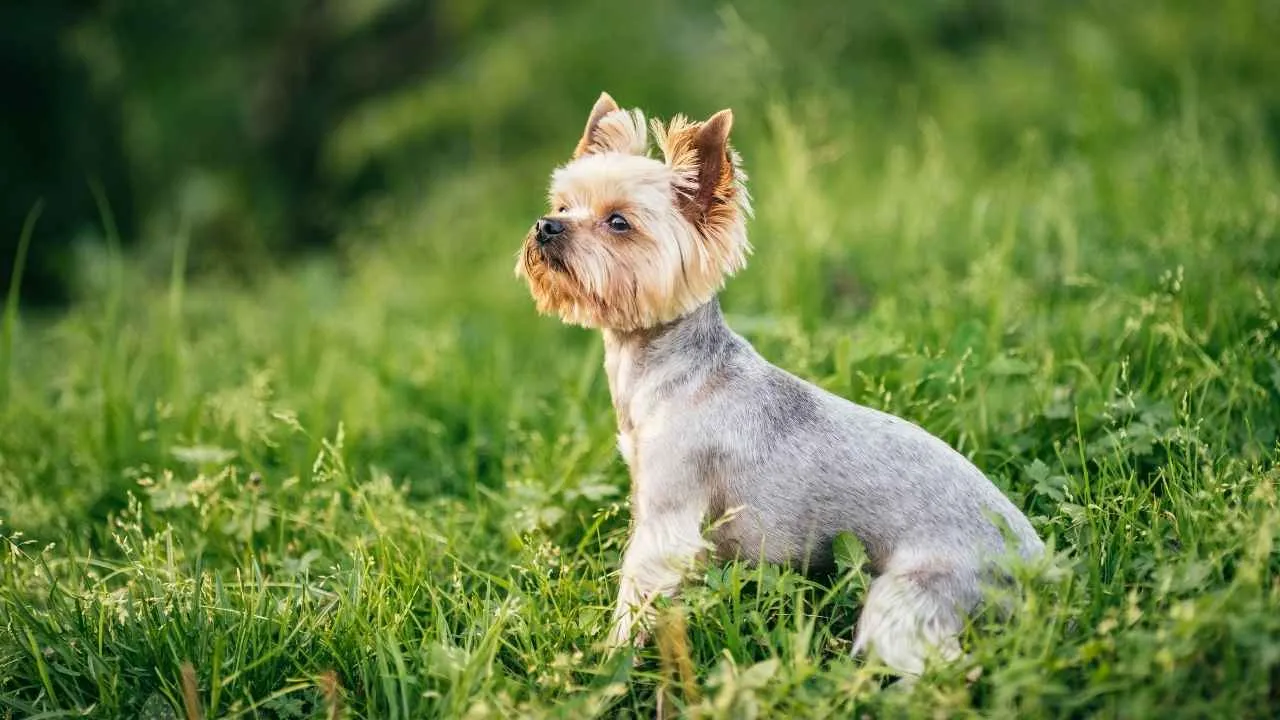
Yorkshire Terrier emerged in Yorkshire, England, during the mid-1800s, with Scottish Terriers among the breeds believed to have contributed to its lineage. These small dogs were originally valued for hunting rats before Victorian women later brought them into fashionable homes.
Hair Instead of Fur
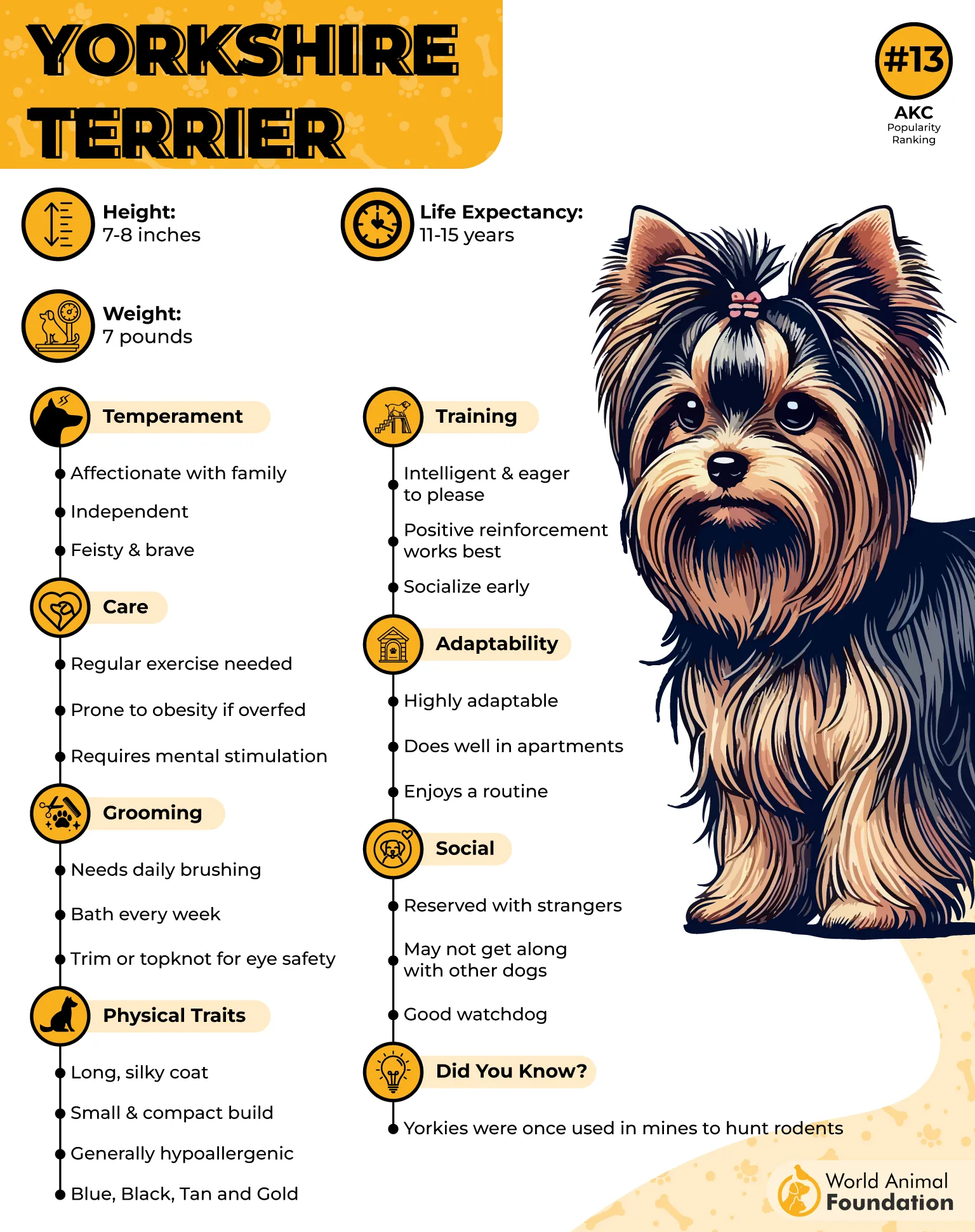
These wonderful companions have a fine, silky coat that grows continuously and sheds very little each day. That means fewer loose strands end up across furniture, carpets, and clothing, while the amount of dander circulating indoors can also be lower.
A closer look at other life traits includes:
Playful and friendly with people and other dogs
Happily settles down for quiet family time
Needs supervision around younger children due to its tiny frame
Small Dog, Big Character
Yorkshire Terrier is a bright, confident little companion with enough personality to make its preferences very clear throughout the day, as Royal Canin claims. Early training can work well because the breed is eager to please, while socialization can begin around 7 or 8 weeks of age.
5. Shih Tzu
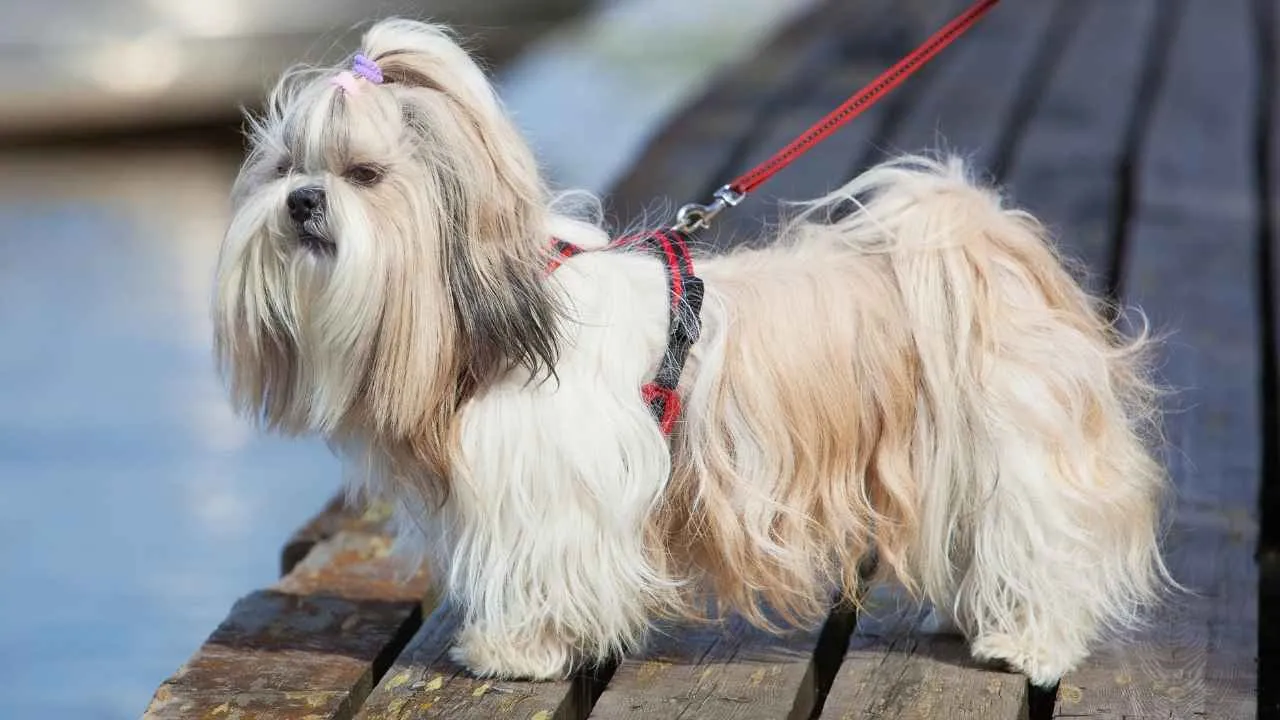
Shih Tzu took shape within China’s Forbidden City in the 17th century through a cross between the Lhasa Apso and an early form of the Pekingese.
The resulting Lhasa Lion Dogs remained largely unknown in the West until the 20th century, when they were first exhibited alongside the Lhasa Apso.
Less Loose Hair
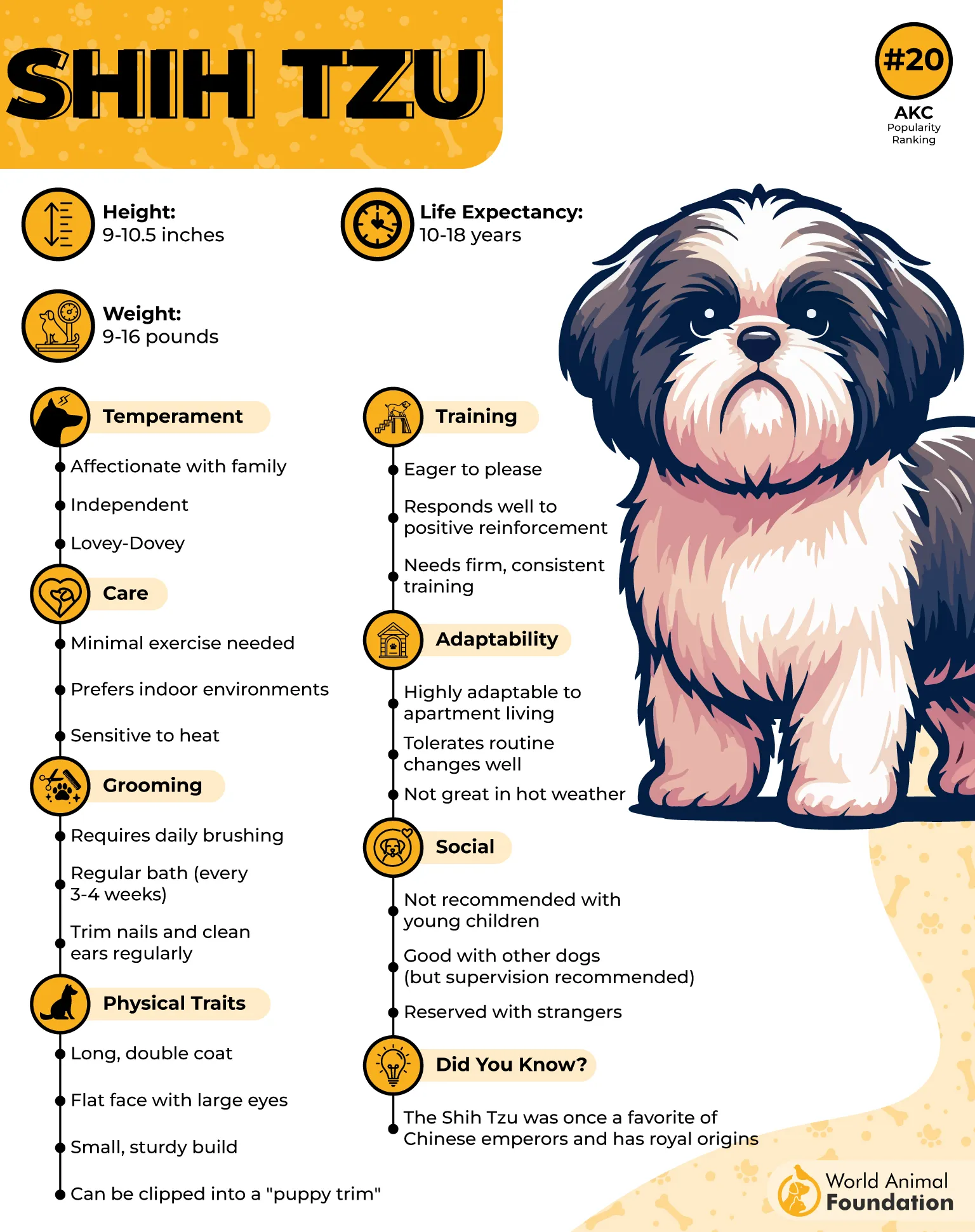
This hypoallergenic breed can be another reasonable option for homes concerned about allergens. Its coat produces fewer allergens than other long-coated breeds, while regular brushing and bathing help keep loose hair and dander from spreading.
Its low-allergen coat is only part of the appeal:
Alerts to unfamiliar people approaching the home
Friendly and polite with guests
Naturally watchful without being overly aggressive
A People Dog
Shih Tzu was bred specifically as a companion, and its perky, affectionate personality still centers heavily on human company and family interaction. The breed can also get along well with children, dogs, and cats, giving households with several pets another useful point to consider.
6. Basenji
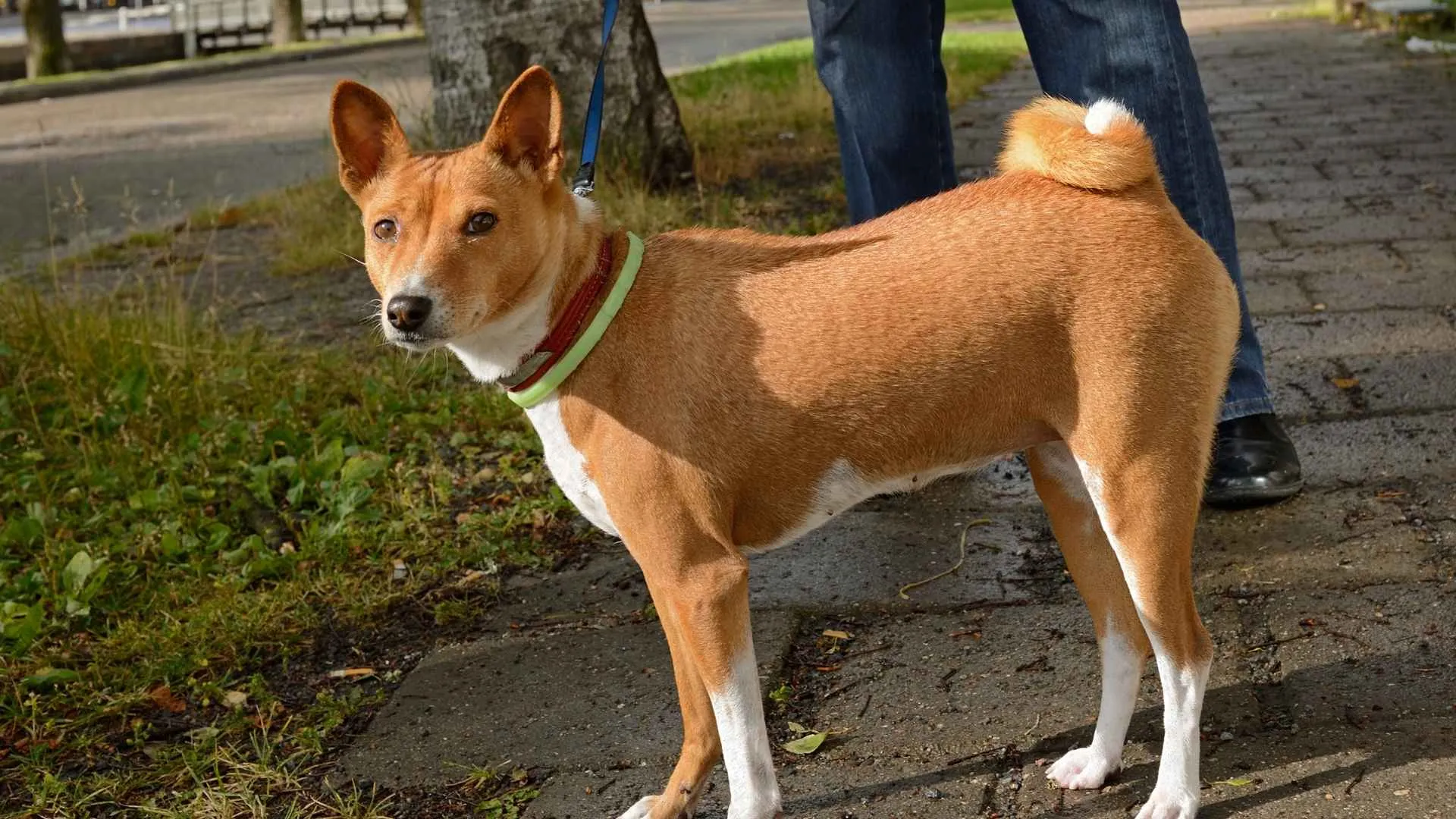
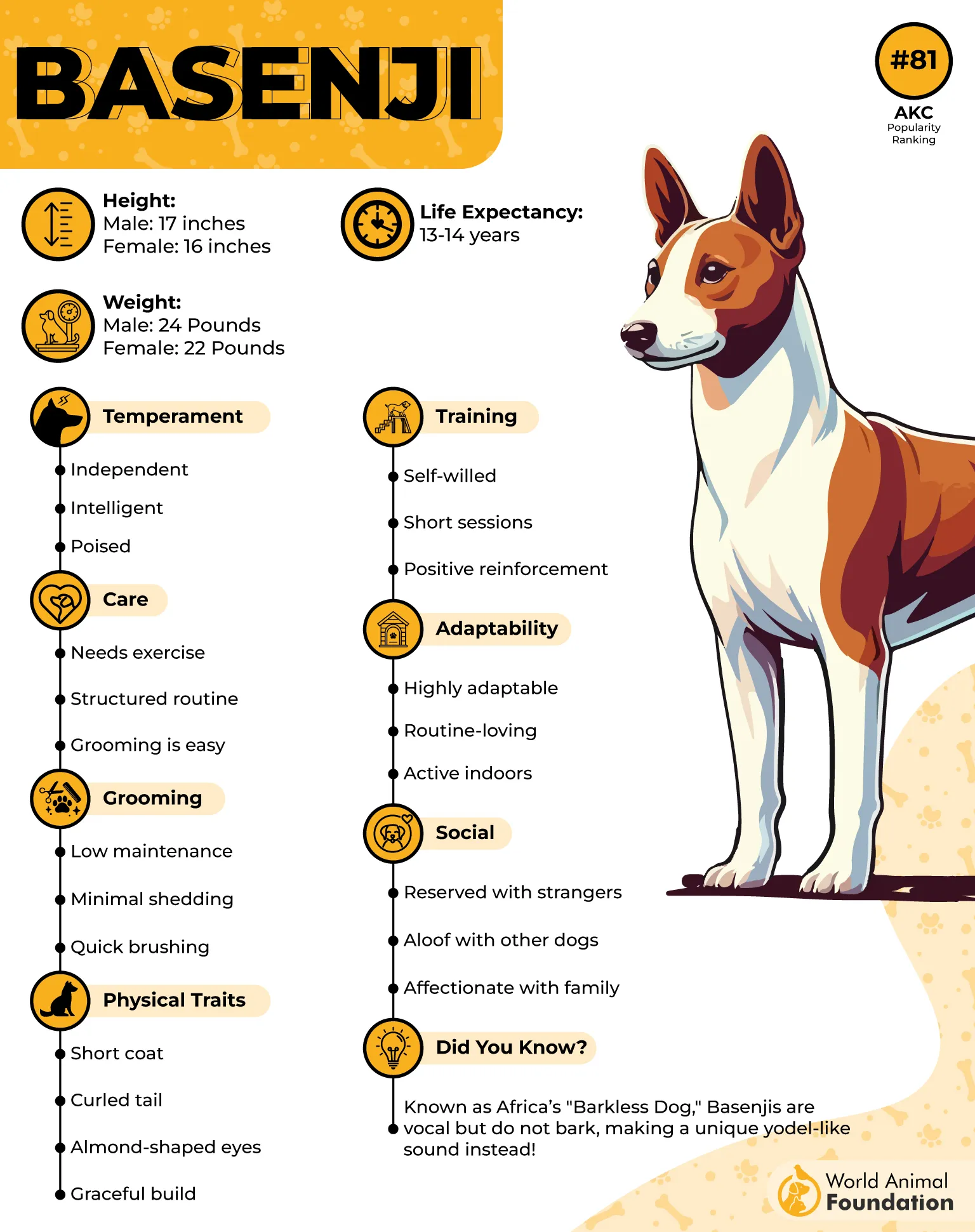
Basenji appears in ancient Egyptian artwork dating back about 4,500 years, with similar dogs recurring across centuries of funeral art linked to the Pharaohs. After ancient Egypt faded, the breed continued as a valued hunting companion among African tribes and hunters.
A Cleaner Coat
This lovable breed has a short, fine coat that needs little grooming, with a weekly brushing usually enough to remove loose hair. Its cat-like self-cleaning habits also help keep the dog clean, while its low-shedding coat produces little loose fur around the home.

This clean little breed has plenty to say:
Communicates with yodels and chortles
Makes unusual sounds when excited
Highly watchful and observant
Curious by Nature
Basenji is an energetic, independent companion with a strong hunting instinct that can make life with small animals complicated. Its curiosity can also lead to destructive behavior when left alone, while unfamiliar people and other dogs may receive a reserved response.
7. Coton De Tulear
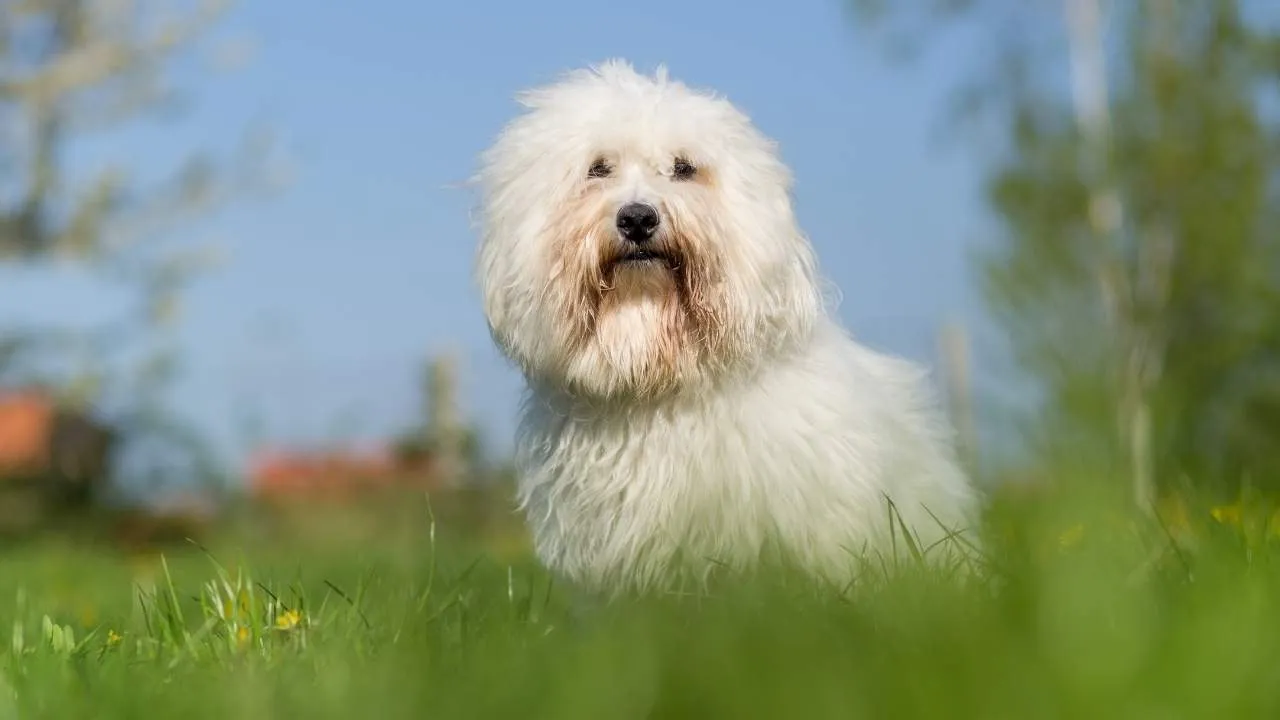
Coton de Tulear takes its name from its soft, cotton-like coat and Tulear, the seaport town in Madagascar linked to the breed. On the island, these small dogs were kept as companions by Madagascar’s royal and noble families, giving them a place far removed from ordinary household pets.
Less Hair Around the House
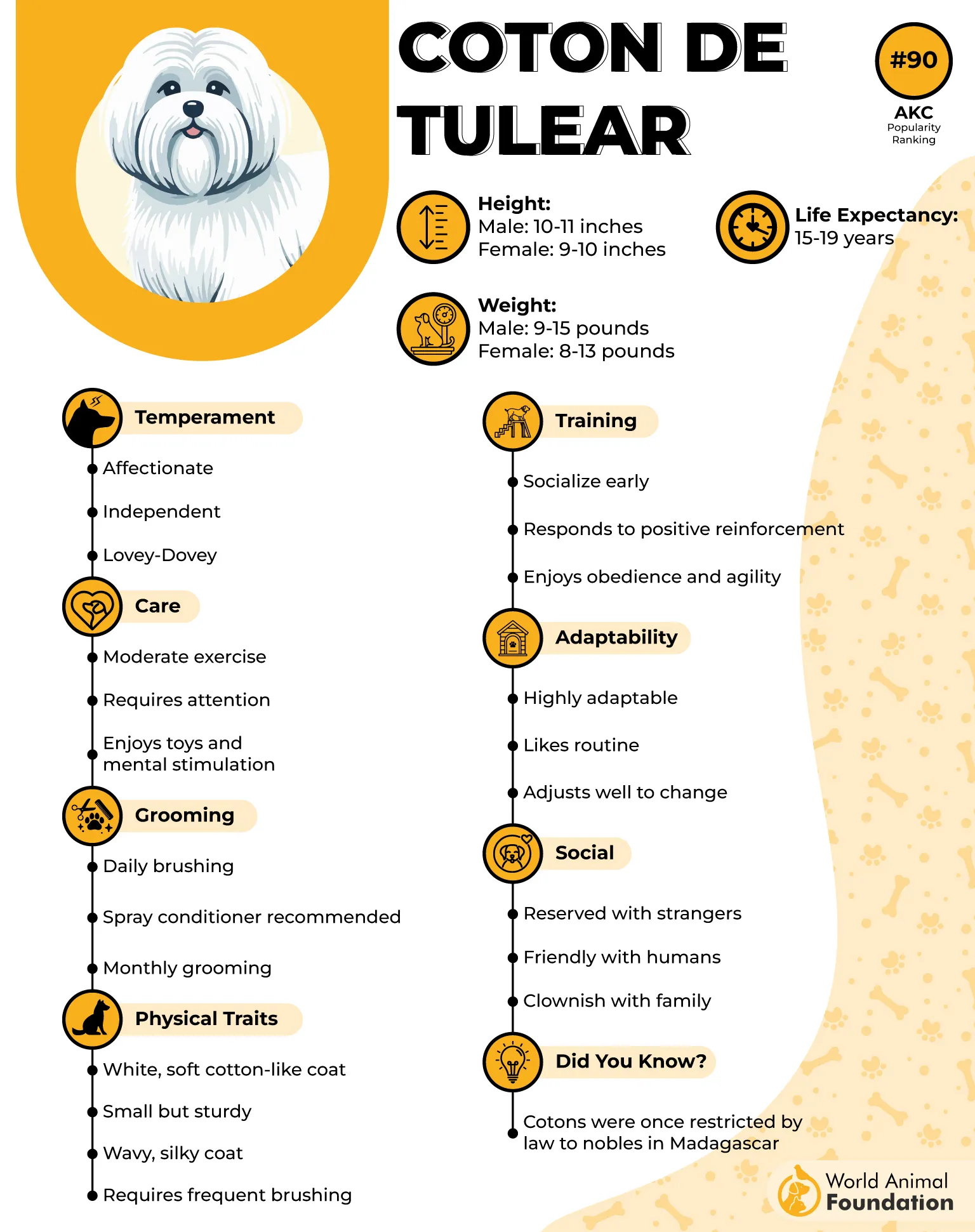
This smaller dog has a coat that sheds very little, which can mean less loose hair around floors, furniture, and clothing. Regular grooming is still important, but its low-shedding coat can make everyday cleanup a little easier.
The following everyday traits are worth noting:
Enjoys joining daily routines
Likes regular company and attention
Happy to tag along on outings
A Funny Little Voice
Coton de Tulear can use soft, unusual vocalizations that sound more like an attempt at conversation than a typical bark. It can still alert the household when dinner guests arrive, while its generally non-yappy nature keeps those announcements from becoming constant noise.
Conclusion
Keeping a home clean can feel easier with a dog that sheds less, especially when loose fur on floors, furniture, and clothing has become a problem. Still, the shedding side comes with its own care needs. Brushing, bathing, trimming, and grooming may be necessary to prevent mats and keep the coat healthy.
People with allergies should also remember that shedding is only one source of concern. Consider grooming demands, exercise, temperament, and daily care that fits your routine before bringing a dog home.
A suitable companion can help reduce cleanup while maintaining a tidy appearance without making you give up the joy of having a dog.
