




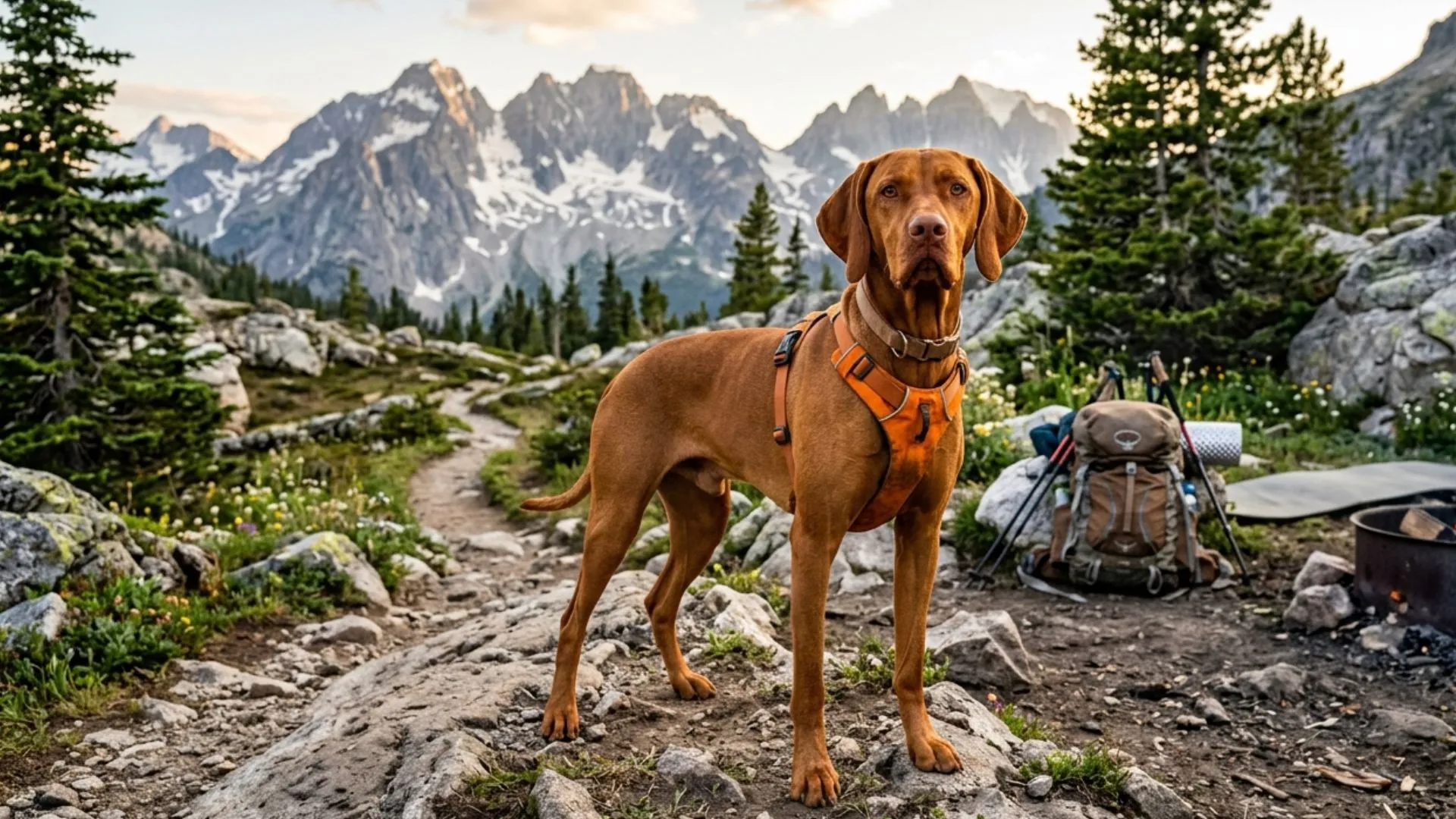
Outdoor recreation continues to attract millions of people each year, with hiking, camping, and wilderness exploration remaining among the most popular ways to spend time outside.
As more individuals embrace these activities, many want a canine companion capable of sharing those experiences. Yet not all dogs are equipped for the demands that come with life beyond developed paths and familiar surroundings. Adventure living places unique expectations on a dog’s physical and mental abilities.
Endurance, resilience, adaptability, and awareness often become essential qualities rather than optional advantages. Breeds that possess these traits naturally tend to perform better when days involve movement, exploration, and exposure to unpredictable conditions.
In the sections ahead, you will discover the breeds that consistently stand out in challenging environments and learn why they are trusted companions for life, surrounded by wilderness.
Key Takeaways
Weekend hikes are one thing, but some dogs are happiest when every path leads somewhere new.
Siberian Huskies were built to cover incredible distances, while Labrador Retrievers never seem to miss a chance to dive into water or explore something new.
Then there are Vizslas and Weimaraners that can spend hours outdoors without losing their drive, making every hike feel longer in the best way.
Keep going because some of the most impressive wilderness companions are still waiting further down the list.
Ideal Dog Breeds for Adventure and Wilderness Living
1. Siberian Husky
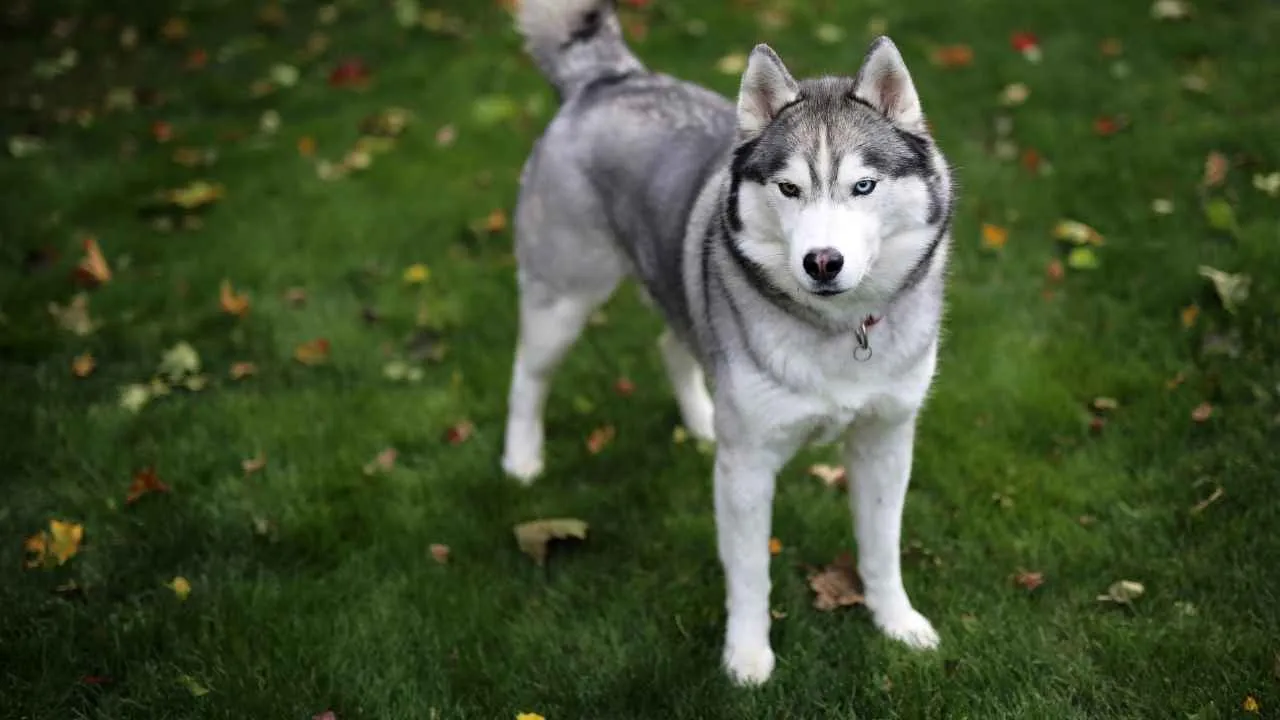
Siberian Huskies first arrived in Alaska in 1908, when Russian fur trader William Goosak brought the breed to Nome, as PetMD writes.
Initial reactions were lukewarm, yet over the following decades, these energetic dogs became a familiar sight across the United States through their endurance and working abilities.
Never Short on Energy
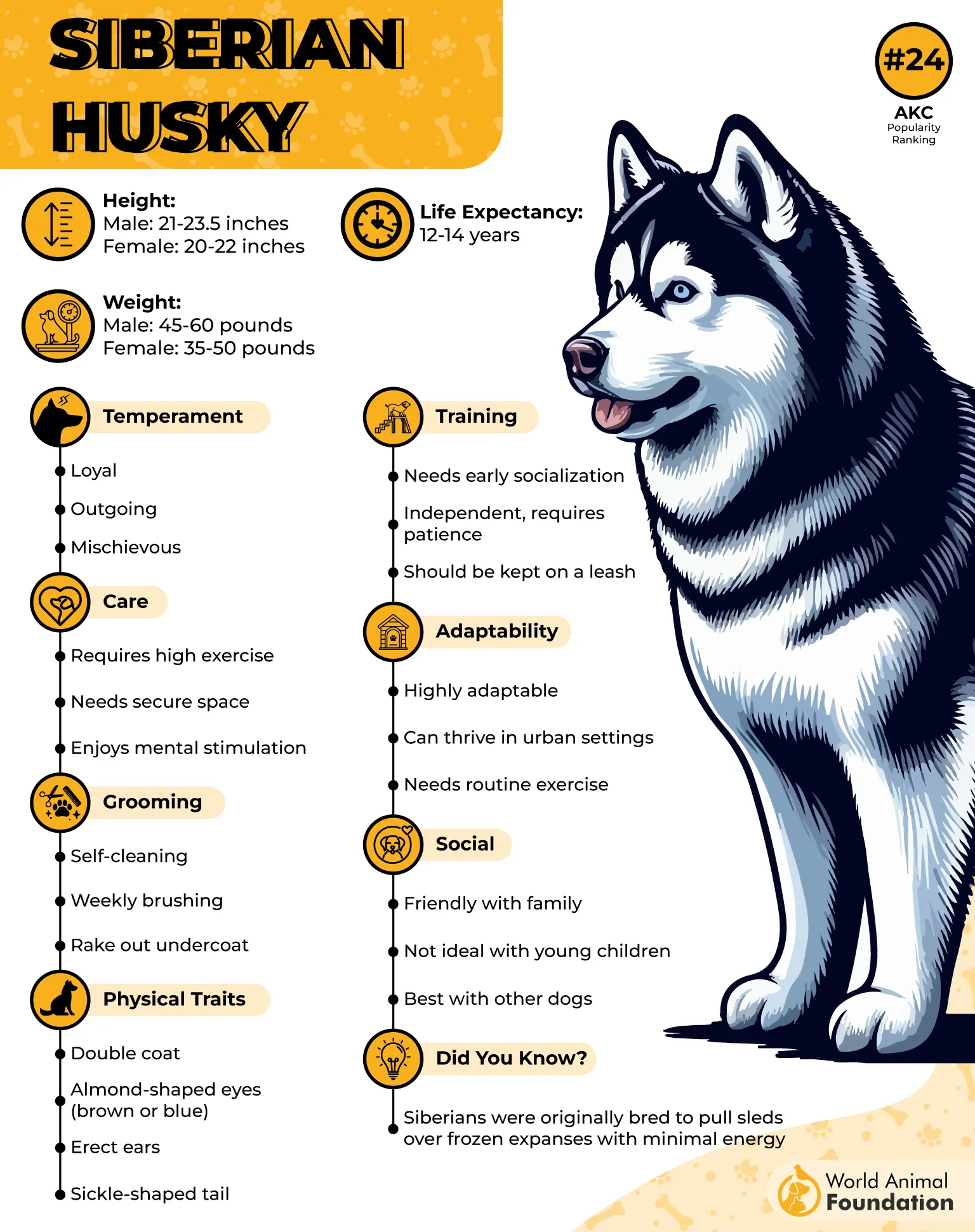
The Siberian Husky approaches daily life with remarkable enthusiasm and benefits from environments where activity is part of the routine. Homes with room to explore and opportunities for engagement tend to suit this breed far better than a quiet, inactive setting with limited challenges.
A few traits help explain that reputation:
Loves vocal communication
Enjoys sledding activities
Excels in running and agility sports
Smart With a Purpose
This adventure dog combines intelligence with curiosity, making regular guidance and early social experiences an important part of daily life. Running, fetch, rally, and structured outdoor games give this breed productive ways to use its energy while preventing boredom from taking over.
2. Australian Shepherd
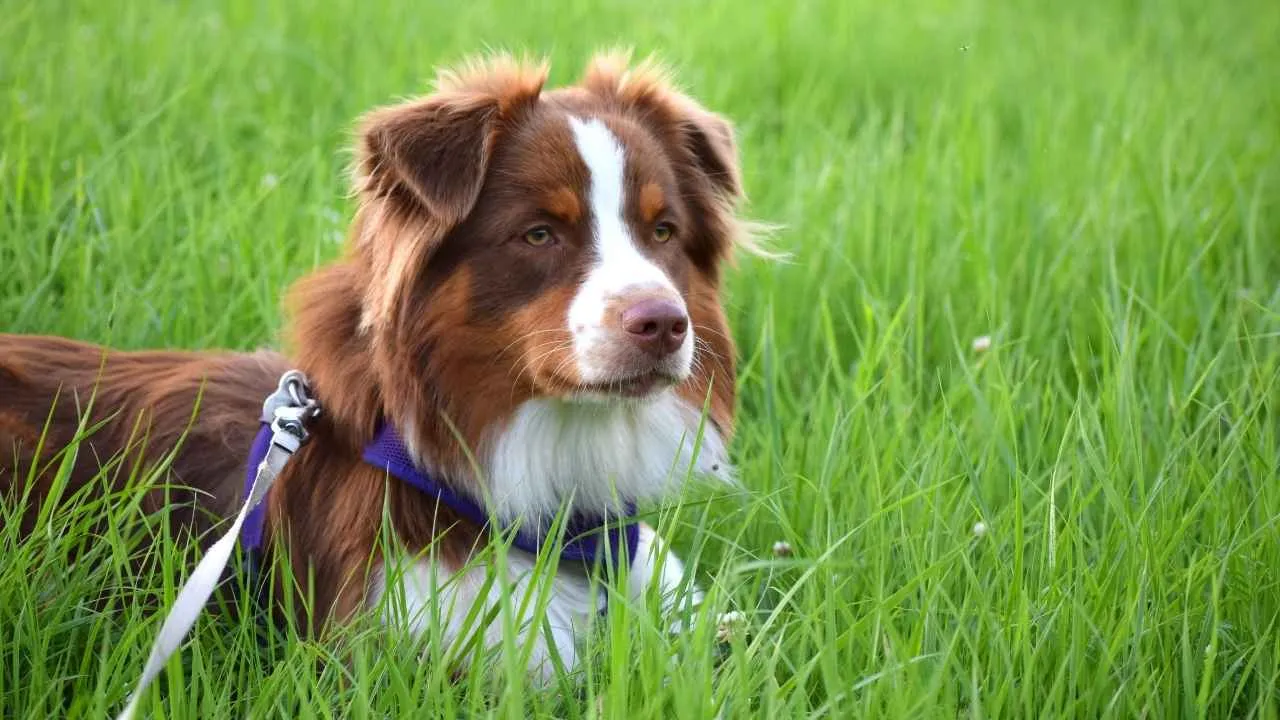
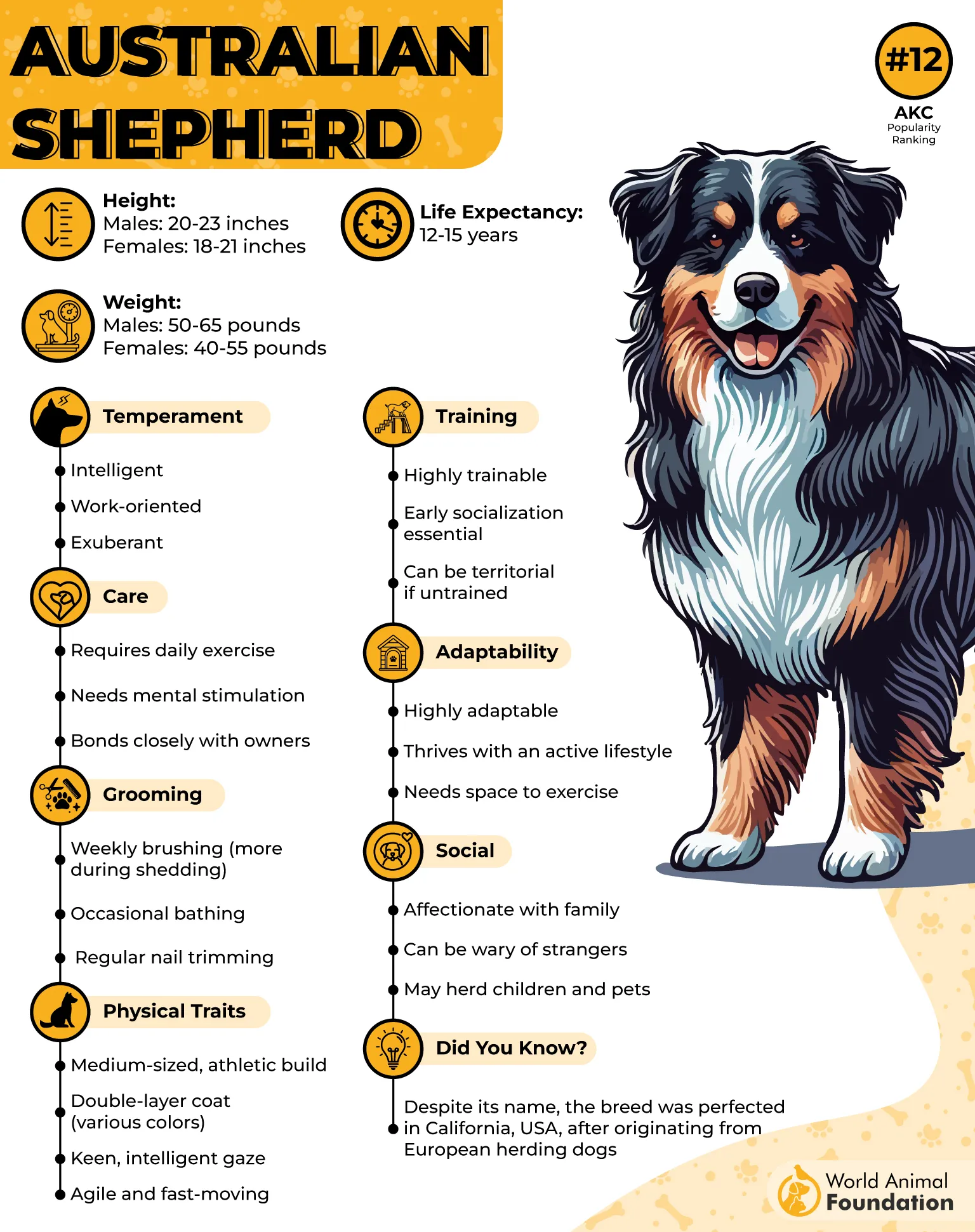
The Australian Shepherd is a highly intelligent working breed with a muscular, agile build and a natural herding instinct. Its strong desire to complete tasks comes from generations of active work, where focus, quick decisions, and cooperation were essential parts of daily life.
Energy With Direction
This herding dog enjoys having a job to do and often searches for activities that challenge both its body and mind. This breed’s sharp mind and athletic ability make activities like agility, field trials, herding exercises, and advanced obedience a natural fit, as Purina claims.
A few details shape their outdoor lifestyle:
Manage unruly range cattle and massive sheep flocks
Function flawlessly in tight quarters
Use a sharp, authoritative bark
Active Mindset
The Australian Shepherd needs regular activity and thoughtful attention to joint health throughout every stage of life. Hiking, running, fetch, and long walks can suit adult dogs well, while intense distance exercise should wait until growth is complete, around 12–16 months.
3. Labrador Retriever
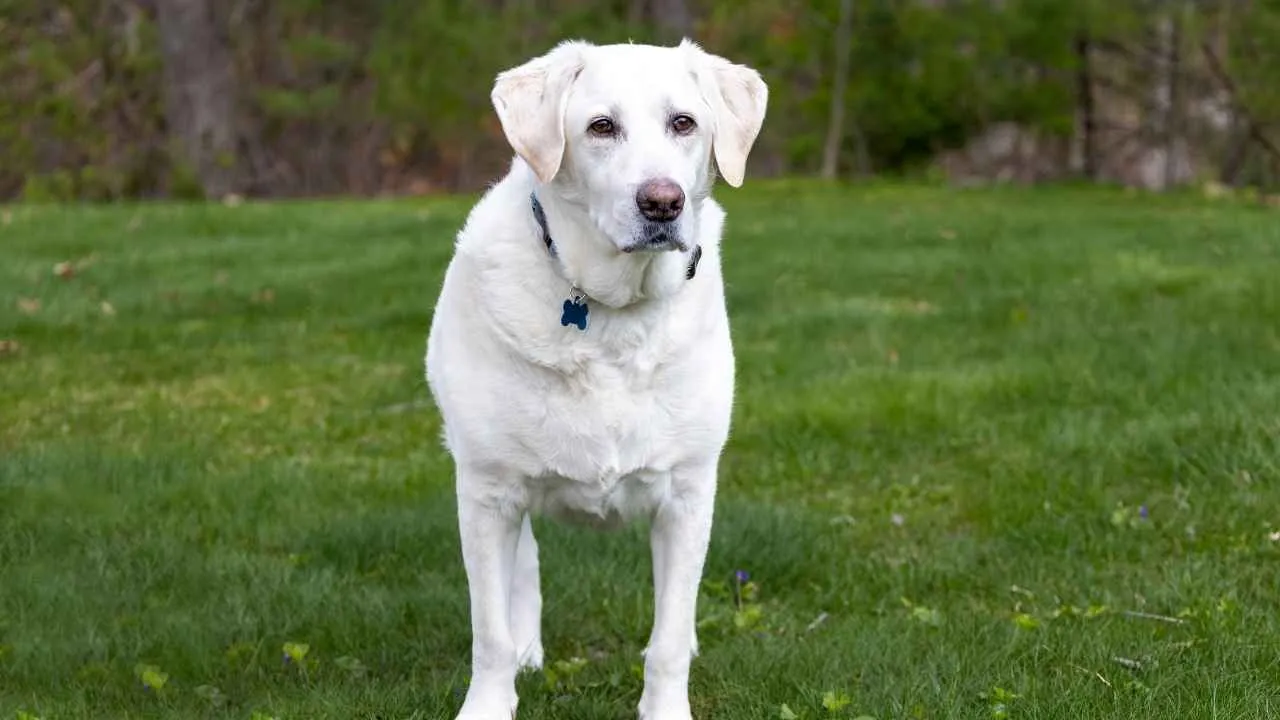
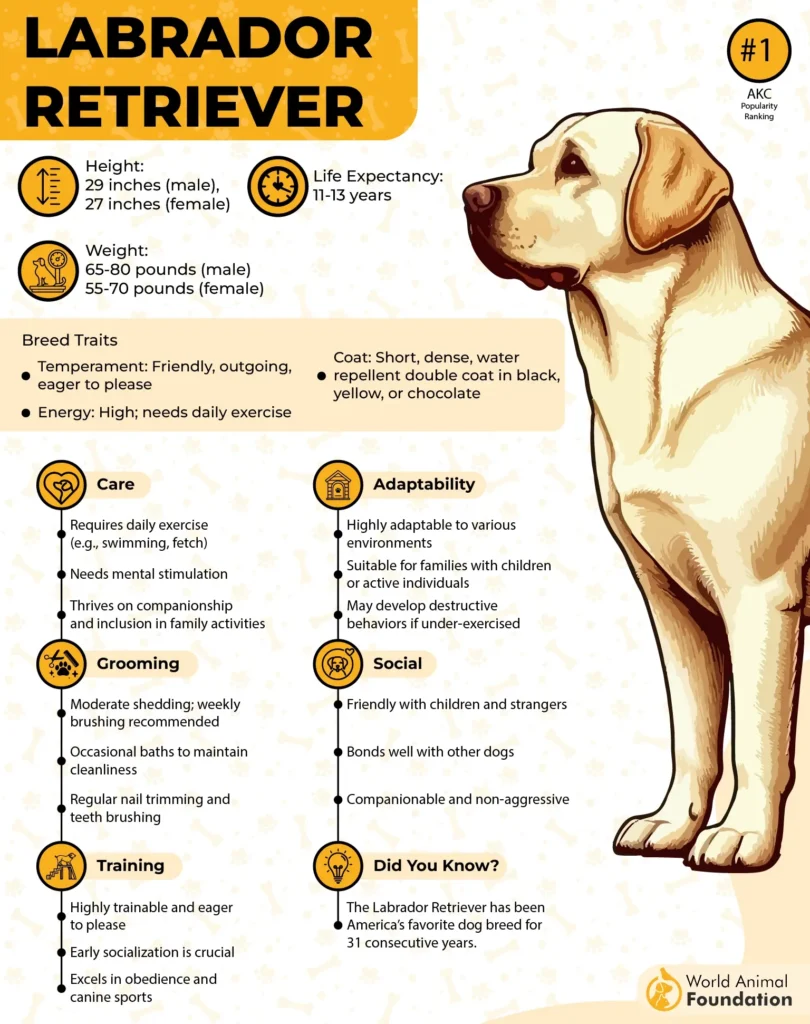
Before the Labrador Retriever found its place in homes across the United States, it spent years working on the water. In Newfoundland, these dependable dogs helped fishermen retrieve fish, assisted with everyday water chores, and even pulled boats across lakes whenever the job called for it.
Always Ready
Labs bring an energetic attitude to outdoor life and rarely pass up an opportunity for activity. Whether the day involves hiking trails, retrieving toys, or exploring new places, this breed prefers being part of the action, as WebMD claims.
Several details add another layer to the picture:
Enjoys dock diving
Excels in scent work
Performs well in tracking
Needs a Watchful Eye
Labrador Retriever puppies are especially curious about the world around them and may investigate objects with their mouths. Socks, shoes, furniture, and even items from the trash can attract attention, making early training and supervision particularly important.
4. Vizsla
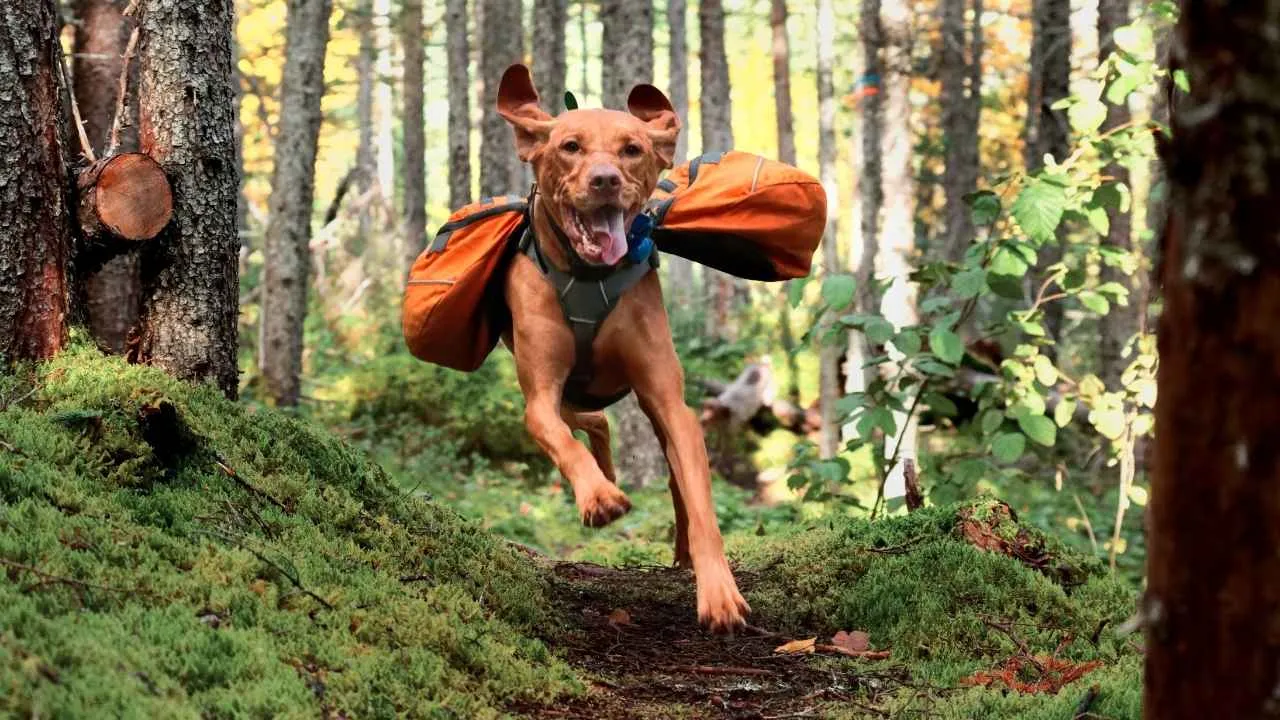
Vizslas were originally bred in Hungary to track, point, and retrieve game while working closely alongside hunters in the field for long stretches of the day.
Its slightly smaller frame helps it navigate thick undergrowth efficiently while covering ground with impressive speed, focus, and confidence.
Drawn to the Outdoors
Water is not a challenge for this breed, as swimming and retrieving come naturally to its working instincts. That enthusiasm for outdoor activity explains why a Vizsla fits best with people who enjoy an active lifestyle throughout the week.
A few details add another layer to the picture:
Also called Hungarian Pointer
Spread widely after World War II
Strong attachment to family members
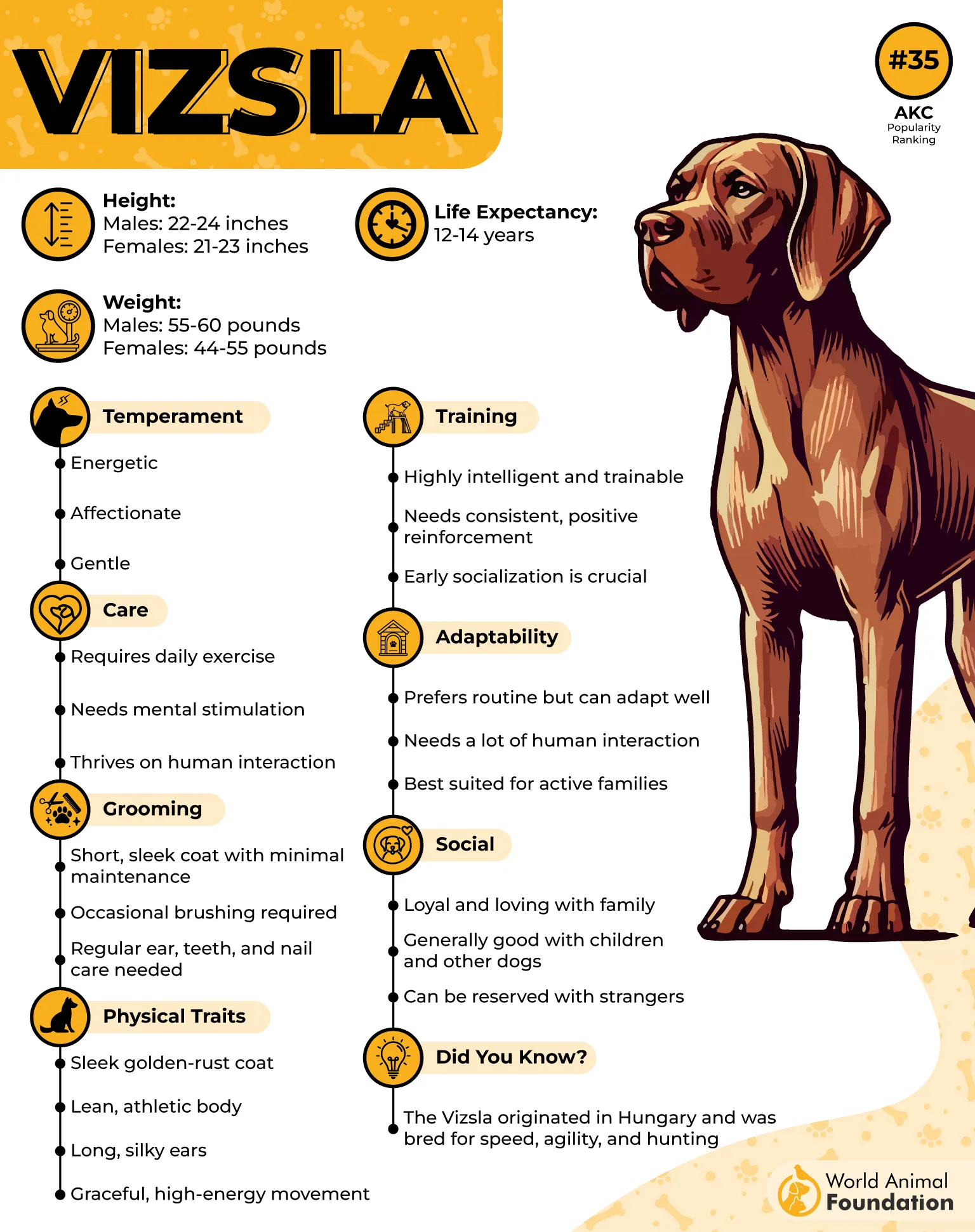
Built for Busy Days
This high-energy dog breed requires substantial weekly activity, with the experts recommending at least seven hours of exercise. Hiking trails, running routes, swimming sessions, and games such as Frisbee provide productive outlets for these sturdy dogs.
5. Weimaraner
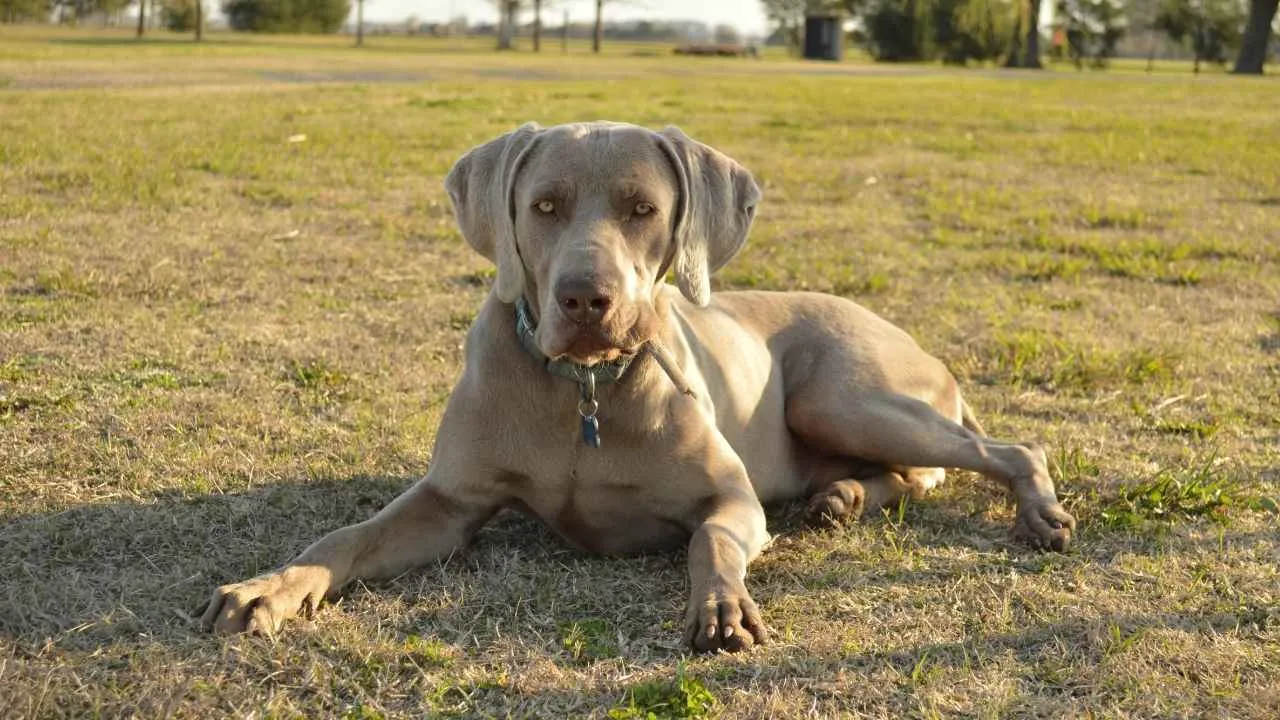
The Weimaraner gained recognition as an all-purpose hunting dog in Germany, where it was relied on to pursue everything from deer to bear. That wasn’t easy work, and it called for courage, exceptional endurance, and the ability to stay focused throughout long hours outside.
Always Looking Ahead
The Weimaraner learns quickly and responds well to patient, consistent guidance, often picking up new tasks faster than expected. Mental engagement matters just as much as physical activity because this breed prefers having a purpose throughout the day.
A few details help complete the picture:
Puppy-like behavior into adulthood
Enjoys close human interaction
Responds best to kind training
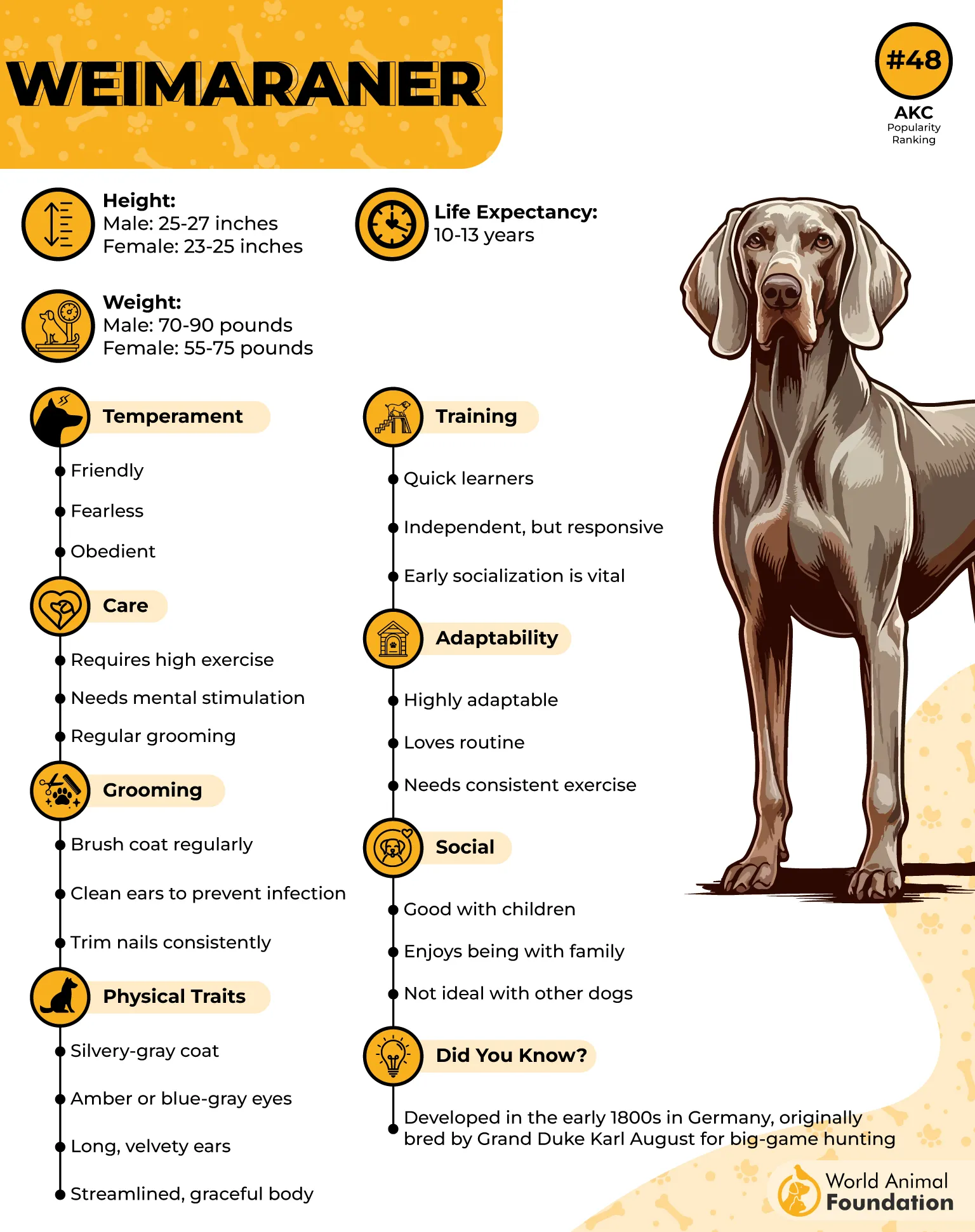
Constant Motion
They can spend hours on the trail without losing enthusiasm, which explains why wilderness-focused households often appreciate their stamina. Long periods indoors may lead to boredom, while too little activity can result in chewing, mischief, and other destructive habits.
6. German Shorthaired Pointer
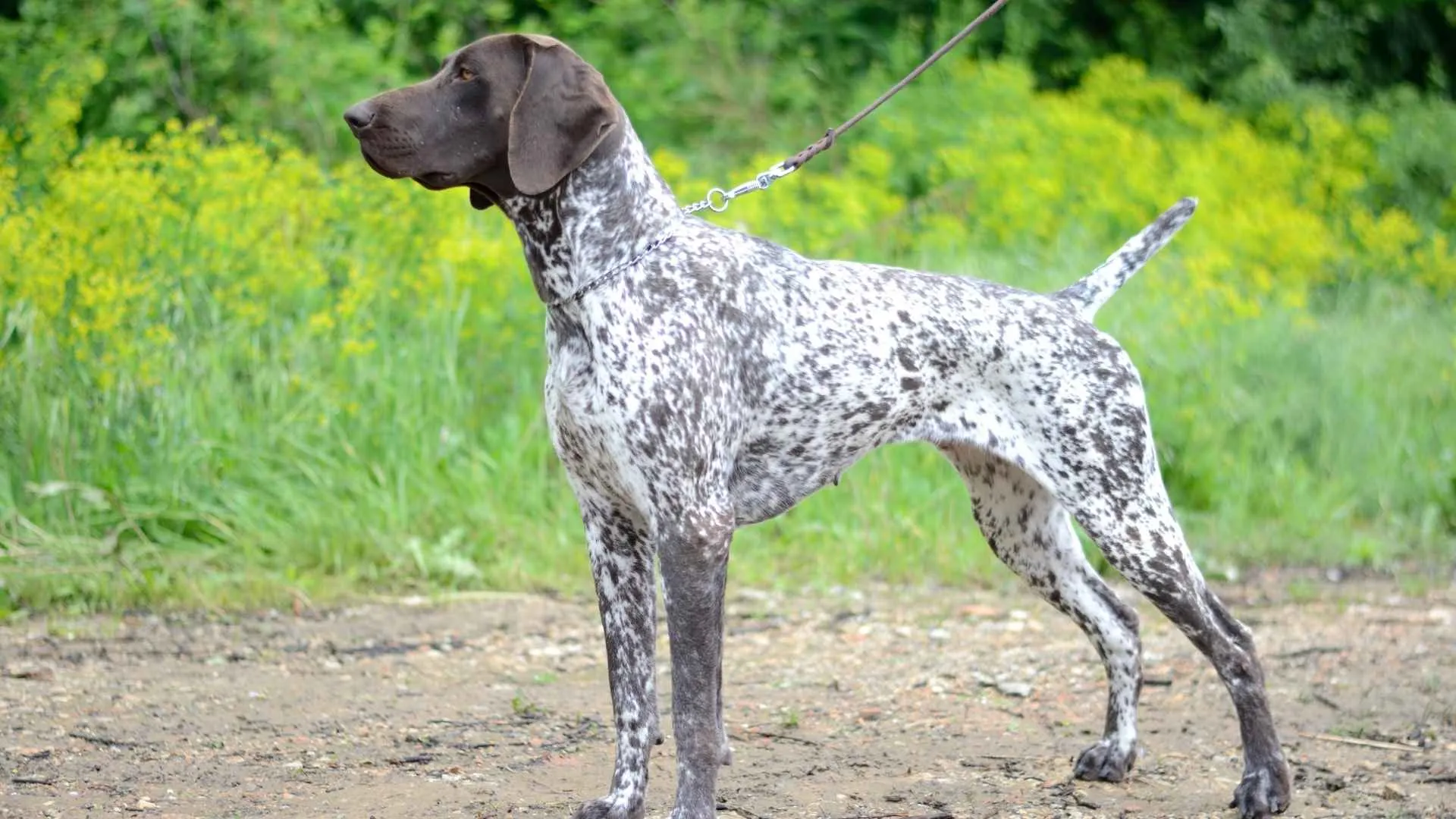
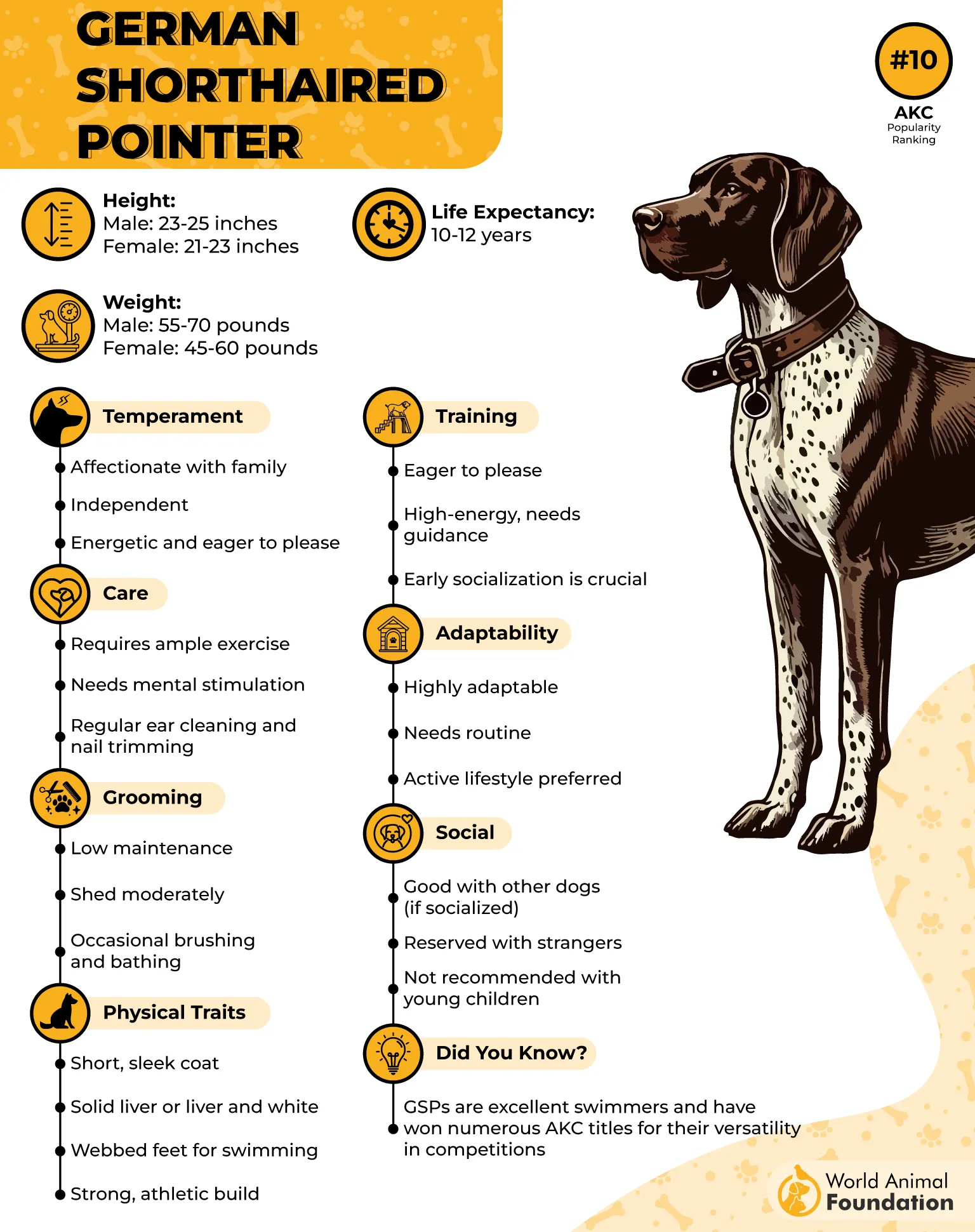
The German Shorthaired Pointer earned its reputation through remarkable speed and endurance, qualities that made it a trusted hunting companion across demanding terrain. Its ancestry includes several pointing breeds, contributing to the athletic ability that remains evident today.
Always Looking for the Next Task
German Shorthaired Pointer performs best when daily life includes plenty of activity and purpose. For a breed with such a strong working heritage, casual exercise alone rarely provides enough variety or engagement.
Here’s a glance at its temperament:
Strong hunting heritage
Deep-rooted loyalty
Adaptable family companion
Energy With Direction
The German Shorthaired Pointer does best with one to two hours of vigorous exercise each day to stay content, focused, and mentally stimulated. Running alongside its owner, navigating agility courses, and playing long rounds of fetch are excellent ways to direct that endless energy.
7. Alaskan Malamute
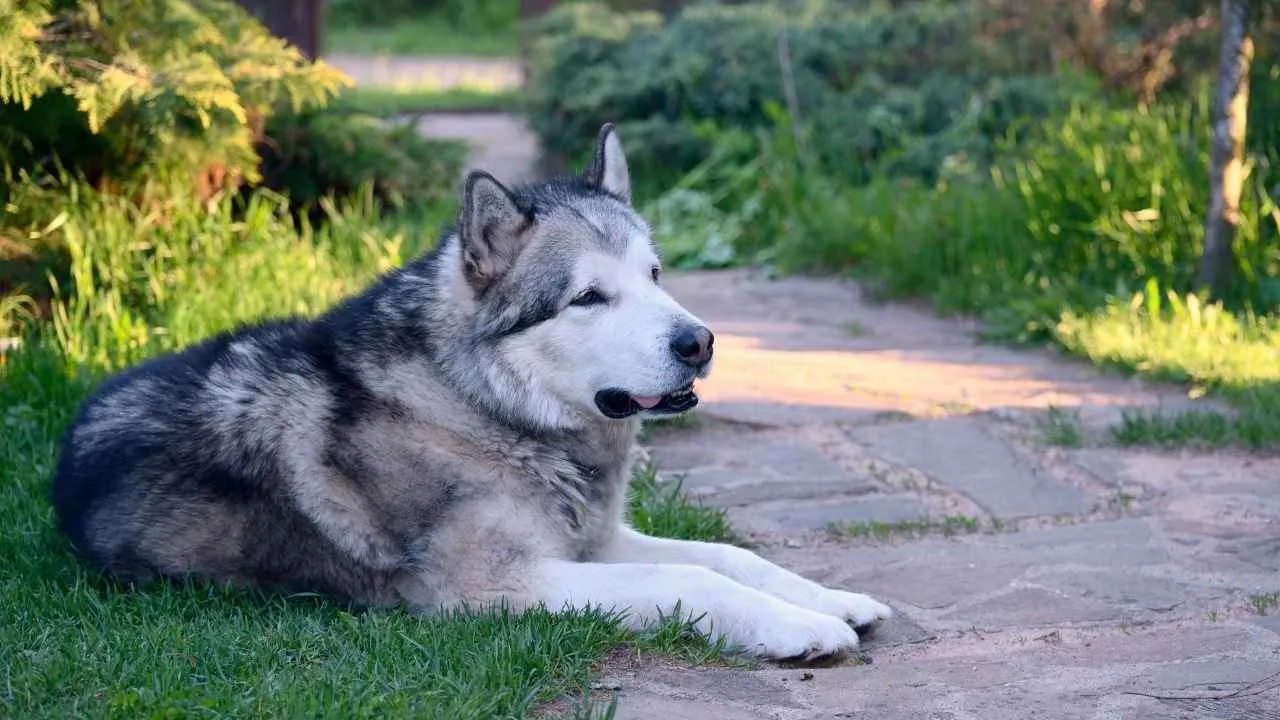
The Alaskan Malamute earned a reputation for tackling demanding work alongside the Mahlemut people of Alaska, where strength and dependability were essential. During the Klondike Gold Rush, these dogs gained additional recognition for hauling sleds across difficult terrain and harsh conditions.
Energy to Spare
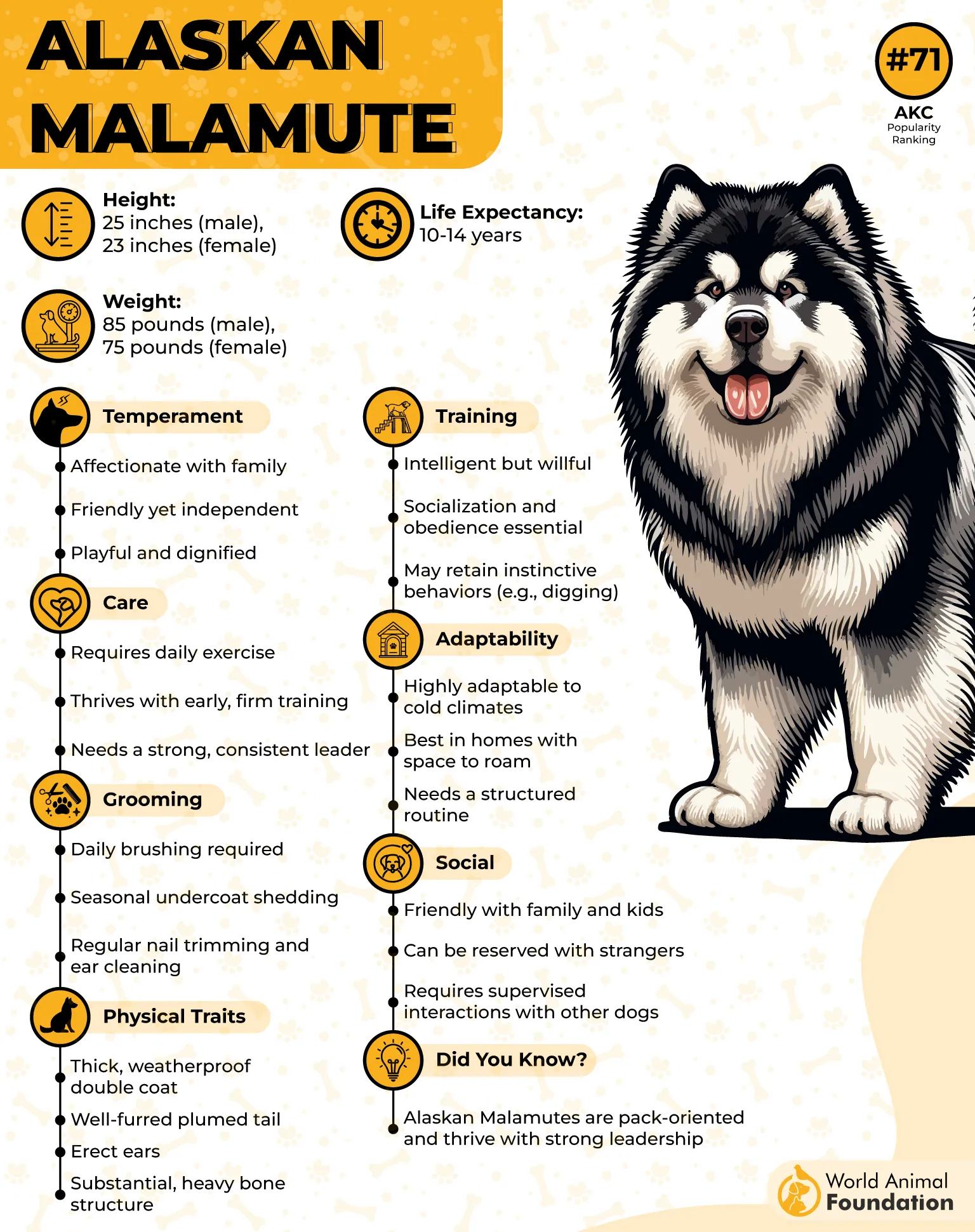
Generations of sled work left this breed with an enormous appetite for activity, which explains why daily exercise remains such an important part of life. Running, skijoring, and other physically demanding pursuits give this intelligent dog a productive outlet.
A few lesser-known details of this breed are here:
Popular during the 1896 Gold Rush
Skilled at skijoring activities
Often communicates with “awoos”
Clever and Curious
An Alaskan Malamute is quick to figure things out and often uses that intelligence in creative ways around the home. An unattended snack on the counter or an open path beyond the yard can easily attract the attention of this naturally inquisitive breed.
Conclusion
The appeal of wilderness living often comes from the freedom to explore beyond everyday routines. Having the right canine companion makes those experiences even more rewarding. Many of the best dog breeds for outdoor life become great hiking companions, and some even enjoy mountain biking alongside their owners.
Some rely on endurance, others on intelligence, while many combine both with a natural curiosity about the world around them. Their willingness to stay engaged through changing conditions is what sets them apart.
With proper training, even dogs with very high energy can become great companions and an important part of every outdoor adventure.
