




Some dogs guarded kings, flocks, and homes long before alarms existed.
If you love dogs with purpose, this blog is for you. Not “cute for the camera” purpose. Real work, real roots, real grit.
These rare guardian breeds were built for protecting farms, flocks, homes, and people. Some guarded mountain herds. Some watched the gates at night. Some even worked in wars.
And here’s the best part! They are not just tough. Many are also gentle with their own people.
Still, these are not “set it and forget it” dogs. They need training, space, and a steady human who means it.
Let’s meet the legends.
Historically Significant and Rare Dog Breeds Guardians
1. Leonberger
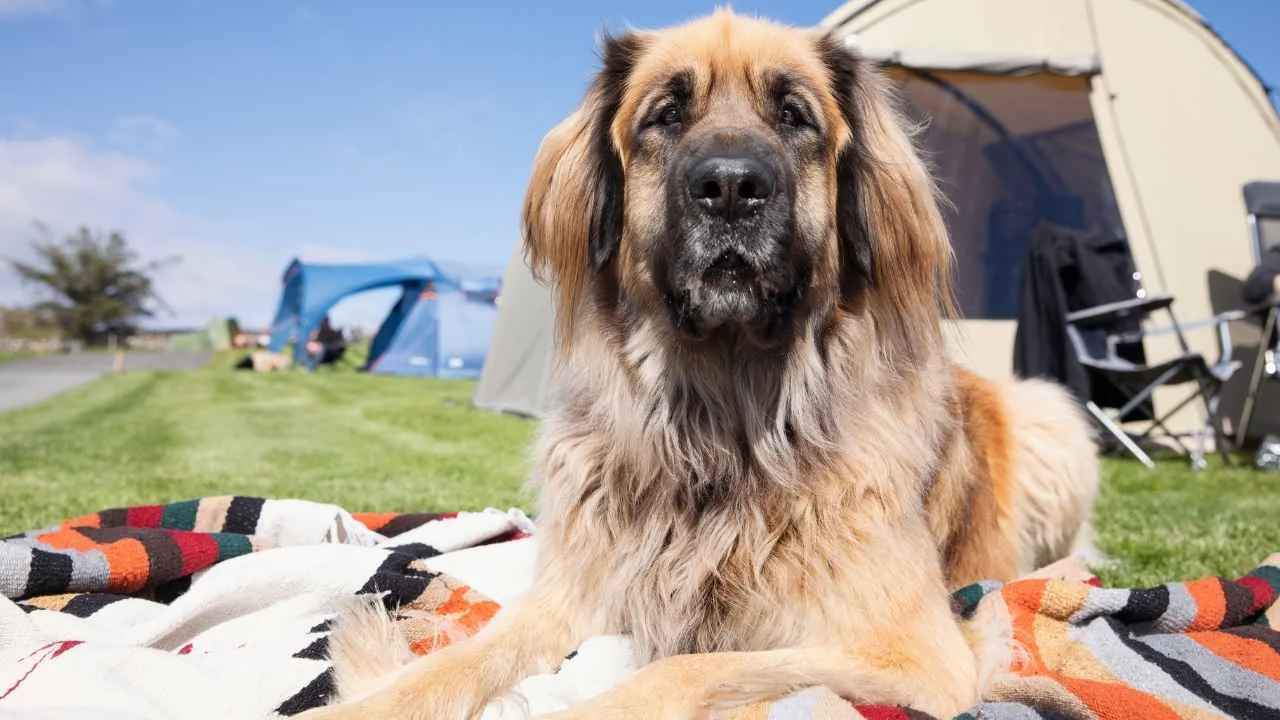
The Leonberger is a giant dog from Germany with a calm, family-first nature. It was intentionally developed in the 1800s in the town of Leonberg, with a look meant to echo the lion on the town crest.
Over time, the breed became popular with well-known European households, which helped spread its fame. But history hit hard. The breed nearly vanished during World War I and again around World War II, and it survived because dedicated breeders rebuilt it from a very small remaining group.
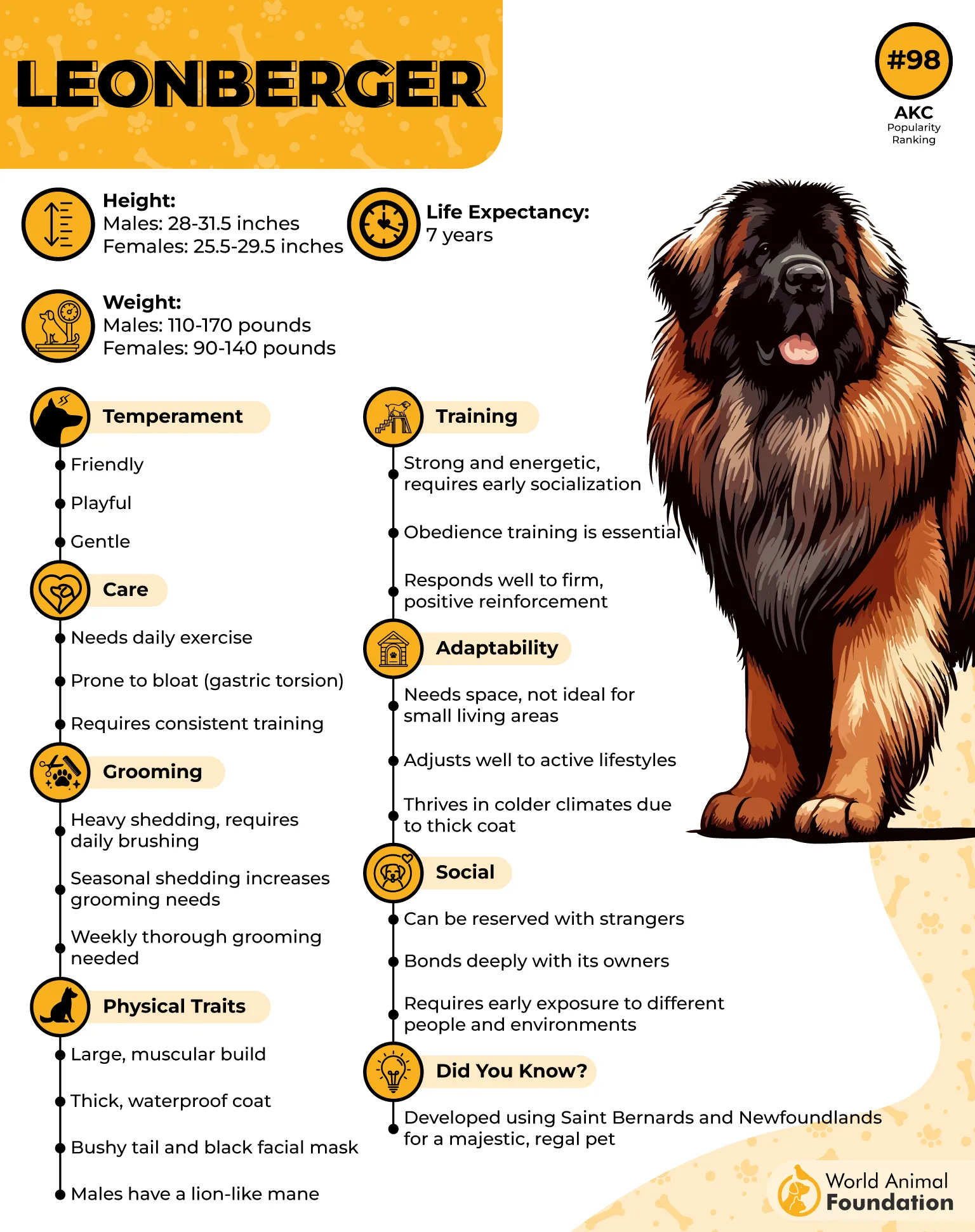
What makes the Leonberger special as a guardian is its balanced temperament. It’s often described as gentle and patient, but still watchful and aware of what’s happening around the home. That mix matters because a huge dog with poor judgment can become stressful to live with.
A well-raised Leonberger is more like a calm security guard who also wants to be part of family life, not stuck outside as “just a watchdog.”
Important note: a rare breed with a working past
Leonbergers were valued for draft work, including pulling carts, and sources also note their use in wartime hauling, like pulling ammunition carts, which contributed to their near-extinction.
Today, many still enjoy purposeful work, including activities linked to water rescue traditions in the breed’s modern story. If you love a dog that’s strong but not chaotic, this one can feel like a warm, steady presence. Sounds crazy, right? A giant dog that’s both powerful and peaceful.
Rare breed today, with small numbers in many regions
Calm guardian style, usually more “observe first” than “react fast”
Early training is a must because giant size changes everything
2. Komondor
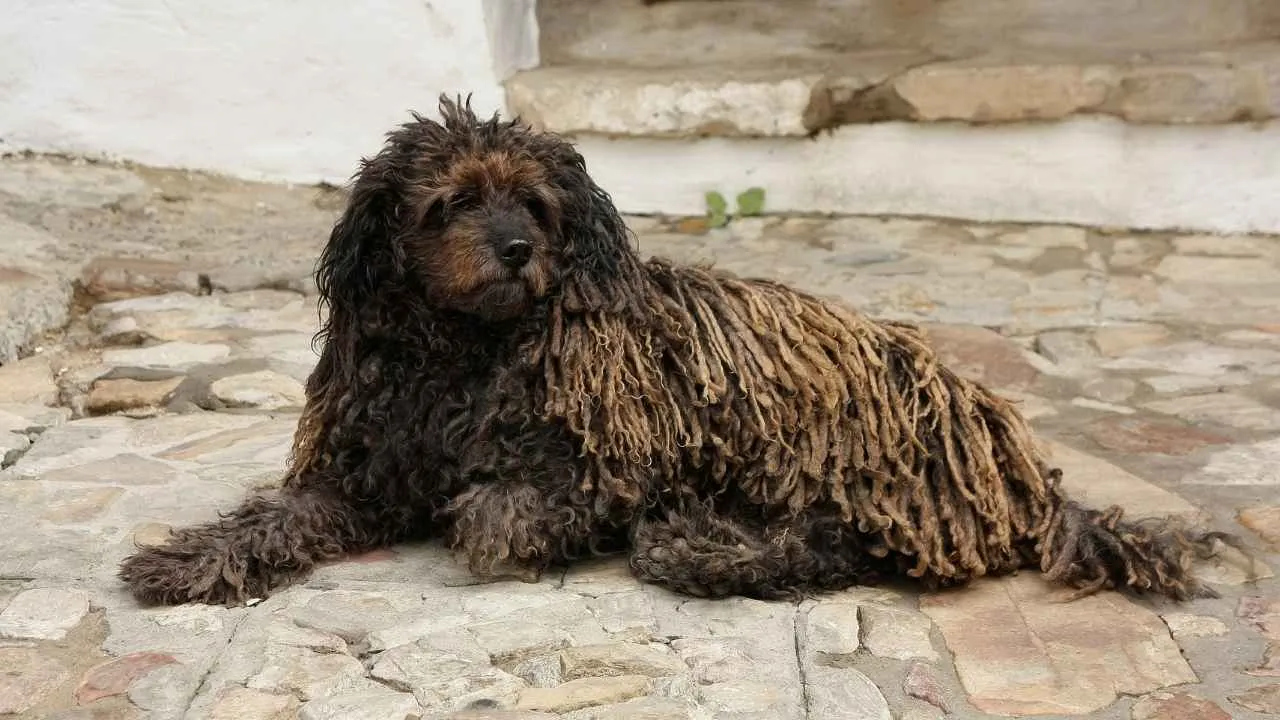
The Komondor is one of those breeds you never forget after seeing it once. It’s a large Hungarian flock guardian covered in famous white cords from head to tail. That coat is not just for show. It supported the dog’s traditional guarding work by helping it blend in with livestock and handle harsh outdoor life.
According to PetMD, the Komondor is widely described as independent and protective, which fits a breed shaped to make decisions while guarding animals in open country.
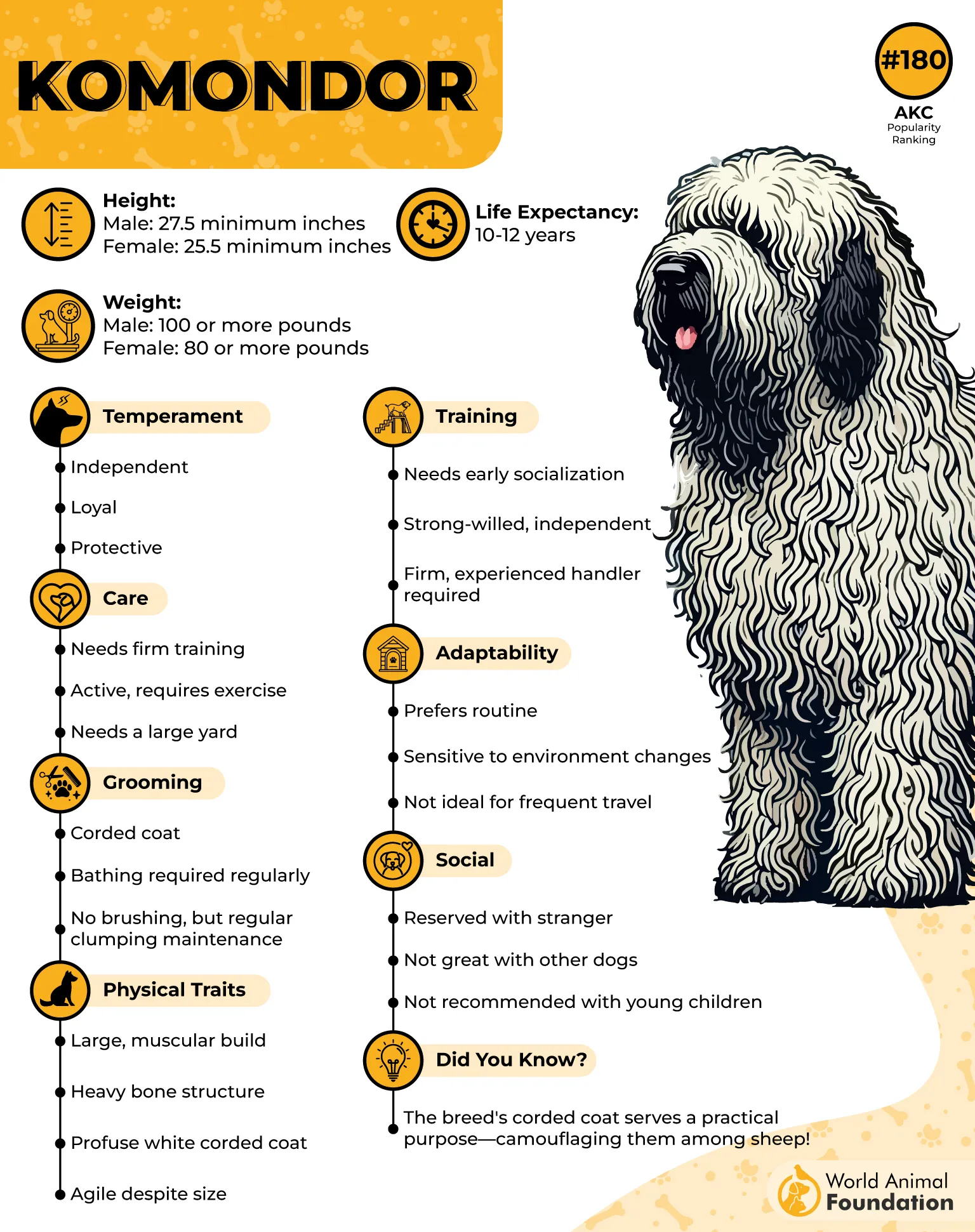
As a guardian, the Komondor has a very specific vibe. It tends to be devoted to its people, but it does not automatically welcome strangers. This is not the kind of dog that wants every visitor to pet it.
It is more likely to stand back, watch body language, and decide what it thinks. But wait, there’s more! That same “I’ll judge this myself” attitude can be amazing for the right owner, because it often comes with strong loyalty and serious protective instinct.
Important note: cords are a commitment
The corded coat needs regular care to stay healthy and clean. If you ignore it, it gets even worse, though, because mats can become painful and messy.
Also, this breed benefits from firm, experienced training because it was bred to guard, not to blindly follow every request. The best Komondor owners respect the dog’s working roots and still put clear rules in place early.
Strong livestock guardian instincts, not a casual “alert barker.”
Independent, protective temperament that needs confident handling
Coat care is real work, but it’s part of what makes the breed unique
3. Black Russian Terrier
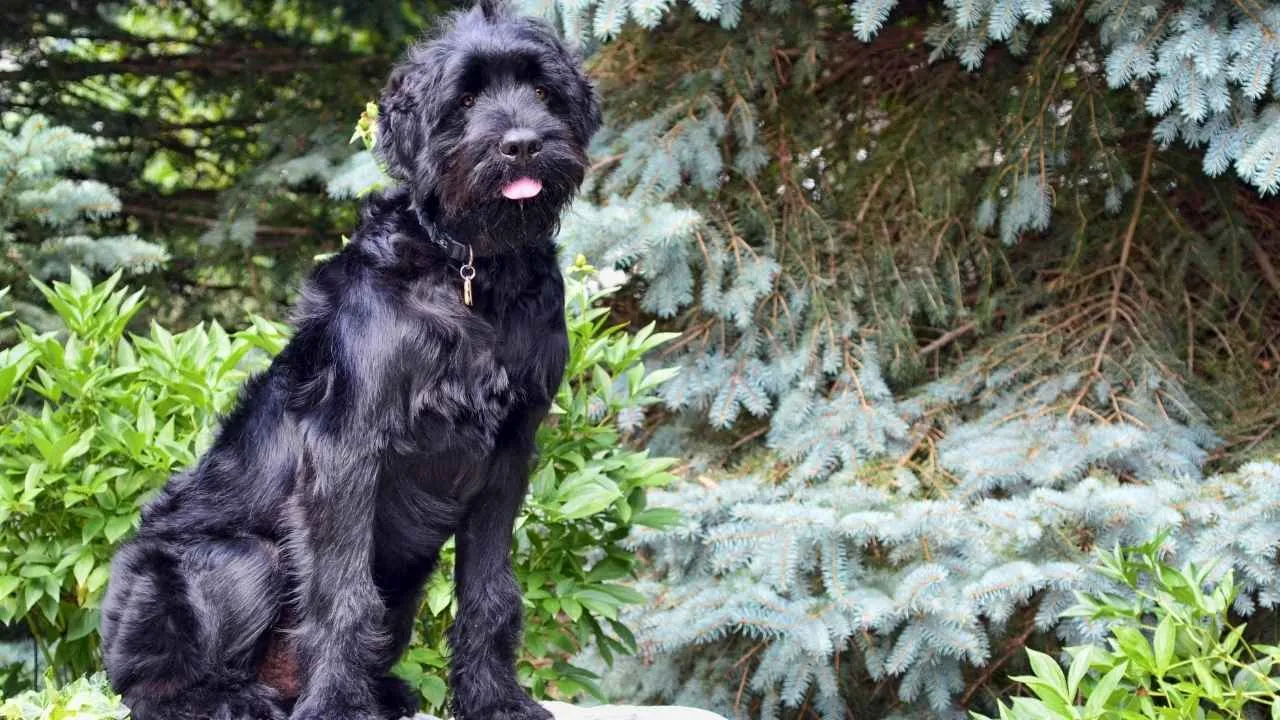
The Black Russian Terrier was developed for work, plain and simple. It was created in the Soviet era, with Red Star Kennel often mentioned as part of the breed’s origin story and development for special-duty roles.
This dog was built to handle tough conditions and serious jobs, not to be a decorative companion.
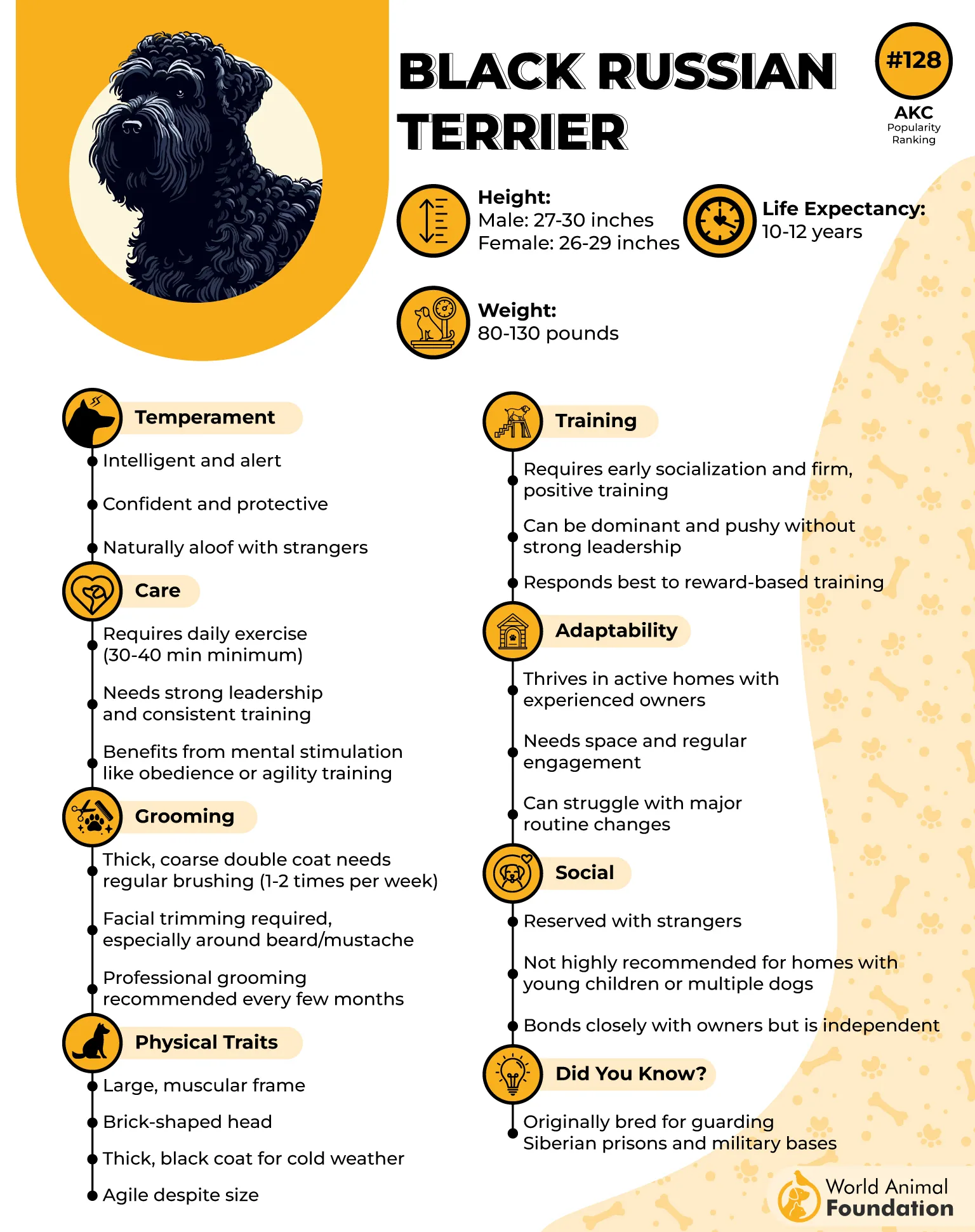
As a guardian, the Black Russian Terrier often feels like a professional. It usually bonds strongly with its family and stays more reserved with outsiders. That reserve can be a feature, not a flaw, if you want a dog that doesn’t treat every stranger like a best friend.
Here’s the good part: when training is consistent and fair, this breed can become a reliable home protector with a steady head, not a frantic, noisy dog who scares you as much as it scares the mail carrier.
Important note: powerful body, powerful mind
This breed is large, strong, and smart, so it needs structured training and early socialization. If you skip that, the dog may make its own rules, and that’s not a cute situation in a heavy-boned working dog.
But why bother with the extra effort? Because when a guardian breed respects you, everything gets easier: walks, visitors, routine, and trust.
Created for demanding work, with guarding as a core trait
Courageous and confident, often reserved with strangers
Best for owners who enjoy training and consistency
4. Estrela Mountain Dog
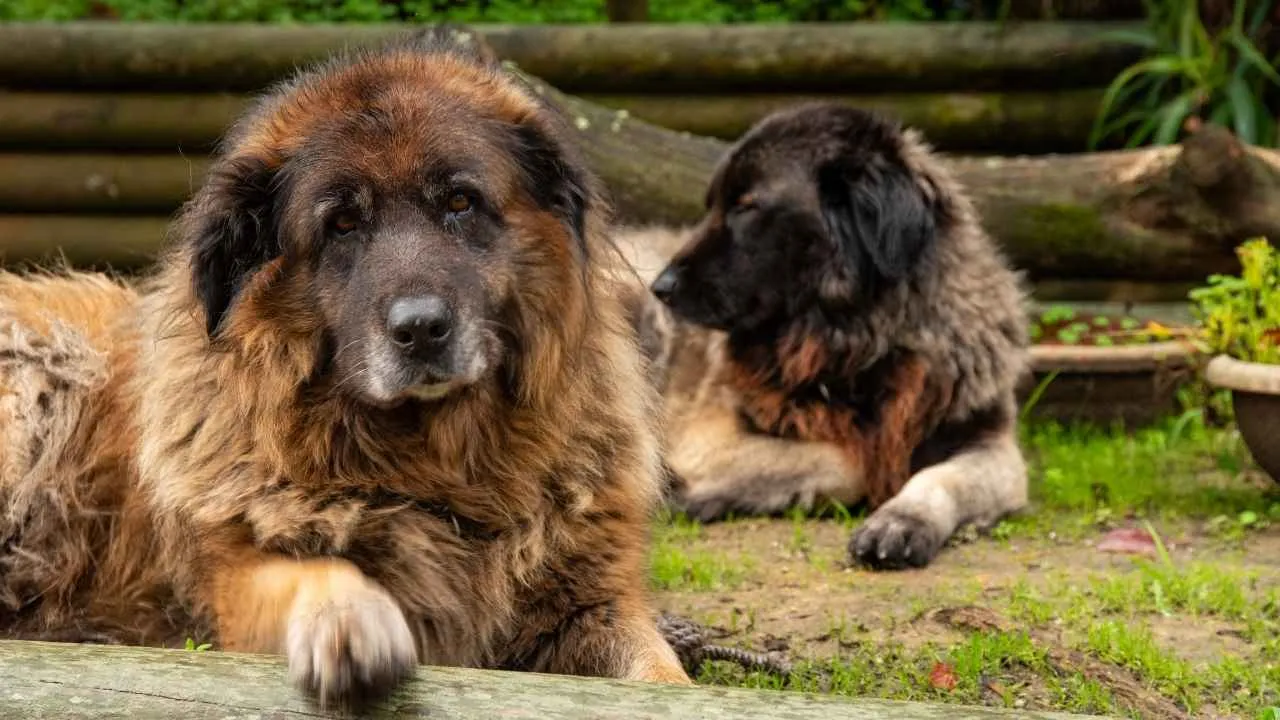
The Estrela Mountain Dog comes from Portugal’s Estrela Mountains and is deeply tied to livestock guarding. It’s often described as an excellent guardian and also a strong family dog, including being known for affection toward children in the right home.
That mix is part of what makes the Estrela so interesting. It can be protective and serious, yet still warm with its own people, which is exactly what many families hope for when they picture a true guardian.
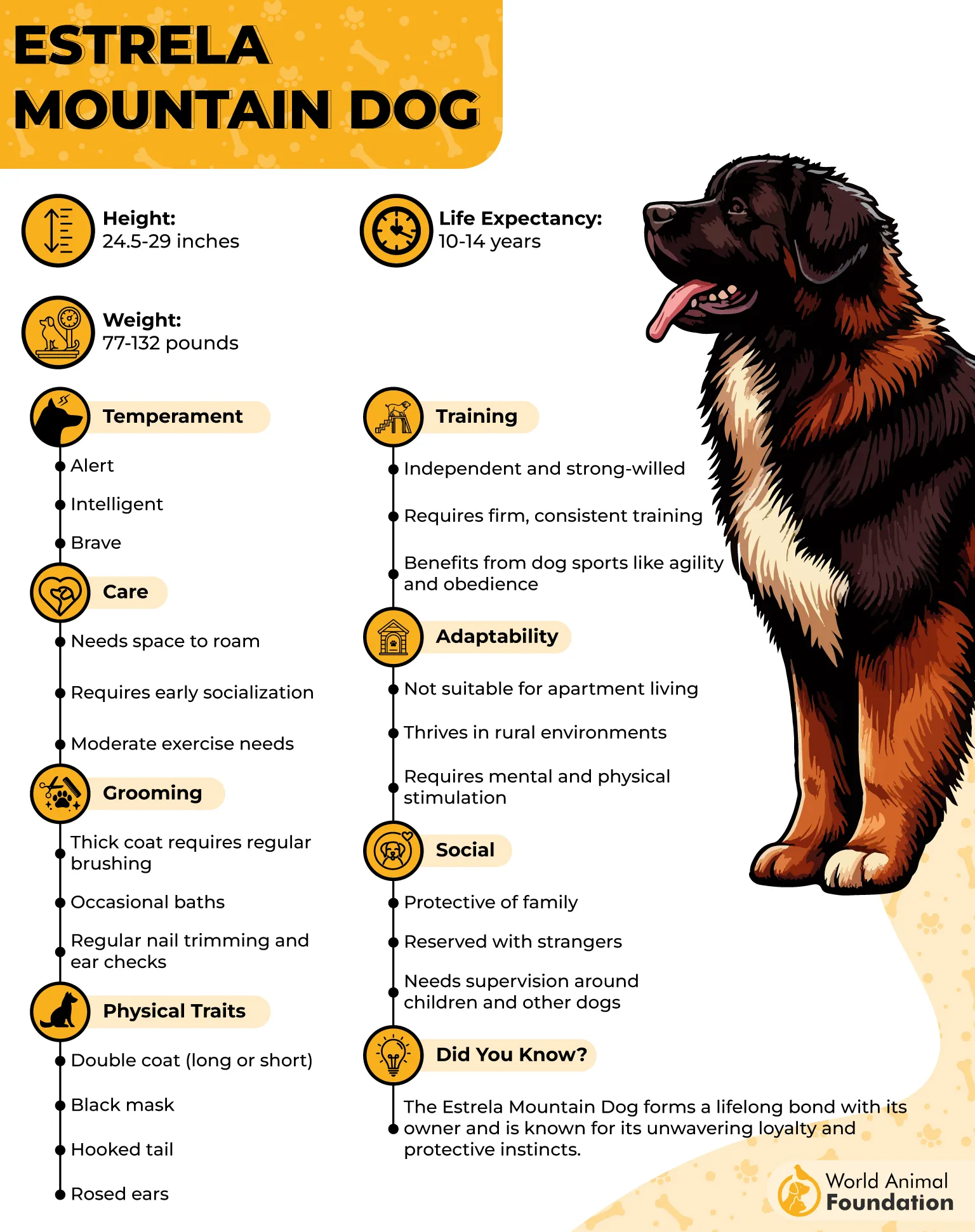
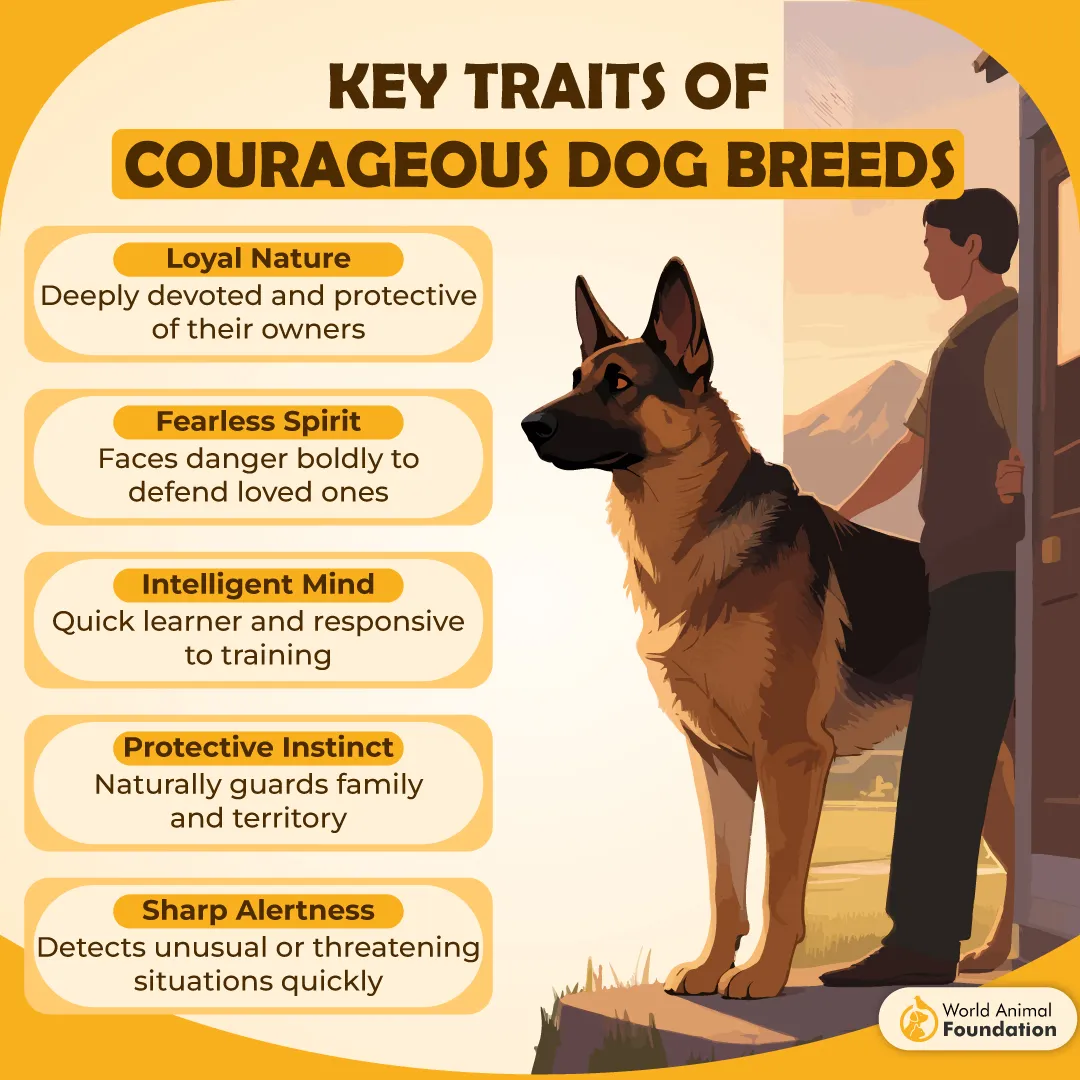
This breed often carries confidence as if it were born wearing it. That’s great, but it needs guidance. The socialization and training as a puppy are very important, so dominance doesn’t tip into aggression.
That line matters because the Estrela was bred to guard in challenging terrain, where hesitation could cost livestock. In a modern home, you still want that courage, but you also want good manners and calm decision-making.
Fun fact: built for mountain work
A thick tail hangs down and naturally forms a hook shape, and the dog should be evaluated as a capable working livestock guardian. That’s not just a fancy detail. It’s a reminder that this is a functional dog, not a couch ornament.
If you give an Estrela a job, a routine, and steady boundaries, you often get a confident protector who also loves being part of the family’s daily life.
Livestock guardian roots, with strong home-protection instincts
Puppy socialization is essential for a balanced temperament
Rare in many regions outside Portugal, so availability can be limited
5. Fila Brasileiro
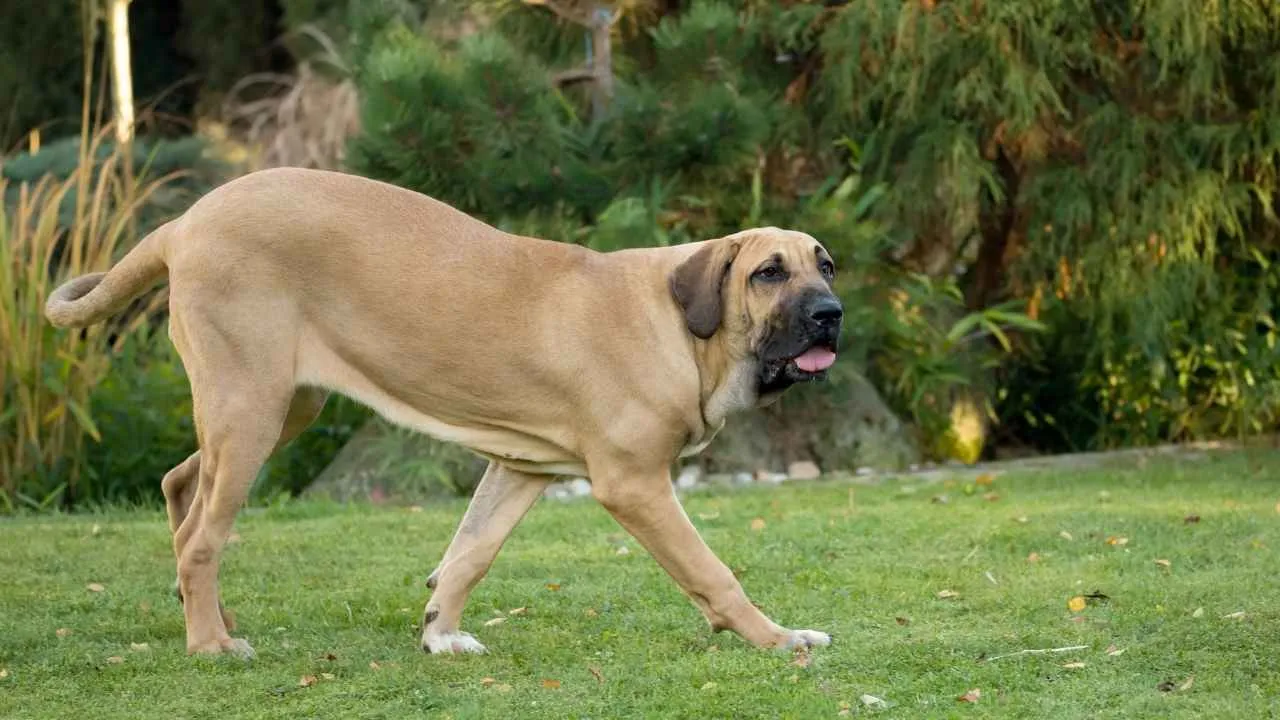
The Fila Brasileiro, also called the Brazilian Mastiff, is a rare and massive working dog developed in Brazil. They are intensely loyal, with a strong guarding and herding history, and are even used in hunting large prey.
It is not typically recommended for inexperienced owners or busy urban settings, because it thrives when it has space, structure, and a calm, controlled environment. This breed tends to bond deeply with its own people, and that bond is often described as the heart of the Fila’s personality.
Now for the part people often underestimate. The Fila’s traditional temperament includes strong distrust of strangers, and that’s not accidental. It comes from the job. A guardian dog that welcomes everyone isn’t much of a guardian.
But wait, there’s more! Continental Kennel Club mentions roles tied to darker chapters of Brazil’s past, including the use of returning escaped enslaved people during the period when slavery was legal. That’s heavy, but it’s part of the breed’s historical footprint, and it helps explain why the Fila is so intensely territorial and people-focused.
Important note: this breed needs serious responsibility
Some countries restrict or ban the breed, and even where it’s legal, it requires strong management. Early socialization and firm leadership are commonly emphasized in modern care descriptions because the dog’s guarding instinct is already “turned on” by default.
Here’s the good part: in the right hands, the same dog that looks intimidating can be a devoted, steady companion who treats your home like its life’s mission.
Rare, powerful guardian breed with a strong working history
Deep loyalty to family, typically wary of strangers
Best suited to experienced owners with space and strict boundaries
6. Tibetan Mastiff
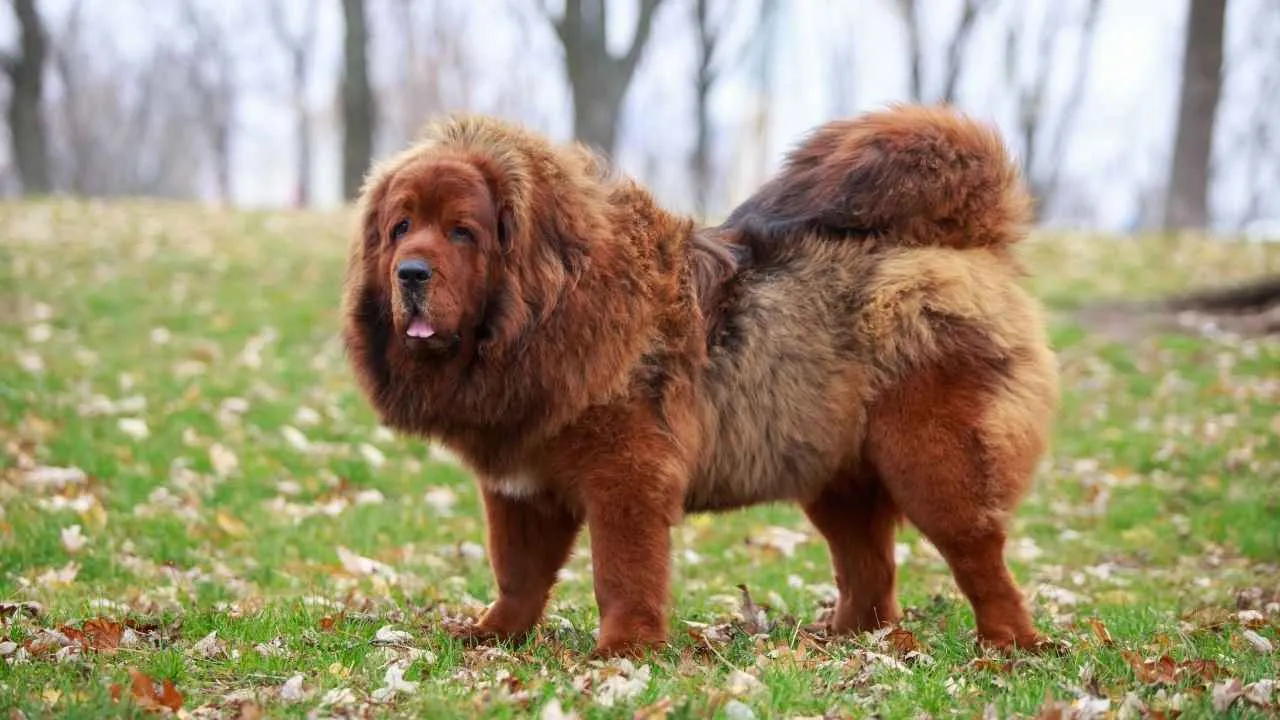
The Tibetan Mastiff is one of the most famous ancient guardian breeds, tied to the Himalayan region. It was bred to protect homesteads and livestock, often positioned near entrances to deter intruders.
That role shaped the temperament people still talk about today: independent, protective, and watchful, especially on its own territory. It’s rare in many places, and it still carries that “I don’t need your approval” confidence that comes from generations of guarding.
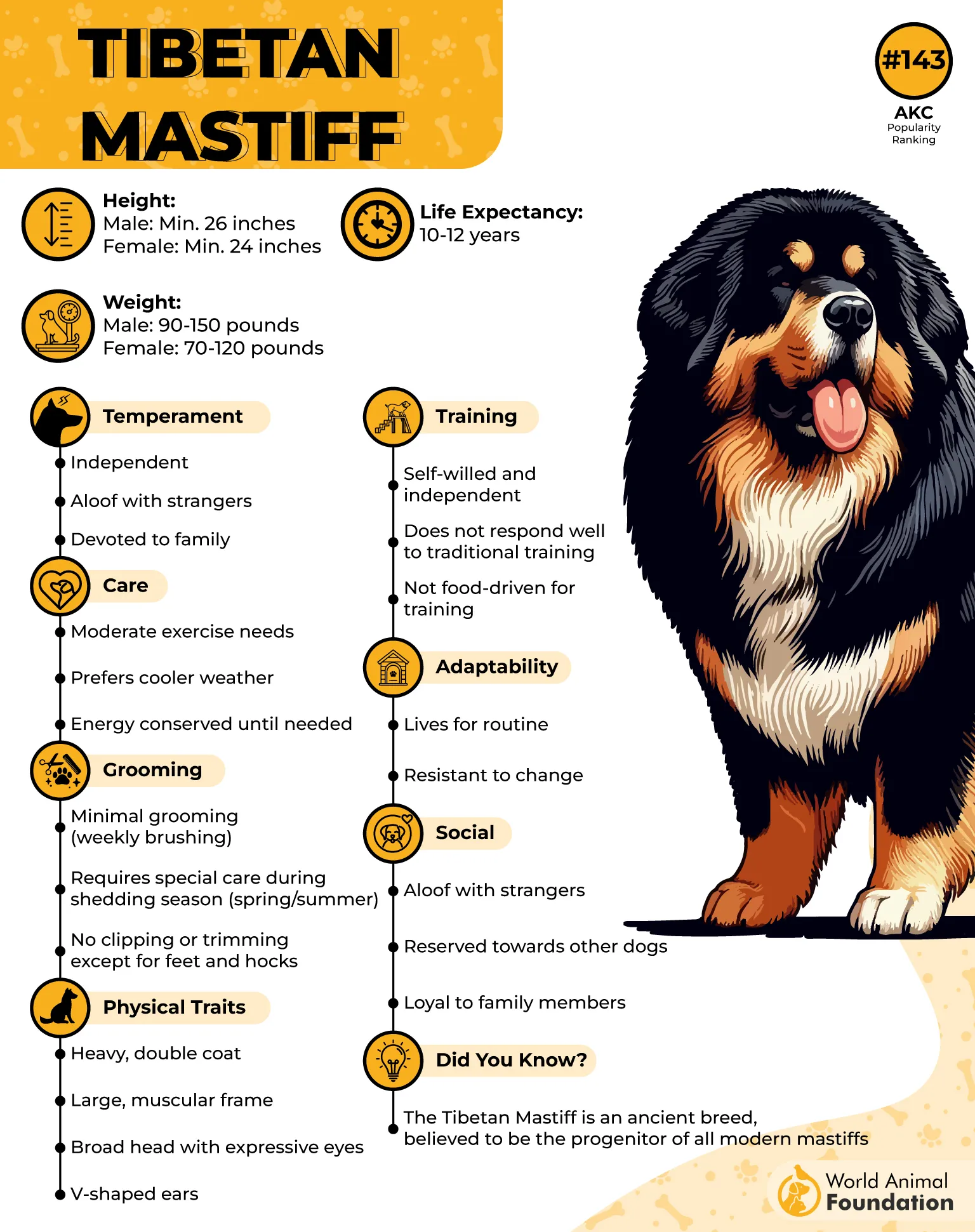
This breed’s guarding style is not the eager-to-please type. It can be loving with its family, but it tends to stay suspicious of strangers and can be territorial. Tibetan Mastiffs can be more active or alert at night, which lines up with old guarding routines.
Sounds crazy, right? A dog that’s calm all day and then suddenly acts like the night shift security team. But that’s exactly why owners need to understand what they’re bringing home.
Important note: ancient instincts need modern planning
These dogs need early socialization and consistent training because their default setting is “protect.” They also have a thick double coat and seasonal shedding patterns described in modern care profiles, so grooming and home cleanup are part of the deal.
But why bother with a breed like this? Because some people want a guardian that feels deeply rooted, like a quiet sentinel that takes the job seriously and bonds hard once trust is earned.
Ancient guardian role tied to homes and livestock protection
Strong-willed and independent, best for experienced owners
Known for territorial instincts and watchfulness, especially on property
7. Boerboel
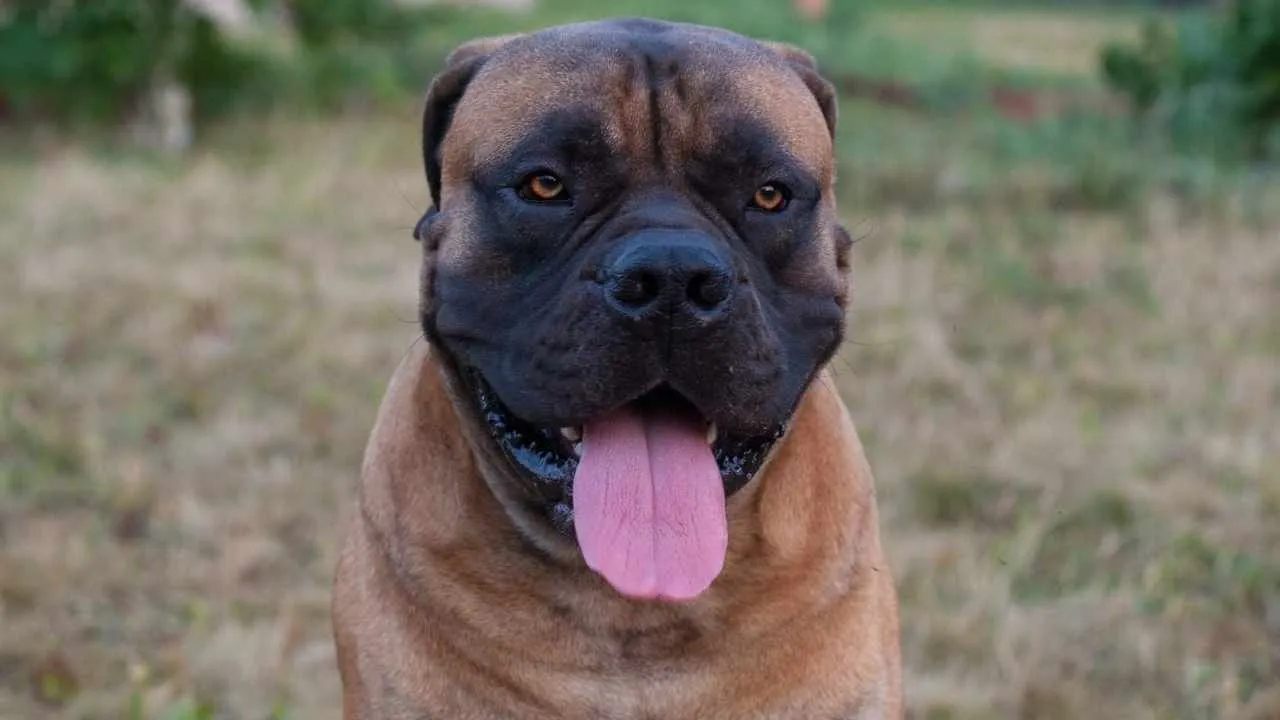
The Boerboel is a South African mastiff-type guardian known for protecting remote homesteads. The AKC describes it as intimidating but discerning, which is a perfect summary of what a good guardian should be. Not reckless. Not chaotic. Discerning.
This is a dog shaped by real-world protection needs, with a confident and dominant nature that requires a capable owner.
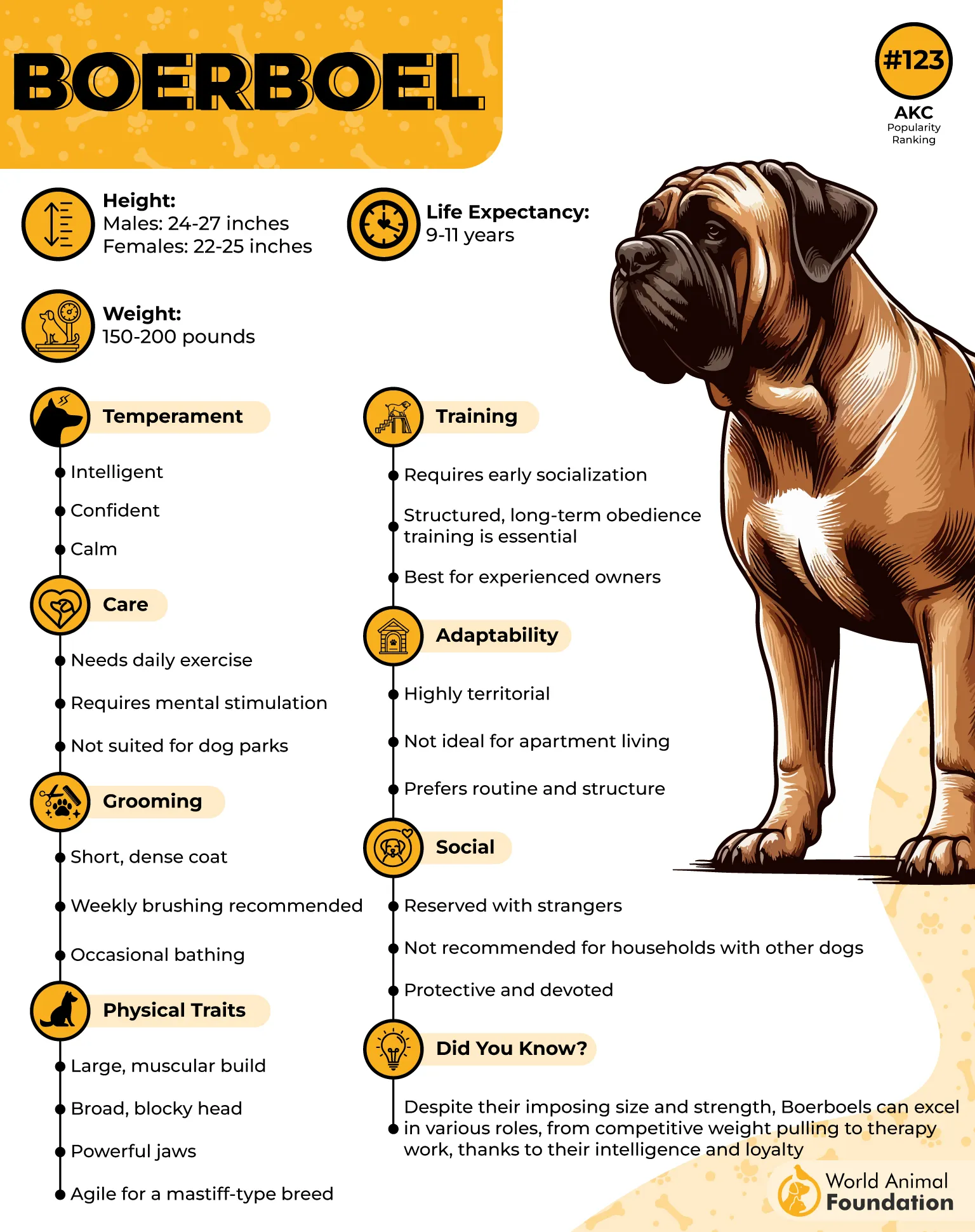
Historically, modern profiles often connect the breed to farm life and protection against serious threats, and some accounts describe development tied to settlers needing strong homestead dogs.
The Boerboel’s body tells the story: muscular build, heavy strength, and a presence that makes most people think twice. But wait, there’s more! Despite the tough look, good Boerboels are often described as devoted and affectionate with their own families, which is what makes them more than “just a guard dog.”
Important note: confidence needs structure
This breed is bright and eager to learn, but it still needs early socialization and steady training to keep protective instincts under control. Many people say it’s not ideal for novice owners, partly because dominance and size can become a problem without leadership.
Here’s the good part: when raised with clear rules, secure space, and consistent guidance, a Boerboel can feel like the ultimate home teammate, calm with family and serious when it matters.
Discerning guardian temperament, not usually friendly with every stranger
Needs early socialization and consistent training due to dominance
Best in homes with space, secure boundaries, and experienced handling
Conclusion
These guardians may come from an ancient breed line, but their hearts still beat for today’s dog owner. Many were shaped where the breed originated, from the Roman Empire to medieval England, from Hungarian breeds to New Hampshire, and even stories like a West African sighthound chasing gazelle across long distances.
Some are giant breeds with large bones and a thick double coat, yet they can be gentle giants and an affectionate dog at home. They stay even-tempered when life is calm, but can turn fiercely protective if they feel threatened by potential threats.
With the right dog, they become true loyal companions, not just pets, even around other animals and sometimes other dogs, if raised with care.
Whether your pup leans more hunting dog than homebody, or prefers being an only dog, you’ll still need regular exercise, mental stimulation, and physical stimulation, plus fun outlets like dog sports for athletic dogs that are fairly active and easily trainable.
Do that, and you get one of the best deals in dog life: protective dogs with big love for their people, a sweet, playful nature, and a calm confidence that makes them feel like home.
