




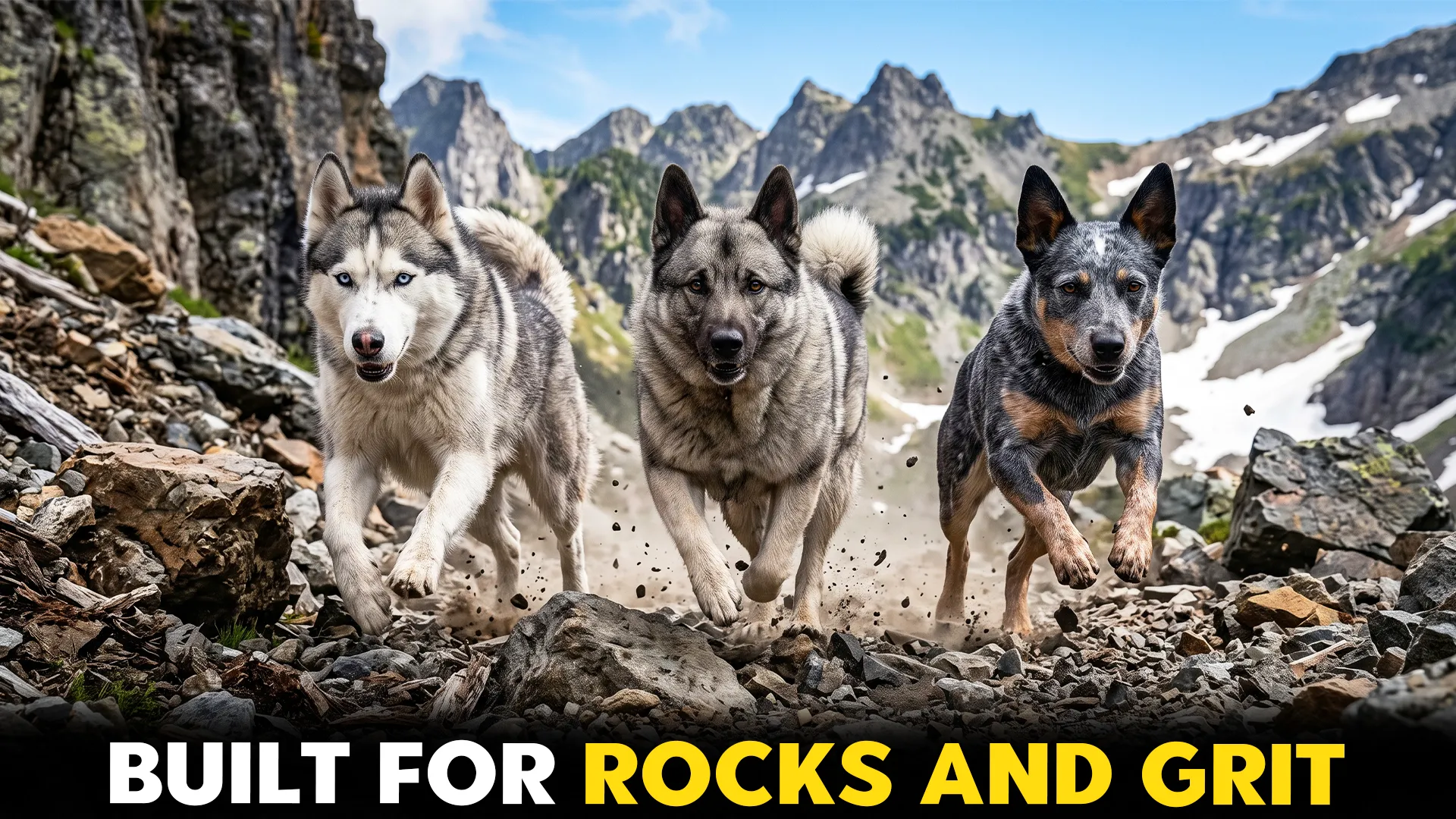
Many dogs enjoy spending time outdoors, but only a select few seem completely at home when the terrain becomes rough, uneven, and unpredictable. The difference is not always obvious at first glance.
Two dogs may appear equally capable during a short walk through the neighborhood, yet their performance can look entirely different once the trail turns steep, rocky, or muddy. Some breeds have the endurance, balance, intelligence, and resilience to keep going when conditions get tough.
They navigate obstacles with confidence, adapt quickly to changing environments, and maintain their energy long after others begin to tire. These traits were not developed by chance. They were shaped over generations of demanding work and exposure to difficult landscapes.
In the sections ahead, you’ll meet the remarkable dogs that continue to excel where rugged ground, harsh conditions, and long adventures become part of the journey.
Key Takeaways
A neighborhood walk tells you very little about what a dog can really do once the trail turns rocky, muddy, or steep.
The Siberian Husky could travel incredible distances across frozen landscapes, while the German Shorthaired Pointer was trusted to tackle both land and water without slowing down.
Add the powerful Alaskan Malamute and the fearless Norwegian Elkhound to the mix, and you have dogs whose abilities were shaped by some of the world’s harshest environments.
Their stories are every bit as fascinating as the adventures they’re still built for today.
Highly Resilient Dog Breeds Perfect for Rough Terrain
1. Siberian Husky
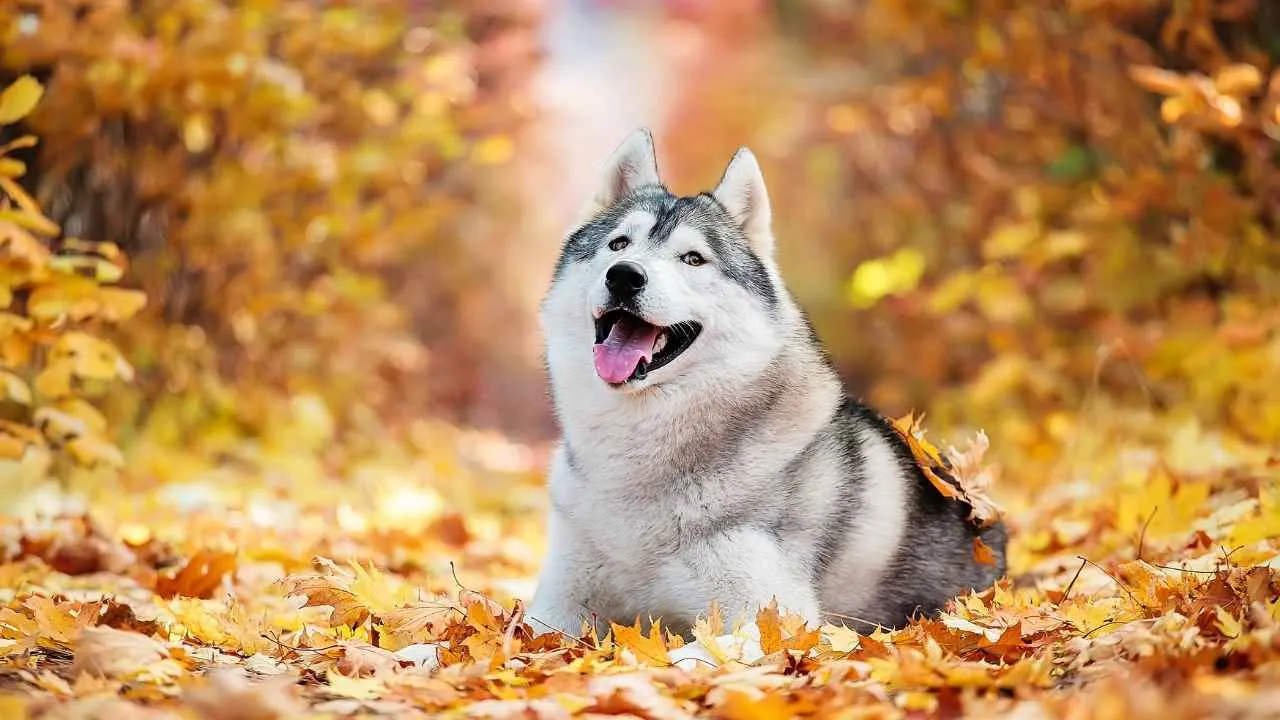
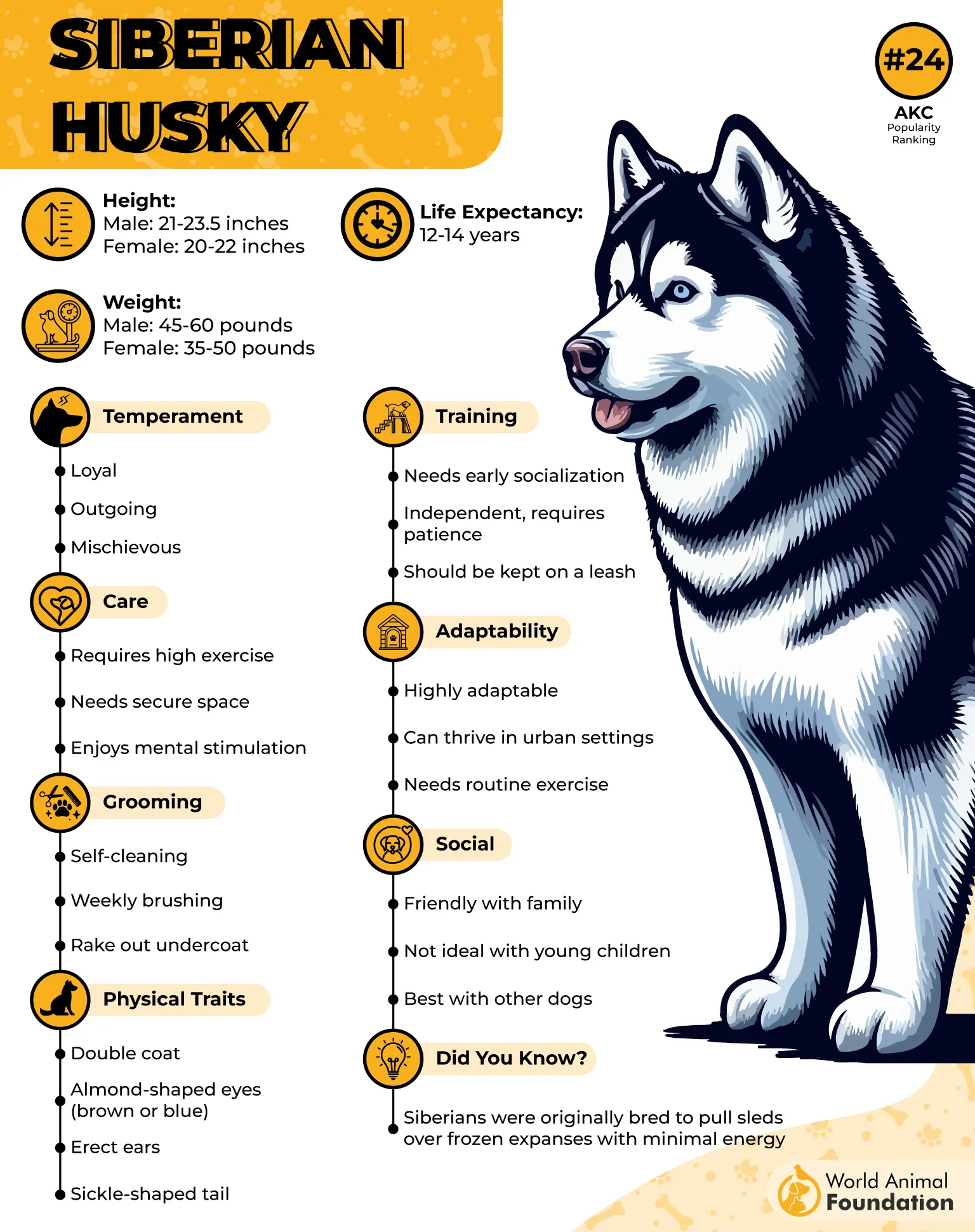
Siberian Huskies pulled light loads across vast frozen landscapes for generations, where lasting stamina and steady movement mattered far more than sheer size. Its compact frame, thick coat, and effortless stride helped it travel mile after mile without wasting energy, even in harsh winter conditions.
Pack Mentality
They enjoy company and naturally fit into family life because of their long association with group work. That social nature often extends to other dogs, making this breed comfortable in households with multiple canine companions.
A few details reveal more about the breed:
Well-known for their stamina and cold-tolerance
Can run for long distances
Known for being playful, social, and emotionally resilient,
Always Looking Ahead
Siberian Huskies look for opportunities to run whenever possible, which is why secure fencing, a leash, or a harness plays such an important role in daily life, as per the AKC. Activities such as agility, rally, obedience, and regular outings provide productive ways to channel that constant drive forward.
2. Australian Cattle Dog
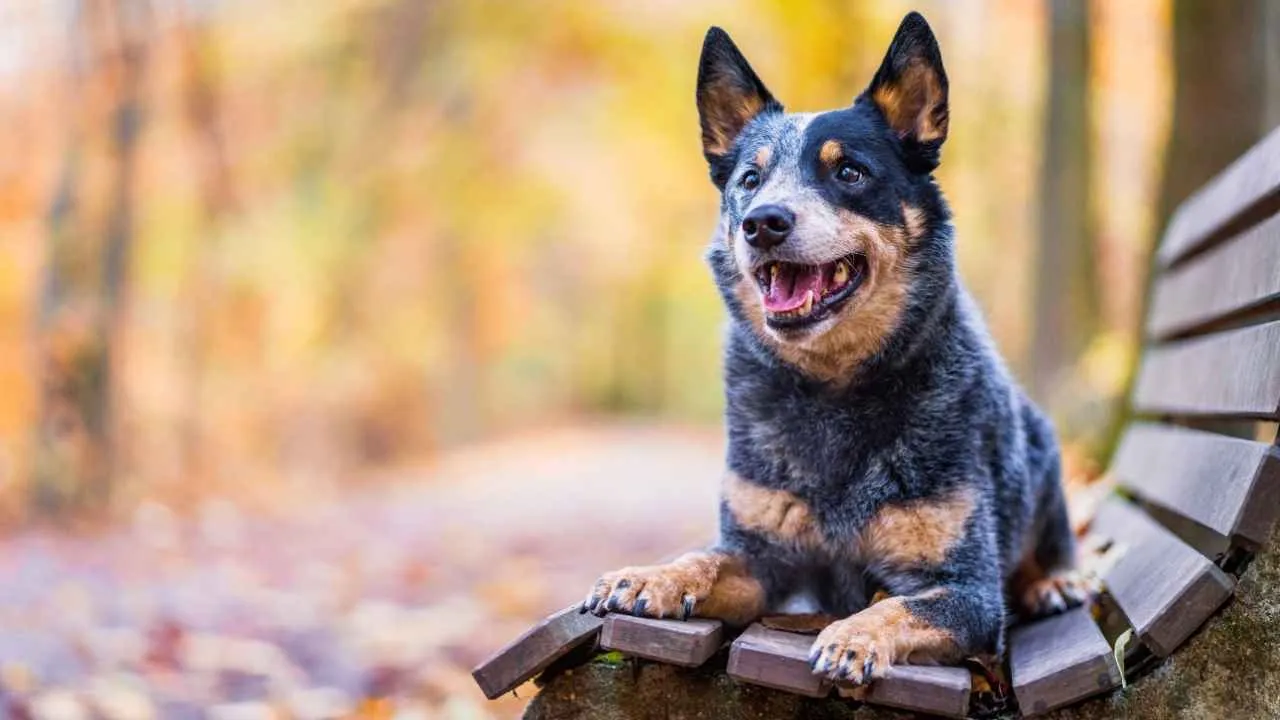
Australian Cattle Dog shares ancestry with Australia’s wild Dingo, a detail that often surprises people encountering the breed for the first time. Beneath its compact frame sits a hard-muscled build that was shaped for long days spent working livestock across demanding country.
Made for Herding
Managing livestock played a major role in shaping the ACD, requiring quick reactions and confidence around large animals, as PetMD notes. That responsibility also helped shape the breed’s reputation for determination and a strong work ethic from an early age.
A few details reveal even more about this breed:
Also called Blue or Red Heeler
Ideal choice for different dog sports
Born with a white puppy coat
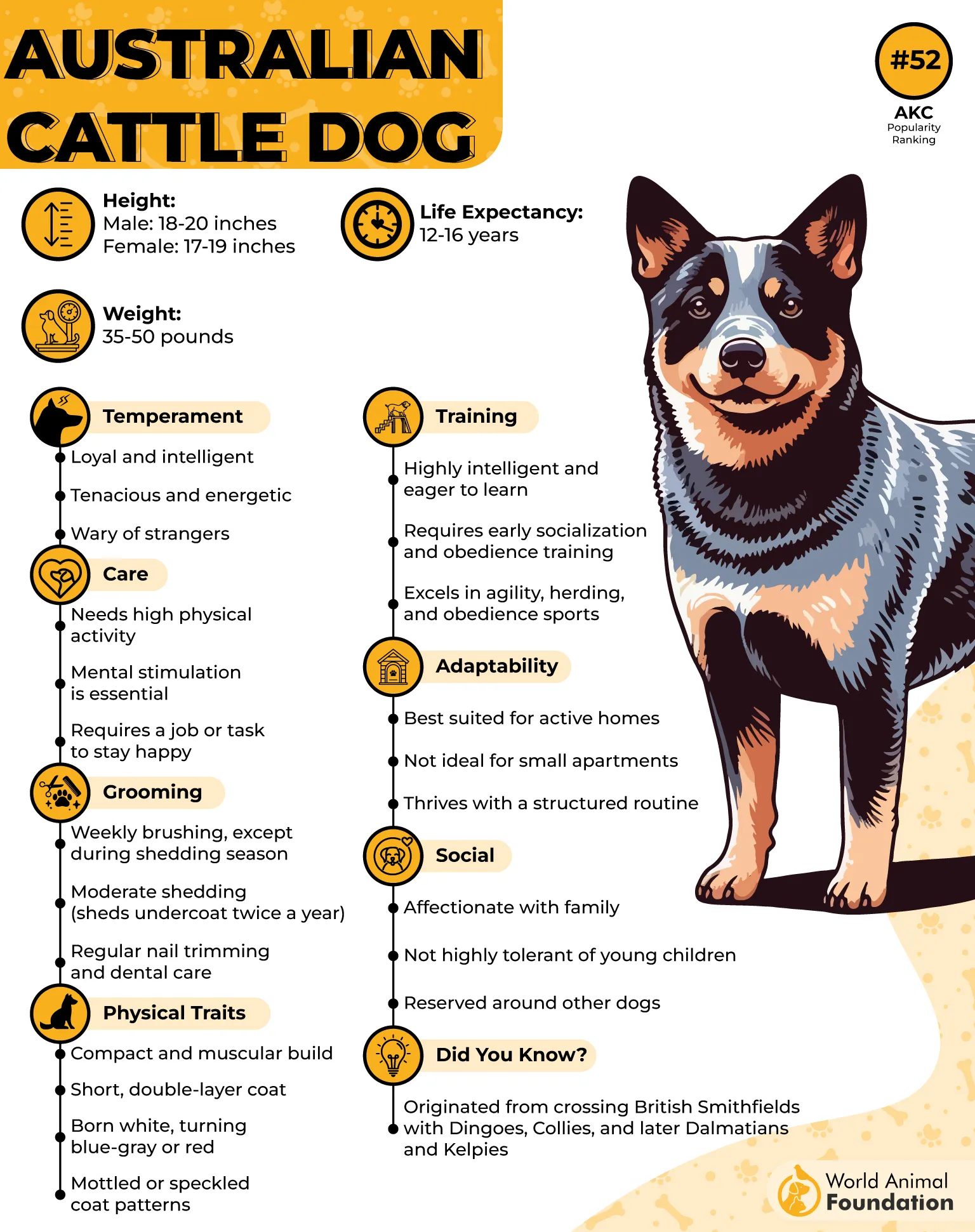
Sharp and Determined
Australian Cattle Dogs have a reputation for outsmarting the people around them and often approach challenges with surprising persistence. That combination of intelligence, loyalty, and alertness explains why this breed prefers to have a purpose rather than to pass the day without direction.
3. Weimaraner
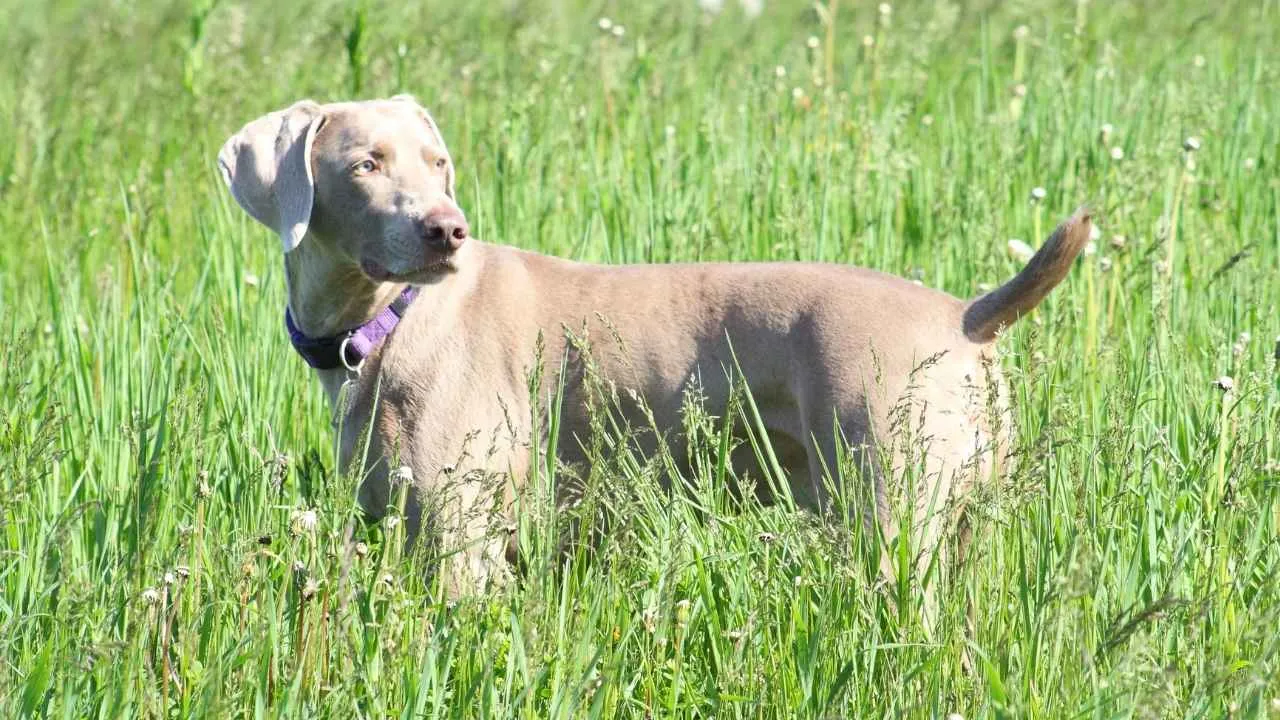
Weimaraner catches the eye almost immediately with its sleek, silvery-gray coat, which helped inspire the nickname “Gray Ghost” in Germany. The amber or blue-gray eyes and long velvety ears add even more character to a dog that looks ready for action.
Always Looking for More
They are happiest when something is challenging to do, whether that means covering long distances, following a scent trail, or spending time in the water. Sitting around for most of the day is not enough for a breed with this much drive.
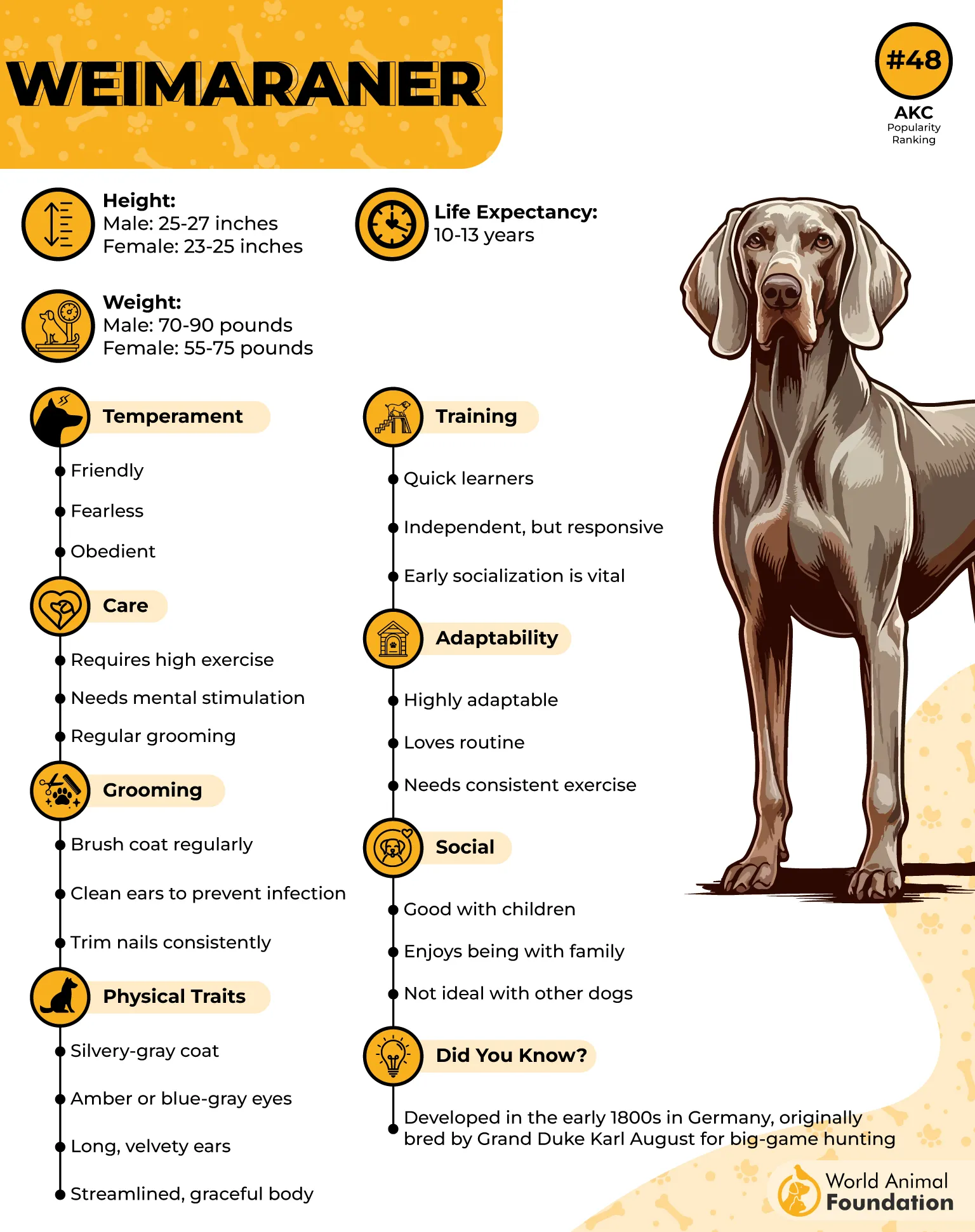
A few details are worth knowing:
High tolerance for minor injuries
A small white chest spot is acceptable
Short coat suits active conditions
Built to Keep Going
This large dog can run, swim, and track for hours, which explains why difficult landscapes rarely feel like much of an obstacle, as PDSA claims. A dog in good condition often displays remarkable focus when pointing, holding its position with impressive control and concentration.
4. Alaskan Malamute
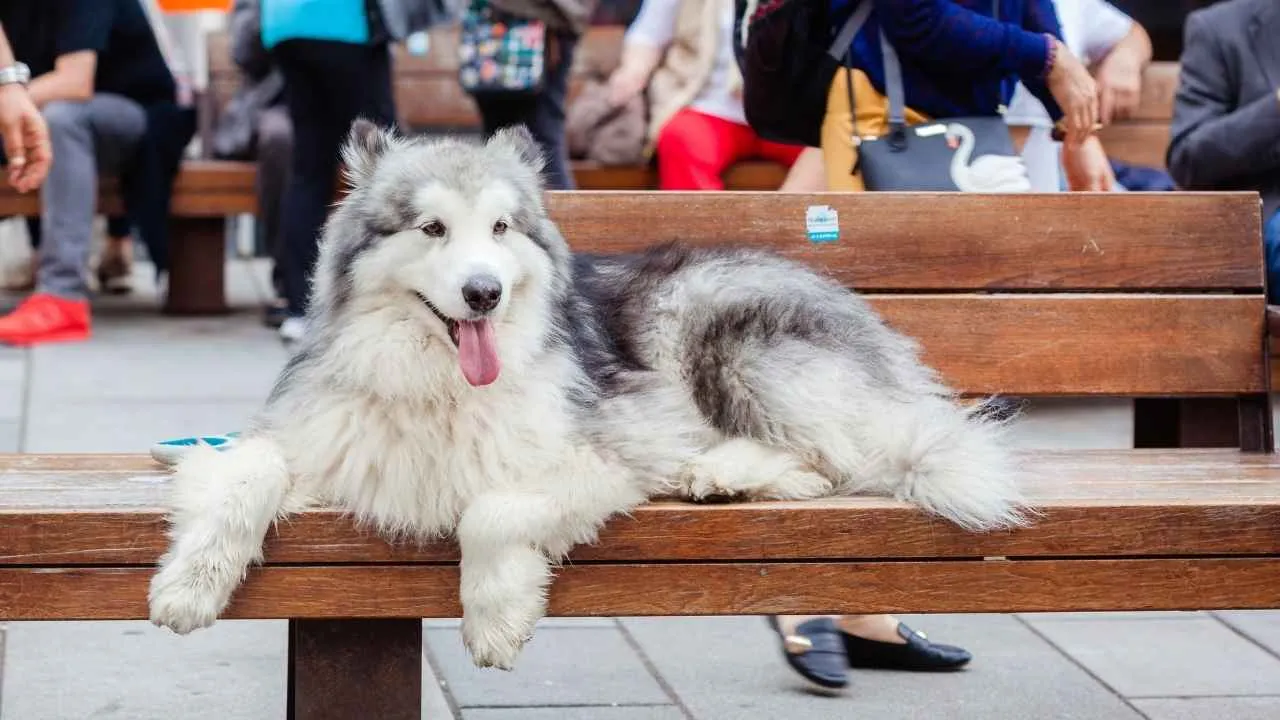
The Alaskan Malamute was shaped for demanding work in harsh northern conditions, where strength mattered more than speed. Its massive bone structure, deep chest, and thick double coat helped it handle freezing winds, deep snow, and long stretches of difficult ground.
Strength With Purpose
Large, well-furred feet spread weight more effectively across snow and ice, helping this breed travel through challenging conditions. That physical design played an important role in the slow, demanding hauling tasks for which these dogs became valued.
A closer look reveals a few remarkable details:
Nicknamed the “Freight Train of the North”
Waterproof outer coat insulation
Built for pack hauling over long distances
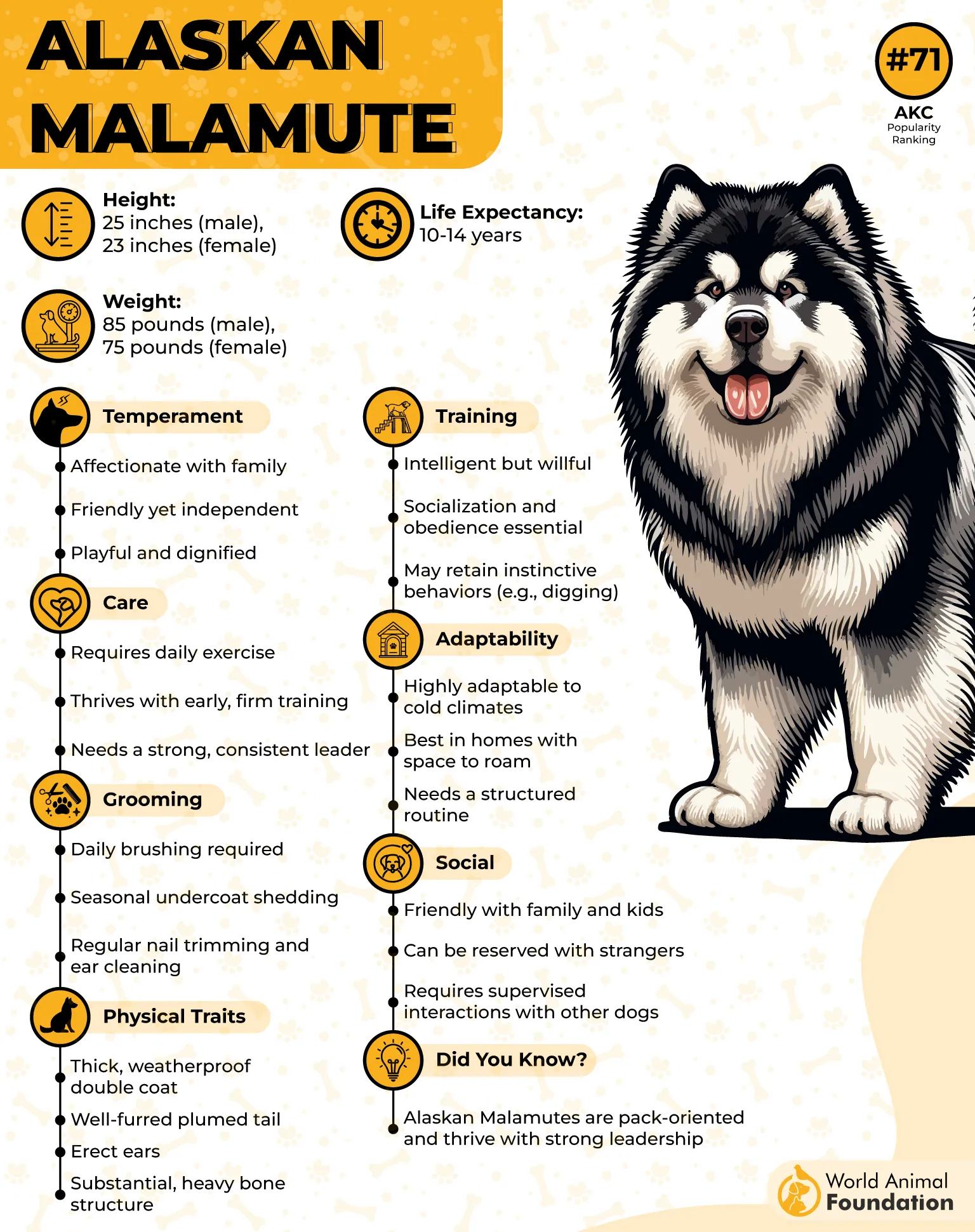
Always Ready for Action
Malamute was bred with tremendous endurance, which explains its enthusiasm for hiking, swimming, running, backpacking, skijoring, and other outdoor activities. Weight-pulling events, sledding activities, and obedience work also provide productive outlets for its working instincts.
5. Rhodesian Ridgeback
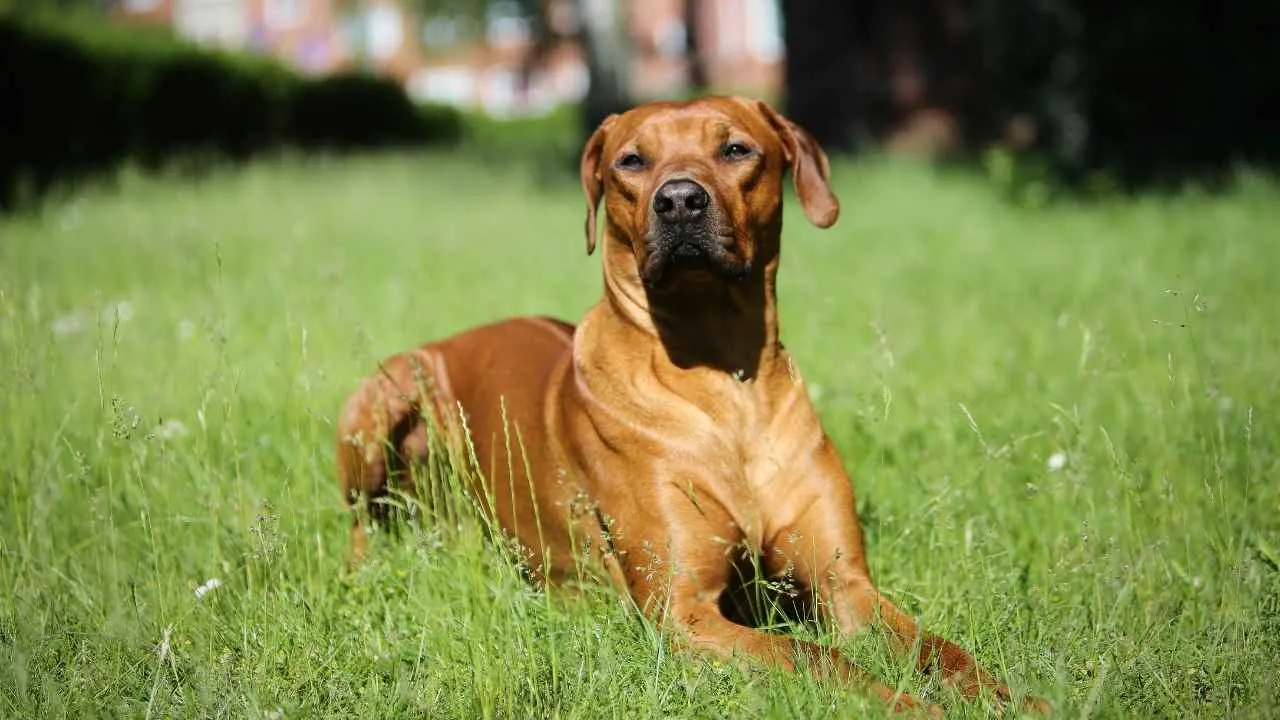
Rhodesian Ridgeback was originally bred in Southern Africa, where native Khoikhoi ridged dogs were crossed with European hounds for a demanding purpose. Tracking and cornering lions called for courage, endurance, and the ability to keep working across vast stretches of unforgiving land.
Built for the Elements
Heat is one challenge this breed handles exceptionally well, thanks in part to traits passed down from generations that lived in the African bush. Its short coat also requires very little upkeep while naturally shedding dirt picked up outdoors.
A few lesser-known details deserve attention:
Some puppies are born ridgeless
Tough digestive system
Weather-resistant coat texture
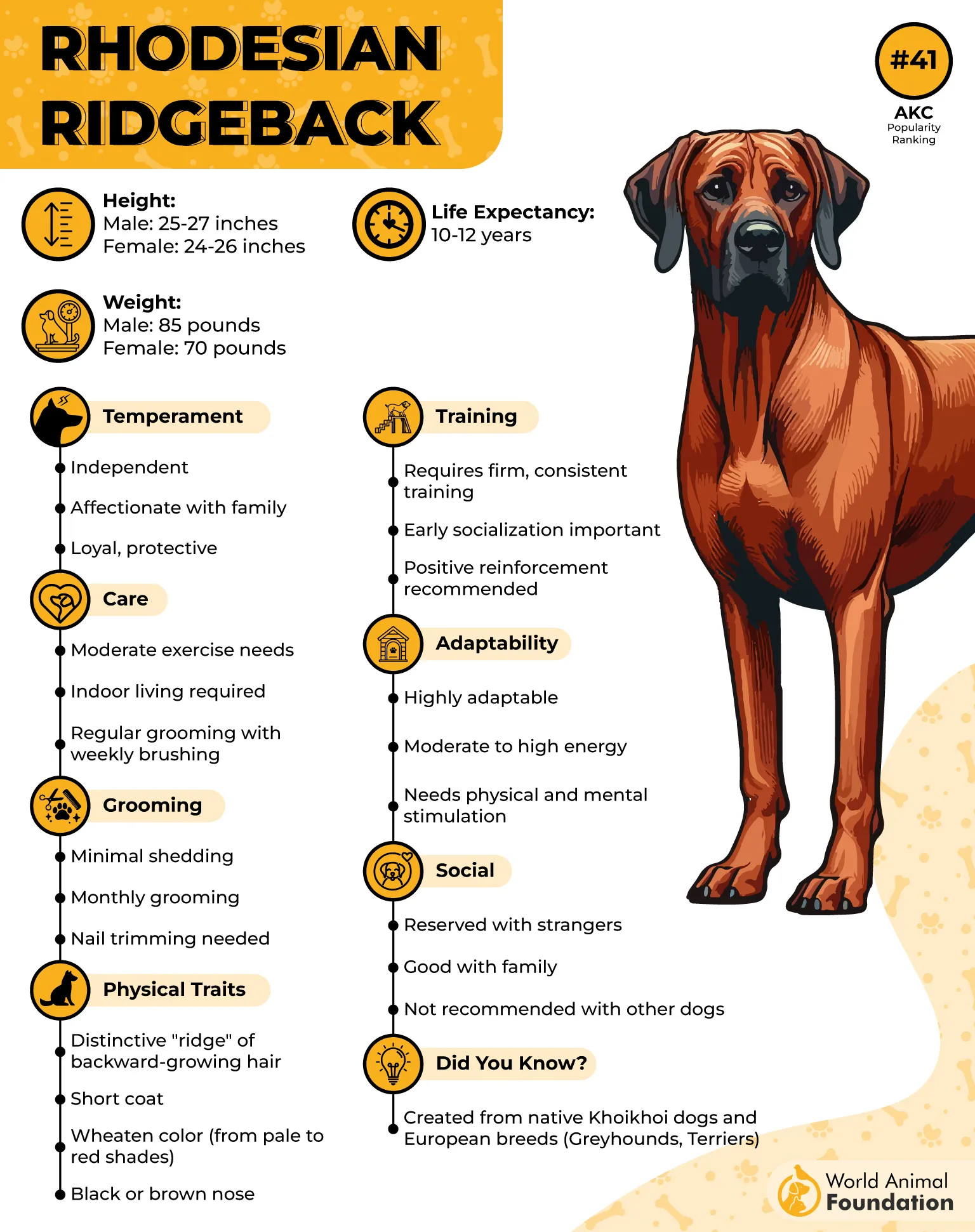
Endurance First
This working dog was expected to keep pace with hunters on horseback for hours under intense sun, a task that demanded far more than speed alone. That foundation explains why activities such as hiking, tracking, jogging, and lure coursing fit this breed so naturally.
6. Norwegian Elkhound
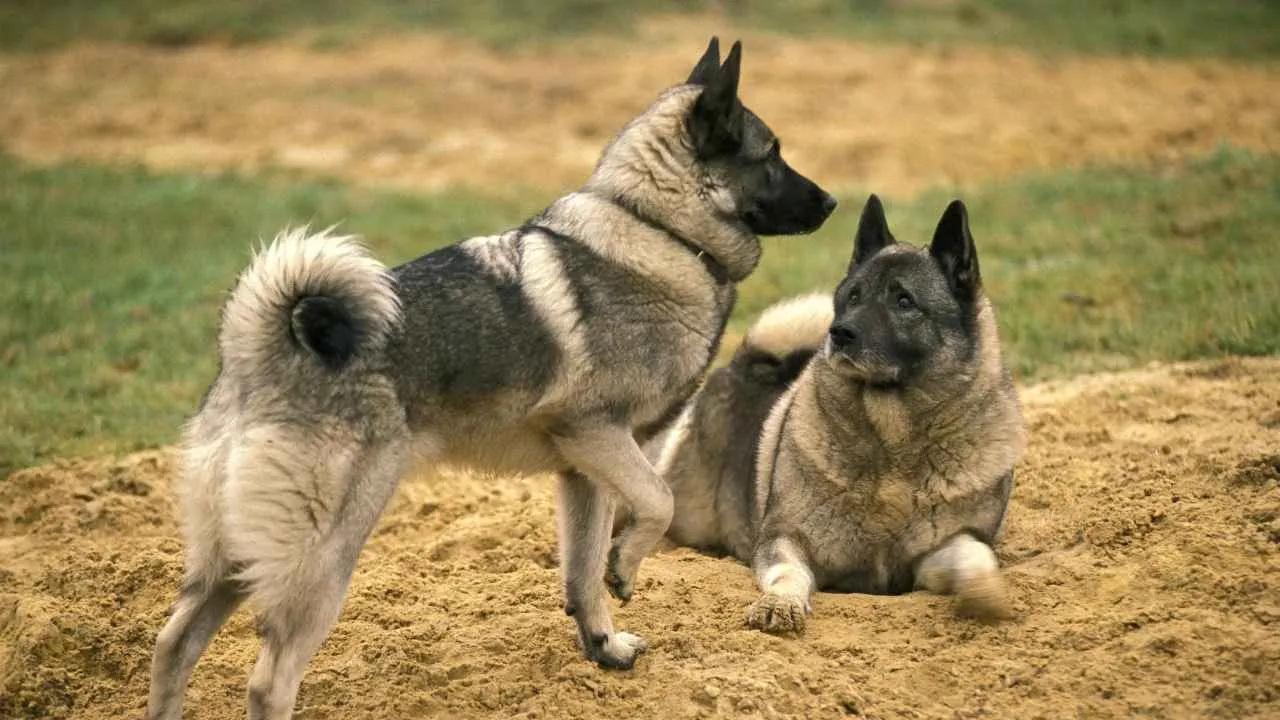
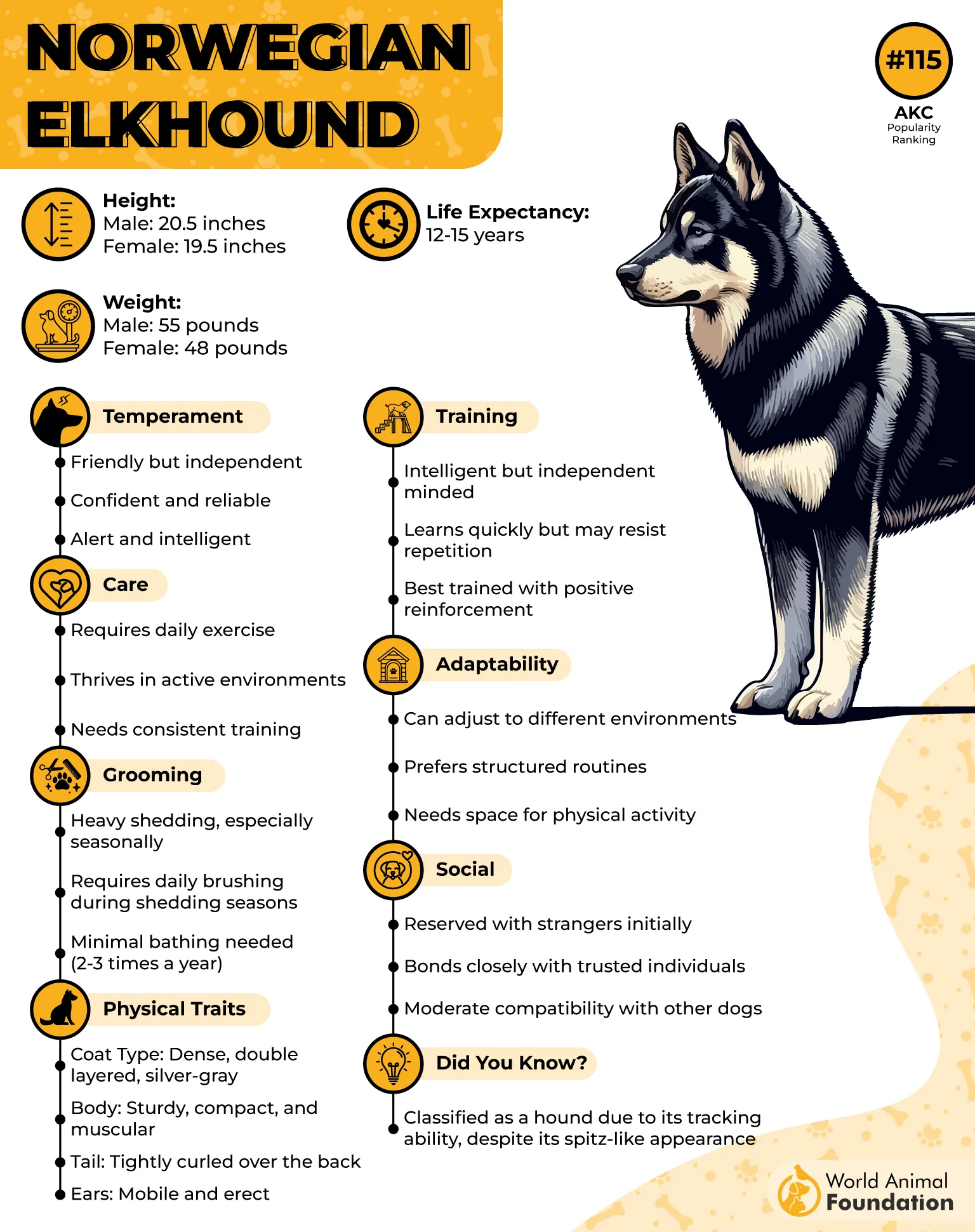
Norwegian Elkhound combines a dense woolly undercoat with a tough outer layer that helps shield it from wind, rain, and heavy snowfall. That protection proved valuable during long hunts across rugged Norwegian landscapes where the weather could change quickly.
Endurance First
The Norwegian Elkhound was no stranger to long days tracking moose and elk across wide stretches of wilderness. A deep chest, strong thighs, and solid bone structure gave it the endurance needed to keep moving hour after hour.
Another side of the breed deserves attention:
Confident around bears and wolves
Strong swimming ability
Mobile triangular ears
Always Observing
Elkies rely on keen eyesight, a precise sense of smell, and strong environmental awareness when navigating unfamiliar ground. Agility activities and herding trials provide useful outlets for a dog that enjoys both athletic challenges and freedom to explore.
7. German Shorthaired Pointer
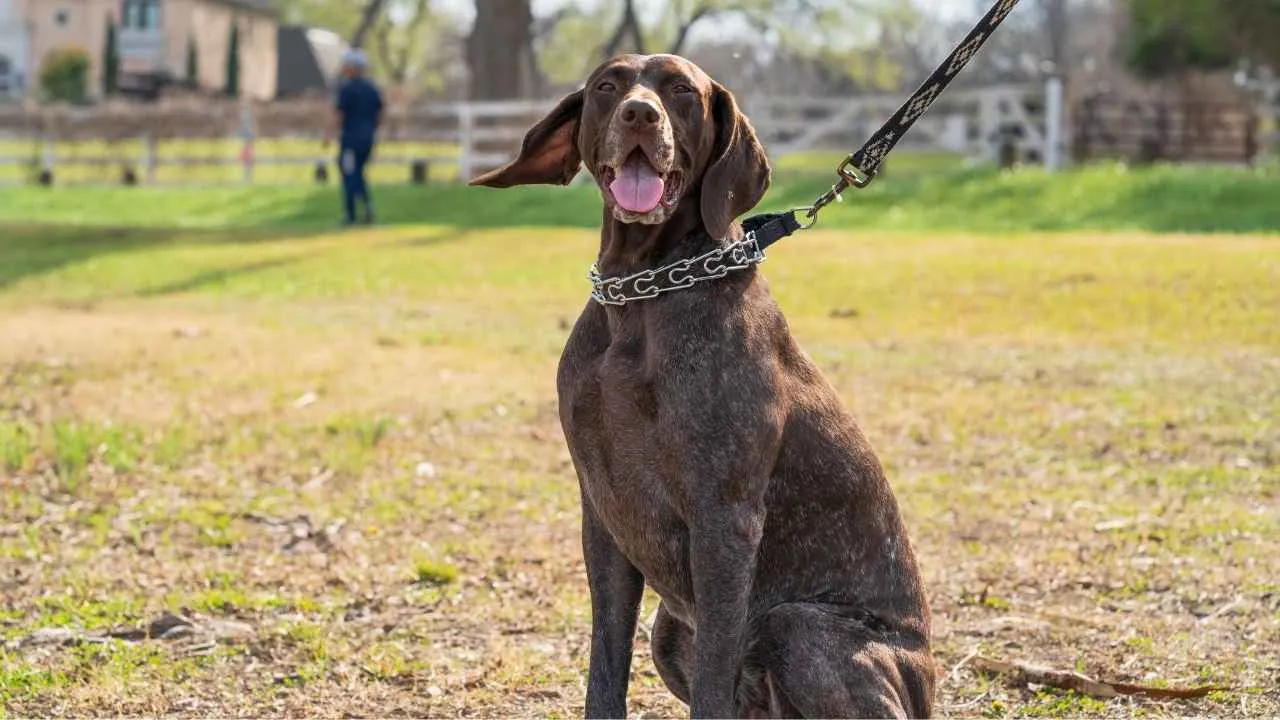
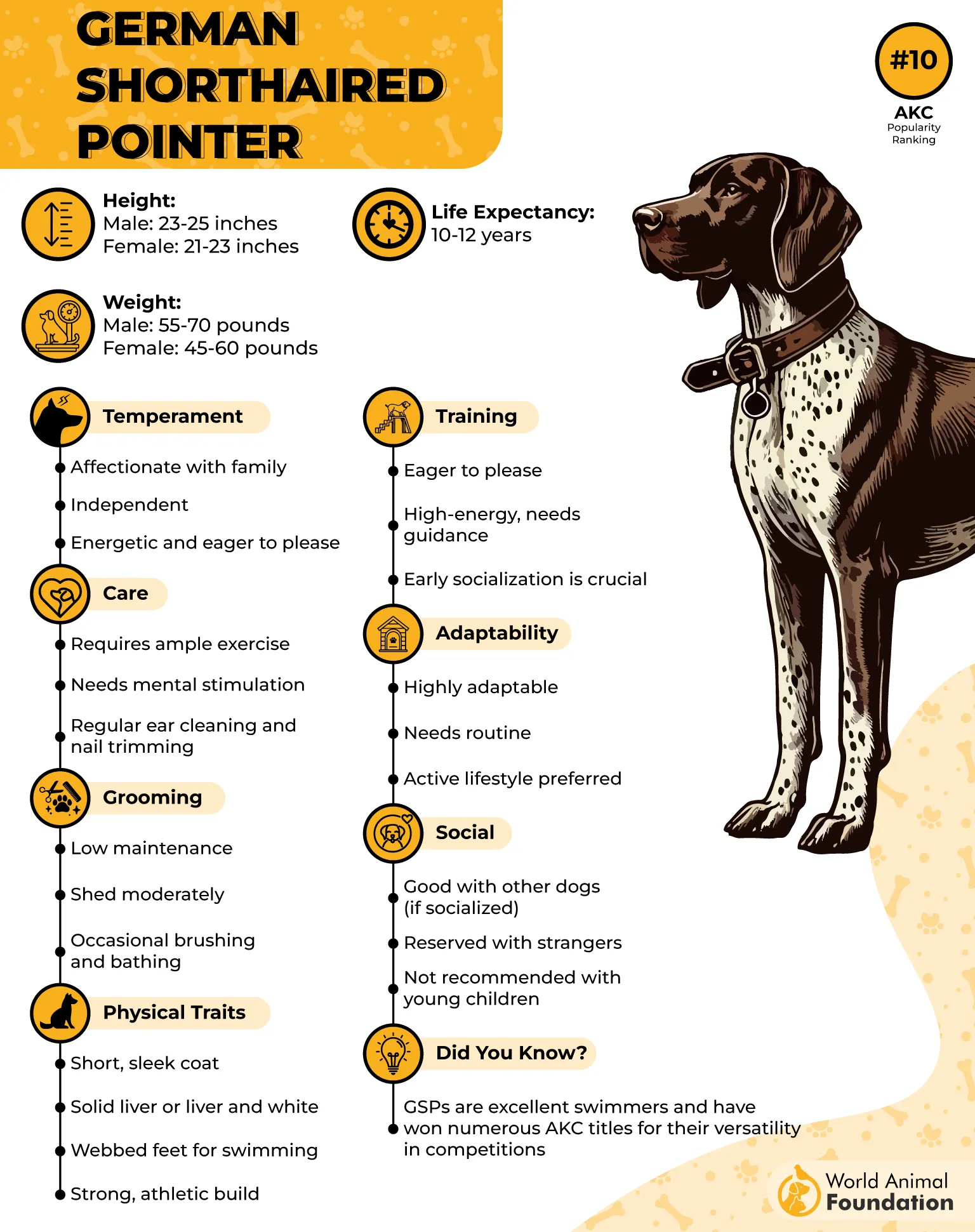
The German Shorthaired Pointer earned recognition as a versatile working dog capable of handling demanding tasks across very different environments. Its combination of stamina, toughness, and determination helped shape a breed that can keep going long after many others would slow down.
Ready for Rough Ground
Challenging landscapes are part of this breed’s comfort zone, thanks to physical traits that support both land and water work. Dense coat protection and specialized feet help it tackle conditions that would test less capable dogs.
Several details help explain that ability:
Webbed toes for swimming
Tight, durable feet
FCI-recognized working breed
Engine That Keeps Going
German Shorthaired Pointer approaches activity with a true workhorse mindset and was originally valued for handling multiple hunting tasks in a single day. Long runs, tracking exercises, retrieving games, and agility work fit naturally into that energetic routine.
Conclusion
Rough terrain quickly reveals qualities that are easy to overlook on ordinary walks. Endurance, balance, resilience, and confidence become essential when trails grow challenging. The dogs featured here were shaped by demanding work and rugged terrain, developing the independent nature needed to enjoy outdoor adventures in difficult conditions.
Their ability to keep moving through challenging environments continues to make them remarkable companions for active owners. While each approaches a challenge differently, they share an impressive willingness to adapt and persevere. With adequate physical and mental exercise, they offer the kind of canine companionship that can make every trail more rewarding.
