





Picture this: You have fallen in love with the perfect apartment, and then the leasing office asks about your dog. Suddenly your dream unit feels a lot further away.
It is not just in your head either. A national survey found that 72% of renters struggle to find pet-friendly housing in the first place.
Many small dog breeds can technically squeeze into small spaces, but living small and behaving well indoors are two very different skills.
The right dog breed changes everything about apartment life, from quiet hallways to calm elevator rides to neighbors who barely notice you have a pet.
Curious which breeds actually pull this off without a yard in sight? Keep reading, because the list below might change how you think about picking your next apartment dog.
Highly Obedient Dog Breeds Ideal for Apartment Living
1. Cavalier King Charles Spaniel

Tell a Cavalier King Charles Spaniel to settle, and it listens right away. Elevator rides, doorbells, and hallway chatter barely register with this easygoing breed. Visitors get a wagging tail and a hopeful nudge for pets, not a scene.
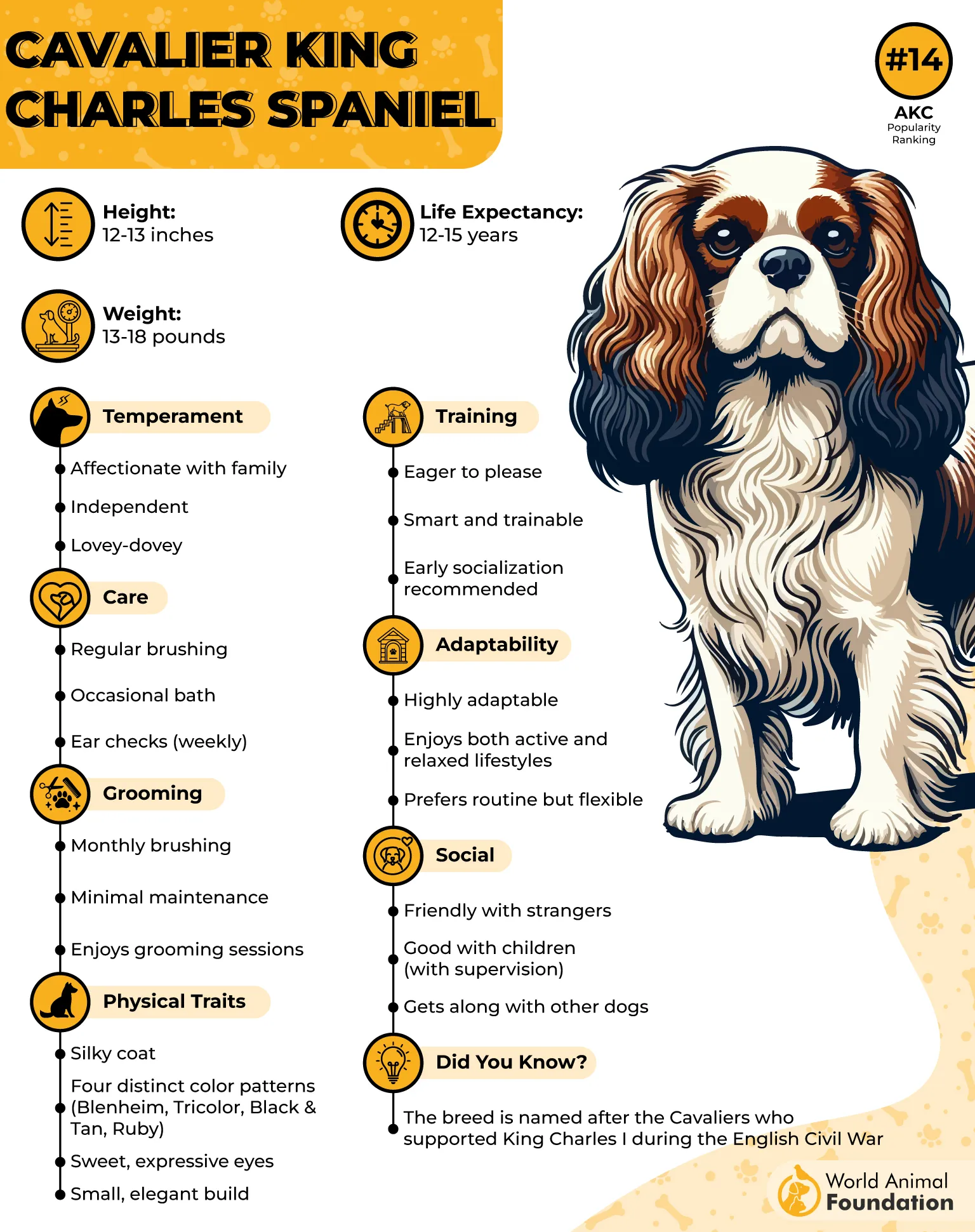
Cavaliers rank among the most eager-to-please small dog breeds around. A calm voice and a few short training sessions teach sit, stay, and heel quickly. Stubborn moments are rare, a relief for new trainers.
Short walks: 2 daily strolls cover most of the exercise needs.
Indoor play: A quick game of fetch down the hall fills the gap.
Puzzle toys: Great for keeping the mind busy on lazy indoor afternoons.
This breed rarely barks without good reason, making it one of the quieter apartment dog breeds around. That calm temperament suits thin walls and close neighbors well. Singles, families, and seniors all find the Cavalier adapts easily indoors.
2. Toy Poodle
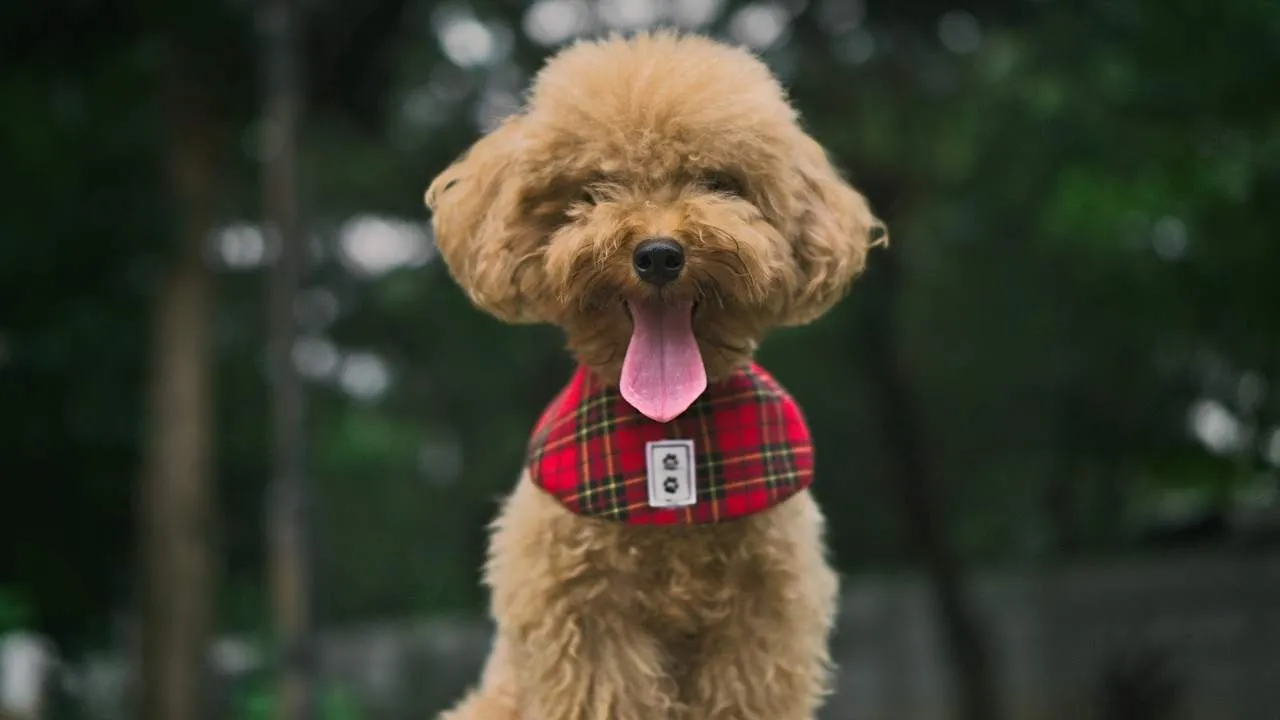
A Toy Poodle treats the hallway like a runway, then settles fast once the game ends. Elevator doors and doorbells barely earn more than a curious sniff. As the AKC notes, “With a toy Poodle, you get a big-dog personality in a small package that gets pretty much all the exercise it needs running around your little place.”
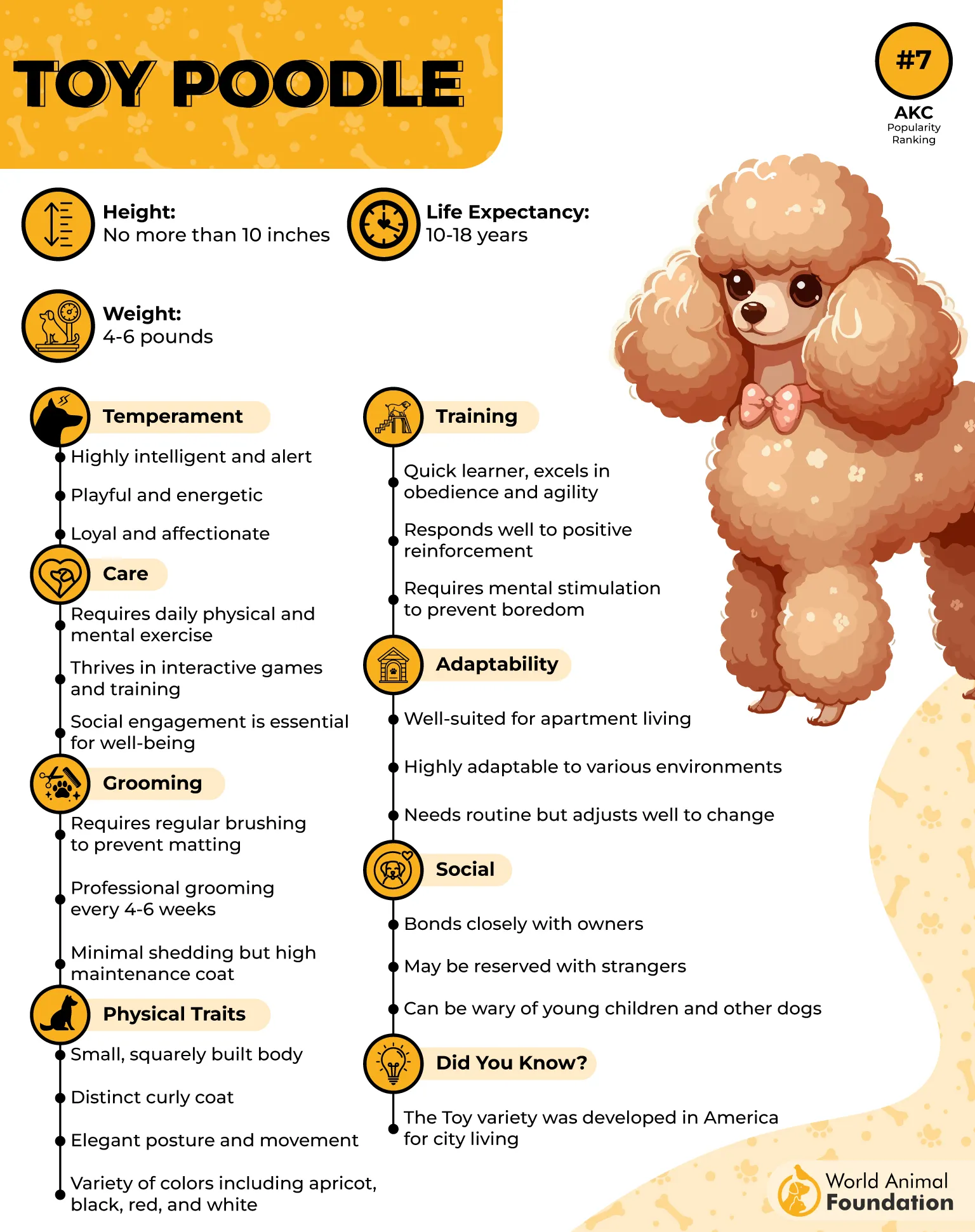
Toy Poodles are famously quick learners, often topping lists of the most intelligent small dog breeds. Positive reinforcement during short training sessions speeds things along nicely. An independent streak is rare here, since the breed thrives on direction.
Daily walks: 1 or 2 short walks satisfy the legs.
Brain games: Scent or puzzle toys work off mental energy.
Trick practice: A few minutes of trick training doubles as exercise.
Toy Poodles can be alert barkers, especially at unfamiliar sounds near the door. Early socialization and consistent commands dial this down fast. Apartment dwellers wanting a trainable little watchdog will find a strong match here.
3. Bichon Frise
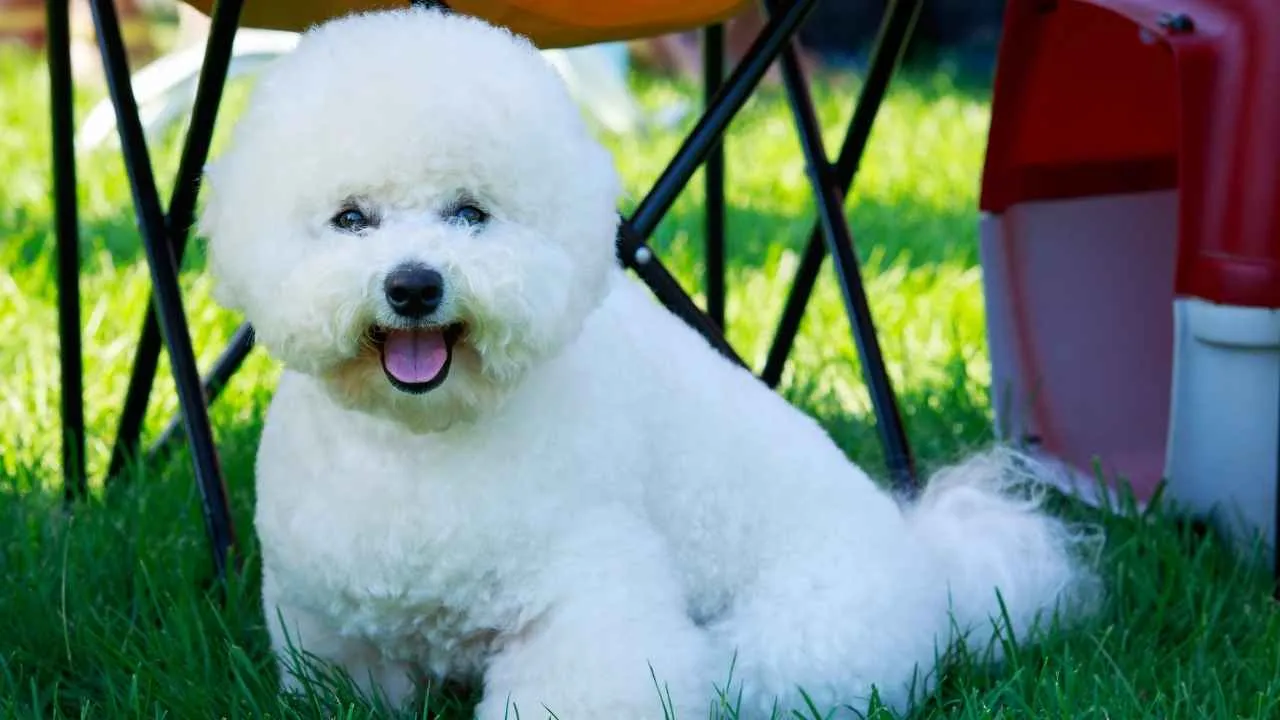
A Bichon Frise greets the doorbell with a bounce, not a meltdown. Hallway strangers and elevator rides rarely faze this cheerful breed. It settles on command once the initial excitement passes.
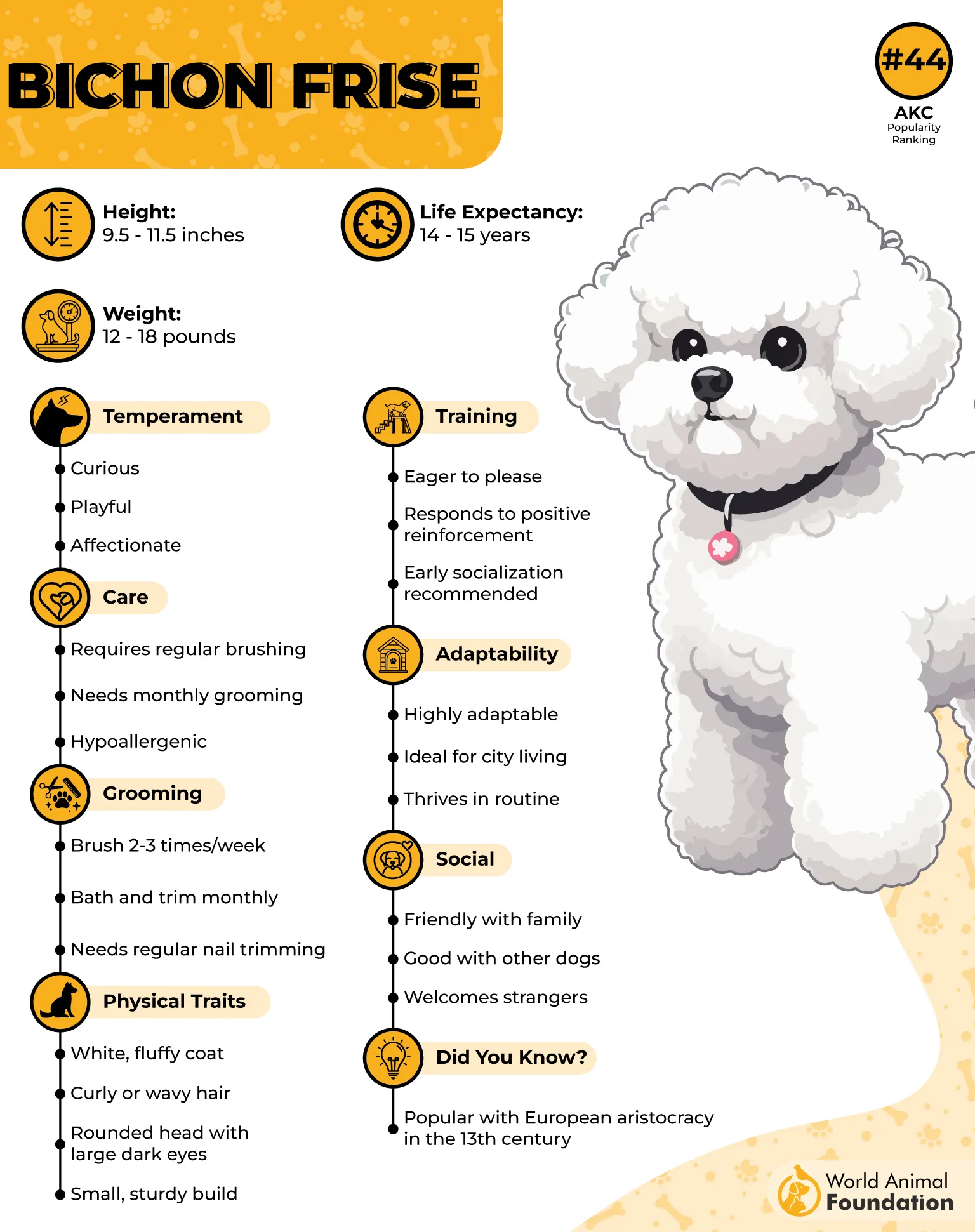
This breed is clever and generally eager to please, though a mild independent streak can show up during house training. Consistent training sessions and positive reinforcement smooth that out quickly. Most owners find Bichons pick up basic commands with ease.
Playtime: Short indoor play sessions burn off most daily energy.
Walks: 1 brisk walk a day rounds things out.
Toys: Chew toys and tug games satisfy restless moments.
Bichons are social and friendly, but their vocal side comes out around strangers or sudden noise. A little training keeps the barking in check for noise-sensitive neighbors. This breed suits owners who want a cheerful, people-focused companion.
4. Havanese

A Havanese treats the elevator like a social event, greeting every stranger with interest. Doorbells usually bring excitement rather than alarm. This breed would rather follow its owner room to room than guard the door.
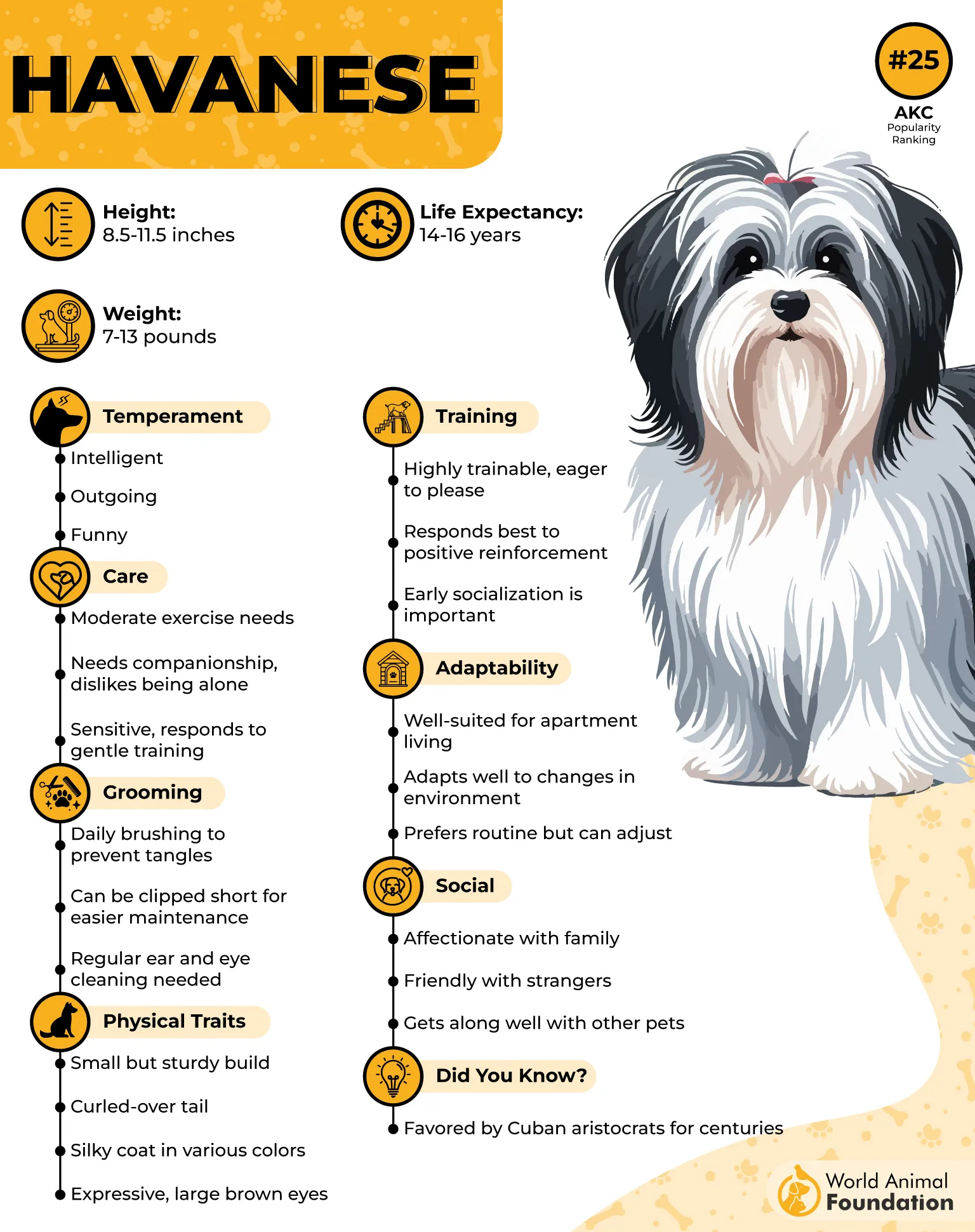
The Havanese dog is smart, spirited, and highly trainable, according to PetMD. Positive reinforcement works well, though this breed craves company during training sessions. Left without guidance, it can get a little mischievous.
Indoor games: Short bursts of fetch or tug meet most energy needs.
Walks: One moderate walk a day is usually enough.
Enrichment: Puzzle feeders help satisfy its curious streak.
Havanese are a naturally vocal breed, often alerting to every hallway sound. Consistent “quiet” training helps this trait fit apartment life. Owners who want an affectionate shadow and don’t mind some chatter will enjoy this breed most.
5. Papillon

A Papillon’s butterfly ears perk up at every doorbell, though the reaction stays playful rather than frantic. Elevator rides are treated as a small adventure. This breed settles quickly once it has said its hellos.
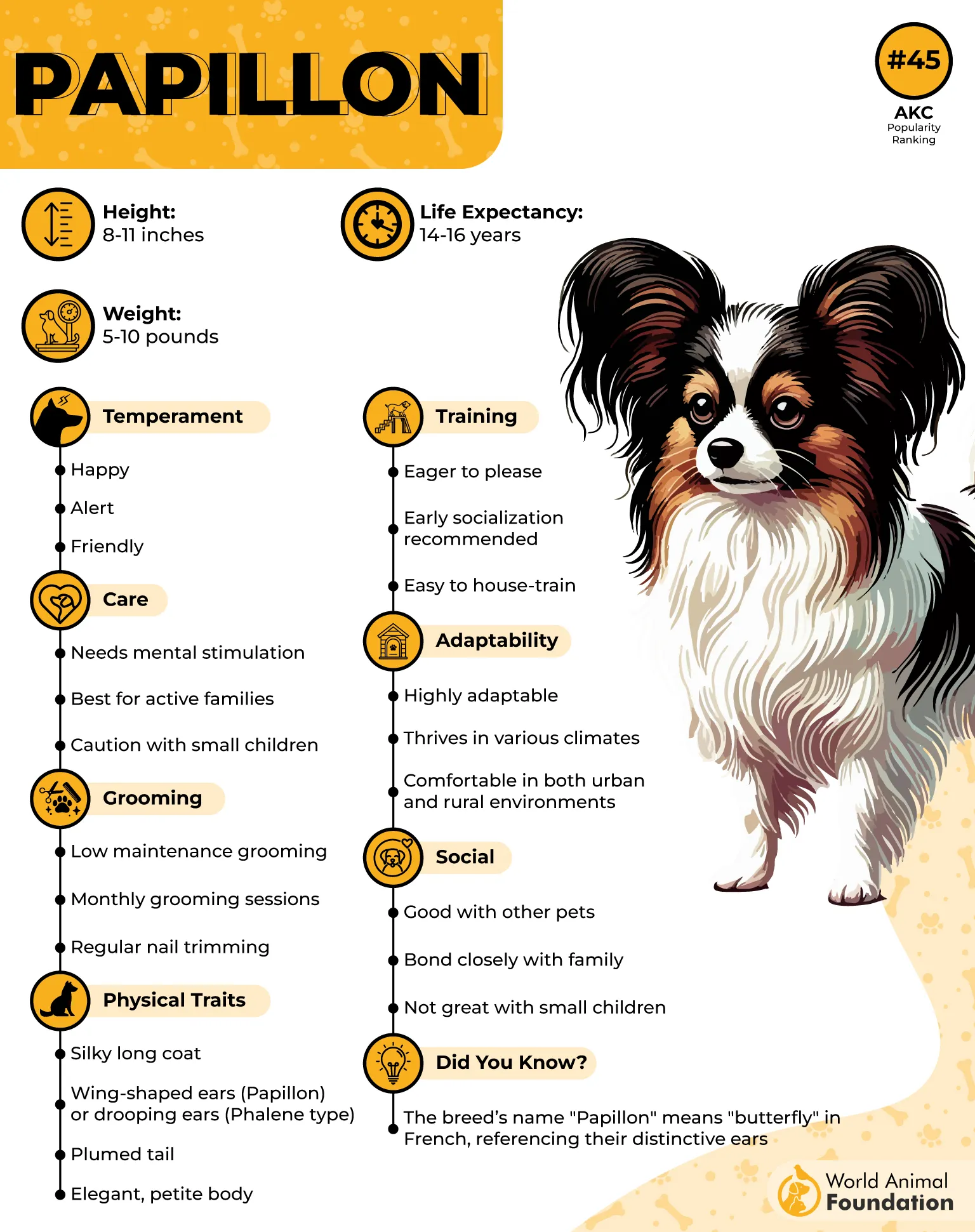
Papillons are sharp, quick learners with a strong eager-to-please streak. Training sessions built on positive reinforcement move fast, since this breed enjoys the mental challenge. Stubbornness is uncommon, making obedience work genuinely fun.

Trick training: Short sessions double as both mental and physical exercise.
Indoor play: Chasing toys across the floor covers daily energy needs.
Short walks: A brief stroll rounds out the routine nicely.
This breed can be a persistent alert barker, especially at unfamiliar noises through shared walls. Training the “quiet” command early keeps neighbors happy. Active owners who enjoy trick training will get the most out of a Papillon.
6. Boston Terrier
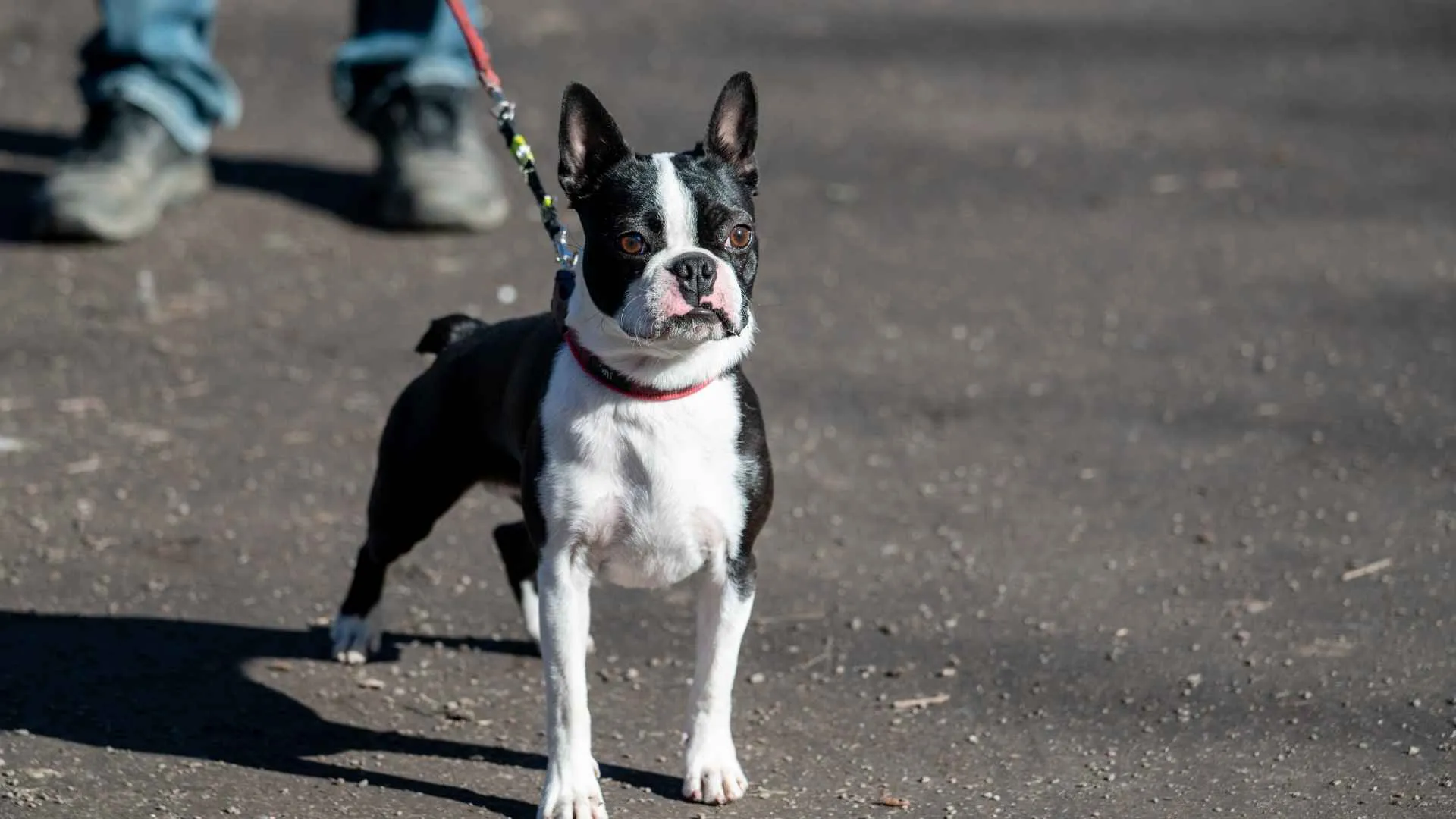
A Boston Terrier greets the doorbell with a snort and a wiggle, then settles once introductions are done. Elevator rides barely register with this sturdy, people-oriented breed. The Boston Terrier makes a great urban pet, being sturdy, portable, and people-oriented, according to Royal Canin.
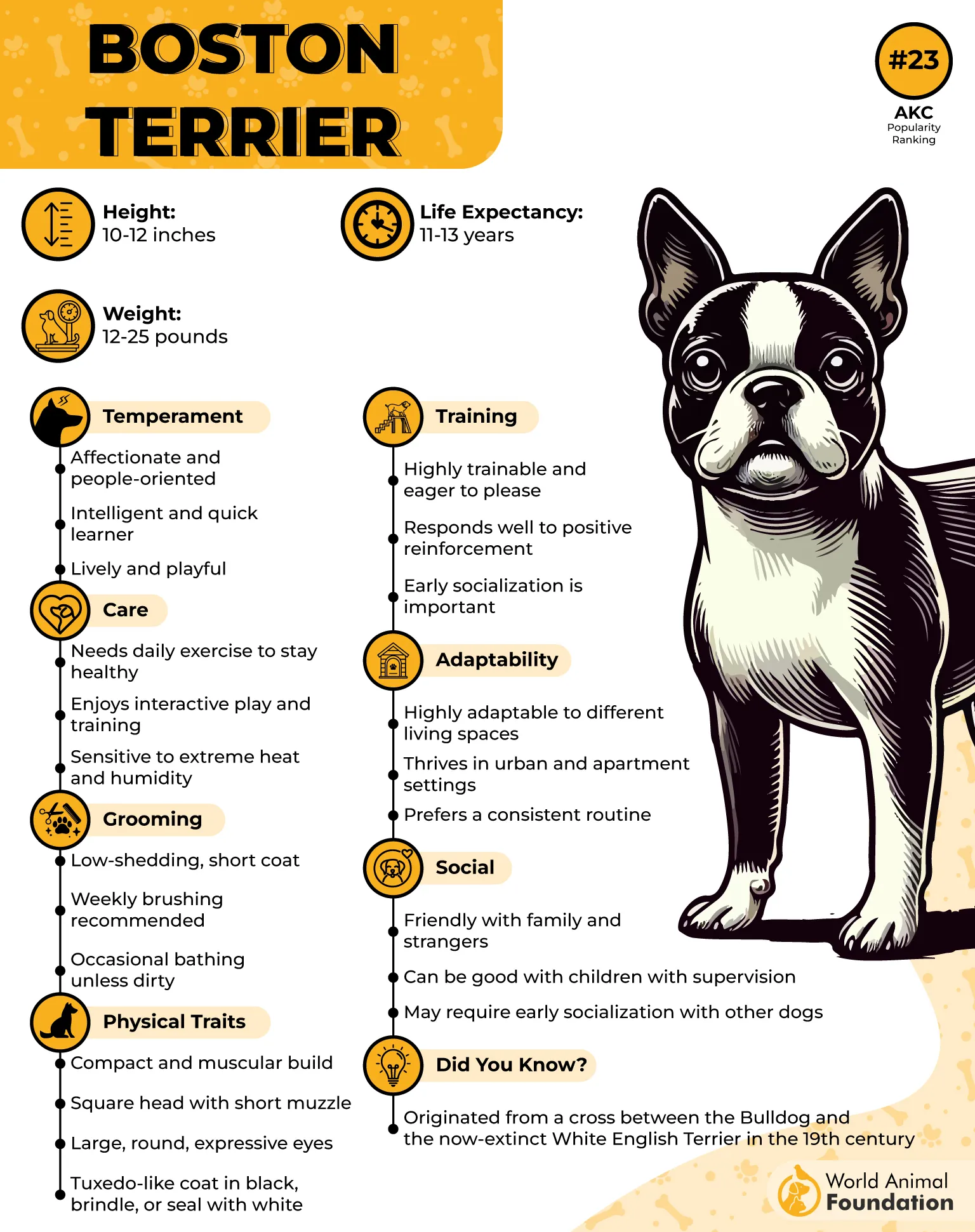
This breed is intelligent and generally easy to train, though a playful stubborn streak can surface. Short, upbeat training sessions with positive reinforcement work best. Harsh correction tends to backfire with this sensitive personality.
Play sessions: A few rounds of indoor fetch cover most needs.
Walks: 1 moderate daily walk keeps this breed content.
Mental games: Puzzle toys help prevent boredom on quiet days.
Boston Terriers are not known as heavy barkers, which suits apartment living well. Noise mostly comes out as excited snorting rather than sustained barking. This breed fits owners who want a quiet, sociable companion for small spaces.
7. Bolognese
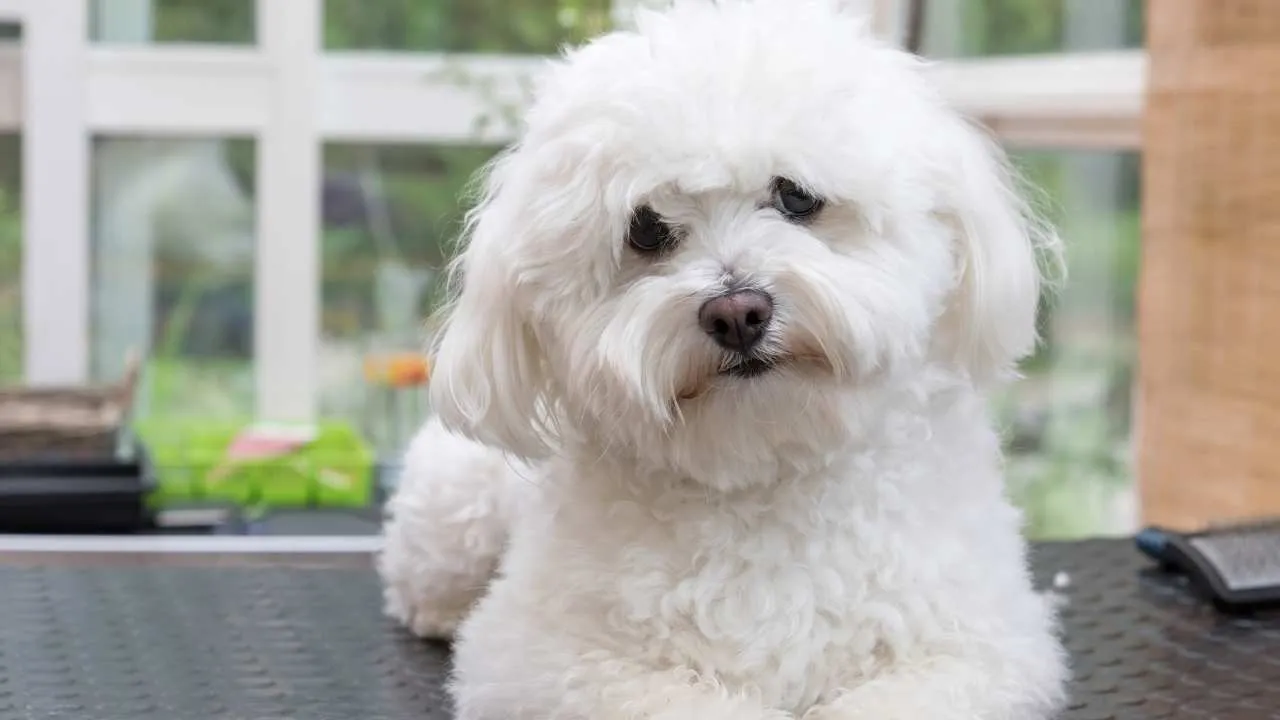
A Bolognese stays calm through elevator rides and doorbell rings alike, rarely startled by apartment-building noise. This breed prefers trailing its owner from room to room over reacting to strangers. Settling on command comes naturally once routines are set.
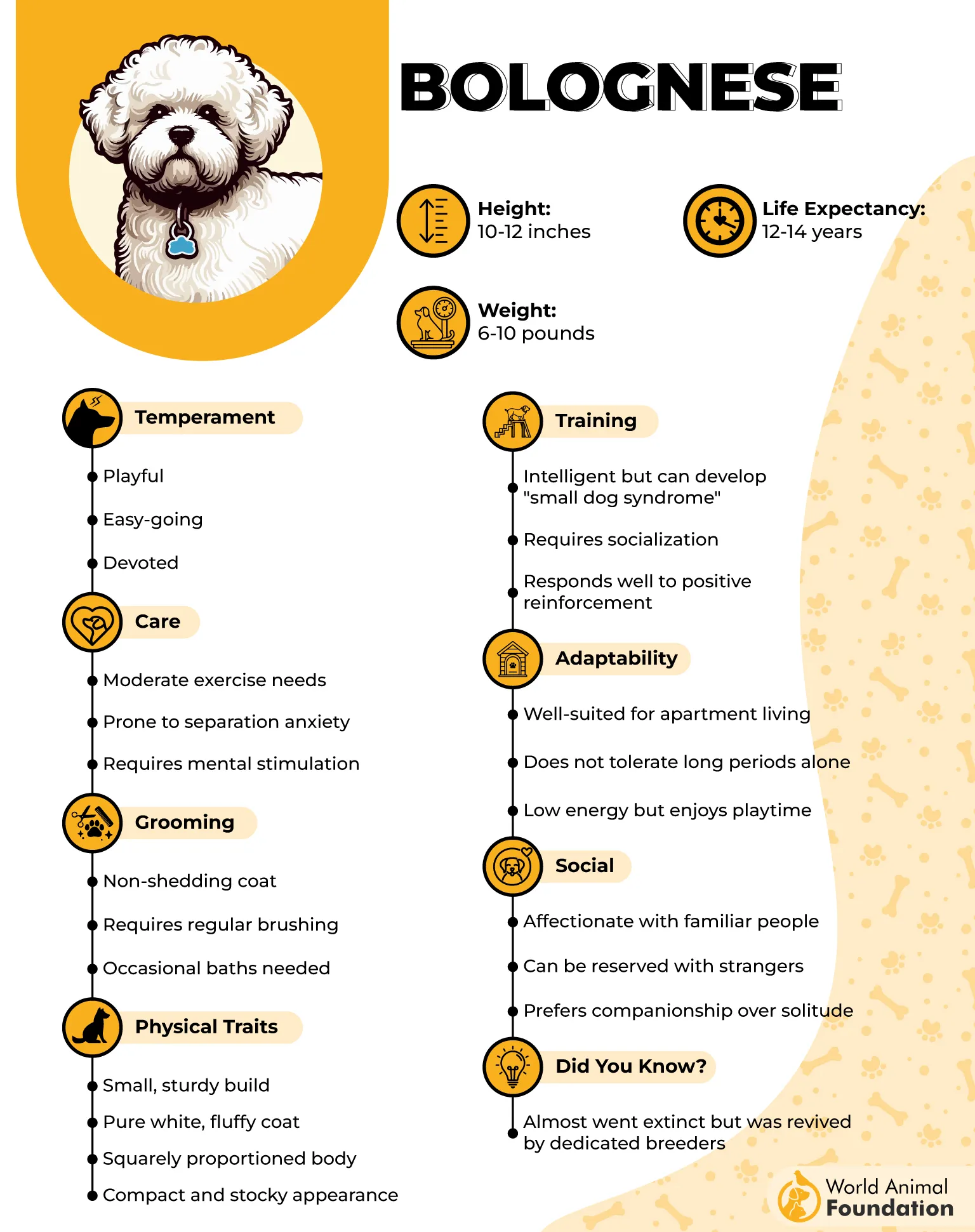
Bolognese dogs are affectionate and generally eager to please, forming close bonds with their handlers. Gentle, consistent training sessions work better than repetition-heavy drills. An independent streak is rare, though this breed can be slow to warm up to new commands.
Indoor play: Soft toy games cover most of the daily energy needs.
Short walks: 1 easy stroll a day is typically plenty.
Cuddle time: Quiet bonding sessions double as calming enrichment.
This breed tends toward a quiet temperament, with barking reserved for genuine surprises. That makes it a solid pick for noise-sensitive apartment buildings. Owners seeking a calm, devoted companion will find the Bolognese a comfortable fit.
8. Coton De Tulear
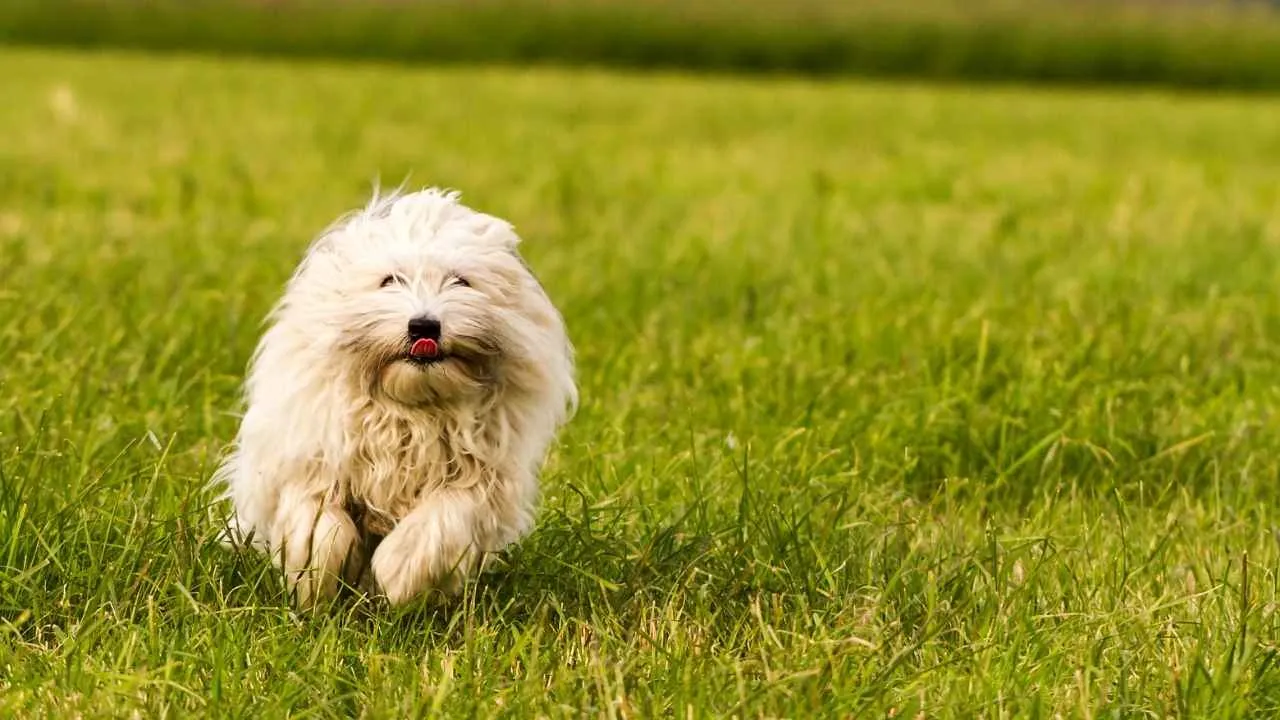
A Coton De Tulear treats the hallway like its own stage, trotting past neighbors with visible confidence. Doorbells spark curiosity more than alarm. Settling down after excitement comes easily once this breed knows what is expected.
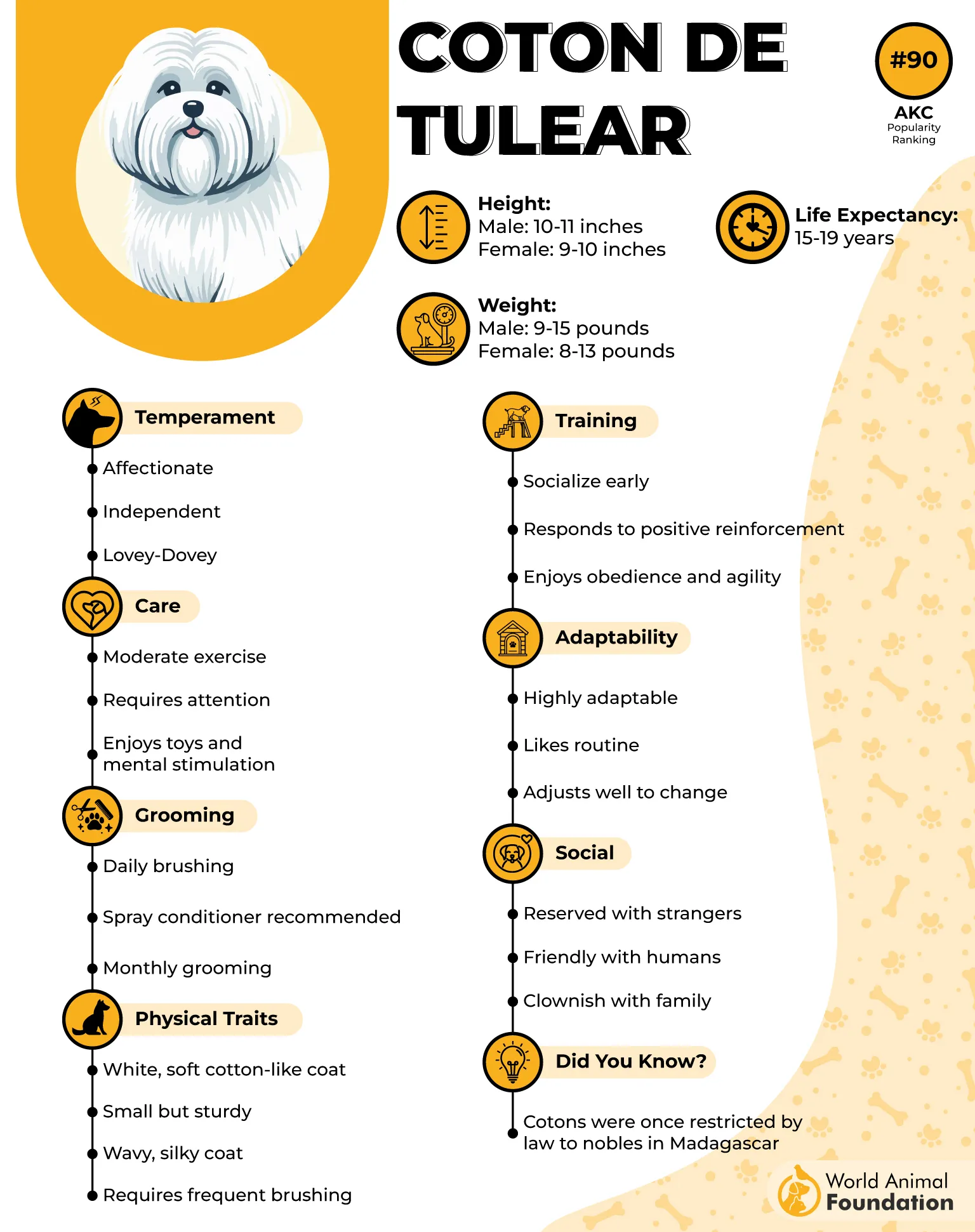
This breed is intelligent and responsive, generally falling on the eager-to-please side of training. Positive reinforcement during short training sessions keeps motivation high. A playful streak can briefly distract from commands, though focus returns quickly with practice.
Indoor play: Chase games across the living room meet most energy needs.
Walks: 1 short daily walk is usually sufficient.
Mental stimulation: New tricks keep this clever breed engaged.
Coton De Tulear dogs are not big barkers by nature, which helps with thin apartment walls. Alert barks are brief rather than prolonged. This breed suits owners who want a lively, low-noise companion in a small space.
9. Yorkshire Terrier
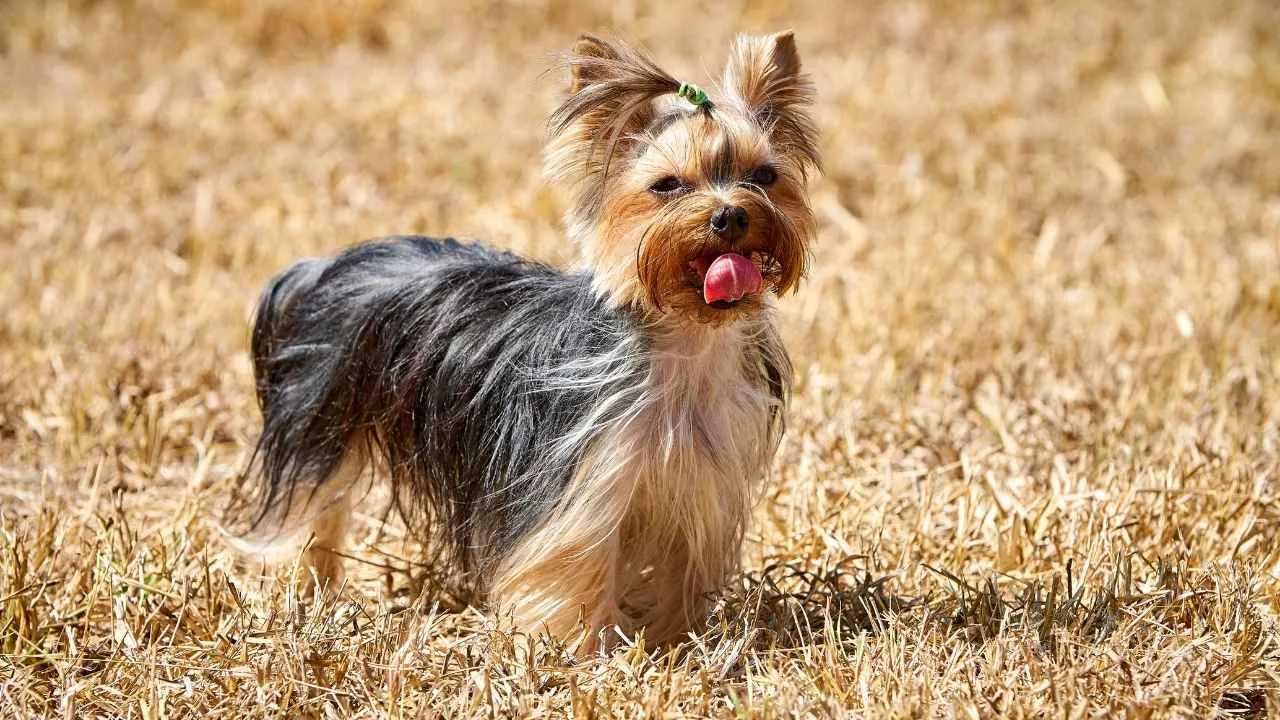
A Yorkshire Terrier announces the doorbell loud and clear, true to its feisty terrier roots. Elevator strangers get a confident once-over rather than nerves. Once training kicks in, settling on command is well within reach.
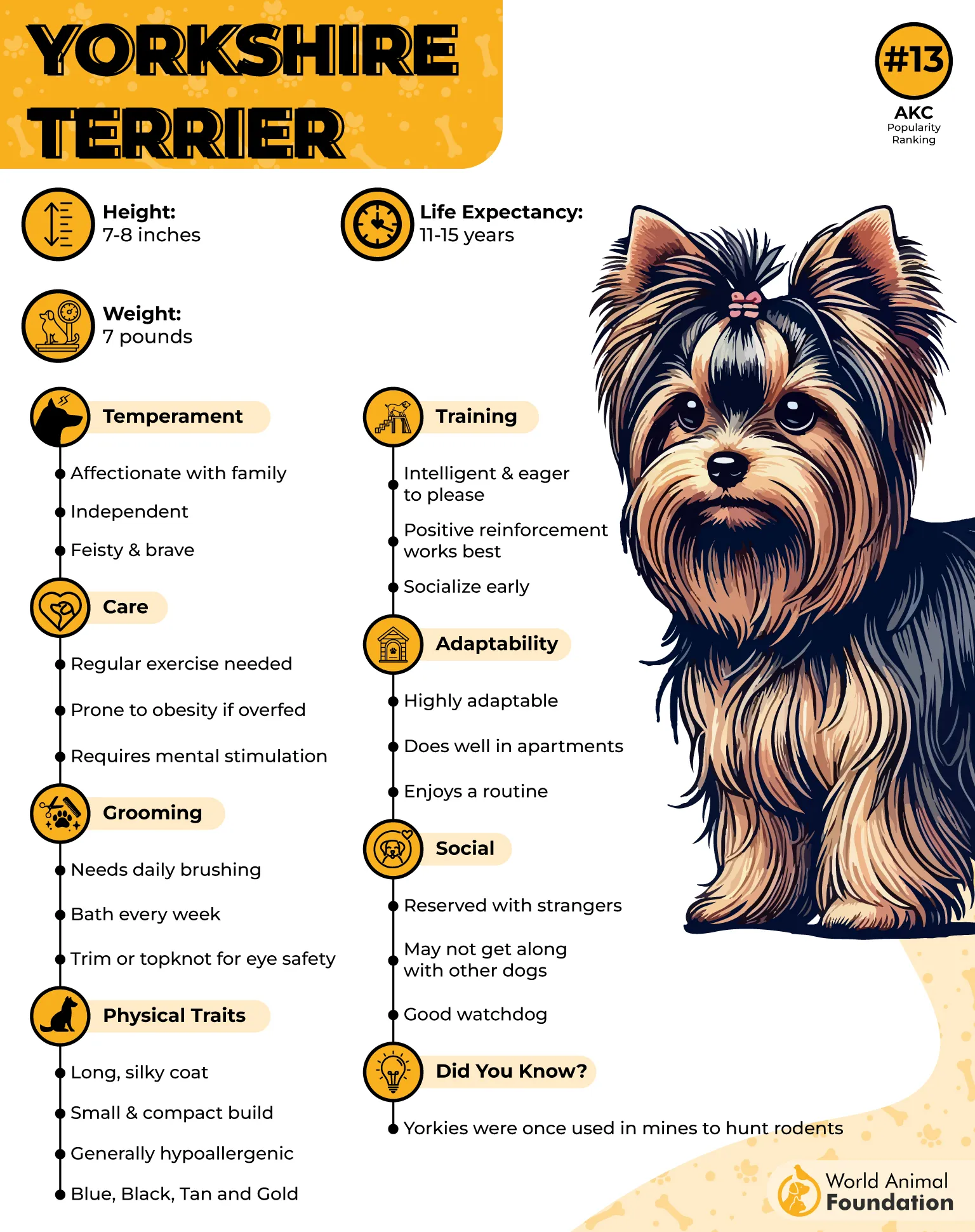
Yorkshire Terriers, or ‘Yorkies’ as they’re more affectionately known, are known to be small but mighty, says PDSA. Trainability runs high, though a touch of terrier independence can show up without consistent practice. Short, upbeat training sessions keep this breed engaged.
Daily walks: 1 or 2 short walks suit this energetic little breed.
Indoor play: Tug and chase games burn off extra energy.
Grooming time: Brushing sessions double as calm bonding moments.
Yorkies lean toward being vocal, barking at hallway sounds and unfamiliar footsteps. Early “quiet” training helps this trait fit noise-sensitive buildings. This breed suits confident owners who enjoy a spirited, alert companion.
10. Pug

A Pug greets the doorbell with a snuffle and a wag, rarely anything louder. Elevator rides and hallway strangers get curious sniffs instead of nerves. Settling into a nap afterward comes naturally to this laid-back breed.
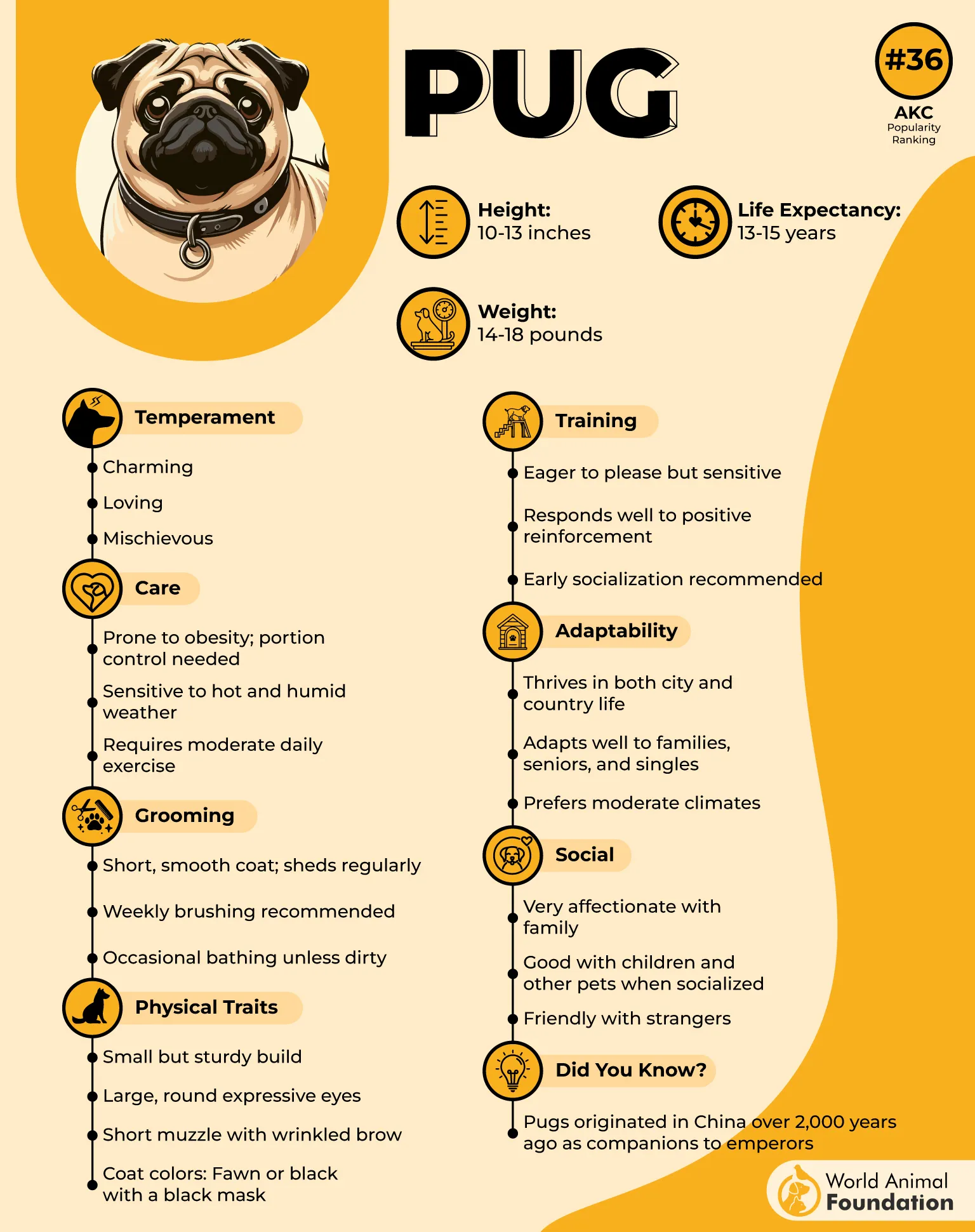
The Pug is charming, mischievous, and loving, notes Purina, and generally eager to please during training. A playful stubborn streak occasionally surfaces, so short, reward-based training sessions work best. Patience pays off quickly with this food-motivated breed.
Short walks: 1 gentle walk a day suits this breed’s needs.
Indoor play: Light games keep energy in check without overheating.
Rest time: Pugs naturally balance play with plenty of napping.
Pugs are not known for excessive barking, making them a comfortable pick for shared walls. Breathing structure means loud, sustained barking is uncommon anyway. This breed suits owners who want a quiet, affectionate companion content with indoor life.
Conclusion
Many dog breeds can learn a few commands, but the ones on this list prove that real obedience is what turns apartment life from stressful to simple. From the Cavalier’s calm settle to the Pug’s easygoing nature, each breed shows that trainability matters more than size when you are choosing the right dog breed for a small space.
The best apartment dog is not just quiet or compact; it is one that listens and adapts to your daily routine. Ready to find yours? Pick the breed whose temperament matches your training commitment, and start building a bond that lets you both truly enjoy apartment life together.
