




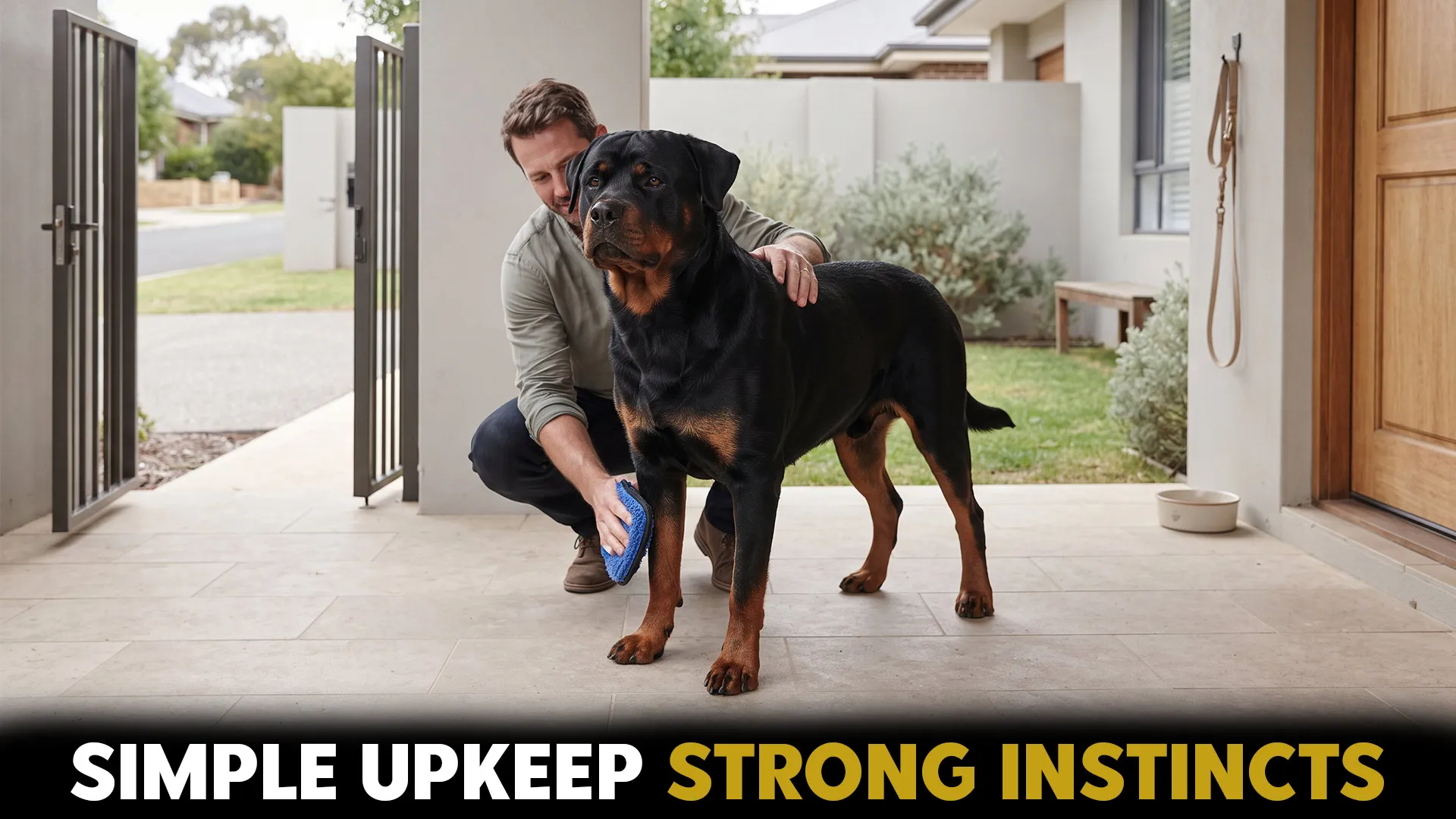
A good guard dog is not simply one that looks intimidating; it is one whose loyalty, awareness, and instincts can make a home feel more secure.
Dogs have long been valued for alerting people to unfamiliar activity, but responsible ownership matters just as much as protective ability. A dog’s temperament, training, and individual personality can all influence how it responds to strangers and its surroundings.
For many owners, a dog that can provide companionship while naturally alerting the household may be more practical than specialised protection training. This is where choosing the right breed becomes important.
The breeds featured here are known for strong loyalty and guarding instincts, while also offering relatively straightforward care or grooming needs. However, low care needs do not mean low responsibility.
Proper socialisation, training, exercise, and consistent handling remain essential for helping these devoted dogs become confident, well-managed companions and dependable members of the family.
Key Takeaways
Loyal guard dogs can provide both dependable protection and devoted companionship.
Some protective breeds have relatively simple grooming routines despite their size and strength.
Short or easy-to-manage coats can reduce the time and effort required for regular grooming.
Low grooming needs do not necessarily mean a dog is low-maintenance overall.
Guard breeds often require consistent training to develop reliable and controlled behaviour.
Highly Loyal Guard Dog Breeds with Low Care Needs
1. Rottweiler
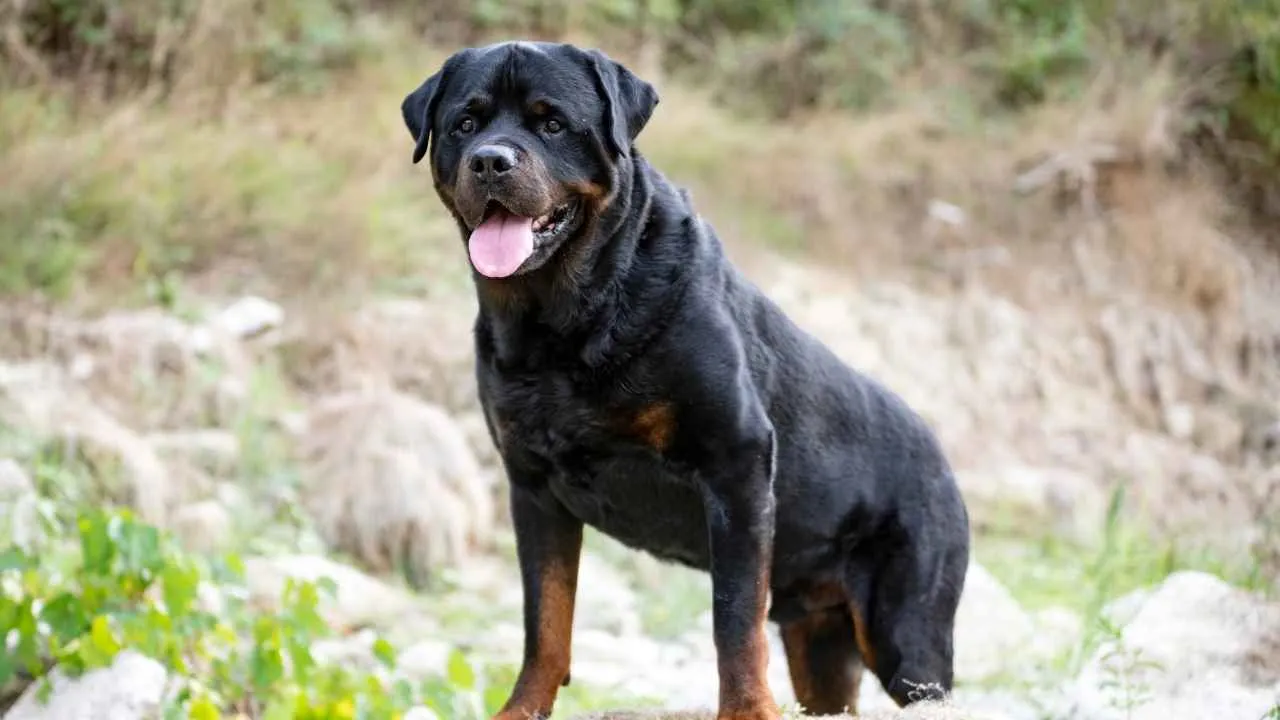
Some dogs guard a home with noise; the Rottweiler often does it with quiet confidence. Descended from working mastiff lines, this powerful breed combines strength and courage with a surprisingly affectionate side toward the people it trusts.
Rottweilers can be reserved with strangers, yet within their family, they may reveal a playful, even goofy personality, according to the American Kennel Club.
Their short, coarse coat does not require the intensive grooming associated with long or fluffy breeds, although regular brushing helps manage shedding.
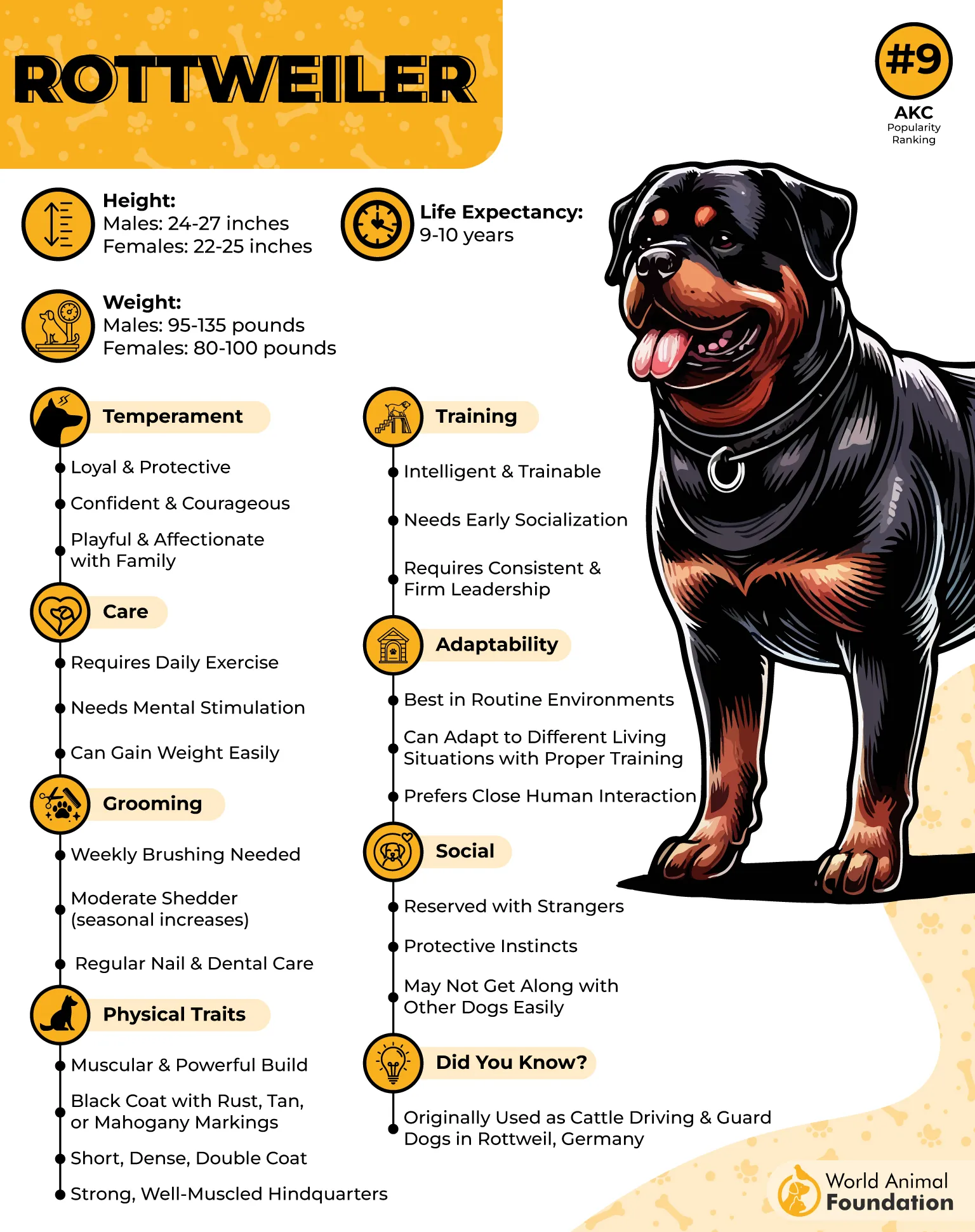
They are intelligent, eager to please, and capable of learning quickly, but their size, strength, and protective instincts make early training and consistent socialization especially important.
Daily exercise is also essential to keep this athletic breed engaged and fit.
For owners prepared to provide guidance, companionship, and activity, the Rottweiler can offer a compelling combination of loyalty, protection, and relatively straightforward coat care.
2. Doberman Pinscher
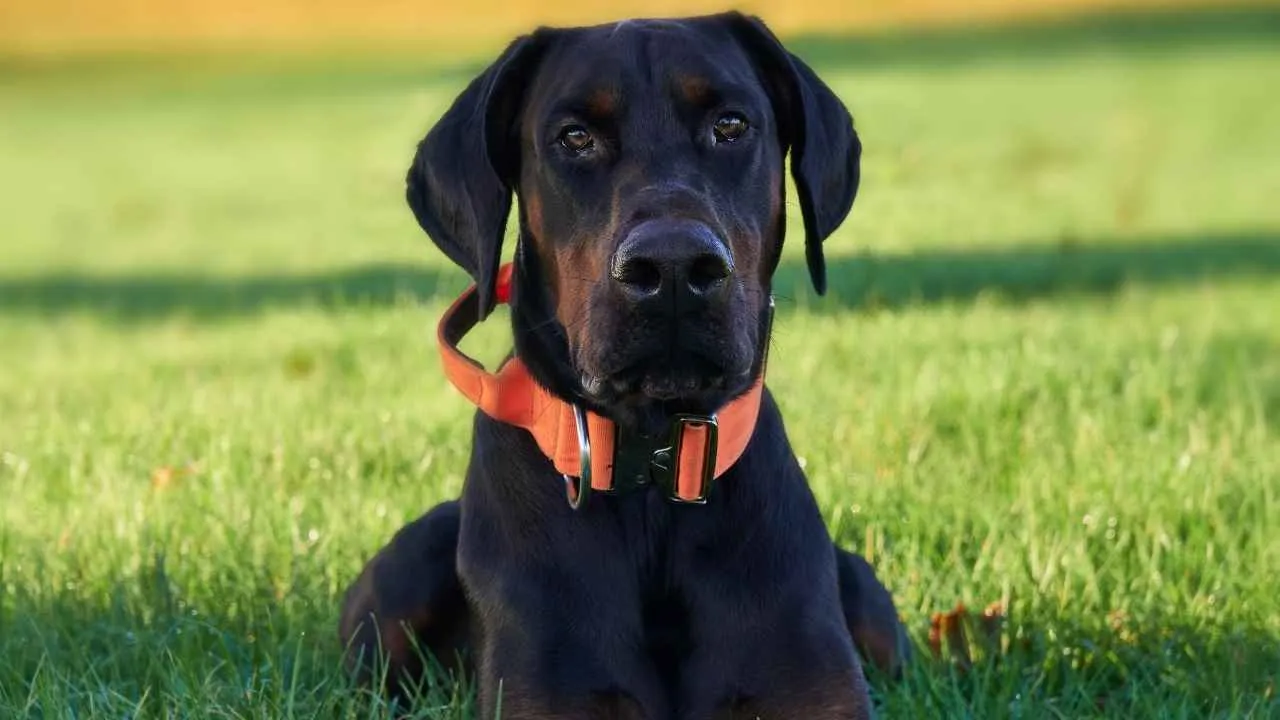
Few dogs combine a watchful nature with such striking loyalty as the Doberman Pinscher.
Developed in Germany as both a guard dog and companion, the breed remains protective, alert, fearless, and deeply devoted to its family.
Its intelligence and eagerness to please also make the Doberman highly trainable, although early socialization, obedience training, and consistent boundaries are important for managing its strong protective instincts.
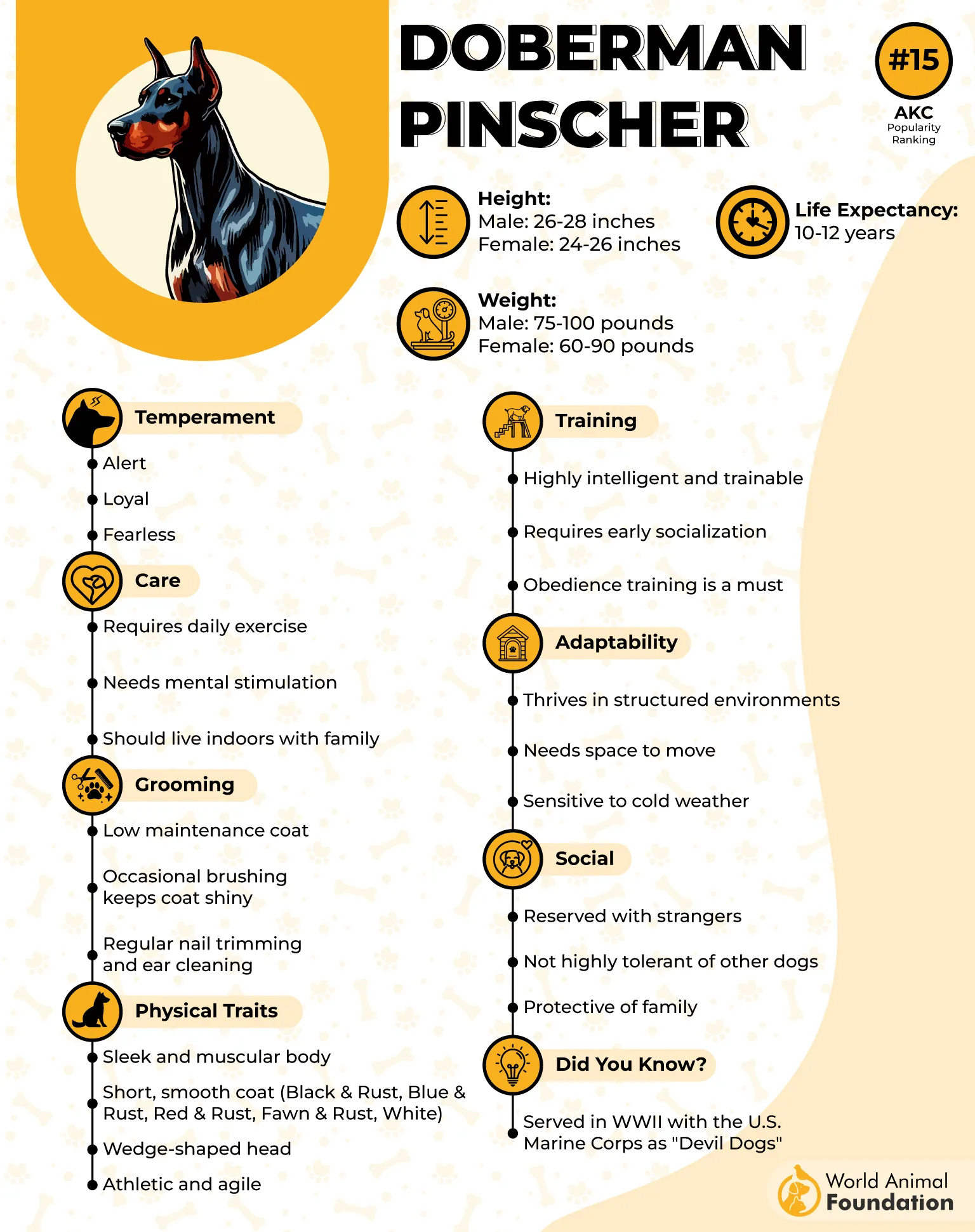
Physically, Dobermans have sleek, muscular bodies built for endurance and speed, along with a smooth, short coat that is relatively straightforward to maintain.
Regular brushing helps manage shedding, while their grooming needs are less demanding than those of breeds with longer, heavier coats.
However, their high energy levels mean they need plenty of exercise, play, and mental stimulation.
For owners who can provide the activity and guidance this breed requires, the Doberman offers a compelling balance of dependable protection, loyalty, intelligence, and manageable grooming needs.
3. Cane Corso
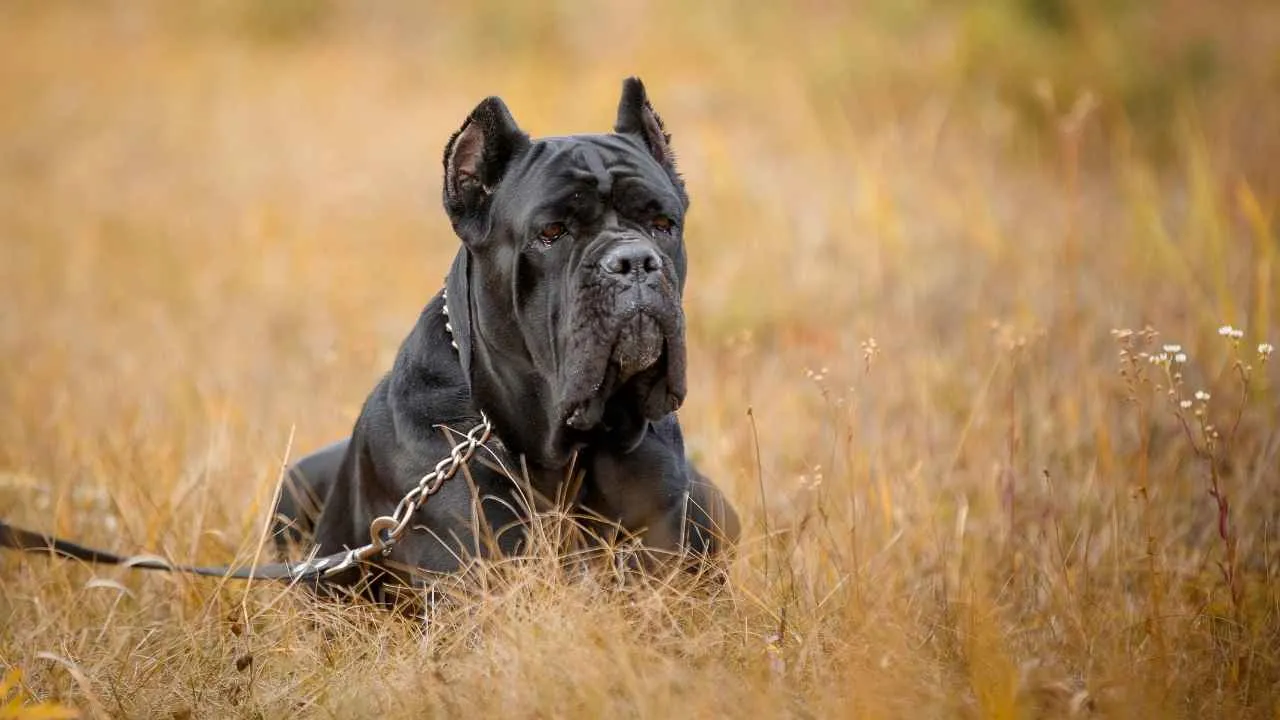
The Cane Corso brings together a powerful presence, strong loyalty, and an instinct to protect the people and territory it considers home.
Originally developed in southern Italy as a working and guardian dog, this imposing breed remains confident, watchful, and deeply devoted to its family.
With proper training, Cane Corsos can be obedient, playful, and affectionate, but their size and protective nature make early socialization and experienced handling especially important, as stated by Zooplus.
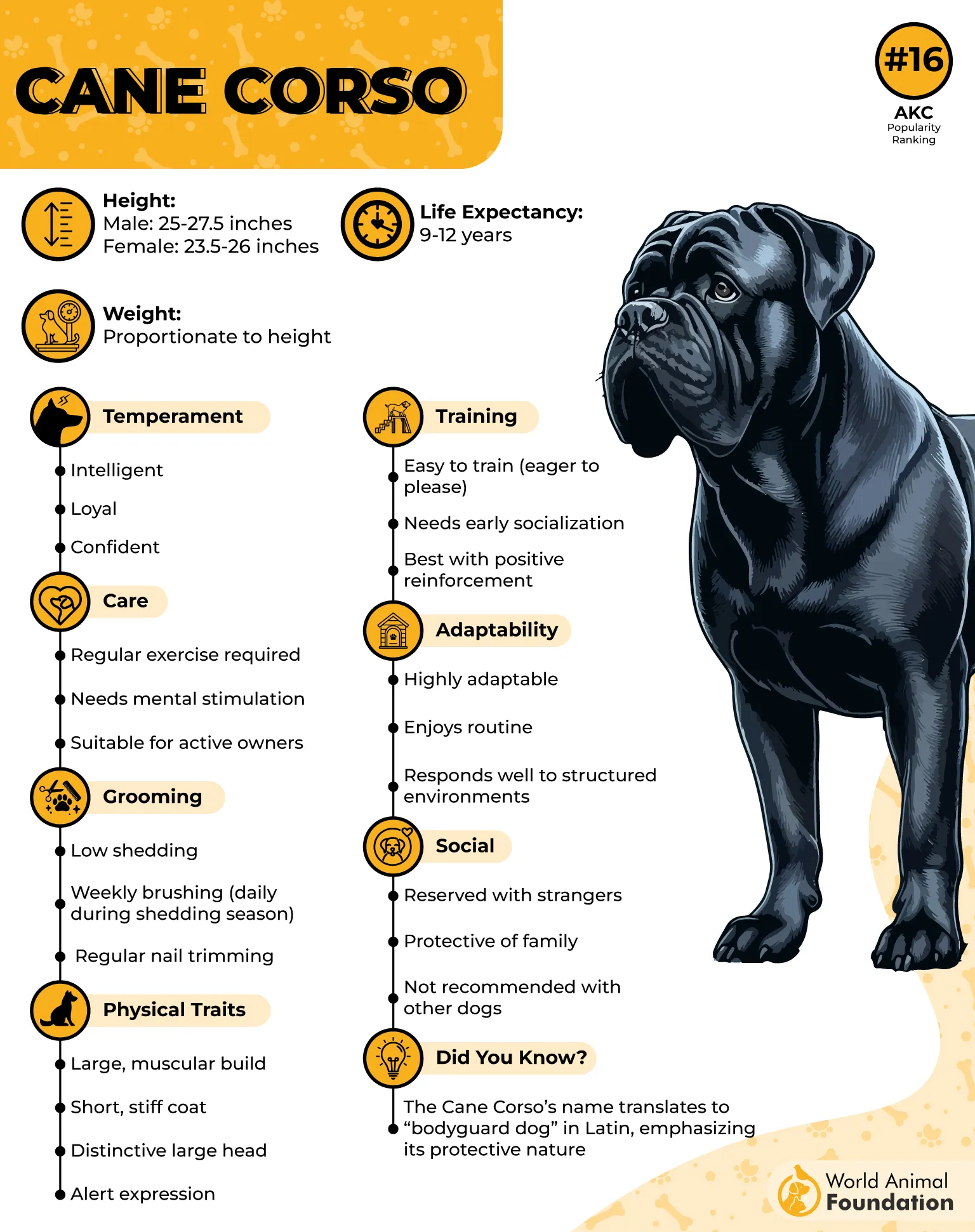
They are active dogs that need regular exercise, meaningful tasks, and plenty of family interaction rather than being left to themselves.
At the same time, their short, dense coat keeps grooming relatively simple, with brushing every few days generally enough to remove loose fur.
For knowledgeable owners with sufficient space and time, the Cane Corso can be a dependable guardian and loyal companion, offering strong protective instincts without demanding the extensive coat care associated with many long-haired breeds.
4. Bullmastiff
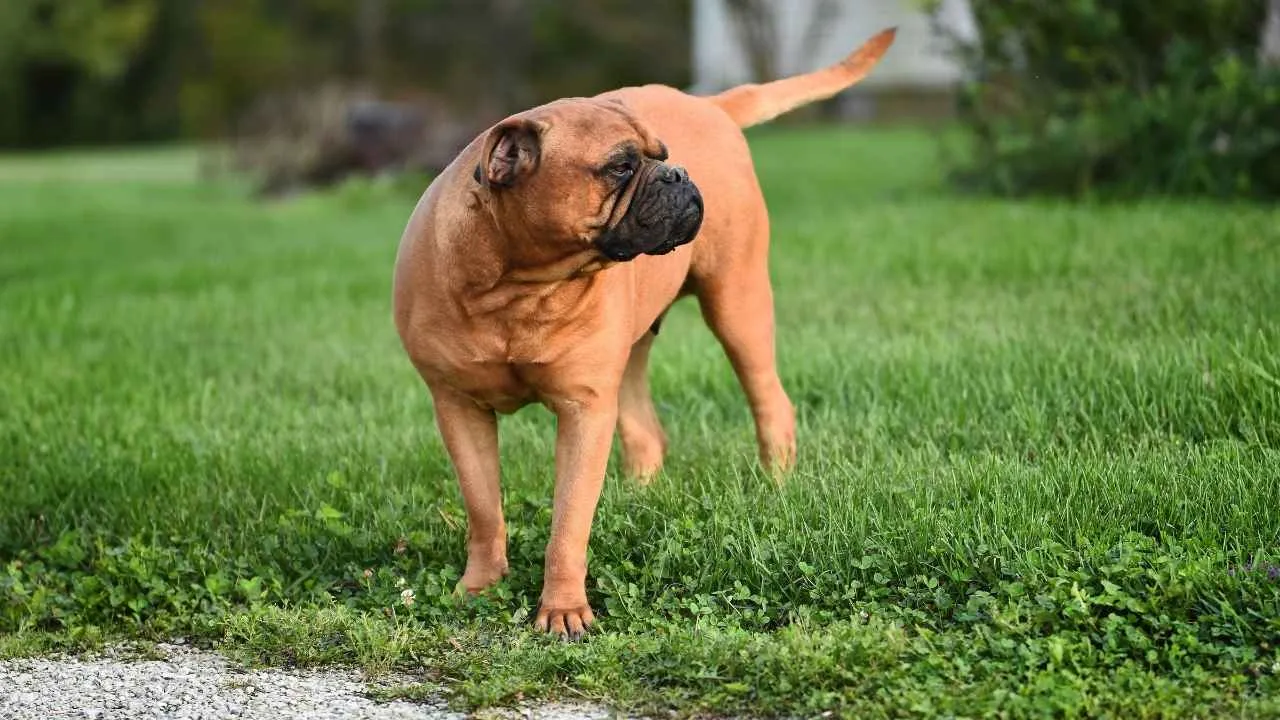
The Bullmastiff may have an imposing appearance, but its appeal lies in the calm loyalty beneath that powerful frame.
Developed in England to guard estates, this breed was valued for its courage, strength, and ability to watch over its territory without excessive barking.
Bullmastiffs are affectionate with their families and can be gentle companions, yet their size and protective instincts make early socialization, consistent training, and responsible handling essential.
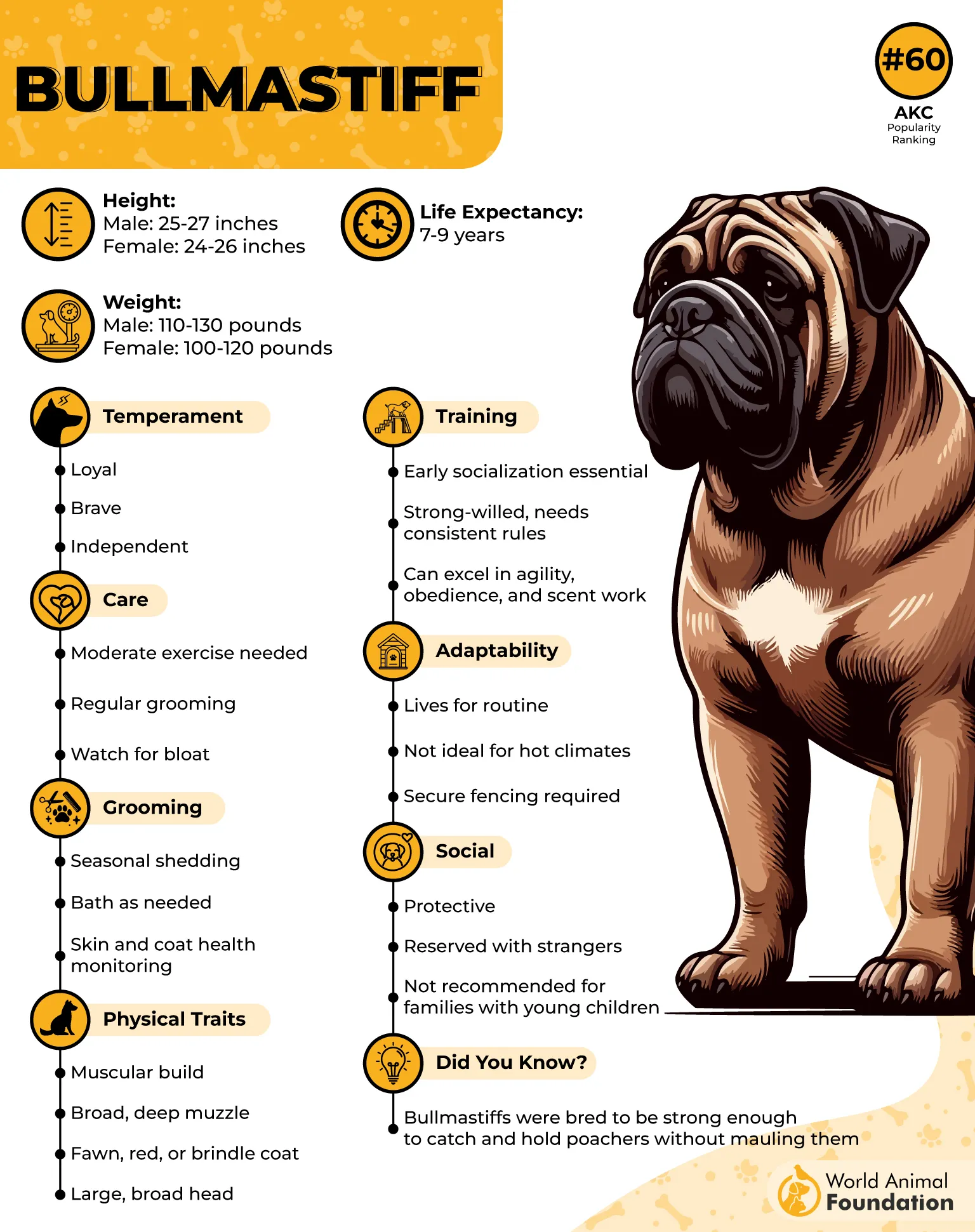
Their short, dense coat is another practical advantage for owners seeking a guard dog without demanding grooming needs.
Regular brushing can help remove loose hair and keep the coat healthy, while bathing is generally occasional or as needed.
Bullmastiffs still need daily exercise and mental stimulation, but their activity should remain controlled rather than overly strenuous.
For experienced owners with enough space and time, the Bullmastiff offers a reassuring combination of devotion, quiet vigilance, manageable coat care, and natural guarding ability.
5. Boerboel
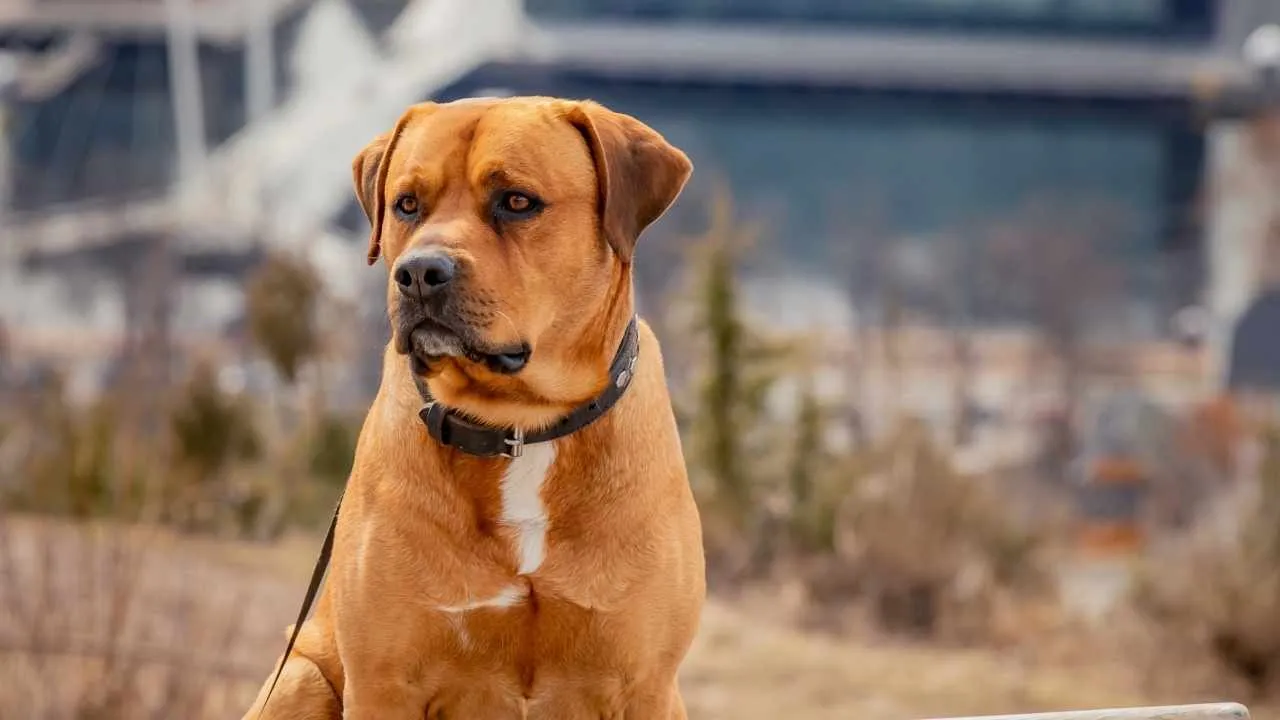
Built to protect farms and families, the Boerboel carries a powerful presence matched by deep loyalty to the people it considers its own.
This South African mastiff-type breed is confident, intelligent, calm, and naturally watchful, with a strong instinct to guard its home and territory.
Despite its imposing size and independent nature, a well-socialised Boerboel can form close bonds with its family and become a steadfast companion.
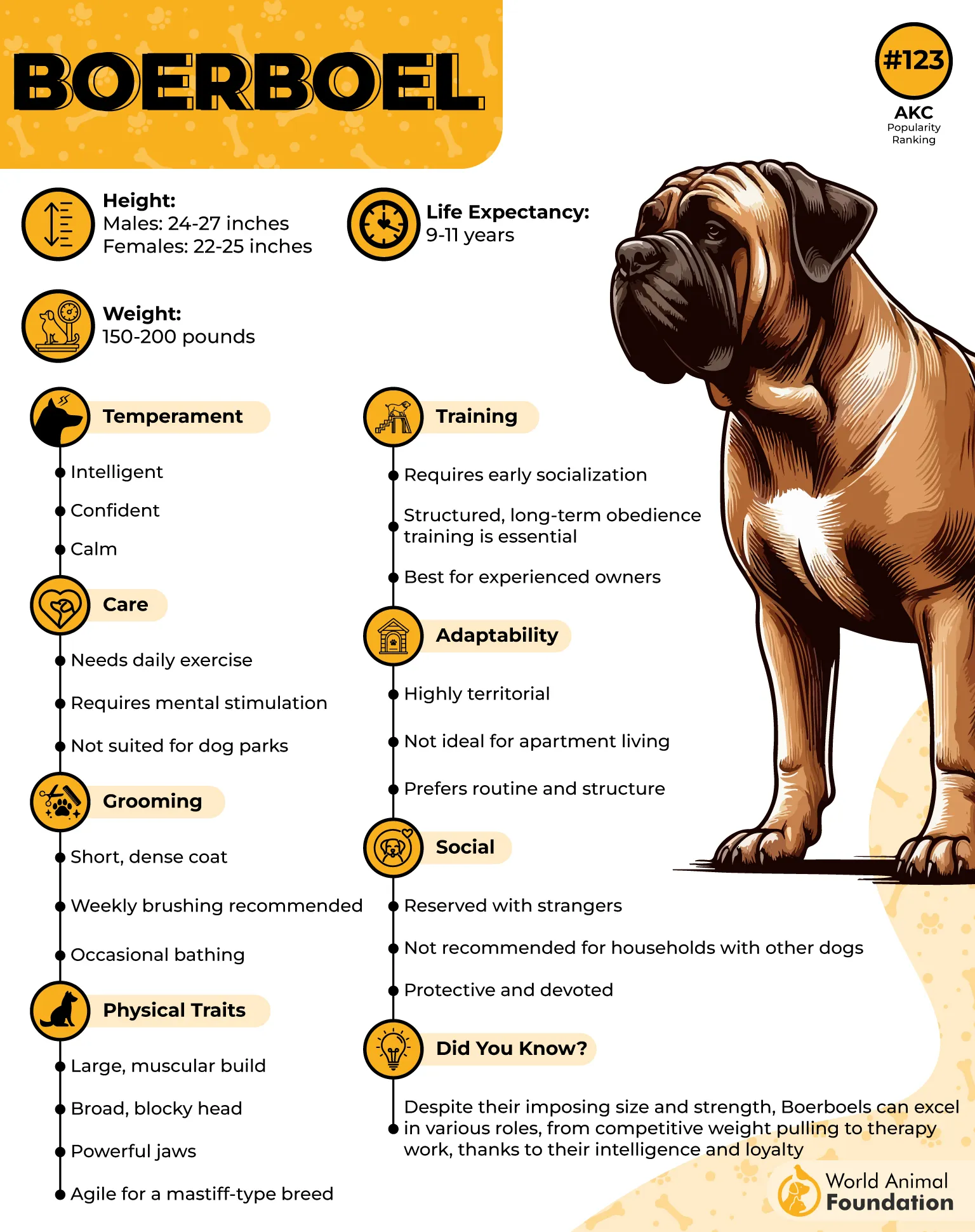
Its protective instincts, however, mean that early socialisation, consistent training, and experienced handling are essential, particularly because of its tremendous strength.
Boerboels also need daily physical activity and mental stimulation to stay balanced and engaged, as explained by Borrow Insurance.
Their short, dense coat is comparatively simple to maintain, generally benefiting from weekly brushing to remove loose hair and keep it healthy.
For knowledgeable owners with enough space and commitment, the Boerboel offers a distinctive combination of devotion, courage, natural guarding ability, and straightforward coat care.
6. German Shepherd
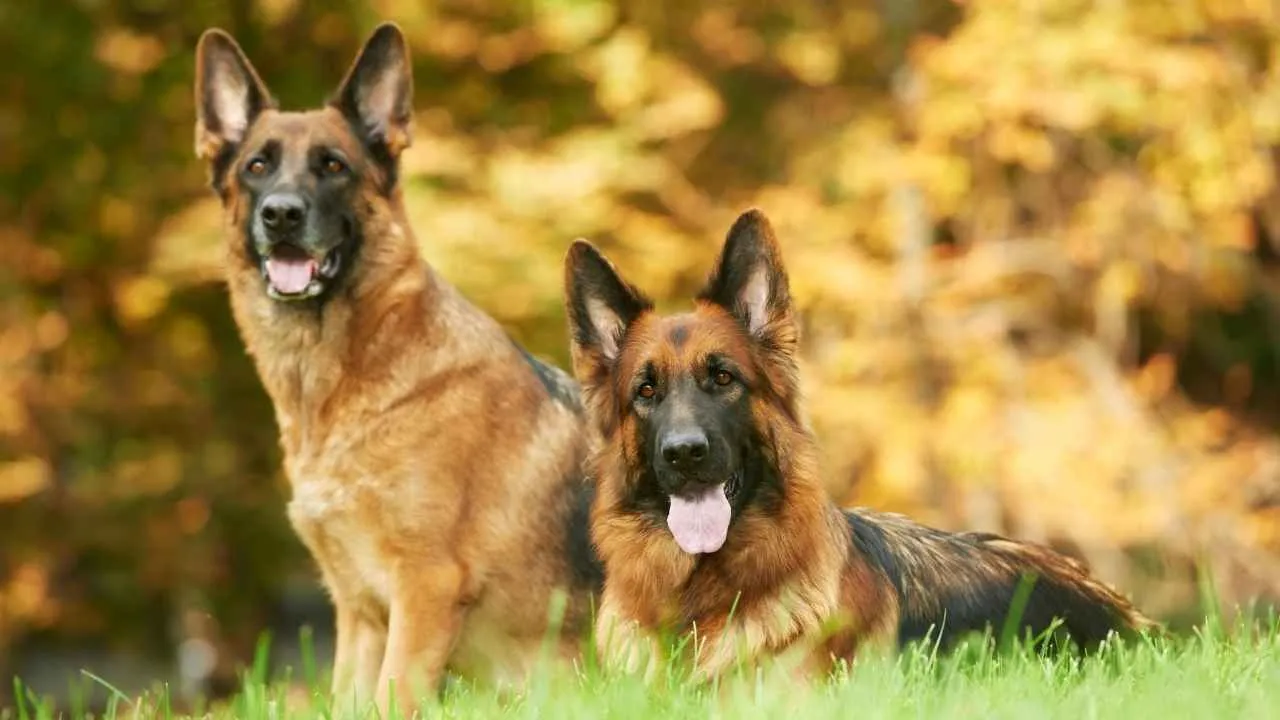
Few dogs combine loyalty, intelligence, and protective instinct as naturally as the German Shepherd.
Originally developed for herding sheep, this highly trainable breed has become known for its versatility, devotion, and strong working ability.
German Shepherds often form deep bonds with their families and can be especially attentive to the people they trust.
Their instinct to protect may make them reserved around strangers, while proper socialization and training help them become confident, well-mannered companions.

Their intelligence makes learning rewarding, but it also means they need regular mental and physical stimulation to stay content.
Adult German Shepherds require at least two hours of exercise each day, along with activities that engage their minds.
Their medium-length double coat needs weekly grooming to manage shedding and keep it healthy.
While they are not among the lowest-maintenance dogs overall, their grooming needs are relatively straightforward, making them a loyal and capable choice for experienced owners who can meet their activity and training needs.
7. Rhodesian Ridgeback
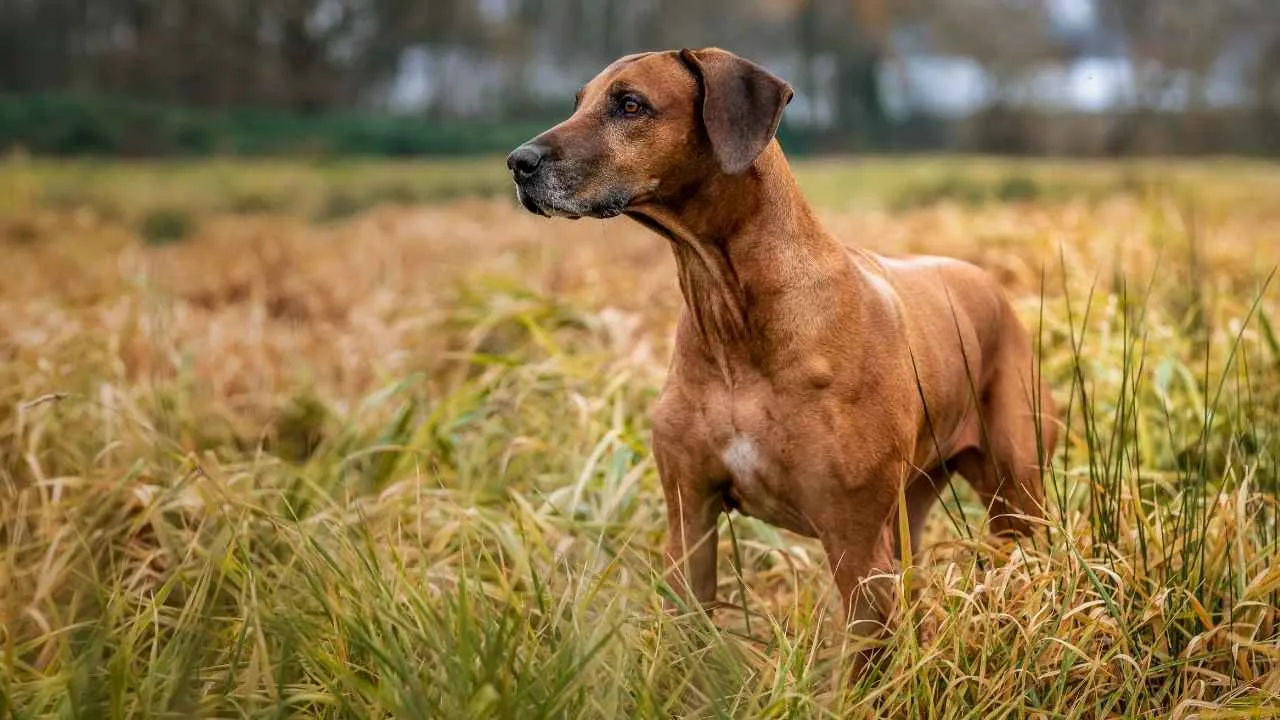
With its distinctive ridge and quiet confidence, the Rhodesian Ridgeback brings a unique blend of loyalty, independence, and guarding ability to the home.
Originally developed in southern Africa as a hunting and protective companion, the breed became valued for its courage, speed, and ability to work alongside people.
Today, the Ridgeback is known as a devoted family dog that can be affectionate with those it trusts while remaining reserved around strangers.
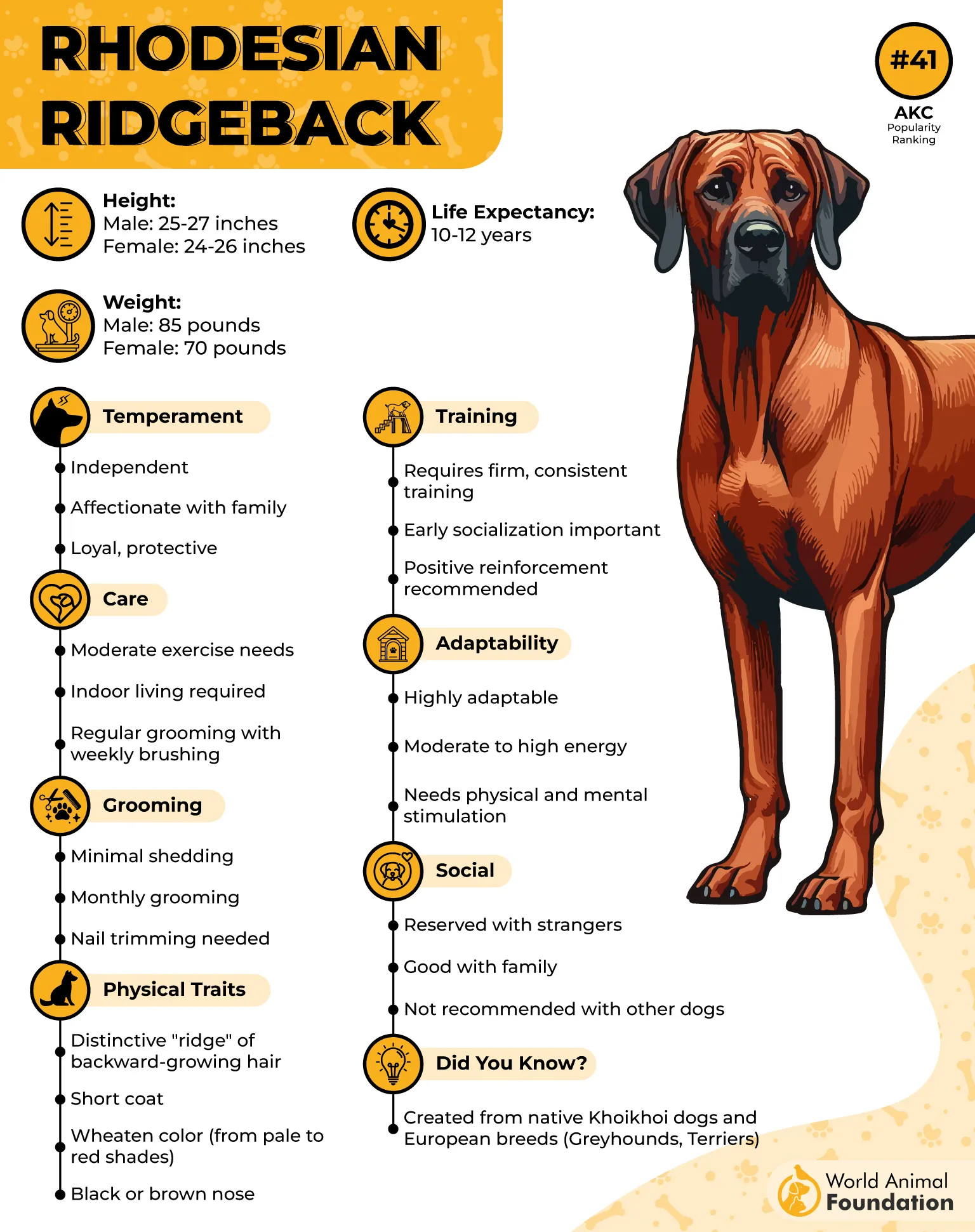
Once trained, it can make an excellent guard dog, using its deep bark to warn of unfamiliar people, according to Lifetime Pet Cover.
This intelligent and athletic breed needs around one to two hours of daily exercise, along with consistent training and secure fencing to manage its strong instinct to chase.
Despite its size, its grooming routine is relatively simple. The short, smooth coat needs regular brushing to remove loose hair and dirt, while basic nail, ear, and dental care helps maintain overall cleanliness. For experienced owners, it offers loyalty and protection without demanding grooming needs.
Conclusion
A loyal guard dog can offer more than protection; it can become a trusted companion that stays close to the people it loves. The breeds featured in this list show that strong guarding instincts do not always have to come with complicated grooming routines.
From short, easy-to-manage coats to straightforward grooming needs, these dogs can be practical choices for owners who want a protective presence without spending excessive time on coat care. However, low grooming needs should not be confused with low overall responsibility.
Many guard breeds are intelligent, powerful, and energetic, requiring consistent training, socialization, exercise, and confident handling. Choosing the right breed also means considering your home, experience, available space, and ability to meet the dog’s physical and mental needs.
With the right environment and responsible care, a loyal guard dog can become both a dependable protector and a deeply devoted member of the family, offering companionship, confidence, and a reassuring presence every day.
