




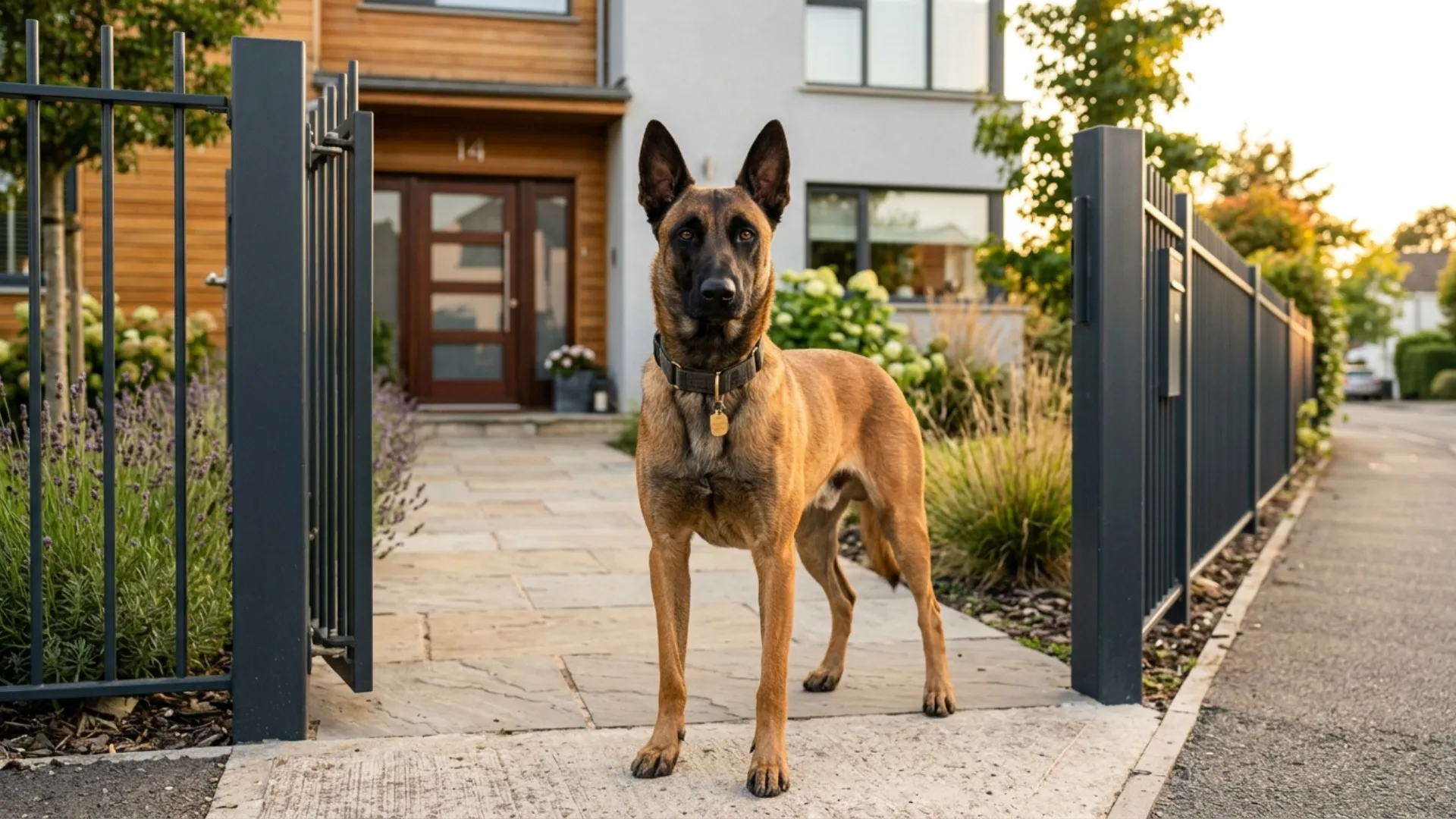
Some dogs learn commands. Others seem to read the room before anyone even speaks. If you want a companion that can protect your home while staying deeply loyal to the family, intelligence matters just as much as strength.
It means they are intelligent enough to judge situations, alert to possible danger, brave when facing challenges, and easy to train to follow commands.
Plenty of breeds are trusted by police units, military teams, and experienced handlers precisely because they solve problems quickly and stay focused under pressure.
The breeds in this guide aren’t just impressive guardians; they build strong bonds, learn fast, and often become the family member who notices trouble before anyone else does.
Highly Intelligent Dog Breeds Perfect for Security and Loyalty
1. German Shepherd
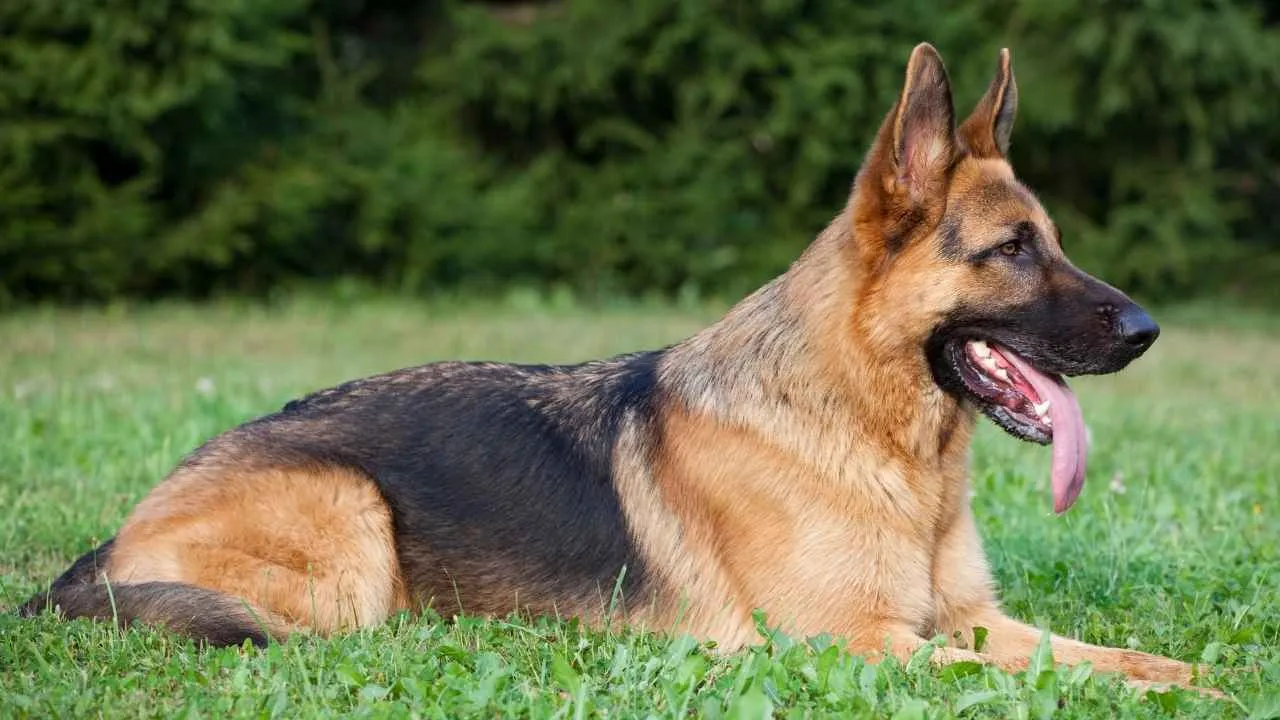
After the formation of the Verein für Deutsche Schäferhunde, the German breed club for GSDs, in 1899, the breed was developed for work with police and armed forces. The German Shepherd actually lost popularity outside Germany during World War I, when the name was changed to Alsatian to distance the breed from its German associations, according to Purina.
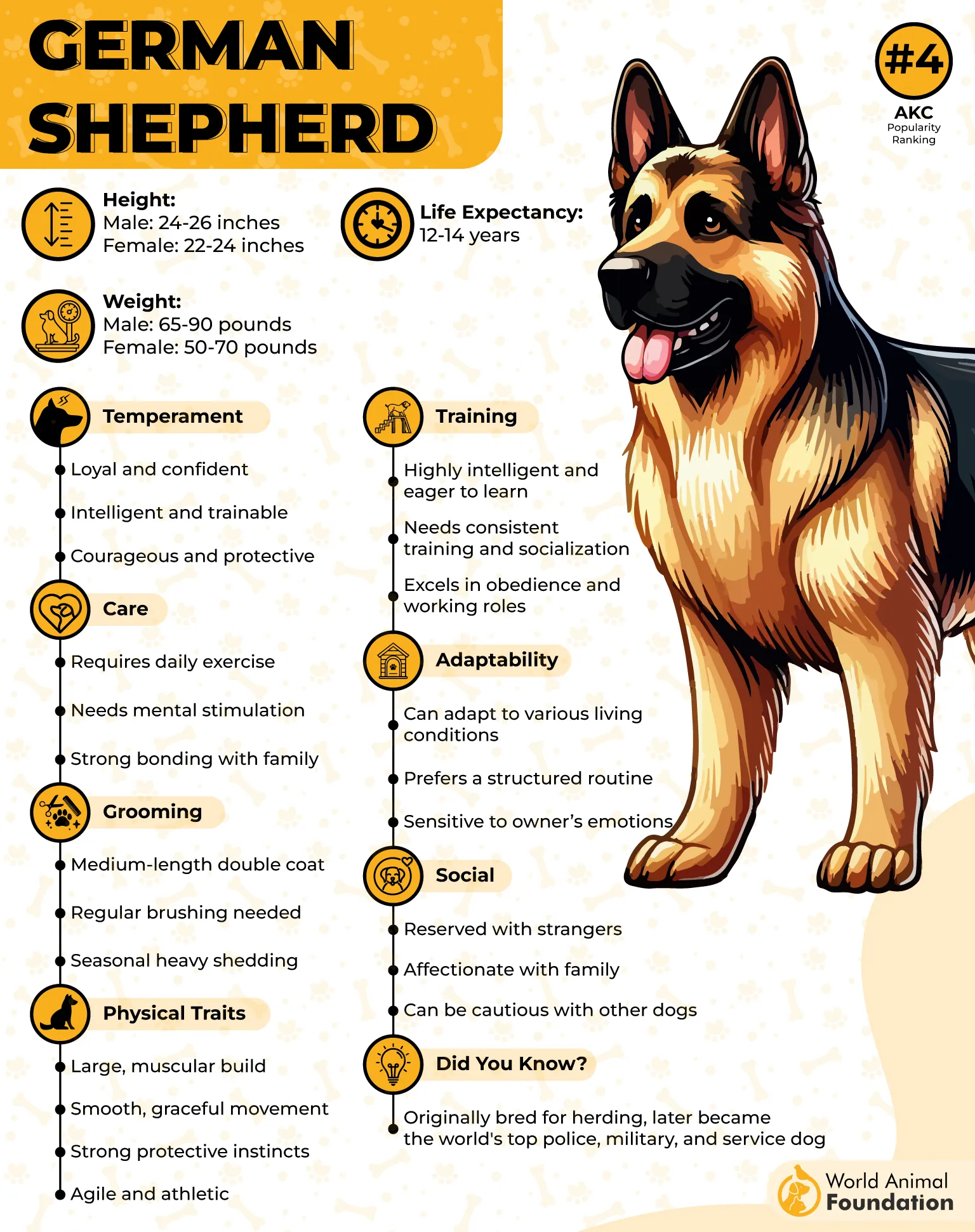
This naturally protective dog is focused and determined once it locks onto a target, and it won’t hesitate to put itself in harm’s way to protect its people. Because of its strong drive to work, it can sometimes tune out commands when it’s focused on a task, which is why an experienced owner is recommended.
German Shepherds can run at speeds of around 30 mph. Their muscular build, flexible spine, and balanced frame let them accelerate quickly and clear high obstacles with ease. As one of the most intelligent dog breeds, they’re highly trainable and pick up complex commands with relative ease.
2. Belgian Malinois
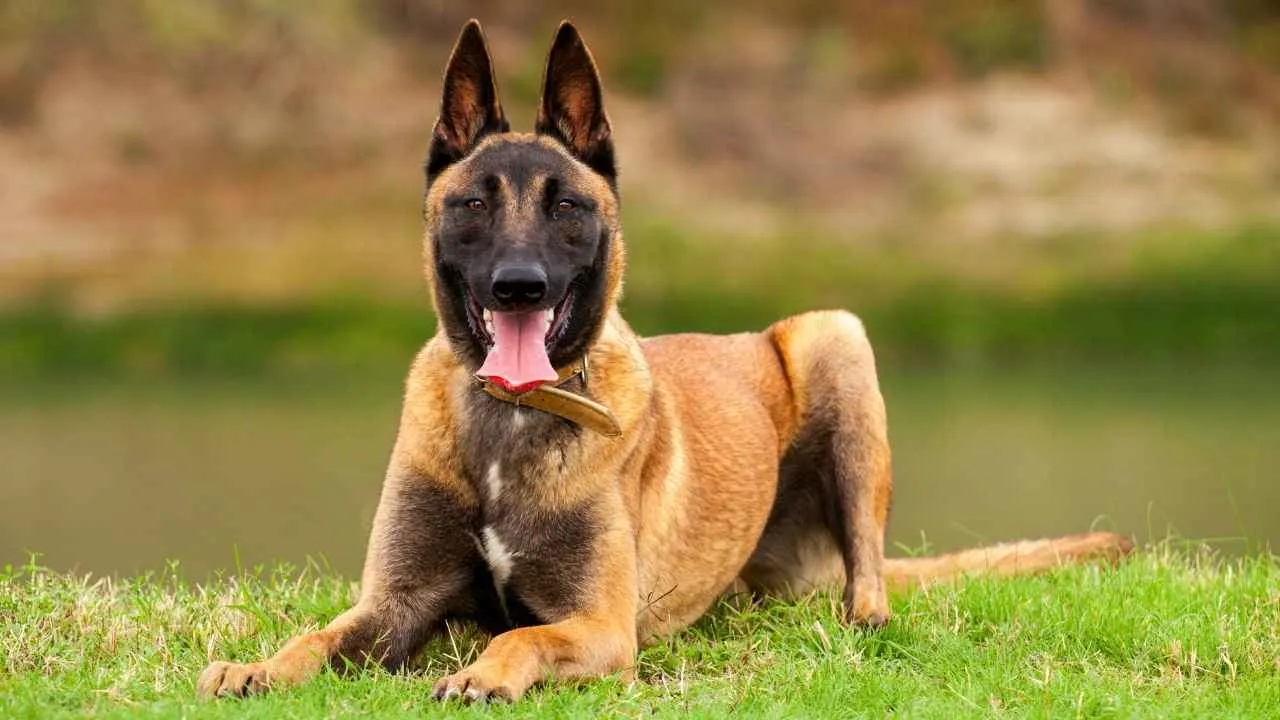
This excellent guard dog descends from the great line of Belgian herding dogs known as “Chien de Berger Belge.” The collective breed was later split into varieties based on coat color and type, and it earned a place in police and military work throughout the 20th century thanks to its natural protective instincts.
It’s a high-drive working dog, and a Belgian Malinois was reportedly part of the Navy SEAL team involved in the operation that killed Osama bin Laden. The breed tends to stay reserved around strangers, has exceptional observational skills, and is highly responsive to handling.
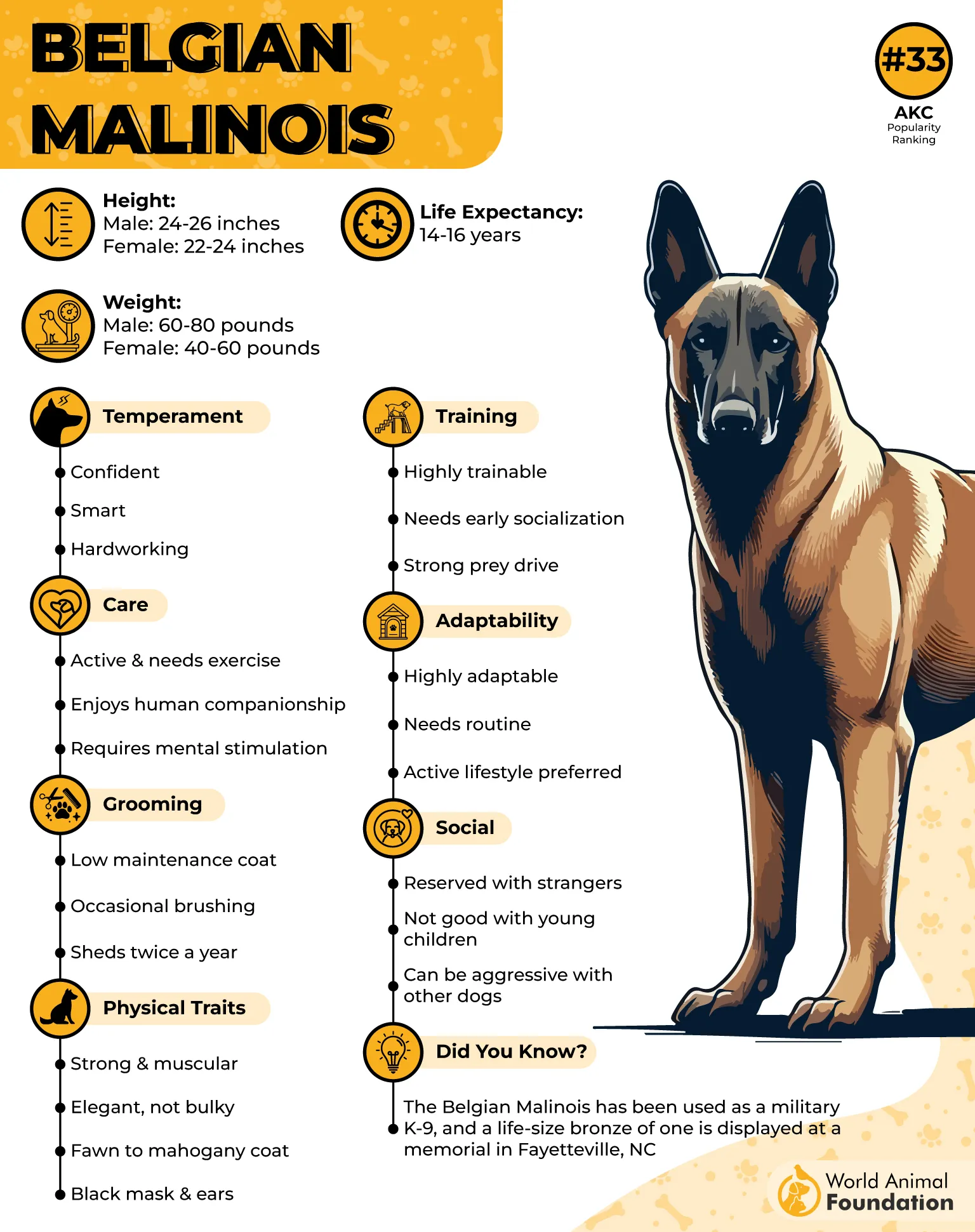
It’s also incredibly versatile, excelling in dog sports, K9 work, obedience, and agility. With sharp hearing and an even sharper nose, its erect ears help it zero in on the exact source of a sound.
Its thick double coat acts as a natural thermoregulator while also offering some protection from predator bites and rough brush. This breed needs 1–2 hours of daily exercise and mental stimulation, such as daily walks, scent work, fetching games, and obedience training, to stay happy and balanced.
3. Rottweiler
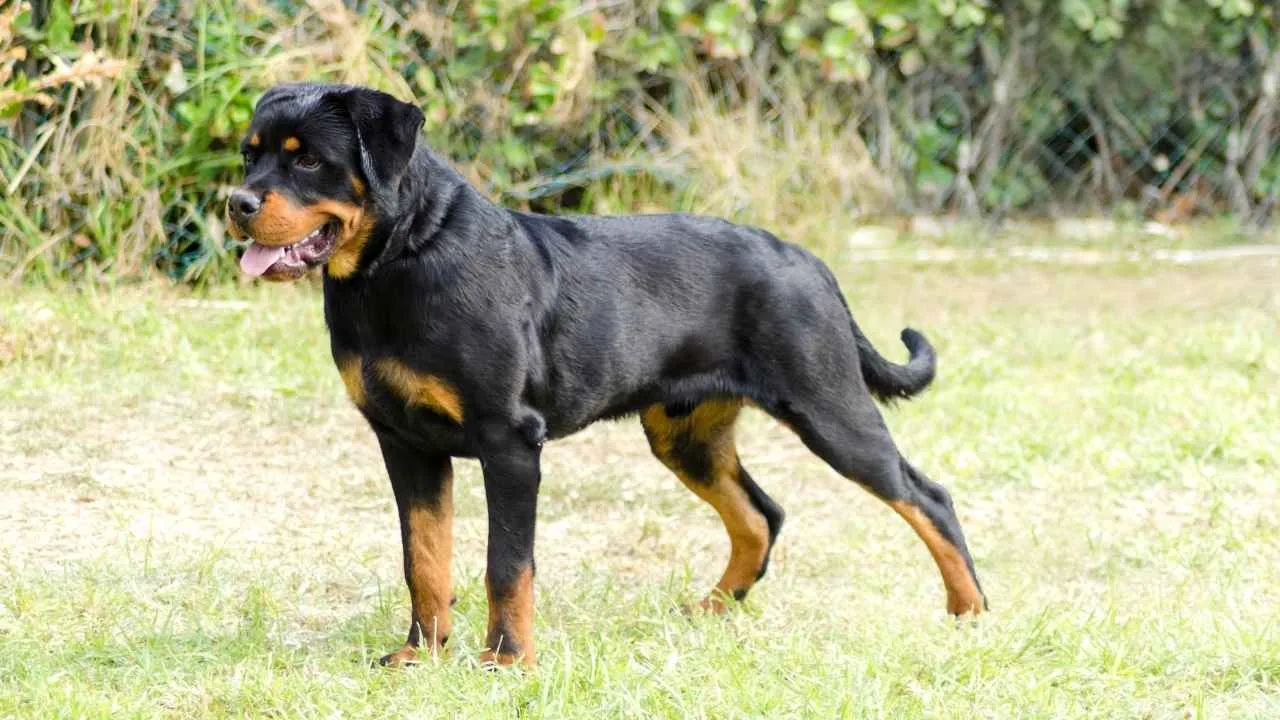
This breed’s history traces back to ancient Rome, where mastiff-like ancestral dogs known as “Molossers” were used to herd cattle and guard valuable supplies. As the Roman Empire expanded, these dogs made their way to Germany, where they were gradually shaped into the Rottweiler we know today, originally bred for pulling carts, according to Petplan.
Its robust chest, significant mass, and raw physical power give it the ability to physically overpower or hold down a threat if the situation calls for it. A Rottweiler named Gunner was even recognized by the AKC for his life-saving search-and-rescue work at the World Trade Center site following the September 11, 2001 attacks.
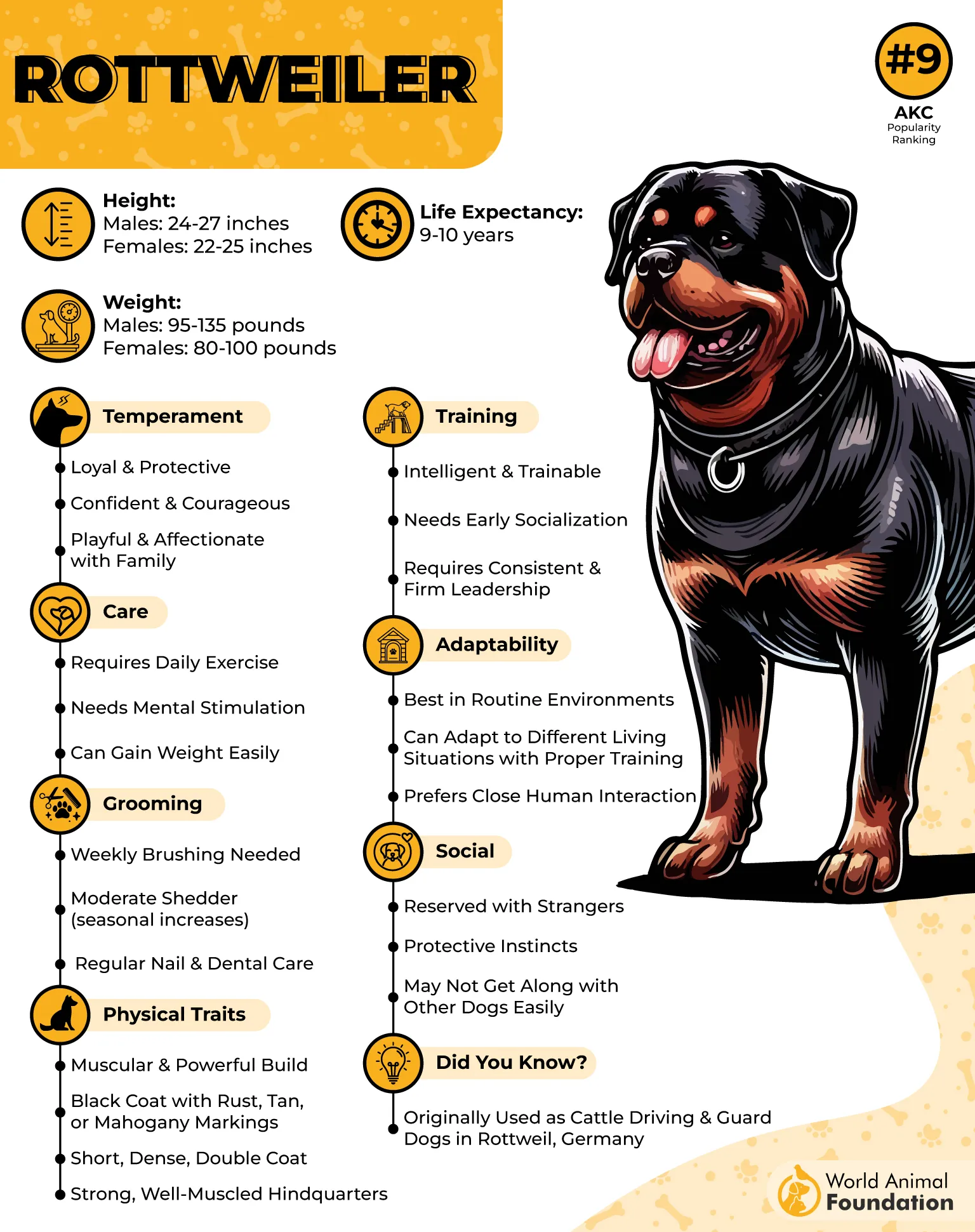
The Rottweiler is a powerful, calm, and dependable breed, which makes it an excellent guardian and family companion alike. It tends to relax and ease up in safer, familiar environments, while its strong watchful instincts let it sense a potential threat well before it happens.
4. Doberman Pinscher
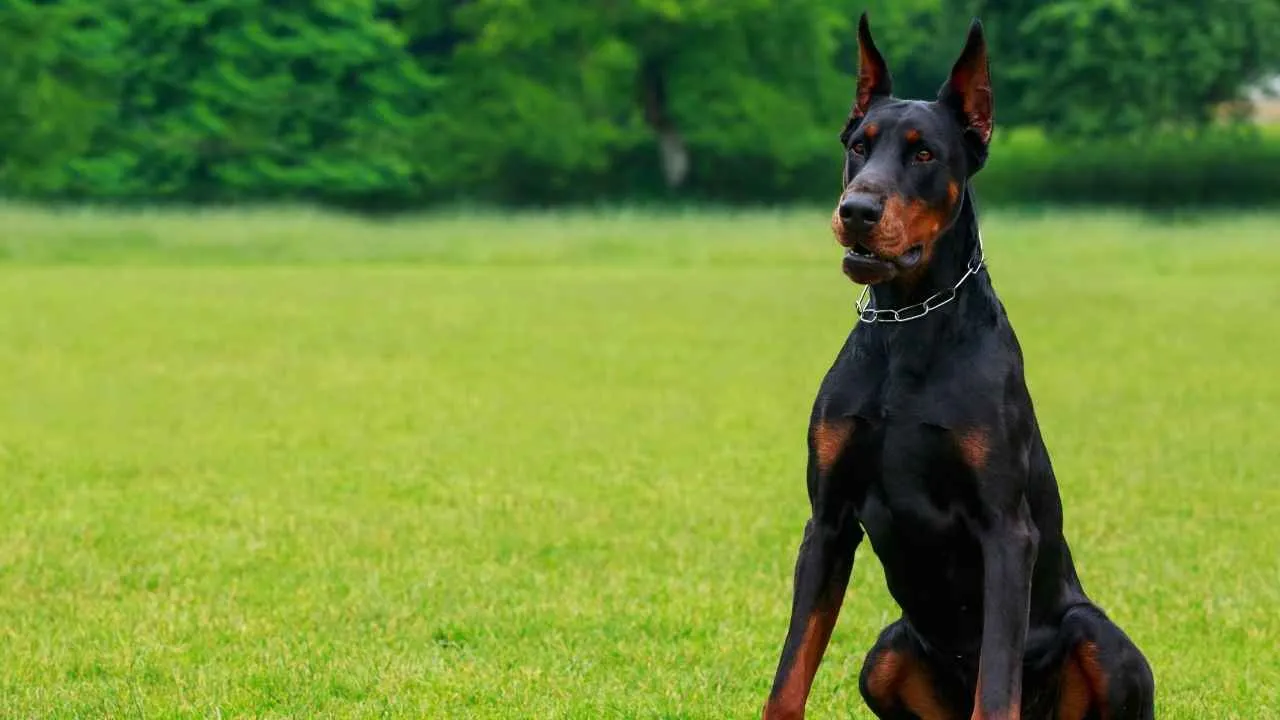
A German tax collector named Karl Friedrich Louis Dobermann is credited with developing this protection breed in the late 19th century, crossing old shorthaired shepherds, Rottweilers, the German Pinscher, and Black and Tan Terriers. It’s widely regarded as one of the most intelligent dog breeds around.
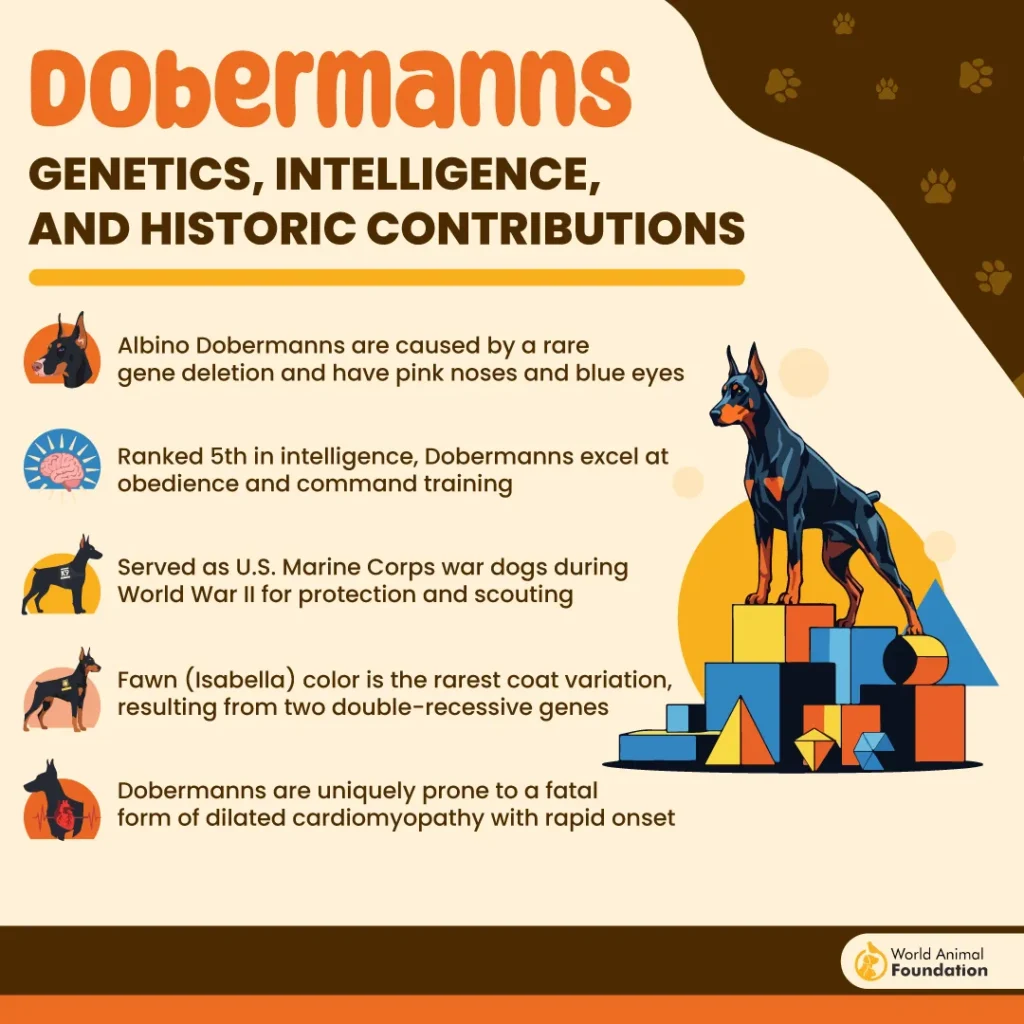
It has a square, muscular build that allows for explosive bursts of speed and strength. The breed is also highly attuned to its owner’s emotions, often picking up on stress or anxiety through body language and facial expressions. Because of its strong prey drive, it’s not always the best fit for homes with small animals or young kids.
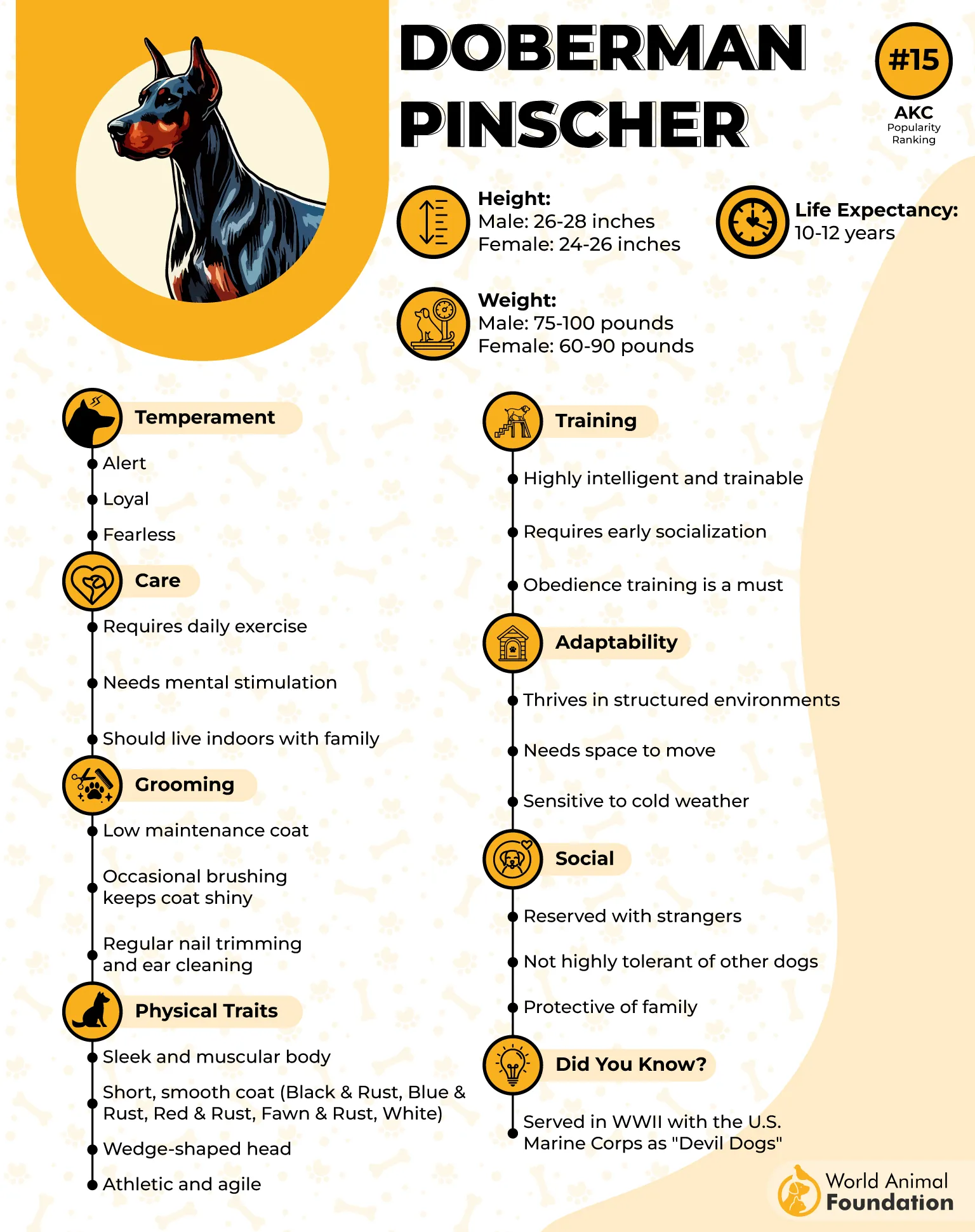
Dobermans can develop separation anxiety if left alone too long, which may lead to destructive behaviors like chewing or digging if they aren’t given enough of a “job” to do. This loyal companion needs 1–2 hours of vigorous daily exercise — hiking, fetching, jogging, and brisk walks all work well.
5. Dutch Shepherd
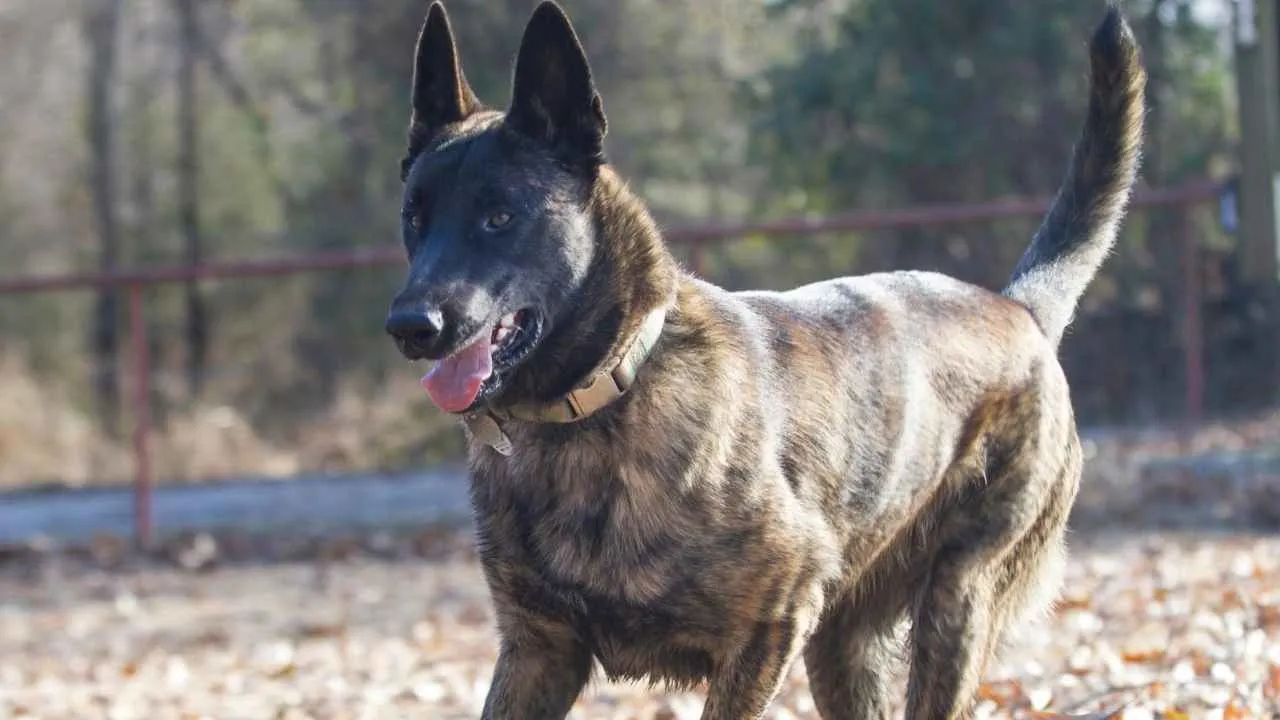
This guard dog breed was actually developed for its strong work ethic and herding skills. Also known as the “Dutch Shepherd,” it was widely used on farms in the Netherlands throughout the 19th century. As modern herding techniques reduced the need for this kind of work, the breed shifted into other roles, including police and service work, according to UKC.
Thanks to its remarkable tracking ability and keen sense of smell, it makes an excellent watchdog. It also forms strong bonds with family members, children, and other pets, though proper socialization and early training are still important when it comes to interacting with unfamiliar people.
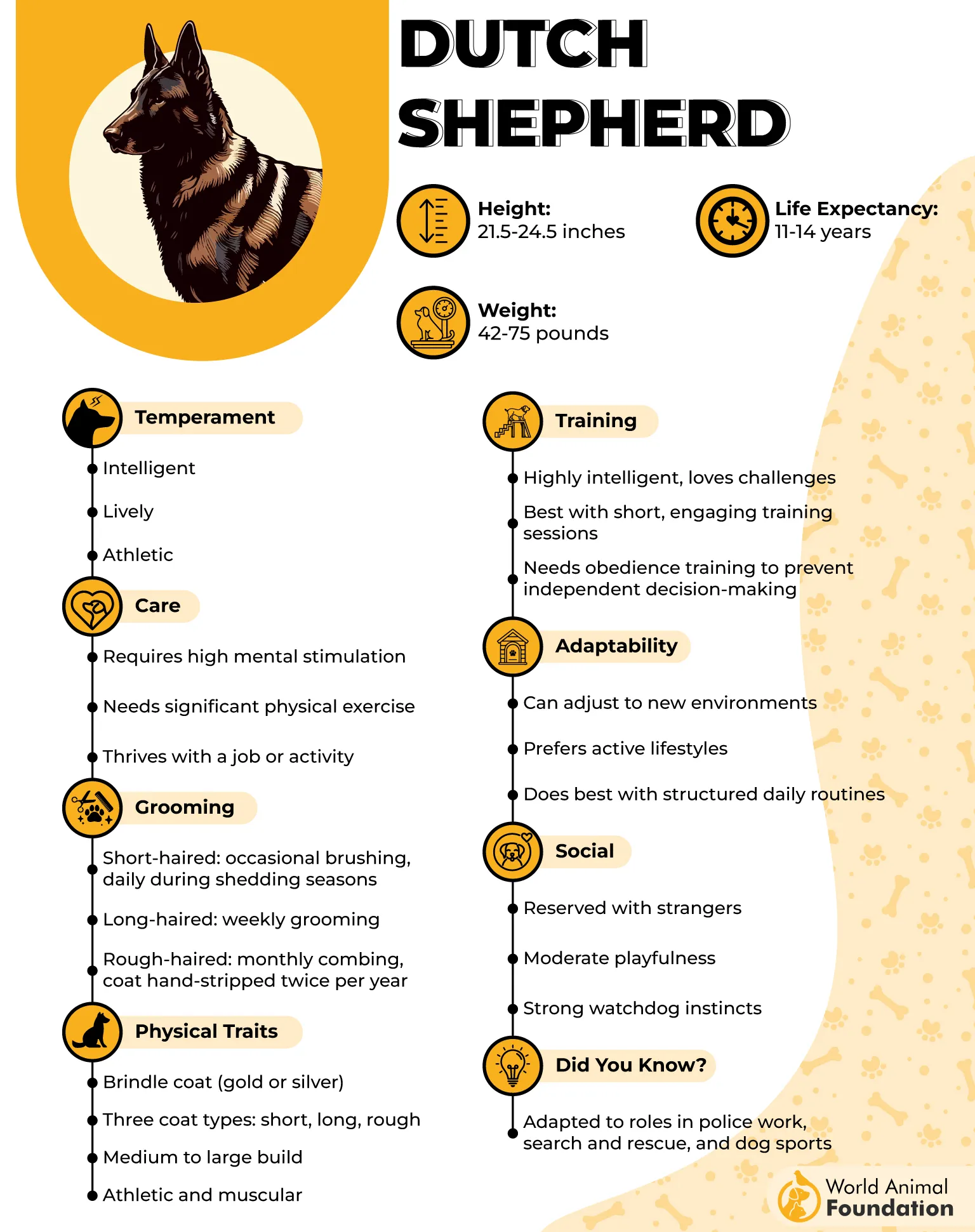
Its sharp nervous system allows for rapid processing of environmental stimuli, letting it shift smoothly from a calm state into an alert “fight-or-flight” response when needed. This high-energy working dog needs moderate exercise, around 30–60 minutes daily, to stay balanced and content.
6. Belgian Tervuren
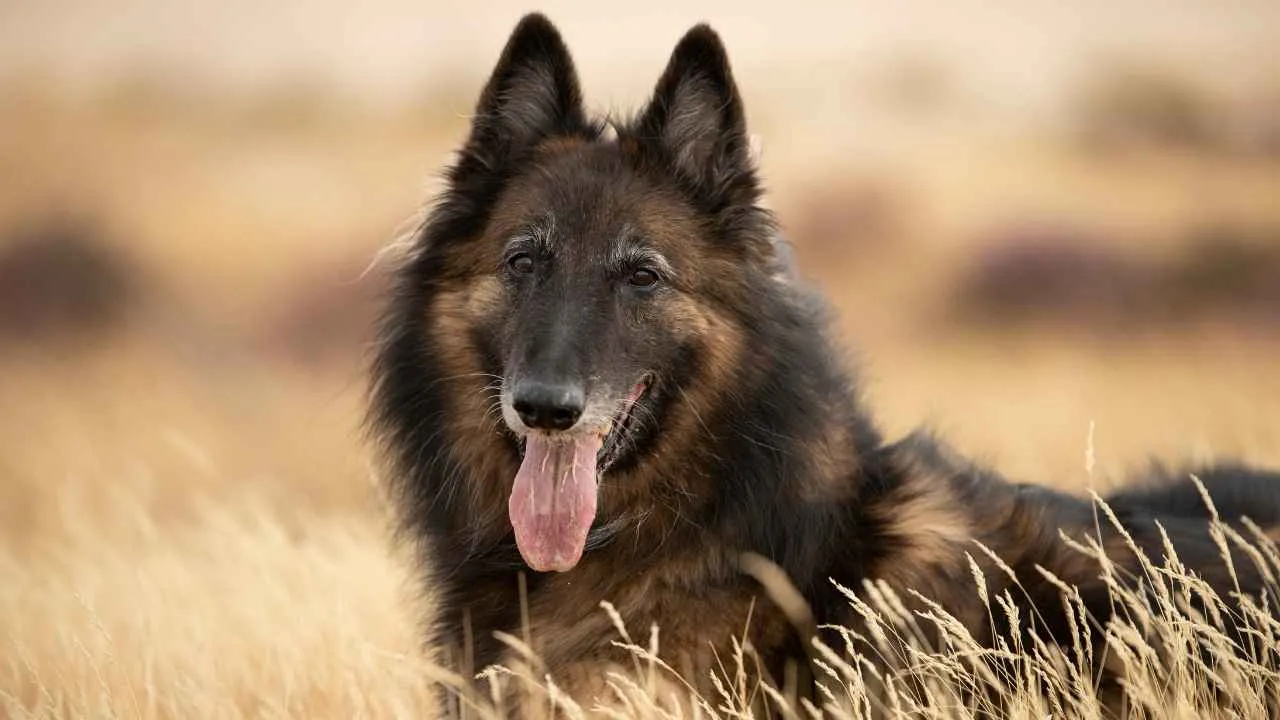
Named after the village of Tervuren in Belgium, where the breed originated, this powerful dog was developed by M.F. Corbeel as a farm dog. It’s closely related to the other three Belgian Shepherd varieties. Once the Industrial Revolution reduced the need for farm dogs, the breed shifted primarily into military and police work.
The Tervuren has fast-twitch muscles that allow for quick sprints and sharp turns without losing speed. Its long muzzle, erect ears, and broad head give it a naturally alert expression. High stamina, paired with a quick “reset” between tasks, makes it well suited for multi-role farm work like herding, guarding, and cart or utility duties.
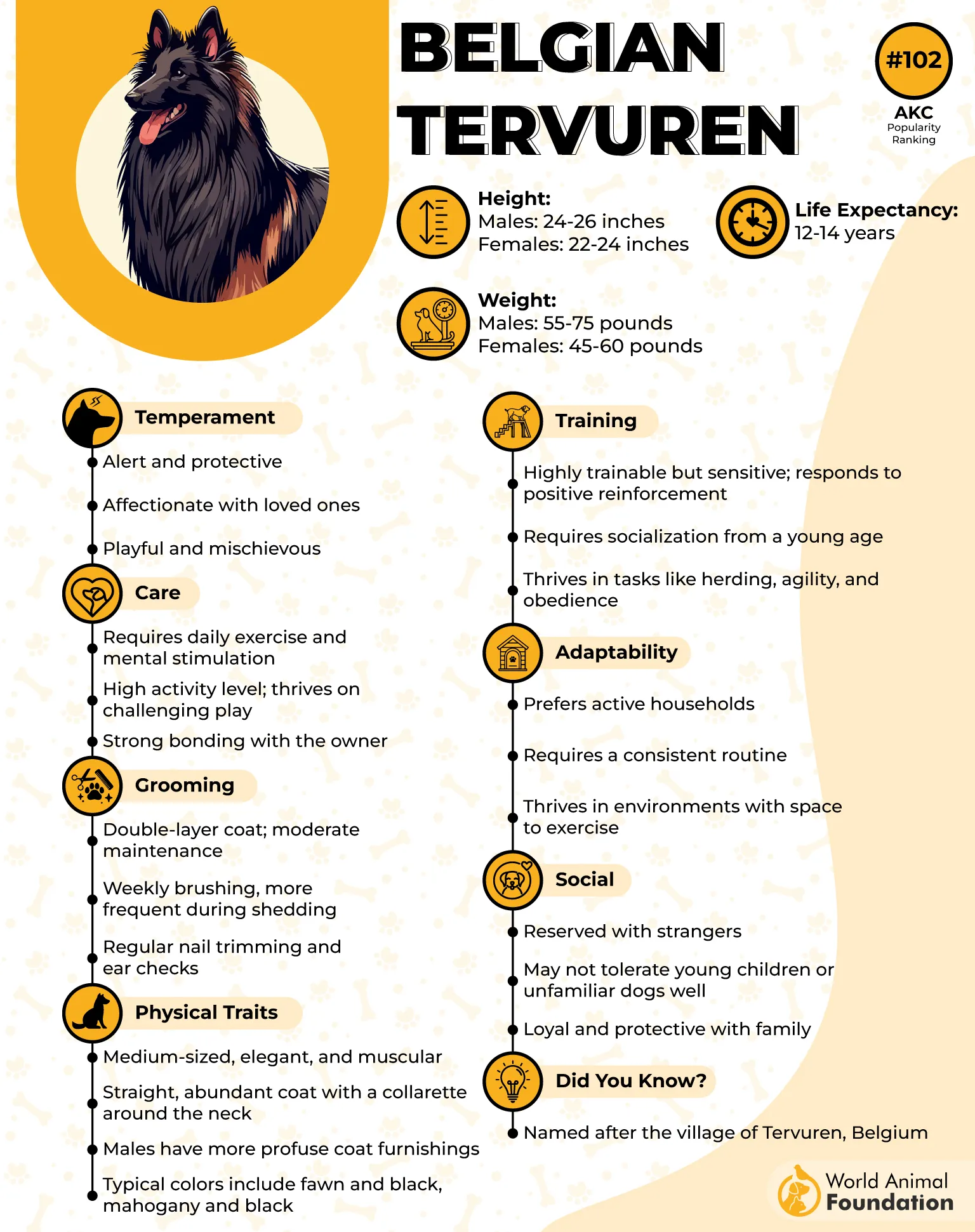
This breed has strong motion sensitivity and can pick up on changes in its territory within seconds. Its scissor bite, where the upper incisors slightly overlap the lower ones, gives it an exceptionally strong grip. The Tervuren needs 90–120 minutes of daily exercise, ideally paired with positive reinforcement training.
7. Boxer
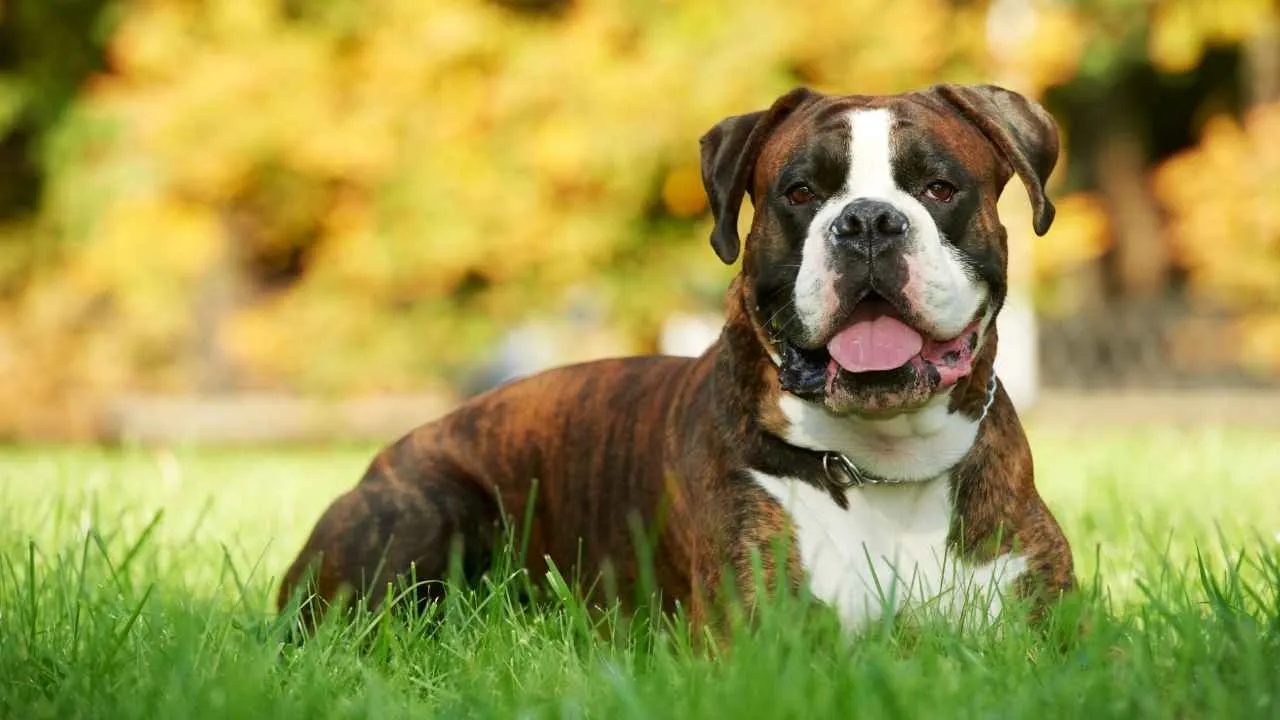
This medium-to-large mastiff-type breed was originally developed in Germany. It has strong jaws, a short snout, and a powerful bite, having been bred by crossing the Old English Bulldog with the now-extinct Bullenbeisser. As a brachycephalic breed, it can struggle with breathing during intense outdoor activity, especially in summer heat.
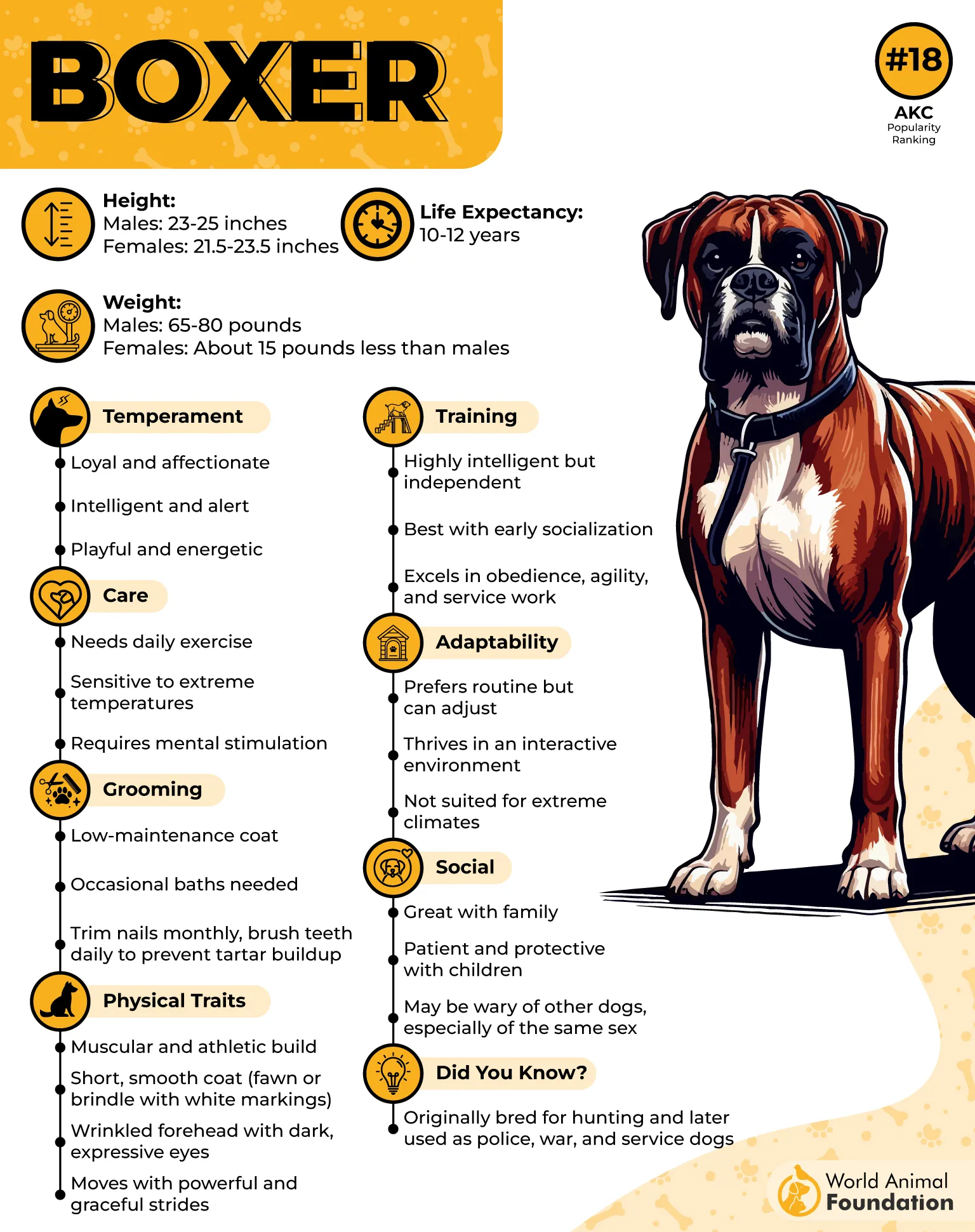
Its square muzzle and athletic build combine to give it a formidable bite. Naturally driven to guard those it considers part of its pack, this breed typically relies on barking and its intimidating presence to deter intruders before anything else. It’s also quick to pick up on unfamiliar noises, scents, or approaching people.
This playful dog needs at least 2 hours of daily exercise, whether that’s gentle fetching, puzzle toys, running, jogging, or interactive play. Puppies should be kept away from high-impact exercise, since their joints are still developing and delicate at that stage.
Conclusion
Choosing an intelligent security dog isn’t about finding the toughest breed out there; it’s about finding a dog whose mind, temperament, and loyalty actually fit your lifestyle. German Shepherds and Belgian Malinois excel in demanding working roles. Rottweilers and Dobermans bring confident protection paired with strong family bonds. Dutch Shepherds and Belgian Tervurens offer versatility and sharp awareness, while Boxers add a playful spirit without ever losing their guardian instincts.
These breeds truly thrive when given proper training, socialization, and daily interaction. Intelligence is a gift, but it comes with responsibility too. Give these dogs clear guidance, meaningful activity, and plenty of time with their people, and they often become far more than guardians; they become trusted companions who watch over the home with both their brains and their hearts.
