





Guard dogs are admired for their loyalty, alertness, and protective instincts, but some breeds require more attention and care than others. From regular grooming and exercise to consistent training, these dogs need owners who can meet their specific needs.
High-maintenance guard dogs often have strong personalities, high energy levels, and natural protective instincts. They may require experienced handling, early socialization, and plenty of mental and physical stimulation to stay happy and well-behaved.
Despite the extra effort, these breeds can make devoted family companions and reliable protectors. Here are seven high-maintenance guard dog breeds worth the extra care and commitment.
High-Maintenance Guard Dog Breeds Worth the Extra Care
1. Belgian Malinois
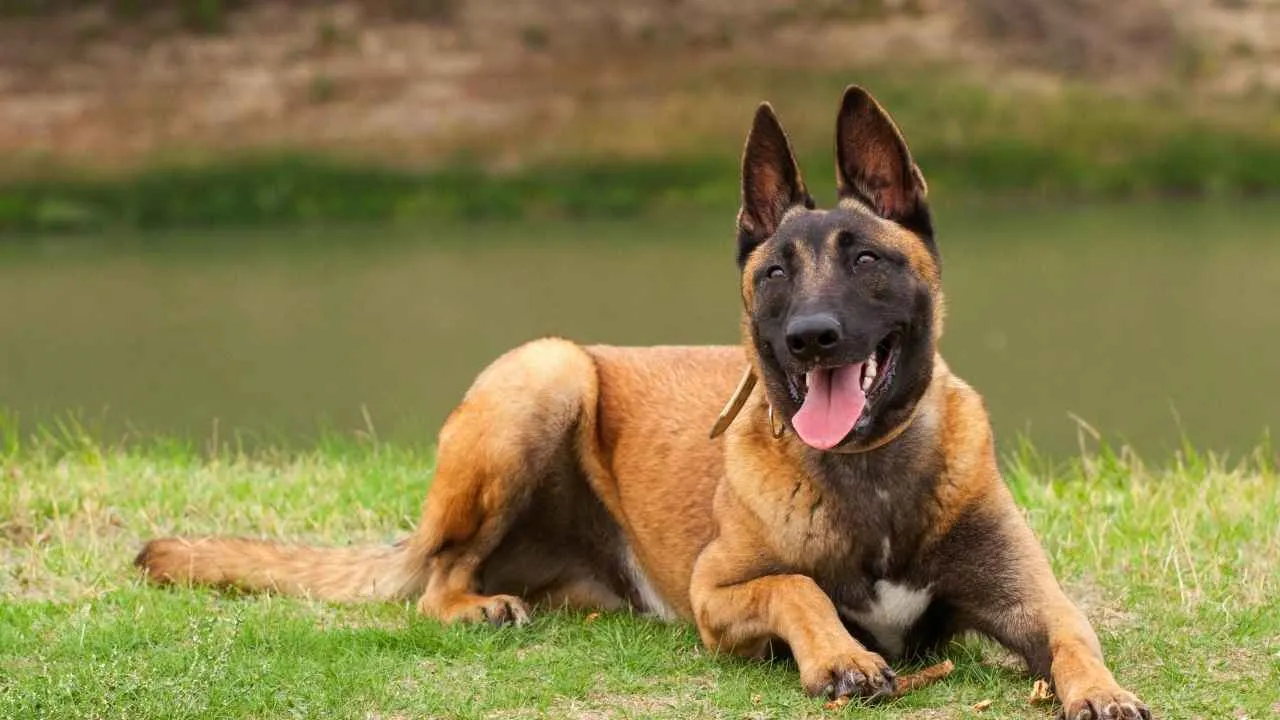
Belgian Malinois are intelligent, confident, and highly devoted dogs with strong protective instincts. Originally bred as herders, they are now widely used in police and military work, including search-and-rescue missions.
Their alert nature and reserved behavior around strangers make them excellent watchdogs, according to Hill’s Pet. They are also quick to follow commands, eager to please, and deeply attached to their families.
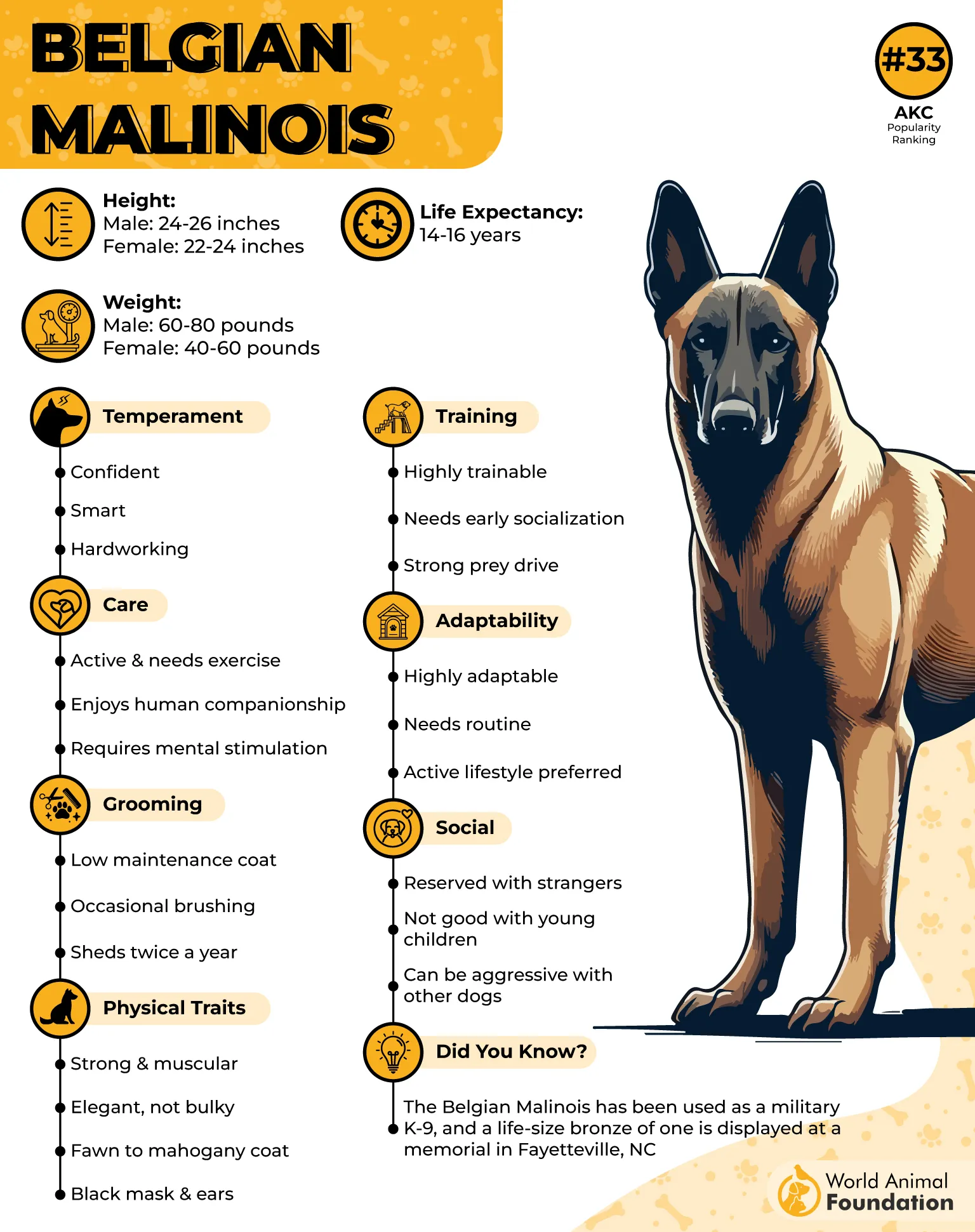
These dogs have an intense working drive and need owners who can match their active lifestyle. They enjoy long runs, hiking trails, and outdoor challenges.
They also have a playful and goofy side when relaxing with their families. However, they can become difficult to manage when they lack activity, companionship, or a sense of purpose.
Important Care Needs
Provide firm leadership and a structured daily routine.
Begin obedience training and socialization at an early age.
Manage their strong prey drive, as they may chase toddlers, cars, cats, and other moving objects.
Teach children safe ways to interact with dogs and supervise their playtime.
Keep them mentally engaged with regular tasks and challenging activities.
2. German Shepherd
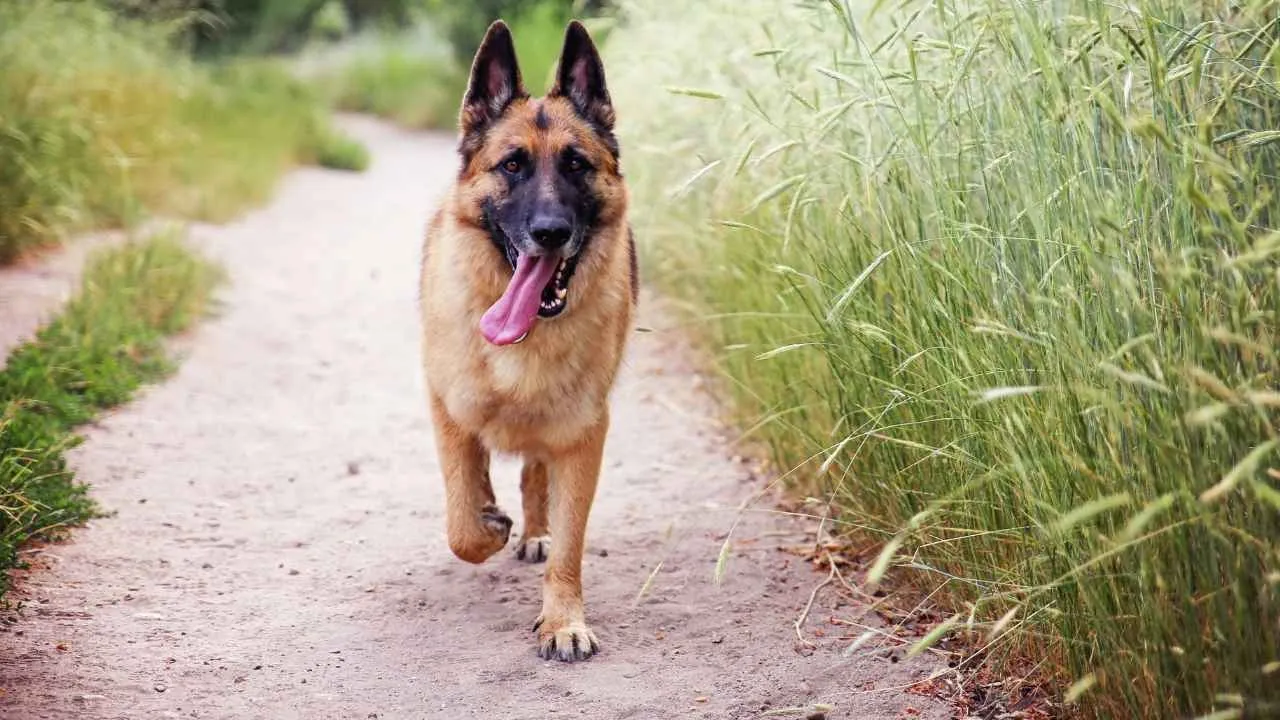
German Shepherds are intelligent, courageous, and loyal dogs known for their strong protective instincts. Originally bred to herd and protect sheep, they have become popular working dogs in police work, search-and-rescue missions, and security roles.
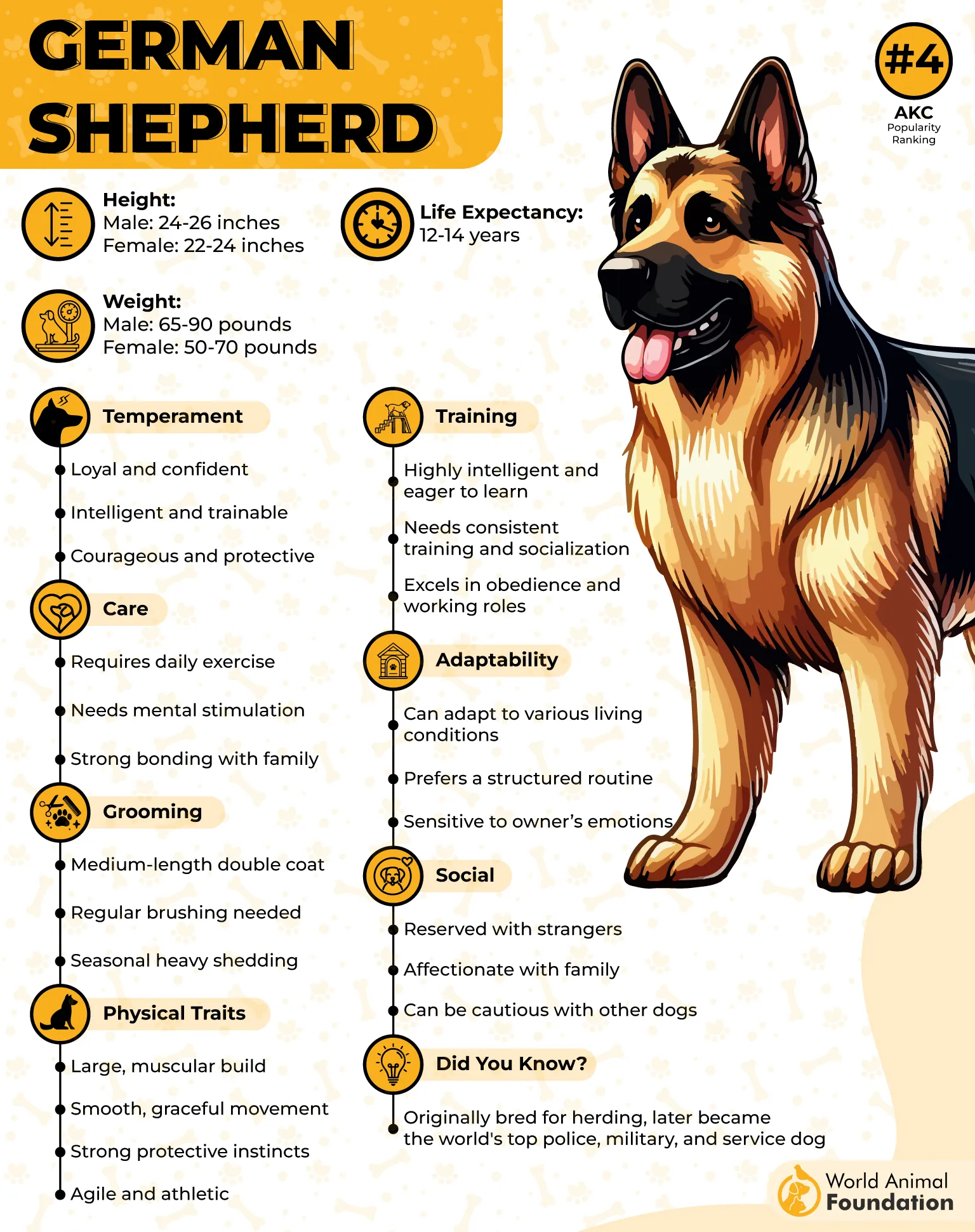
Their confidence, strength, and ability to learn commands make them excellent guardians. They are deeply devoted to their families and can be gentle, affectionate companions. However, they tend to be reserved around strangers and do not immediately welcome unfamiliar people.
Despite their steady temperament, German Shepherds need considerable attention and daily activity. They enjoy learning new tasks, playing games, and spending time with their owners.
Important Care Needs
Provide around 1.5–2 hours of high-intensity exercise every day, including long walks and off-leash running.
Offer regular mental challenges through training, games, and purposeful tasks.
Socialize them with unfamiliar people and dogs to prevent unwanted aggression.
Avoid leaving them alone for extended periods, as they can struggle with separation anxiety.
Use consistent training to manage excessive barking and reinforce good behavior.
3. Doberman Pinscher
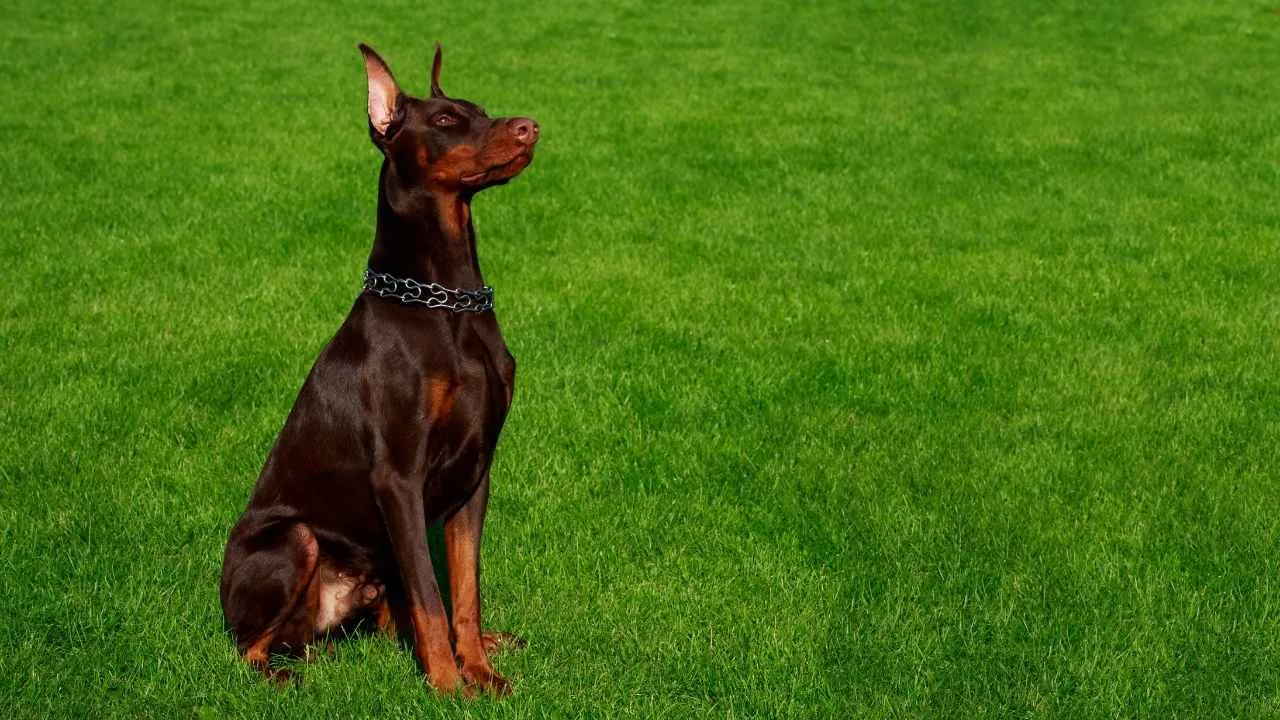
The Doberman Pinscher was developed in Germany in the late 1800s by Louis Dobermann, who needed a reliable guard dog while working as a tax collector.
According to Omlet, the breed was developed by crossing several dogs, including Old German Shepherds, German Pinschers, Manchester Terriers, and Greyhounds.
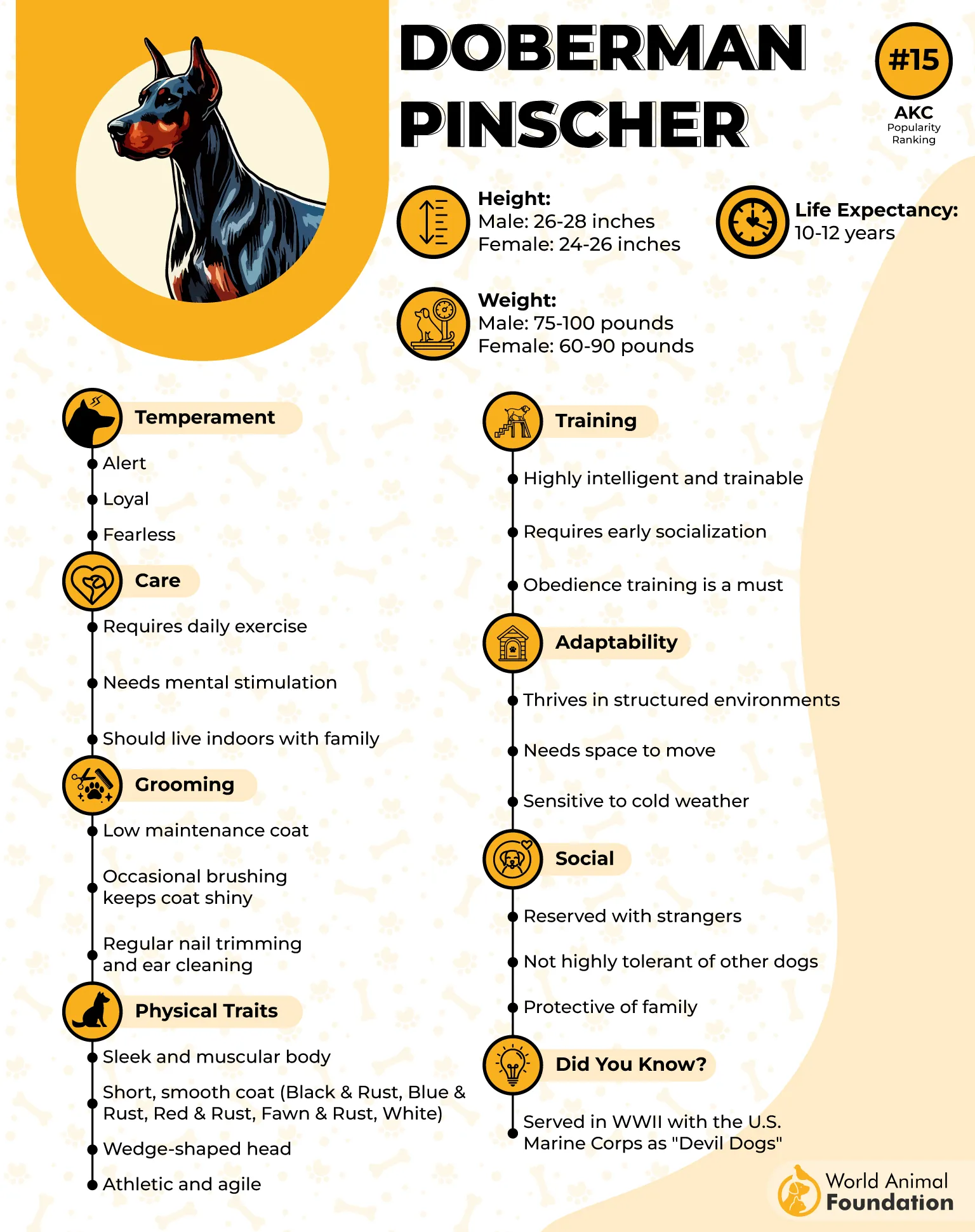
Known for their sleek appearance, muscular build, and fearless nature, Dobermans are now widely used as guard dogs, police dogs, and family protectors. They are intelligent, alert, and deeply loyal to their owners.
Despite their tough appearance, Dobermans are affectionate and sensitive with their families. They enjoy cuddles, playtime, and staying close to their owners. However, their protective instincts can make them wary of strangers and domineering toward unfamiliar dogs.
Important Care Needs
Provide regular walks, long runs, and plenty of physical activity.
Keep their minds occupied with obedience training and challenging tasks.
Begin early socialization to help them feel comfortable around strangers and other dogs.
Use consistent training to manage their protective instincts and domineering behavior.
Keep them leashed or within a secure fence outdoors, as their strong prey drive may lead them to chase small animals.
4. Rottweiler
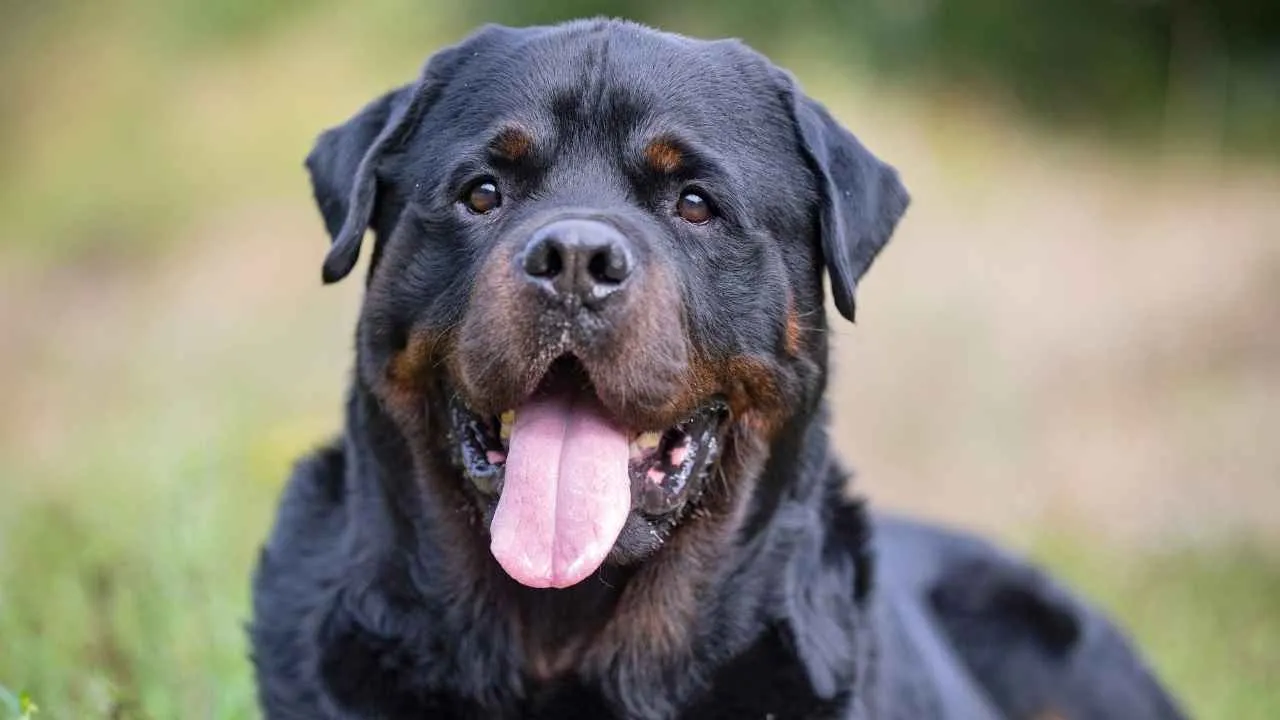
Rottweilers are powerful, intelligent, and confident working dogs descended from the mastiffs of ancient Rome. Originally bred for guarding and protection, they are now valued as loyal family companions and dependable guardians.
Their strong protective instincts make them naturally alert and reserved around strangers. However, a well-bred and properly raised Rottweiler is calm, courageous, and not unnecessarily aggressive.
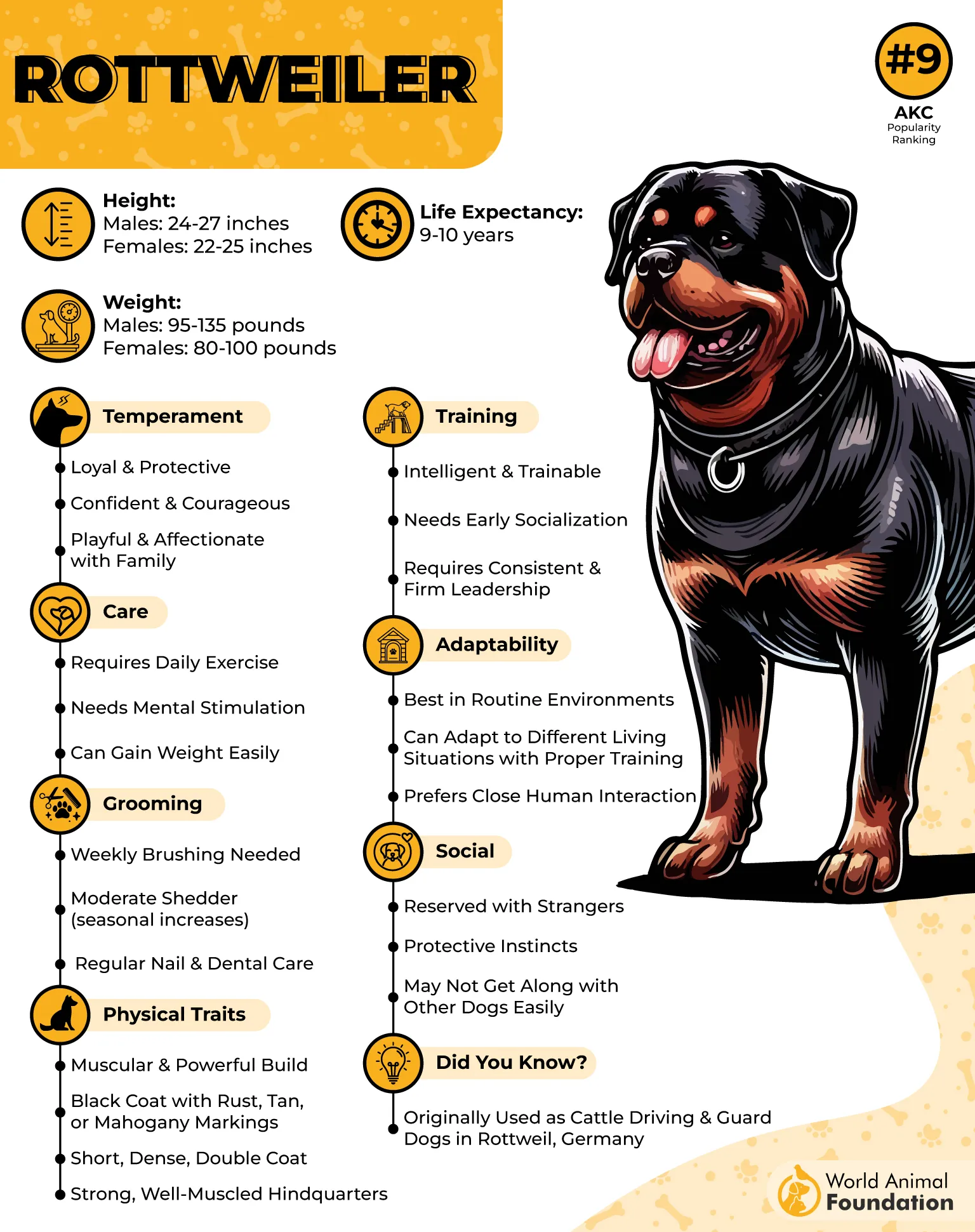
Rottweilers thrive with experienced owners who can provide proper guidance and structure. They are intelligent and reasonably easy to train, but their independent nature and strong personalities require consistent leadership.
As working dogs, they also need a sense of purpose through training, regular activities, and companionship. Without enough exercise and mental stimulation, they can become bored and develop unwanted behaviors.
Important Care Needs
Provide at least 60 minutes of daily exercise, including walks, hikes, and backyard play.
Maintain consistent training, firm leadership, and early socialization.
Keep them mentally engaged with regular tasks, games, and training activities.
Brush their coats several times a week to manage year-round shedding.
Teach children appropriate interactions and encourage positive behavior around people and other dogs.
5. Cane Corso
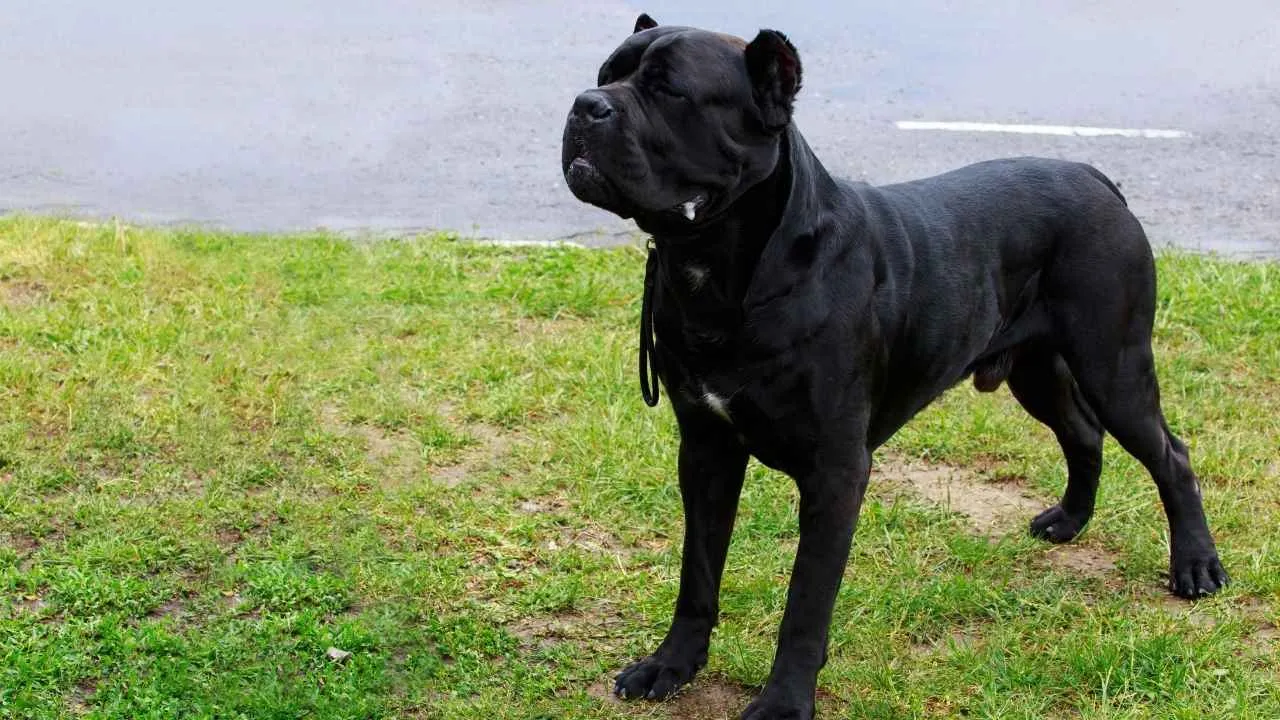
The Cane Corso, also known as the Italian Mastiff, is an intelligent, muscular, and confident guardian with roots dating back to ancient Roman times.
The AKC mentions that its name roughly translates to “bodyguard dog,” reflecting its long history as a protector, watchdog, farmhand, and working dog.
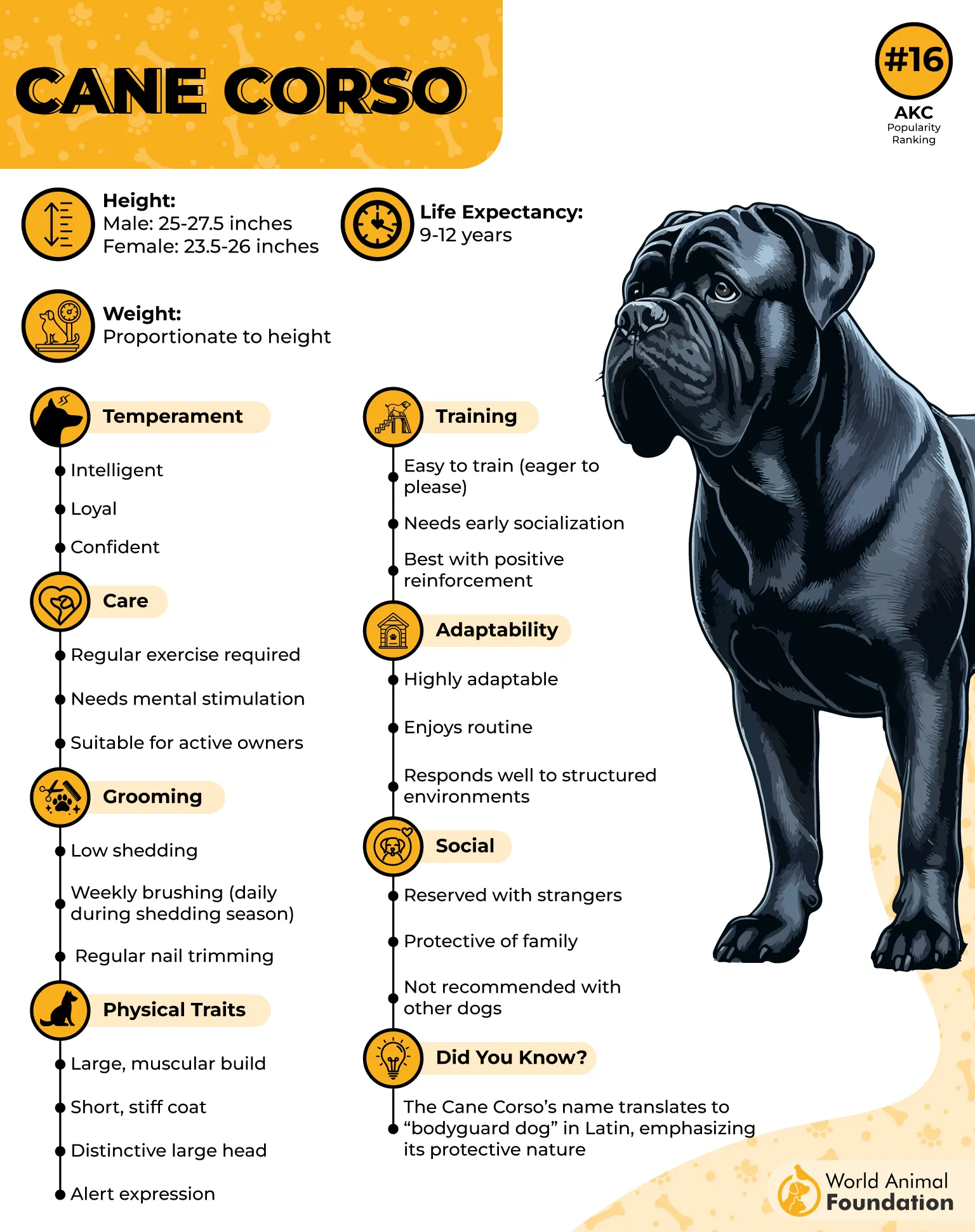
Cane Corsos are deeply loyal to their families and naturally protective of their homes and territory. Their imposing appearance and alert nature make them highly effective guardians, but they can also be affectionate and eager to please.
Despite their intelligence, Cane Corsos have strong personalities and can be quite willful. They need experienced owners who can provide confident leadership and consistent training. They are often calm indoors but remain alert to unfamiliar people and situations.

Important Care Needs
Provide daily walks, structured activities, and regular training sessions.
Start early socialization with unfamiliar people, dogs, and new environments.
Use consistent positive-reinforcement training and confident leadership.
Keep them mentally stimulated to prevent restlessness and destructive behavior.
Monitor their weight and overall health, as they can be prone to obesity, hip and elbow dysplasia, epilepsy, and bloat.
6. Giant Schnauzer
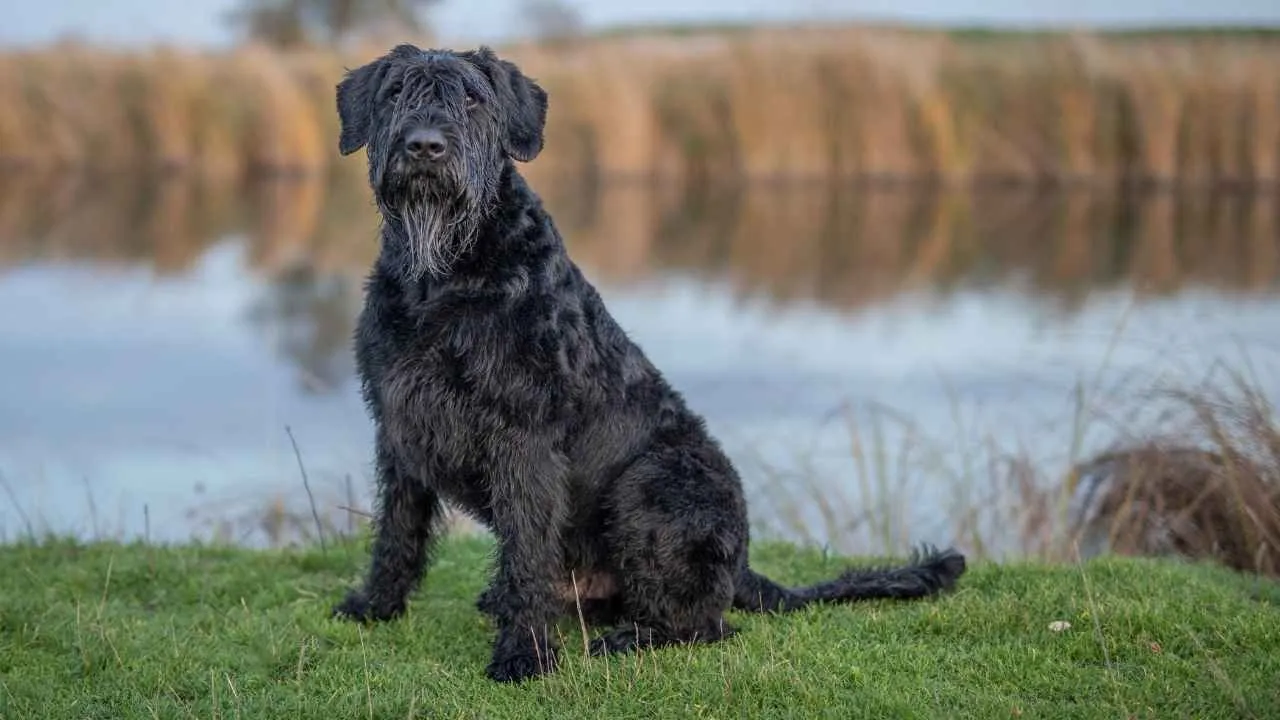
The Giant Schnauzer is the largest of the three Schnauzer breeds, known for its strength, intelligence, and protective nature.
Originally developed in Germany by breeding Standard Schnauzers with Great Danes, these dogs worked as farm and home guardians. Today, they are also used in police and military work.
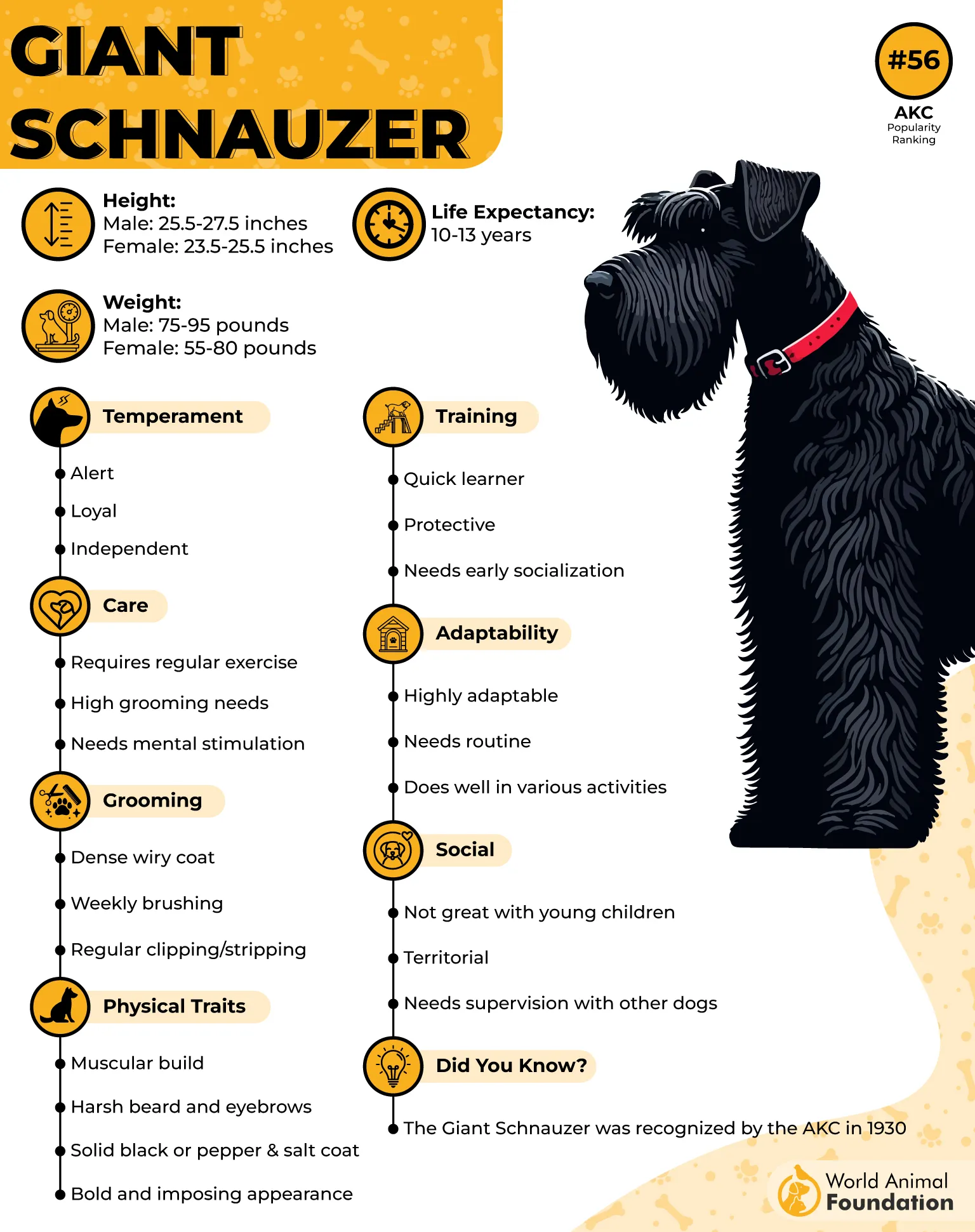
They are deeply loyal to their families, naturally cautious around strangers, and take their guarding responsibilities seriously. Despite their imposing appearance, they can be affectionate, playful, and gentle with their loved ones.
Giant Schnauzers are eager to learn but have an independent and sometimes stubborn streak. They need experienced owners who can provide firm, consistent handling and early leadership.
Important Care Needs
Provide daily exercise, playtime, and mentally stimulating activities.
Start early socialization with different people, animals, and environments.
Maintain short, consistent training sessions and reinforce basic obedience.
Teach proper leash manners and establish clear household boundaries.
Brush their coats daily and schedule regular professional grooming.
7. Tibetan Mastiff
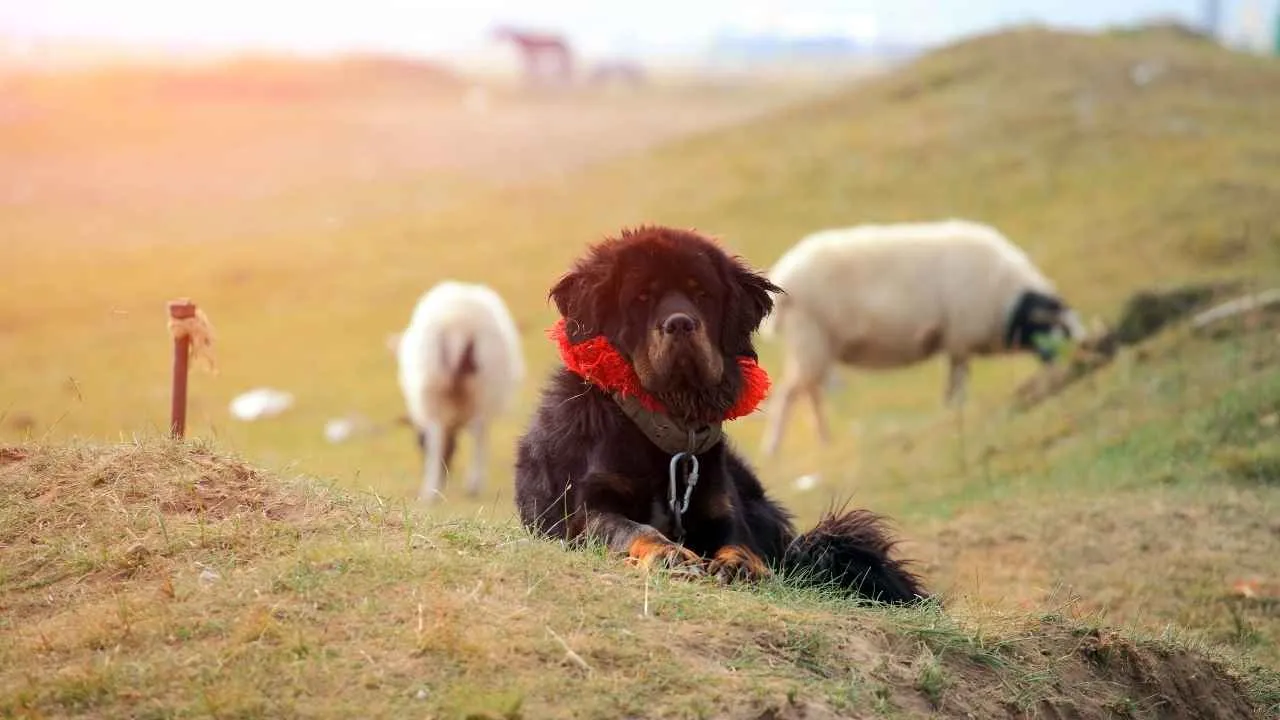
The Tibetan Mastiff is an ancient guardian breed known for its massive build, independence, and strong protective instincts. Originating in Tibet, with historical records dating back to 1100 B.C., these dogs were bred to guard families and property.
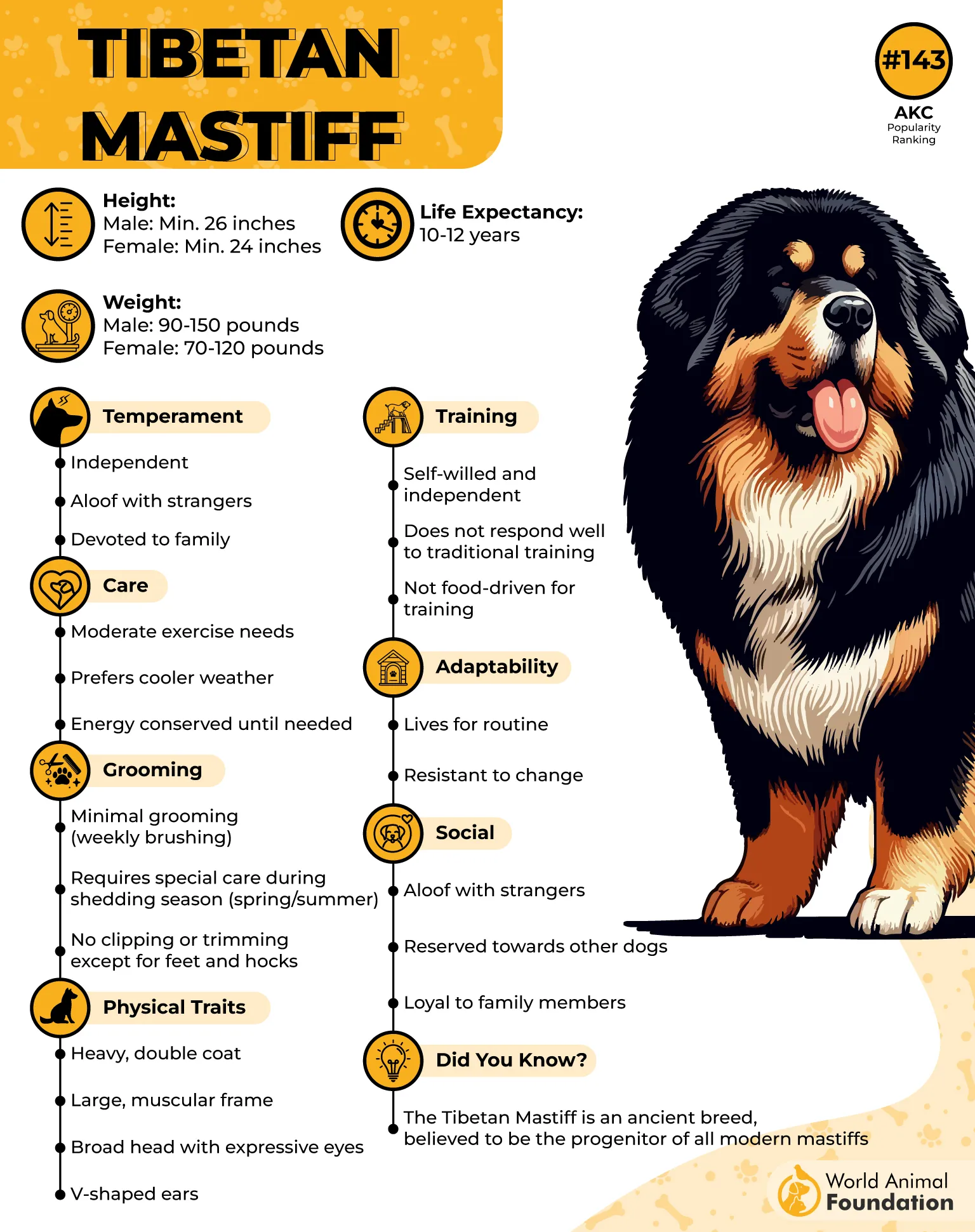
Their name in Tibet, “do khyi,” means “home guard.” They are watchful, courageous, and deeply devoted to their families, but naturally aloof and territorial around strangers. Despite their intimidating appearance, they are generally calm at home and affectionate with their loved ones.
Tibetan Mastiffs are intelligent but extremely independent and strong-willed. They can be difficult to train and may not always follow commands, making them unsuitable for inexperienced owners.
Important Care Needs
Begin early socialization with different people and animals to manage their territorial instincts.
Use secure fences and leashes during outdoor activities to prevent roaming and escapes.
Provide regular brushing, with extra attention during their heavy annual shedding period.
Monitor them closely in hot weather and watch for signs of heatstroke.
Offer purposeful activities and consistent training while respecting their independent nature.
Conclusion
High-maintenance guard dogs offer loyalty, courage, and strong protective instincts, but they also come with significant responsibilities.
Each breed has specific needs that owners must be ready to meet. Their guarding abilities are impressive, but proper care and responsible handling are essential for balanced behavior.
Before bringing one home, consider your experience, lifestyle, and the time you can dedicate to a dog. Research the breed carefully and choose one whose needs you can comfortably manage.
A good guard dog is not simply one that protects your home, but one that feels safe, loved, and properly cared for within it.
