




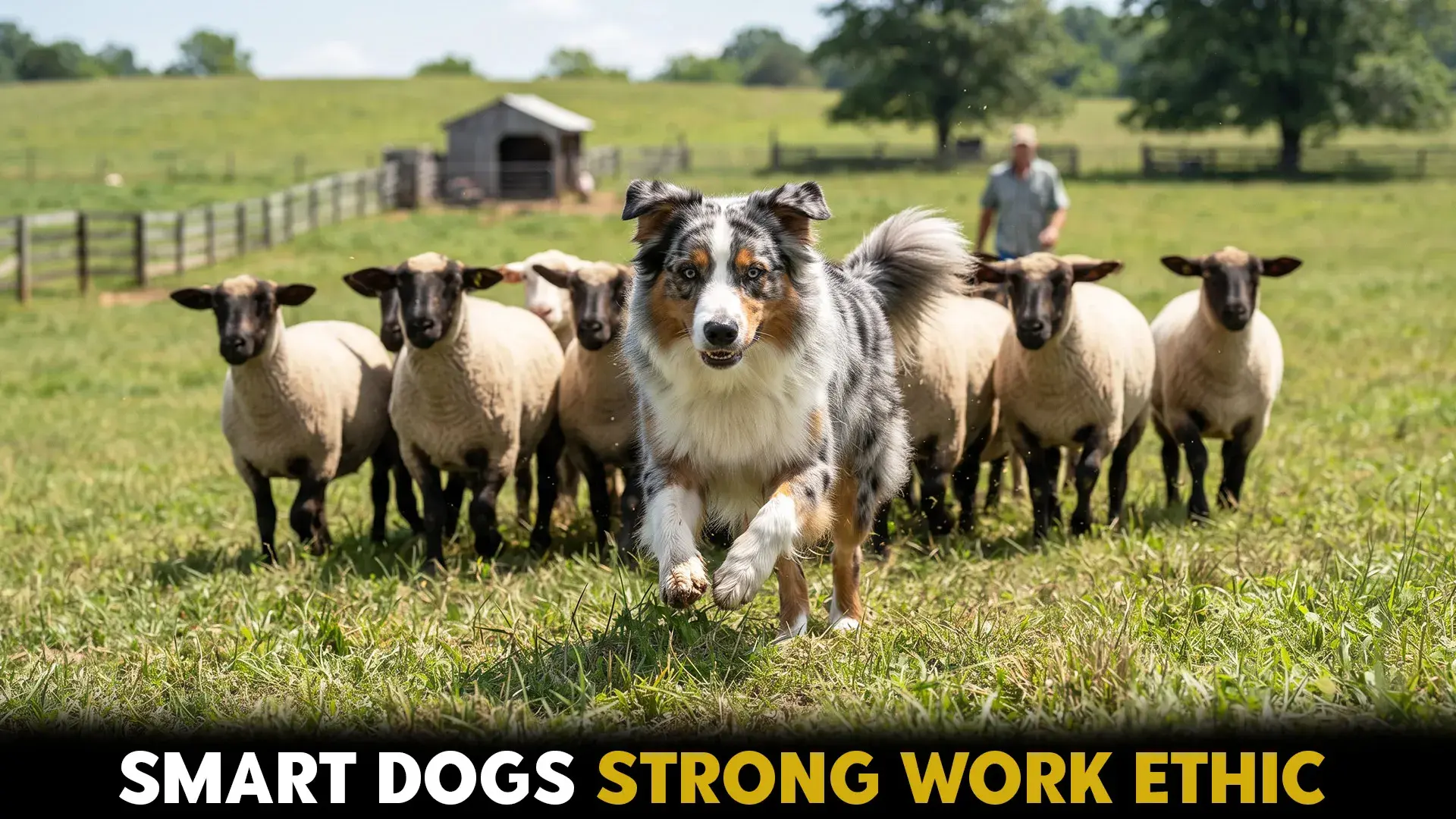
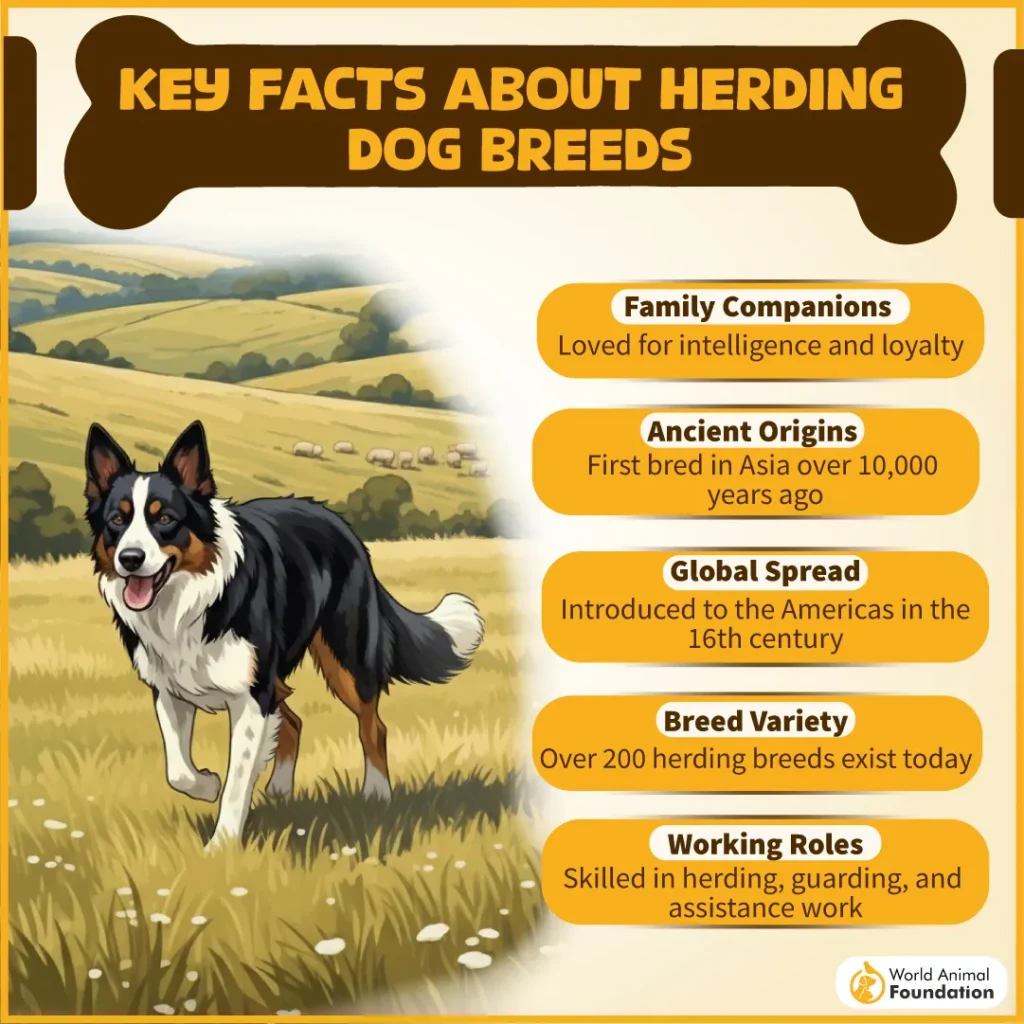
Some dogs are perfectly happy to spend the afternoon snoozing, but herding breeds did not exactly get that memo. Bred to work, these dogs have a strong instinct to stay busy and a natural drive to keep livestock together. Their athletic build, alert nature, and determined attitude also make them capable guardians.
But does that hardworking nature make them difficult family pets? Not at all. With their affectionate personalities and steady nature, many of these dogs settle beautifully into family life.
If you want a dog that brings both purpose and warmth to the home, these hardworking all-rounders deserve a closer look.
Whether they are guiding a scattered group back into place or keeping a watchful eye on the farm, these top herding dog breeds take their job seriously, and rarely need a reminder to clock in.
Top Herding Dog Breeds to Consider
1. Border Collie
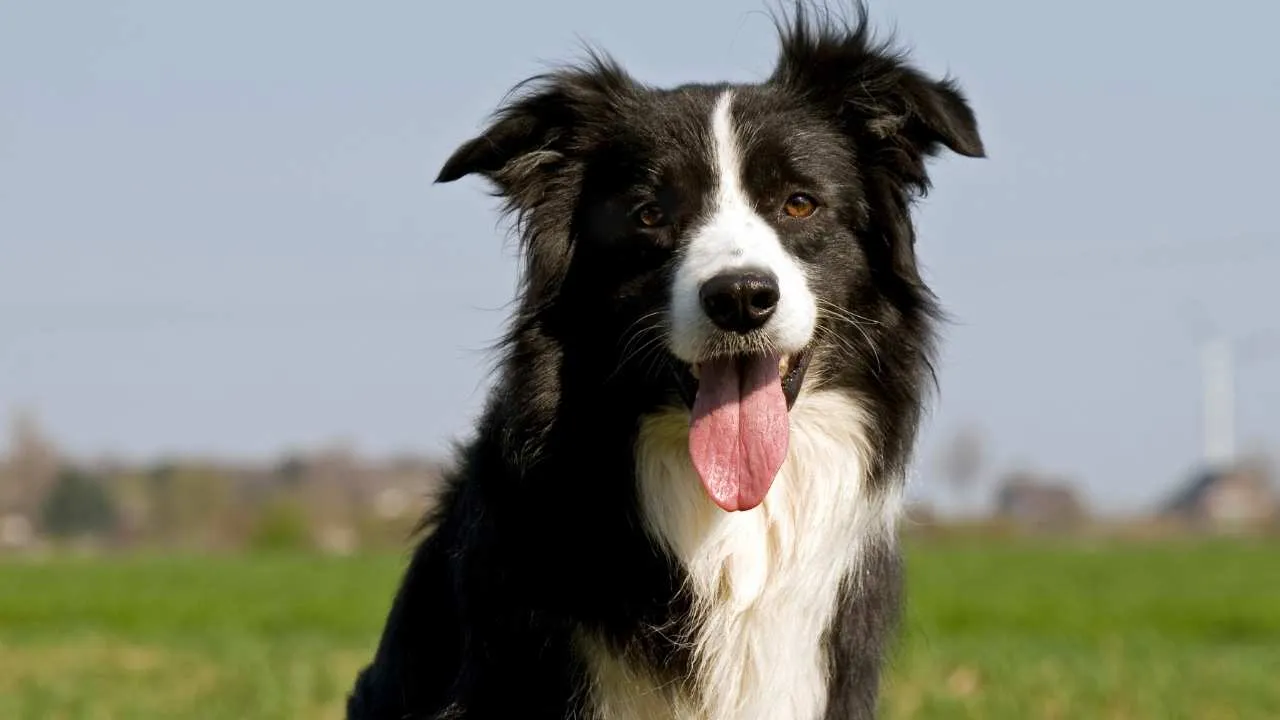
Give a Border Collie something to herd, and you will see their instincts switch on almost instantly. Their prey drive is closely connected to the movement they were bred to control. These brilliant dogs originally worked as herders of livestock such as sheep.
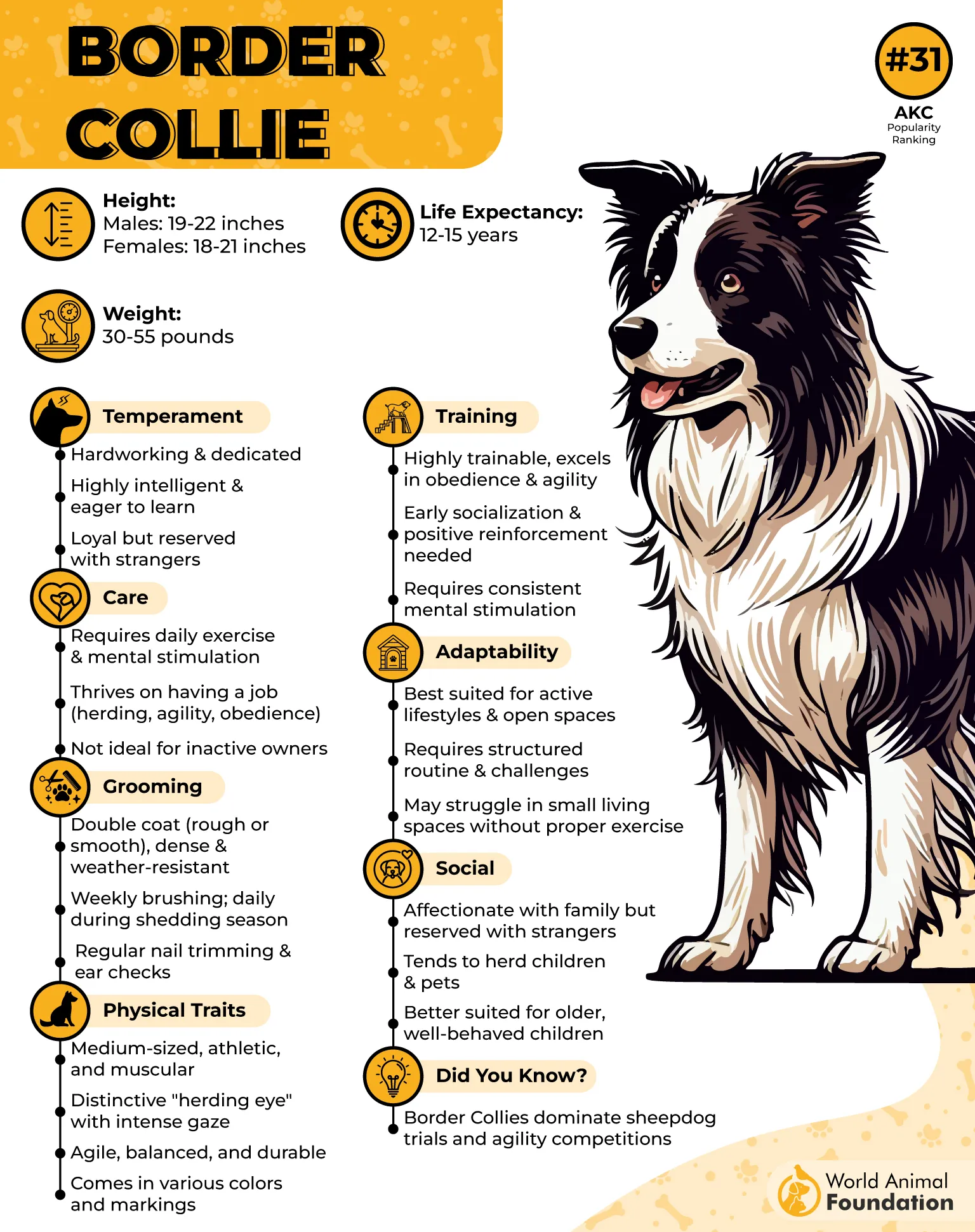
A Border Collie has an agile and well-balanced build. Their stamina also helps them handle demanding work without tiring easily. They love having a job to do, so regular exercise becomes essential when there is no work waiting for them.
Training suits this intelligent and obedient breed. Their famous sweeping outruns helped earn them a reputation as one of the world’s greatest herders. Once the day’s work is done and they have finally worn themselves out, your Border Collie is happy to settle down beside you.
Choose this breed if you want an energetic working dog that also enjoys becoming part of the family.
2. Australian Cattle Dog
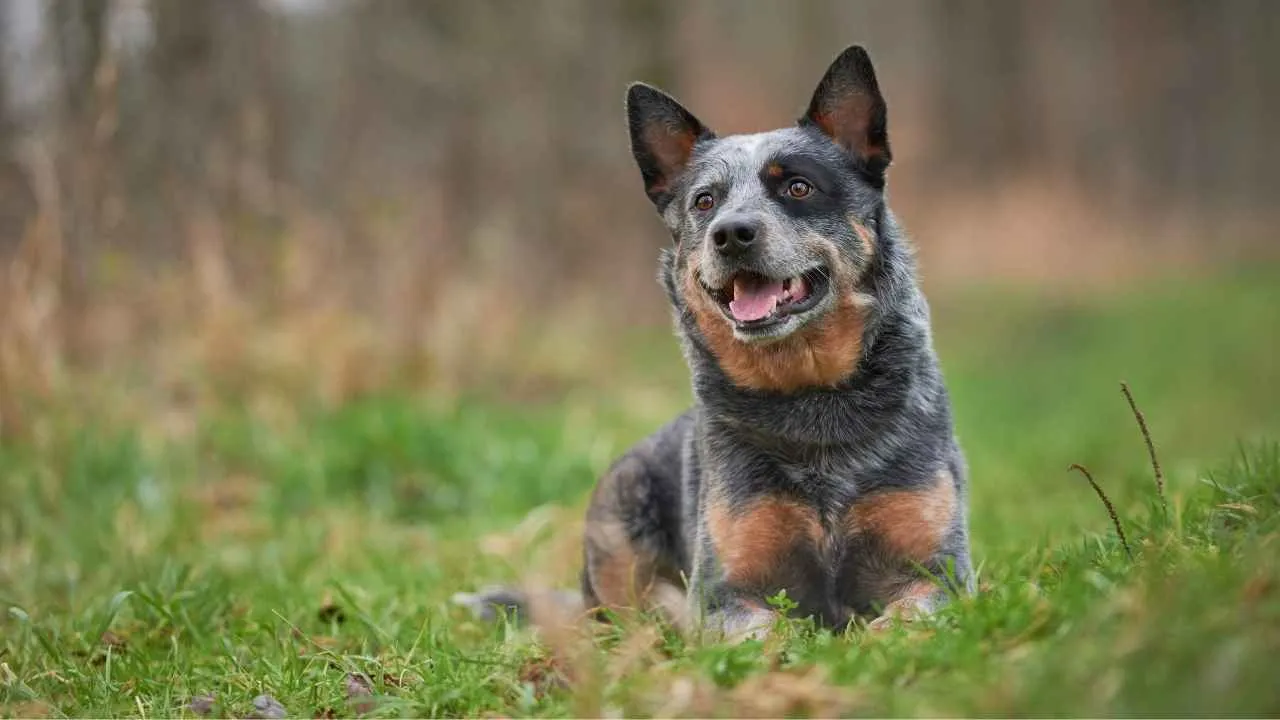
Australian Cattle Dogs have a strong prey drive that reflects their instincts to chase and control movement. These hardworking herding dogs were bred to manage livestock with focus and determination.
Their intelligence ranks them among the smartest dog breeds in the world, as recognized by the AKC.
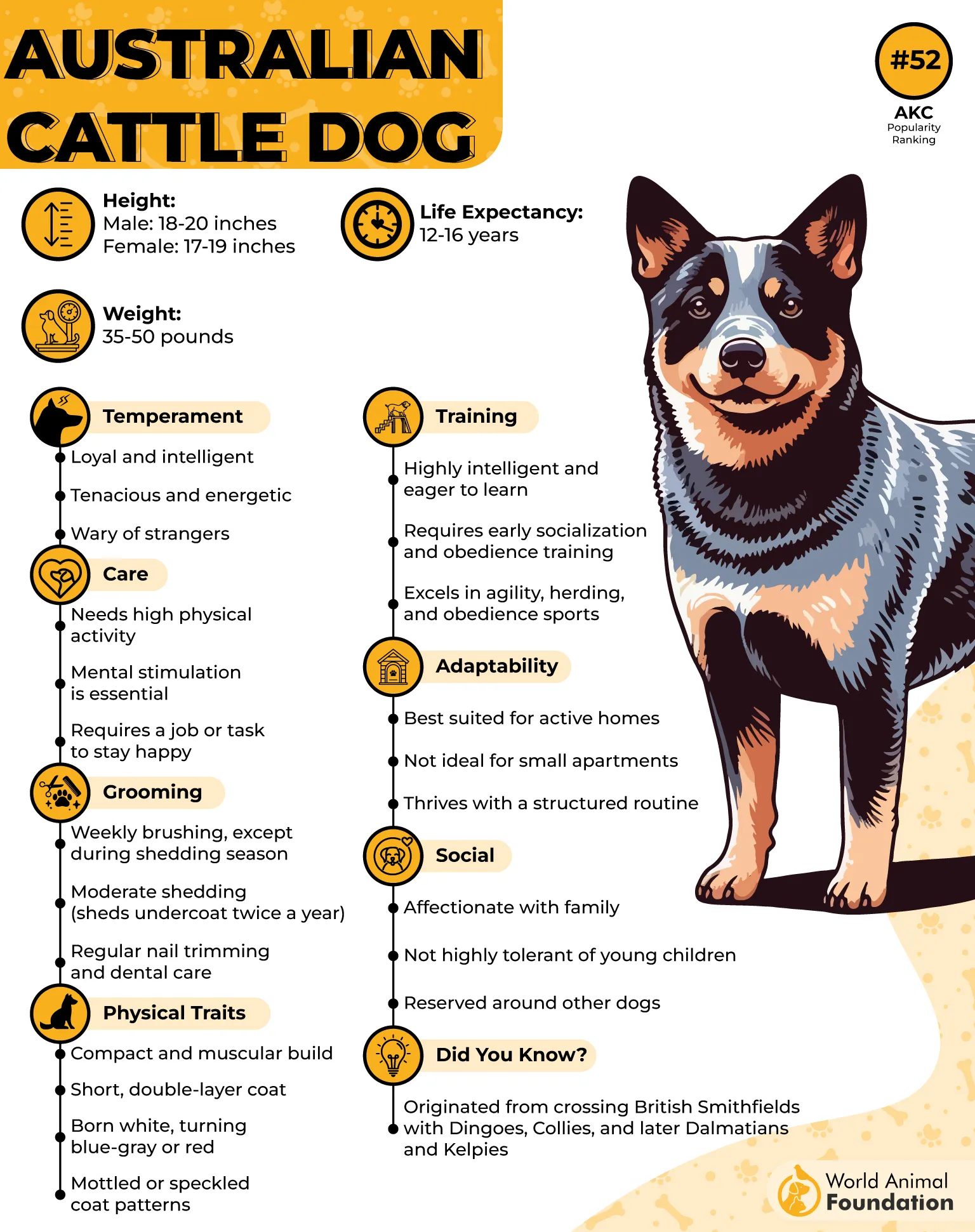
An Australian Cattle Dog forms a deep attachment to their family. They do not take kindly to being separated from their people for long periods. Their independent nature also lets them control a herd without constant direction from their owner.
This stubborn streak can be tamed with consistent training, preventing unwanted behaviors from taking hold, Orvis added.
A loyal Cattle Dog also stays alert around their herd and family. They keep their aggression under control unless they sense that a threat is about to become serious.
For these reasons, Australian Cattle Dogs suit families with older children who already have experience with active dogs.
3. Australian Shepherd
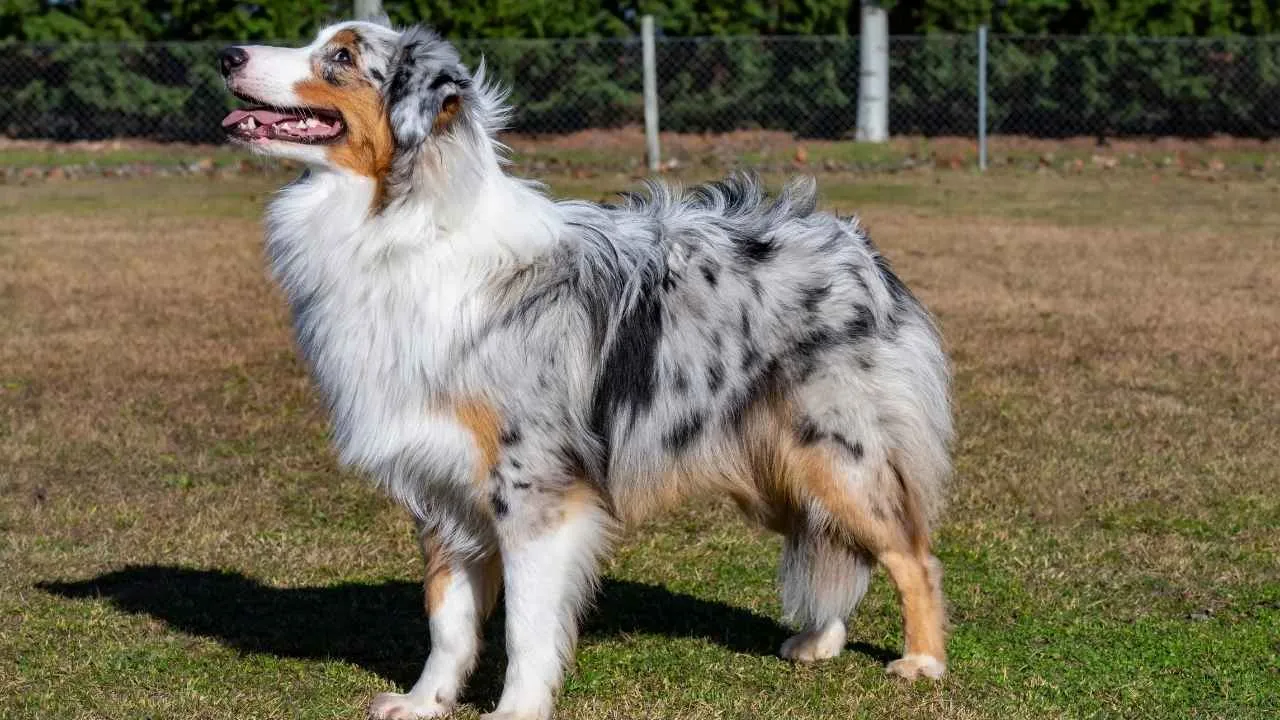
A little motion never seems to hurt an Australian Shepherd’s feelings. Their prey drive keeps their natural chase instincts close to the surface. Their medium-sized frame has an athletic look that hints at the working dog underneath.
The Aussie brings a courageous temperament without losing their easygoing side. Running is where this breed truly comes alive. Time with you matters just as much, and they love being part of whatever you are doing.
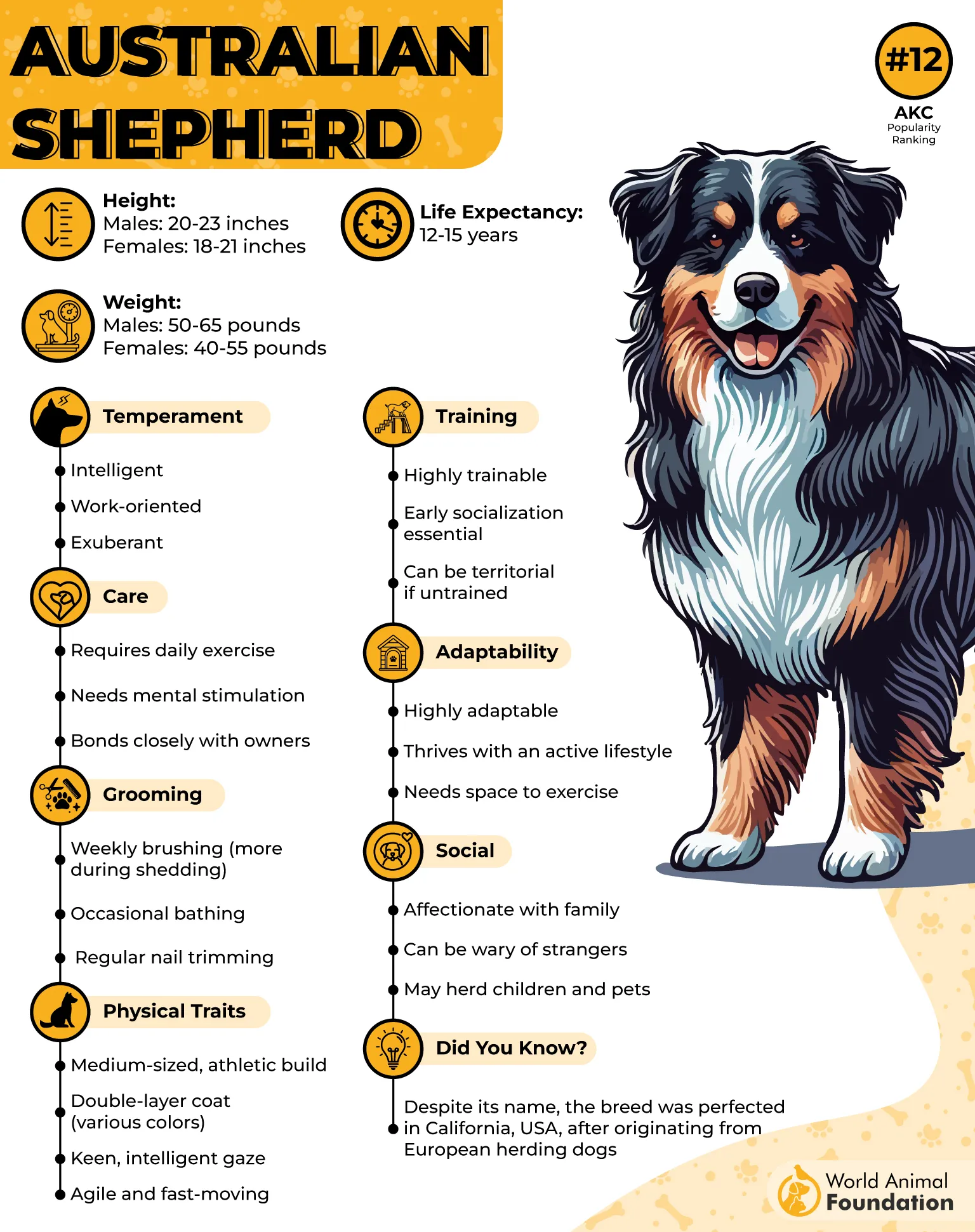
Give your Aussie plenty to do, and you will have a much happier dog on your hands. Their minds need regular challenges just as much as their bodies need activity, Purina added.
Positive reinforcement makes training more enjoyable, and they can learn almost any sport, task, or activity their physical abilities allow.
That level of training takes real effort, though. Your Aussie is deeply devoted to you and wants a place in everyday family life. Choose this breed if you are ready to make an active lifestyle part of theirs.
4. Shetland Sheepdog
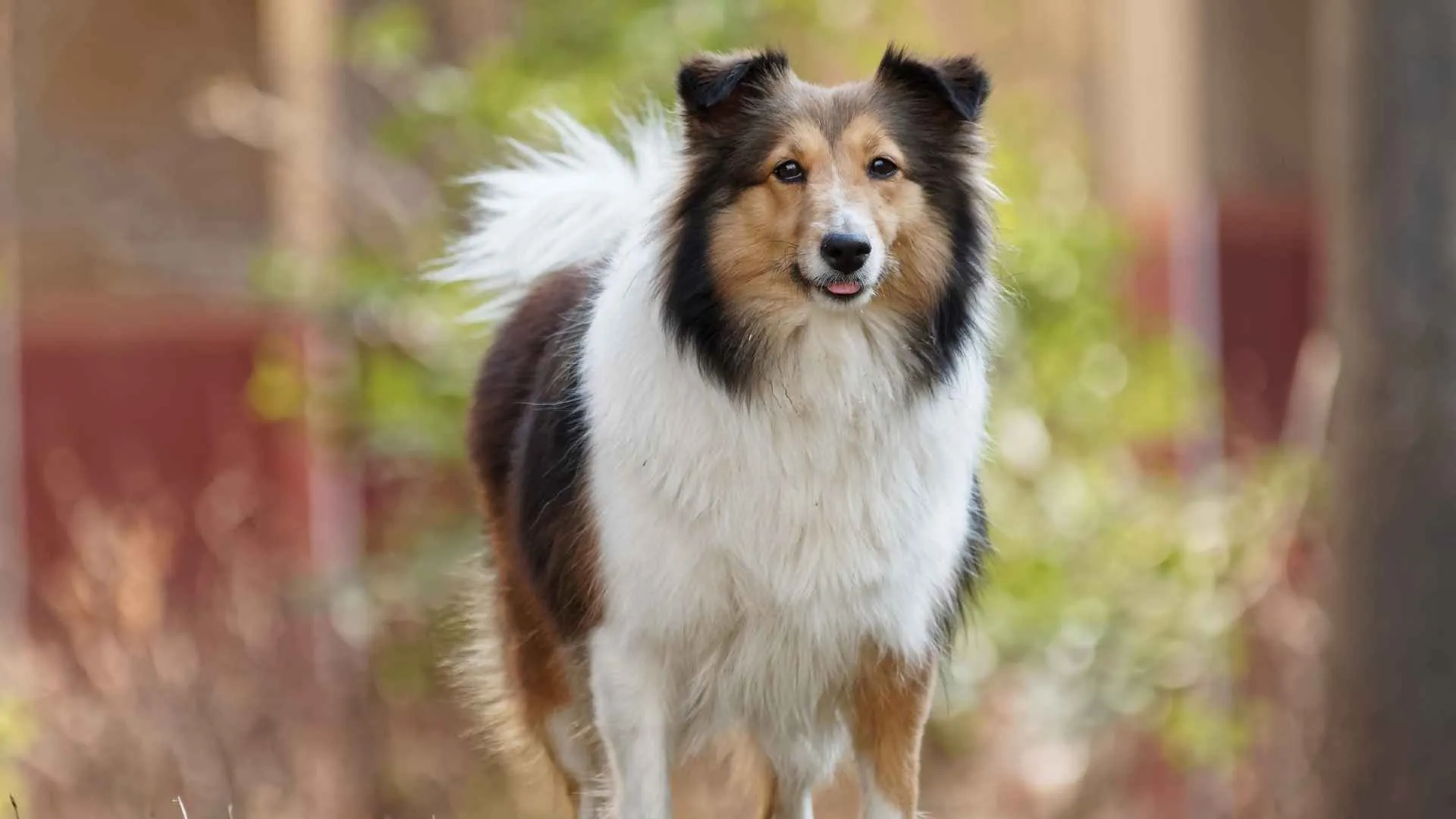
Give a Sheltie something useful to do, and you will quickly see how much they enjoy having a purpose. Their high prey drive comes from the working instincts that helped shape this breed. These intelligent dogs originated in Scotland’s Shetland Islands.
Obedience comes naturally to a Sheltie. Agility also gives them a chance to put their sharp minds and energy to good use. They prefer staying busy rather than spending the day lounging around the house.
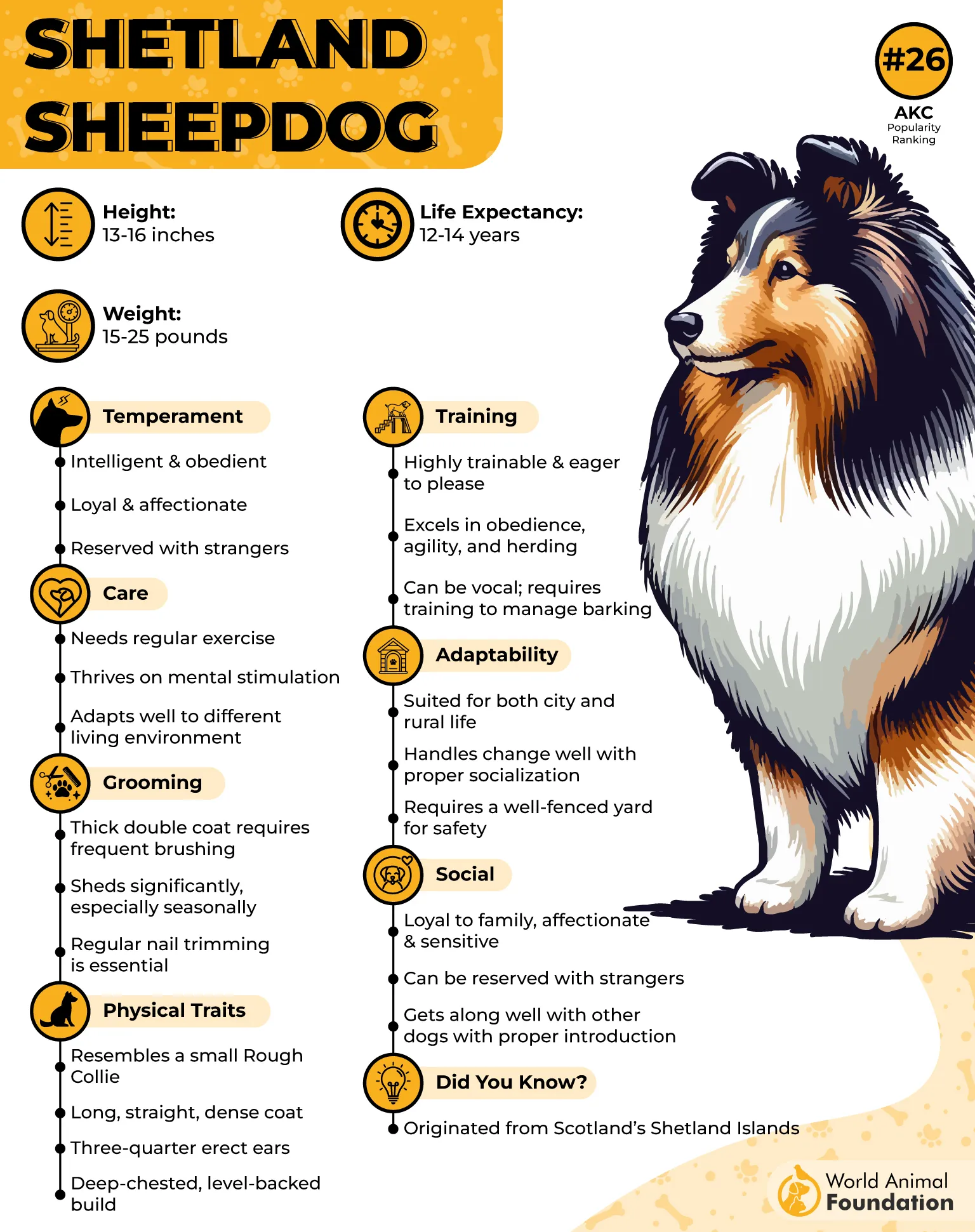
Your Sheltie needs plenty of physical and mental stimulation to stay content. Without enough to occupy them, that unused energy may turn into unwanted behaviors. Training feels more like fun than a chore because this breed genuinely loves pleasing their people.
There is one part of life with a Sheltie you should not overlook. Their thick double coat needs frequent brushing to keep it well maintained.
Choose this breed if you enjoy an active, trainable dog and do not mind putting in the grooming time.
5. Old English Sheepdog
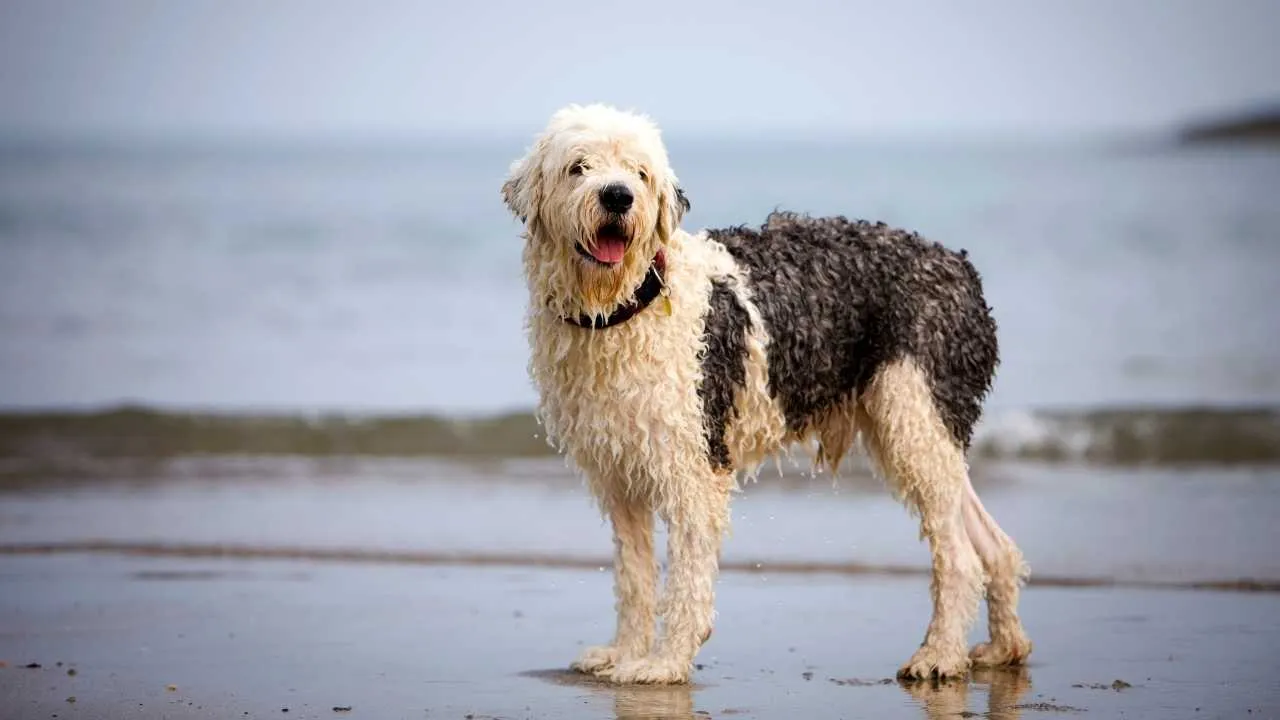
An Old English Sheepdog brings a working-dog mindset wrapped in a rather shaggy package. Their prey drive reflects the instincts that once helped them defend sheep and cattle from wolves. This breed is prized for stamina and a weather-resistant coat.
That driving instinct gives the Old English Sheepdog a strong working character. Their loyal nature also makes them affectionate family companions.
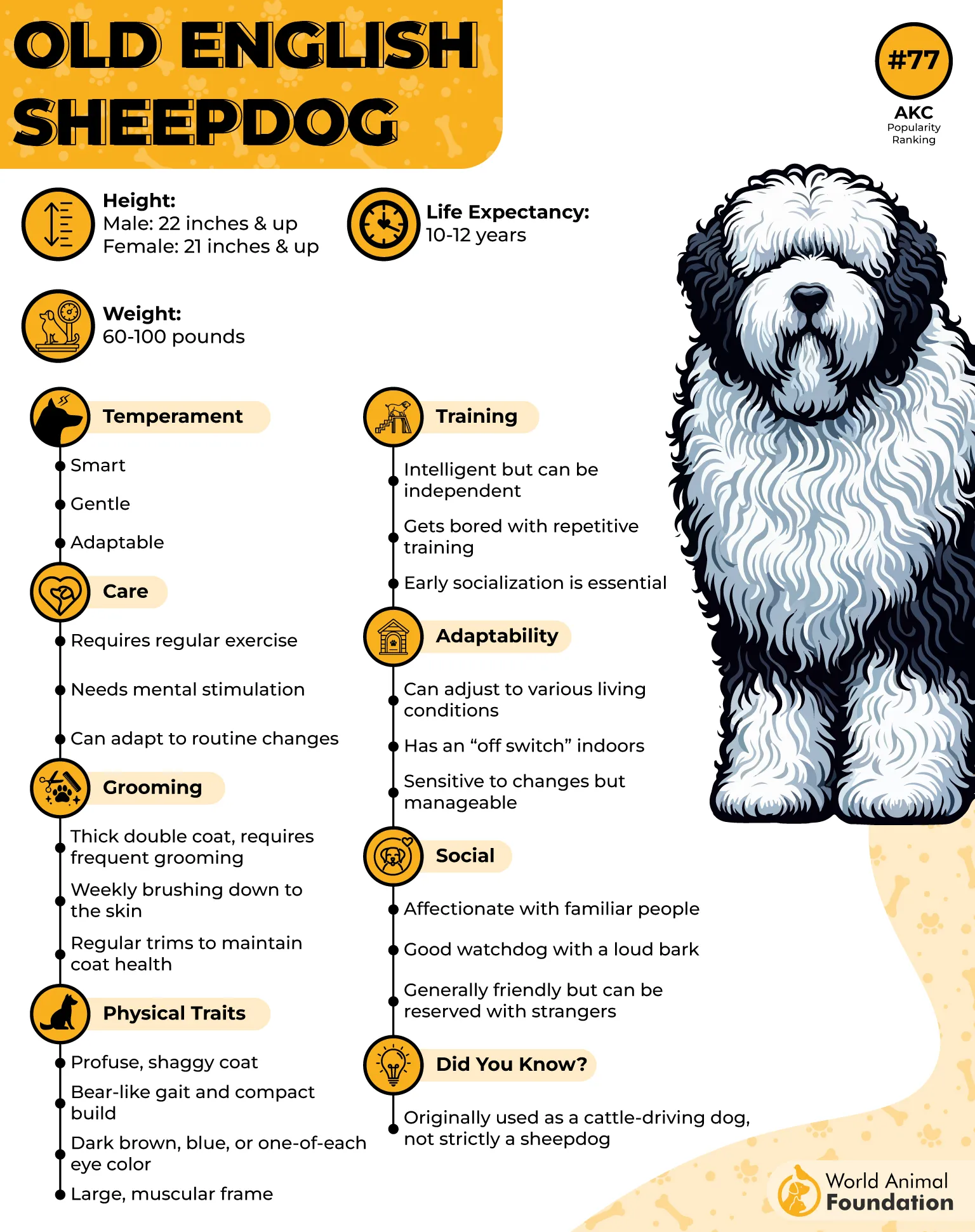
They adapt well to different living environments when regular exercise and close family time are part of the routine.
According to VCA, a moderate to long daily walk keeps them moving each day. A good run or play session offers another way to burn off their energy. Games and tricks give their minds something worthwhile to work on.
Now comes the part you should be ready for: grooming. Their long, hard, shaggy coat has a thick waterproof undercoat. Brush and comb them every other day, or thick mats may quickly become a problem.
6. Pembroke Welsh Corgi
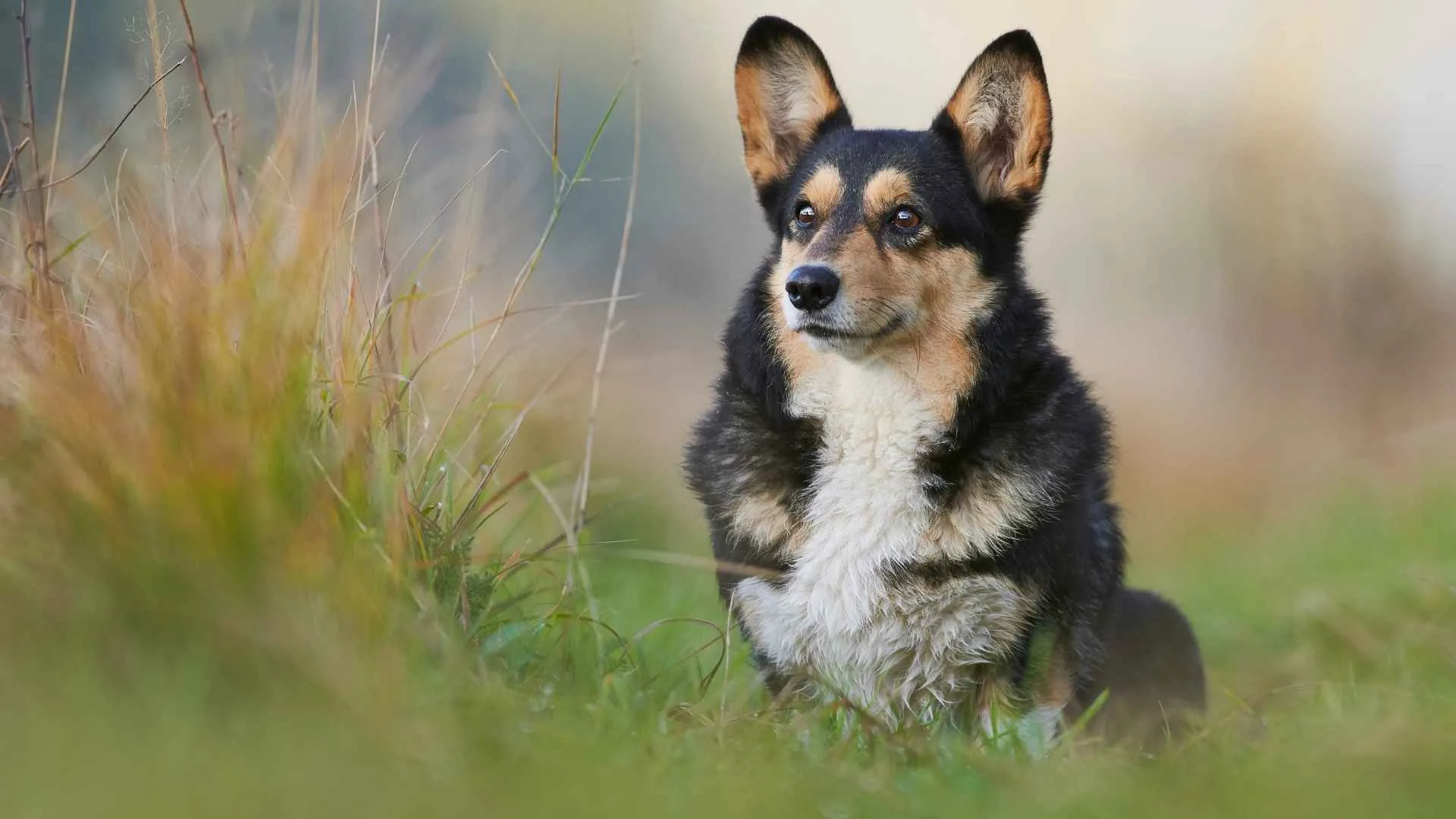
Pembroke Welsh Corgis have a strong prey drive that comes from their herding instincts and history of working with cattle. These small herding dogs hail from Pembrokeshire, Wales, where they were bred to manage cattle. They are also one of the oldest herding breeds.
A Corgi was bred to handle large cattle autonomously across open land. That background gave them a strong problem-solving drive, along with a stubborn streak that may show up during training.
These working dogs have a gentle temperament and lively personalities that add plenty of character to everyday life.
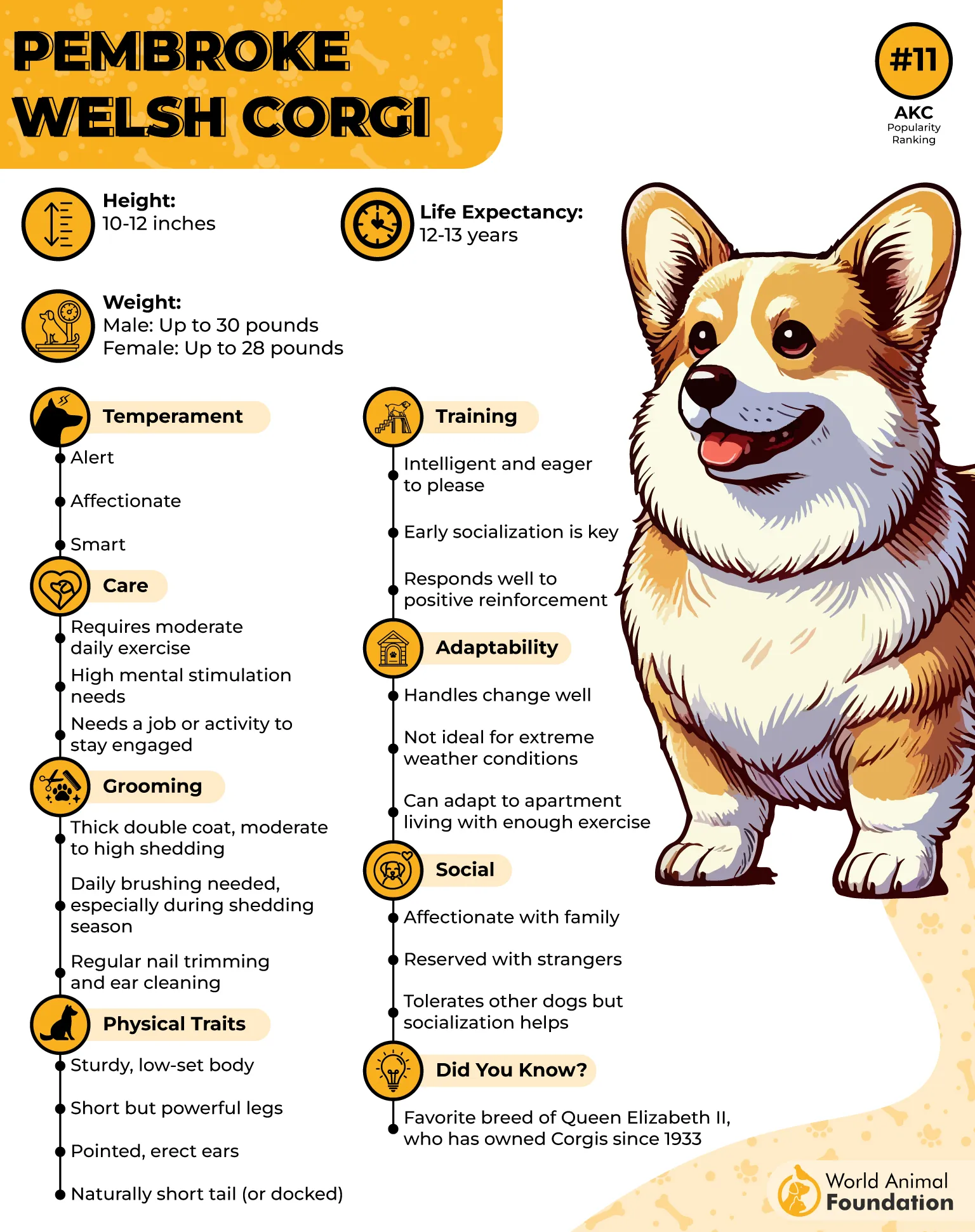
Your Corgi thrives when they stay involved with the family. They may happily follow you around the house or join you during outdoor activities.
Their short legs and long body hide a big-dog personality, while their vigilant and observant nature makes them excellent watchdogs.
7. German Shepherd
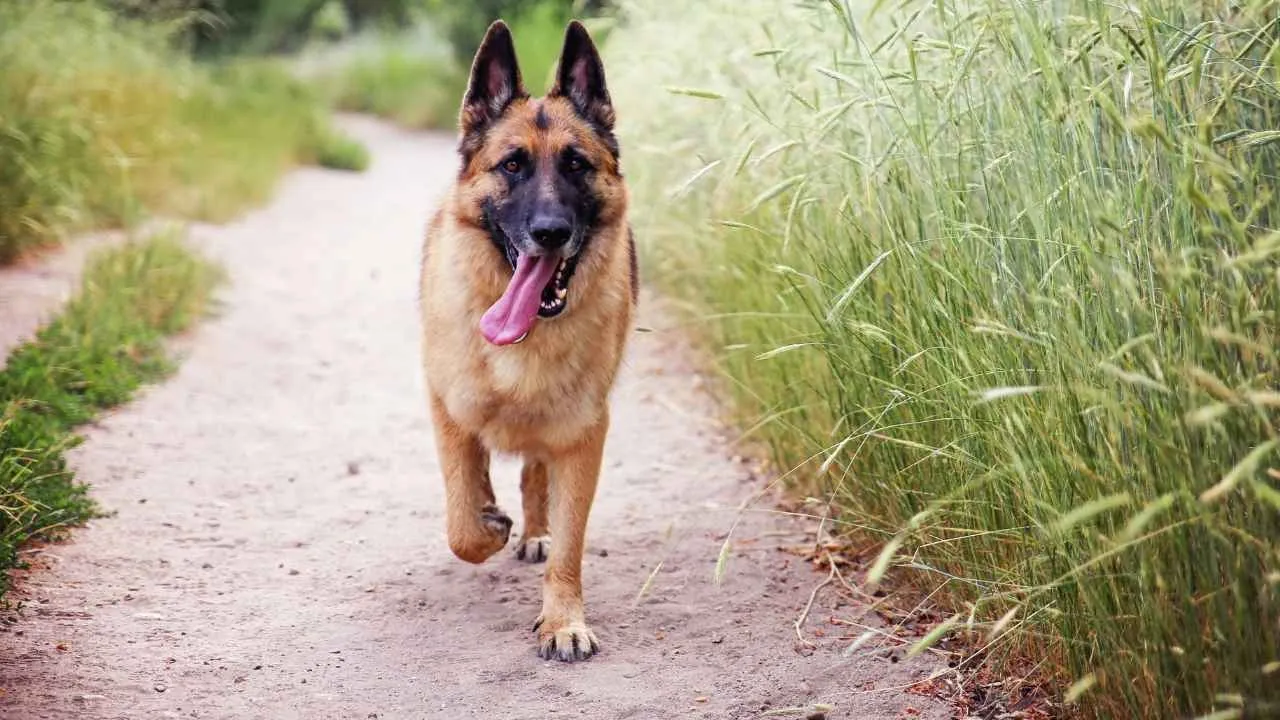
Put a German Shepherd near a flock, and their working instincts have plenty of room to shine. Their prey drive is closely tied to the herding instincts that shaped the breed.
Developed in Germany from traditional herding and farm dogs, this breed was built with purpose. A German Shepherd has a strong, relatively long body that suits their athletic nature.
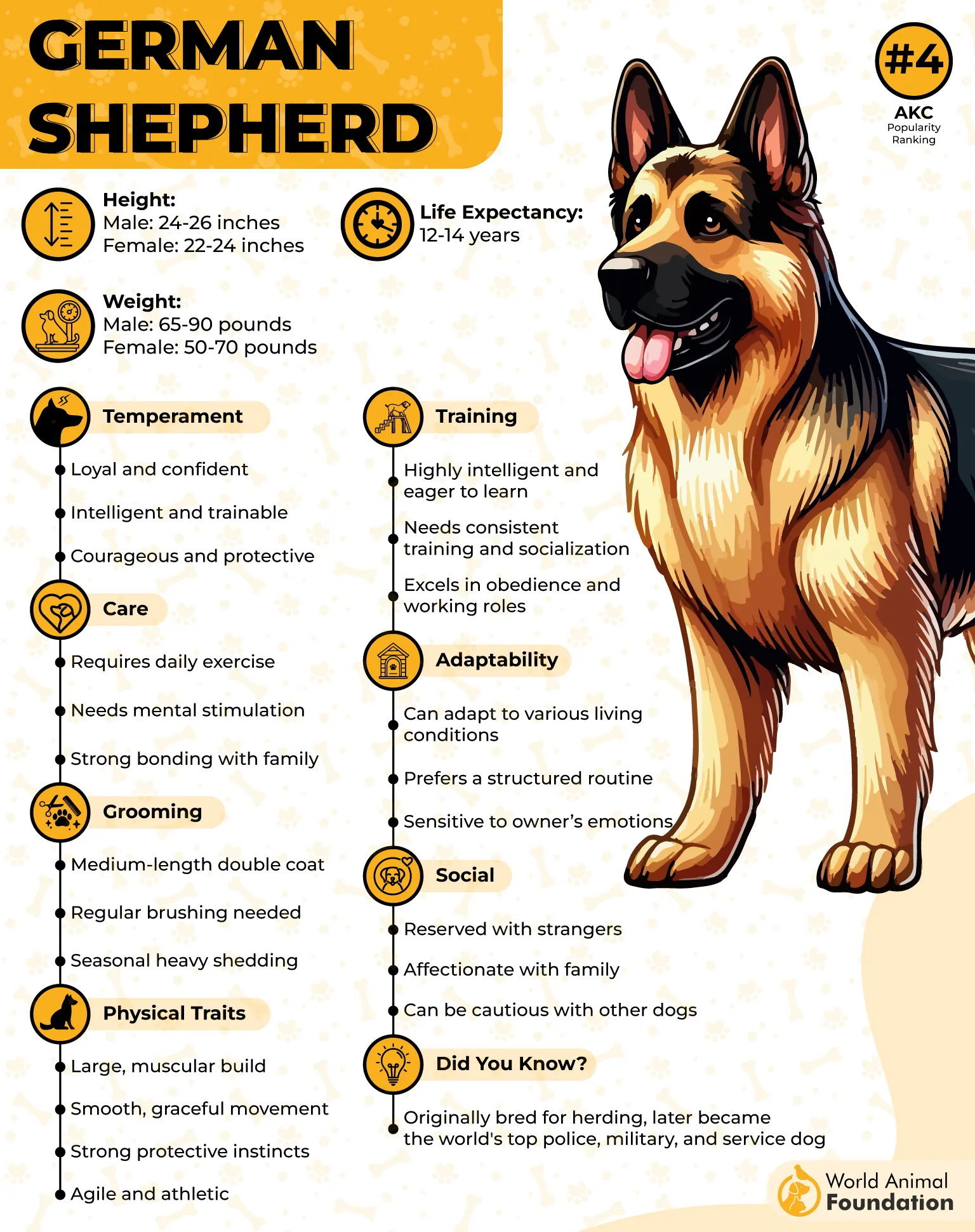
Their intelligence gives them another edge when there is a job to handle. Herding also brings together their natural drive, focus, and physical ability.
Life at home brings out their playful side. Your German Shepherd is likely to be devoted to the family and highly watchful of what happens around them. Their protective nature makes them excellent watchdogs and strong choices for protection work.
Police forces also prefer this breed for their intellect, willingness to work, and physical abilities. A German Shepherd enjoys having a job or a regular outlet for their high energy.
Choose this breed if you want an alert, hardworking dog that also fits naturally into family life.
Conclusion
Quick thinkers, tireless workers, and remarkably adaptable, these top herding dog breeds bring far more to the table than their impressive work ethic.
The real question is whether their energy and sharp minds fit your lifestyle.
Give them clear direction, consistent guidance, and a meaningful role, and you’ll have a four-legged teammate who is just as happy helping around the home as staying busy outdoors.
In other words, these dogs do not simply want a place on the couch; they would also like a little purpose with it.
