




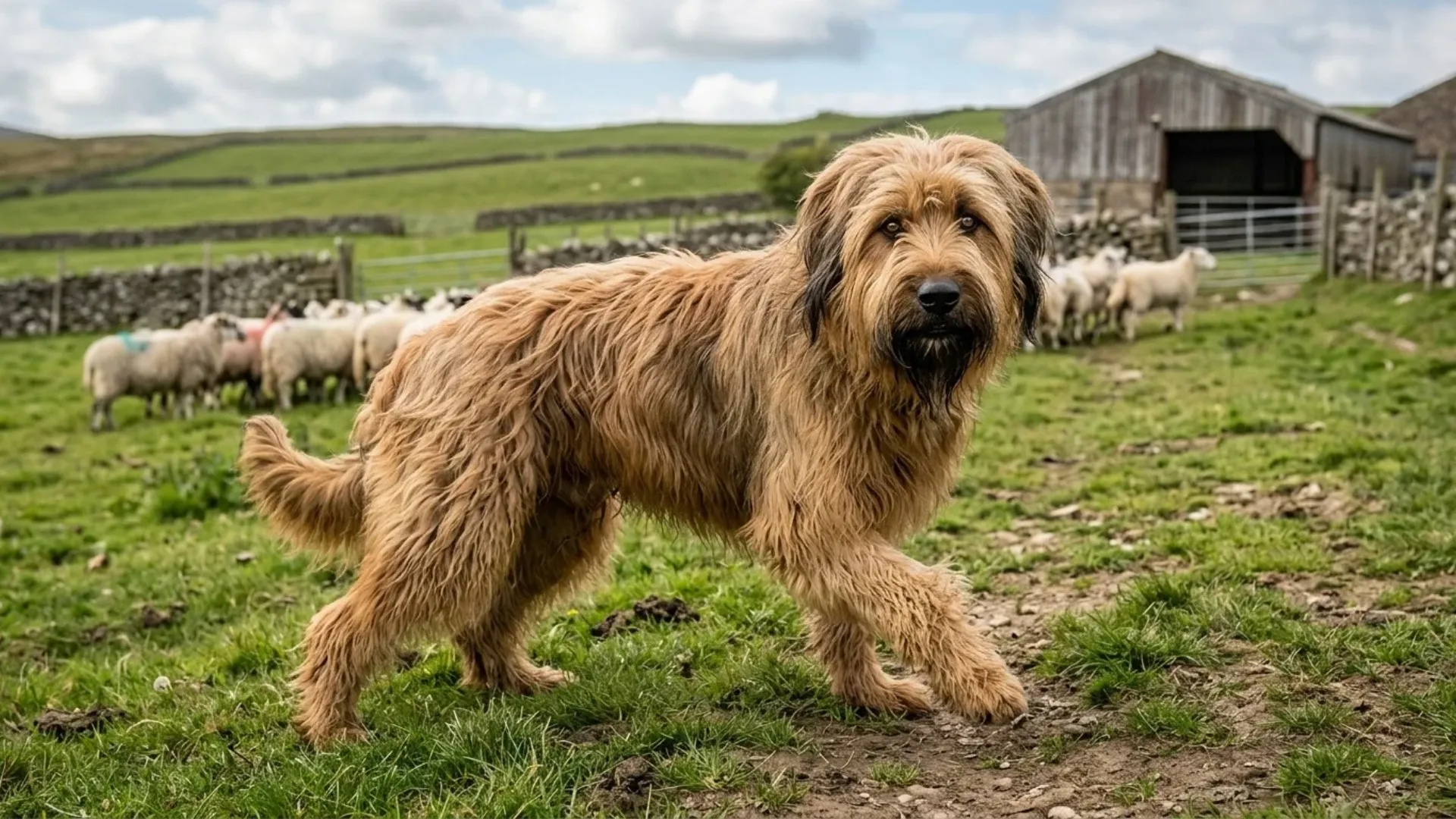
Herding dogs are basically the ultimate countryside multitaskers, combining incredible intelligence, lightning-fast reflexes, natural leadership, and enough stamina to make professional athletes question their workout routines.
These hardworking canines aren’t just good at chasing animals; their real talent lies in understanding movement, responding to subtle signals, and working alongside humans to manage livestock.
For centuries, farmers and shepherds have depended on specialized dogs to gather scattered sheep, drive cattle between pastures, protect grazing boundaries, and guide animals through challenging landscapes.
Different breeds developed unique working approaches shaped by local geography, livestock behavior, and agricultural traditions, making some especially skilled at gathering while others excel at driving or controlling flock movement.
Let’s explore their unique strengths, fascinating histories, and the extraordinary abilities that make them valuable partners in livestock management.
Herding Dog Breeds and Their Unique Strengths
1. Briard

The Briard is a magnificent French farm dog with an enormous, shaggy coat, impressive intelligence, and a talent for keeping livestock exactly where it belongs. Originating in France, particularly the Brie region, this historic breed developed as a versatile shepherd that could gather, drive, and protect sheep.
One of the Briard’s most impressive herding abilities is its traditional talent for maintaining flock boundaries rather than constantly moving sheep from one location to another. Historically, French shepherds relied on these dogs to patrol grazing areas, keep animals from wandering into cultivated fields, and guide livestock along established routes.
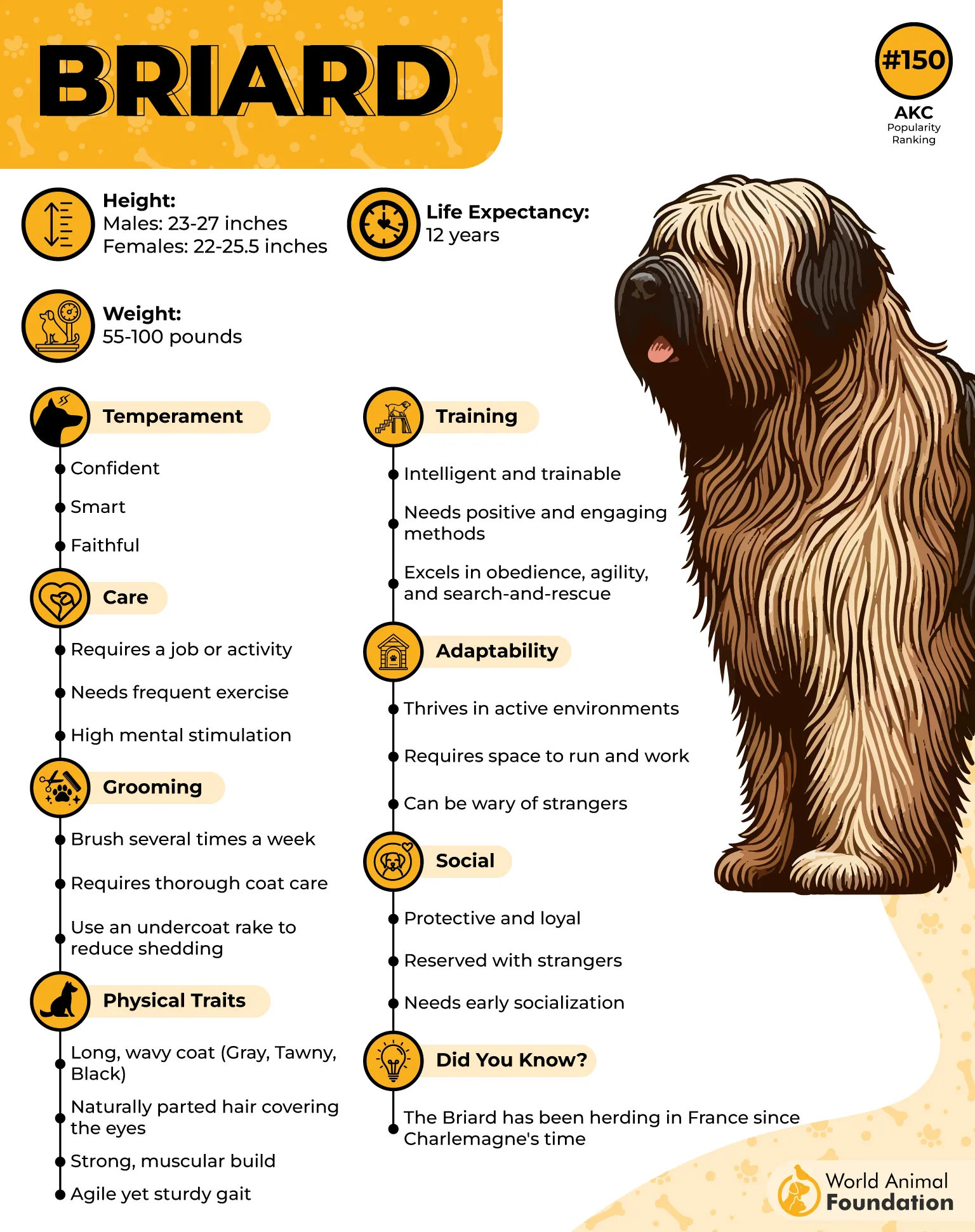
Their work also demanded considerable independent judgment, especially when shepherds couldn’t supervise every movement. A Briard might need to recognize an animal drifting away from the flock, reposition itself to block an unwanted direction, and respond to changes in movement without becoming unnecessarily frantic.
Historical Tidbit: This breed transitioned from agricultural work into military service during the World Wars. Its intelligence, endurance, and willingness to cooperate made it suited for roles involving communication, patrols, and locating wounded soldiers, demonstrating abilities beyond traditional sheep management.
2. Australian Shepherd
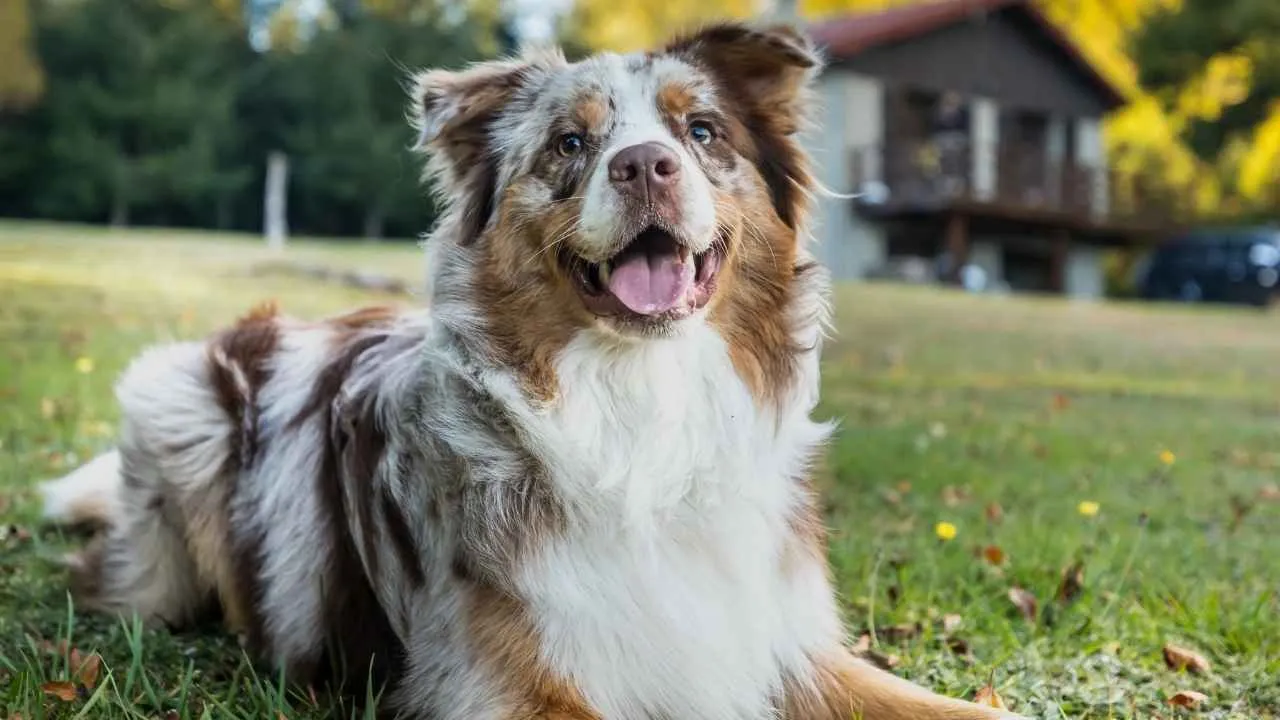
Despite its name, the Australian Shepherd is a medium-sized herding dog that was developed primarily in the United States, where ranchers needed intelligent, athletic partners to manage livestock across vast western landscapes.
One of the Australian Shepherd’s greatest strengths is its ability to respond quickly when livestock movements become unpredictable. A well-trained Aussie can notice an animal separating from the group, reposition itself to encourage movement in a safer direction, and adjust its approach according to the handler’s instructions.
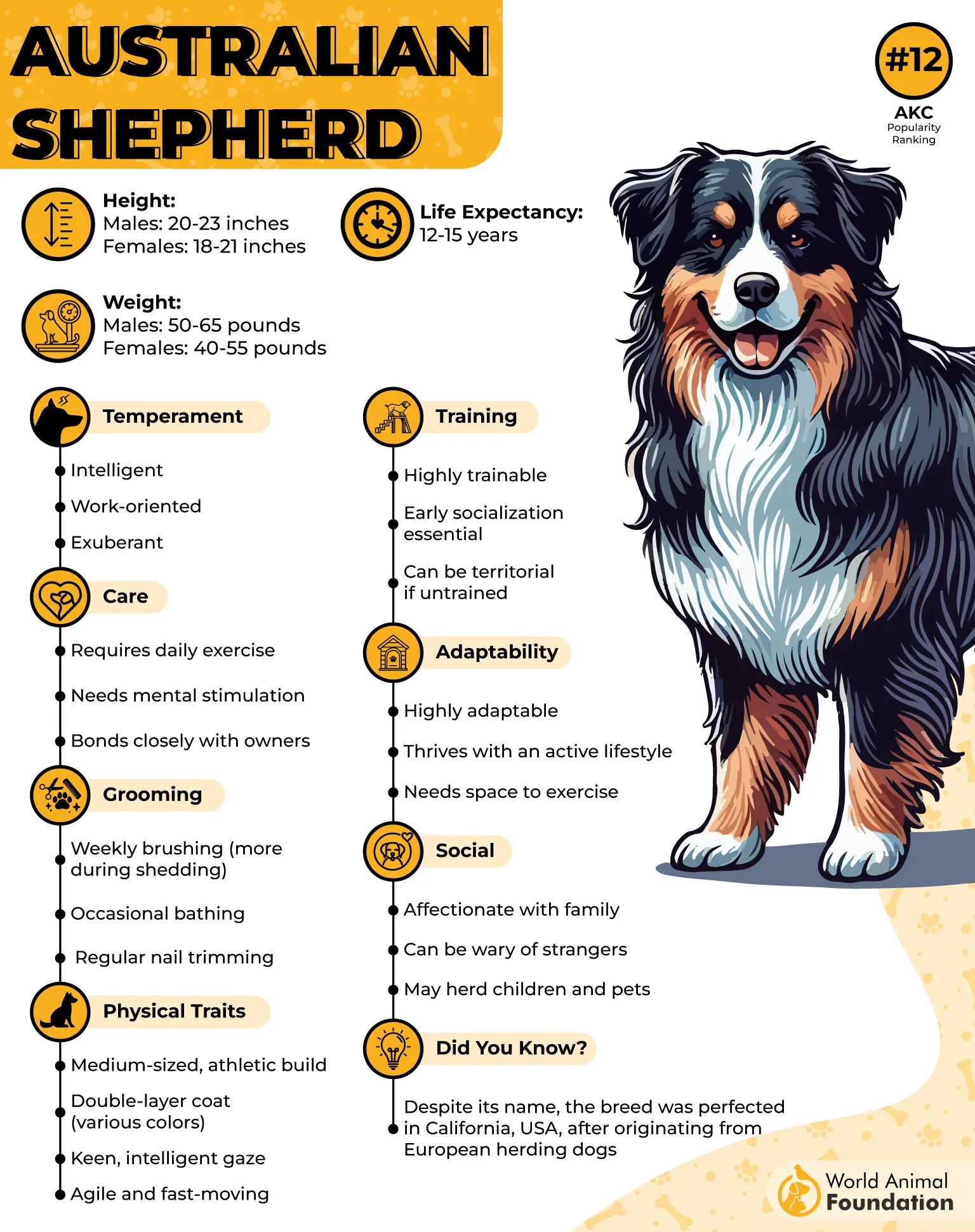
These highly trainable dogs are a well-known part of the herding group and also possess impressive physical coordination, allowing them to accelerate, stop, turn, and change direction in surprisingly little space. Their flexible movement and strong hindquarters help them navigate uneven ranch terrain while keeping up with animals that may suddenly change speed or direction.
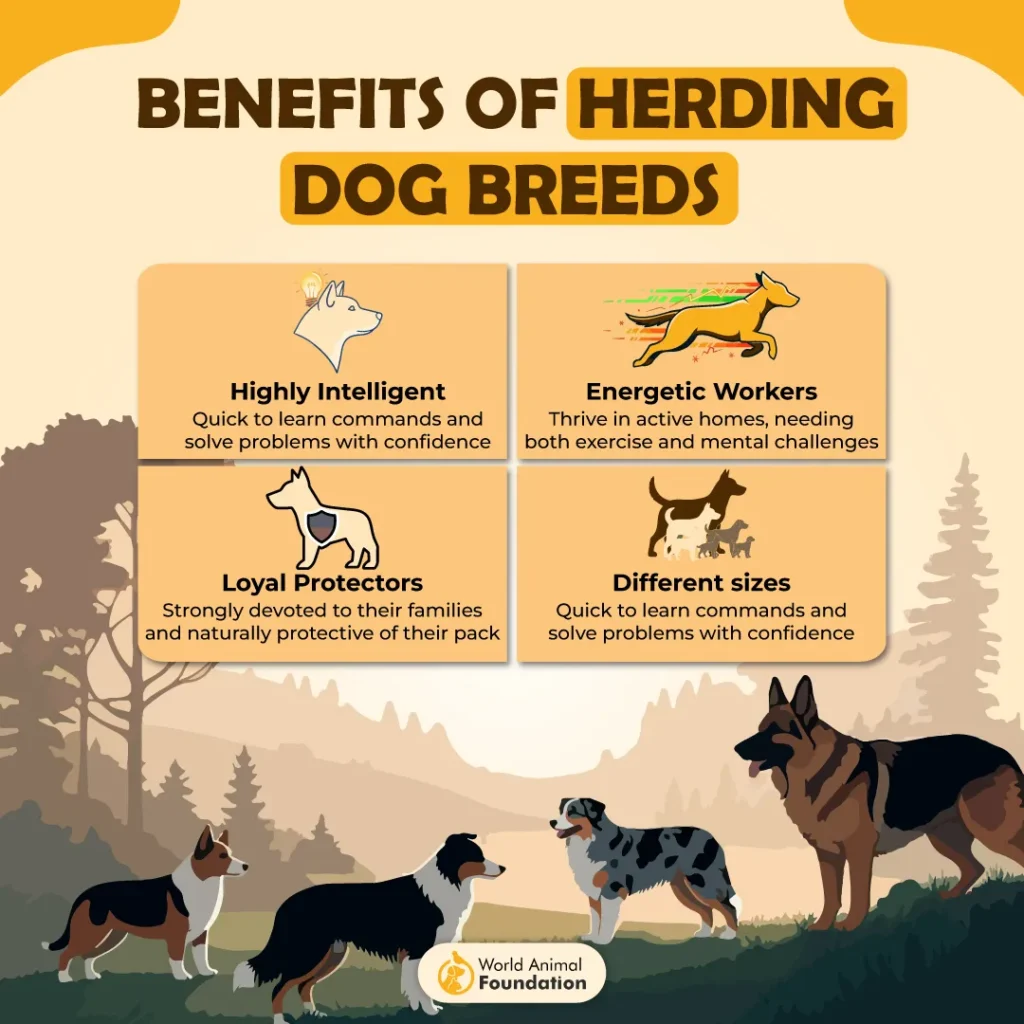
Their intelligence is another defining characteristic because successful herding requires far more than simply reacting to every moving animal. The breed can learn directional cues, controlled stops, recall commands, and complex working routines that help a handler guide livestock through gates or narrow passageways.
3. Polish Lowland Sheepdog
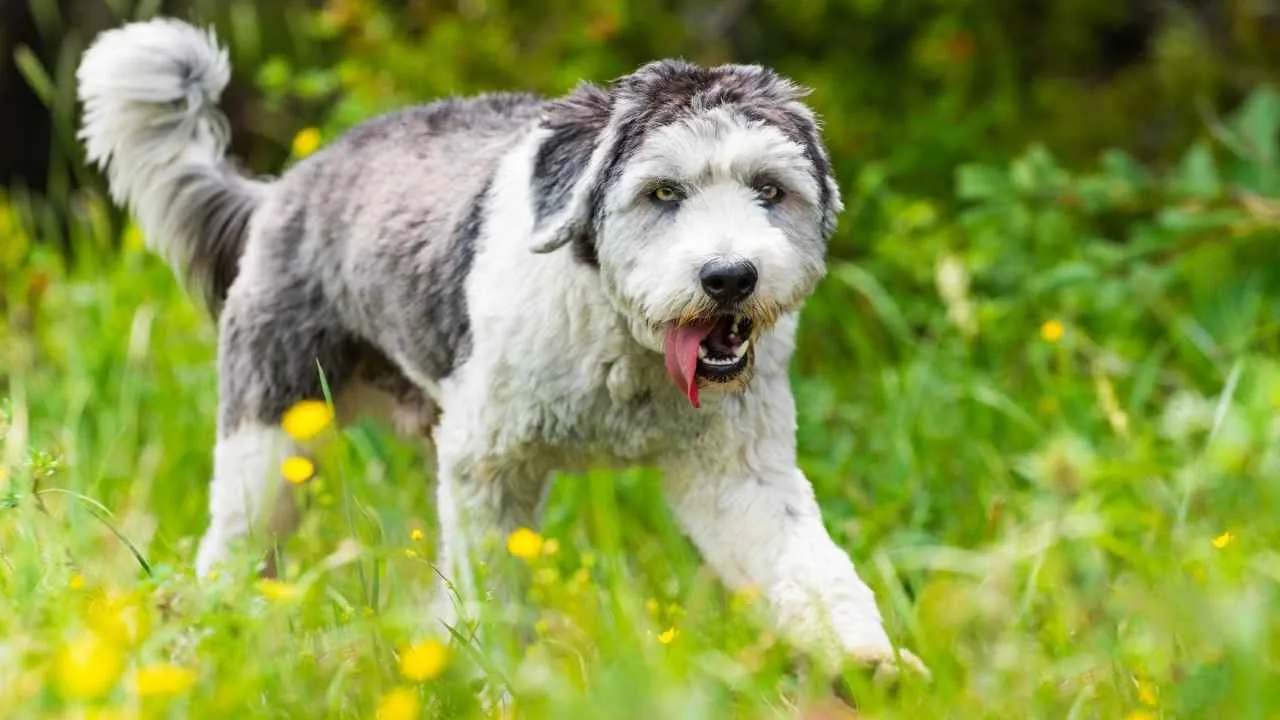
Known in Poland as the Polski Owczarek Nizinny, or PON, this distinctive breed developed to gather, move, and watch over sheep across the country’s agricultural lowlands.
One of the breed’s most useful herding characteristics is its ability to manage livestock without relying on intimidating size. Its moderate stature lets it move through groups of sheep with agility, while its confidence and careful positioning help direct animals to the handler’s intended destination.
They have strong observational skills and an impressive memory. A capable working dog must notice changes in flock movement, remember familiar routines, and recognize when individual animals behave differently from the surrounding group.
Their thoughtful, sometimes independent personalities reflect this practical background, which helps explain why PONs can seem surprisingly determined when they believe a task needs attention.
In modern households, they often show their working heritage through alertness, enthusiasm for activities, and a desire to join family routines.
4. Bergamasco Sheepdog
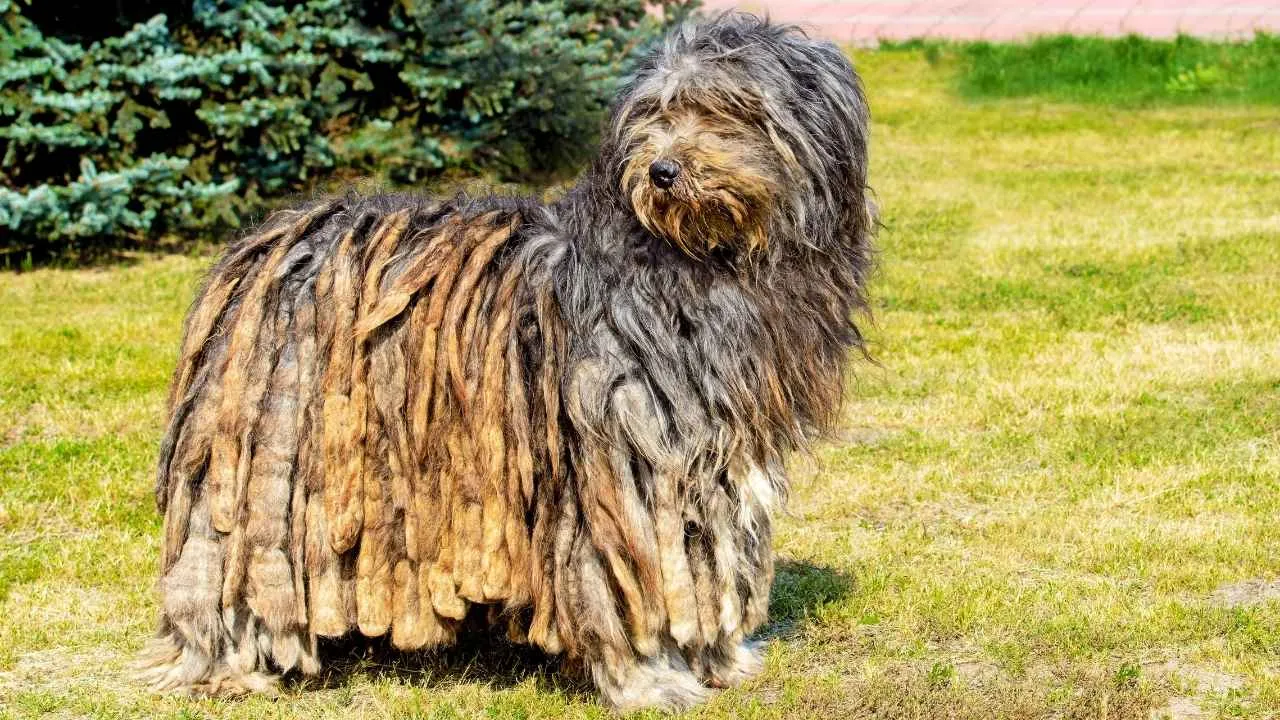
The Bergamasco Sheepdog looks like an ancient mountain legend, developed to help shepherds manage and protect livestock across challenging mountain landscapes.
One of the Bergamasco’s most remarkable working strengths is its ability to make thoughtful decisions without constantly depending on detailed instructions. Shepherding in mountain environments often required dogs to read sheep movement, anticipate problems, and respond appropriately when livestock approached difficult terrain.
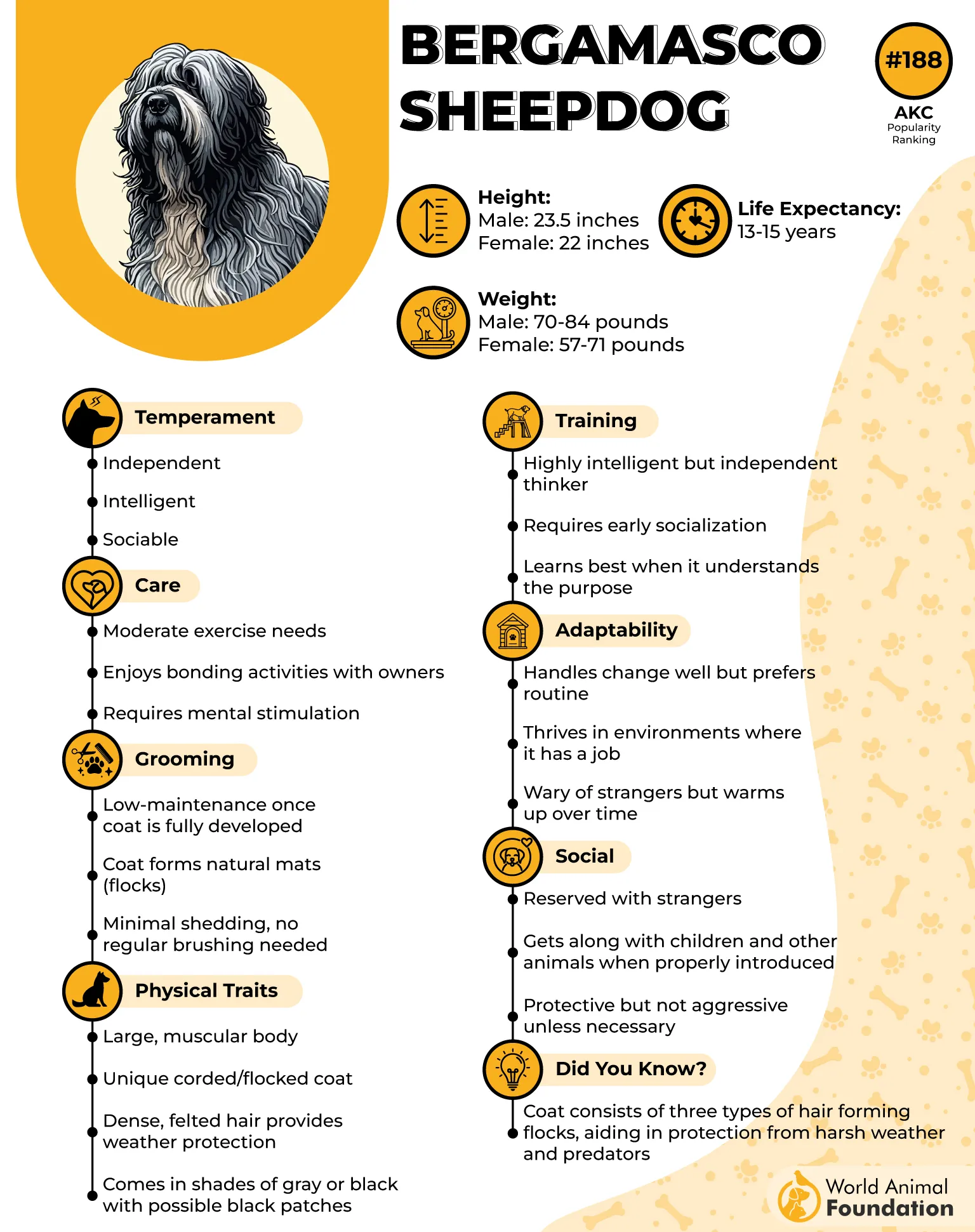
Their unusual coats also represent a fascinating practical adaptation rather than a purely decorative feature. Bergamascos possess three different hair textures that naturally combine into flat, felt-like flocks, helping protect their bodies from harsh weather and environmental challenges.
Another impressive characteristic is the breed’s steady, observant approach to managing its surroundings. While highly energetic sheepdogs may rely on constant movement, this mountain dog can use measured positioning and thoughtful behavior to influence livestock without unnecessarily exciting the flock.
5. Puli
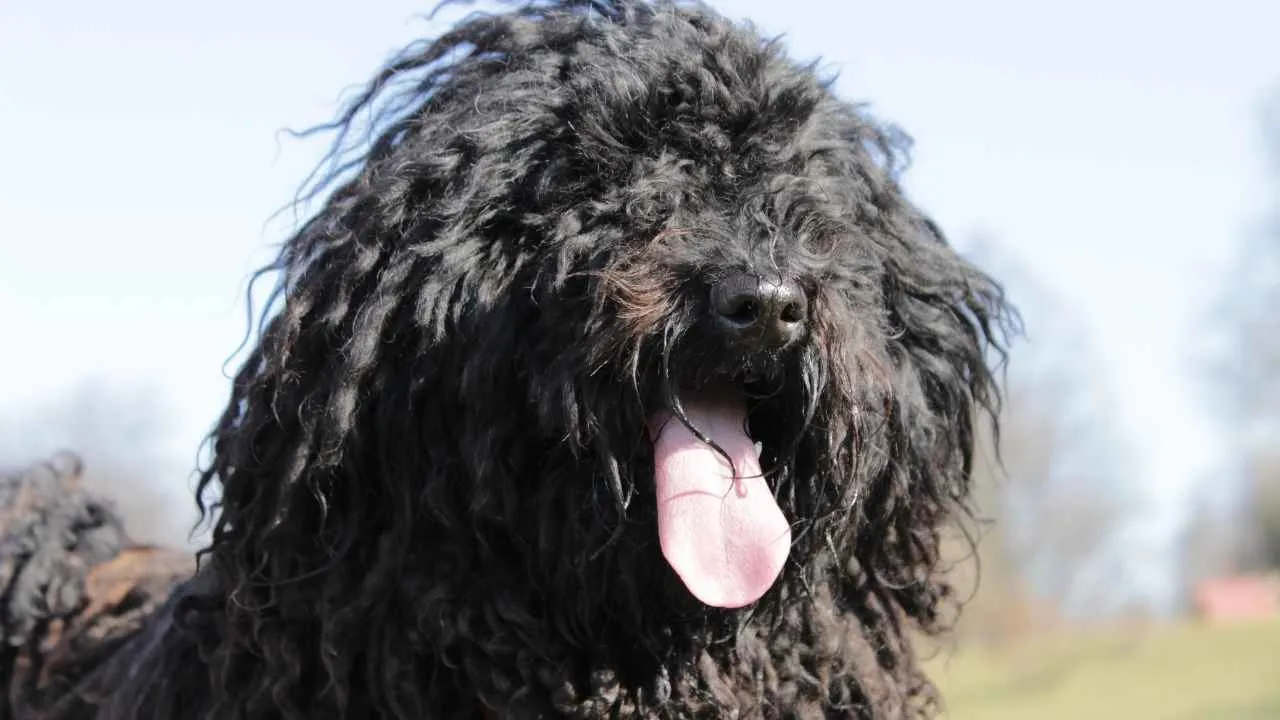
Developed over centuries alongside Hungarian shepherds, the Puli is a compact working breed known for its ability to manage sheep across the broad grasslands of the Hungarian plains.
One of the Puli’s most impressive herding abilities is the extraordinary speed and agility it can display when controlling livestock. A well-conditioned individual can change direction rapidly, circle moving sheep, and position itself to guide the flock along a particular route.
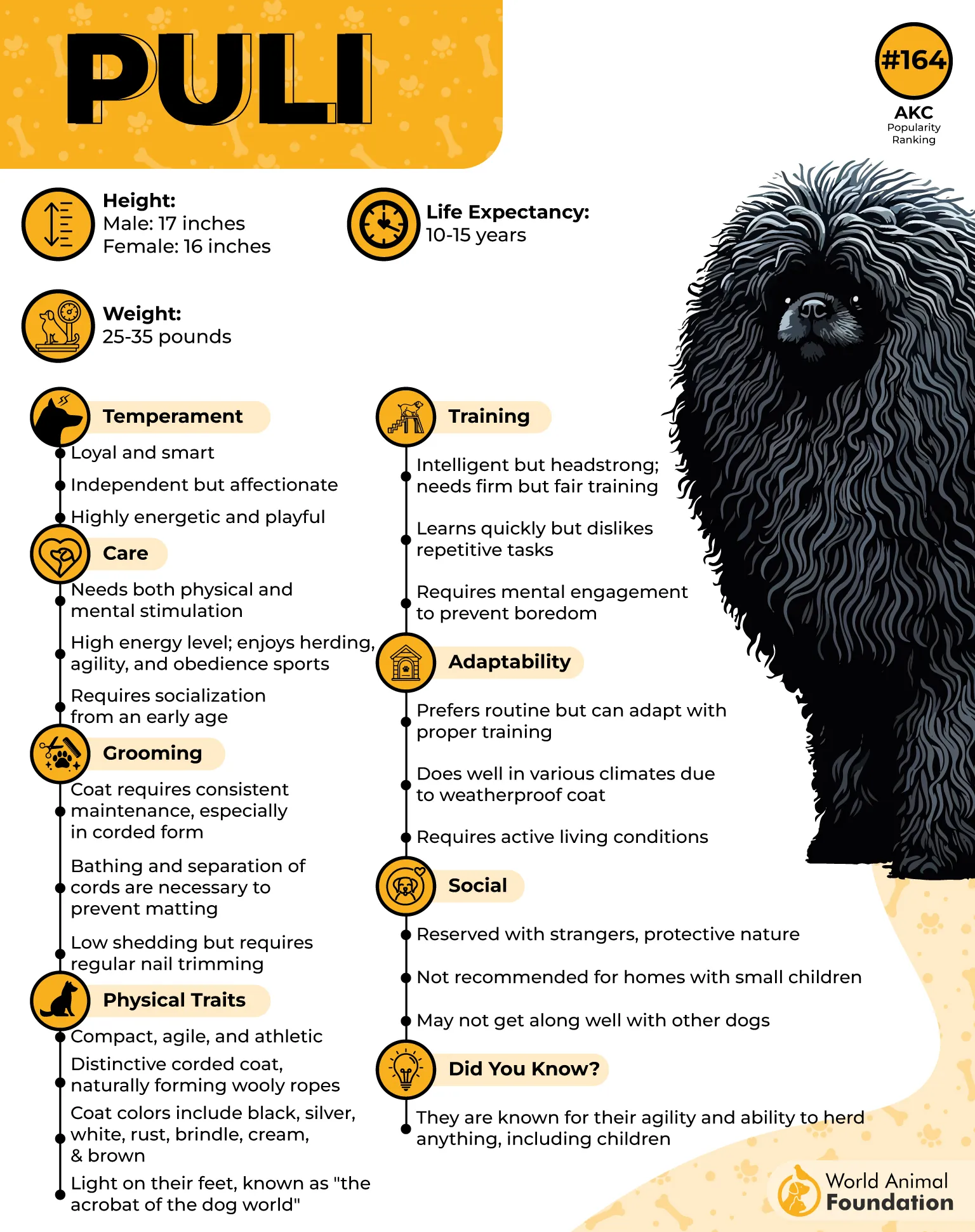
The Puli’s smartness is another major advantage because efficient herding depends on recognizing patterns and responding before small problems become chaotic. A skilled dog may notice an animal drifting toward the edge of a flock and quickly adjust its movement to discourage separation.
Its famous coat also played an important role in its development as a traditional outdoor worker. The dense, naturally forming cords insulate and protect against changing weather, but they require careful separation, drying, and maintenance to stay clean and comfortable.
6. Belgian Malinois
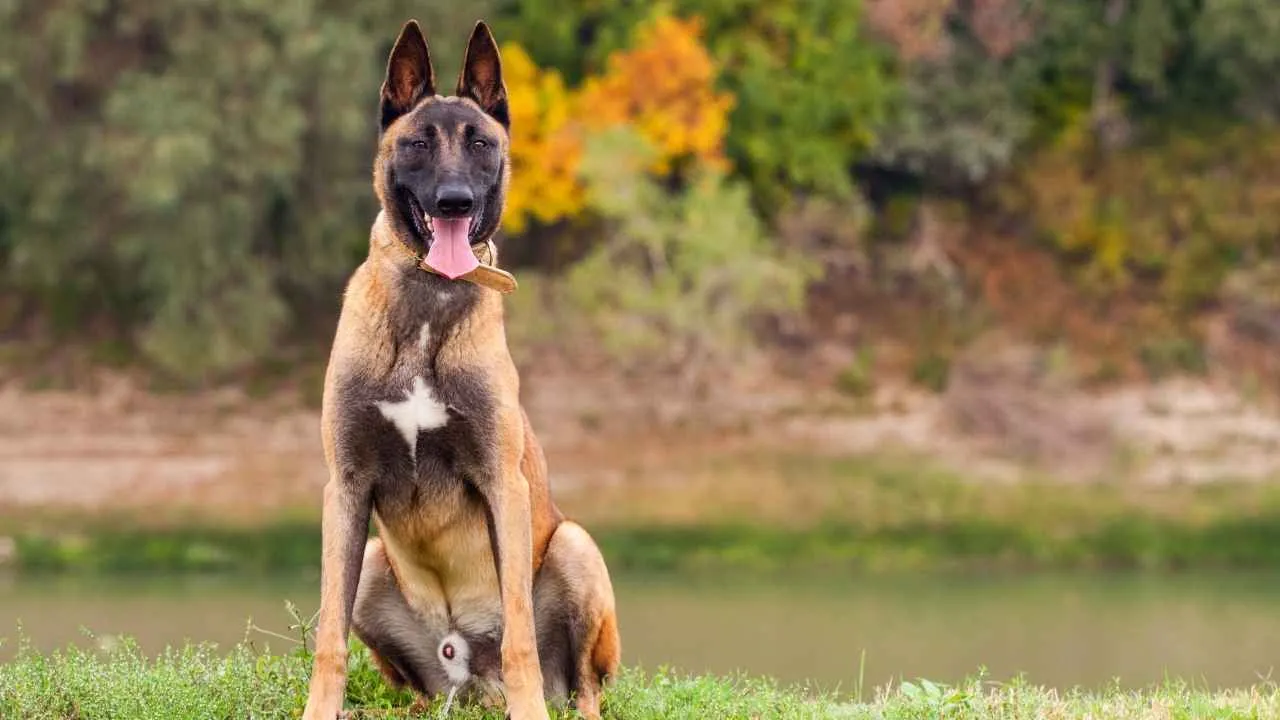
The Belgian Malinois is a professional-level canine athlete who believes every day should include a mission, a training challenge, and about a thousand interesting things to investigate. This powerful herding breed originally helped shepherds manage livestock before becoming widely recognized for its abilities in security, detection, and police work.
One of the breed’s most impressive herding strengths is its ability to respond immediately to changes in movement. A trained Malinois can quickly reposition when livestock shifts direction, adjust pressure around an animal, and follow precise commands from its handler.
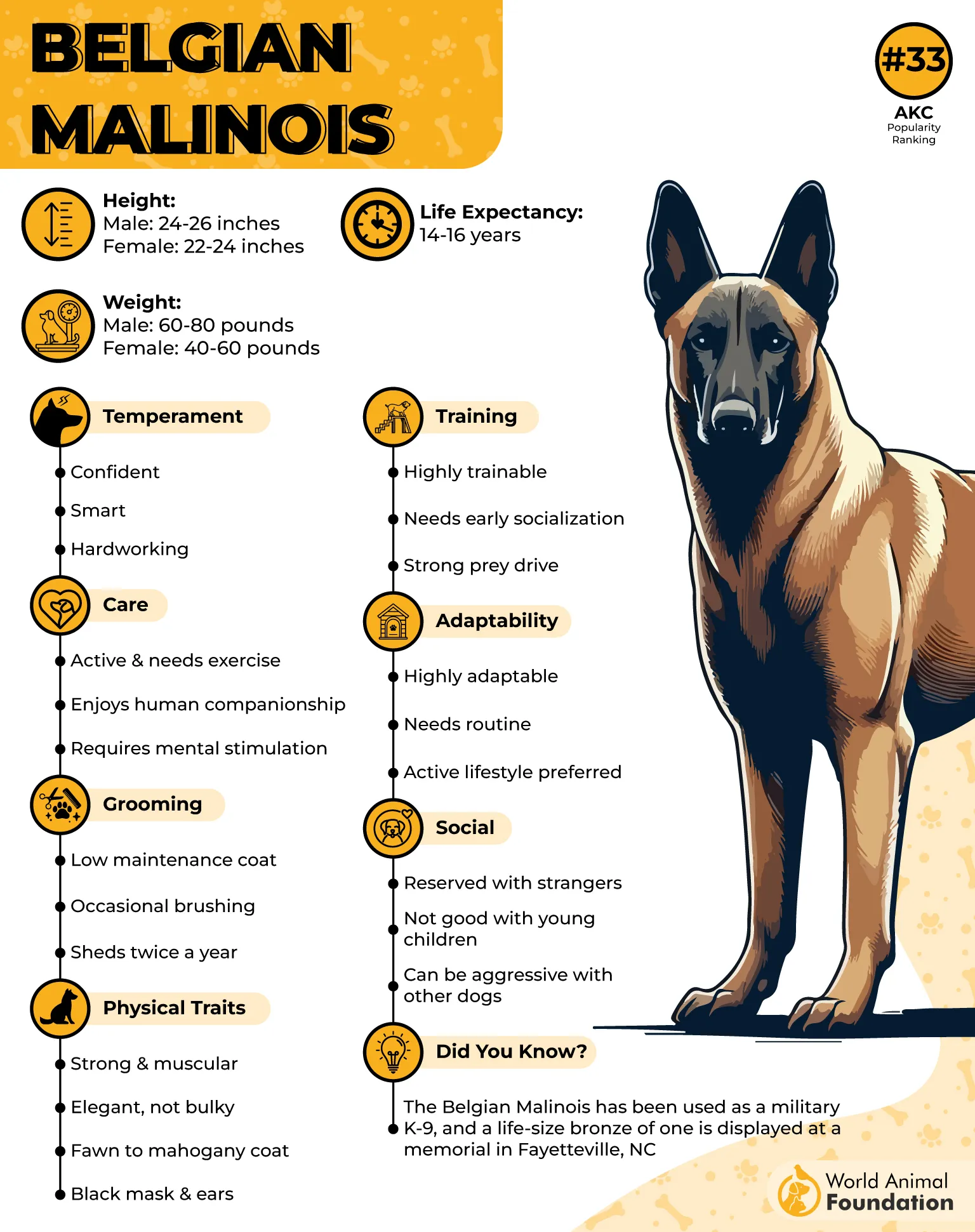
Their natural enthusiasm for purposeful activity helps them learn advanced commands, stay focused amid distractions, and participate in complex working routines.
According to Pet Place, these qualities helped the breed transition successfully into modern roles in detection, search and rescue, and specialized service work that require the same responsiveness and determination valued in traditional herding.
Their athletic abilities become especially obvious when observing activities involving acceleration, jumping, controlled turning, and rapid changes of direction. Strong muscles, balanced proportions, and impressive stamina help them work efficiently across different terrain while staying responsive to their handlers.
7. Beauceron
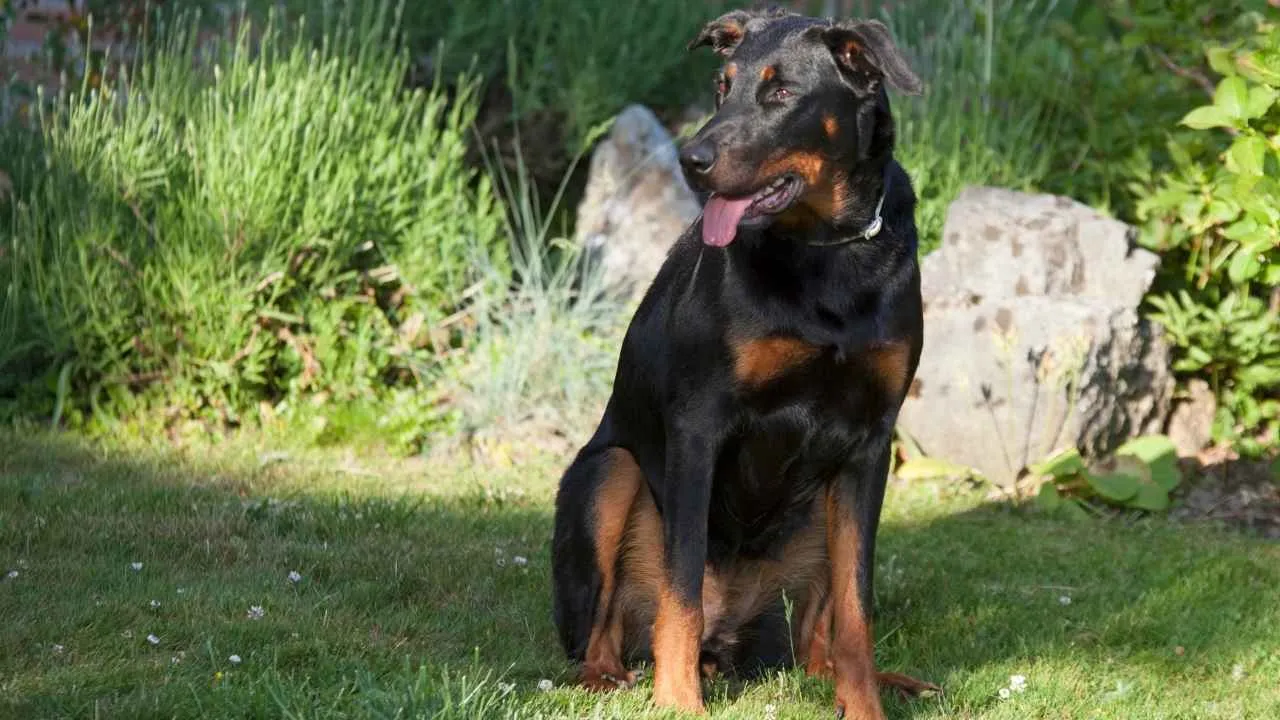
The Beauceron looks like a powerful French working dog. This impressive breed developed as an all-purpose shepherd that could manage livestock, guard property, and work alongside farmers across extensive agricultural landscapes.
One of the Beauceron’s most distinctive herding strengths is its ability to move and control large groups of livestock through careful positioning and sustained activity. Rather than relying solely on quick bursts of movement, an experienced working dog can maintain appropriate pressure around a flock and encourage animals to travel in a controlled direction.
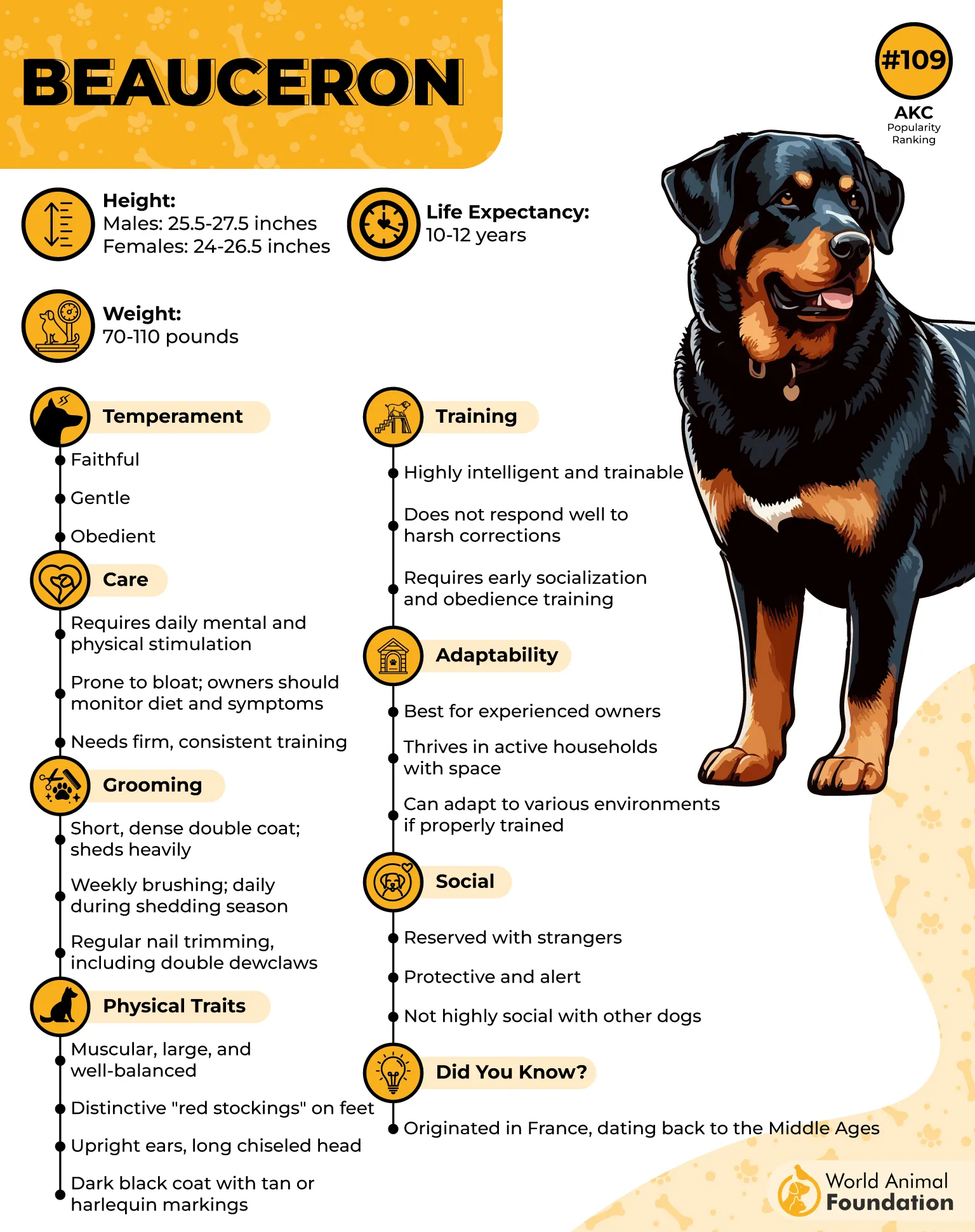
The breed’s traditional responsibilities also included protecting both livestock and the surrounding agricultural property. French shepherds valued dogs that could help manage sheep movement while staying alert to unfamiliar people and potential threats.
One of its most unusual physical features is the presence of double dewclaws on the hind legs, a recognized characteristic of the breed. These additional digits are part of the Beauceron’s historical identity, though their practical contribution to movement remains uncertain.
8. Bearded Collie
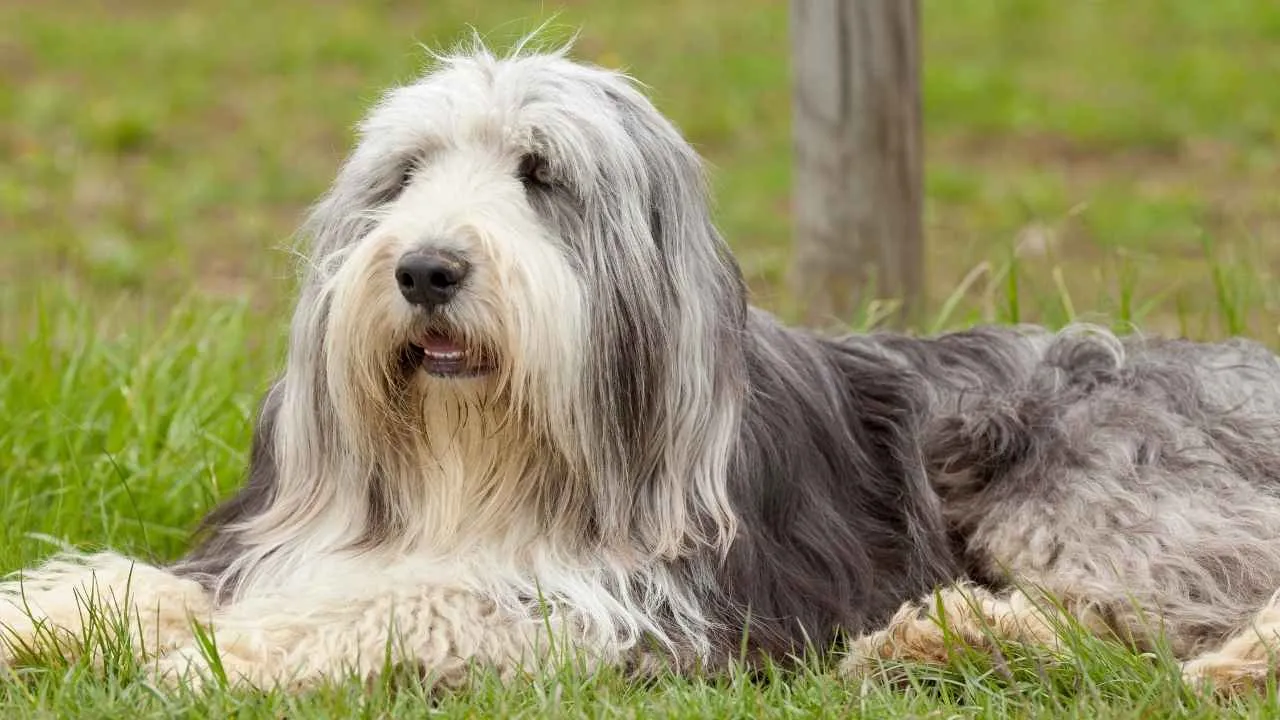
The Bearded Collie is an energetic breed that historically helped shepherds gather sheep across rugged hills and transport livestock between farms and markets.
One of the Bearded Collie’s greatest strengths is its traditional ability to gather scattered sheep across challenging Highland terrain. Historical working descriptions mention dogs searching rough hillsides, locating livestock hidden among vegetation, and encouraging animals to move back toward their handlers.
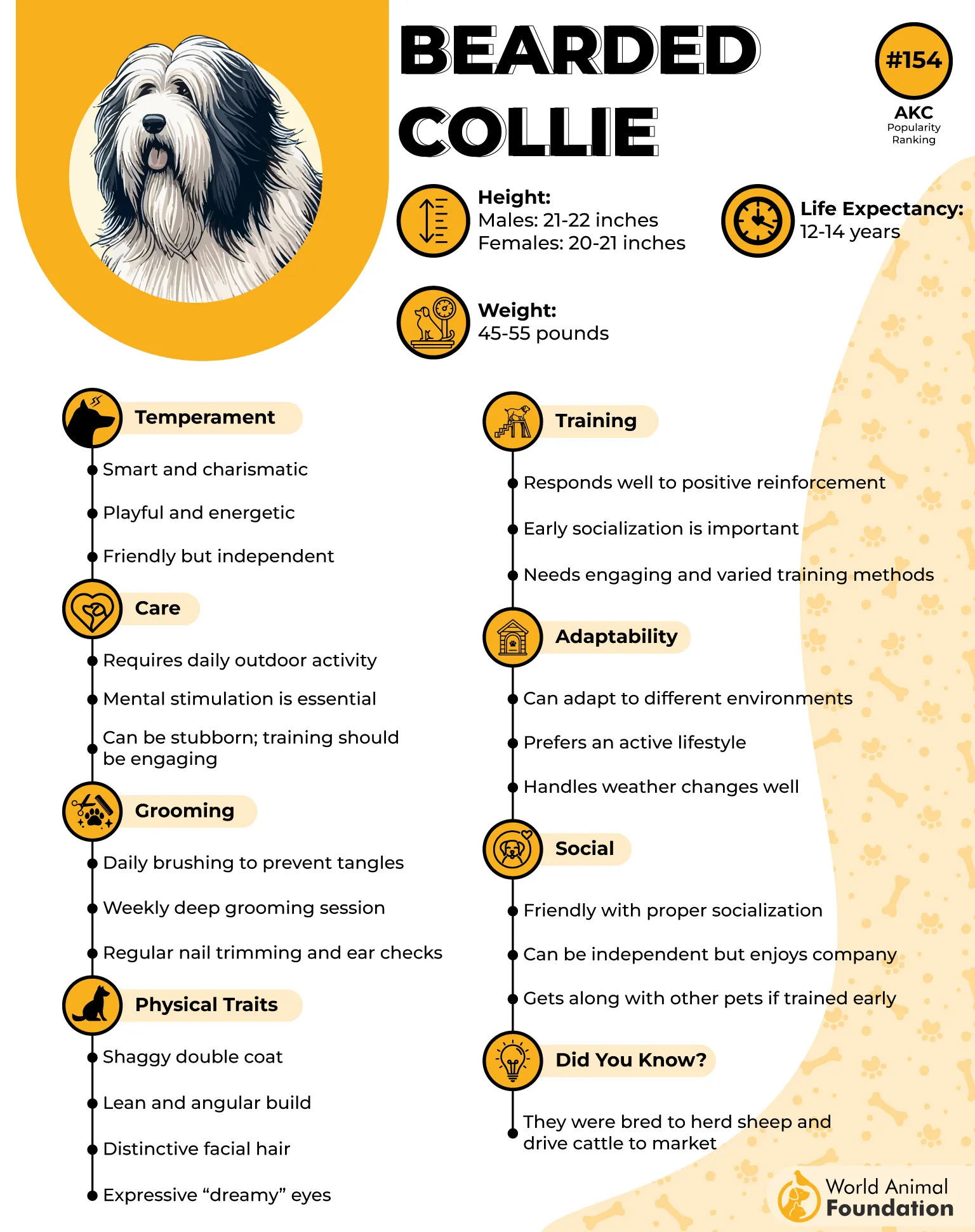
Their enthusiastic movement also makes them especially memorable during active herding work. A Bearded Collie may move with a lively, springy gait as it responds to livestock movement, and the breed’s famous energetic personality can make even ordinary training sessions entertaining.
This athletic style reflects its history as a practical working dog that can maintain activity over long distances, rather than a decorative companion bred solely for appearance.
Purina mentions that these dogs are intelligent and often respond well to positive training, though their curiosity can occasionally lead to amusing distractions. A dog that enthusiastically starts a retrieving game might suddenly take interest in a new scent or movement nearby, underscoring the importance of building concentration and reliable recall.
9. Shetland Sheepdog

Originating in Scotland’s Shetland Islands, this intelligent breed developed to help manage livestock in a demanding environment where smaller, efficient working dogs were especially valuable.
One of the Sheltie’s most valuable abilities is its quick response to changes in livestock movement and its handler’s instructions. A skilled dog can notice an animal drifting away, adjust its position, and help redirect movement without needing the physical size of a much larger sheepdog.
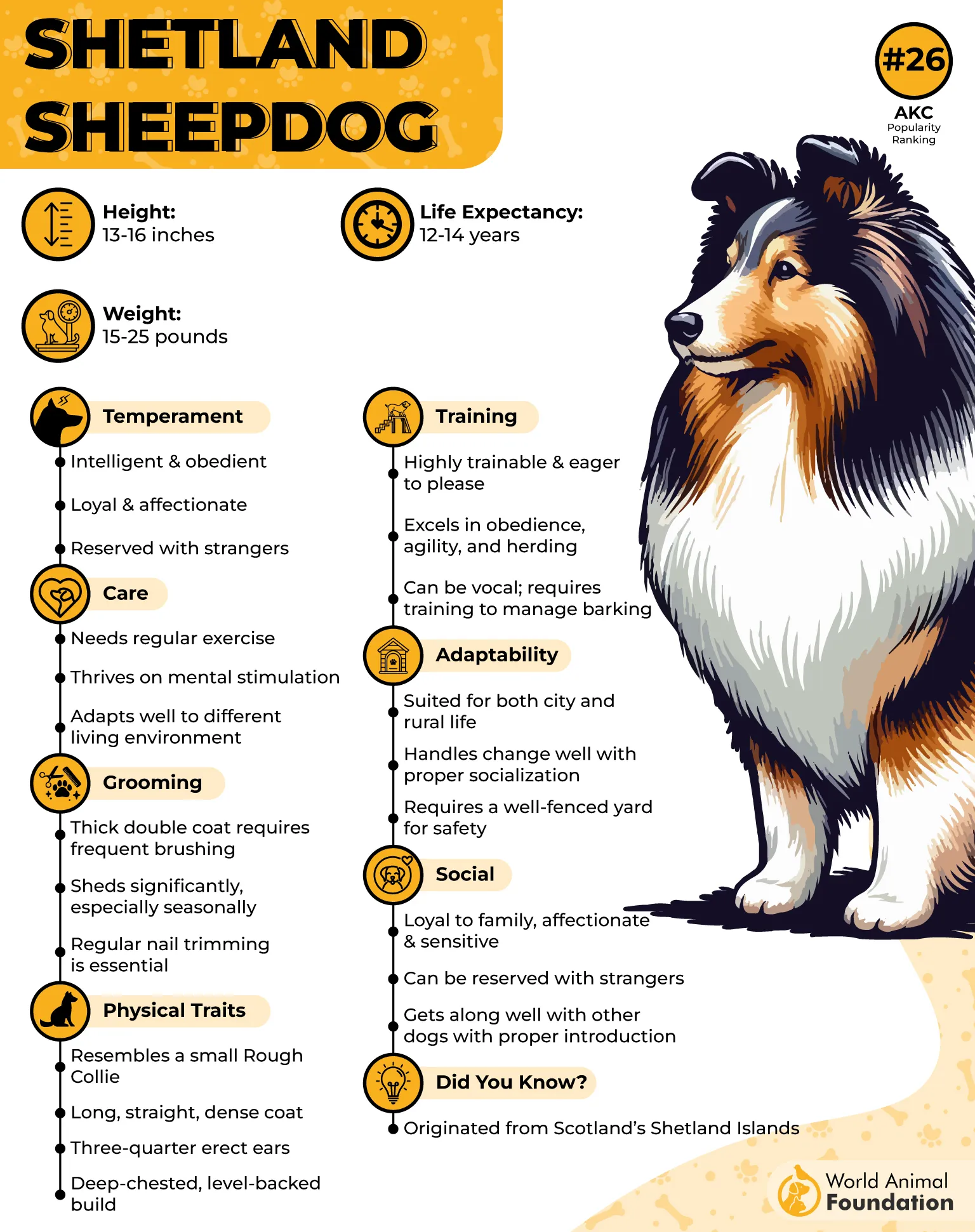
Shetland Sheepdogs are also famous for their intelligence and willingness to learn complicated routines. Many perform exceptionally well in organized obedience and agility competitions, where success depends on understanding commands, maintaining concentration, and reacting quickly to changing instructions.
Their natural alertness is another distinctive trait that can help at work but be challenging in ordinary households. Shelties often notice unfamiliar sounds, moving objects, and changes in their surroundings, sometimes expressing that awareness through enthusiastic barking.
Conclusion
These ten remarkable herding dog breeds demonstrate that livestock management involves far more than simply chasing sheep around a field. The German Shepherd, Border Collie, Australian Cattle Dog, Pembroke Welsh Corgi, Bouvier des Flandres, English Sheepdog, and Old English Sheepdog are also hardworking dogs that make great companions.
However, these impressive instincts come with responsibilities, as intelligent working dogs need consistent training, physical exercise, and appropriate mental enrichment. Their natural talents should be appreciated through safe, humane activities that promote controlled behavior rather than uncontrolled chasing or stressful interactions with livestock.
