




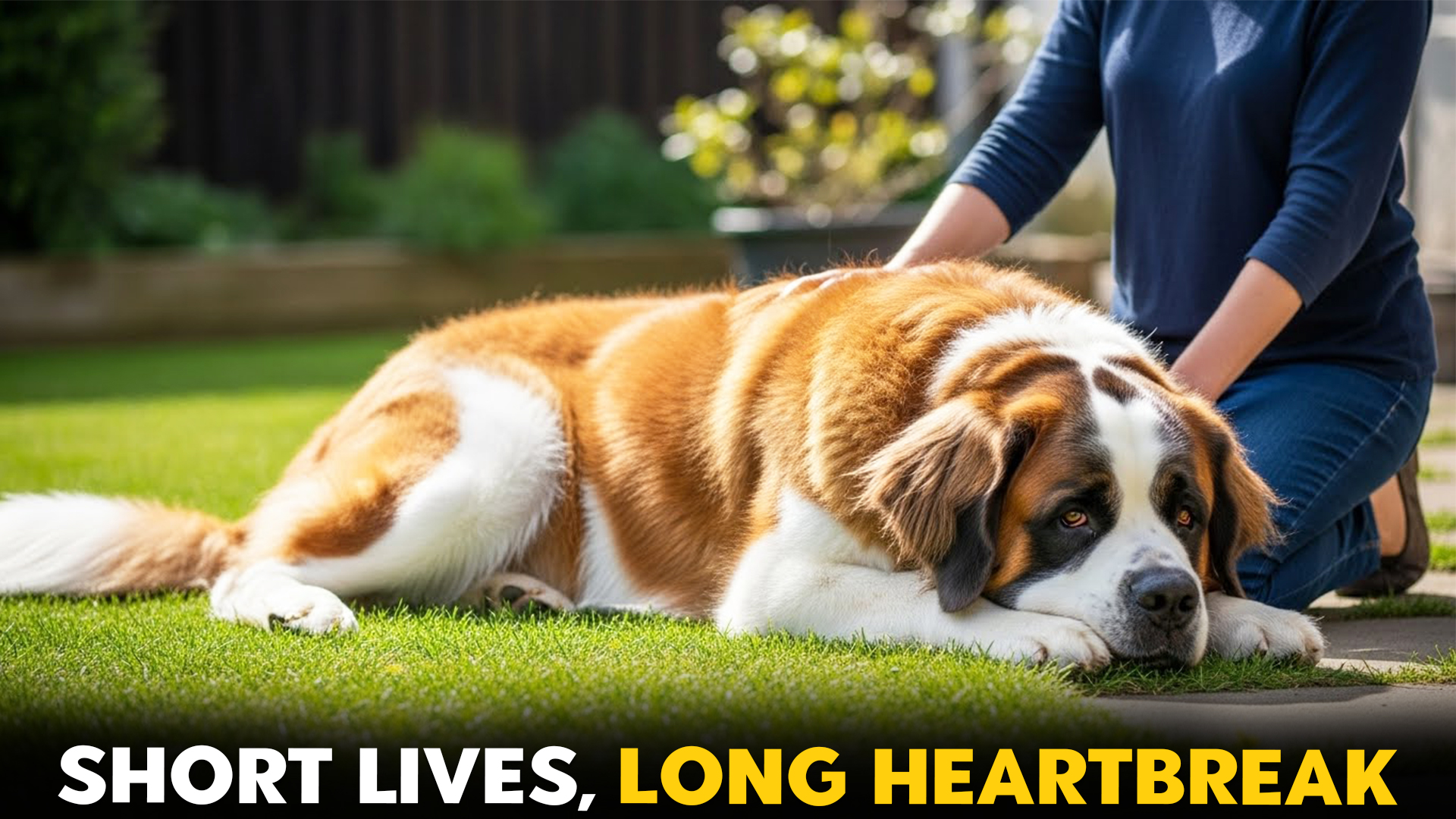
Few bonds feel as pure as the one we share with dogs, which makes their limited time especially painful. While all dogs leave us too soon, some breeds are known for significantly shorter lifespans, often due to genetics and health challenges.
These dog breeds with the shortest lifespan are usually large or giant, bred for strength, speed, or unique features. Unfortunately, rapid growth and inherited conditions can strain their bodies, leading to issues with the heart, joints, or immune system. Awareness can guide choices rooted in compassion.
Understanding which smaller dog breeds or larger dogs tend to have the shortest lives helps potential owners prepare emotionally and provide better care. It also highlights the importance of responsible breeding, early health screening, and cherishing every moment shared with these loyal canine companions.
Heartbreaking Dog Breeds With Shortest Lives
Loving these dogs means embracing deeper joy—and deeper heartbreak—in a shorter time.
1. Bulldog
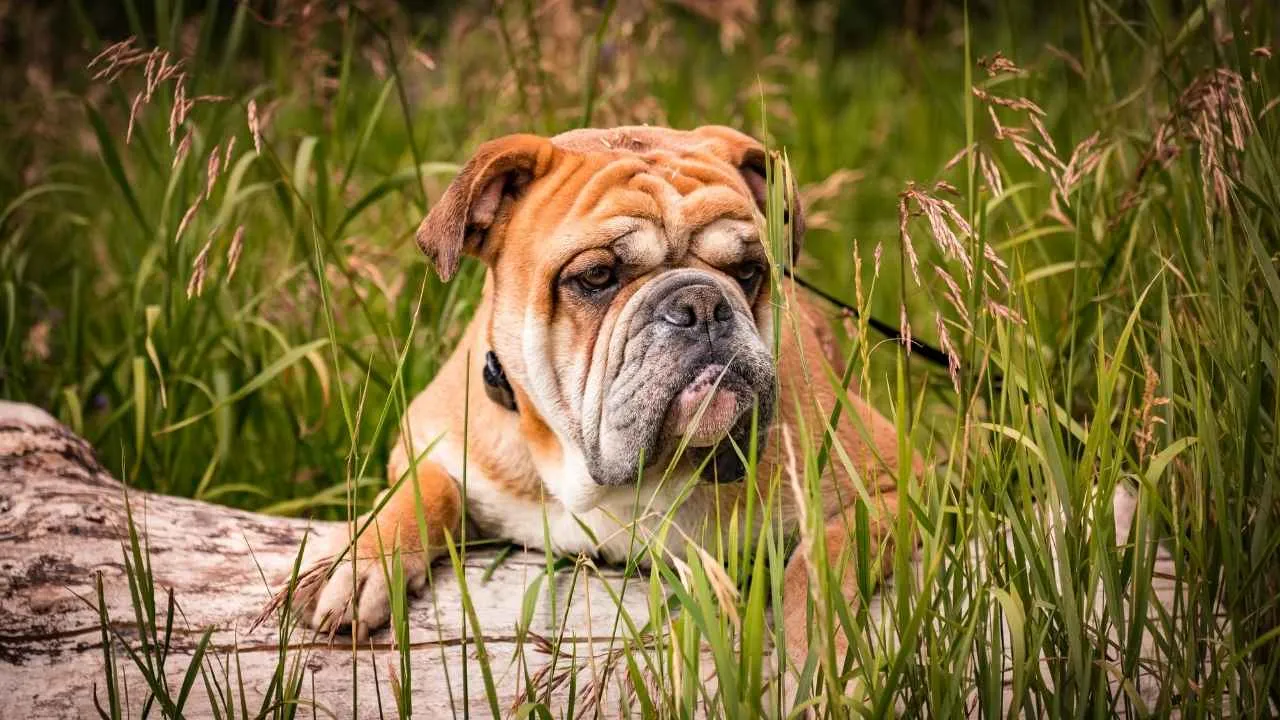
The Bulldog’s story begins in medieval England, where its ancestors were bred for the brutal sport of bull-baiting, as per the AKC. When blood sports were banned, devoted breeders reshaped the Bulldog into a gentler, family-focused dog, saving it from extinction.
Gentle Heart Behind a Tough Look
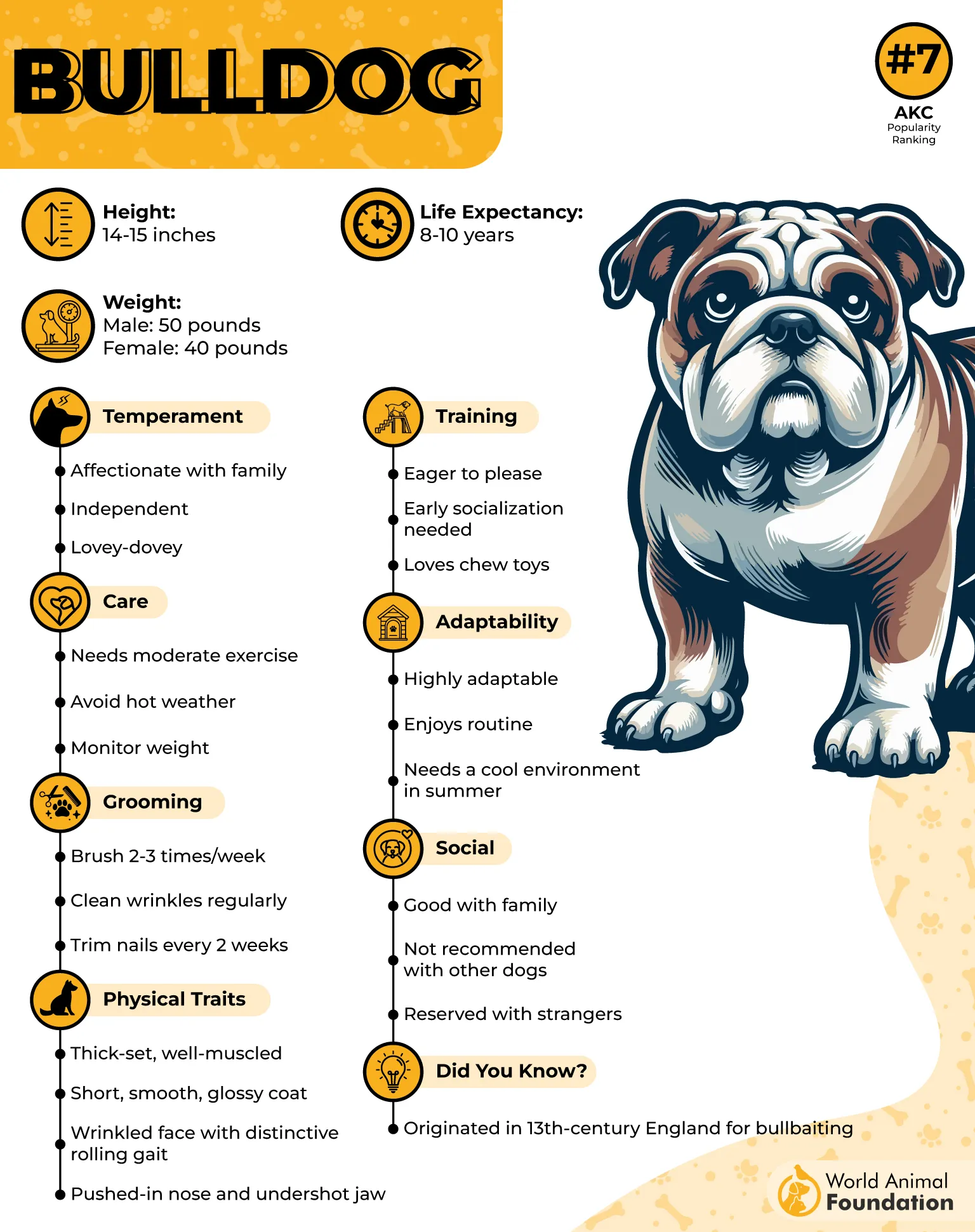
Today’s Bulldog is known for being a calm, loyal, and surprisingly affectionate dog. Despite their tough appearance, they are people-oriented dogs who love attention and form strong bonds with their families. Bulldogs are generally good with children and other pets, thriving best in relaxed, loving homes.
Wrinkles, Coats, and Care Needs
Bulldogs have short, smooth coats that are easy to brush, but their wrinkled skin demands regular care. Folds must be cleaned and dried to prevent irritation or infection. Moderate exercise and careful diet management are essential, as weight gain can worsen existing health concerns.
Why Bulldogs Sadly Have Shorter Lifespans
Brachycephalic (short-nosed) structure causes chronic breathing difficulties
High risk of overheating due to poor heat regulation
Frequent skin infections from deep wrinkles and folds
Joint and spine problems are linked to their compact, heavy build
Genetic health issues intensified by selective breeding
2. Saint Bernard
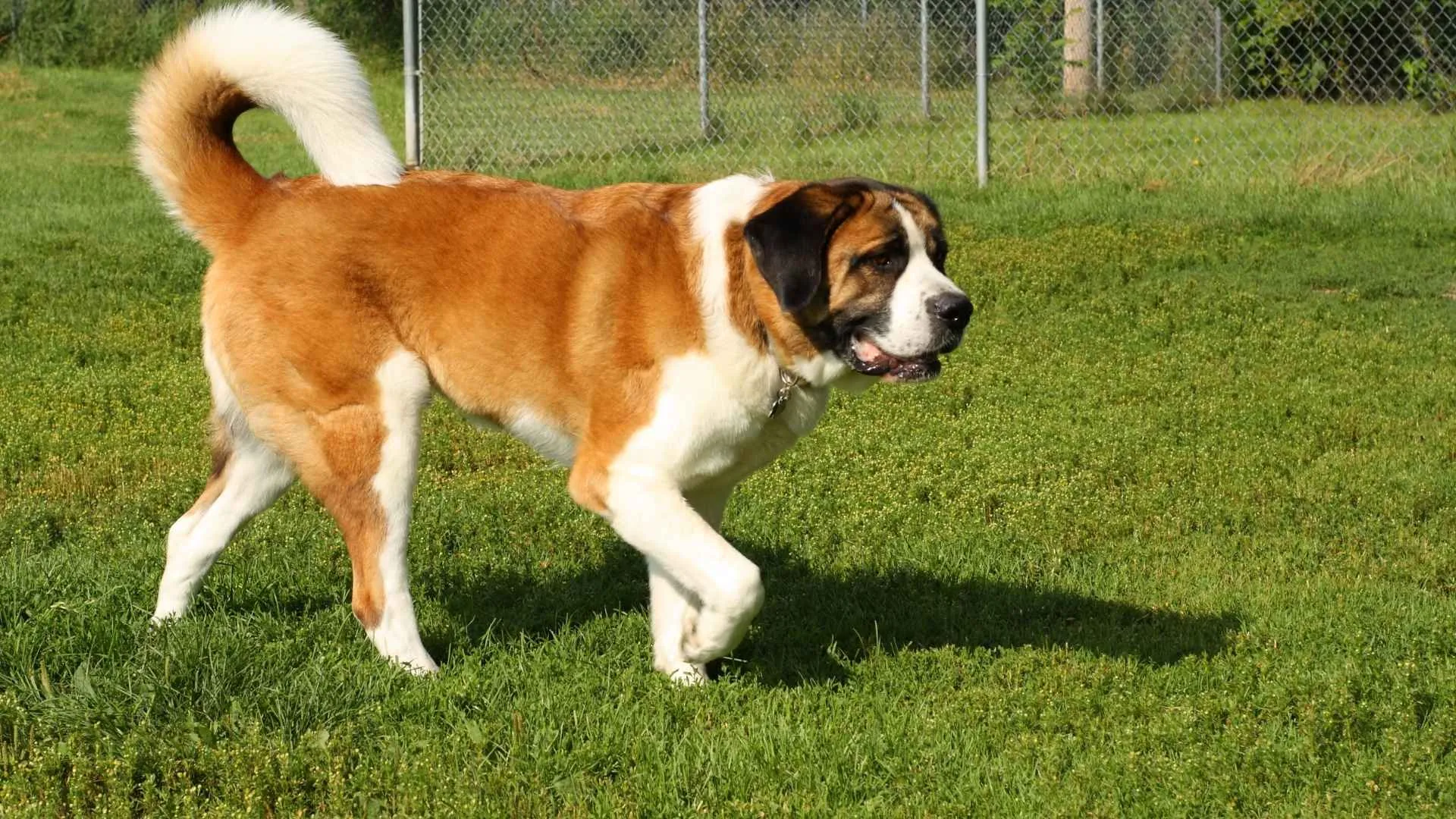
The Saint Bernard’s roots trace back to the icy Alpine passes between Italy and Switzerland, where monks bred them to aid lost travelers. Developed from ancient mastiff-type dogs, these giants became legendary rescue companions.
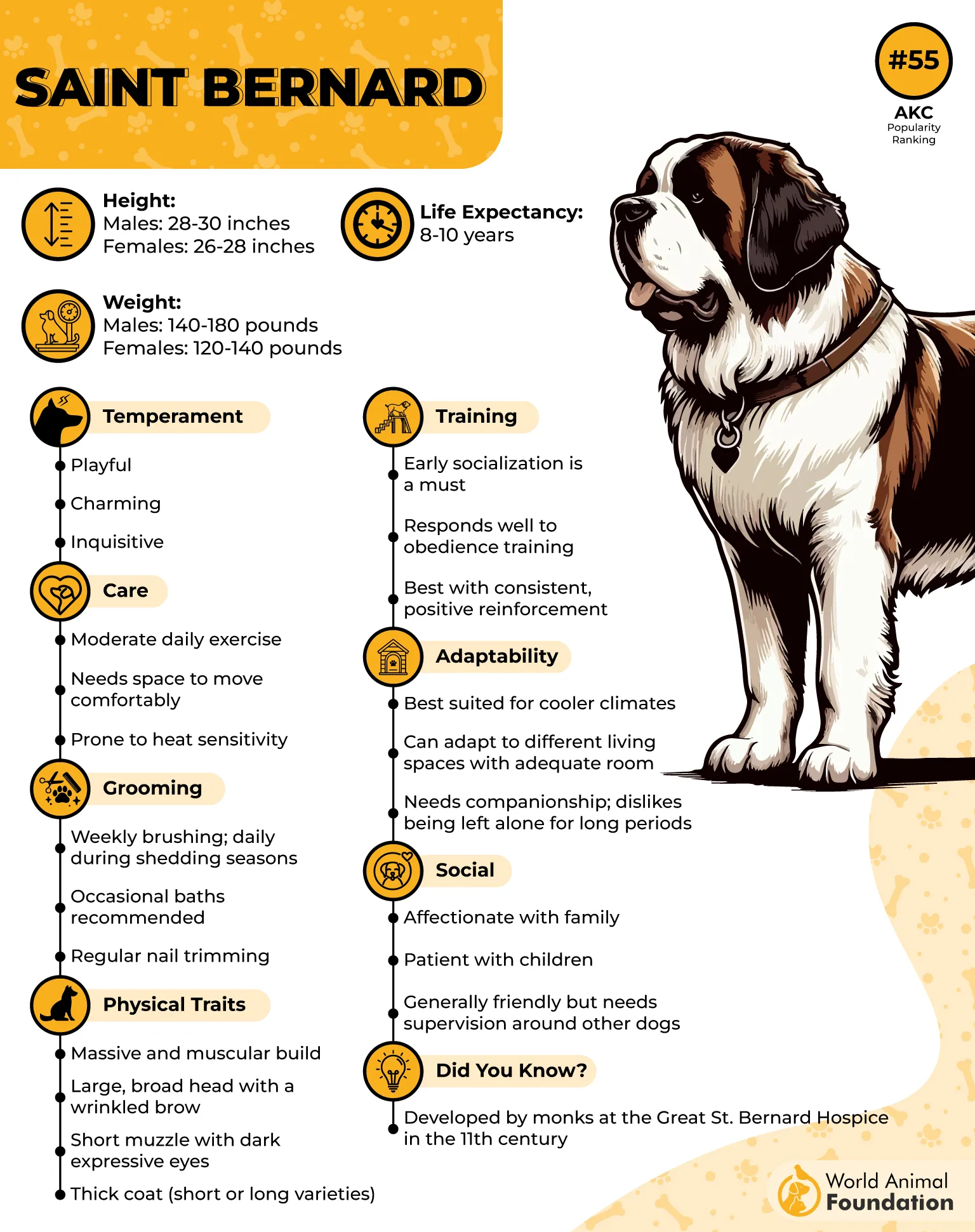
A Gentle Giant With a Patient Soul
Despite their massive size, Saint Bernards are calm, affectionate, and deeply empathetic dogs. They bond closely with family members and are especially gentle with children. Slow-moving and thoughtful, they are not overly energetic but thrive on companionship and purposeful interaction.

Managing the Magnificent Size
Saint Bernards have thick, weather-resistant coats that require regular brushing, especially during shedding seasons. Drooling, space needs, and higher care costs are part of a daily healthy life with this breed. Cool environments, soft bedding, and moderate exercise are essential for their comfort.
Why Saint Bernards Sadly Have Shorter Lifespans
Giant body size puts constant strain on the heart and joints
High risk of gastric dilatation-volvulus (bloat), a life-threatening condition
Prone to bone cancer and orthopedic disorders
Poor heat tolerance increases the risk of overheating
Rapid growth rates contribute to long-term health complications
3. Great Dane
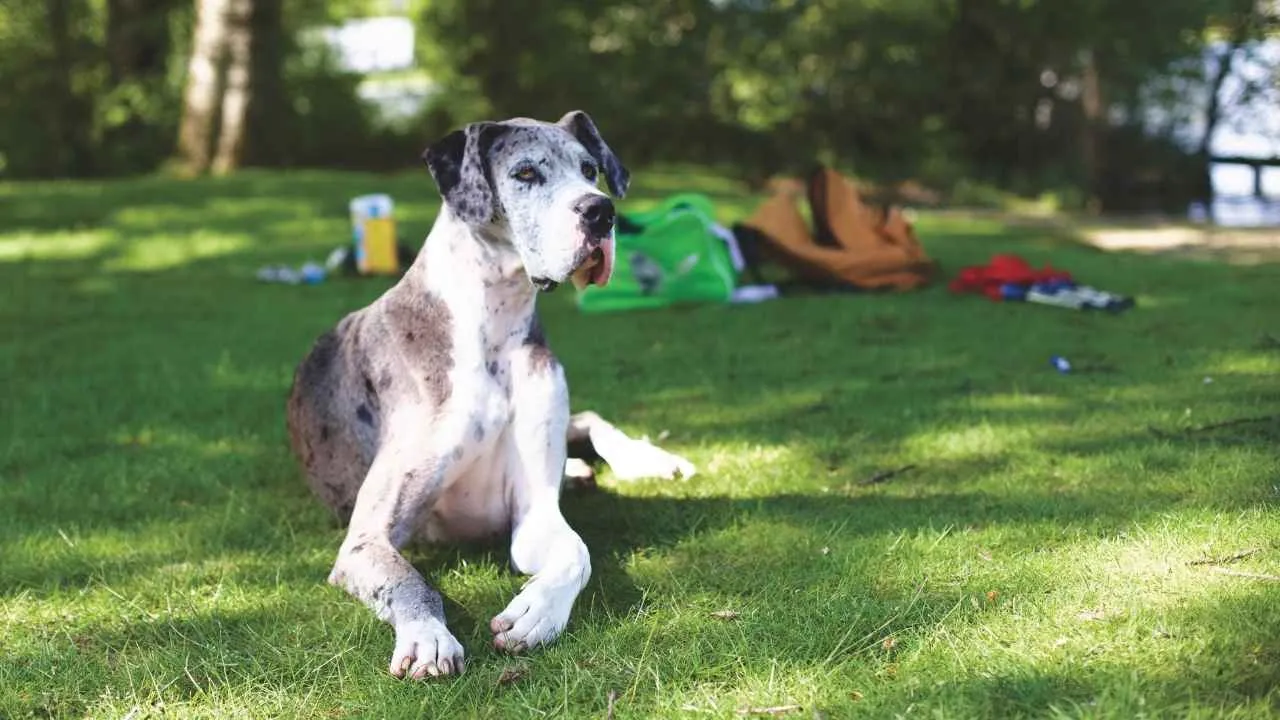
The Great Dane originated in Germany over 400 years ago, bred by nobility to hunt wild boar and guard grand estates, as per WebMD. Once a symbol of prestige and power, the breed gradually transitioned into a companion dog.
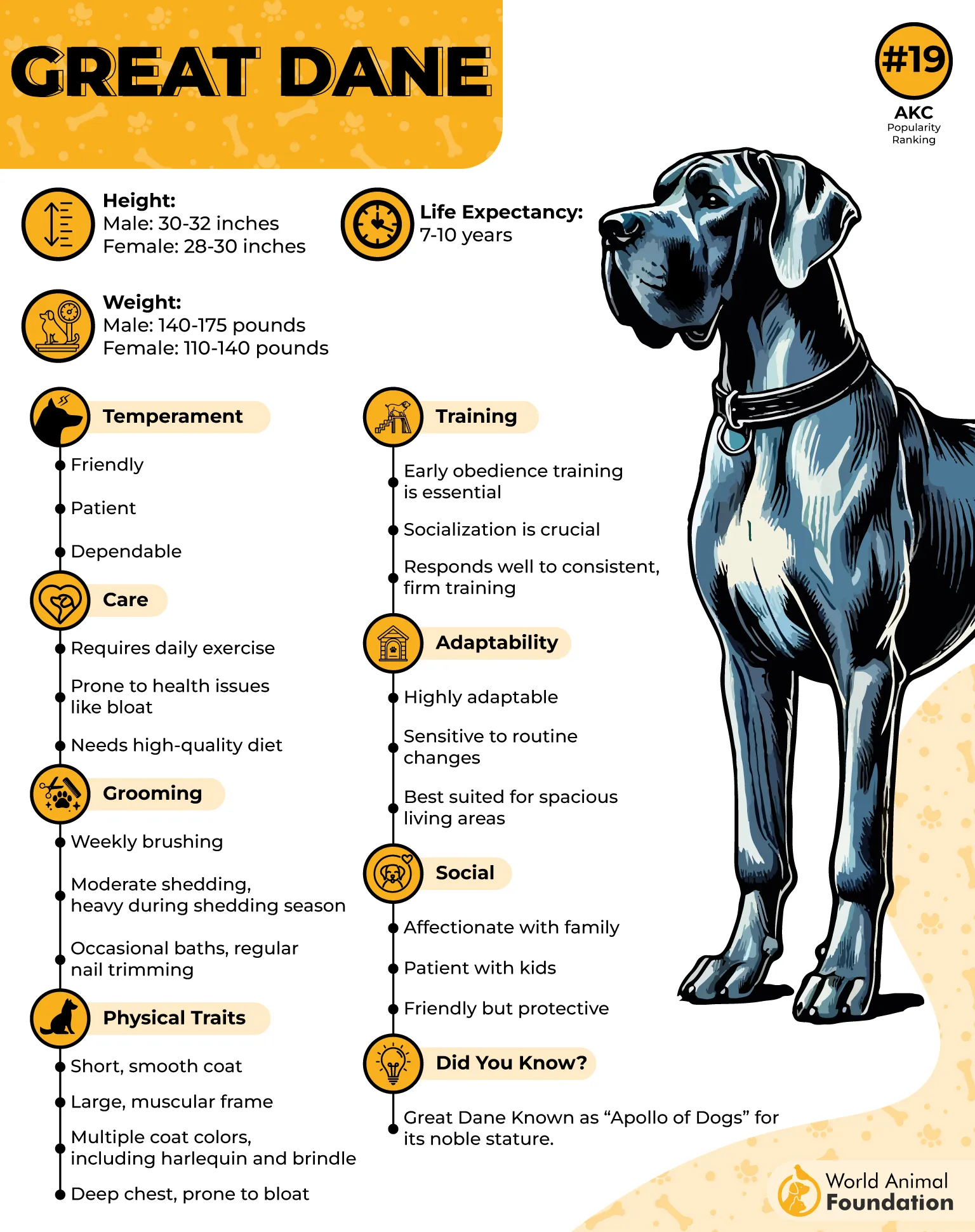
A Giant With a Tender Temperament
Despite their towering height, Great Danes are affectionate, loyal, and people-focused dogs. They form deep bonds with their families and are renowned for their patience with children. Alert yet friendly, they make excellent guard dogs, relying more on their imposing presence than aggression.
Sleek Coats and Big Responsibilities
Great Danes have short, smooth coats that are easy to groom and shed moderately year-round. Their size demands space, proper training, and controlled exercise, especially during growth. Careful feeding routines and joint support are crucial to maintain their overall well-being.
Why Great Danes Tragically Have Shorter Lifespans
Extreme size places stress on the heart and internal organs
High risk of gastric dilatation-volvulus (bloat)
Rapid growth contributes to joint and bone disorders
Prone to cardiomyopathy and other health conditions
Shorter average lifespan linked to giant dog genetics
4. Bernese Mountain Dog
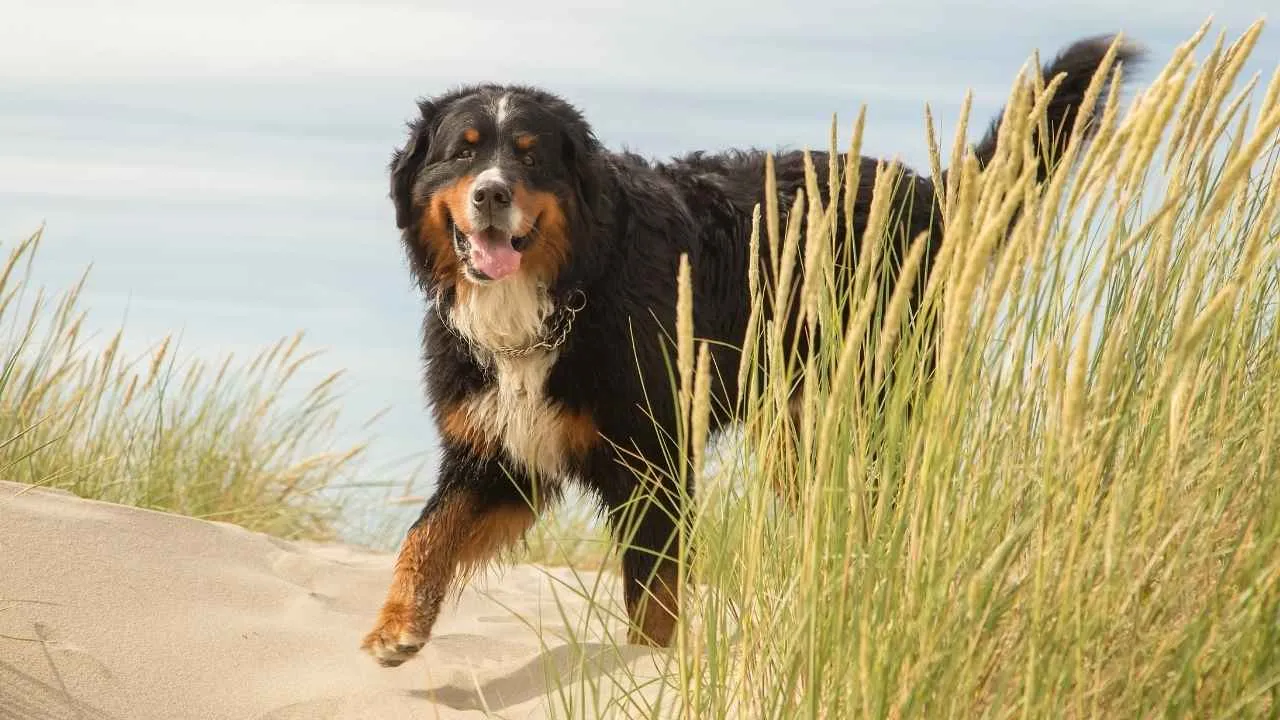
The Bernese Mountain Dog hails from the Swiss Alps, where it was bred to herd cattle, pull heavy carts, and guard farmyards, as per PetMD. Originating in the canton of Bern, this powerful working dog became essential to rural life. Over time, its strength and reliability were matched with a calm, sweet nature.
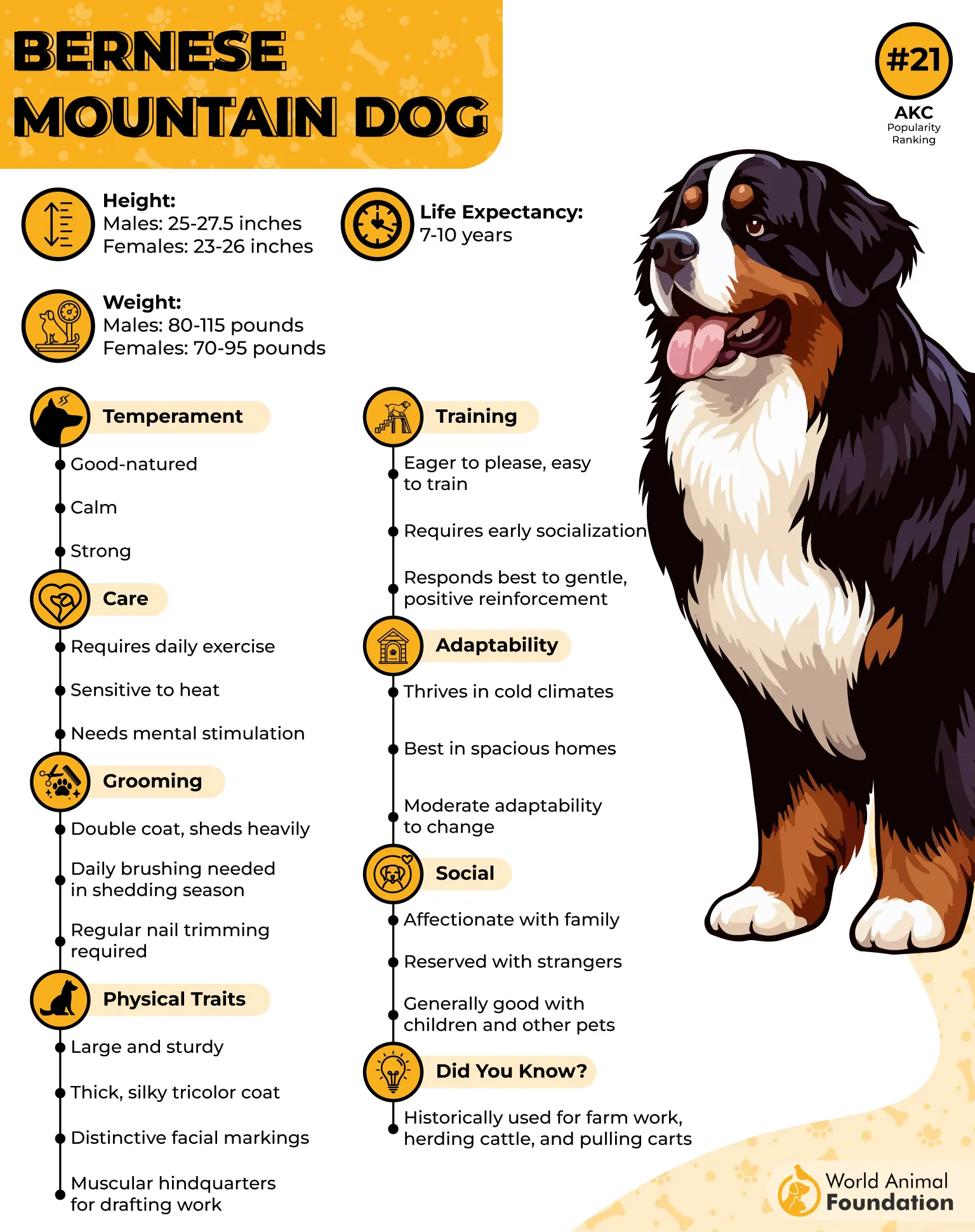
Soft-Hearted Strength in a Giant Frame
Known for their sweet and loyal temperament, Bernese Mountain Dogs form deep bonds with their families. Though gentle, their large size means early socialization and guidance are crucial for confidence and manners.
Thick Coats and High-Care Needs
Their long, dense coats protect them from cold climates but require frequent brushing due to heavy shedding. Bernese Mountain Dogs need daily exercise and mental stimulation to stay happy. Heat sensitivity, drooling, and space requirements make attentive care and cool environments essential.
Why Bernese Mountain Dogs Sadly Have Shorter Lifespans
High genetic risk of aggressive cancers
Large body size increases strain on joints and organs
Reduced genetic diversity within the breed
Susceptibility to orthopedic and mobility disorders
Difficulty tolerating heat due to thick double coats
5. Bullmastiff
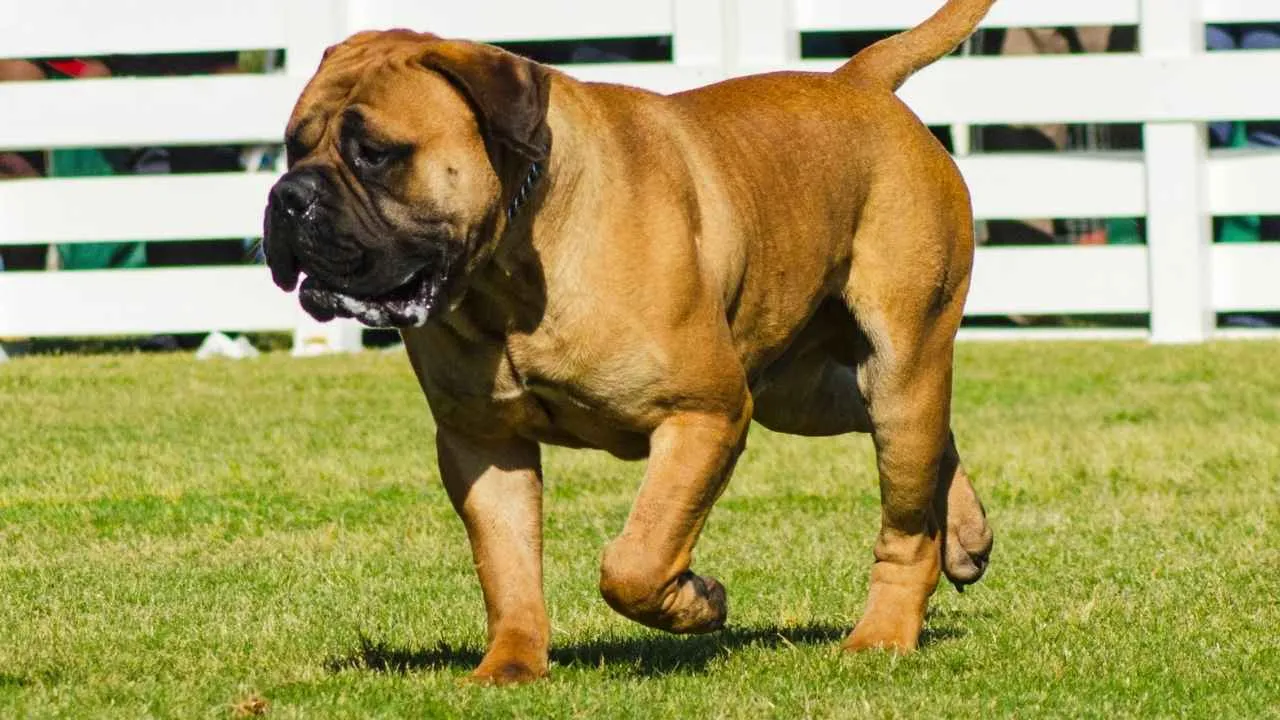
The Bullmastiff was developed in 19th-century England by crossing Bulldogs with Mastiffs to guard aristocratic game preserves as excellent guard dogs, as per Purina. Known as the “Gamekeeper’s Night Dog,” it was bred to track, corner, and hold poachers without causing harm.
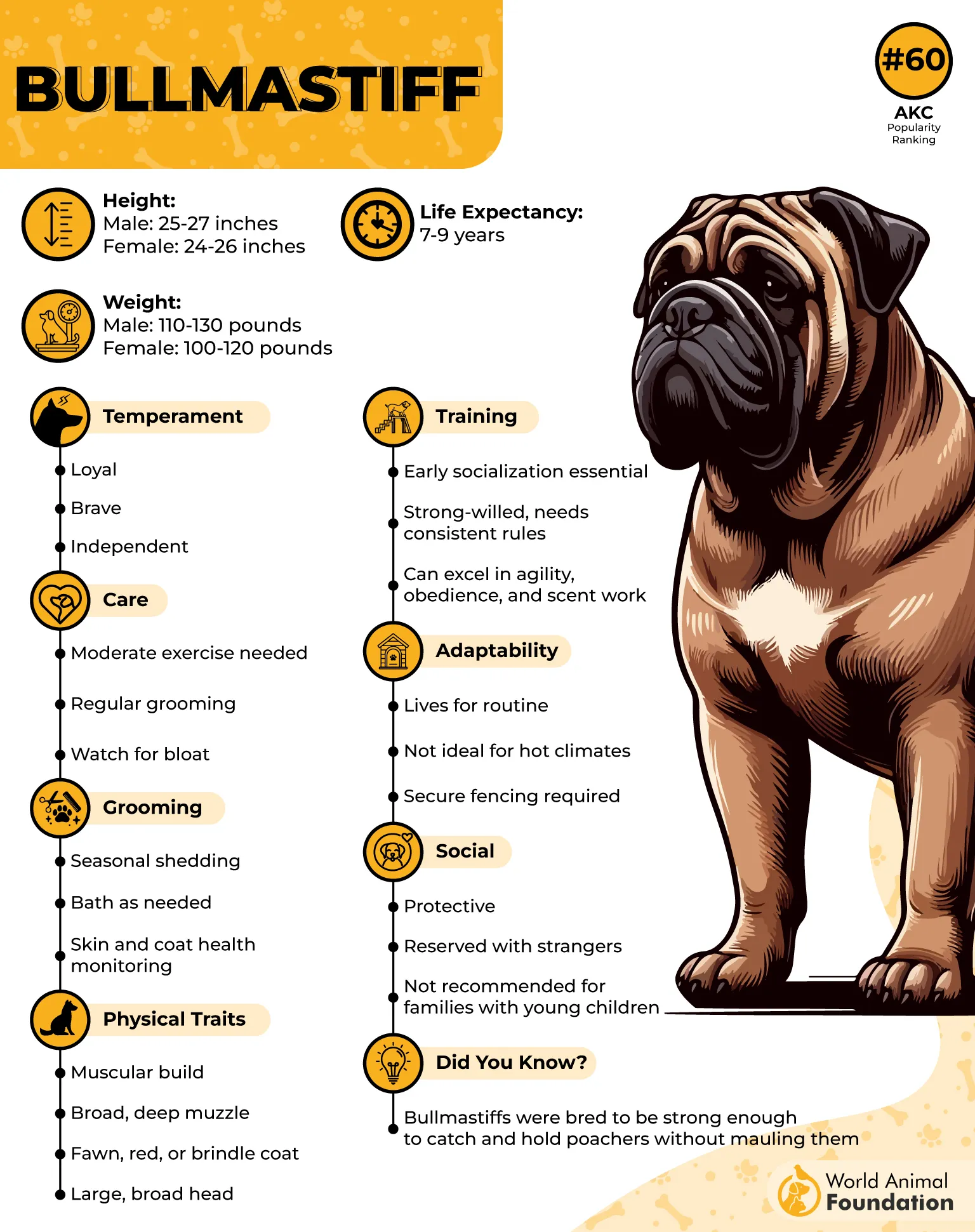
Calm Protector With a Loyal Core
At home, the Bullmastiff is affectionate, steady, and deeply devoted to its family. Naturally protective, it is alert without being aggressive and tends to be quiet unless something feels wrong. Early training and socialization are essential to guide its confidence and strong will in positive ways.
Low-Maintenance Coat, High Responsibility
Bullmastiffs have short, dense coats that require minimal grooming, though drooling is common. Their muscular bodies benefit from controlled exercise and joint support as they age. Because of their size and power, consistent training and thoughtful care are non-negotiable.
Why Bullmastiffs Sadly Have Shorter Lifespans
Large body mass puts strain on joints and internal organs
Brachycephalic features can lead to breathing difficulties
Higher risk of joint disorders like hip and elbow dysplasia
Susceptibility to cancers is common in large breeds
Increased likelihood of heart disease and bloat
6. Irish Wolfhound
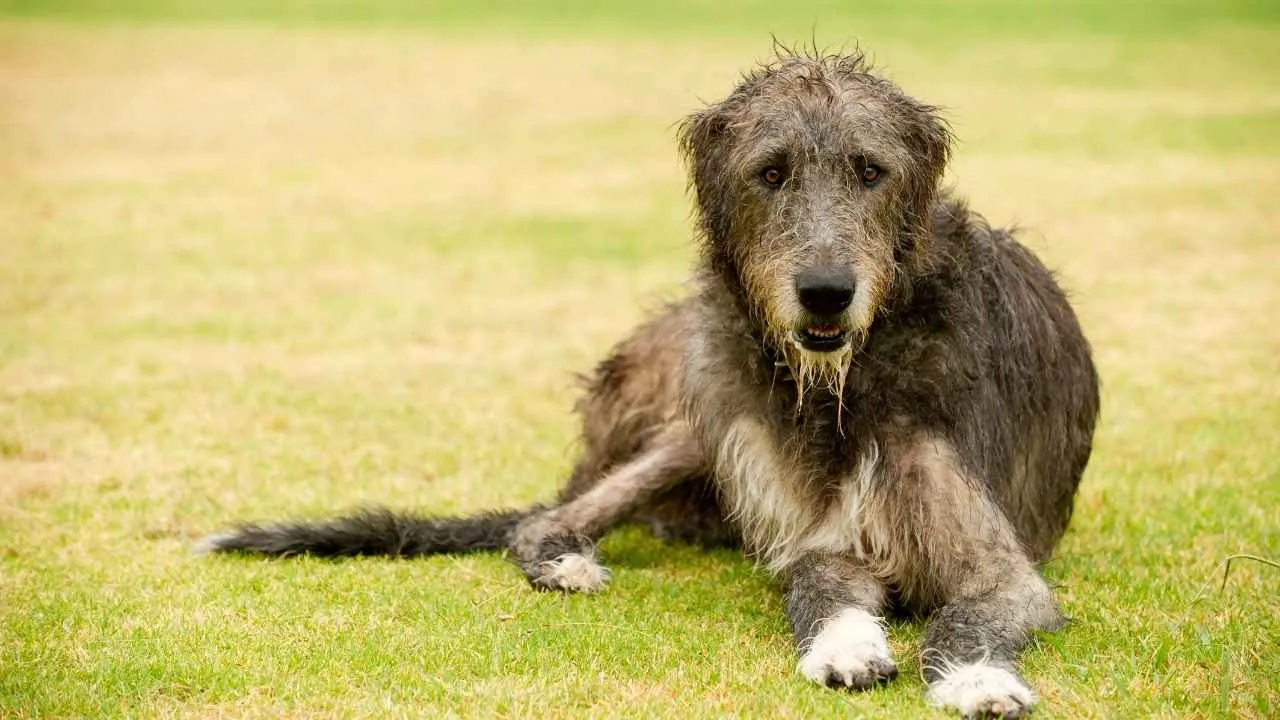
The Irish Wolfhound’s history stretches back to ancient Ireland, where they were bred to hunt wolves and large game. When wolves disappeared, the breed nearly vanished too, until careful preservation revived it in the 19th century, as per PDSA.
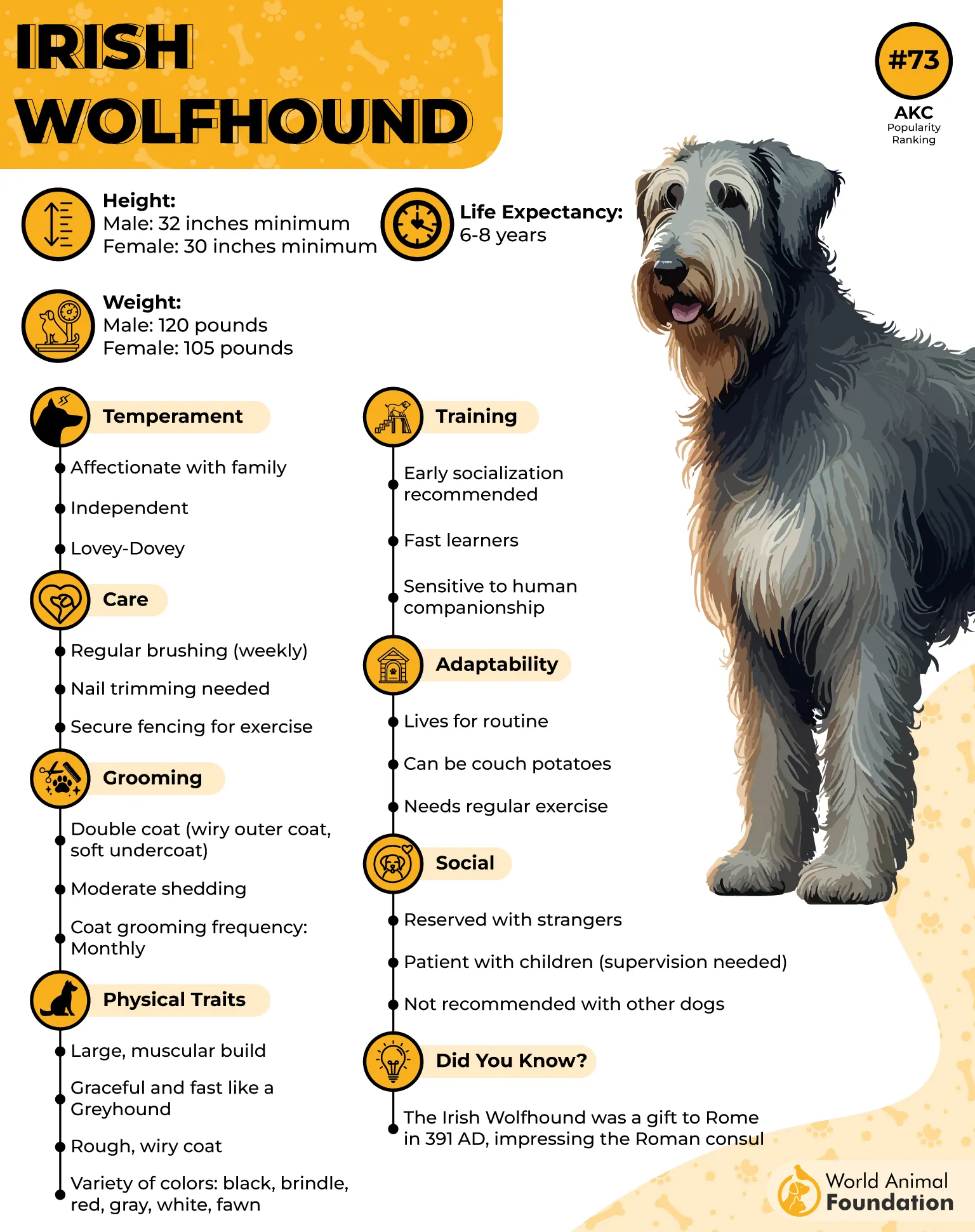
A Giant Wrapped in Gentleness
Despite being the tallest dog breed in the world, Irish Wolfhounds are known for being calm, kind, and deeply affectionate nature. They are loyal family companions with a quiet nature, though their long puppyhood brings bursts of clumsy energy.
Rustic Coats and Thoughtful Care
Irish Wolfhounds have wiry, medium-length double coats that need weekly brushing and occasional hand-stripping. Grooming is moderate, but their massive size requires room to move and gentle exercise. Proper training, joint care, and emotional attention are vital for their well-being.
Why Irish Wolfhounds Sadly Have Shorter Lifespans
Extreme height and size strain the heart and skeletal system
High risk of cardiomyopathy and heart failure
Susceptibility to bone cancer is common in giant breeds
Rapid growth and slow maturation stress developing joints
Short overall lifespan linked to giant-breed genetics
7. Dogue De Bordeaux
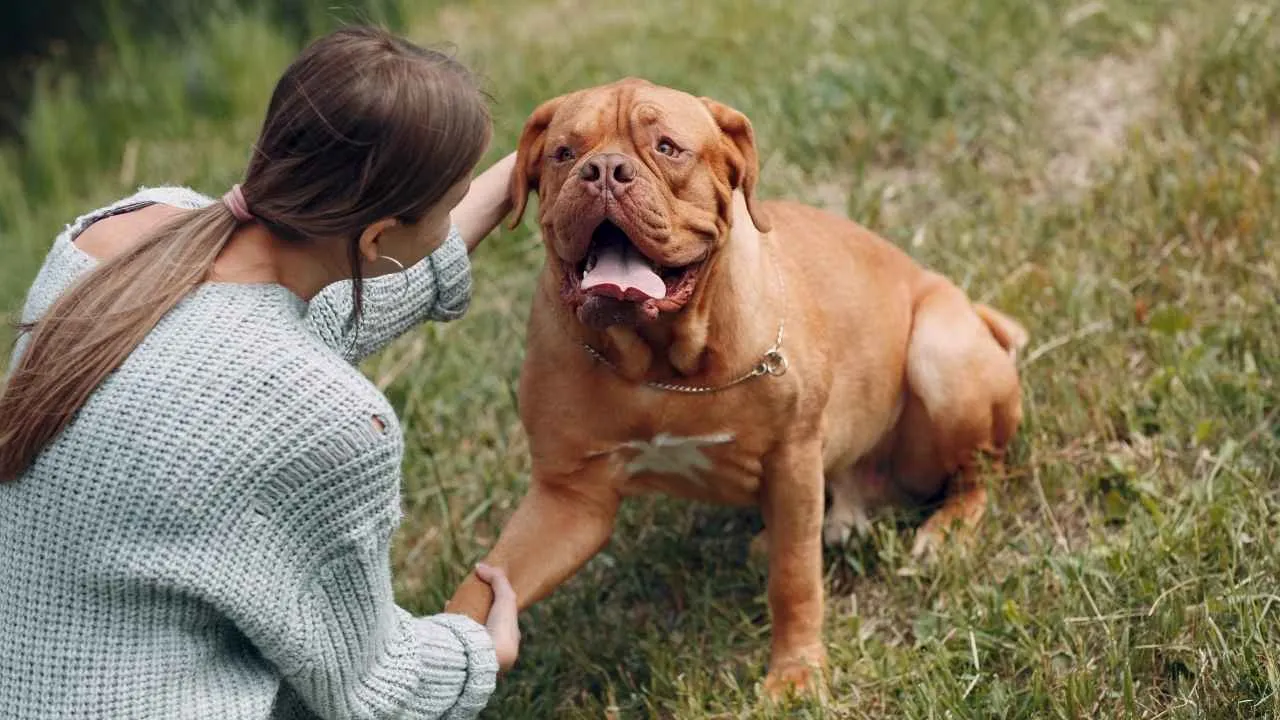
The Dogue de Bordeaux is one of France’s oldest dog breeds, with roots reaching back to ancient Gaul. Used over centuries as a war dog, hunter, guardian, and livestock drover, this mastiff survived revolutions and shifting roles. Its long history reflects resilience, strength, and unwavering devotion to its people.
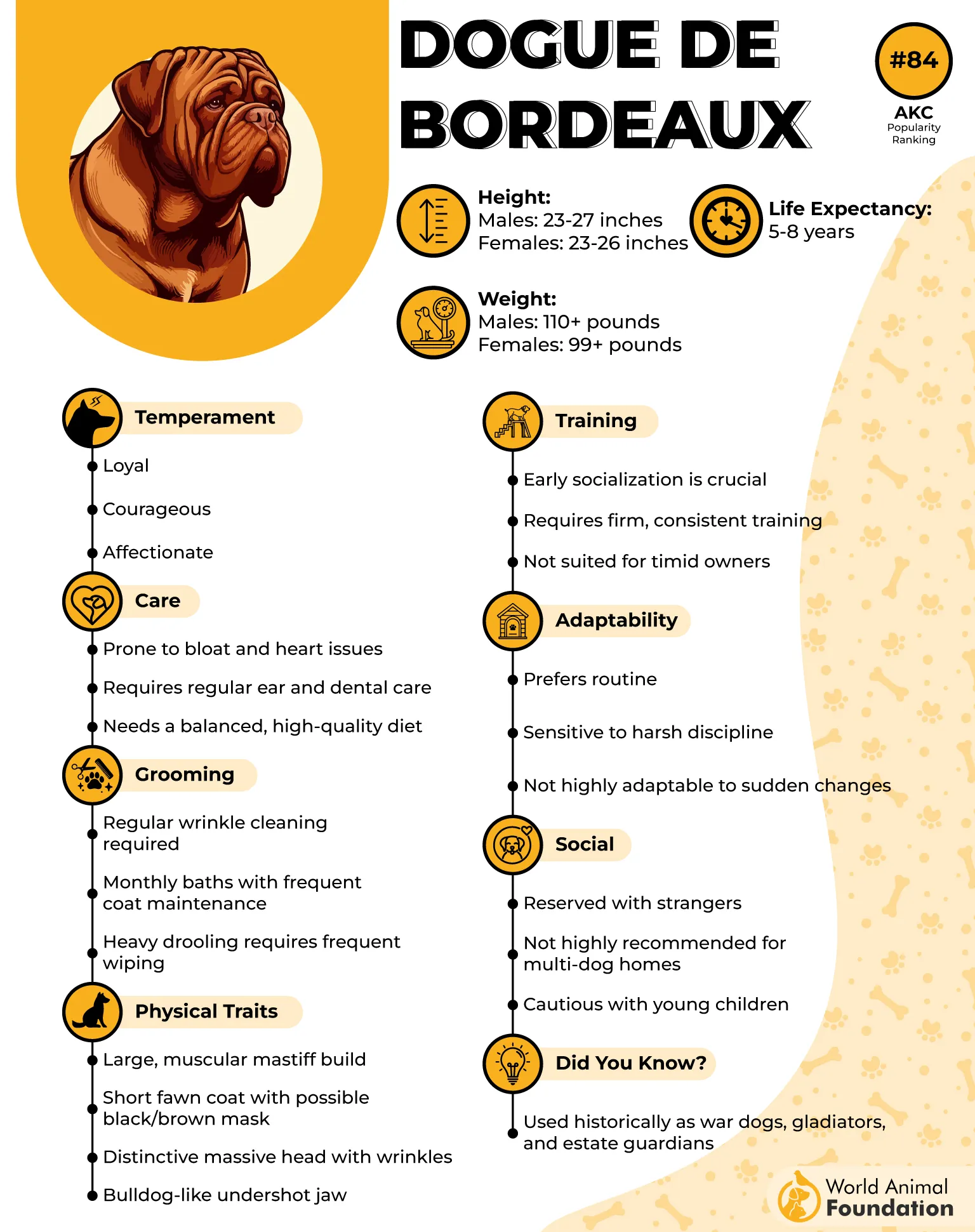
A Powerful Frame With a Sensitive Heart
Behind the massive head and muscular build lies a deeply loyal and affectionate companion. Dogs form strong bonds with their families and are especially protective of loved ones. While calm and loving, they can be stubborn, making early training and confident leadership essential for harmony.
Wrinkles, Drool, and Dedicated Care
The Dogue de Bordeaux has a short, glossy coat that sheds year-round and requires weekly brushing. Facial folds demand frequent cleaning to prevent infection, and drool is a daily reality. Controlled exercise, joint care, and consistent grooming are key to keeping this giant comfortable.
Why Dogue de Bordeaux Sadly Have Shorter Lifespans
An extremely large head and body strain the heart and joints
High risk of cardiac disease and breathing difficulties
Susceptibility to bone and joint developmental disorders
Prone to cancers common in giant mastiff breeds
Heat intolerance due to heavy build and short coat
Conclusion
Prospective dog owners should be aware that some of the most heartbreaking dog breeds with the shortest lives often face serious health issues that can dramatically affect their dog’s life expectancy. Large dogs and giant breeds, in particular, are prone to joint problems, hip and elbow dysplasia, and certain heart disease conditions.
Even sturdy dogs with a gentle nature may experience shorter lifespans due to genetic predispositions and breeding practices. Ensuring a balanced diet tailored to the needs of deep-chested dogs, along with proper training and exercise, can help mitigate some of these risks.
While smaller dog breeds and toy poodles often enjoy relatively longer lives, large breeds and other breeds with the shortest living dog breeds require extra attention from dog owners. Rescue dogs, mixed-breed dogs, and well-bred domestic dogs can sometimes avoid the most common health concerns if given proper diet, veterinary care, and love.
