




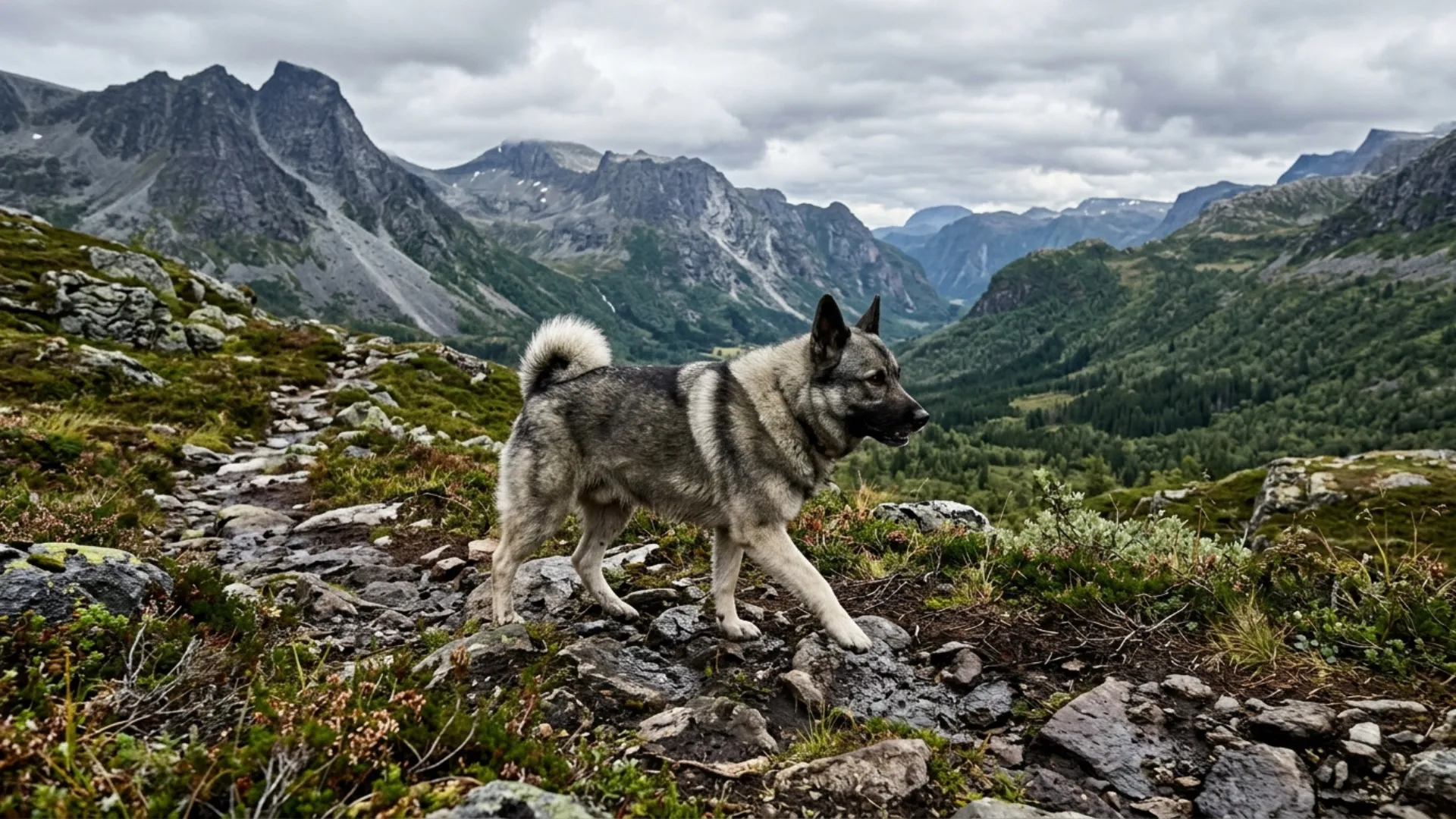
Energy alone does not make a dog suitable for rugged outdoor terrains, even though that is what many people believe. A dog can be highly active and still struggle when faced with rough ground, steep climbs, or unpredictable conditions.
Movement without control quickly becomes a limitation rather than an advantage. True capability in these environments comes from a combination of strength, endurance, and the ability to stay balanced under pressure. Dogs that lack these qualities often require constant attention, which can interrupt the entire experience.
In contrast, certain breeds handle these challenges with a level of ease that feels almost effortless. They do not just keep moving; they adjust, stabilize, and maintain pace without forcing you to slow down. This difference matters more in real conditions than it does in theory.
The dogs ahead are known for handling tough outdoor terrains with the kind of consistency that makes a noticeable difference.
Key Takeaways
Some dogs feel made for comfort, while others seem built for ground that tests strength, focus, and endurance at every step.
Siberian Husky and Alaskan Malamute show real endurance, moving long distances across snow and open land with a steady rhythm.
Australian Shepherd and Norwegian Elkhound bring sharp control and instinct, handling wide landscapes with ease and focus.
As the list unfolds, each breed shows a different way of staying steady when the outdoors gets demanding.
Hardy Dog Breeds That Thrive in Rugged Outdoor Terrains
1. Siberian Husky
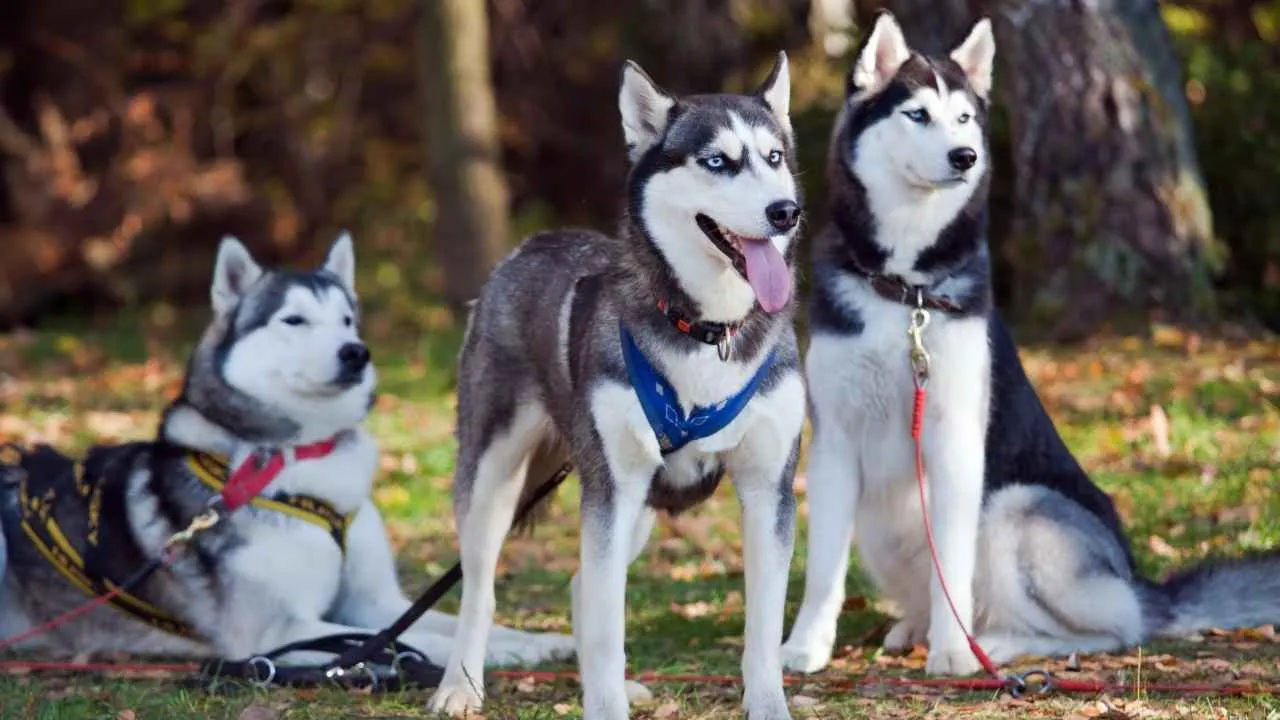
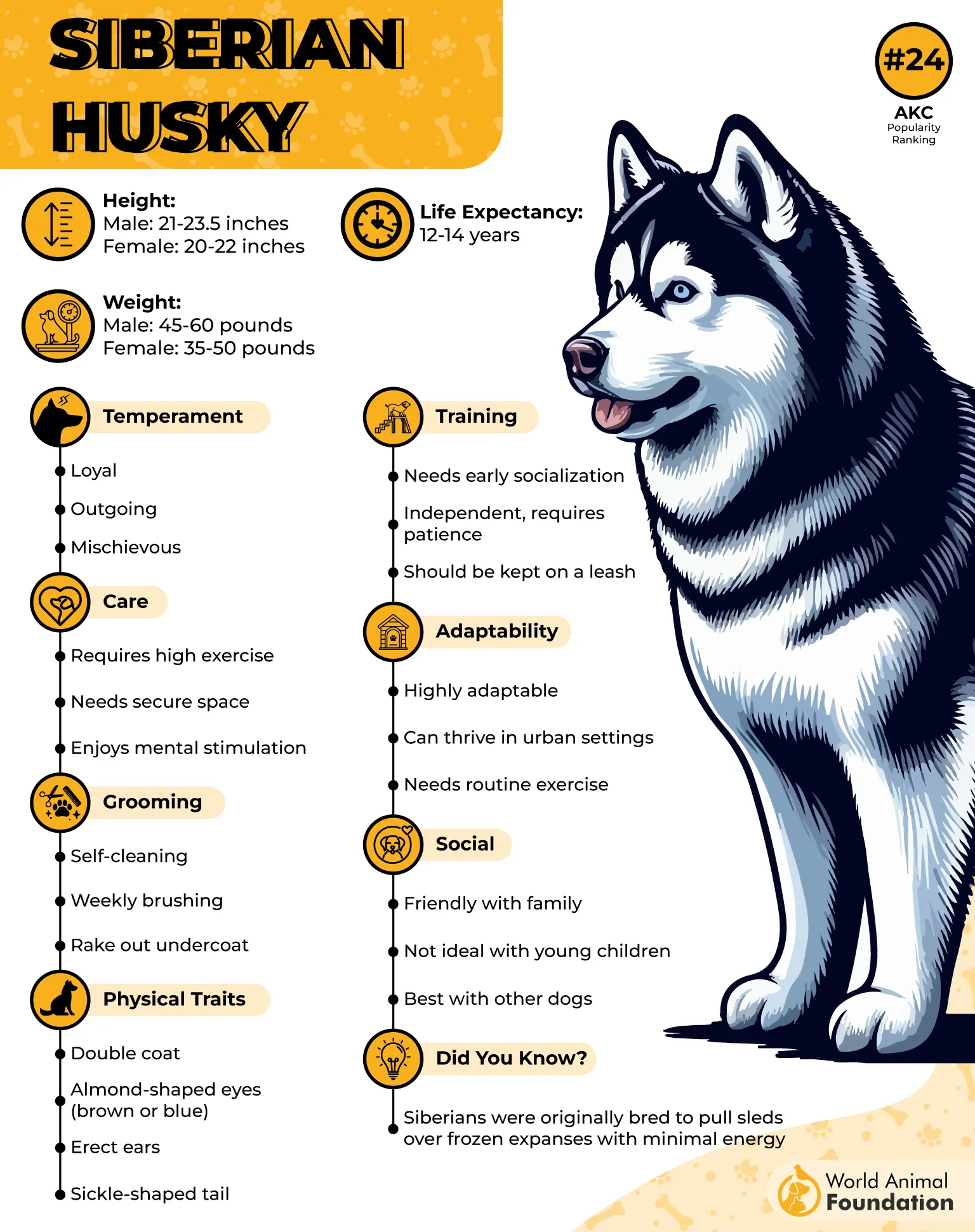
The Siberian Husky was originally bred as a compact sled dog shaped for pulling light loads across frozen stretches in coordinated groups.
Its medium build balances strength with efficiency, allowing long-distance travel without bulk. The thick coat and steady pacing reflect adaptation to harsh, open landscapes.
Coordinated pack function
This outdoor dog breed operates within a group setting, aligning movement and rhythm with other dogs during work. Its gait appears smooth and efficient, conserving energy across extended routes.
That working rhythm becomes clearer through key traits:
Pulls light loads over long distances
Maintains steady, moderate pacing
Functions effectively within a pack setup
Instinct and handling awareness
Siberian Husky responds strongly to movement in its surroundings, often pursuing smaller animals when given the chance, as Orvis reports. Secure boundaries or controlled handling become important in open spaces. Its active nature connects closely with regular, structured activity and shared tasks.
2. Alaskan Malamute
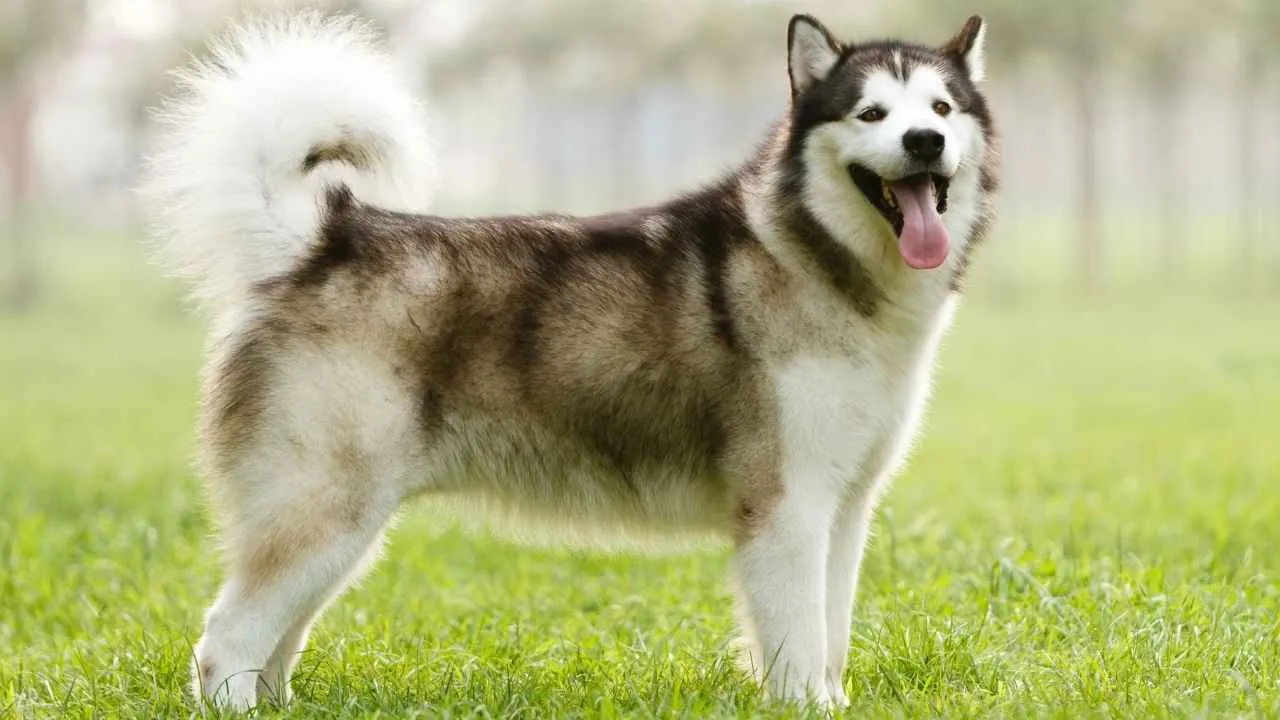
Alaskan Malamute lived alongside Inuit communities on Alaska’s northern coast, assisting hunters with hauling large prey like seals and bears. Its role centered on strength and endurance across frozen terrain. This connection shaped a dog built for sustained effort in extreme cold.
Built for snow and heavy pulling
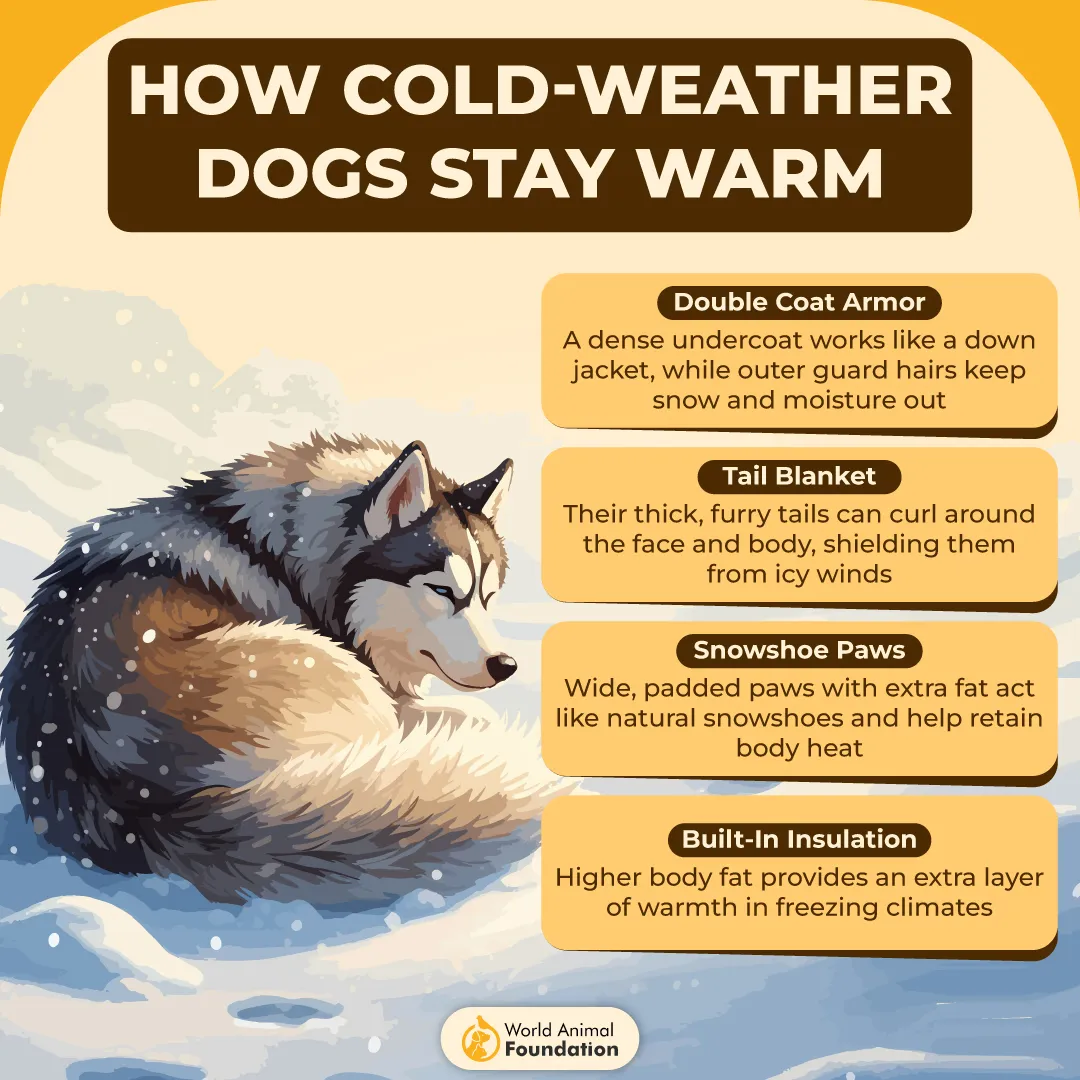
Malamutes rely on dense fur, wide feet, and powerful shoulders to handle deep snow and heavy loads. Its structure reflects purpose through strength and resistance against harsh weather conditions.
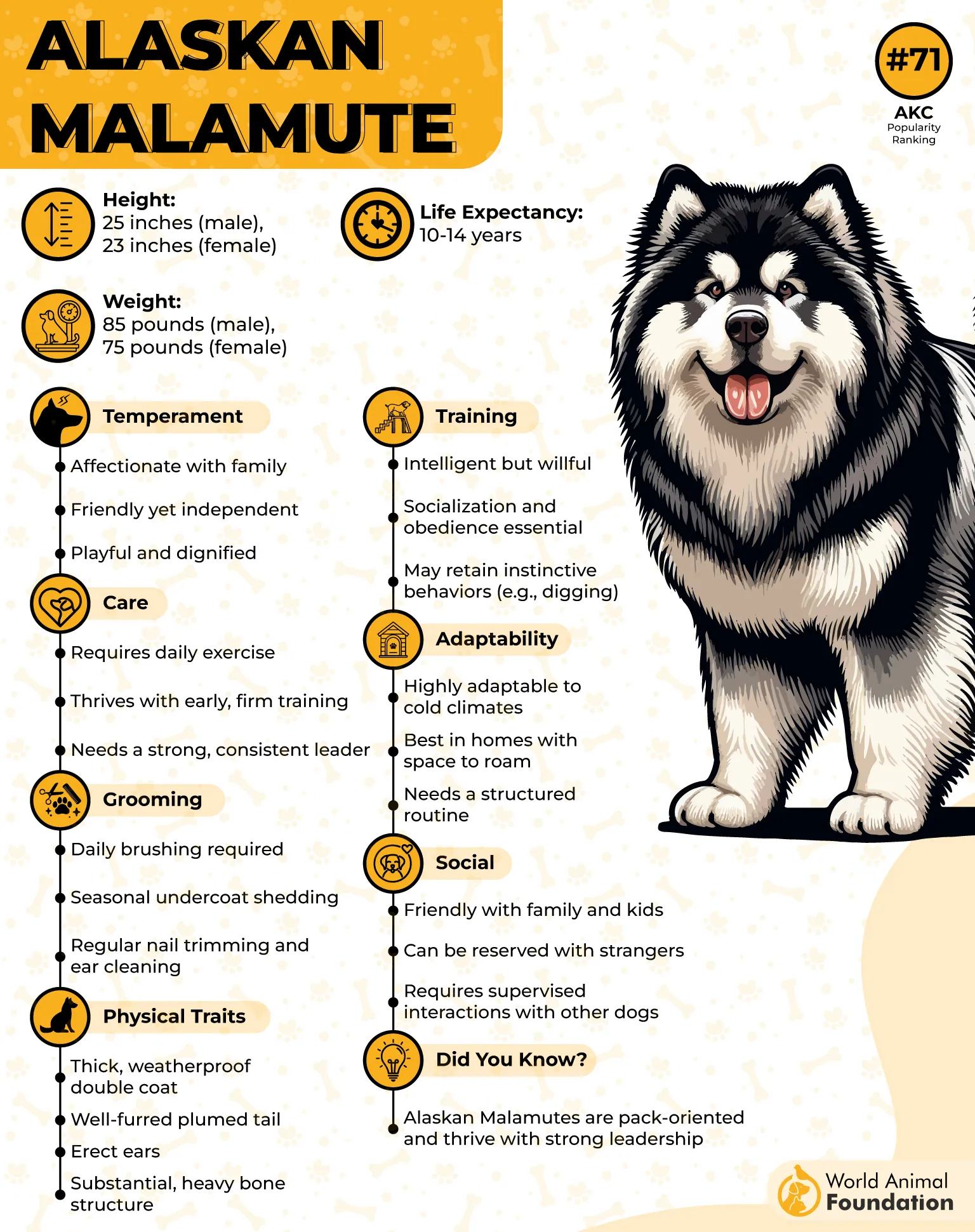
These physical traits define its working ability:
A dense coat protects from cold weather
Broad feet support traction on snow
Strong shoulders enable heavy pulling
Energy, care, and daily demands
They require consistent activity, reflecting generations of sled-pulling and long-distance effort. According to PetMD, tasks like running, biking, or carrying loads help channel this energy into routine. Its thick coat also requires regular brushing to manage shedding and maintain its condition.
3. Australian Shepherd
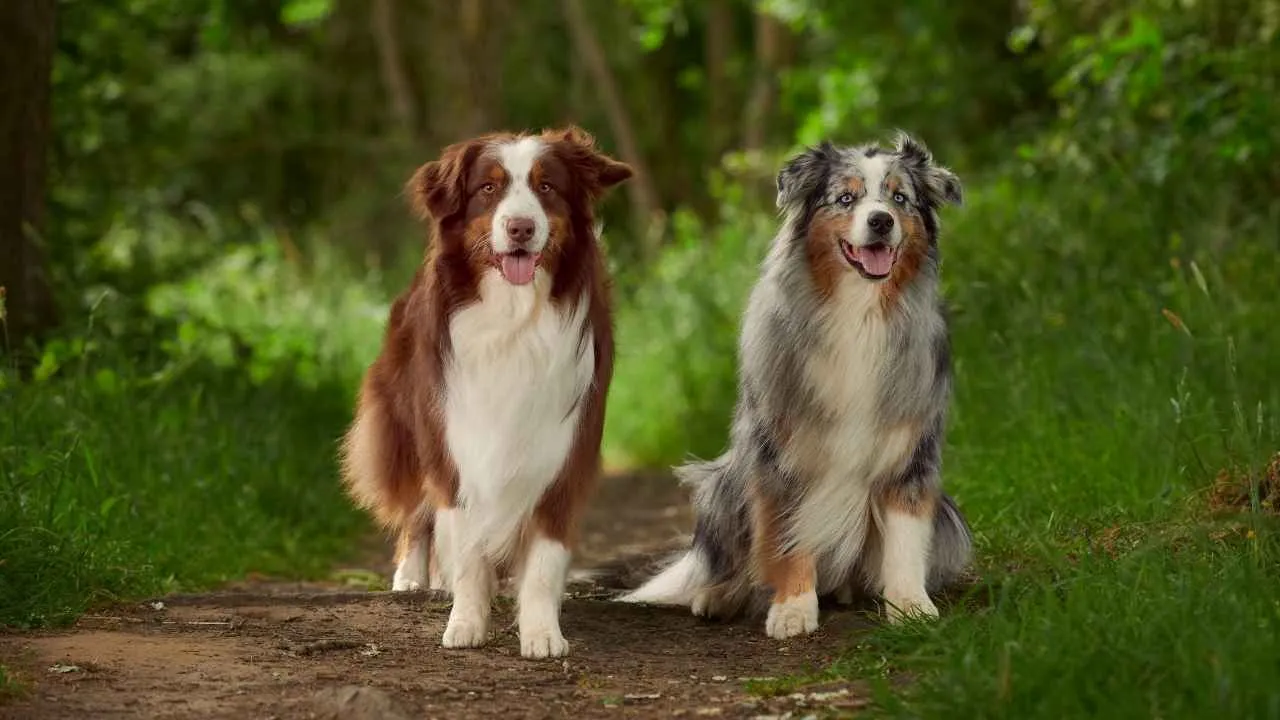
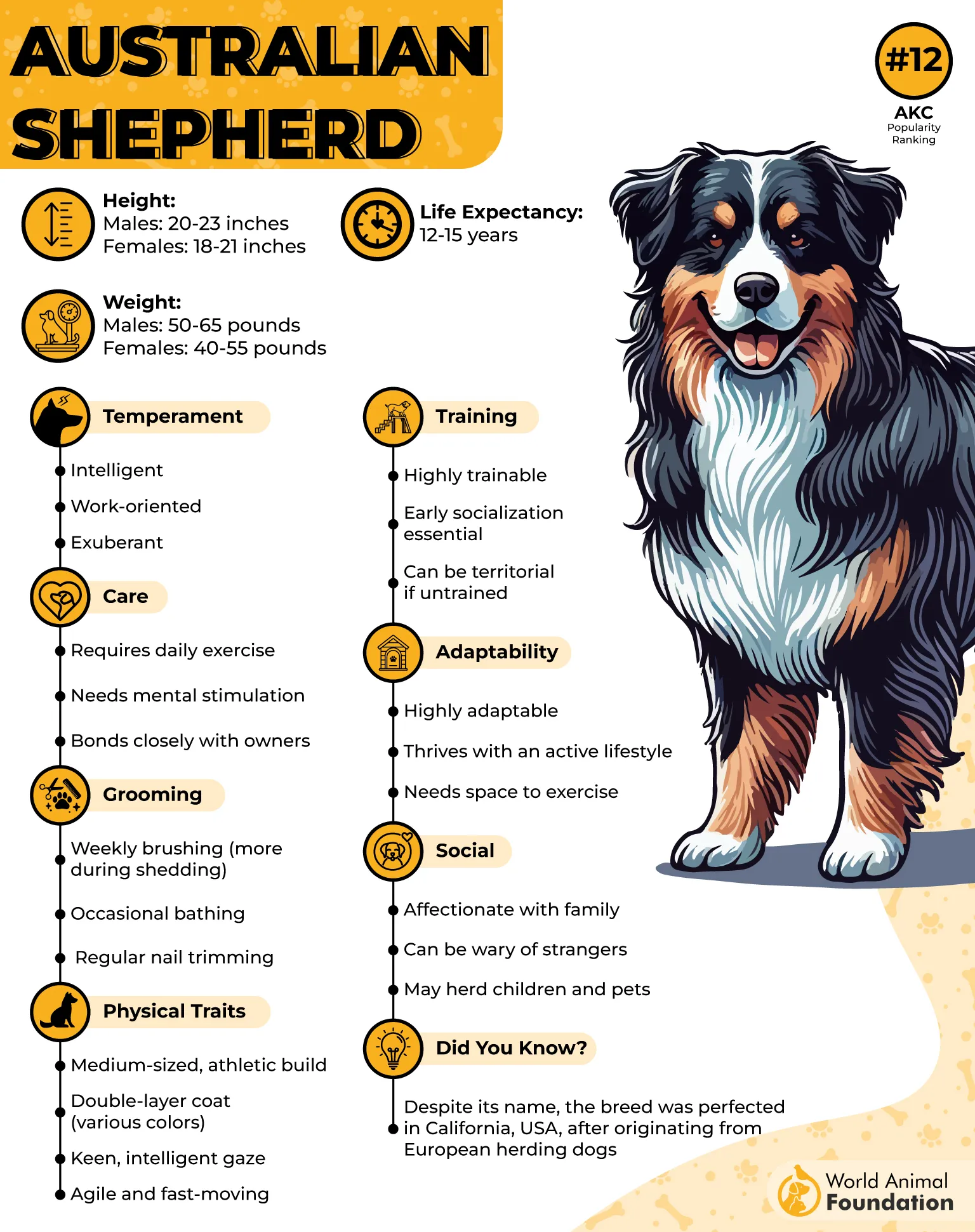
Australian Shepherd reflects a working dog shaped around ranch life, closely tied to cattle handling and open land tasks. Its sharp, penetrating gaze plays a direct role in controlling livestock without physical force. The overall build aligns with endurance and quick directional shifts across uneven terrain.
Herding drive in open environments
This herding dog engages with its surroundings through an active herding instinct, often directing the movement of animals or even smaller groups instinctively. This behavior connects to its role alongside handlers in wide, demanding landscapes.
That instinct becomes easier to understand through key patterns:
Directs movement using focused eye contact
Responds quickly to shifting group motion
Adjusts direction based on terrain and flow
Energy shaped for active partnership
As a loyal companion, they operate best when engaged in consistent physical or task-based routines and canine events, often preferring an outdoor lifestyle over confined settings.
It builds a strong connection with one person and follows closely during outdoor adventures. This pattern reflects a dog built around shared movement and purpose.
4. Norwegian Elkhound
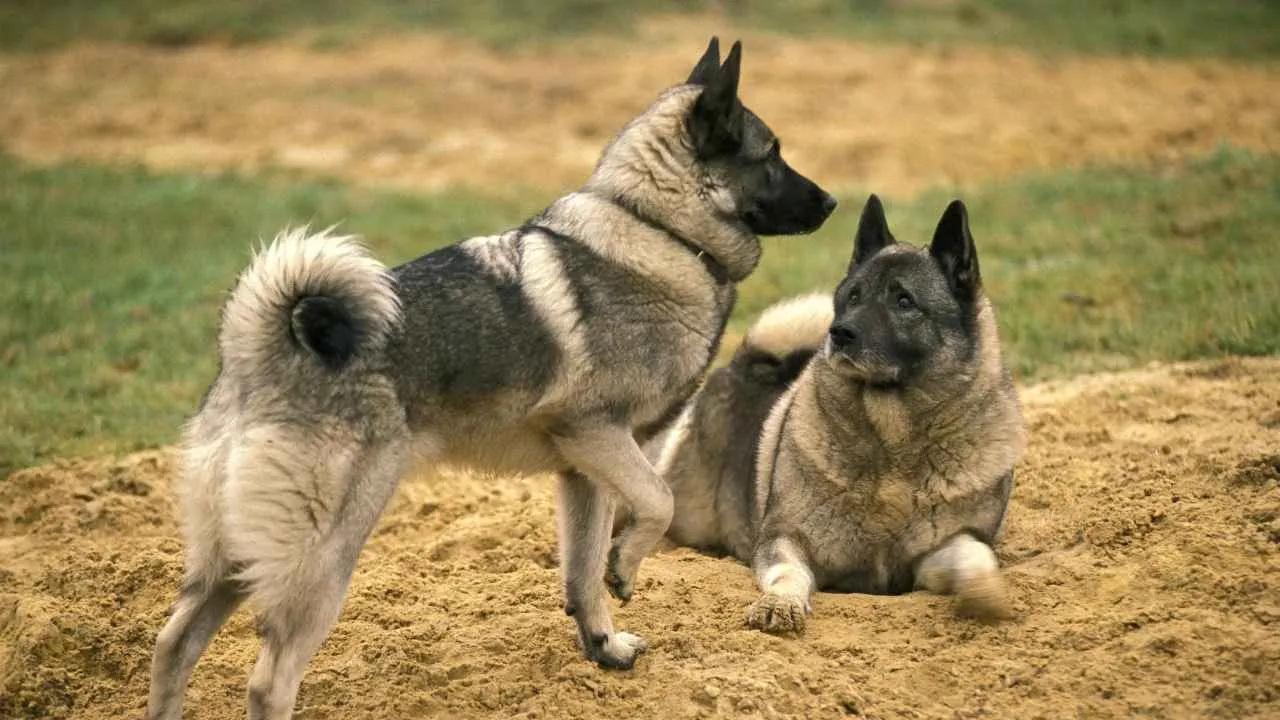
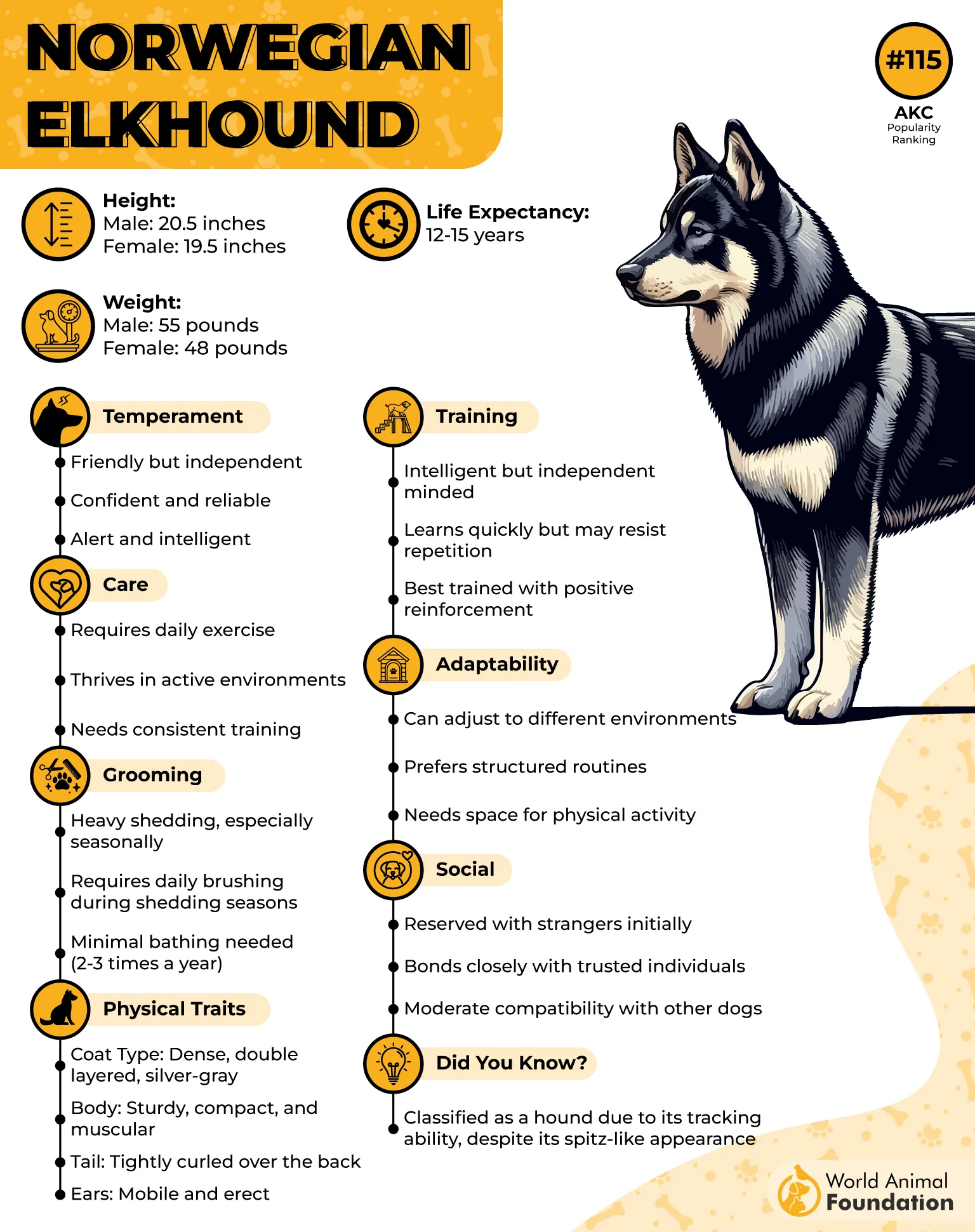
Norwegian Elkhound carries a dense silver-gray coat, compact frame, and curled tail that reflect adaptation to cold northern terrain, as stated in the AKC.
Its structure is built for long-distance tracking across forests and open land. Viking-era presence links it to early hunting roles that required stamina over rough landscapes.
Tracking style in open terrain
Elkies follow scent trails far ahead during moose hunting, relying on independent judgment while covering large distances. Its movement across terrain is steady and deliberate, often continuing for miles over extended periods.
This working pattern becomes clear in field behavior:
Tracks game across wide forest regions
Travels long distances over multiple days
Uses independent decision-making during pursuit
Athletic outlets and working drive
This intelligent dog channels its natural energy into structured activities like swimming, agility trials, and herding tasks. Its deep chest and strong legs support sustained effort across demanding environments. Outdoor activity becomes a controlled outlet for its instinct to explore and work independently.
5. Bernese Mountain Dog
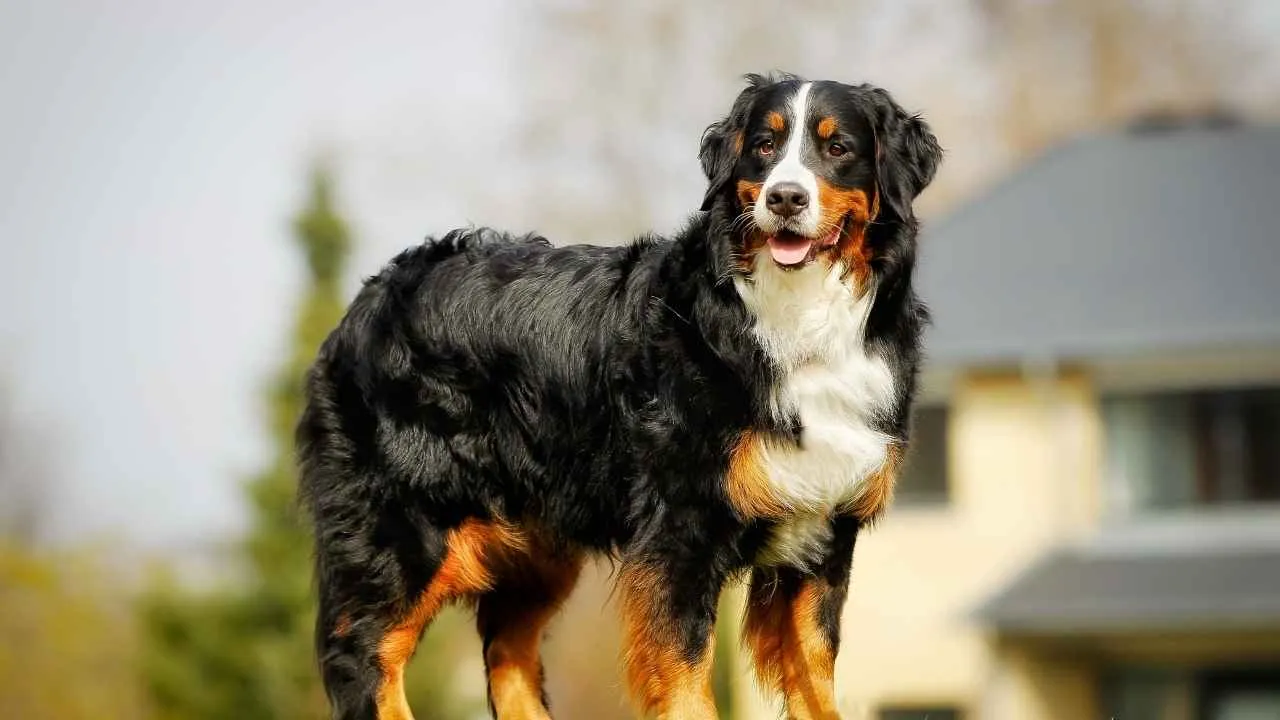
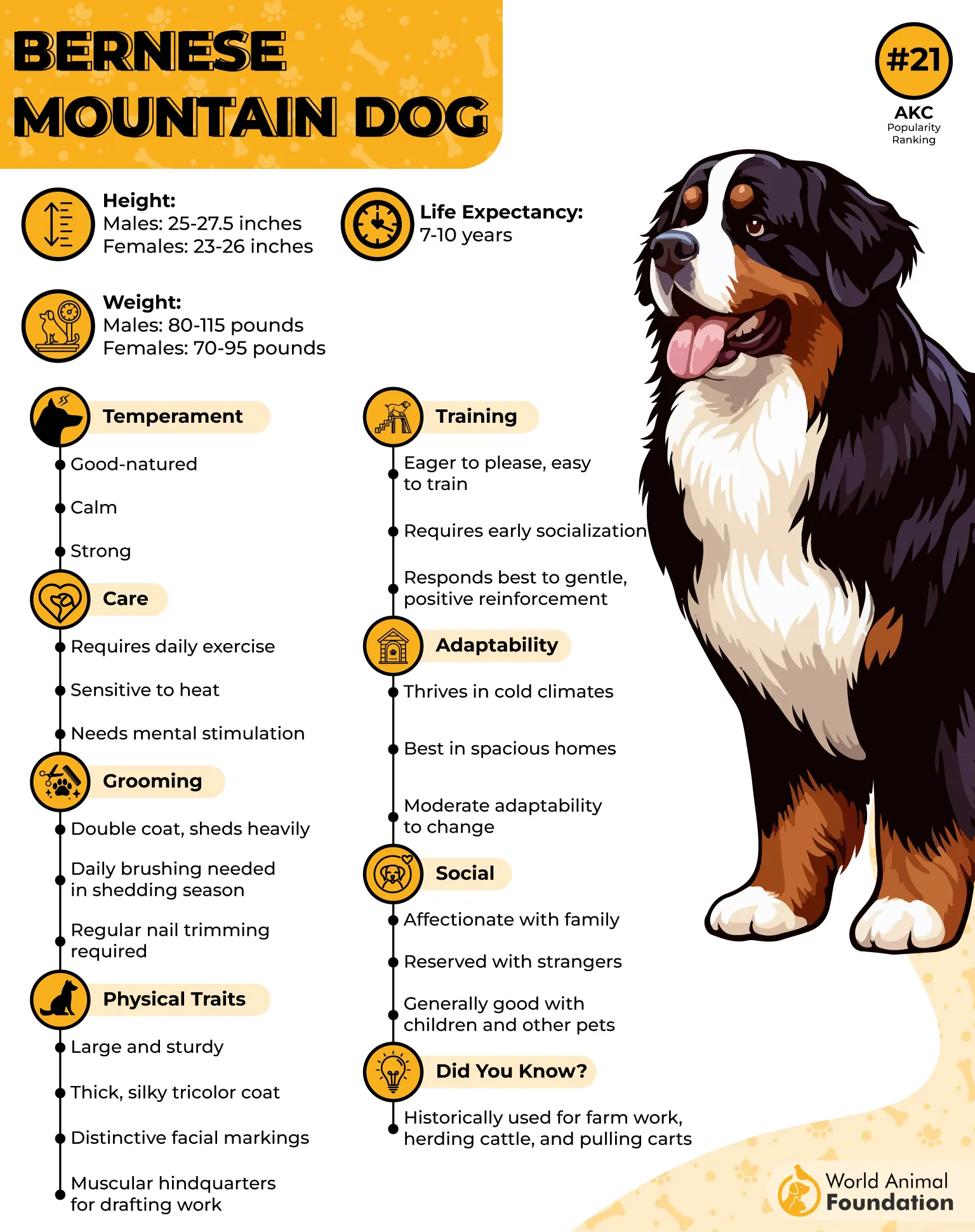
Bernese Mountain Dog carries a strong working frame shaped for demanding farm conditions in Switzerland, paired with a calm, steady presence.
Its structure supports heavy physical tasks while maintaining ease of handling within family spaces. The tri-colored coat adds visual depth to its powerful build.
Physical design tied to function
They uses its thick coat and strong frame to operate comfortably in cold environments and outdoor labor. Its body balance supports pulling, carrying tasks, and long outdoor activities without strain.
Key physical traits linked to its working ability:
Dense tricolored coat suited for cold weather
Broad chest supporting strength-based tasks
Muscular build adapted for pulling and endurance work
Outdoor engagement and task variety
This dog participates in structured activities such as carting, drafting, agility, and tracking, reflecting its versatility beyond farm work.
It enjoys moderate daily activity and remains comfortable during long walks or hikes with family. This blend of outdoor willingness and indoor calm shapes its routine-driven lifestyle.
6. Saint Bernard
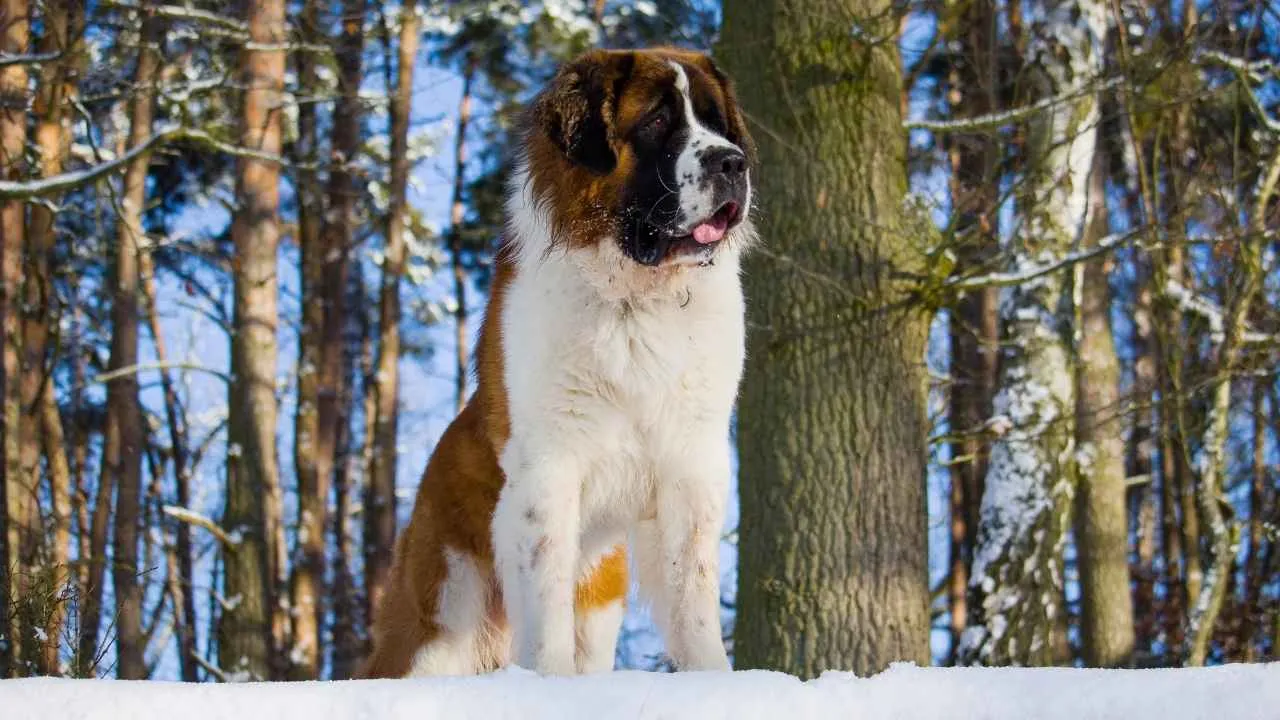
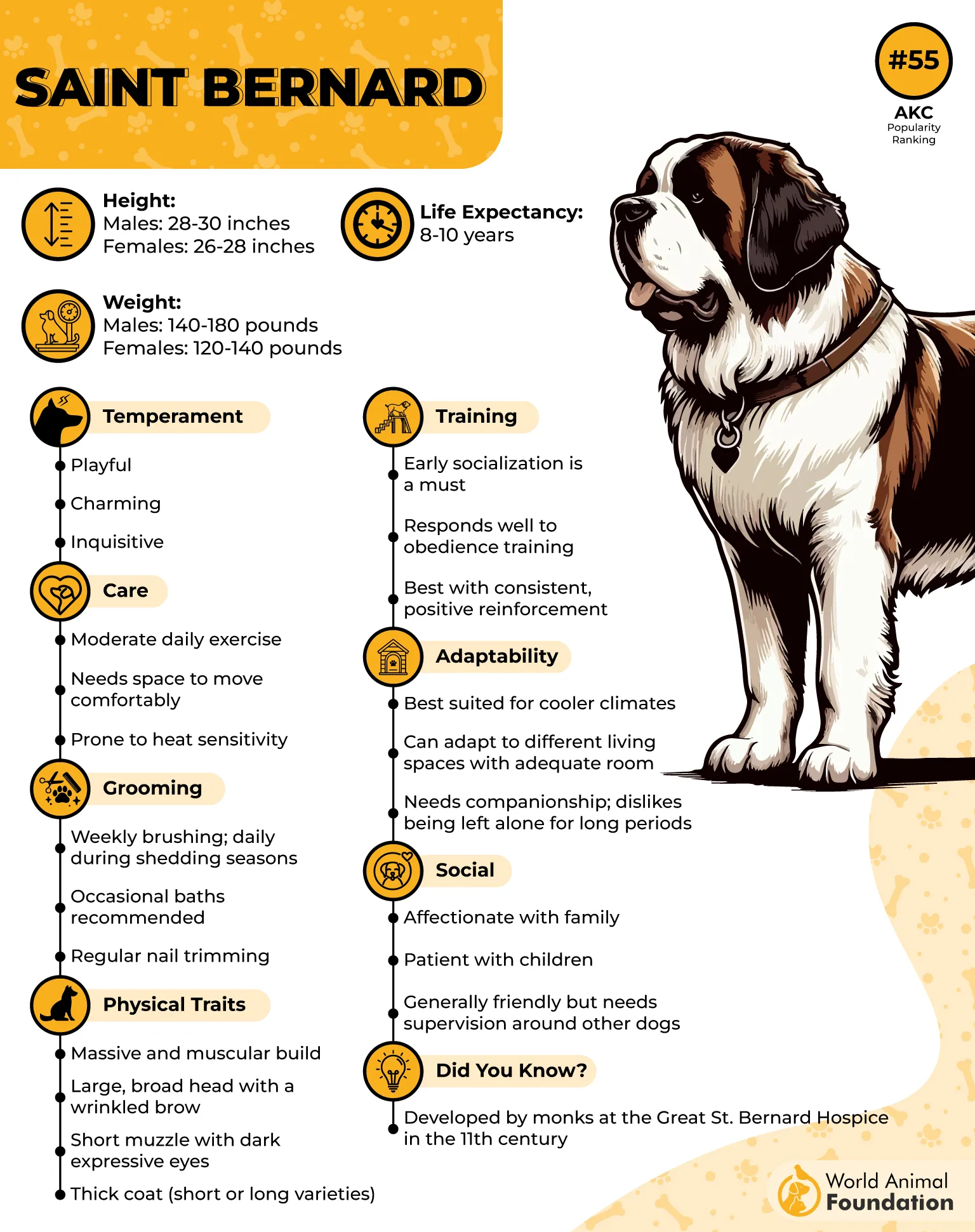
Saint Bernard is built on an extraordinarily muscular, imposing structure with a massive head, wrinkled brow, and deep-set eyes that reflect calm awareness.
Its physical presence once made it a trusted sight for stranded travelers in mountain regions. The overall form signals controlled power rather than speed-driven action.
Gentle strength in daily behavior
They interact with a slow, steady temperament, often forming patient bonds within family environments, especially around children. Its size contrasts with a calm, approachable manner that responds well to shared activities with people.
That behavior appears clearly in real-life patterns:
Engages calmly with children and family settings
Responds to shared outdoor activities like walking or hiking
Participates willingly in carting or drafting tasks
Activity shaped by balance rather than intensity
This breed functions well with moderate physical routines, where a single long walk or a short daily session keeps it steady. It also adapts to extended outdoor time easily when included in hiking or camping environments. Its pace is consistent rather than driven by speed-based energy.
7. Greater Swiss Mountain Dog
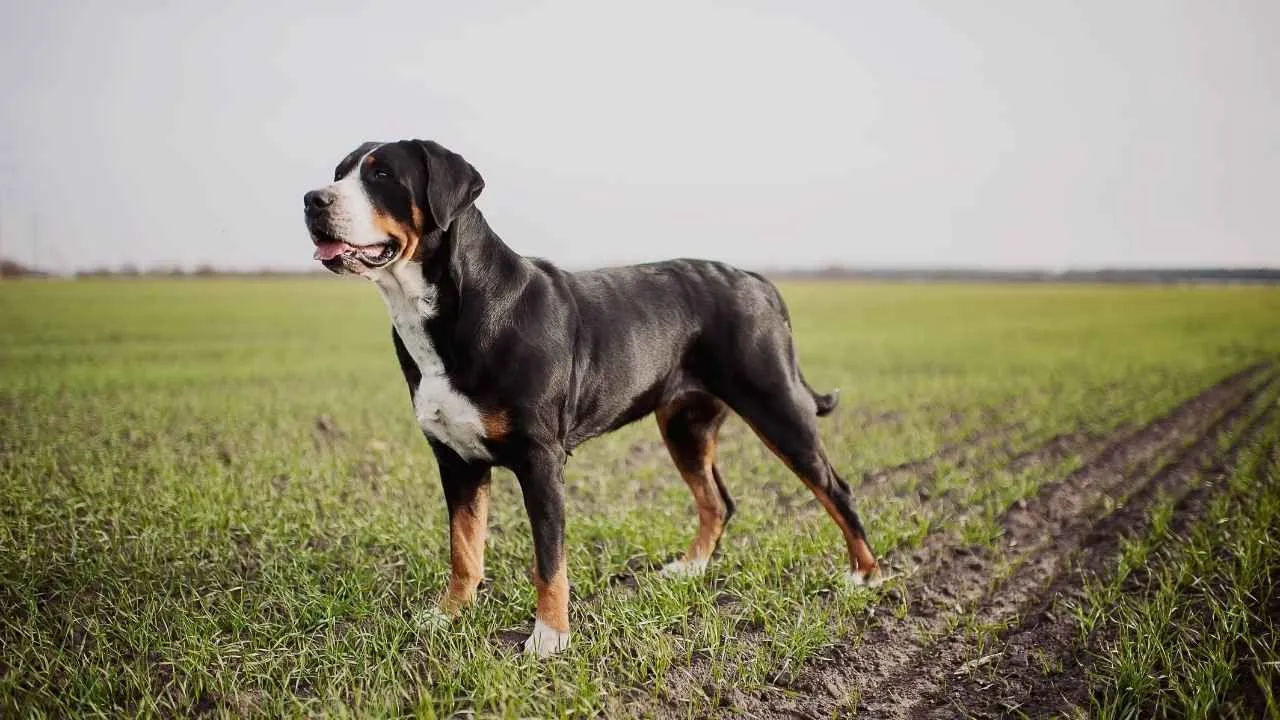
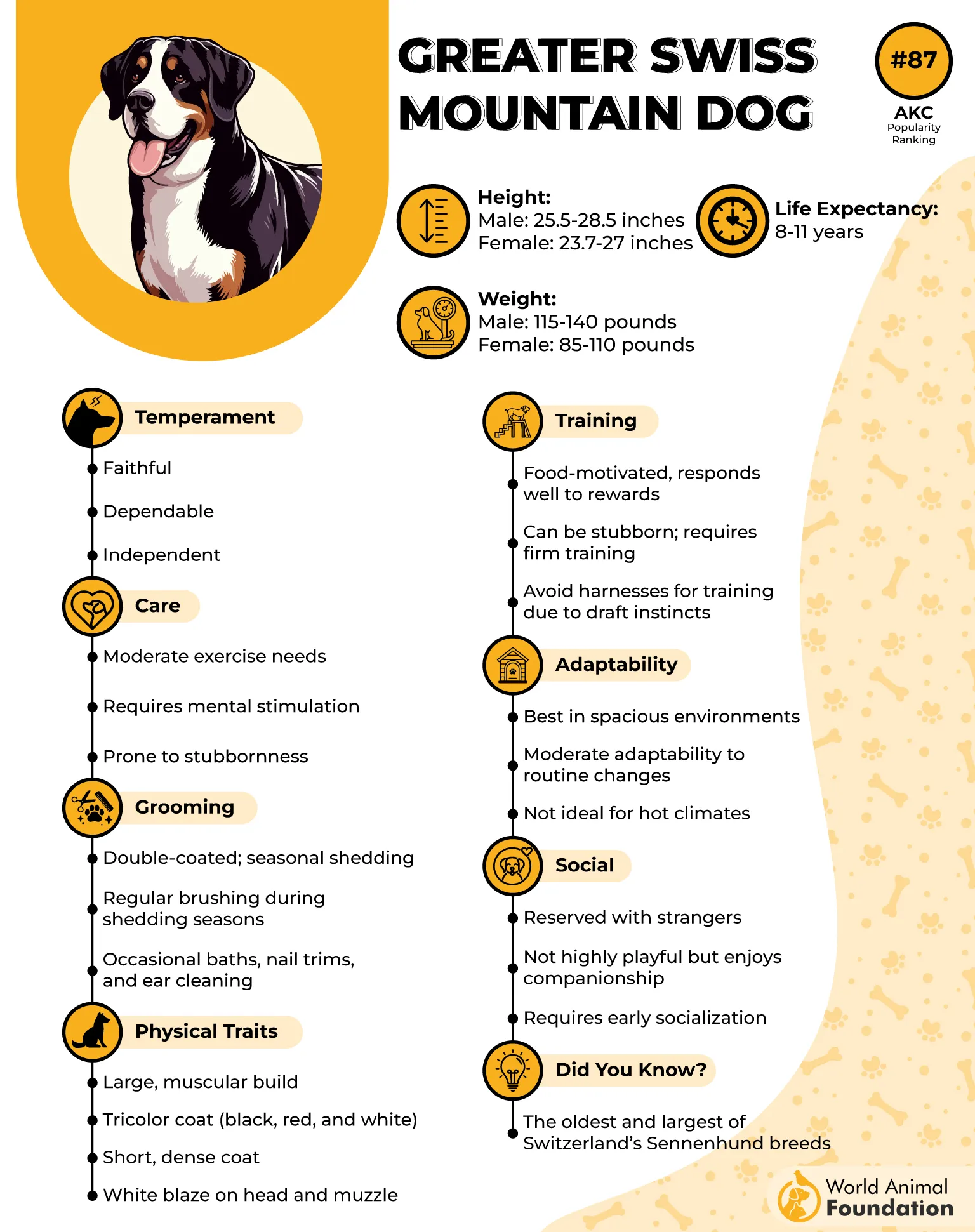
The Greater Swiss Mountain Dog comes from traditional Swiss working lines used across farms for herding and pulling tasks, reflected in its heavily built frame.
Its size and muscle density give it a grounded presence suited for demanding outdoor environments. The tricolor coat adds a clear visual identity tied to rugged mountain work.
Strength directed into utility tasks
This best dog breed can handle physical work with steady control, often linked to drafting, herding, and general farm support duties. Its structure allows it to manage force-based tasks without losing coordination across uneven terrain.
This working ability appears through specific functions:
Pulls carts and loads in drafting work
Guides livestock across sloped ground
Responds steadily during obedience tasks
Movement across outdoor terrain
They adjust well to open environments where steady pacing matters more than speed bursts. Activities like hiking or rucking align closely with its physical capacity, while shorter walks also fit its daily rhythm. Its endurance is expressed through consistent, controlled effort rather than rapid motion.
Conclusion
These breeds make it clear that handling rugged terrain is not about speed or excitement alone. It comes down to structure, endurance, and the ability to stay balanced when conditions become unpredictable. Even in the dog world, where high energy is often valued, their movement reflects control, allowing them to navigate rough ground without hesitation.
Over time, that control becomes something you rely on without thinking. Each step feels measured, and the overall pace remains consistent across changing environments. In the end, many of them also prove to be excellent family dogs, creating a partnership where demanding terrain feels easier to handle.
