




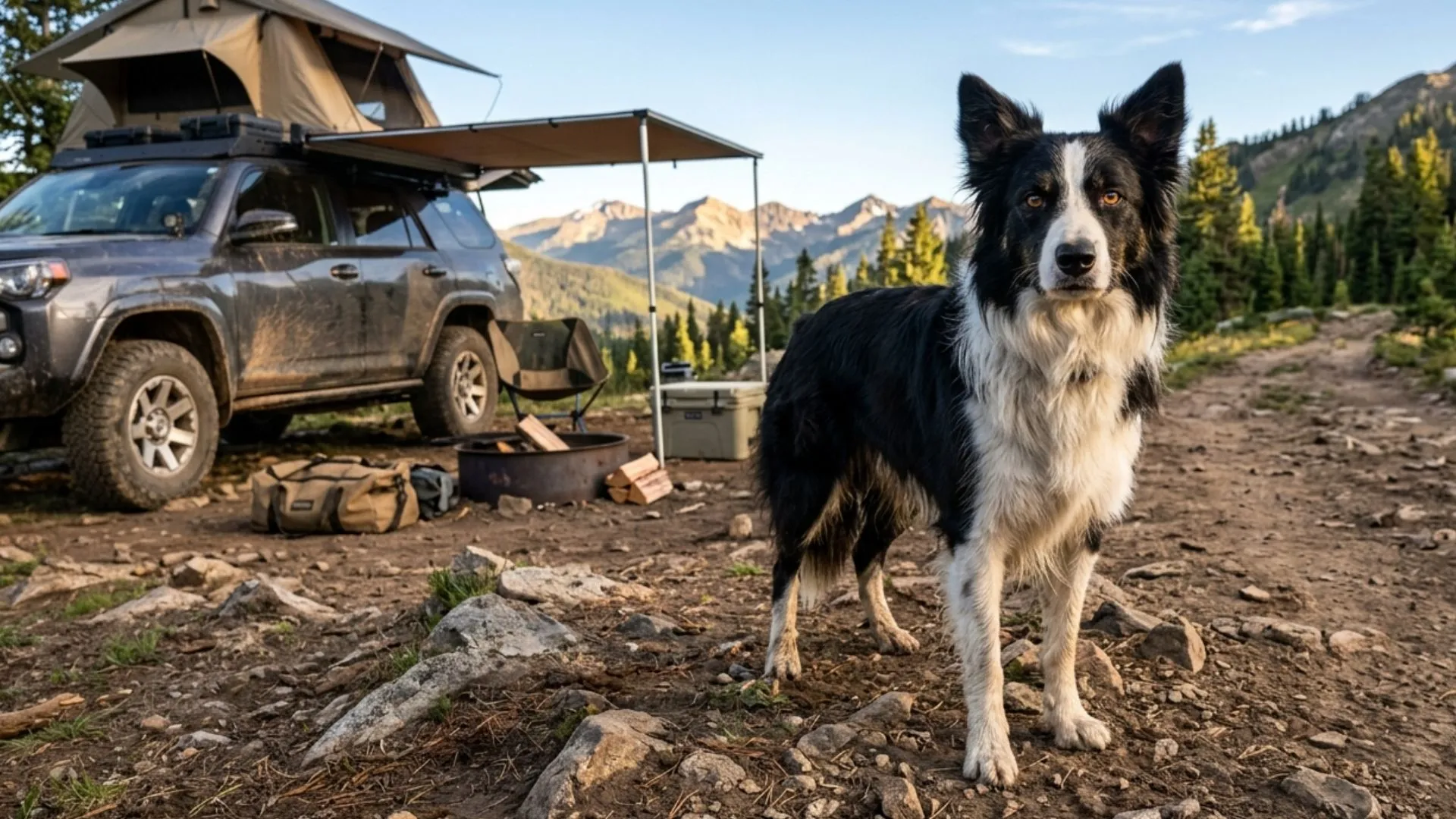
The idea of an off-road camping trip sounds simple enough until the terrain starts testing every part of the journey. Trails become rougher, weather changes without warning, and long days outdoors demand more energy than expected.
For pet parents, those challenges come with an extra consideration. Not every dog is built to handle miles of uneven ground, unpredictable conditions, and extended time away from everyday comforts. Some lose enthusiasm quickly, while others struggle to keep pace once the adventure becomes demanding.
That is why choosing the right canine companion matters just as much as packing the right gear. A hardy dog can turn a difficult route into a memorable experience by staying confident, active, and eager throughout the trip. The best camping partners are often the ones that seem to enjoy the challenge as much as their owners do.
Ahead are dogs that thrive where pavement ends and adventure truly begins.
Key Takeaways
Rough trails and changing weather quickly reveal which dogs are built for real outdoor endurance.
The Siberian Husky and Labrador Retriever stand out early, both built for long hours of movement that feel natural rather than forced.
German Shorthaired Pointer and Border Collie bring sharp focus to outdoor challenges, staying alert even when conditions shift without warnin.
Each breed shows a different kind of strength on the trail, and the real surprises only start appearing as the list unfolds.
Hardy Dog Breeds Ideal for Off-Road Camping Trips
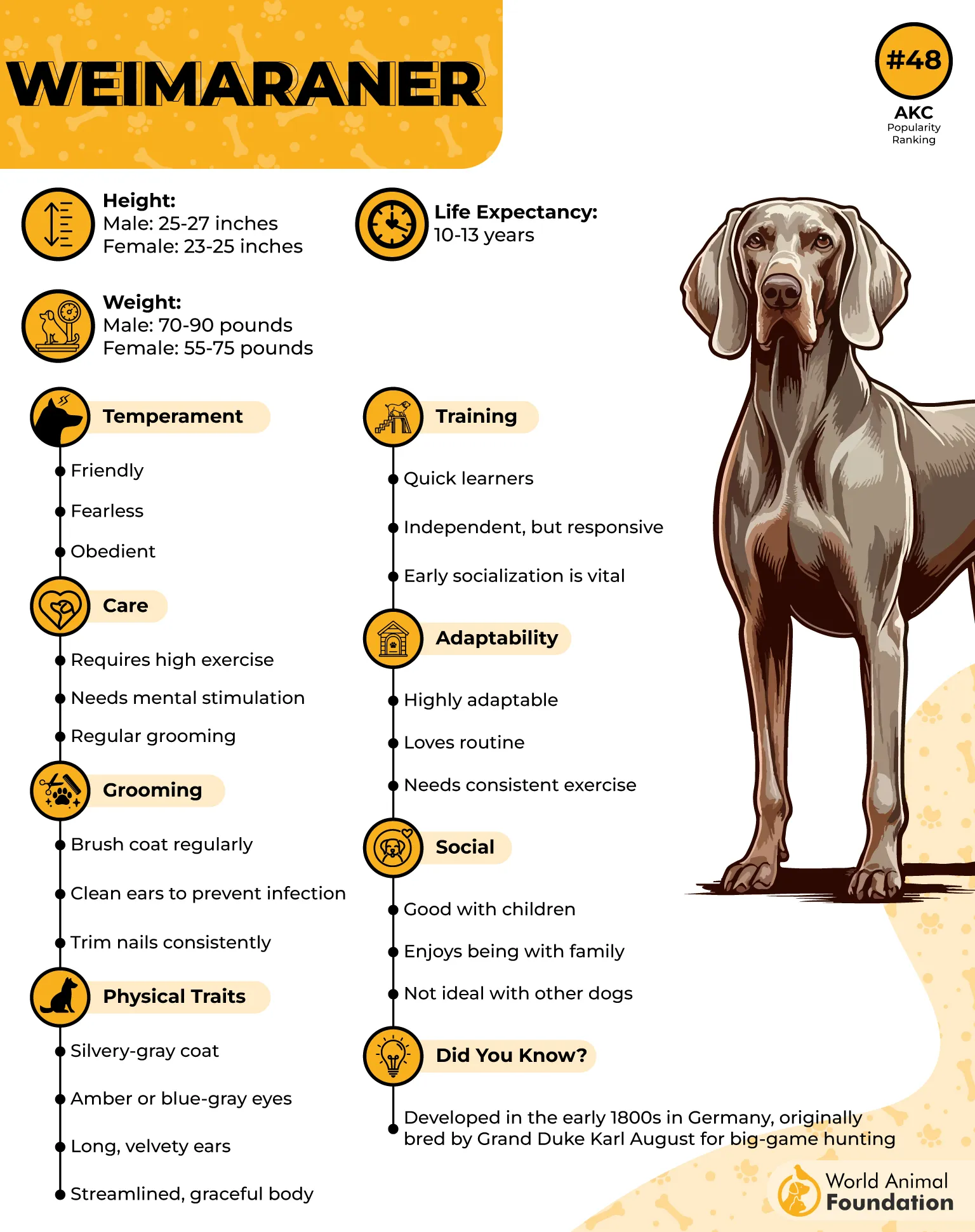
1. Weimaraner
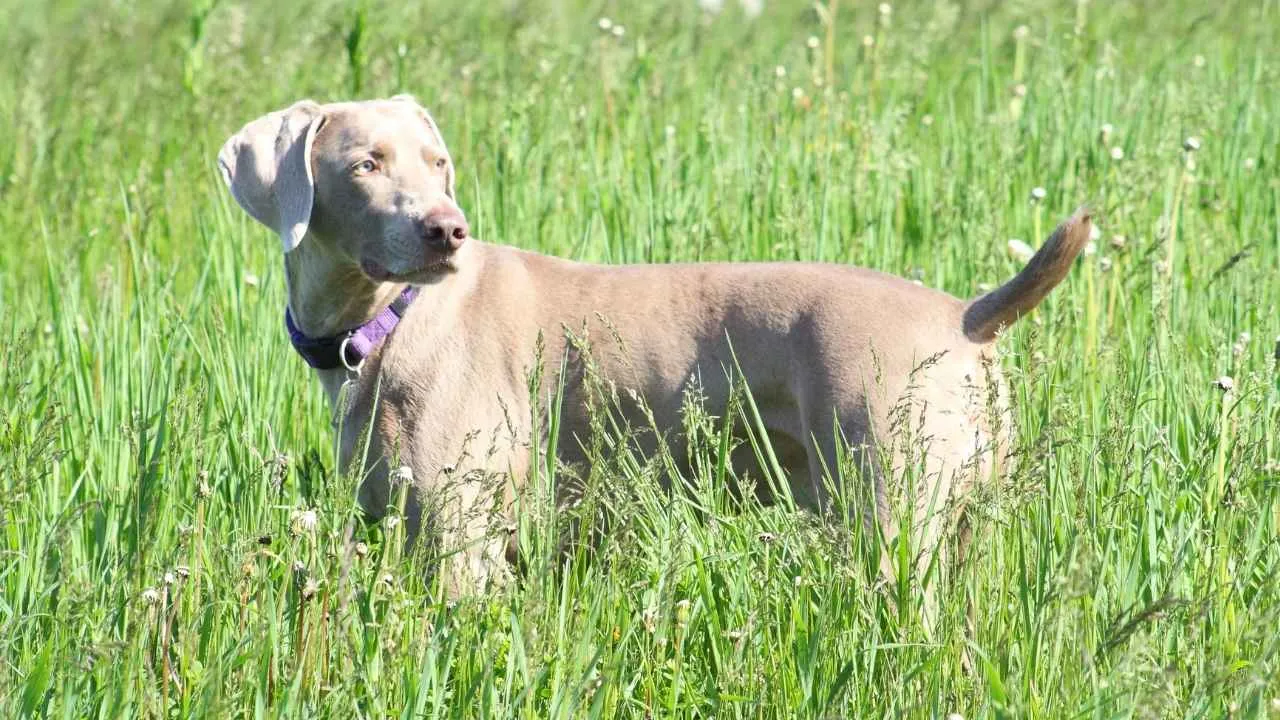
The Weimaraner first earned recognition in 19th-century Germany as a versatile hunting dog trusted for tracking everything from small game to deer and even bear. Its combination of speed, endurance, and sharp instincts made it valuable across changing or rough terrain.
Outdoor Performance
This athletic dog approaches every outing with energy that matches demanding trails and open landscapes. It enjoys covering ground, tackles active adventures confidently, and benefits from tasks that keep both body and mind engaged.
A few qualities fit this lifestyle especially well:
Excellent hiking partner
Need secure fencing
Keeps an eye out for counter surfing
Adventure-Ready Mindset
Camping trips become more enjoyable when this breed has a clear purpose, whether following a trail, retrieving, or joining outdoor games, as mentioned in PetMD.
Activities such as hiking, fetch, agility, and dock diving help channel its intelligence. Providing appropriate chew items also helps prevent unwanted chewing during downtime.
2. Siberian Husky
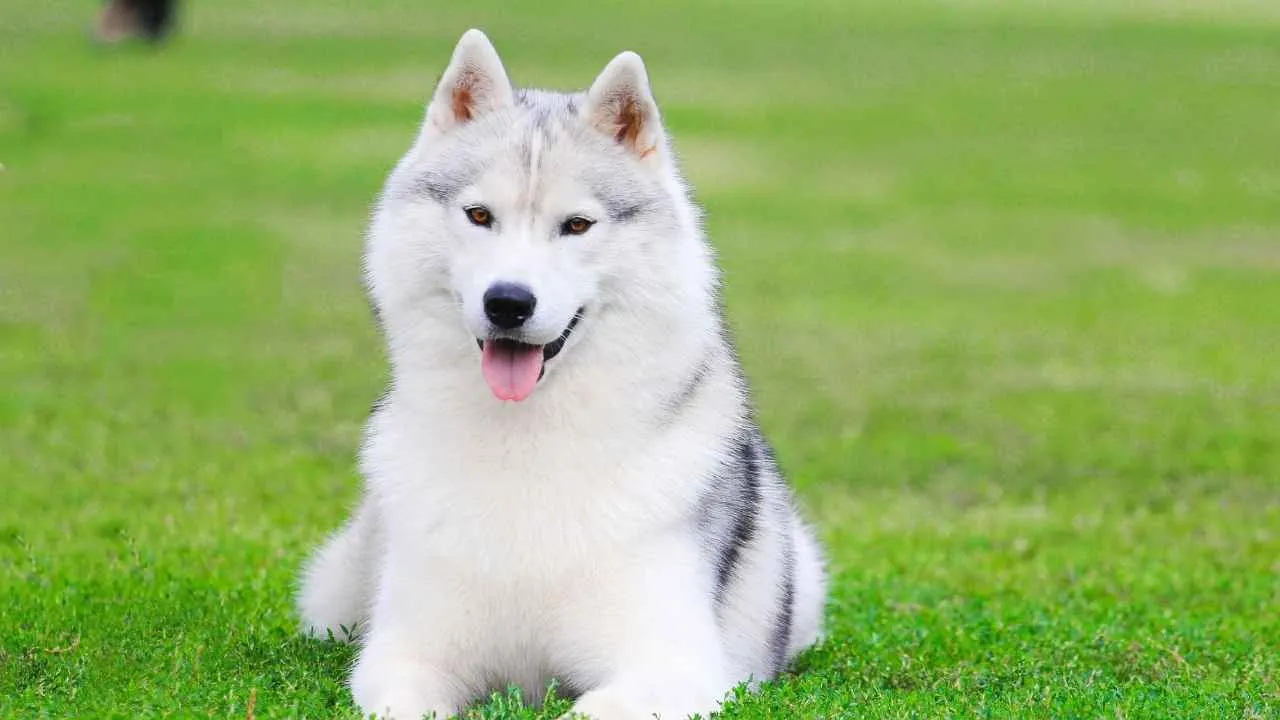
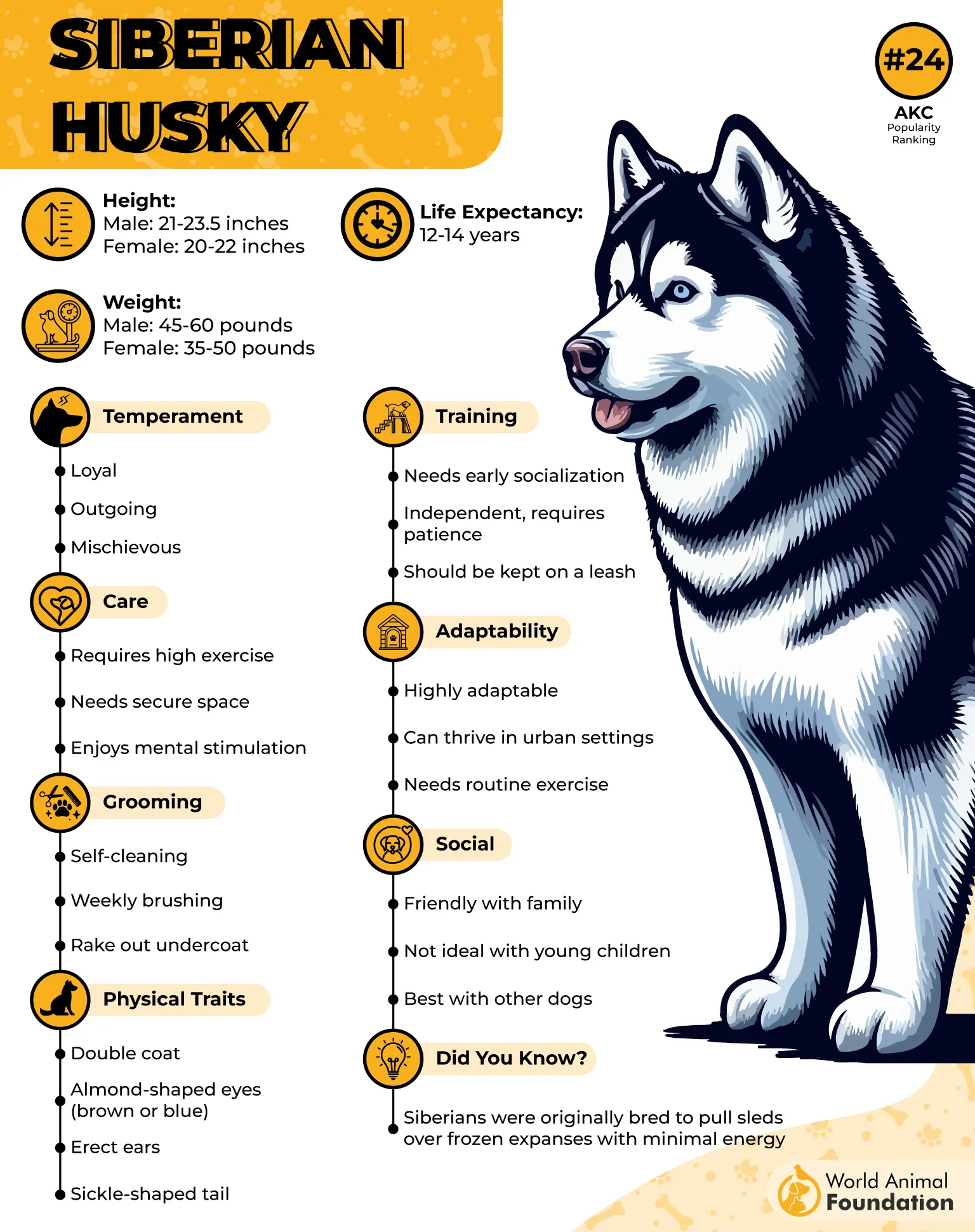
Siberian Husky first made its name with the Chukchi people of northeastern Siberia, spending generations pulling light sleds over long, frozen landscapes with remarkable endurance. Their compact build, dense coat, and efficient movement suited demanding travel through harsh northern landscapes.
Trail-Ready Nature
Those working roots translate naturally to off-road camping, where endurance and steady movement matter more than raw power. The breed covers long routes with an effortless gait while remaining comfortable in changing outdoor conditions.
A few qualities make that easier:
Efficient long-distance stamina
Naturally clean coat
Confident on varied terrain
Life Around Camp
Siberian Huskies enjoy being part of a group, a trait shaped by generations of working in sled teams rather than alone. According to Purina, its friendly temperament blends well with family activities, though small wildlife can quickly attract its attention during outdoor trips.
Outdoor Living Balance
Siberian Huskies prefer camps where there is room to move, explore, and join daily activities instead of remaining confined for long periods. Regular interaction and open space help direct its energy into enjoyable adventures alongside the family.
3. Whippet
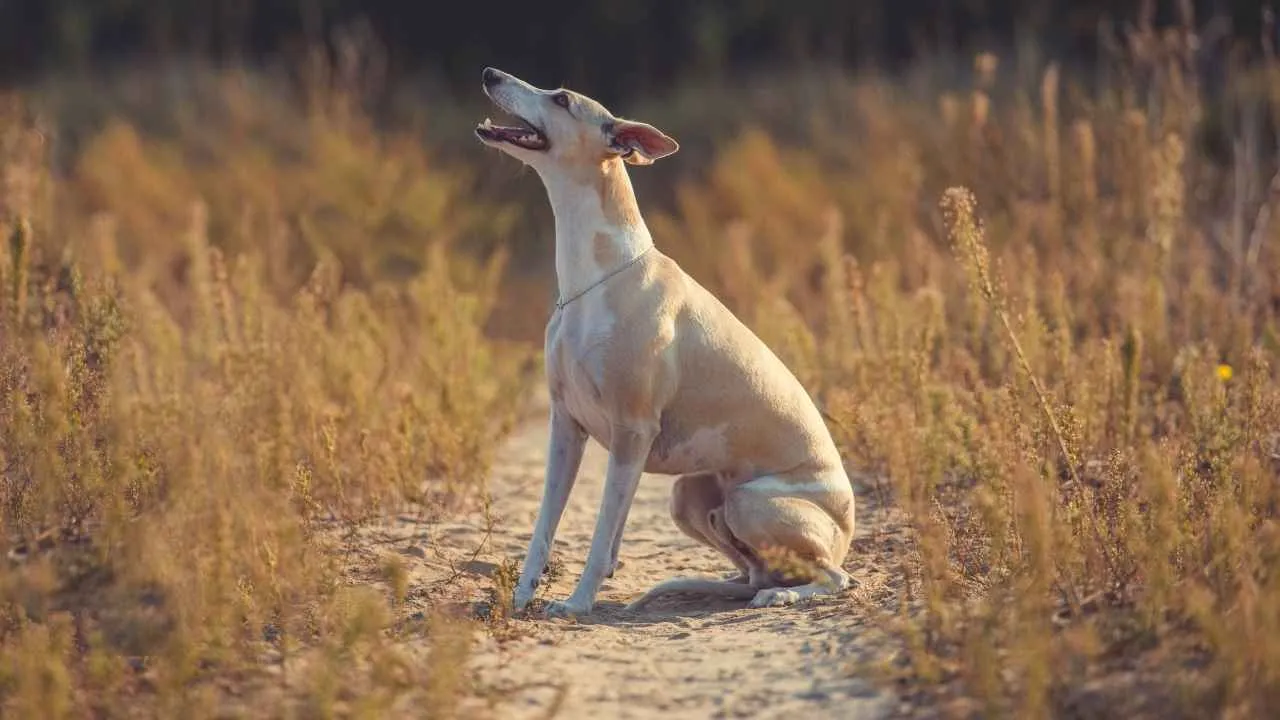
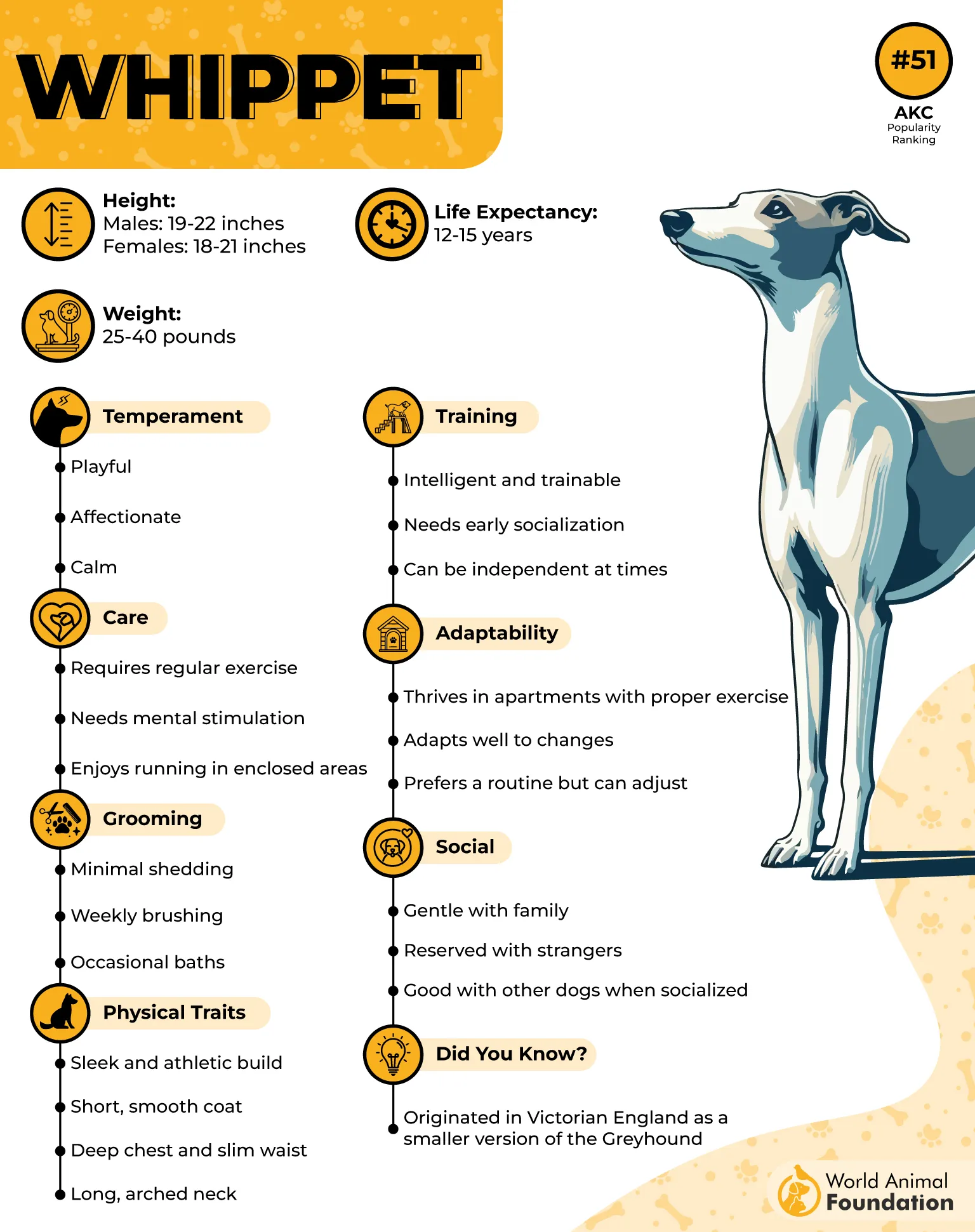
Whippets are built with a deep chest, narrow waist, and long limbs designed for rapid acceleration over short distances. Its lineage stems from crossing Greyhound-type sprinters with smaller terrier breeds, resulting in a lighter, agile runner. Speed spikes near 35 miles per hour define its movement style.
Controlled Energy in Action
This hiking dog channels its athletic drive into short, focused bursts of activity, then quickly returns to a calm state. Engagement through structured games or field-style activities keeps the mind balanced and alert.
These activity preferences reflect how it works best outdoors:
Strong sprinting bursts
Responds well to agility tasks
Enjoys scent-based games
Outdoor Adaptability
Whippets take on the travel charts and outdoor routines that include movement, exploration, and short bursts of running. Activities like hiking trails or open-field fetch align with its natural rhythm of energy and rest. When physical and mental needs are met, it settles into a quiet, relaxed state.
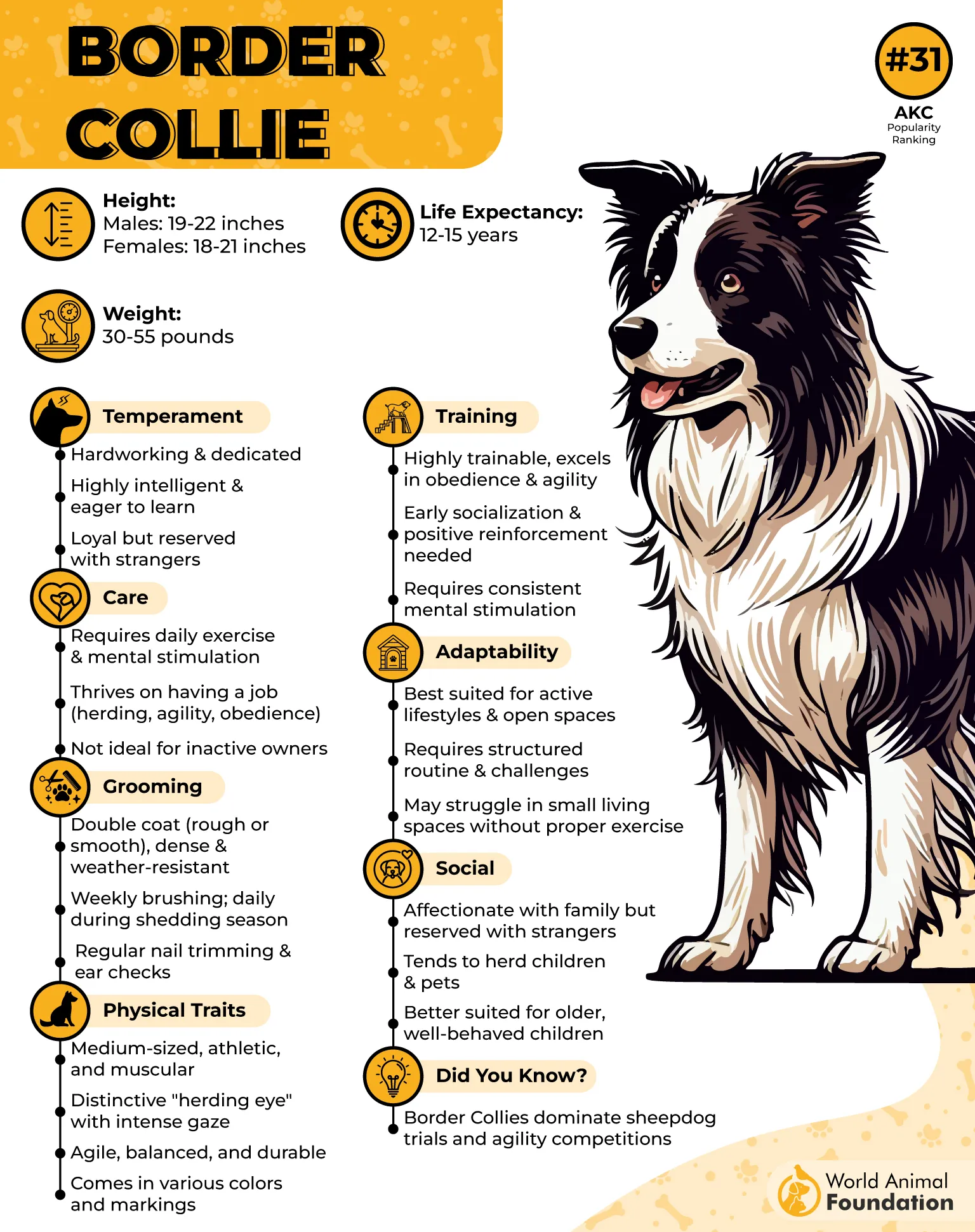
4. Border Collie
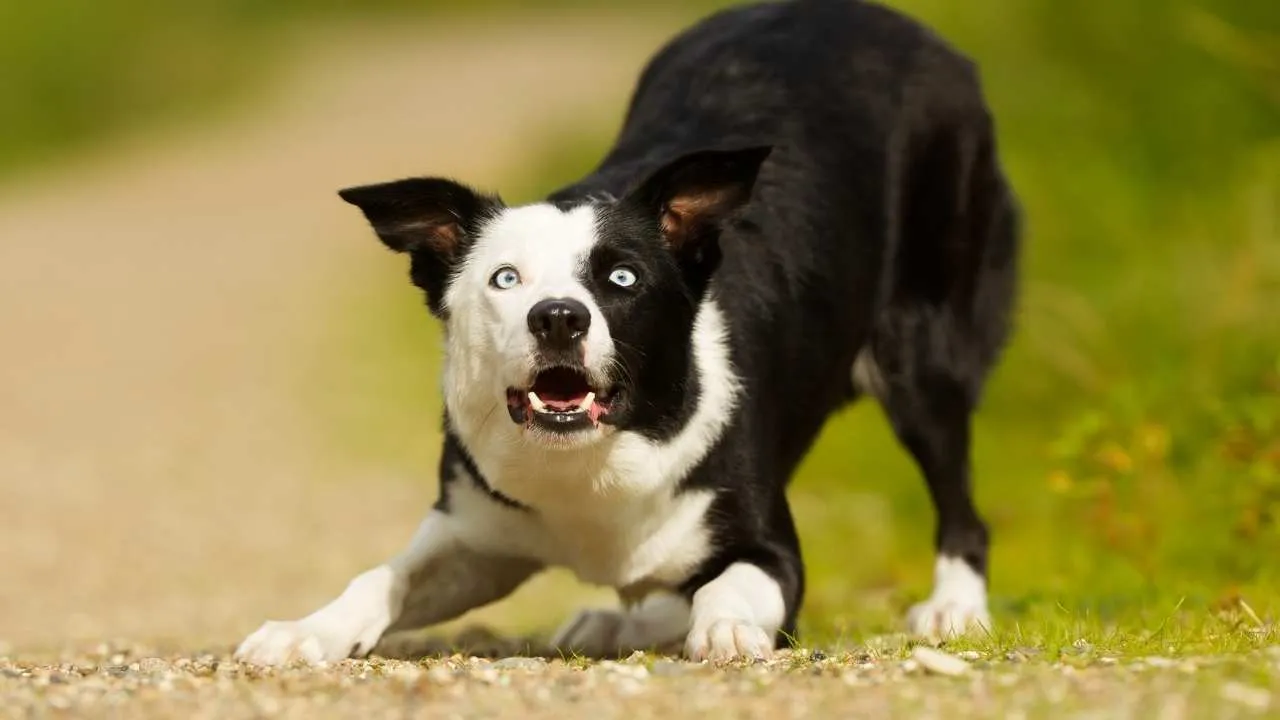
Border Collie is known for its early herding work in Great Britain, guiding livestock across open, uneven land with consistent accuracy. Quick footwork, sharp judgment, and remarkable endurance allowed it to work across uneven ground and demanding outdoor conditions.
Trail-Ready Mindset
Off-road camping often brings long walks and unpredictable surroundings, all of which suit the Border Collie’s natural working style. It enjoys having purposeful activity instead of wandering without direction.
A closer look explains why it adapts so well:
Master of basic and advanced obedience training
Easily catches on to games such as Frisbee and fetch.
Seniors of this breed only need moderate activity
Always Ready for the Next Task
This high-energy dog breed prefers active days filled with movement, making hiking trails, extended walks, and outdoor adventures a natural fit. Its intelligence helps it adjust quickly to changing routes and new environments, as stated by Hill’s Pet.
5. Rhodesian Ridgeback
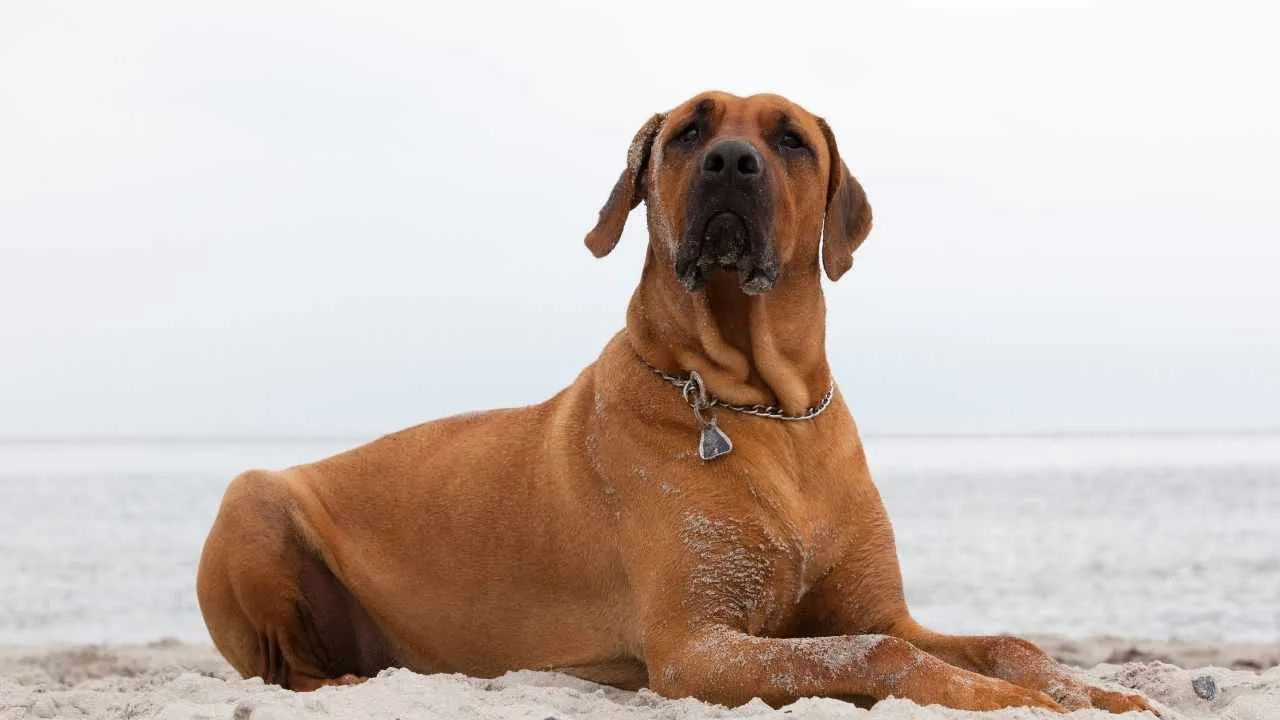
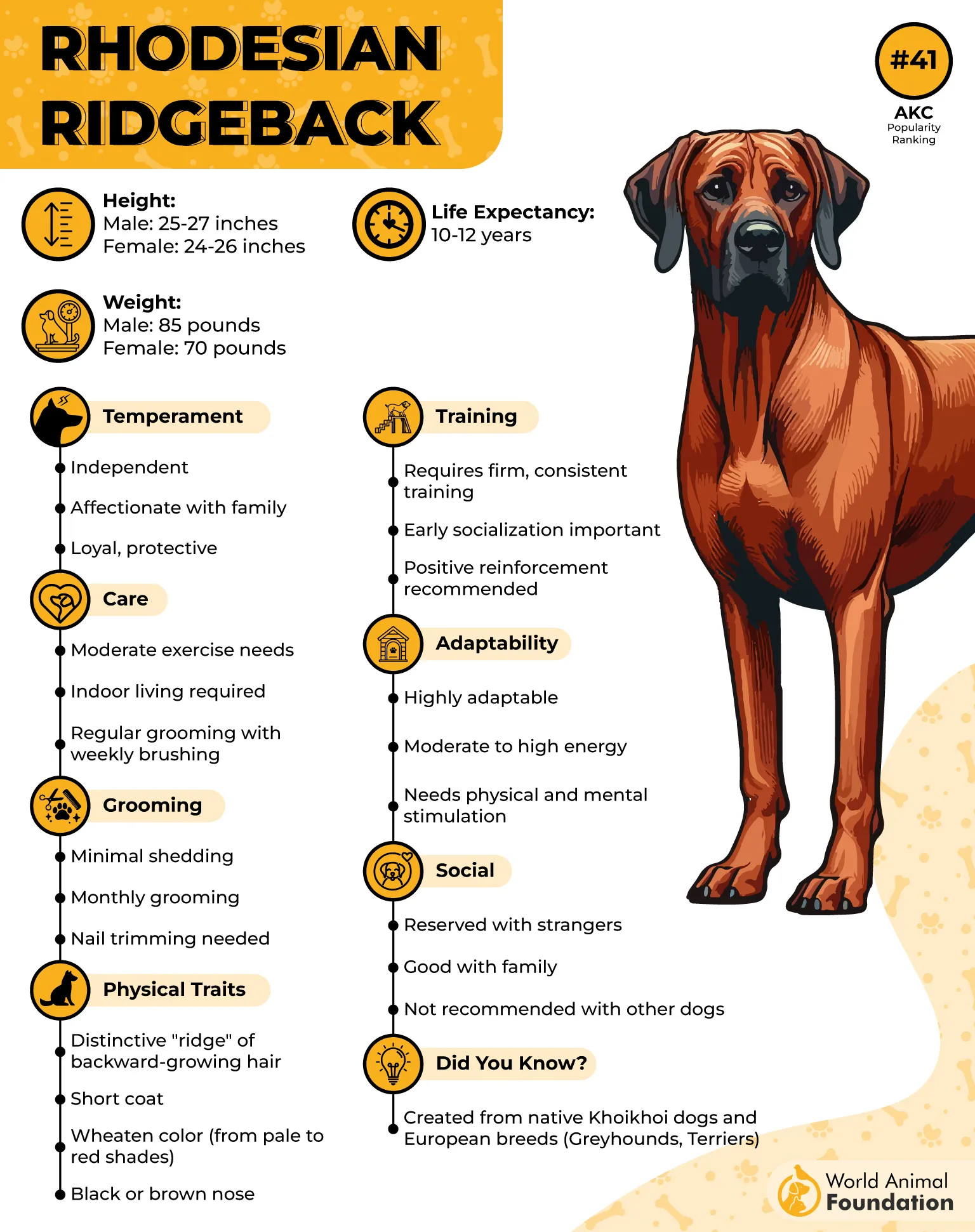
Rhodesian Ridgeback is instantly recognized by the narrow strip of hair running along its back in the opposite direction from the rest of its coat.
That distinctive feature belongs to a muscular, athletic hound originally bred in southern Africa to flush out and track lions, making long days on rugged trails a natural fit.
Ready for the Long Haul
Daily activity plays an important part in keeping this breed settled, with at least 45 minutes of exercise and regular mental enrichment helping prevent boredom. Those needs also match camping trips, where each day brings something different.
A few practical strengths include:
Strong tracking ability
Lasting endurance
Quiet camp behavior
Outdoor Adventures It Enjoys
Tracking, lure coursing, and hiking make good use of this breed’s natural instincts, while swimming and jogging add variety on longer trips. Fetch, puzzles, agility, field trials, and obedience competitions provide different ways to keep its body and mind engaged.
6. Bernese Mountain Dog
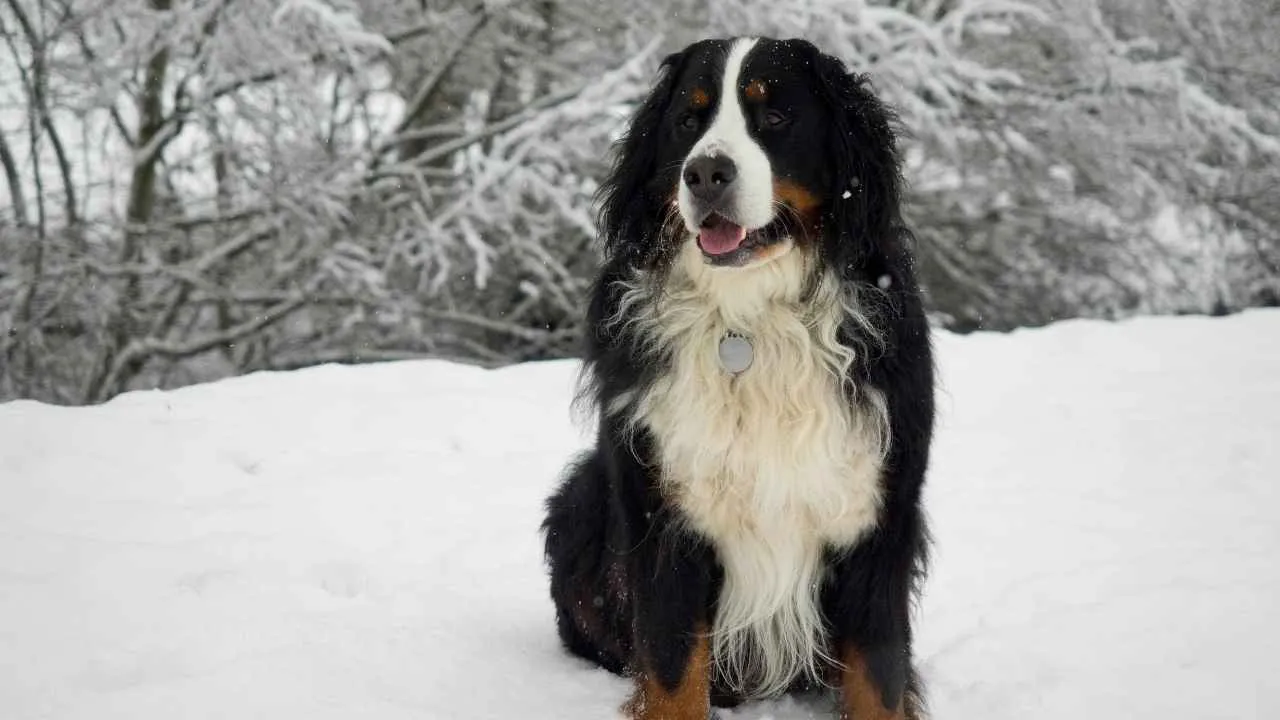
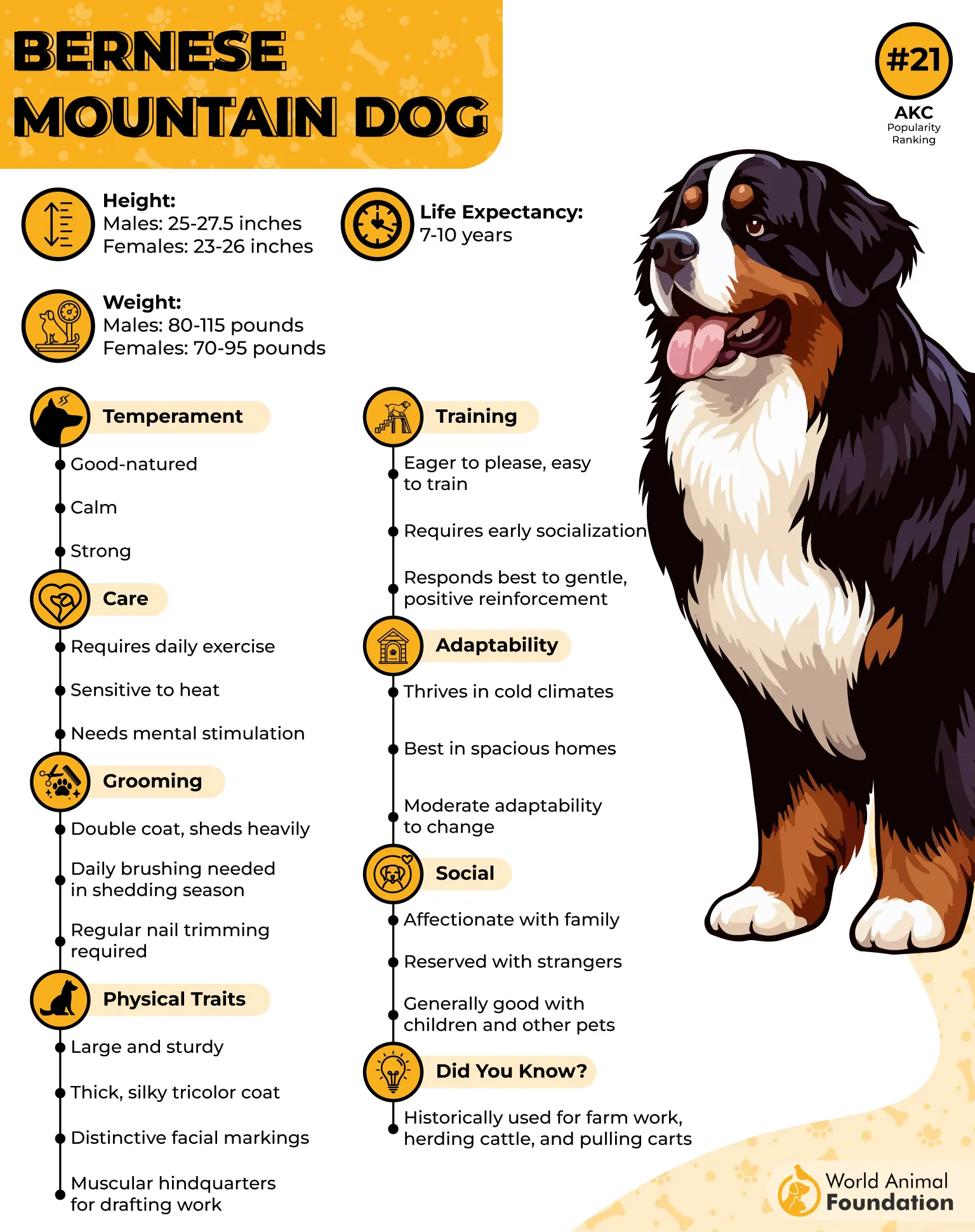
Bernese Mountain Dogs spent centuries working across the Swiss Alps, where rough ground, changing weather, and long days were part of everyday life. That long association with mountain farms explains why this breed feels comfortable on extended outdoor trips far from paved roads.
Built for Long Days
Their original duties included guiding dairy cattle and pulling loaded carts between farms. Those jobs required steady judgment, physical power, and the willingness to keep going across uneven terrain without constant direction.
That practical farm heritage still shapes several useful qualities:
Thrive on cool-weather hikes
Berners have fantastic noses
Excel in swimming
Easy to Work With
Bernese Mountain Dog responds well to training because it enjoys cooperation and picks up routines quickly. On camping trips, that willingness can make trail manners, campsite behavior, and leash handling much easier to establish from an early stage.
7. Alaskan Malamute
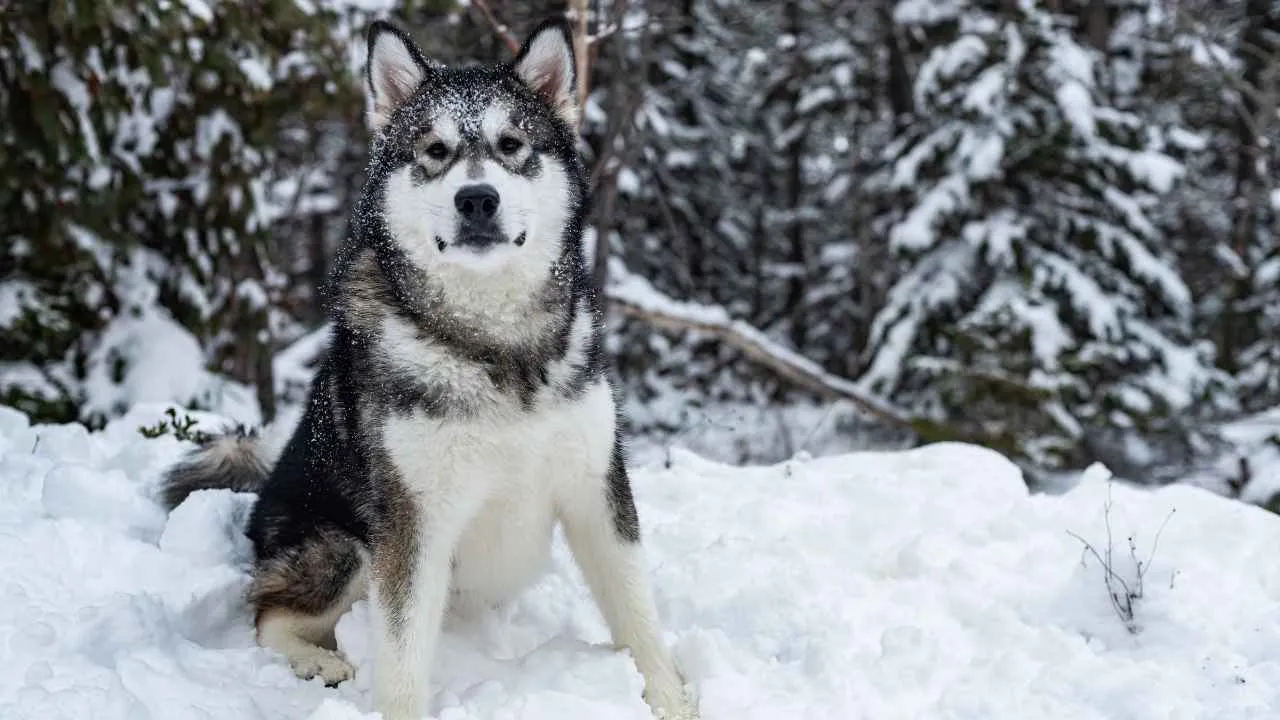
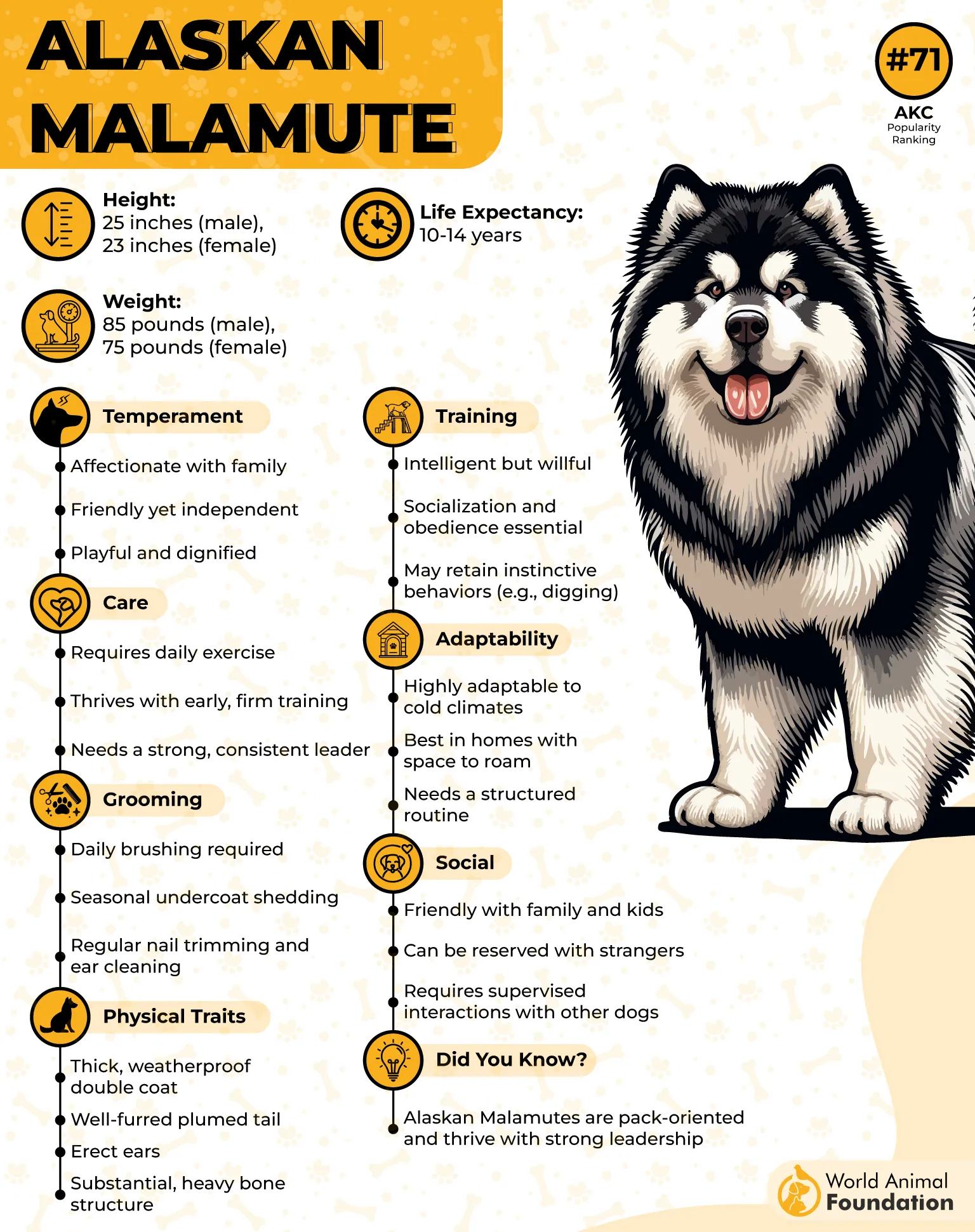
Alaskan Malamute earned its reputation alongside Alaska’s Mahlemut people, where dependable sled work was part of daily life. That connection became even more valuable during the Klondike Gold Rush of 1896, when reliable hauling dogs were in high demand across harsh northern routes.
Built for Distance
Generations of sled pulling left this breed with an appetite for long outings and demanding terrain. Activities such as backpacking, tracking, skijoring, jogging, and biking fit naturally into the kind of work these dogs performed for years.
A quick look explains why:
Strong hauling instinct
Excellent endurance
Task-focused mindset
Full of Personality
Alaskan Malamute is famous for its expressive “awoos,” which can sound surprisingly conversational around camp. After a day filled with activity and exploration, attention from familiar people becomes a priority, especially when the action shifts from the trail to the campsite.
8. Labrador Retriever
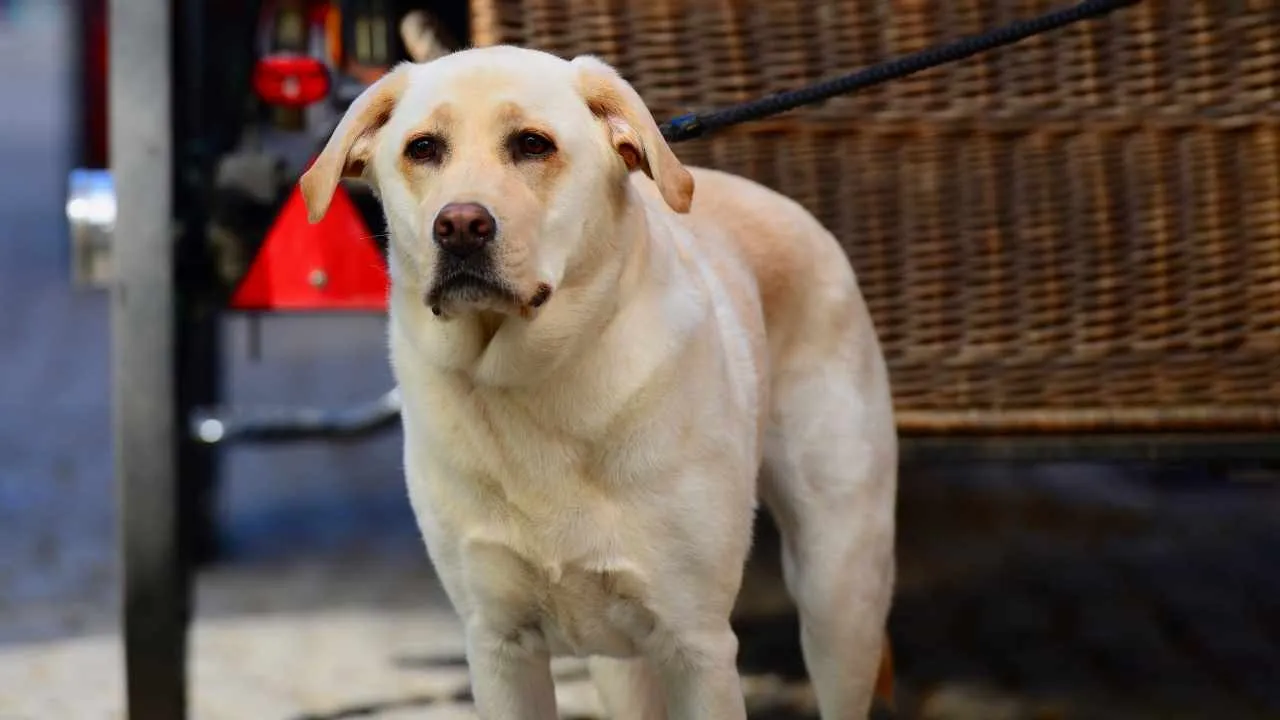
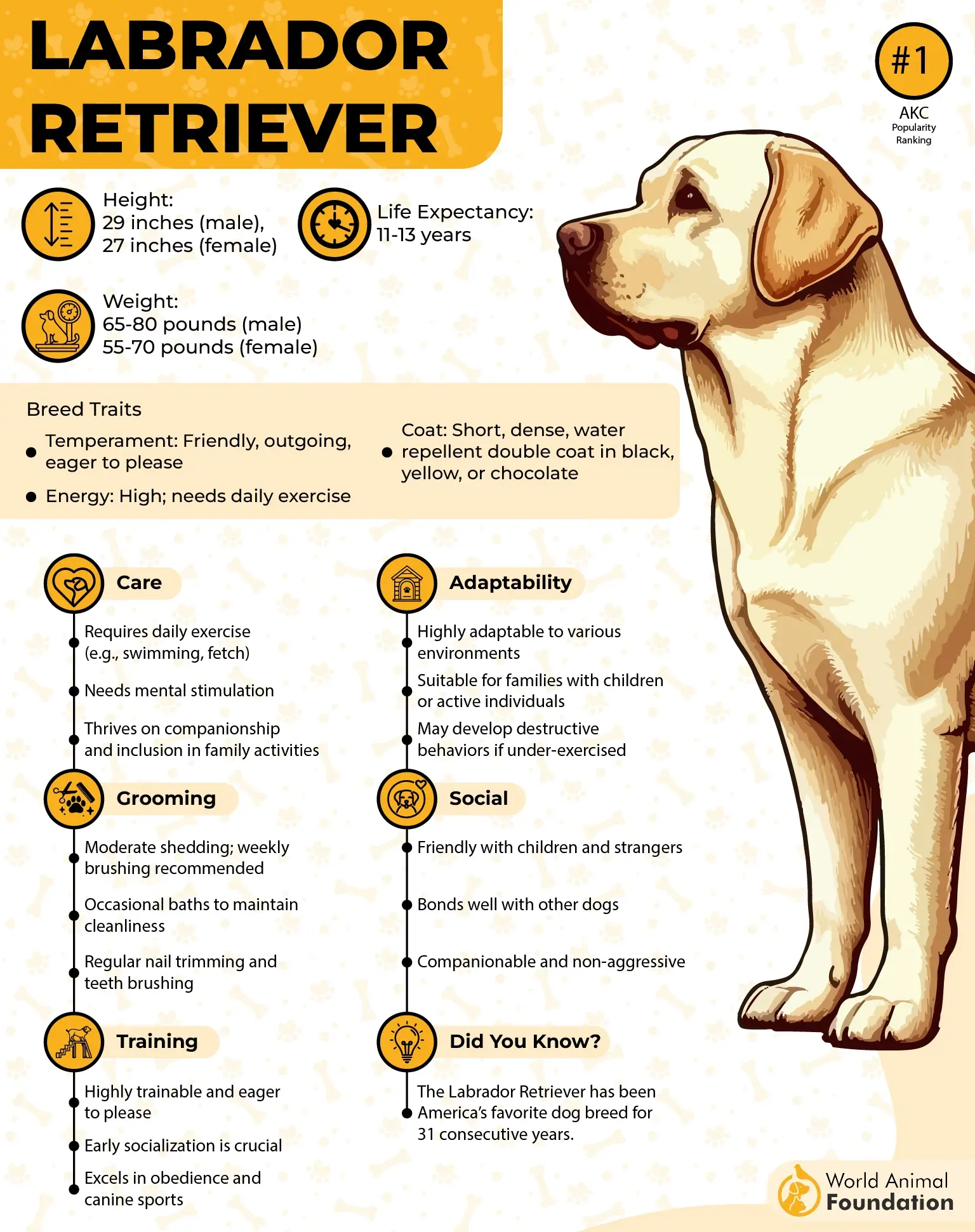
A Labrador Retriever starts strong and somehow keeps that same energy going even longer, without losing its spark. That steady mix of enthusiasm and easy adaptability is why it fits just as naturally in a family living room as it does in search and rescue work.
More Than a Hiking Partner
Labradors enjoy having a job to focus on, whether that involves following a trail, retrieving objects, or learning new tasks. Their willingness to work closely with people is one reason they excel in specialized roles.
A few details help explain that reputation:
Strong desire to collaborate
Soft mouth formulated for hunting
Effortlessly navigate freezing waters
Built for Active Days
Swimming, dock diving, tracking, agility, hiking, and running all appear on the long list of activities this breed enjoys. A dog that can switch comfortably between water, trails, and training exercises brings useful versatility to extended outdoor adventures.
9. German Shorthaired Pointer
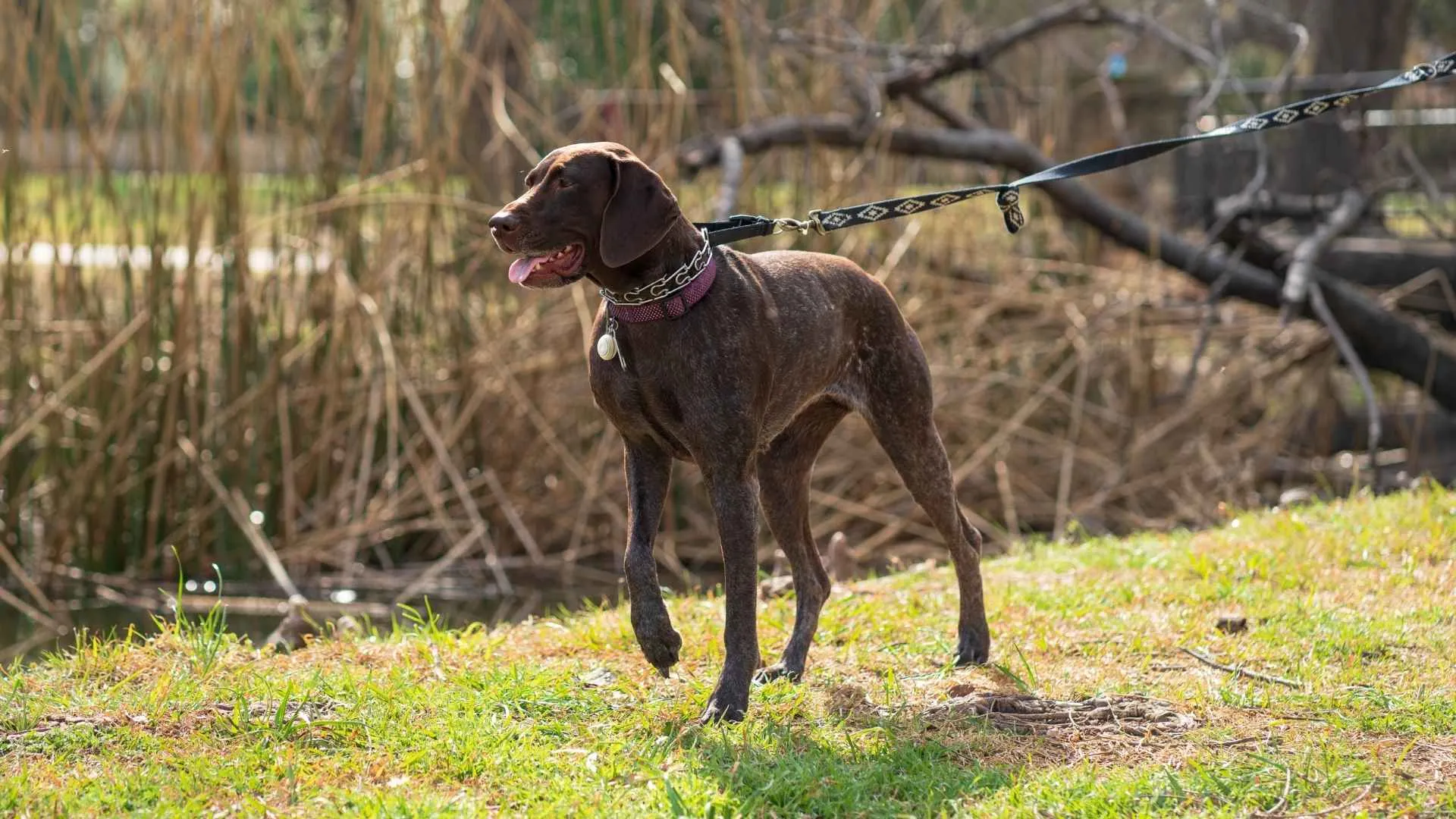
German Shorthaired Pointer excels at following scent trails with remarkable precision, often freezing in place and directing its nose toward hidden game birds. In that position, it waits for the next cue rather than rushing ahead, a trait that has long been valued in hunting fields and open country.
Always Ready
Speed, agility, and endurance are woven into this breed’s working style, which explains why it handles long, active days so well. A short walk rarely satisfies a dog that was bred to spend hours covering ground during hunts.
That working style comes with a few notable traits:
Can hunt, point, and retrieve
Soft mouth retrieving
Anything that moves catches their attention
More Than a Running Partner
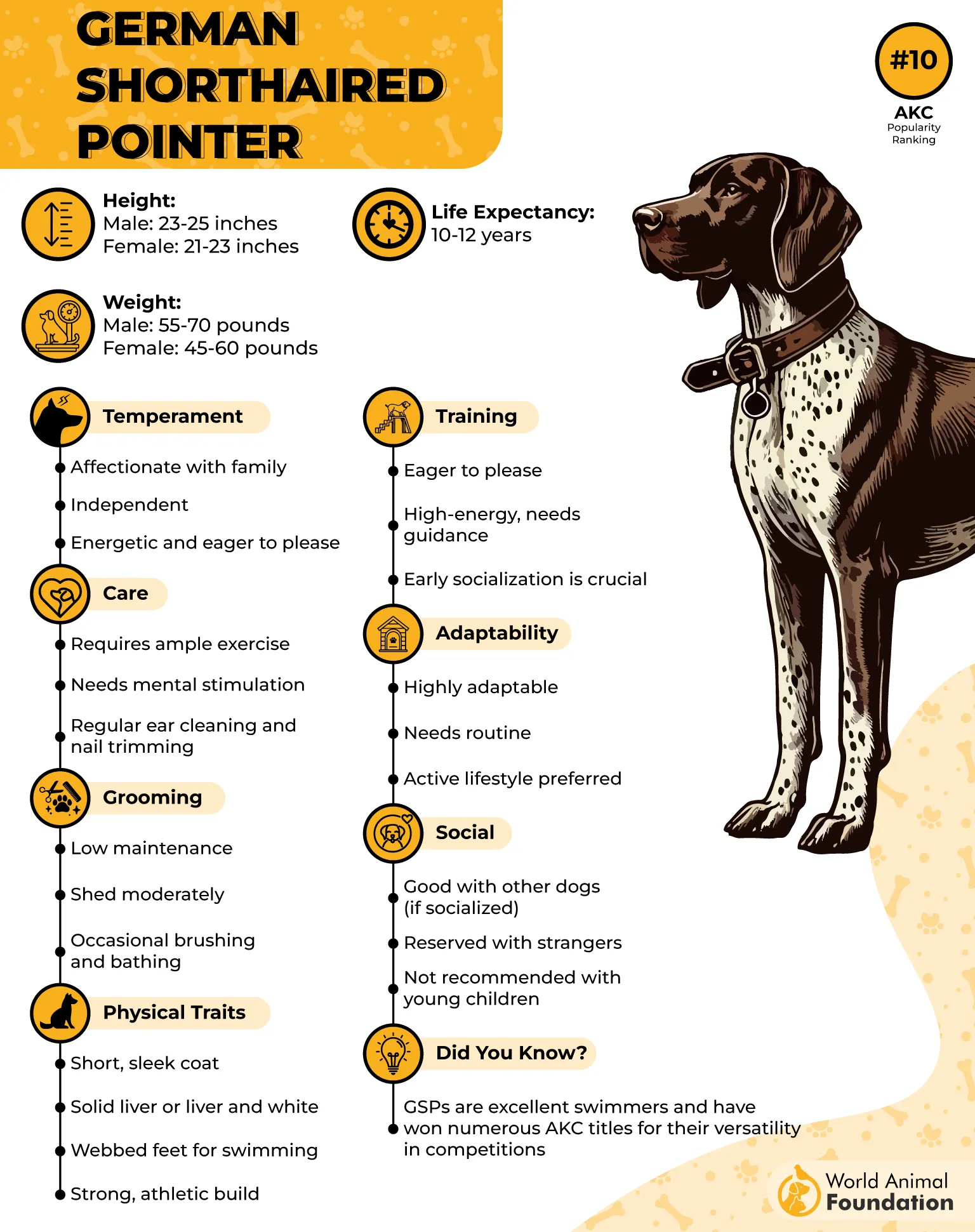
German Shorthaired Pointer benefits from varied challenges rather than repetitive routines alone. Fetch games, agility courses, scent work, and interactive puzzles help channel the same focus that originally made this breed such an effective field companion.
Conclusion
Every outdoor adventure feels different when a capable dog is sharing the journey. Confidence on rough trails and the ability to adapt to changing conditions help explain why sturdy dogs become great hiking buddies for people who enjoy outdoor activities, often standing out from other dogs in challenging environments.
Their working backgrounds helped shape the endurance and determination many owners value today. Still, success on the trail depends on preparation, training, and understanding individual needs. When those pieces come together, the experience becomes rewarding for both owner and companion alike.
