




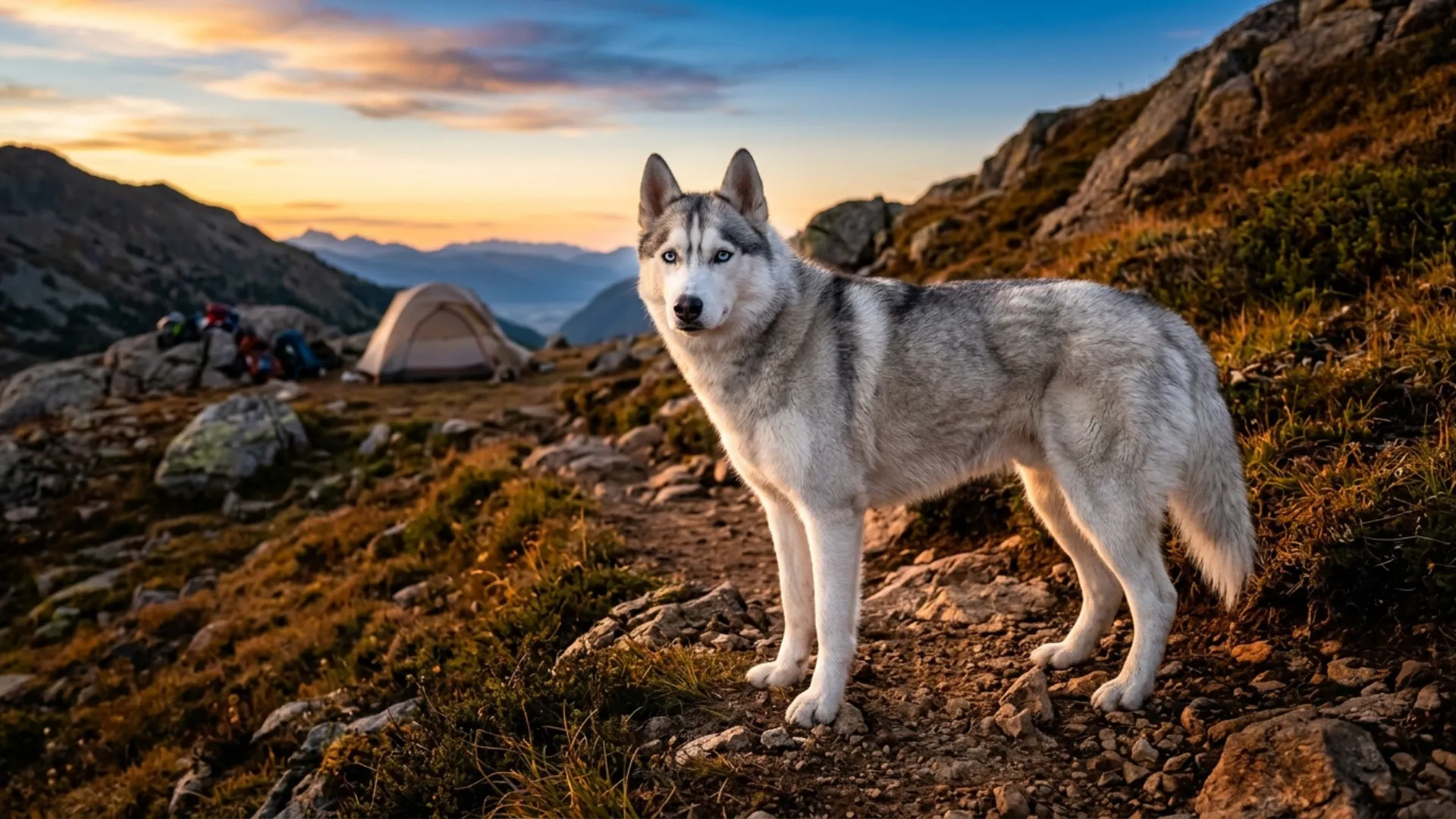
Some dogs see a muddy trail, a steep climb, and a suspiciously wobbly bridge and immediately think, “Best day ever.” These four-legged adventurers would rather investigate pine forests and splash through streams than spend the entire weekend supervising the sofa.
For active owners, the right canine companion can transform an ordinary camping trip into a seriously memorable outdoor mission.
However, a dog does not become an ultrarunner simply because its breed has an athletic reputation. Age, joint health, body condition, training, temperature tolerance, and individual personality all determine how safely a dog can handle distance, elevation, and rough terrain.
Let’s talk about the best dog breeds for camping and trail running.
Hardy Dog Breeds Built for Camping and Trail Running
1. Labrador Retriever
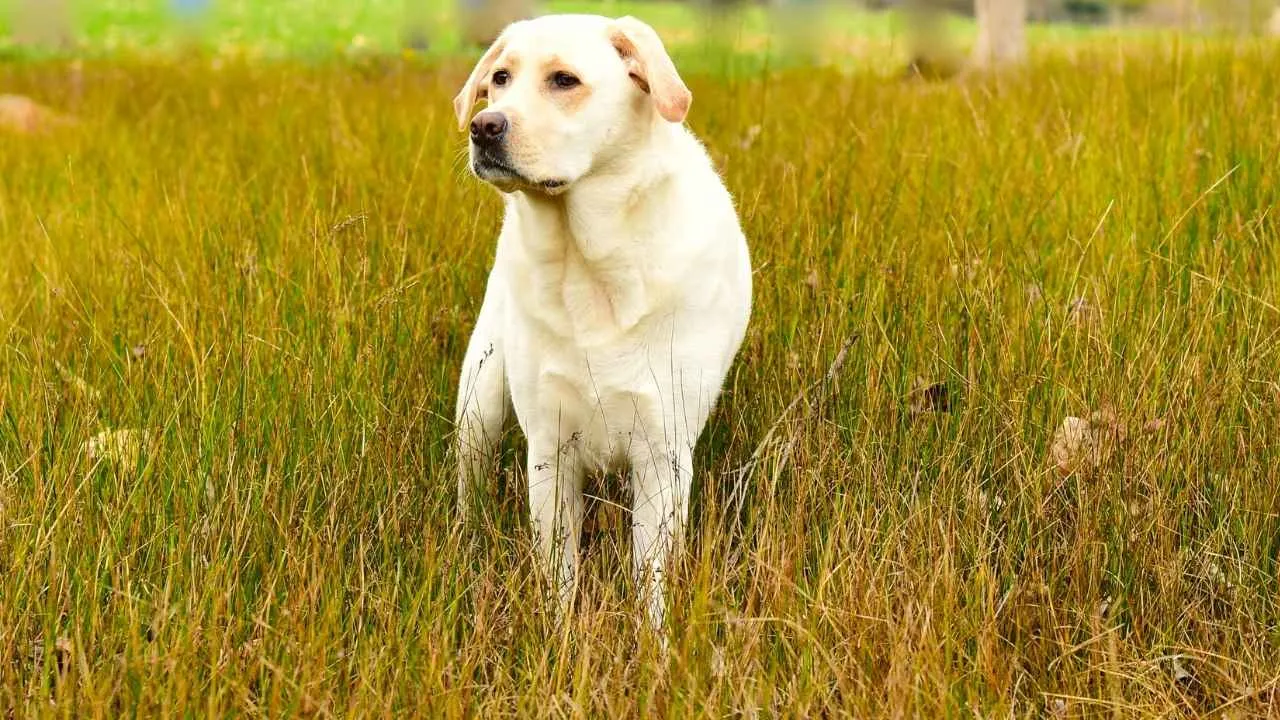
Labrador Retrievers bring cheerful chaos to the outdoors in the best possible way. The American Kennel Club describes them as active, friendly, and outgoing. Their sturdy build and enthusiastic working background help explain why a healthy, conditioned Lab can become such a capable hiking and camping companion.
Water is where many Labradors unlock their full main-character energy. Their retriever heritage makes streams, lakes, and safe swimming spots incredibly tempting, so a waterproof lead and solid recall are valuable around campsites.
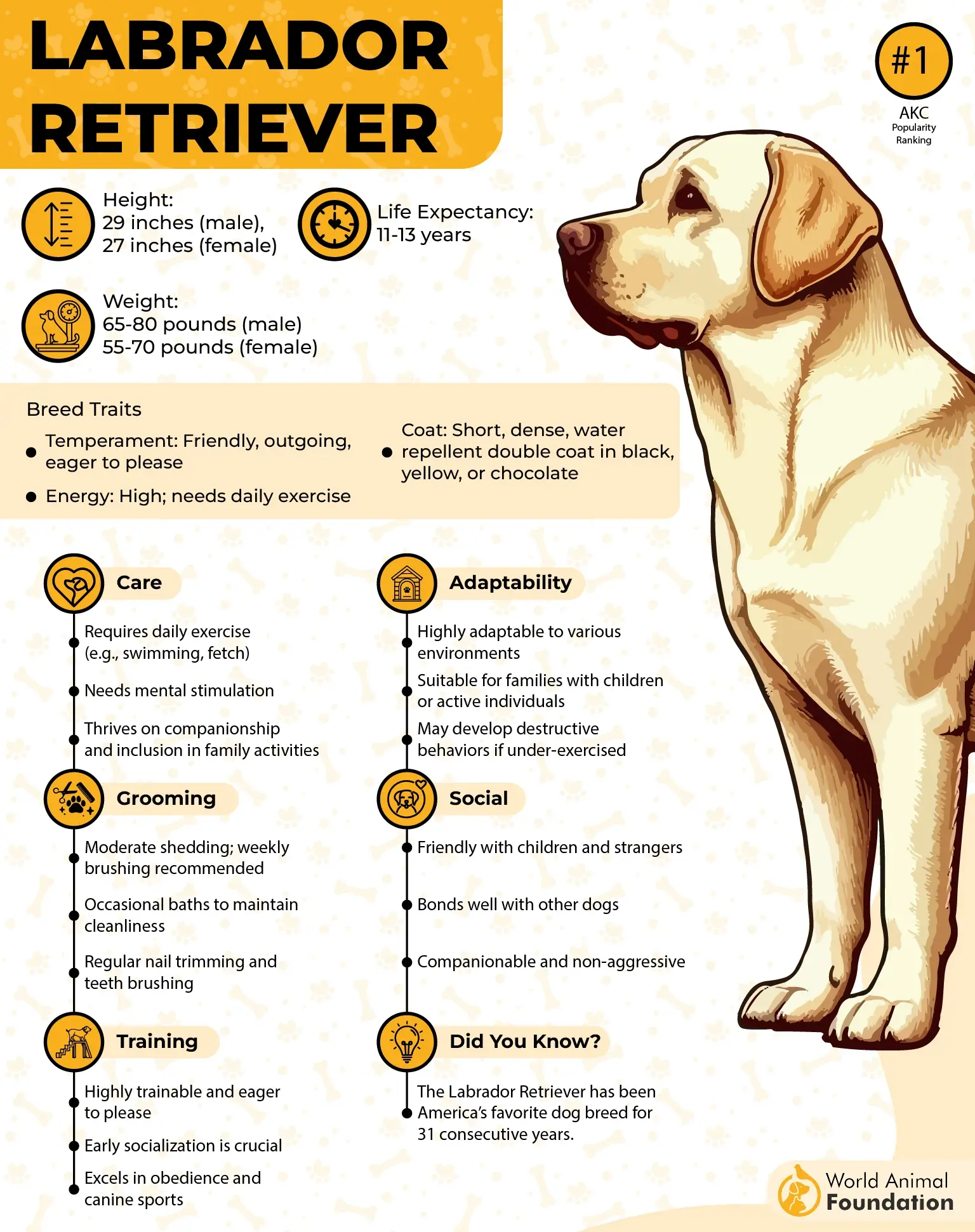
A Labrador’s sociable nature can make busy campgrounds easier because many individuals enjoy meeting new people and participating in family activities. That friendliness does not replace training, though, especially when food, wildlife, neighbouring tents, and unfamiliar dogs are everywhere.
Their willingness to keep moving can occasionally hide fatigue, so responsible owners need to schedule water stops and monitor breathing, gait, and paw condition.
Early-morning or evening outings are the smarter choice, as per VCA Animal Hospitals, in hot weather because even fit dogs can overheat during strenuous exercise.
What Makes Them Remarkable
Their combination of strength, trainability, and enthusiasm works brilliantly for mixed adventures involving trails, swimming, and family camping.
Few breeds can make a rainy, muddy weekend look quite so much like a luxury holiday.
2. Siberian Husky
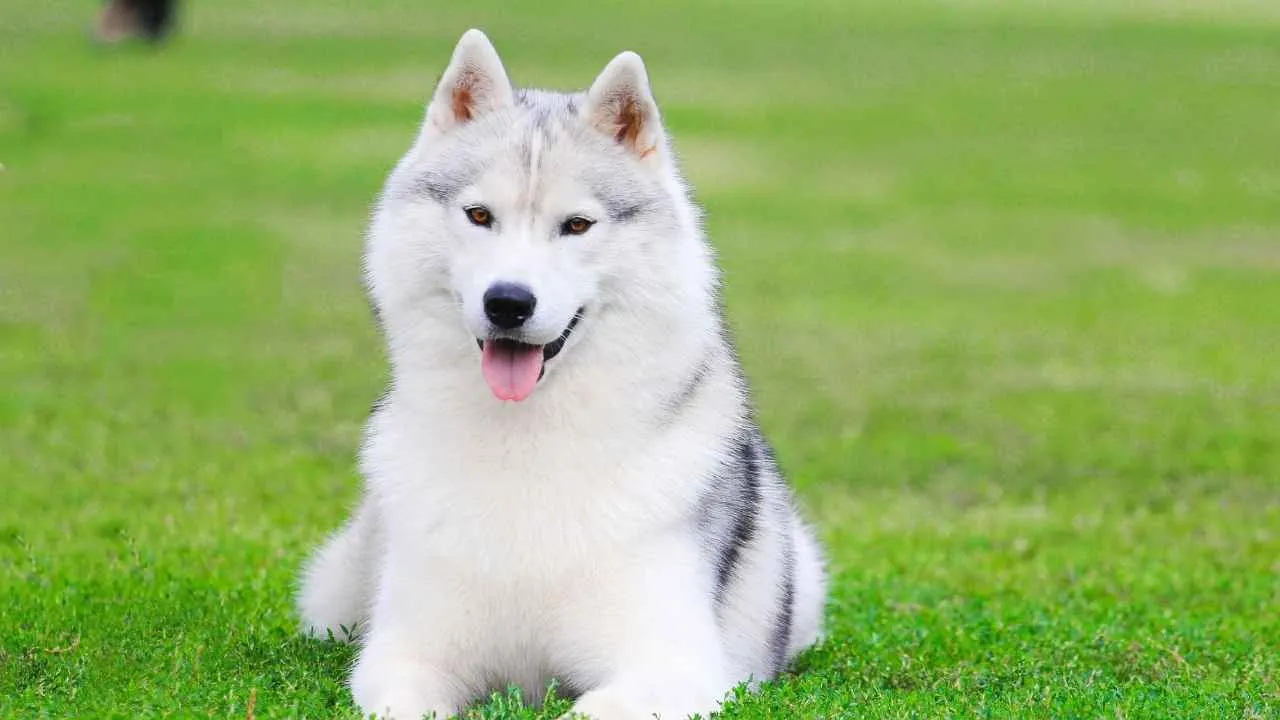
The Siberian Husky is basically winter adventure compressed into one dramatic, highly vocal dog. The breed was developed to work in teams, pulling relatively light loads at moderate speeds across enormous frozen distances.
Cool-weather trail running is where a properly conditioned Husky can look ridiculously comfortable. Its dense double coat offers valuable protection in cold conditions, while its efficient movement suits sustained activity over manageable terrain.
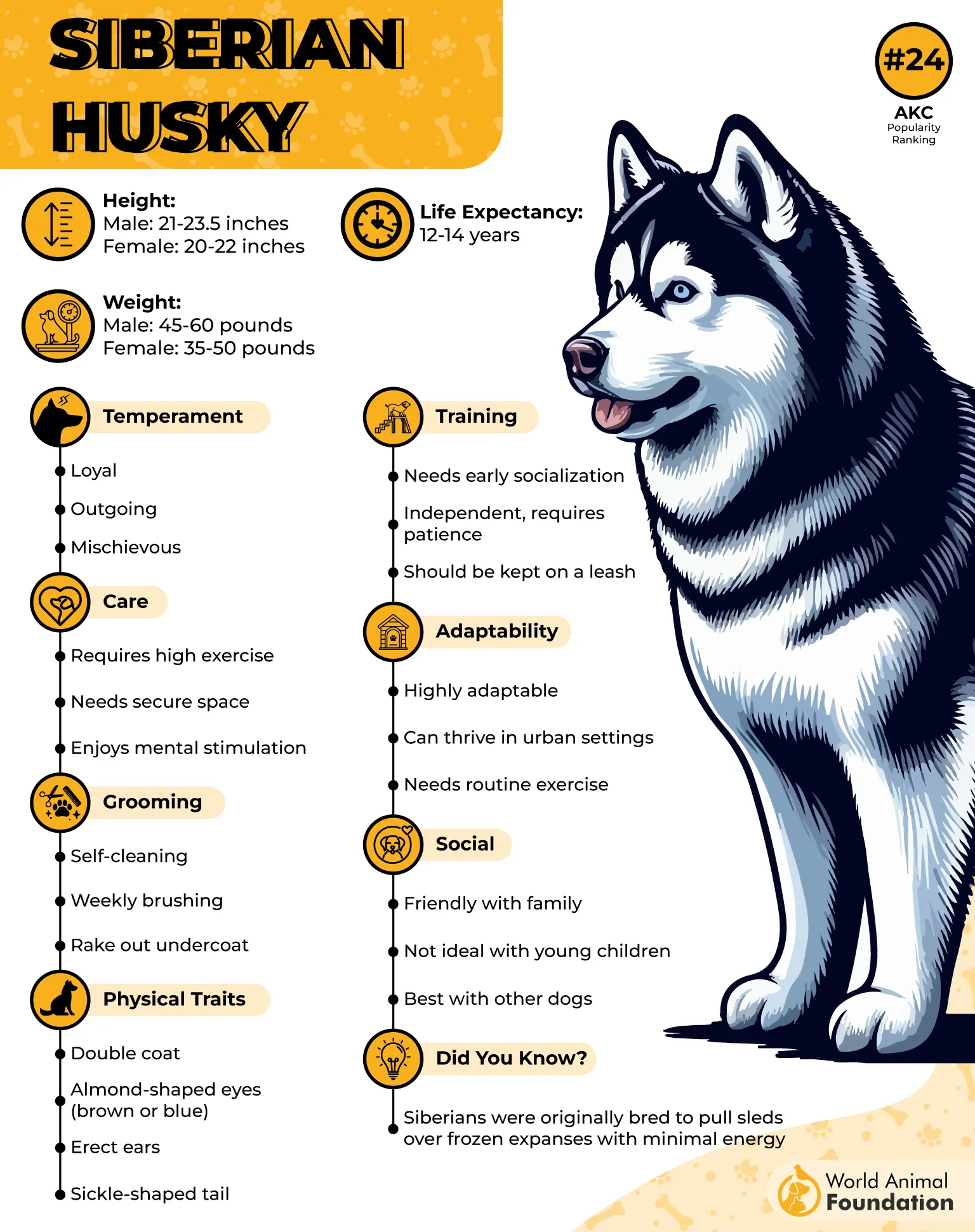
Warm-weather adventures demand a completely different strategy. Huskies are not invincible simply because they are athletic, and their heavy coat makes careful heat management essential when temperatures rise.
Independent thinking is part of the Husky package, meaning blind obedience should never be assumed. A distant squirrel, deer, or mysterious scent can suddenly become the most important event in the universe, so secure leads and escape-resistant harnesses are usually wise.
What Makes Them Remarkable
Generations of controlled, team-based travel across frozen landscapes shaped their endurance.
Deep snow and crisp air can reveal an athletic smoothness that warmer-weather walkers rarely get to witness.
3. Rhodesian Ridgeback
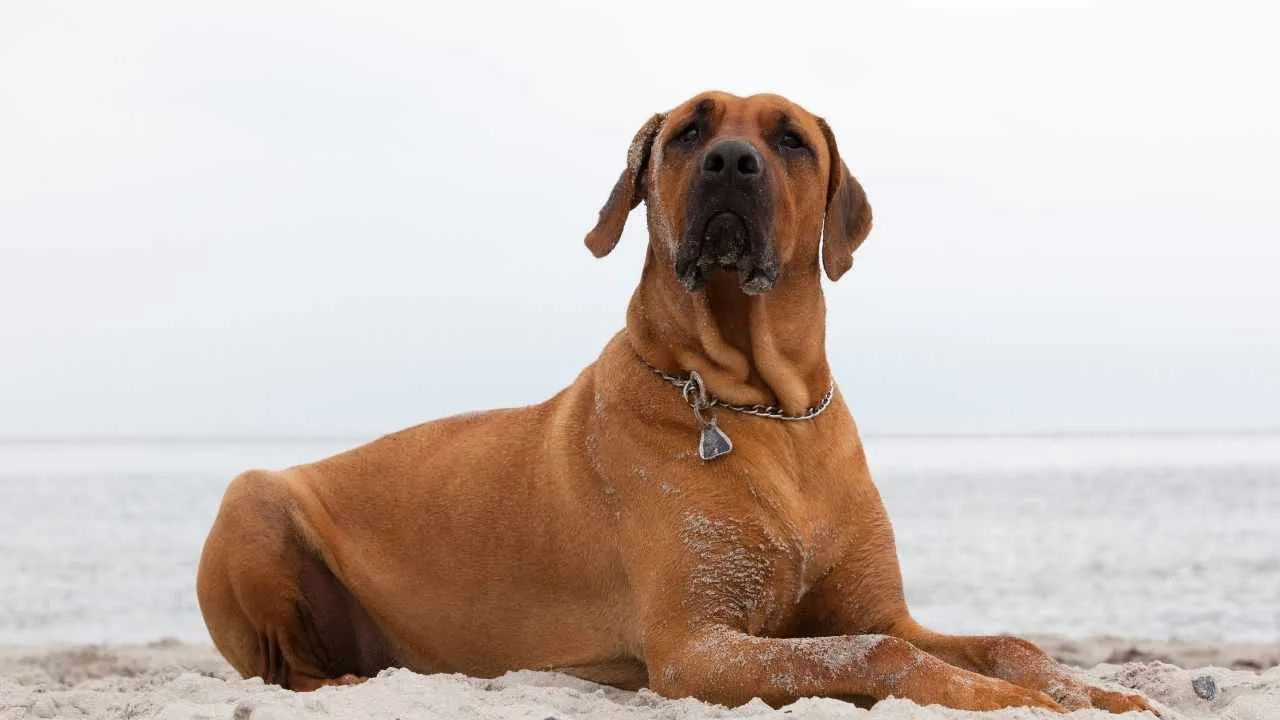
Rhodesian Ridgebacks have the sleek build and calm confidence of dogs that know they do not need to prove anything. Omlet characterizes the breed as dignified, affectionate, and even-tempered, although individual temperament still depends heavily on breeding, socialization, and proper training.
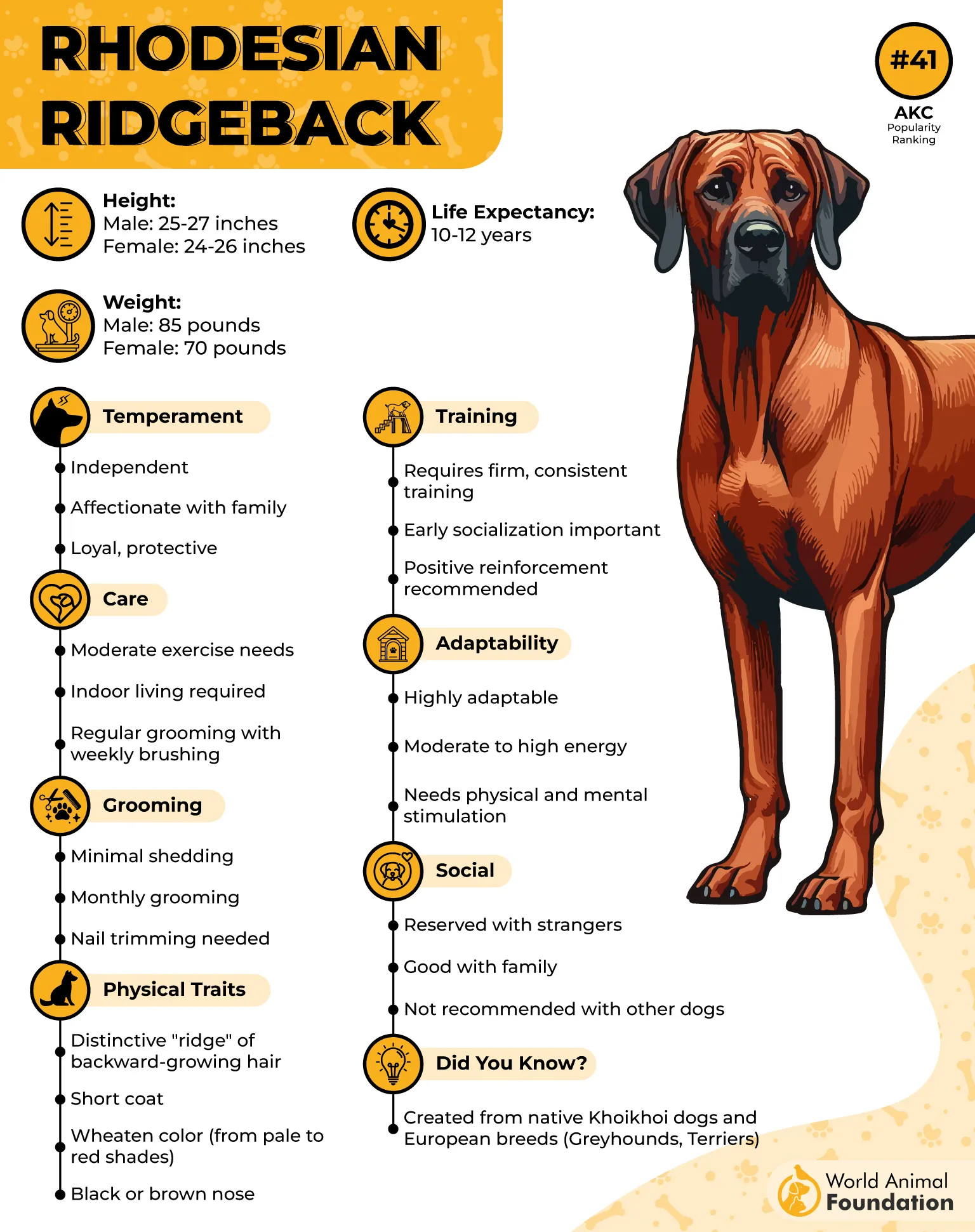
Their athletic frame and historical development in southern Africa make Ridgebacks appealing to distance walkers and runners. These adventurous dogs are often more economical and measured than dogs that explode down the first mile as though the finish line contains unlimited snacks.
That composed exterior should not be confused with guaranteed off-lead reliability. Ridgebacks are hounds with an independent streak and may become intensely interested in moving animals, so recall training must be treated as a serious long-term project.
Their short coat is convenient after dusty or muddy adventures, but limited coat insulation means these hiking adventures may need extra warmth during cold nights, wet weather, or exposed mountain stops.
What Makes Them Remarkable
Their long-legged, balanced movement lends itself to controlled distance rather than frantic stop-start exercise.
A quiet, observant Ridgeback can make camp feel protected without turning every falling leaf into a national emergency.
4. Vizsla
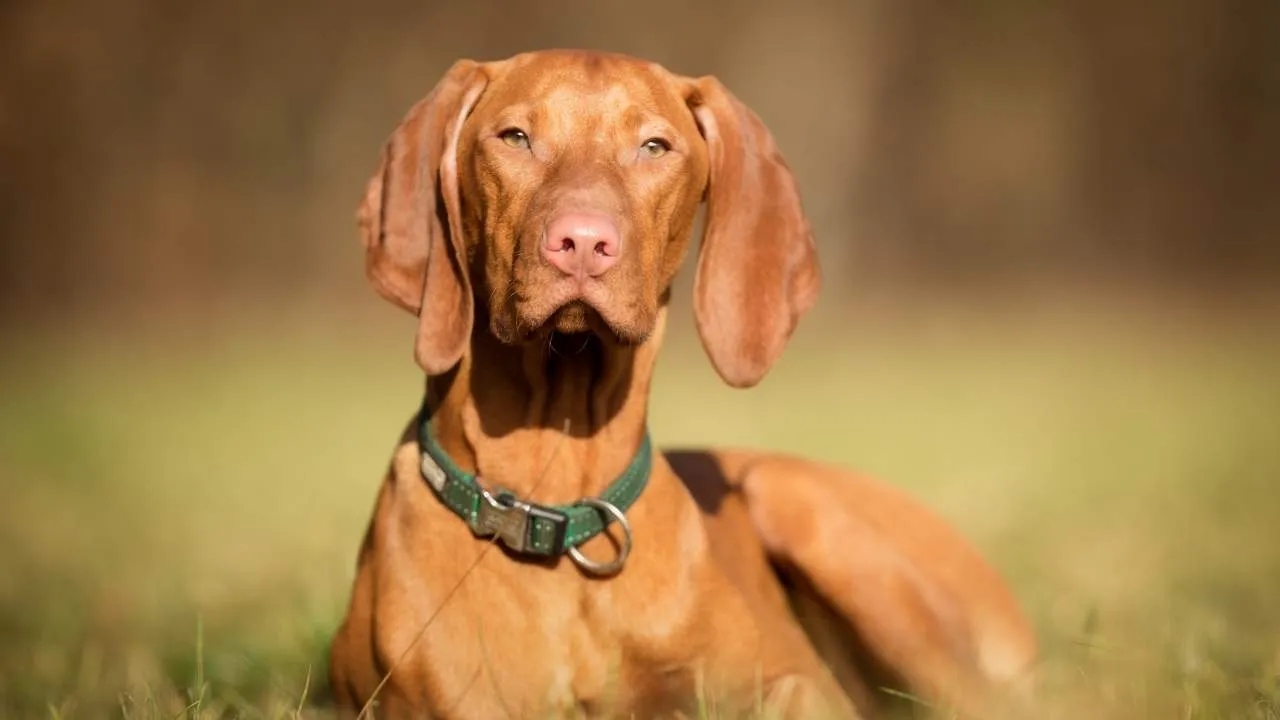
The Vizsla is often nicknamed a “Velcro dog,” and one camping weekend will quickly explain why. These affectionate sporting dogs tend to remain closely connected to their people, whether everyone is climbing a ridge or attempting to fit inside one small tent.
A healthy adult Vizsla can be a superb trail-running partner because the breed combines speed, endurance, and responsiveness.
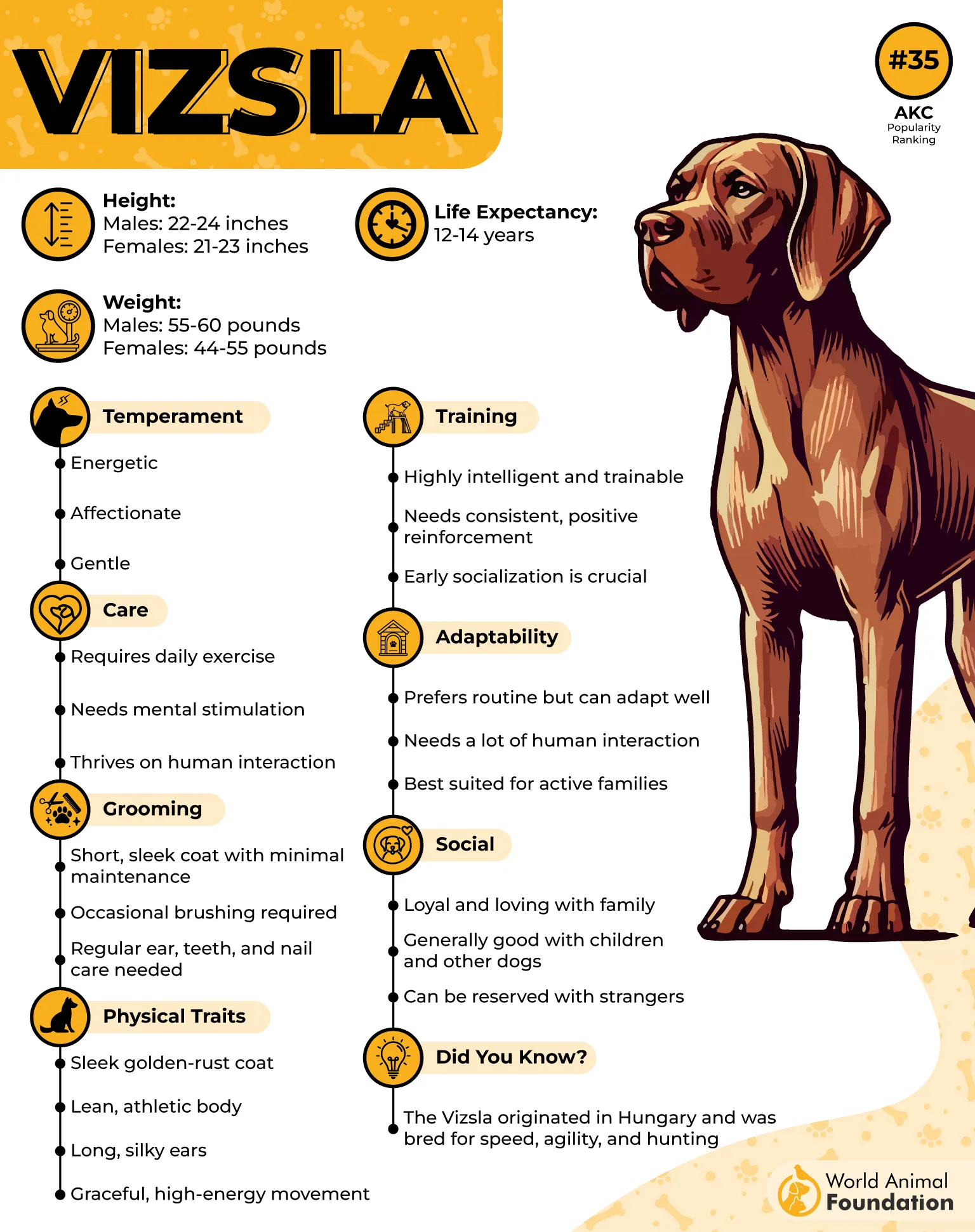
These hiking dogs generally want to participate in the plan rather than observe it from a distant patch of grass. Clear cues for pace changes, passing hikers, stopping at junctions, and ignoring wildlife make that partnership much safer.
The short coat dries quickly and requires minimal post-trail detangling, but it offers limited protection from cold rain and chilly nights.
What Makes Them Remarkable
The endurance and humility can create an unusually connected running partnership.
They travel light naturally, thanks to a streamlined frame and simple, quick-drying coat.
5. Border Collie
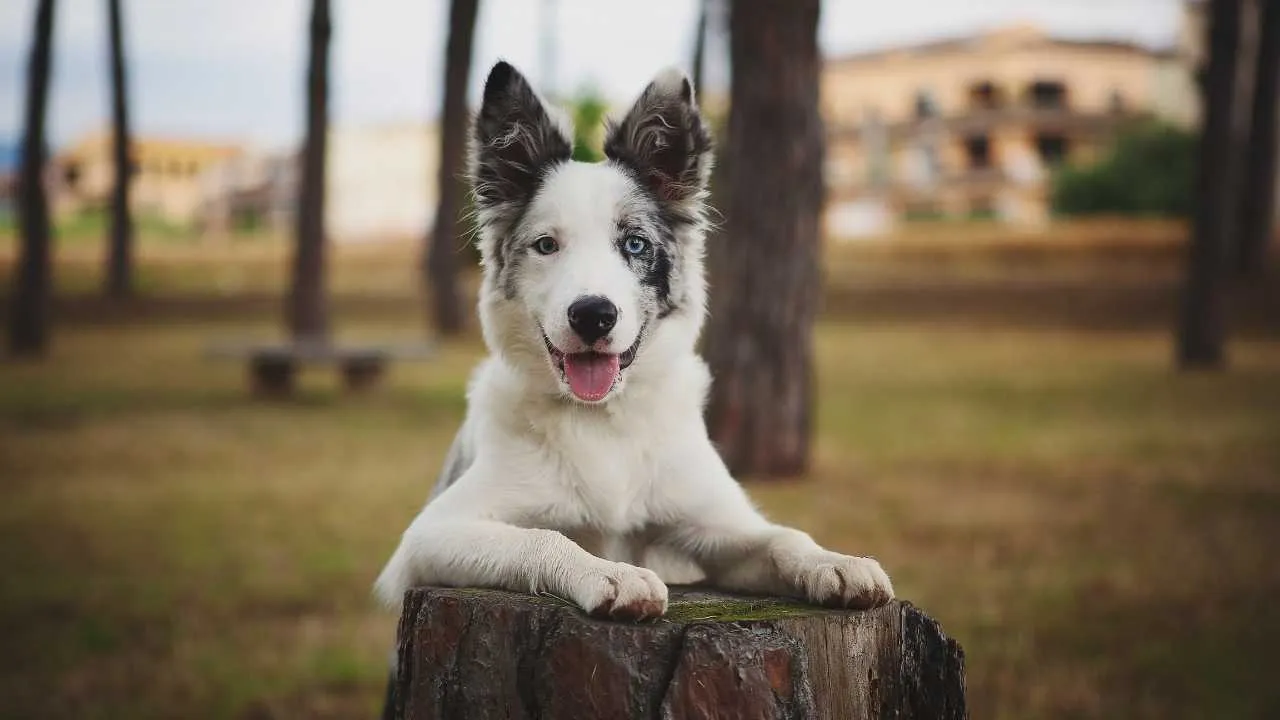
Border Collies bring brains, balance, and approximately seventeen backup plans to every outdoor adventure. Royal Canin describes them as highly intelligent and trainable, with strong records in herding, obedience, and agility.
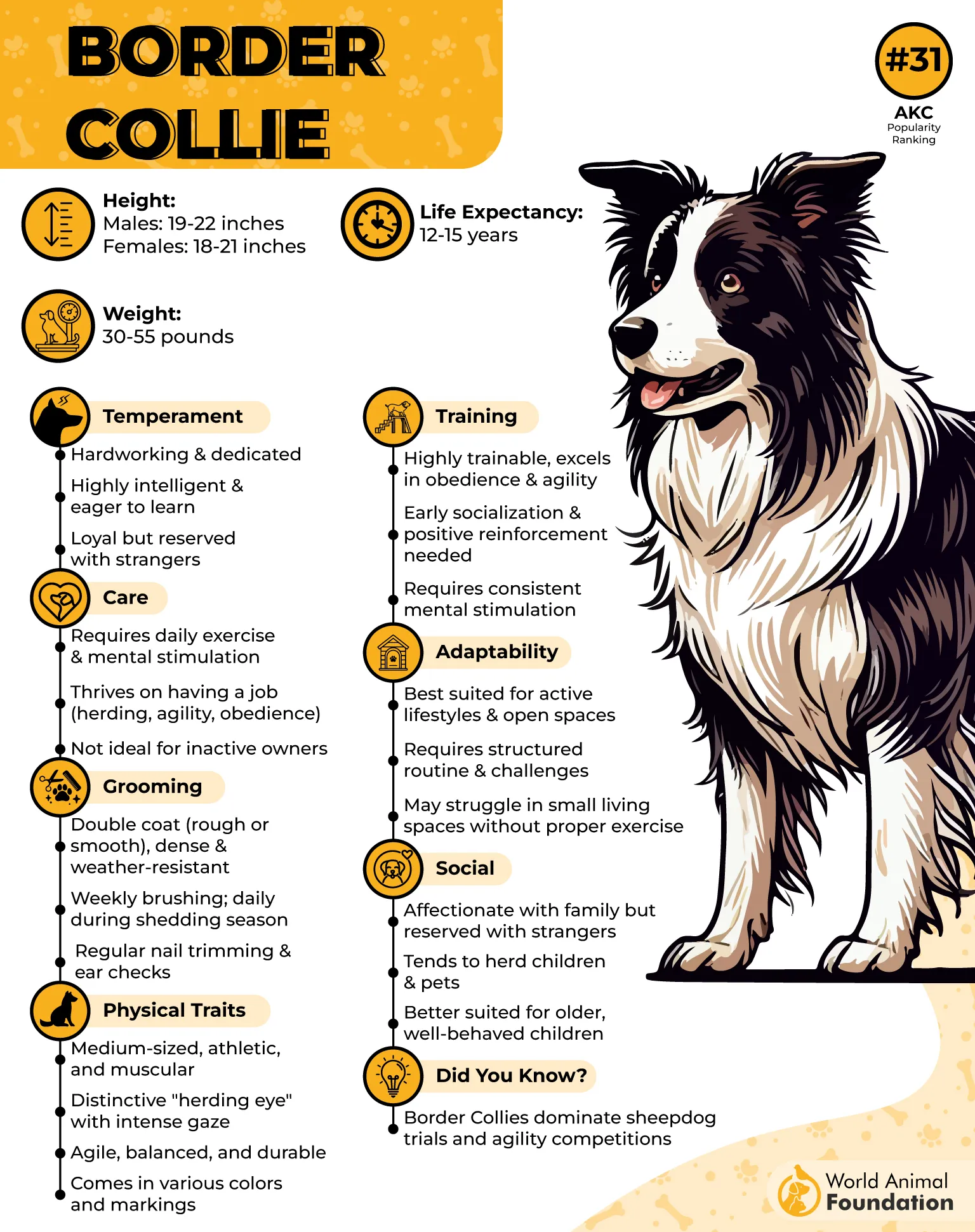
Foot placement is often one of their most impressive qualities in the outdoors. Owners should still slow down on steep descents and unstable ground because athletic dogs can suffer injuries when speed exceeds judgement.
Border Collies may attempt to control movement around them, particularly when cyclists, runners, children, livestock, or other dogs trigger herding instincts.
What Makes Them Remarkable
They do not merely follow a trail; they study it like there will be an exam at the summit.
Complex routes can satisfy their appetite for movement, observation, and constant collaboration.
6. Weimaraner
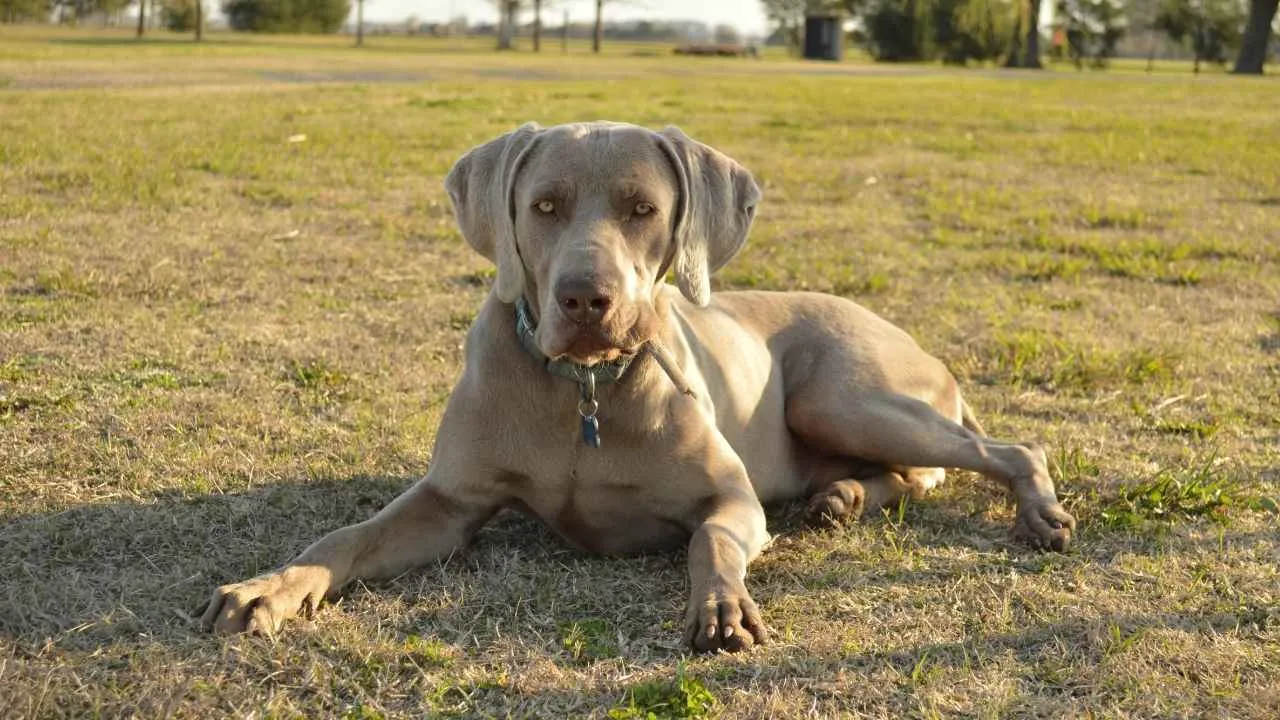
Weimaraners look like silver-coated athletes that somehow wandered out of a campaign and directly onto the trail. They were developed as versatile hunting dogs and possess the energy, speed, and determination expected from an active Sporting Group breed.
This active dog’s long legs and powerful movement can make steady running feel natural once physical maturity and conditioning are in place. Orvis says this high-energy dog may happily tackle a meaningful morning route and then ask whether that was the warm-up.
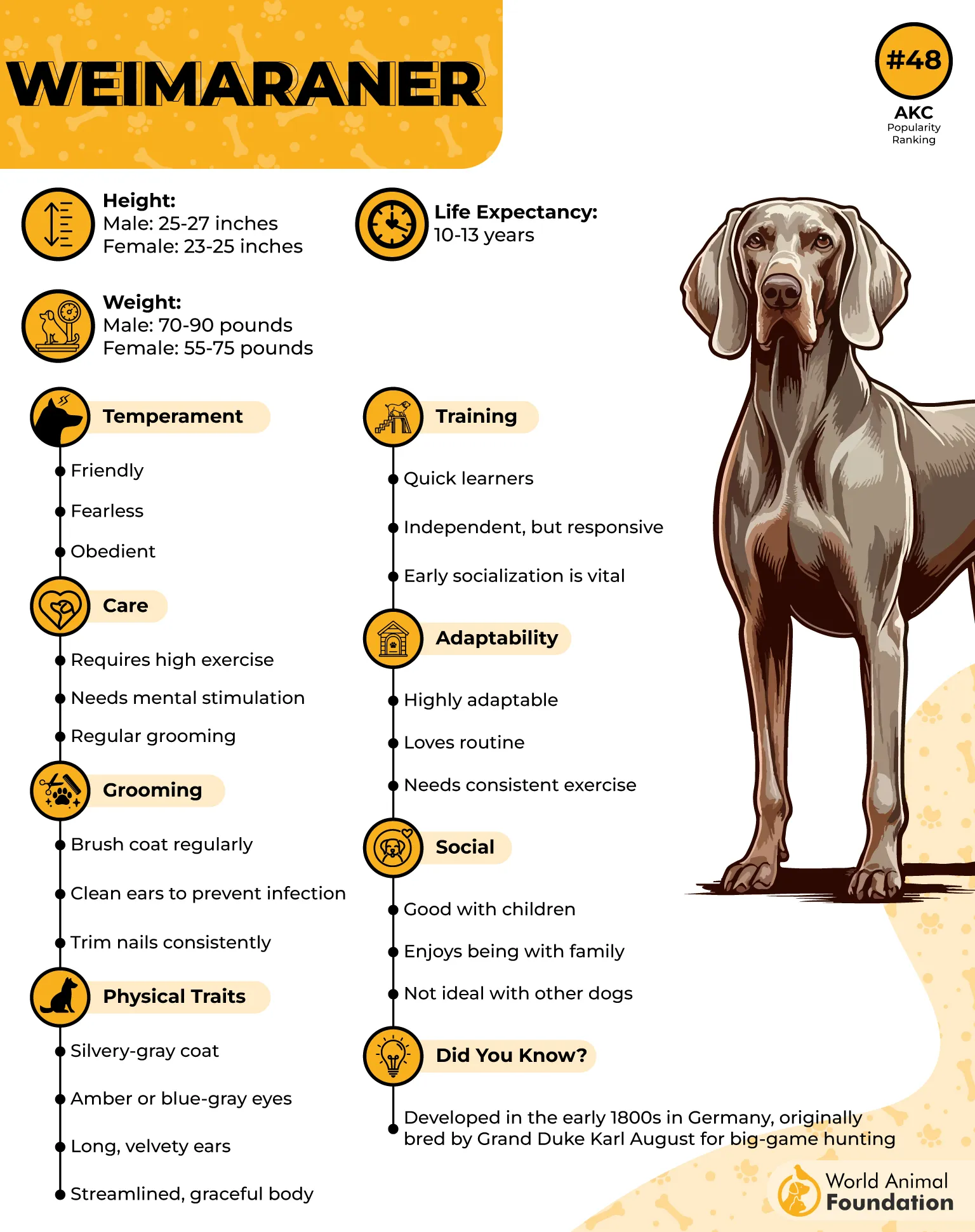
Build mileage patiently, however, because athletic appearance does not eliminate the risk of soft-tissue strain or damaged paws.
Close companionship is a major part of the Weimaraner experience. These perfect companions want to remain involved in whatever their person is doing, which suits campers who prefer sharing the entire trip with their dog.
What Makes Them Remarkable
Their powerful stride can match runners who prefer purposeful mileage rather than leisurely wandering.
A Weimaraner’s devotion often turns outdoor training into a genuine two-member team sport.
7. Treeing Walker Coonhound
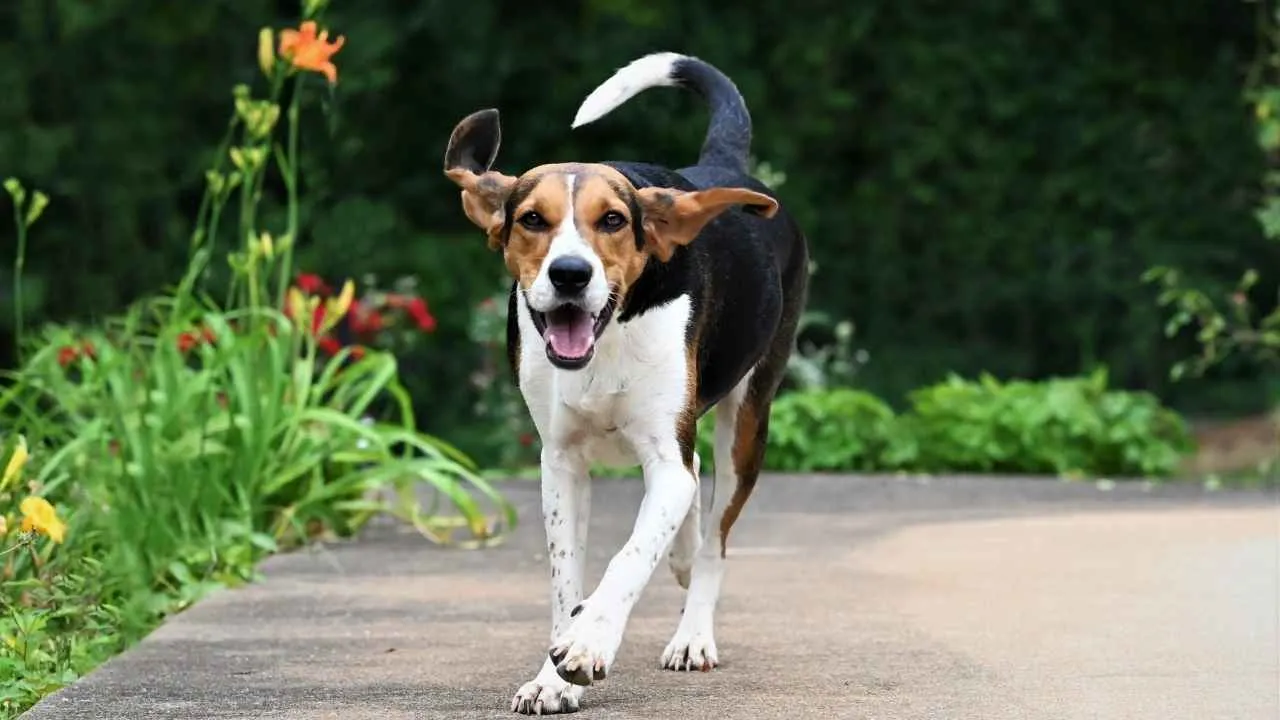
The Treeing Walker Coonhound is the trail detective of this group, complete with powerful scenting ability and a voice that does not believe in indoor volume.
Long woodland outings can provide an incredible sensory experience for a Coonhound. Every leaf, footprint, breeze, and distant animal carries information, meaning a simple path may feel like a breaking-news feed for the nose.
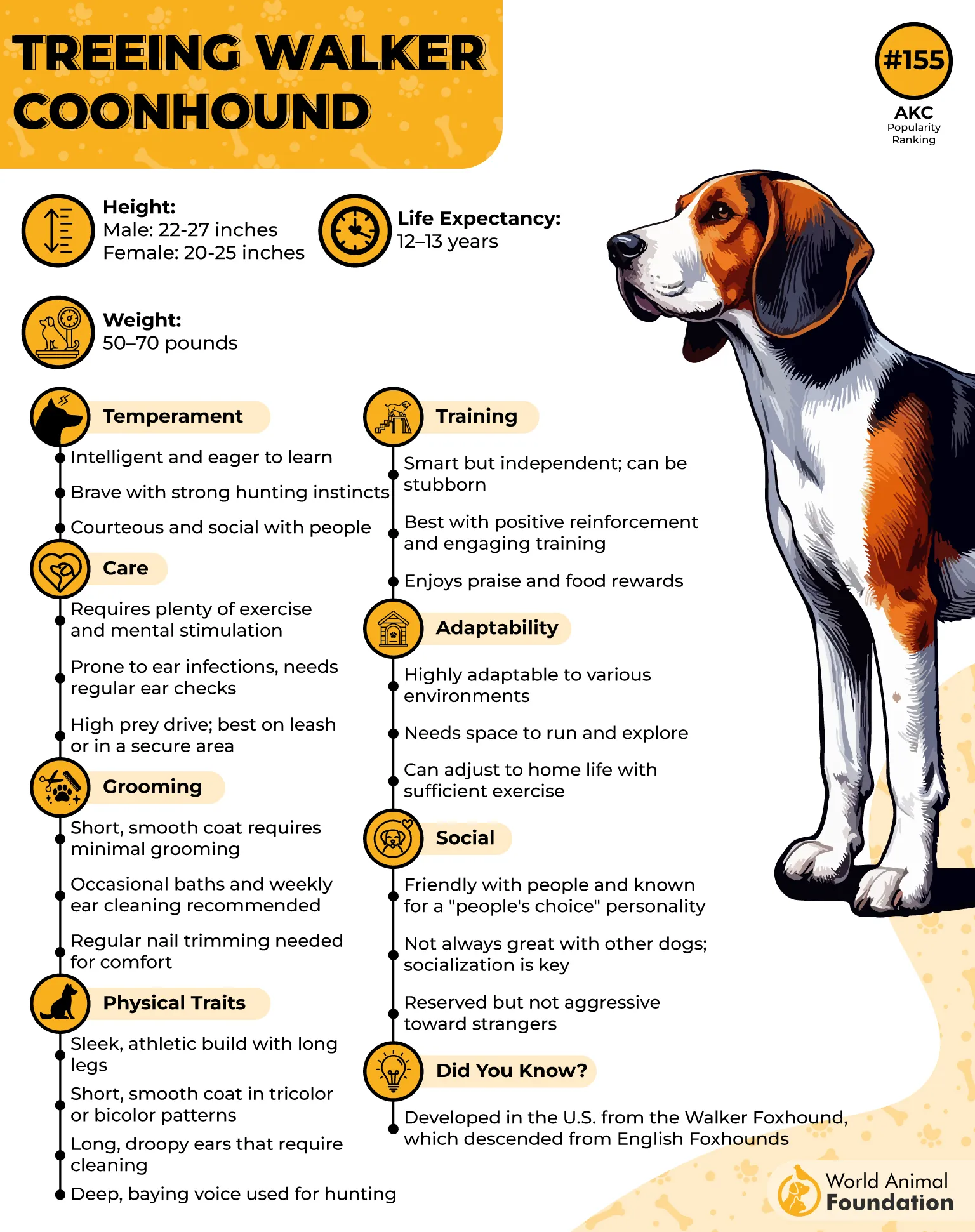
The same nose that makes the breed fascinating can create major recall challenges, claims PetMD. Once a compelling scent trail is discovered, this energetic dog may become less interested in your motivational speech and more interested in solving the case.
These great companions on hikes were bred to pursue game over difficult country, so many possess the toughness and determination needed for substantial outdoor activity. Their short coat is manageable after muddy woodland runs, although it does not provide heavy insulation in cold camps.
What Makes Them Remarkable
Their nose turns an ordinary forest into a living map filled with stories invisible to humans.
Determination developed for fieldwork can support demanding days across natural terrain.
Conclusion
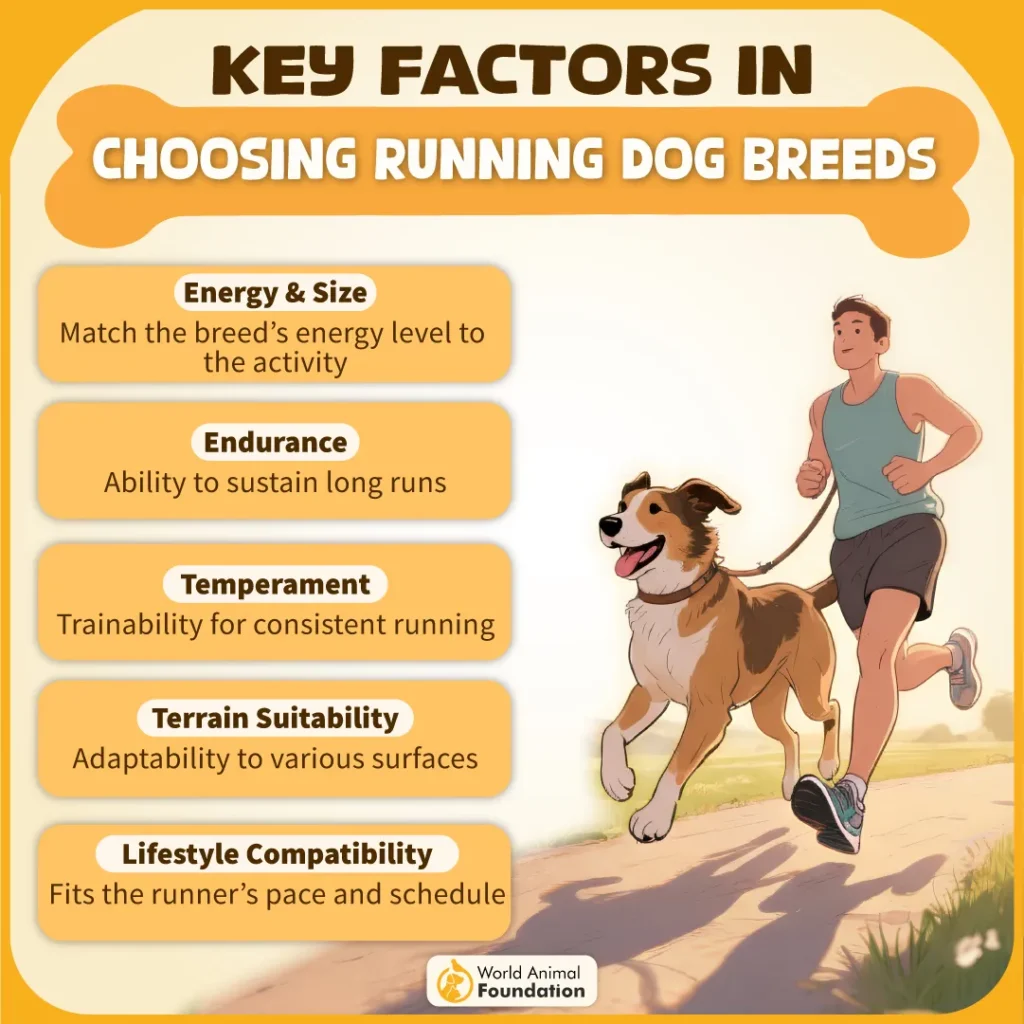
Choosing a camping or trail-running dog is less about finding the breed with the biggest energy rating and more about finding a compatible partner. Lifestyle, climate, training experience, trail access, and the dog’s individual temperament should guide the decision.
Bernese Mountain Dog, Australian Shepherd, Australian Cattle Dog, German Shorthaired Pointer, Portuguese Water Dog, Golden Retriever, Alaskan Malamute, and German Shepherd also turn out to be great hiking partners.
Whatever the breed, endurance must be developed gradually. Start with manageable walks, add distance over time, include recovery days, and watch for changes in breathing, coordination, enthusiasm, or gait.
