




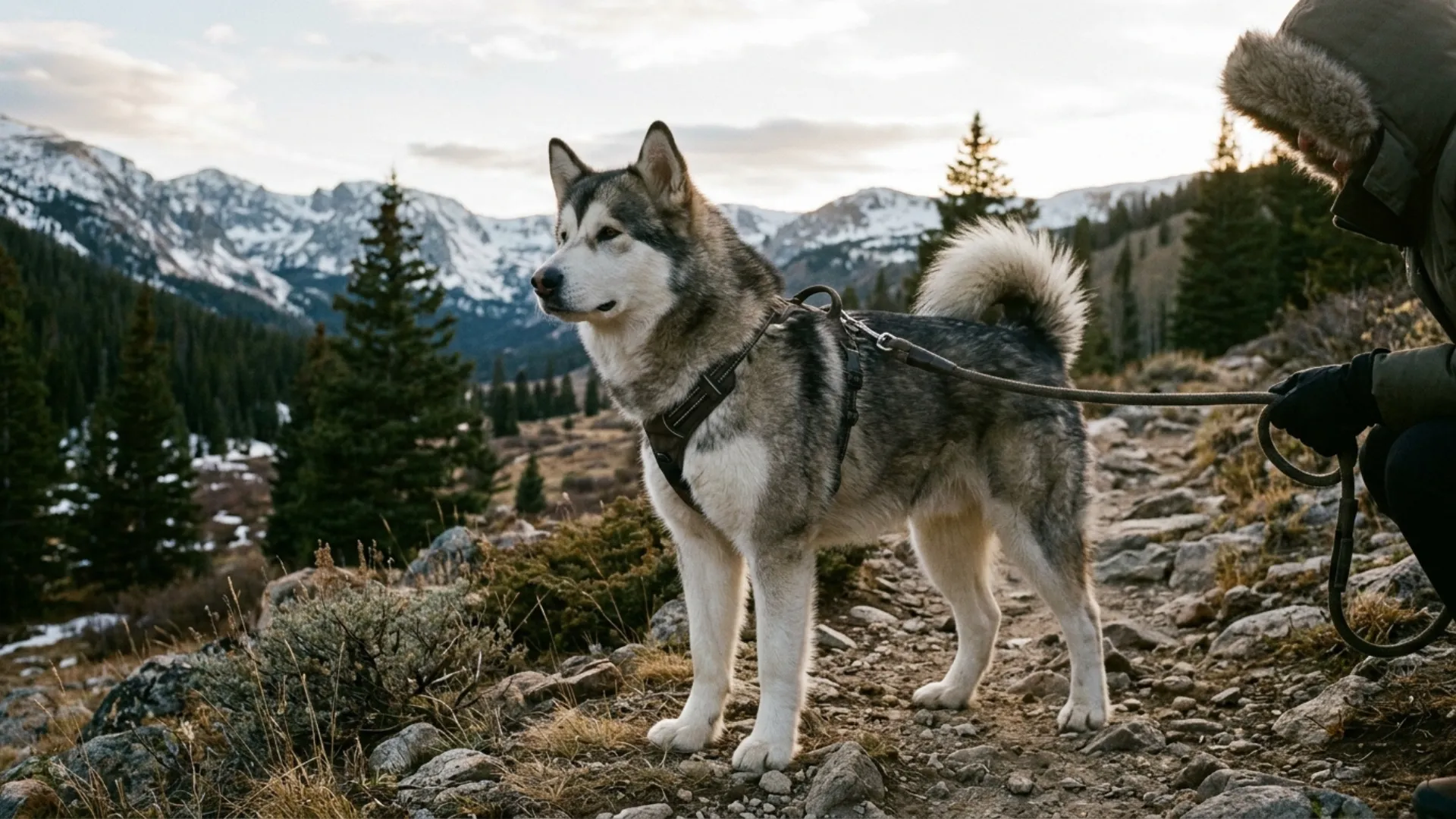
Some dogs enjoy the outdoors for an hour or two before losing interest, slowing down, or struggling with the environment around them. Others seem completely different the moment they step into the wilderness.
Rough terrain, cold air, steep trails, and unpredictable conditions appear to bring out their best qualities instead of pushing them beyond their limits. The difference between those dogs is far greater than most people realize. It is not only about strength or size.
Endurance, focus, adaptability, and natural instincts all shape how well a dog performs far from familiar surroundings. Many breeds may look capable at first glance, but only a smaller group consistently proves itself in demanding outdoor adventures.
Coming up are the hardwearing dog breeds known for thriving during wilderness exploration and handling conditions that would overwhelm less capable companions over time.
Key Takeaways
Rough trails, freezing air, and steep wilderness paths reveal a side of certain dogs that most people never get to see.
Alaskan Malamutes and Siberian Huskies were bred for brutal terrain and freezing conditions, carrying the stamina to keep going long after others slow down.
Bloodhounds and Black and Tan Coonhounds follow scent trails with such determination that entire forests seem to disappear once they lock onto a track.
Hardwearing Dog Breeds That Excel in Wilderness Exploration
1. Alaskan Malamute
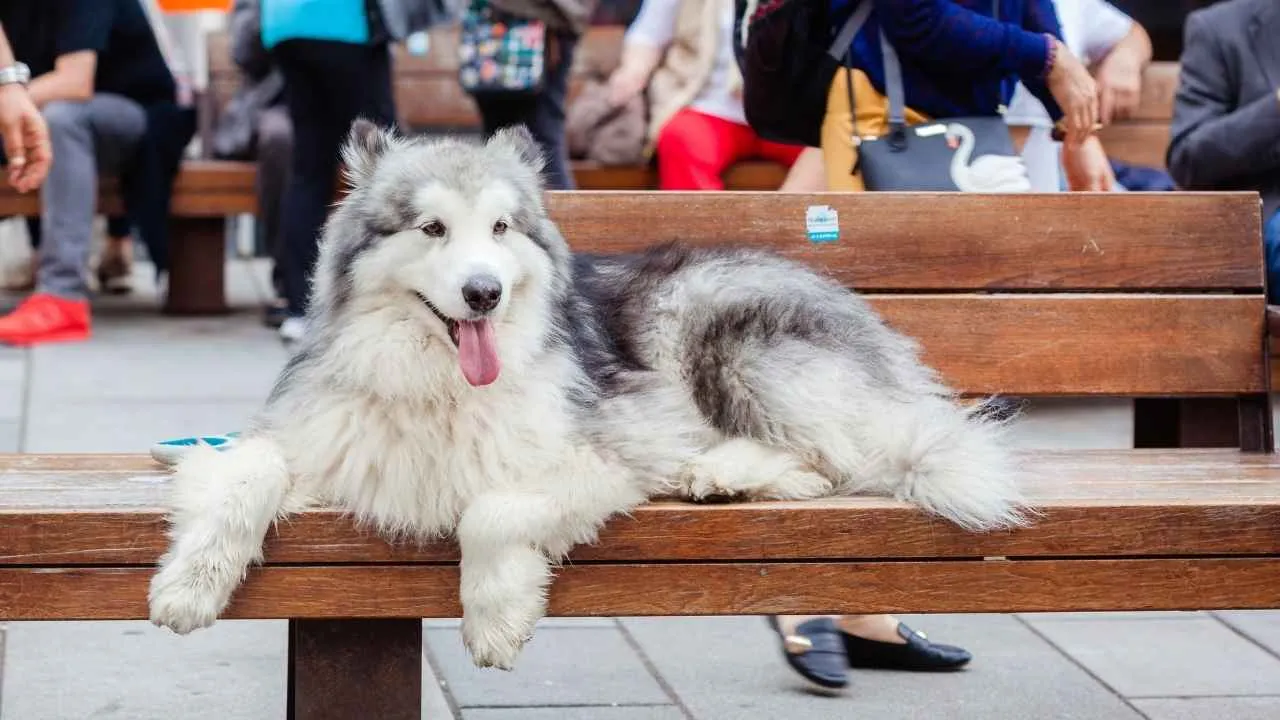
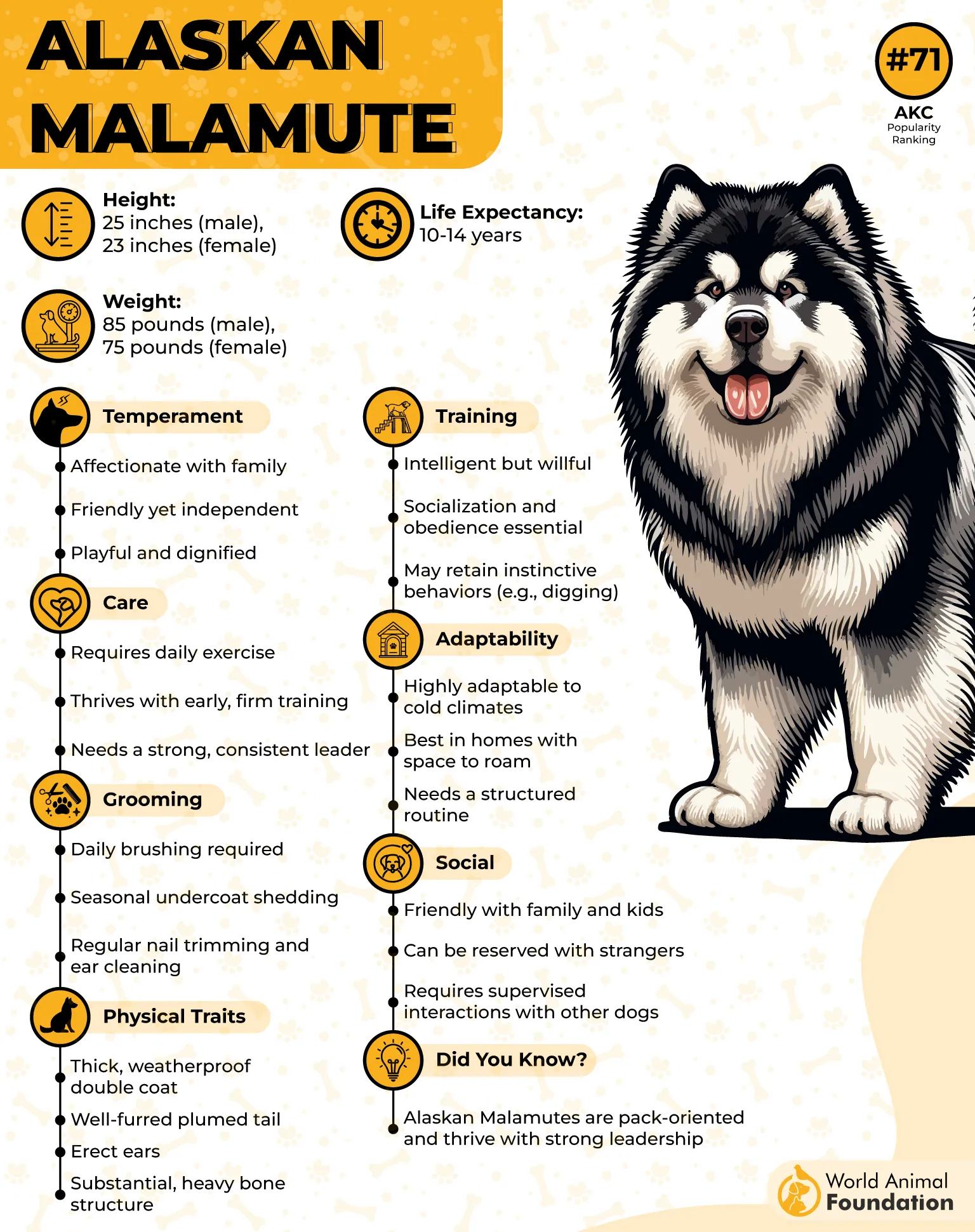
The Alaskan Malamute was originally bred from ancient Arctic sled lines where strength mattered more than speed, shaping a dog built for hauling heavy freight through brutal terrain. The deep chest, thick weatherproof coat, and powerful shoulders reflect a breed created for endurance work.
Built To Endure
Alaskan Malamute approaches outdoor life with the stamina of a true working spitz, equally comfortable pulling weight, hiking rough trails, or powering through snow beside its people.
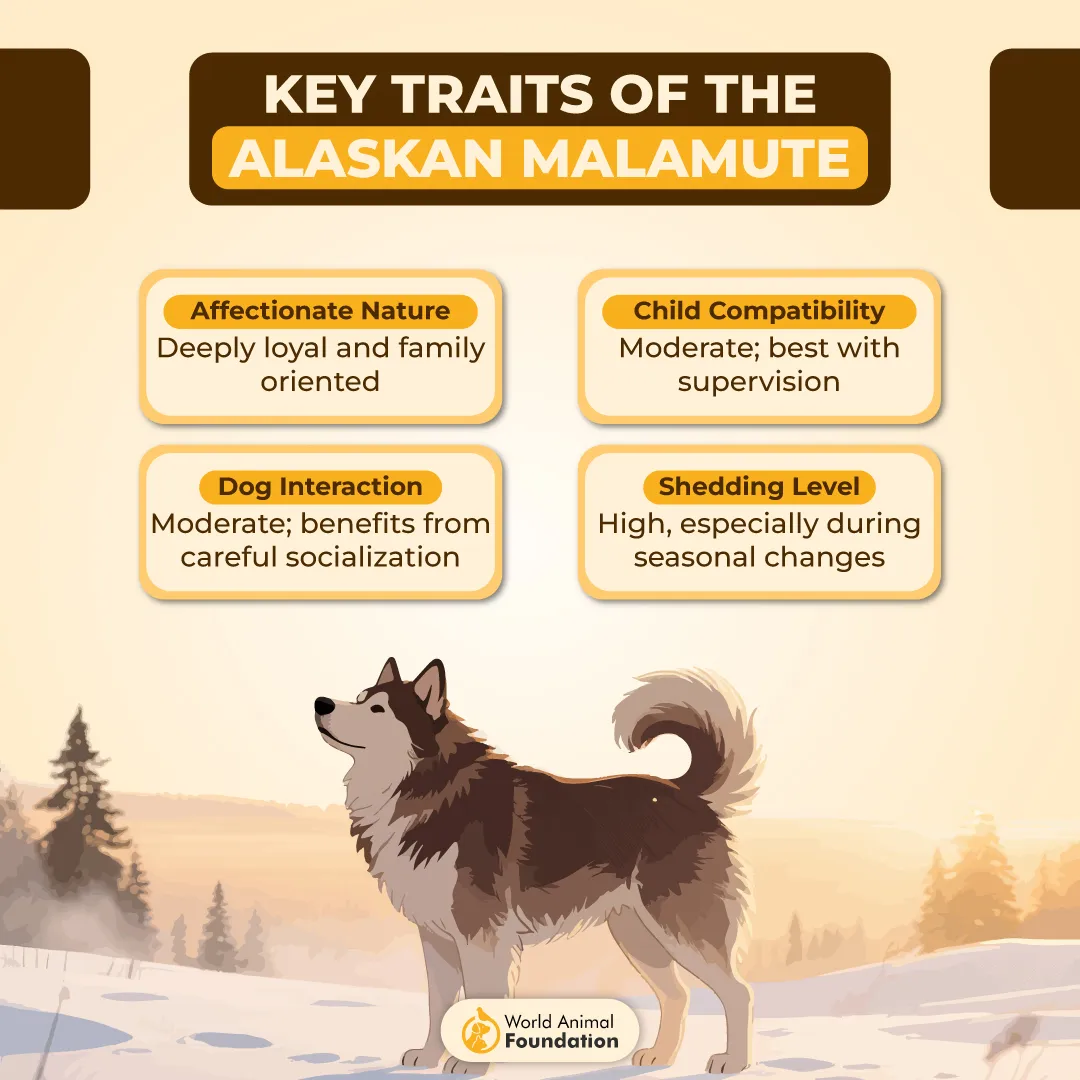
Several details reveal the rugged purpose:
Dense coat suited for freezing climates
Heavy bone built for pulling loads
Strong shoulders supporting endurance work
Energy With Direction
Malamute rarely settles for an inactive routine, preferring demanding tasks that engage both body and focus. As mentioned by the AKC, Backpacking, sledding, swimming, skijoring, and weight-pulling suit the breed’s athletic instincts far better than short daily walks.
2. Siberian Husky
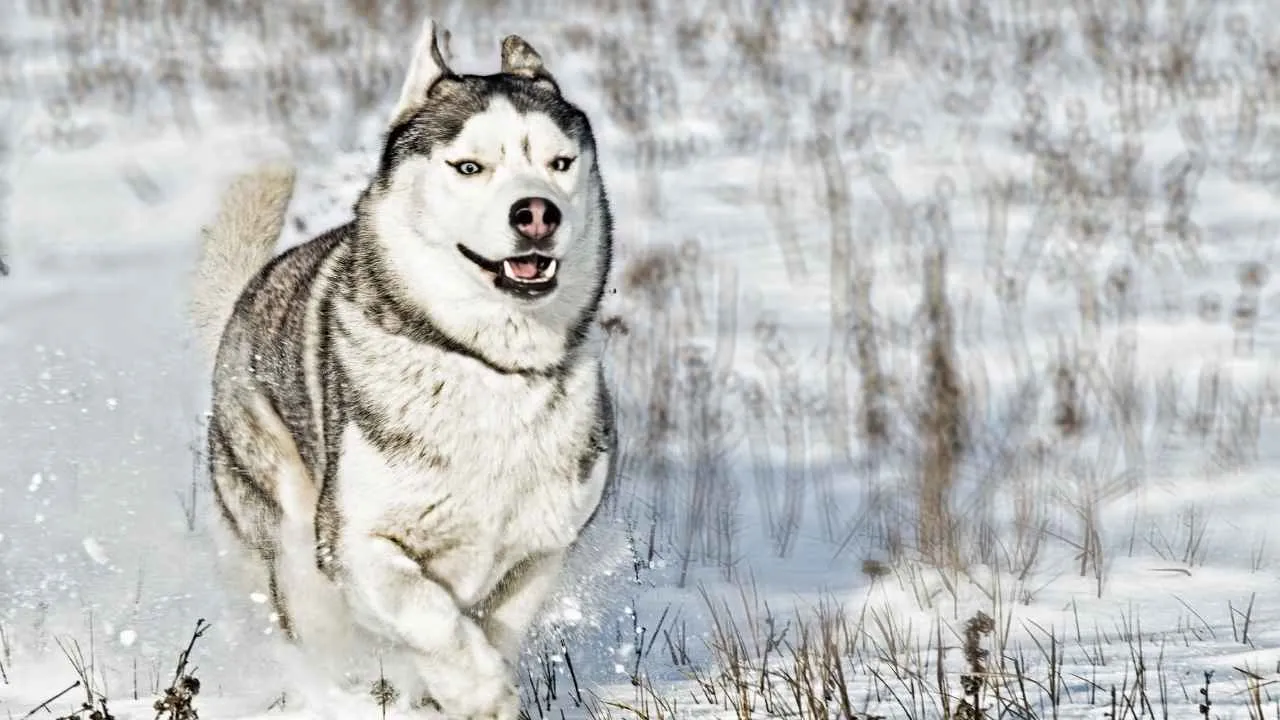
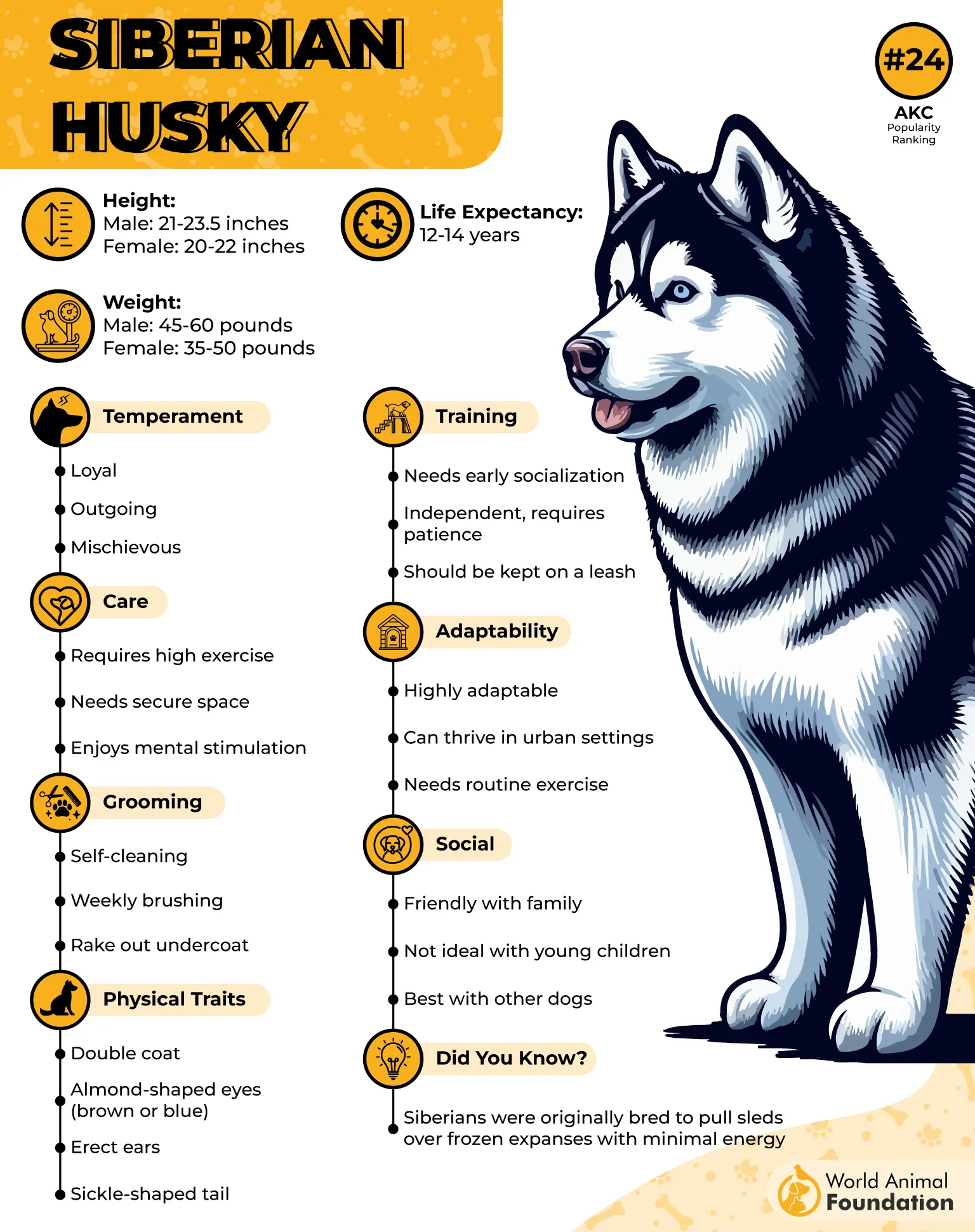
The Siberian Husky arrived in Alaska through Russian fur trader William Goosak, where early skepticism later gave way to admiration for its stamina and resilience.
Its restless nature fits wide outdoor environments better than confined routines. Long stretches of inactivity often lead to frustration and noise-driven behavior.
Energy Tied to Constant Activity
This athletic dog responds best when daily life includes physical tasks, open movement, and mental engagement. Activities that combine speed, coordination, and problem-solving fit naturally into its routine.
That working rhythm appears through familiar outlets:
Pulling sleds across long distances
Responding well to agility tasks
Engaging enthusiastically in running games
Early Structure and Social Exposure
Siberian Huskies react better to guidance introduced early, especially when training remains consistent and varied, as stated by PetMD.
Interaction with different people and animals during puppyhood influences how it handles stimulation later. Its intelligence responds more effectively to engagement than repetitive correction.
3. Great Pyrenees
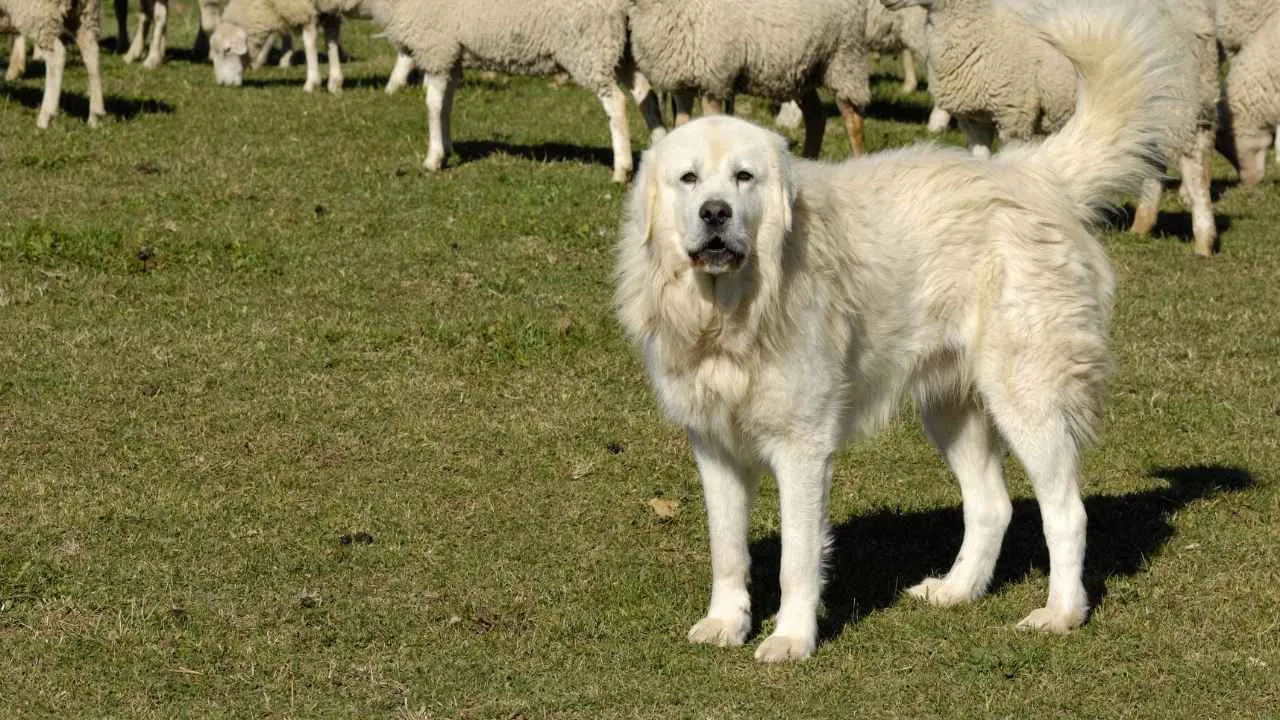
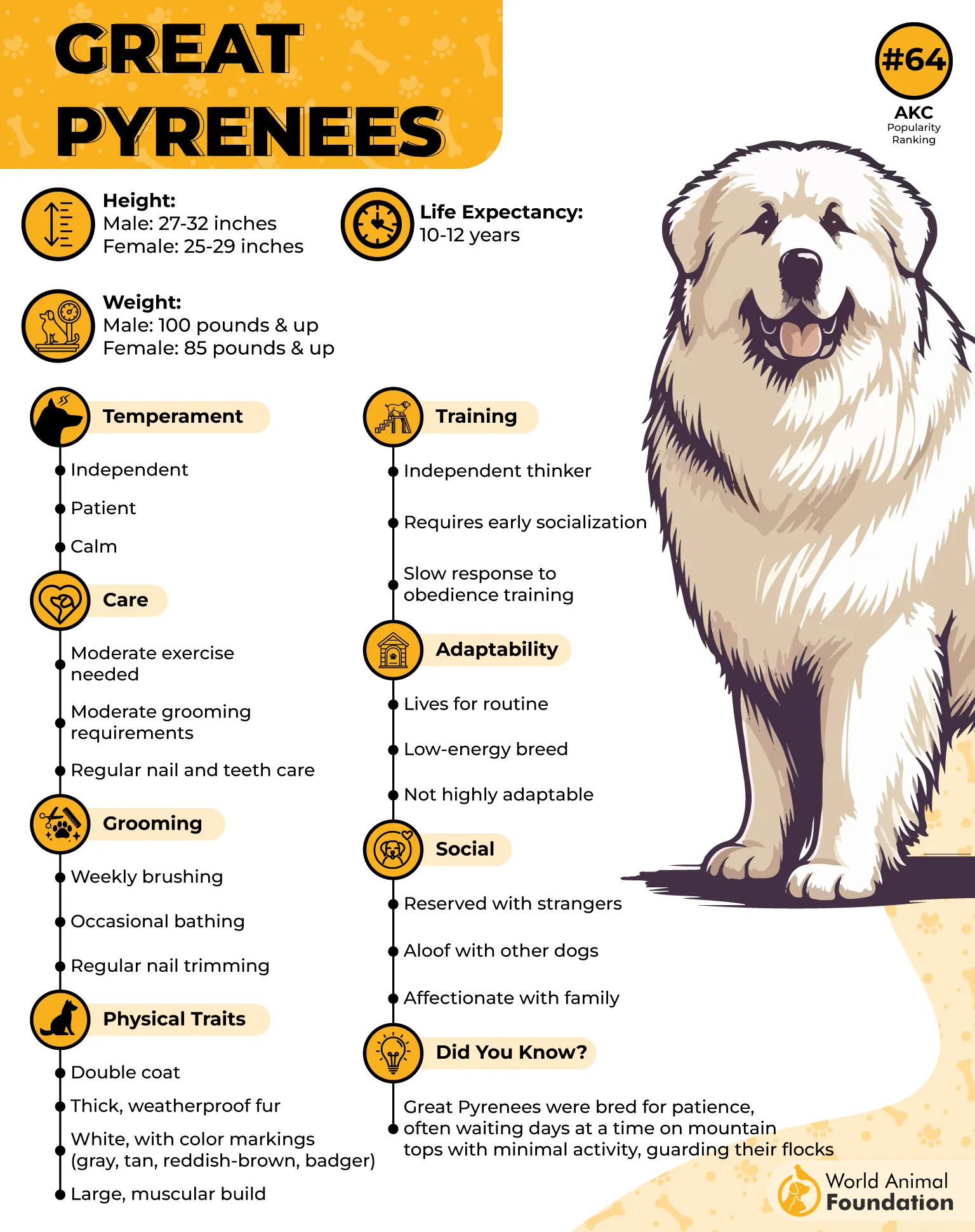
The Great Pyrenees emerged in the snowy Pyrenees Mountains, where its thick white coat blended naturally into frozen landscapes among sheep flocks.
Bears and wolves were part of its working environment, requiring both physical strength and patience. That remote mountain role shaped a dog comfortable with distance and solitude.
Built for Difficult Terrain
This canine companion relies on endurance and controlled energy use rather than constant activity, an approach suited to long hours in open wilderness. Its physical structure supports movement through rugged ground and cold conditions without unnecessary strain.
That mountain utility appears through practical traits:
Dense white coat suited for snow camouflage
Strong frame capable of pulling carts and sleds
Energy conservation during long outdoor patrols
Independence Within Daily Life
They value space and personal judgment, a trait linked to guarding livestock alone across isolated valleys. This independent nature often appears during training, where repetition and patience matter more than force. Quiet downtime tends to suit the breed as much as outdoor exploration.
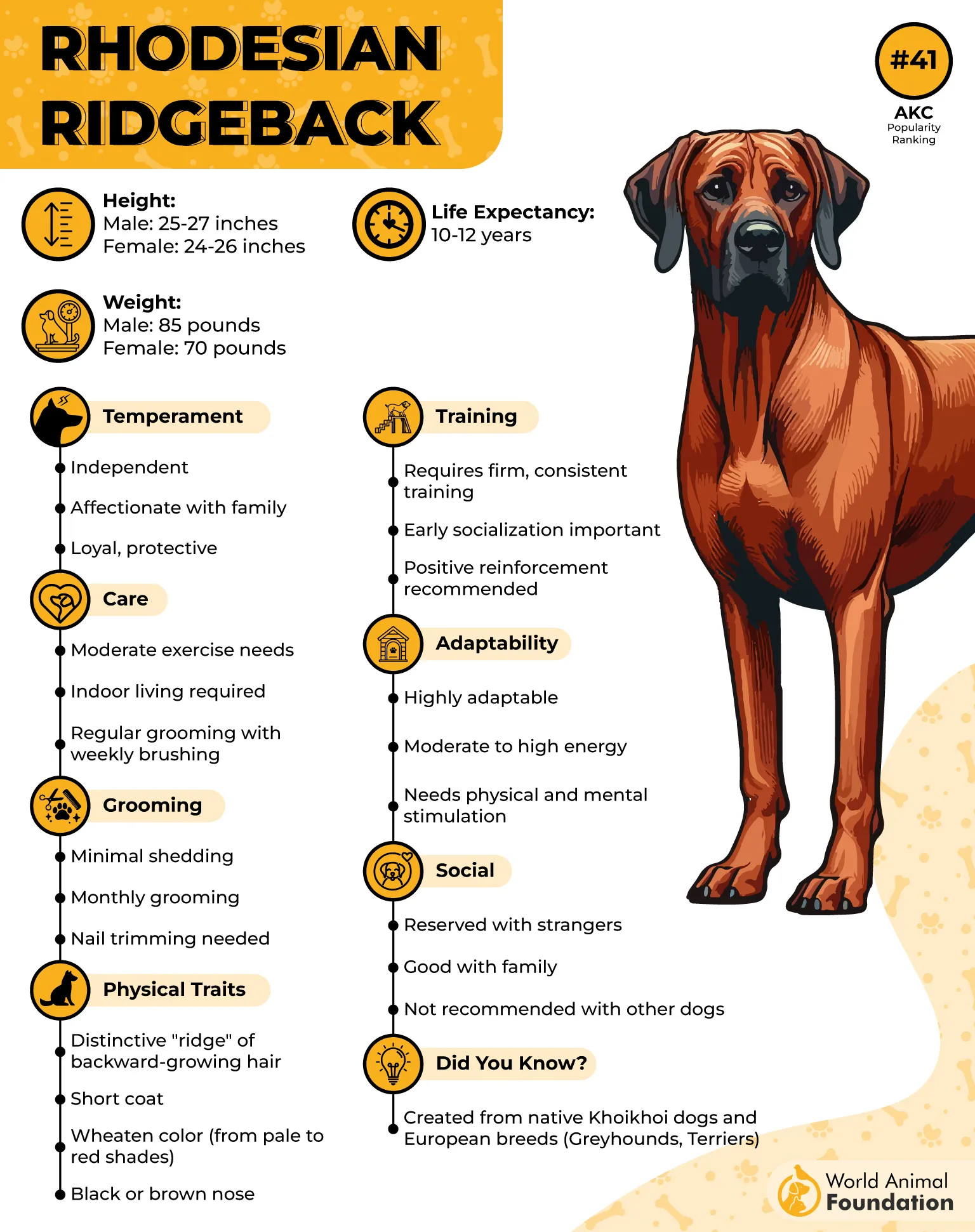
4. Rhodesian Ridgeback
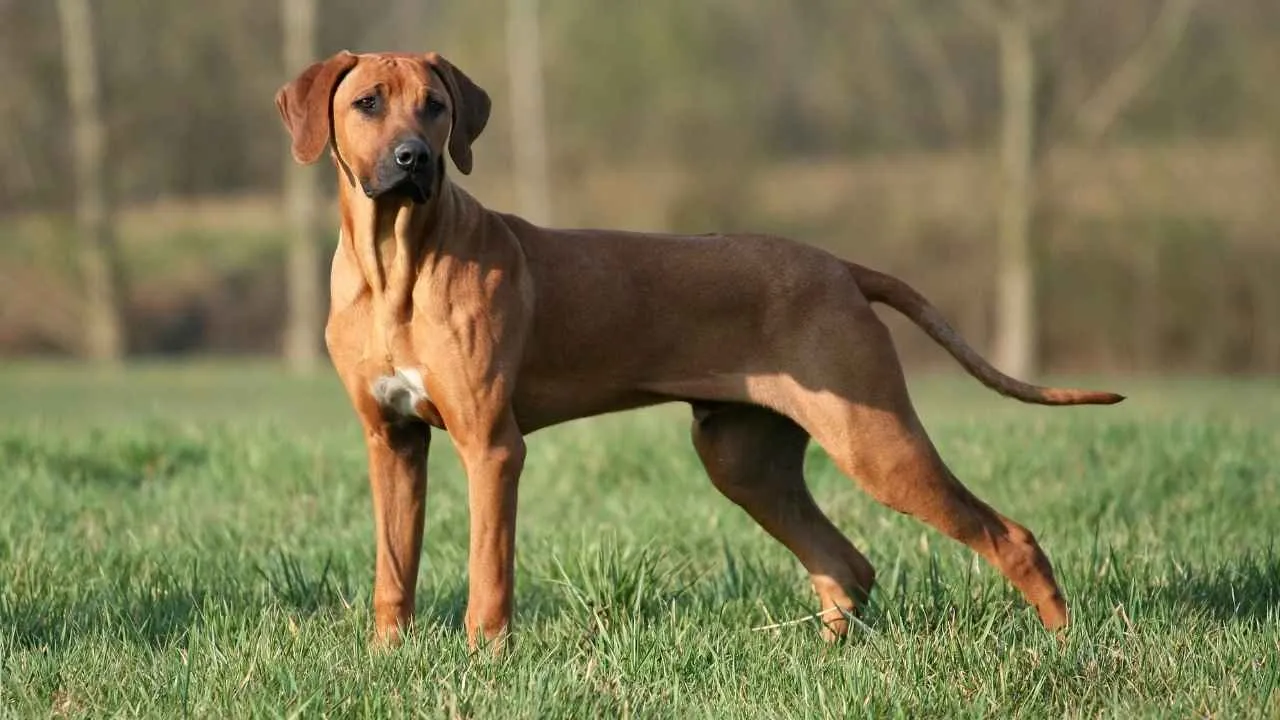
Rhodesian Ridgeback is recognized by the strip of backward-growing hair running along its spine, paired with a lean but powerful hound frame.
In southern Africa, the breed earned recognition for tracking and cornering lions without engaging in direct attack. Its physical makeup favors endurance across rough and open terrain.
Athletic Instinct With Controlled Pursuit
They move through outdoor work with lasting stamina and an intense focus on scent and nearby movement. Its hunting instincts connect closely with tracking tasks and long-distance activity across demanding environments.
That working style appears through several traits:
Excels in tracking and lure coursing
Handles long hikes and jogging sessions well
Responds strongly to moving targets and scent trails
Independent Thinking in Open Environments
Rhodesian Ridgeback relies heavily on its own judgment, which gives the breed a self-directed approach during exploration and field activity.
Firm guidance from an early stage helps direct that independence into structured behavior, as Orvis noted. Its confidence becomes more noticeable in unfamiliar outdoor settings.
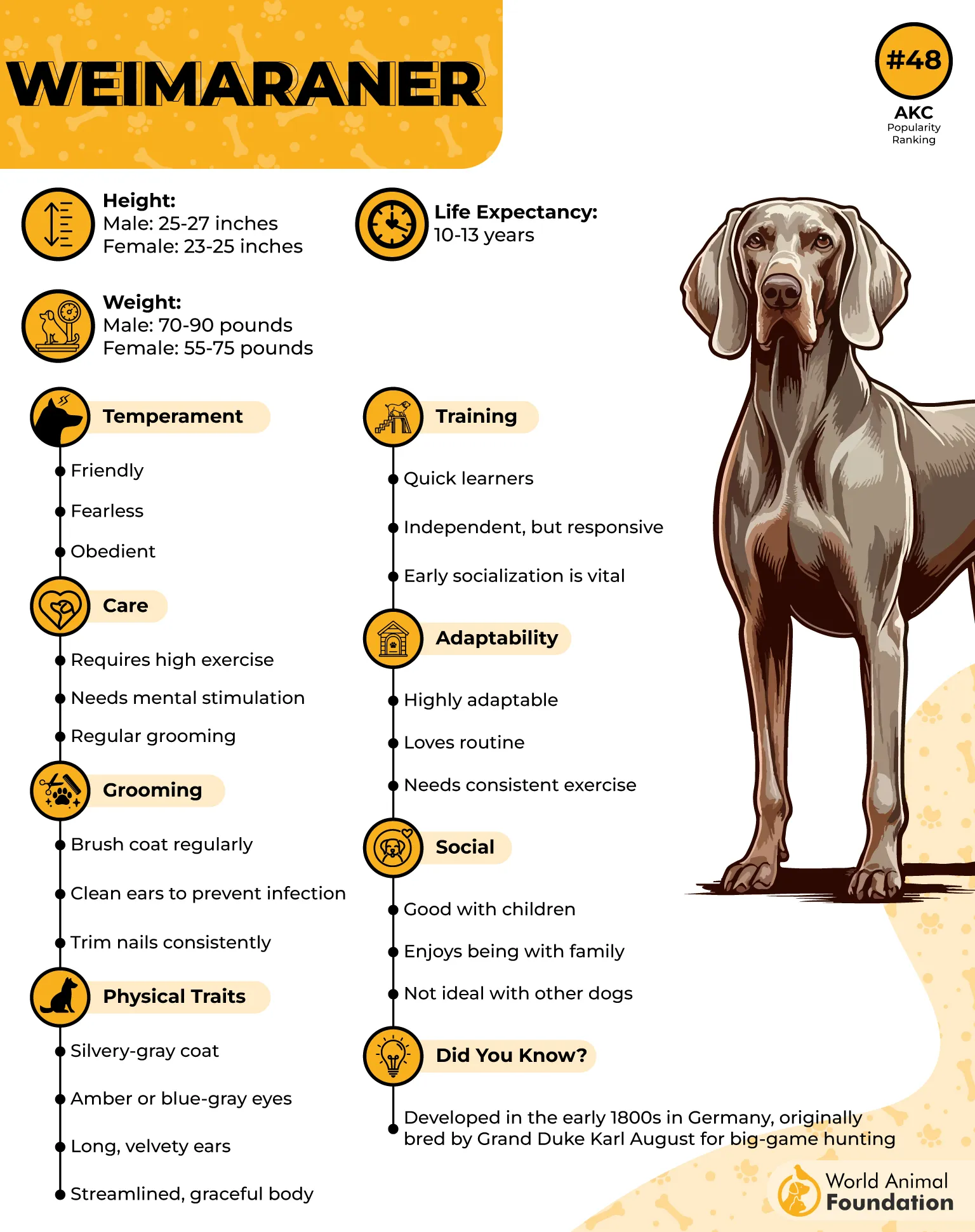
5. Weimaraner
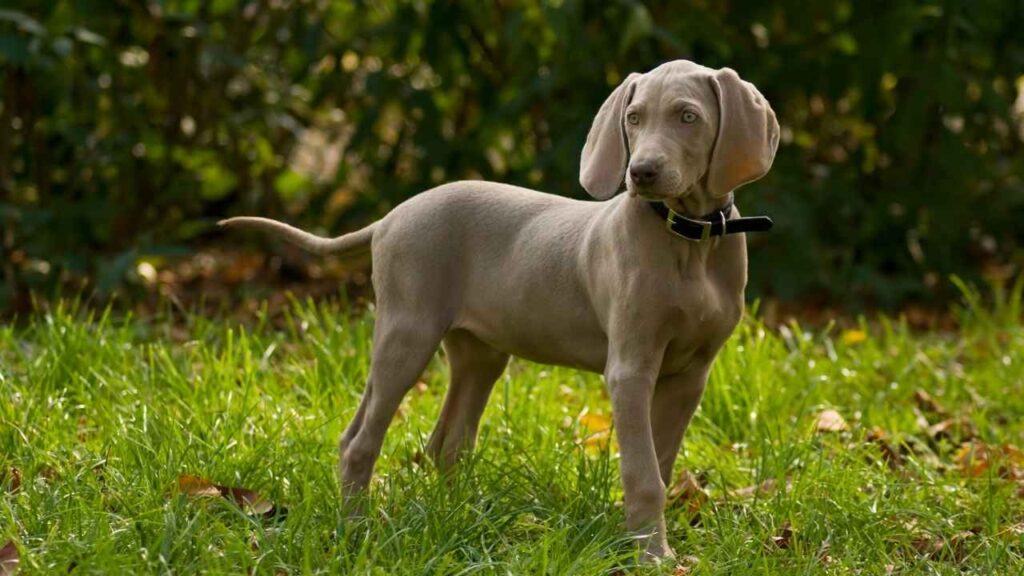
Weimaraner earned the nickname “Gray Ghost” through its silver-gray coat, swift stride, and fluid athletic form. German hunters valued the breed for covering large terrain with precision and speed during long outings. Its body reflects streamlined balance shaped around endurance and pursuit.
Energy Tied to Exploration
This adventure dog performs outdoor activity with intensity, often preferring fast-paced movement over slow routines or confined spaces. Long runs, hunting tasks, and physically demanding games fit naturally into its daily rhythm.
That drive appears through activities like:
Lure coursing across open stretches
Dock diving with forceful water entry
Agility tasks requiring quick direction changes
Mind That Needs Engagement
Weimaraner responds well to structured tasks that combine movement with concentration, especially when routines avoid repetition.
Puzzle toys, fetch sessions, and advanced training exercises help channel its sharp attention productively. Restlessness appears quickly when both physical and mental outlets are missing.
6. Australian Cattle Dog
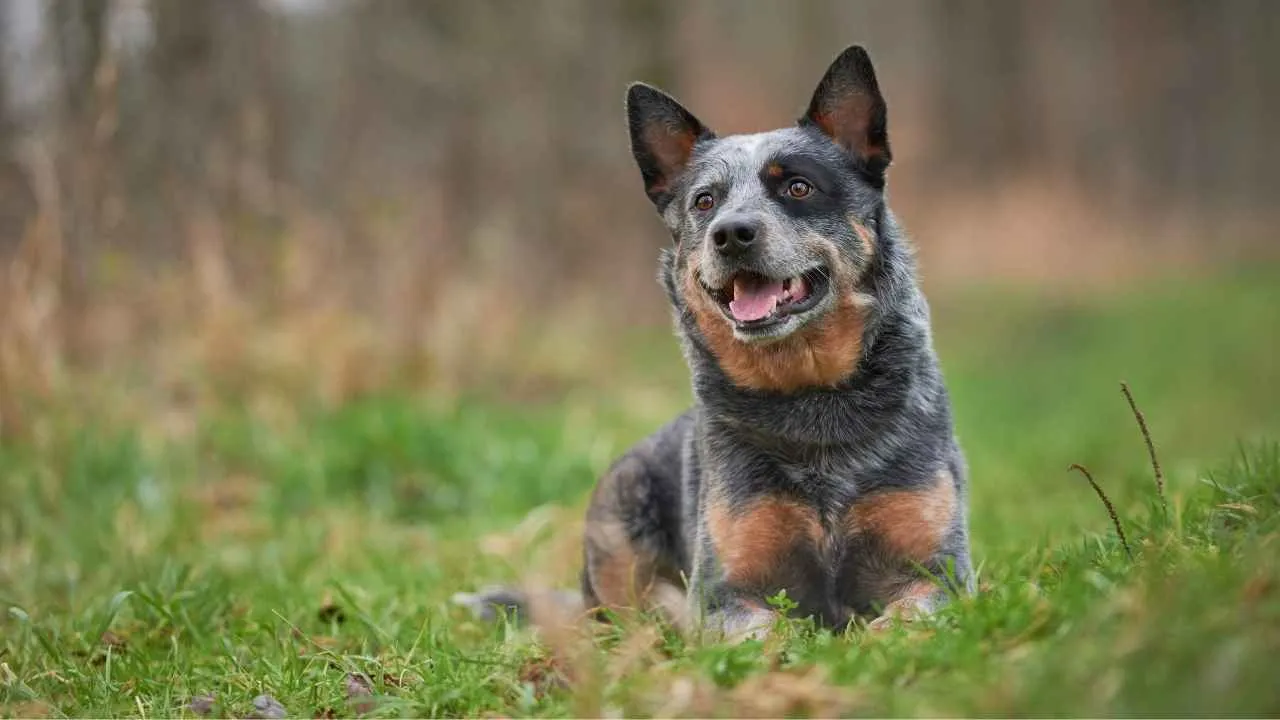
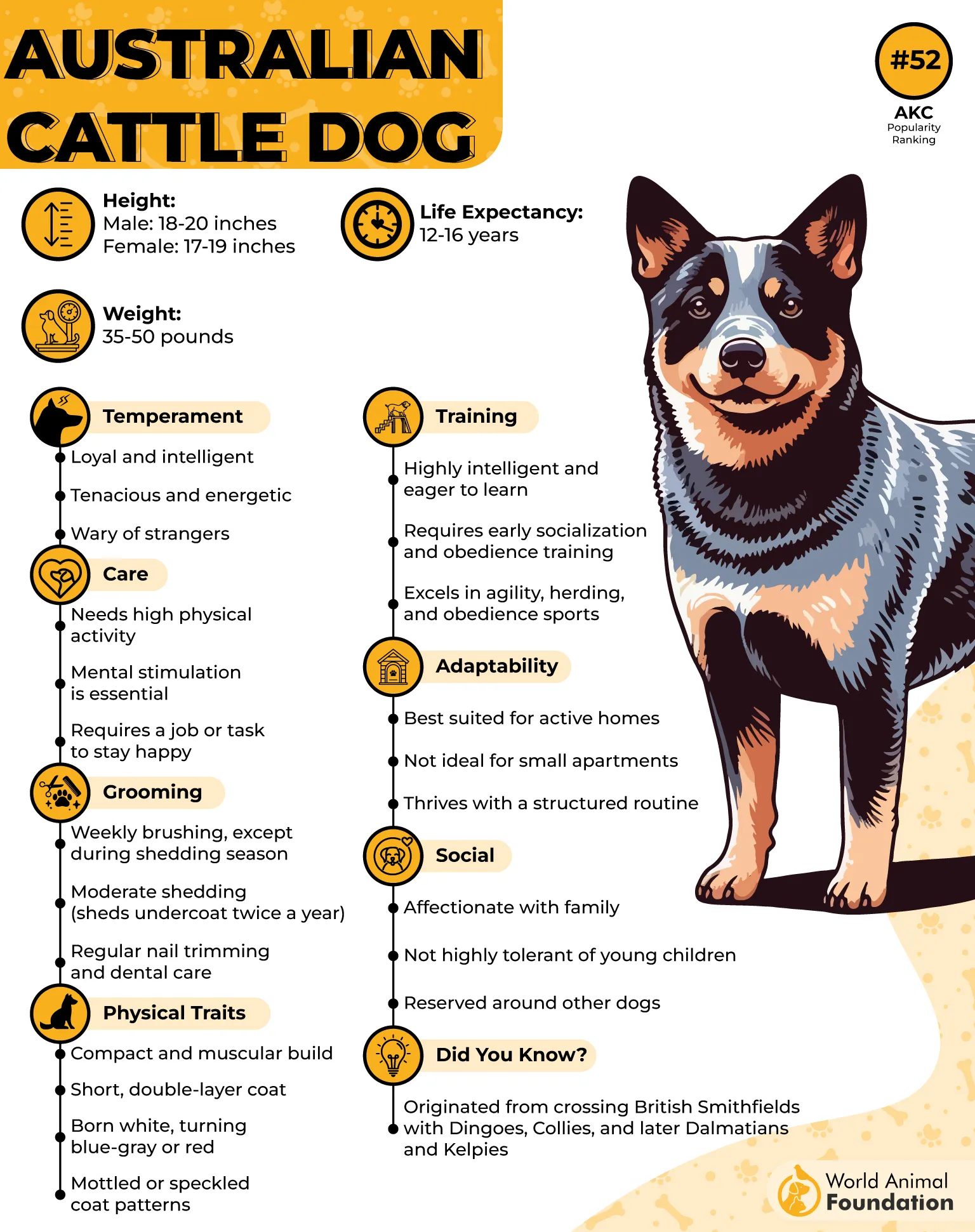
Australian Cattle Dog descends from hardy stock shaped for Australia’s unforgiving cattle routes, including links to the wild Dingo. Compact, muscular, and intensely focused, this breed reads movement quickly and reacts with remarkable precision.
Energy With Purpose
This herding dog rarely settles for passive routines and prefers tasks that test both speed and judgment. Mental engagement matters just as much as physical effort in this highly driven herder.
Daily outlets often include:
Frisbee and agility work
Long-distance running or jogging
Livestock handling and fetch
Always Thinking
As an intelligent dog, they read situations quickly and often test boundaries when routines become repetitive or inactive. These heelers were bred to control livestock with precision, which explains their intense focus during agility, frisbee, fetch, and obedience work.
7. Bloodhound
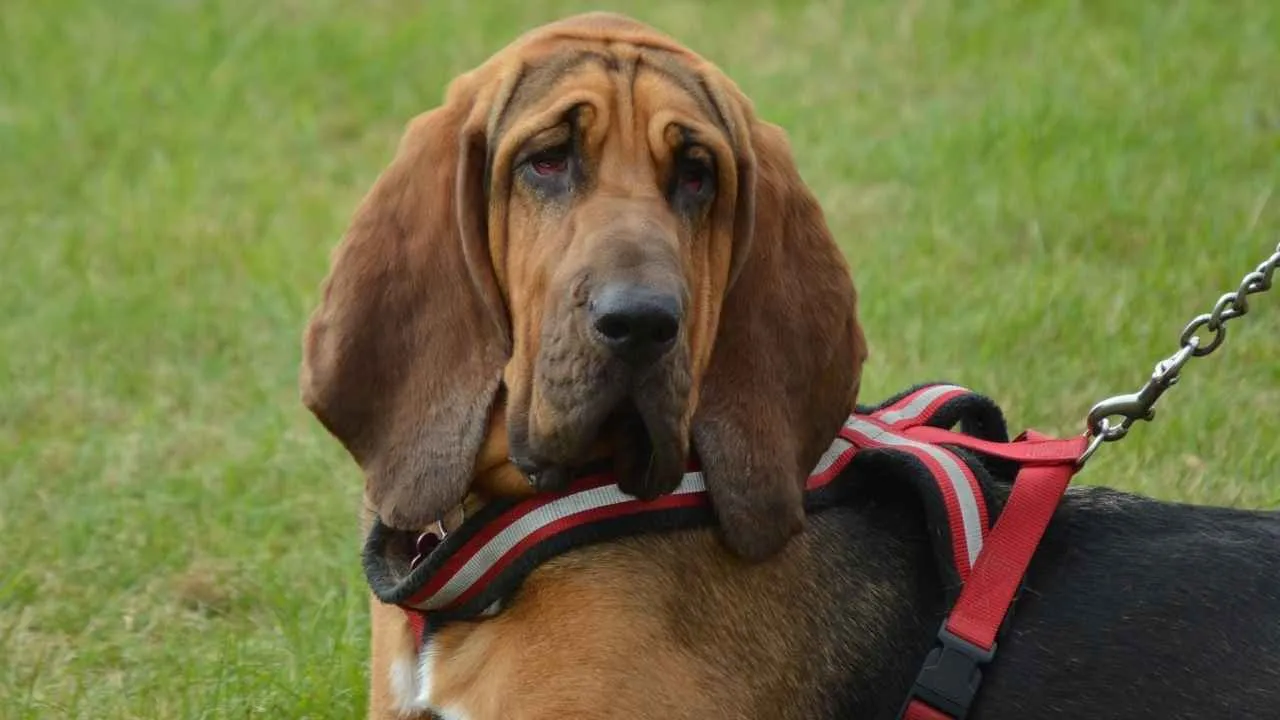
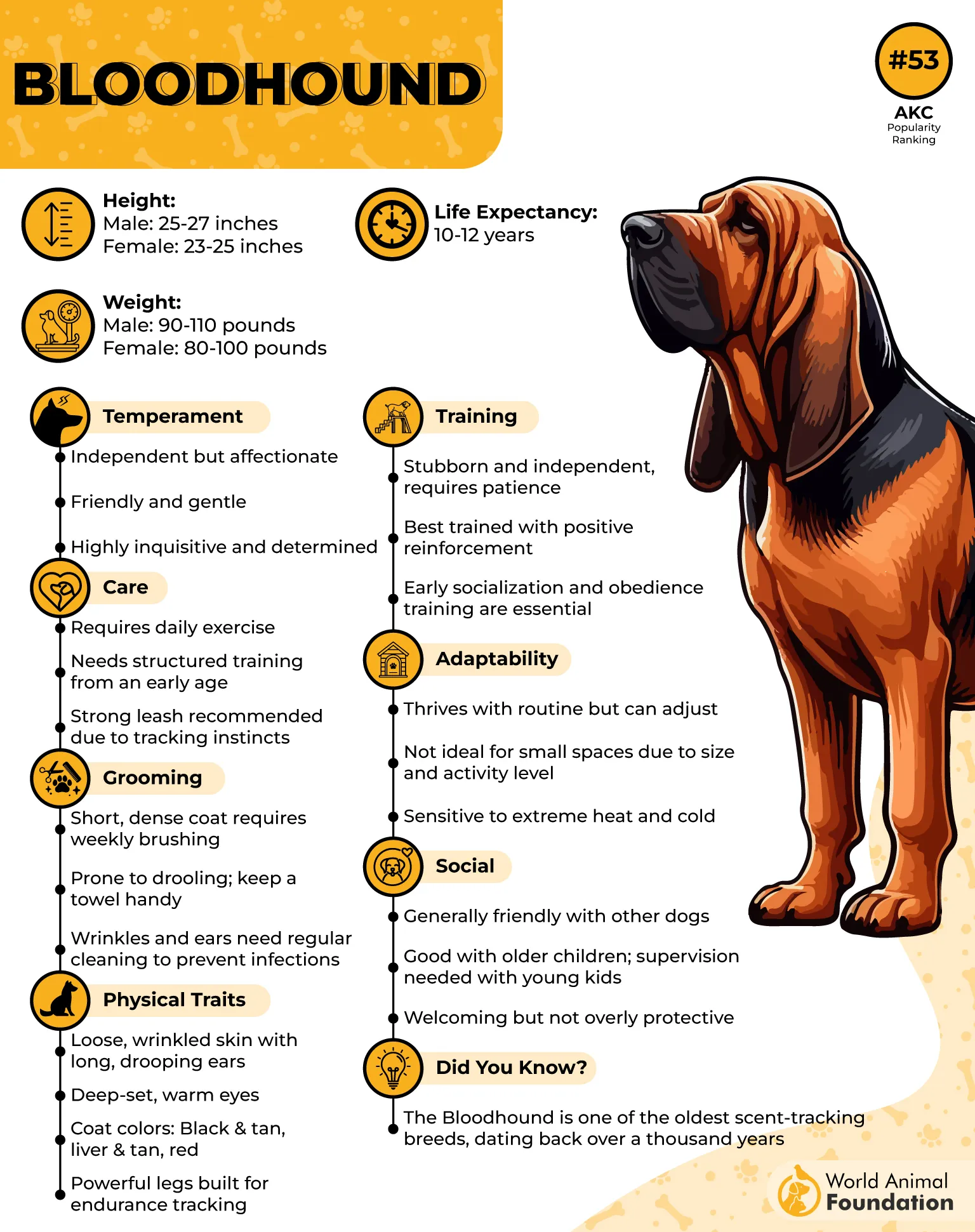
Bloodhound earned recognition through scent work so reliable that tracking trails have even been accepted in court proceedings.
Medieval nobles relied on these hounds while following game across long distances and rough terrain. Its reputation centers on endurance linked directly to scent pursuit.
Scent Work That Overrides Distraction
This search and rescue dog locks onto odor trails with intense focus, often continuing pursuit long after other breeds lose interest. That determination explains why secure spaces and leash control remain essential outdoors.
Its tracking behavior follows a clear pattern:
Pursues scent trails for extended periods
Ignores distractions once engaged in tracking
Covers large outdoor areas methodically
Endurance Tied to Exploration
They handle long walks, hiking routes, and extended outdoor activity through stamina refined over generations of tracking work.
Physical activity alone rarely satisfies this breed without opportunities to investigate scent-rich environments. Exploration and scent engagement remain closely connected in daily behavior.
8. Redbone Coonhound
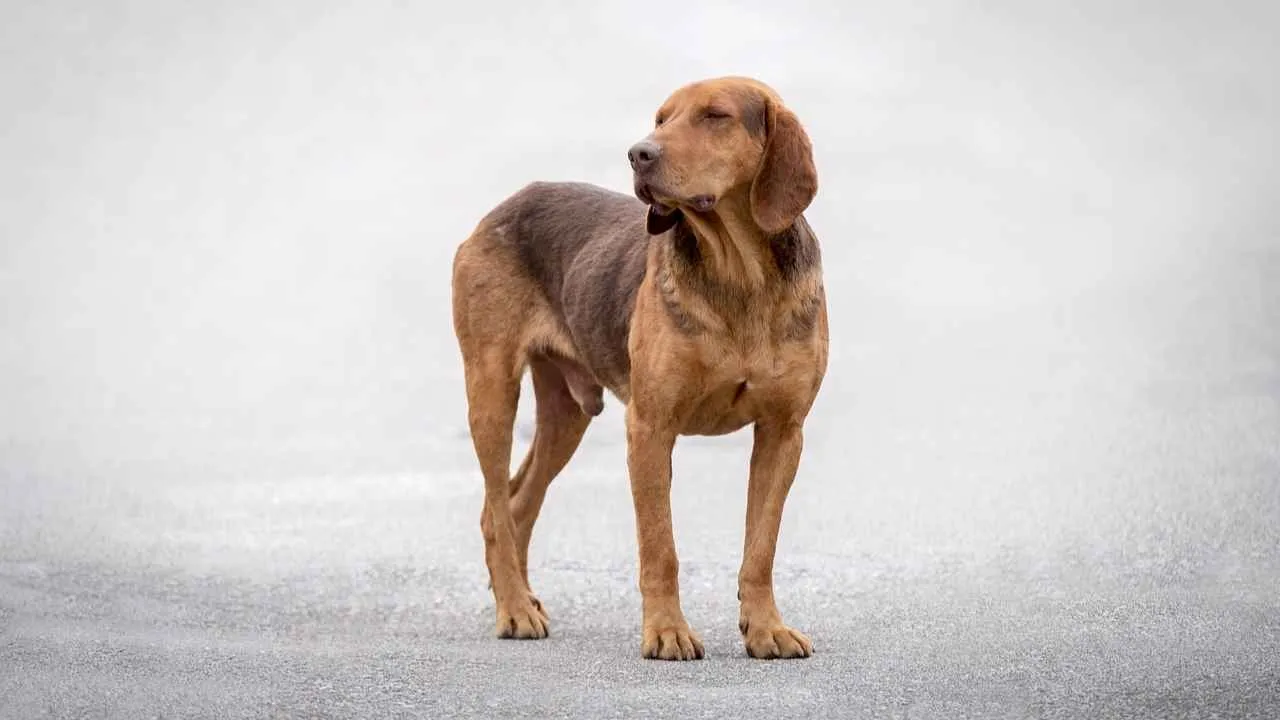
Redbone Coonhound emerged in the United States through hunters seeking a dog capable of crossing swamps, forests, and mountain terrain after raccoons.
Its resilience came from practical field demands rather than appearance alone. This purpose shaped one of the more dependable, sturdy dogs used in rugged outdoor conditions.
Scent-First Exploration Style
Redbone Coonhound approaches outdoor terrain through scent awareness, often locking onto trails with strong curiosity and determination. Long-distance activity feels natural to the breed, especially during woodland hikes or tracking exercises.
That working instinct appears through clear habits:
Follows scent trails across difficult terrain
Responds eagerly to nose work activities
Chases small outdoor critters when distracted
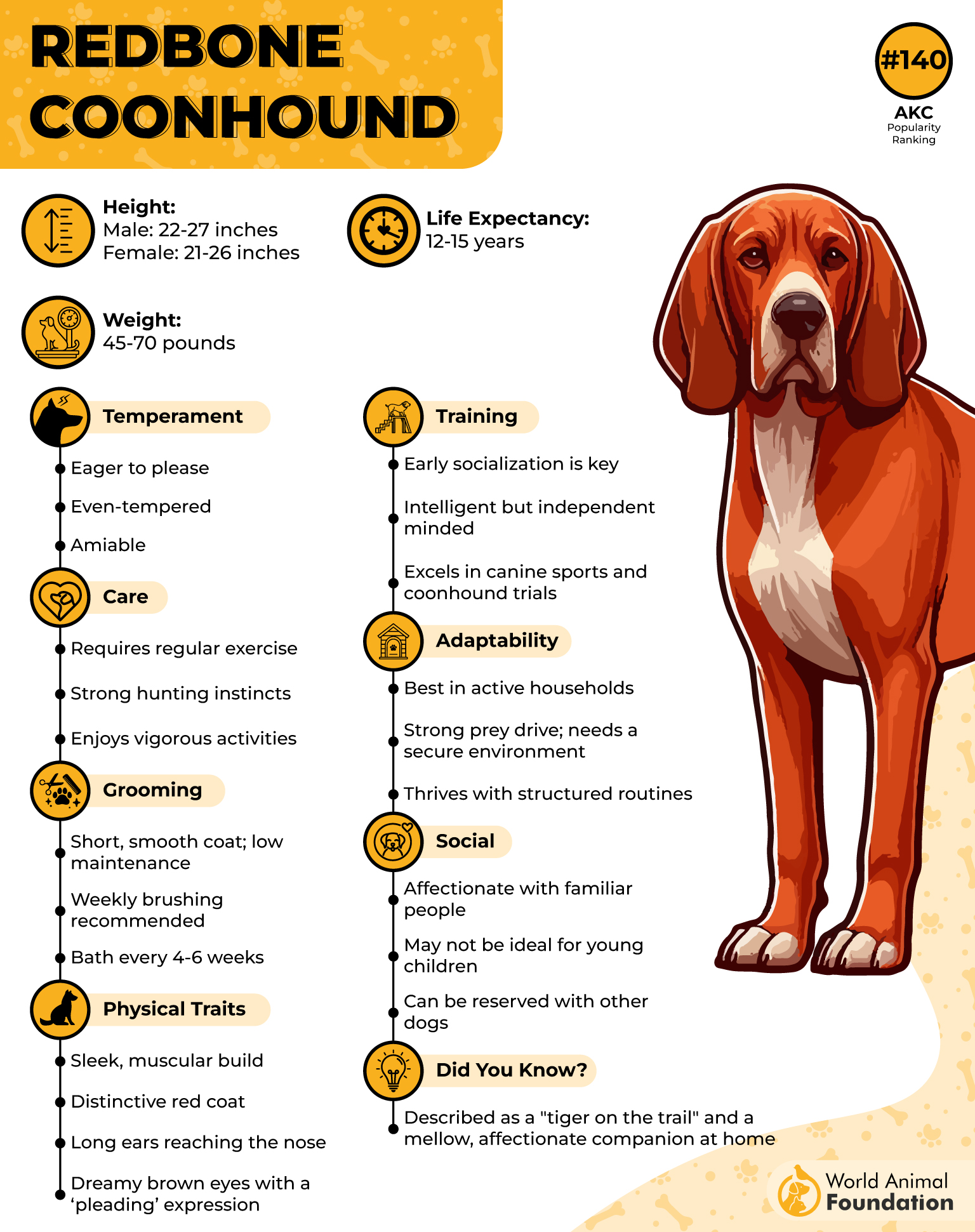
Energy Tied to Outdoor Engagement
They fit active routines filled with lake outings, agility training, and physically engaging games with people. Its enthusiasm outdoors reflects the intensity often associated with high-energy dogs bred for field use. These traits also place them among great hiking partners for extended exploration trips.
9. Black and Tan Coonhound
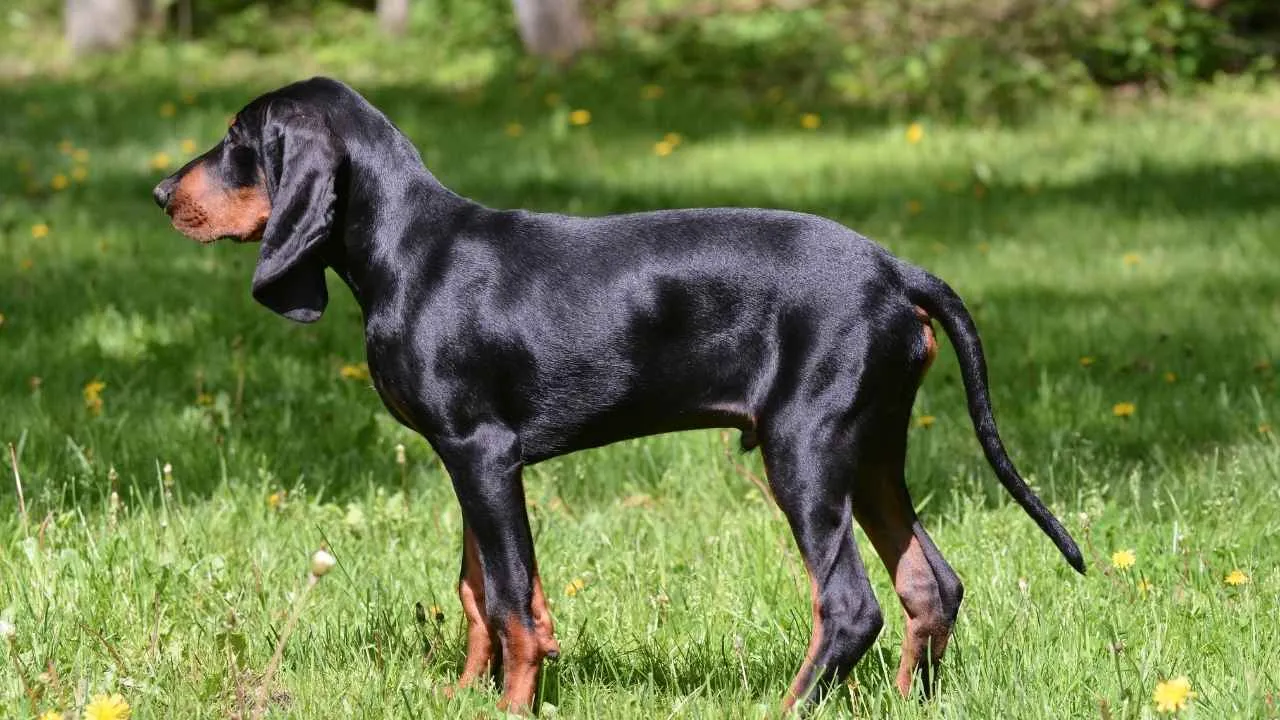
Black and Tan Coonhound earned its reputation in the southeastern United States by trailing raccoons and bears through dense wilderness terrain. Bloodhound influence shaped its nose-first tracking style, though this breed covers ground with noticeably more speed and urgency.
Scent Before Sight
They take on outdoor exploration with calm determination, remaining focused on scent trails for surprisingly long distances. Indoor behavior stays surprisingly calm until open terrain awakens its working instincts.
These traits quickly explain that balance:
Exceptional long-distance scent tracking
Strong focus once outdoors
Distinctive howl and bay voice
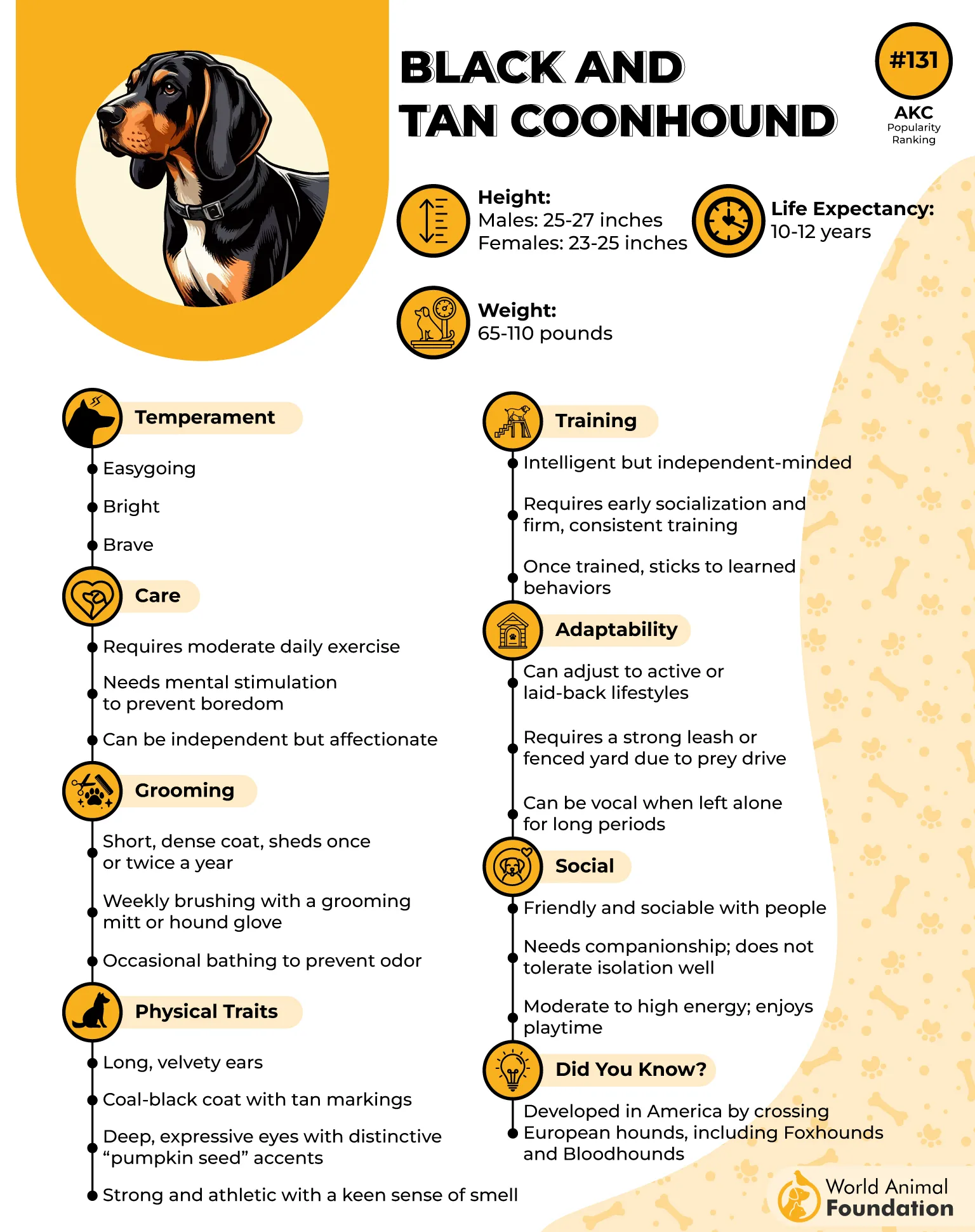
Built for Long Pursuits
Black and Tan Coonhound handles extended hikes, tracking games, and scent-based activities with natural confidence rooted in generations of hunting work. Interactive play, dock diving, agility, and tug-based games suit the breed far better than repetitive indoor routines.
Conclusion
The wilderness exposes weaknesses quickly, which is why only certain dogs continue moving with confidence when terrain becomes rough, weather turns harsh, and long distances begin wearing everything else down. These dogs were shaped through generations of demanding outdoor work where stamina, awareness, and resilience mattered every single day.
Their instincts remain visible in the way they navigate trails, respond to unfamiliar environments, and stay focused long after ordinary companions begin slowing down. Strength alone never defined them. Endurance, adaptability, and determination built their reputation instead. Even today, they still carry the same fearless energy that once made survival and exploration possible in some of the world’s harshest conditions.
