




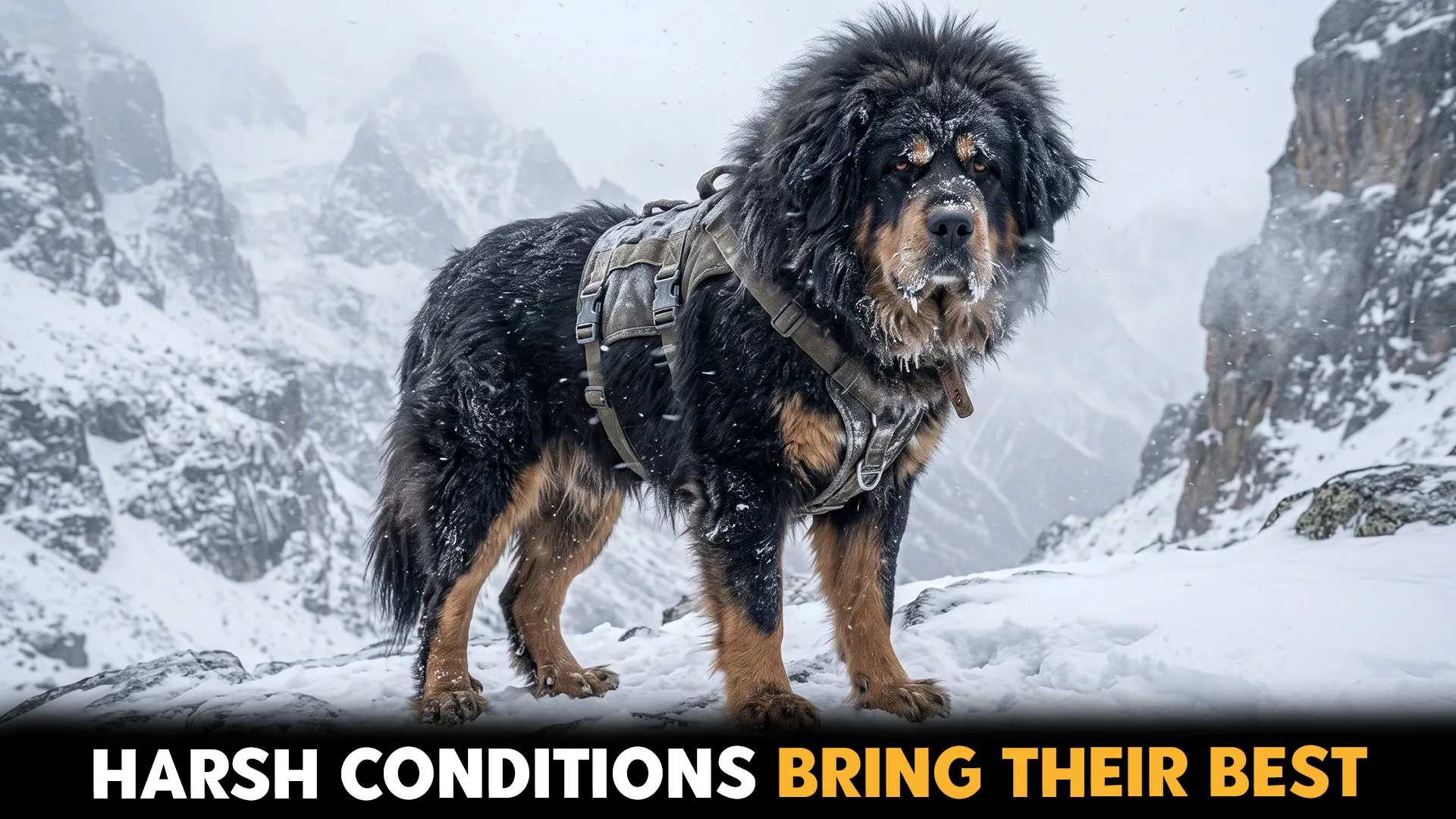
Some dogs are naturally equipped to handle demanding environments, from icy landscapes and heavy snowfall to scorching temperatures and rugged terrain. Their physical features, endurance, and working backgrounds have helped them adapt to conditions that many other breeds may struggle with.
However, resilience doesn’t mean immunity to harsh weather. Every dog needs appropriate shelter, hydration, protection, and care to remain safe in extreme conditions.
Discover seven hardcore dog breeds with remarkable survival traits and explore what makes each one suited to challenging environments.
Hardcore Dog Breeds That Will Survive Extreme Conditions
1. Siberian Husky
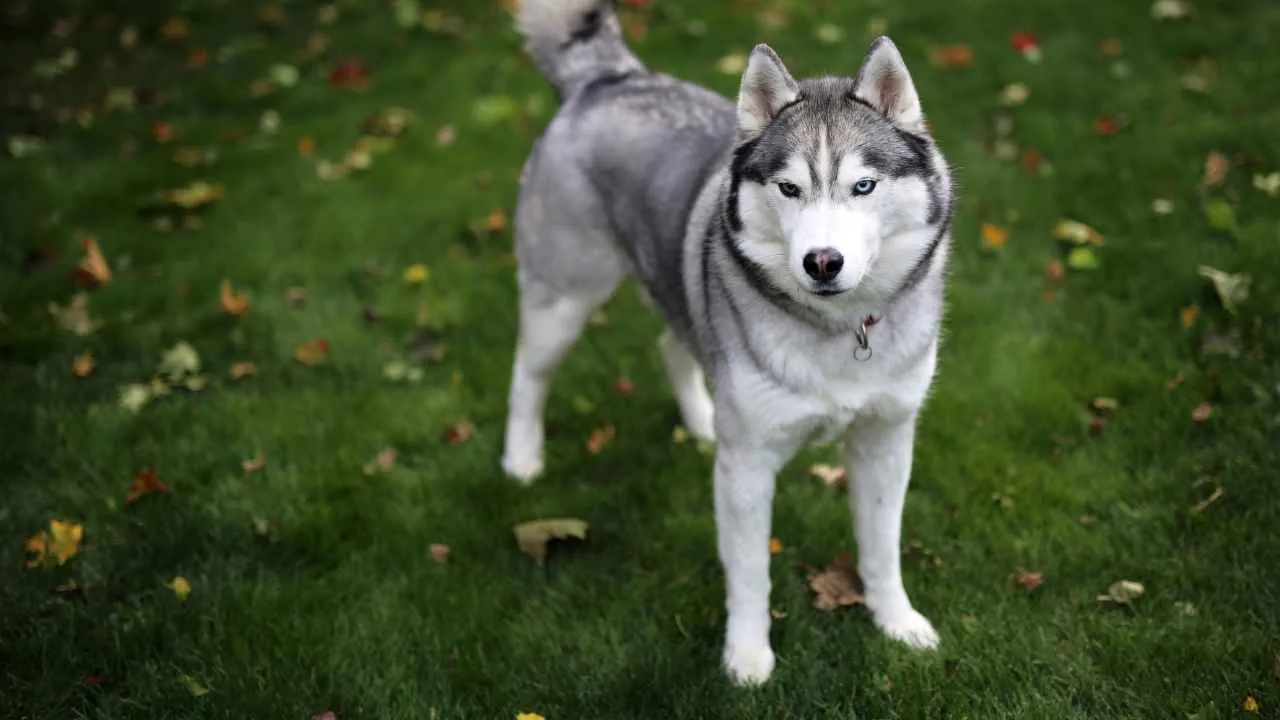
Originating in Northeast Asia, the Siberian Husky was developed by the Chukchi people to transport loads across vast, frozen landscapes. Its history as a sled dog shaped its impressive stamina, agility, and ability to keep moving through harsh Arctic conditions.
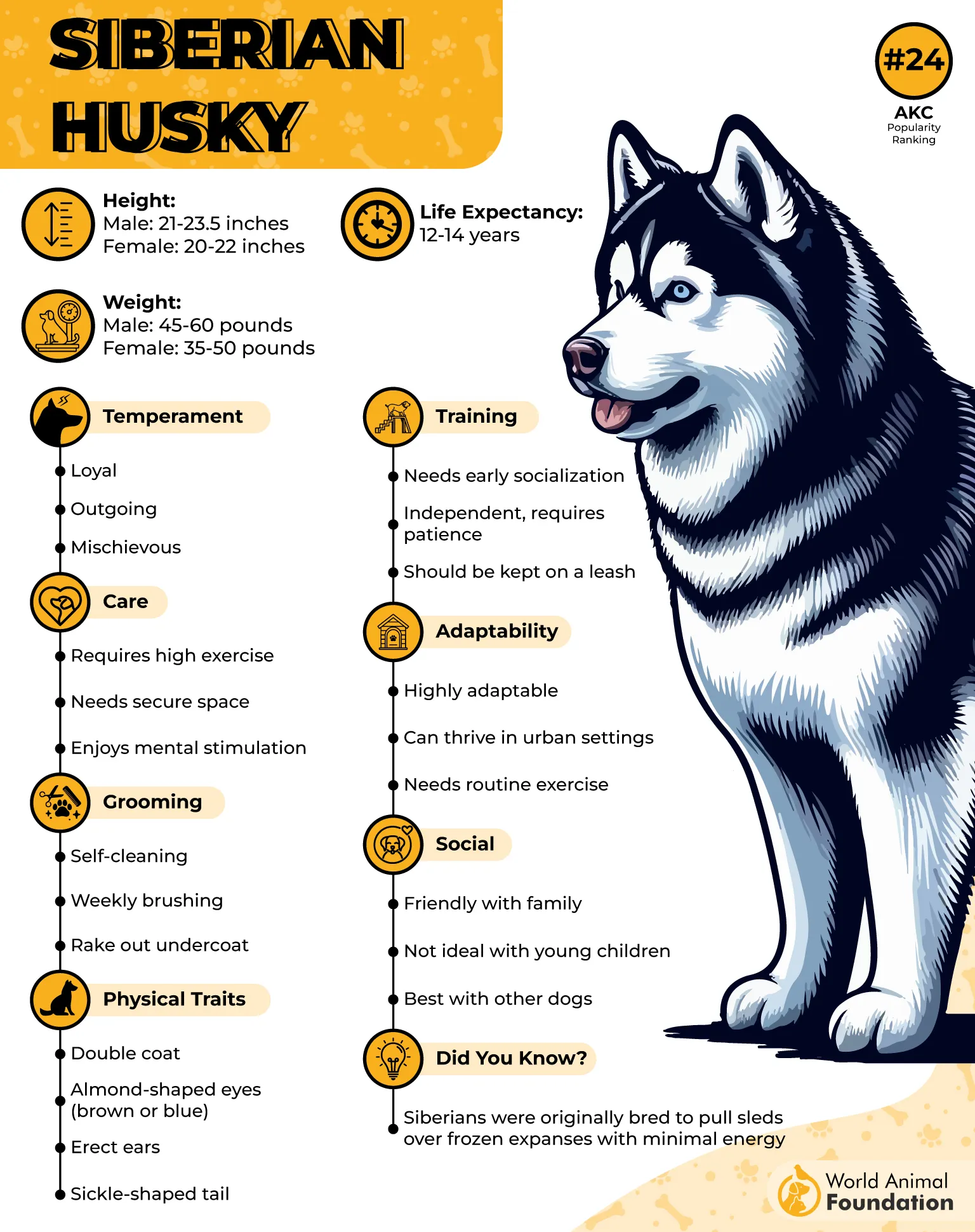
A dense double coat provides insulation against freezing temperatures, helping this medium-sized breed withstand snowy environments. Its thick fur, combined with a strong, athletic build, makes it naturally suited to cold-weather activities.
Beyond its physical abilities, the Husky has an energetic, independent, and sociable personality. It enjoys outdoor adventures and companionship, but its mischievous nature and strong desire to run require consistent training and secure surroundings.
According to PetMD, these dogs need plenty of exercise and purposeful activities to remain content. Their endurance makes them capable of covering long distances, while their cold-weather adaptations help them handle conditions that many other breeds would find difficult.
How This Breed Stands Out
Exceptional endurance in freezing temperatures: Originally bred for long-distance sled work, Huskies can maintain activity across extensive snow-covered terrain in harsh Arctic conditions.
Thick double coat and snow-adapted paws: Their insulating double coat protects against severe cold, while their paws help them move across snowy ground.
2. Alaskan Malamute
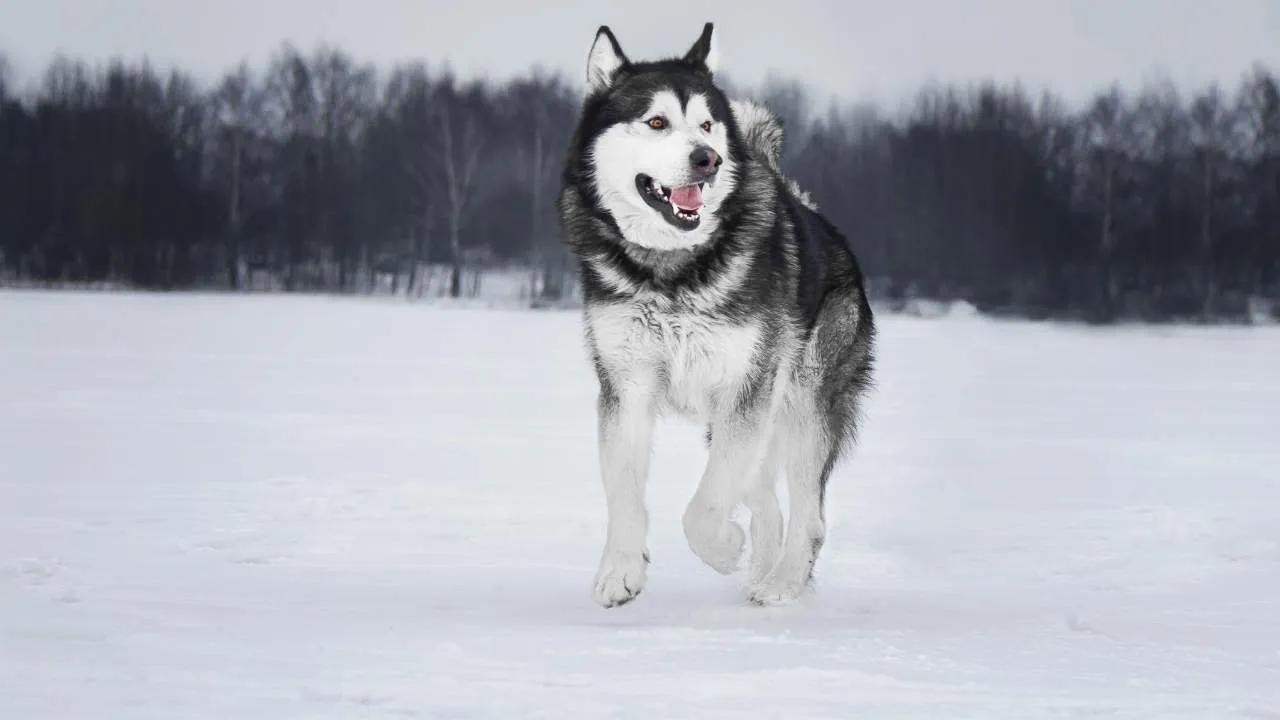
The Alaskan Malamute is a powerful Arctic working breed historically valued by Inuit communities for transporting heavy supplies across challenging polar landscapes. Its muscular frame and remarkable pulling ability helped it cover long distances in demanding conditions.
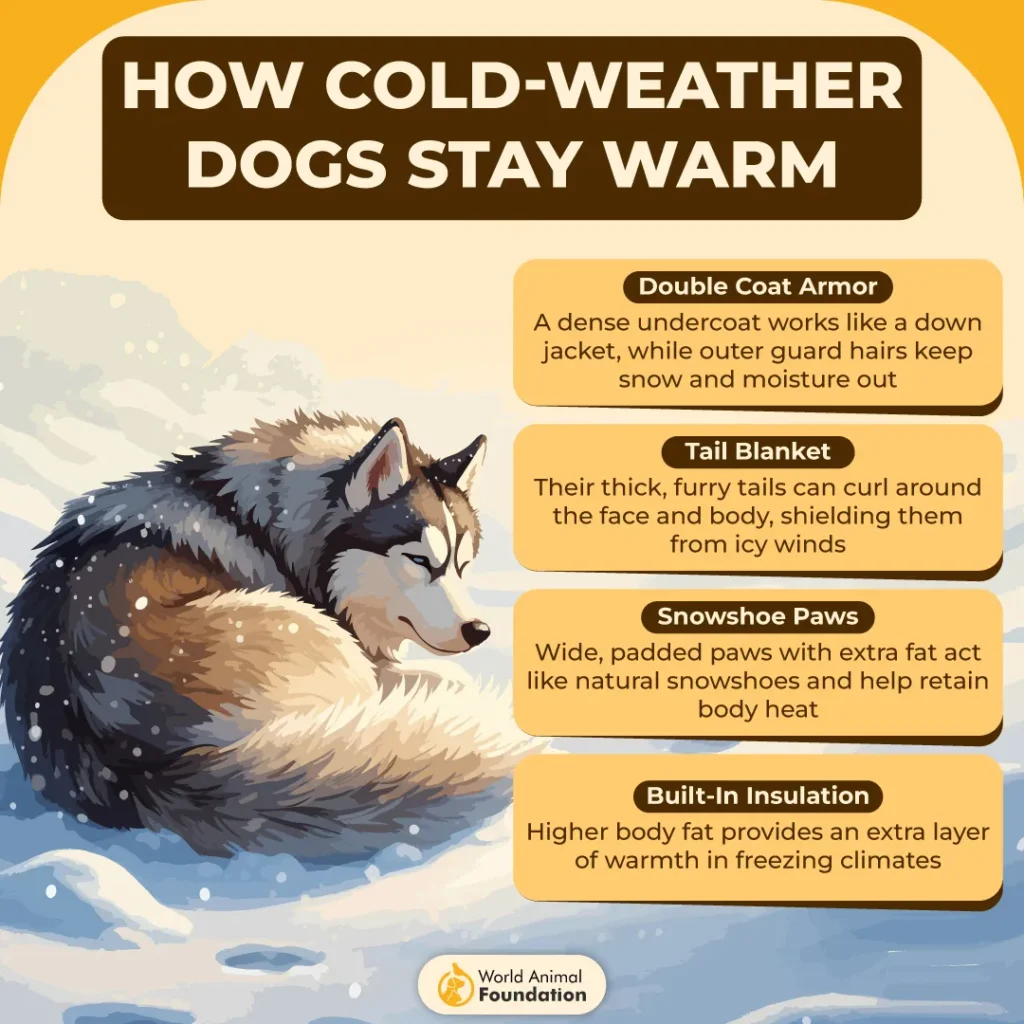
According to WebMD, Alaskan Malamutes are known to curl their tails over their faces when lying down in cold weather.
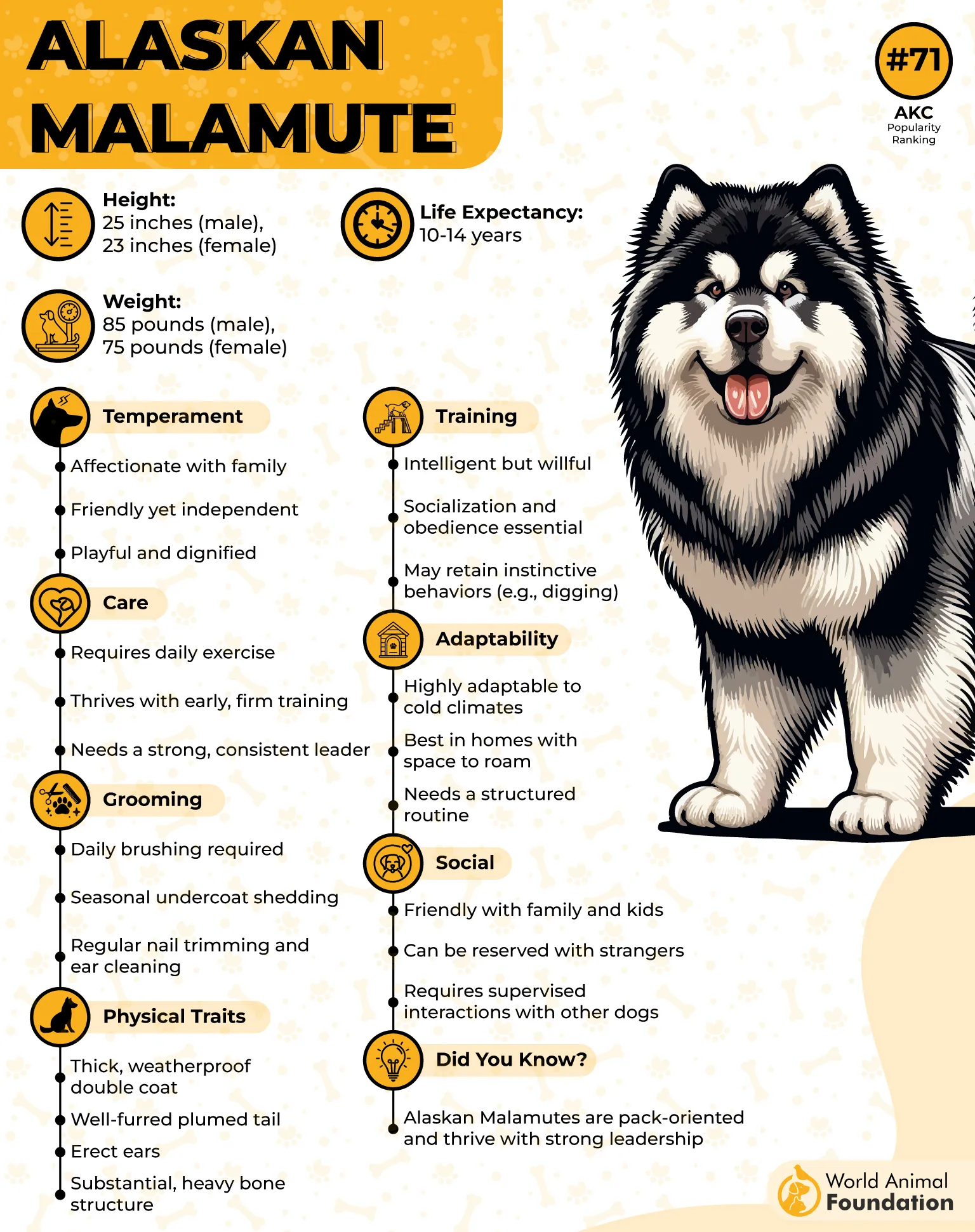
Unlike lighter sled dogs built primarily for speed, Malamutes are known for their strength and capacity to haul substantial loads. Their sturdy build makes them particularly suited to physically demanding work in snowy environments.
A thick double coat provides essential insulation against freezing Arctic temperatures. This protective covering, combined with their robust physique, helps them perform outdoor tasks in regions where severe cold is a constant challenge.
Despite their rugged appearance, Malamutes are playful, intelligent, and adventurous companions. They can adjust to warmer climates with appropriate cooling, although their heavy coat requires attention during seasonal shedding.
How This Breed Stands Out
Powerful strength for hauling heavy loads: Originally used to pull heavily loaded sleds, Malamutes possess the muscular build and stamina needed for demanding transportation work.
Dense coat protects against severe Arctic cold: Their thick double coat helps retain warmth and provides insulation during exposure to harsh winter conditions.
3. Tibetan Mastiff
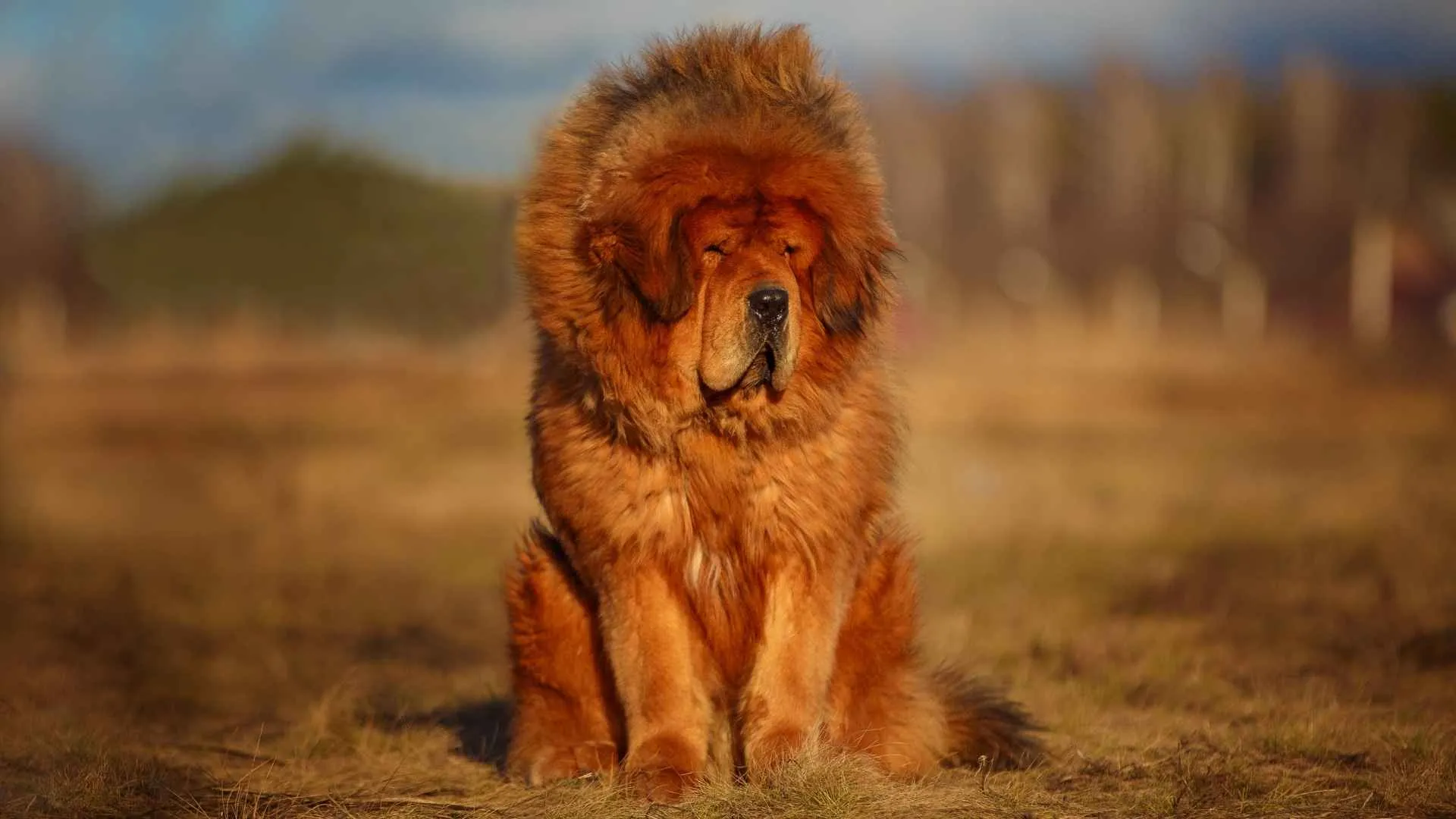
Originating in the high-altitude regions of Tibet, the Tibetan Mastiff has spent centuries protecting livestock, homes, and monasteries in remote mountain environments.
Its history in freezing conditions reflects its remarkable resilience and natural hardiness. According to Purina, this breed requires additional training.
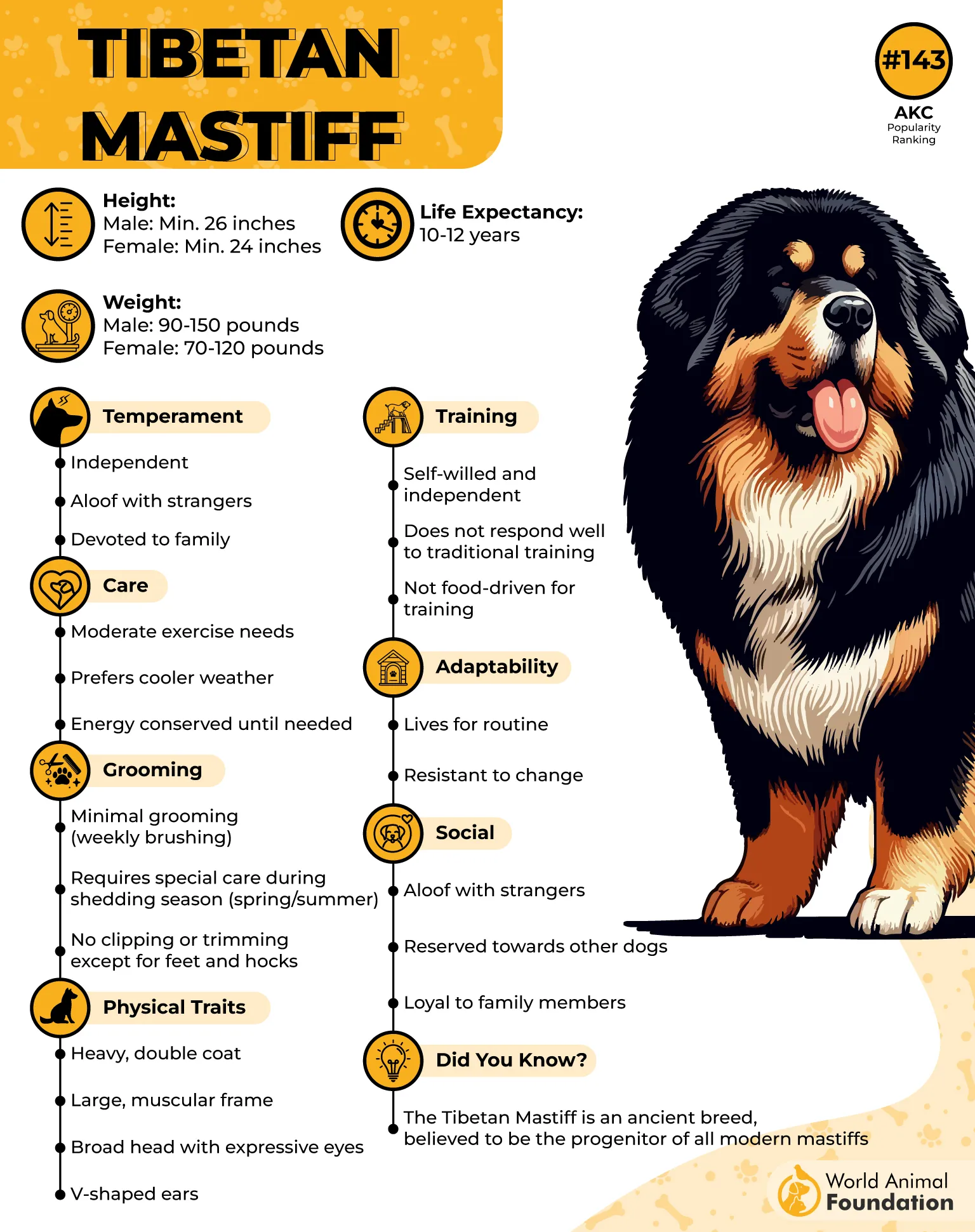
A thick double coat, consisting of a woolly undercoat and coarse outer hair, provides insulation against harsh Himalayan winters. The heavy mane around its neck and shoulders offers additional coverage during particularly cold weather.
Beneath its abundant fur, this large breed has a muscular, sturdy frame. Despite its imposing size, it can move with surprising agility when responding to potential threats or protecting its territory.
Its survival skills also stem from an independent and watchful temperament. Generations of guarding in isolated regions have shaped strong protective instincts, making it naturally alert and cautious around unfamiliar people.
How This Breed Stands Out
Heavy coat suited to harsh Himalayan winters: Its dense double coat and thick neck mane provide valuable insulation against freezing mountain temperatures.
Independent guardian instincts in remote environments: Developed to guard livestock and isolated properties, the breed is naturally watchful, self-reliant, and protective of its family.
4. Caucasian Shepherd
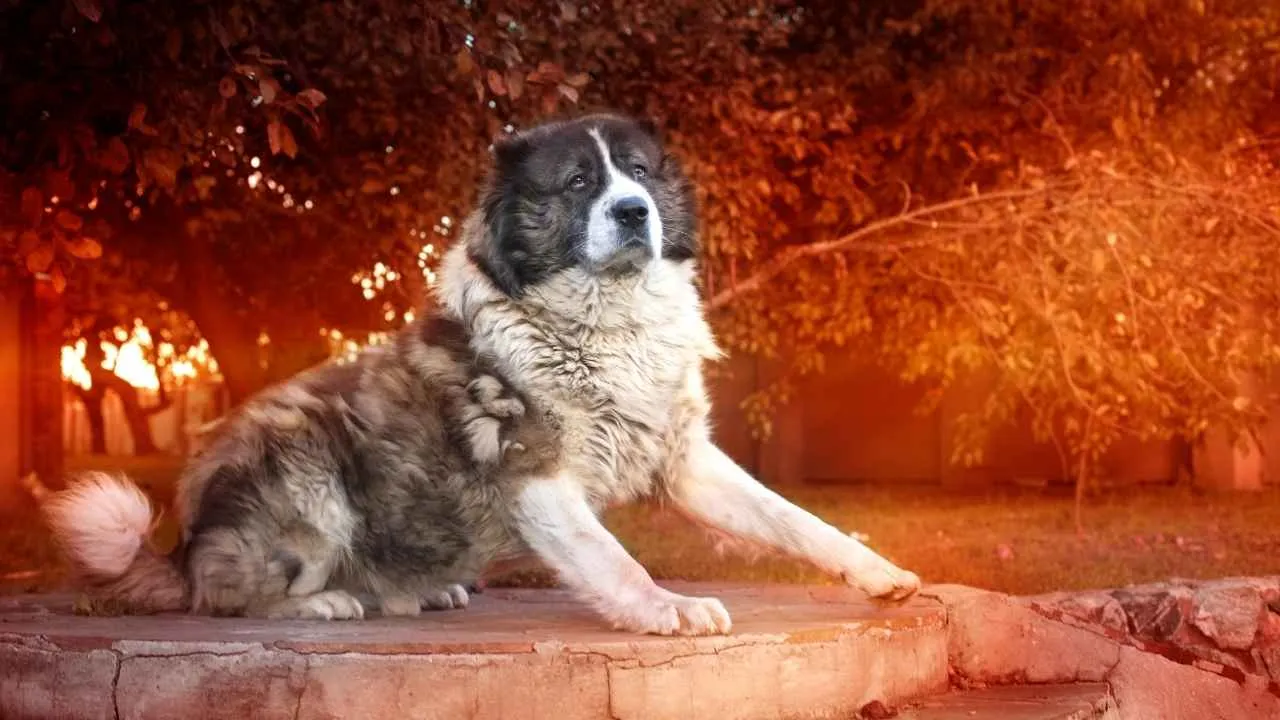
For centuries, the Caucasian Shepherd has protected livestock across the rugged Caucasus Mountains, facing predators such as wolves and bears. Its history as an outdoor guardian has shaped its courage, resilience, and ability to withstand challenging weather.
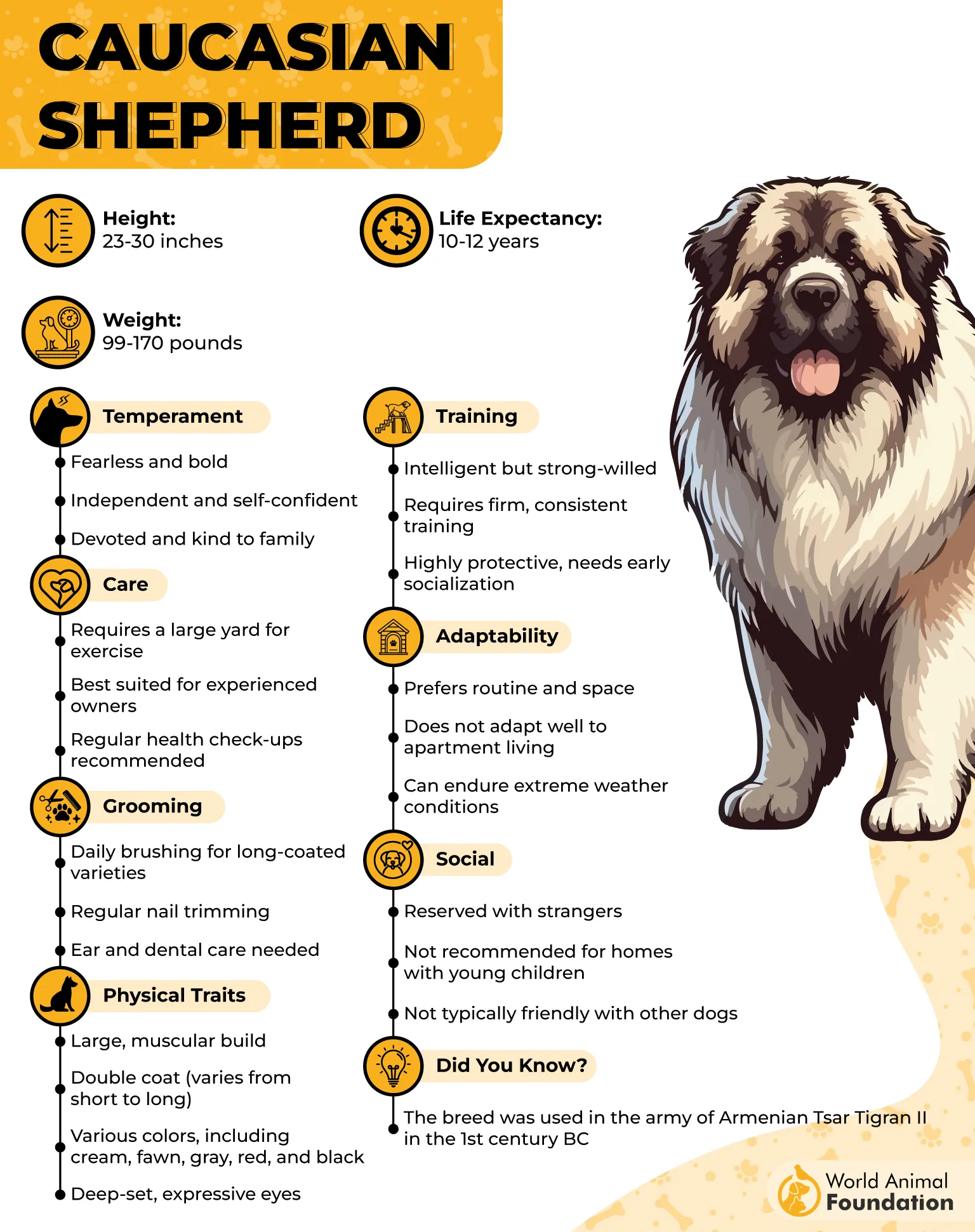
Its massive, bear-like build is complemented by a thick, coarse outer coat and dense undercoat. These layers provide protection against freezing winds, rain, and harsh outdoor conditions, allowing the breed to remain outdoors while watching over its territory.
This powerful dog has strong territorial instincts and an independent nature. Traditionally expected to guard herds without constant human direction, it is naturally confident and determined when confronting potential threats.
Although fierce and fearless when protecting its flock, the Caucasian Shepherd can be gentle, devoted, and affectionate with its family. Its considerable strength and protective temperament require experienced handling and proper training.
How This Breed Stands Out
Massive build and weather-resistant double coat: Its substantial frame, coarse outer hair, and dense undercoat help it endure cold, wind, and rain.
Strong livestock-protection instincts in rugged terrain: Developed to defend herds against dangerous predators, it remains highly territorial, courageous, and naturally watchful.
5. Saint Bernard
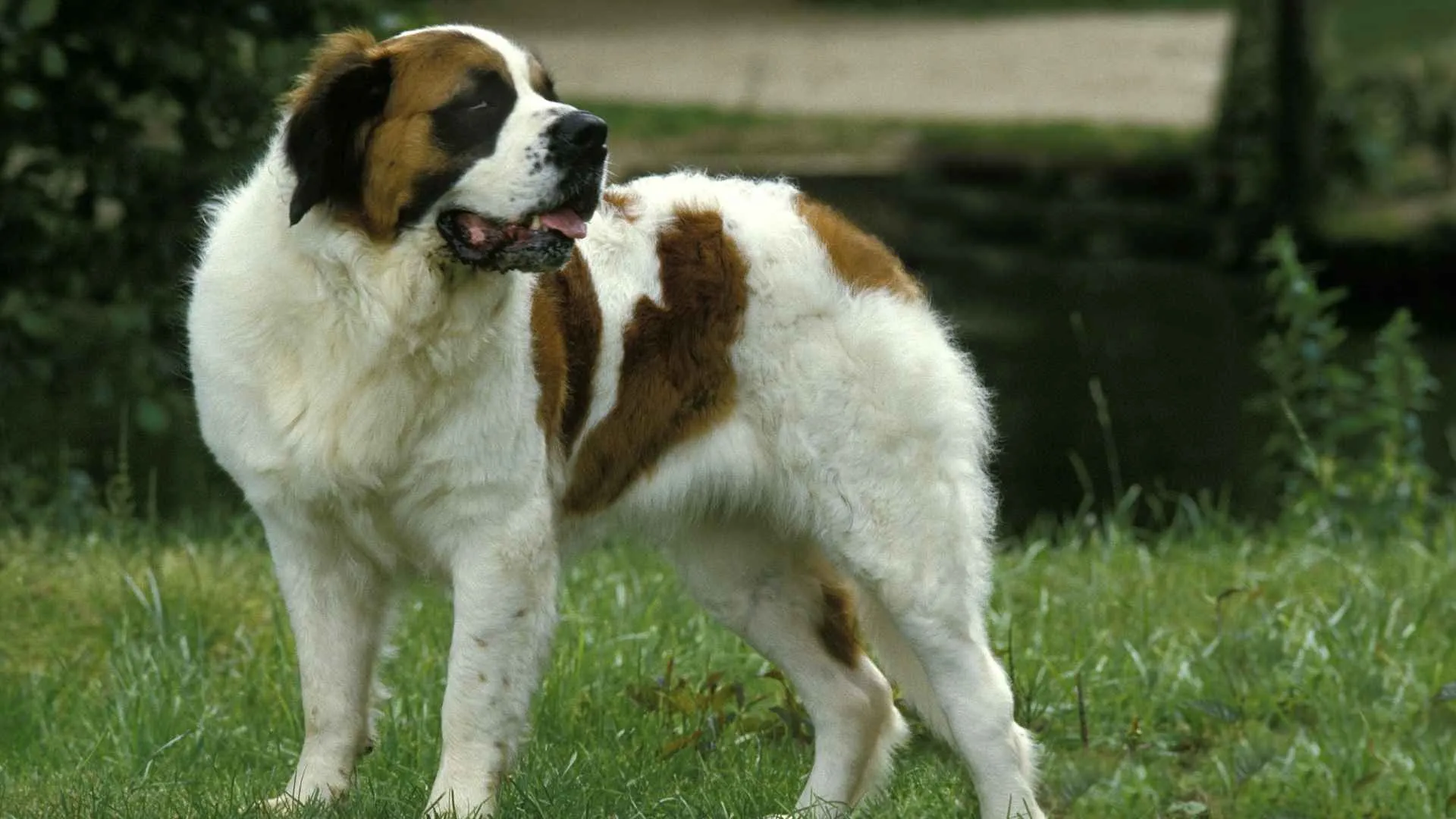
Originating in the Swiss Alps during the seventeenth century, the Saint Bernard became famous for helping rescue travelers trapped by heavy snowfall. Its history as a mountain rescue dog reflects its ability to navigate deep snow and endure freezing conditions.
Its large, powerful frame is well suited to demanding mountain environments. Combined with its cold-weather adaptability, this physical strength helped it perform rescue duties in challenging alpine terrain.
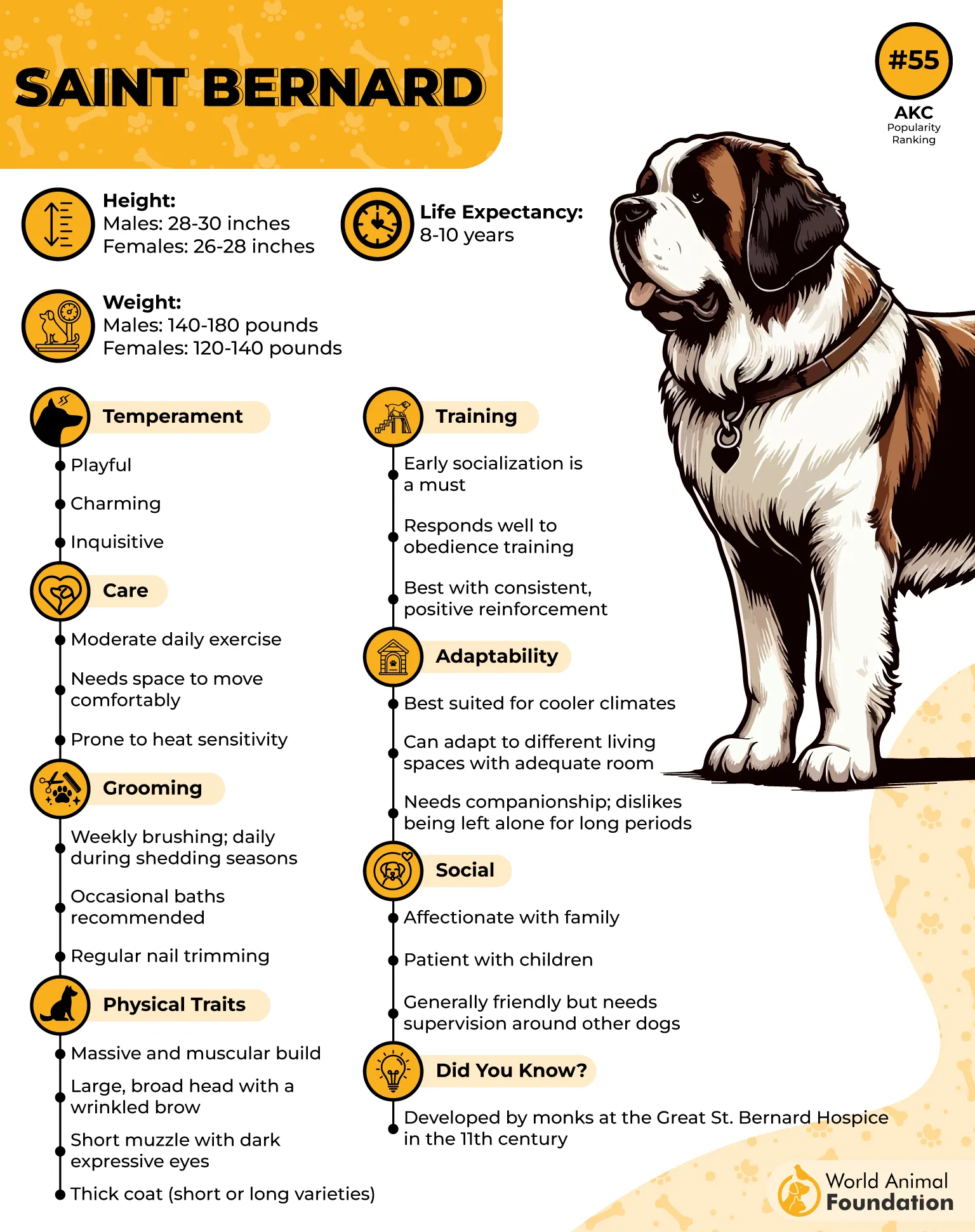
Saint Bernards are also known for their calm, affectionate, and friendly temperament. Despite their imposing size, they are gentle companions who form strong bonds with their families.
Their association with snowy mountain rescues makes them especially recognizable among cold-weather working breeds. They were also valued as guardians by monks living in remote Alpine regions.
How This Breed Stands Out
Thick coat provides insulation in snowy conditions: Its coat helps protect the breed from cold weather while working or moving through snow-covered mountain areas.
Better adaptability to navigate tough terrain: Its natural cold-weather adaptability supported its traditional role in Alpine rescue missions.
6. Greenland Dog
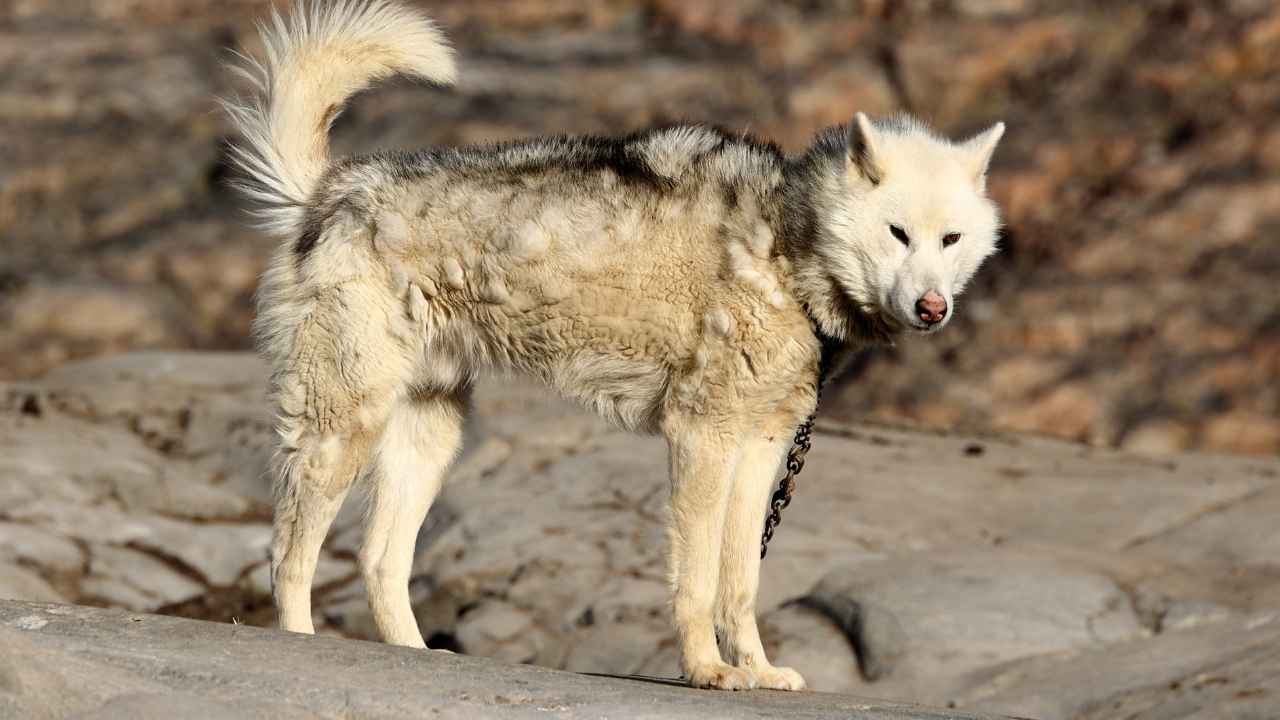
Among the oldest sled dog breeds, the Greenland Dog developed for demanding work across icy Arctic landscapes. Its remarkable stamina and powerful physique allow it to travel through challenging terrain while performing strenuous sled-pulling duties.
Built like a traditional Spitz, this breed has a strong body covered with a heavy, stand-off coat. Its dense fur provides insulation against severe cold, while furry, upright ears and dark eyes give it an alert appearance.
This energetic working dog has considerable exercise requirements and enjoys vigorous outdoor activities. It needs an active lifestyle with plenty of opportunities to use its strength and endurance, making it better suited to experienced owners.
Greenland Dogs are also vocal and generally welcome people enthusiastically. However, they may need additional training to live comfortably with other pets, and their independent working nature calls for consistent handling.
How This Breed Stands Out
Exceptional stamina for Arctic sled work: Its history as a sled dog reflects its ability to sustain demanding physical activity across frozen landscapes.
Powerful build and dense insulating fur: A sturdy physique and heavy coat help it perform strenuous work while remaining protected from Arctic cold.
7. Norwegian Elkhound
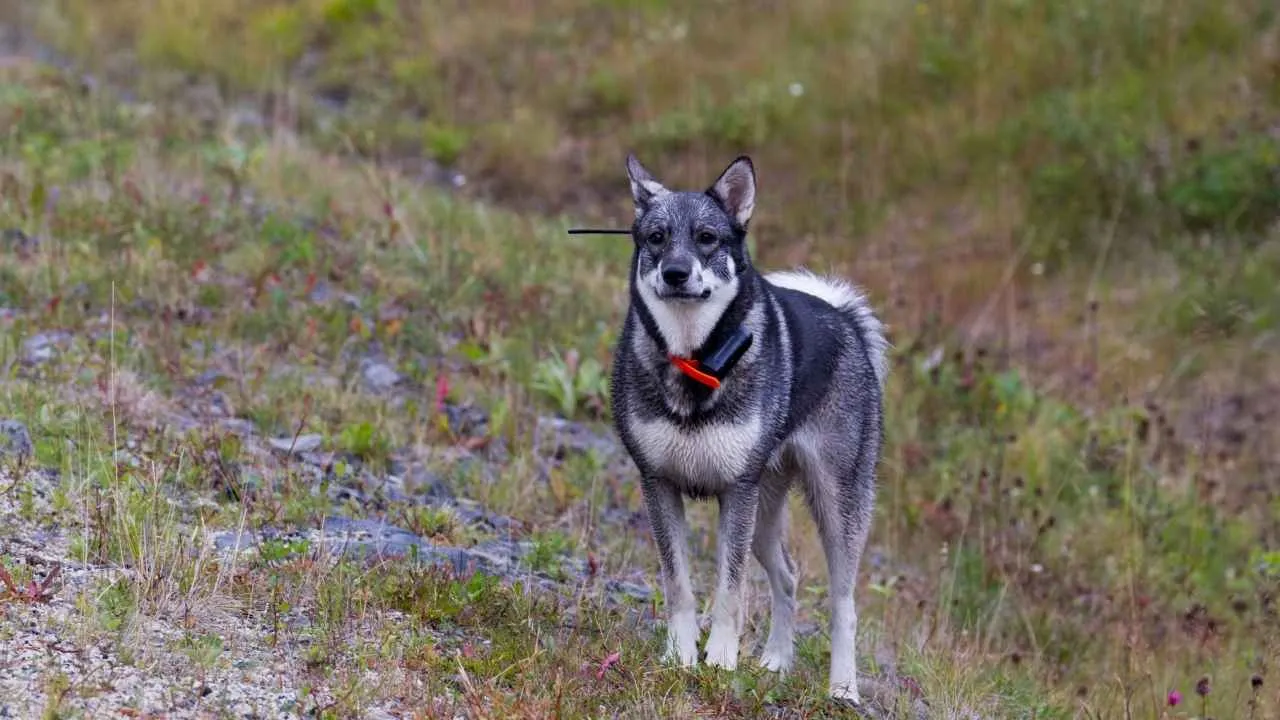
With a history dating back thousands of years, the Norwegian Elkhound developed to navigate rugged Nordic landscapes while tracking large game. Its stamina, courage, and sturdy build helped it work in challenging outdoor conditions.
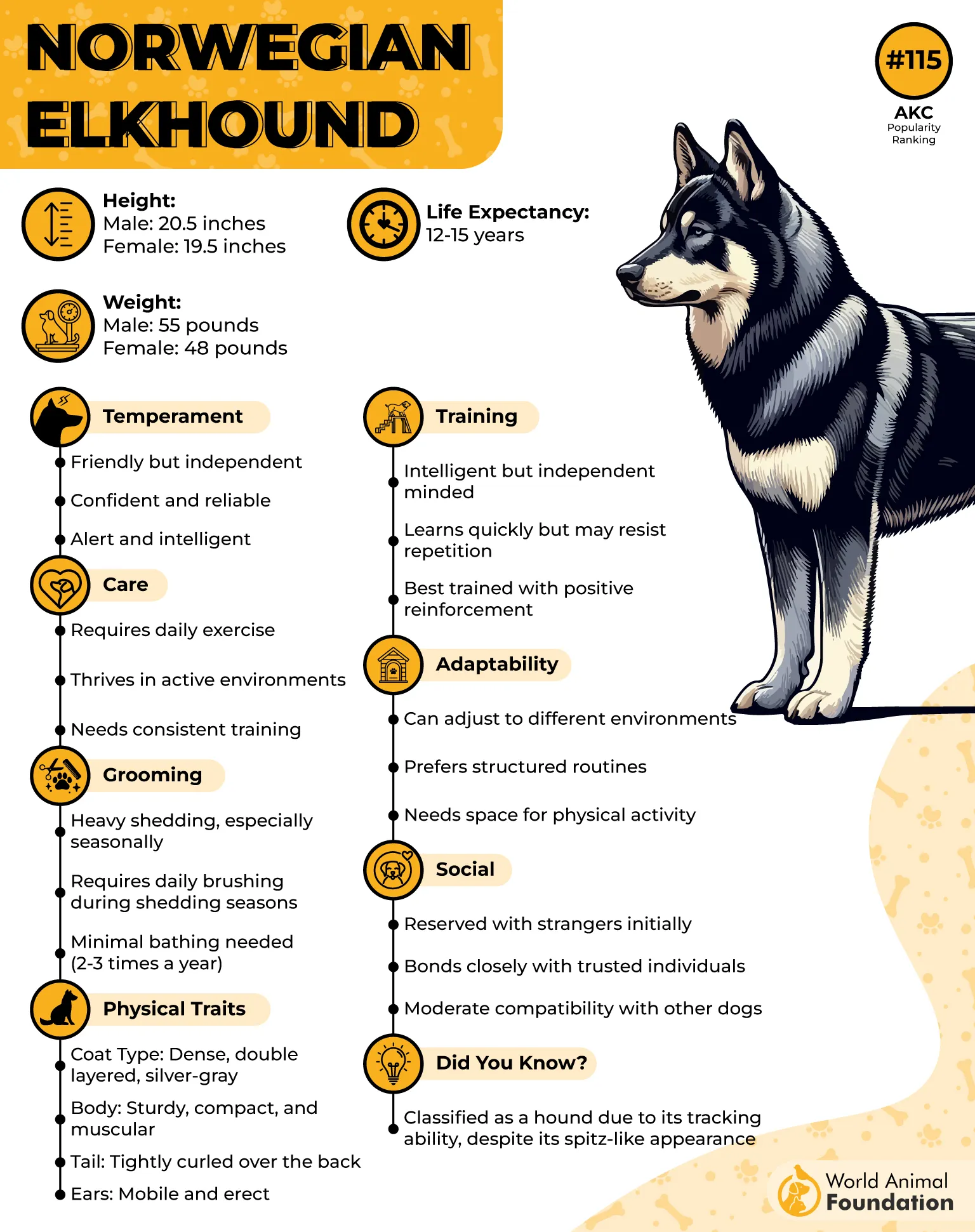
A dense double coat protects this breed against cold weather, featuring a soft, woolly undercoat beneath a coarse outer layer. Its characteristic silver-gray colouring, upright ears, and strong physique reflect its northern heritage.
Originally used to track moose and other large animals, this breed has impressive scenting abilities and can cover rough terrain while remaining alert. Its tracking instincts make it particularly capable in forests and mountainous environments.
Beyond its working abilities, the Norwegian Elkhound is intelligent, independent, and loyal to its family. It thrives in colder climates and needs regular exercise and mental stimulation to remain satisfied.
How This Breed Stands Out
Weather-resistant coat suited to Nordic climates: Its dense double coat provides insulation against cold temperatures, helping it remain comfortable in harsh northern weather.
Strong tracking abilities in forests and mountains: Developed to pursue large game across rugged landscapes, it combines keen tracking instincts with the stamina to navigate difficult terrain.
Conclusion
Surviving extreme conditions requires more than physical strength. Dogs adapted to demanding environments possess remarkable endurance, resilience, and natural abilities that help them cope with challenging weather and rugged terrain.
Their protective coats, sturdy bodies, and hardworking nature reflect generations of adaptation to harsh surroundings. These qualities allow them to perform demanding tasks while remaining comfortable in conditions that many dogs would struggle to tolerate.
However, their toughness also comes with specific care requirements. Proper exercise, suitable living conditions, consistent training, and attention to individual needs are essential for their well-being.
Choosing a resilient companion means understanding its natural abilities and providing an environment where its physical and mental needs can be fulfilled.
