




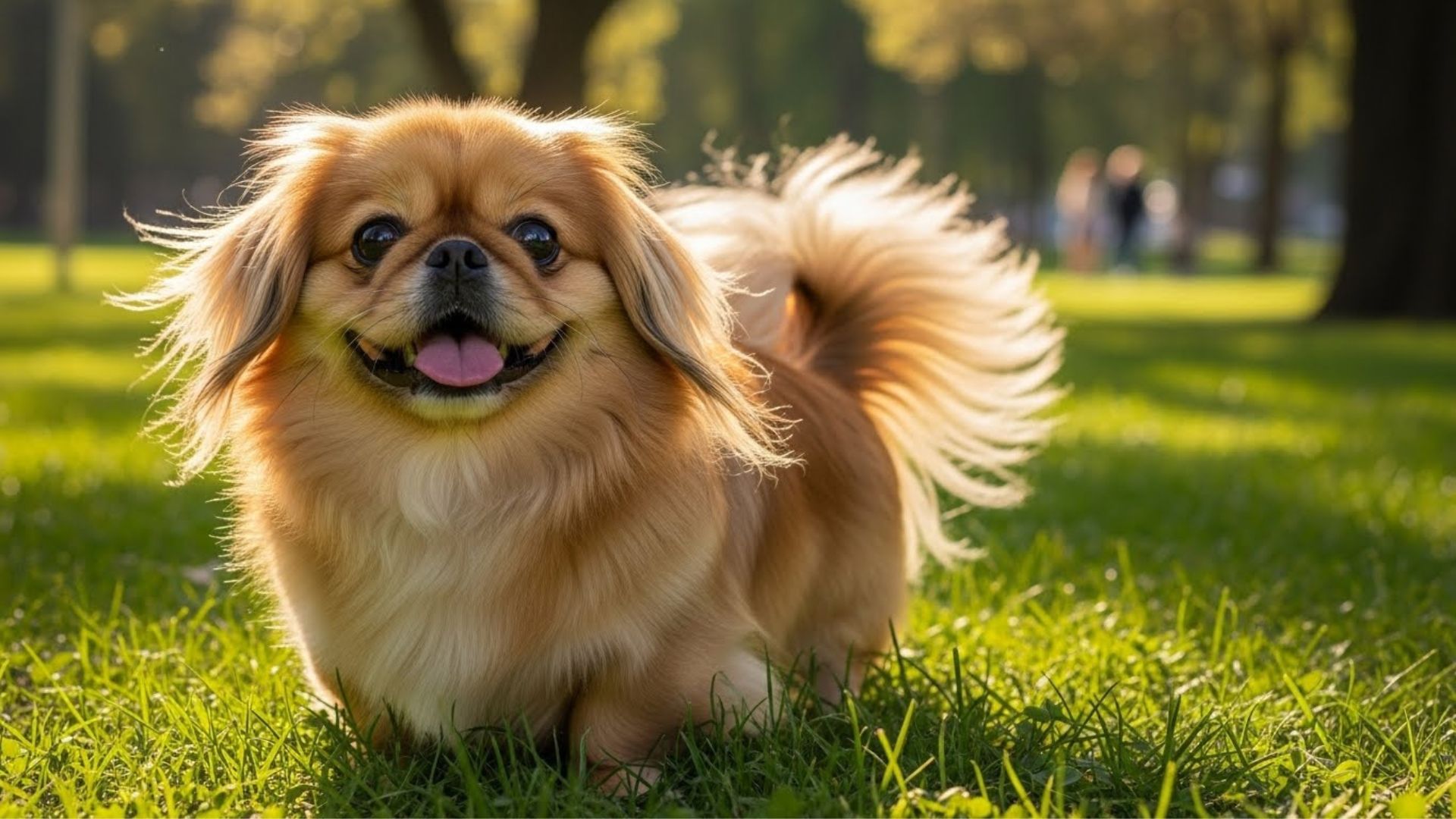
Did you know that some dogs handle alone time with surprising ease? While many pups crave constant company, there are breeds that stay content, relaxed, and even cheerful when left to their own devices. These independent yet affectionate dogs can manage quiet hours while their owners are at work or running errands.
They don’t sulk or misbehave; they nap, play with toys, and patiently wait for your return. Understanding which breeds adapt well to solo moments helps you choose a companion that fits your lifestyle without stress or guilt. From easygoing small dogs to calm larger breeds, these happy and self-assured pets prove that being home alone doesn’t have to mean lonely.
Let’s explore the dog breeds that bring balance to companionship, those that love you dearly but are just as comfortable enjoying their peaceful time apart.
Happy Dog Breeds Even When Home Alone
1. Greyhound
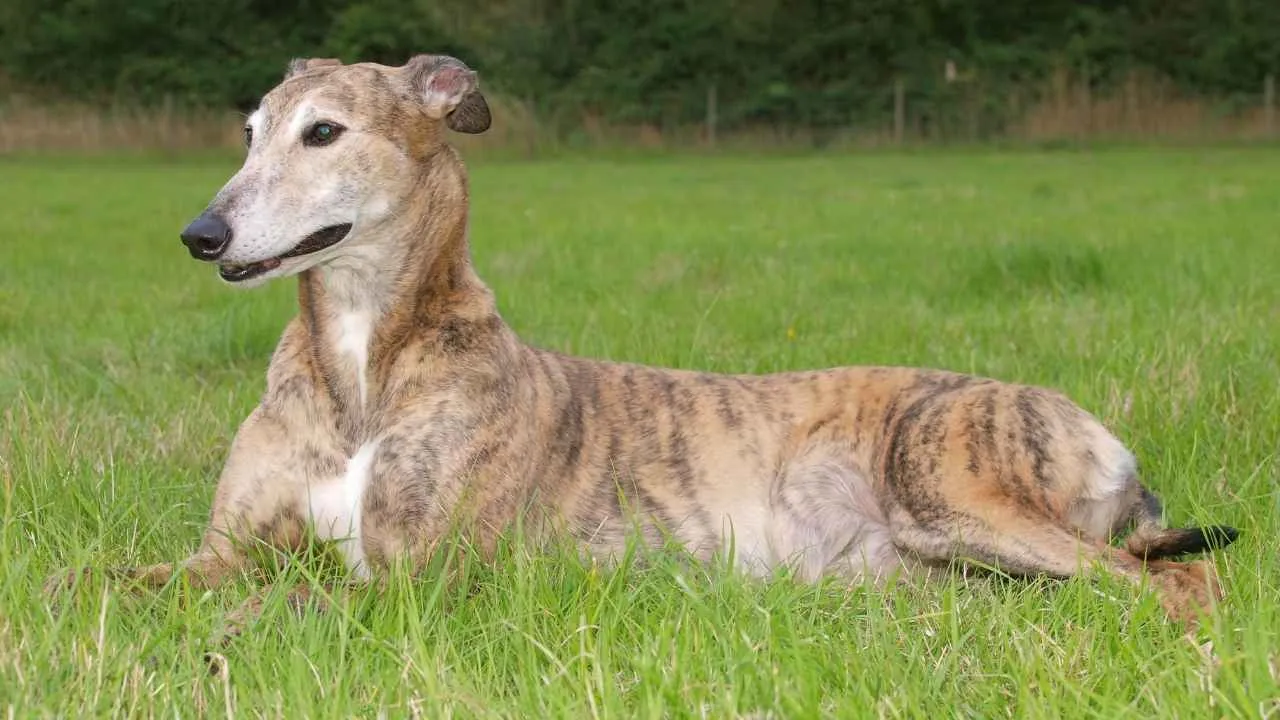
The Greyhound surprises many with how calm and low-maintenance it truly is. Known for incredible speed on the track, this breed’s favorite pastime at home is lounging quietly on a soft bed. They appreciate affection but never demand constant attention, making them an excellent match for owners who spend time away during the day.

When alone, a Greyhound tends to nap peacefully rather than seek mischief. Their gentle, independent nature means they rarely bark excessively or show anxiety if they’ve had proper exercise beforehand. A comfortable resting place and a steady routine help them feel secure even in solitude.
Despite their athletic background, Greyhounds are actually one of the most laid-back breeds indoors. Their calm demeanor and sensitivity make them intuitive companions who adjust easily to different living environments. With their elegant build and easy temperament, they fit perfectly into quiet, low-energy households.

Though they form close bonds with their people, Greyhounds enjoy their own downtime just as much. A bit of daily activity followed by alone time suits them perfectly, offering the balance between connection and independence that this breed naturally thrives on.
Fun Fact
Greyhounds are one of the oldest known dog breeds, with origins tracing back over 4,000 years to ancient Egypt, where they were prized for both speed and grace.
🎧 Dogcast
Episode 35 — If Dogs Could Talk — The Stare-Down | Tactical Food Surveillance Podcast
If you don’t hear sound, tap the button above to enable audio.
2. Pekingese
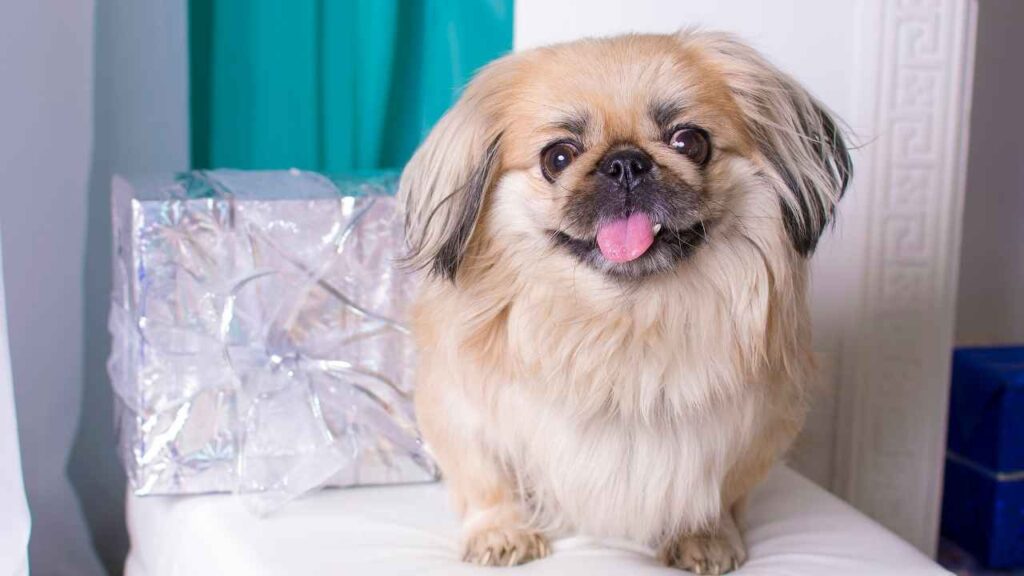
The Pekingese carries itself like royalty, calm, confident, and perfectly comfortable in its own company. Bred in the palaces of ancient China, it has retained that same self-assured independence that once made it a royal favorite. These dogs enjoy attention but rarely demand it, preferring to nap or quietly observe their surroundings.
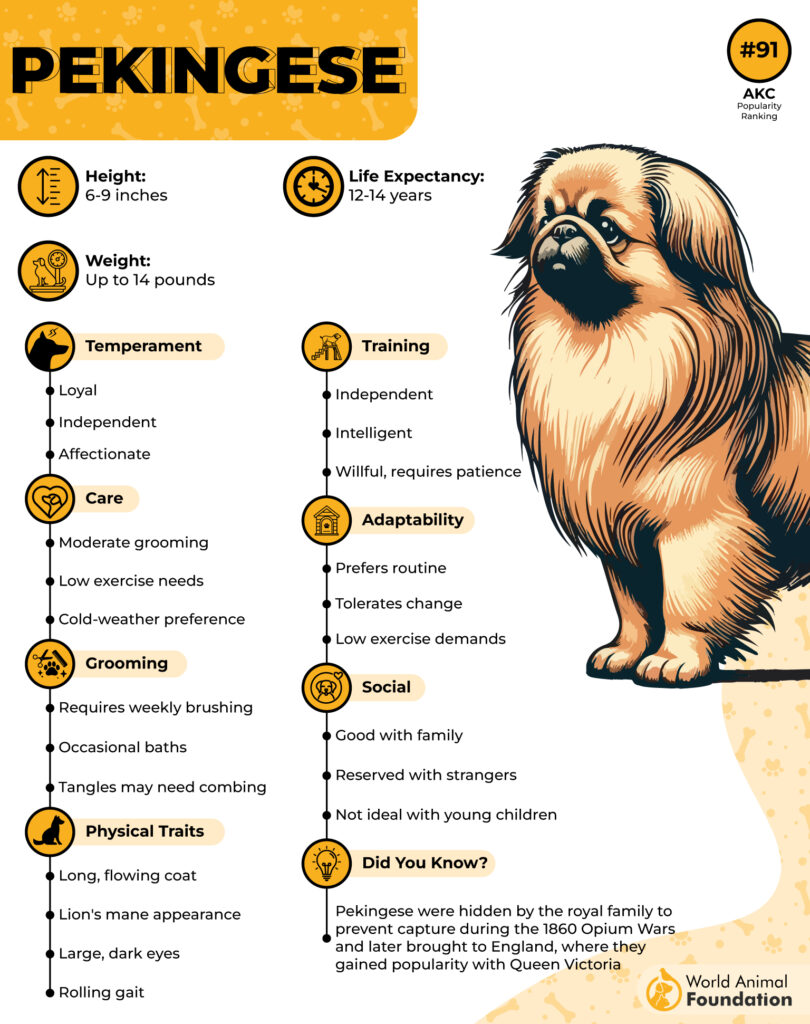
A Pekingese is not easily bored when left alone for a few hours, as long as its environment feels safe and familiar.
According to the AKC, their steady temperament makes them well-suited to apartment living, where they can relax comfortably on plush furniture or in a cozy corner. Providing them with a few favorite toys helps keep them entertained during downtime.
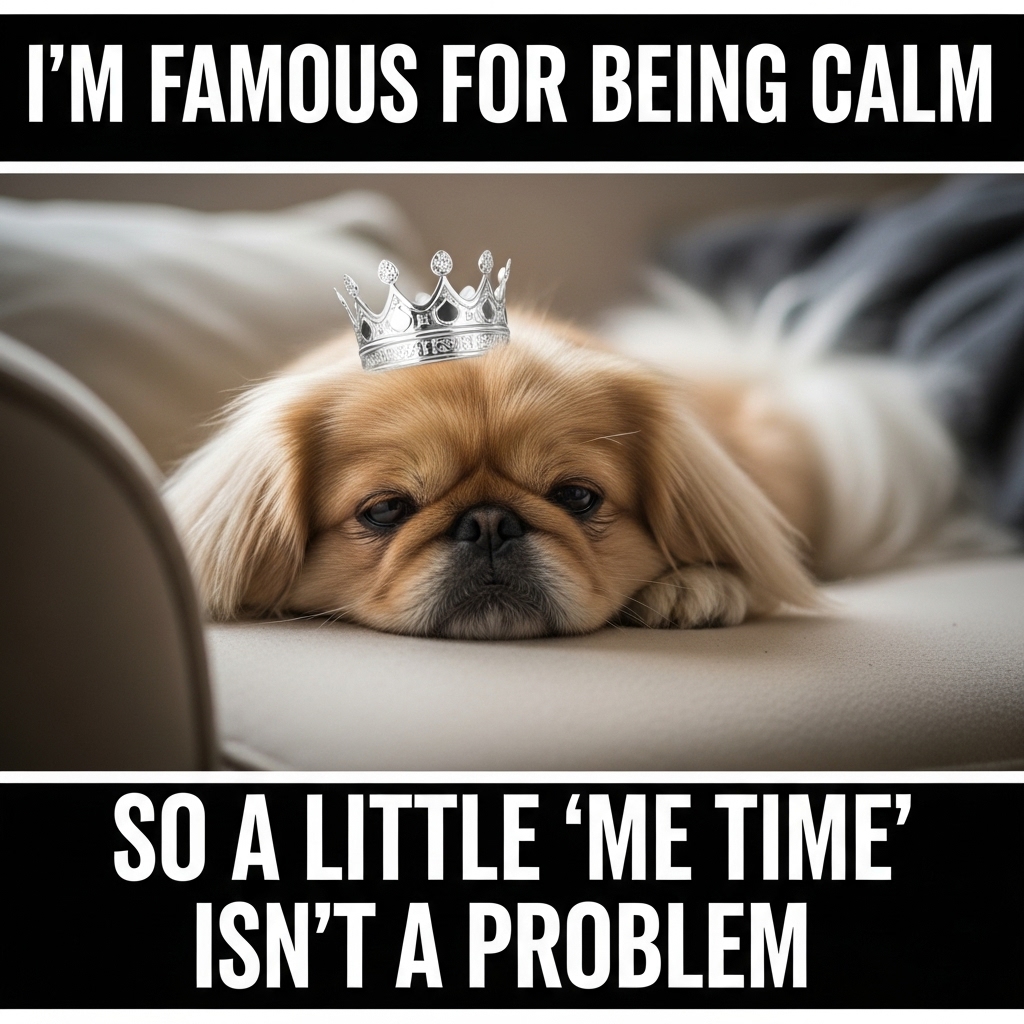
Their thick coat gives them a regal appearance but requires occasional grooming to keep it smooth and healthy. They handle daily routines gracefully, making them a joy for owners who value a calm, predictable companion. This breed’s confidence and poise make separation much easier than with more anxious dogs.
The Pekingese balances independence with affection beautifully. They love being near their humans but are content to spend peaceful hours alone, reflecting their centuries-old royal composure and self-reliant charm.
Fun Fact
Pekingese were once so treasured by Chinese emperors that stealing one from the royal household was punishable by death—a testament to their revered status.
3. Lhasa Apso
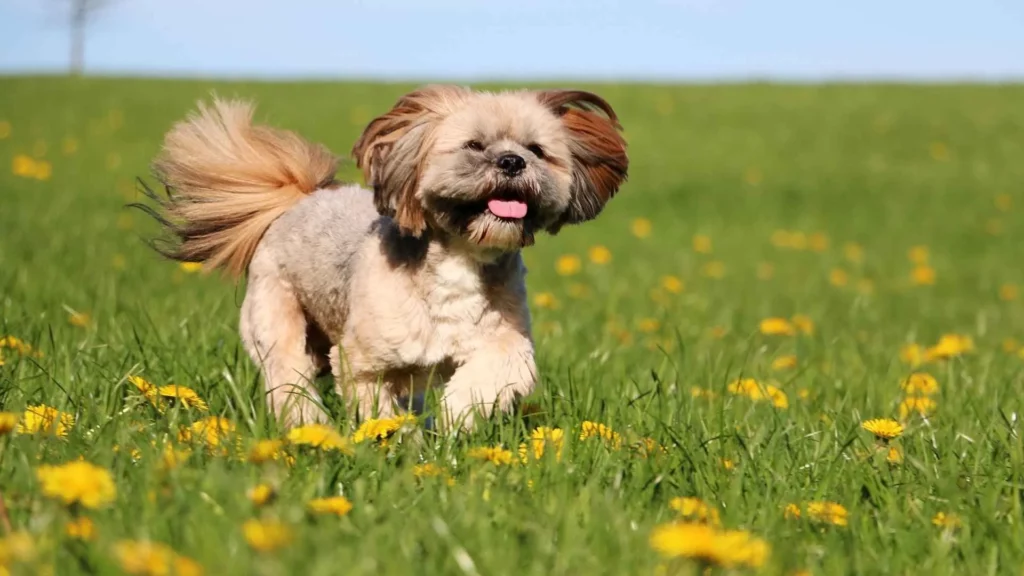
The Lhasa Apso has an independent streak rooted in its ancient Tibetan heritage. Originally bred to guard monasteries, this breed developed a composed and observant personality, perfectly suited to quiet environments. Their intelligence and steady confidence allow them to stay relaxed even when home alone for several hours.

PetMD states that Lhasas form strong attachments to their families but prefer balance over clinginess. They are comfortable occupying themselves, often finding a window perch or a cool spot on the floor to rest. With proper early socialization, they maintain a stable temperament that thrives on routine and calm surroundings.
Their long, elegant coat gives them a dignified appearance, and while it requires regular care, it reflects the breed’s refined, patient nature. Many owners choose to keep the coat trimmed shorter for easier upkeep, which suits their practical side perfectly. Their love of structure extends to grooming—it’s just another peaceful part of their day.

While naturally alert, the Lhasa Apso does not overreact to every sound or movement. This steady, confident demeanor helps them feel secure in solitude, making them one of the best small breeds for owners with busy workdays.
Fun Fact
In Tibet, Lhasa Apsos were believed to embody the souls of monks after reincarnation, symbolizing wisdom, loyalty, and good fortune.
4. Maltese
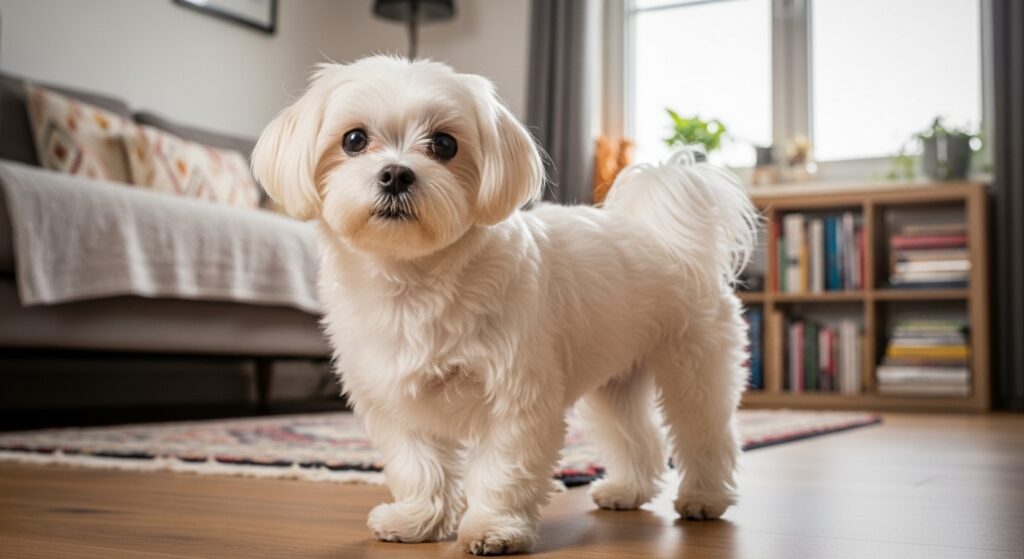
The Maltese may be small and delicate in appearance, but it’s remarkably adaptable and emotionally balanced. Known for its affectionate nature, this breed enjoys companionship but doesn’t fall into distress when left alone for a few hours. A comfortable space and familiar routine help it feel at ease during quiet moments.
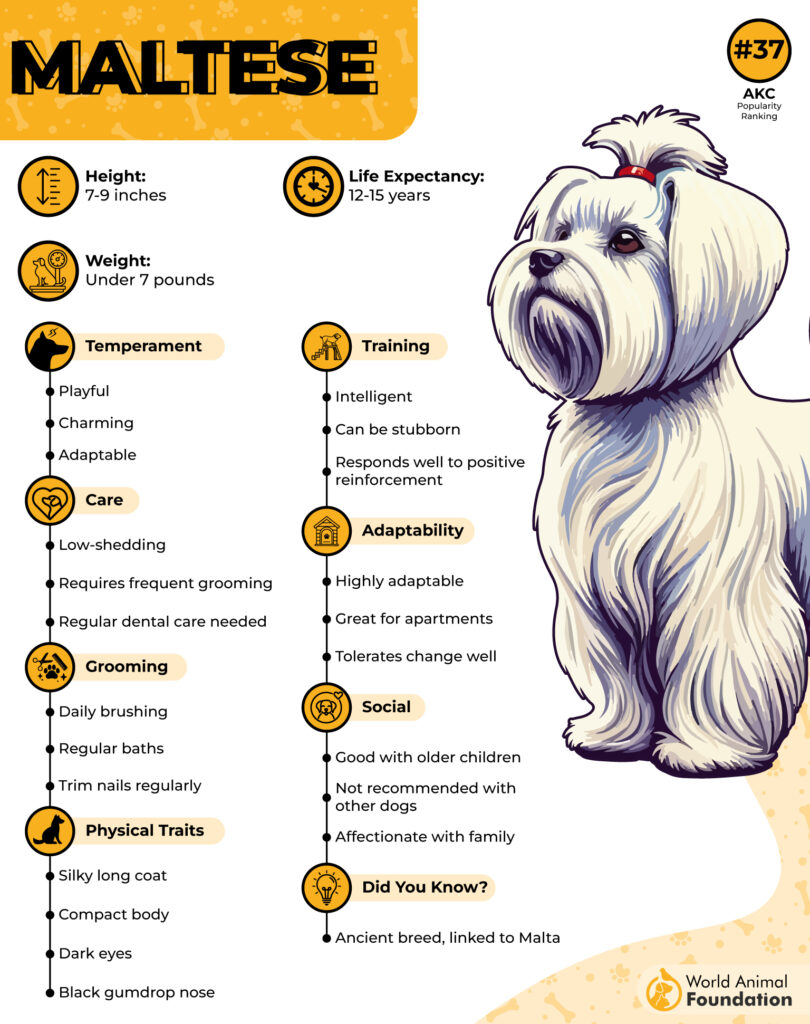
These dogs are playful and lively when you’re around, yet they can shift into a calm, restful mode when the house is still. Their intelligence and gentle temperament make them easy to train to enjoy independent time. Leaving soft toys or puzzle feeders provides light mental engagement that keeps them content.
The Maltese’s luxurious white coat gives it an elegant, classic look. Regular brushing keeps the coat smooth, while short trims simplify care for owners with busy schedules. Their adaptability extends to grooming—they see it as a relaxing ritual rather than a chore.
Even when alone, a Maltese remains cheerful and poised. Their mix of confidence and affection makes them one of the most well-rounded small breeds, perfectly suited for families, single owners, or apartment living alike.
Fun Fact
The Maltese has been cherished since ancient times and was a favorite among Roman aristocrats, who often carried them in their robes as symbols of refinement and companionship.
5. Basset Hound
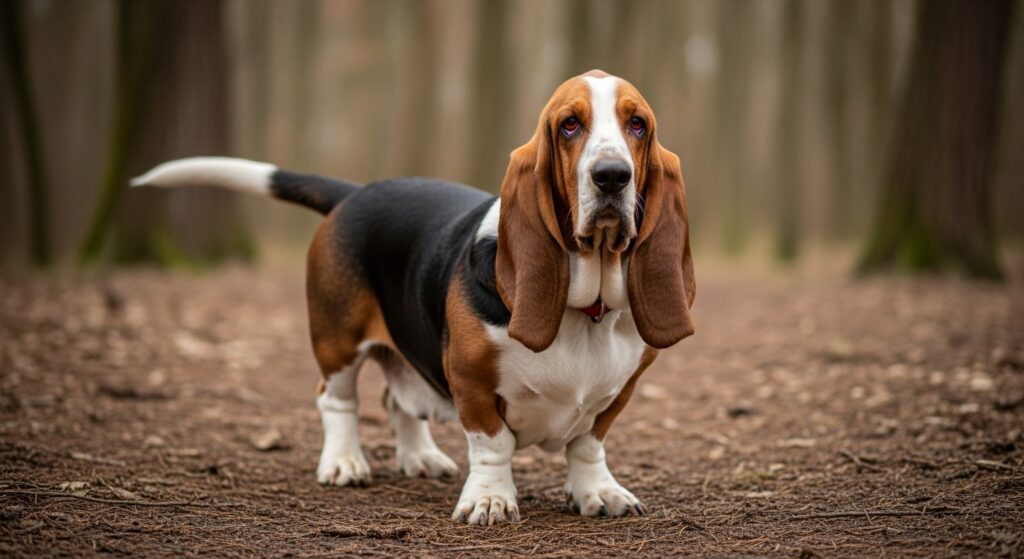
The Basset Hound is famous for its droopy eyes, long ears, and calm, affectionate nature. Despite its size and sturdy frame, this breed is one of the most relaxed dogs you can find. They enjoy human company but handle alone time with ease, often using it as an opportunity for a long nap.
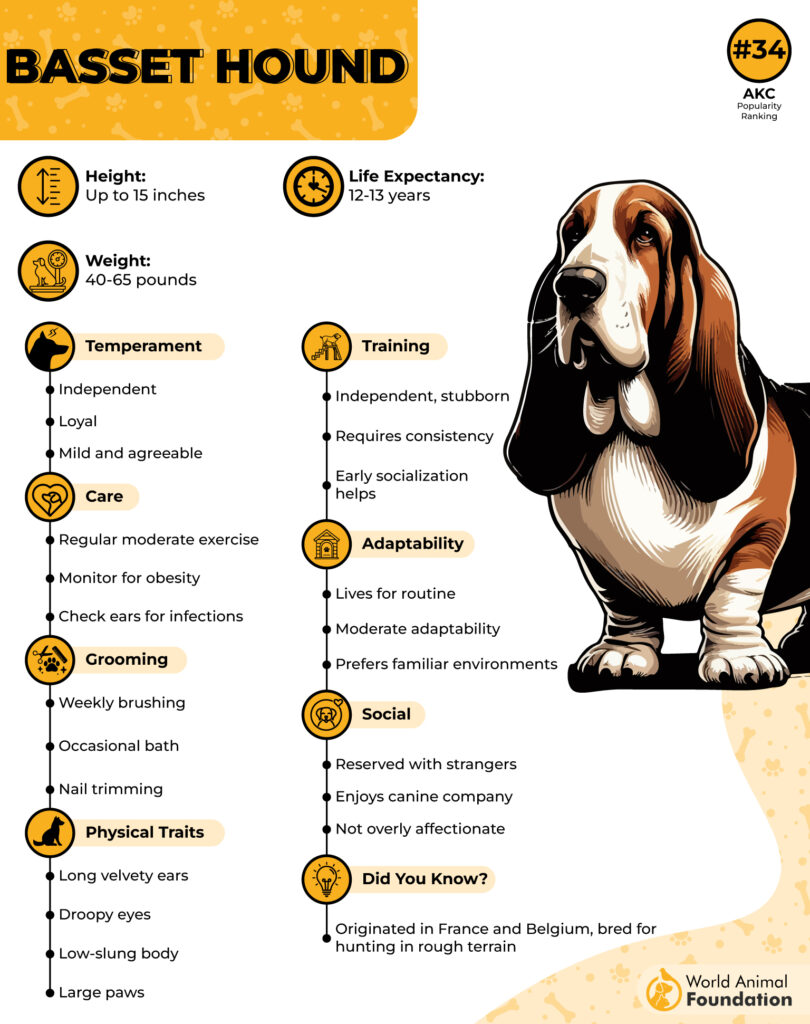
Their slow, steady energy level makes them ideal for quieter households or owners who work outside the home. Bassets tend to stay calm, rarely becoming anxious as long as they’ve had a bit of attention and some gentle exercise earlier in the day. They’re perfectly content to rest on soft furniture or explore the house at their own pace.
Although originally bred as scent hounds, they are surprisingly low-maintenance companions indoors. Their strong sense of smell keeps them mentally stimulated, and a few chew toys can keep boredom at bay when left alone, as noted by Hill’s Pet. A consistent daily routine adds to their sense of comfort and security.
Known for their soulful expression and sweet temperament, Basset Hounds prefer calm interaction over chaos. Their easygoing personality, combined with patience and independence, makes them one of the happiest breeds to relax solo.
Fun Fact
The Basset Hound’s long ears help sweep scents toward its nose while tracking, giving it one of the most powerful senses of smell among all dog breeds.
6. Shiba Inu
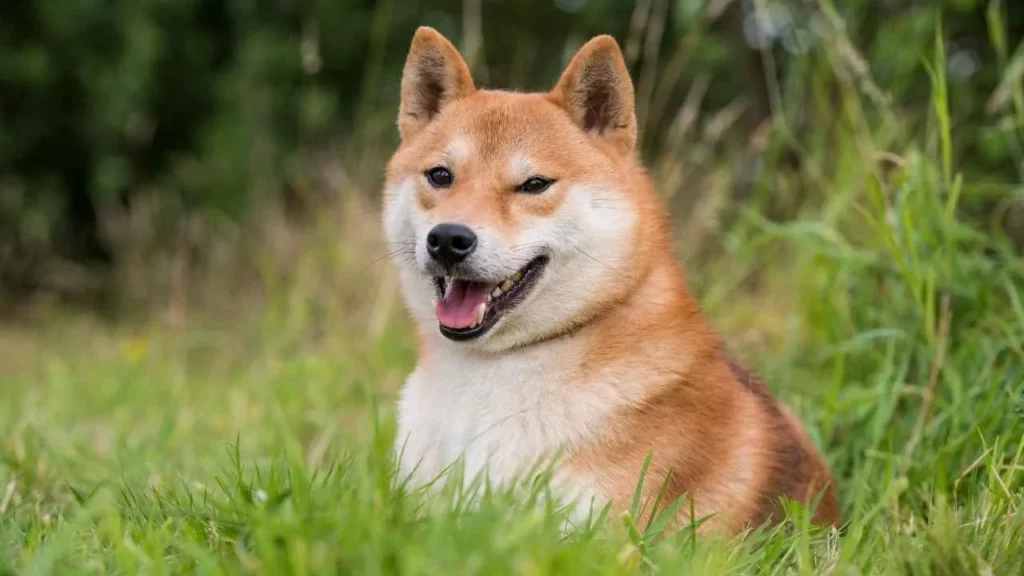
The Shiba Inu is confident, independent, and perfectly capable of managing its own space. Originally bred in Japan for hunting, it retains a self-reliant streak that makes it comfortable spending time alone. These dogs enjoy companionship but also appreciate solitude, showing calm composure even when their owners are away.
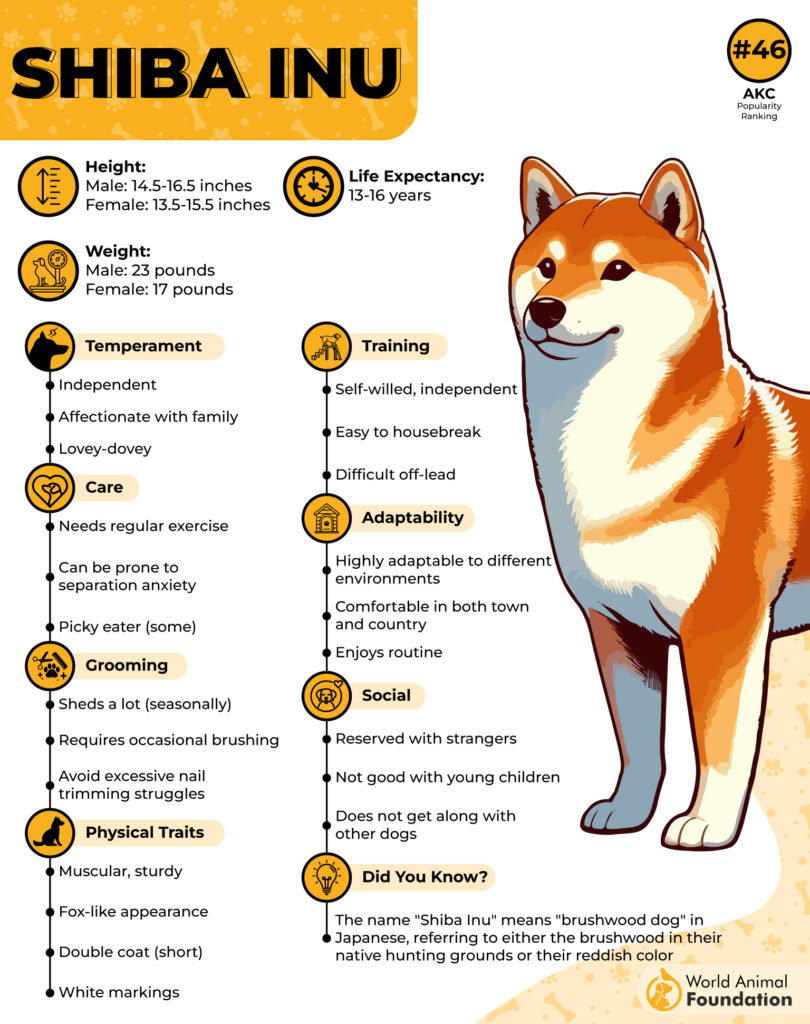
They are alert and intelligent, using their downtime productively—whether exploring toys or watching the world from a window. Their curious nature means they don’t require constant engagement to stay happy, though they do appreciate stimulation through regular walks and mental challenges.
Shibas are naturally clean and quiet, making them well-suited to apartment living. They maintain a sense of dignity and routine that keeps them composed during solo hours. Their independent mindset helps prevent separation-related stress when properly introduced to alone time from a young age.
While affectionate in their own subtle way, Shibas are not overly clingy. They bond deeply with their family yet remain perfectly at peace, spending time alone, displaying a balance between devotion and independence.
Fun Fact
The Shiba Inu is one of Japan’s oldest native breeds, often described as having a “cat-like” personality due to its cleanliness, confidence, and preference for personal space.
7. Japanese Chin
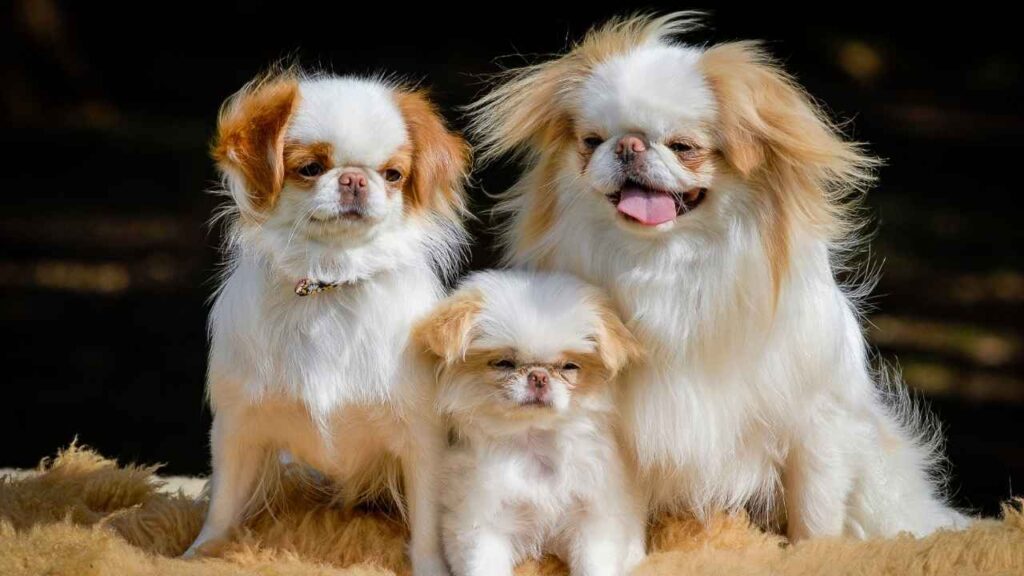
The Japanese Chin is graceful, intelligent, and naturally serene—traits that make it comfortable being alone for reasonable periods. Bred as a companion for Japanese nobility, this breed carries itself with quiet poise and elegance, preferring calm environments where it can relax undisturbed.
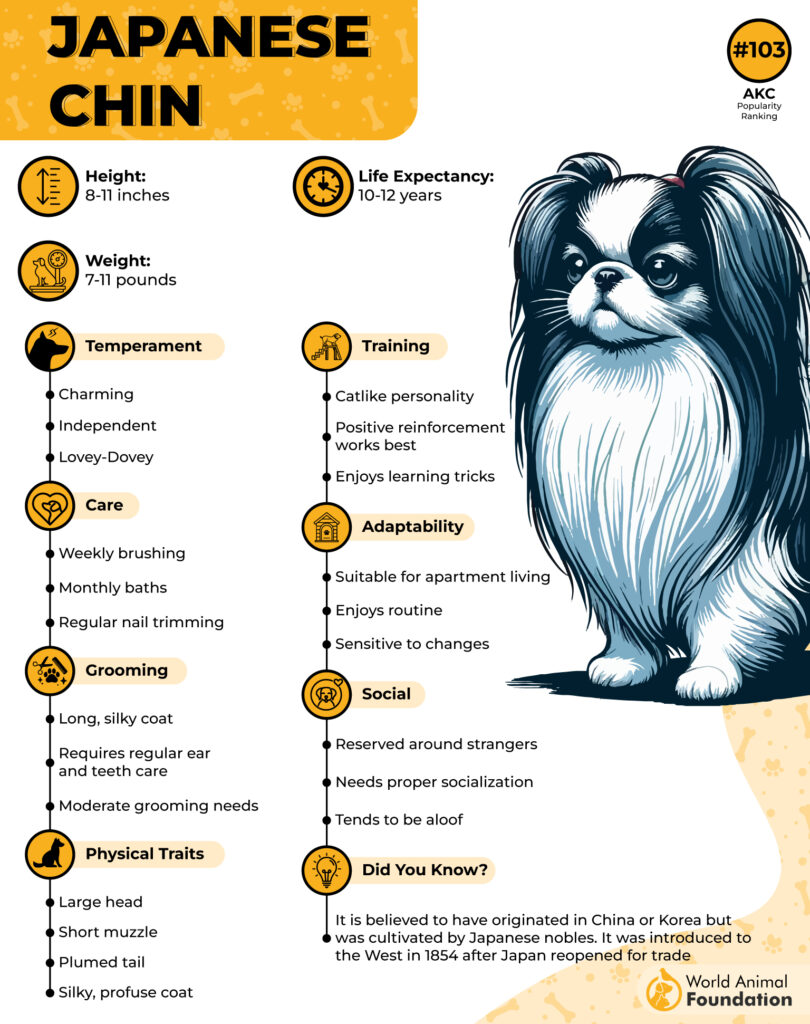
Chins form strong attachments to their owners but do not typically suffer from separation anxiety if properly socialized. Their independent yet affectionate nature allows them to enjoy alone time, often curling up in a sunny spot or softly playing with their favorite toy.
This breed’s low energy level makes it perfect for apartment living or smaller homes. They are not demanding of constant activity or attention but appreciate structure and gentle companionship. A few hours of solitude suits them well, provided they have a comfortable resting area and some light enrichment.
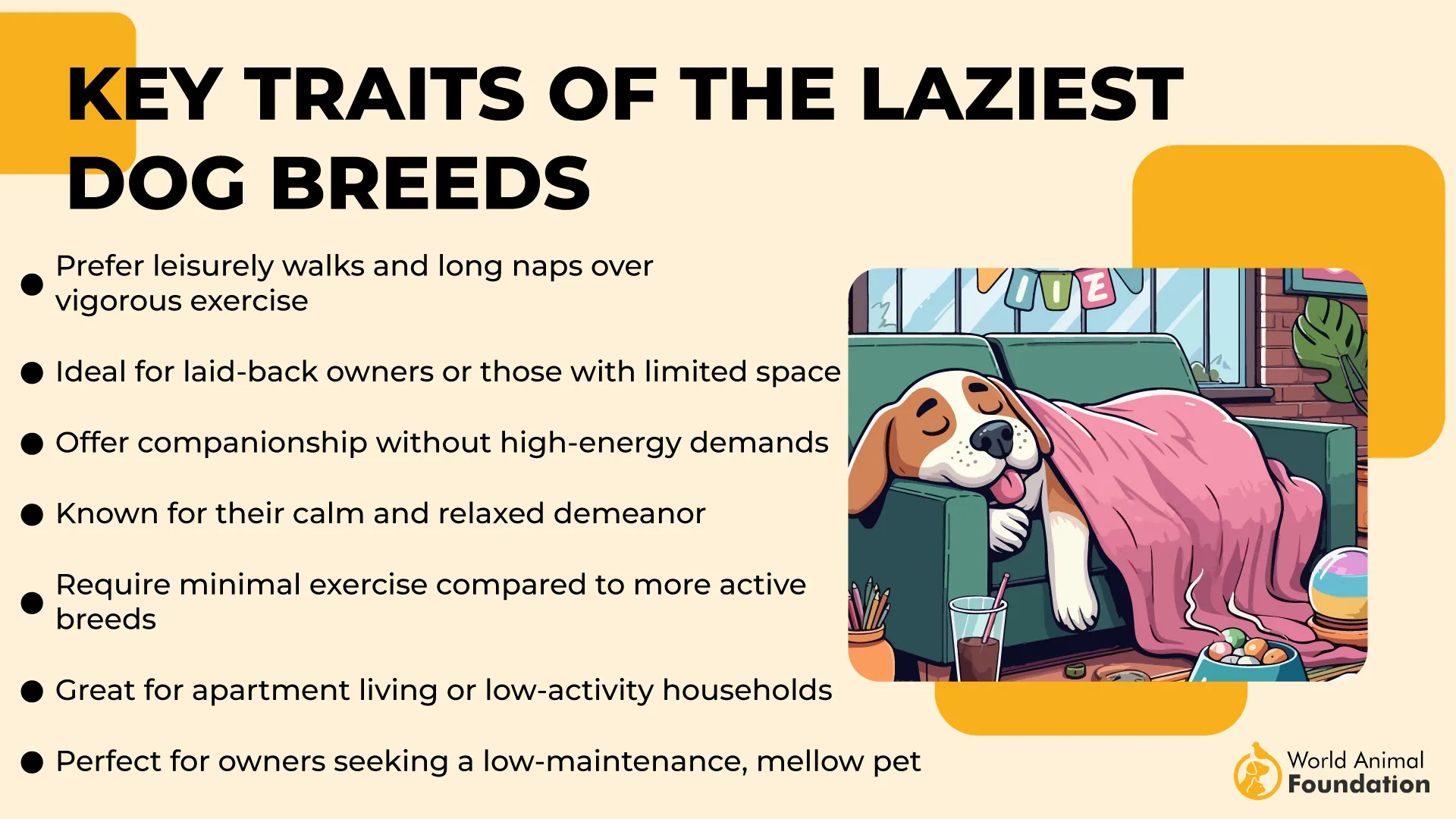
Japanese Chins thrive in peaceful households where calm routines match their mellow personality. They handle absence gracefully, reflecting the refined temperament that once made them treasured companions of ancient royalty.
Fun Fact
Japanese Chins are known for their expressive, almost human-like faces and were once called “Japanese Spaniels.” Their unique head tilt and bright eyes make them natural charmers.
FAQs
Are there any training tips to help my dog enjoy solitude?
Start with short periods of solo time and gradually increase the duration. Provide toys for mental stimulation, practice obedience training, and reward calm behavior so your canine companion associates alone time with positive experiences.
Do age and breed affect how long a dog can stay alone?
Yes, puppies and highly social breeds struggle more with being left alone for long periods. Adult dogs from independent breeds tend to tolerate solitude better, especially when proper training and consistent exercise are part of their routine.
Which affectionate dogs still handle alone time well?
Breeds with a balanced, independent personality—like the Italian Greyhound, French Bulldog, or Basset Hound—enjoy affection but stay calm when left alone. These low-maintenance dogs adapt well to small spaces and remain well-behaved with limited interaction.
Conclusion
Independent dogs show that happiness doesn’t always require constant interaction. With proper training and mental stimulation, even affectionate breeds can become self-sufficient, calm, and confident when home alone.
Adult dogs that receive regular exercise, balanced meals, and occasional long walks maintain good health and emotional well-being. Pet parents often find that low-maintenance dog breeds like the Greyhound, Shiba Inu, or Lhasa Apso are among the best dog breeds for busy households.
Other dog breeds, such as the French Bulldog, Boston Terrier, Italian Greyhound, Bichon Frise, Shar Pei, Great Pyrenees, Chow Chows, and Irish Wolfhounds, are suitable for families seeking loving yet independent dogs that thrive in small spaces and remain loyal, smart, and happy canine companions.
Dogs Home Alone 🐶 Can You Score 5/5?
Which dog breed prefers napping quietly when left alone?
Which breed was originally bred in Chinese royal palaces?
Which breed was once used to guard Tibetan monasteries?
Which dog is known for a cat-like, independent personality?
Which relaxed breed has long ears that help track scents?
