




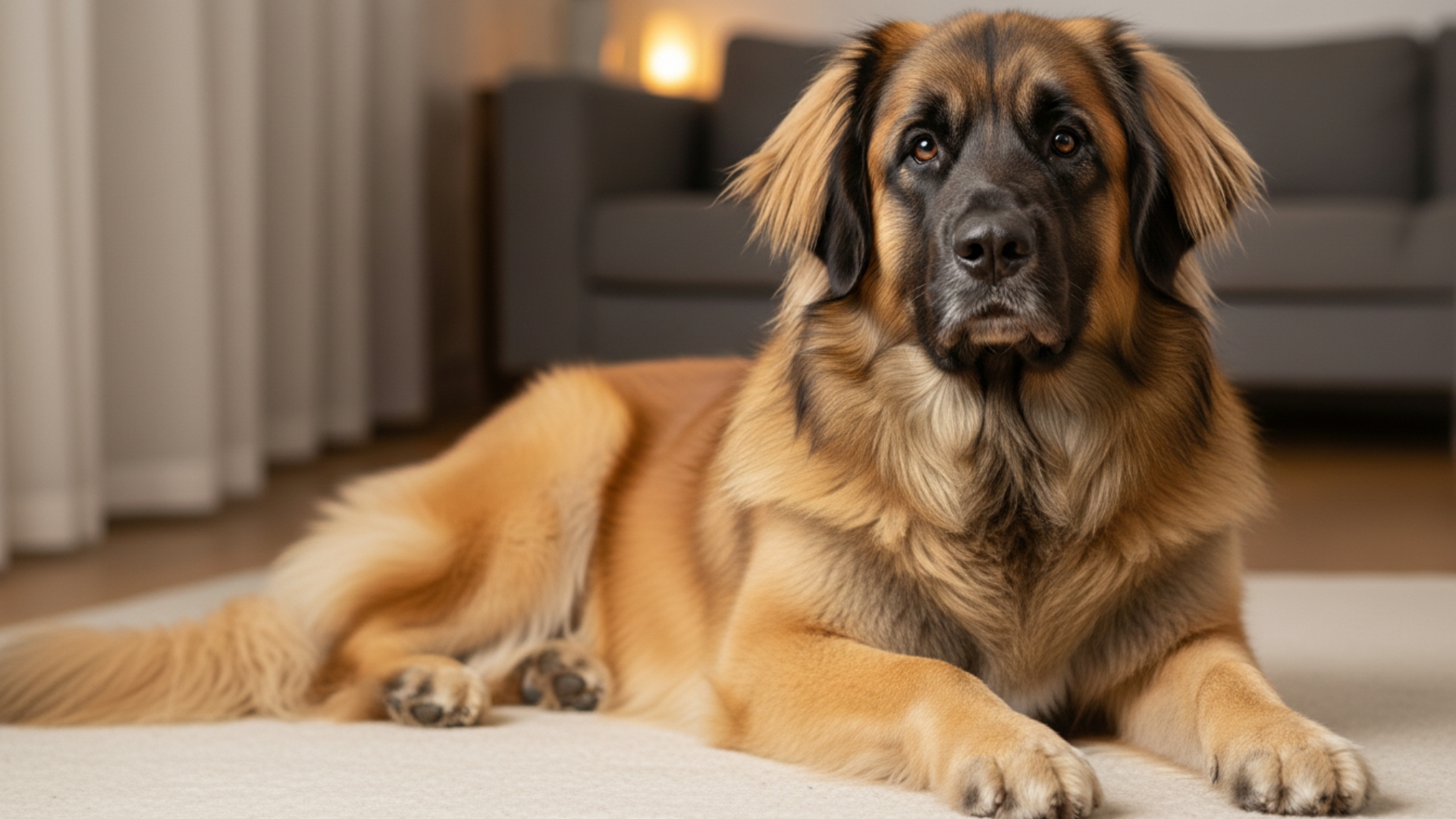
Searching for a truly one-of-a-kind dog? Rare dog breeds offer more than just companionship—they bring history, charm, and a dash of exotic flair into your life. Each pup has a story, a personality, and qualities that make them stand out from the familiar faces of popular dogs.
From the windswept Sahara to the misty Norwegian isles, countless extraordinary breeds have quietly thrived for centuries. Though many remain far from mainstream fame, their unique traits and loyal followings keep these dogs alive and cherished.
Whether you seek an adventurous hiking partner, a calm lapdog, or a playful companion for the kids, rare breeds come in all shapes and sizes. Learning about their distinctive skills and histories can guide you to a dog that’s not just a friend, but an unforgettable addition to your family.
Discover seven rare dog breeds that could turn into your next extraordinary best friend!
Hand-Picked Rare Dog Breeds For Your Next Companion
1. Tosa
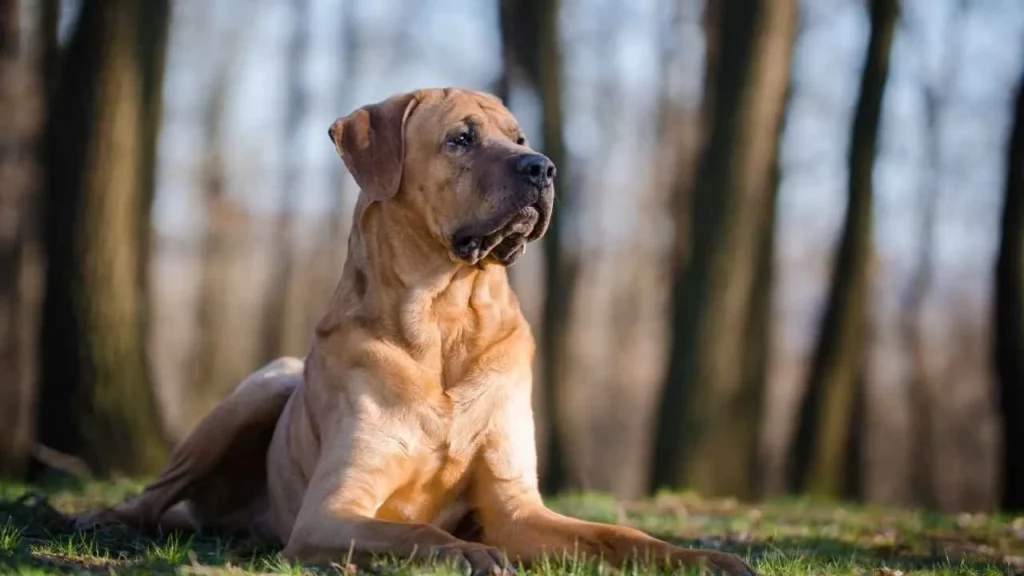
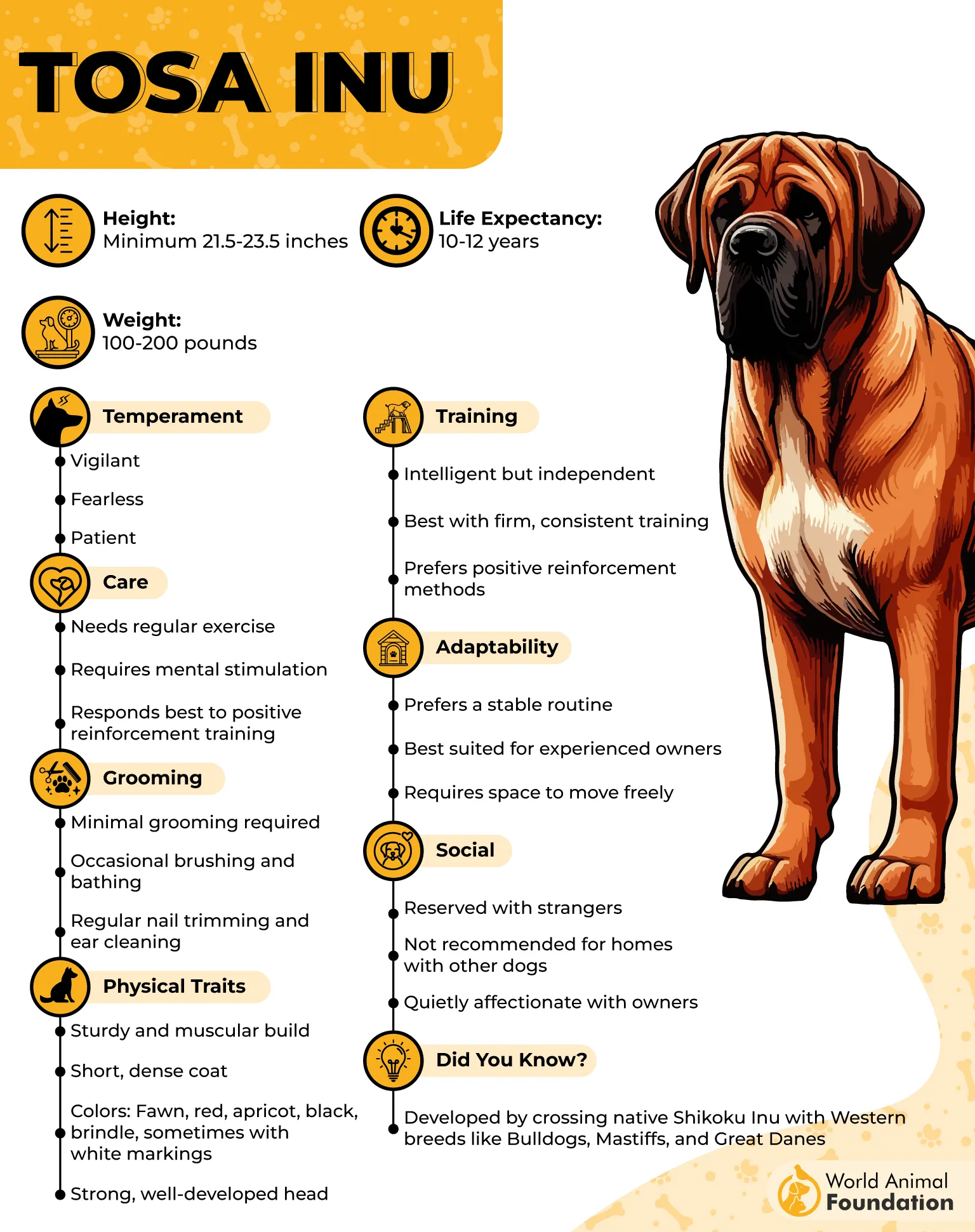
The Tosa Inu, Japan’s largest native breed, combines calm composure with quiet courage. Once bred for fighting, these large dogs now serve as loyal protectors and family companions. They are affectionate with their household yet reserved around strangers, making early socialization essential for a balanced temperament.
A Legacy Forged in History
Originating from Tosa Province on Shikoku Island, the breed was developed by crossing native Shikoku dogs with European mastiffs, Bulldogs, Great Danes, and other fighting breeds in the 19th century. Celebrated in Japan for their courage and stamina, Tosas now enjoy recognition worldwide as gentle giants with deep-rooted loyalty.
Training, Care, and Daily Life
Despite their imposing size, Tosas are calm, intelligent, and responsive when trained with patience and consistency. They thrive with daily exercise and mental stimulation like long walks, hikes, or yard play. Their short, dense coat is low-maintenance, while routine grooming, nail trimming, and dental care keep them healthy and happy.
Why Tosas Make Exceptional Companions
Calm, composed, and loyal to family members
Protective instincts without unnecessary aggression toward humans
Intelligent and trainable with firm, consistent guidance
Moderate exercise needs for a giant breed
Gentle with children when raised together
2. Scottish Deerhound
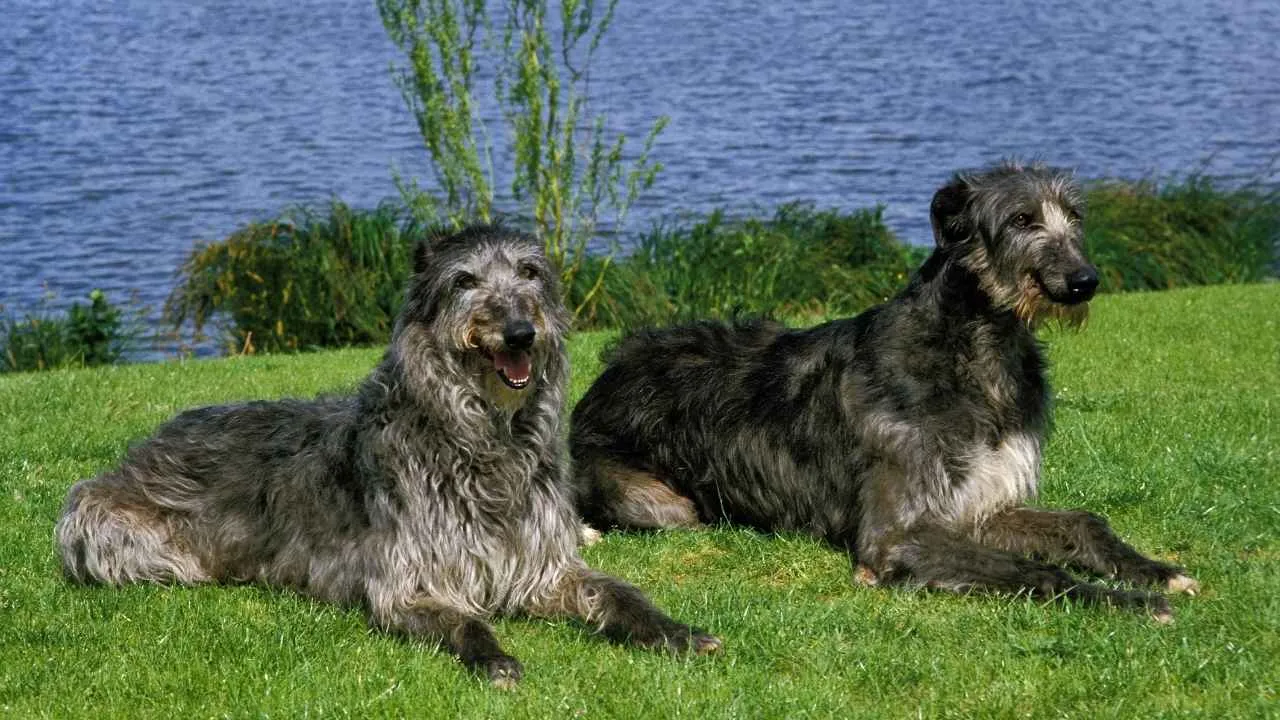
The Scottish Deerhound is a tall, lean, and majestic sight hound, often mistaken for the Irish Wolfhound but more refined in build. Known for their calm demeanor, these gentle giants are affectionate with their families yet reserved around strangers.
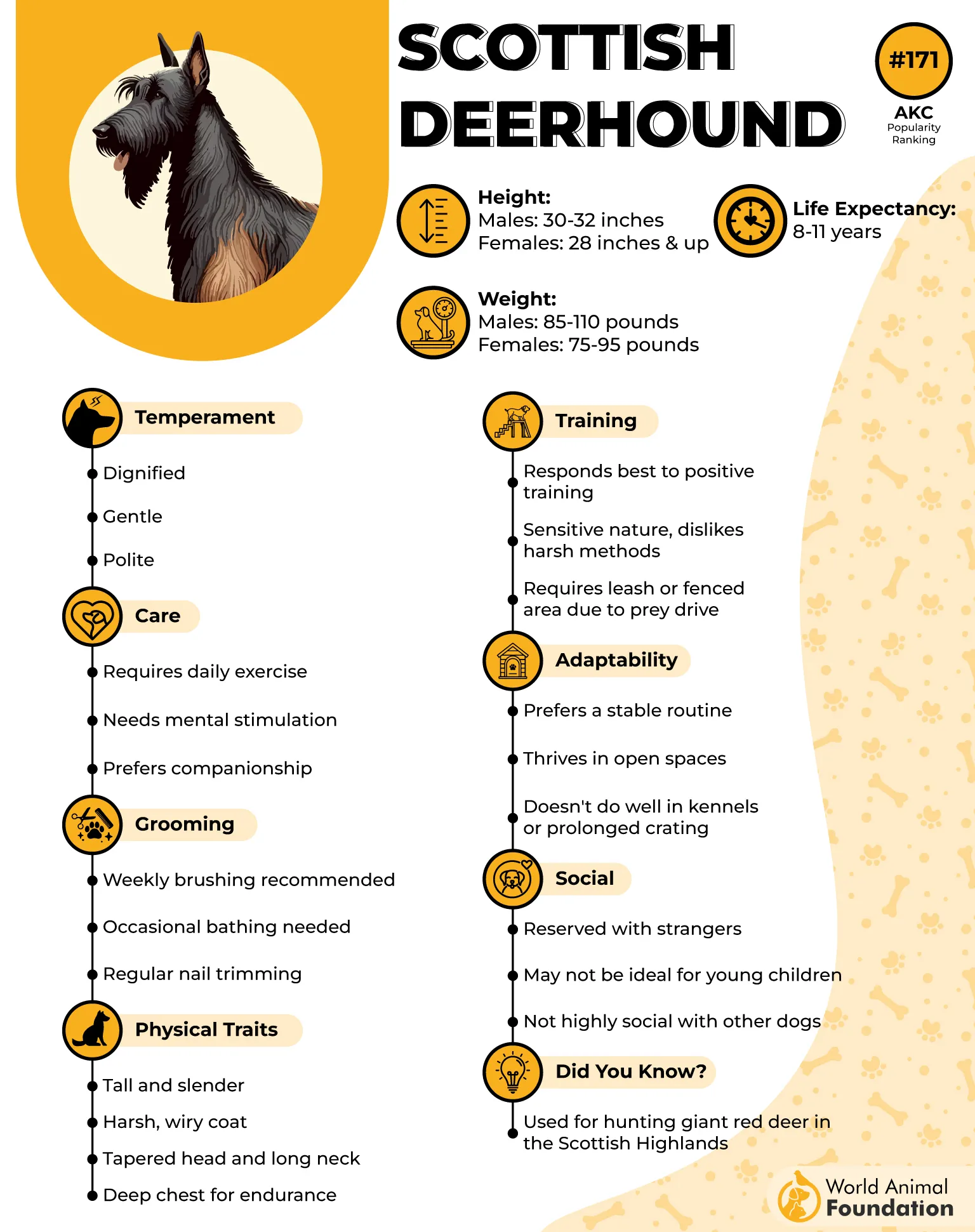
A Noble Legacy
Hailing from the Scottish Highlands, Deerhounds have been prized since the Middle Ages for their prowess in hunting stags, as per PetMD. Once reserved for the aristocracy, the breed faced near extinction multiple times, only to be revived by devoted enthusiasts.
Care, Exercise, and Temperament
Scottish Deerhounds combine elegance with intelligence, but their laid-back personality often masks bursts of athleticism. Daily exercise like running, hiking, or long walks keeps them fit, while their coarse, wiry coat requires minimal grooming.
Why Deerhounds Shine as Companions
Calm, affectionate, and highly loyal to family
Excellent for households with space to roam
Gentle temperament suitable for children
Intelligent but responsive to meaningful motivation
Minimal grooming needs for a large breed
3. Leonberger
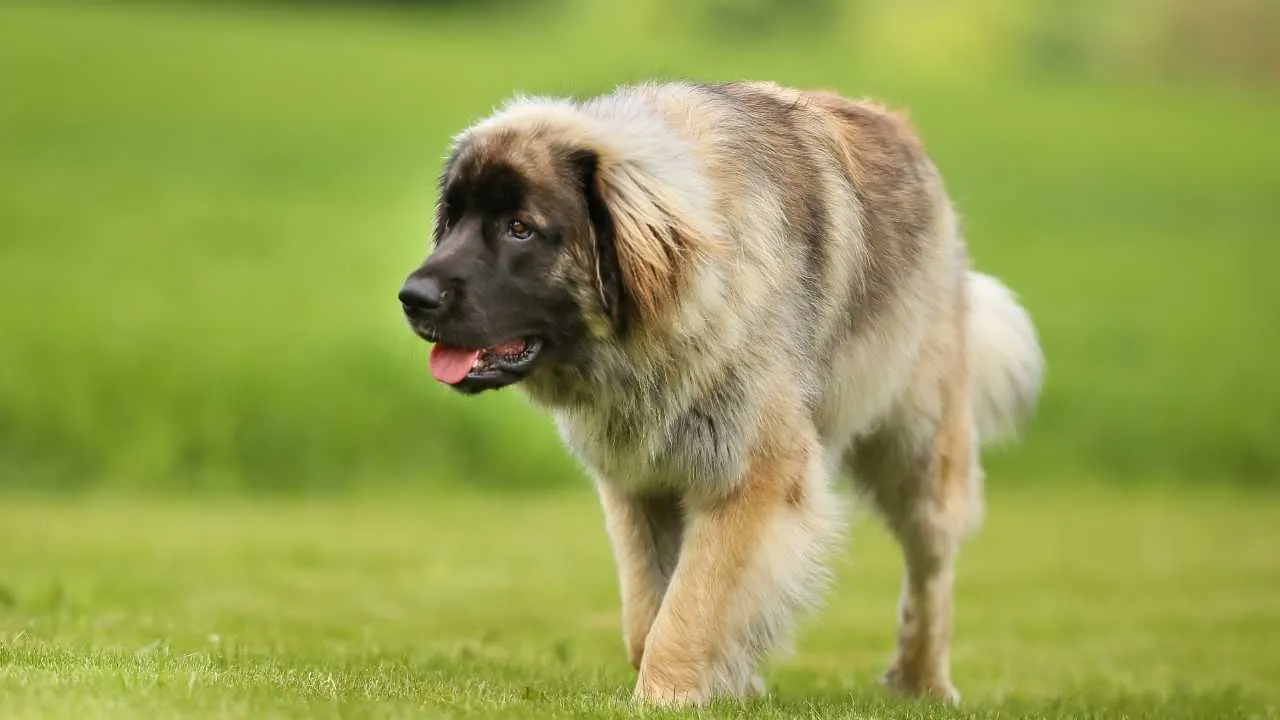
The Leonberger is a striking, powerful breed, instantly recognized by its lion-like mane, black mask, and muscular frame. Despite their imposing size, these dogs are affectionate, playful, and exceptionally patient with children and other pets.
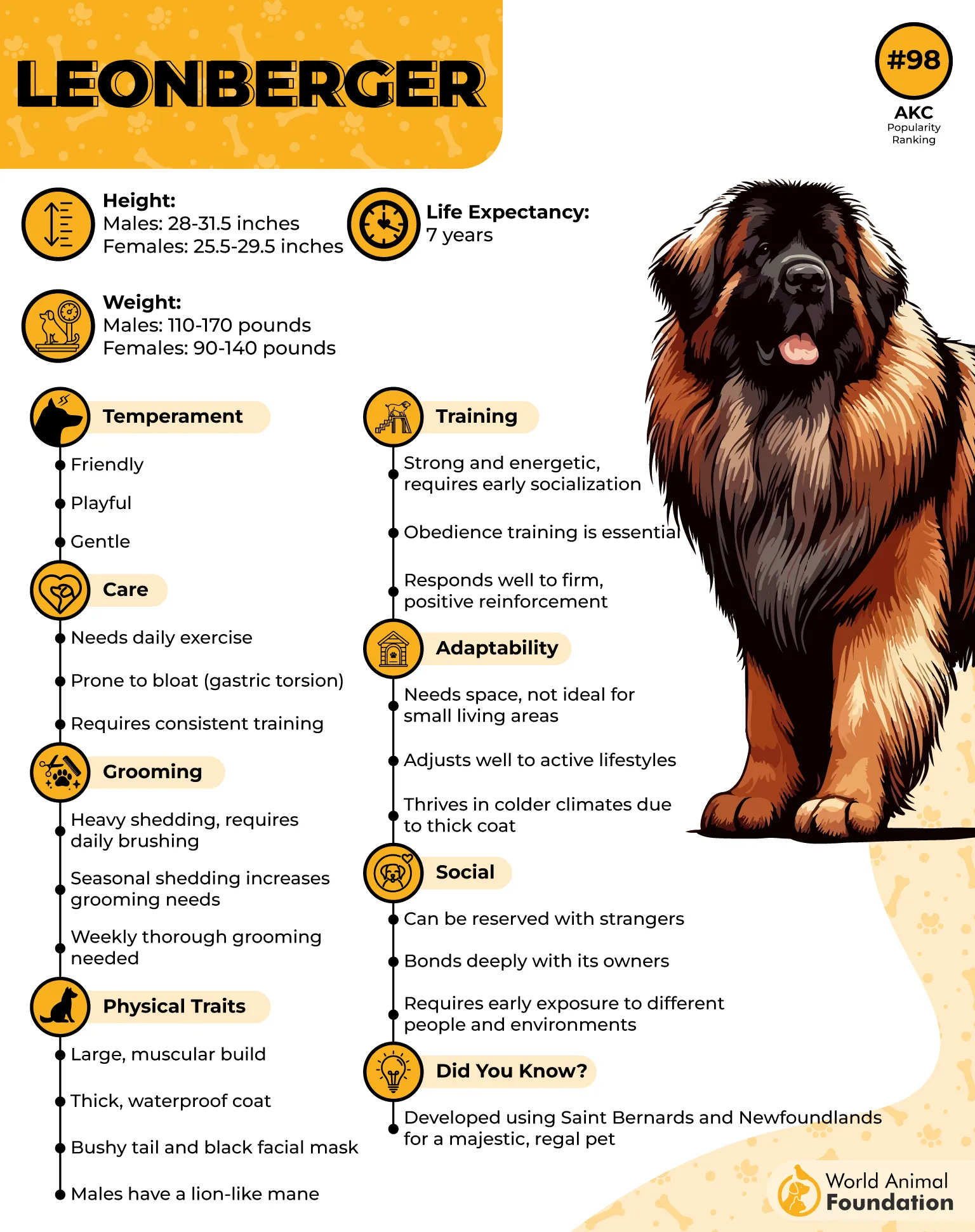
From Serendipity to Royalty
Originally developed in the town of Leonberg in the 1830s, Leonbergers were the accidental result of crossing Newfoundlands, St. Bernards, and Pyrenean Mountain Dogs. Revered by European nobility, these gentle giants were not only companions for aristocrats but also capable working dogs, pulling carts and even assisting in water rescues.
Care, Training, and Active Life
Leonbergers thrive with daily exercise such as swimming, hiking, or long walks, and their webbed feet make them natural swimmers. Their dense, double coat requires regular grooming to prevent matting and manage shedding.
Why Leonbergers Are Ideal Companions
Affectionate and gentle with children and family
Loyal, protective, yet friendly toward strangers
Intelligent, trainable, and socially adaptable
Natural swimmers with high energy and stamina
Low-maintenance grooming for their robust coat
4. Greater Swiss Mountain Dog
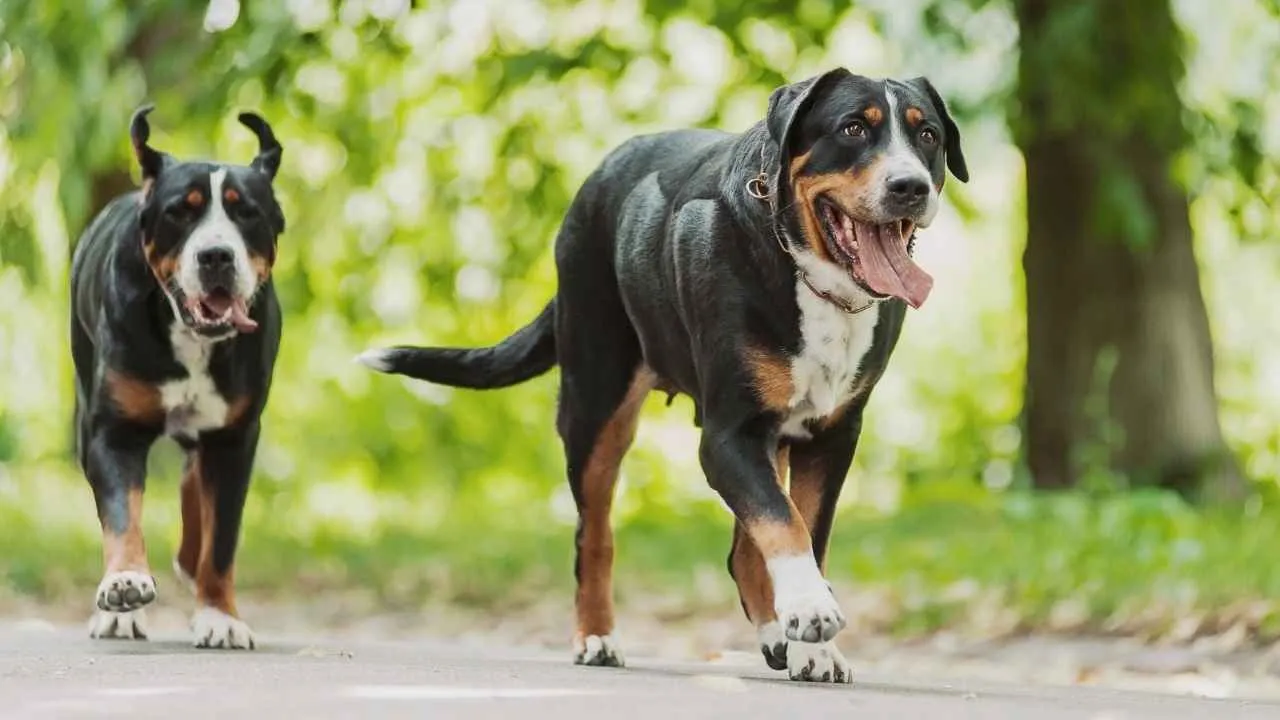
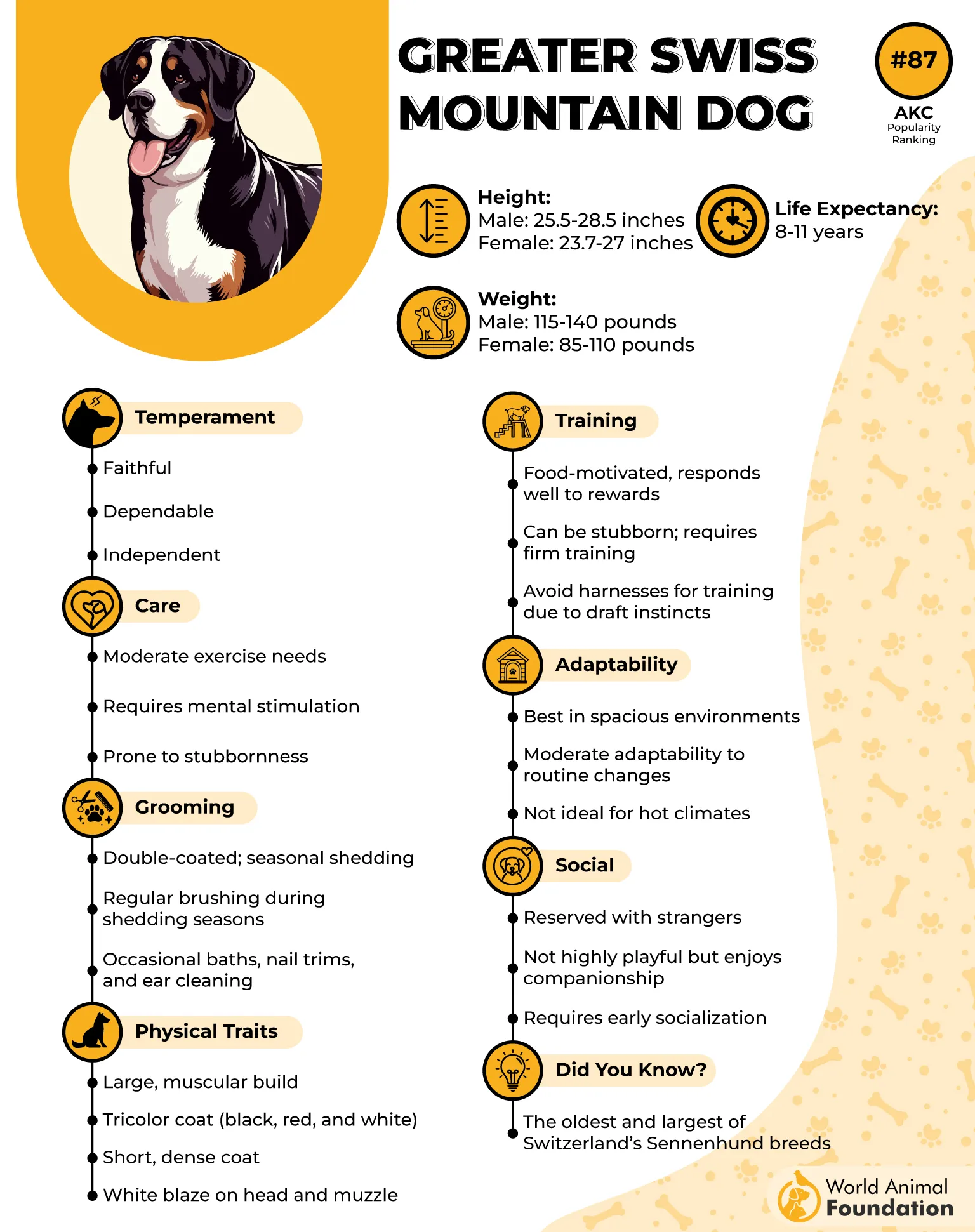
The Greater Swiss Mountain Dog, or “Swissy,” is a strong, versatile breed built to herd, guard, and even pull carts. Despite their impressive size, these dogs are gentle, affectionate, and thrive on being included in family life.
A Storied Legacy from the Alps
Originating in the Swiss Alps, this breed belongs to the Sennenhund family, mountain dogs prized by herders for their endurance and intelligence. Traced back to mastiff-type ancestors brought by Roman armies, the Swissy’s lineage spans centuries, contributing to breeds like the St. Bernard and Rottweiler.
Training, Care, and Daily Life
Greater Swiss Mountain Dogs are intelligent and food-motivated, making training rewarding with patience and consistency. They require moderate daily exercise, like hikes or leisurely walks, and enjoy mental challenges through games or agility trials.
Why Greater Swiss Mountain Dogs Excel as Companions
Loyal, affectionate, and dependable family members
Gentle with children and sociable with visitors
Intelligent, trainable, and versatile in activities
Strong and agile, ideal for outdoor adventures
Minimal grooming requirements for easy care
5. Estrela Mountain Dog
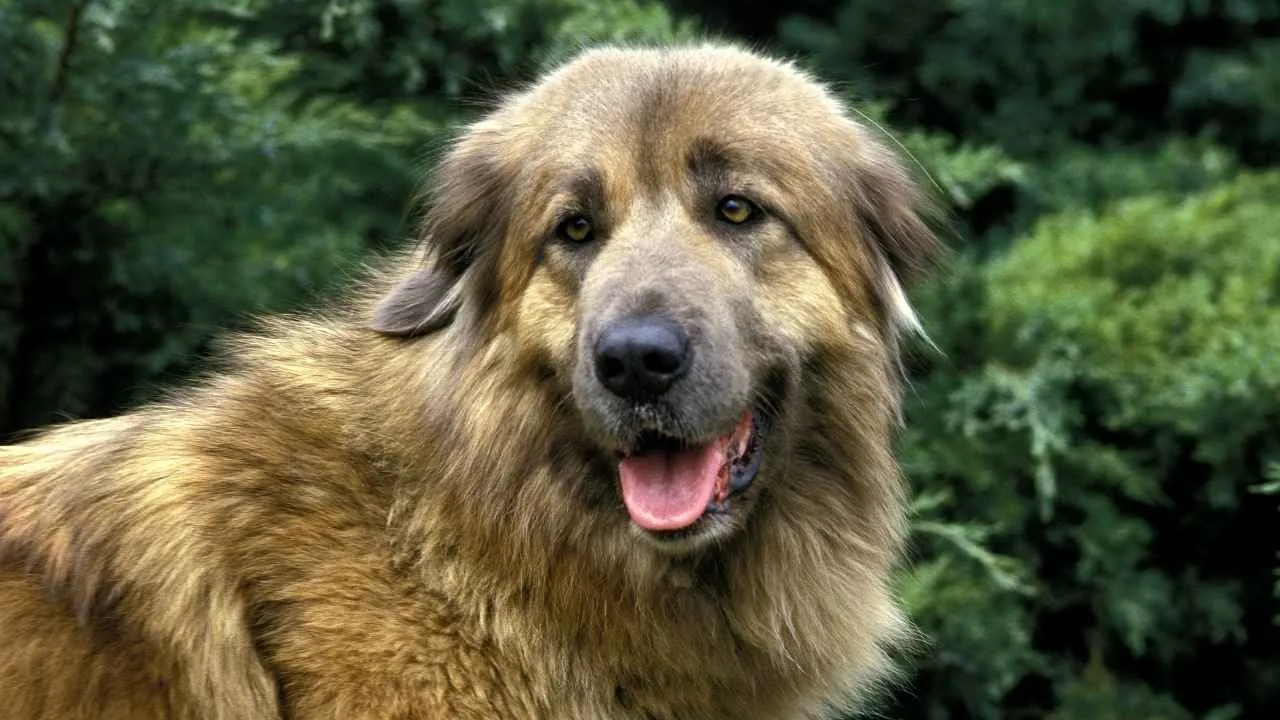
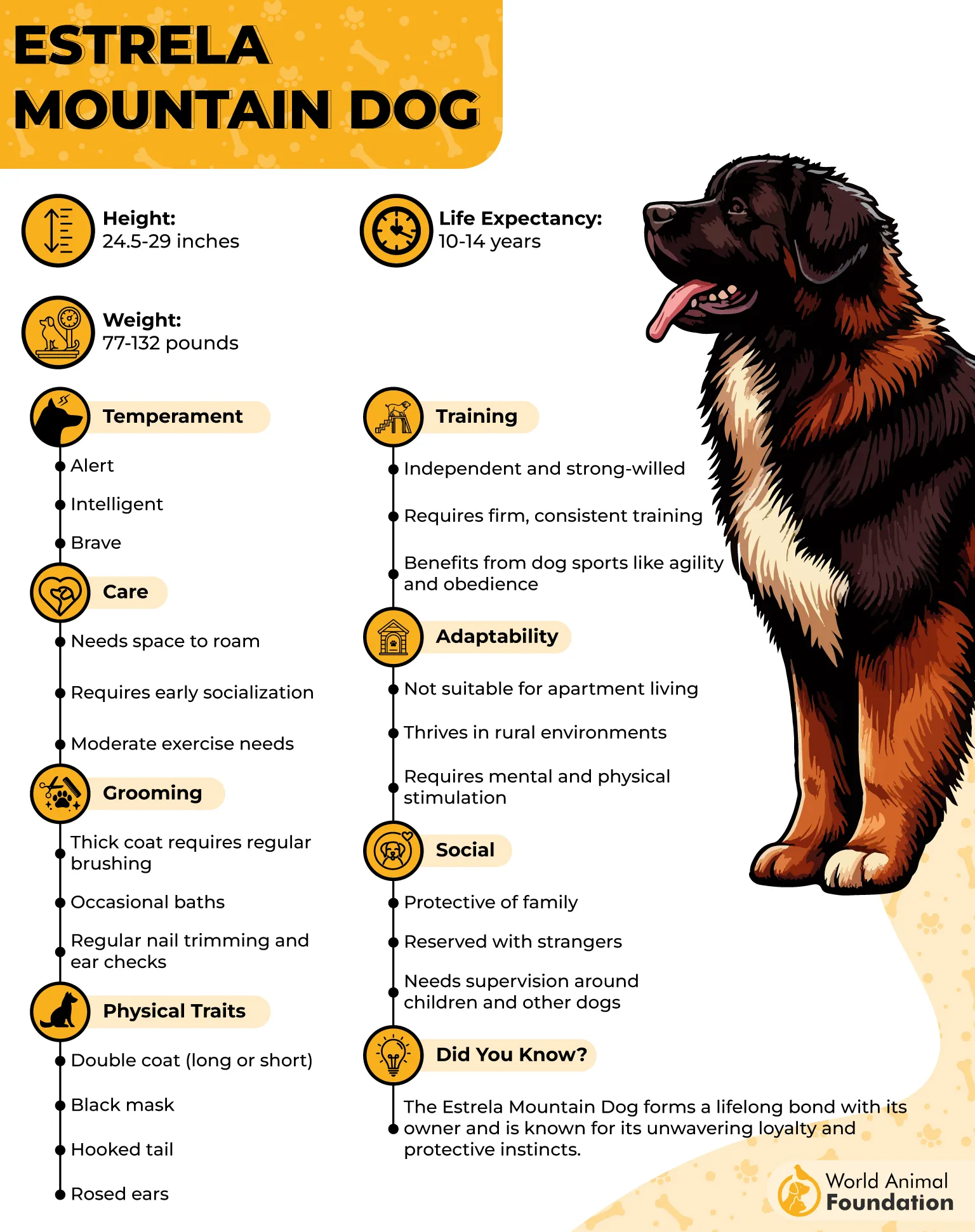
The Estrela Mountain Dog is a formidable yet devoted breed, prized for protecting flocks and forming deep bonds with their family, as per Purina. Loyal, intelligent, and naturally alert, these dogs are gentle with children but need early socialization to manage their strong-willed nature.
Ancient Roots and Working Heritage
Named after the Estrela Mountains in Portugal, this breed is among the oldest dogs in the region, originally bred by shepherds to survive harsh mountain conditions. Over centuries, the Estrela was refined for endurance, agility, and loyalty, evolving into a versatile guardian.
Care, Training, and Active Life
Estrelas thrive with regular exercise like long walks, playtime, or farm work to stay fit and mentally engaged. Their dense coat requires weekly brushing, while double dew claws and nails need consistent trimming.
Why Estrela Mountain Dogs Make Outstanding Companions
Deeply loyal and protective toward family members
Gentle and nurturing with children
Intelligent and highly trainable with consistent guidance
Hardy and adaptable, ideal for outdoor activity
Strong guardian instincts while forming lasting bonds
6. Irish Wolfhound
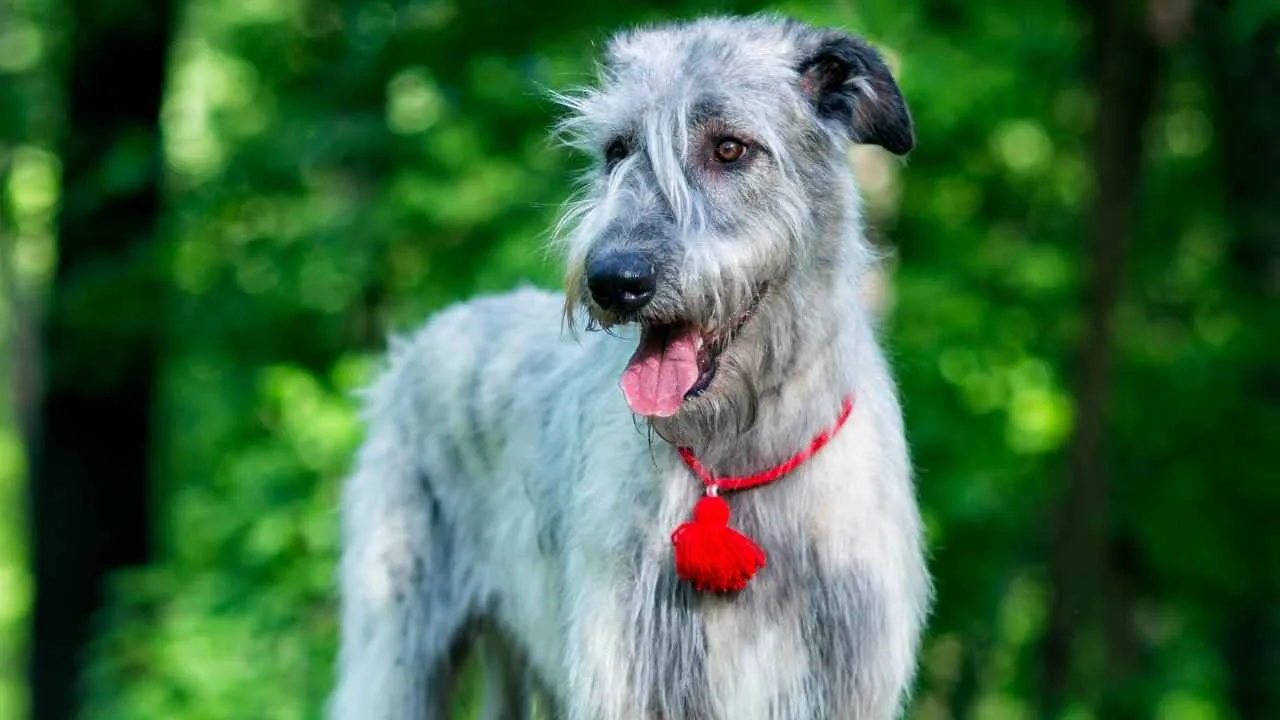
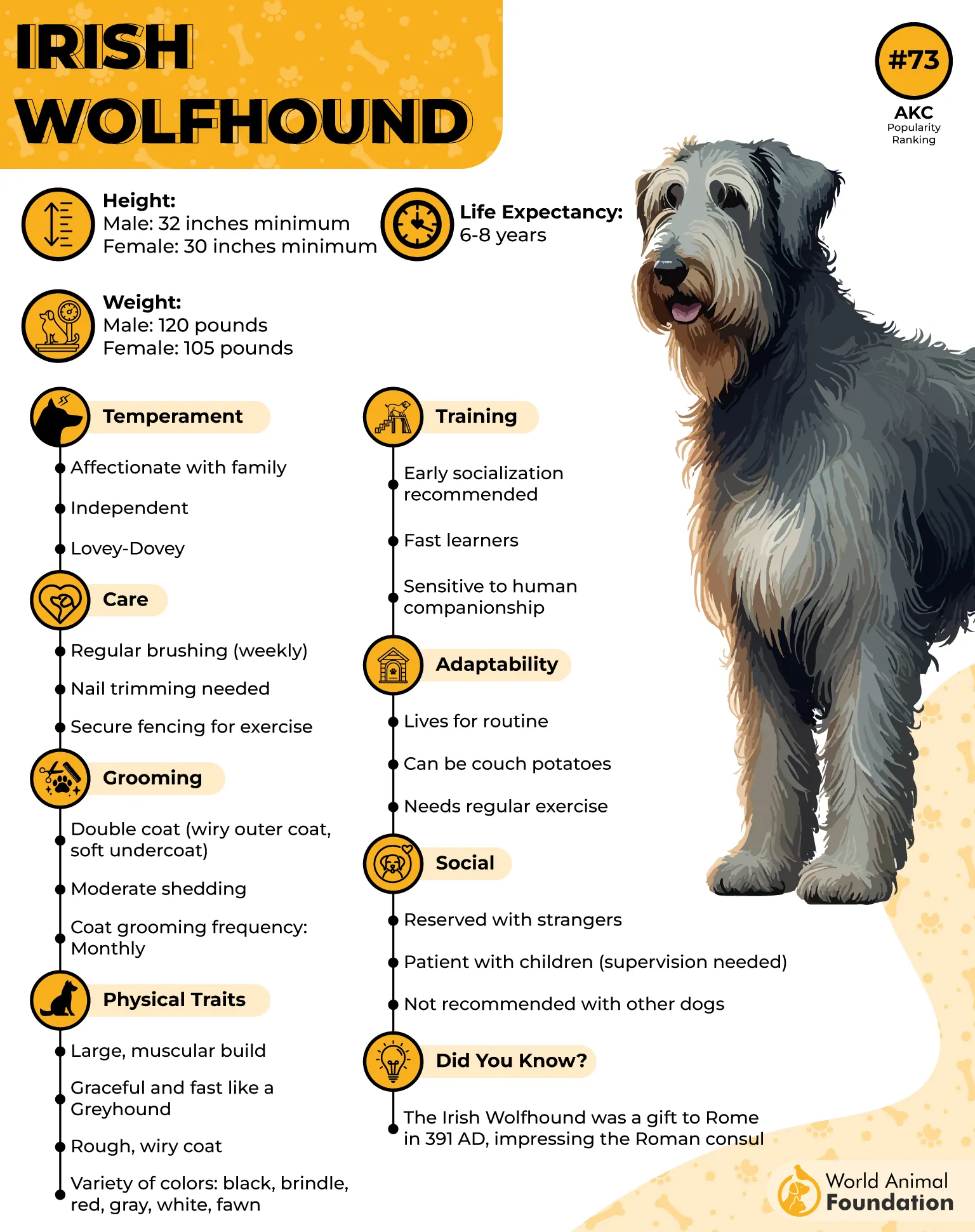
The Irish Wolfhound is a towering, noble breed with a heart as grand as its stature. Their wiry coat, long eyebrows, and flowing beard protect them in cold, damp weather, while their imposing size commands respect without needing to be aggressive.
Legendary Hunters with a Storied Past
Dating back to ancient Ireland, Wolfhounds were prized by chieftains for hunting wolves and elk. Nearly extinct by the 19th century, they were revived through careful crossbreeding with Scottish Deerhounds, Great Danes, and Borzois, as per WebMD.
Care, Exercise, and Family Life
These gentle giants need ample space to stretch and daily exercise to stay healthy, yet they enjoy long periods of lounging at home. Grooming is minimal, with occasional brushing and beard cleaning, while omega-3 supplements support joints, heart, and coat.
Why Irish Wolfhounds Make Extraordinary Companions
Calm, gentle, and affectionate with family members
Intelligent, sensitive, and easy to train with patience
Noble, dignified appearance that commands admiration
Good with children and most other dogs if socialized early
Hardy coat suitable for outdoor activity and cold weather
7. Tibetan Mastiff
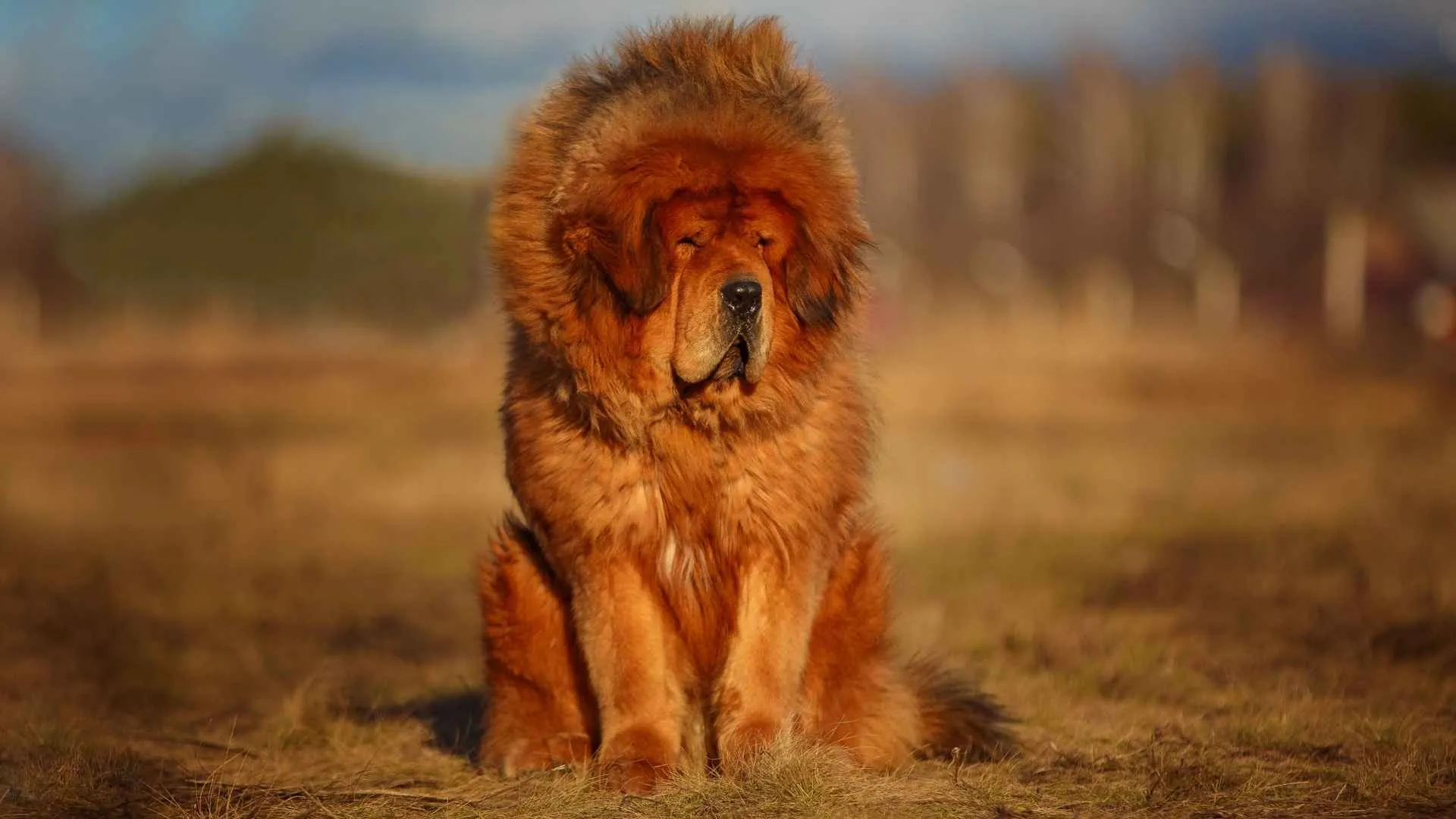
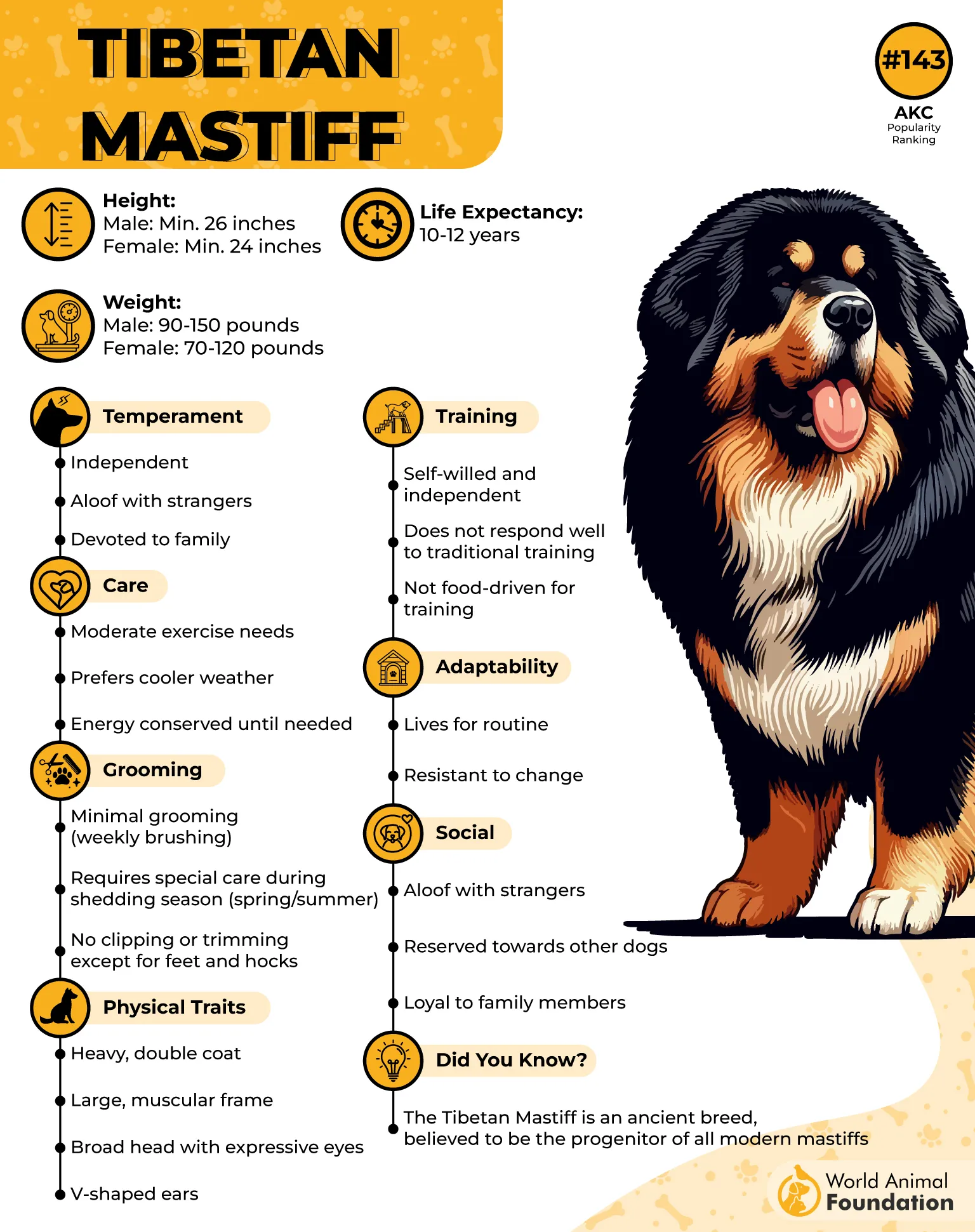
The Tibetan Mastiff is a massive, lion-like breed with a wedge-shaped head and a thick double coat, originally bred to guard homes and livestock in the Himalayan Mountains. Courageous, loyal, and patient, these dogs are deeply devoted to their families while maintaining a natural wariness of strangers.
Ancient Lineage and Mountain Heritage
Dating back to as early as 1100 B.C., Tibetan Mastiffs, known in Tibet as “do khyi” or “home guard,” evolved in isolation in high-altitude regions, as per PDSA. Developed to protect flocks and property from predators, they are independent thinkers with a strong instinct for guarding.
Care, Exercise, and Family Life
Tibetan Mastiffs need plenty of space, daily exercise, and mental stimulation to stay happy and healthy. Their thick coat requires frequent brushing during the annual heavy shedding period, and they thrive with positive reinforcement training and early socialization.
Why Tibetan Mastiffs Make Exceptional Companions
Fiercely loyal and protective of family and home
Calm, intelligent, and thoughtful with a strong sense of independence
Ideal for experienced owners who can provide consistent guidance
Gentle and affectionate with loved ones while alert to strangers
Thick coat suitable for cold climates and outdoor activity
Conclusion
Exploring rare and unique dog breeds opens the door to finding a companion that truly stands out. These dogs carry fascinating histories and remarkable traits that can bring joy, loyalty, and adventure into your everyday life.
Though they may not have the widespread fame of popular breeds, these extraordinary dogs have been cherished for generations across the globe. Their stories of resilience, work, and companionship make them endlessly captivating and special.
Whether you’re seeking a devoted friend, a gentle companion for quiet days, or a playful partner for adventures, now is the perfect time to act. Learning about their unique abilities and temperaments will help you find the perfect match.
