




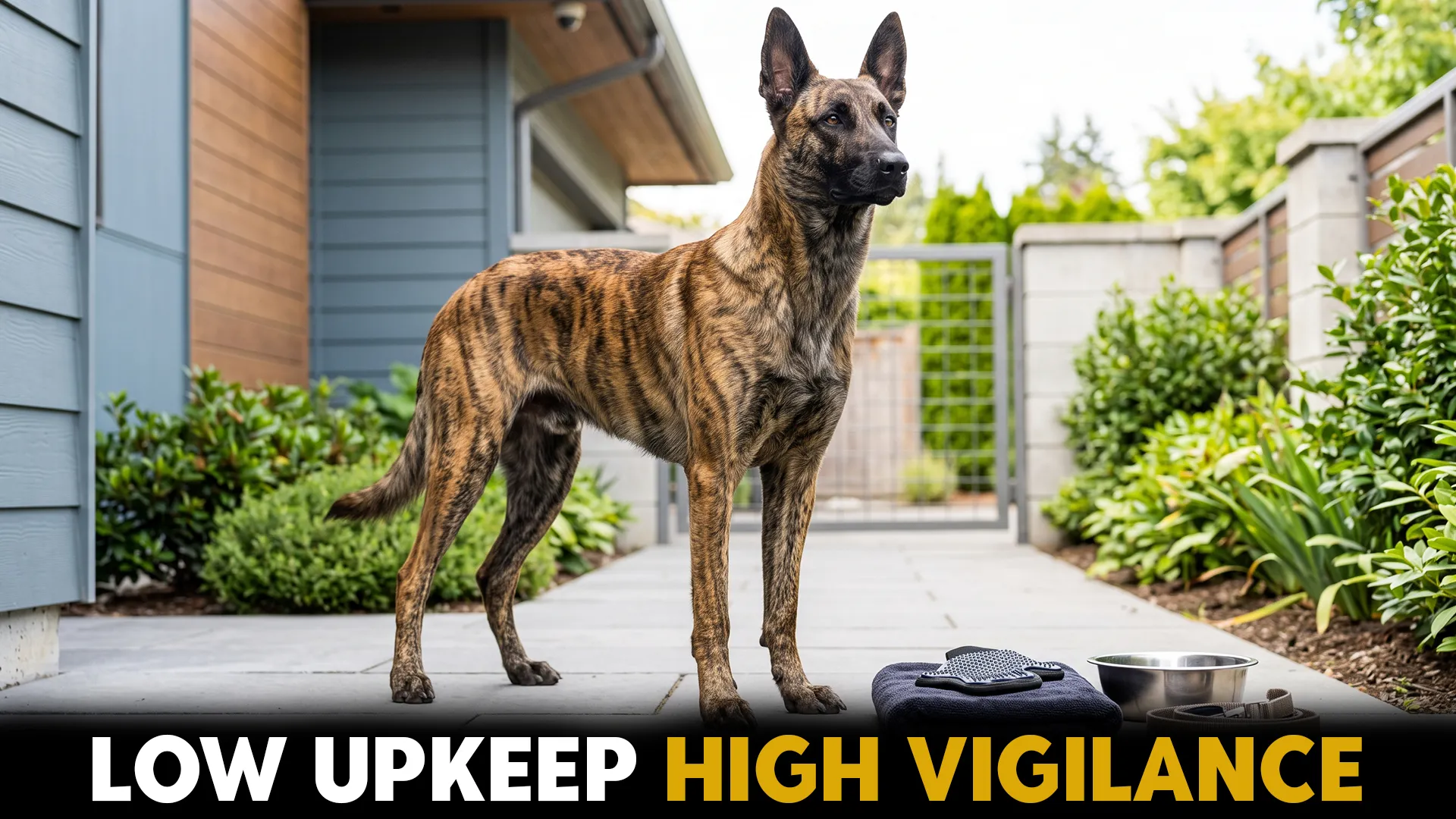
Some dogs greet every visitor like a long-lost cousin. Others pause, watch, and quietly decide whether that person belongs at your door. If you want the second kind, without spending every weekend brushing fur, you are in the right place.
The best guard dogs are not always the loudest or the biggest. They are observant, loyal, and quick to notice when something feels off. Many short-coated breeds offer that watchful nature with surprisingly easy grooming. With a quick weekly brush and a bath when needed, you are done.
Think of them as your home’s built-in security system, only furrier and much better at cuddles. From sleek Dobermans to steady Bullmastiffs, these ten breeds bring protection, personality, and plenty of heart. Just remember: alertness is natural, but good training makes a great guardian.
Guard Dog Breeds That Blend Low Grooming with High Alertness
1. Doberman Pinscher
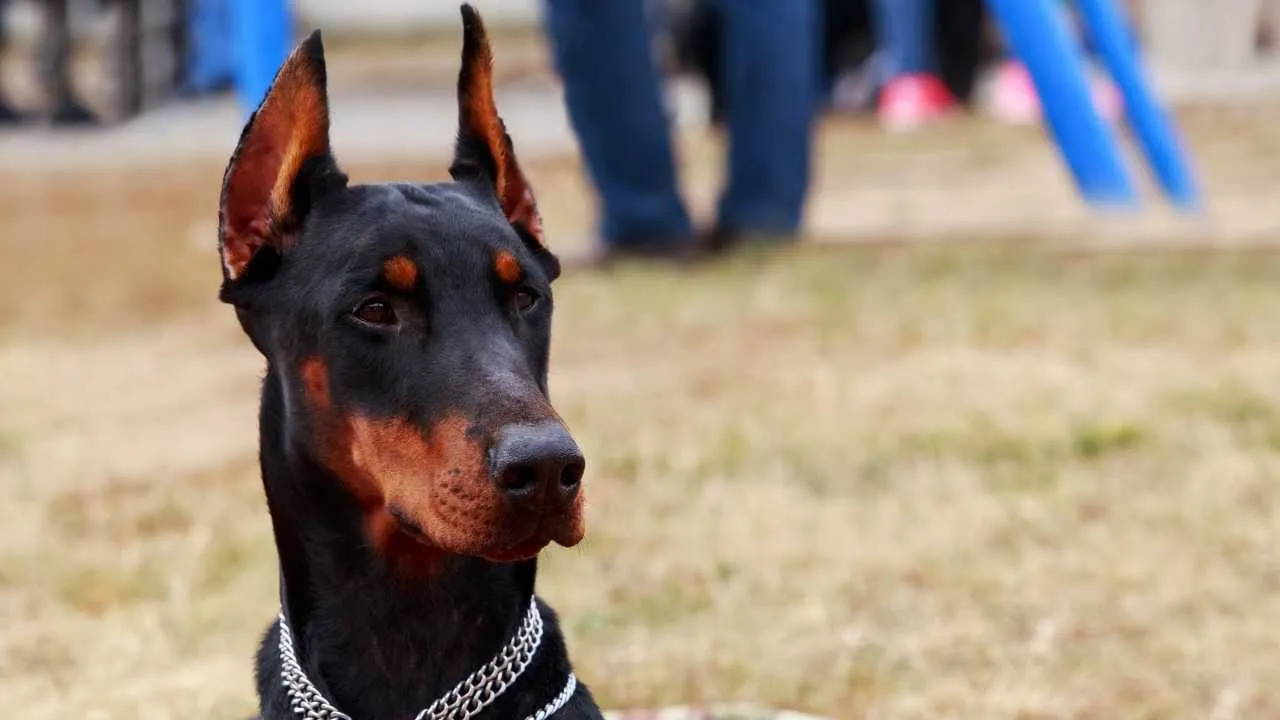
The protection dog breed was bred by a German tax collector, Louis Dobermann, in the 20th century. It is believed the breed was developed by crossing the Black and Tan Terrier, Old Shorthaired Shepherd, Rottweiler, and German Pinscher, says Orvis.
The wedge-shaped head comprises 42 teeth that exhibit a scissor bite and has a bite force of 308 PSI. The excellent guard dog runs at a top speed of 40 mph and can jump over 6-7 ft in height easily. It automatically steps into a defensive posture before the threat, after analyzing the situation.
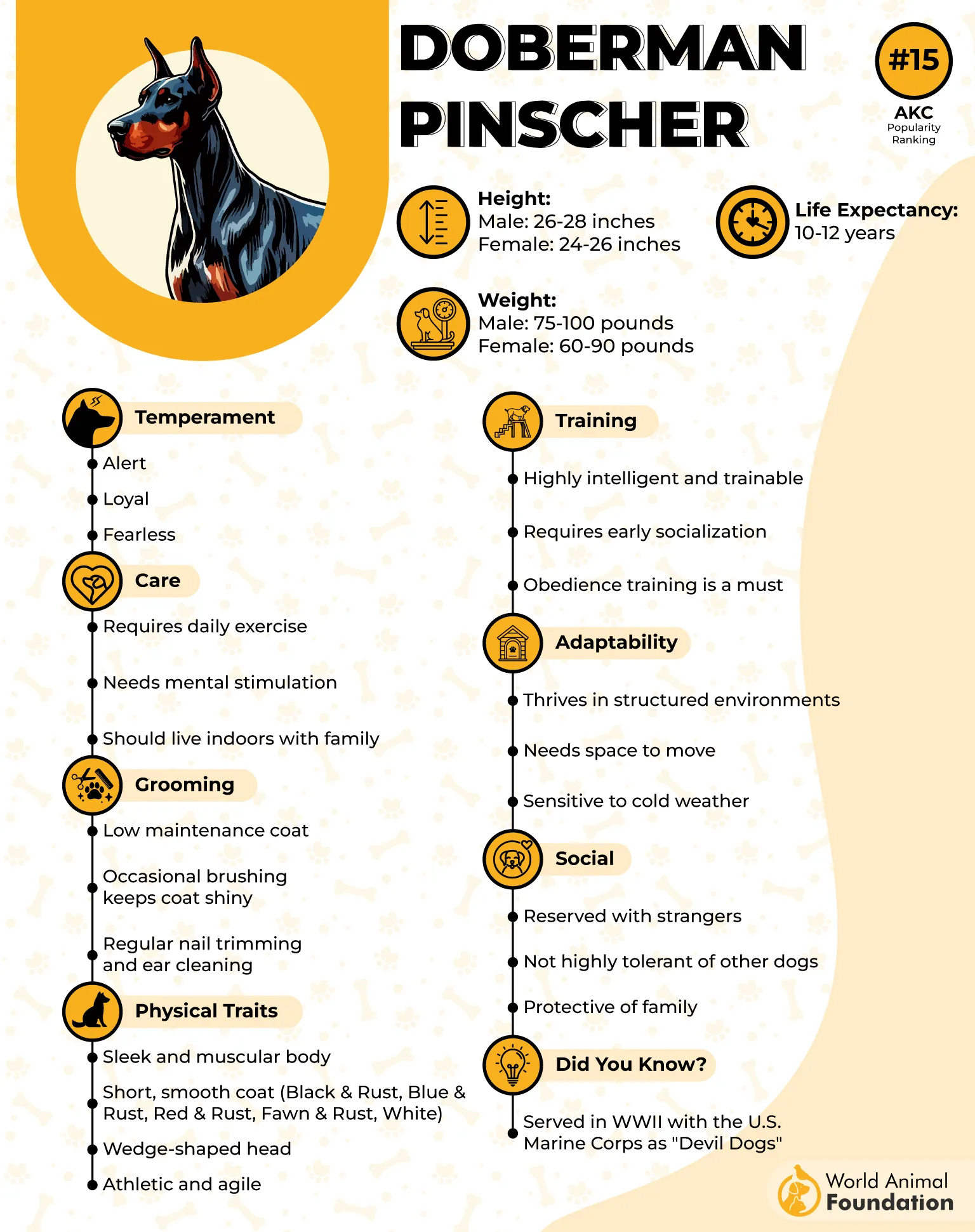
It has a short, thick, and tight-fitting coat that moderately sheds round the year and needs weekly brushing (1-2 times) using a rubber grooming mitt or a rubber curry brush. Bathing after 6-8 weeks is recommended.
2. Rottweiler
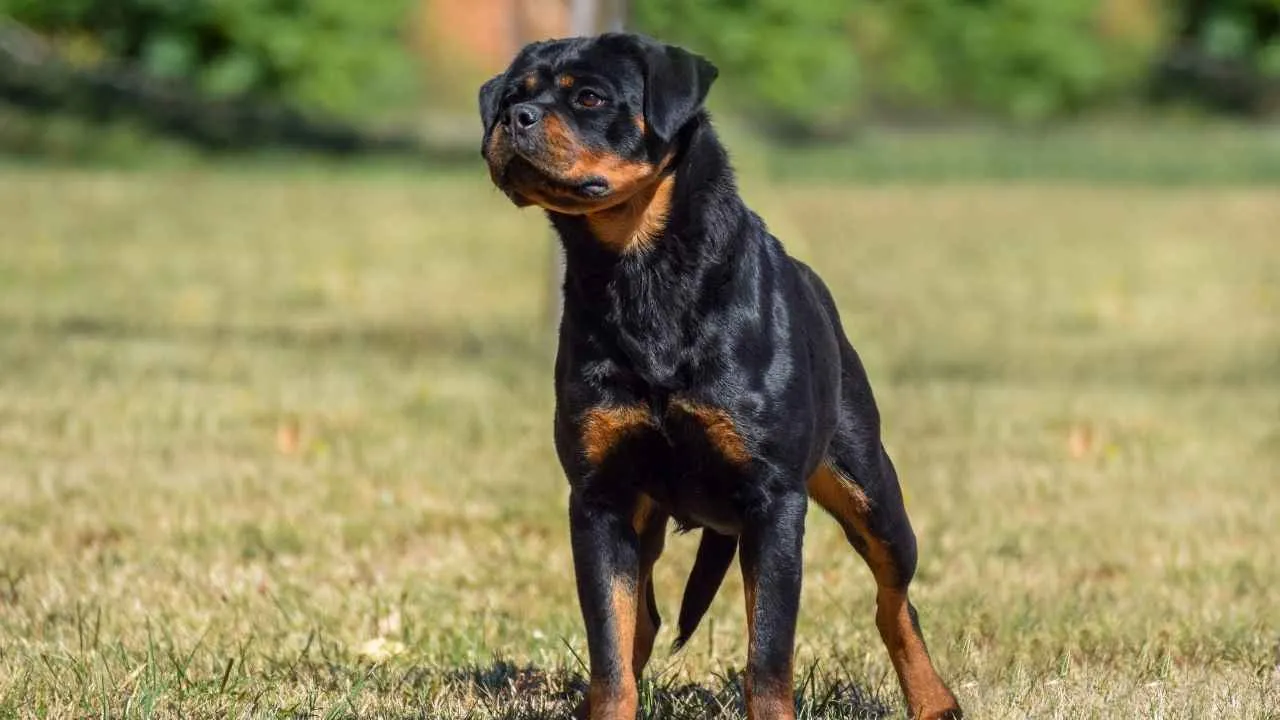
This medium-to-large, mastiff-type dog has its roots in Italy; however, the modern-day breed was developed in Germany, where it was used for protection and cart pulling.
The canine companion has high, set triangular ears, showing the alert position of the dog. The distinctive tan markings above the eyes highlight the brow’s movement. The guard dog continuously monitors the environment at rest, assesses the situation to make sure the threat is real, and generates a controlled tactical response once sure.
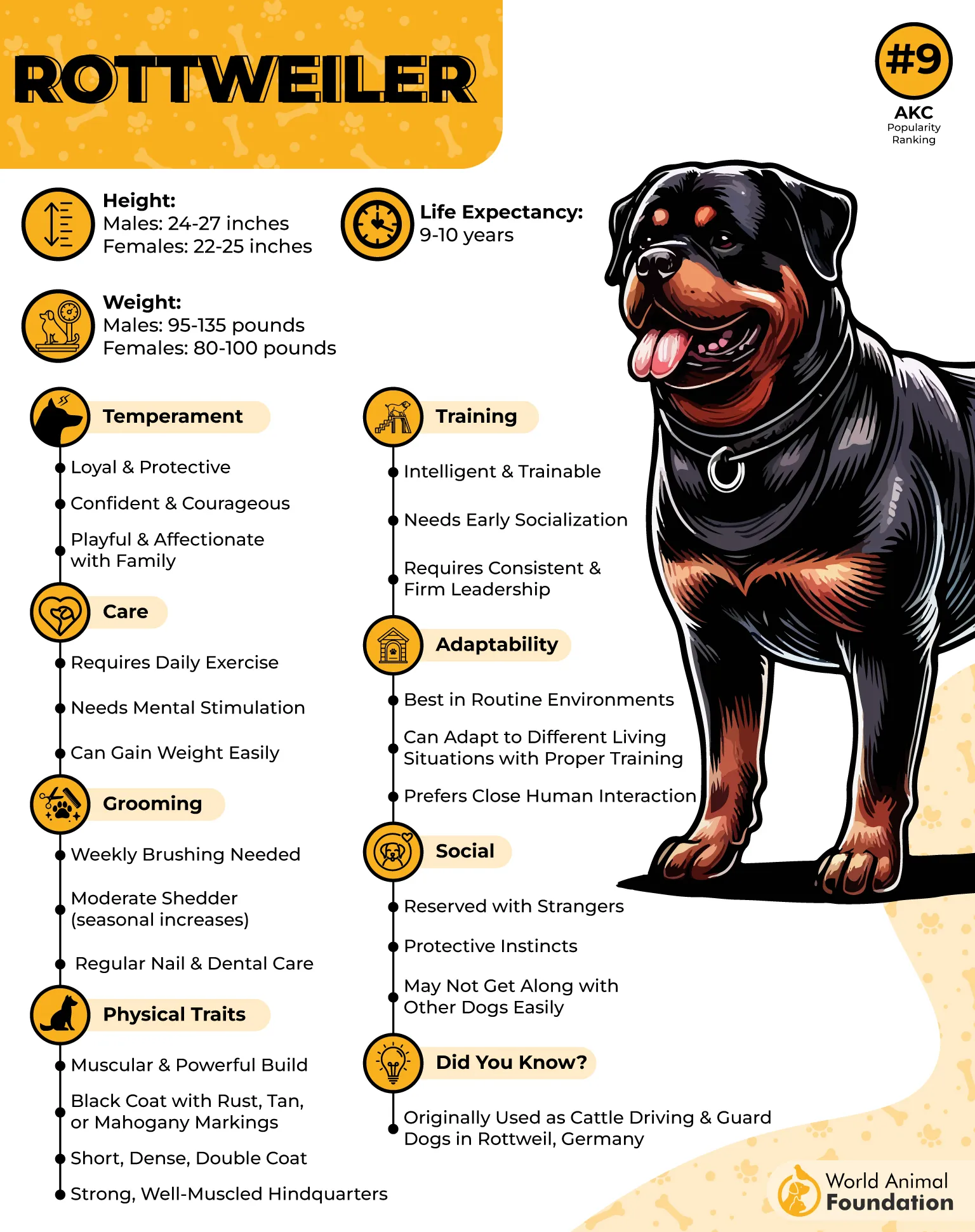
The medium-length, straight double coat needs regular brushing (but daily during autumn and spring). Always brush the coat before bathing (after 4-8 months). Pay close attention to sensitive areas: belly, chest, and skin folds.
3. Cane Corso
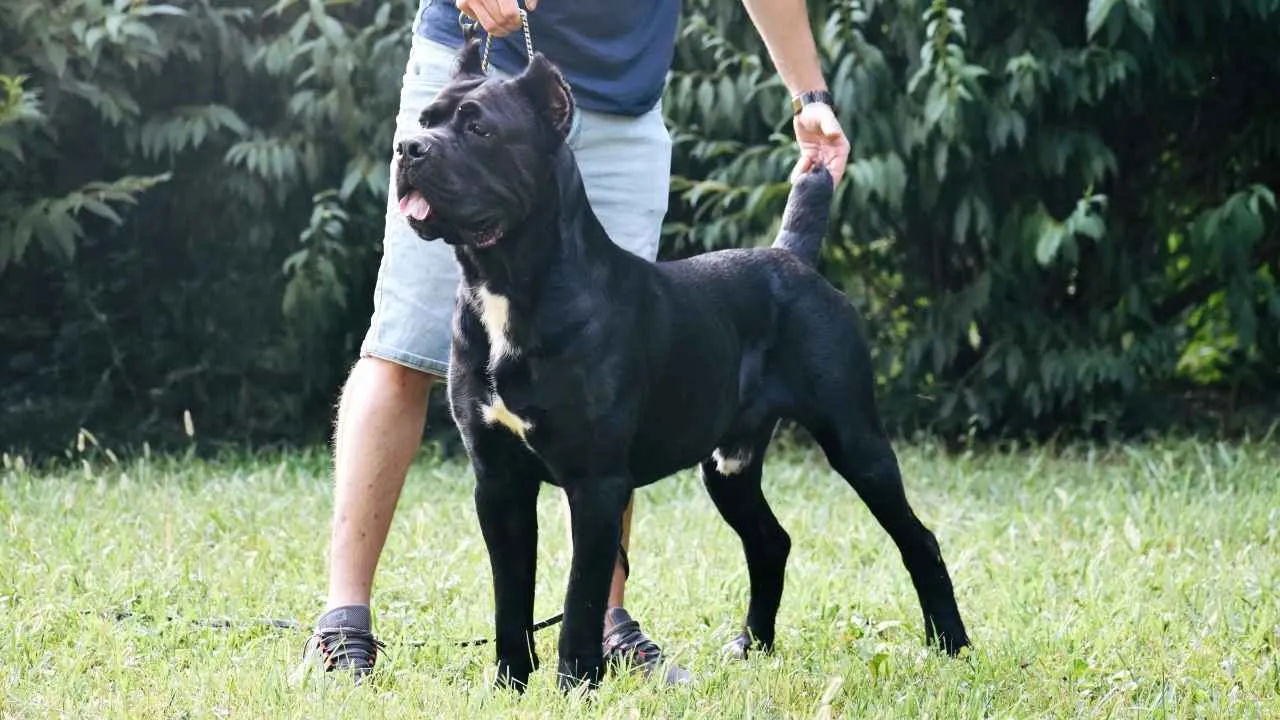
Also known as the Italian Mastiff, the great guard dog was used for herding cattle and hunting large game. However, today, it is widely used as a livestock guardian dog and a companion dog.
The rectangular proportion provides a ground-covering trot and explosive agility. The binocular vision and focus are maximized with almond-shaped eyes set in a forward plane. The dog has a calm temperament and only alerts the owner to a potential threat.
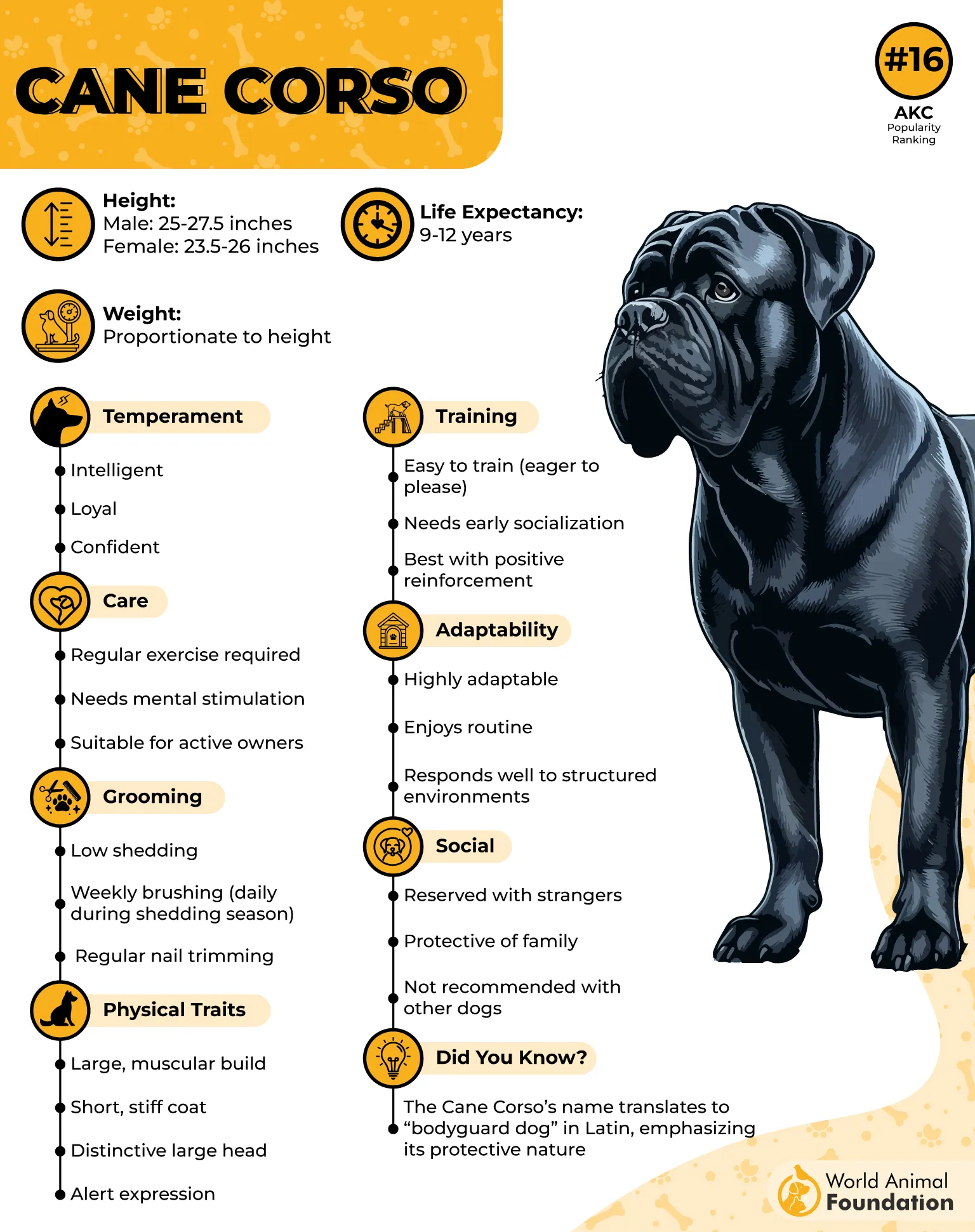
It is aloof towards strangers while friendly with family members and kids. The thick coat needs weekly brushing using a medium-bristled brush. Nail clipping is needed every 2-3 weeks.
4. Belgian Malinois
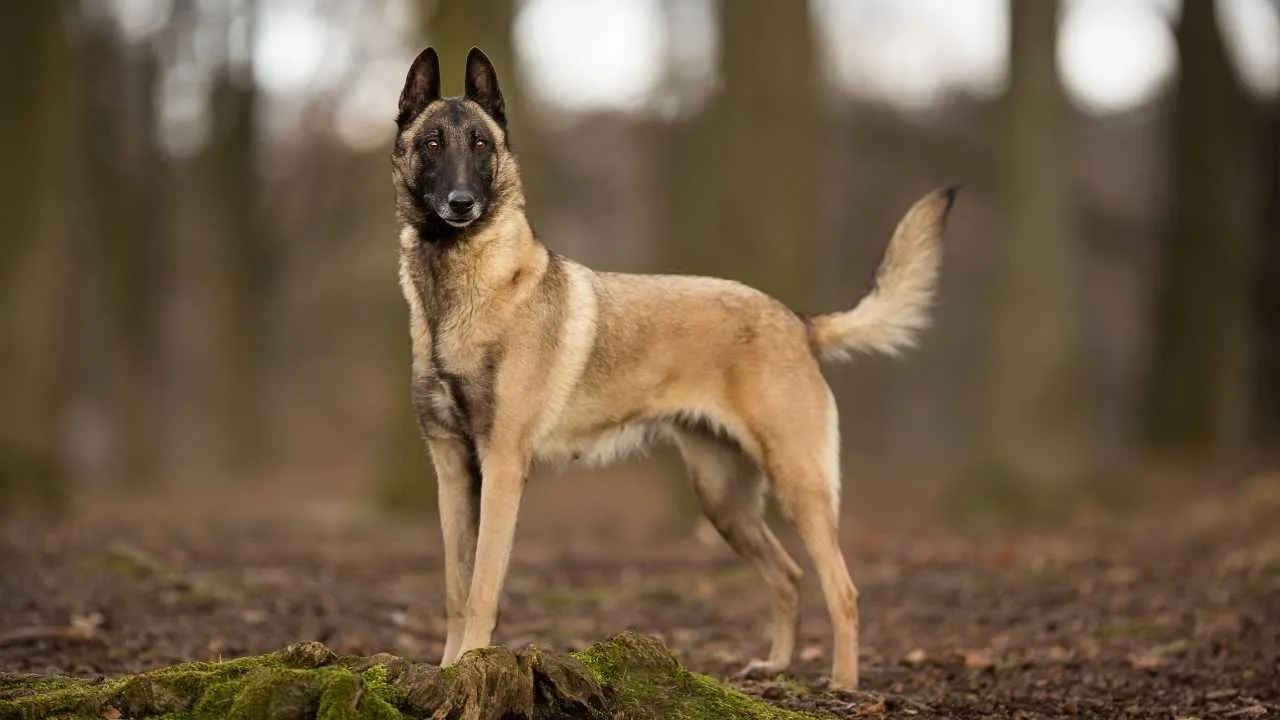
The guardian breed was developed in Belgium in the 19th century for farm work and herding. The dog arrived in America in 1911 and joined the working class. Today, it widely serves in service, police, and military departments, according to Hills Pet.
It has a lightweight frame and muscular hindquarters, allowing it to launch into mid-air takedowns with minimal risk of skeletal failure. The dense muscle fibres provide continuous physical exertion. It actively reads facial expressions and body language to assess the situation.
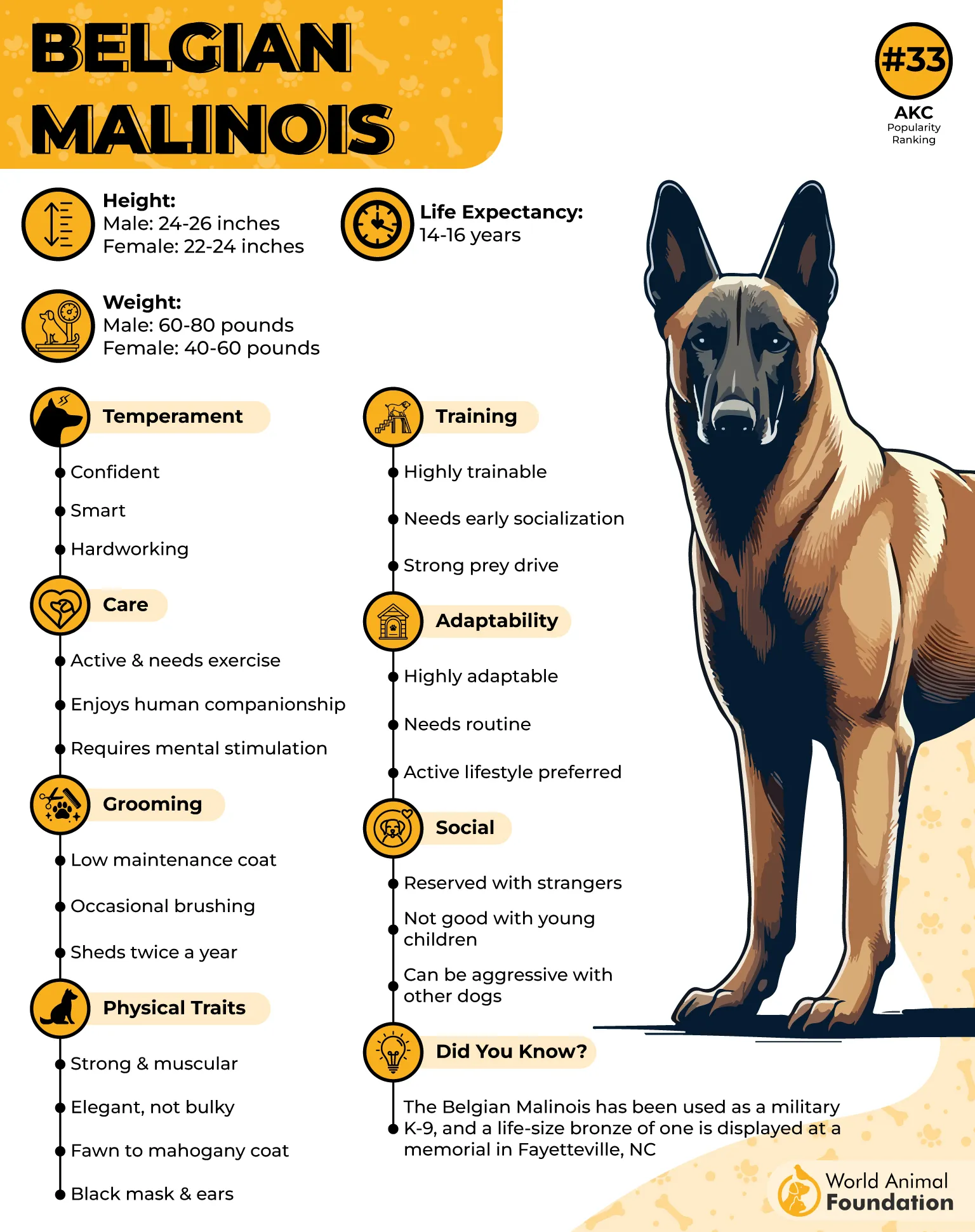
Because of the strong protective instincts and high prey drive, the breed needs proper training and socialization. The abundant hair on the neck and short hair on the lower legs, ears, and head need regular brushing.
5. Bullmastiff
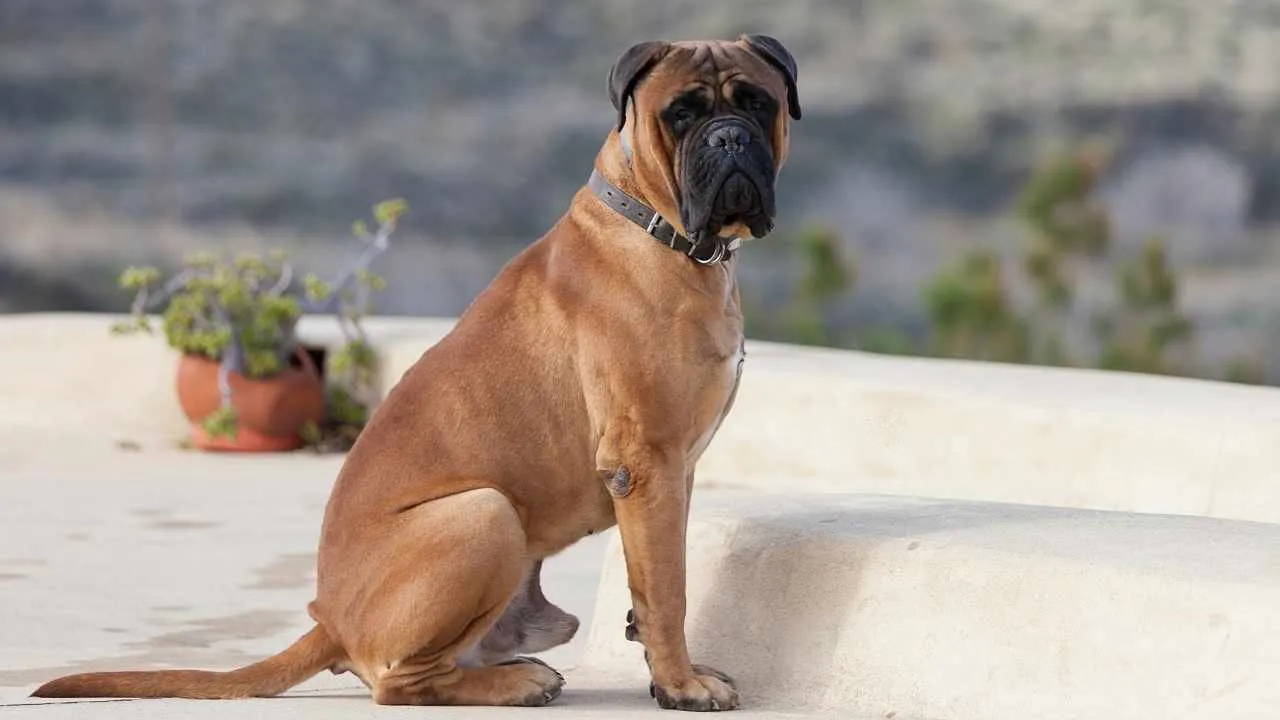
Also known as the ‘Gamekeeper’s Night Dog,’ the fearless protector was bred in England in the 19th century by crossing the Bulldog and the Mastiff. It was recognized by the AKC in 1933.
The heavily muscled jaw and short muzzle maximize crushing power and grip during physical combat. It is not prone to excessive barking and silently chases the target from behind. The high intelligence allows it to differentiate between a normal situation and a threat. The dog remains calm indoors and becomes active as soon as the intruder invades the privacy.
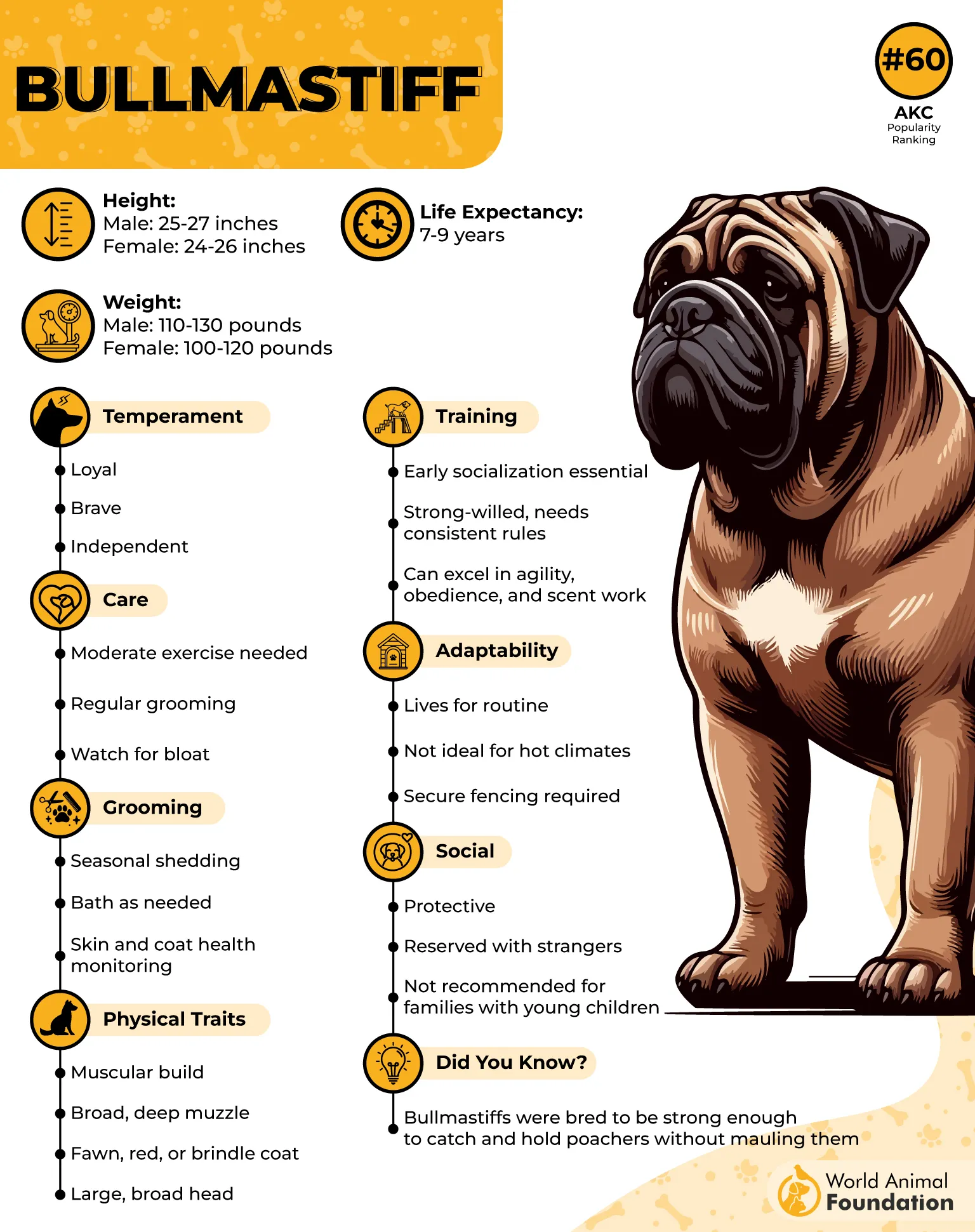
The exceptional protector does not need frequent brushing (2-3 times a week is enough). Never shave the coat entirely, as it helps regulate body temperature.
6. Boerboel
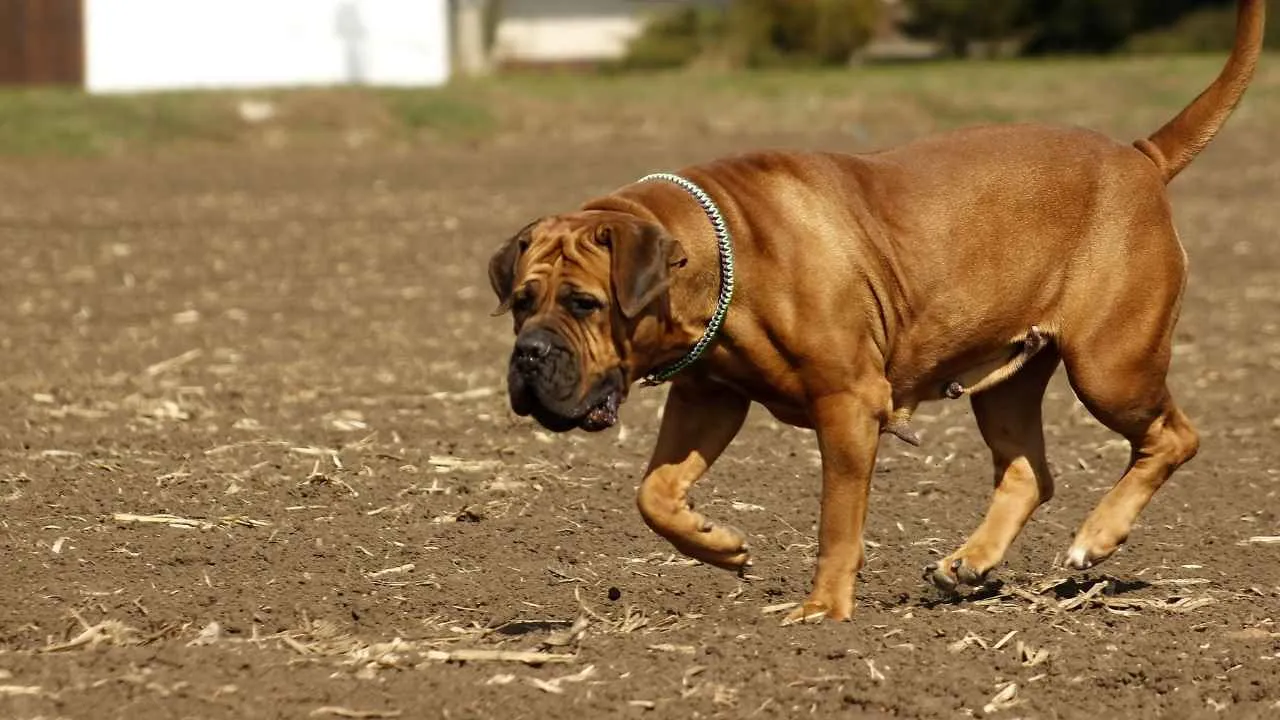
The mastiff-type large dog was developed in South Africa and is commonly kept as a family guardian. The name comes from 2 Afrikaan words, ‘ boer,’ which means ‘farmer,’ and ‘boel,’ which means ‘bulldog.’
With the ideal length-to-height ratio of 10:9, it maintains balance during a physical confrontation. The deeply muscled hindquarters provide parallel movement and athletic propulsion. The loose skin across the body acts as a defensive shield against deep organ injury. The breed does not show unnecessary aggression.
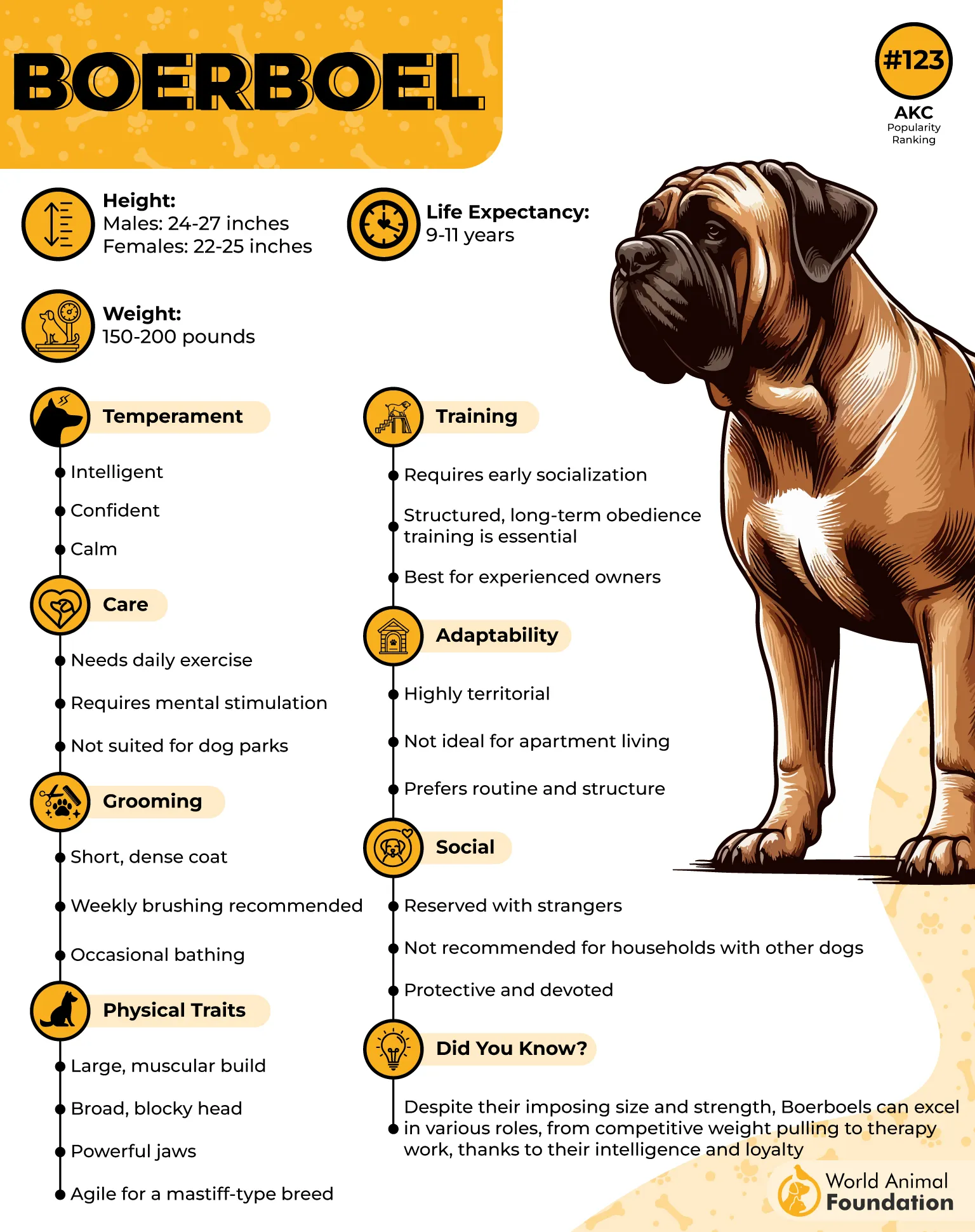
The dog tends to map out domain ownership internally and reacts whenever the boundary is crossed. The short and smooth coat needs weekly brushing to remove loose hair and regular facial wrinkle cleaning.
7. Dutch Shepherd
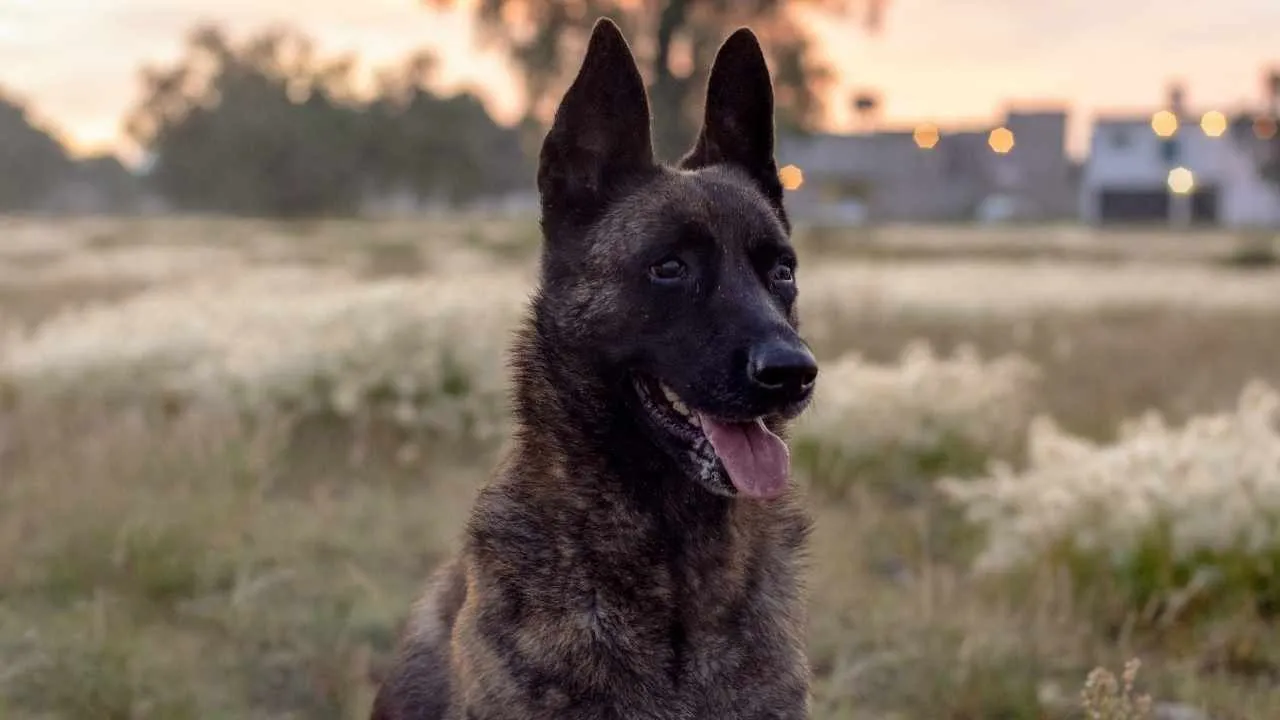
Originally bred in Germany, the vigilant protector was primarily used by farmers and shepherds and currently exists in 6 different variants. The breed remained unchanged for the last 100 years, according to Wikipedia.
The flat cheeks, a straight muzzle, and a slight slop enable a regular and straight scissor bite. However, it does not bite out of fear and remains emotionally stable. Being an independent thinker, the high-energy breed does not need the owner’s commands to perform tasks.
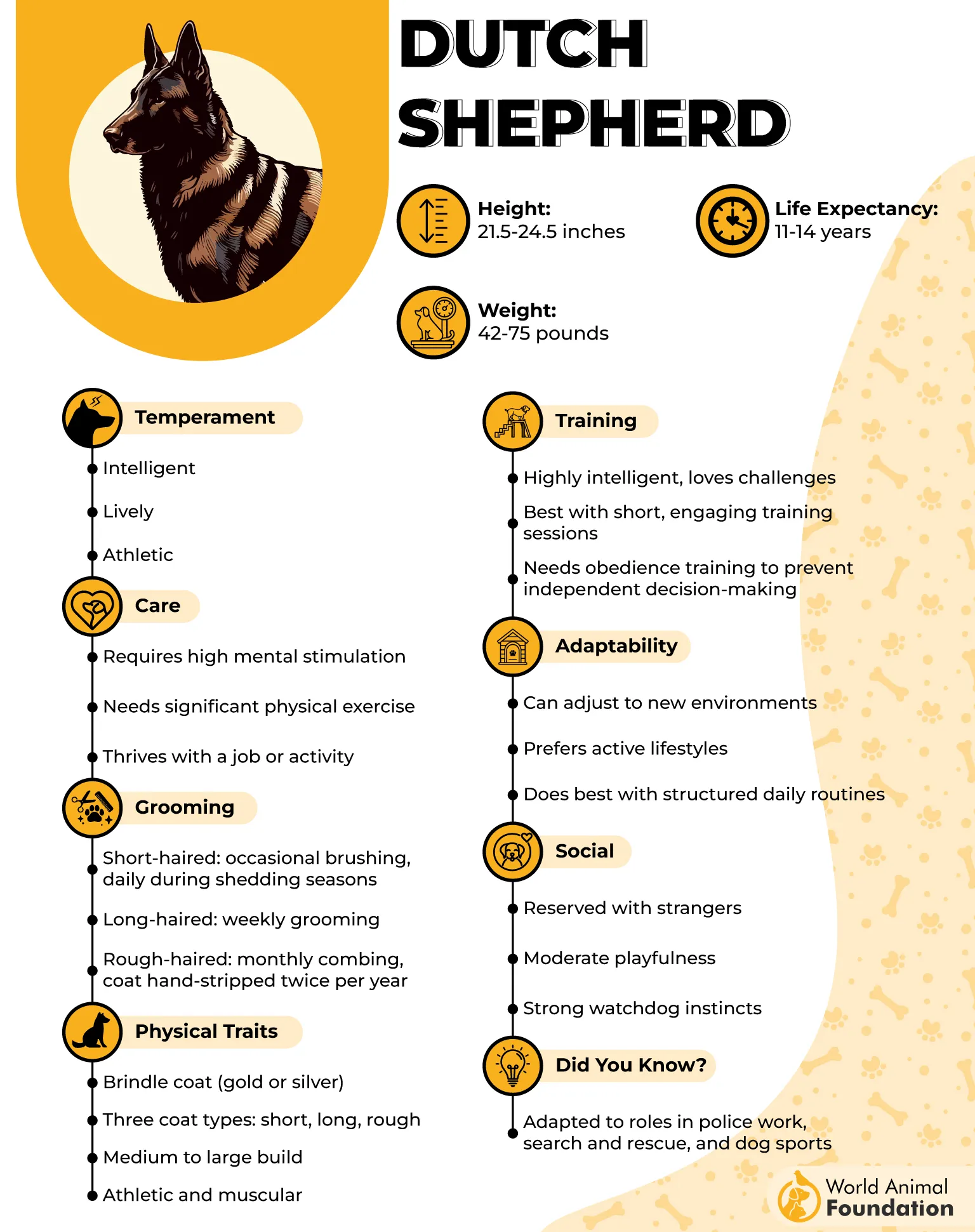
The high-drive working dog needs 1-2.5 hours of regular exercise and mental stimulation: running, brisk walks, cycling, etc. Since the coat comes in 3 varieties, each one has different grooming needs.
8. Dogo Argentino
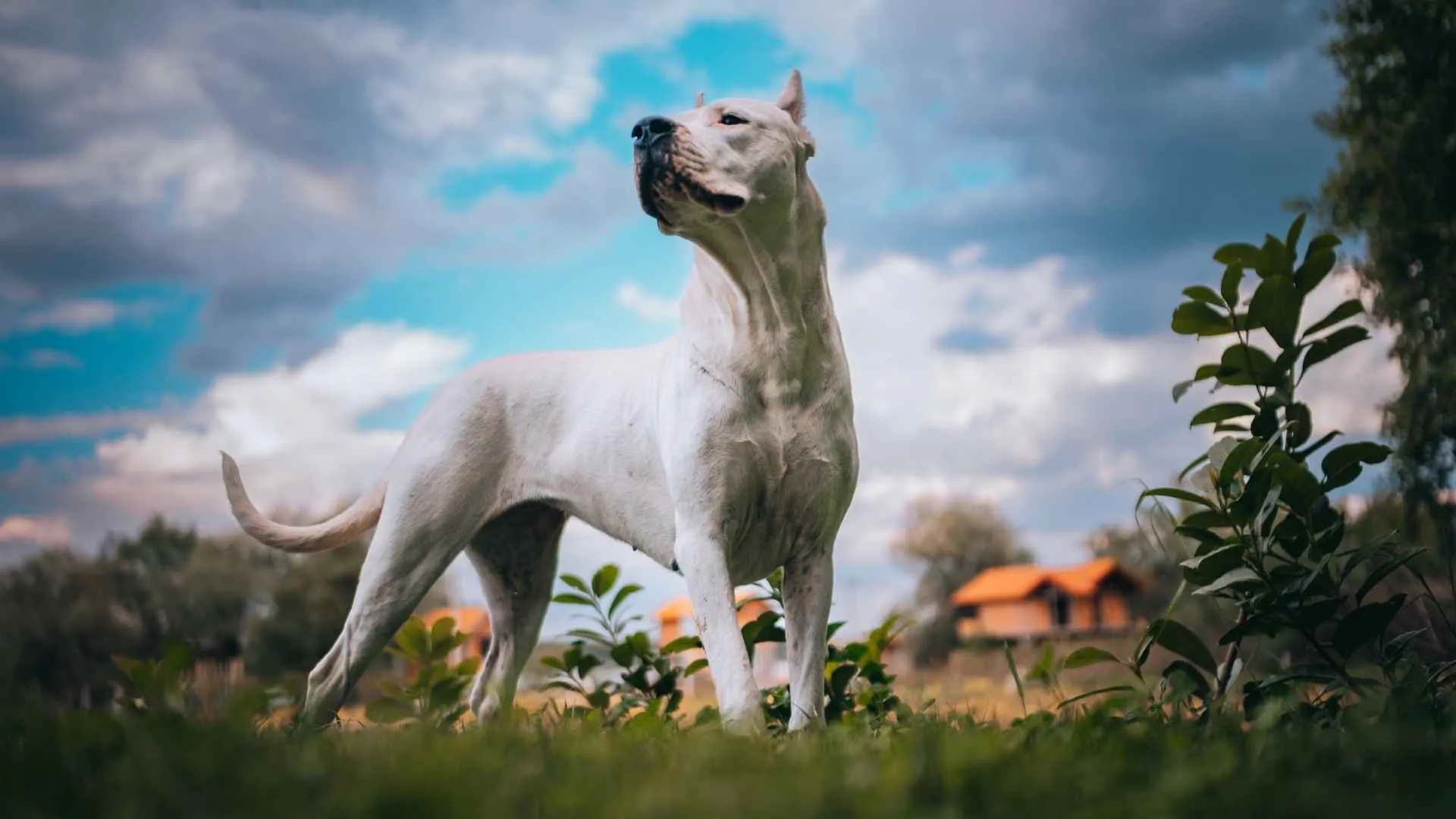
Dr. Antonio Nores Martinez developed this large breed in Argentina in the 20th century. The primary purpose was to hunt large game, such as wild boar, puma, and peccaries. The dog descended from the now-extinct Córdoba fighting dog.
The thick skin around the throat allows it to twist itself when grabbed by a predator. The heavy pigmentation around the eyes acts as a visual deterrent. The dog has high pain tolerance, thanks to the Boxer and the Bull Terrier lineage. The working dog needs 60-90 minutes of daily exercise: agility, tracking, and weight pulling.
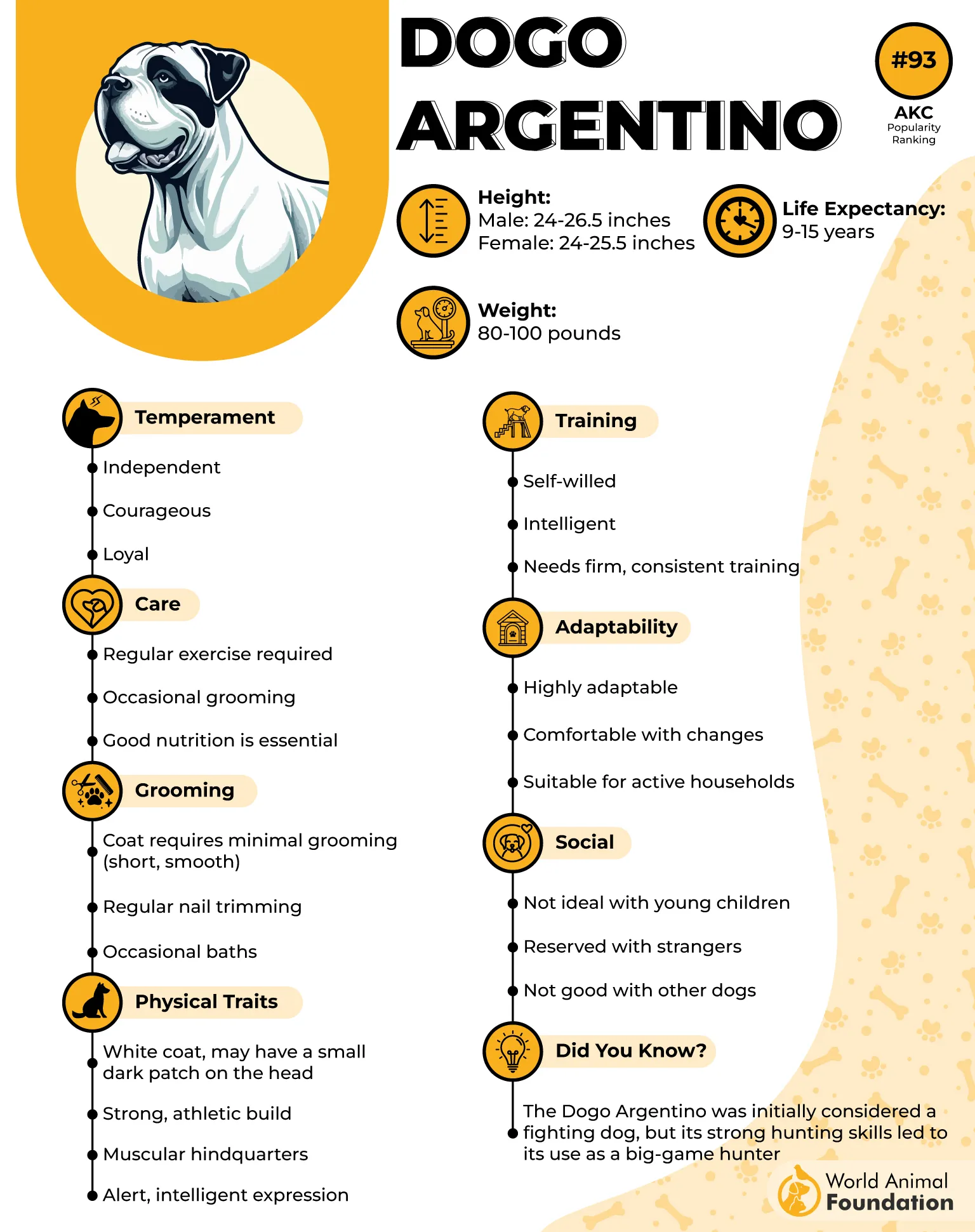
The dog is prone to drooling and needs daily cleaning. Use a rubber curry brush to brush the white coat weekly. Apply a pet-safe sunscreen during intense outdoor activities in summer.
9. Rhodesian Ridgeback
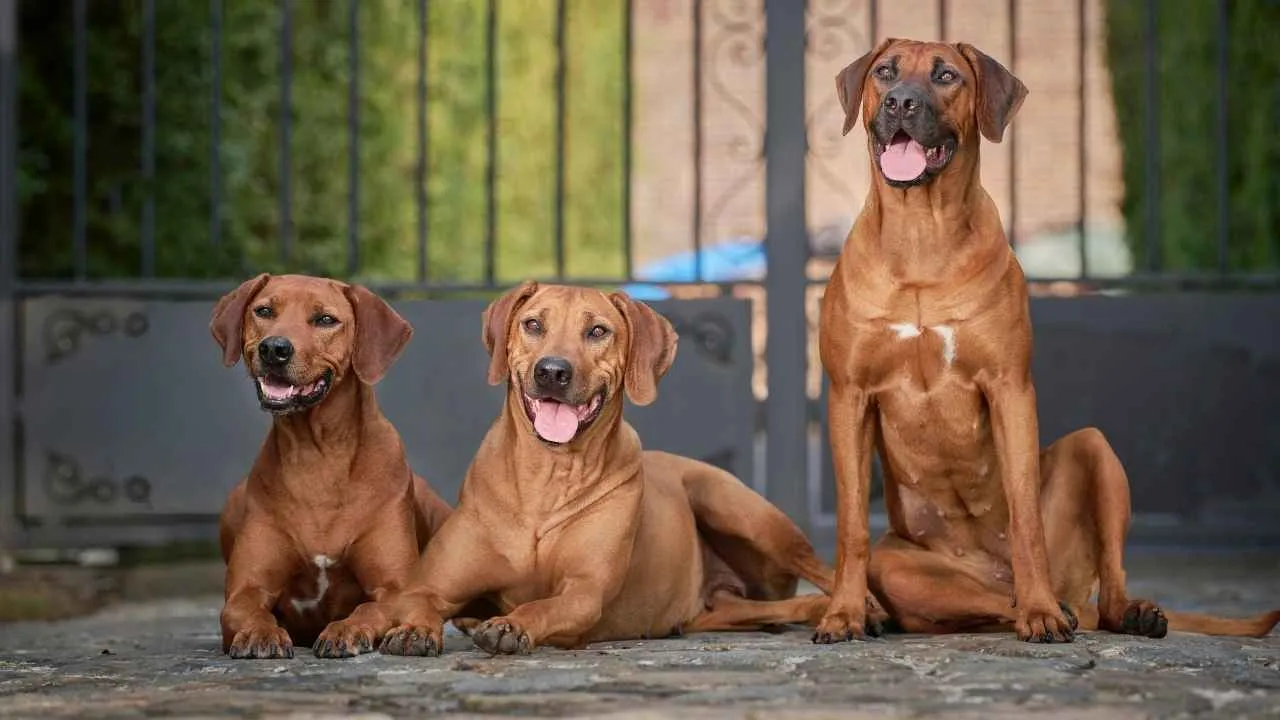
The reliable protector was bred in South Africa by crossing German native dogs, such as the Greyhound and the African native dog, the Khoikhoi dog. Developed for large game hunting, the population of the breed revived in 1922.
Being a nocturnal breed, the Rhodesian Ridgeback has a strong sense of vision at night and extreme heat tolerance. It has a low-frequency baying and tends to circle and corner the lion while evading injury. The dog has a baseline temperament with deep environmental suspicion and barks only to alert the owner.
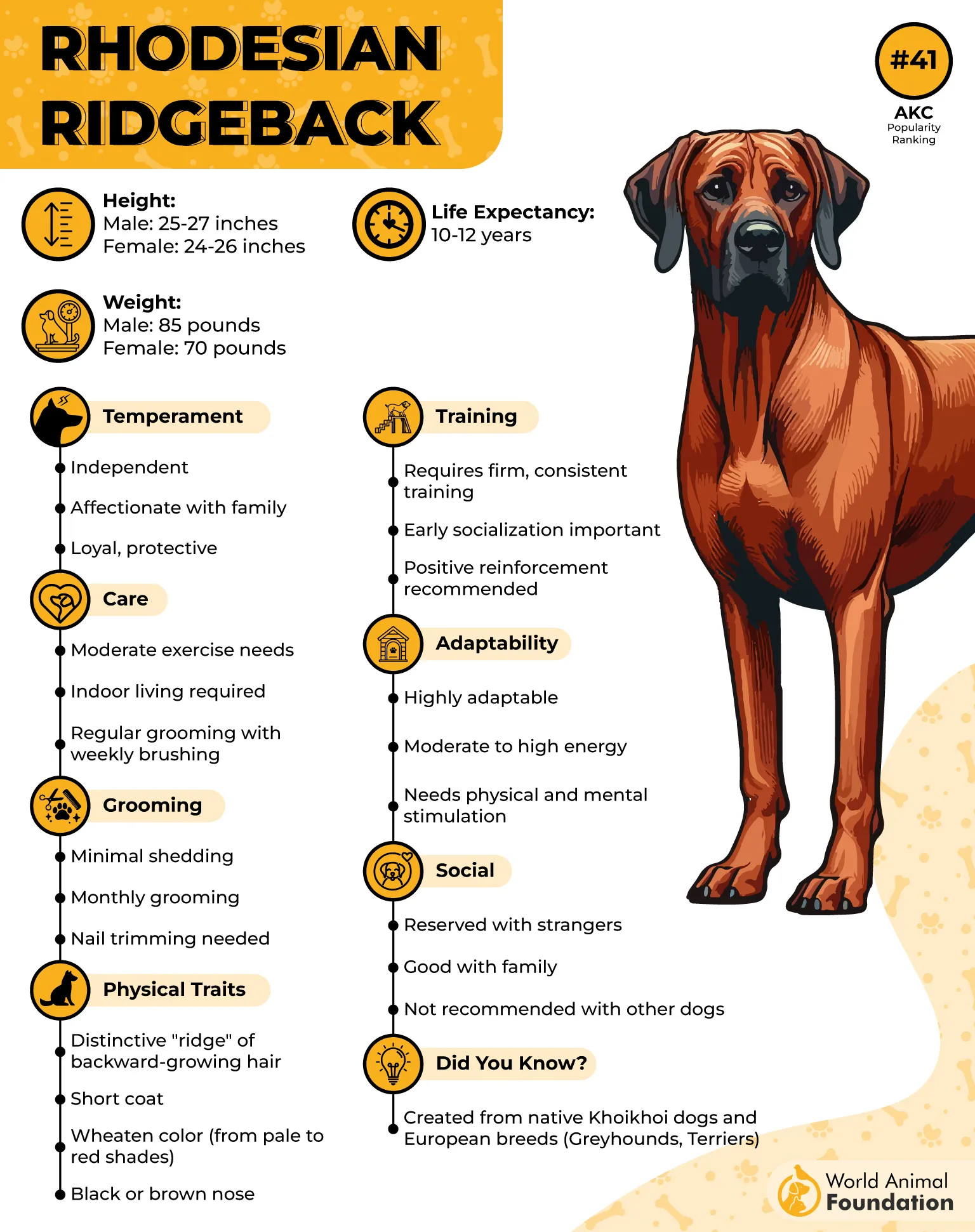
The athletic dog needs 1-1.5 hours of regular exercise: lure coursing, agility, fetching, and hiking. Use a rubber curry brush and a grooming mitt to remove dead hair and evenly distribute natural oils.
10. Boxer
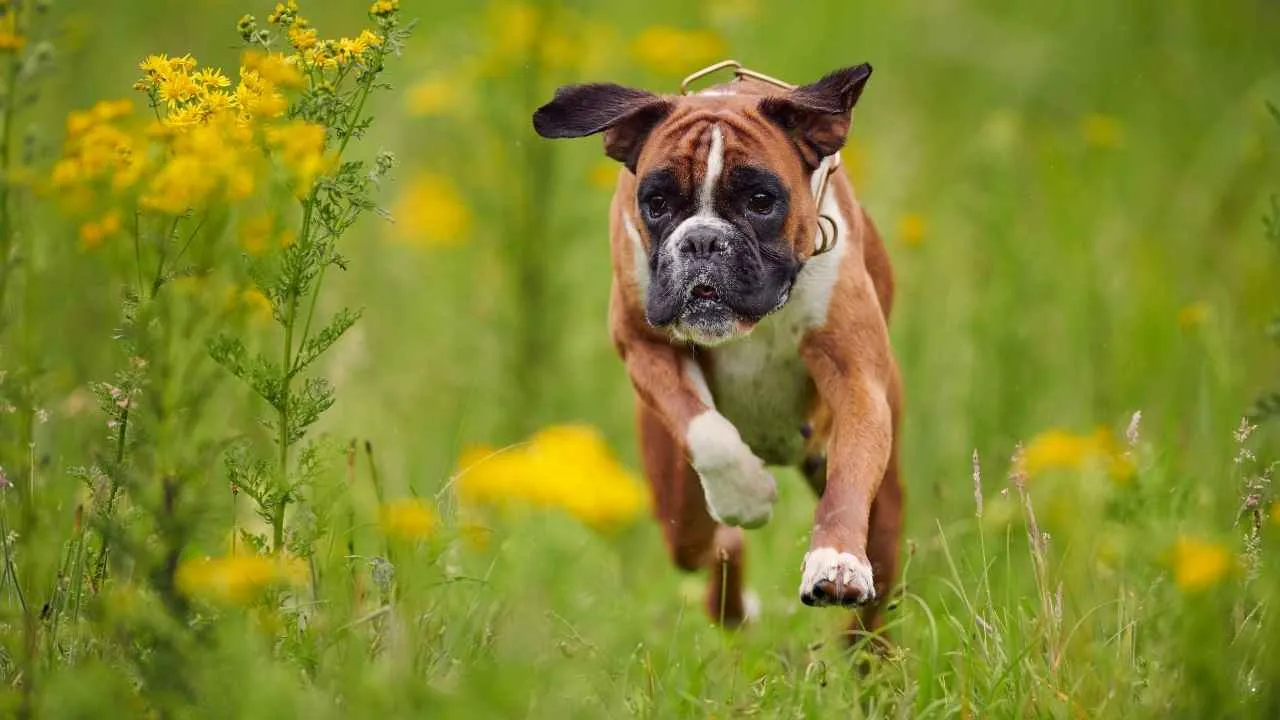
The dog was developed by crossing the now-extinct Bullenbeisser and the Bulldog in Germany in the 19th century. Bred for hunting and guarding, the Boxer is known for its intelligence and stamina.
Despite being a brachycephalic breed, it maintains its respiratory function because of the dermal folds/facial wrinkles that channel debris and blood away from the nasal pathway and eyes. It has strong territorial instincts and can differentiate between a normal visitor and a potential threat.
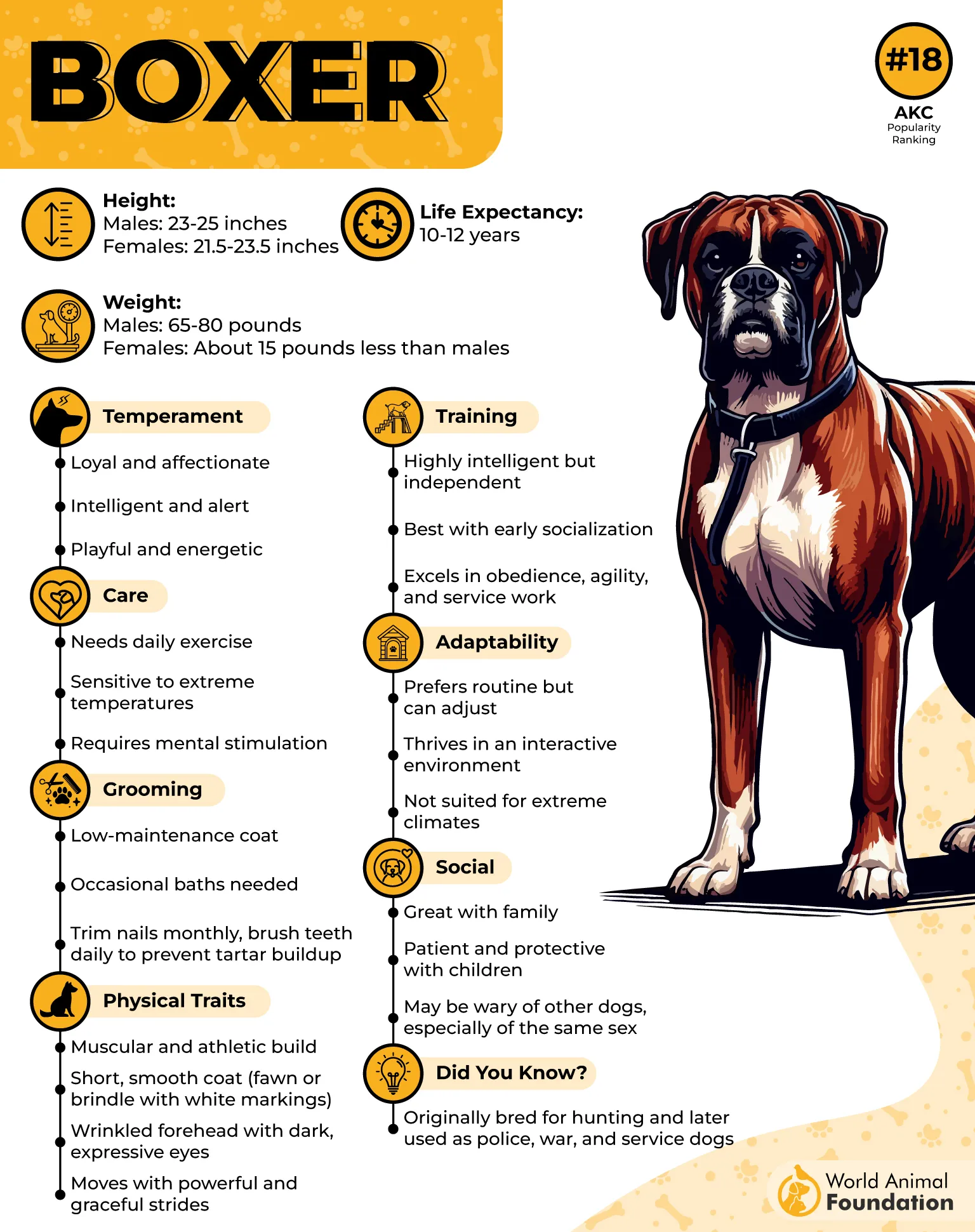
The affectionate breed needs 1-2 hours of daily exercise; however, puppies should not be exposed to intense exercise because of the developing bones. The low-maintenance breed has cat-like traits and tends to self-groom by licking.
Conclusion
Choosing a guard dog is less about finding the toughest-looking breed and more about finding the right fit for your life.
A Doberman may suit an active owner, while a Bullmastiff often prefers a calm home and a soft couch. Either way, every dog on this list needs early socialization, clear training, daily exercise, and a family that treats it like a companion, not just a security camera.
Low grooming does not mean low effort. It simply means less time fighting shedding and more time building trust. When you give these dogs structure, attention, and fair leadership, their alertness becomes a strength rather than a problem.
Pick carefully, train with patience, and you may gain a loyal protector that also steals your side of the bed.
