




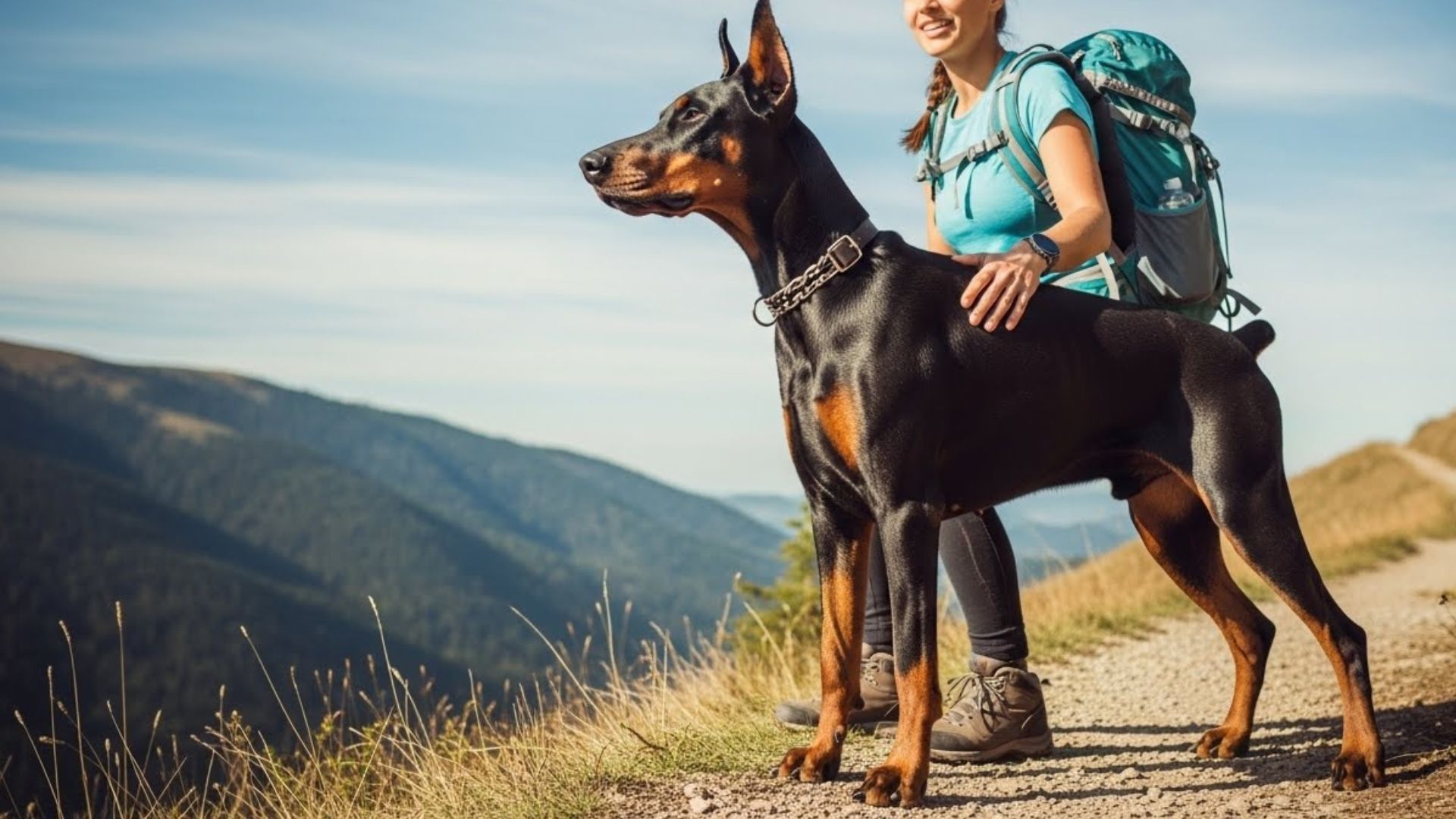
Living alone can feel amazing… until the hallway makes a noise at 2 a.m. Then your brain starts writing horror movies for free. If you’ve ever wished for a little extra peace at home, you’re not weird. You’re human.
A good guard dog can give you two gifts at once: real safety and real company. Not a “tough dog” that scares everyone, but a loyal companion who knows when to relax and when to stay alert.
And here’s the best part! The right breed can fit your lifestyle, your space, and your comfort level. Some are bold and serious. Some are big teddy bears with a warning bark.
Either way, you get that calming feeling of not being alone. When choosing the best protective dog for single owners, it’s important to consider breed suitability and proper training to ensure both safety and companionship.
Let’s meet the breeds that protect your home and your heart. Many excellent guard dogs were originally bred for protection, which gives them strong instincts to keep you safe.
Best Guard Dog Breeds for Single Owners: Safety and Companionship
1. Doberman Pinscher
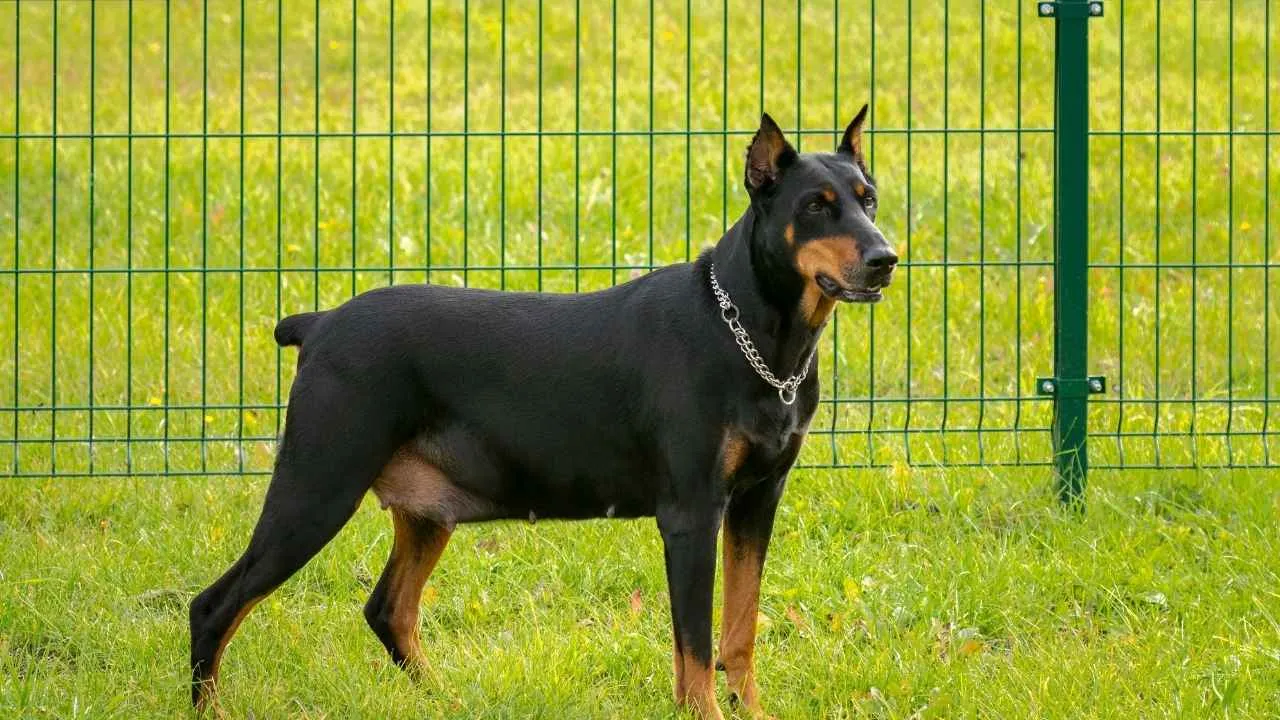
If you want a dog that feels like a loyal shadow, the Doberman is that dog. They are alert, sharp, and deeply devoted to their person. A lot of single owners love that “always aware” vibe. Dobermans can look intimidating, too, which honestly does half the guarding work for you.
But here’s the good part. This breed is not just a serious face. PetMD notes that with steady training and early social time, they can be sweet, fun, and super in-tune with you.
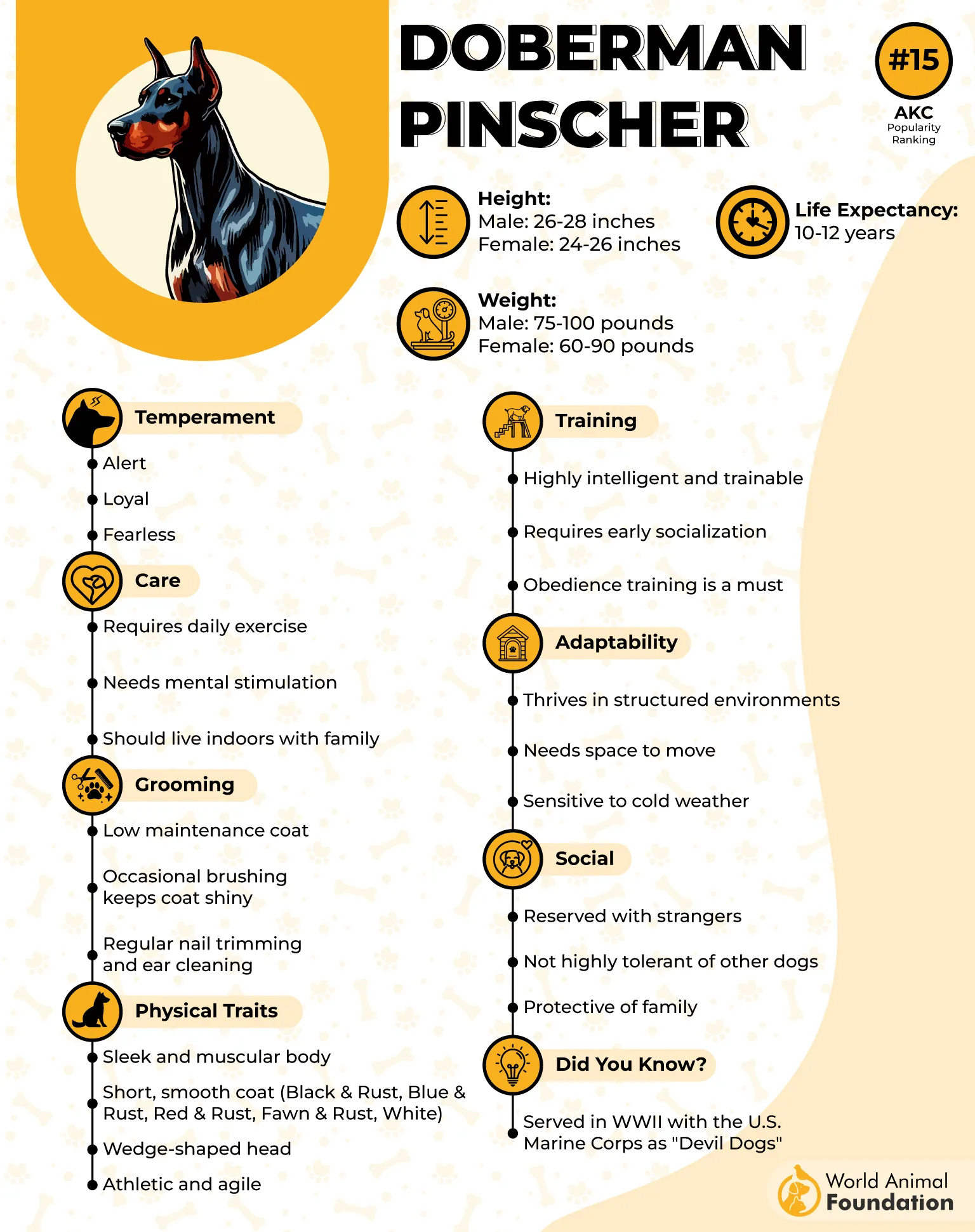
They are smart, so they learn fast. The flip side is that they also notice everything, including your mood. If you are anxious, they can pick up on it and get extra protective. Dobermans need real daily exercise. Not “a quick stroll while scrolling.” Think long walks, runs, games, and training that make their brain work.
If they get bored, they can turn into tiny home renovators with teeth. Sounds crazy, right? It’s true. Keep them busy, and they shine.
Best single-owner win
Strong “one-person” bond
Naturally watchful in the home
Learns fast with clear rules
Needs daily activity to stay calm
2. German Shepherd
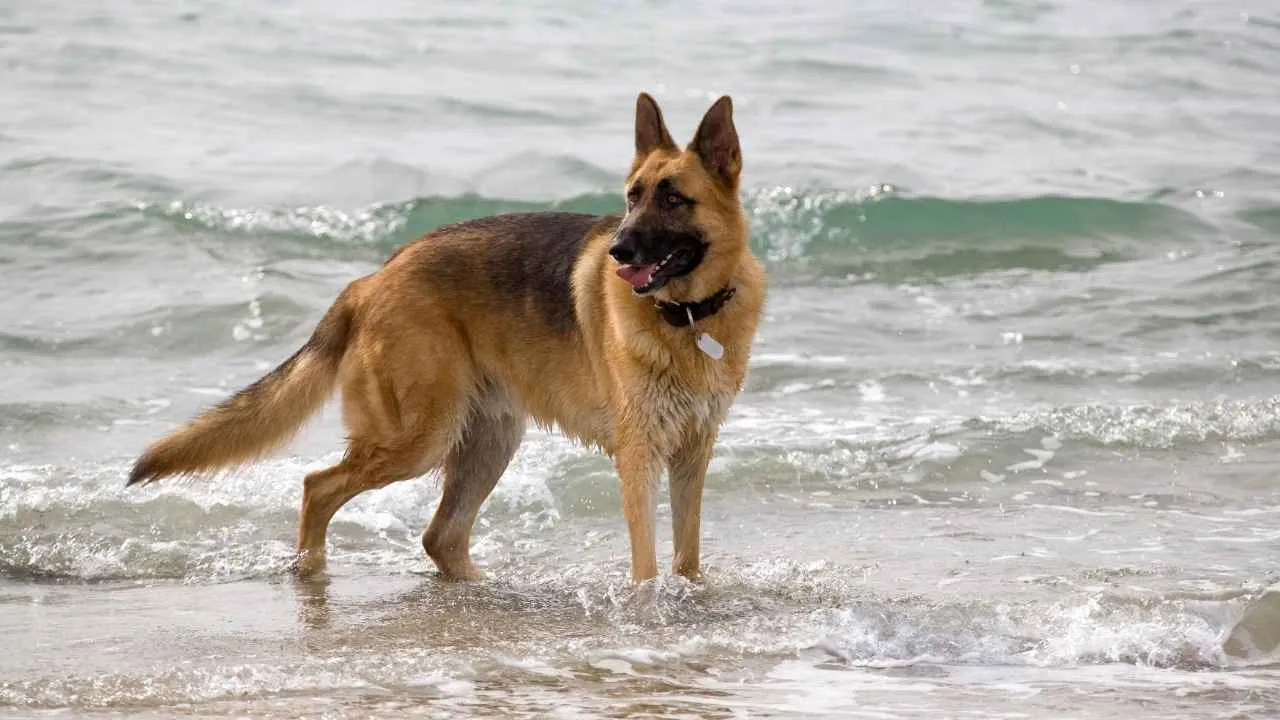
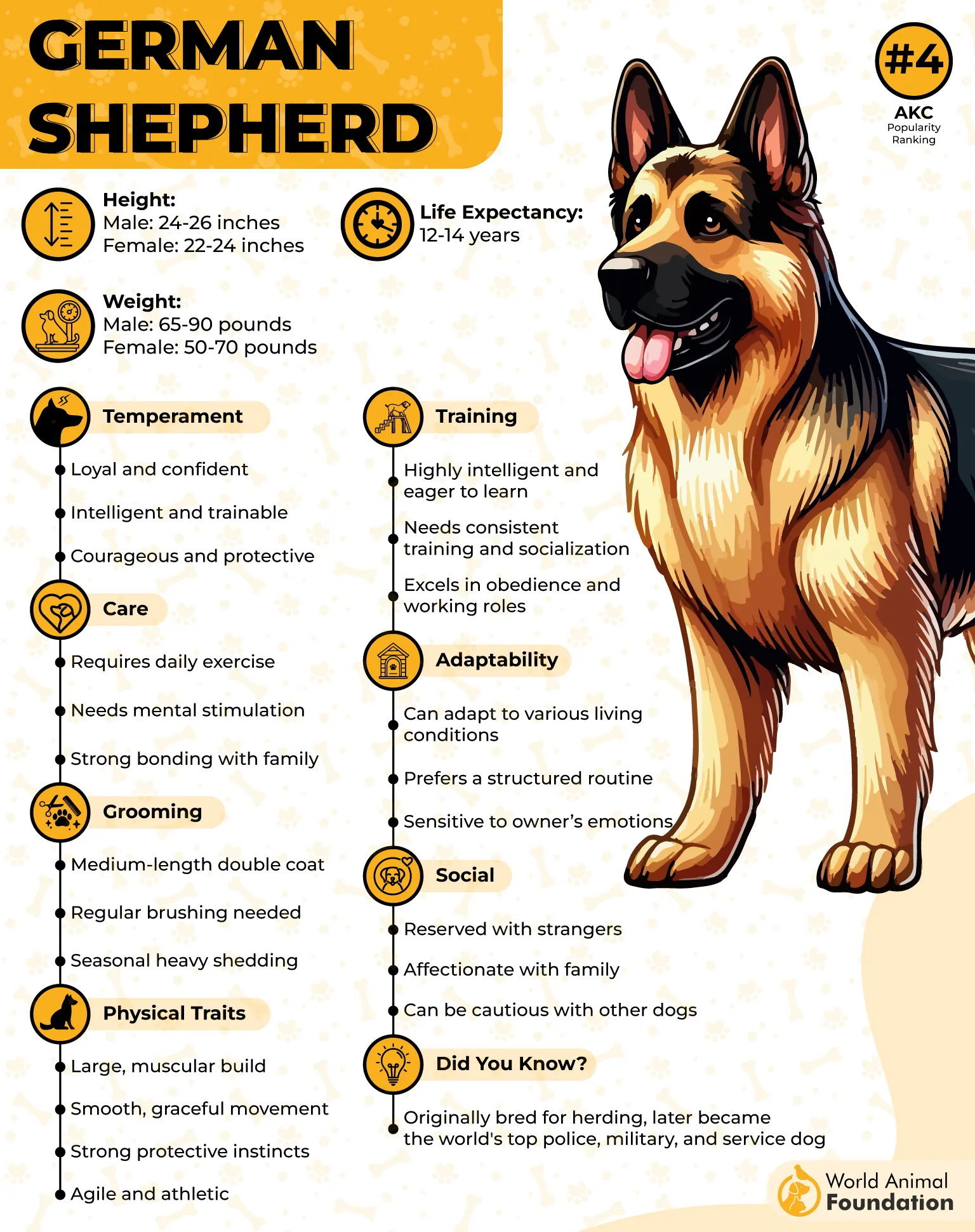
The German Shepherd is the classic “I’ve got you” dog. They are known for loyalty, courage, and steady confidence, according to the AKC. Many are used in serious working roles for a reason. They watch, they think, and they respond. For a single owner, that can feel like having a smart roommate who actually helps with safety.
Here’s the good part. A well-raised German Shepherd can be both protective and affectionate. They often want to be near you, not across the house doing their own thing.
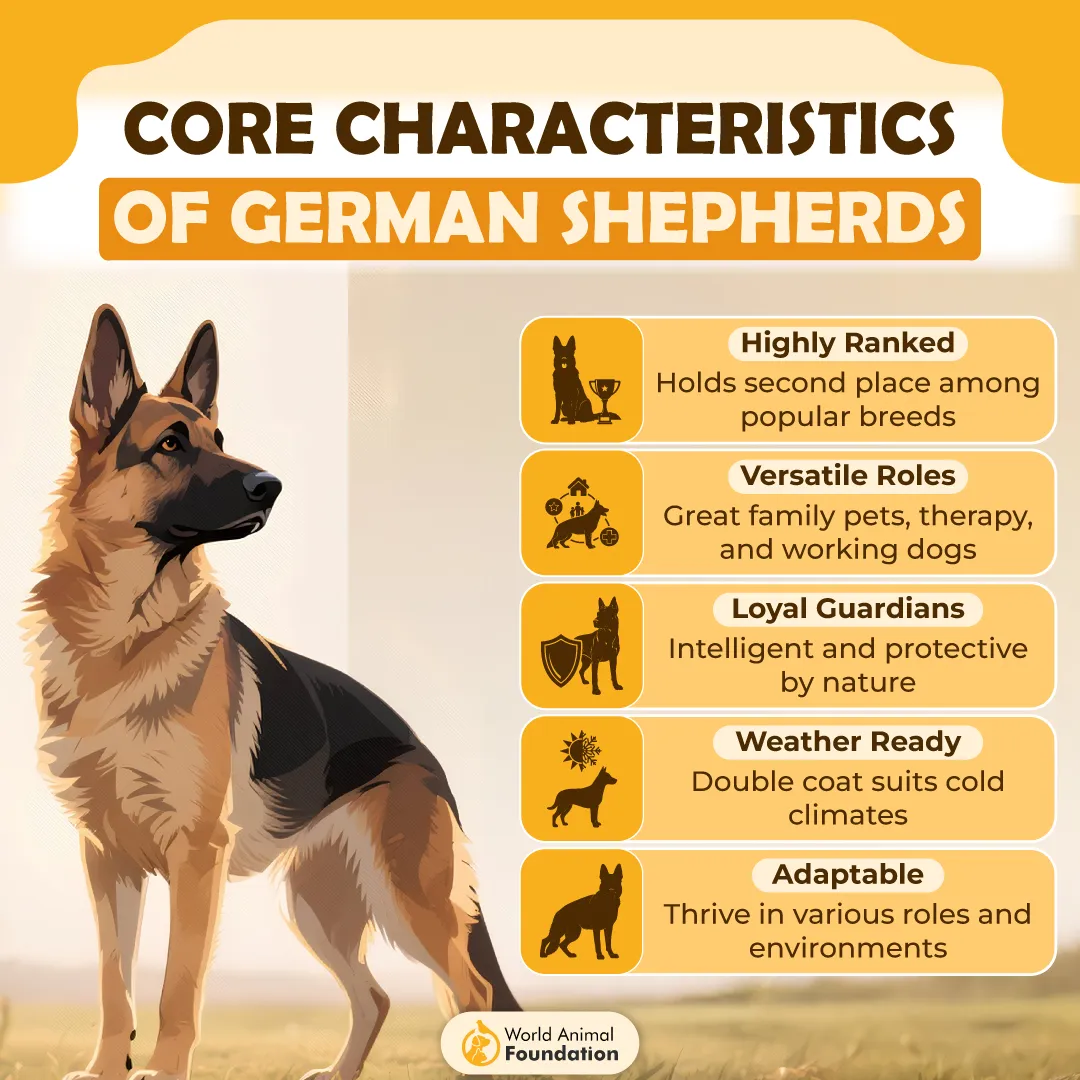
That closeness matters when you live alone. They also tend to do best when they have a job, even if the “job” is training games, structured walks, and learning cues.
But wait, there’s more! This breed really needs good social time. If they miss that, they can get nervous or unsure in new situations. You want confident protection, not stressy barking at every leaf. So introduce new people, places, and sounds early, and keep it positive.
Best single-owner win
Loyal, confident protector energy
Very trainable and task-focused
Great “alert + respond” instincts
Needs exercise and mental games
3. Boxer
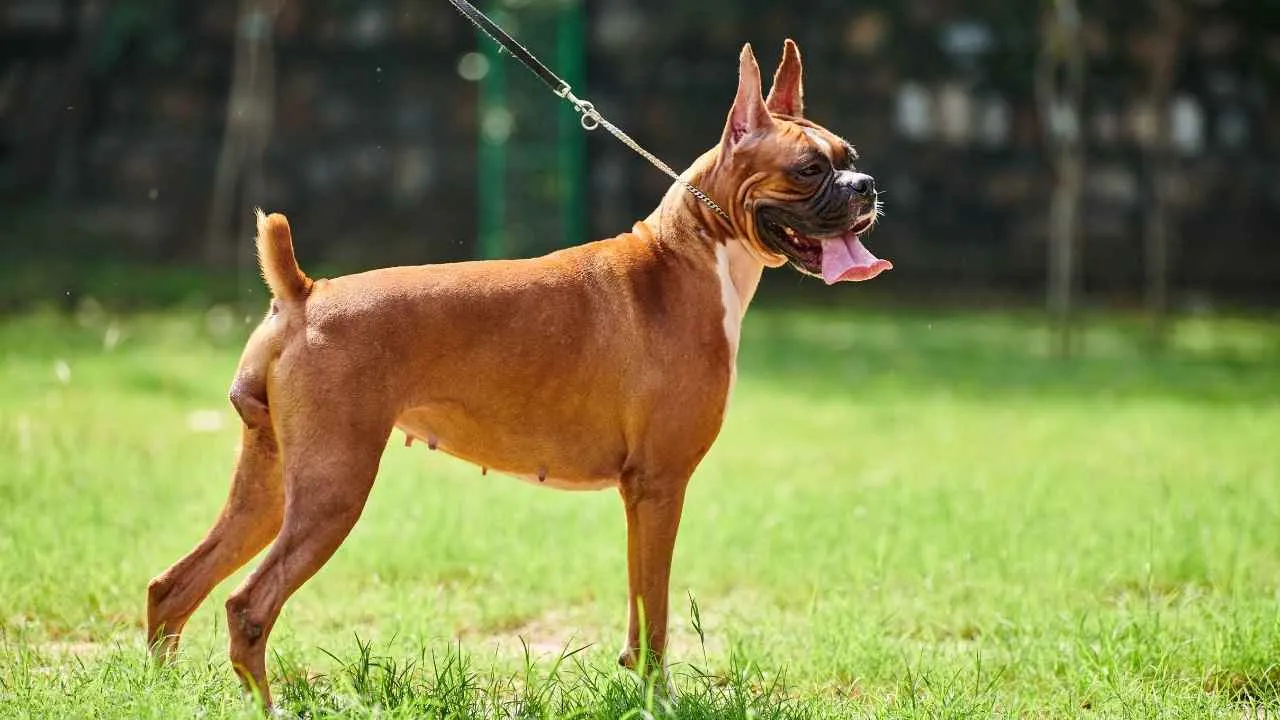
Boxers are like the friend who jokes around, but will still throw hands for you if needed. They are bright, loyal, and often fearless when it counts. Their protective side shows up most when they feel their home or person is threatened. And their goofy personality can make living alone feel way less lonely.
It gets even better, though, because a Boxer usually brings warmth to the whole house. They tend to be affectionate and people-focused, as noted by Britannica.
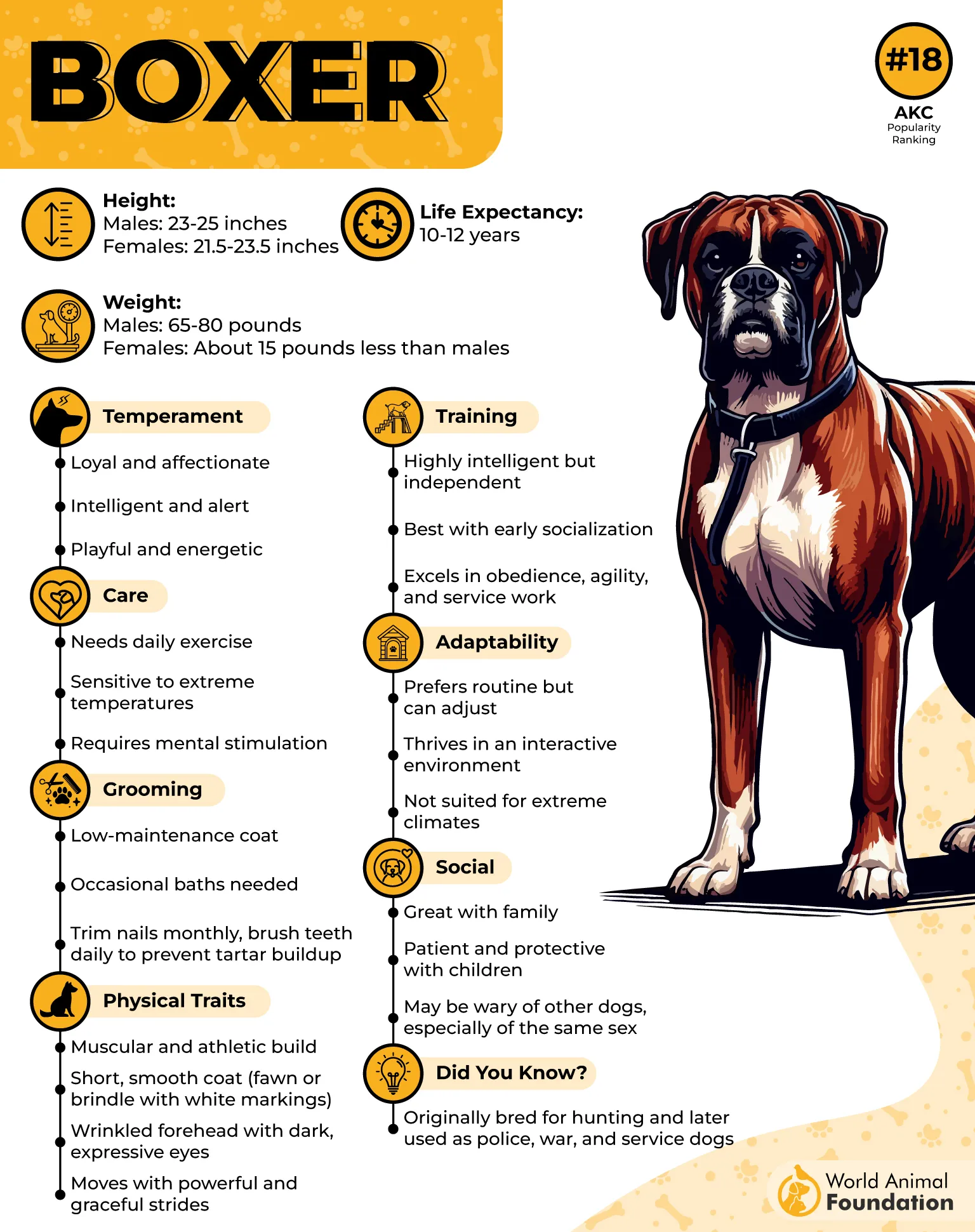
They want to be involved in your day, whether you are cooking, cleaning, or binge-watching something at 2 a.m. That “always with you” vibe is a big deal for single owners who want companionship, not just security.
Now, real talk. Their guard skills depend a lot on training and social time. A Boxer has the instincts, but you still have to shape them.
Teach calm greetings, solid recall, and a strong “place” cue. Also, Boxers have energy for days. If you skip exercise, they may invent their own fun, and you might not like their ideas.
Best single-owner win
Protective, but also playful and sweet
Strong bond and big personality
Needs training to sharpen guarding behavior
Daily activity keeps them balanced
4. Bernese Mountain Dog
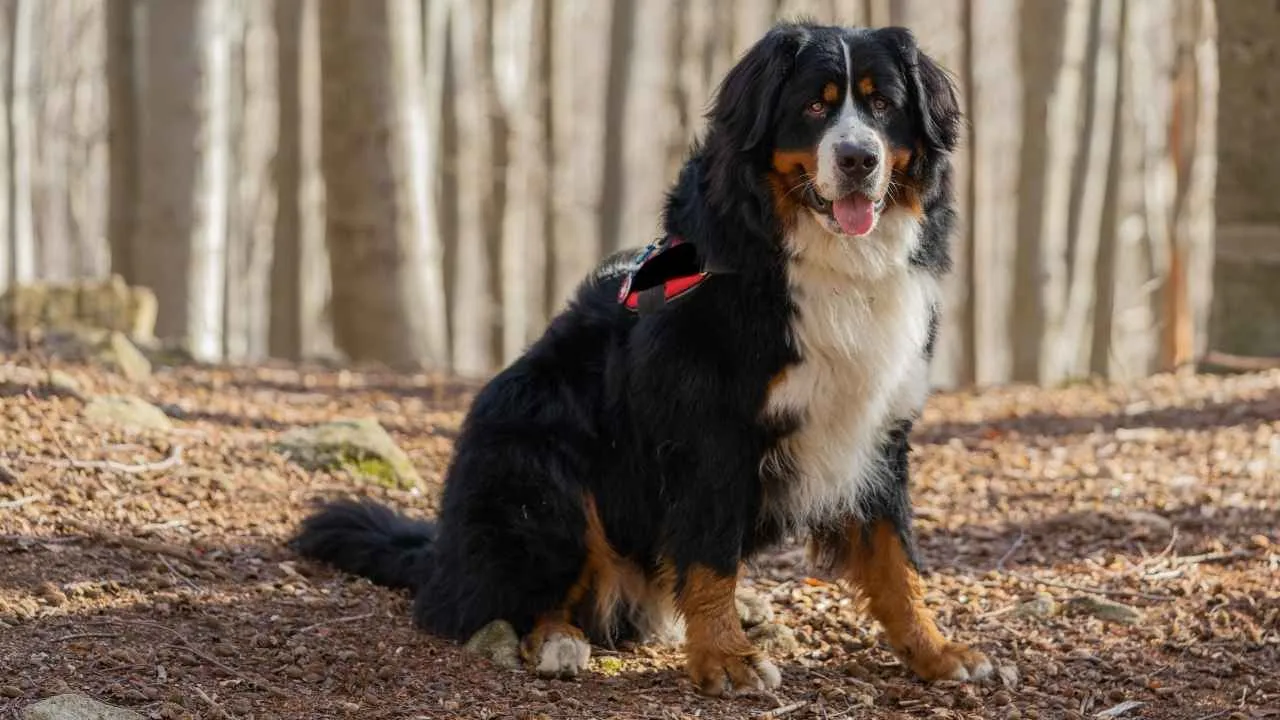
If you want a softer kind of protection, the Bernese Mountain Dog is a sweet pick. They are big, calm, and good-natured. Their size alone can stop trouble before it starts. And they often have a “guardian instinct” that makes them naturally protective of their people.
Here’s the good part. Berners can be excellent watchdogs. They will bark when something feels off and stay cautious around strangers.
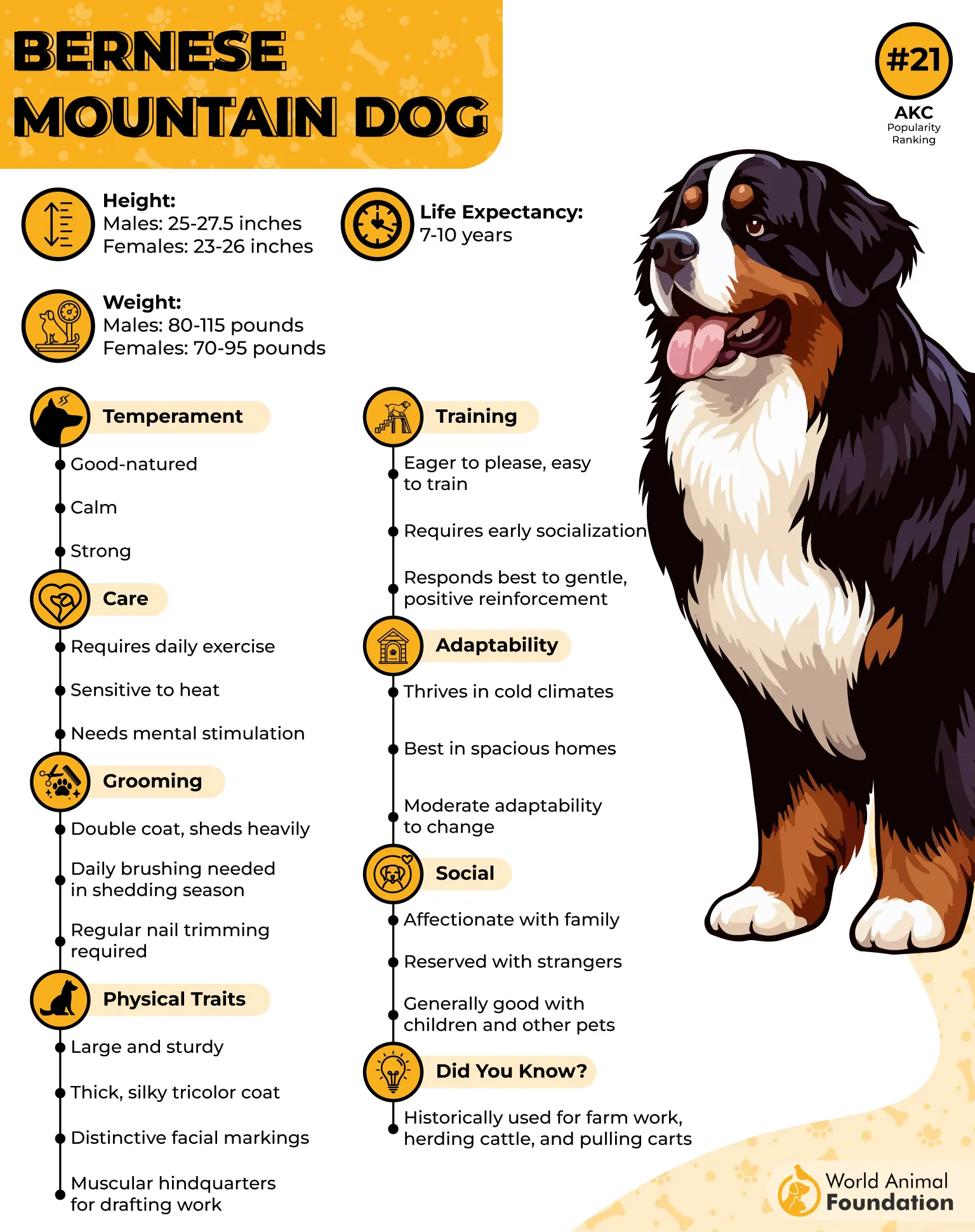
But they are usually not the type to go looking for a fight. That can feel safer for some single owners who want an alarm system with fur, not a dog that escalates every situation.
But why bother with that calm style? Because it can fit real life. If you work from home or want a peaceful household, this breed often brings steady energy.
Just remember, they are fluffy. Like, “your vacuum is now your best friend,” fluffy. Grooming is part of the deal, and so is keeping them comfortable in heat.
Best single-owner win
Big presence, gentle vibe
Great alert barking and stranger awareness
Less likely to be aggressive by default
Needs brushing and coat care
5. Cane Corso
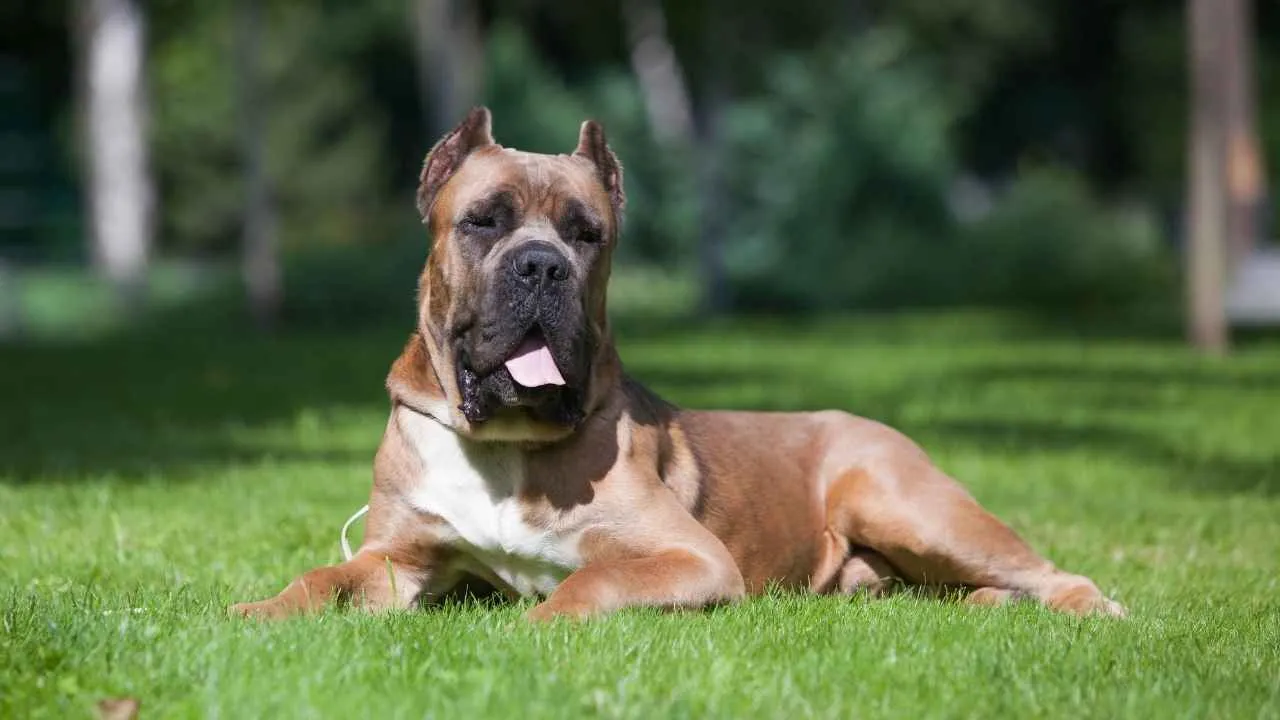
The Cane Corso is a serious protective energy in a dog’s body. They are strong, confident, and devoted. The Cane Corso is a powerful and loyal breed, originally bred to protect livestock and property, which makes them excellent guard dogs.
Many can be calm at home, then switch on when something feels wrong. That’s the kind of “quiet security” some single owners really want. And here’s the best part. With the right training and social time, they can be affectionate and gentle with their own people.
They often stay reserved with strangers, which can help guard against. But this is also why early training matters so much. You want a dog that listens to you, not a dog that decides rules on their own.
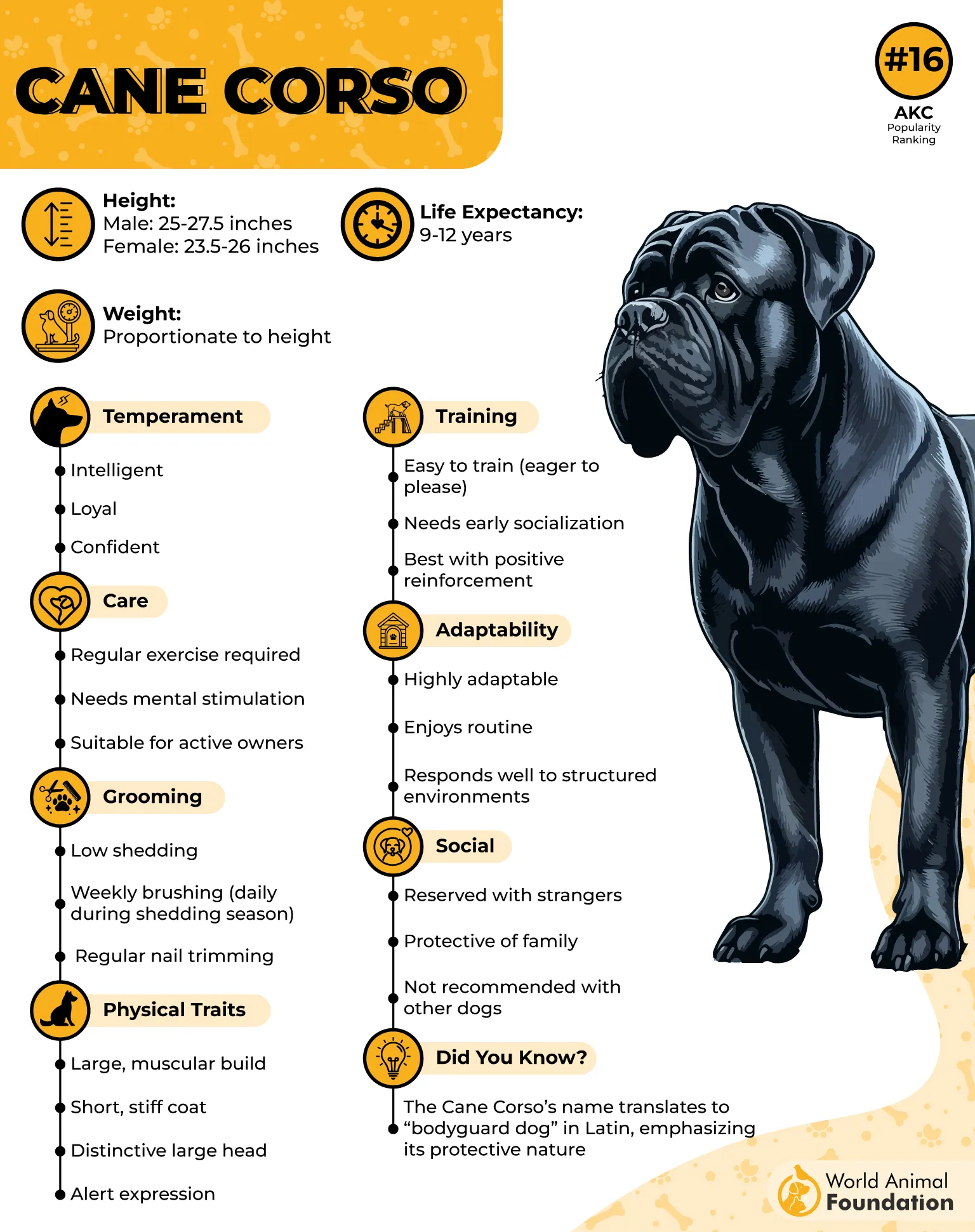
Now, the important note. This breed is not a casual, “let’s wing it” choice. They are big and powerful. They need a confident owner, clear boundaries, and rewards-based training from day one.
Some can show guarding behavior around food or toys, so teaching trade games and calm manners early is smart. If you love structure, this dog will respect you for it.
Best single-owner win
Loyal, intense protector bond
Calm at home when trained well
Needs strong leadership and social time
Best for owners who like structure
6. Bullmastiff
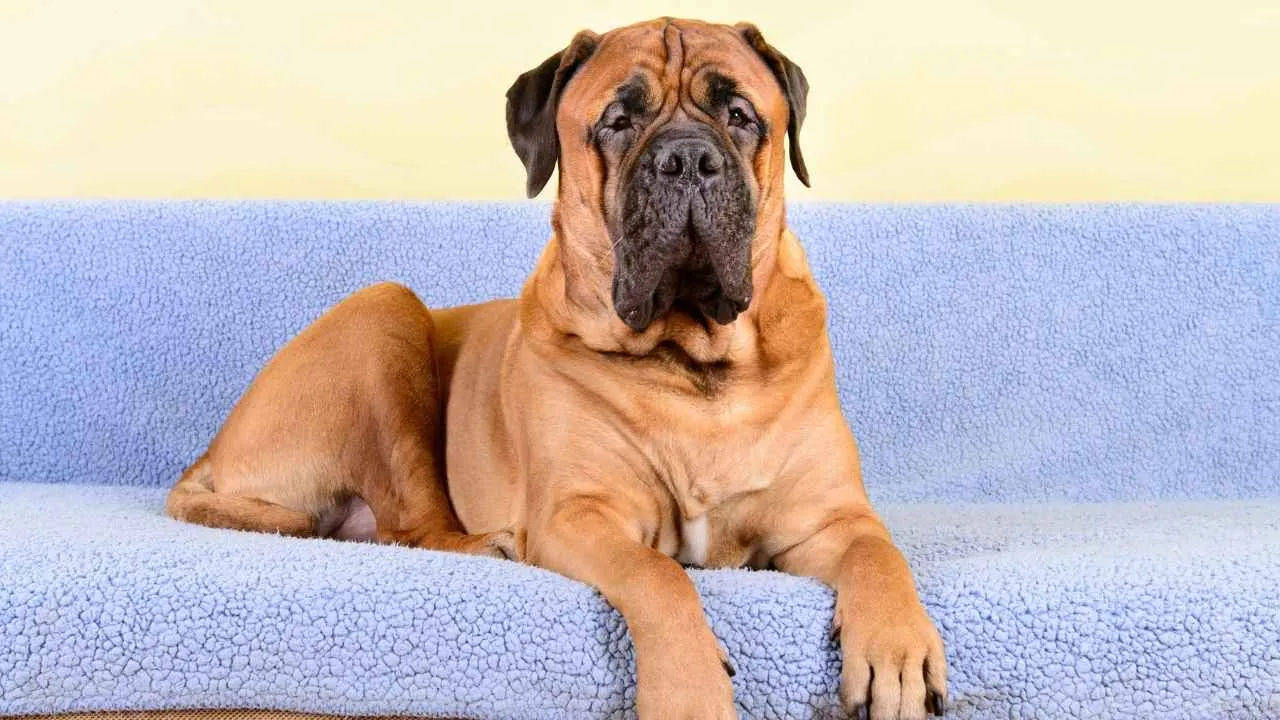
Bullmastiffs are the definition of “big softie with a serious side.” They were bred as guarders and are known for being fearless when working, then calm at home. For a single owner, that mix can be perfect. You get a deterrent size and a dog that still wants to chill on the couch with you.
Here’s the good part. Many Bullmastiffs are affectionate with their family, but cautious with new people. They are not usually loud or chaotic all day.
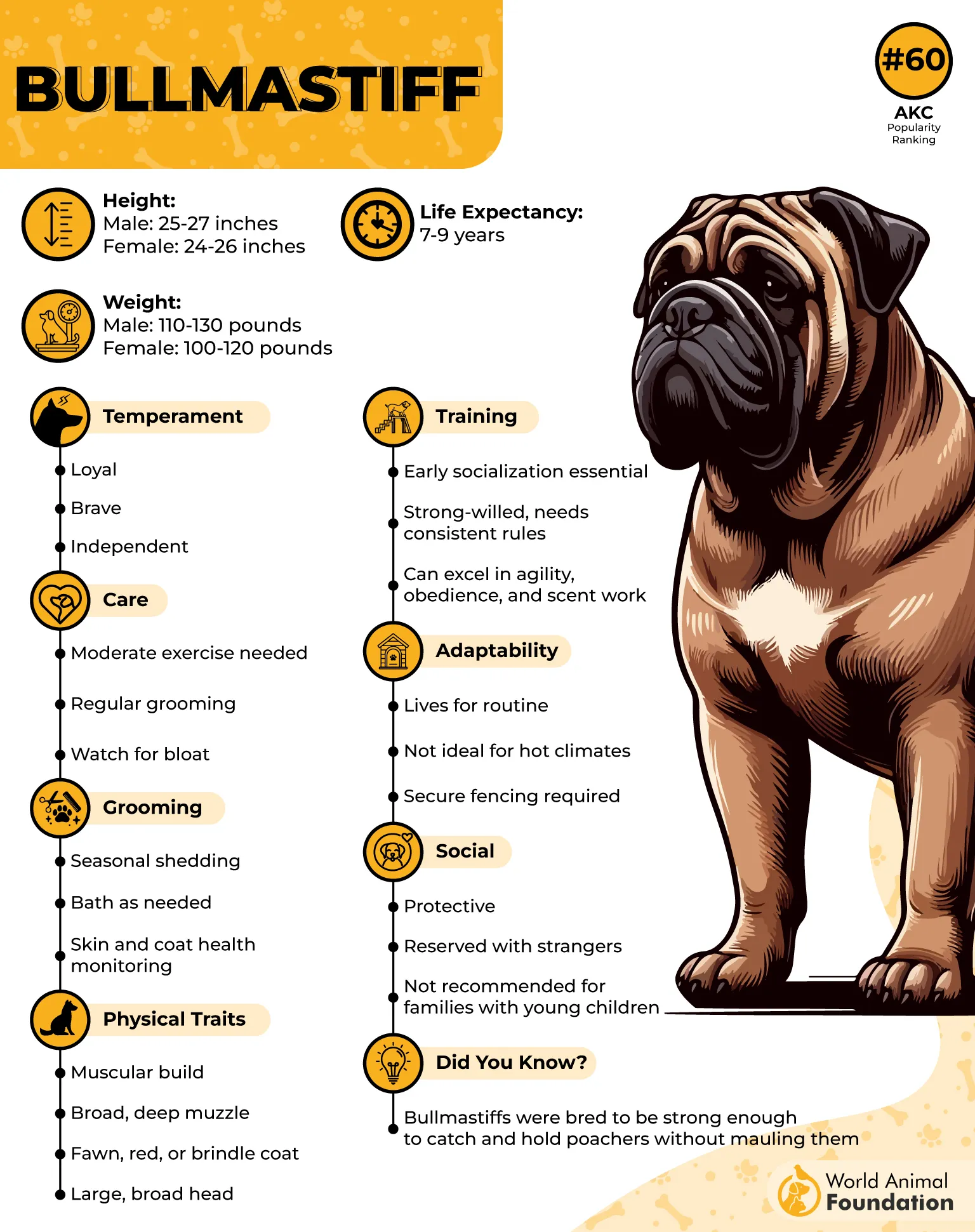
They can be steady, which can make your home feel calmer. Their presence alone can make someone think twice before stepping too close.
But wait, there’s more! Training still matters because this is a large, strong dog. They can also be a bit stubborn. Keep sessions short, consistent, and positive.
They do well with daily walks and simple brain games. You do not need to turn them into a security robot. You just need good manners, solid recall, and a calm “stay with me” habit.
Best single-owner win
Massive deterrent, calm home energy
Devoted and steady companion
Moderate exercise, not nonstop chaos
Training is key because of the size
7. Great Dane
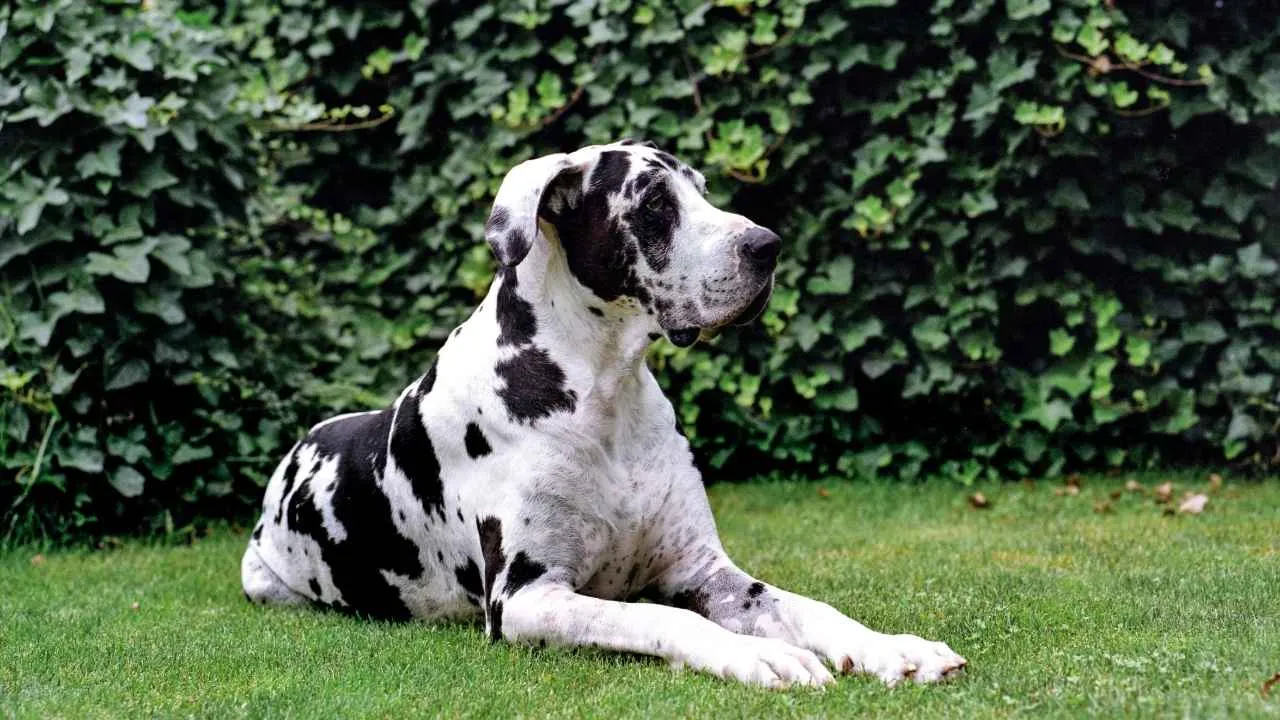
Great Danes are often called gentle giants, and yep, that fits. As large dogs with a protective nature, they are suitable for single owners who want a loyal companion. They tend to be friendly, social, and eager to please with steady training.
But don’t underestimate the guard effect of a huge dog with a deep bark. A lot of safety is simply looking like a bad idea to mess with.
Here’s the good part. Great Danes can be better watchdogs than “attack protectors,” because many are kind by nature. They may bark and stand tall when something is off, but they often prefer to be everyone’s large, awkward friend.
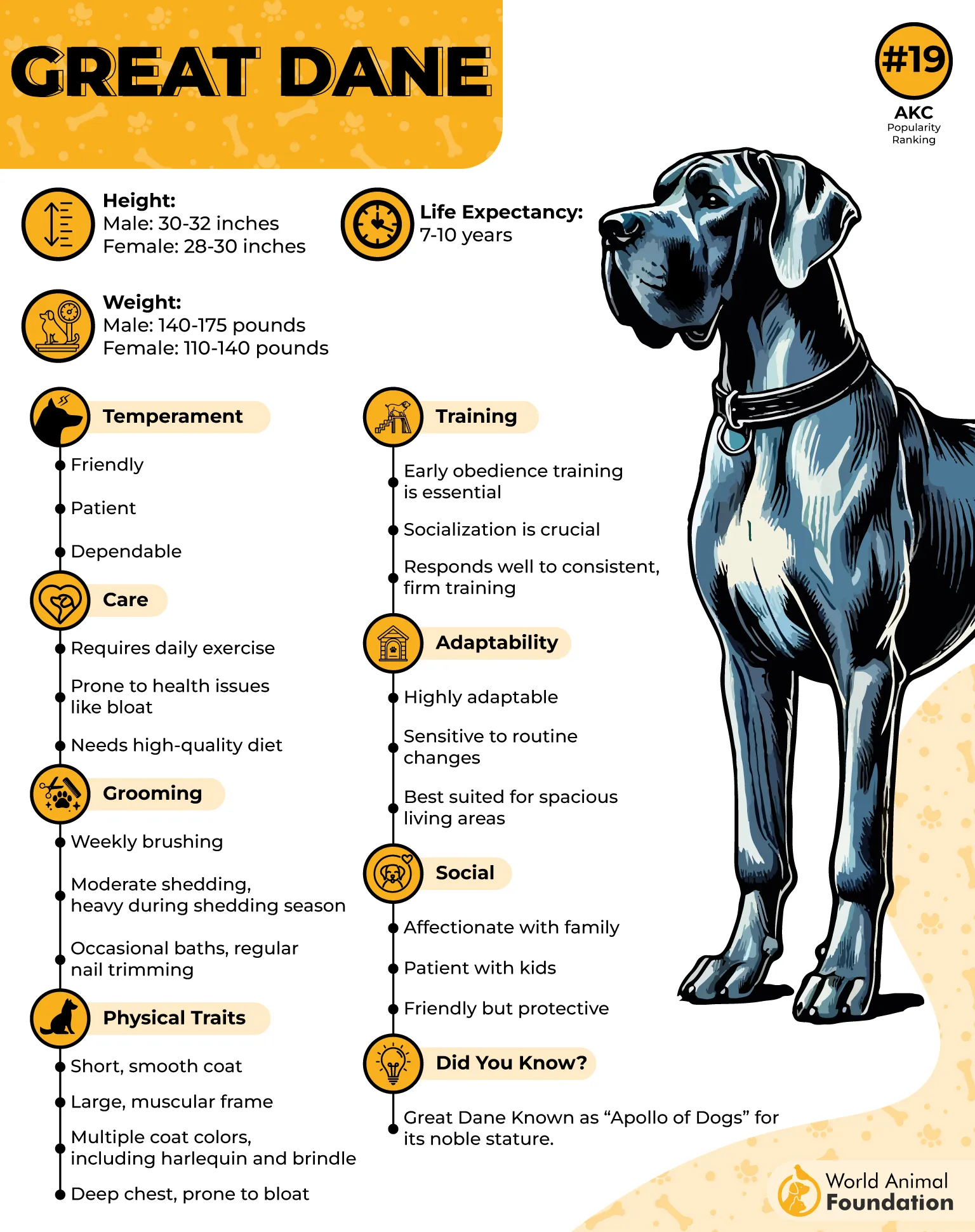
Great Danes are known for their imposing size and gentle nature, making them effective guard dogs despite their friendly demeanor. For some single owners, that’s perfect. You get confidence at home without feeling like you’re handling an intense guard machine.
Important note: Life with a giant dog comes with giant realities. Space, food, and vet costs can be higher.
Also, some housing and insurance situations can be picky with certain large breeds, so it’s smart to check your rules early. Not fun, but better than surprise stress later.
Best single-owner win
Huge presence, often very gentle
Loud bark and strong “deterrent look.”
Responds well to consistent training
Needs planning for size and costs
Conclusion
Choosing the right guard is really about matching your life with your furry friend. For dog owners and pet parents, the goal is a loyal companion with personal protection, not stress.
They bring natural protective instincts, a calm demeanor (with the right care), and an intimidating presence that can deter intruders. And yes, most guard dogs also make loving family pets when raised with care, even around other dogs and other animals.
Start early. At a young age, focus on puppy training and obedience training with consistent leadership. Add regular exercise plus physical and mental stimulation so dogs thrive, whether through dog sports or simple daily routines.
Work with a reputable breeder, choose the best dog for your home, and you’ll likely end up with one of the best protection dogs for your needs, with deep bonds, an affectionate nature, and incredibly loyal habits.
Just remember, the best results come from being trained properly, with proper training and socialization, and a plan that keeps them generally healthy for the long run.
