




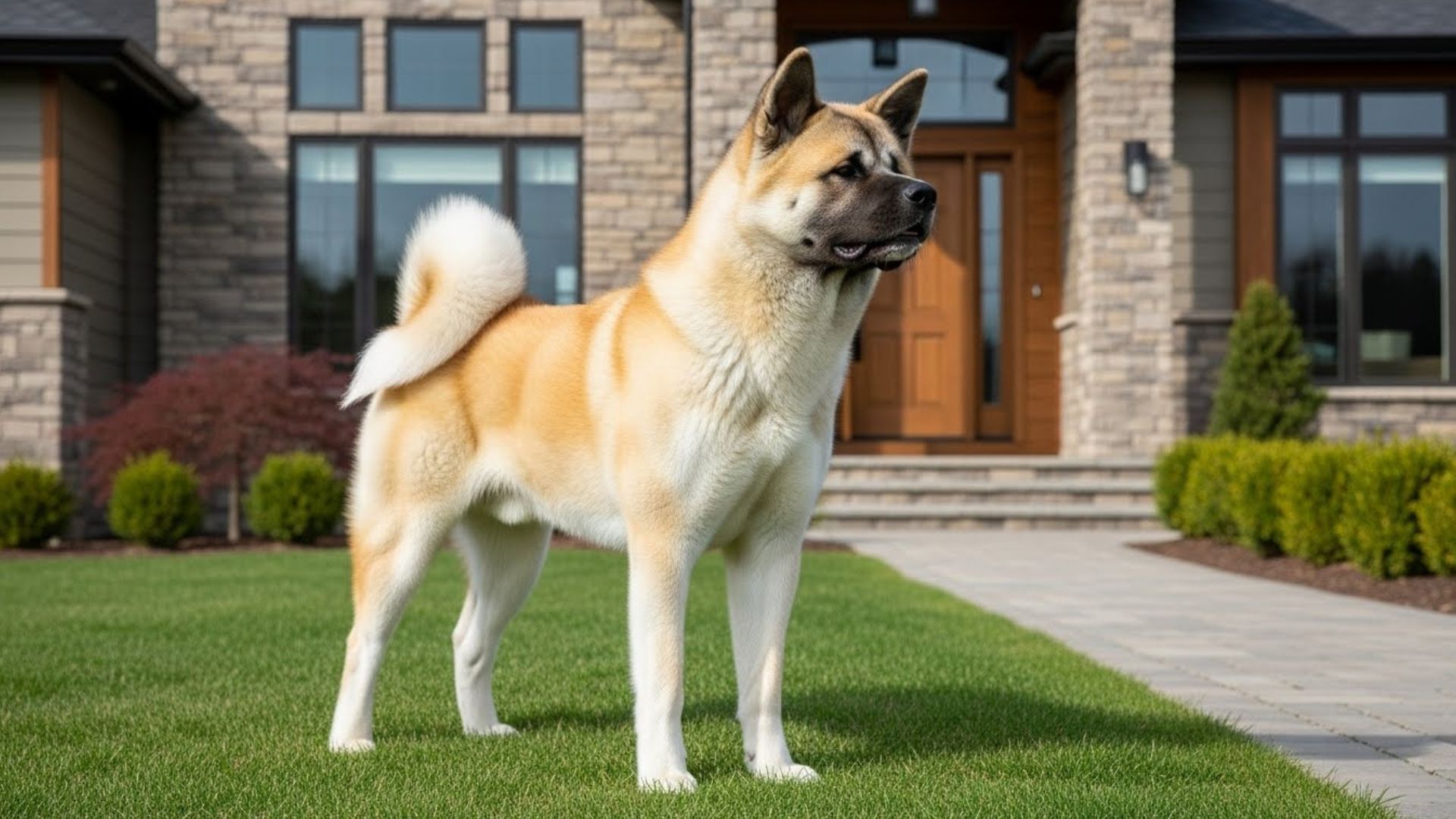
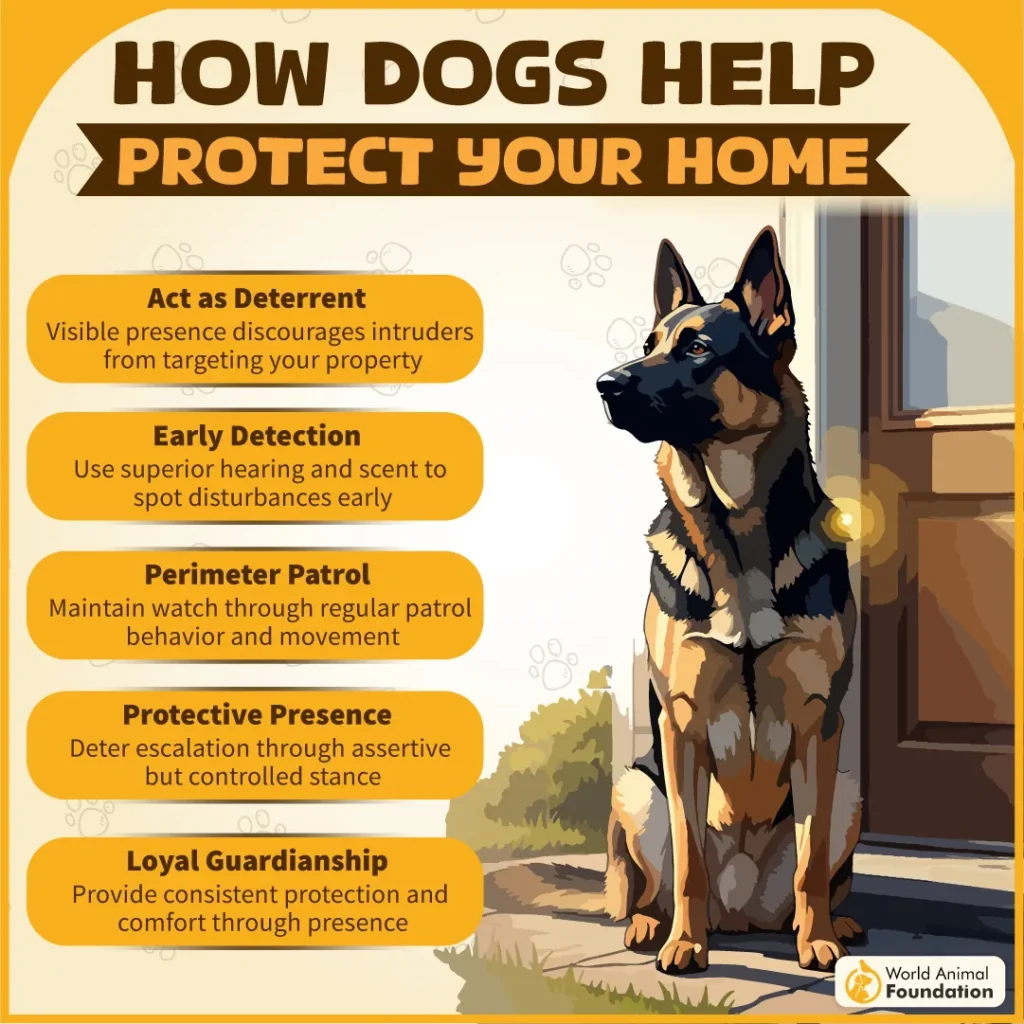
A quiet home can feel safe, but true protection begins with awareness, instinct, and presence. Guard dogs have guarded humans for centuries, blending loyalty and vigilance into living security systems.
What makes a dog protective is not aggression, but intelligence, confidence, and sound judgment skills. This balance separates true guardians from noisy alarms and creates reliable, trustworthy home protection daily.
Some loyal guardian breeds were shaped by history to watch flocks, homes, and families with unwavering focus. Others evolved alongside people, learning when to act, when to wait, and when to warn.
Choosing the right guardian requires curiosity about temperament, training needs, space, and lifestyle compatibility factors. A mismatch can create stress, while the right fit builds confidence for everyone involved at home.
This guide explores remarkable protectors, asking what truly makes them effective guardians beyond appearances alone. Read on to discover how instinct, training, and partnership shape ultimate home security for families.
Top Guard Dog Breeds for Ultimate Home Protection
1. Akita
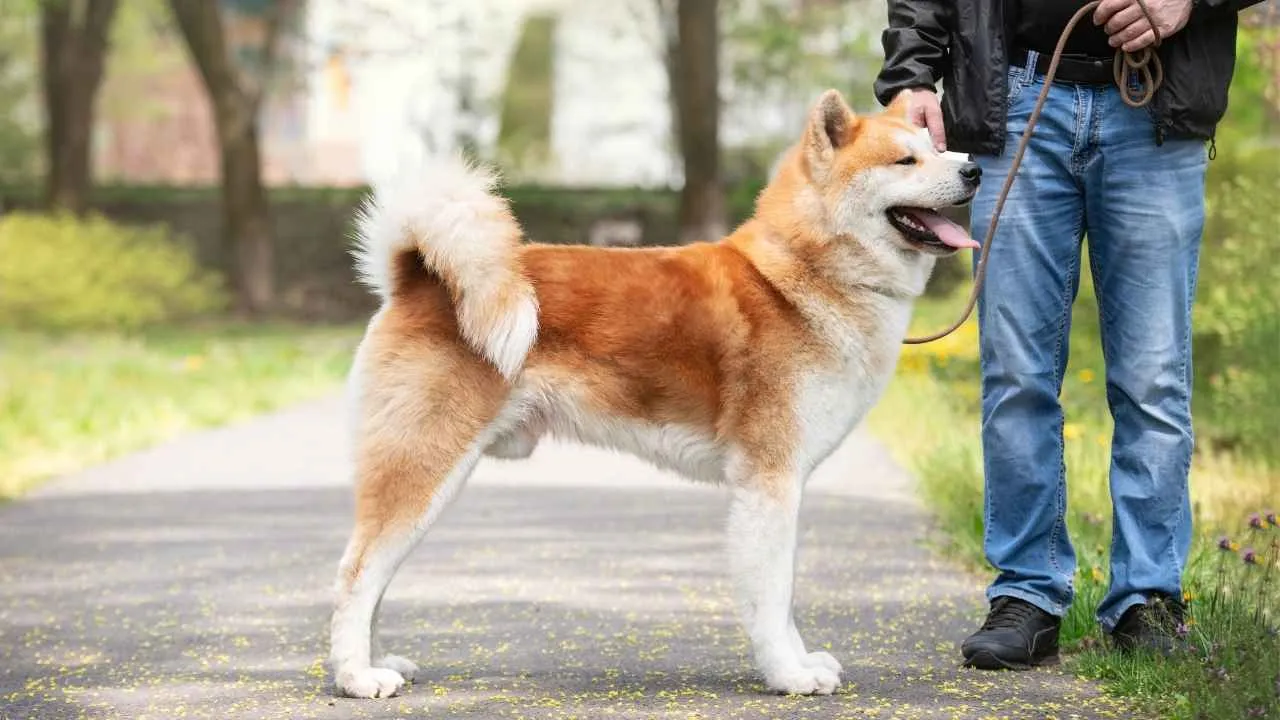
The Akita makes a powerful first impression with its broad head, upright ears, and calm confidence. AKC claims that this breed carries an ancient guarding instinct shaped to protect territory and family through quiet vigilance rather than constant reaction.
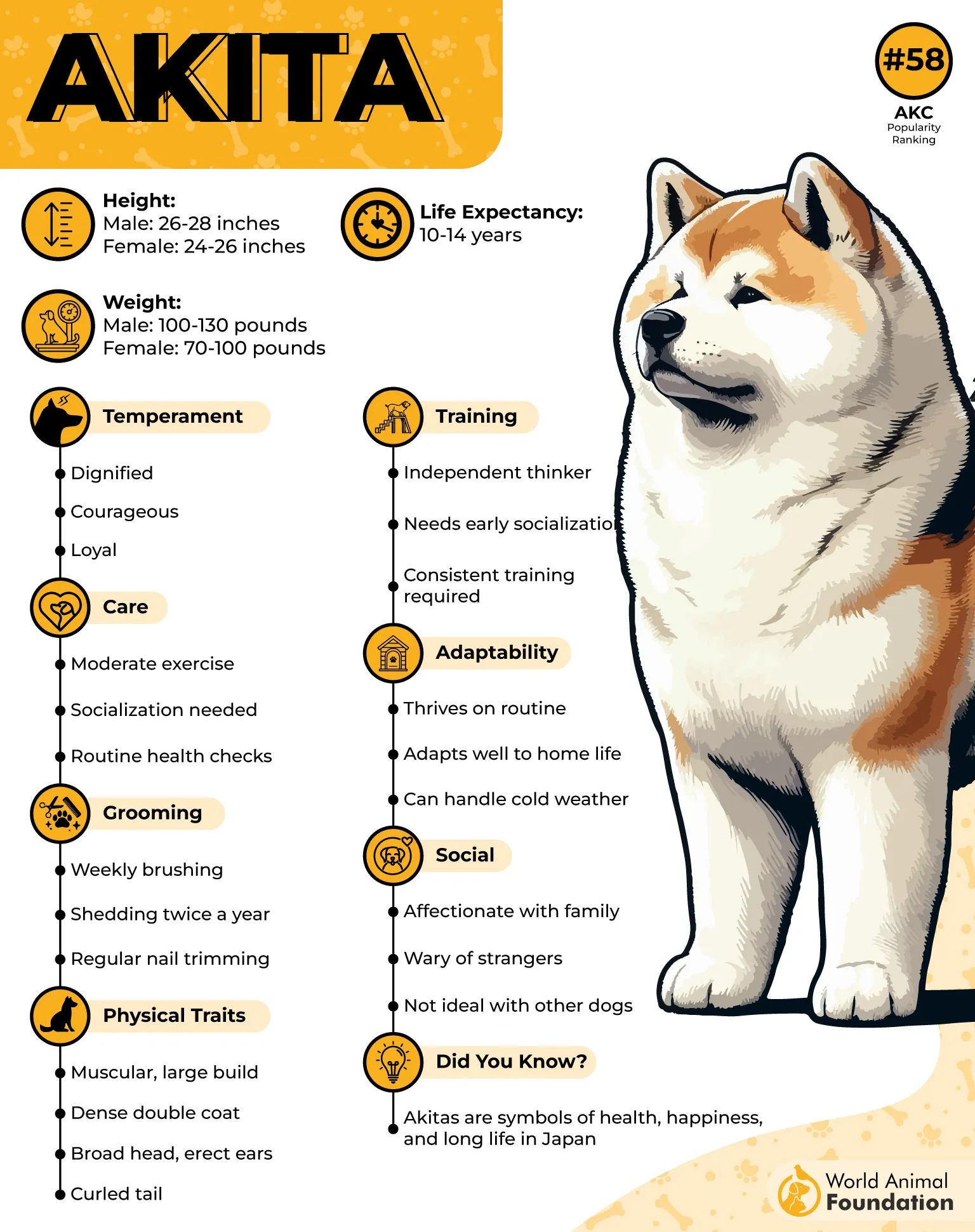
Highly perceptive and independent, the Akita evaluates situations carefully before responding. Deep loyalty defines its bond with family members, creating a guardian that protects through devotion instead of obedience alone.
Training Potential: From Puppy to Protector
Responds best to firm, respectful leadership and consistency
Early training builds trust-based protection rather than force-driven behavior
Thrives in focused, one-on-one training environments
Warning Signals: How This Breed Alerts You
Silent observation paired with an alert posture
Low, controlled vocal warnings when necessary
Strong body positioning between family and perceived threat
At home, the Akita remains composed and reserved, conserving energy for moments that matter. Physically powerful and enduring, it was bred to guard in harsh conditions, making stamina a natural strength.
Socialization is essential to help the Akita interpret unfamiliar people calmly. This breed suits experienced owners who value structure, patience, and mutual respect in a home protection dog.
2. Doberman Pinscher
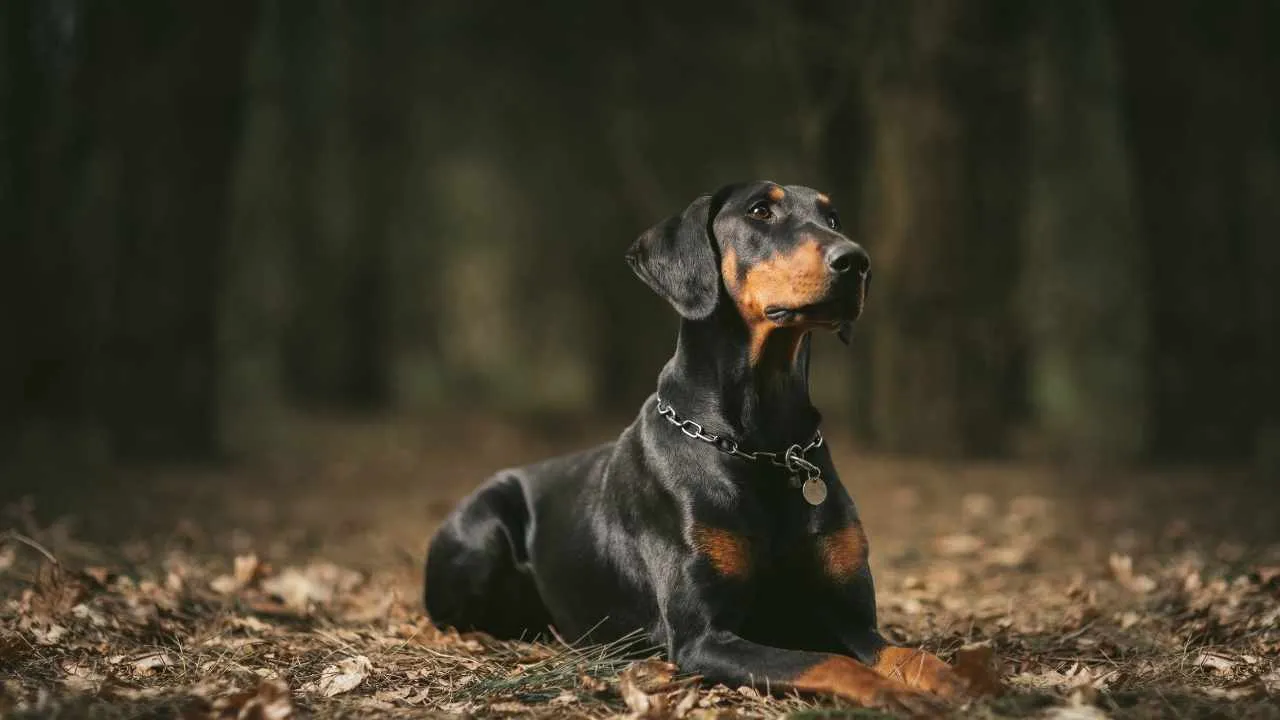
Sleek, athletic, and intensely focused, the Doberman Pinscher radiates readiness. Developed specifically for personal protection, its guarding instinct blends speed, courage, and constant awareness.
Hills Pet explains that exceptional intelligence allows the Doberman to read human behavior and environmental cues rapidly. Strong emotional attachment to its household fuels its protective drive and makes family safety a personal mission.
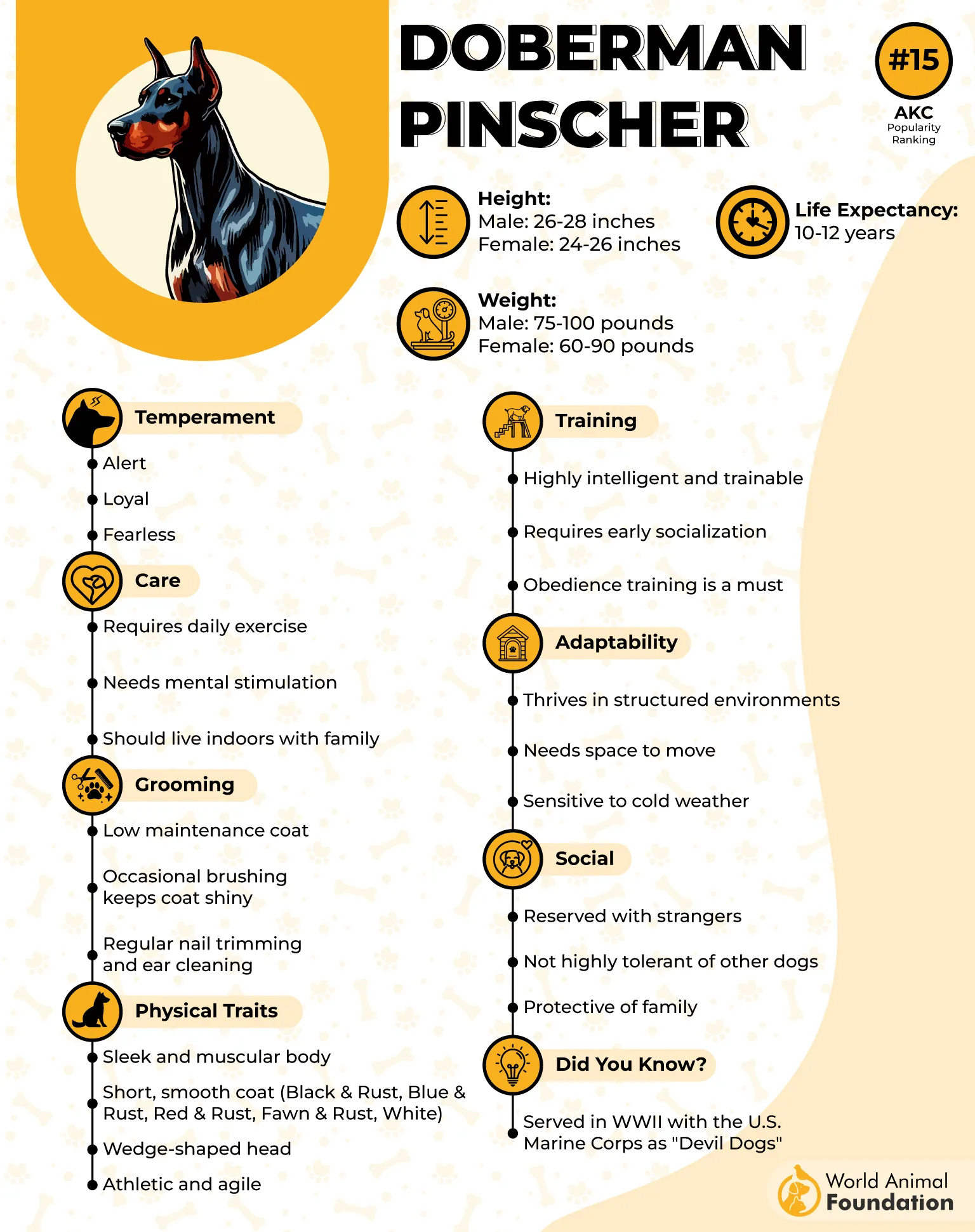
Training Potential: From Puppy to Protector
Learns complex commands quickly with positive reinforcement
Excels in structured obedience and protection training
Performs best with mental challenges and routine practice
Warning Signals: How This Breed Alerts You
Sharp alert barking with clear intent
Immediate physical positioning near owners
Focused eye contact on unfamiliar movement
Inside the home, Dobermans are attentive and people-oriented. Their muscular build and high endurance support active guarding roles that require agility and fast response.
Social exposure helps channel suspicion into controlled confidence. Ideal owners are active, engaged, and committed to training a highly intelligent guard dog for home security.
3. German Shepherd
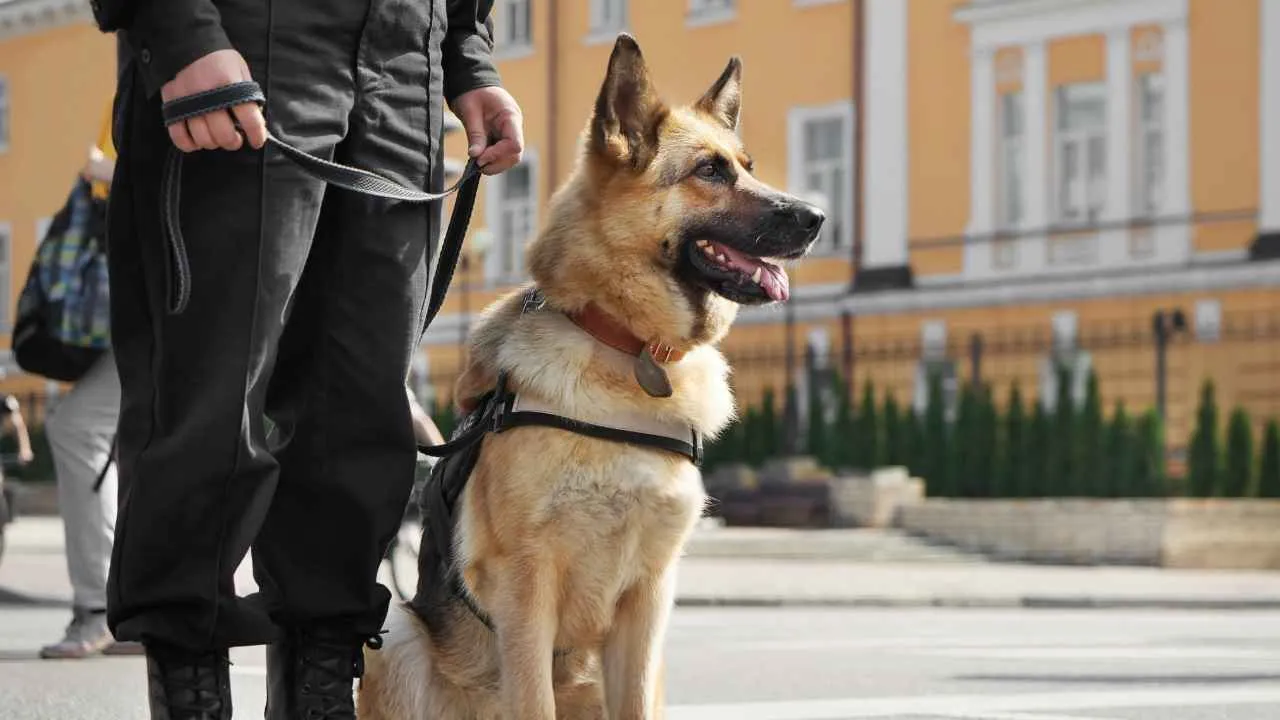
The German Shepherd commands respect through balance, strength, and purposeful movement. Bred for working roles, its guarding instinct combines courage with thoughtful restraint.
This breed excels at problem-solving and threat assessment. Loyalty runs deep, forming a partnership-style bond where protection feels instinctive and intentional.
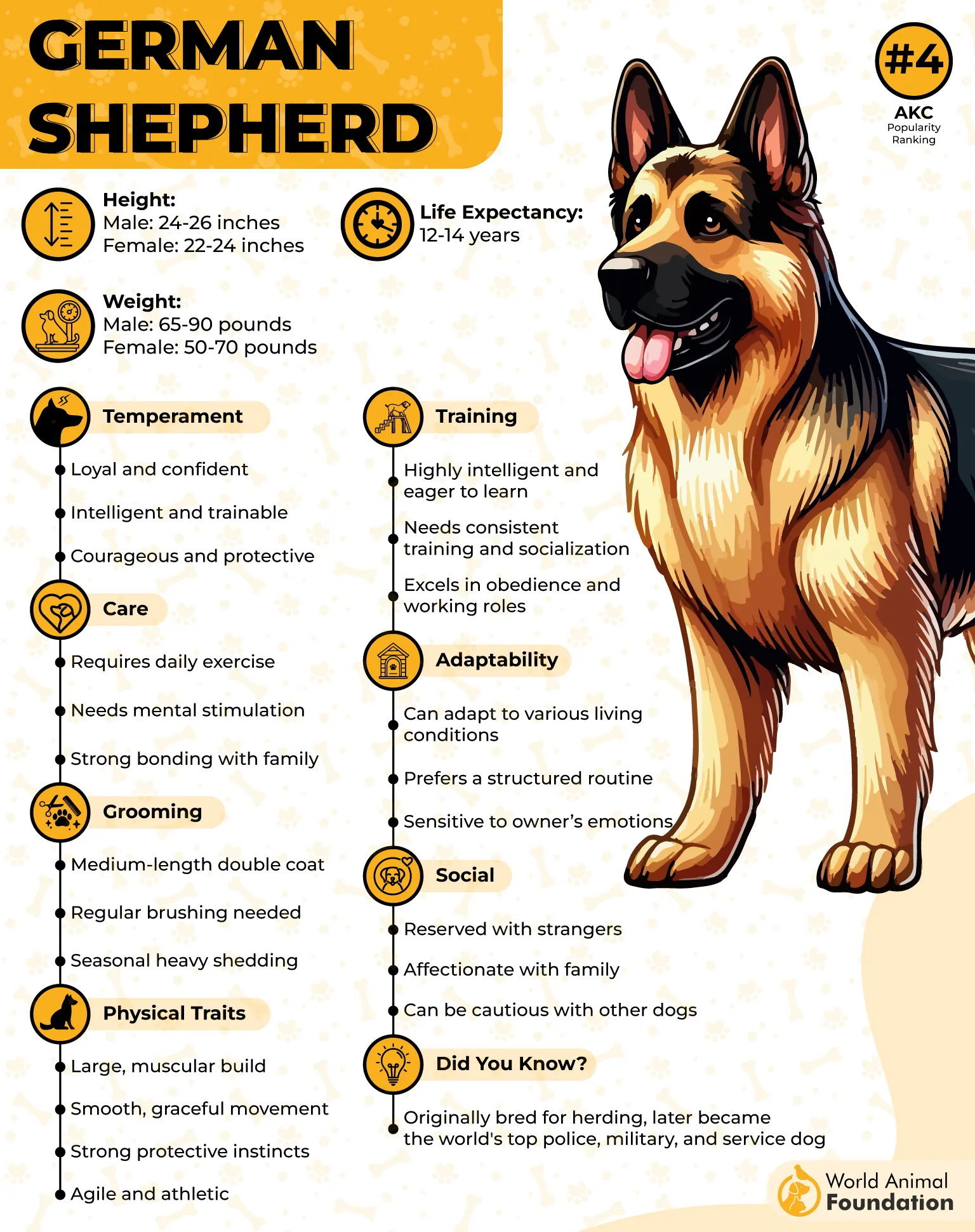
Training Potential: From Puppy to Protector
Adapts easily to advanced obedience training
Enjoys learning tasks with clear goals
Responds well to consistent structure and praise
Warning Signals: How This Breed Alerts You
Distinct alert barking with escalating intensity
Immediate investigation of unusual sounds
Protective circling of family members
At home, German Shepherds balance calm companionship with constant alertness. Their strength and stamina allow long periods of guarding without fatigue.
PetMD notes that socialization shapes confidence around guests and public spaces. This breed suits owners who enjoy training, outdoor activity, and an engaged protective companion.
4. Rottweiler
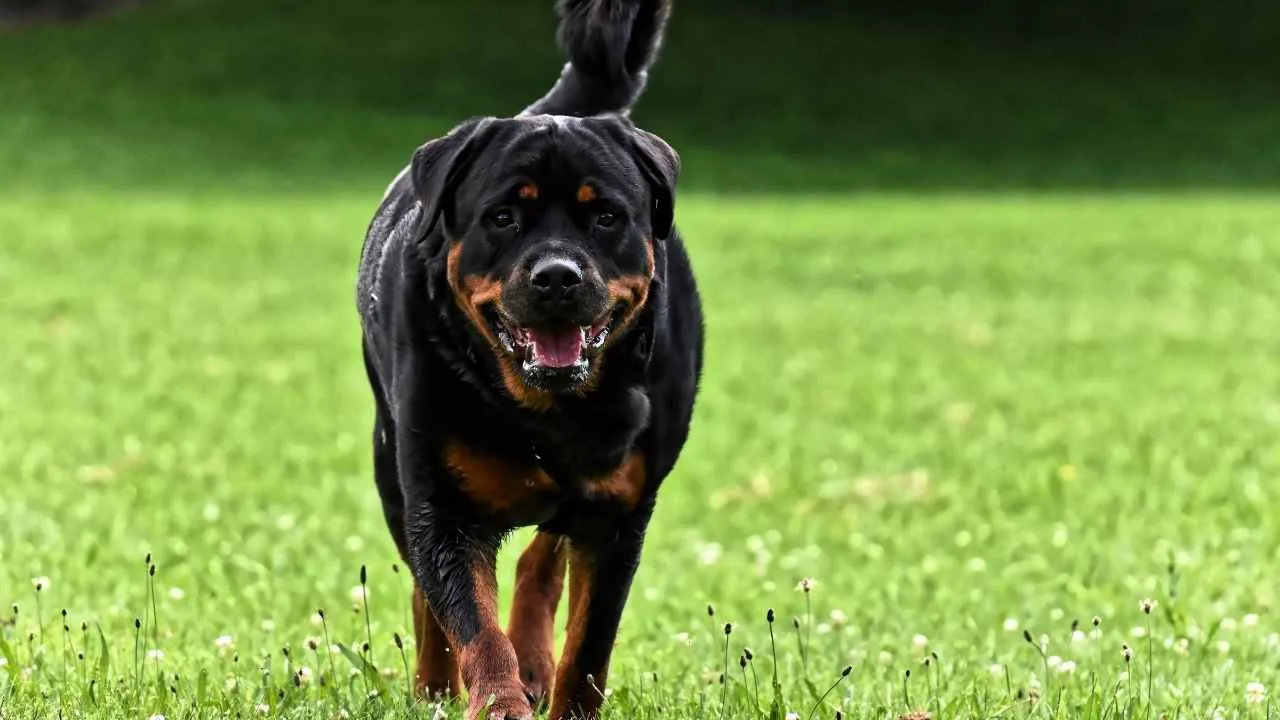
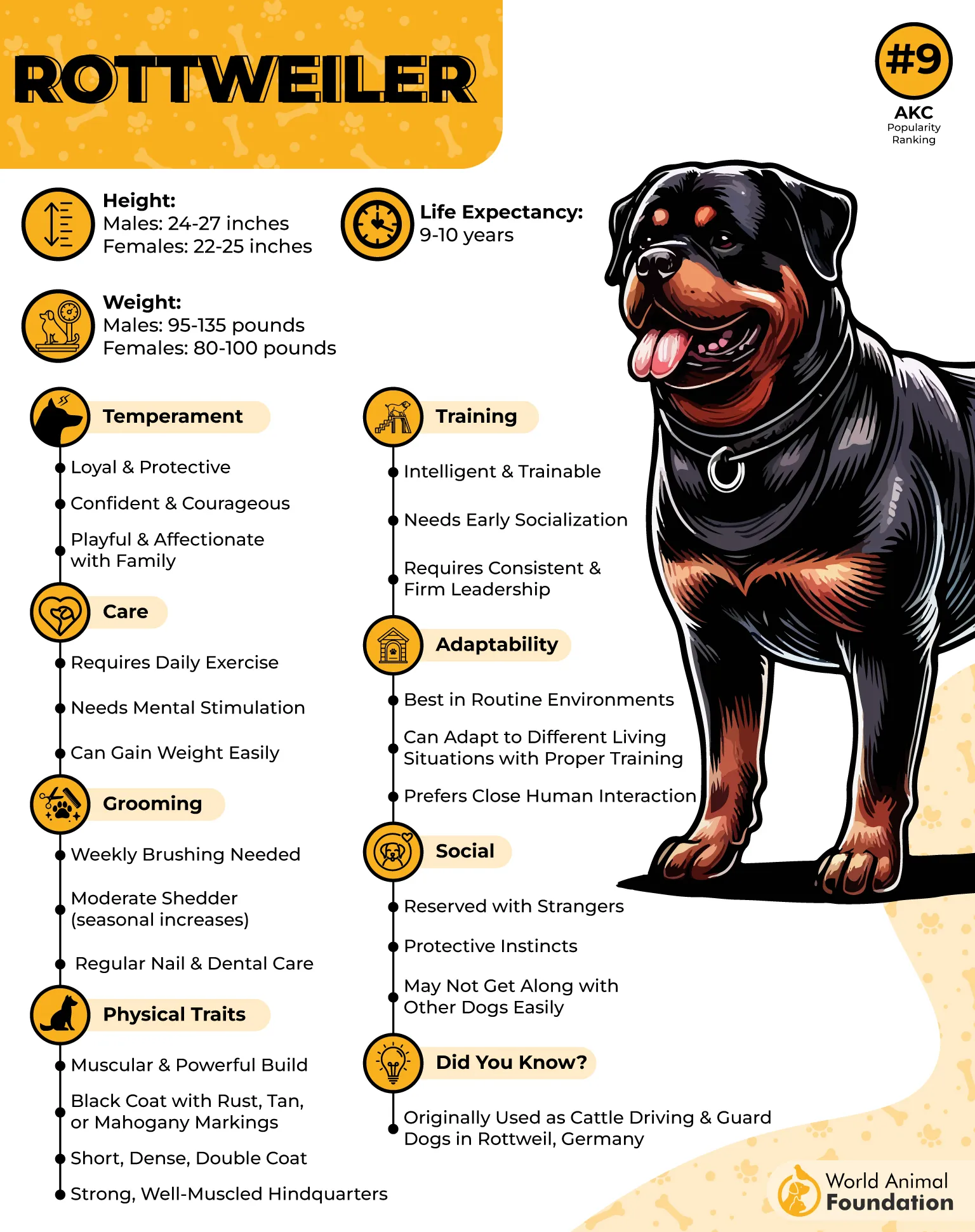
With a solid frame and steady gaze, the Rottweiler projects authority instantly. Its guarding instinct is rooted in centuries of protecting property and livestock through calm dominance.
Intelligent and self-assured, the Rottweiler assesses situations carefully before acting. Strong loyalty to its household drives protective behavior that feels deliberate and controlled.
Training Potential: From Puppy to Protector
Benefits from early obedience and leadership training
Learns best through consistency and clarity
Excels when mentally challenged
Warning Signals: How This Breed Alerts You
Deep, resonant bark is used selectively
Firm stance and controlled movement
Protective blocking of entry points
In the home, Rottweilers are steady and confident companions. Their muscular build and endurance support sustained guarding duties.
Early socialization helps manage the natural wariness of strangers. Ideal owners are confident leaders prepared to guide a powerful home protection dog responsibly.
5. Central Asian Shepherd Dog
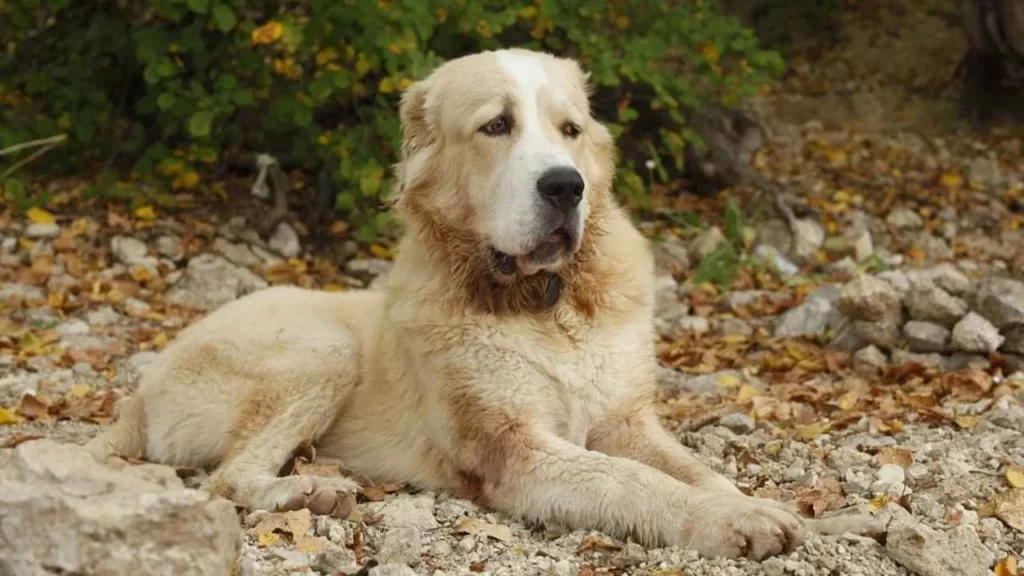
The Central Asian Shepherd Dog leaves a lasting impression through sheer mass, calm confidence, and a watchful gaze that misses nothing. This ancient guardian was shaped to protect vast territories independently, relying on instinct sharpened over thousands of years.
Intelligence in this breed appears as strategic thinking rather than quick obedience. Loyalty forms slowly but deeply, resulting in a dog that protects its family with unwavering seriousness once trust is established.
Training Potential: From Puppy to Protector
Requires an experienced handler who understands independent working dogs
Early structure helps channel natural guarding instincts productively
Responds best to respect-based leadership, not repetition
Warning Signals: How This Breed Alerts You
Silent assessment followed by decisive action
Low warning growls instead of excessive barking
Physical blocking of perceived threats
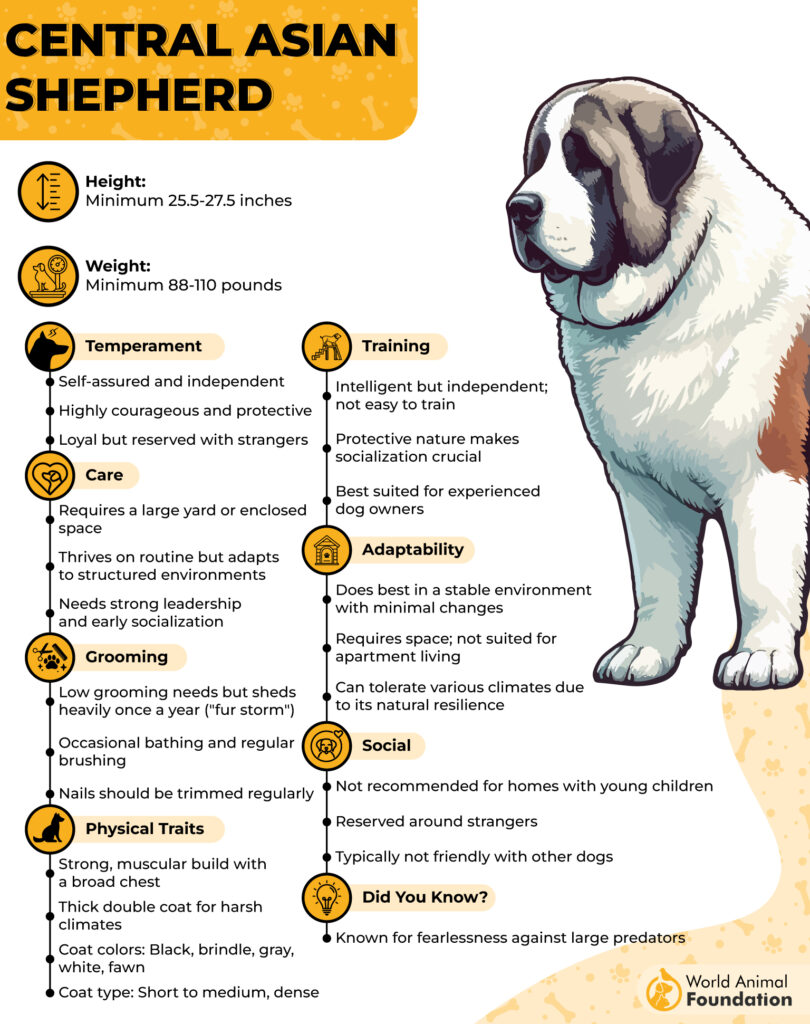
At home, the Central Asian Shepherd remains calm and self-contained. Its immense strength and endurance were developed for long patrols, making stamina a defining feature.
Socialization shapes tolerance levels and helps manage territorial instincts. This breed suits confident, experienced owners with space and a strong understanding of guardian dogs.
6. Great Dane
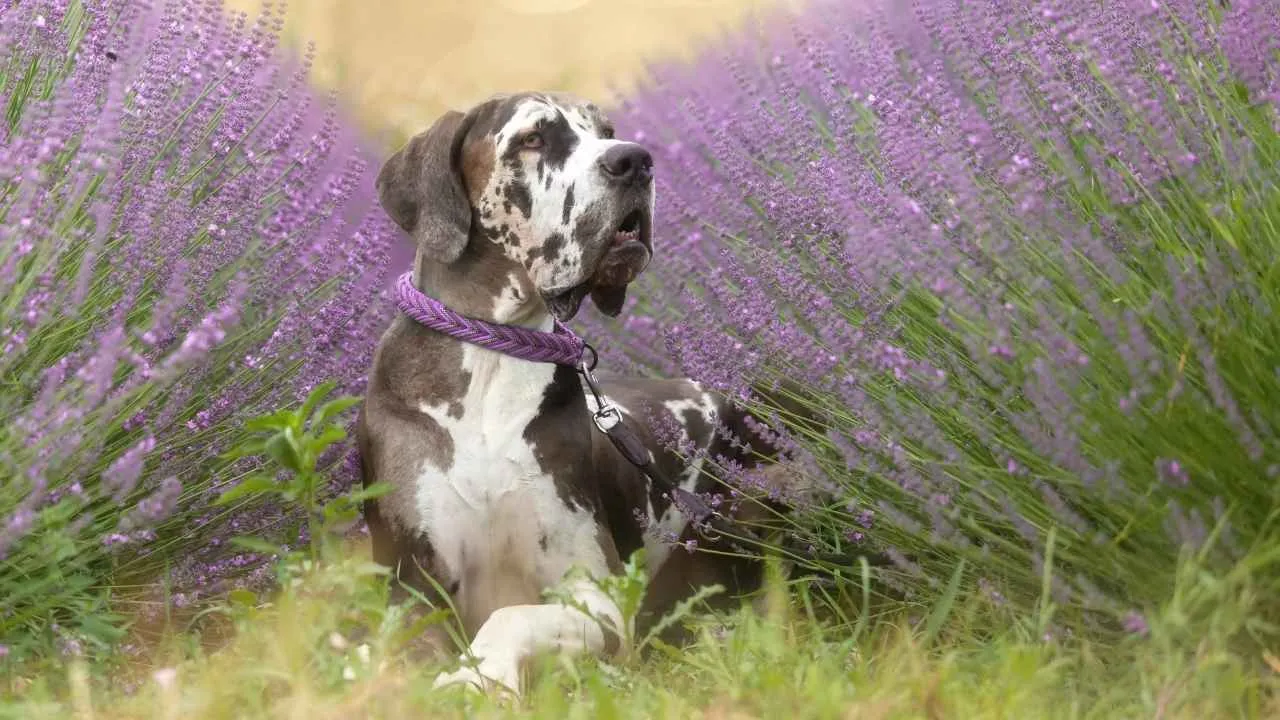
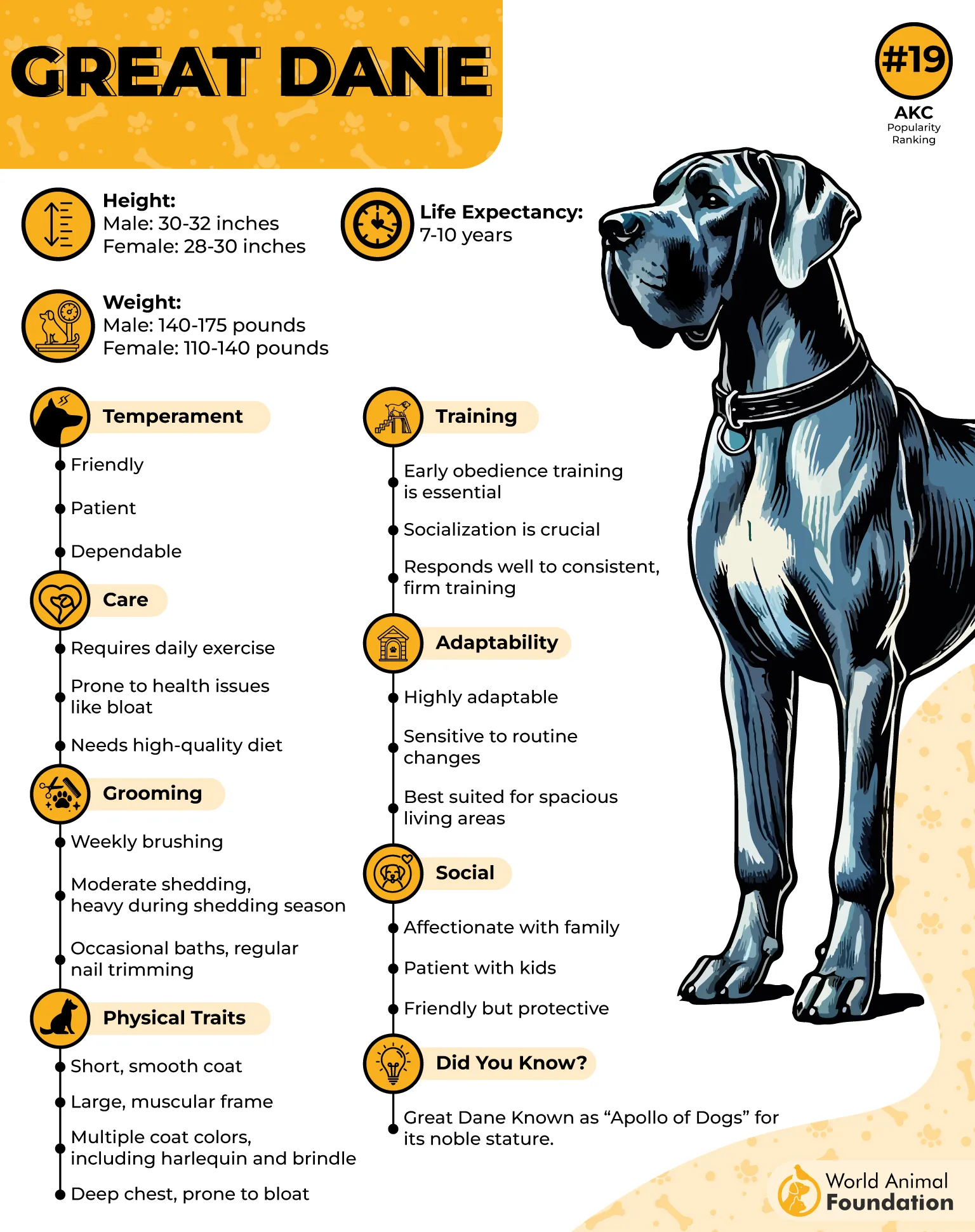
Towering height and an imposing silhouette make the Great Dane impossible to ignore. Its guarding presence comes less from aggression and more from size, confidence, and awareness.
This breed shows intelligence through sensitivity and emotional awareness. Strong bonds with family members encourage natural protective behavior rooted in attachment rather than suspicion.
Training Potential: From Puppy to Protector
Learns quickly with gentle, consistent guidance
Early training is crucial due to rapid growth
Responds well to calm leadership
Warning Signals: How This Breed Alerts You
Deep, attention-grabbing bark
Immediate physical presence near family
Heightened alert posture
Inside the home, Great Danes are composed and observant. Their size alone acts as a powerful deterrent, supported by surprising stamina for short guarding bursts.
Social exposure builds confidence around guests. Ideal owners value structure, space, and a visually commanding home protection dog.
7. Briard
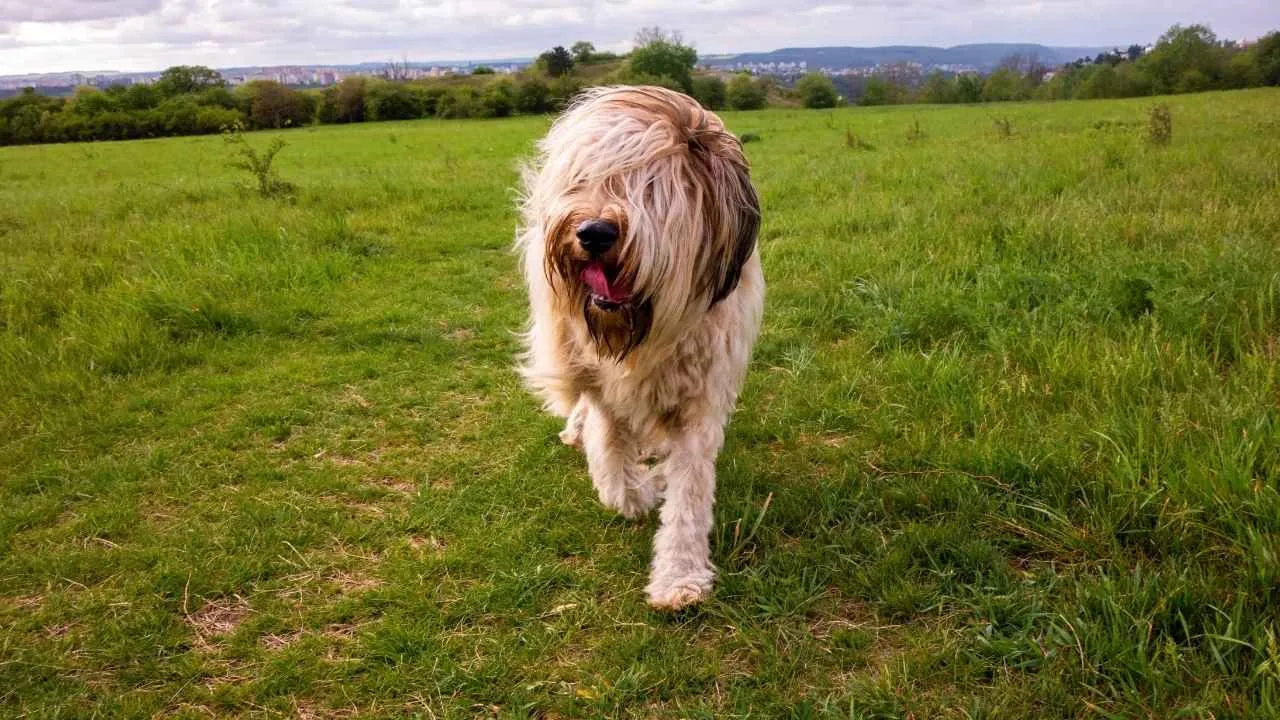
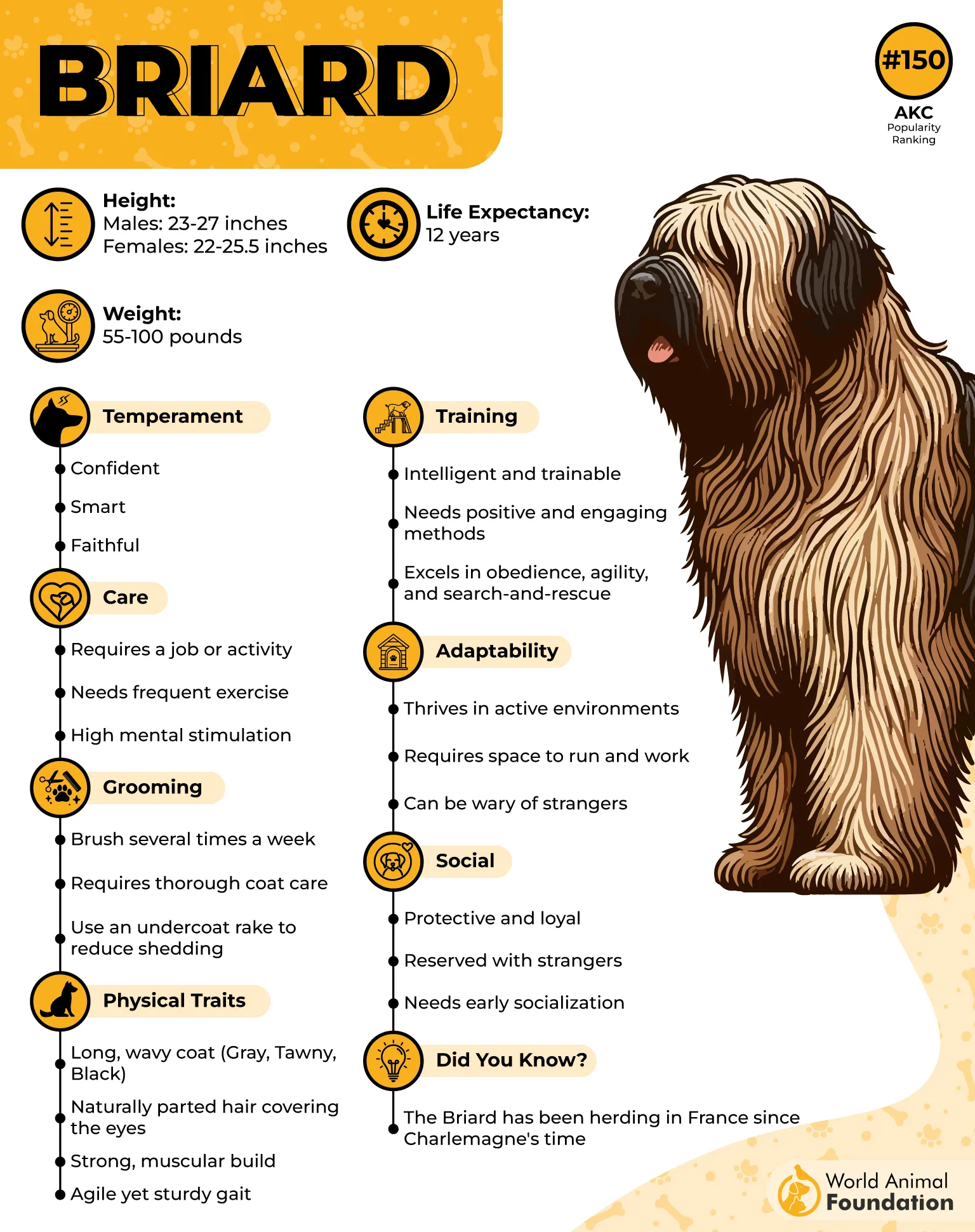
The Briard’s flowing coat hides a sharp, attentive guardian beneath. Historically trusted to protect flocks, this breed blends alertness with strong emotional intelligence.
Highly intelligent and intuitive, Briards read environments and human behavior with ease. Their loyalty creates a protective mindset focused on keeping family members together and safe.
Training Potential: From Puppy to Protector
Thrives on mentally stimulating training
Learns best through engagement and variety
Strong memory supports long-term learning
Warning Signals: How This Breed Alerts You
Sharp alert barking
Focused tracking of unfamiliar movement
Protective circling behavior
At home, Briards balance playfulness with readiness. Their endurance supports extended guarding without fatigue.
Socialization refines judgment of strangers. This breed suits owners who enjoy active training and a close partnership with their guard dog.
8. Great Pyrenees
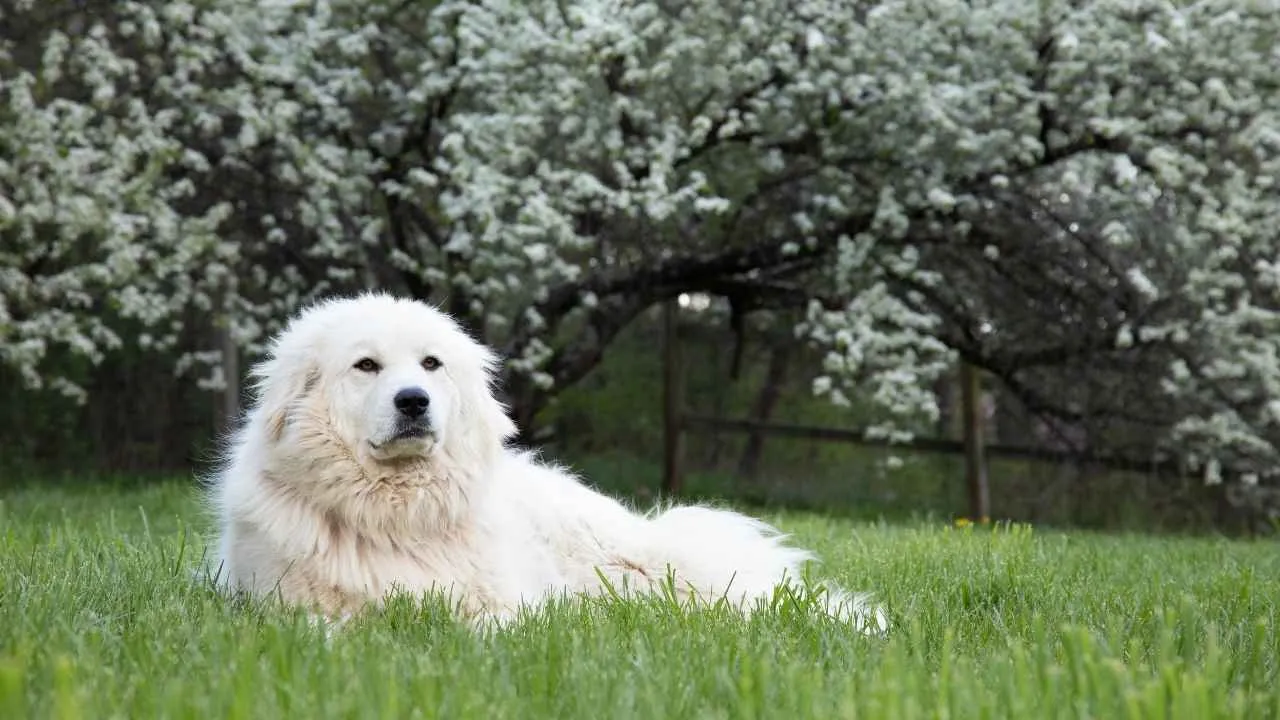
The Great Pyrenees carries a calm authority shaped by centuries of nighttime guarding. Its presence feels steady and reassuring rather than reactive.
This breed uses intelligence through patience and observation. Loyalty extends broadly to family, property, and routine, creating a guardian that protects quietly.
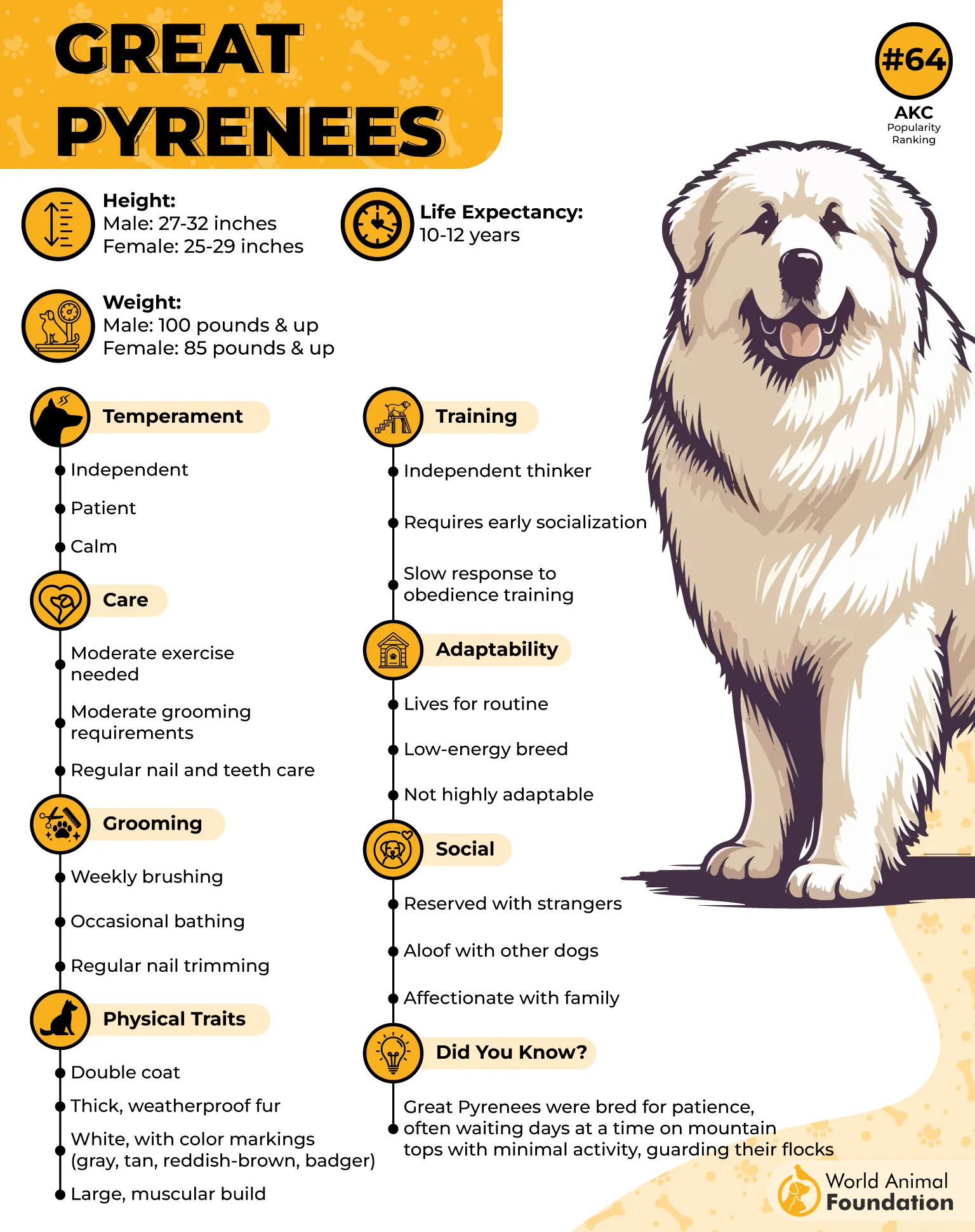
Training Potential: From Puppy to Protector
Learns steadily with consistent reinforcement
Independent thinking requires patience
Early boundaries support effective guarding
Warning Signals: How This Breed Alerts You
Loud, echoing bark designed to carry a distance
Nighttime alertness
Positioning between threat and home
Indoors, Great Pyrenees remain relaxed but attentive. Their endurance supports long guarding hours rather than rapid response.
Socialization helps manage territorial behavior. Ideal owners value calm confidence and space for a large home protection dog.
9. Boxer
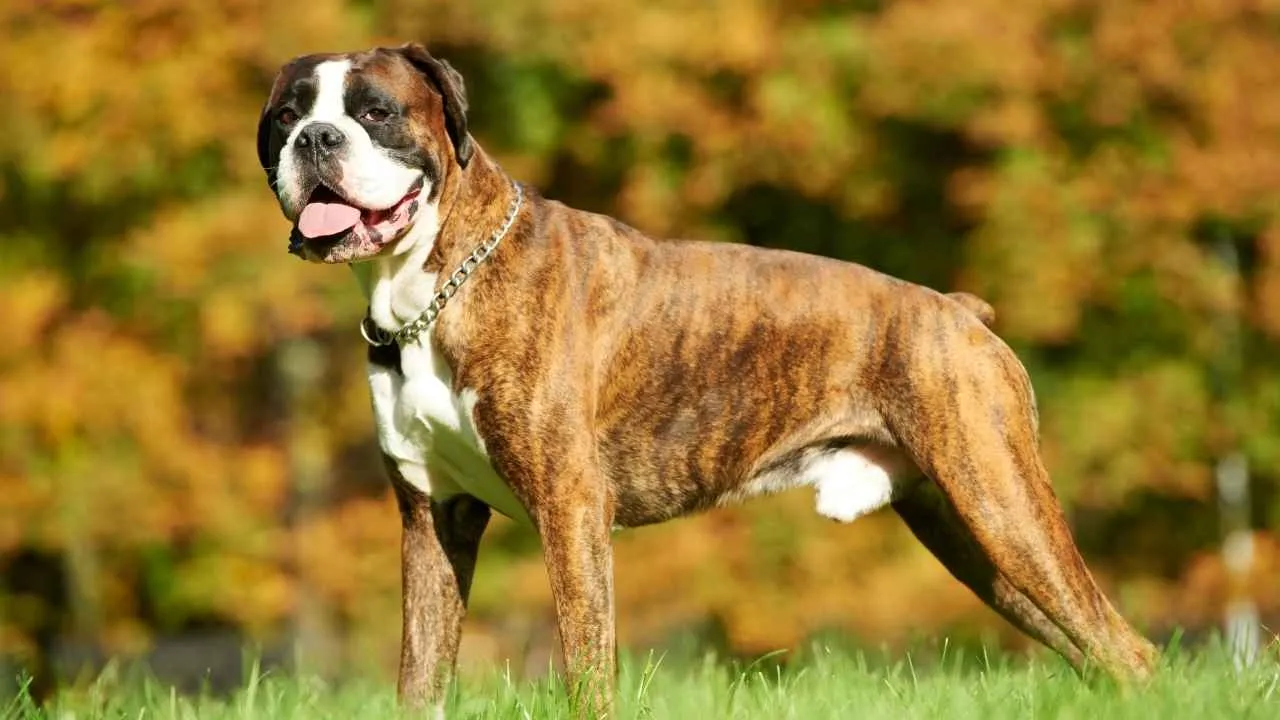
The Boxer stands out through muscular energy and expressive alertness. Its guarding instinct is driven by devotion and constant engagement with its household.
Intelligence appears through enthusiasm and quick learning. Loyalty runs intensely deep, turning family safety into a playful yet serious responsibility.
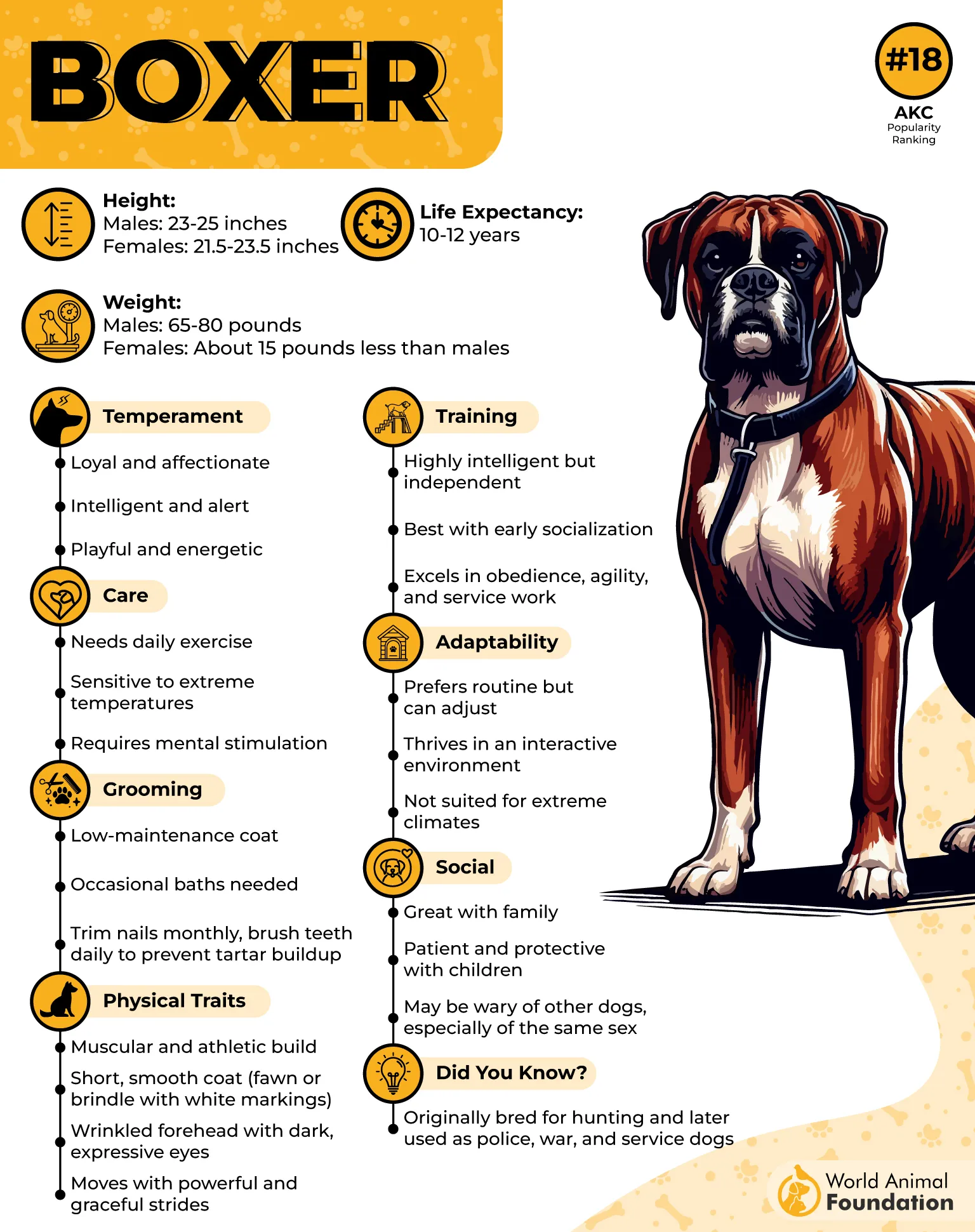
Training Potential: From Puppy to Protector
Learns rapidly through positive reinforcement
Enjoys interactive training sessions
Consistency strengthens reliability
Warning Signals: How This Breed Alerts You
Fast response barking
Immediate physical engagement
Heightened excitement near unfamiliar activity
At home, Boxers combine affection with readiness. Their strength and agility support active guarding roles.
Socialization builds confidence and control. This breed suits energetic owners seeking a lively yet protective home security companion.
Conclusion
Choosing the best guard dogs means matching protective instincts, natural protective instincts, and proper training with your family life. The best guard dog breeds combine a protective nature, sense danger quickly, deter intruders, and respond appropriately in threatening situations.
Beyond this list, protective dog breeds like the Tibetan Mastiff, Cane Corso, Belgian Malinois, Staffordshire Bull Terrier, Rhodesian Ridgeback, Australian Shepherd, and Giant Schnauzer also stand out as excellent guard dogs and loving companions.
With proper socialization, regular exercise, mental stimulation, and right guidance, dog owners can raise great guard dogs that protect pets, other animals, and family activities with confidence.
