




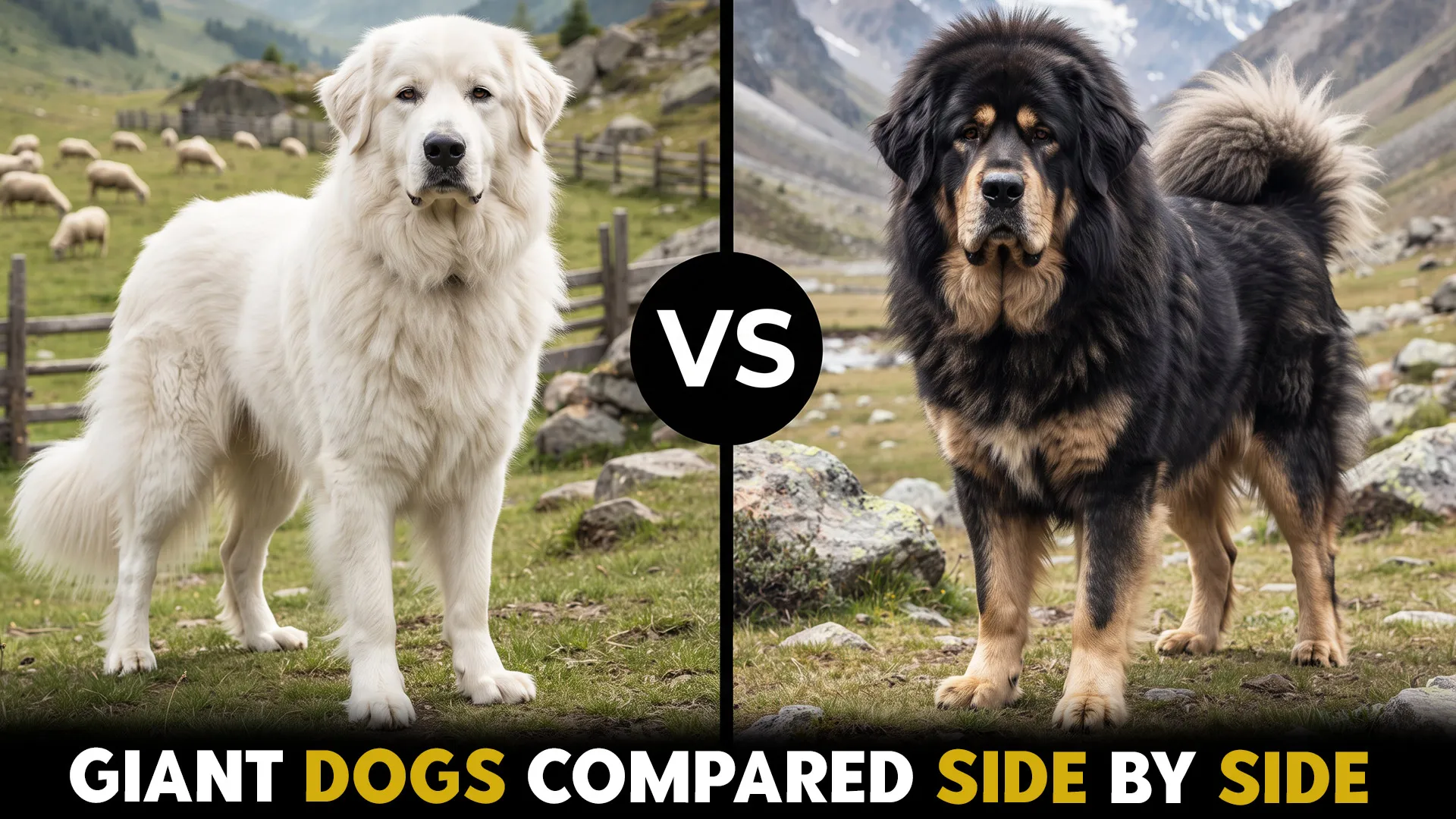
At first glance, the Great Pyrenees and Tibetan Mastiff can seem like two versions of the same giant guardian dog.
Both are powerful, imposing breeds with impressive coats, strong protective instincts, and a history of watching over livestock and property. But look a little closer, and some important differences begin to stand out.
Both breeds have comparable lifespans and moderate maintenance needs, although their personalities and activity levels can make them very different companions.
So, which one is the better fit for you? This Great Pyrenees vs Tibetan Mastiff comparison puts the two breeds side by side, covering their size, weight, temperament, personality, activity level, maintenance, and other key traits.
Key Takeaways
See how these giant guardians differ in size, build, and origins.
Discover why Great Pyrenees stand out as calm, family-friendly protectors.
Find out what makes the Tibetan Mastiff a more independent and intense guardian.
Compare exercise, training, health, lifespan, and family suitability before choosing your match.
Great Pyrenees vs. Tibetan Mastiff: Giant Guardian Dog Differences
The Great Pyrenees and Tibetan Mastiff are both giant guardian dogs known for their strength, loyalty, and protective nature. Let’s compare their characteristics to see how these impressive breeds differ.
Origins & Purpose
Great Pyrenees
The Great Pyrenees originated in the Pyrenees Mountains, which stretch between France and Spain. For thousands of years, these large, powerful dogs were used to guard sheep and other livestock from predators.
The breed later became popular among French nobility and was adopted into the court of King Louis XIV as the “Royal Dog of France,” according to the Great Pyrenees Club of America.
By the mid-1600s, the Great Pyrenees population had declined, but French breeding efforts helped restore the breed. It eventually gained recognition in the United States, with the American Kennel Club officially recognizing the Great Pyrenees in 1933.
Tibetan Mastiff
The Tibetan Mastiff is an ancient, primitive breed that originated in Tibet centuries ago. It was developed to protect livestock, property, villages, and monasteries, with two traditional types associated with different working roles.
The Tsang-Khyi was commonly linked with Tibetan monks, while the Do-Khyi was used by nomadic shepherds and villagers to guard flocks.
The breed reached England in 1847 when a Tibetan Mastiff was presented to Queen Victoria as a gift. It later gained recognition in Britain and gradually made its way to the United States.
The American Kennel Club recognized the Tibetan Mastiff as a Working Group breed in 2007. Today, these imposing dogs continue to be valued as guardians as well as family and show dogs.
Size & Physical Build
Great Pyrenees
The Great Pyrenees is a large, strong dog with a substantial but balanced build. It typically stands around 25-32 inches tall and weighs approximately 85-100+ pounds. Its impressive size is complemented by a long, plumed tail and a sturdy frame suited to its history as a livestock guardian.
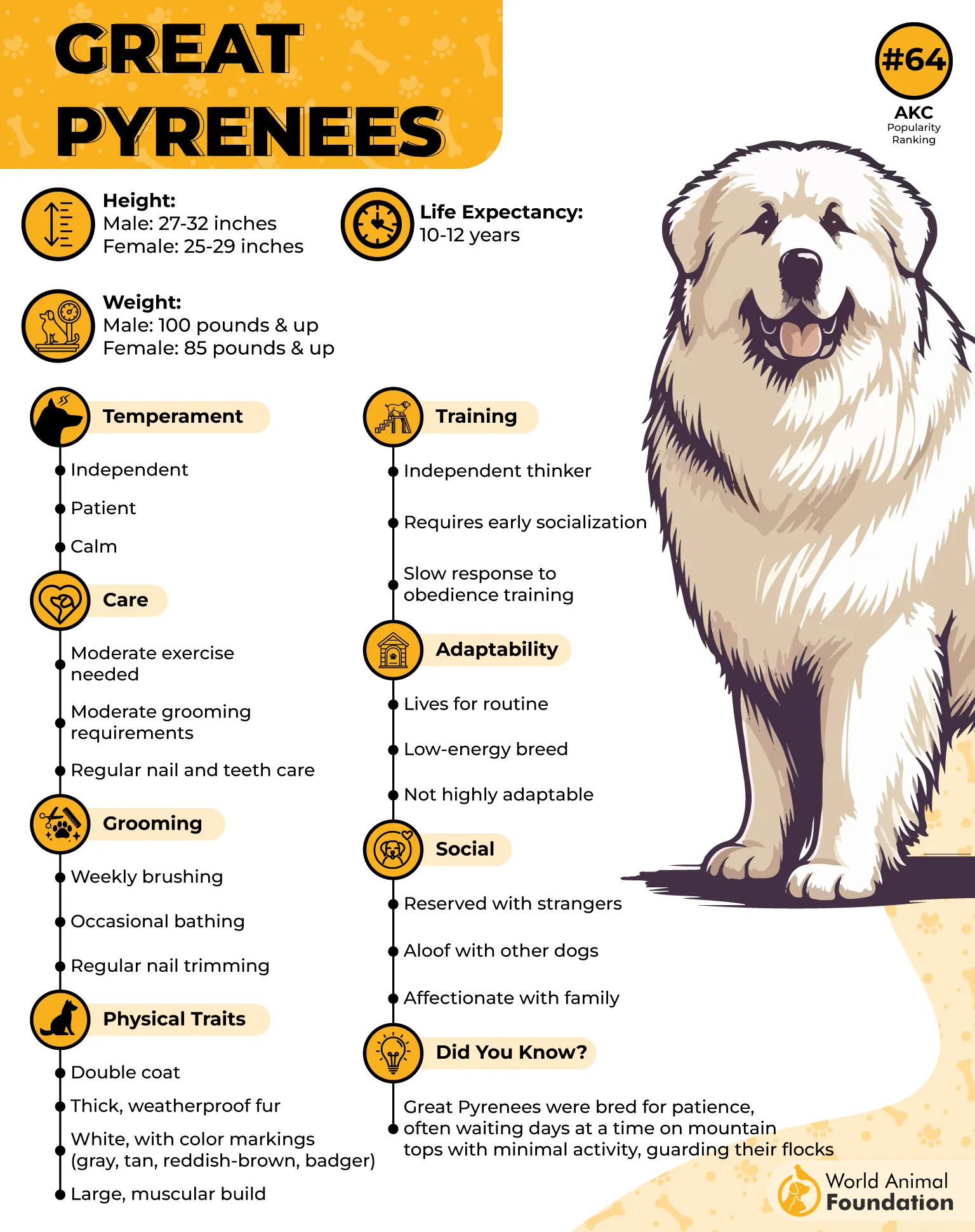
The breed has a medium-to-long double coat that is coarse and can be straight or slightly wavy. The coat is usually solid white, cream, or white with light tan or gray patches. A black nose, brown eyes, and medium-length floppy ears complete its distinctive appearance.
Tibetan Mastiff
The Tibetan Mastiff is a very large, powerfully built breed with a muscular frame and a notably large head. Size can vary considerably, with 24-26 inches of average height and 70-150 pounds in weight. Its impressive structure and heavy build reflect its traditional role as a guardian in harsh environments.
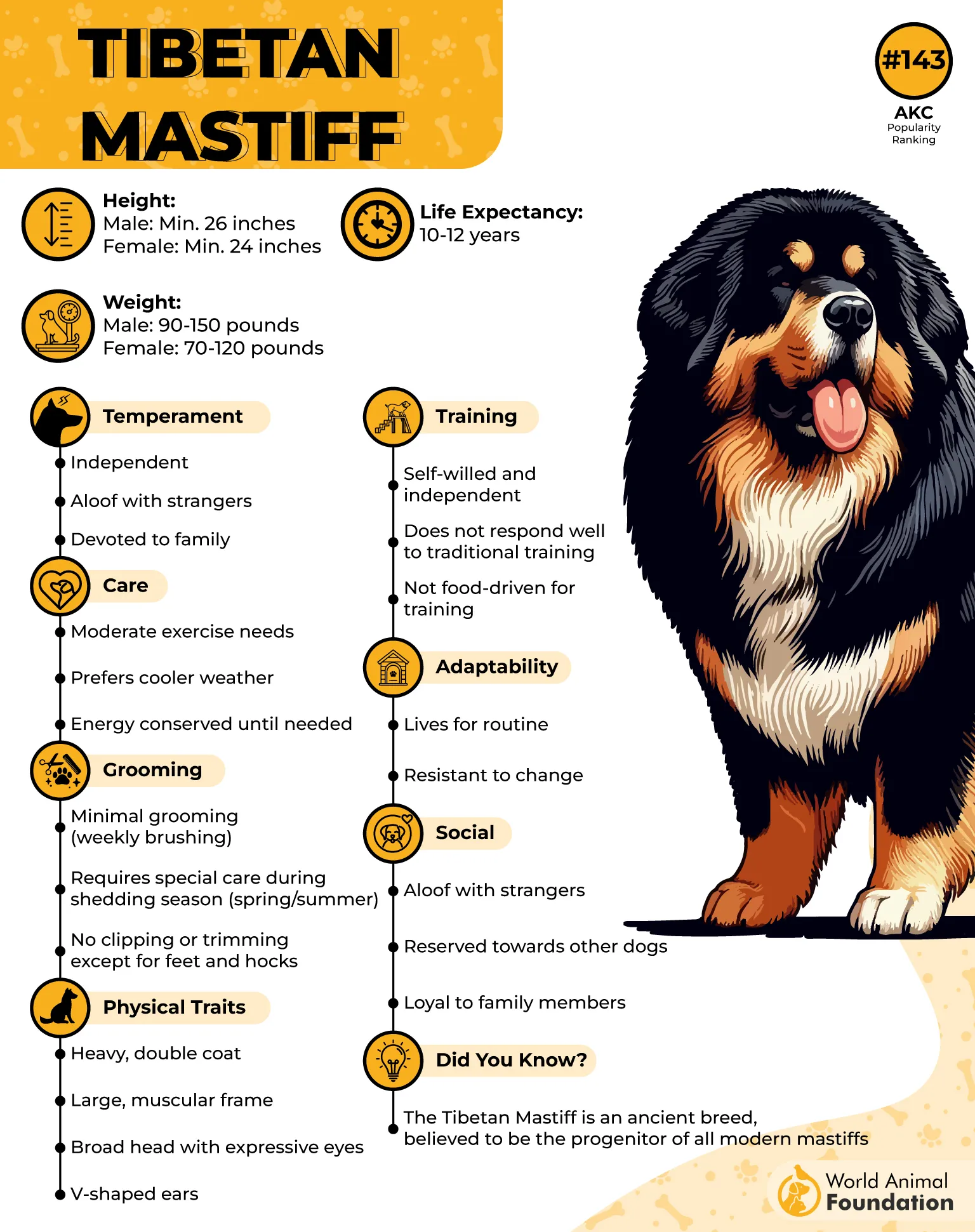
The breed has a long, dense double coat that adds to its substantial appearance. Coat colors can include black, brown, gold, and blue, with or without tan markings. In some modern breeding programs, white Tibetan Mastiffs are also seen.
In traditional classifications, Tibetan Mastiffs may be described as either Lion Head or Tiger Head based on their build and appearance.
Temperament & Personality
Great Pyrenees
The Great Pyrenees is a patient, affectionate, and generally gentle dog that can make a wonderful family companion when properly trained and socialized.
Despite its calm nature, it has a strong independent streak inherited from its history as a livestock guardian. Early training is important because its large size and strong will can make it difficult to manage without clear boundaries.
Great Pyrenees tend to be friendly with children, older adults, and other household pets when appropriately socialized. They are not excessively active and can enjoy relaxing indoors, but they still need regular exercise and enough space to move comfortably.
Tibetan Mastiff
The Tibetan Mastiff is an aloof, loyal, and highly alert breed with a strong instinct to protect its family and territory. It tends to form a close bond with its owners but can remain reserved around strangers, as mentioned by Orvis.
Although Tibetan Mastiffs can be calm and even lazy indoors during the day, they tend to become more active at night when their guarding instincts are naturally heightened.
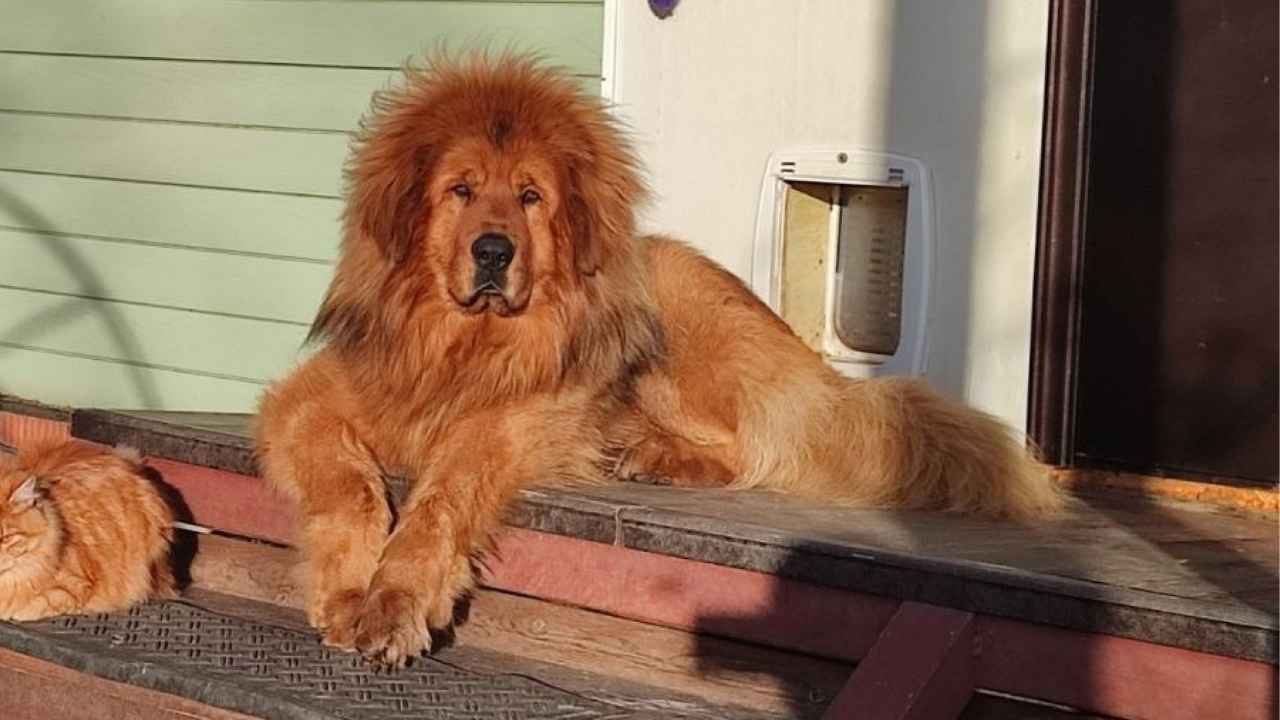
They generally do well with moderate exercise but need plenty of space to roam and patrol. When bored or confined, they may become anxious or destructive and can resort to behaviors such as digging and chewing.
Exercise & Energy Levels
Great Pyrenees
Great Pyrenees have moderate exercise needs and are not typically the type of dog that constantly demands games or long walks.
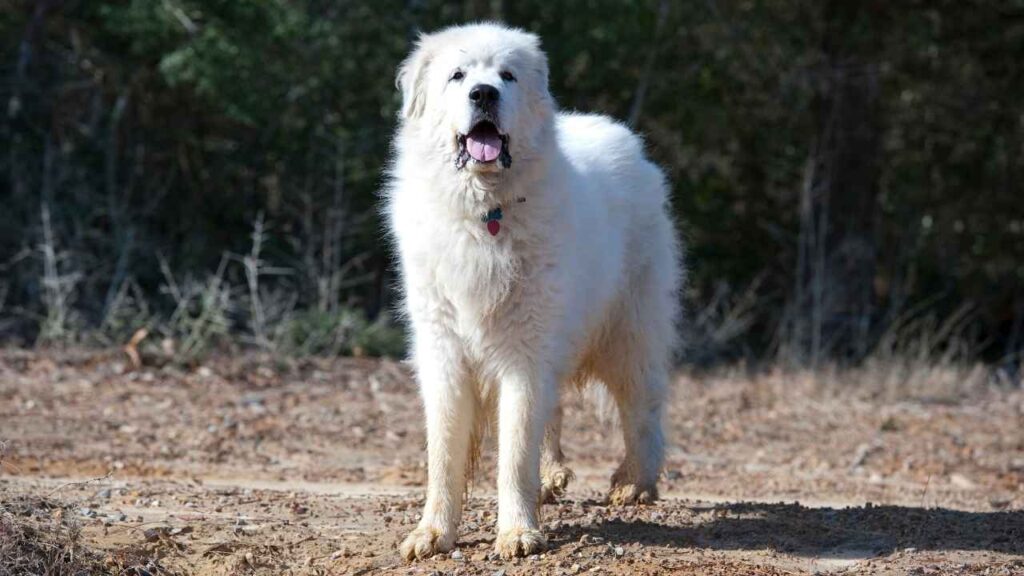
A brisk daily walk, along with some simple ball or rope games, is usually enough to keep them active. They also enjoy having plenty of space to move around and patrol, and their natural guarding behavior provides additional activity throughout the day.
Tibetan Mastiff
Tibetan Mastiffs have moderate exercise needs, but their large size and athletic build mean they benefit from regular opportunities to move and explore. Daily walks and playtime are important, while access to a securely fenced yard gives them room to roam and patrol.
PetMD mentions that they are not well suited to apartment living, and boredom or feeling confined can contribute to unwanted behaviors such as digging and chewing.
Training & Intelligence
Great Pyrenees
The Great Pyrenees is an intelligent breed, but its independent and strong-willed nature can make training a test of patience. Early training and socialization are important, particularly because the breed can become territorial or overly protective of its family without proper guidance.
Introducing puppies to different people, dogs, and environments from a young age can help them become more confident and accepting as they mature.
Great Pyrenees respond best to patient, consistent training rather than harsh methods. Their guardian background means they are naturally inclined to make their own decisions, so owners need to establish clear boundaries while keeping training positive and rewarding.
Tibetan Mastiff
The Tibetan Mastiff is highly intelligent and capable of learning quickly, but its strong-willed and independent personality can make it less responsive to commands than more handler-focused breeds.
Training requires patience, persistence, and plenty of positive reinforcement. Owners should begin training and socialization during puppyhood, particularly around unfamiliar people and other animals.

Early socialization can help reduce the breed’s natural wariness of strangers and encourage more appropriate behavior as it matures.
Because Tibetan Mastiffs were developed as independent guardians, owners should not expect unquestioning obedience; consistent training works best when it respects the dog’s independent nature.
Health & Lifespan
Great Pyrenees
Great Pyrenees are generally hardy dogs, but like many large breeds, they can be prone to certain health problems. Their large size can put them at risk for joint and bone-related conditions, while some inherited disorders may also occur.
Regular veterinary checkups, a balanced diet, and maintaining a healthy weight can help support their overall well-being.
Lifespan: Around 10–12 years
Common concerns: Hip and elbow dysplasia, bloat, patellar luxation, and certain eye conditions
Health focus: Joint health, weight management, and routine veterinary care
Tibetan Mastiff
Tibetan Mastiffs are generally robust dogs, but their large size and genetic predisposition can make them susceptible to several health conditions.
Responsible breeding and regular veterinary care are important for maintaining their health. Their thick coat and substantial build also make weight management and routine monitoring particularly important.
Lifespan: Around 10–12 years
Common concerns: Hip and elbow dysplasia, hypothyroidism, eye problems, and certain autoimmune conditions
Health focus: Joint health, thyroid function, weight management, and regular checkups
Great Pyrenees vs. Tibetan Mastiff: Suitability as Family Pets vs. Guard Dogs
Great Pyrenees
The Great Pyrenees can be an excellent family dog when given the right home and proper socialization. They are typically calm, gentle, affectionate, and patient with their families, including children.
They tend to be more approachable and family-oriented than some other giant guardian breeds, making them a well-rounded choice for households that want both companionship and protection.
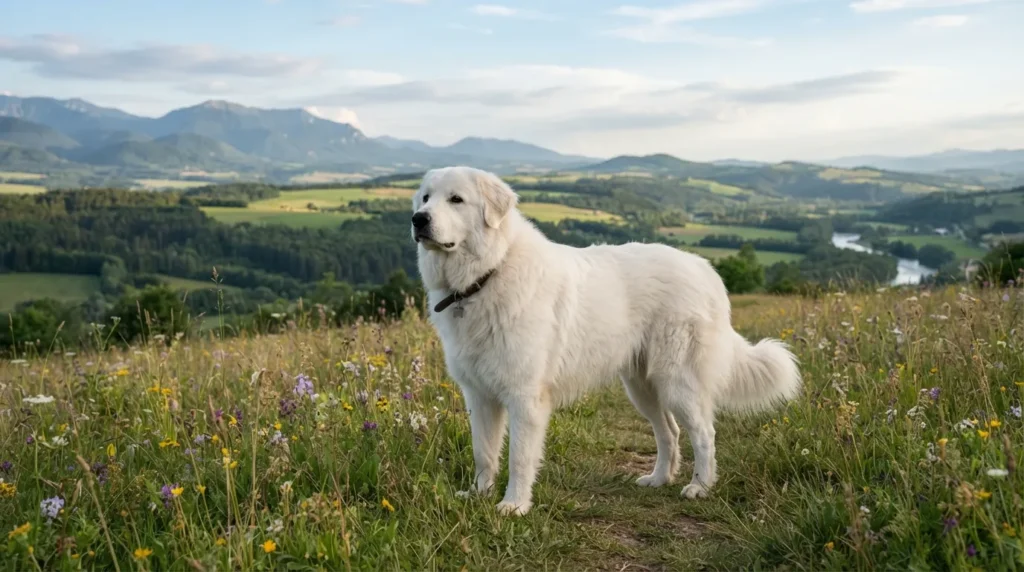
As guard dogs, Great Pyrenees are naturally alert and territorial. They were bred to protect livestock and are comfortable watching over their surroundings independently. Their imposing size and deep bark can be enough to discourage intruders, although they are generally not aggressive without reason.
Tibetan Mastiff
The Tibetan Mastiff is also a devoted family companion, but its independent and highly protective nature can make it more challenging for inexperienced owners. These dogs often form strong bonds with their families and can be affectionate with the people they trust.
When it comes to guarding, the Tibetan Mastiff is especially impressive. Its centuries-old history as a property, livestock, and monastery guardian has produced a confident and naturally territorial dog.
It is highly alert and willing to protect its home and family, making it particularly well suited to owners looking for a serious guardian rather than simply a friendly family pet.
Conclusion
The Great Pyrenees and Tibetan Mastiff may share similar height, impressive size, moderate exercise needs, and comparable lifespans, but they offer very different personalities.
The Great Pyrenees tends to be calmer and more family-oriented, while the Tibetan Mastiff is more independent, reserved, and intensely protective. Both can be excellent guardians, but their needs and temperaments should be carefully considered before choosing one.
Ultimately, the right breed depends on what you want from a giant dog. If you want a gentle family companion with natural guarding instincts, the Great Pyrenees may be the better fit.
If you want a more serious, independent watchdog and have the experience and space to handle one, the Tibetan Mastiff could be worth considering. Whichever you choose, responsible training, early socialization, and plenty of room to thrive will make all the difference.
