




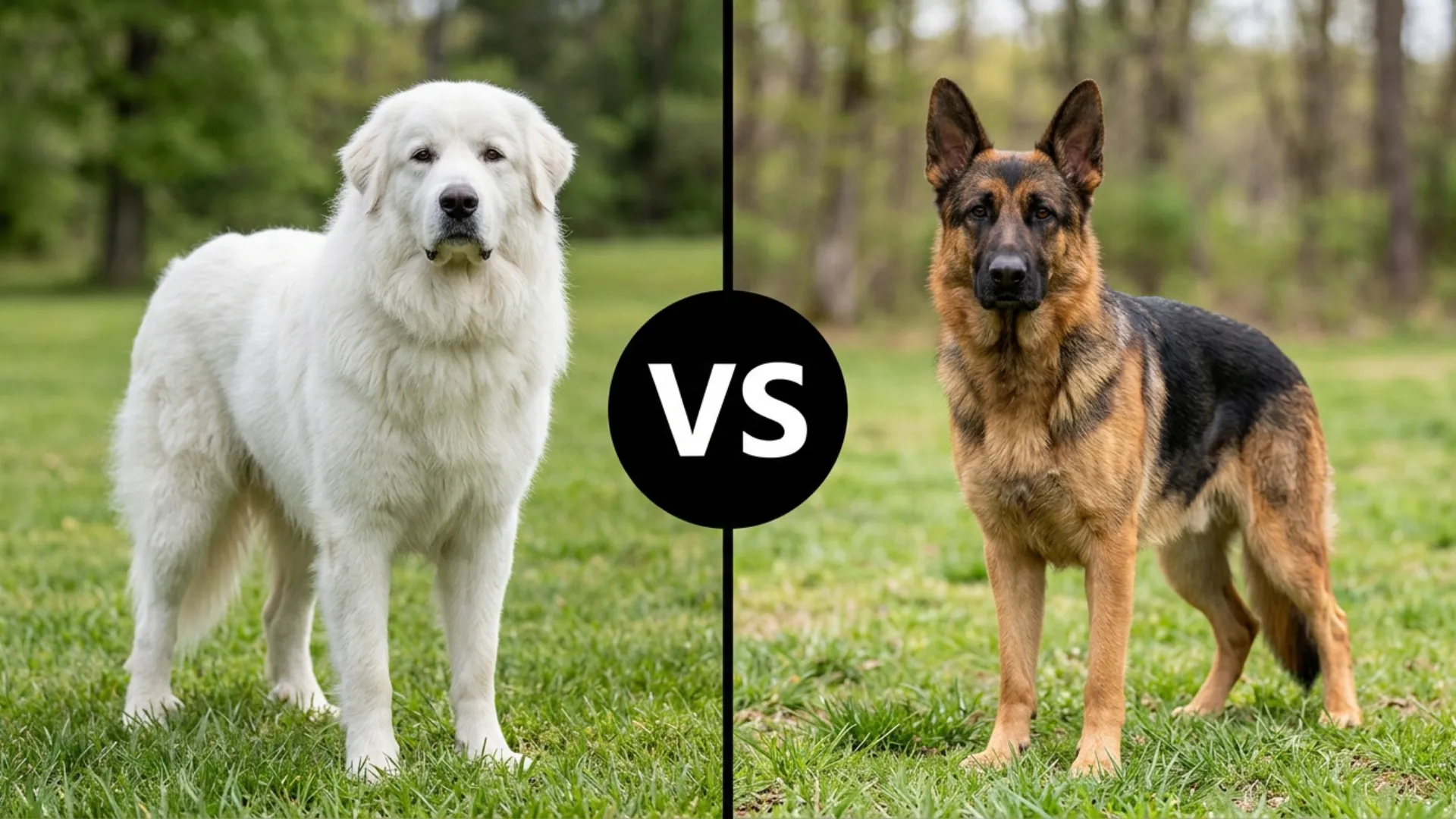
Big dogs have a way of taking over a house without even trying. One minute you have a sofa, the next you apparently have a very expensive dog bed.
These two working breeds both come with loyalty, protective instincts, intelligence, and plenty of personality, but that does not mean living with them feels the same.
One is usually more driven, attentive, and eager to stay busy, while the other tends to be calmer, more independent, and perfectly comfortable making a few decisions without asking you first.
Then there is size, training, exercise, grooming, family life, and all the little daily habits that really matter once the cute photos are over.
So, which dog fits your lifestyle better? Let’s break down the differences.
Did you know?
Great Pyrenees were traditionally nighttime flock guardians, so they may naturally stay alert after dark and bark at nighttime activity. Meanwhile, German Shepherds can perform varied working roles, including police duties, military work, search and rescue, bomb detection, and drug detection.
Great Pyrenees vs. German Shepherd: Key Differences Explained
Let’s compare the gentle, protective giant Great Pyrenees with the agile, highly trainable German Shepherd to find your ideal canine companion.
Origins & Purpose
Long before couches, squeaky toys, and neighborhood walks entered the picture, these dogs had real jobs to do. Their working backgrounds developed in different directions, and those old responsibilities still help explain why each breed behaves the way it does today.
Mountain duty was serious business for the Great Pyrenees. Originally bred to guard livestock in the Pyrenees Mountains, these dogs protected flocks from predators and learned to make decisions independently, often without a shepherd standing nearby giving constant instructions.
Germany had a different canine job description in mind. The German Shepherd began as a herding and working dog, but its intelligence and trainability eventually opened the door to police, military, service, detection, and search-and-rescue work.
Size & Build
You probably will not mistake either of these dogs for something that fits comfortably in a tote bag. Still, their physical presence feels very different, with one looking like a powerful mountain guardian and the other resembling an athlete waiting for instructions.
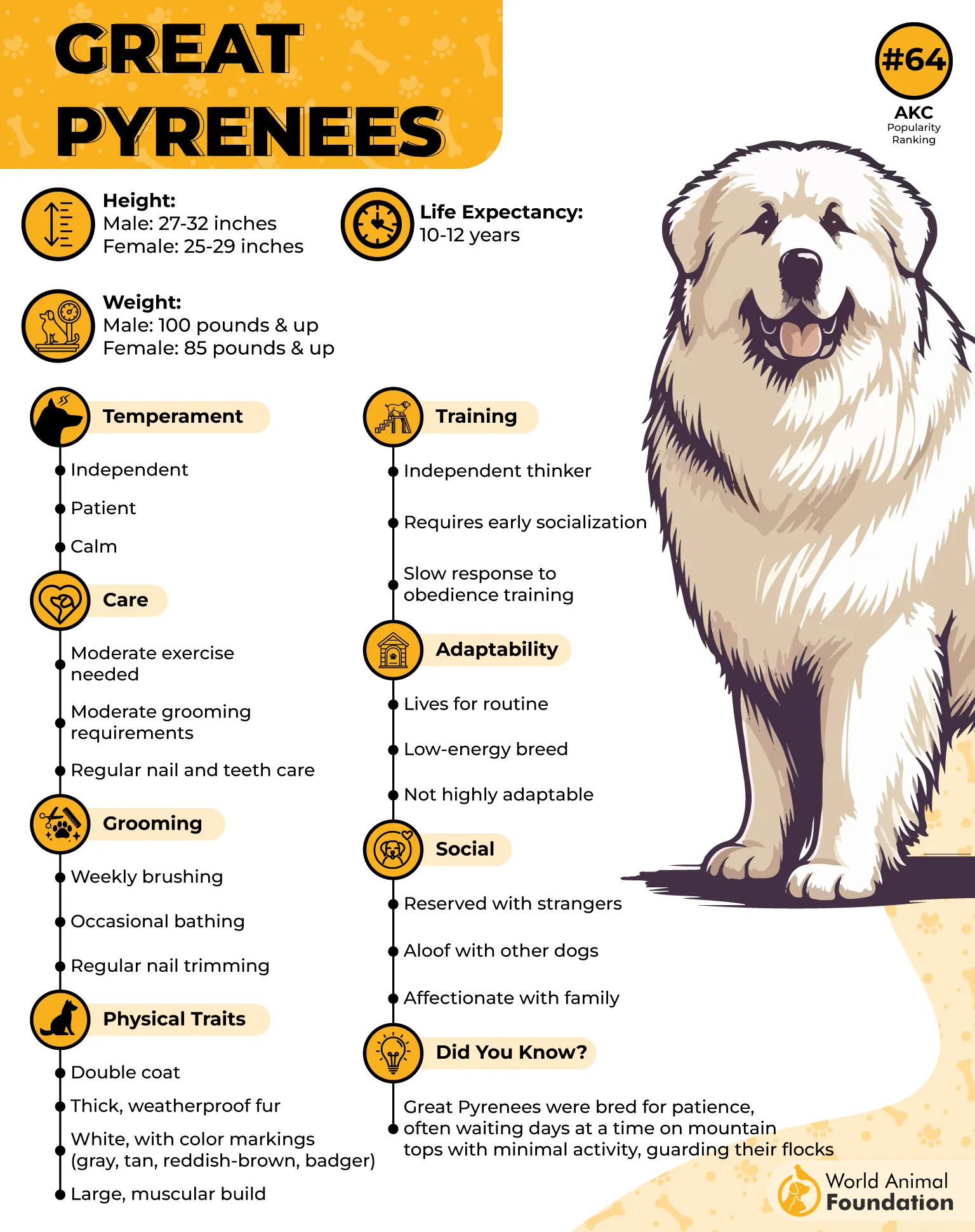
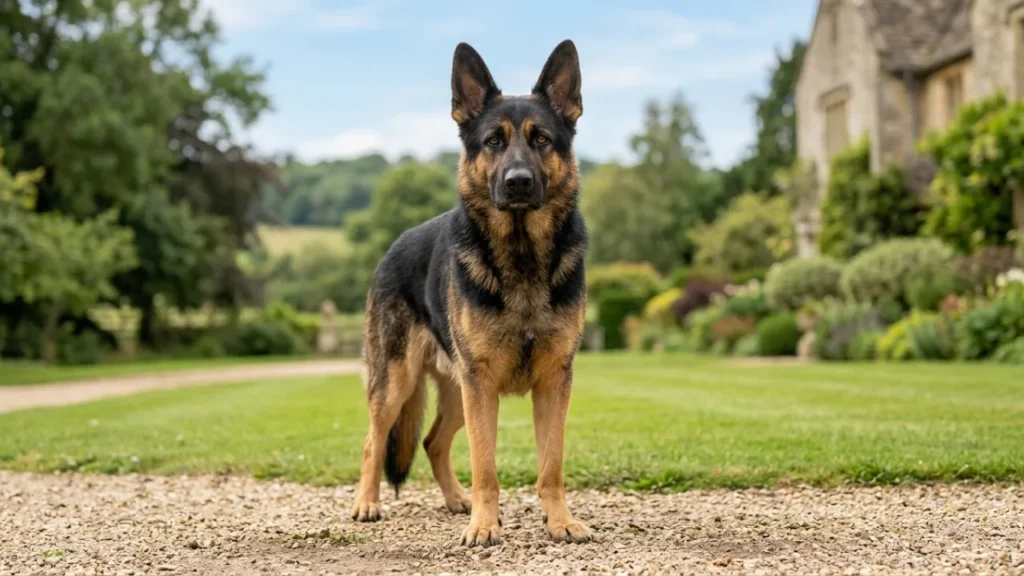
Built for movement rather than simply looking impressive, the German Shepherd has a muscular, agile, athletic frame. Its smooth outline and free-moving gait suit a working dog that can move efficiently, change pace quickly, and stay ready for action.
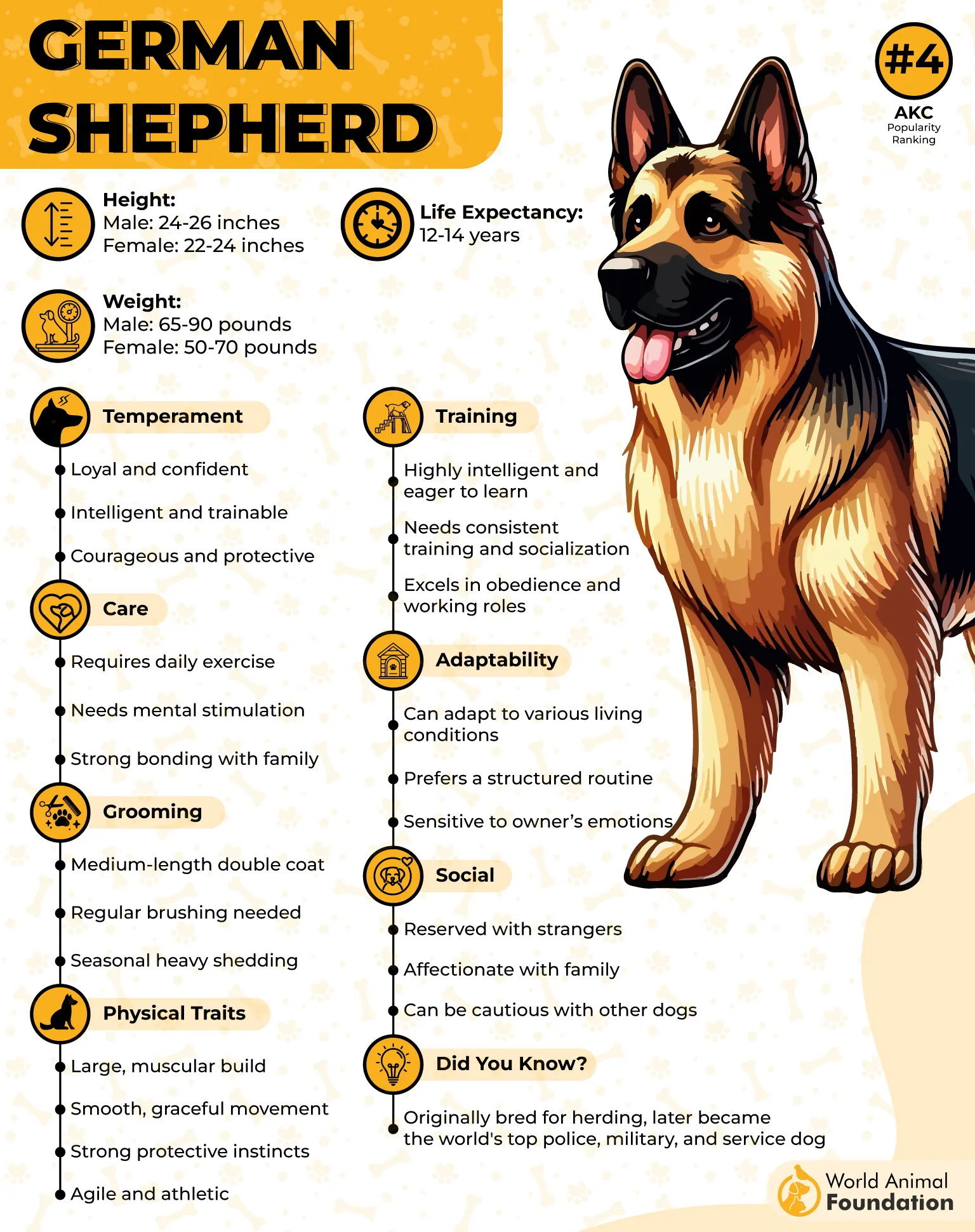
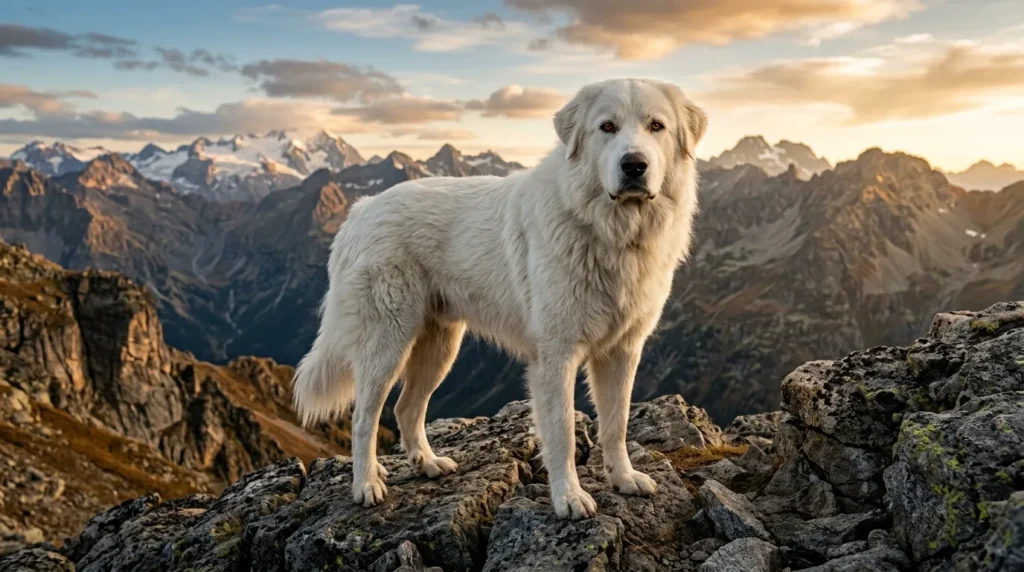
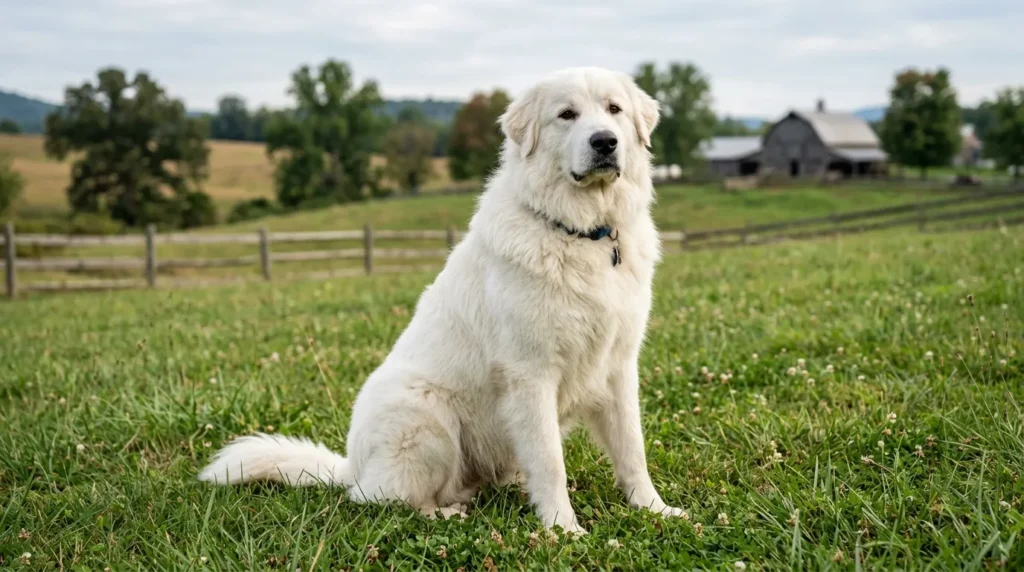
Then comes the walking snow cloud. The Great Pyrenees has a substantial, powerful frame covered by a thick, weather-resistant double coat. For such an imposing guardian, this breed can still move with a surprisingly graceful and balanced appearance.
Pricing & Availability
Puppy love is free. Actually bringing that puppy home? Not quite. Cost and availability can look very different depending on whether you work with a responsible breeder, contact a breed rescue, or meet your future dog through a shelter.
For Great Pyrenees seekers, there are several possible routes. Puppies may be available through reputable breeders, while shelters and breed-specific rescue organizations can offer another path, including adults, younger dogs, and mixes looking for new homes.
German Shepherd hopefuls also have plenty of places to look. Reputable breeders, shelters, and dedicated rescue groups may all have dogs available, and in some cases, retired working police dogs can also become available for adoption.
Temperament & Personality Style
Here is where the personalities really stop pretending to be similar. Both dogs are naturally protective, but their approach is noticeably different. One tends to stay busy and engaged, while the other often prefers quietly evaluating everything first.
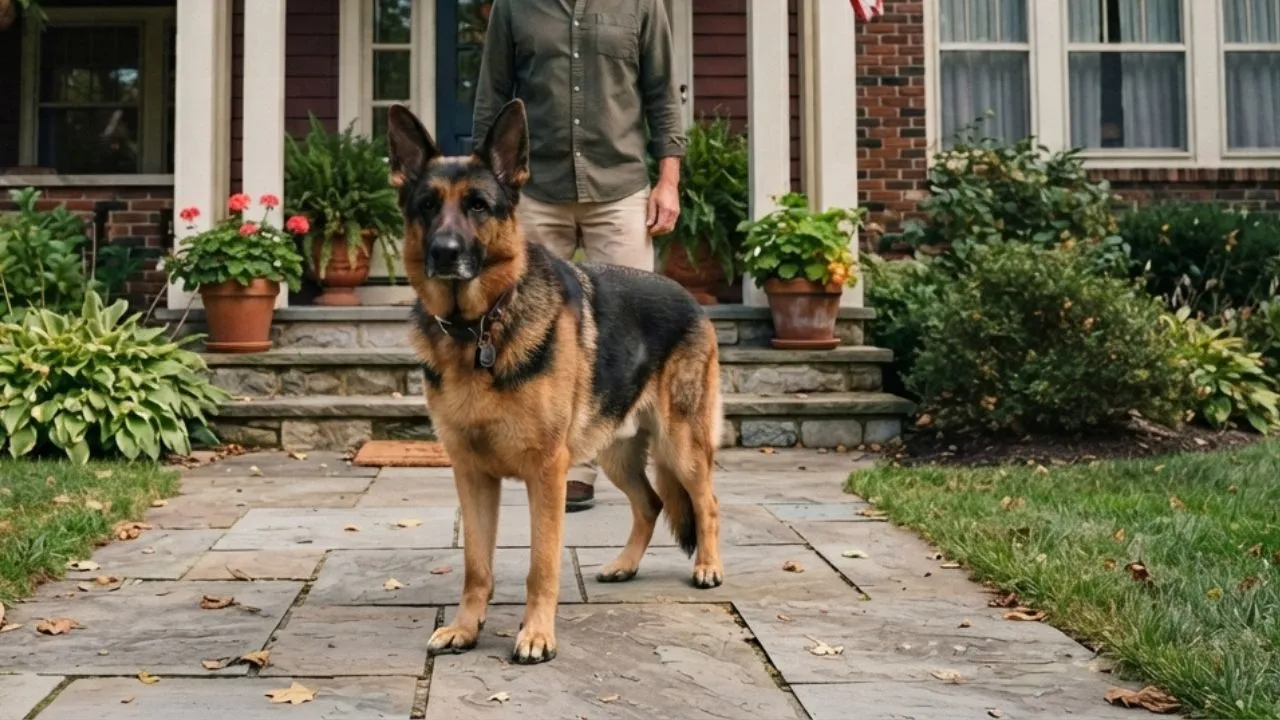
Ready for a job before you have finished explaining it, the German Shepherd is confident, courageous, loyal, alert, and strongly attached to its people. Around favorite humans, that serious working-dog personality can also come with plenty of playfulness.
Meanwhile, the Great Pyrenees may look like it is peacefully contemplating the universe. Calm, patient, gentle, watchful, and independent, this intelligent guardian can understand what you want perfectly well and still decide it has another idea.
Exercise Needs & Energy Level
Your walking shoes may have strong feelings about this comparison. Both breeds come from working backgrounds, yet they use their energy quite differently. One generally favors steady conservation, while the other appreciates far more opportunities to move and stay occupied.
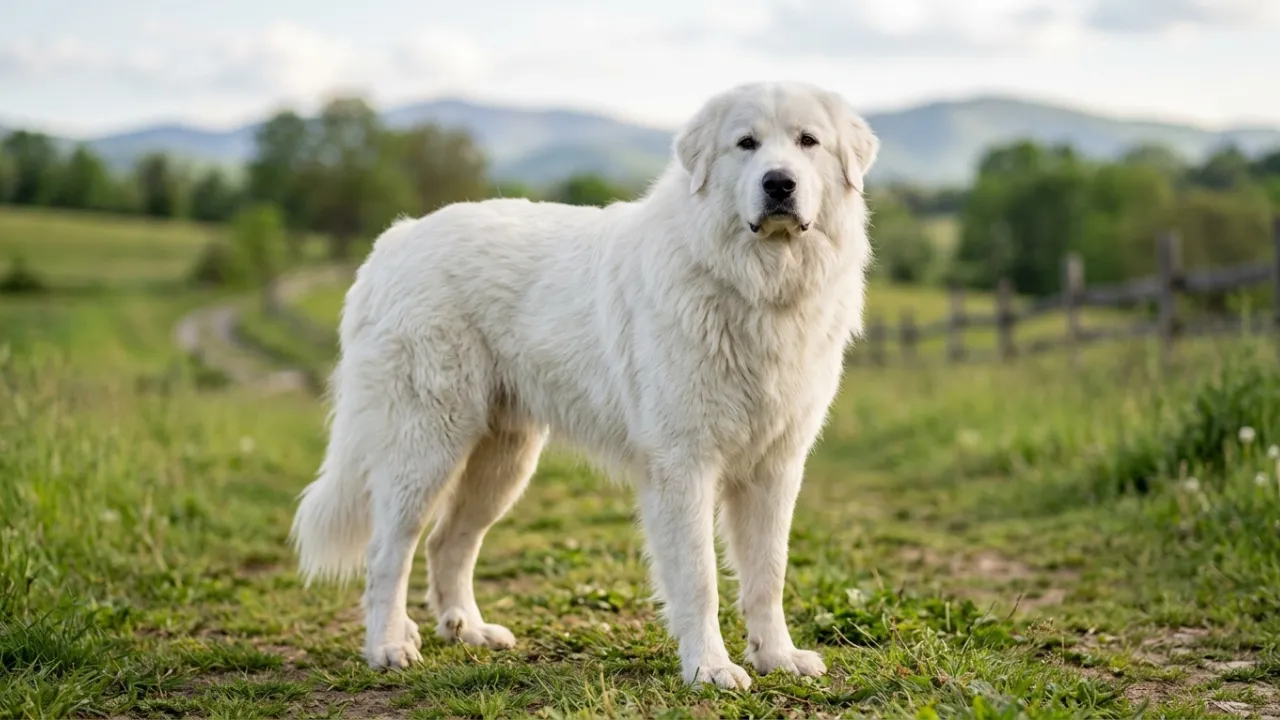
No need to schedule a canine marathon every morning. Great Pyrenees generally prefer moderate activity, reflecting a guardian bred to patrol territory and conserve energy until needed. Regular walks can provide useful exercise without turning every day into an endurance event.
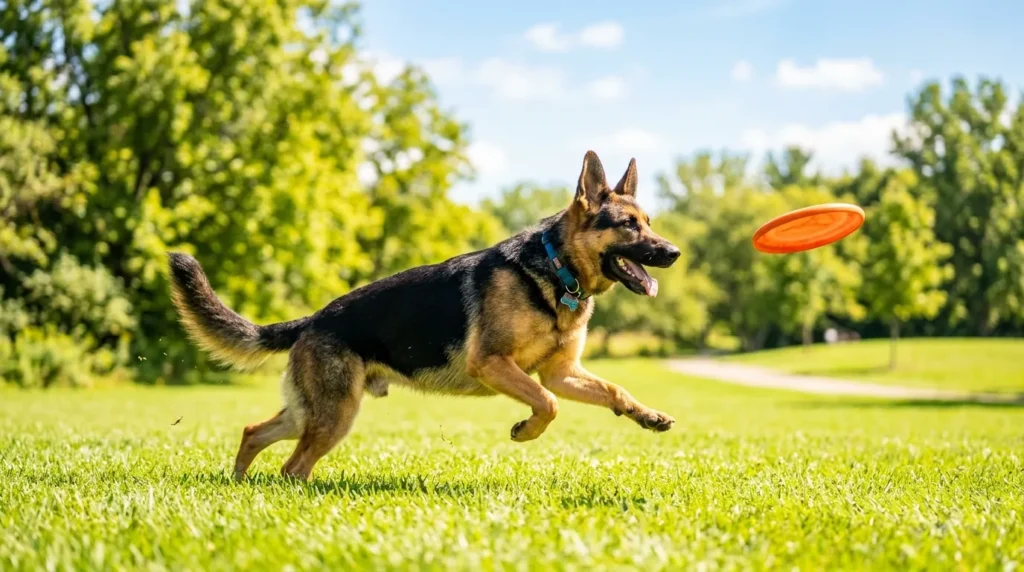
Sitting around with nothing happening is much less appealing to the German Shepherd. This high-energy dog benefits from substantial physical and mental stimulation, with running, tracking, herding, agility, and other structured activities providing productive ways to stay engaged.
Trainability & Obedience
Some dogs hear a command and practically ask, “What’s next?” Others hear it, understand perfectly, and quietly consider whether cooperating is worth the effort. That difference becomes pretty obvious when training these two clever working breeds.
According to AKC, German Shepherd dogs are highly intelligent workers that respond well to consistent, positive, reward-based training. Early socialization, puppy classes, and continued obedience training can help them become adaptable, well-mannered companions who thrive when closely involved with their families.
Great Pyrenees bring brains to training too, just with considerably more personal opinion. Their independent working background means repetitive obedience can become boring quickly, so short, positive sessions and early socialization usually make more sense than expecting enthusiastic repetition.
Grooming Needs & Shedding
Either way, your vacuum cleaner is getting involved. Both breeds wear double coats and shed, so neither is exactly the dog for someone hoping their black pants will remain mysteriously fur-free after a cuddle session.
As mentioned by WebMD, Great Pyrenees have a thick double coat that sheds throughout the year, with heavier shedding during seasonal changes. Regular grooming and brushing help manage loose fur, prevent tangles, and keep their impressive coat clean and comfortable.
German Shepherd fur has its own plans for your furniture. Their double coat sheds regularly and becomes heavier during seasonal shedding periods, so brushing every few days, with extra attention when shedding increases, helps keep loose hair somewhat under control.
Guarding Instincts & Alertness
A suspicious sound outside probably will not go unnoticed in either household. These breeds come with serious protective backgrounds, although their guarding styles feel different. One stays highly engaged with its people, while the other was built for independent watch duty.
German Shepherds tend to keep their mental radar switched on. Loyal, confident, courageous, and naturally watchful, they can be reserved around strangers and strongly protective of loved ones, making careful socialization particularly important for keeping those instincts appropriately directed.
The Great Pyrenees takes guarding with an almost suspicious amount of calm. Bred to protect livestock independently, this patient dog may quietly observe first, but its relaxed demeanor can quickly disappear when something appears threatening to its family or territory.
Health & Lifespan
Nobody enjoys the health section of a breed comparison, but it matters far more than arguing over who has the fluffier tail. Both dogs can face inherited conditions, making responsible breeding, appropriate screening, and regular veterinary care important considerations.
As noted by PetMD, Great Pyrenees typically live 10–12 years. They are generally healthy but can develop hip and elbow dysplasia, luxating patellas, eye disorders, and GDV, making regular veterinary checkups and appropriate screening especially worthwhile.
German Shepherds also have several health concerns worth knowing beforehand. Hip and elbow dysplasia, degenerative myelopathy, and bloat are among the conditions associated with the breed, which makes appropriate health screening especially valuable when looking for a responsibly bred puppy.
Great Pyrenees vs. German Shepherd: Which Breed Is Right for Your Lifestyle?
This is where lifestyle gets the final vote. Loving the look of a dog is easy, but sharing your home with one means matching its activity, training, attention, space, and personality needs with what you can realistically provide.
Busy, hands-on owners may appreciate the German Shepherd’s enthusiasm for activity, training, and human company. These dogs thrive when they have plenty to do and regular interaction, making them a stronger match for households prepared to stay actively involved.
Prefer a calmer companion with an independent streak? The Great Pyrenees may suit households comfortable with a watchful guardian that enjoys family life without demanding constant action. Just remember, an independent nature means your household rules may occasionally come up in negotiations.
Conclusion
So, where does that leave you? With two remarkable working dogs that bring very different personalities into a home. The German Shepherd suits people who enjoy training, activity, and plenty of interaction, while the Great Pyrenees appeals to those who appreciate a calmer, watchful companion with an independent streak.
The better match comes down to the life you can genuinely offer. Think about your routine, space, patience, and how involved you want to be every day. Pick with your lifestyle, not just your heart, and you are far more likely to build a bond that feels right for both of you.
