




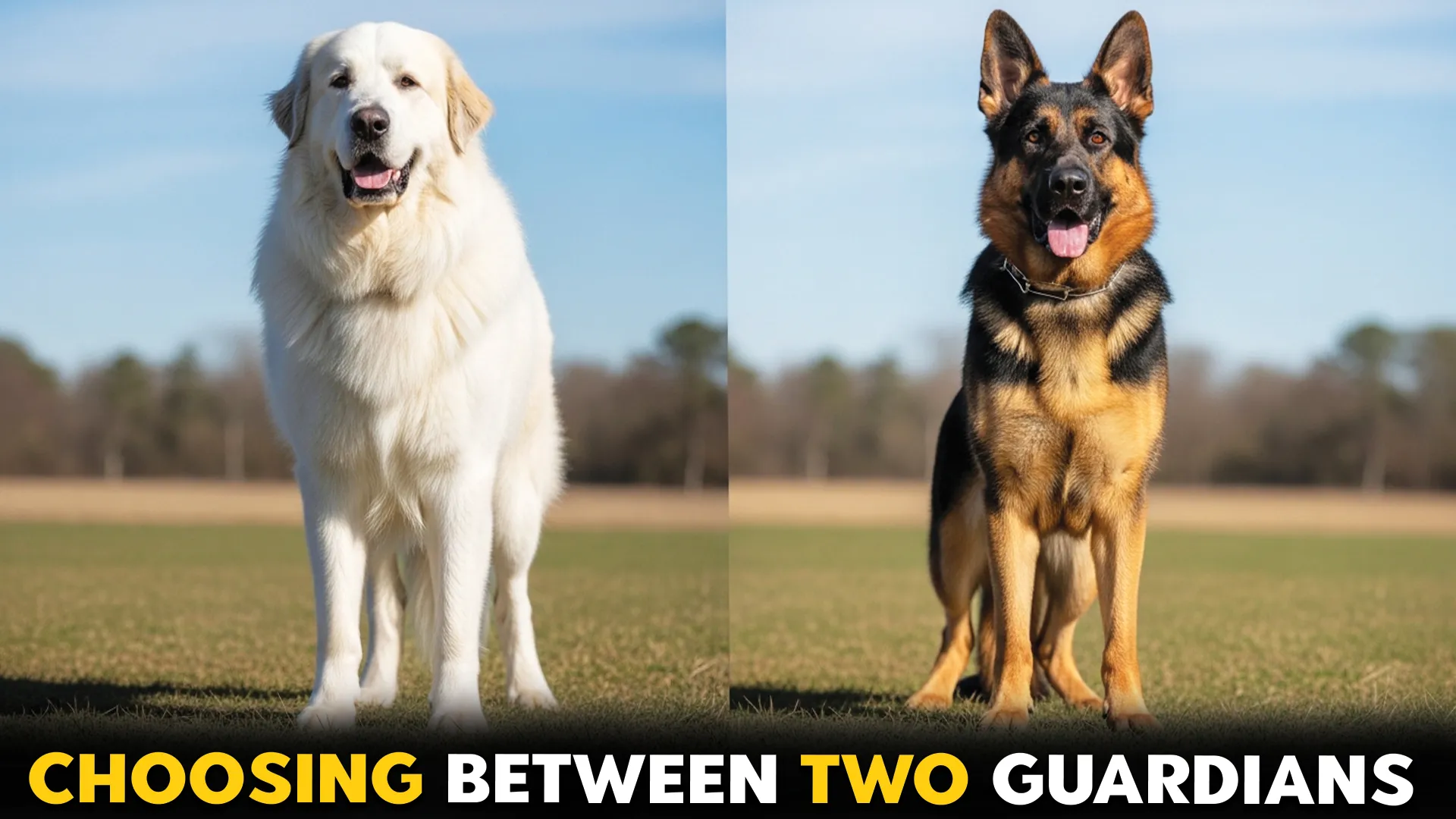
One decision can completely transform the energy inside your home. Few comparisons spark more curiosity and debate than the Great Pyrenees and the German Shepherd.
Both carry powerful reputations, commanding respect, loyalty, and an unmistakable presence that instantly changes a household dynamic.
Centuries of purposeful breeding shaped these dogs into icons of protection and devotion. Choosing either is not a casual commitment. It means welcoming strong instincts, sharp awareness, and a personality that will influence your daily routine.
This blog breaks down nine essential things every pet owner should know, giving you clear, practical insight to decide which breed truly aligns with your expectations and lifestyle.
Things Owners Should Know About Great Pyrenees Vs German Shepherd Dog Breeds
Origins & Purpose
The Great Pyrenees, often called “Pyrs,” is an ancient large-breed dog from Europe. They were specifically bred to be thick-coated, livestock guardian dogs in cold mountain climates.
They arrived in the U.S. in the 1600s and gained official recognition in 1933, maintaining their legacy as gentle yet fearless protectors of both flocks and families.
The German Shepherd began its journey in the 1850s, when European shepherds bred dogs specifically for herding and guarding. The breed we know today was founded by Max von Stephanitz.
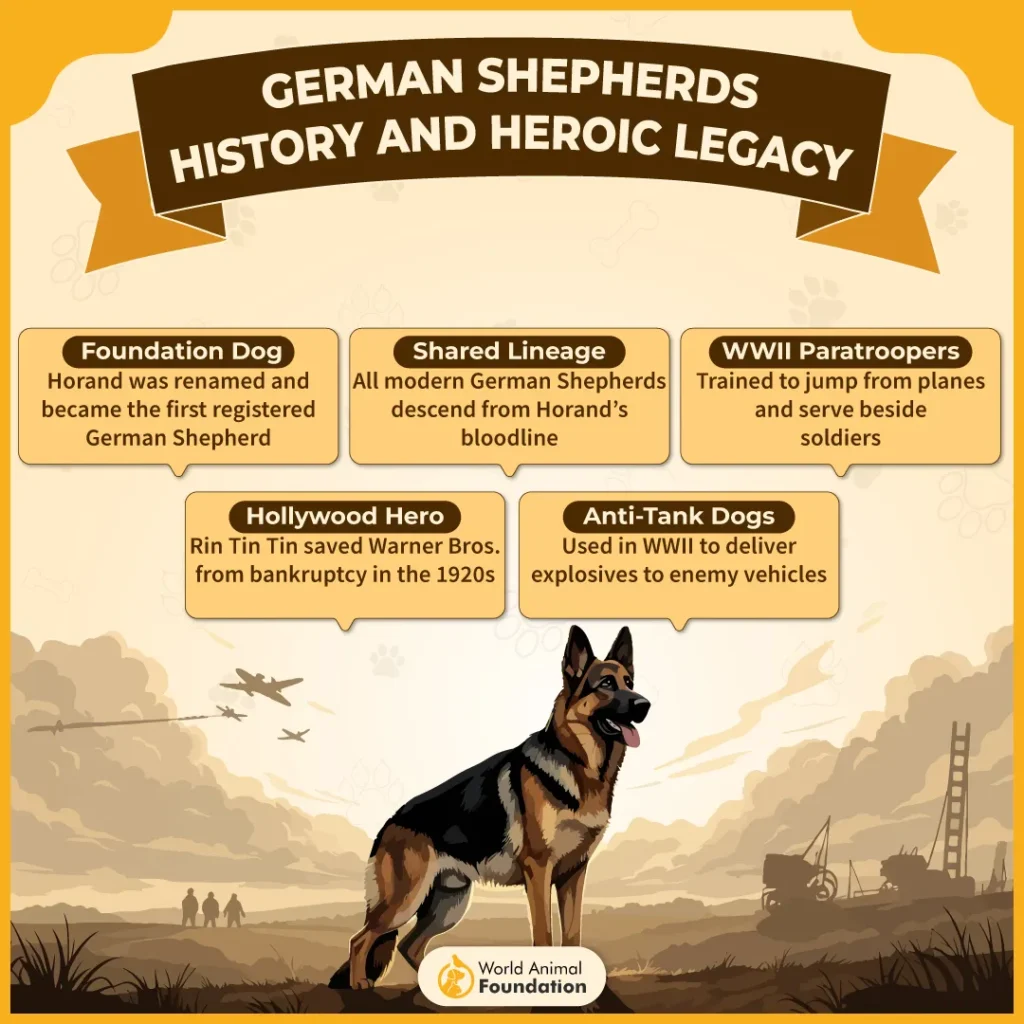
He used a dog named Horand von Grafrath to create the ancestral bloodline. They were meticulously developed for high intelligence, loyalty, and incredible working ability, which sets them apart.
Size & Physical Build
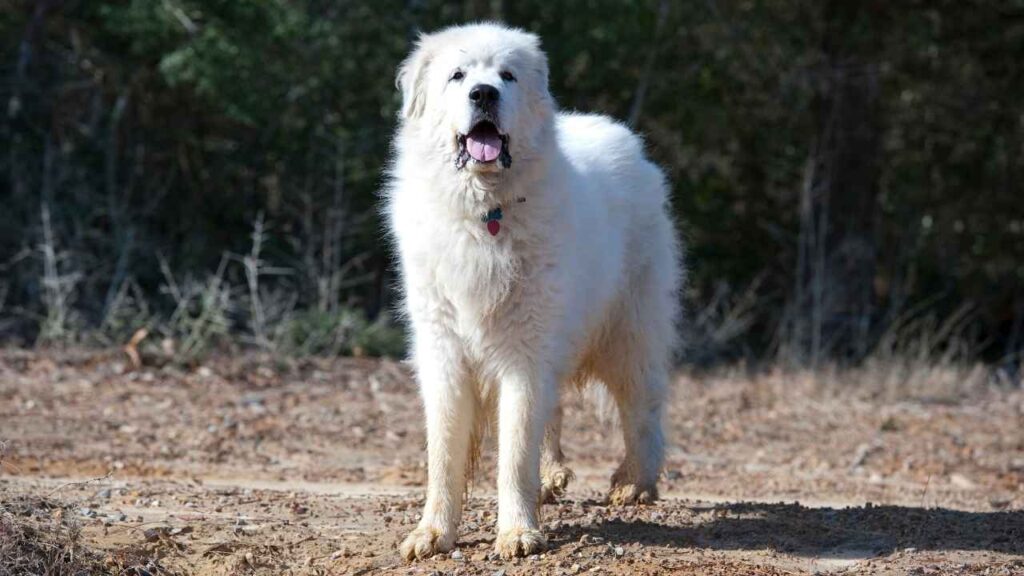
Great Pyrenees are massive dogs with muscular bodies and agile movements. Males weigh between 100 and 140 pounds, while females range from 100 to 120. They feature broad chests, muscular shoulders, and rounded feet with padded toes. Their most striking feature is often their well-plumed tail and thick, double-coated white fur.
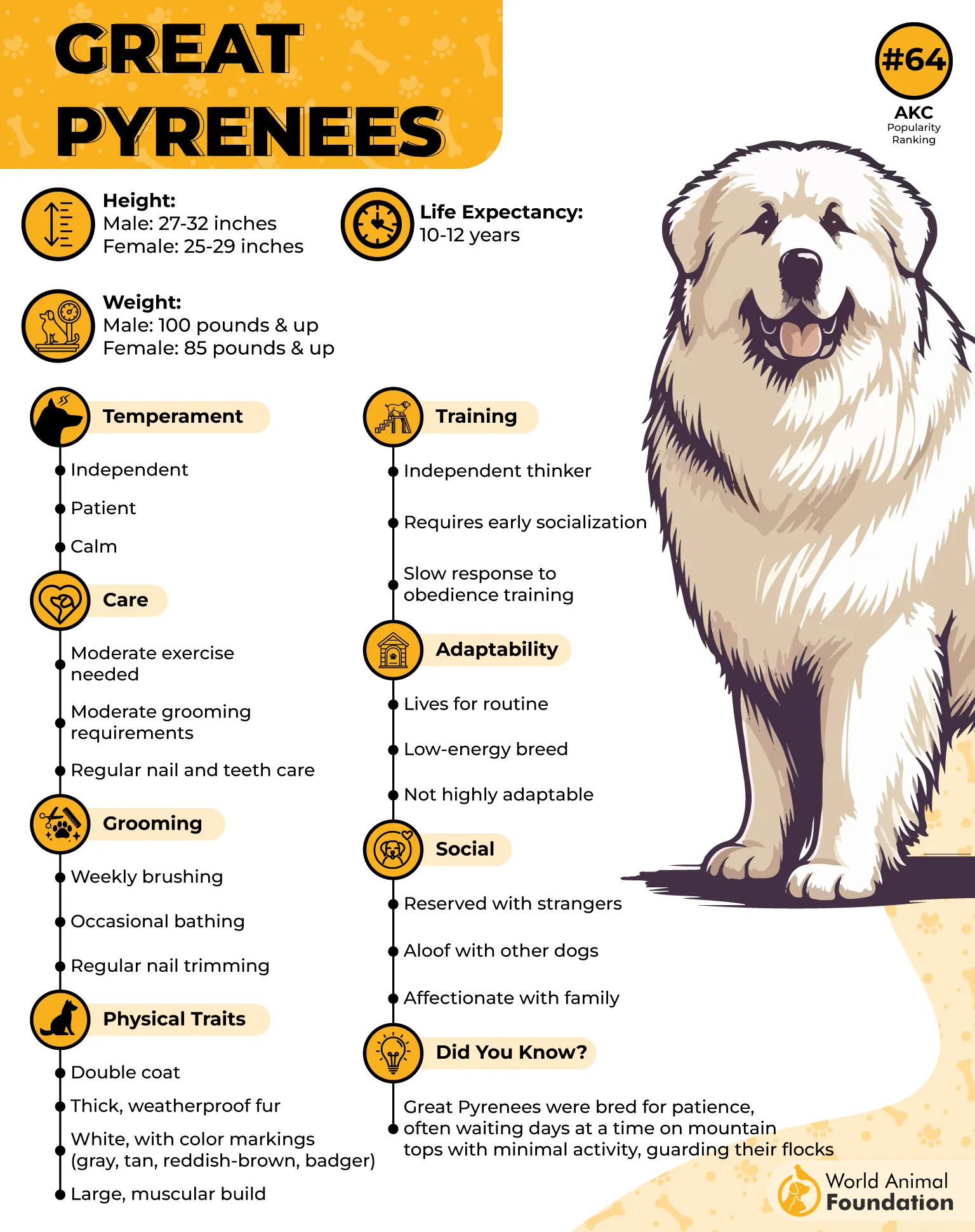
The Great Pyrenees dog has a wedge-shaped head with small-to-medium, V-shaped ears that have rounded tips. Their almond-shaped, dark brown eyes give them a calm, patient expression. This look matches their reputation as “gentle giants” who survey their surroundings with a quiet composure.
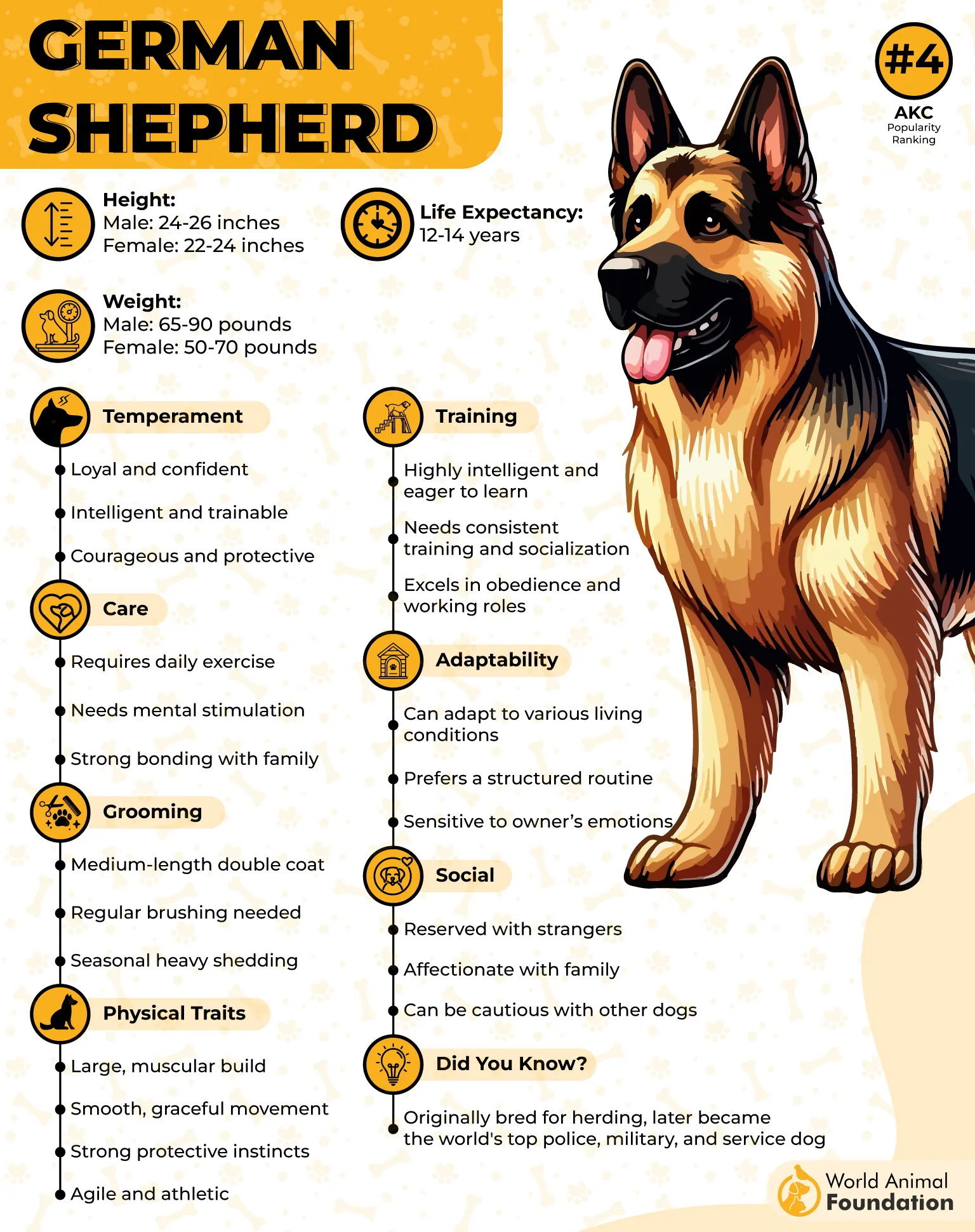
German Shepherds are built for functional athletic work. These herding dogs possess strong upper and lower jaws with a “scissor bite,” where the upper teeth overlap the lower. German Shepherds are famous for their erect, medium-sized ears that are carried strictly upright. Like the Pyr, their eyes are almond-shaped, but they are very dark in color.
Temperament & Personality
Great Pyrenees are the “Zen Masters”, confident, fearless, and mellow. They are affectionately gentle but possess a strong-willed, independent streak.
Their quiet, composed demeanor makes them excellent therapy dogs. Often showcasing a natural skill for nurturing small, young, or sick animals. Their quiet, composed nature creates a steady home environment.
According to the American Kennel Club, the German Shepherd radiates loyalty and devotion within the family circle. Being at the center of attention feels natural, and daily activities become more exciting when this gentle dog comes in.
Warm and playful with children, a protective instinct quickly appears around strangers. Turning the dog into a reliable, watchful guardian and affectionate family dog.
Exercise and Energy Levels
The Great Pyrenees is tireless when guarding against predators, yet at home, they prefer calm observation of their surroundings. These large dogs have moderate exercise needs, enjoying leisurely walks or exploring a fenced yard rather than intense physical activity. Their steady, measured energy makes them ideal for families who appreciate a relaxed pace and consistent presence.
The German Shepherd is high-energy and dislikes inactivity. Daily physical and mental stimulation is essential to keep them happy and balanced. Without runs, play sessions, or engaging tasks, they can become restless. They thrive when given a clear “job” or purpose to focus on each day. With proper guidance, their energy turns into loyal service and affectionate companionship.
Training & Intelligence
Training a Great Pyrenees can be challenging despite its intelligence. These dogs often view basic commands, such as “sit” or “stay,” as optional, responding slowly or ignoring instructions if they find the task uninteresting. Their independent streak means they prefer to think for themselves, which can test patience during training.
Consistency, gentle guidance, and patience are key to helping them learn while respecting their instincts. With the right approach, they can master important commands, but progress is often gradual and requires understanding their calm, thoughtful nature.
The German Shepherd is highly intelligent and thrives on learning. According to PDSA, they eagerly respond to firm, reward-based training and excel at complex tasks. Their sharp mind, strong work ethic, and drive make them ideal for law enforcement, bomb detection, forensics, search and rescue, and other demanding roles.
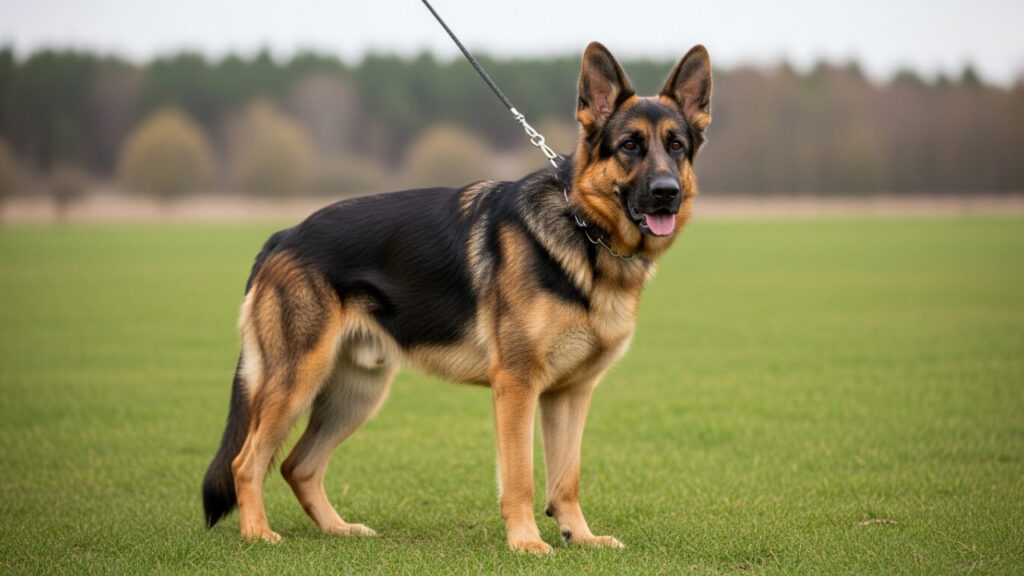
With proper guidance, they quickly master commands and enjoy the mental challenge, making them both obedient and highly versatile companions. Their willingness to please ensures they remain attentive, loyal, and engaged throughout training and daily activities.
Health & Lifespan
The Great Pyrenees has a typical lifespan of 10–12 years, which is impressive for a big dog, as mentioned by PetMD. They are generally healthy dogs, but reputable breeders screen for health issues.
Surprisingly, Pyrs often eat less than their massive size would suggest. These dogs do best on high-quality dry food formulated specifically for large breeds and their current life stage.
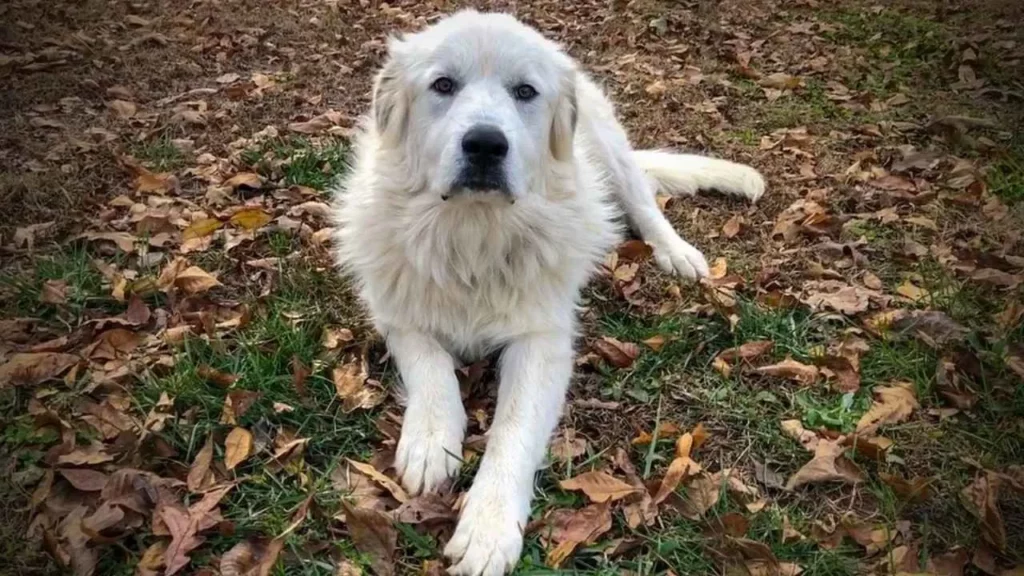
German Shepherds generally live between 9 and 13 years. While these working breeds are sturdy and athletic, they are prone to several health conditions that can impact their quality of life.
Maintaining a healthy weight and providing excellent care are essential for ensuring they reach their full lifespan. Genetics plays a huge role in how long these powerful dogs stay by your side.
Great Pyrenees vs. German Shepherd Suitability as Family Pets vs Guard Dogs
The Great Pyrenees is a passive guardian, calm, quiet, and composed, standing like a protective wall. Patient with children and gentle with family, they make a steady, reliable companion.
Independent and thoughtful, they do not need constant direction or high-energy activity. Their calm presence keeps a peaceful home while quietly watching over everyone, balancing protection with gentle affection.
The German Shepherd is an active guardian, full of energy and devotion. They thrive on family interaction, daily activity, and mental challenges. Protective yet affectionate, they stay alert, vocal, and fully engaged.
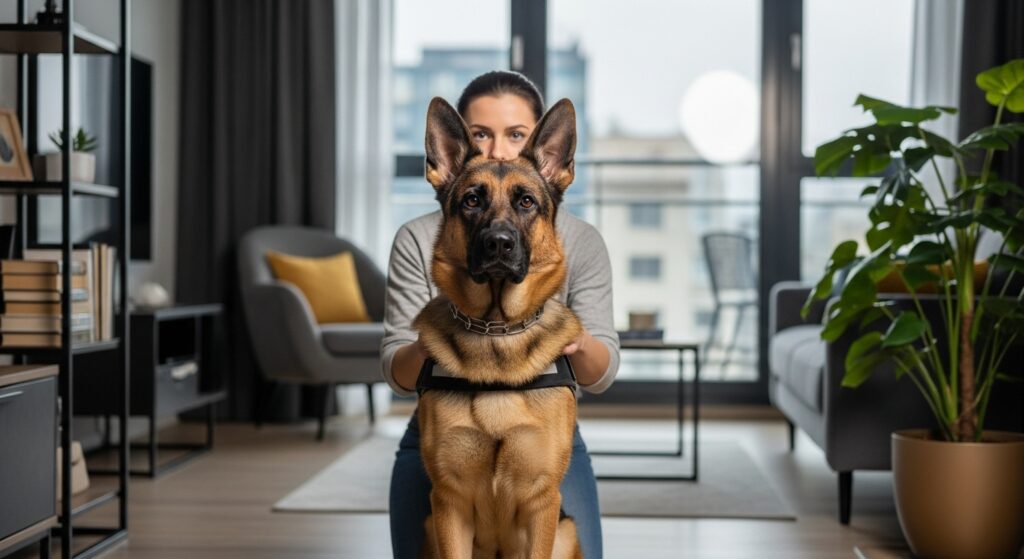
This loyal breed is perfect for active families who want a watchful guardian and devoted companion. They also bond deeply, forming a strong connection with every family member.
Conclusion
Choosing between these amazing dogs depends on your lifestyle. If you prefer a slow-paced life with a calm, independent protector who is happy to lounge, the Great Pyrenees is your match. They bring a steady, gentle peace to the home.
However, if you want an active, highly trainable partner for constant adventures, the German Shepherd is unrivaled. They thrive on activity and work, remaining your most devoted shadow as long as you can keep them mentally and physically engaged.
Ultimately, both breeds offer legendary loyalty and protection. Whether you choose the stoic mountain guardian or the brilliant working athlete, your household will gain a powerful companionship. Each breed provides a unique way to make your family feel safe and complete.
