




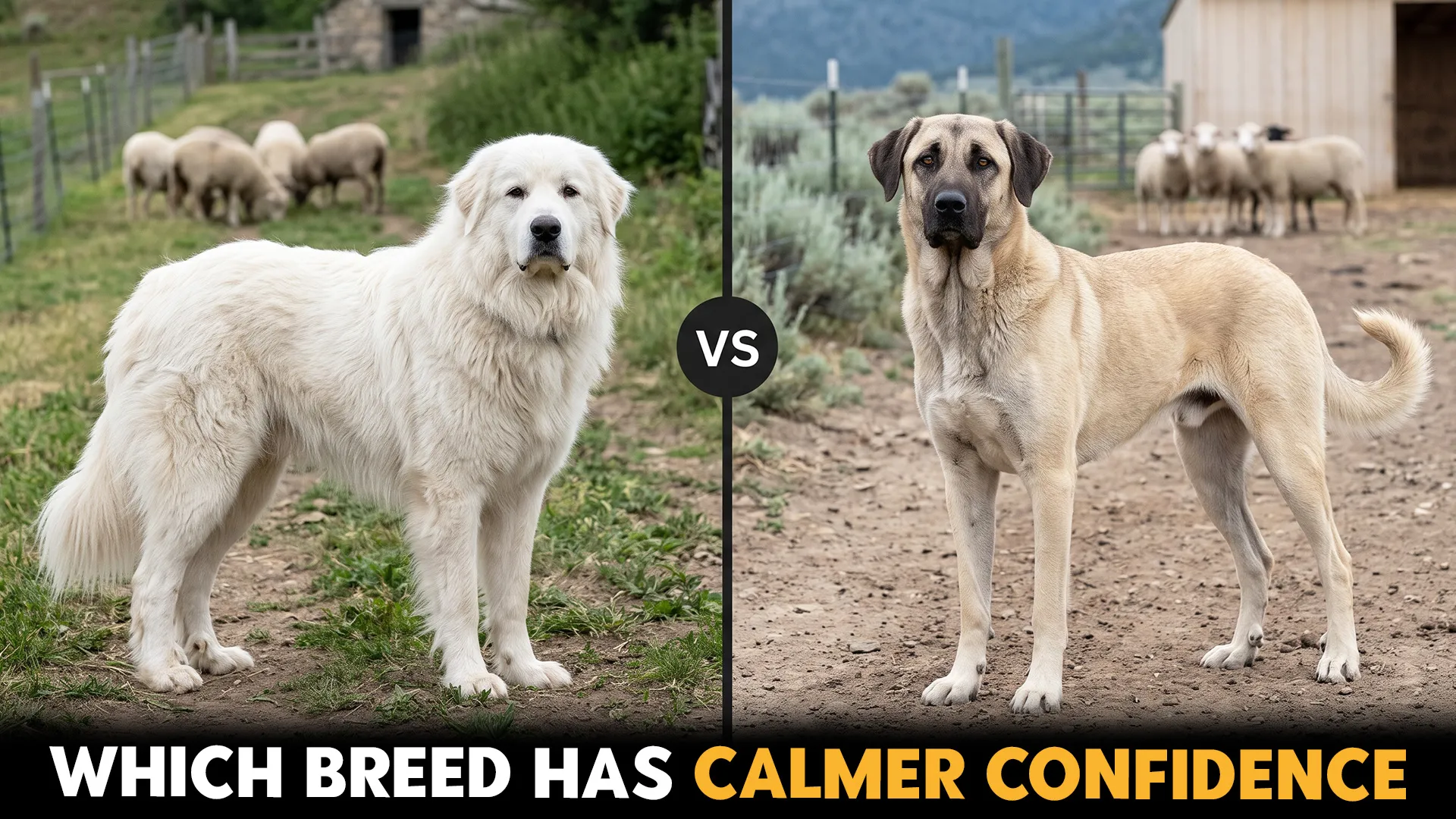
Choosing between a Great Pyrenees and an Anatolian Shepherd is like picking between a fluffy mountain bodyguard and a serious ranch security professional. Both breeds are enormous, fiercely loyal, and naturally protective, but their personalities, appearance, and working styles differ significantly. If you think they’re basically the same dog in different outfits, prepare for a plot twist!
The Great Pyrenees brings majestic white fur, a generally gentle personality, and centuries of experience guarding mountains. Meanwhile, the Anatolian Shepherd has a rugged, athletic frame, a naturally reserved attitude, and an impressive history of protecting livestock across Türkiye’s demanding landscapes.
Both are intelligent enough to make independent decisions, which sounds amazing until they decide your commands are merely suggestions.
Let’s explore the Great Pyrenees dog breed vs. Anatolian Shepherd key differences and see what separates these legendary livestock guardians, and which might suit your lifestyle.
Great Pyrenees vs. Anatolian Shepherd: Key Differences
1. Origins & Purpose
The Great Pyrenees traces its working heritage to the Pyrenees Mountains between France and Spain, where shepherds relied on these massive white dogs to protect vulnerable sheep.
Unlike herding breeds that move livestock from place to place, Great Pyrenees watched flocks and discouraged predators. Basically, they were the mountain’s original overnight security team, complete with a luxurious white uniform.
WebMD mentions that the Anatolian Shepherd Dog developed within Anatolia’s livestock-guarding traditions in modern-day Türkiye, where harsh terrain and dangerous predators demanded exceptionally capable dogs. While Great Pyrenees became strongly associated with European mountain regions, Anatolian guardians evolved on open plains, plateaus, and rugged highlands.
The Great Pyrenees also developed an interesting connection with the French aristocracy, gaining recognition beyond rural working communities in the 17th century. Anatolian Shepherds, by contrast, stayed closely tied to practical livestock protection rather than royal prestige.
Both these two breeds were developed to make decisions without constant human instruction, especially when protecting animals in remote environments. Great Pyrenees traditionally used vigilance, vocal warnings, and their imposing presence to discourage predators, while Anatolian Shepherds likewise relied on territorial awareness and protective behavior.
2. Size & Physical Build
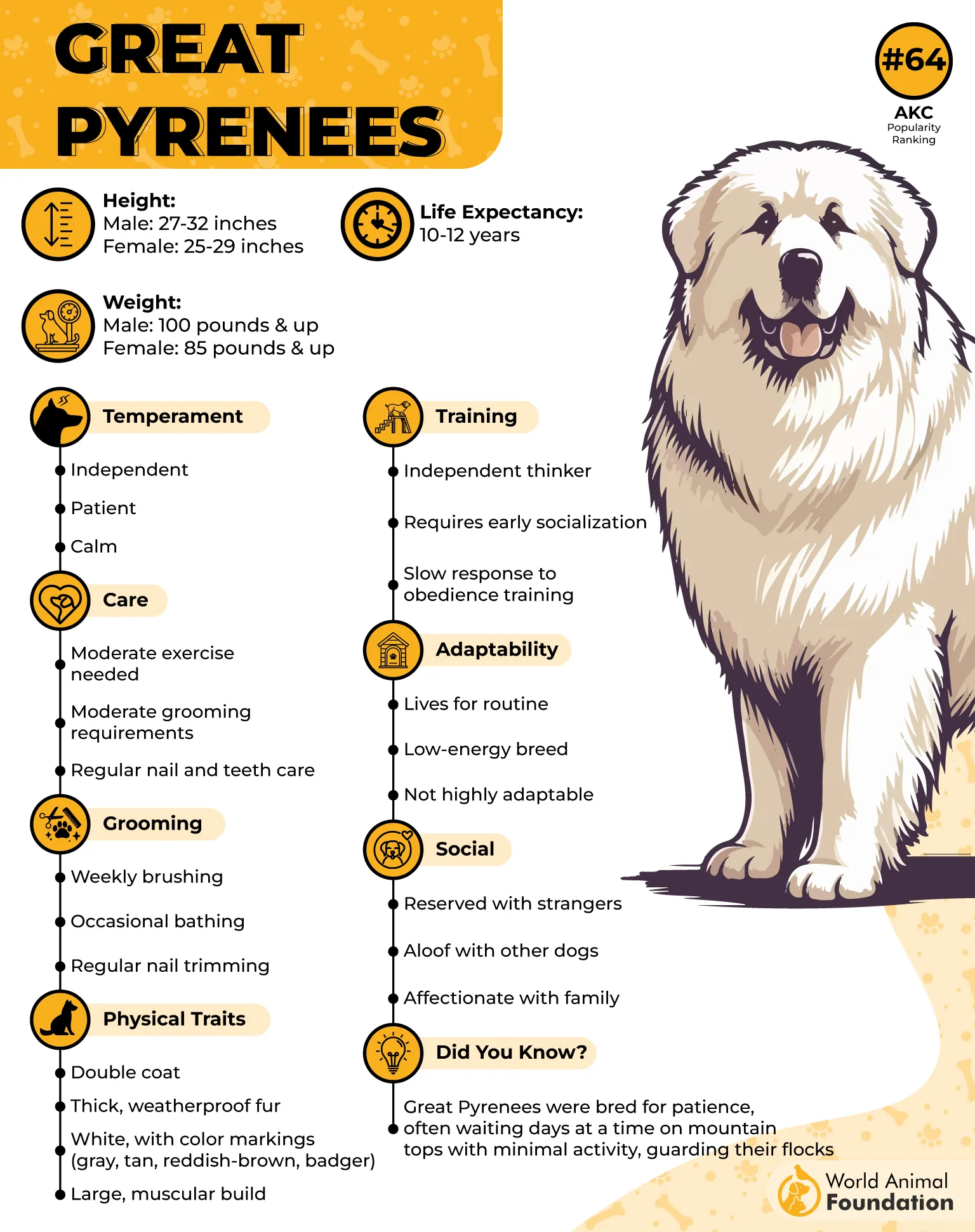
Great Pyrenees are seriously massive dogs, says Royal Canin, with adult males typically standing 27–32 inches tall and weighing at least 100 pounds. Their enormous frame, thick white coat, and majestic posture create an unmistakable polar-bear-meets-royalty aesthetic.
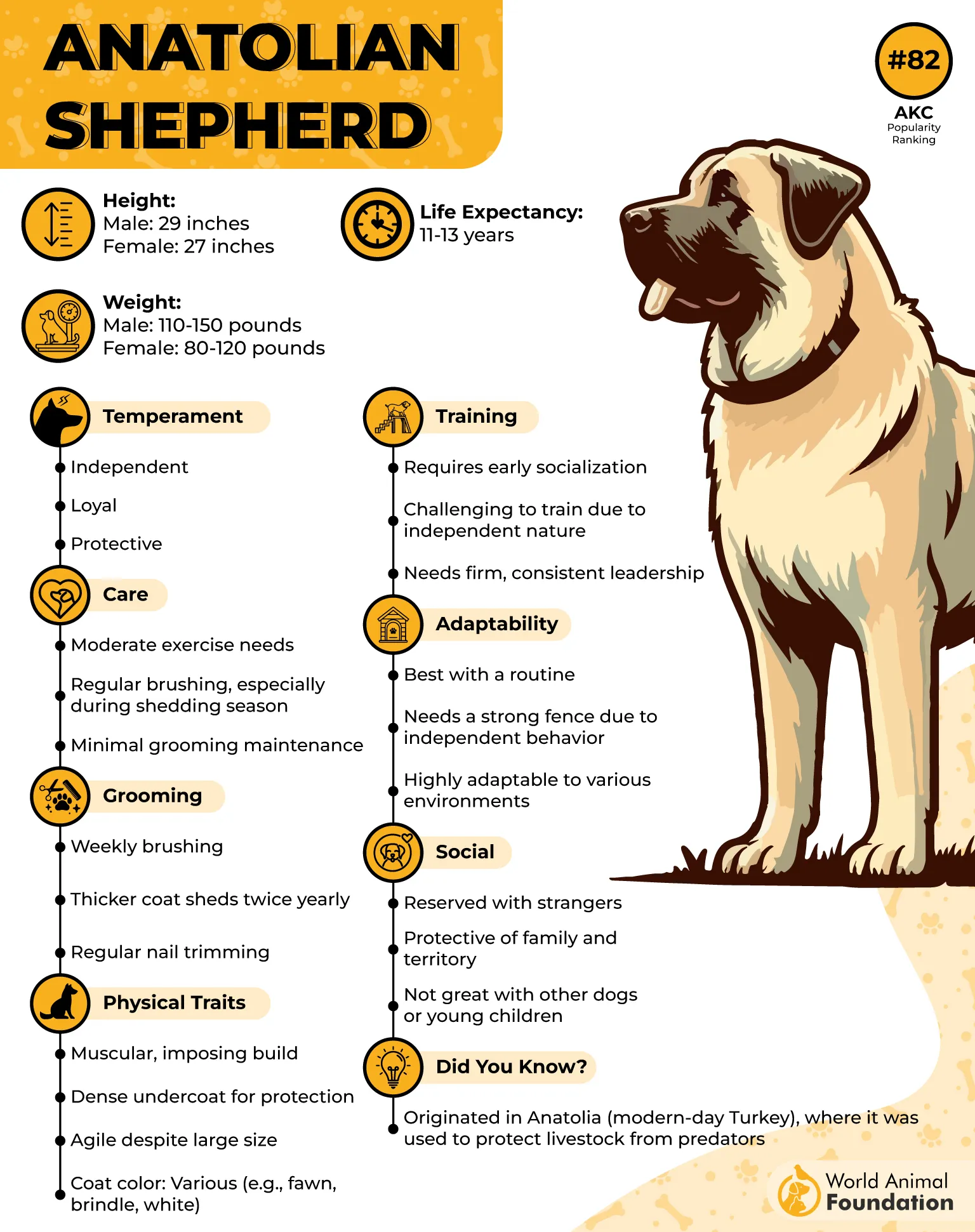
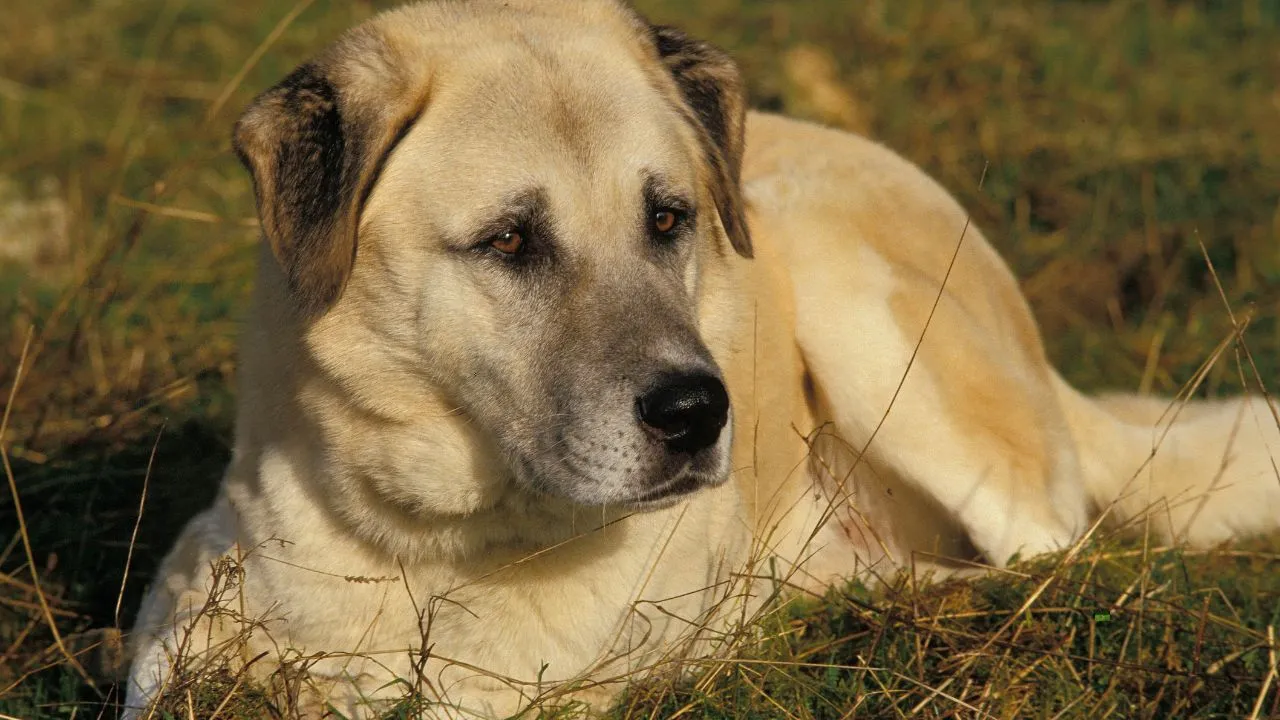
Anatolian Shepherds are equally impressive, although their proportions create a different visual effect. Adults generally stand around 29 inches or taller and weigh 110–150 pounds. Their muscular torso, sturdy limbs, and comparatively streamlined appearance make them look like serious canine athletes rather than oversized fluffy pillows.
The Great Pyrenees typically has an elegant silhouette, a broad chest, a substantial neck, and a dense coat that makes its body appear even larger. Anatolians usually have a more utilitarian shape, with a strong head, well-developed muscles, and proportions that emphasize endurance and agility.
Neither breed should be excessively heavy, because working guardians need functional strength rather than unnecessary body fat.
Don’t assume that the fluffier breed automatically outweighs the more athletic-looking one, because their weight ranges overlap significantly. Both require spacious vehicles, appropriately sized equipment, and owners prepared to handle a dog that could accidentally knock over furniture with one enthusiastic turn.
3. Temperament & Personality
Purina describes Great Pyrenees as gentle giants, and honestly, their calm expression makes that description feel pretty accurate. These dogs frequently develop deep emotional connections with their families, displaying patience, affection, and a surprisingly tender personality.
Anatolian Shepherds are also devoted, but their affection may appear more understated and selective, especially around unfamiliar people.
Anatolian Shepherds generally approach strangers with greater reserve, preferring to observe situations before deciding whether everything is safe.
Great Pyrenees can be suspicious of unfamiliar visitors too, but many have a naturally nurturing personality toward people and animals they consider part of their household. The key distinction is that you shouldn’t assume either dog’s friendliness simply because it behaves peacefully around its own family.
One of the most recognizable Great Pyrenees traits is its willingness to announce suspicious activity through deep, powerful barking. Anatolian Shepherds also use vocal warnings, but individual dogs may rely heavily on watching, positioning themselves, and responding to changes in their environment.
Their relationships with children can also differ subtly, though early experiences and individual temperament matter more than any simple breed stereotype. People often admire Great Pyrenees for their patient, nurturing behavior, while Anatolian Shepherds can form strong bonds with children they know and may become highly protective.
4. Exercise & Energy Levels
Great Pyrenees may look like they could sleep through an entire weekend, but don’t let their relaxed body language fool you. These dogs need regular walks, room to move, and opportunities to investigate their surroundings, even though they aren’t usually obsessed with high-intensity workouts.
Anatolian Shepherd puppies also enjoy resting between activities, but their athletic build and working background make sustained movement and property patrols an important part of a suitable lifestyle. They can cover substantial distances while monitoring livestock, using their endurance to move across demanding terrain.
Neither breed needs endless games of fetch, because they’re often motivated by purposeful movement rather than nonstop entertainment.
PetMD claims that a Great Pyrenees living as a family companion may enjoy leisurely walks, supervised outdoor exploration, and relaxed time in a securely fenced yard. An Anatolian Shepherd may benefit from similar routines, especially when mentally engaging activities allow it to investigate and respond to its surroundings appropriately.
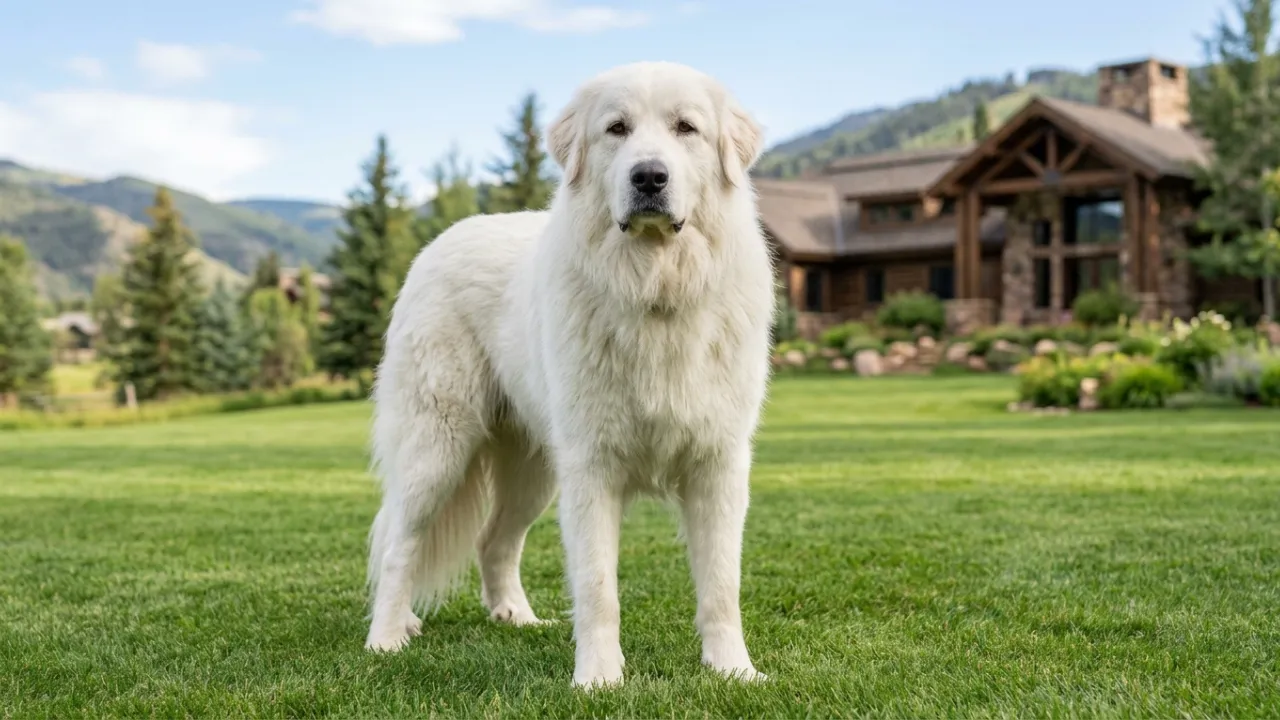
Hot weather deserves special consideration because both breeds have protective double coats, despite their different appearances. Great Pyrenees can be especially uncomfortable during strenuous summer activity because of their abundant fur, while Anatolian Shepherds still need shade, hydration, and protection from overheating.
5. Training & Intelligence
Training a Great Pyrenees can feel like negotiating with an extremely intelligent coworker that respectfully disagrees with every unnecessary meeting. These dogs understand commands but don’t always see the point of repeating them, especially when something more interesting is happening outside.
Anatolian Shepherds share a similar independent streak, though their strong territorial instincts make boundary training and careful handling especially important. Neither breed was developed to follow instant commands all day, because livestock protection historically required individual judgment.
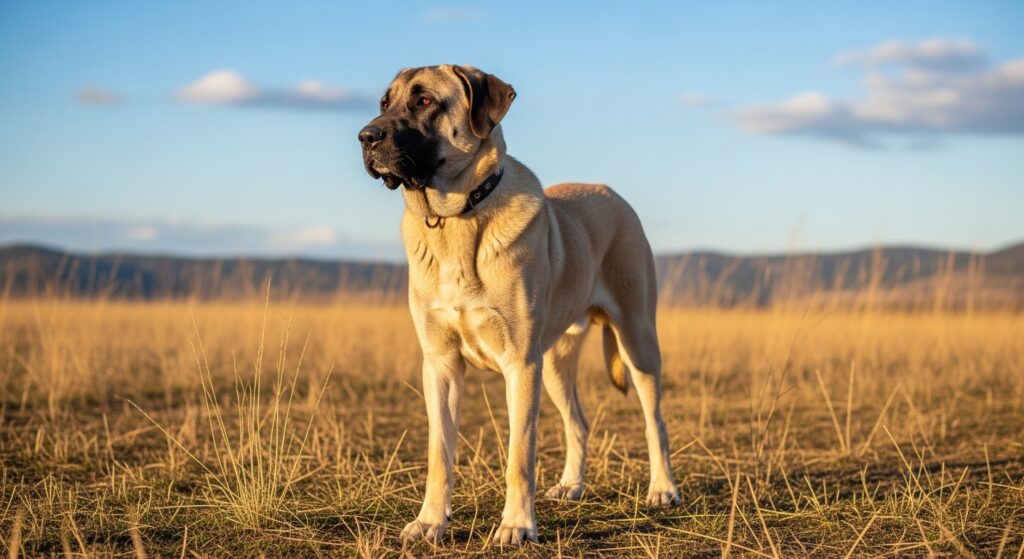
Great Pyrenees might hesitate to respond to a recall, while Anatolian Shepherds may stay focused on a perceived threat despite their owner’s attempts to redirect them. This doesn’t mean either dog lacks intelligence; it means their decision-making instincts can compete with obedience.
Positive reinforcement, consistent routines, and short training sessions generally work better than harsh corrections for both breeds. Great Pyrenees may respond particularly well to patient repetition and engaging rewards, while Anatolians benefit from equally clear expectations and carefully managed exposure to unfamiliar situations.
6. Coat Maintenance
If you’re obsessed with fluffy dogs, the Great Pyrenees is basically the ultimate walking cloud, but that gorgeous coat comes with serious maintenance responsibilities. Its long, weather-resistant double coat features a coarse outer layer and a soft, insulating undercoat that protects against cold mountain conditions.
Anatolian Shepherds also have dense double coats, but their typically shorter outer fur makes everyday grooming somewhat easier.
Great Pyrenees are wonderful dogs that generally benefit from thorough brushing at least once a week, with additional sessions during heavy shedding periods. Their fur can collect on furniture, clothing, carpets, and almost every corner of your home, so a reliable vacuum cleaner becomes an essential household accessory.
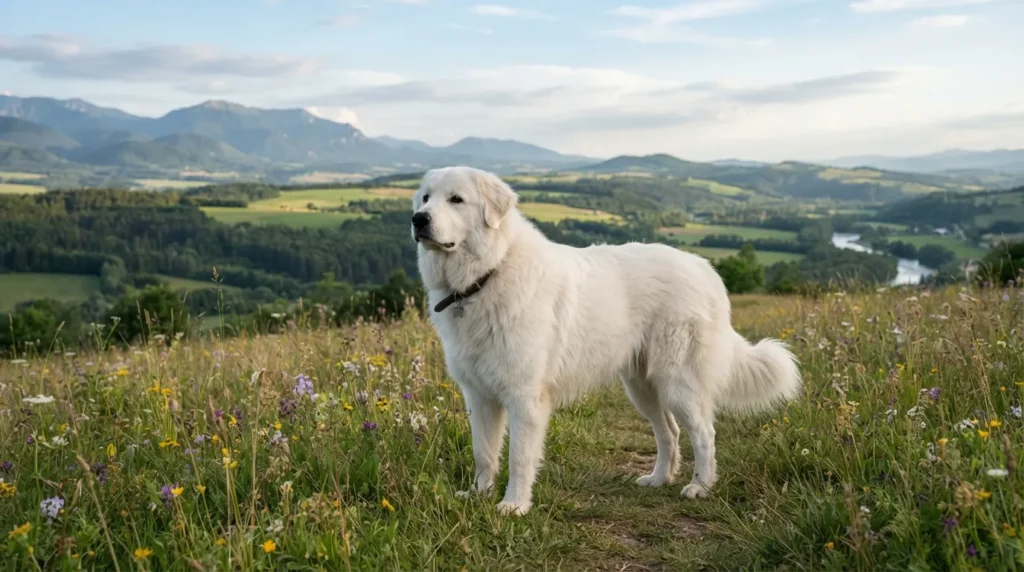
Seasonal shedding can be dramatic for both breeds because they periodically lose substantial amounts of insulating undercoat. Great Pyrenees owners may find enormous fluffy clumps appearing during coat-blowing season, while Anatolian owners often discover surprising quantities of shorter, dense hair. The Anatolian’s relatively low-maintenance appearance doesn’t make it hypoallergenic or low-shedding.
Bathing requirements also differ slightly because Great Pyrenees have long coat lengths that naturally resist some dirt but require careful drying after washing. Anatolian Shepherds usually dry faster and may be easier to clean after muddy adventures, especially shorter-coat varieties.
Neither breed should be routinely shaved for heat management because their double coats serve important protective functions, and shaving can disrupt normal coat condition.
7. Health & Lifespan
Great Pyrenees typically live about 10–12 years, while Anatolian Shepherds live 11–13 years. Although this suggests a slight longevity advantage for Anatolians, individual health, genetics, nutrition, and veterinary care can matter far more than breed averages. Both are giant working dogs, so keeping them lean and physically comfortable throughout adulthood is essential.
Great Pyrenees can experience orthopedic conditions such as hip dysplasia, elbow dysplasia, and patellar luxation, which may affect their mobility and quality of life. Their substantial weight puts considerable demands on their joints, particularly when they become overweight or develop structural problems.
Omlet warns that Anatolian Shepherds may also develop hip and elbow dysplasia, meaning neither breed gets a free pass on orthopedic health.
Anatolian Shepherds have additional health considerations, including entropion, an eyelid condition in which the lid rolls inward and irritates the eye. Some Anatolians are also sensitive to certain anesthetic medications, so clear communication with a veterinarian is especially important before surgery.
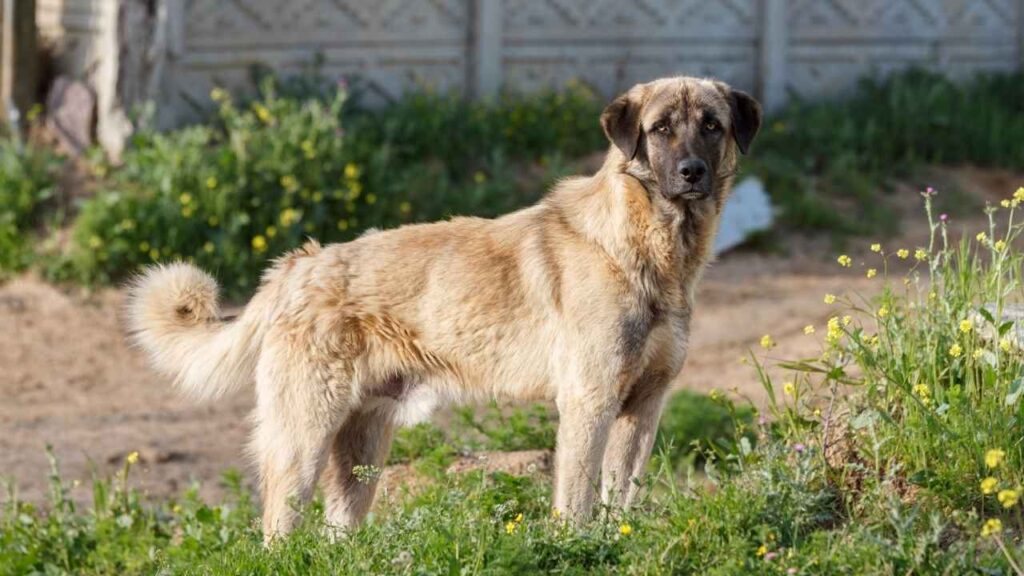
Preventive healthcare makes a meaningful difference in helping these giant guardians remain healthy and mobile. Great Pyrenees breeding programs should include appropriate orthopedic screening and other recommended evaluations, while Anatolian breeders should pay close attention to hip, elbow, and relevant eye health concerns.
8. Suitability as Farm Dogs vs. Guard Dogs
Great Pyrenees are high-energy dogs that have a long history of living closely with livestock, making them excellent candidates for farms that need dedicated sheep or goat protection. Their watchful nature, deep warning bark, and strong tendency to remain attentive to familiar animals can help discourage predators from approaching.
Anatolian Shepherds perform the same fundamental role, although their rugged athleticism and territorial vigilance can be especially valuable in demanding working environments.
On large ranches, Anatolian Shepherds have earned a reputation for endurance, confidence, and quick responses when livestock face danger. The AKC documents an incident involving an Anatolian named Gator that intervened when a cow charged rancher Rollins Wykle, allowing her to escape the encounter.
Farm size, predator pressure, fencing, local weather, and livestock-bonding practices can influence which breed is more suitable than appearances alone. Great Pyrenees may appeal to cooler farms and owners who value their generally nurturing temperament, while Anatolians may suit experienced handlers seeking a rugged guardian for extensive grazing environments.
Conclusion
The Great Pyrenees and Anatolian Shepherd are two extraordinary livestock guardians, but they offer noticeably different ownership experiences despite their shared protective heritage.
Compared with most other dogs, Great Pyrenees combine impressive size, a luxurious white coat, and a generally affectionate personality. Anatolians, by contrast, bring rugged athleticism, strong territorial awareness, and a more reserved demeanor.
For families with enough space, experience, and the patience to manage a giant, independent dog, the Great Pyrenees may feel like the more openly affectionate companion. Anatolian Shepherds may appeal more to experienced rural owners who need a serious working guardian and appreciate their comparatively manageable coats.
When it comes to protecting livestock, these dogs are genuine professionals, not oversized decorative pets. Their ability to monitor animals, deter predators, and stay alert during quiet hours makes them a valuable addition to well-managed farms and ranches.
