




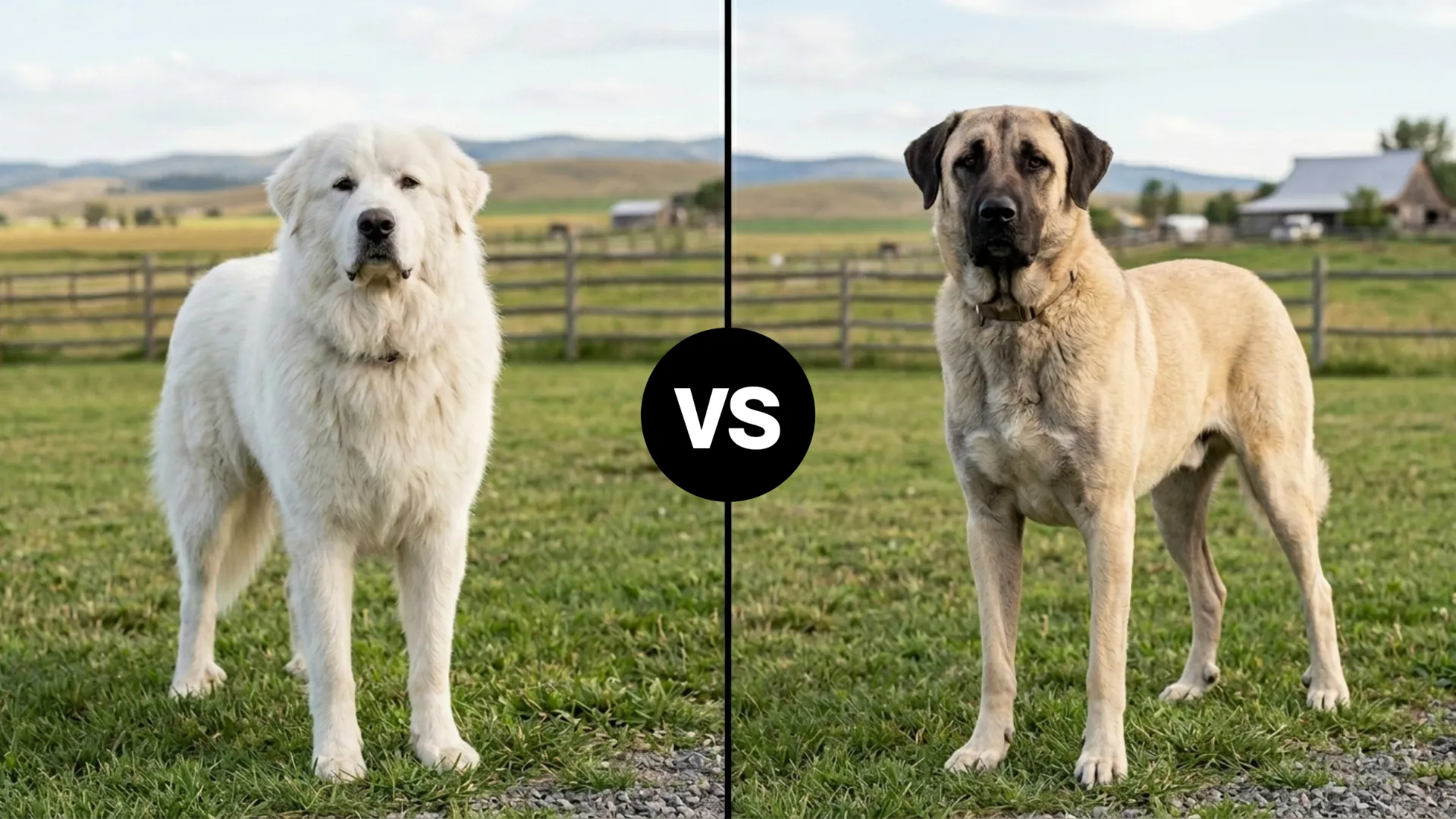
The Great Pyrenees and the Anatolian Shepherd are both large dogs with strong guarding instincts. However, some key differences set the two breeds apart. Both the Great Pyrenees and Anatolian Shepherds have distinctive temperaments and physical appearances.
Anatolian Shepherds are imposing livestock guardians of ancient lineage. These rugged dogs are known for their protective instincts and territorial nature. Anatolian Shepherds are incredibly loyal dogs with independent personalities.
Great Pyrenees were also bred as livestock guardian dogs. These immensely powerful working dogs exhibit a Zen-like calm, but quickly spring into action when they perceive a threat. Today, Pyrs make loving companions and vigilant guardians.
This article highlights the major difference between the Great Pyrenees and Anatolian Shepherd dogs.
Great Pyrenees vs. Anatolian Shepherd: Guardian Dog Differences Explained
Heritage & Traditional Working Background
Great Pyrenees dogs appeared in Europe between 1800 and 1000 BC. They were primarily used in the Pyrenees Mountains of France to guard flocks of goats and sheep from wolves and bears. Pyrs have also been serving as watchdogs and guard dogs for several decades.
They were also used to pull carts. During World War I, Pyrs were used to carry contraband between France and Spain, according to Britannica.
Anatolian Shepherds are one of the oldest dog breeds, with a history dating back over 6000 years. Originally bred in Turkey, they lived outdoors in hot summers as well as freezing winters, guarding the flocks.
They protected livestock from predators like wolves, bears, and jackals. Once they grew into puppyhood, these tough dogs were also expected to provide their own meals by hunting small game.
Do You Know? Anatolian Shepherds are even used to protect endangered cheetahs in Namibia, Africa.
Build, Stature & Distinctive Looks
Both Anatolian Shepherds and Great Pyrenees are big and muscular dogs. However, there are some key differences between their build, stature, and distinctive looks.
Anatolian Shepherds are powerfully built Mastiff-type dogs with a broad and heavy head. Thanks to their imposing size, they can easily deter potential threats to the flocks with their presence. Eyes are small in proportion to the size of the skull. Their triangular ears are rounded at the tips.
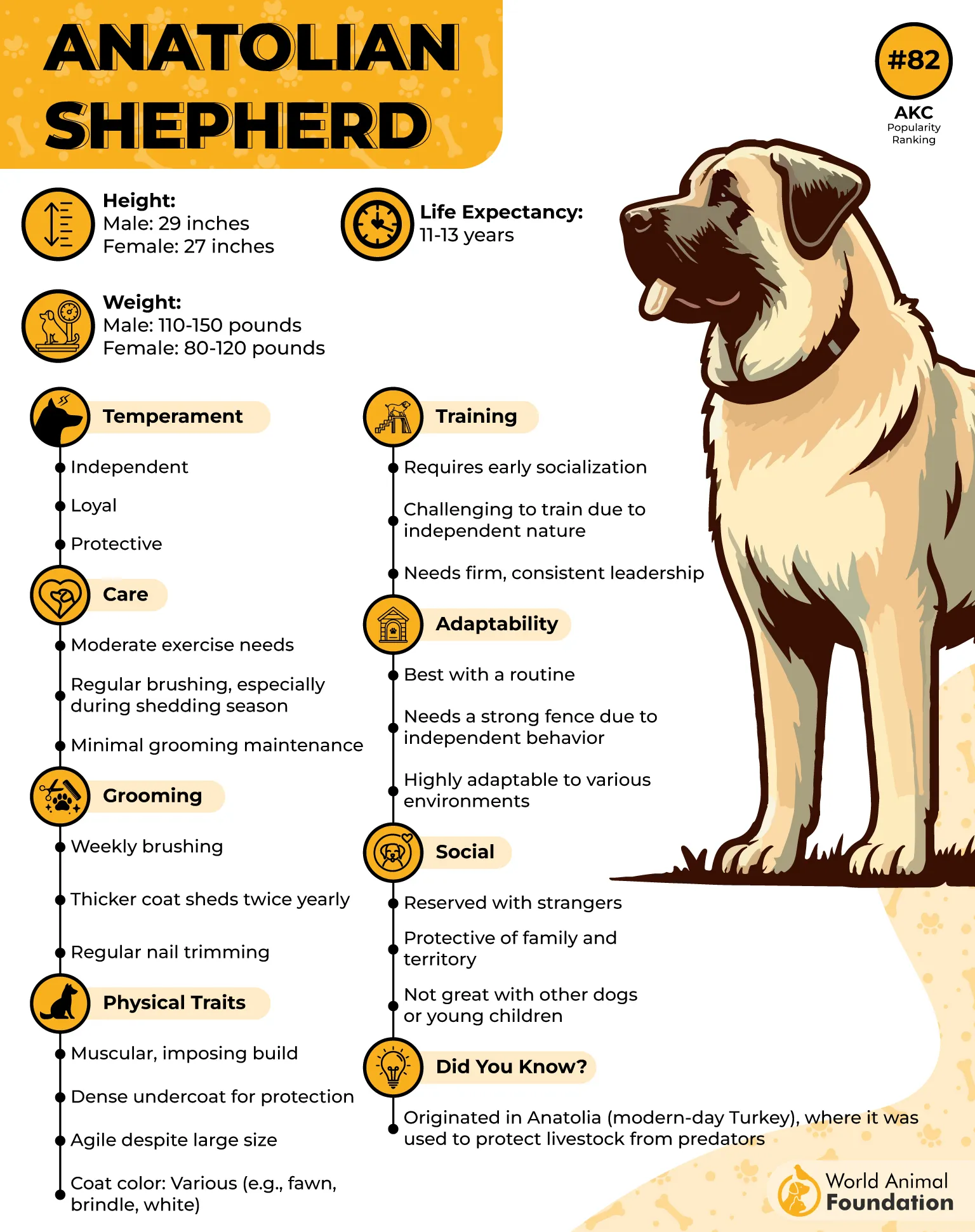
Their well-muscled legs enable them to navigate rugged terrains while guarding the flocks.
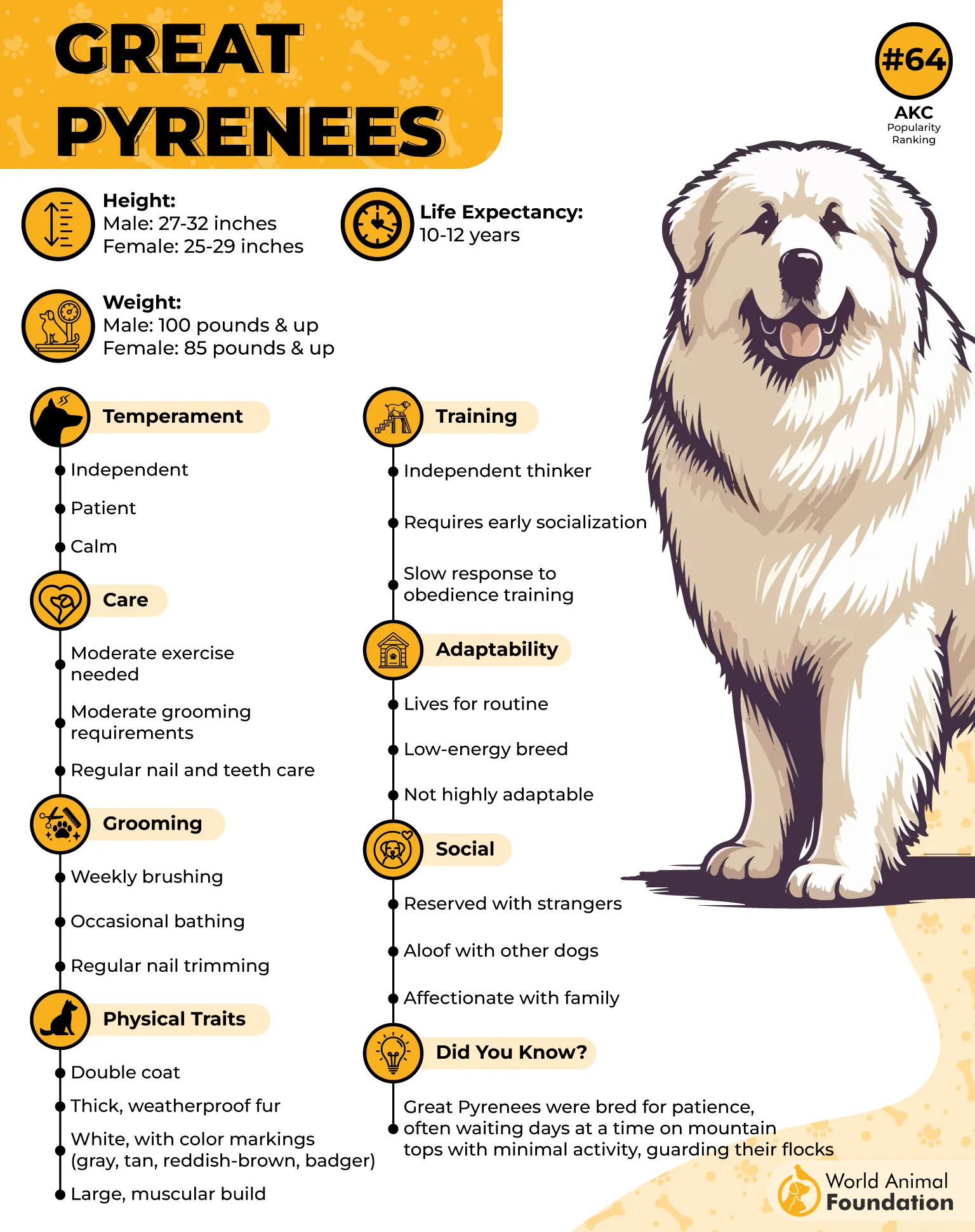
Great Pyrenees dogs are slightly larger in size than Anatolian Shepherds. Their well-proportioned and muscular bodies enable them to guard livestock even in demanding conditions. Pyrs have deep chests, plumed tails, wedge-shaped heads, and V-shaped ears.
Fur Texture, Grooming Needs & Keep-up
Anatolian Shepherds and Great Pyrenees dogs both possess thick double coats that protect them from harsh climate conditions.
Anatolians have a short and dense coat that comes in many colors, with or without a distinctive black mask, according to Purina. The outer coat is short to medium and can be rough, while the undercoat is soft. Coat colors can include various shades of fawn and white, with other colors being less common.
A quick brushing once a week, using a soft-bristle brush, helps keep the coat healthy. As with all breeds, their nails should also be trimmed regularly.
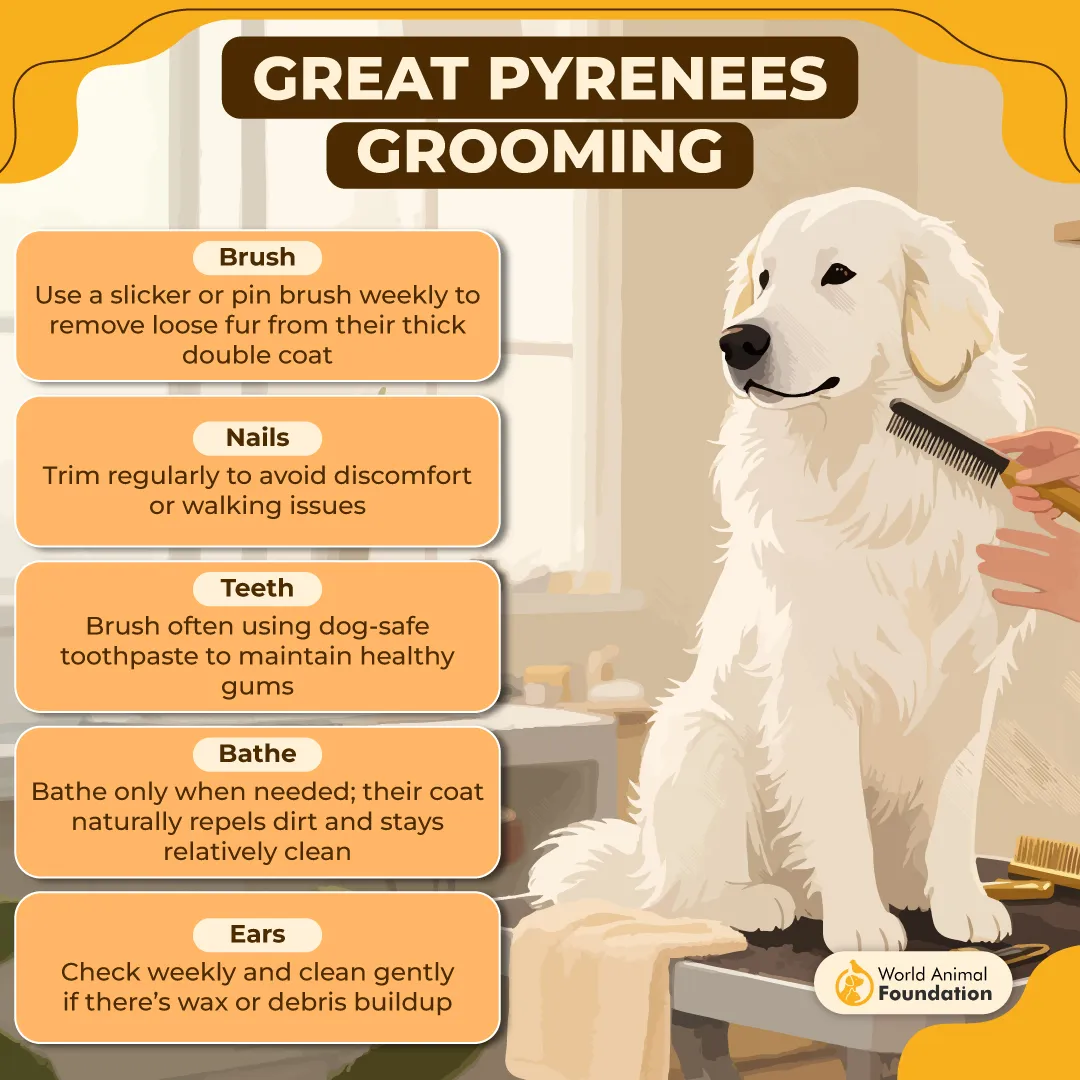
Great Pyrenees can be instantly recognized by their lush, snow-white coat. The medium-length double coat comprises a long outer coat and a soft undercoat. It is waterproof, weather-resistant, and tangle-resistant.
Surprisingly, their luxurious coat does not require lots of grooming because it repels dust. A thorough brushing using a pin or slicker brush at least once a week helps remove loose hair.
Character Traits, Behavior & Temperament Comparisons
Being livestock guardians, both Anatolian Shepherds and the Great Pyrenees dogs share some behavioral traits. Both breeds possess strong guarding instincts, but Pyrs tend to be more friendly and affectionate.
They are naturally wary of strangers, but love their family members and are highly devoted to them. Pyrs can develop separation anxiety when left alone for too long. These dogs are known for their calm and gentle demeanor.
Anatolian Shepherds are also calm and subdued dogs, but they were bred to think independently and are a bit stronger-willed. They are not very lovey dovey and tend to be suspicious of unfamiliar faces and animals.
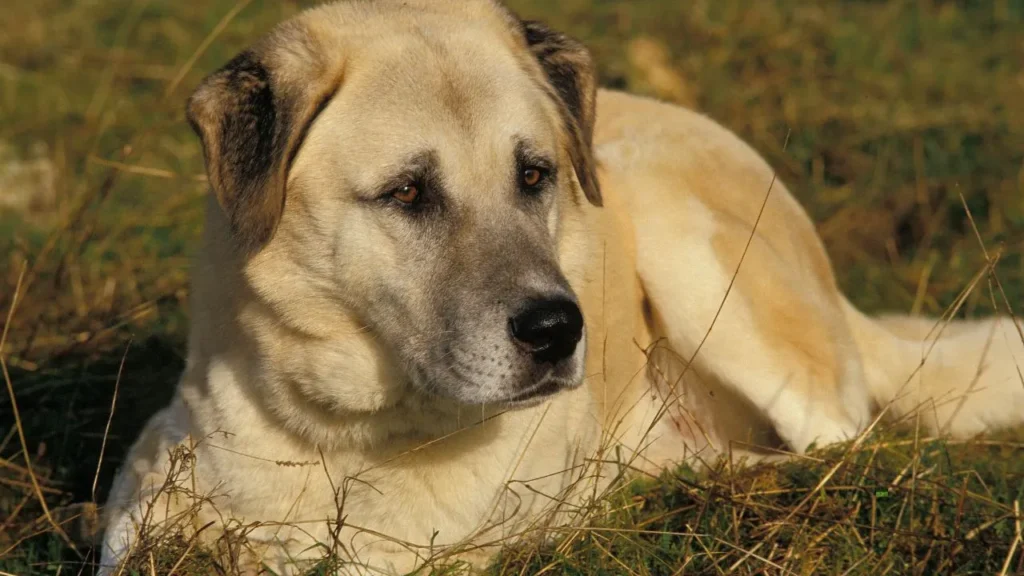
Their instincts to protect their loved ones make them good family dogs. Like Pyrs, they also thrive in homes with older kids who know how to interact with big dogs.
Activity Levels, Energy Needs & Room to Roam
Both Anatolian Shepherds and the Great Pyrenees are calm dogs, not having very high energy levels. They need regular exercise to stay fit. Being large dogs, the two breeds require plenty of room to roam around.
Anatolian Shepherds are fairly active dogs. They require at least an hour of exercise every day for physical and mental stimulation. Anatolian Shepherds benefit from activities like walking, jogging, agility, and games of fetch.
While they do not require extensive exercise, Anatolian Shepherds require lots of space as they were developed to roam the countryside unsupervised.
Great Pyrenees dogs do not require an active lifestyle and are often low-energy dogs, explains PetMD. They tend to be calm indoors and enjoy roaming outside. Despite their large size, Pyrs require only half an hour of daily exercise for physical and mental stimulation.
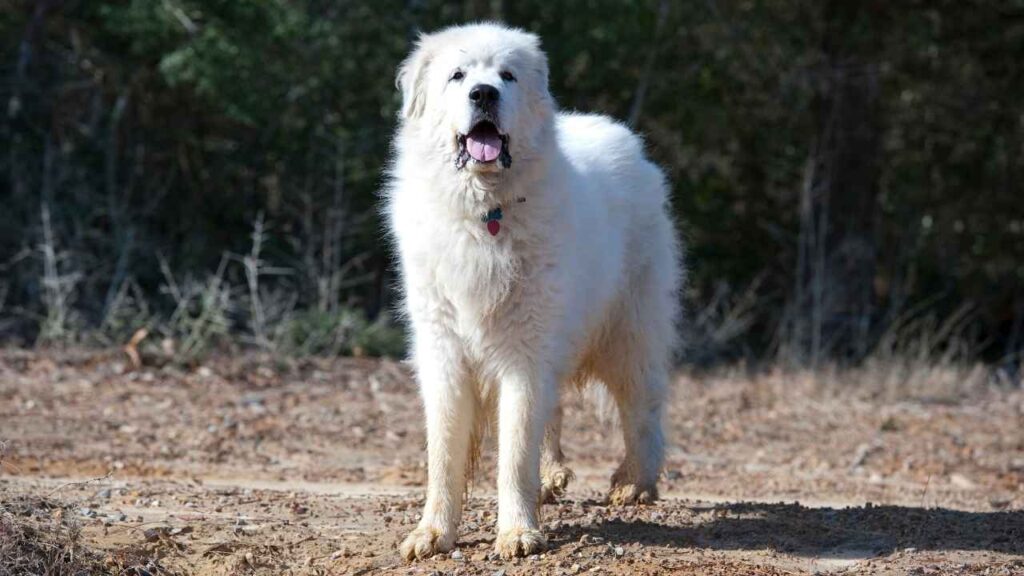
Pyrs benefit from hiking and long walks with their owners and require lots of space to roam and exercise.
Decision-Making Nature & Obedience Training Difficulties
Working dogs usually have jobs that require decision-making and problem-solving skills. Both Anatolian Shepherds and the Great Pyrenees were bred as livestock guardians, a job that relies on independent decision-making.
The sole purpose of Anatolian Shepherds was to be the independent protectors of valuable livestock. They were meant to make decisions by themselves instead of relying on the cues from the shepherd. Anatolians are more independent than Pyrs and have low trainability.
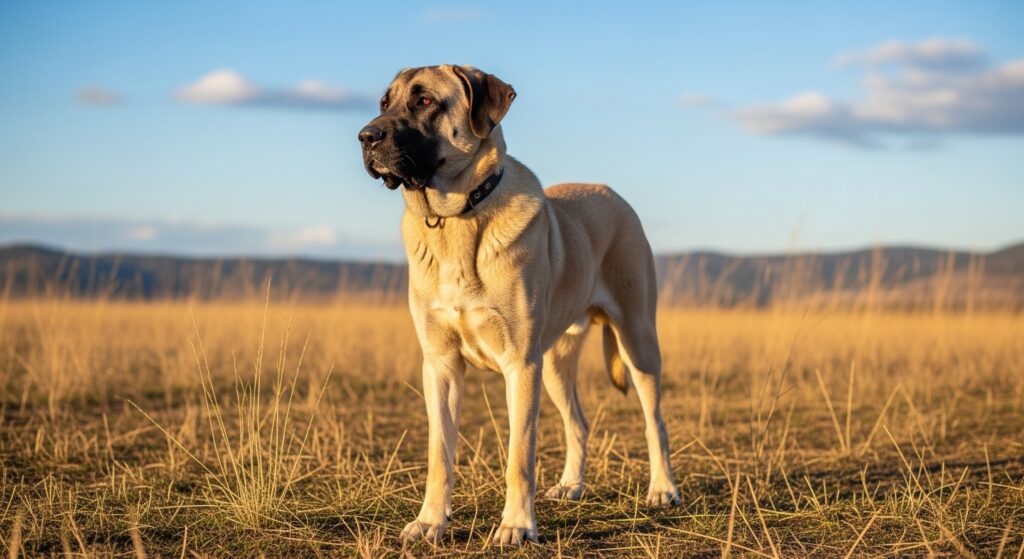
Great Pyrenees also have independent personalities. Like Anatolians, they were also meant to work without guidance, watching and protecting their flock. Obedience training may take some time, but it is not as challenging as for Anatolian Shepherds.
Both breeds require consistent training and early socialization to turn into well-mannered and well-behaved family pets.
Lifespan Expectations & General Wellness Considerations
With a life expectancy of 11 to 13 years, Anatolian Shepherds tend to live a little longer than Pyrs. They are generally healthy and hardy dogs, but predisposed to some big dog issues in their life. Anatolians may suffer from elbow dysplasia, hip dysplasia, entropion, and gastric dilatation volvulus (GDV).
Great Pyrenees have a lifespan of 10 to 12 years, which is a little longer than the life expectancy for giant dogs. They are generally healthy, but may suffer from certain health issues in life. Pyrs are vulnerable to hip and elbow dysplasia, patellar luxation, eye disorders, GDV, and neuronal degeneration.
Guarding Instincts, Loyalty & Interaction With Others
Thanks to their strong protective instincts, both Anatolian Shepherds and Great Pyrenees make excellent guard dogs. However, there are some key differences between the two breeds.
Pyrs are more friendly and affectionate towards their family. They may even think of themselves as giant lap dogs. Pyrs are naturally wary of strangers and guard their property and people by roaming around calmly.
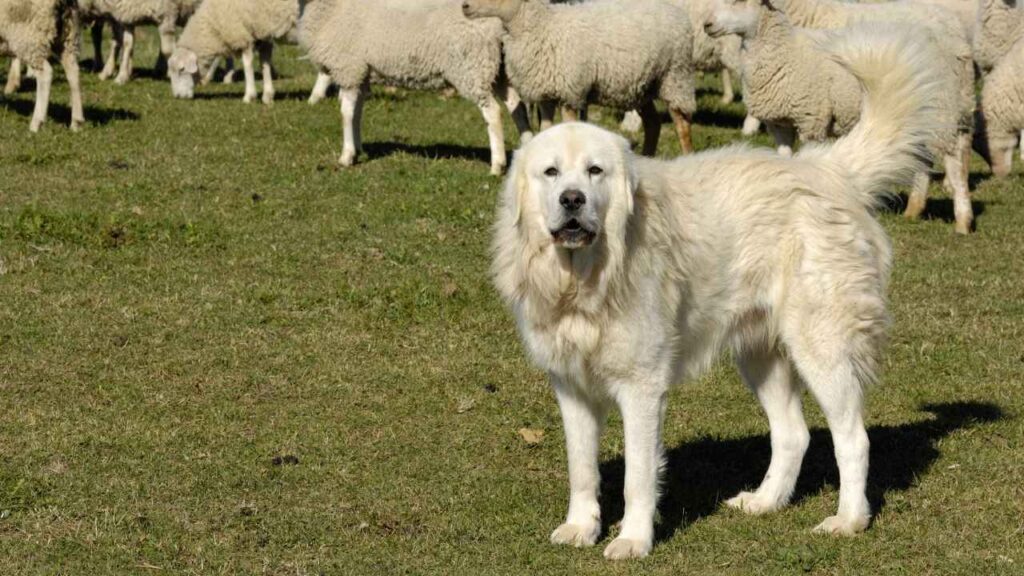
Anatolian Shepherds are profoundly loyal and friendly dogs, but do not like expressing their love through cuddles. However, they retain their working nature and tend to be suspicious of strangers and other animals. They are very fast to take action against any perceived threat.
Farm Protection Duties & Best-Suited Home Setting
Anatolian Shepherds and the Great Pyrenees dogs are both very intelligent and versatile. Thanks to their highly alert nature, Anatolian Shepherds excel at farm duties such as protecting livestock. Their size, strength, and protective instincts make them challenging to live with.
Anatolian Shepherds are better suited for experienced owners as they require a great degree of careful management.
Great Pyrenees dogs thrive on having a job to do. They are a pro at farm duties like protecting livestock, nannying the children, or even pulling carts. Their stubborn personality means they are not a good choice for first-time dog owners.
Both breeds make wonderful pets for farmers, ranchers, and individuals living in rural or remote areas. They thrive in homes where they get lots of space to exercise and stretch their legs.
Conclusion
Anatolian Shepherds and Great Pyrenees were both bred as livestock guardians. Anatolians hail from Turkey, while Pyrs were originally bred in France. Pyrs are relatively larger in size and tend to be more friendly than Anatolian Shepherds.
Both breeds make excellent guard dogs and have excellent decision-making skills, but Anatolian Shepherds are more independent. With proper training and early socialization, both can make loving family pets.
