




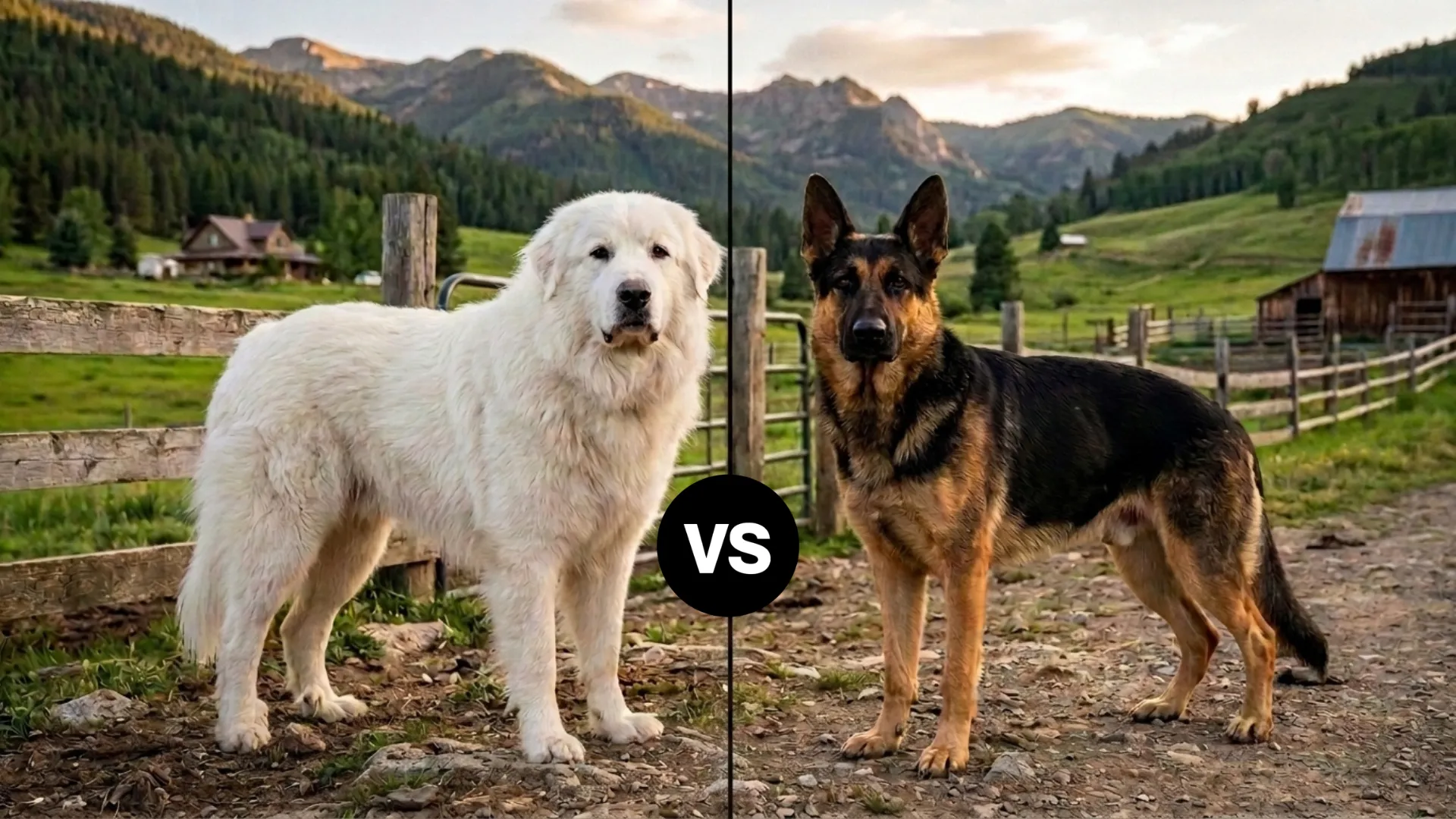
Two legends of the dog world, the German Shepherd Dog and the Great Pyrenees, show how dramatically two powerful dogs can differ while still being equally admired. At first glance, both dogs look strong, confident, and protective, but their purpose in the world of dogs is unique.
The German Shepherd Dog is one of the most popular herding dogs and working dogs, known for intelligence, speed, and high energy levels. In contrast, the Great Pyrenees is a giant breed livestock guardian dog, built for calm observation, patience, and steady protection of animals in open fields.
Both dogs are naturally protective, yet one thrives on action and constant mental stimulation, while the other prefers quiet independence and long periods of alone time.
Understanding these differences in temperament, training needs, and energy helps reveal why each breed behaves so differently in homes, around kids, and with other pets in everyday life settings.
Things to Know About Great Pyrenees vs. German Shepherd Dog Breeds
Size & Build Difference
The Great Pyrenees is a large, thickly coated, and immensely powerful working dog bred to deter predators on snowy mountaintops. This giant breed often stands up to 32 inches at the shoulder and can weigh over 100 pounds, giving it a strong, solid frame built for endurance rather than speed.
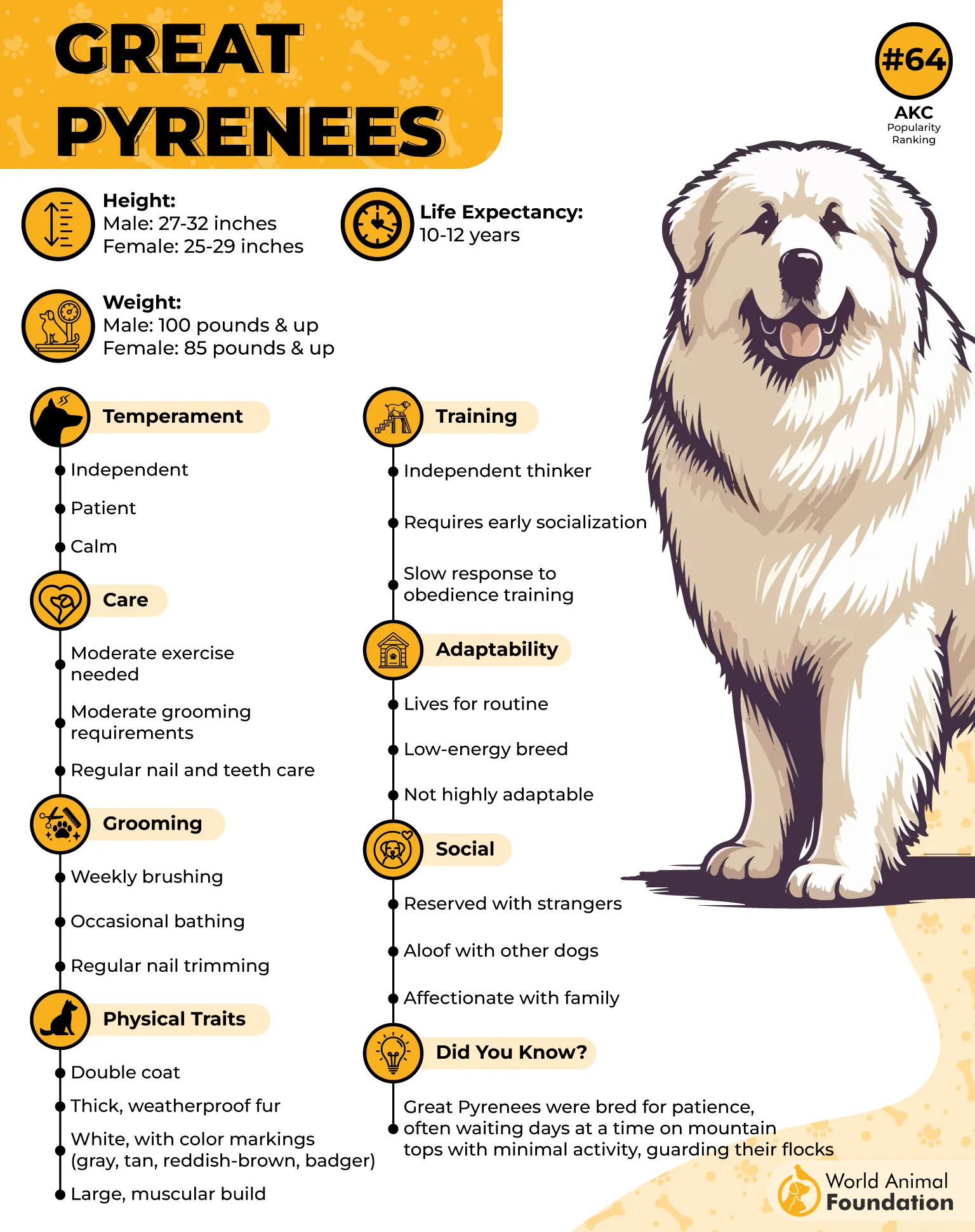
Its thick double coat is weatherproof, helping it survive extreme cold while working independently in open landscapes, as per the AKC.
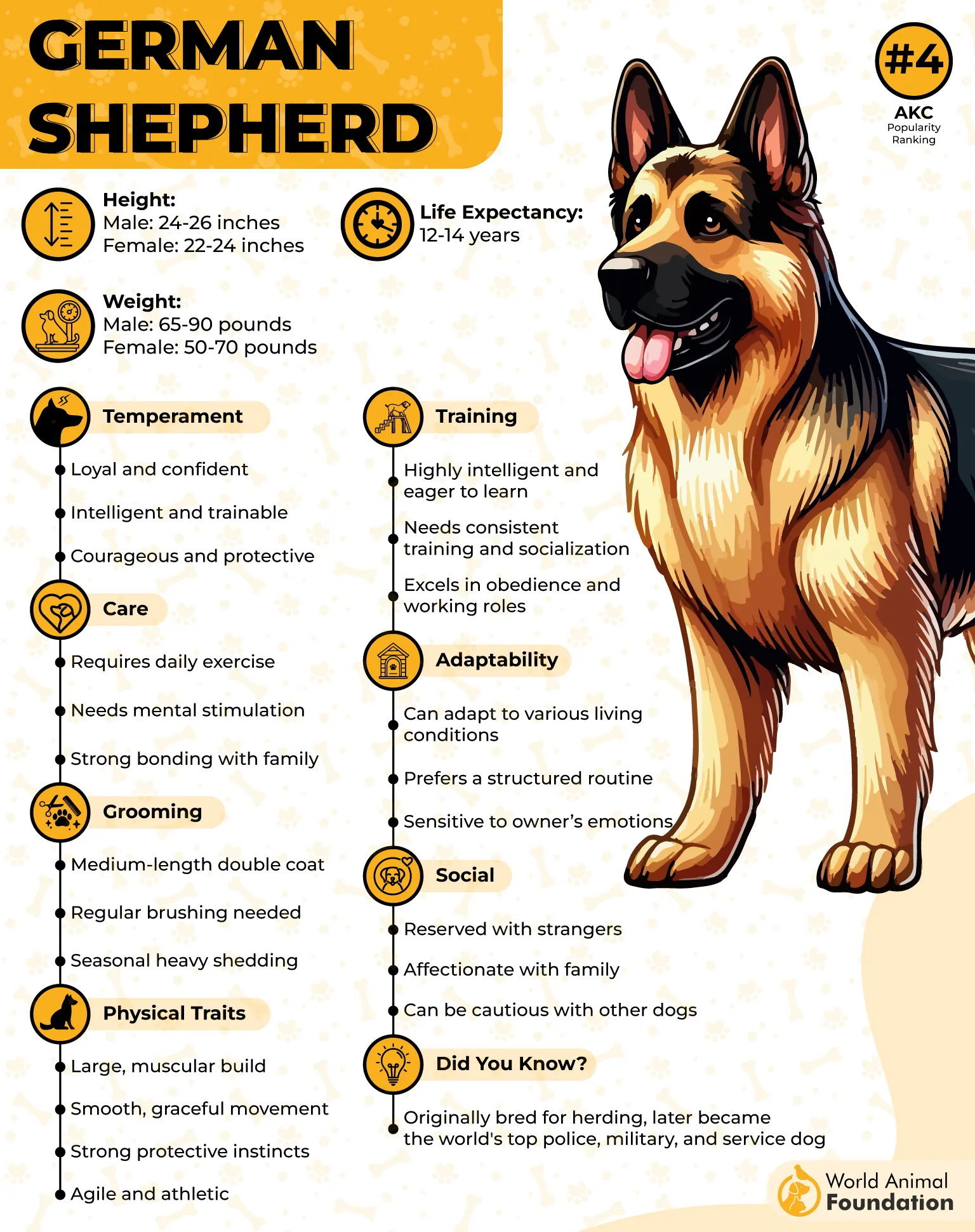
The German Shepherd Dog, in contrast, is large but more agile and athletic, standing up to around 26 inches. This intelligent working dog is built for smooth movement, speed, and versatility, with a double coat that supports active duty and outdoor work. Its structure reflects a dog designed for performance, control, and quick response.
Quick points to know:
The Great Pyrenees is heavier, calmer, and more endurance-focused
German Shepherd Dog is faster, more agile, and highly trainable
Both have protective instincts, but different working roles
The Great Pyrenees is a livestock guardian, and the German Shepherd Dog is a versatile working companion
Temperament & Personality
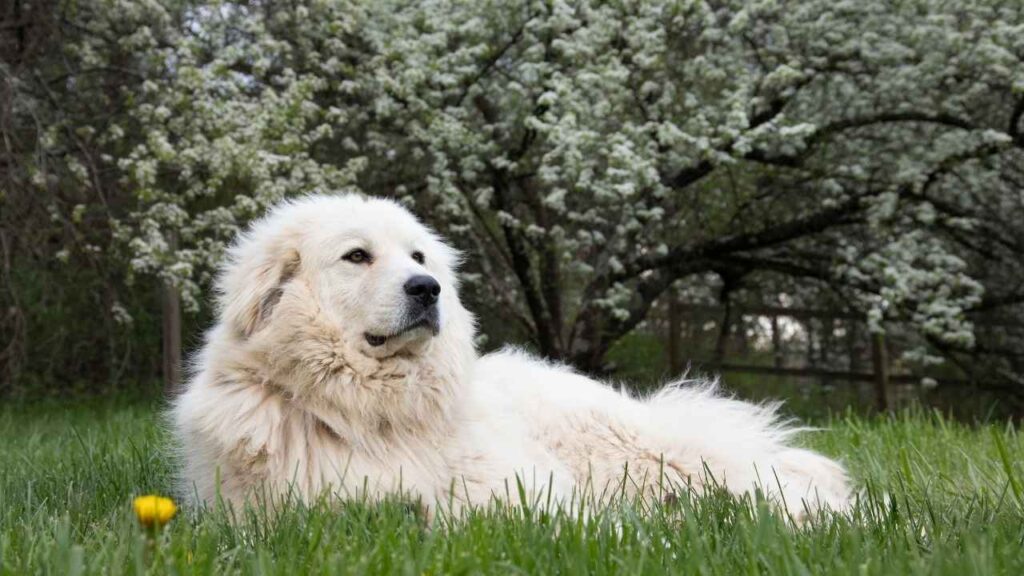
The Great Pyrenees, often called Pyr, is a gentle giant among dogs, known for its calm loyalty and deeply affectionate nature toward family. These dogs are generally very gentle with kids and can also get along well with other pets when properly socialized.
Pyr puppies are especially adorable—soft, fluffy, and friendly—but they grow into large, steady guardians with a quiet confidence. As livestock guardian dogs, they are naturally watchful, which is why they may bark at night to alert owners of anything unusual. Still, their overall temperament remains patient, loving, and steady in most home environments.
The German Shepherd Dog, in contrast, is energetic, intelligent, and highly driven. This working dog breed is widely used in police, military, search and rescue, and service roles due to its sharp instincts and trainability.
As per Britannica, German Shepherds are loyal, protective, and excellent with families, including children and seniors, but they need consistent training and mental stimulation. Without guidance, their strong protective nature can become overbearing, as they are quick learners who also like clear leadership in daily life.
Quick points to know:
The Great Pyrenees is calm, gentle, and naturally a livestock guardian with a patient temperament
The German Shepherd Dog is energetic, highly intelligent, and strongly driven as a working dog
Pyr is more independent and watchful, often barking to alert at night
The German Shepherd Dog needs structured training and mental stimulation to stay balanced
Exercise & Energy Levels
The Great Pyrenees may be a giant breed, but it is not a high-energy dog. As a livestock guardian, it still needs daily exercise to stay healthy and balanced, usually around 30 to 40 minutes of walking, though up to two hours of light activity can suit it well.
This calm working dog is not built for running alongside owners or intense athletic routines. Instead, it prefers slow walks, patrolling, and independent roaming in a large, well-fenced yard where it can observe its surroundings. Because of its thick double coat, special care is needed in hot weather, as the breed can overheat easily, while cold conditions suit it very well.
The German Shepherd Dog, on the other hand, is a highly athletic working dog with strong physical and mental energy. It needs frequent exercise that combines movement and mental stimulation, such as agility, tracking, or protection work.
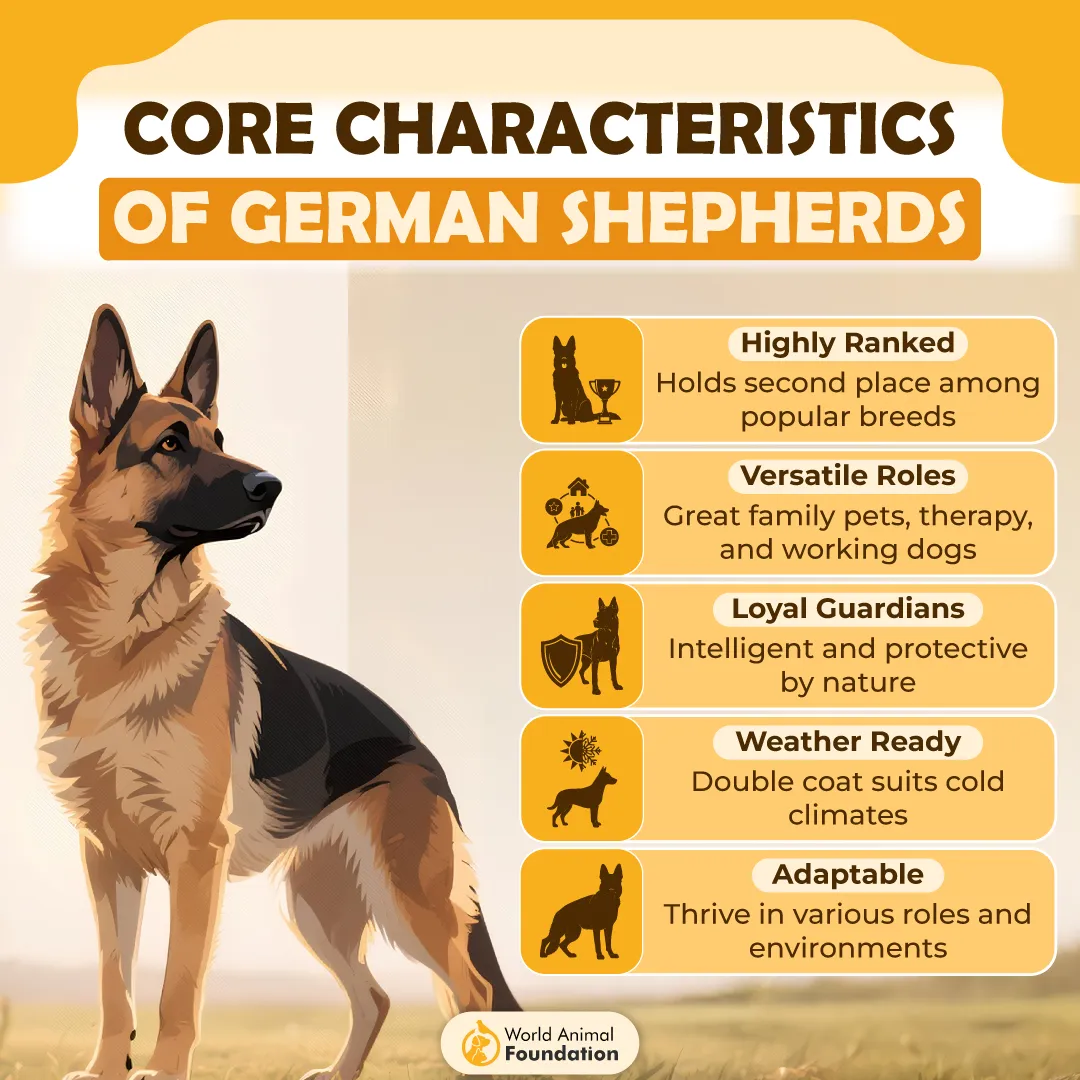
This intelligent herding dog breed enjoys structured activities, interactive play, and challenging tasks. It can swim, jump, and chase toys, but truly thrives when both mind and body are actively engaged every day.
Quick points to know:
The Great Pyrenees needs moderate daily exercise with slow walks and patrol-style activity
The German Shepherd Dog requires high physical and mental stimulation through training and work
Pyr prefers independent roaming in a fenced area, not intense running or sports
German Shepherd Dog excels in agility, tracking, and active working exercises
Training & Intelligence
The Great Pyrenees was originally bred as an independent flock guardian, and that instinct is still very strong today. This giant breed tends to think on its own, which can make training a bit more challenging for first-time owners. That’s why obedience classes and structured guidance are often recommended, especially during the puppy stage, as per PetMD.
Early socialization is also important, helping the dog become comfortable with different people, pets, and environments. With consistency, patience, and positive reinforcement, the Great Pyrenees can become a well-mannered and reliable companion.
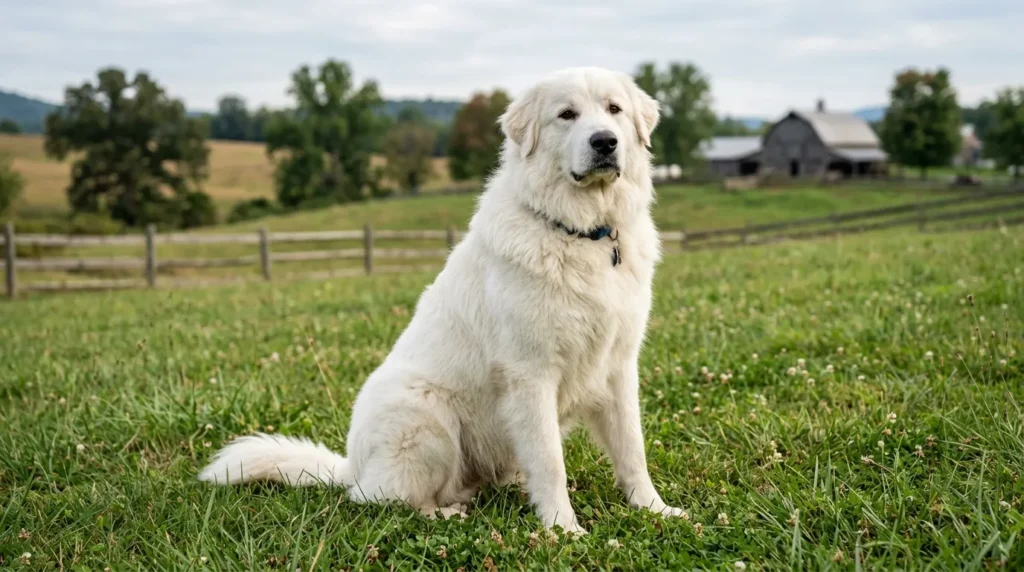
The German Shepherd Dog, on the other hand, is one of the smartest and most trainable working dogs. It learns quickly, responds well to commands, and thrives on structure and mental stimulation. However, because of its intelligence and strong drive, it needs consistent training and early socialization to prevent unwanted behaviors like chasing or over-guarding.
This herding dog breed performs best with reward-based training, clear leadership, and regular mental challenges. It is often suited for experienced owners who can match its energy and focus.
Quick points to know:
The Great Pyrenees is independent and intelligent, but can be stubborn in training
The German Shepherd Dog is highly intelligent, obedient, and quick to learn commands
Pyr needs patience, consistency, and early socialization
German Shepherd Dog thrives on structured training, mental stimulation, and strong guidance
Vocal Behavior
The Great Pyrenees is a natural guardian, originally bred to protect livestock in the mountains, and barking is a key part of its communication style. This giant breed uses its voice to alert owners about strangers, unusual movement, or anything it considers a threat.
It may also bark out of boredom, loneliness, or anxiety when left without enough stimulation. Because of its territorial instincts, it will often bark to protect its space and signal perceived intruders, making it a reliable but very vocal watchdog in home environments.
The German Shepherd Dog, on the other hand, is also naturally vocal due to its working dog background. Originally bred in Germany for herding and protection work, this intelligent breed uses barking to warn, communicate, and respond to distant sounds or movement.
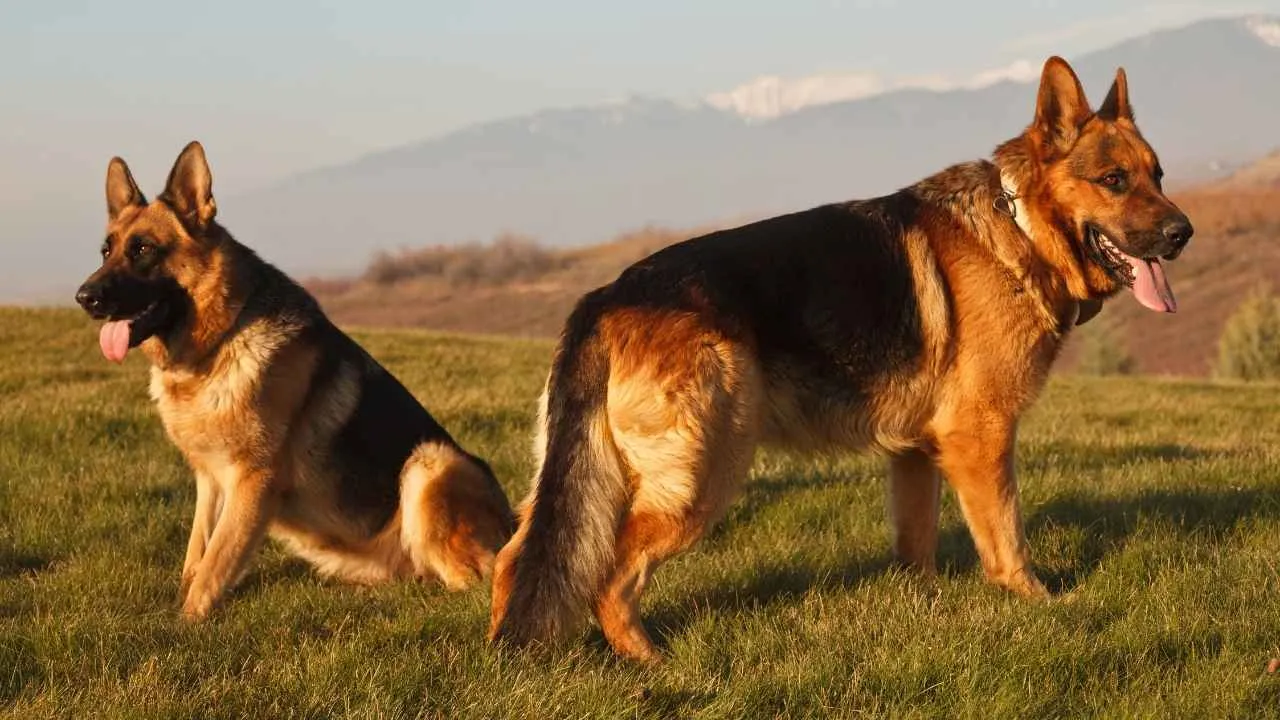
Its strong sense of smell and awareness can trigger vocal reactions when it detects unfamiliar people or animals. In some cases, this herding dog breed may also howl, influenced by its wolf ancestry, or vocalize when bored, under-exercised, or emotionally stimulated.
Quick points to know:
The Great Pyrenees is a frequent alert barker due to strong livestock guardian instincts
The German Shepherd Dog barks and howls as a response to stimuli, training, or boredom
Pyr barking is more territorial and watchful in nature
German Shepherd Dog vocalization is linked to awareness, communication, and working drive
Grooming & Coat Care
The Great Pyrenees is known for its majestic white coat, featuring a long outer layer and a soft undercoat. This thick double coat is naturally resistant to dirt and tangles, which makes maintenance easier than expected for such a large dog. However, the Great Pyrenees is still a heavy shedder, so regular grooming is important to manage loose fur.
A weekly brushing routine, ideally around 30 minutes, helps keep the coat healthy and reduces shedding around the house. Overall, skin care is usually straightforward, as this breed does not commonly have sensitive skin, but flea and tick prevention is essential due to its outdoor nature.
The German Shepherd Dog has a very different coat structure, with a dense double coat consisting of a soft undercoat and a harsh, tight outer coat. This working dog sheds heavily throughout the year, especially during seasonal coat blows. Daily brushing with a pin brush is often recommended to control shedding and keep the coat clean.
Baths are only needed a few times a year, as over-bathing can remove natural oils that protect the skin and coat. Regular grooming plays a key role in managing this highly active dog breed.
Quick points to know:
The Great Pyrenees needs weekly brushing and sheds heavily, but is relatively low-maintenance
The German Shepherd Dog requires daily brushing due to constant heavy shedding
Both breeds have a double coat that needs seasonal care and management
Over-bathing can harm coat health in the German Shepherd Dog, so minimal bathing is best
Health Issues & Lifespan
The Great Pyrenees and the German Shepherd Dog are both strong working breeds, but each comes with important health considerations that owners should be aware of early on.
The Great Pyrenees, a giant breed livestock guardian, is commonly affected by conditions such as hip and elbow dysplasia, eye disorders, luxating patellas, neurological issues, and bloat. Some dogs may also face cancer and endocrine conditions like Addison’s disease (canine hypoadrenocorticism), as per WebMD.
Regular vet care, responsible breeding, and weight management play a key role in keeping this gentle giant healthy, and its typical lifespan is around 10–12 years.
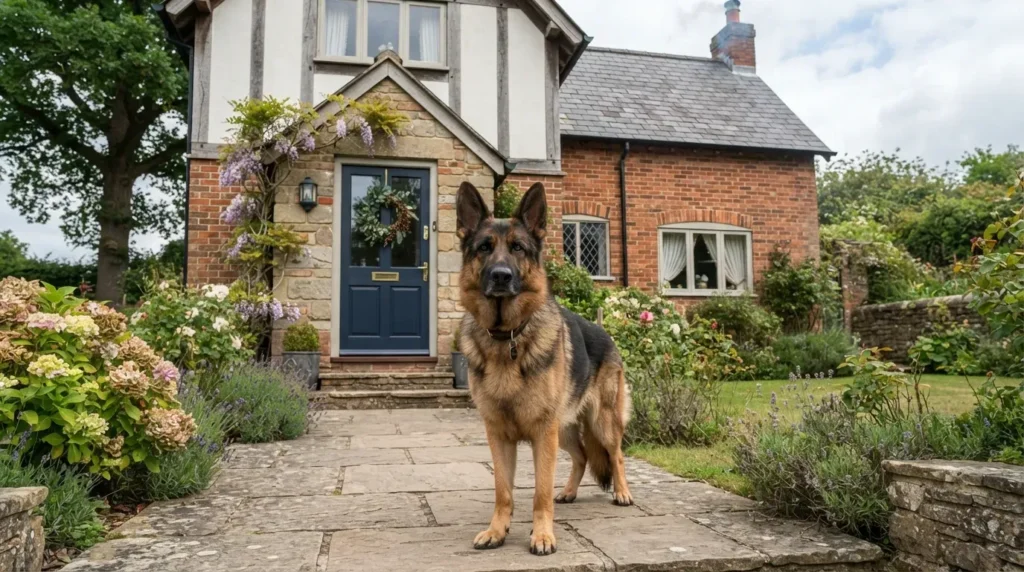
The German Shepherd Dog, a highly active working breed, is prone to degenerative myelopathy, hip and elbow dysplasia, bloat (gastric dilation-volvulus), allergies, cancer, and heart disease. Because of these risks, early screening, structured exercise, and preventive veterinary care are essential for long-term well-being in this intelligent herding dog breed.
Quick points to know:
Great Pyrenees commonly face dysplasia, bloat, eye issues, and Addison’s disease
German Shepherd Dog is prone to degenerative myelopathy, dysplasia, and heart-related conditions
Both breeds are at risk of bloat and certain cancers
Preventive vet care and responsible breeding are essential for both dogs
Guard & Protection Instincts
The Great Pyrenees is a calm and independent livestock guardian dog, originally bred to protect sheep in mountainous regions. It relies on steady vigilance rather than constant action, often watching quietly and stepping in only when a real threat appears. This breed is naturally territorial and protective, but it expresses it in a composed, patient way rather than high alert excitement.
The German Shepherd Dog is a highly active and intelligent working dog with strong protective instincts. It is known for quick response, sharp awareness, and excellent trainability, which is why it is widely used in police, military, and security roles. Unlike the Pyrenees, it reacts fast to movement and commands, making it a more dynamic and control-focused protector.
Quick points to know:
The Great Pyrenees is a calm, independent, and steady livestock guardian
The German Shepherd Dog is an active, fast-reacting, and highly trainable protector
Pyr relies on quiet vigilance rather than immediate response
German Shepherd Dog excels in structured protection, security, and working tasks
Conclusion
In the end, both the Great Pyrenees and the German Shepherd Dog are loyal, intelligent working breeds, but they suit very different lifestyles. The Great Pyrenees is calm, independent, and a natural livestock guardian that offers steady, quiet protection. The German Shepherd Dog is energetic, highly trainable, and thrives as a versatile working dog in active, structured environments.
Your choice depends on your routine, space, and experience with dogs. If you prefer a gentle, watchful companion, the Pyrenees fits well. If you want an active, focused partner for training and tasks, the German Shepherd Dog is a better match. Either way, both dogs reward commitment with deep loyalty and a strong bond that lasts a lifetime.
