




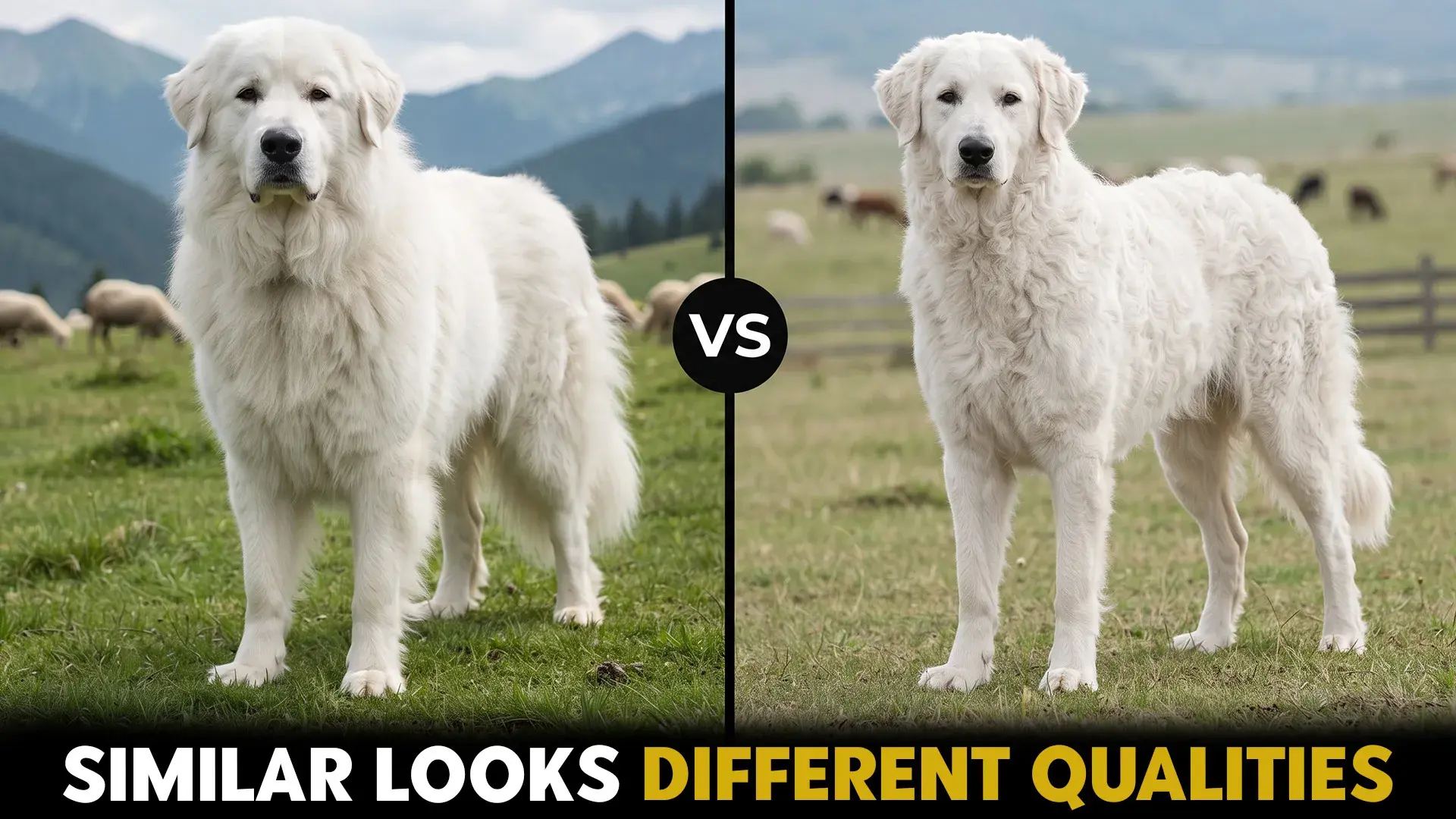
The Great Pyrenees and Kuvasz are two impressive livestock guardian breeds with long histories of protecting animals and property. Both are large, powerful, independent dogs that can remain vigilant without constant direction from their owners.
The Great Pyrenees developed in the mountainous regions between France and Spain, where it guarded sheep and other livestock against predators. The Kuvasz has Hungarian roots and was also valued as a livestock guardian and estate protector.
Both breeds were expected to make decisions independently, remain attentive to potential threats, and coexist closely with the animals they protected.
Neither breed should be considered a simple obedience dog or an automatic protection dog. Their independence is an important part of their working identity, and successful ownership requires secure fencing, early socialization, appropriate training, and an understanding of their natural guarding instincts.
Comparing their qualities provides a clearer picture of which breed may fit a particular farm, property, or family environment.
Great Pyrenees Dog Breeds vs. Kuvasz: Top Qualities
1. Origins & Purpose
Great Pyrenees’ Mountain Guardian Heritage
The Great Pyrenees originated in the mountainous regions between France and Spain, where shepherds relied on large dogs to protect sheep and other livestock from predators. Their thick coats and independent nature allowed them to work in challenging outdoor environments.
The breed eventually became associated with French nobility and estates, but its livestock-guardian heritage remained an important part of its identity. Rather than constantly following a shepherd’s commands, the Great Pyrenees was expected to observe its surroundings and make decisions independently.
Kuvasz’s Hungarian Livestock Background
The Kuvasz has a long history in Hungary, where it served as a livestock guardian and property protector. Its ancestors were large working dogs valued for their courage, strength, and ability to remain vigilant around herds.
The breed’s protective responsibilities eventually extended beyond livestock. Its loyalty and imposing presence also made it useful for guarding estates and important properties.
Key difference: Both breeds were created for independent guarding, but their historical settings differed. The Great Pyrenees is especially connected with mountain sheep protection, while the Kuvasz developed a broader association with Hungarian livestock and estate guarding.
2. Size & Physical Build
Great Pyrenees’ Powerful and Substantial Frame
The Great Pyrenees has a large, sturdy body with strong bones, a broad chest, and a muscular frame. Its abundant white coat adds to its impressive appearance and provides insulation against cold outdoor conditions.
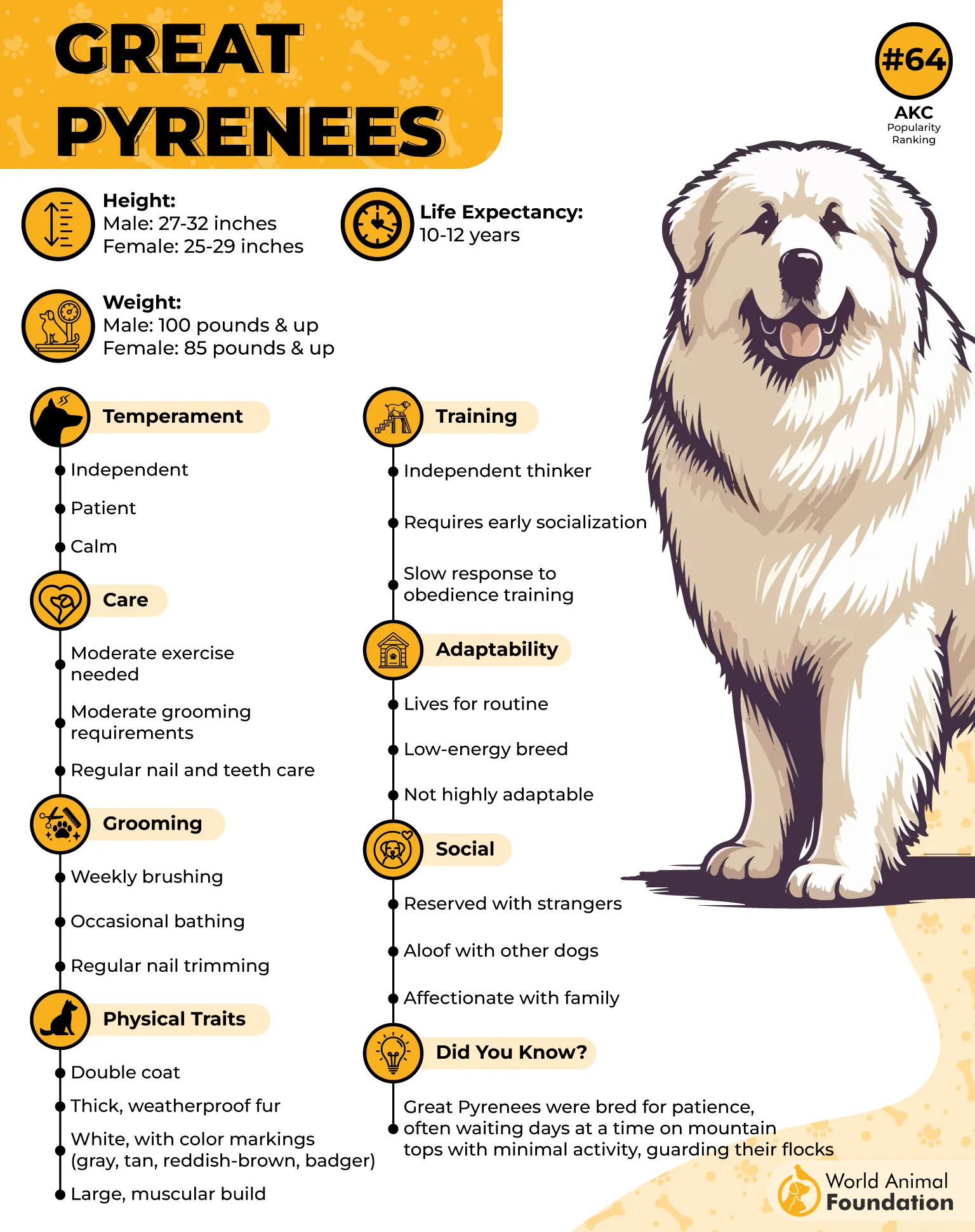
Although massive, the breed was not designed for constant speed. Its structure is better suited to steady movement and extended periods of patrolling around livestock.
Kuvasz’s Athletic Guardian Structure
The Kuvasz is also a large and powerful dog, but its body generally has a more athletic and streamlined appearance. Strong legs and balanced proportions allow it to move efficiently across large areas.
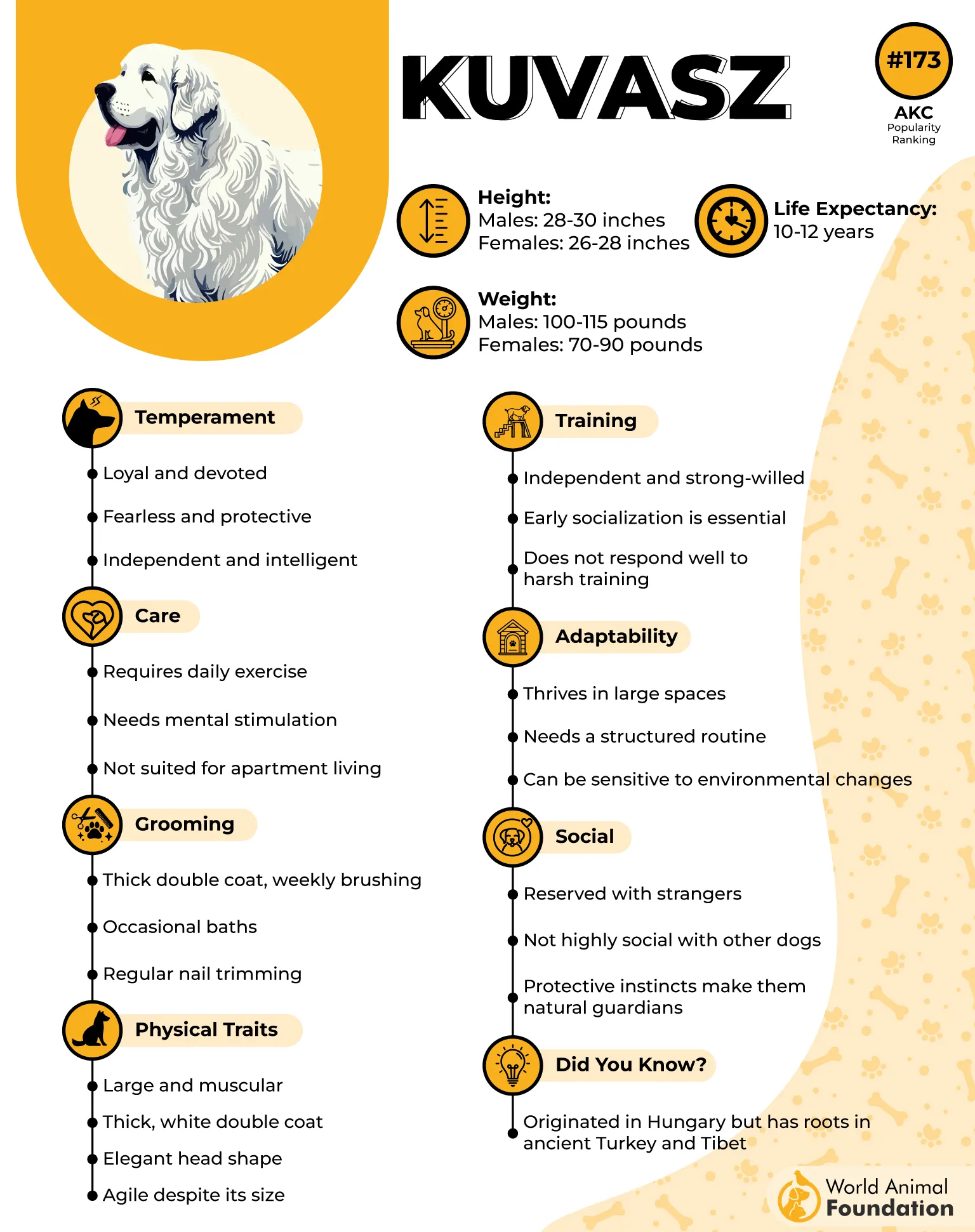
Its physical design reflects a guardian that needed both strength and mobility. This combination allowed the Kuvasz to monitor livestock and respond quickly when a potential threat appeared.
Key difference: The Great Pyrenees generally has a heavier, more substantial appearance, while the Kuvasz tends to look more athletic and streamlined. Both have the strength needed for guarding, but the Kuvasz often gives a more agile impression.
3. Temperament & Personality
Great Pyrenees’ Calm and Protective Nature
Great Pyrenees dogs are often patient, devoted, and composed with their families and livestock. They can be affectionate toward familiar people while remaining cautious about unfamiliar individuals entering their territory.
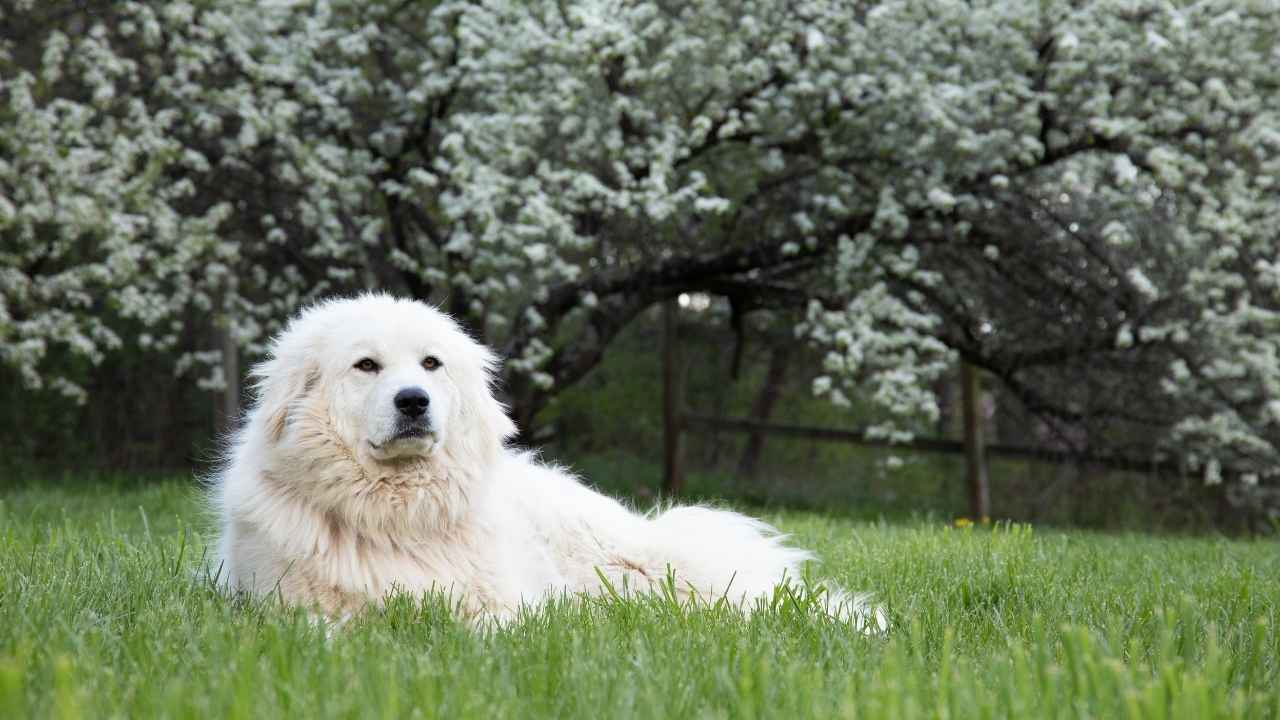
Their protective instincts can become particularly noticeable at night when they may patrol and bark at unusual sounds. Early socialization helps them understand that ordinary household activity does not always require a defensive response.
Kuvasz’s Confident and Independent Character
The Kuvasz is typically intelligent, loyal, confident, and naturally protective. It may be reserved with strangers and can take its responsibility for watching over its family seriously.
Its independent temperament means it benefits from clear expectations and consistent guidance. Without proper socialization, its natural suspicion can become difficult to manage around visitors or unfamiliar situations, as per Hill’s Pet.
Key difference: Both breeds are devoted guardians, but the Great Pyrenees is often recognized for a calmer and more patient disposition. The Kuvasz can be more assertive and intensely independent, making early training especially valuable.
4. Exercise & Energy Levels
Great Pyrenees’ Steady Activity Requirements
The Great Pyrenees does not generally need nonstop strenuous exercise. Its traditional work involved walking around livestock, monitoring territory, and responding when necessary rather than running continuously.
Daily walks, supervised outdoor time, and opportunities to explore a secure area can provide suitable activity. Mental engagement is also important for dogs that no longer have livestock to guard.
Kuvasz’s Athletic Need for Movement
The Kuvasz can have greater physical energy and benefits from regular opportunities to walk, explore, and remain active. Its athletic build allows it to cover considerable distances when performing its guardian duties.
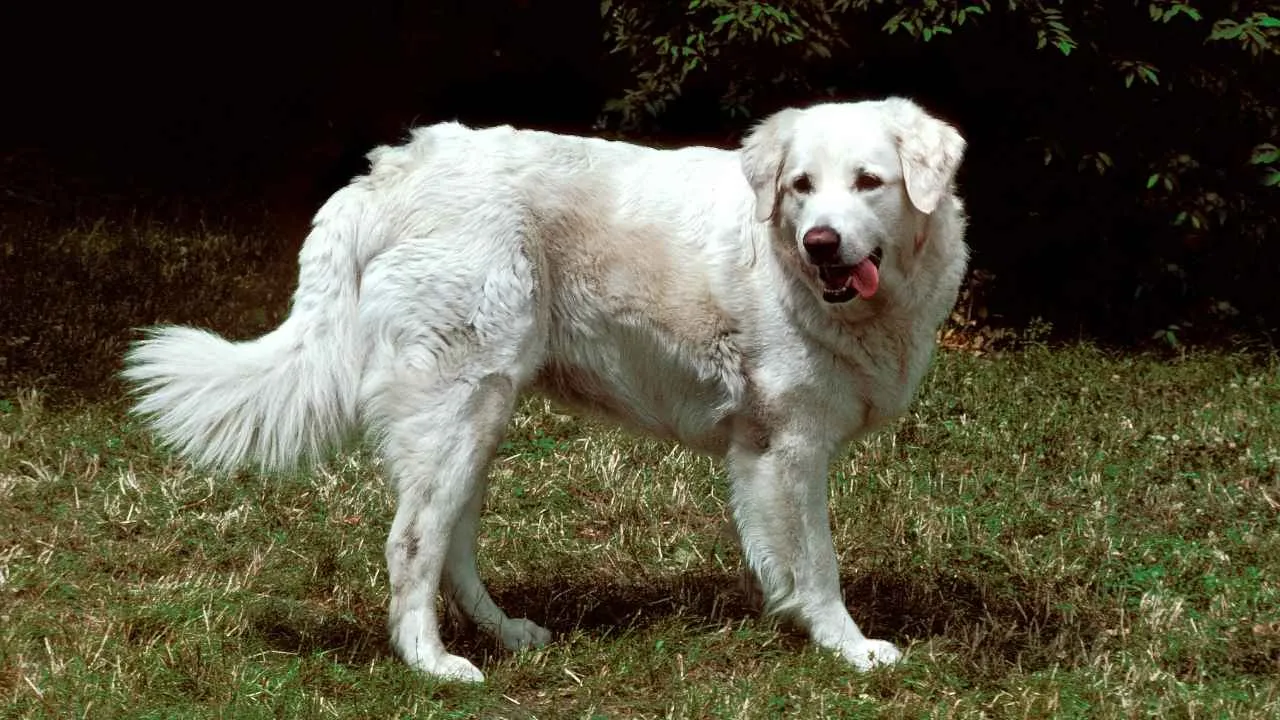
A secure yard or farm can provide valuable space, but exercise should still be combined with training and interaction. Simply leaving the dog outdoors for long periods does not replace meaningful engagement.
Key difference: The Great Pyrenees is generally comfortable with moderate, purposeful activity, while the Kuvasz can have a more athletic energy level. Both need regular movement, but the Kuvasz may appeal more to owners seeking an active guard dog.
5. Training & Intelligence
Great Pyrenees’ Independent Learning Style
Great Pyrenees dogs are intelligent, but their intelligence is closely tied to their independent working history. They were expected to assess situations without waiting for a human to provide instructions at every moment.
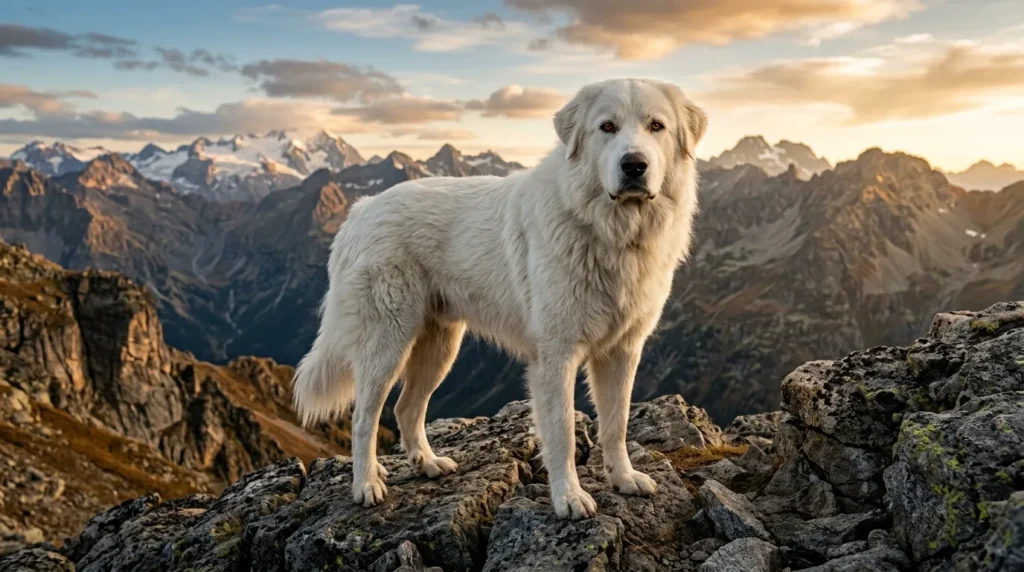
Training therefore works best when owners use patience, consistency, and positive reinforcement. Clear boundaries and early socialization can help a Great Pyrenees understand when its guarding instincts are appropriate.
Kuvasz’s Intelligent and Strong-Willed Mind
The Kuvasz is also capable of learning quickly but may not always respond with the eagerness of breeds developed primarily for close handler cooperation. Its independent judgment is part of what made it successful as a guardian.
Training should begin early and remain consistent, as per Purina. Reward-based methods, controlled exposure to new situations, and reliable household rules can help channel its intelligence in a productive direction.
Key difference: Both breeds are intelligent but independent thinkers. The Great Pyrenees may approach training with a slower, more deliberate attitude, while the Kuvasz can be particularly strong-willed and benefits from confident, consistent handling.
6. Coat Maintenance
Great Pyrenees’ Thick Double Coat
The Great Pyrenees has a dense double coat that protects it from cold weather. Its predominantly white coat is one of its most recognizable features, but it also means owners should expect considerable shedding.
Regular brushing helps remove loose fur and reduce tangles, particularly during seasonal shedding periods. Nail trimming, dental care, ear checks, and occasional bathing should also be included in its grooming routine.
Kuvasz’s Dense and Wavy Coat
The Kuvasz has a thick white double coat with a texture that can range from wavy to curly. Regular brushing helps remove loose hair and prevents the coat from becoming tangled or matted, as per WebMD.
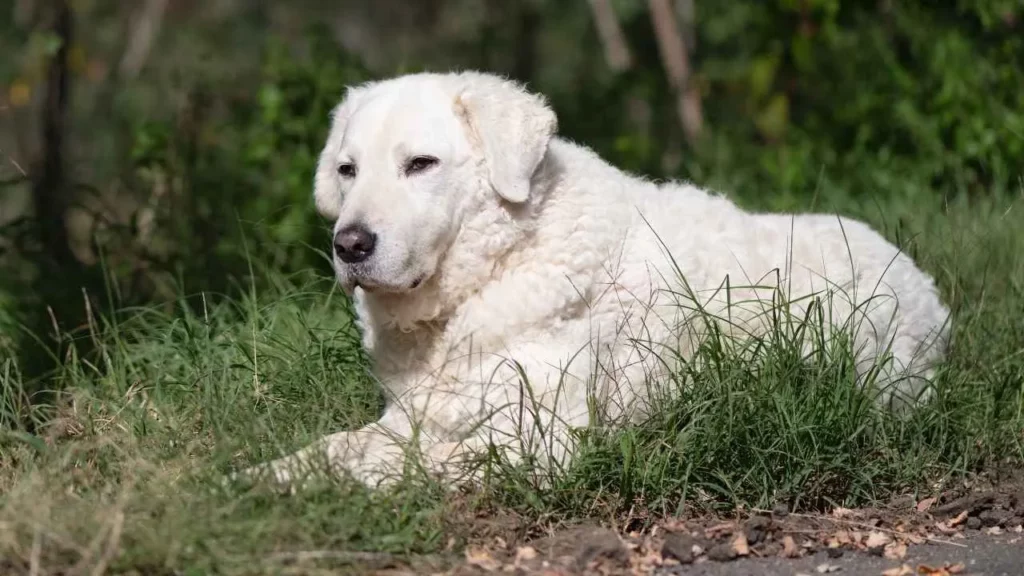
Its coat can also shed seasonally, increasing grooming demands at certain times of the year. Starting grooming routines while the dog is young can make handling a large adult much easier.
Key difference: Both breeds shed and require routine brushing, but their coats have different textures. The Great Pyrenees typically has a fuller, straight outer coat, whereas the Kuvasz commonly has a more wavy or textured appearance.
7. Health & Lifespan
Great Pyrenees’ Large-Breed Health Considerations
The Great Pyrenees generally has a lifespan of around 10–12 years. Like many giant breeds, it can be prone to orthopedic concerns and other health conditions associated with its size, making responsible breeding, weight management, and regular veterinary care especially important.
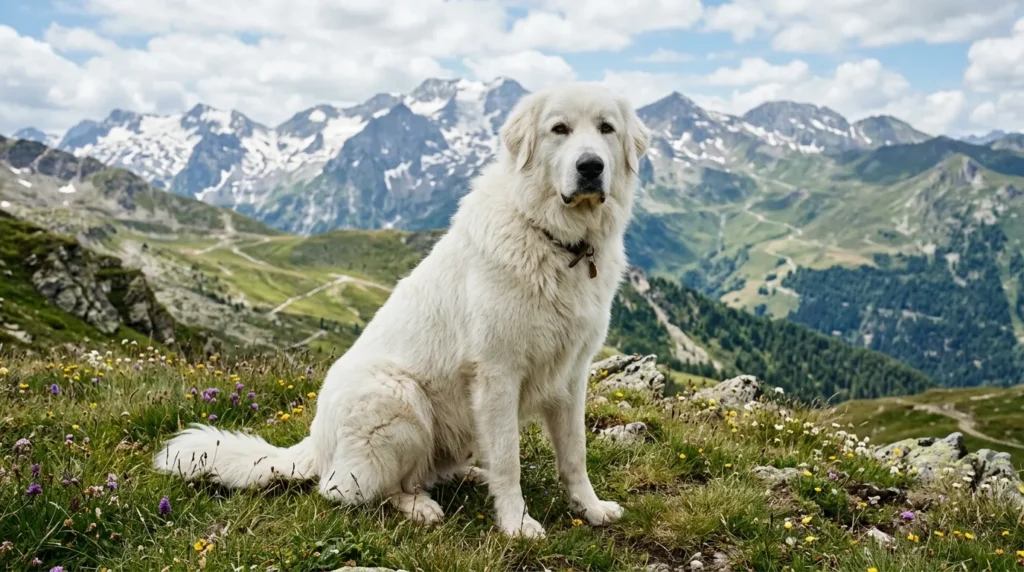
A balanced diet, appropriate exercise, dental care, and routine health checks can support overall well-being. Keeping the dog at a healthy weight is particularly valuable for reducing unnecessary stress on its joints.
Kuvasz’s Need for Careful Health Management
The Kuvasz typically has a lifespan of approximately 10–12 years. Its large frame can make joint and orthopedic health important considerations, while responsible breeding and preventive veterinary care can help reduce the impact of inherited or age-related problems.
Regular exercise, appropriate nutrition, dental maintenance, and monitoring changes in mobility or behavior can help maintain quality of life as the dog grows older.
Key difference: Both the Great Pyrenees and Kuvasz generally have a lifespan of around 10–12 years, so their longevity is quite similar. Their long-term health depends heavily on genetics, weight control, nutrition, preventive care, and maintaining an appropriate level of activity.
8. Suitability as Farm Dog vs. Guard Dog
Great Pyrenees as a Livestock Guardian
The Great Pyrenees remains strongly associated with livestock protection and can be well suited to farms where it has a genuine guarding role. Its calm nature allows it to live among animals while monitoring the surrounding area.
Its large size, deep bark, and territorial awareness can also provide a strong deterrent against predators and unwanted visitors. Secure fencing is essential because some individuals may patrol beyond property boundaries if given the opportunity.
Kuvasz as a Farm and Estate Guardian
The Kuvasz can also excel in agricultural environments, particularly where its alertness, athletic ability, and protective instincts can be put to productive use. Historically, it was trusted to watch livestock and properties without constant human supervision.
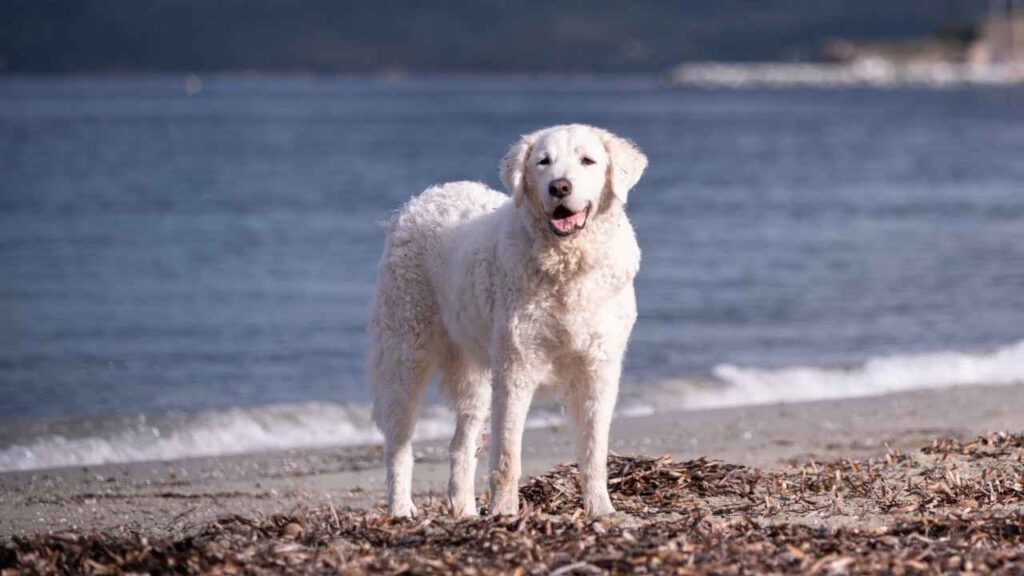
Its independent personality makes proper socialization especially important around visitors and unfamiliar animals. Owners should establish clear boundaries so that the dog’s protective instincts remain manageable.
Key difference: The Great Pyrenees may be especially appealing for traditional livestock-guardian work because of its calm and steady nature. The Kuvasz can be an excellent farm or estate guardian as well, particularly for experienced owners who appreciate a more athletic and assertive working style.
Conclusion
The Great Pyrenees and Kuvasz share many impressive qualities, including loyalty, courage, independence, and strong protective instincts. Their histories as livestock guardians explain why both breeds can make decisions without constant human direction and remain attentive to their surroundings.
The Great Pyrenees often stands out for its patient temperament, massive build, and close association with sheep guarding. The Kuvasz combines a powerful frame with a somewhat more athletic appearance and an assertive personality that can make it particularly effective in demanding guardian roles.
Neither breed is suitable simply because an owner wants a large dog that looks intimidating. Both need secure surroundings, thoughtful socialization, consistent training, regular grooming, appropriate exercise, and owners who understand independent guardian behavior.
For a traditional livestock operation, the Great Pyrenees may be the more natural choice for someone seeking a steady and patient guardian. The Kuvasz can appeal to experienced owners wanting a more athletic and assertive protector. Ultimately, the best choice depends on the dog’s individual temperament and the environment in which it will live and work.
