




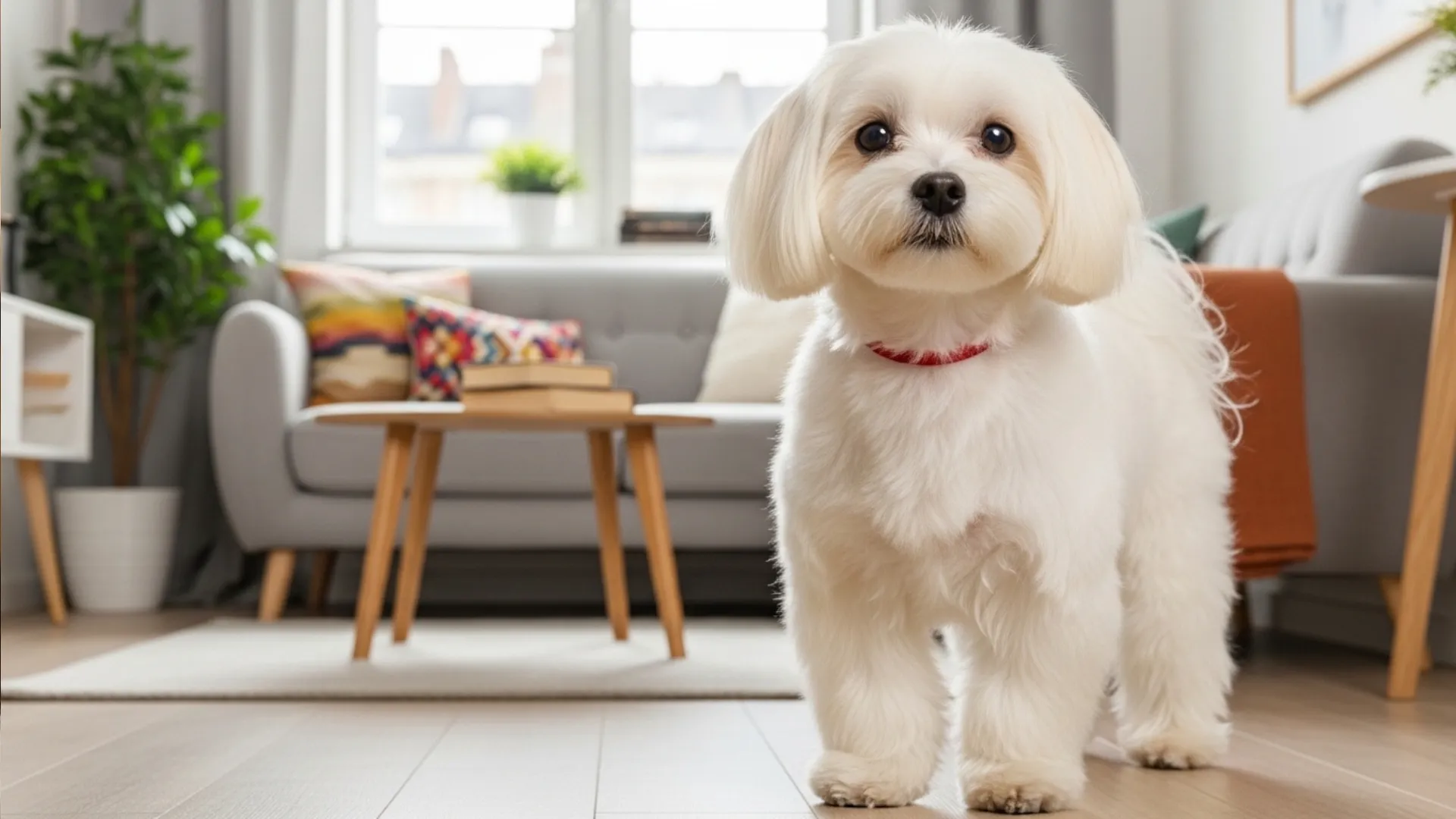
Living in a small apartment or home does not mean that you are not allowed to keep a loving pet. You just need to find the right dog breed that would fit in like a missing puzzle piece. Many dog breeds around the world do not need much space, and that is exactly what you would want.
The right furry friend will not only fit in apartment living, but it will also improve your lifestyle with its calm nature, less stress, and loving companionship rather than mayhem. The furry companions require only basic grooming while they display affectionate behavior towards their family members.
These 10 best dog breeds are known for their gentle temperaments and ability to truly flourish in apartment settings.
Great Dog Breeds to Suit Small Living Areas
1. Cavalier King Charles Spaniel
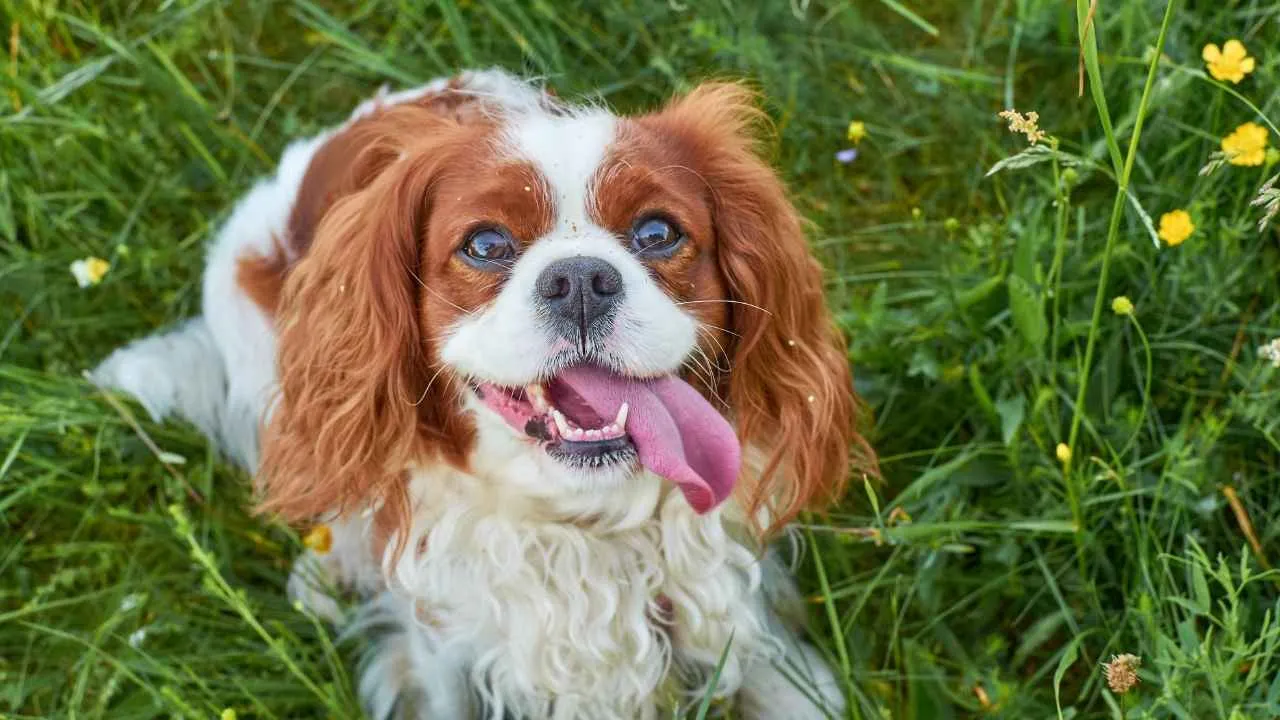
Perfect for apartment dwellers, this breed is designed to integrate seamlessly into daily life. More than just a small dog, the Cavalier King Charles Spaniel is highly intuitive, naturally mirroring your energy and mood.
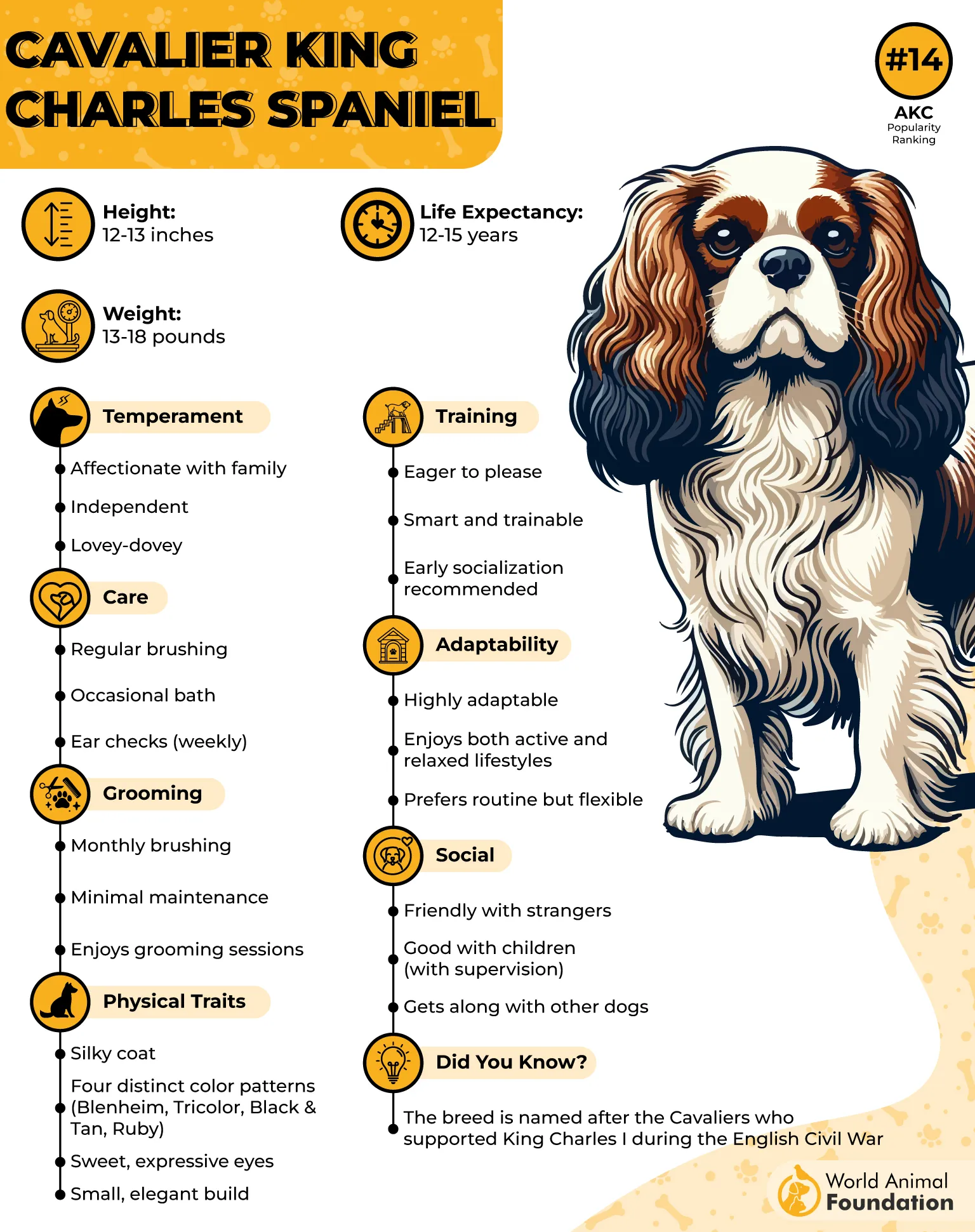
At home, they tend to relax quietly by your side, but the moment you’re up and moving, they’re happy to follow along. This adaptability makes them especially easy to manage in smaller living spaces.
They’re not known for excessive barking, which suits apartment living well. However, they don’t cope well with being left alone for long periods. Without enough companionship, they may develop separation anxiety, which can lead to whining or destructive behavior.
Life Benefit: They do not require a yard. Regular walks and companionship = a well-balanced dog.
Be aware of: Heart issues typical of the breed – regular veterinary check-ups are necessary.
2. Maltese

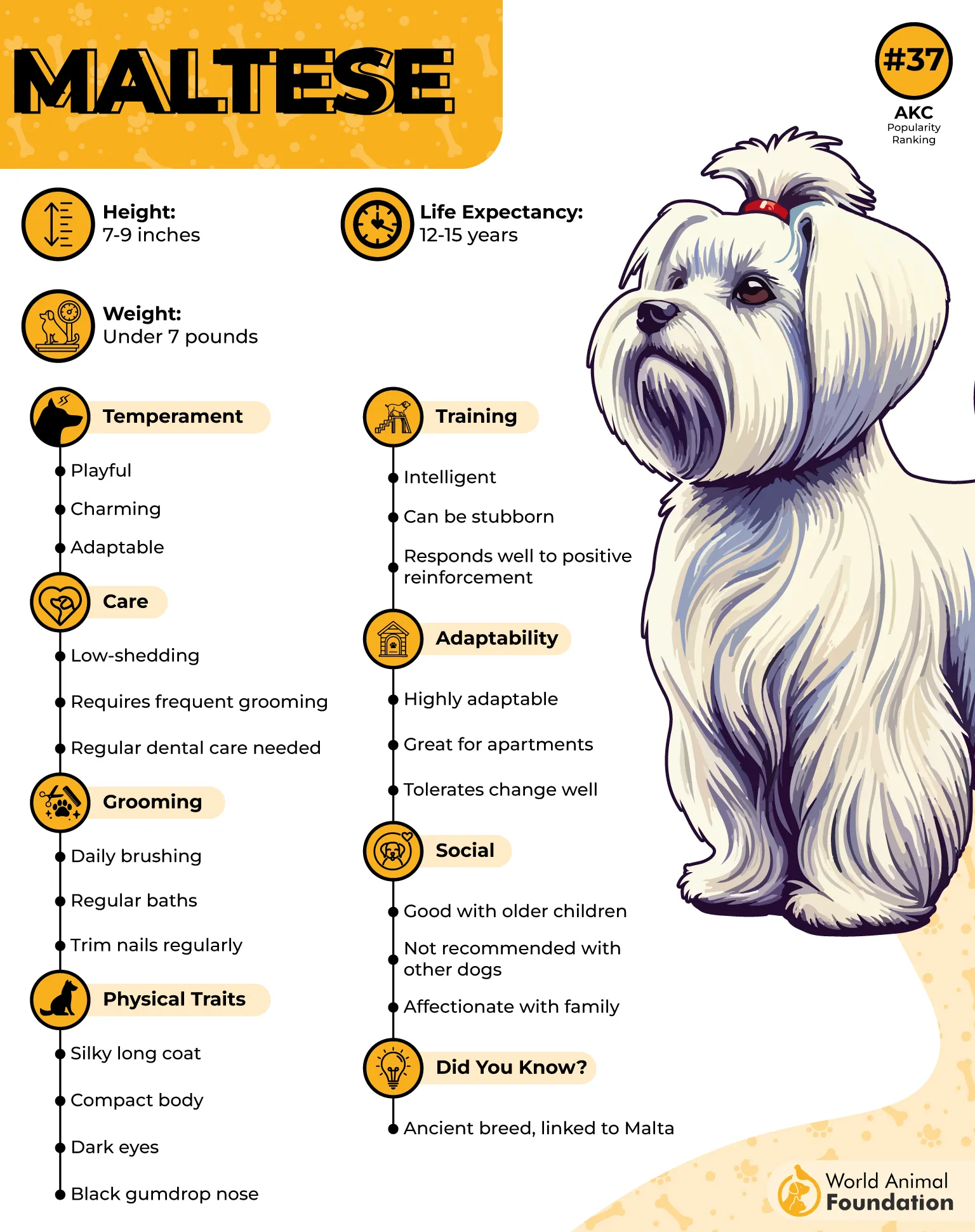
The Maltese is well-suited to indoor living, as it was bred primarily to be a companion rather than a working or hunting dog. It has relatively low exercise needs and doesn’t require constant outdoor activity.
One of the breed’s defining traits is its emotional sensitivity. Maltese dogs form strong bonds with their owners and can become vocal or anxious if they feel ignored or left alone for too long.
Its long coat sheds very little, making it a good option for smaller homes and apartments. However, it requires regular grooming or trimming to stay manageable. Without proper care, maintaining the coat can quickly become time-consuming.
Best for: Individuals who spend a considerable amount of time at home and would like to be with their pet frequently.
Trade-off: Minimal exercise needs, but an increasing grooming commitment.
3. Chihuahua
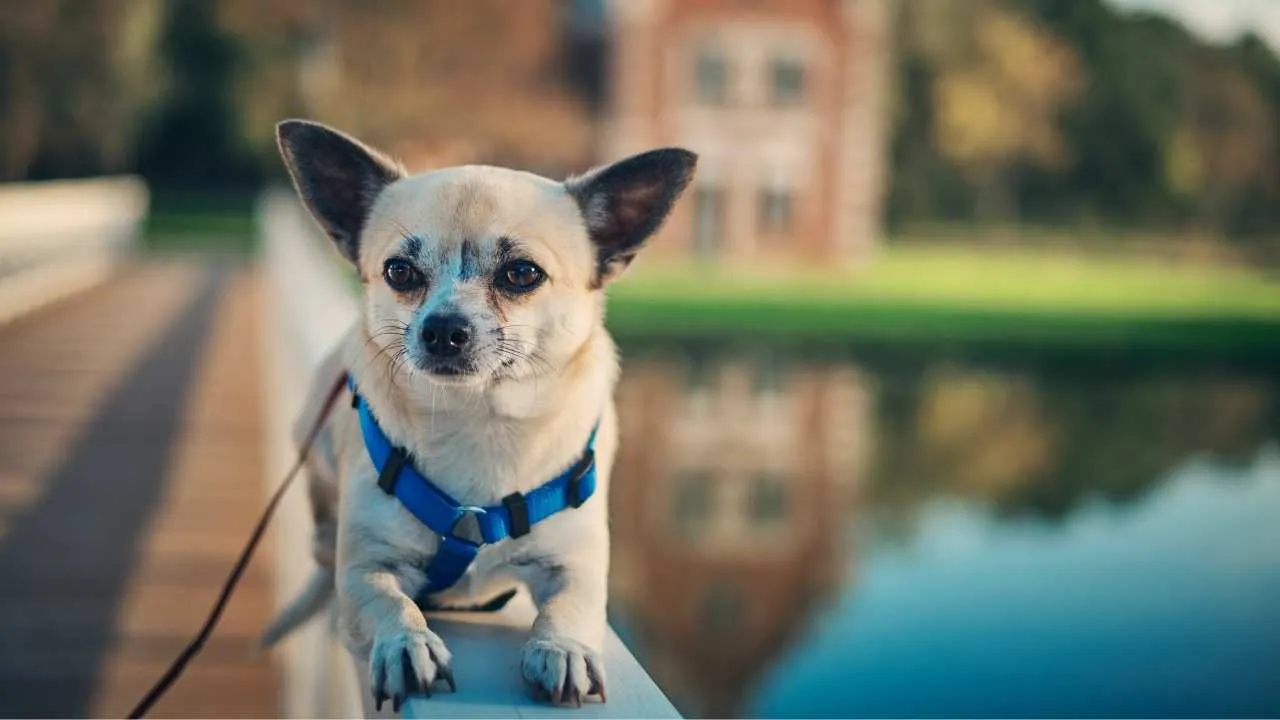
Chihuahuas are often misunderstood. While they’re small and well-suited for apartment living, they are also alert, possessive, and naturally vocal.
This can be both a benefit and a challenge. Their alertness makes them good watchdogs, but without proper training, their tendency to bark can become excessive—especially in smaller homes. Consistent training plays a key role in managing this behavior and making life easier for both you and your dog.
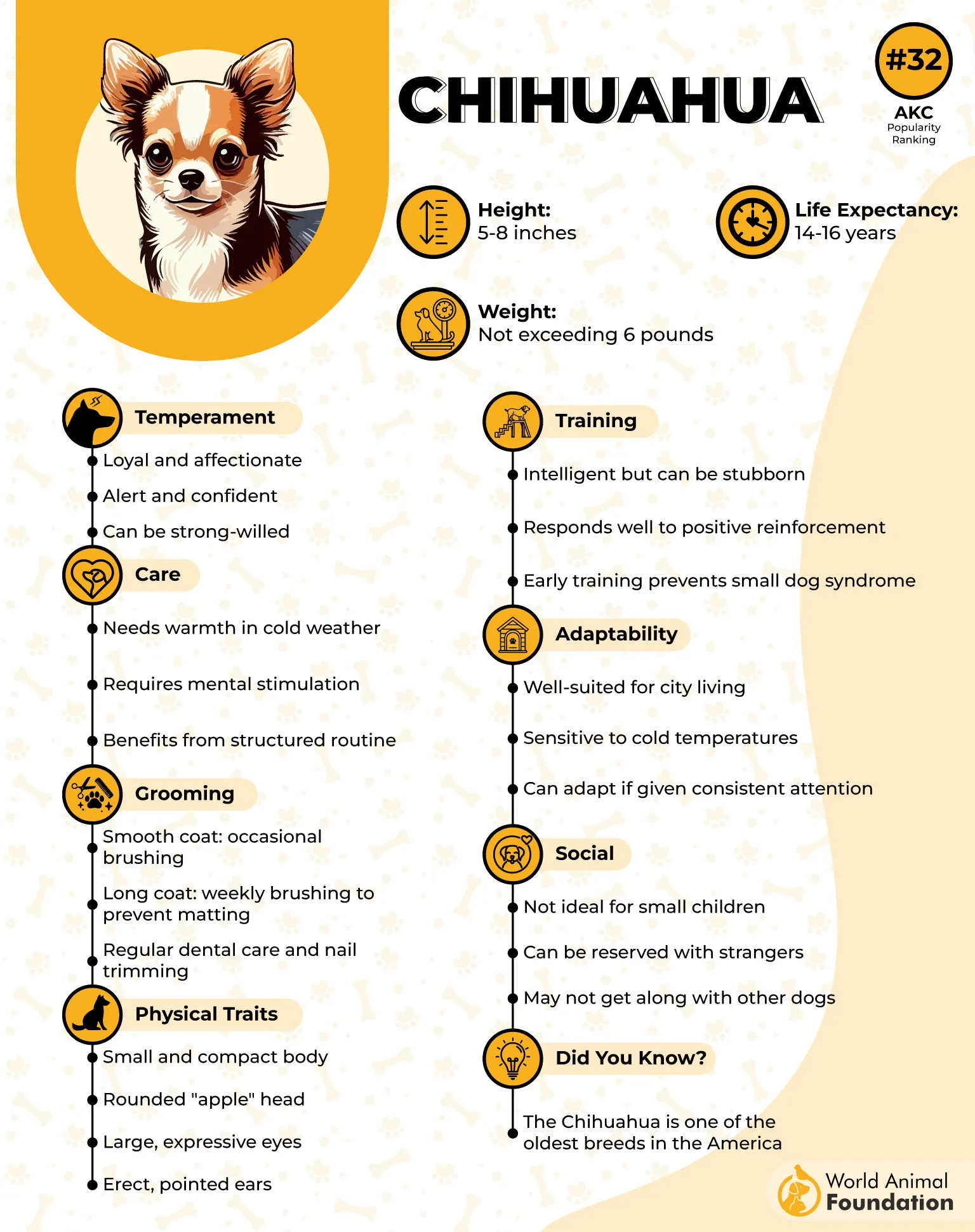
They require very little space and adapt well to compact living environments. However, early socialization and clear boundaries are essential to prevent reactive behavior toward strangers or sudden noises.
Chihuahuas are deeply loyal and often form a strong bond with one person, which can sometimes lead to clingy behavior if not balanced with independence training.
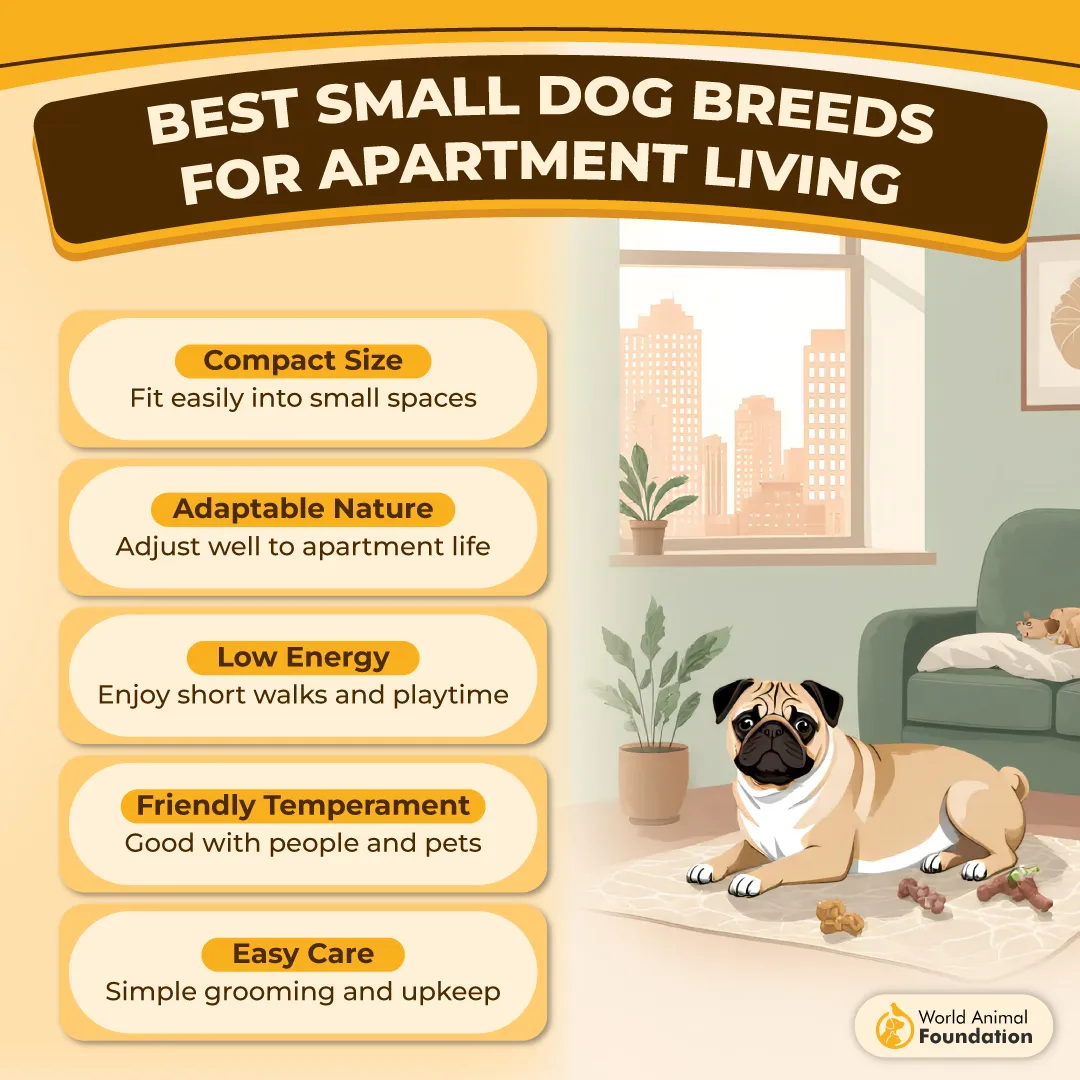
Best with: People or couples looking for the right dog for apartment life, where a small alert dog can thrive.
Helpful Tip: The most important tip is that living space, for this dog, is not as important as the right training.
4. Miniature Dachshund

Dachshunds may be small in size, but they were originally bred for hunting, which makes them naturally curious and determined.
Because of this, they need regular playtime and mental stimulation, even in smaller living spaces. Without enough engagement, they can become bored and may resort to digging, chewing, or excessive barking.
They adapt well to compact homes, but they still need meaningful activities such as puzzle toys, scent games, and daily walks to stay happy and balanced.
Their long back also requires special care. Your home setup matters, as frequent jumping on and off furniture or climbing stairs can put strain on their spine and lead to injury.
Best: Owners who like to play with their dog.
Misconception: Small in size = low mental stimulation requirements.
5. Shih Tzu
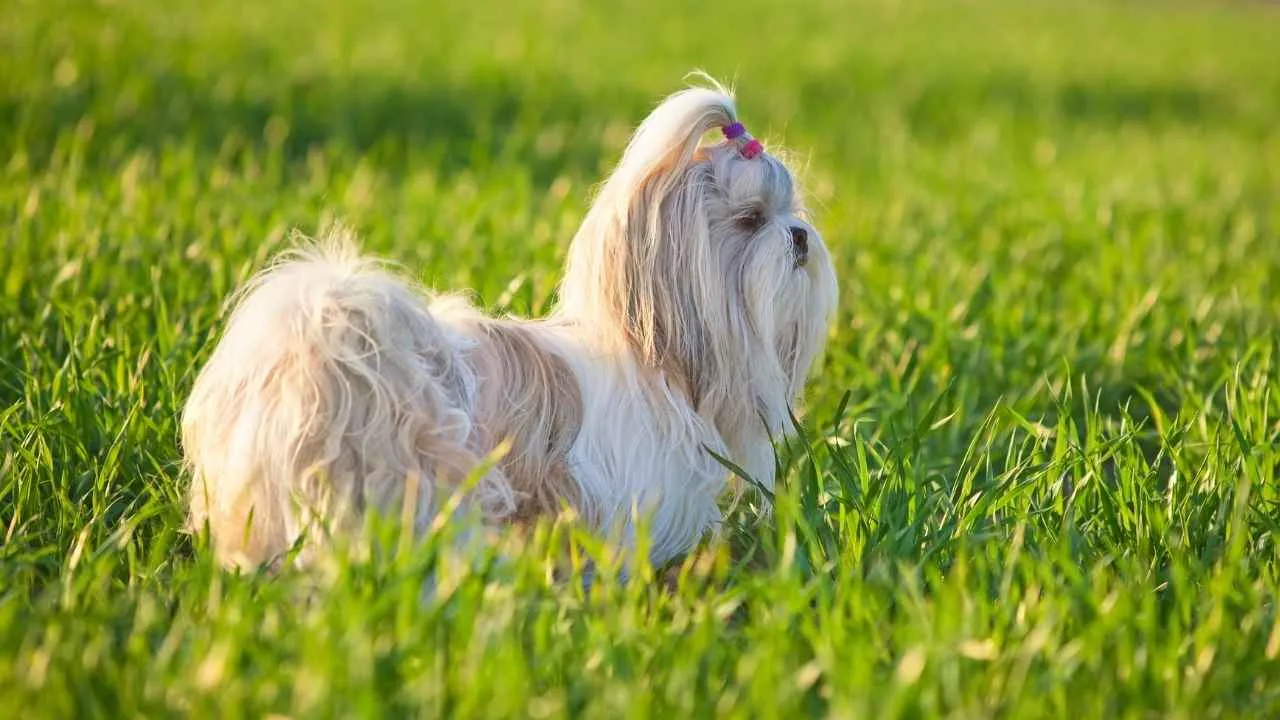
Shih Tzus are well-suited for indoor living, especially in apartments. Unlike more active breeds, they are not driven by exploration or high energy but by comfort and companionship.
They do best with consistent routines, including regular feeding times, short walks, and plenty of rest.
Grooming is their biggest maintenance need. Many owners opt for a shorter “puppy cut” to keep the coat more manageable and reduce daily upkeep.
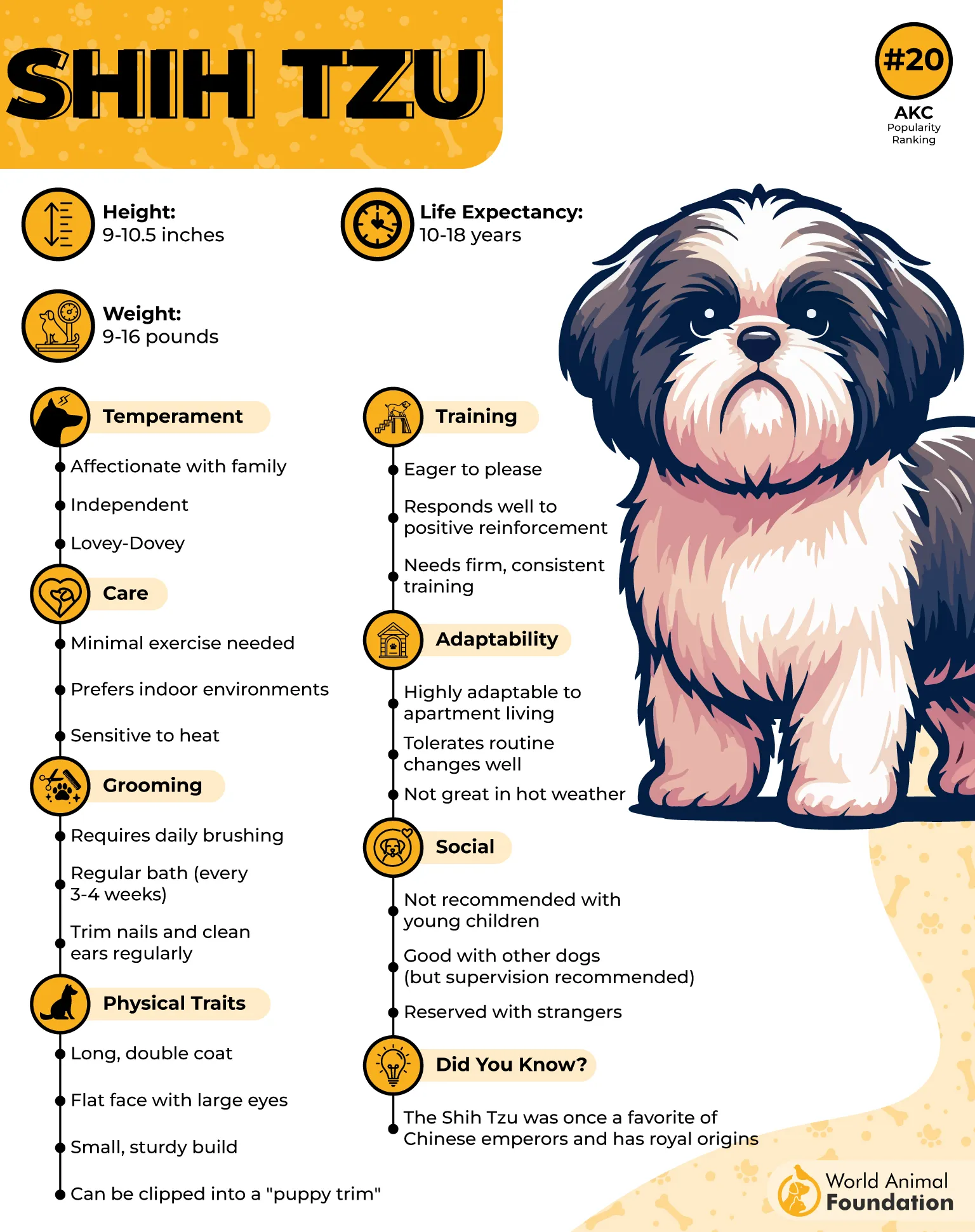
They are generally quiet dogs, but if overly pampered, they can develop attention-seeking behaviors.
Most suited: Peaceful homes, apartment living, elders, or lazy lifestyles
Underlying Advantage: The exercise needs are extremely low compared to the moderate exercise needs of other breeds.
6. Bichon Frise
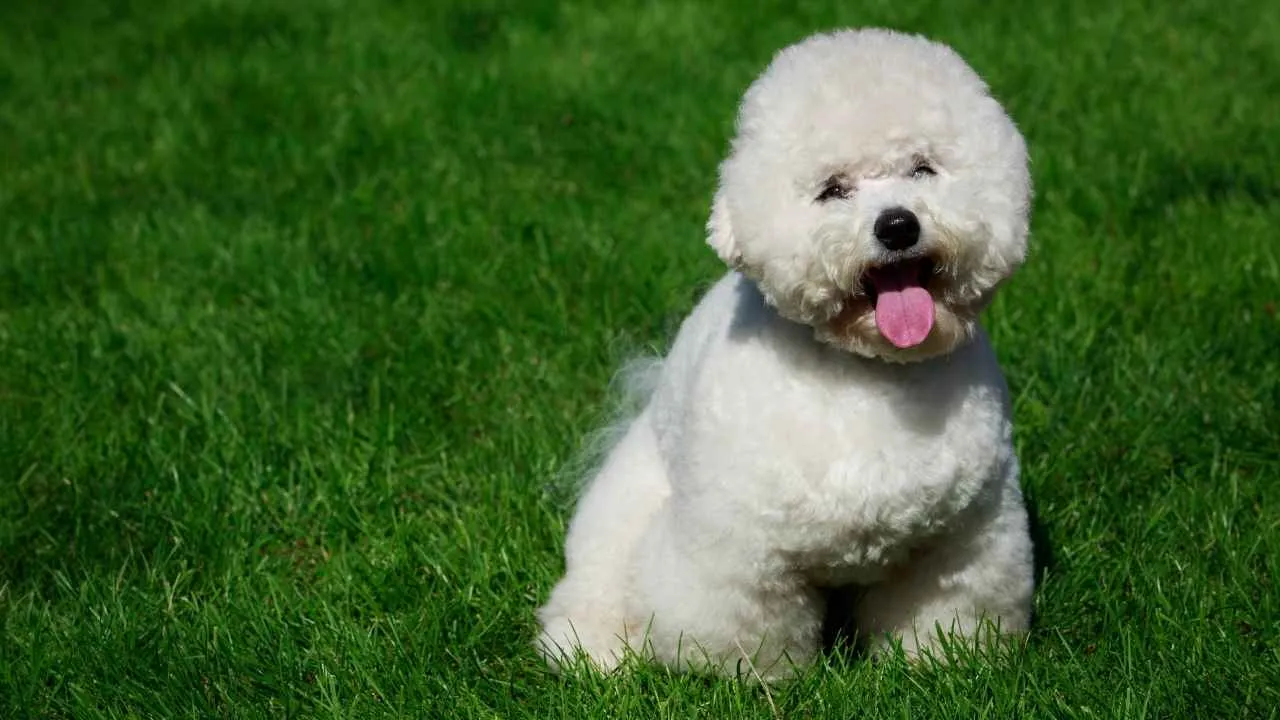
The Bichon Frise is often considered an ideal apartment dog, but this is only true when its social and activity needs are properly met.
It is a cheerful, outgoing, and active breed that suits owners who can match its energy levels. In smaller living spaces, this energy needs to be managed well; the dog may become restless.
They require daily walks and regular play sessions to channel their playful nature, along with consistent human interaction to stay emotionally balanced. Basic training is also important to help manage their excitement and prevent overly energetic behavior.
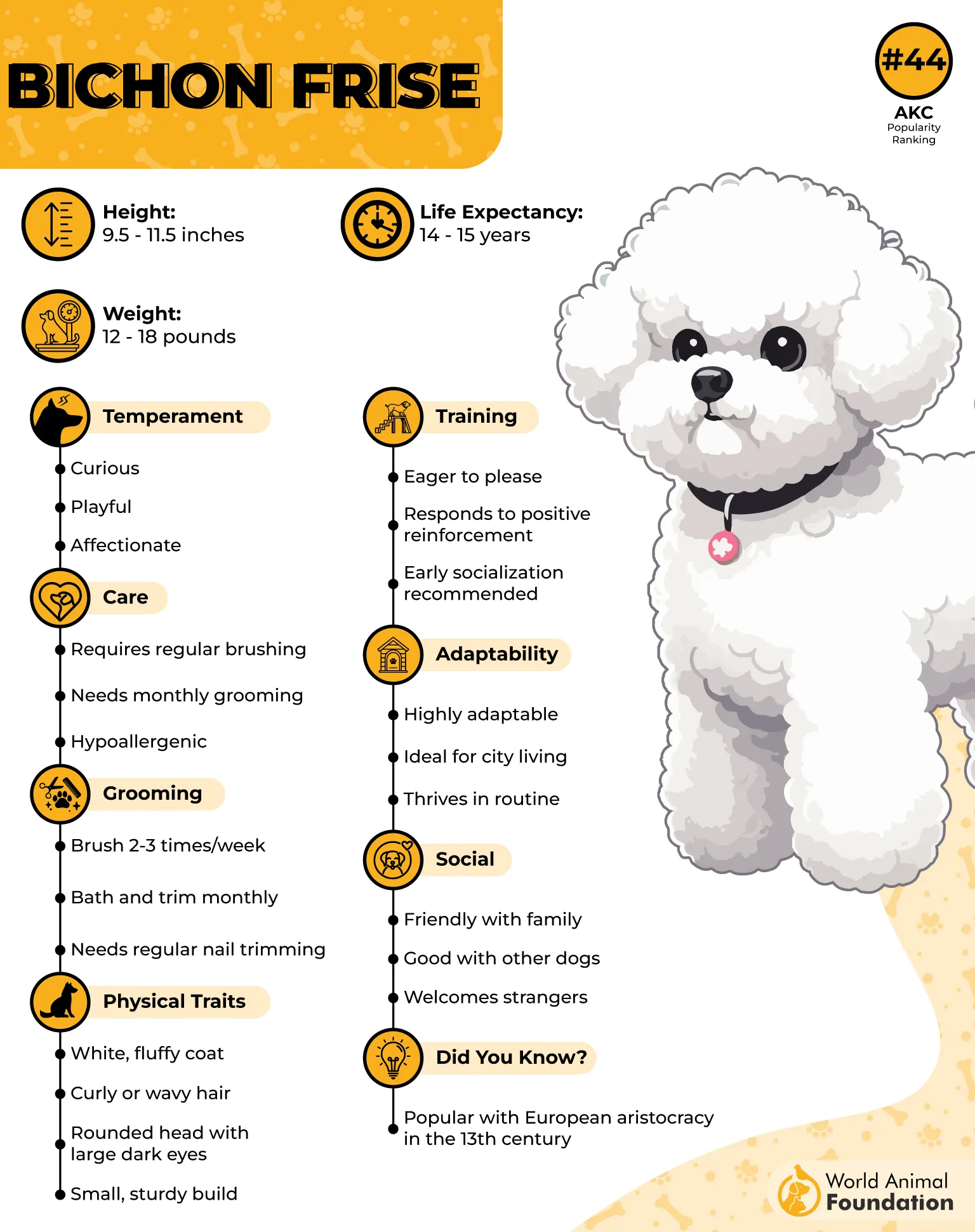
Their hypoallergenic coat is a major advantage, especially for indoor living, but it does require frequent grooming to keep it clean and manageable.
Best with: Families or individuals who are able to devote time and attention most of the day.
Reality check: Not heavy-duty athletic, but not idle either.
7. Japanese Chin
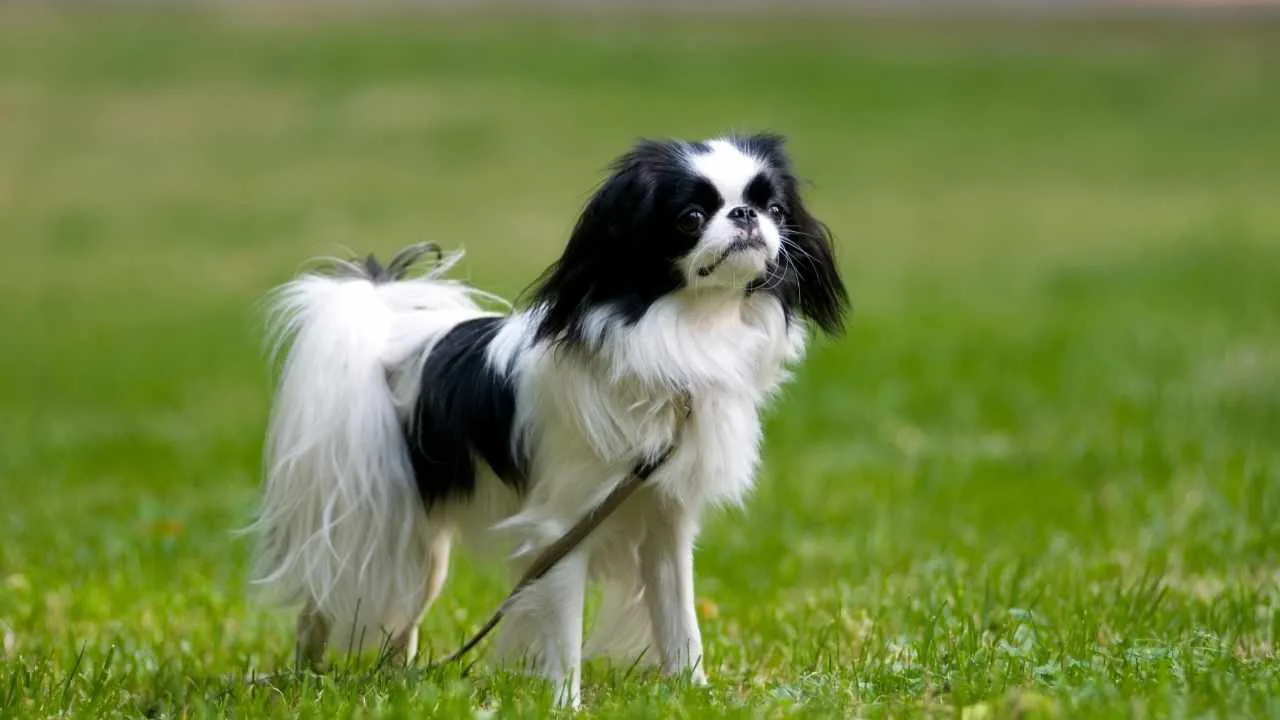
The Japanese Chin is one of the easiest breeds to keep in apartments and small living spaces due to its minimal demands.
It is not overly energetic, vocal, or needy, which makes it well-suited for calm and peaceful indoor living. These balanced traits allow it to adapt comfortably to a quieter lifestyle.
Japanese Chin is known for its independent nature. They often entertain themselves and enjoy observing their surroundings rather than constantly seeking attention.
However, they still need companionship. While they are not highly demanding, they do best with regular human interaction and should not be left alone for long periods.
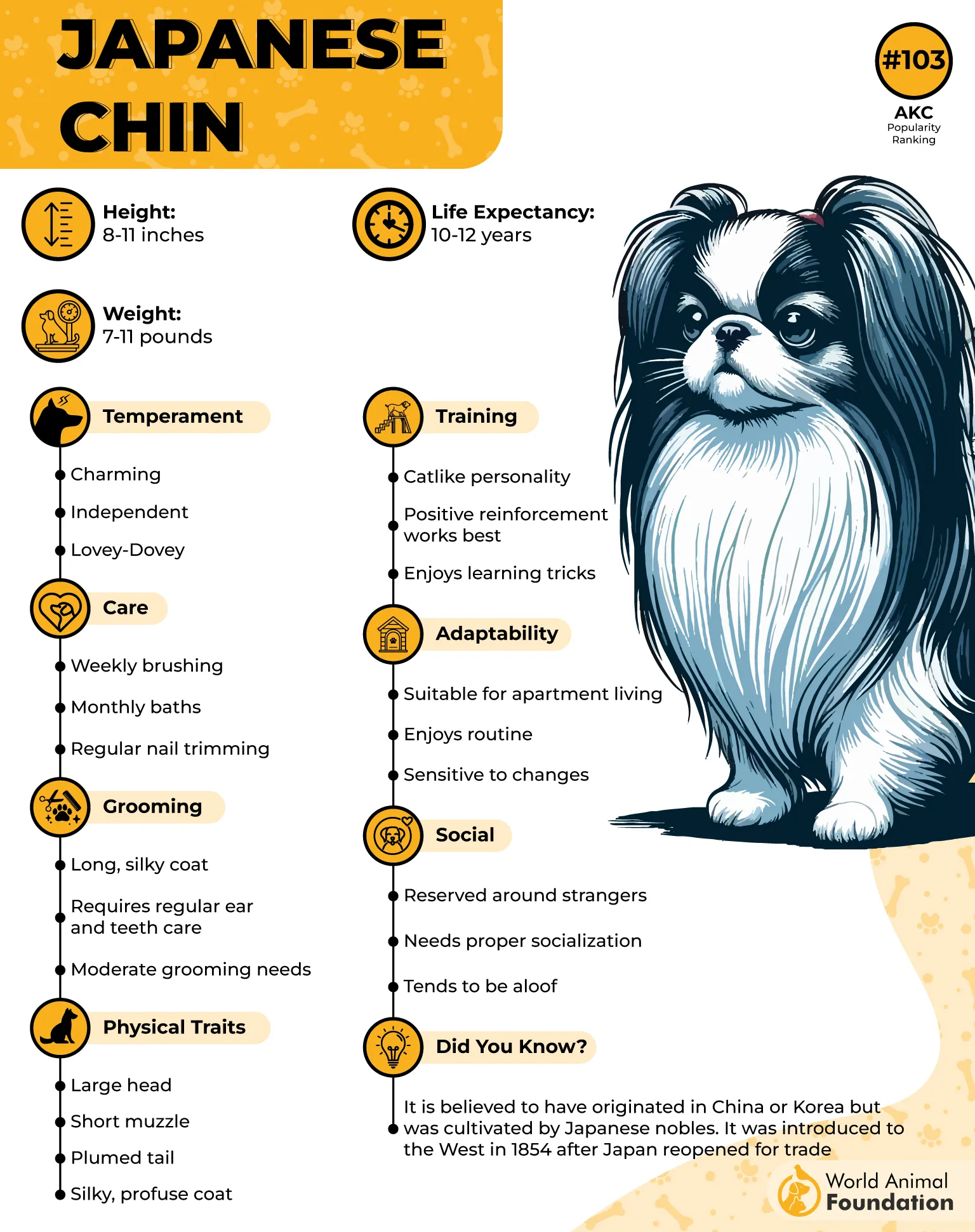
Best: Individuals who prefer a cool, low-interest emotional involvement.
Key Trait: Feline-like, nearly clean, have a quiet nature, and are alert.
8. Boston Terrier
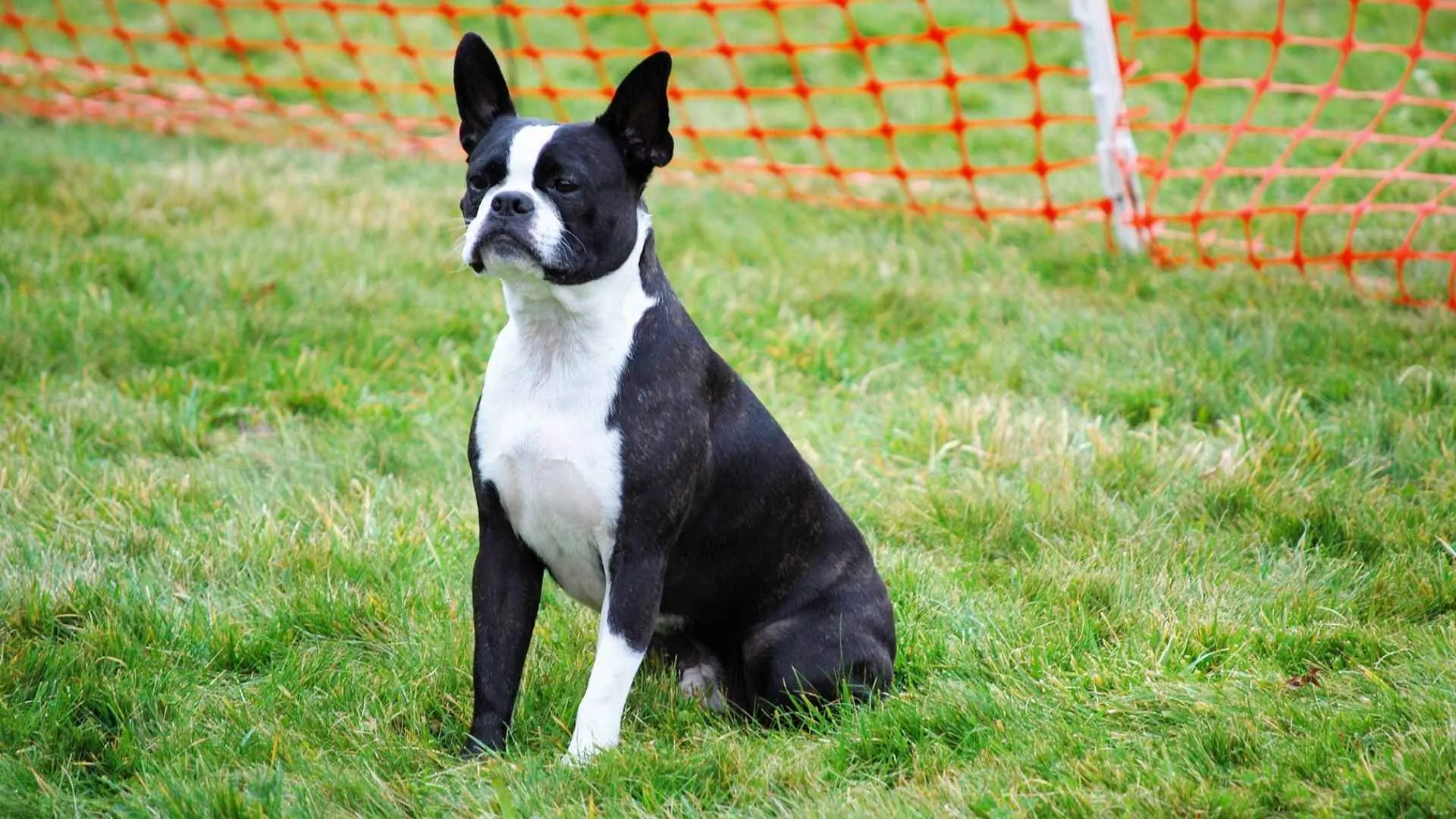
According to the American Kennel Club, the Boston Terrier is a lively yet well-balanced companion. It is playful without being overly demanding or hyper, making it a great fit for apartment living.
Its exercise needs are modest and can be easily met with short, regular activity sessions, which suit smaller indoor spaces.
This breed is also relatively quiet, and its limited tendency to bark is a major advantage for those living in apartments.
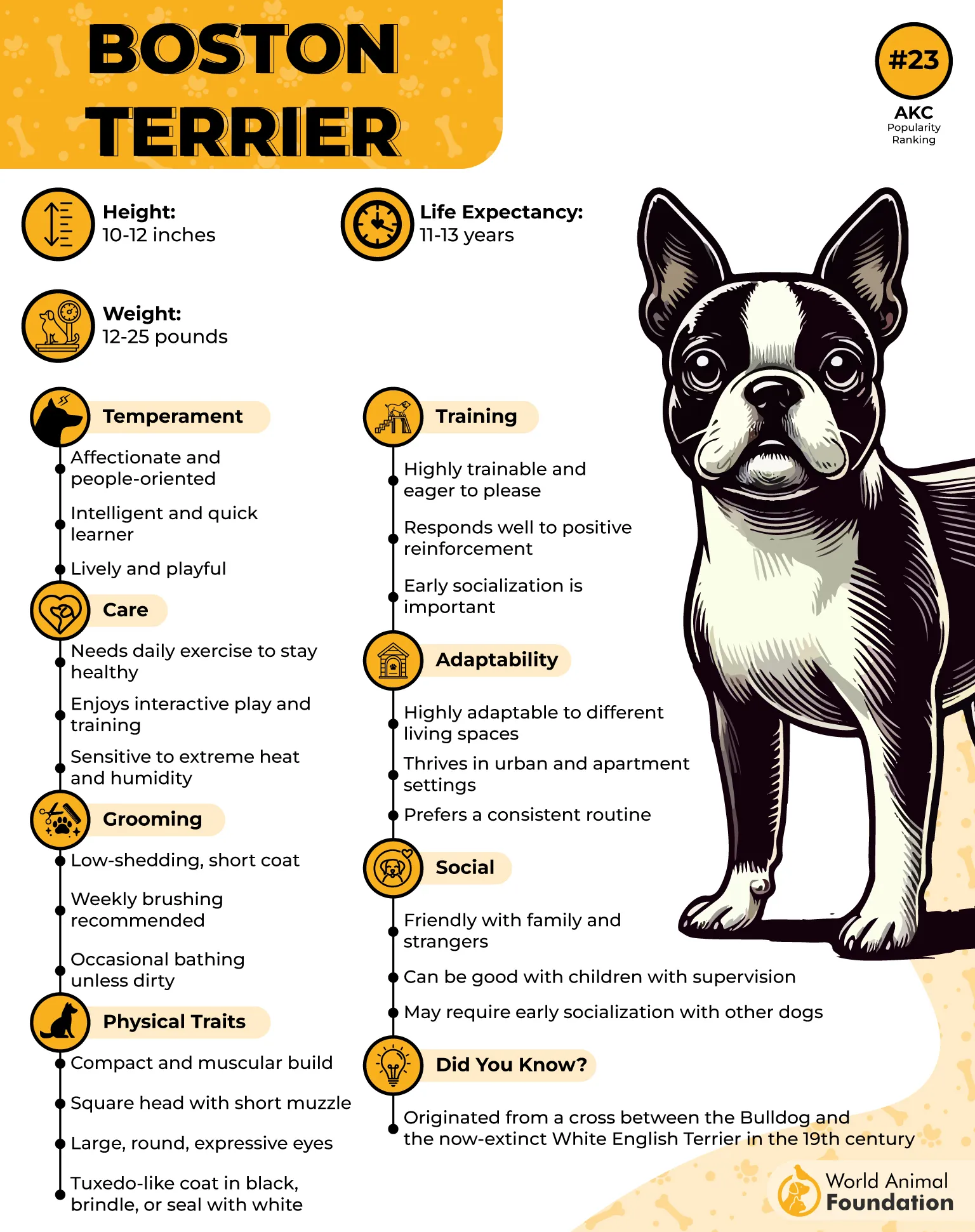
As a flat-faced (brachycephalic) breed, the Boston Terrier requires careful temperature management. It should avoid excessive activity in hot weather, as it is more prone to overheating and needs a controlled environment to stay healthy.
Best for: Urban residents who want to experience both entertaining activities and peaceful moments while providing regular exercise for a healthy life.
The dog exhibits immediate advantages through its ability to learn and adjust to different surroundings.
9. Pug
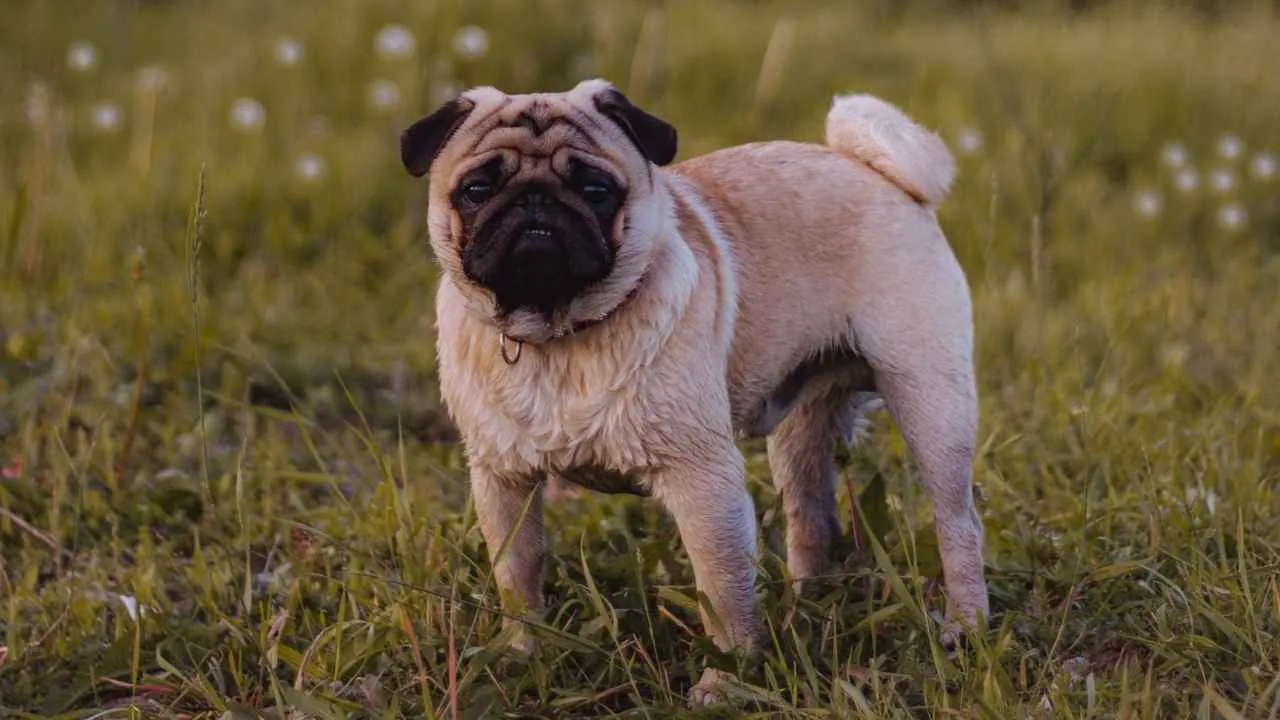
Pugs are well-suited for apartment living, as they are comfort-oriented rather than highly active. Their calm and easygoing temperament makes them a great fit for smaller spaces.
They do not require intense exercise and are generally content with short walks and relaxed indoor time. However, they thrive in a cool environment, as they are sensitive to heat.
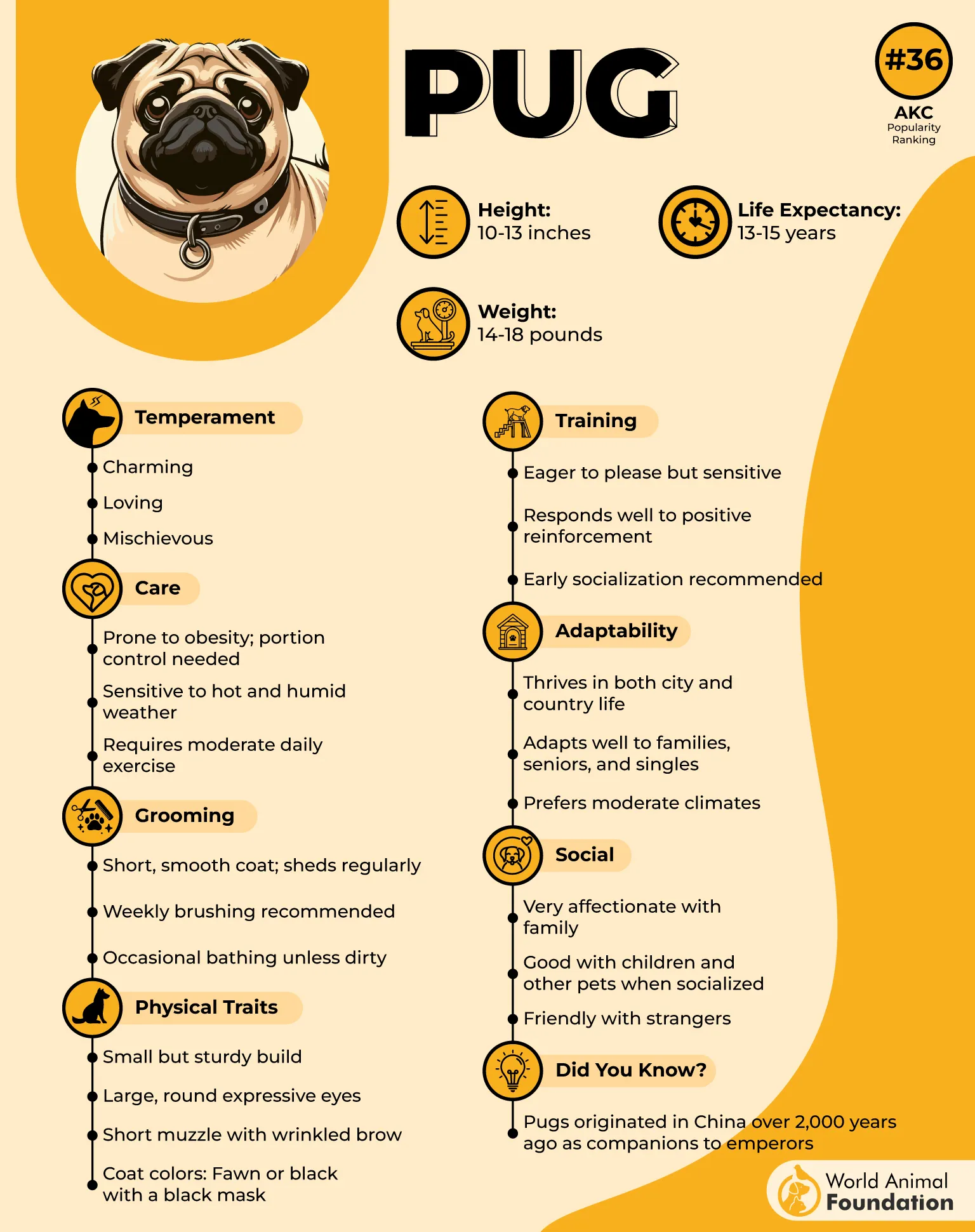
Grooming needs are relatively low compared to many other breeds, though regular basic care is still important. According to the VCA Animal Hospitals, Pugs are known for their gentle and affectionate nature, especially around children.
They also need consistent companionship, as they tend to form strong bonds with their owners and may struggle if left alone for long periods.
Best: Owners who desire an easy, loving inside canine
Reality: Low effort physically, but needs conscious attention.
10. French Bulldog

According to Purina, French Bulldogs are adaptable, playful, and intelligent, making them well-suited to apartment living. Their suitability is not just due to their size, but more because of their calm and compatible temperament.
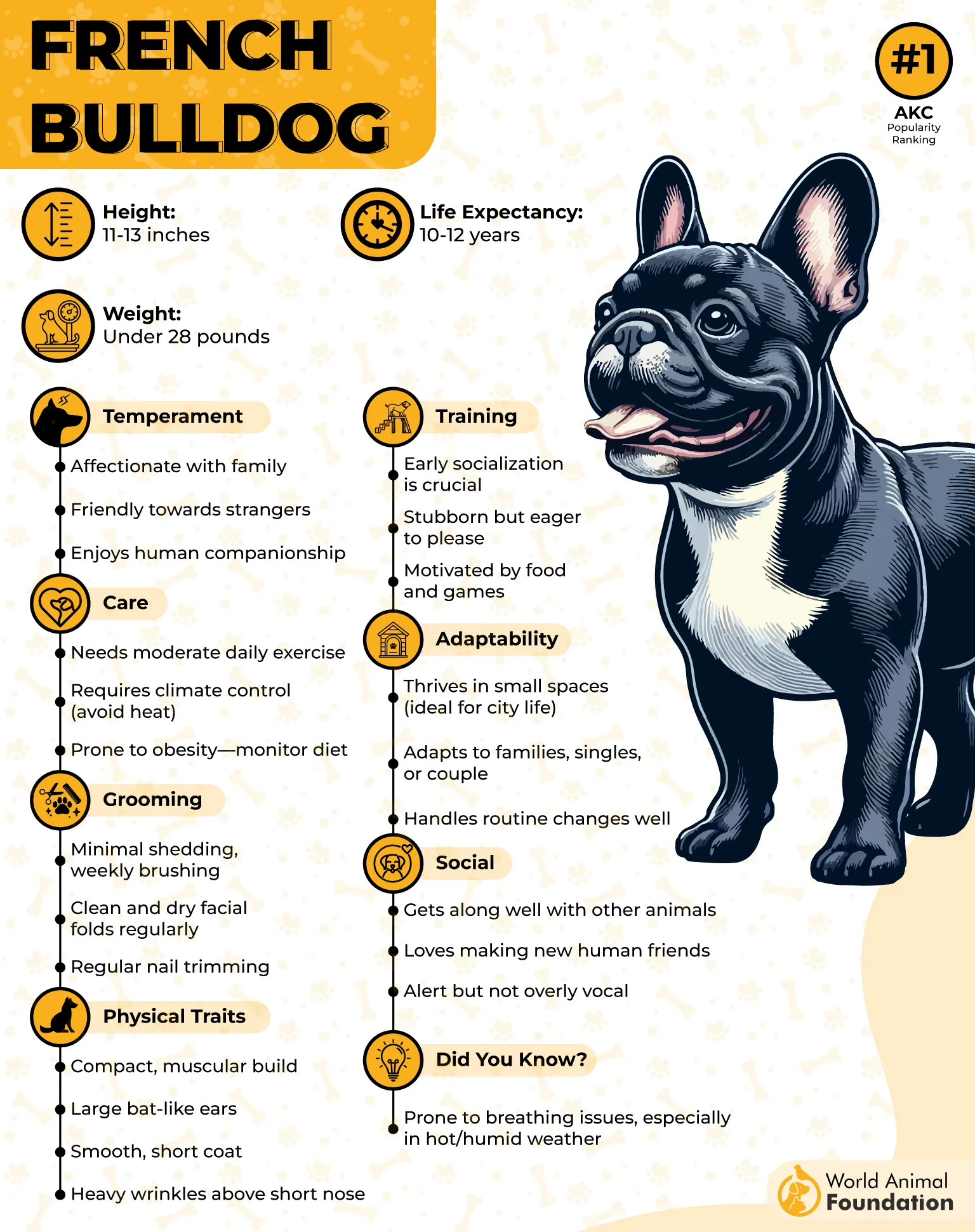
They are generally low-energy dogs with an outgoing yet relaxed demeanor, and they are very comfortable spending most of their time indoors.
They do not require extensive outdoor exercise or long walks, but they do need careful attention to temperature control to stay healthy, as they are sensitive to heat.
They also prefer consistent companionship and may not do well with long periods of solitude. In addition, their breathing should be monitored due to common respiratory concerns associated with the breed.
Overall, they fit well into modern urban lifestyles where living spaces are smaller, but companionship is highly valued.
Best: Urban, busy, professional couples.
Greatest asset: The least amount of disturbance to your home.
Conclusion
Getting a dog to live in a small space is not about getting the smallest dog, but rather one that is most compatible.
A dog that has a lot of energy in a small space is stressful, and a popular breed of dog brings harmony in the household.
These breeds offer a perfect balance of manageable energy and adaptability, making them easy to care for while fostering a deep emotional connection.
When you make good decisions, you no longer feel the smallness of your home; you feel fulfilled.
