




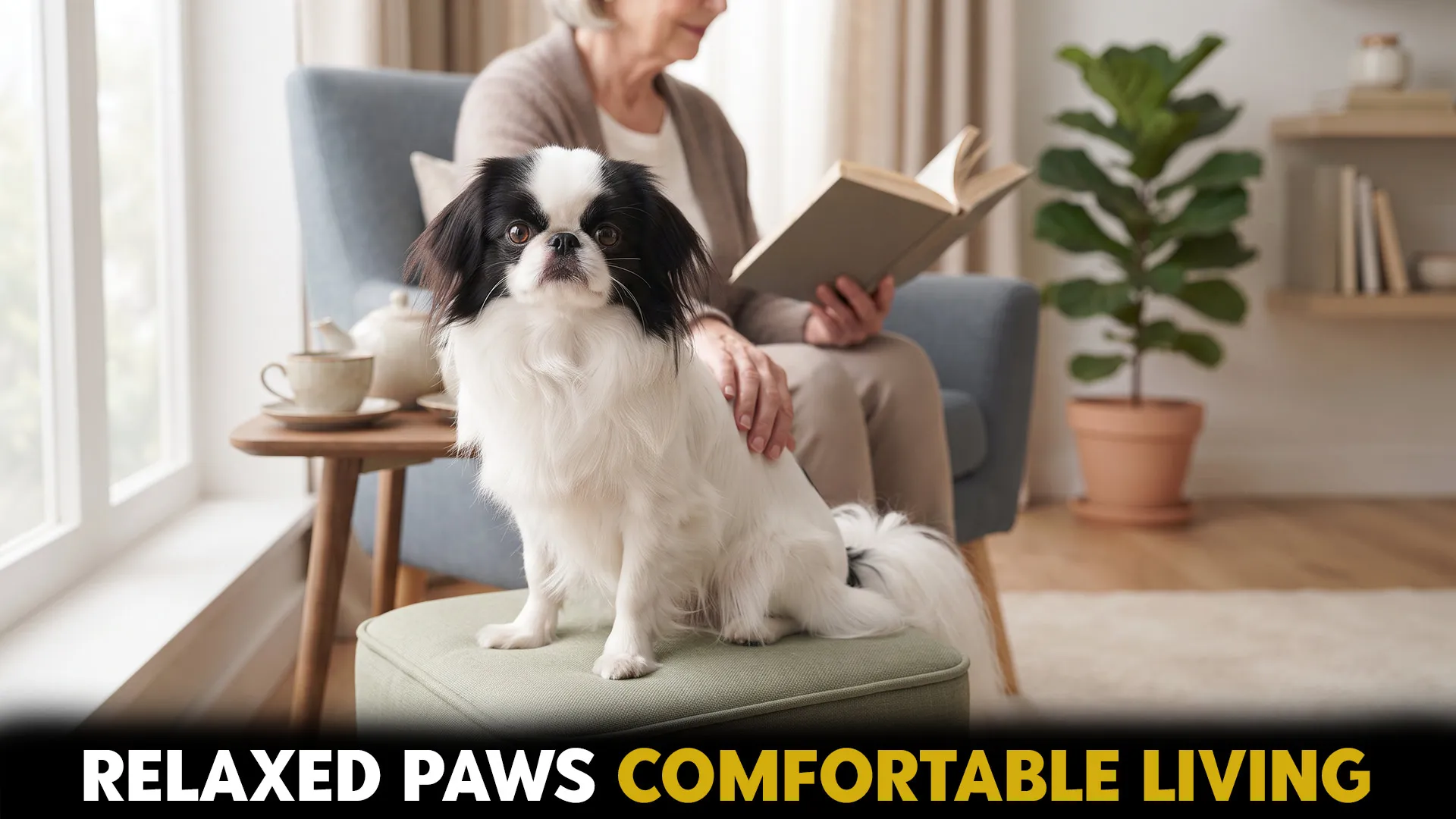
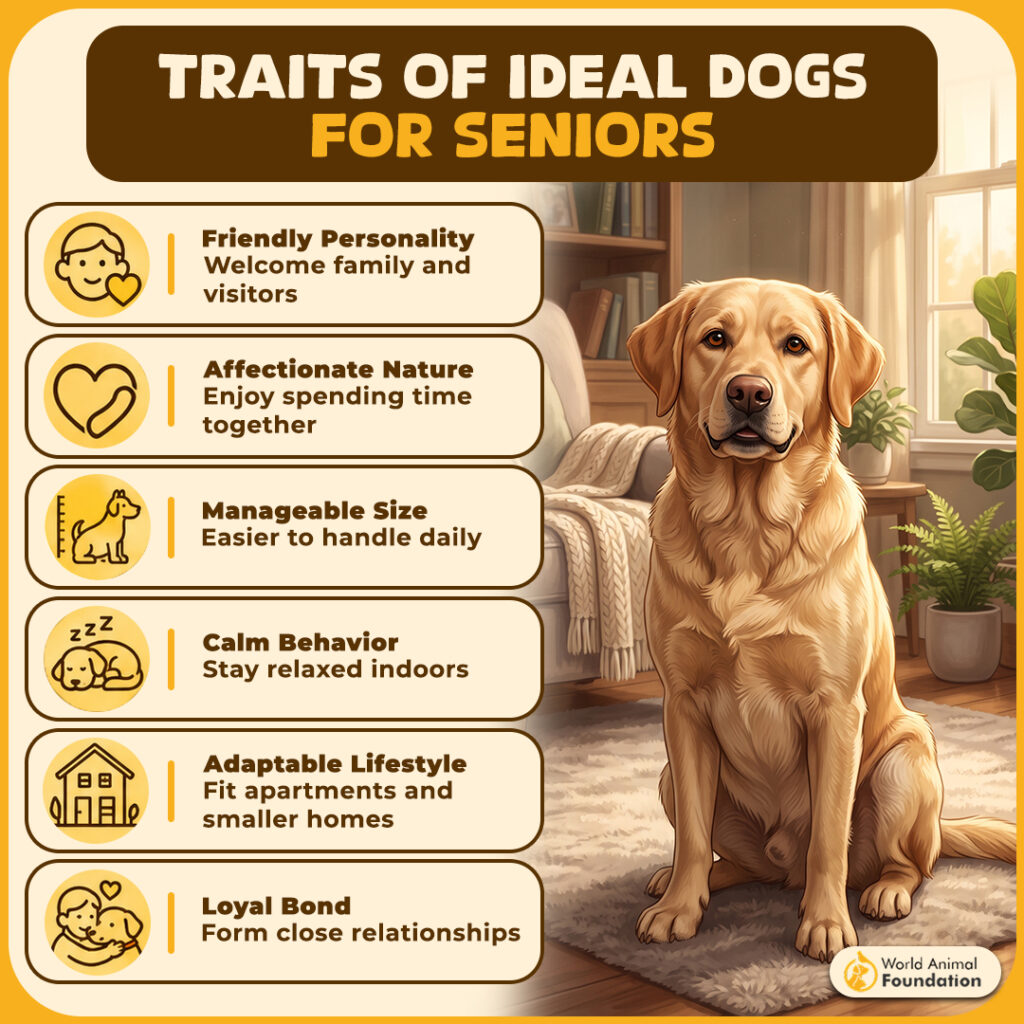
Life after retirement should come with more peaceful mornings, cosy afternoons, and absolutely zero pressure to keep up with a four-legged fitness influencer. The right dog can bring affection, structure, laughter, and gentle activity without turning every day into an extreme outdoor challenge.
Research supports the emotional value of that bond, although a dog should never be treated as a guaranteed medical remedy. In a University of Michigan poll involving roughly 2,000 adults aged 50 to 80, nearly 90% of pet owners said their animals helped them enjoy life and feel loved. In contrast, 80% reported that their pets reduced stress.
Still, the most adorable breed on Instagram may not be the easiest companion in real life. Let’s talk about the dog breeds seniors should consider for companionship.
Great Dog Breeds for a Relaxed Senior Lifestyle
1. Cavalier King Charles Spaniel
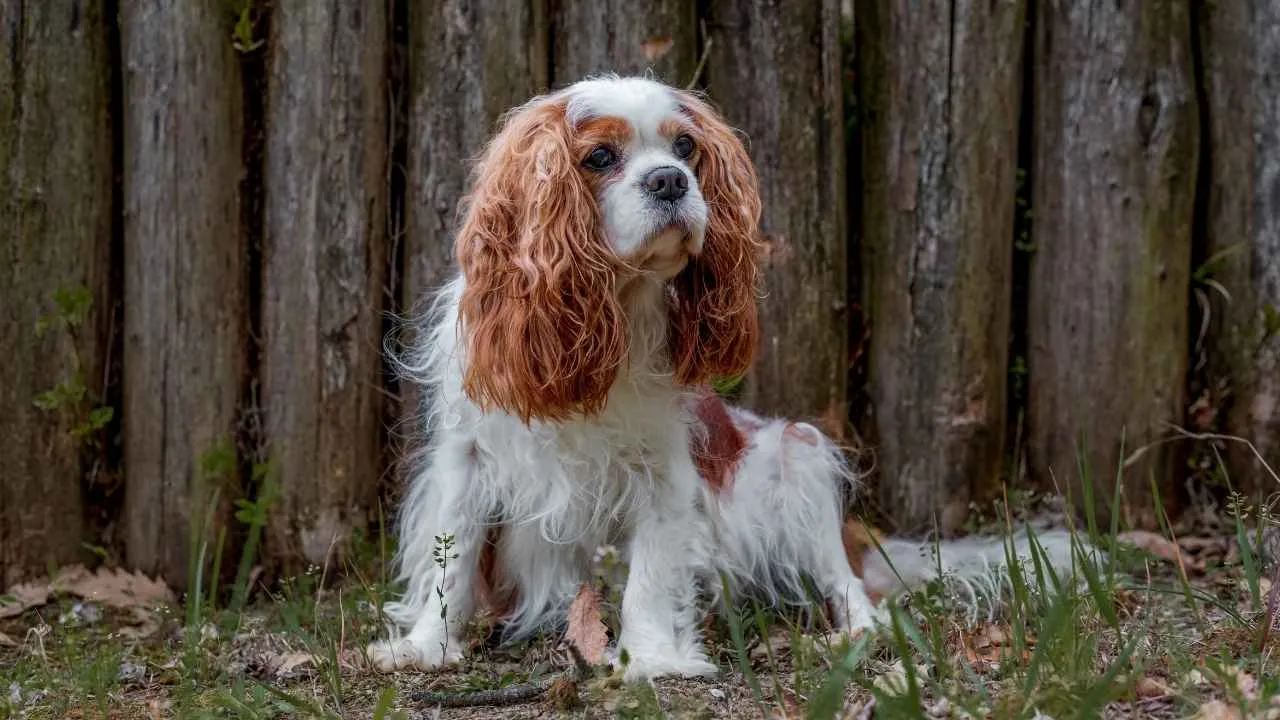
The Cavalier King Charles Spaniel combines the gentle attentiveness of a toy breed with some of the cheerful spirit associated with sporting Spaniels.
For a senior who enjoys pleasant neighborhood strolls rather than full-scale hiking expeditions, a well-matched adult Cavalier can feel like a sweet spot. They appreciate regular movement and opportunities to sniff around, but they are also happy settling beside their person once the outing is over.
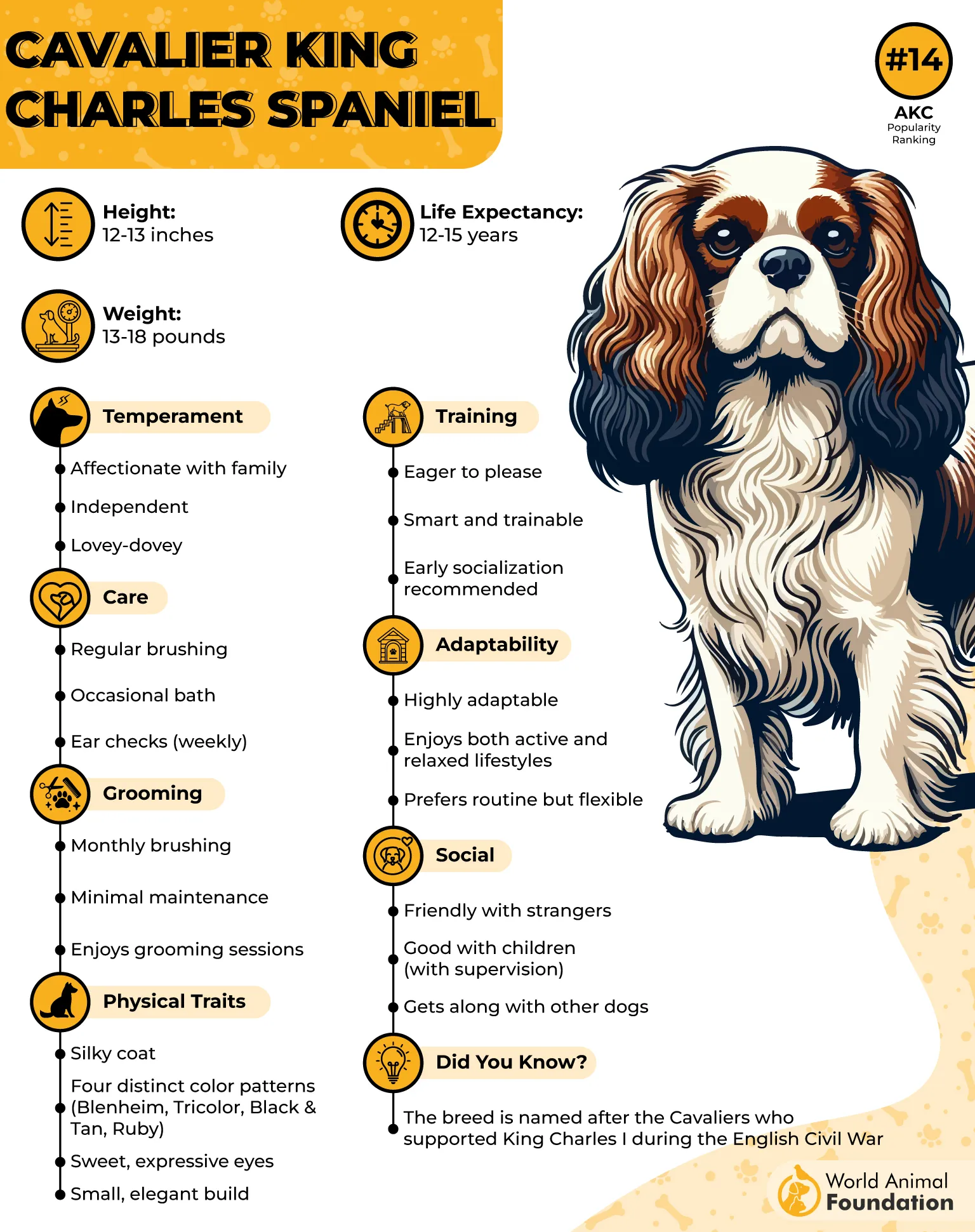
Cavaliers tend to enjoy human company, making them particularly appealing to retirees who spend much of the day at home. They can join an owner for a garden break, a quiet evening in front of the television, or a visit from friends without needing to be the centre of every chaotic activity.
Health planning is the serious side of the Cavalier conversation, and it should not be skipped just because those eyes are doing emotional damage. The breed is particularly associated with mitral valve disease, according to Cavalier Health. At the same time, syringomyelia and other inherited concerns also warrant discussion with a veterinarian and a responsible breeder or rescue organization.
Ways They Make A Senior Owner’s Life Easier
Their adaptable nature allows daily activity to be divided into gentle walks, garden time, and relaxed indoor companionship.
A strong desire to remain close can bring reassuring company during quiet periods at home.
2. Pug
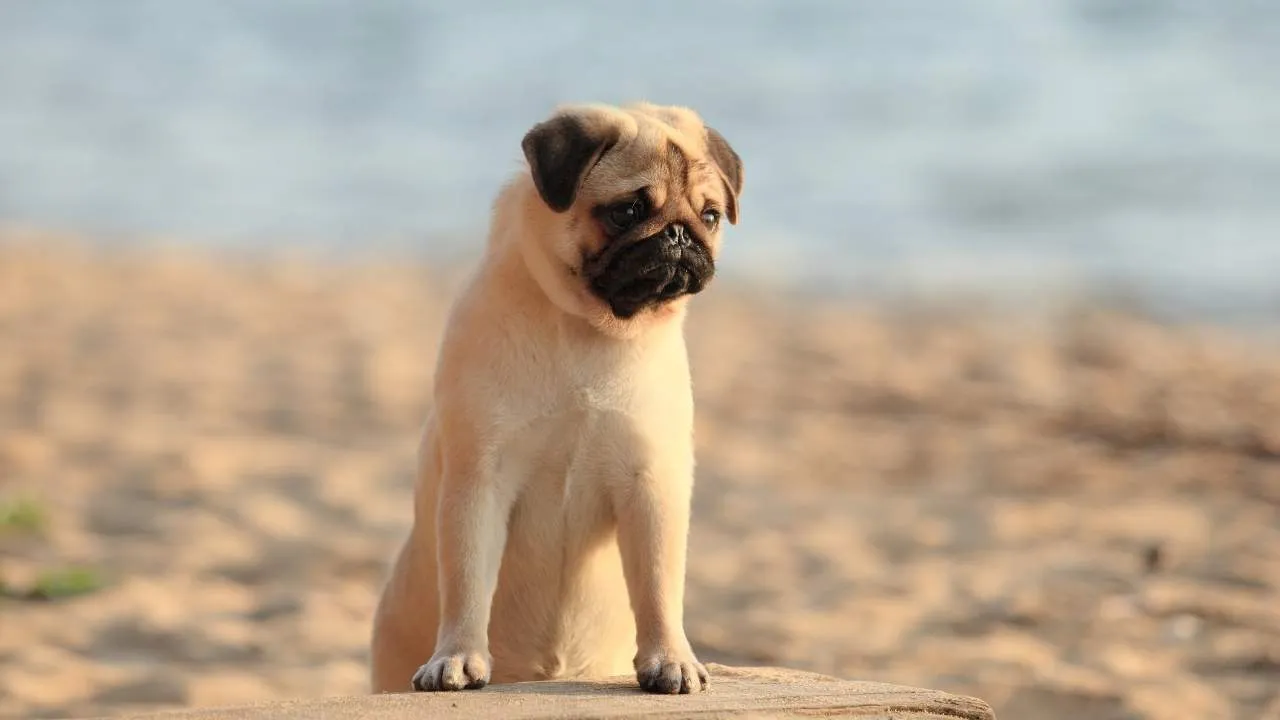
Pugs are compact comedians who appear permanently ready to comment on everything happening in the room. Historically kept as companions to Chinese emperors, they were developed for close human company rather than demanding outdoor work.
Their manageable size can suit seniors living in flats, smaller homes, or communities where handling a large, powerful dog would be difficult.
These furry friends usually value togetherness more than personal space and may happily supervise breakfast, reading time, household chores, and every suspicious trip to the kitchen. PDSA notes that they love people and company, so they are better suited to owners who are at home frequently than to households where they would spend long days alone.
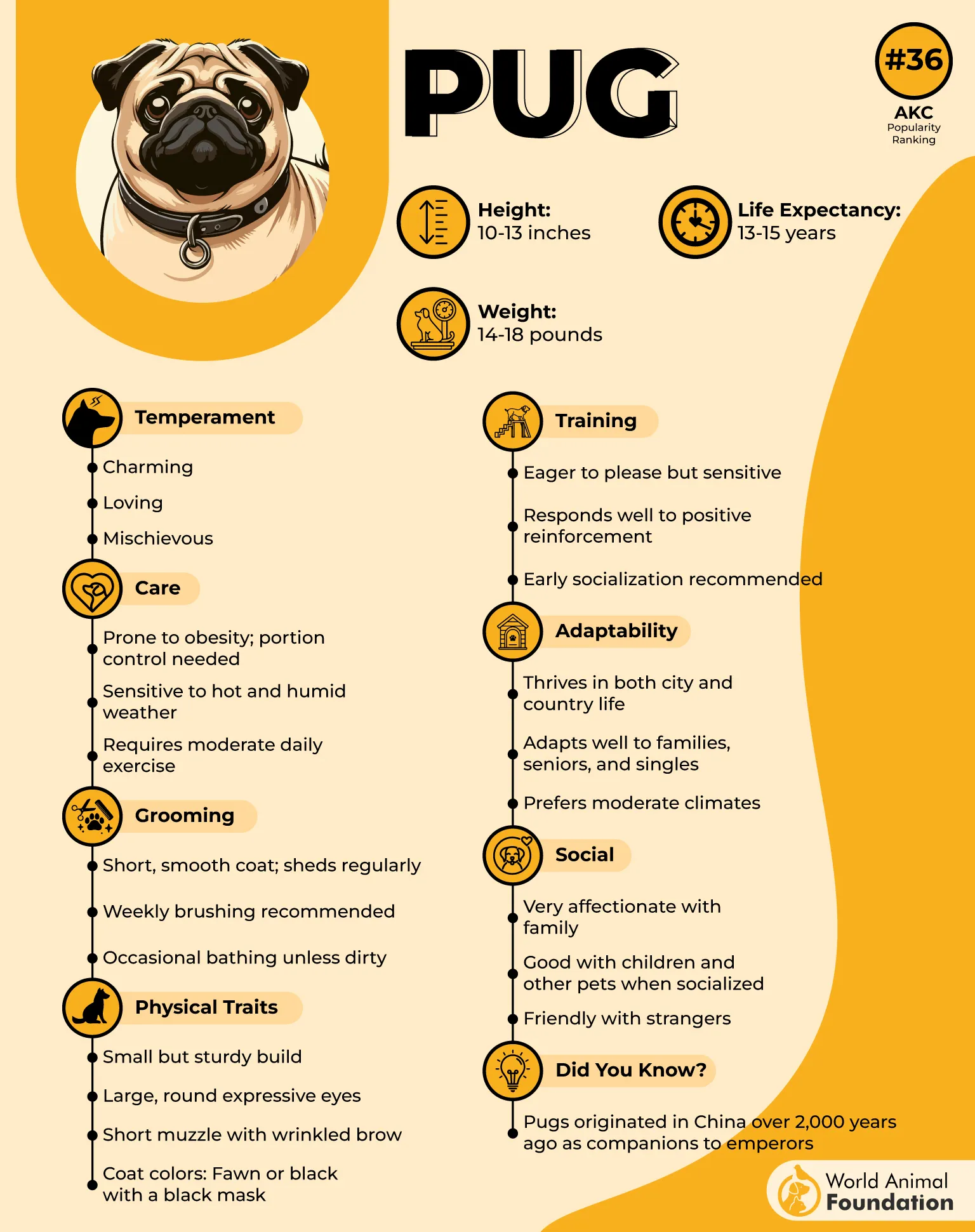
A Pug does not require marathon-level exercise, but that does not mean movement should disappear from the schedule. Carefully paced walks, calm sniffing sessions, and light indoor games can support fitness while avoiding overexertion.
Ways They Make A Senior Owner’s Life Easier
Their small but sturdy build is generally simpler to manage around the home than that of a heavy, high-powered breed.
Natural clownishness can turn ordinary routines into daily entertainment without requiring complicated games.
3. Bolognese
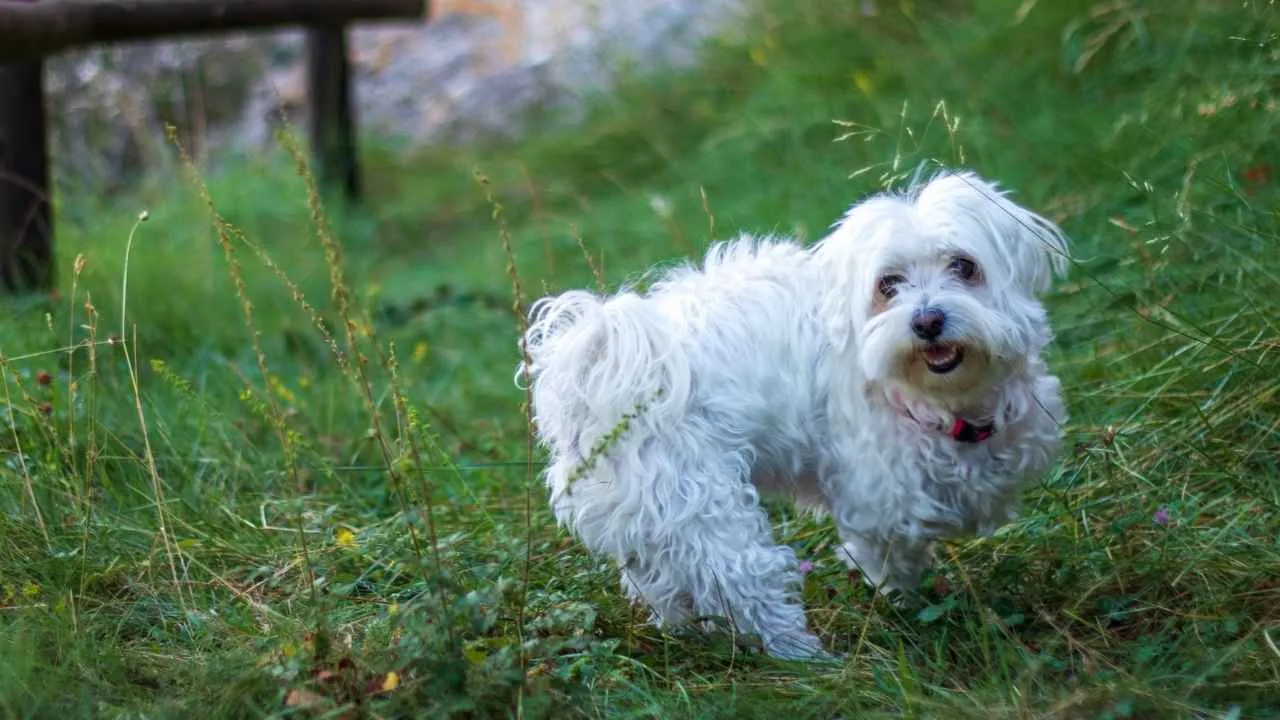
The Bolognese looks like a little white cloud that has developed opinions about where you should sit. Originating in Italy, this companion breed is known for being calm, faithful, playful, and deeply interested in people. That easy-going character can work beautifully in a quieter home where affection matters more than constant action.
They are intelligent, but their close bond with people means training works best when it feels cooperative rather than confrontational. Calm praise, small rewards, and predictable household rules can teach useful behaviors such as waiting at doors, walking without pulling, and settling on a mat.
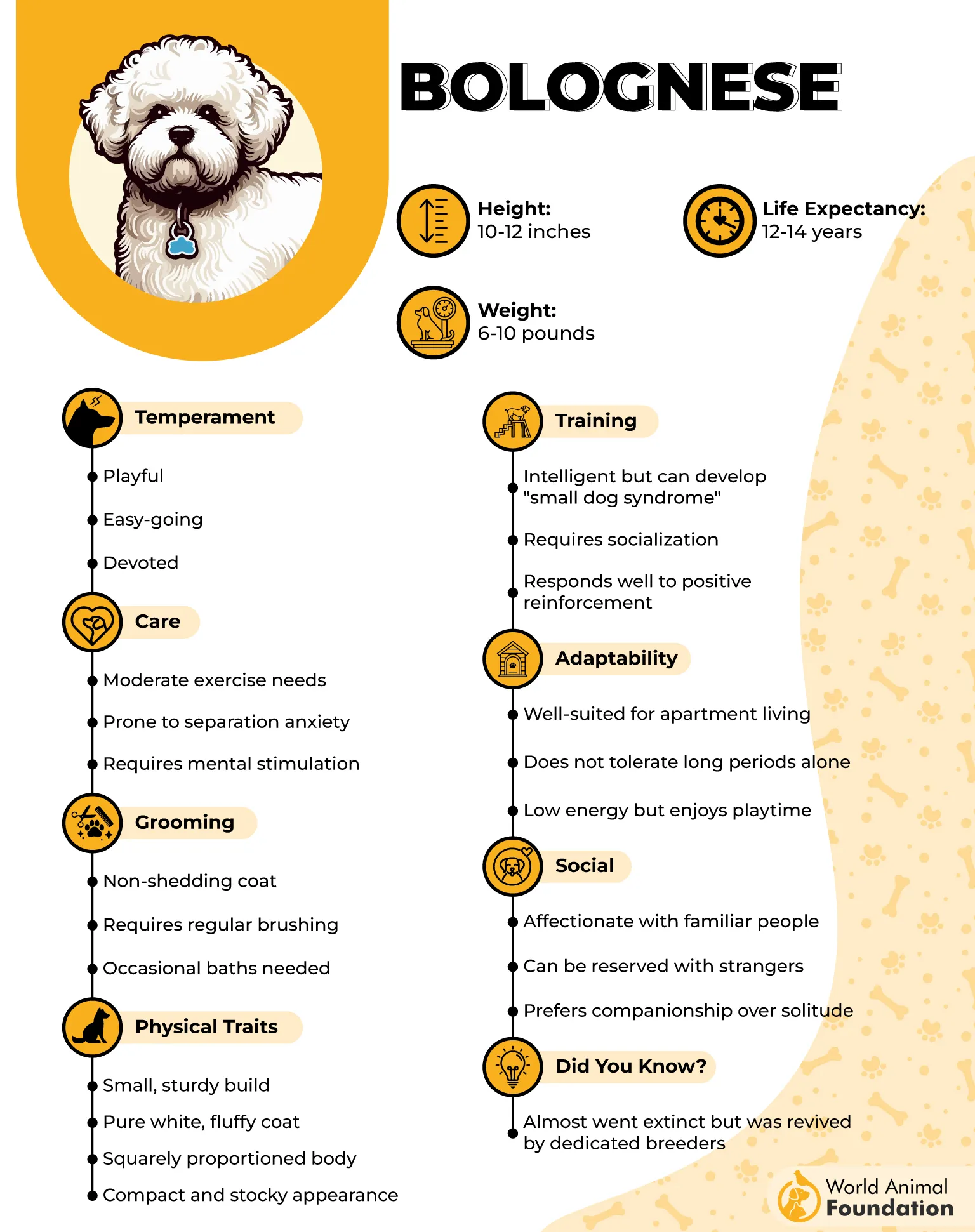
Its fluffy texture requires careful brushing to prevent tangles, with extra attention around the eyes, paws, and mouth, as well as in areas where friction can cause mats. Seniors with arthritis, limited hand strength, or reduced vision may prefer a manageable pet trim and regularly scheduled professional grooming.
Because Bolognese dogs genuinely enjoy their people, they can bring comforting continuity to someone whose home has become quieter after retirement or bereavement.
Ways They Make A Senior Owner’s Life Easier
Their generally easy-going disposition can complement a predictable, peaceful daily schedule.
Compact proportions make them convenient to transport for grooming appointments and veterinary check-ups.
4. Havanese
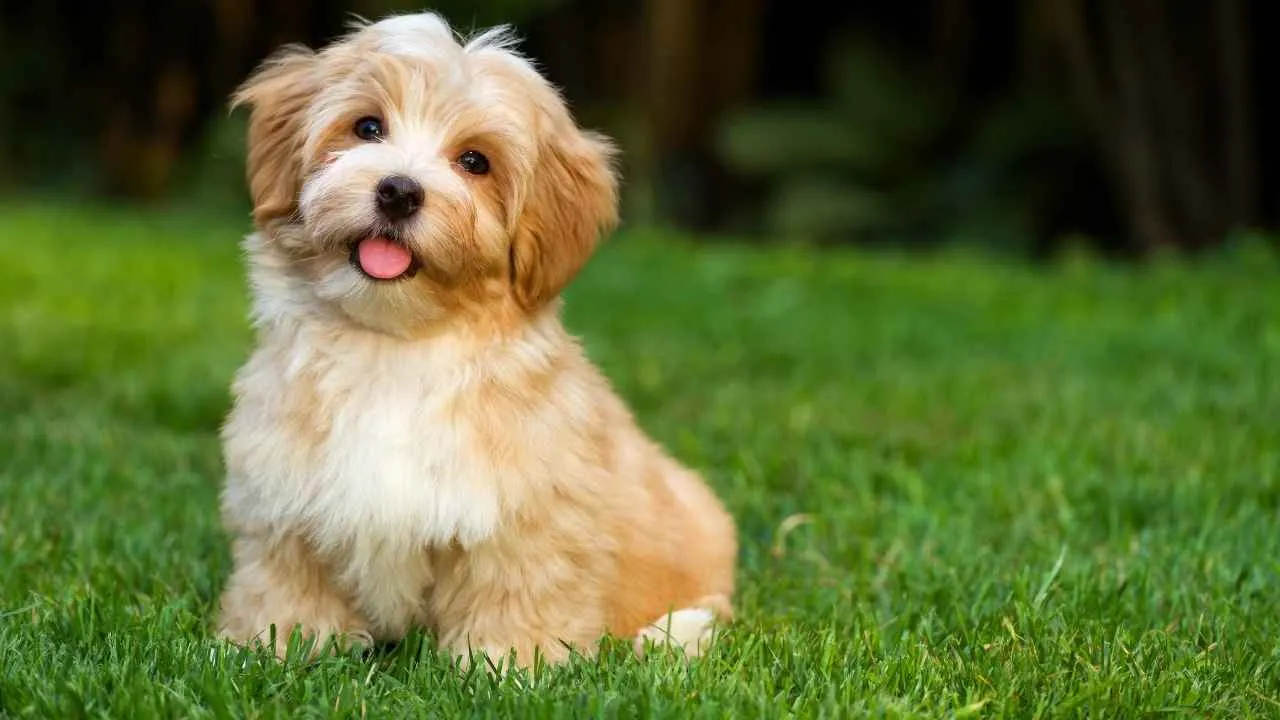
The Havanese is Cuba’s only native dog breed, and it brings enough sunny personality to make a grey afternoon feel less grey. Its expected lifespan is commonly listed at 14 to 16 years, so adopting one should be viewed as a potentially long-term commitment.
This breed is a strong candidate for seniors who want a gentle, small dog without being emotionally distant.
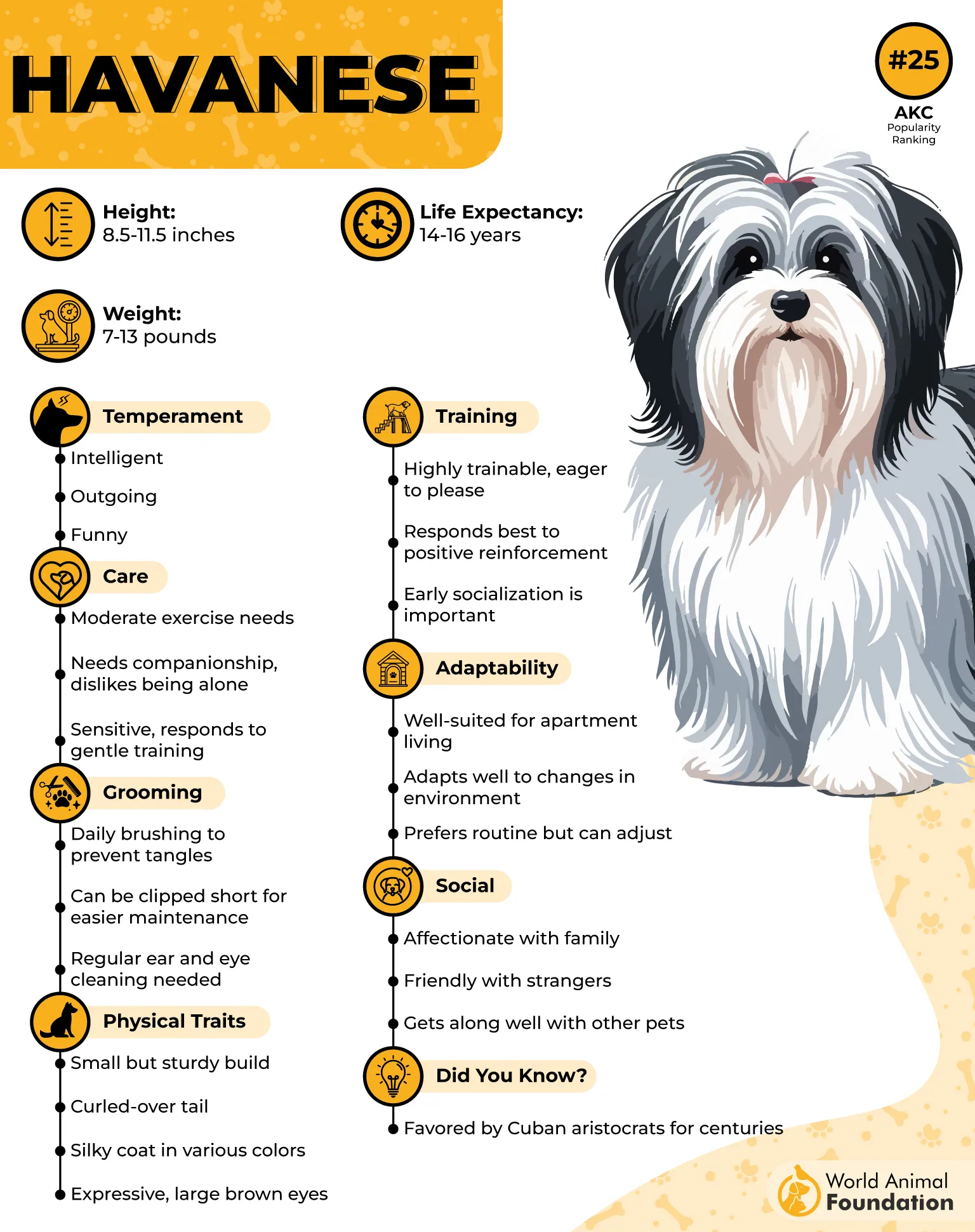
Their playful streak is real, but it often arrives in manageable bursts rather than as an all-day demand for extreme activity. Puzzle feeders, scent games, miniature training sessions, and a few hallway retrieves can keep the mind busy when weather or mobility limits outdoor adventures.
This small dog breed’s long, soft coat is one area where the relaxed lifestyle needs a little organisation. Regular brushing helps prevent matting, while many companion owners choose a shorter trim to reduce daily maintenance. It may be ideal for an older adult who enjoys conversation, visitors, and a pet that behaves like an adorable assistant manager.
Ways They Make A Senior Owner’s Life Easier
Their portable size can simplify car journeys, housing transitions, and assisted visits to the veterinarian.
Bright, sociable behaviour may encourage friendly conversations with neighbours during everyday walks.
5. Chinese Crested
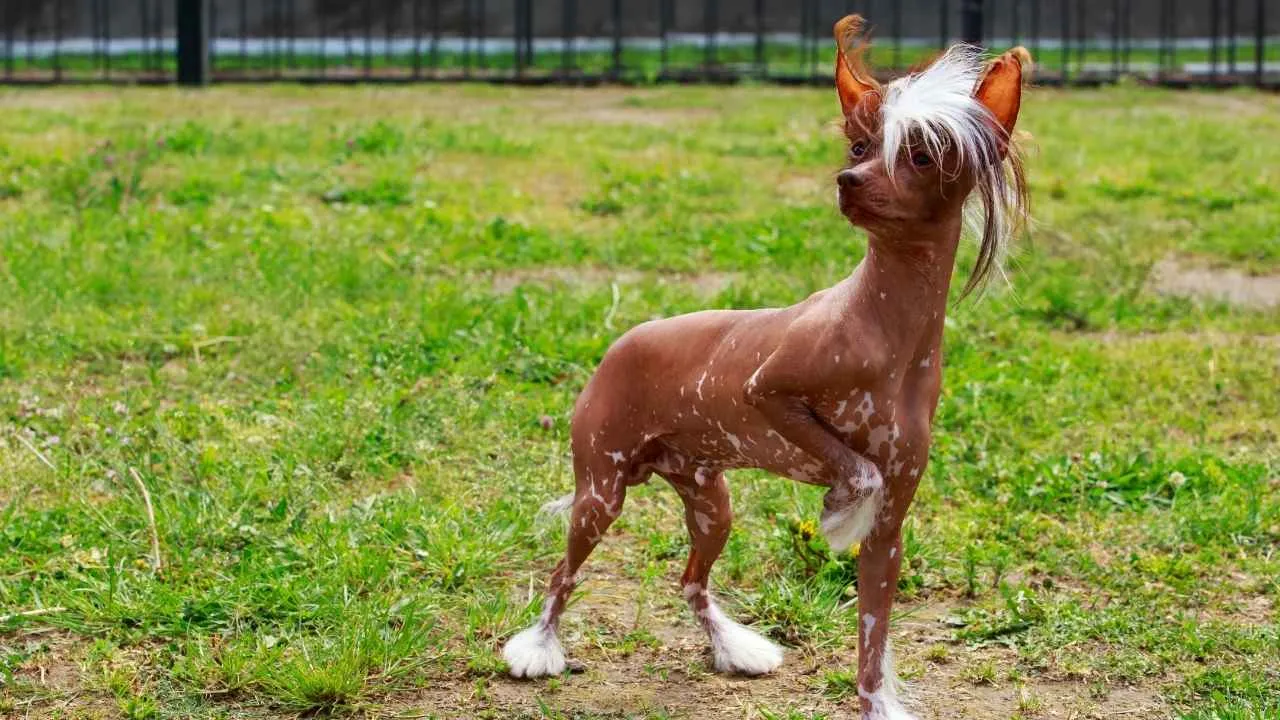
The Chinese Crested is what happens when nature decides a normal hairstyle is too basic. The breed comes in two varieties born within the same lines: the mostly bare Hairless and the fully coated Powderpuff.
These dogs with a calm nature are often intensely affectionate and can form a close connection with one or more trusted people. Their relatively modest exercise needs can be met with daily walks, indoor play, and opportunities to explore safely rather than endless high-speed workouts.
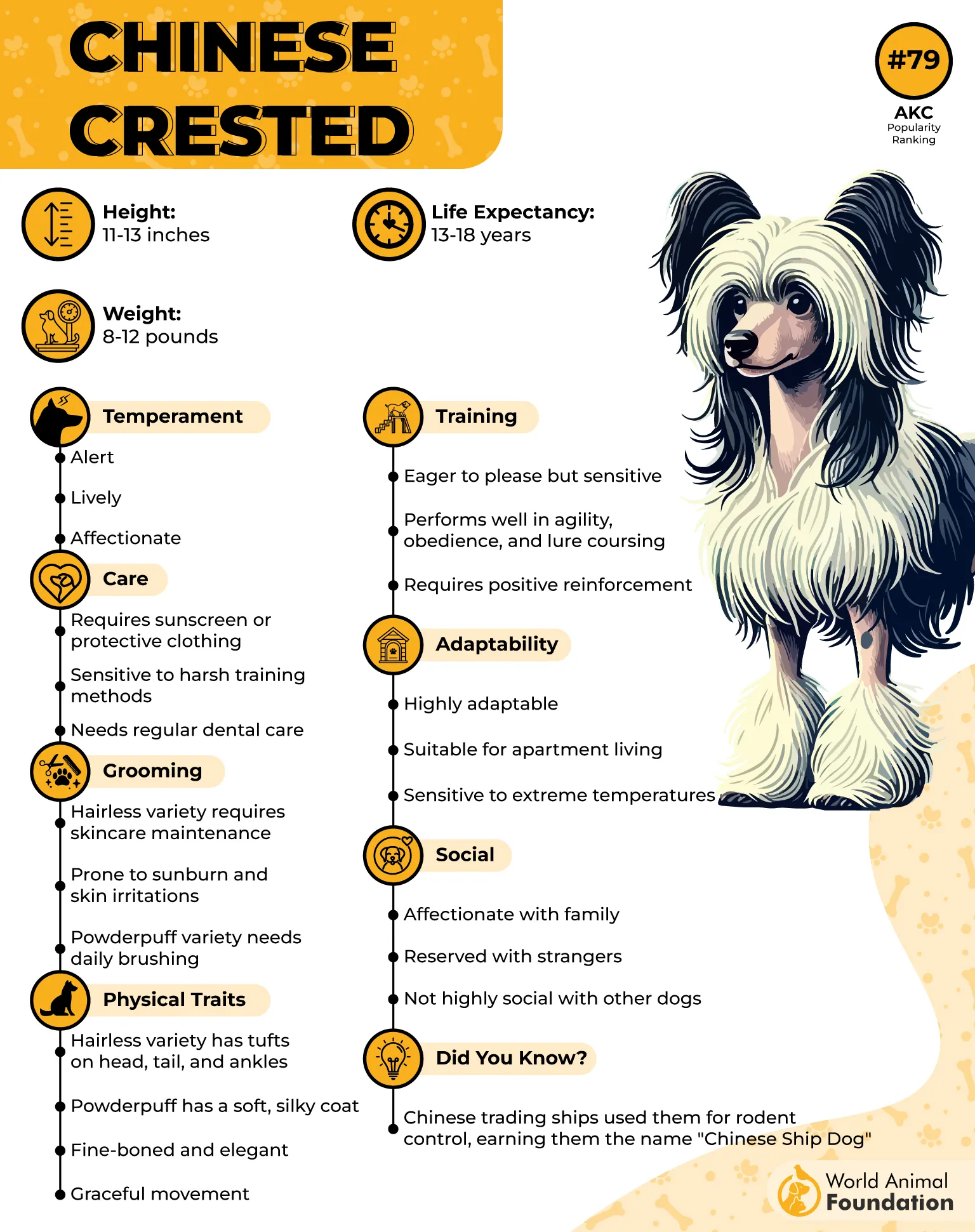
The Hairless variety produces much less loose coat around the home, but “less hair” absolutely does not mean “zero care.” Its exposed skin may require bathing, moisturising guidance, protection from irritating products, and monitoring for spots or clogged pores.
Sun and cold protection are practical parts of life with a Hairless Chinese Crested. The Chinese Crested Club warns that exposed skin can burn, so shade, protective clothing, and veterinarian-approved sun protection may be necessary in bright weather.
Ways They Make A Senior Owner’s Life Easier
Modest exercise requirements can be met through several brief activities rather than a single exhausting expedition.
The Hairless variety leaves relatively little loose fur on furniture, clothing, and floors.
Their strong attachment to familiar people can create a comforting sense of companionship throughout the day.
6. Brussels Griffon
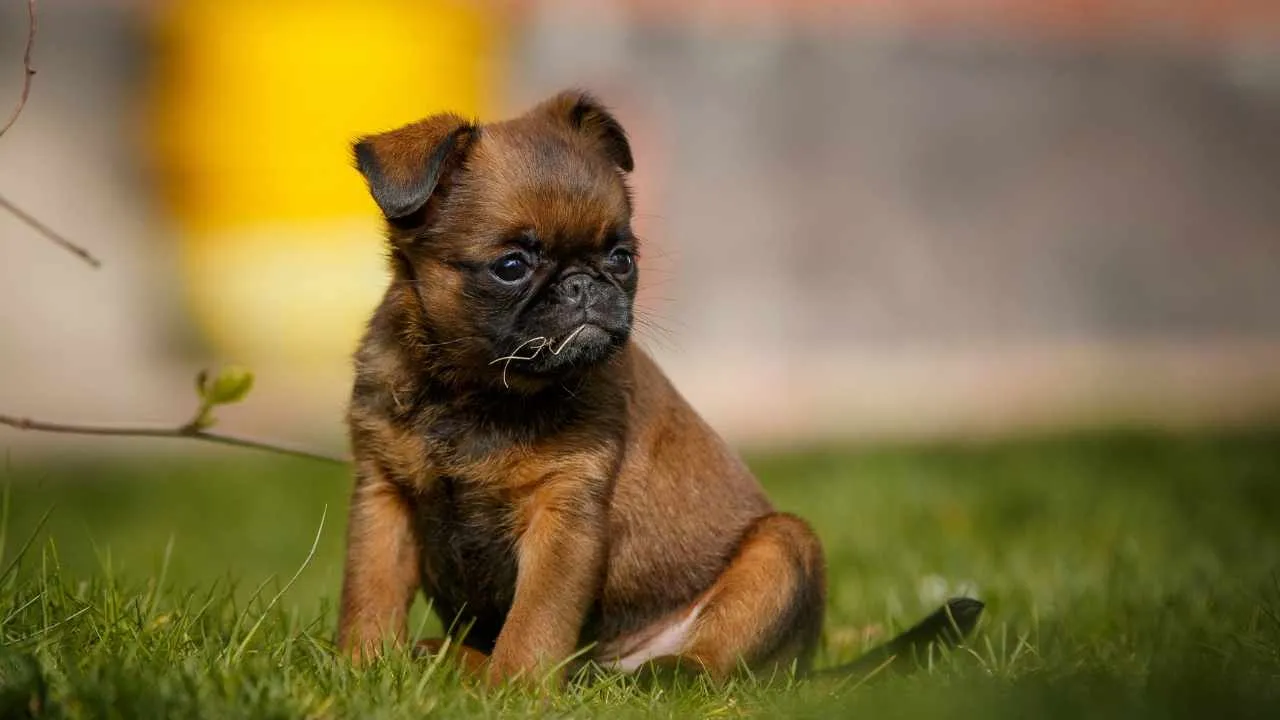
The Brussels Griffon is intelligent, alert, sturdy for its size, and instantly recognisable by an almost human-looking expression.
These lap dogs tend to form meaningful attachments and may prefer life with attentive adults over a noisy household filled with unpredictable handling. That sensitivity can be lovely for a senior who wants a responsive, emotionally connected dog, but it also means harsh correction is a terrible training strategy.
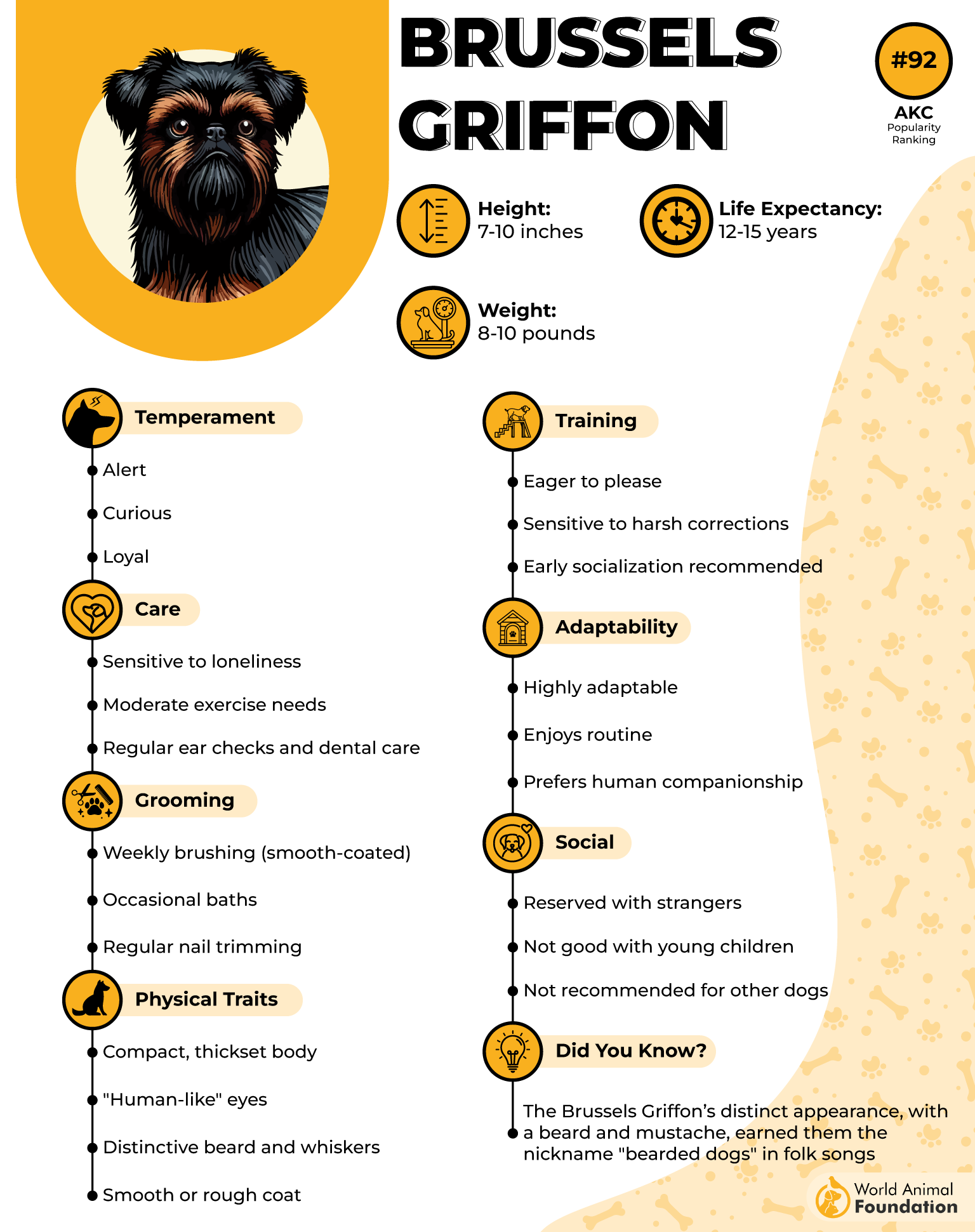
Their compact size and moderate activity pattern can work in flats, retirement communities, and smaller houses. A daily walk, supervised exploration, training exercises, and indoor play may provide a satisfying routine without demanding miles of strenuous movement.
These affectionate breeds of dog have either a rough or a smooth coat, and the grooming workload differs between the two. Smooth-coated dogs generally need straightforward brushing, bathing, nail care, and skin monitoring, while rough coats may require more specialised upkeep and professional trimming.
Ways They Make A Senior Owner’s Life Easier
Their tiny footprint allows them to live comfortably without dominating limited indoor space.
Expressive behaviour provides abundant amusement even during quiet days spent at home.
7. Japanese Chin
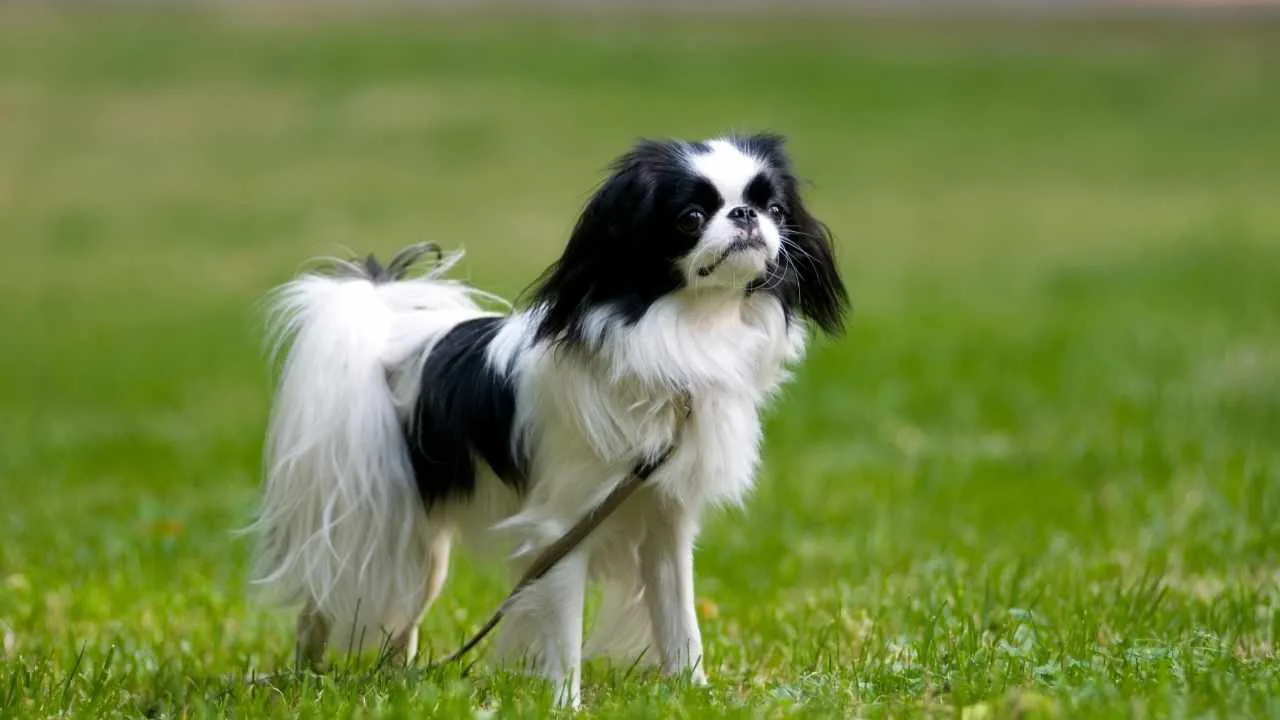
The Japanese Chin has spent centuries perfecting the art of looking elegant while doing something slightly ridiculous. This silky toy companion is described as charming, loving, noble, graceful, and generally quiet, with behaviour that admirers often compare to a cat’s.
That cat-like reputation comes partly from the breed’s fastidious habits, light-footed movement, and fondness for comfortable elevated spots. A Chin may investigate a sofa arm, sunny cushion, or carefully chosen observation post rather than bulldozing through the home.
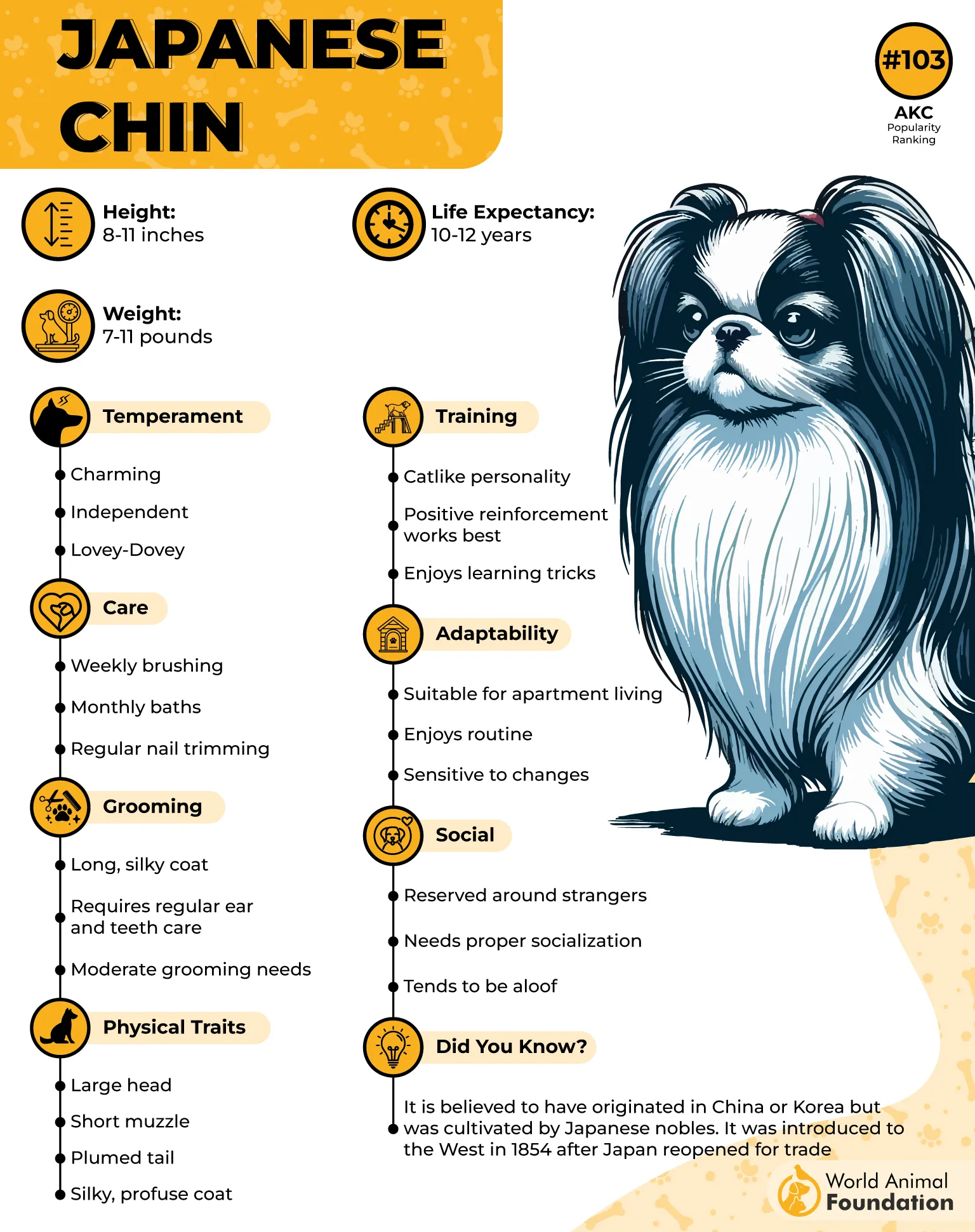
They are fairly active dogs but can often enjoy slower walks and controlled indoor play rather than strict exercise schedules. Their manageable dimensions make physical control easier, although their delicate build still calls for careful handling and protection from falls.
The silky coat of these Japanese dogs looks luxurious without having the dense, woolly texture found in some companion breeds.
Ways They Make A Senior Owner’s Life Easier
Their generally quiet manner can suit flats, shared buildings, and homes where constant barking would create stress.
Slow walks and small-space activities can fit naturally around reduced mobility or an unhurried timetable.
Conclusion
A relaxed senior lifestyle does not require a completely inactive dog, because every healthy canine still needs movement, mental engagement, training, veterinary care, and social connection.
Shih Tzus, French Bulldogs, Bichon Frises, Boston Terriers, Labrador Retrievers, and Golden Retrievers are some other great companion dogs for senior owners.
For many older adults, an adult rescue dog may be more predictable than a puppy because its mature size, temperament, activity level, and household habits are easier to evaluate.
