




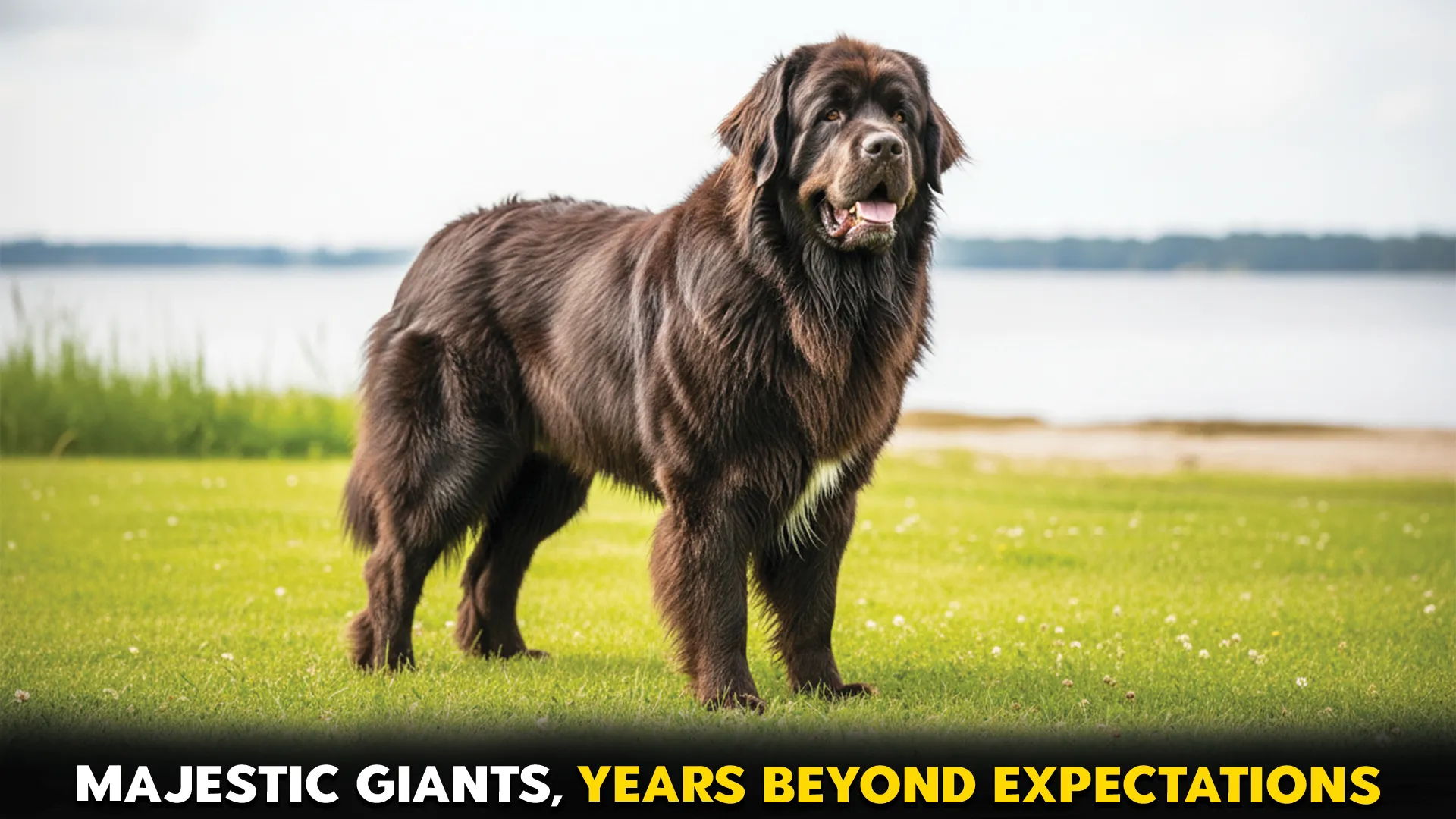
Big bodies, big hearts, and even bigger personalities, giant breeds know how to make life more exciting. They may take up more space on the couch, but they also fill a home with loyalty, warmth, and plenty of fun moments that keep everyone smiling.
Although many people think larger dogs live shorter lives, better nutrition, regular exercise, routine vet visits, and a relaxed environment can truly make a difference. With the right care, these gentle giants can enjoy stronger joints, healthier hearts, and more active years.
In this blog, we explore majestic giant dog breeds with lifespans that defy expectations, along with practical care tips to help them thrive longer and happier.
Majestic Giant Dog Breeds With Lifespans That Defy Expectations
1. Newfoundland
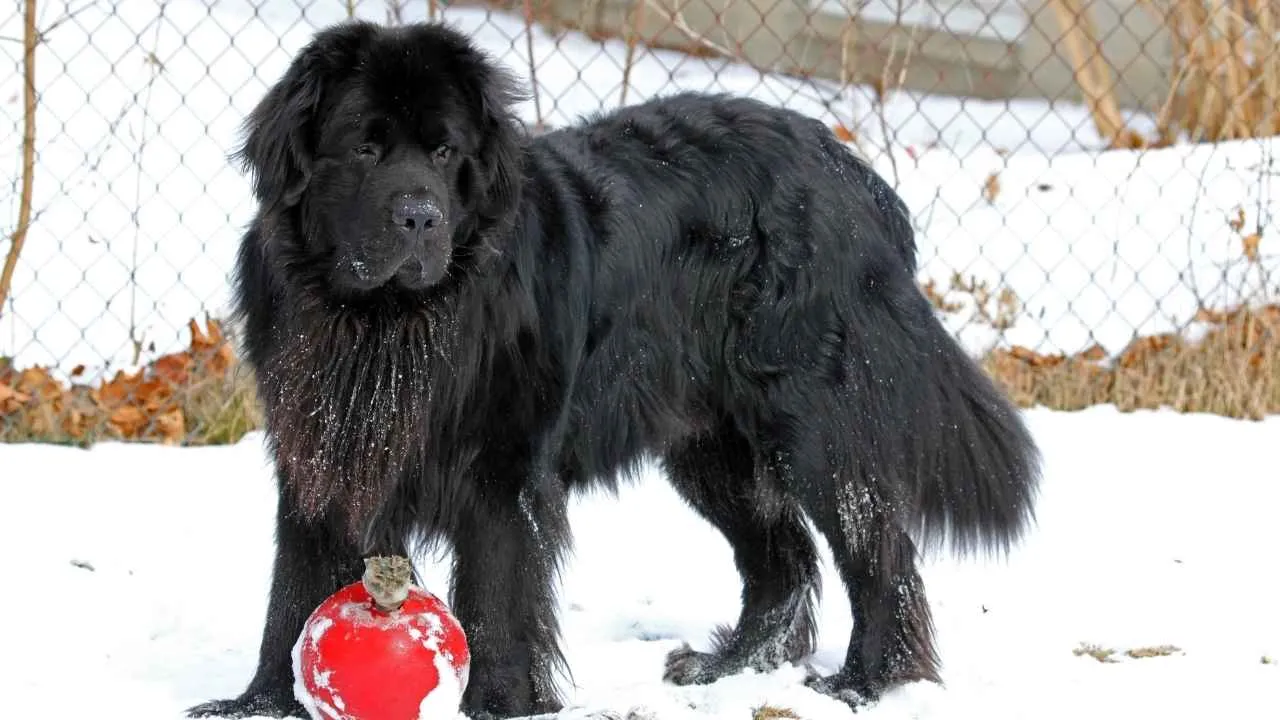
The Newfoundland often gets called a gentle giant or an aristocrat among dogs. These excellent companions are so incredibly mellow that people sometimes actually forget they are even canines.
Despite their massive size, a Newfoundland comfortably fits into a small home or apartment. A stable environment helps this breed avoid chronic stress, significantly boosting their overall health and longevity.
This massive Newfoundland is a powerful working dog with heavy bones and a dignified bearing. Healthy joints are crucial because they support mobility while reducing painful degenerative conditions later in life.
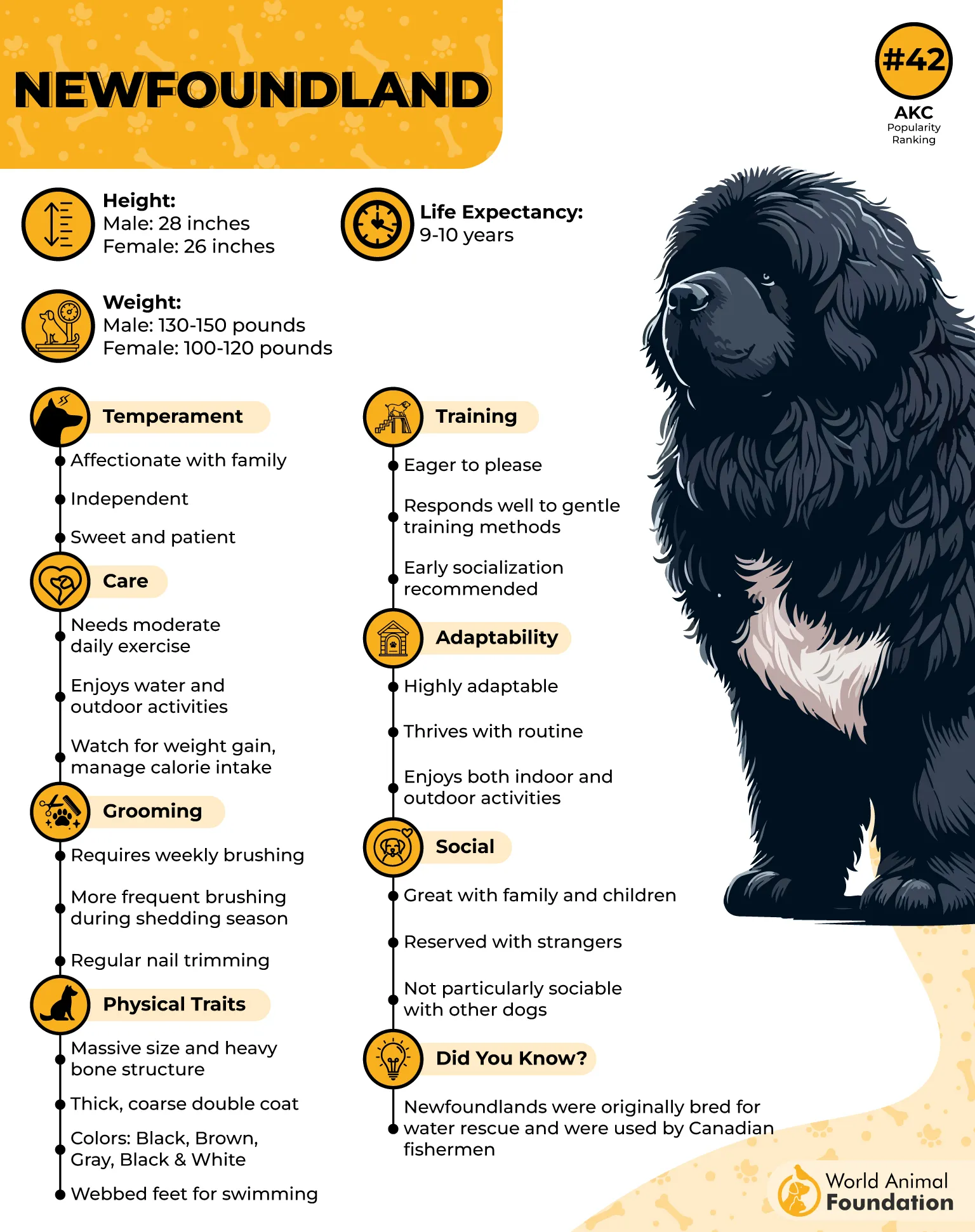
Newfoundland’s thick coats adapt surprisingly well to both warm and cool climates. Although the undercoat thins during summer, owners must prevent overheating to avoid weather-related diseases in their big friends.
2. Saint Bernard
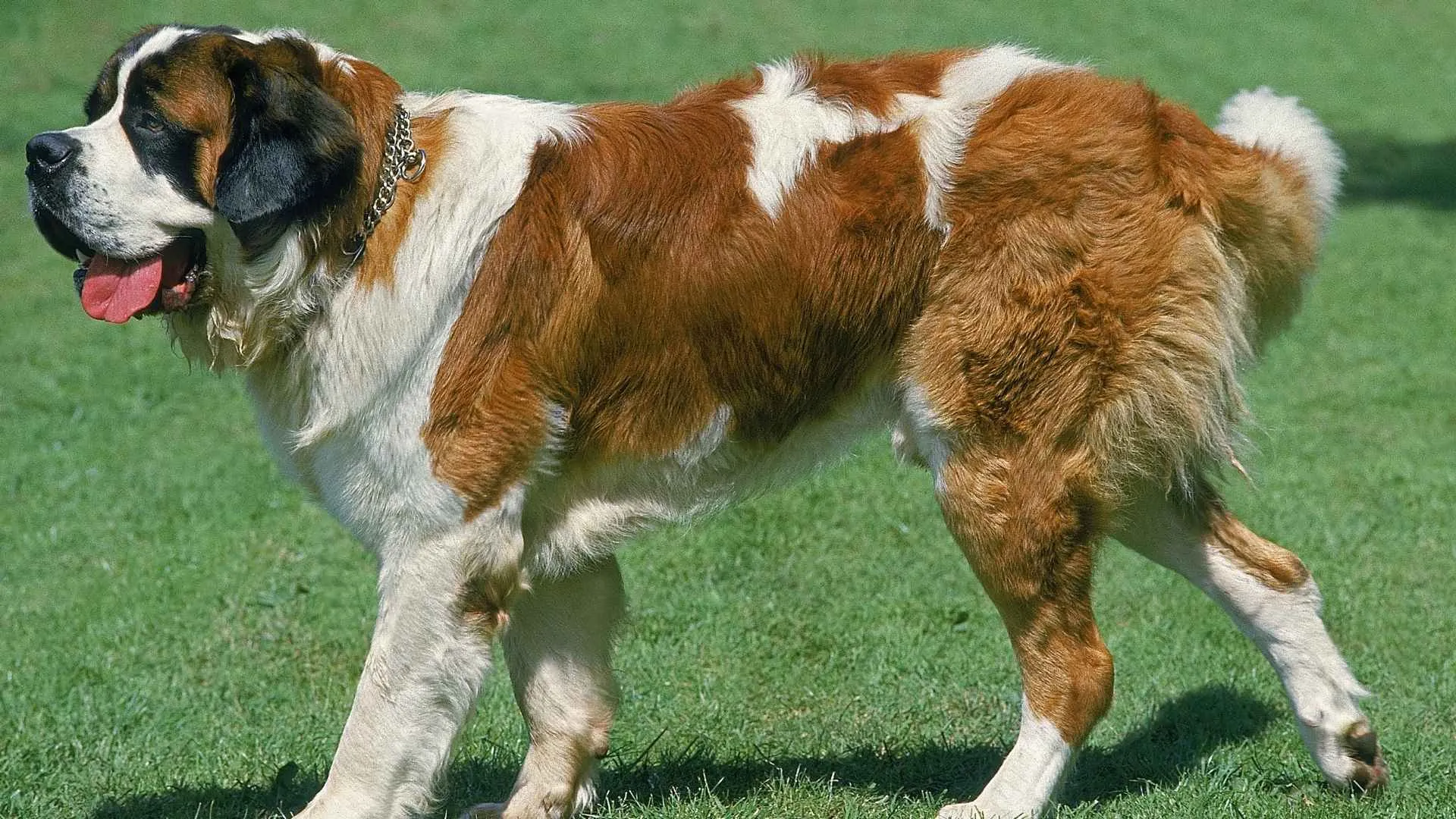
A Saint Bernard, originating in Switzerland, is a moderately active breed requiring regular exercise to stay healthy and happy. Being couch potatoes keeps them from a lazy lifestyle, effectively increasing their total lifespan.
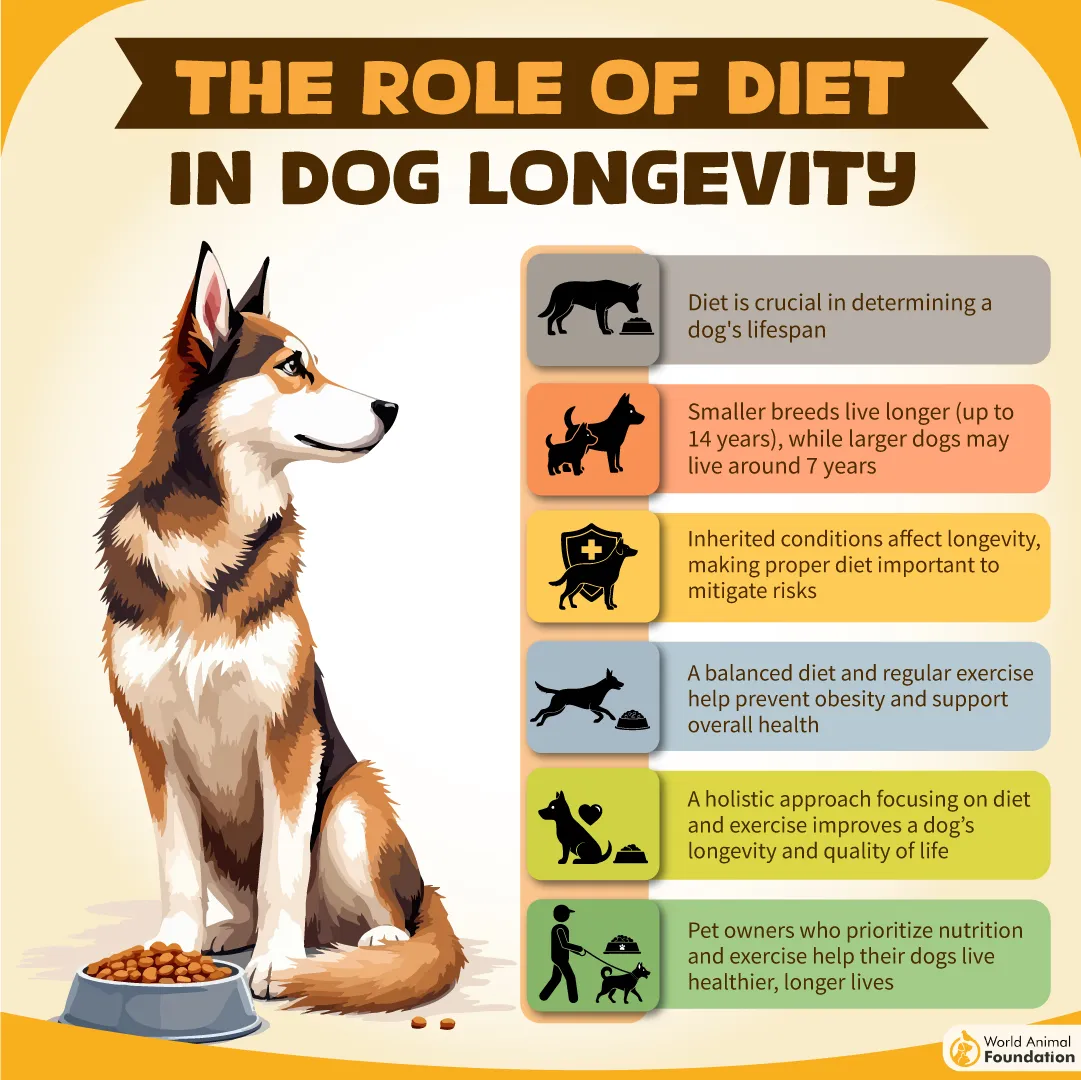
Diet plays a crucial role in the development and well-being of every St. Bernard. High-quality food suited for their size maintains health, which ultimately results in much longer life expectancy.
While the average life expectancy of a Saint Bernard typically spans eight to ten years, their majestic nature often shines through even in their senior years. These large dog breeds are generally healthy, yet they remain predisposed to certain medical conditions that require attentive care from dedicated, experienced owners.
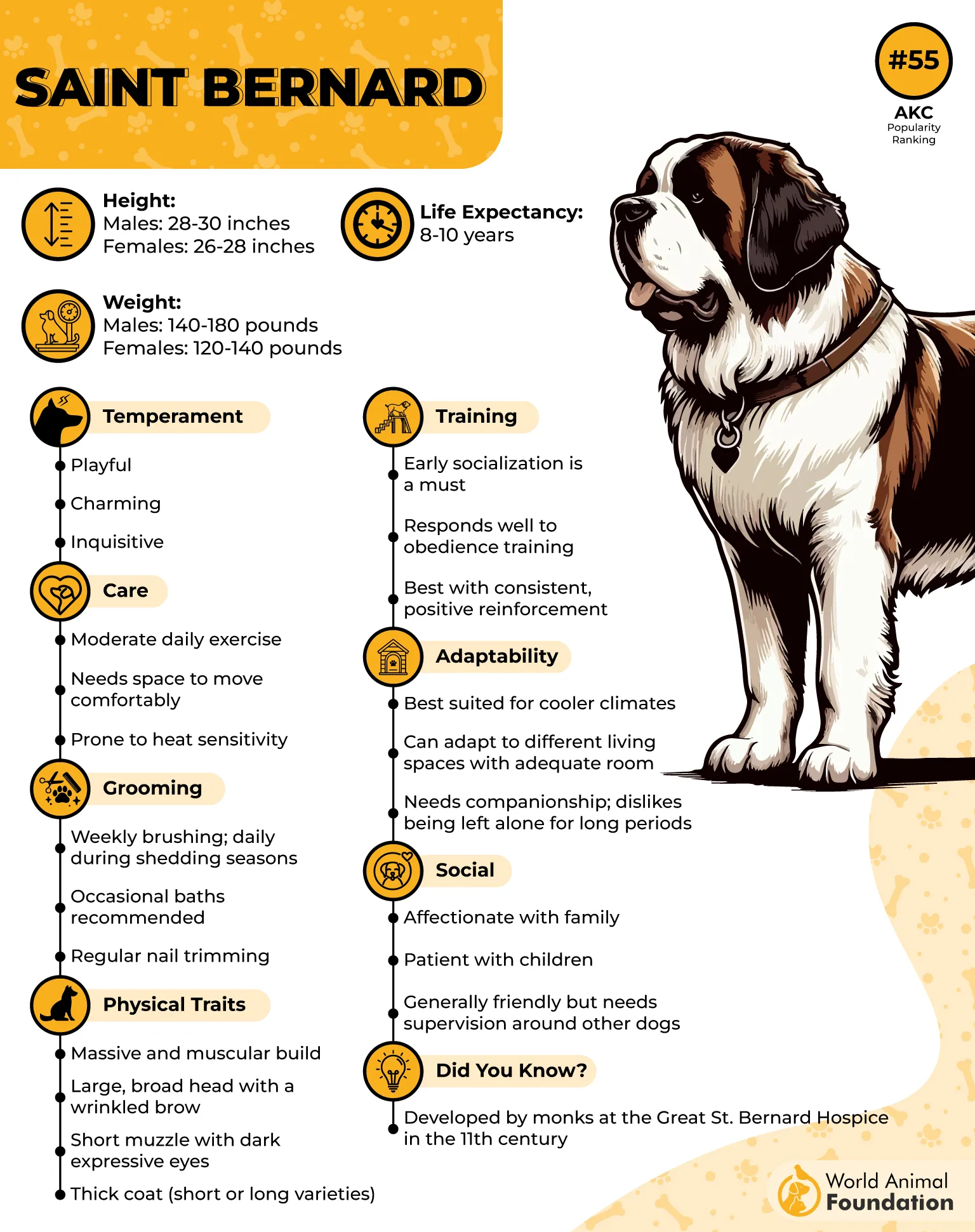
Because of their breeding, the St. Bernard thrives in cold weather with a dense double coat. These thick layers provide essential protection that helps prevent various weather-related diseases throughout their lives.
3. Leonberger
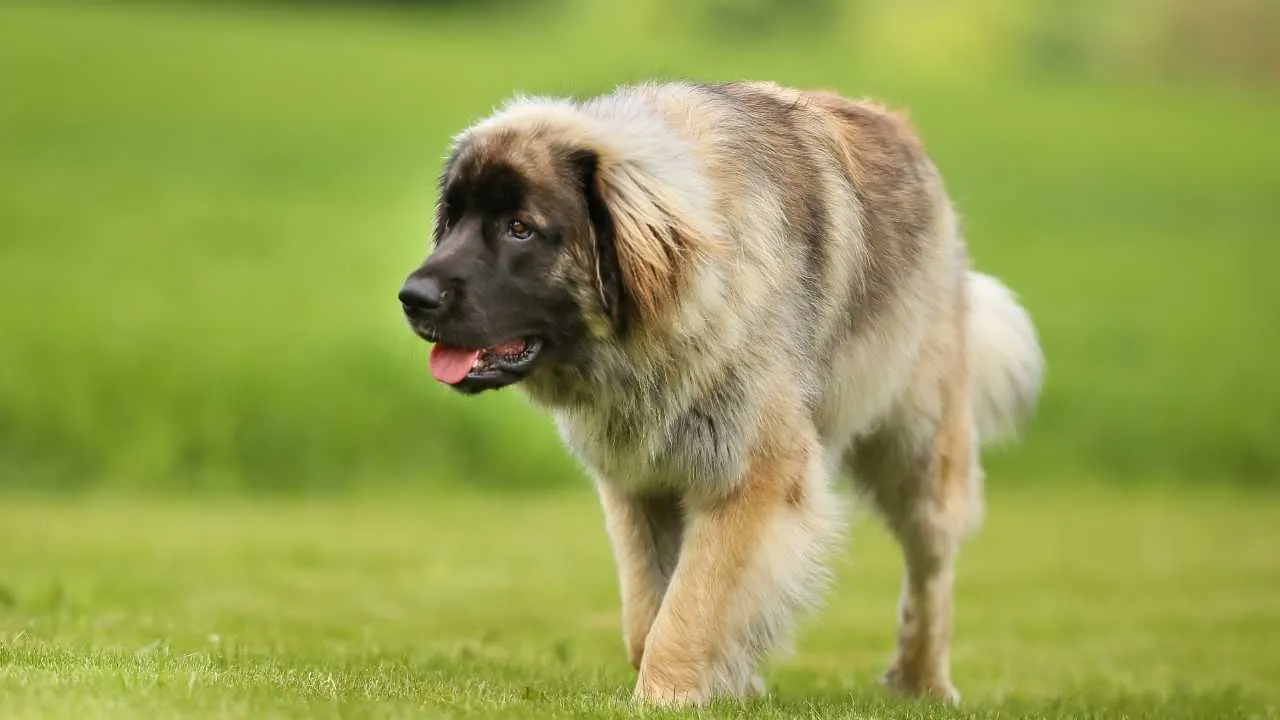
The Leonberger, originally bred as a guard dog, is a truly impressive sight, yet their massive stature means their life expectancy often averages around seven years. By focusing on their unique health needs, owners can ensure these gentle giants remain active and comfortable.
The Leonberger is a strong, muscular dog built for impressive physical power. Well-developed muscles help support their heavy joints, improving movement and maintaining vital body strength as the animal ages.
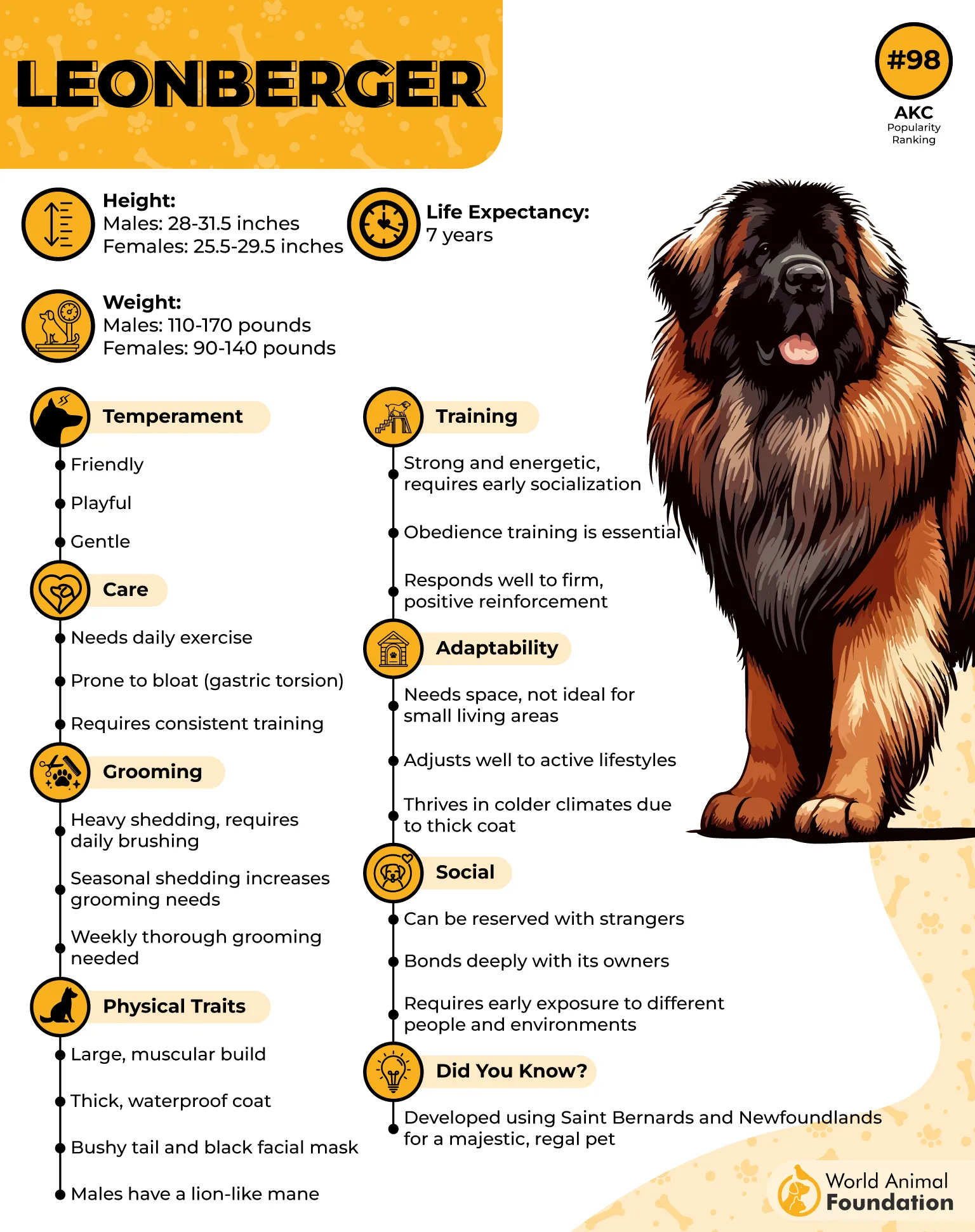
Stability is a famous trait for the Leonberger, as they are consistently even-tempered and pleasant. This calm temperament reduces stress levels, which helps support physical health and overall well-being for years.
These impressive dogs are occasionally prone to joint issues, specifically hip dysplasia, where the hip joint fails to develop properly and becomes loose. Fortunately, this condition is becoming much less of a concern, as breeders now carefully screen their dogs to prevent this inherited issue.
4. Irish Wolfhound
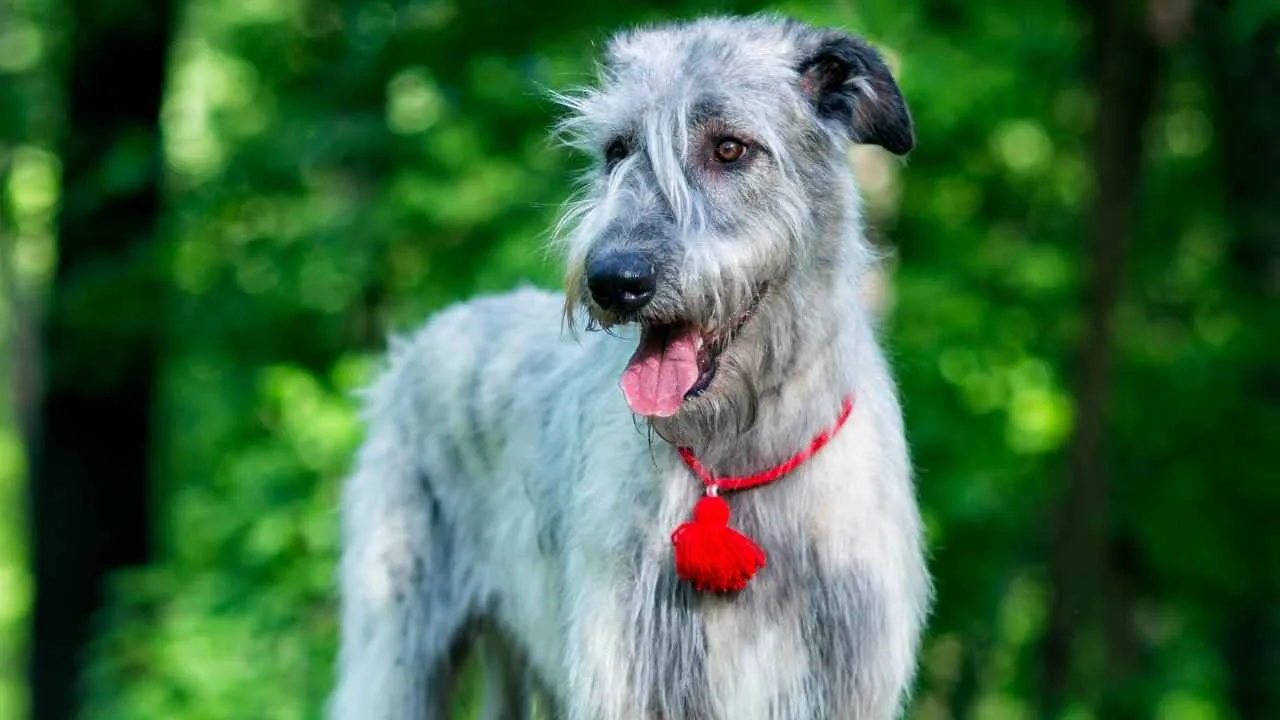
The Irish Wolfhound is a giant hound native to Ireland and holds the title of the tallest dog breed. Due to their extreme size, the average Irish Wolfhound lifespan ranges from six to eight years. A stress-free environment and attentive care can help these majestic hounds enjoy a life that exceeds expectations.
Since these giant breeds are content with a relaxed lifestyle, pet owners must be vigilant, as a sedentary routine often leads to weight gain. Excess weight puts immense pressure on their already taxed joints and heart.
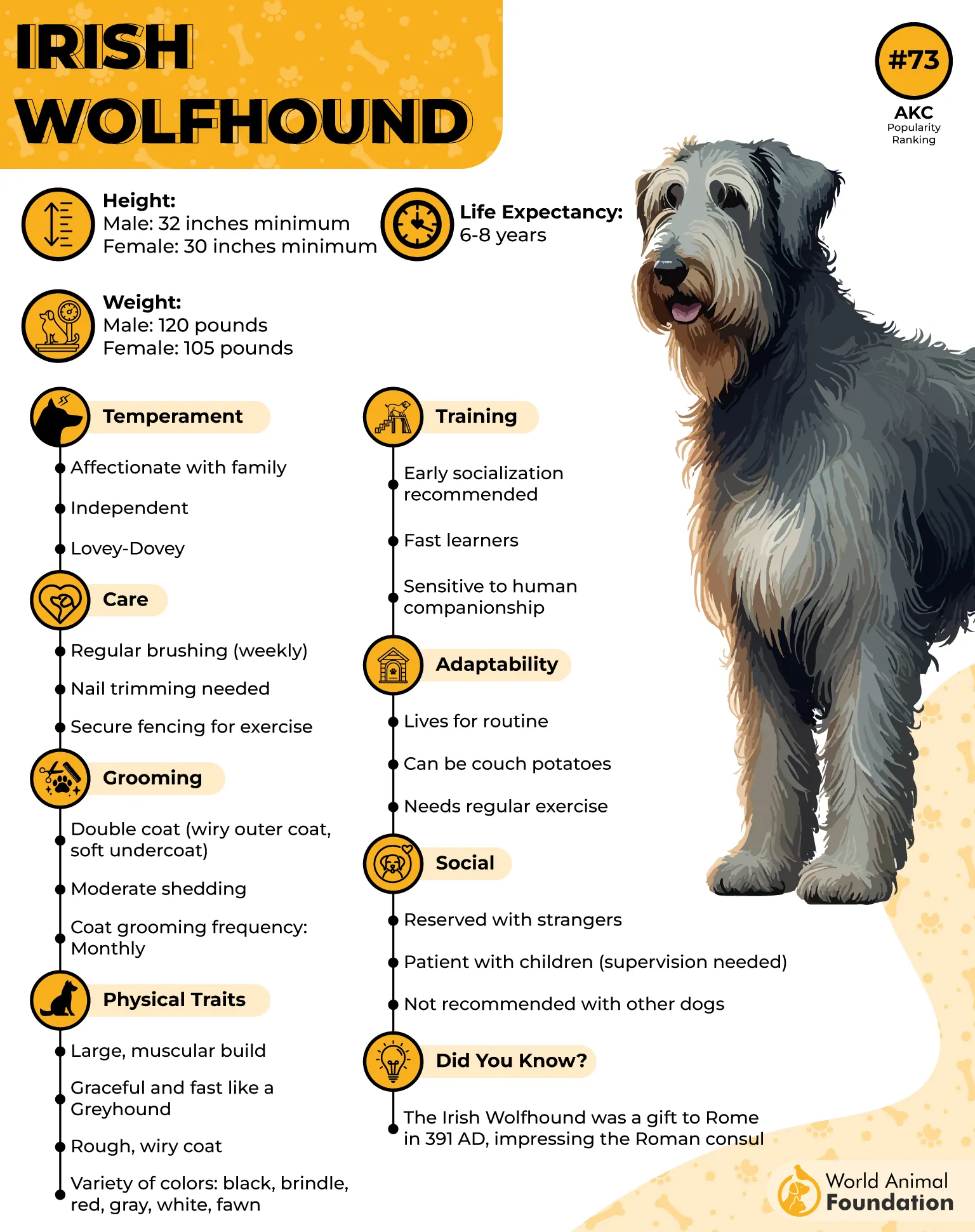
Because of their genetic tendencies, these large-breed dogs are prone to significant heart disease, specifically a condition called cardiomyopathy. This inherited problem causes an arrhythmia, which can eventually lead to congestive heart failure if not managed.
PetMD states that despite their intimidating size, huge Irish Wolfhounds are a gentle, calm breed that craves affection. They are affectionate with most people and generally patient with children, making them wonderful family companions.
5. Great Dane
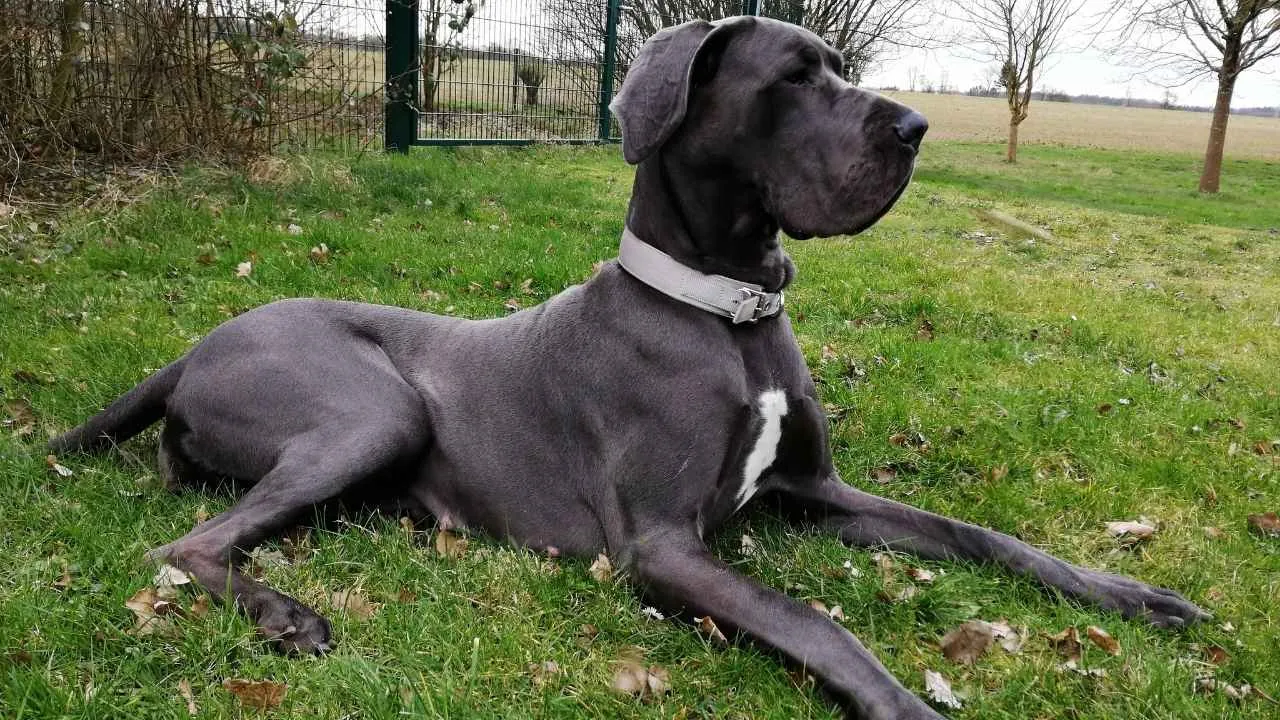
The Great Dane is often called the Apollo among dog breeds. The average lifespan of an adult Great Dane is around seven to ten years due to their stature. Because they are so big, these giants are unfortunately susceptible to several specific health issues.
Great Dane owners must watch for hip dysplasia, a condition where the bones do not sit properly within the joint. This misalignment often leads to significant discomfort or arthritis, directly affecting their mobility and overall quality of life.
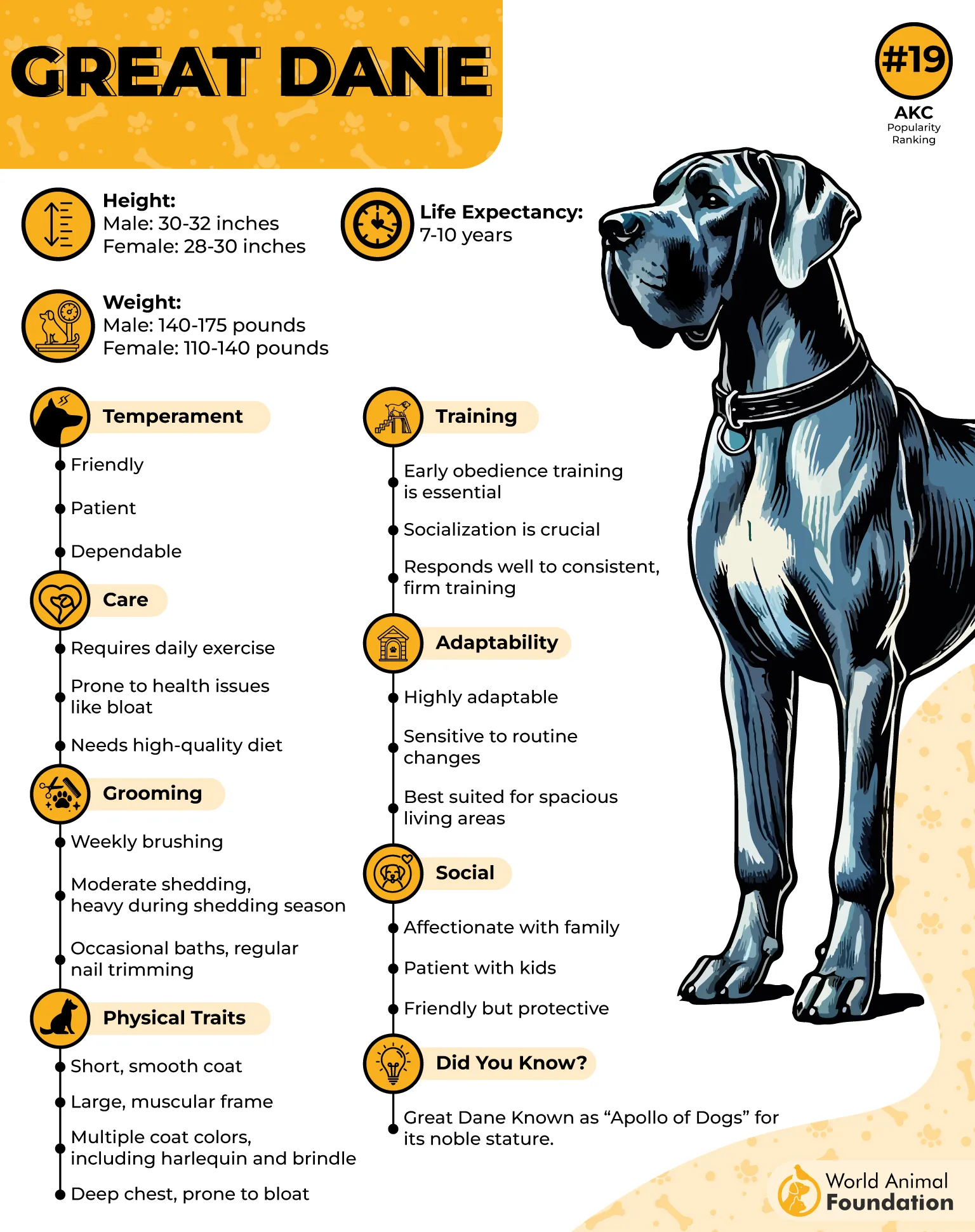
Obesity is a serious risk for a Great Dane, potentially shortening their life. Royal Canin notes that since these majestic dogs are low-energy, a careful lifestyle prevents weight gain. Prioritizing a healthy diet protects their joints, helping these tall companions stay vibrant and defy lifespan expectations.
The Great Dane is a joyful and intelligent companion. Their warm and gentle temperament makes the Great Dane a great partner for anyone seeking a majestic, large-sized friend.
6. Bernese Mountain Dog
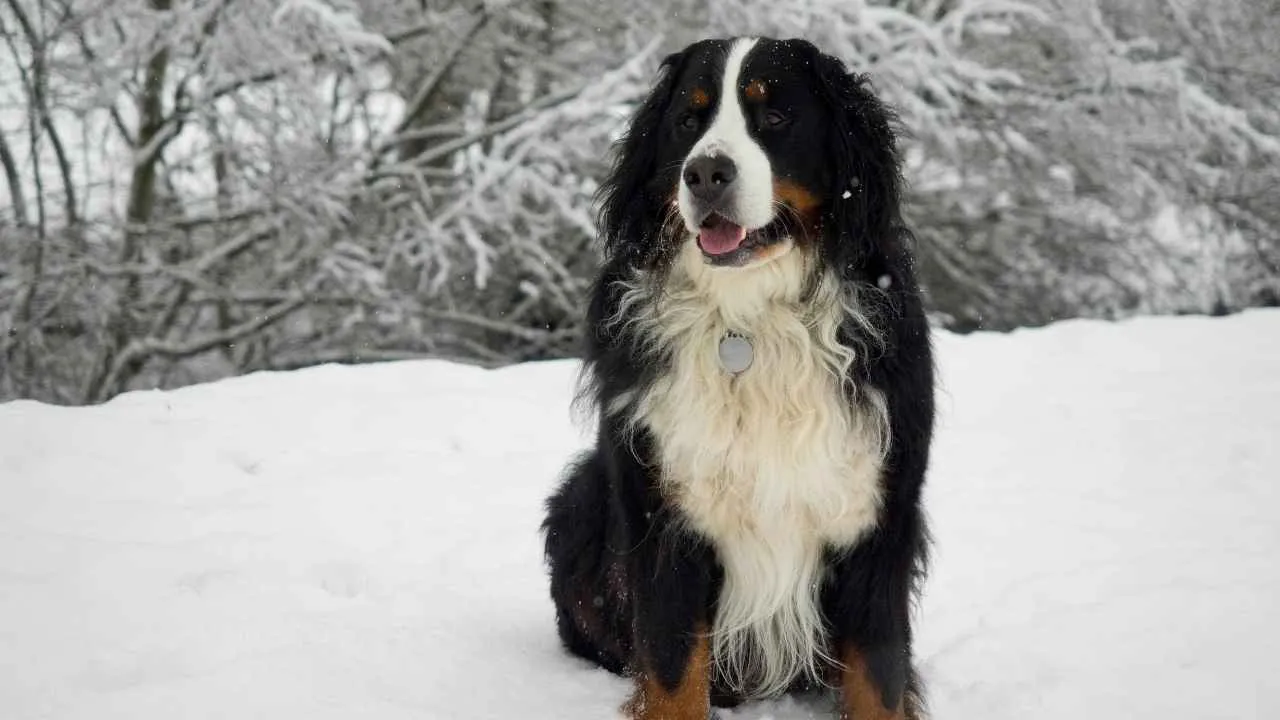
The Bernese Mountain Dog belongs to one of the four Sennenhund breeds. It currently has a higher rate of fatal cancer than many other dogs. Average life expectancy has lowered to seven or ten years as medical issues continue to increase.
Hereditary conditions are a joint problem that often occurs when the joints of a Bernese Mountain Dog do not fit correctly. This structural issue eventually leads to painful arthritis, which can impact the quality of their movement.
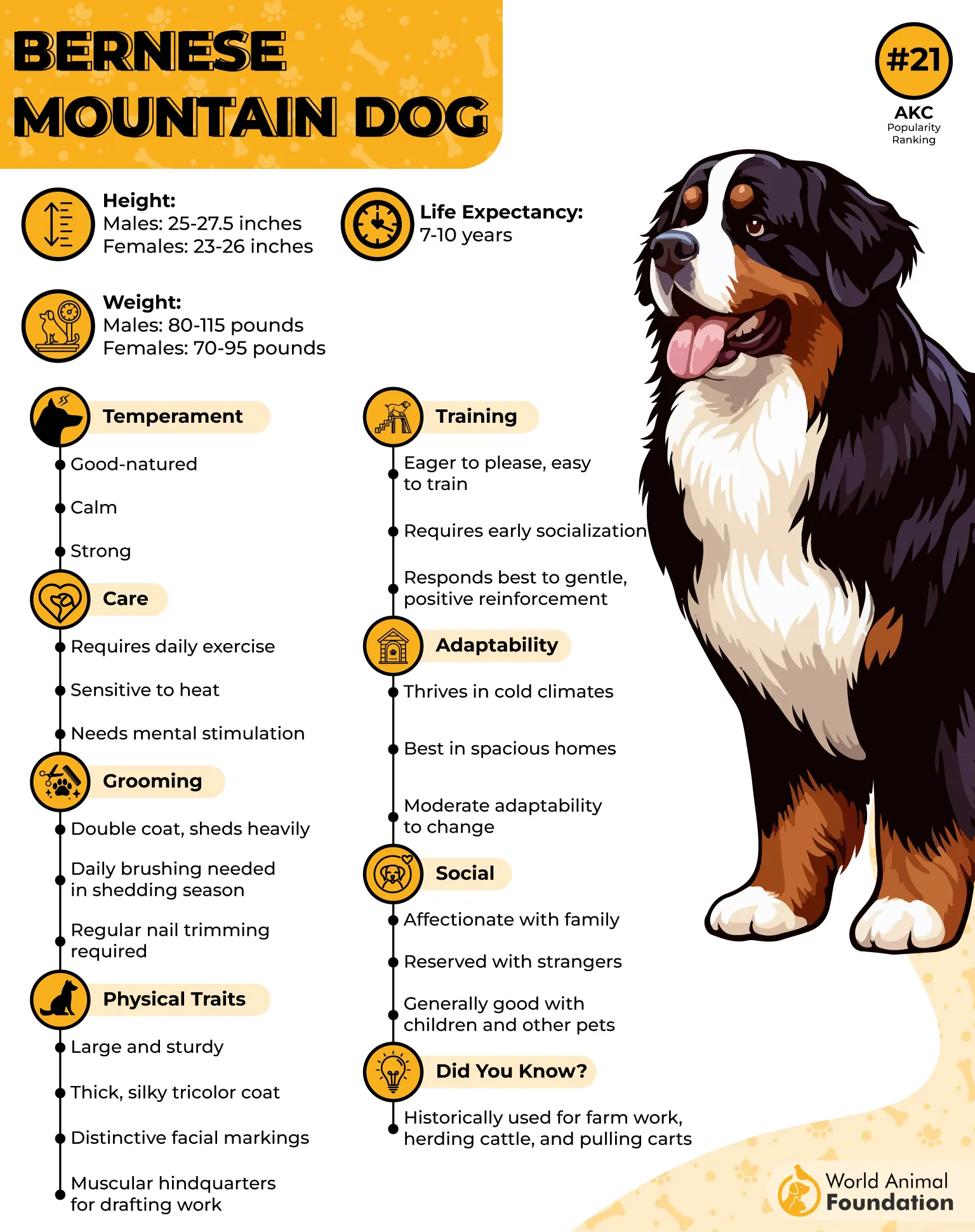
According to Purina, a gentle nature and eagerness to please make the Bernese Mountain Dog an excellent house pet. These hallmarks of their temperament ensure they remain affectionate and very well-behaved within a family.
Owners should note that a Bernese Mountain Dog can become obese quite easily. Excess weight often leads to several different diseases, which unfortunately work toward lowering their expected lifespan over time.
7. Mastiff
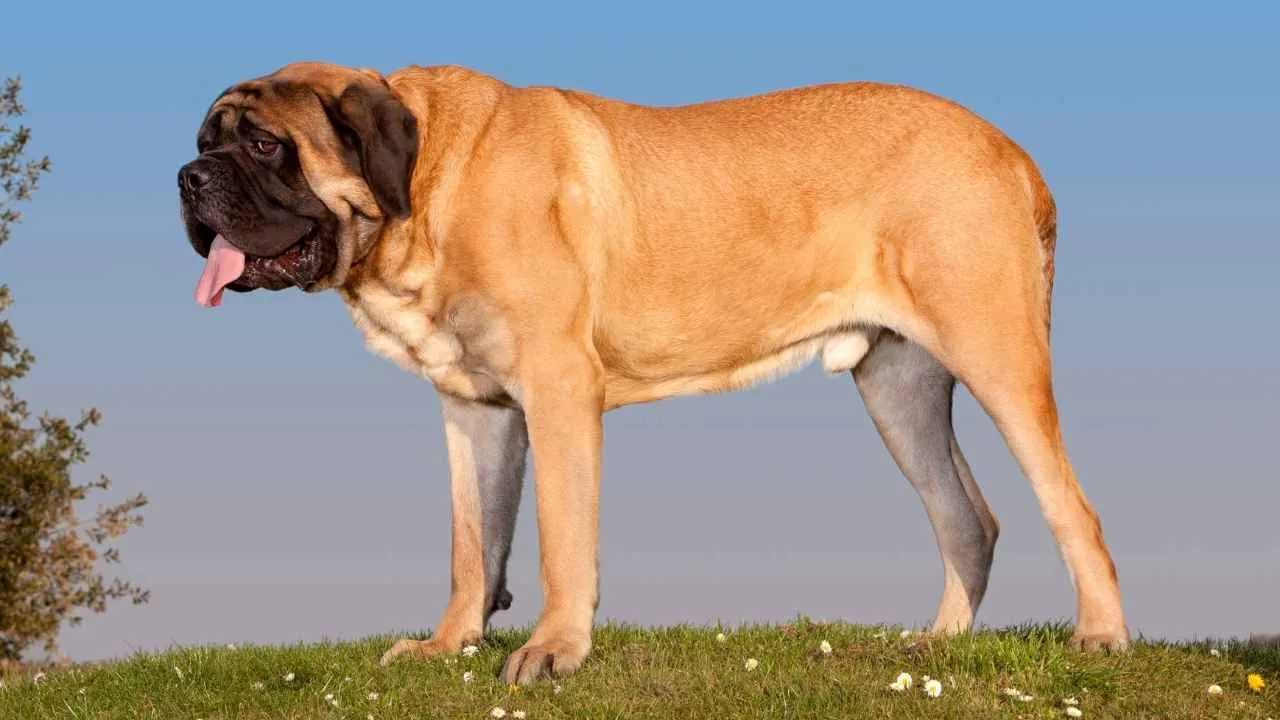
Dogs of the Mastiff type have lived in Britain for centuries. A Mastiff is often prone to obesity, which can further shorten its already limited life. Because larger breeds age faster, their bodies experience age-related decay much earlier than those of smaller dogs.
In giant dog breeds, any Mastiff over six years old is already considered a senior. While small dogs stay youthful at twelve, these heavy giants face physical challenges much sooner in their development.
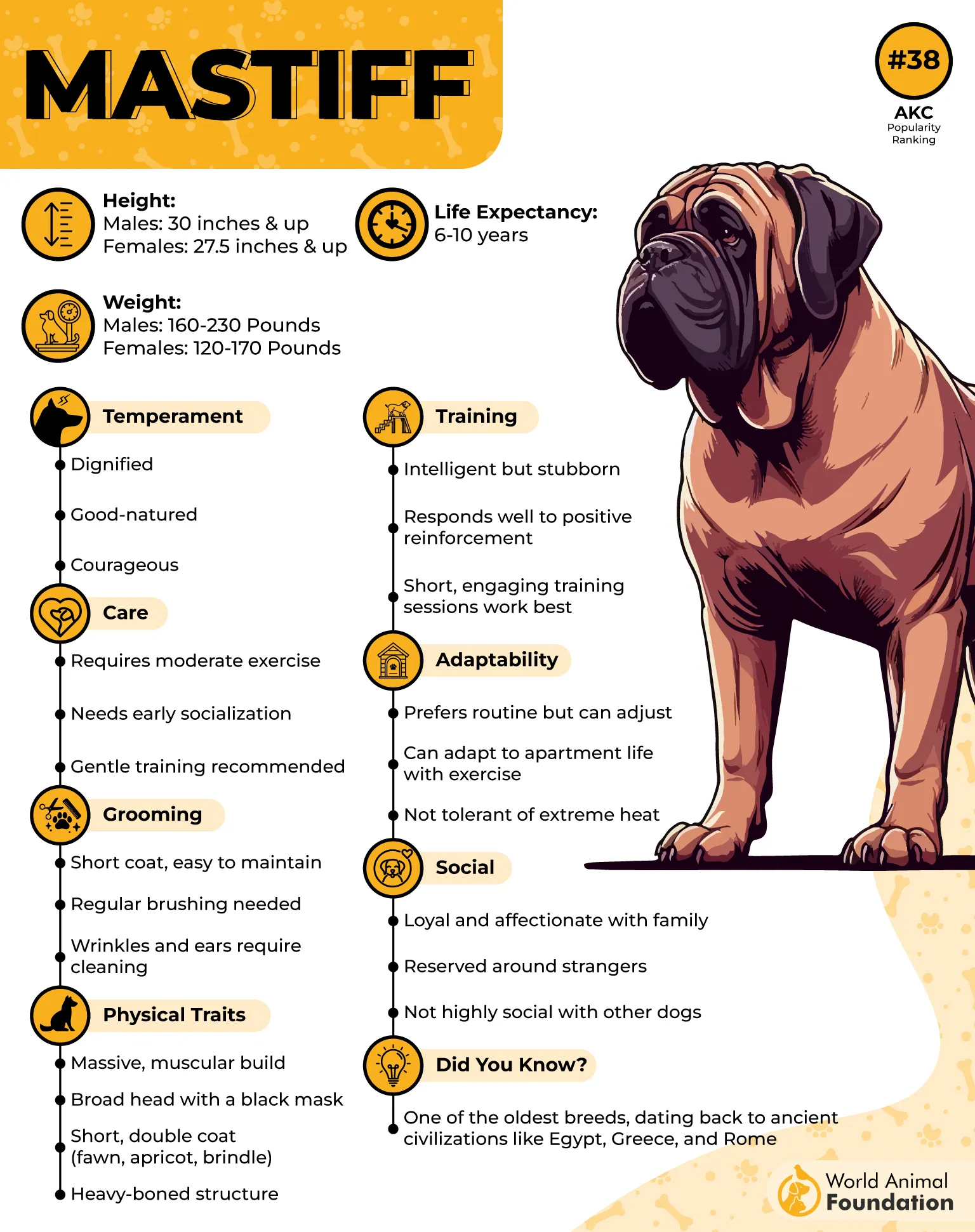
Lymphosarcoma is a type of blood cancer that a Mastiff might unfortunately suffer from. Detecting this disease early allows eighty percent of dogs to reach remission and continue living a happy life.
The Mastiff has a genetic predisposition to develop certain specific cancers or chronic illnesses. Proper treatment and early detection are the best ways to ensure these massive dogs live as long and healthy as possible.
Conclusion
Majestic giant dogs often exceed expectations when given proper care, balance, and attention from their families. With consistent routines and preventive health measures, they can enjoy comfort, strength, and lasting companionship for many years.
Regular exercise, routine veterinary visits, and a nutritious diet help protect joints, support heart health, and maintain steady energy levels throughout adulthood. These simple habits significantly improve quality of life over time, naturally.
With informed ownership and a stable home environment, even the largest breeds can thrive beyond typical expectations and remain affectionate, active, and deeply connected to the people who care for them every day.
