




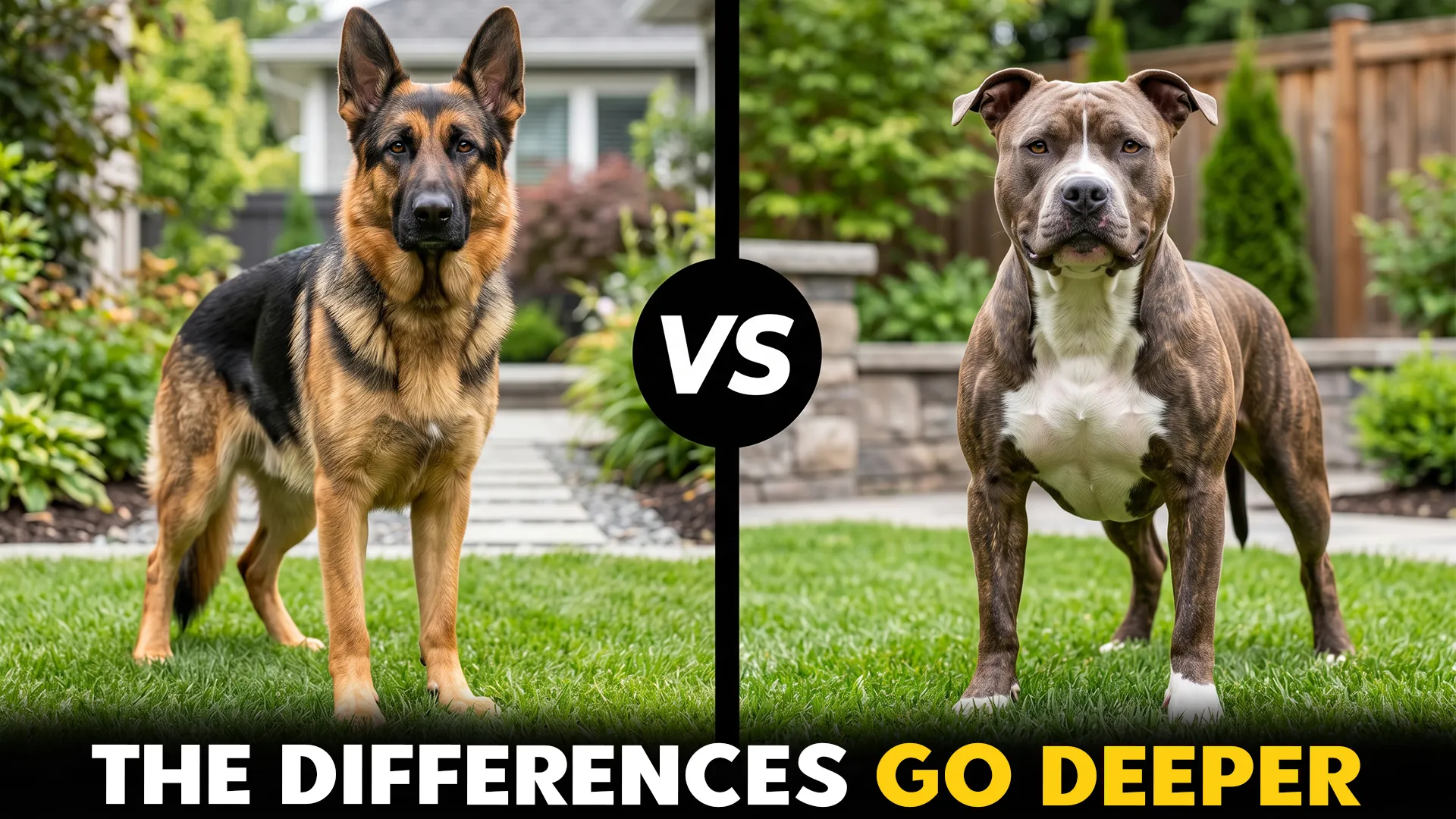
Many dog lovers find themselves torn between two powerful and widely discussed breeds: the German Shepherd and the Pit Bull. Both carry strong reputations, but also a cloud of myths that often shape how people see them.
The truth is, much of what we believe about these dogs comes from appearance, reputation, or misunderstanding rather than reality.
German Shepherds are admired for their loyalty, intelligence, and deep connection with their families, while Pit Bulls are often unfairly judged despite being affectionate, energetic, and highly people-oriented dogs.
The challenge is that neither breed fits neatly into stereotypes; each dog is an individual shaped far more by upbringing, training, and environment than by labels.
In this article, we’ll look beyond the myths and explore the real differences in behavior, temperament, and care. By the end, you may find that what surprises you most isn’t how different they are, but how misunderstood both truly are.
Key Takeaways
German Shepherds and Pit Bulls both have working-dog origins shaped by human purpose and training.
German Shepherds are known for loyalty, intelligence, and strong bonds with their handlers.
Pit Bulls are often misunderstood and include multiple types rather than a single recognized breed.
Both breeds are intelligent dogs. They require high levels of exercise and mental stimulation to stay balanced and healthy.
German Shepherds typically need more structured training and clear leadership.
German Shepherd vs. Pit Bulls: Differences That Will Surprise You
Origins & Purpose
German Shepherds and Pit Bulls share working-class origins, but their purposes developed in very different directions.
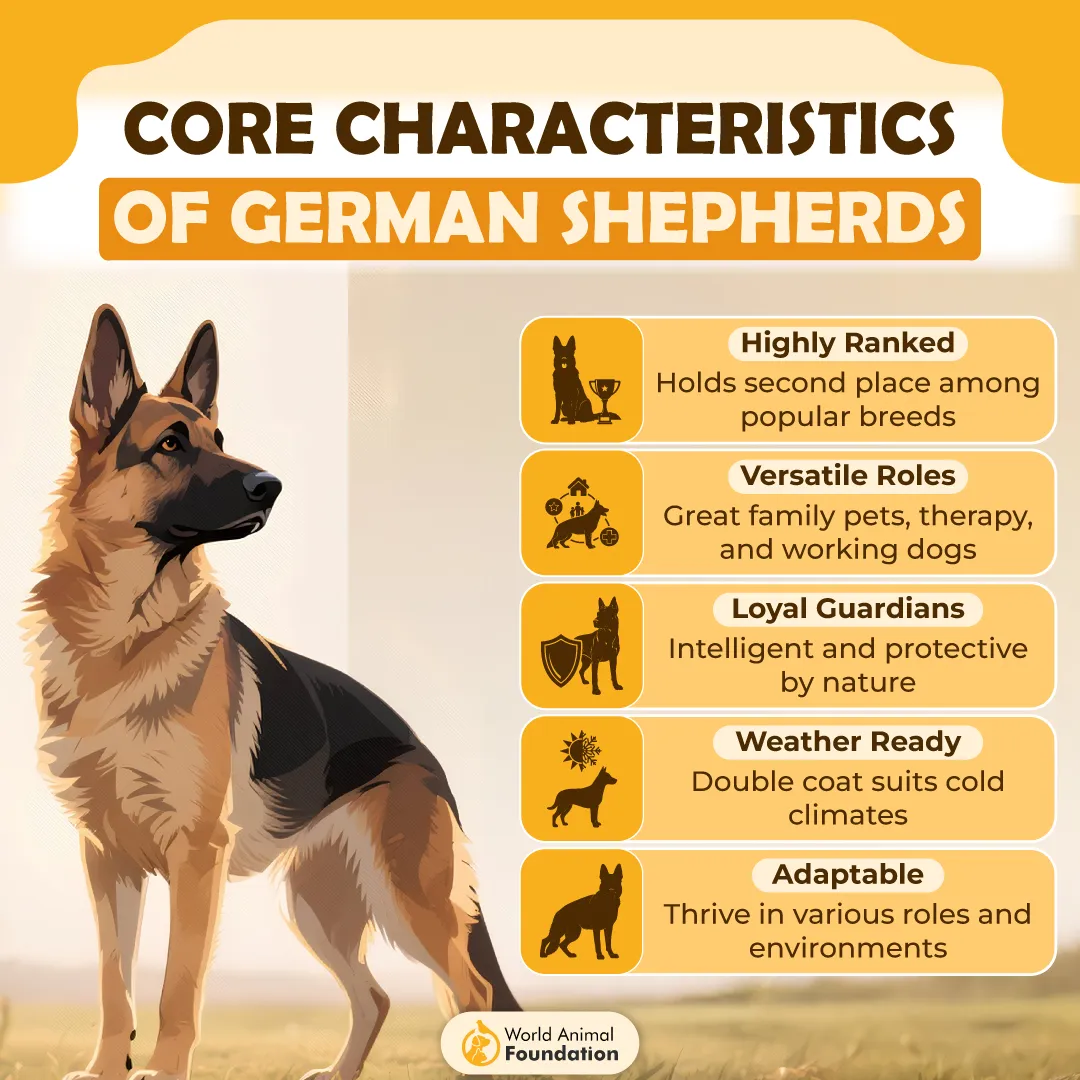
The German Shepherd was shaped in the late 1800s in Germany by Max von Stephanitz, who aimed to create a strong, intelligent herding dog capable of guiding and protecting livestock, as noted by Pooch & Mutt.
Originally used to herd sheep and patrol land boundaries, they later transitioned into police, military, search and rescue, and guide dog roles due to their loyalty, intelligence, and trainability.
Pit Bulls, on the other hand, trace their roots back to early 19th-century bulldog and terrier crosses in the British Isles. They were developed from dogs used in bull baiting and later ratting and dog fighting when blood sports were banned.

Today, “Pit Bull” refers to a type rather than a single recognized breed, often including American Pit Bull Terrier and similar dogs. Over time, they shifted from working fighters to family companions and working dogs in society.
Size & Physical Build
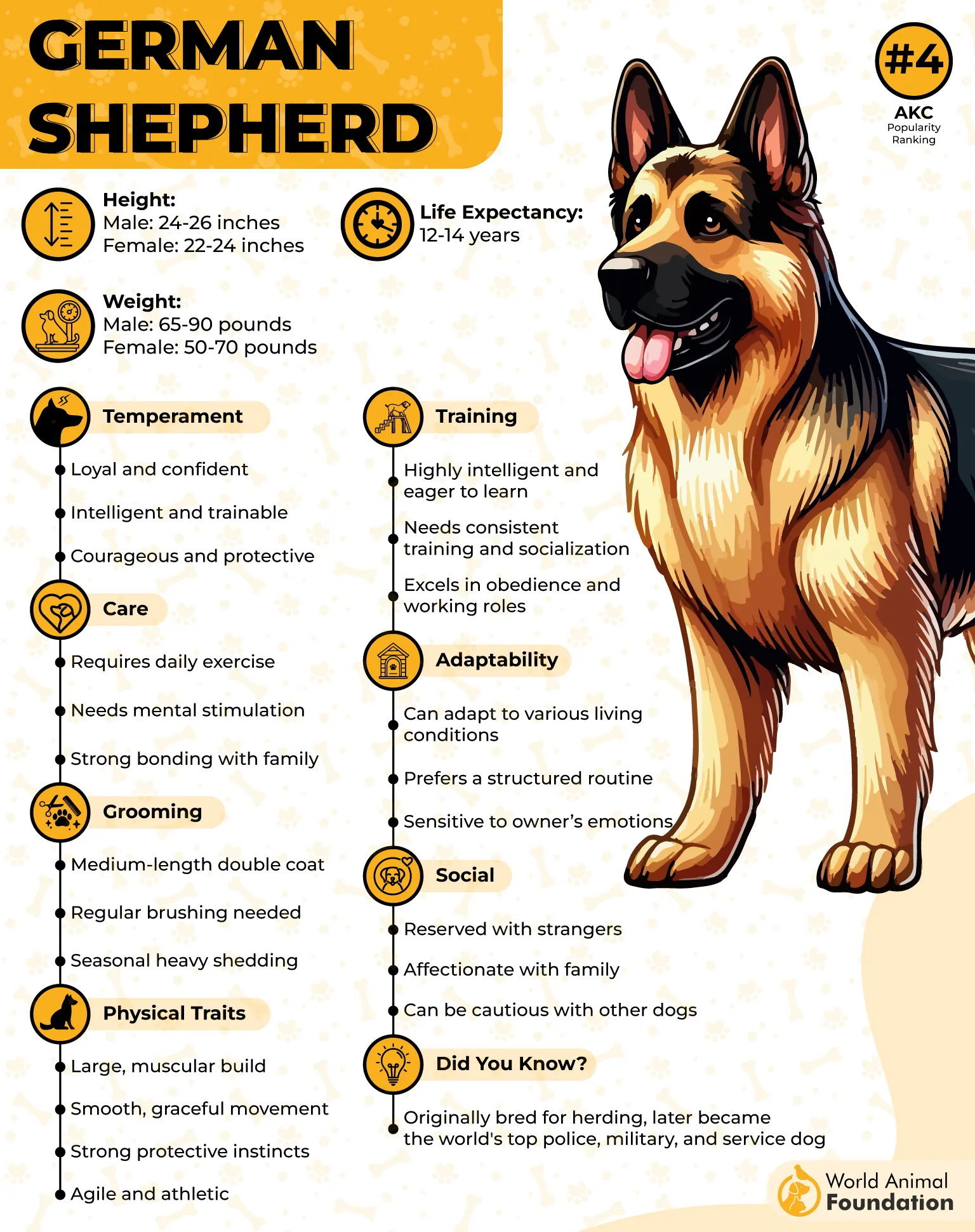
German Shepherds are generally large, strong dogs with a powerful and athletic build, designed for endurance and working ability. They are known for their agility, intelligence, and balanced physical structure that supports herding and protection tasks.
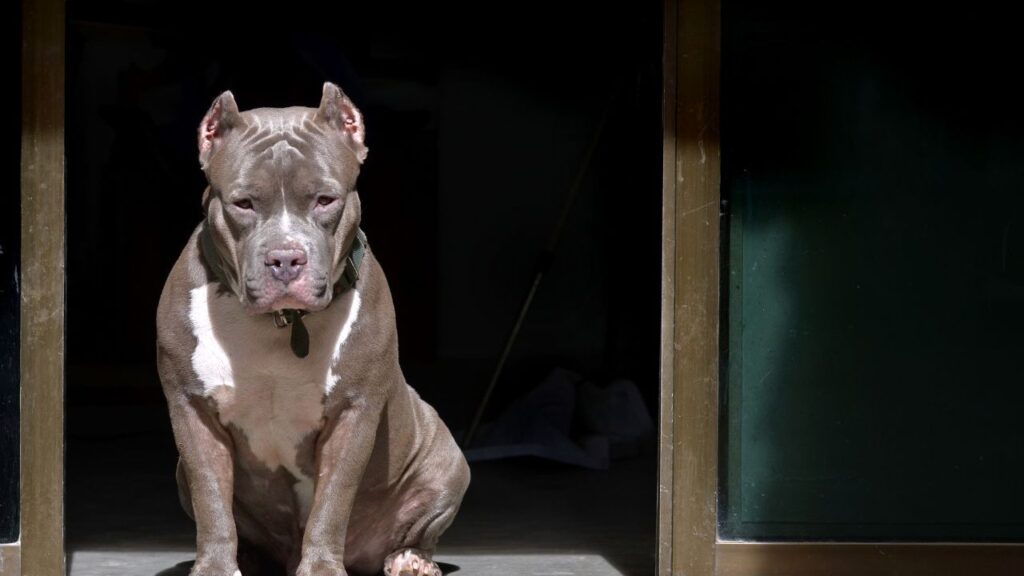
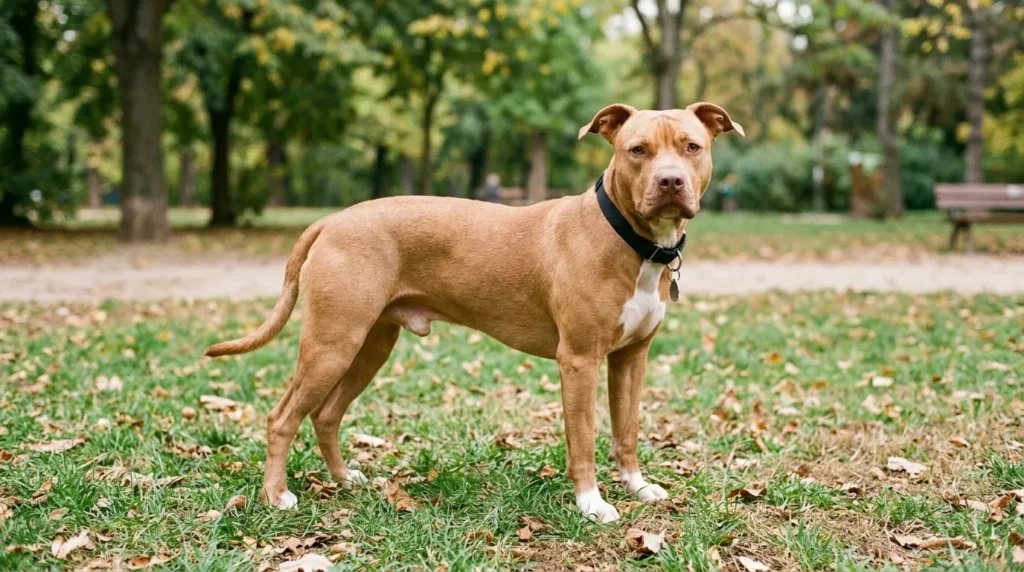
Pit Bulls, by contrast, are typically medium-sized, muscular dogs with a compact and athletic frame, as stated by Loveabull. According to breed data, they usually stand between 17 and 21 inches at the shoulder and weigh around 30–60 pounds.
Despite being smaller in height compared to German Shepherds, Pit Bulls are known for their strength and solid build. Both breeds are physically capable and energetic, requiring regular exercise and activity to stay healthy and balanced.
German Shepherds often appear taller and more elongated, while Pit Bulls have a broader chest and stockier appearance. Their physical differences reflect their original purposes: herding and guarding for Shepherds, and strength-based tasks for Pit Bulls in different working environments, for daily use.
Temperament & Personality
German Shepherds are known for their deep loyalty, intelligence, and strong bond with their handlers, often forming close connections with their families. They are protective, alert, and responsive, making them excellent working and companion dogs when properly trained and socialized.
However, they can also be anxious or highly strung if not given enough mental and physical stimulation, and they require consistent training and leadership to thrive. Pit Bulls, despite widespread misconceptions, are often loyal, affectionate, and people-oriented dogs.
They are frequently misidentified and grouped as a single breed type rather than individual breeds, which contributes to public misunderstanding. Studies and temperament tests have shown that Pit Bull-type dogs can perform well and are not inherently more aggressive than other breeds.
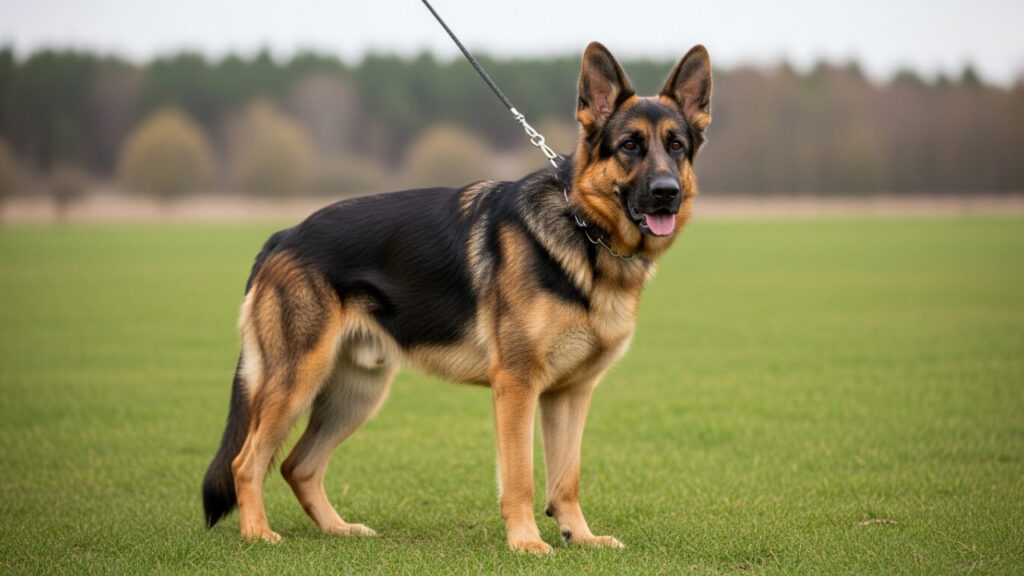
Like German Shepherds, their behavior depends heavily on upbringing, environment, and training. Both breeds have strong protective instincts. They can be loving family companions when raised responsibly and given proper care, structure, and attention.
Exercise & Energy Levels
Both German Shepherds and Pit Bulls are highly energetic breeds, but they channel their energy in slightly different ways. German Shepherds, especially working-line dogs, are bred for endurance, focus, and long hours of activity.
They typically need at least 1.5 to 2 hours of daily exercise, along with mental stimulation through training, tasks, or structured play. Without this balance, they can become restless or destructive. Their proper exercise routine often includes walking, jogging, hiking, and off-lead running in safe areas.
Pit Bulls are also extremely energetic dogs, known for their enthusiasm and strength. They thrive on active play, running, and interactive games, often needing one to two hours of daily activity to stay balanced and happy.
Both breeds benefit from consistent physical outlets, but German Shepherds also require more structured mental work. In both cases, an active lifestyle is not optional; it is essential for their physical health, emotional stability, and overall behavior.
Training & Intelligence
German Shepherds and Pit Bulls are both intelligent, but they express that intelligence in different ways. German Shepherds are widely known for their exceptional ability to learn complex tasks quickly, which is why they are often used in police, military, and search and rescue work, as explained by PetPlan.
They are highly responsive to proper training, but they also need firm, consistent leadership because their intelligence can lead to strong-willed behavior if boundaries are unclear. Pit Bulls are also smart, eager to learn, and highly people-oriented.
They are often described as clever and trainable, capable of handling a wide range of commands and tasks when guided with patience and positive reinforcement. However, both breeds can develop unwanted habits if training is inconsistent or unclear.
The key difference lies in style: German Shepherds excel in structured, disciplined training environments, while Pit Bulls often respond best to energetic, reward-based engagement and strong human bonding.
Suitability as Family Pets vs. Guard Dogs
German Shepherds and Pit Bulls can both make loving family companions, but their suitability depends heavily on the household, experience, and lifestyle. German Shepherds are deeply loyal, protective, and closely bonded to their families, often becoming alert guardians of the home.
However, they require experienced handling, early socialization, and consistent training to manage their strong instincts and high energy. Without this structure, they may become anxious or overly protective.
Pit Bulls, on the other hand, are often described as affectionate, social, and people-oriented dogs that enjoy being part of a family environment. They are energetic and playful, making them a good match for active households that can meet their exercise needs.
While both breeds can be excellent with children when properly trained and supervised, neither should be left unmanaged. Ultimately, both dogs thrive in homes that provide time, structure, attention, and responsible ownership.
Conclusion
In the end, comparing German Shepherds and Pit Bulls is less about deciding which breed is “better” and more about understanding what each one truly needs and offers. Both dogs carry strong histories shaped by purpose, training, and human perception, and both have often been misunderstood in different ways.
German Shepherds stand out for their loyalty, intelligence, and structured working instincts, while Pit Bulls are widely recognized for their affection, energy, and strong bond with people when raised in the right environment.
What becomes clear is that neither breed can be defined by stereotypes alone. Their behavior is shaped far more by training, care, socialization, and responsible ownership than by labels or appearance.
For potential owners, the real question is not which dog wins, but which lifestyle matches the dog you choose. With the right environment, both breeds can become loving, dependable companions and deeply valued members of the family for years.
