




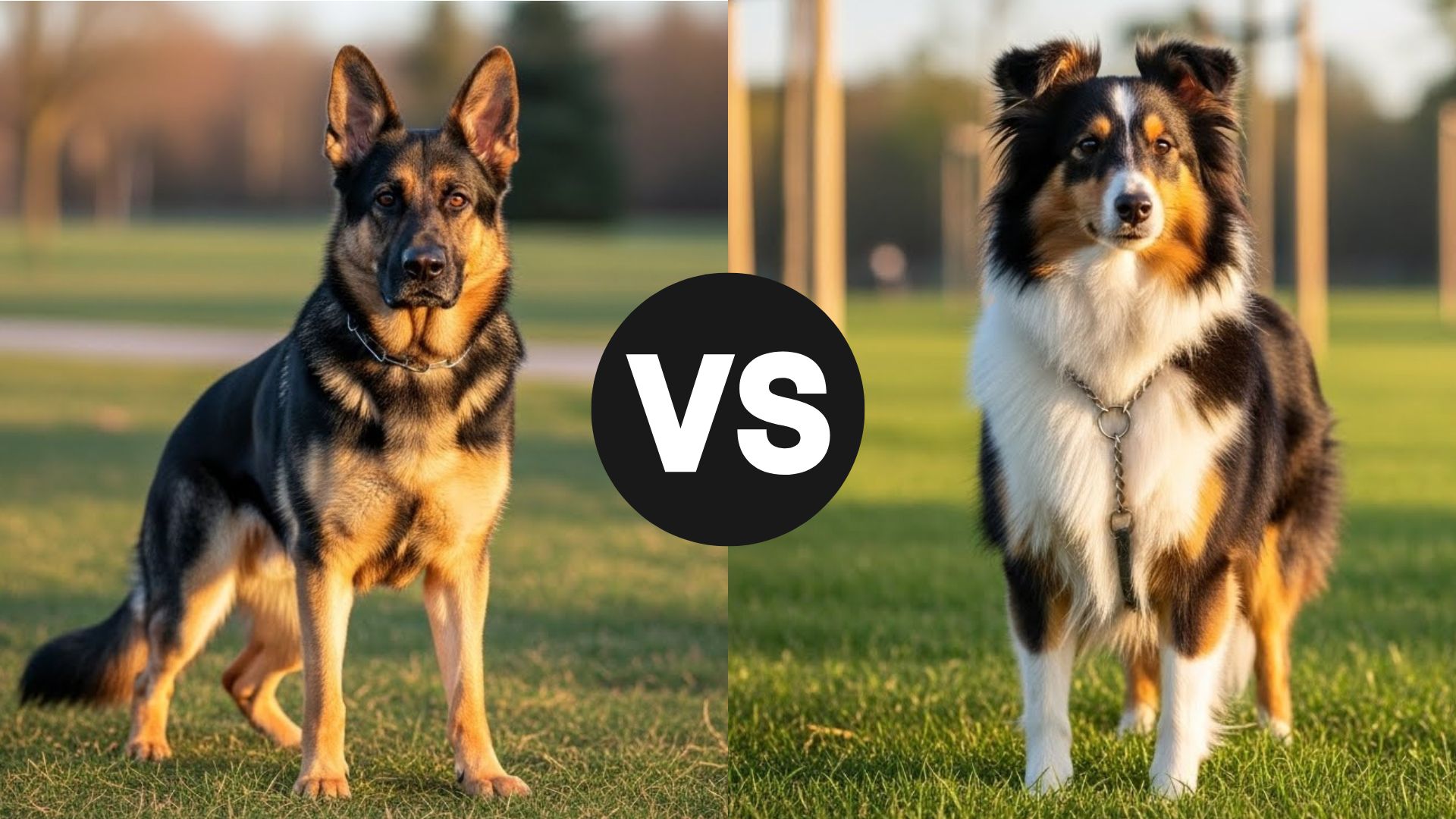
When you compare the confident, powerhouse German Shepherd with the bright, agile Shetland Sheepdog, you’re stepping into a matchup of two beloved herding breeds with very different energies.
Both German Shepherds and Shelties are extremely intelligent, eager to please, and highly trainable dogs who excel at activities like agility and obedience training. Both versatile dog breeds were originally bred for herding sheep.
However, they are quite distinct in appearance, origin, and behavioral traits from each other. The Shetland Sheepdog hails from the Shetland Islands in the United Kingdom, while the German Shepherd originates from Germany.
Shelties are smaller in size than German Shepherds, but their luxurious coats require more maintenance than GSDs. German Shepherds possess strong protective instincts and make excellent guard dogs. Shelties, on the other hand, are good watchdogs but don’t make excellent guard dogs.
Have a look at the main differences between a German Shepherd and a Shetland Sheepdog.
German Shepherd vs. Shetland Sheepdog
Size & Build
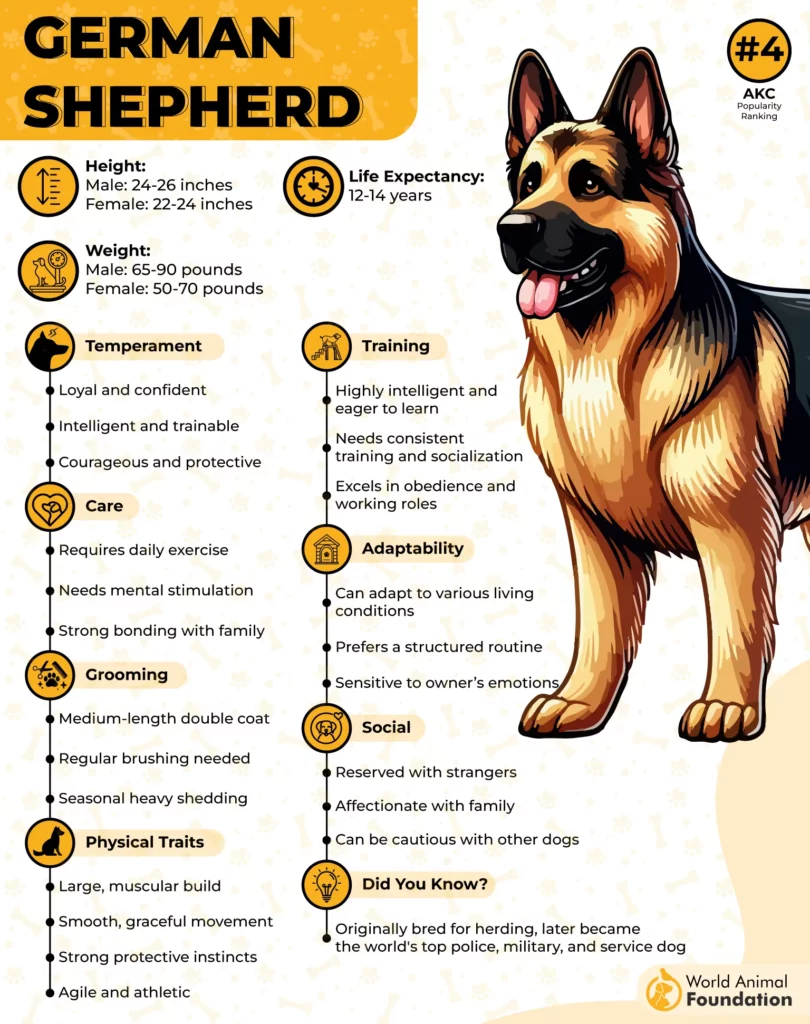
German Shepherds are large and agile dogs of noble character. Thanks to their history as working dogs, German Shepherds have a muscular build. According to the American Kennel Club, they stand around 24 to 26 inches tall and weigh up to 70 to 90 pounds.
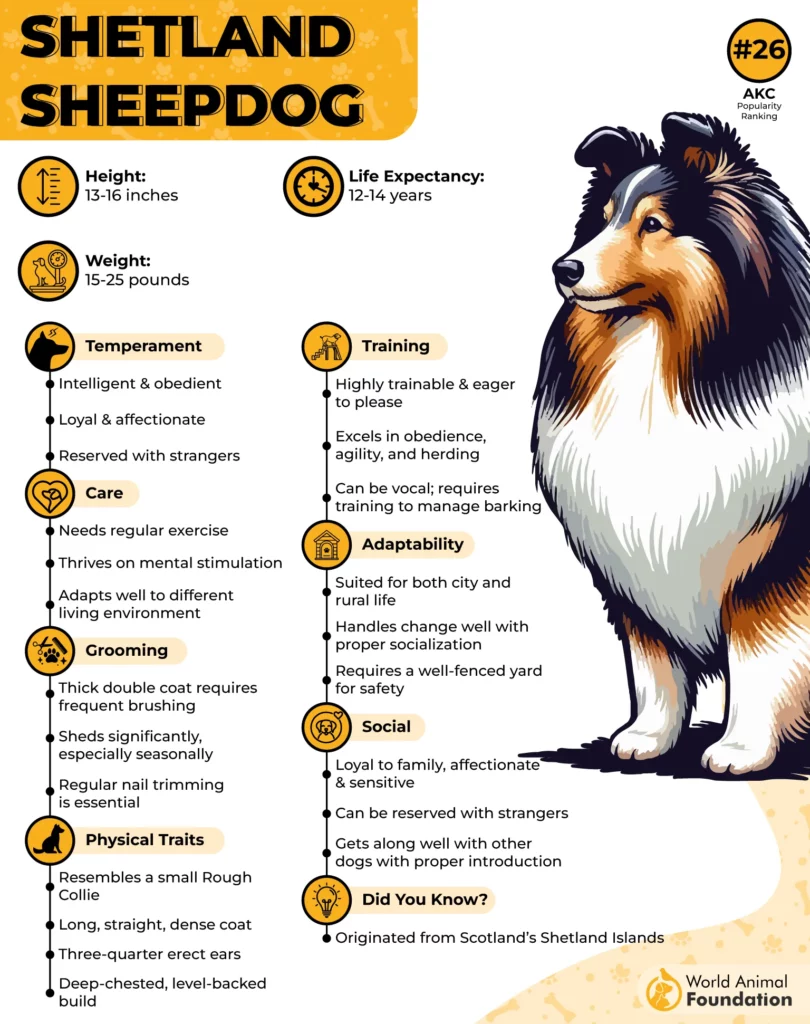
Shetland Sheepdogs are relatively smaller in size, standing only 13 to 16 inches tall at the shoulder. They have a body weight of 15 to 25 pounds.
Having distinctive pointy ears, intelligent brown eyes, and a powerful athletic build, German Shepherds embody strength. Their smooth gait is representative of their high confidence, stamina, and remarkable endurance.
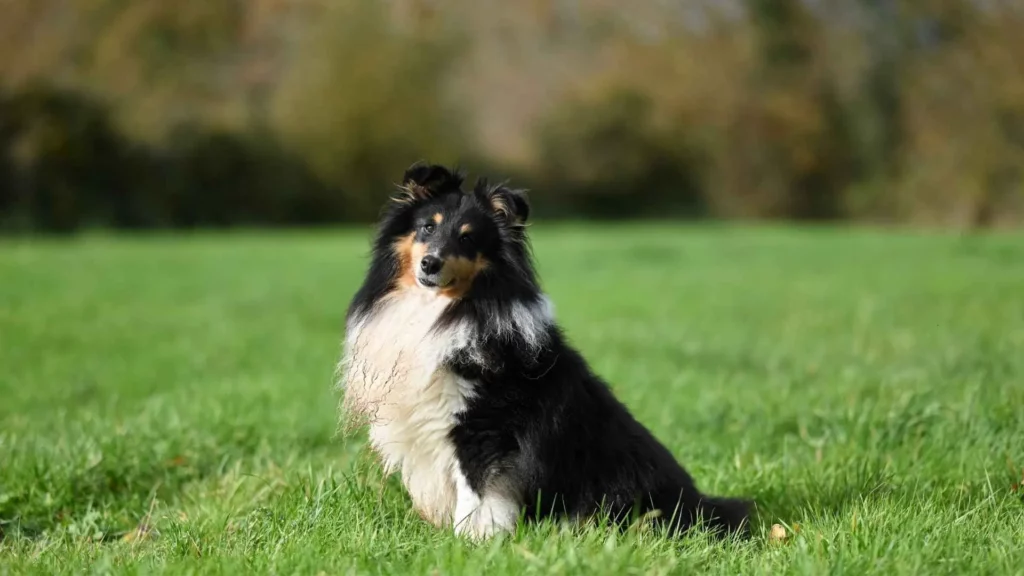
Shelites can be recognized by their almond-shaped eyes and small, high-set ears, which give an alert and intelligent expression. Their long coat forms a profuse mane around the neck and frill and luxurious feathering on the legs and tail.
Coat Type & Grooming
Both German Shepherds and Shetland Sheepdogs have a thick double coat comprising a harsh and close-lying outer coat and soft undercoat. German Shepherds have an easy-to-maintain coat that sheds moderately throughout the year and heavily during the shedding season.
A quick brushing every few days is enough to keep the coat in top-notch condition. Shelties are heavy shedders and need a fair amount of grooming to get rid of mats and tangles. Shelties benefit from professional grooming every 6 to 8 weeks, but GSDs do not necessarily need it.
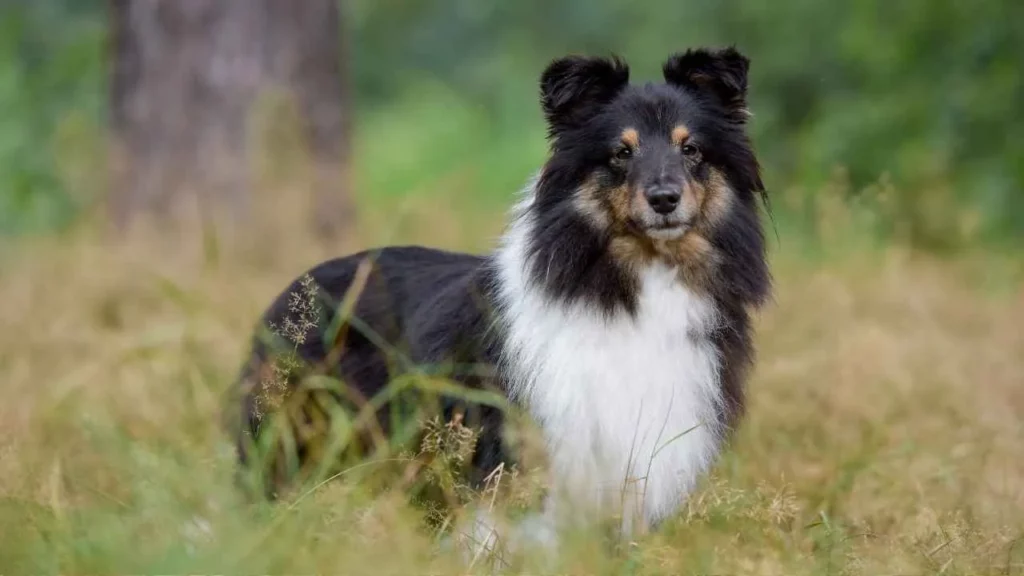
A Sheltie’s coat can range from golden to black or steel gray with white in color. German Shepherds, on the other hand, are black, red, or tan in color.
Temperament & Personality
Both herding breeds are incredibly loyal and affectionate pets. German Shepherds are known for forming deep bonds with their owners and possess strong protective instincts. They can sacrifice their lives in defence of their loved ones.
These alert canines are gentle around their family members, but reserved towards strangers. That is why they make wonderful guard dogs. Properly trained and well-socialized German Shepherds get along nicely with kids, but all interactions between GSDs and children should be strictly supervised.
Like German Shepherds, Shetland Sheepdogs also make great family pets. Shelties have a gentle nature, and like GSDs, they also prefer being busy over lying idly in the house. Their herding instincts urge them to chase every moving object or creature that they encounter.
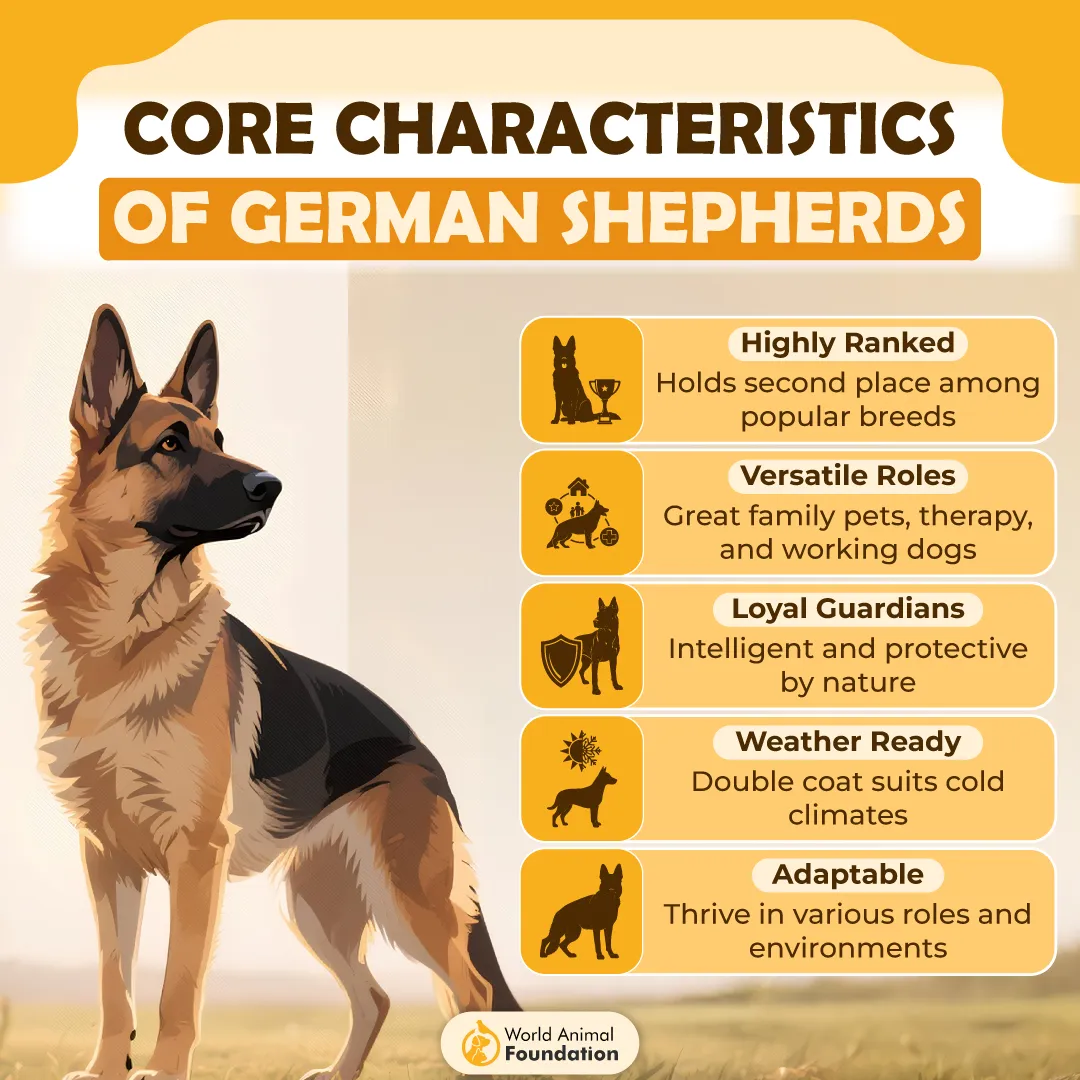
Both German Shepherds and Shetland Sheepdogs are sensitive dogs, very much in tune with their owners’ moods and emotions. That is why both breeds make excellent therapy dogs. Like German Shepherds, Shelties are also wary of strangers.
Intelligence & Trainability
Both working dogs are very intelligent, having a strong desire to please their owners. Ranking second on the American Kennel Club’s list of the smartest dog breeds, German Shepherds learn new commands and tricks very easily.
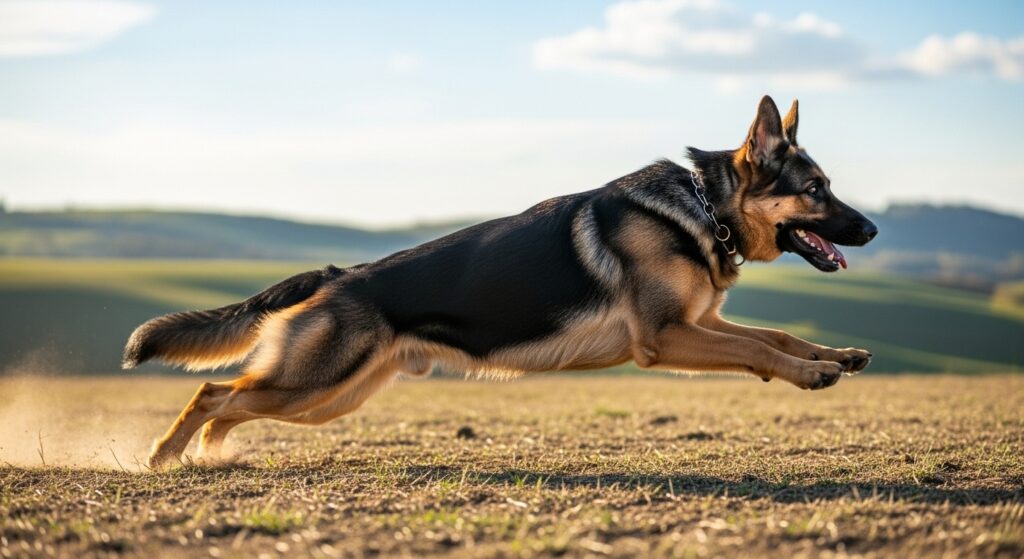
These quick learners excel at agility competitions and obedience training. According to PetMD, GSDs have a high drive, which means they should be kept on a leash or in a fenced yard. GSDs are very sensitive and thrive on positive, reward-based training.
Shetland Sheepdogs rank sixth on the AKC’s list of the smartest breeds. They are very intelligent, eager to please, and highly trainable. Shelties are the superstars at many dog sports like obedience, agility, and herding. They can be quite vocal and express their happiness through barking.

Exercise Levels & Activity Needs
German Shepherds are active and athletic dogs, full of energy. They require lots of daily exercise for physical and mental stimulation. GSDs usually benefit from one to two hours of activity and enrichment every day.
You can take your German Shepherd for long walks or engage them in active play sessions in a fenced area. Shetland Sheepdogs are also athletic and energetic dogs, well-suited for active owners. Shelties require moderate daily exercise for physical and mental stimulation.
According to Purina, Shelties require at least an hour of exercise every day. They also enjoy many canine sports like obedience, agility, herding, and tracking.
Health & Lifespan
German Shepherds have an average lifespan of 7 to 10 years and are generally healthy. However, they are vulnerable to many health problems throughout their life. Common medical conditions in German Shepherds include hip and elbow dysplasia, certain types of cancers, and allergies.
German Shepherds are also prone to degenerative myelopathy and a life-threatening condition called Gastric Volvulus Dilatation (GDV) or bloat. In this disease, the stomach enlarges with gas and twists upon itself. This condition is common in most deep-chested dogs.
Having a lifespan of 12 to 14 years, Shetland Sheepdogs live a little longer than GSDs. They are also generally healthy, but prone to several diseases like all other dogs. Like GSDs, Shelties are also prone to hip dysplasia.
Shelties can also suffer from Collie eye anomaly, Sheltie skin syndrome, thyroid disease, and epilepsy. Sometimes they can develop a medical problem called Von Willebrand’s disease that affects the blood’s ability to clot.
Workability Roles & Suitability
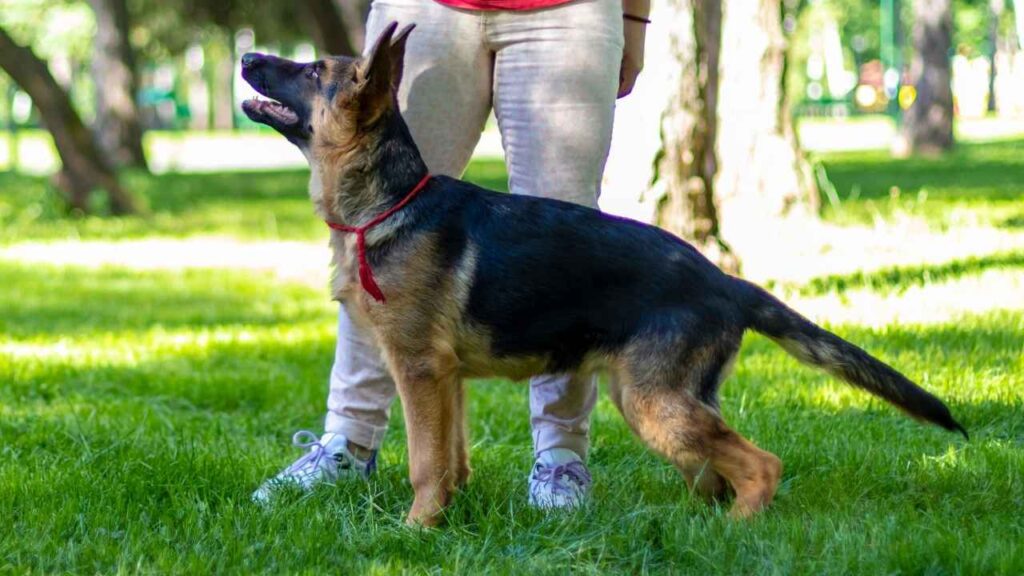
Originally bred for herding, German Shepherds tend to guard their people and territory. They have been serving as guard dogs for several decades. Nowadays, GSDs are also working as military and police dogs thanks to their confidence, courage, and bravery.
Their keen senses also enable them to take part in search and rescue missions. Their athleticism, size, and strength demand experienced owners.
Shetland Sheepdogs were also bred for herding, and they are still versatile working dogs. Shelties excel in activities like agility, obedience, tracking, and flyball. Shetland Sheepdogs make wonderful therapy pups and watchdogs.
You can also train them for a variety of tasks, like fetching or putting toys away. They are more suitable for pet lovers who are interested in ‘dog things’ like grooming, showing, and canine sports like agility and obedience training.
German Shepherd vs. Shetland Sheepdog: Which one is suitable for your lifestyle?
Shetland Sheepdog vs. German Shepherd, which one is more suitable for you depends on your lifestyle and personal choices. If you are looking for a guard dog and have an active lifestyle, you can adopt a German Shepherd.
However, if you are someone who loves spending time grooming their pet or taking them to dog shows, a Sheltie can be a good choice.
Conclusion
Both German Shepherds and Shetland Sheepdogs were originally bred as herding dogs. They are highly intelligent, eager to please, and loyal canines who bond closely with their owners. Both breeds are naturally wary of strangers.
However, German Shepherds make better guard dogs while Shelties are good watchdogs. A German Shepherd is larger in size than a Shetland Sheepdog and has an intimidating appearance. GSDs are more protective of their owners.
Both breeds are quite athletic and require lots of exercise for physical and mental stimulation. Lastly, choosing the right breed depends on your lifestyle and personal preferences.
