




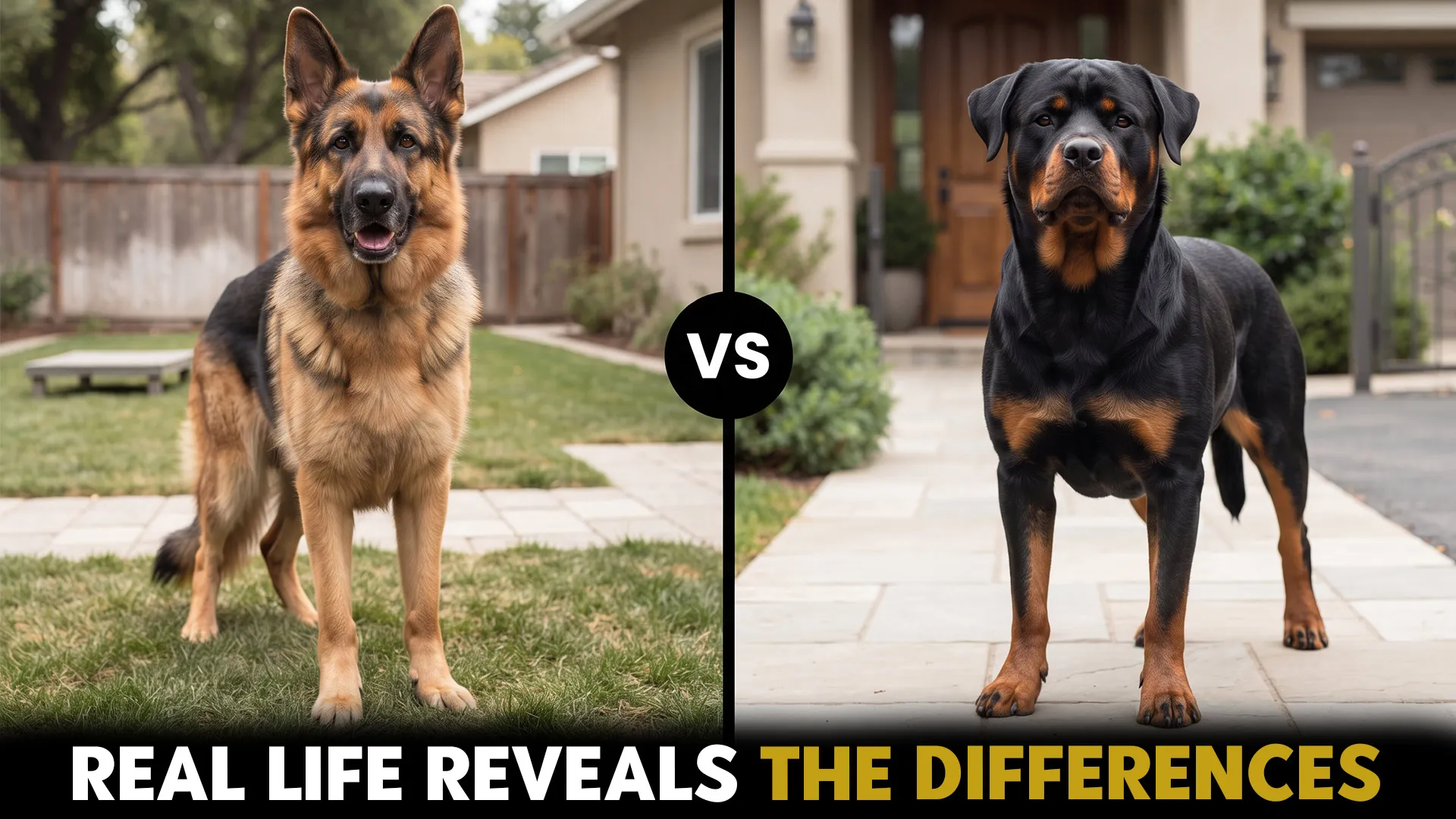
Picking a new dog often comes down to one loud question: German Shepherd or Rottweiler. Both breeds show up everywhere, from law enforcement animal units to family homes looking for a loyal companion. That popularity is not an accident.
These two canines share more history than most people realize, yet the historical differences between a sheepdog turned herding specialist and a cattle-driving guardian run deep. Dog specialists have spent decades studying what actually separates them beyond size and coat color.
According to the American Kennel Club’s 2025 rankings, the German Shepherd Dog holds the No. 4 spot among the most popular dog breeds in the country. The Rottweiler trails a bit further down the list, yet its loyal following never seems to fade.
Here’s the real question, though. Once you meet the breeds properly, the main difference that matters most might not be the one you expected.
Ready to find out? Keep reading.
German Shepherd vs. Rottweiler Dog Breeds: Real-World Comparison
Origins & Purpose
Germany gave the world two of its most respected working dogs, and neither breed was built for the couch. The German Shepherd started as a herding dog in the late 1800s, shaped by Captain Max von Stephanitz to move sheep across long distances without tiring. Farmers needed a versatile, intelligent partner, and that is exactly what they got.
The Rottweiler traces back even further, to Roman cattle dogs that walked alongside soldiers through the Alps. Those dogs settled in the town of Rottweil, where butchers used them to drive livestock and pull carts loaded with meat and coins. Both breeds later moved into police, military, and protection work.
According to the American Kennel Club, the German Shepherd was officially recognized in the early 1900s and quickly became a multi-purpose working dog. That herding and guarding instinct still shows up in modern homes, long after the sheep disappeared from the picture.
Size & Physical Build
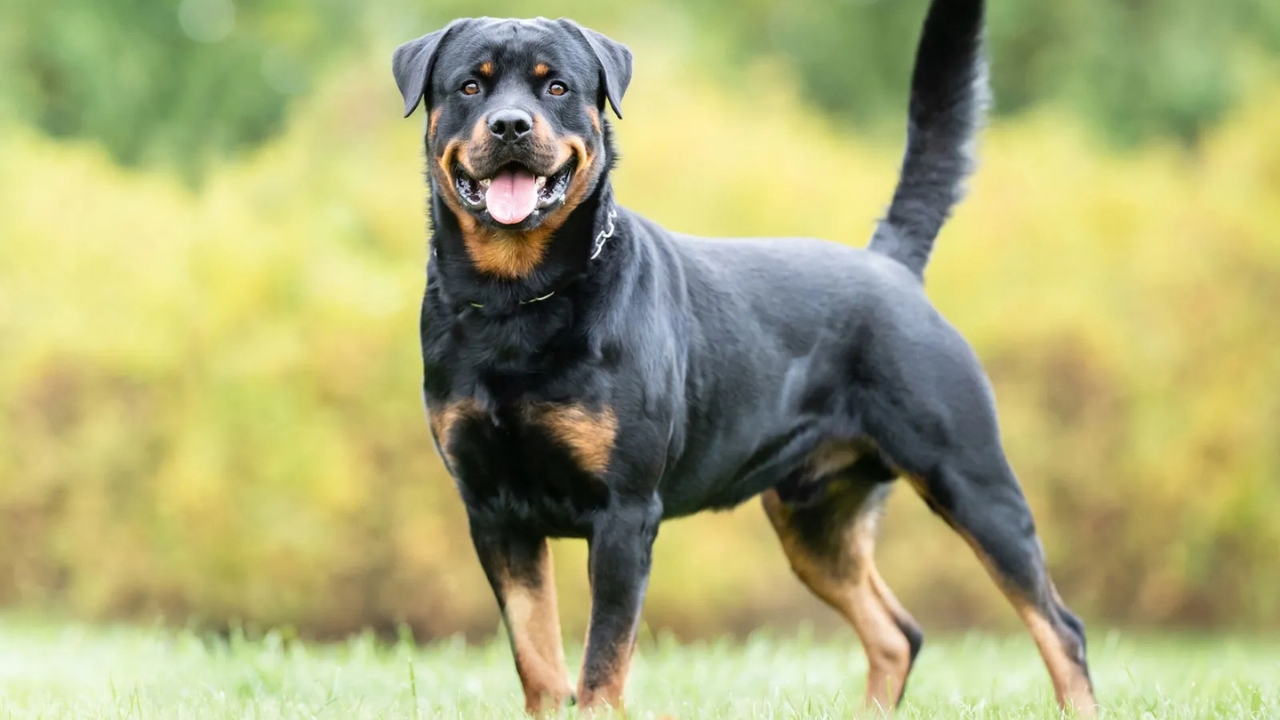
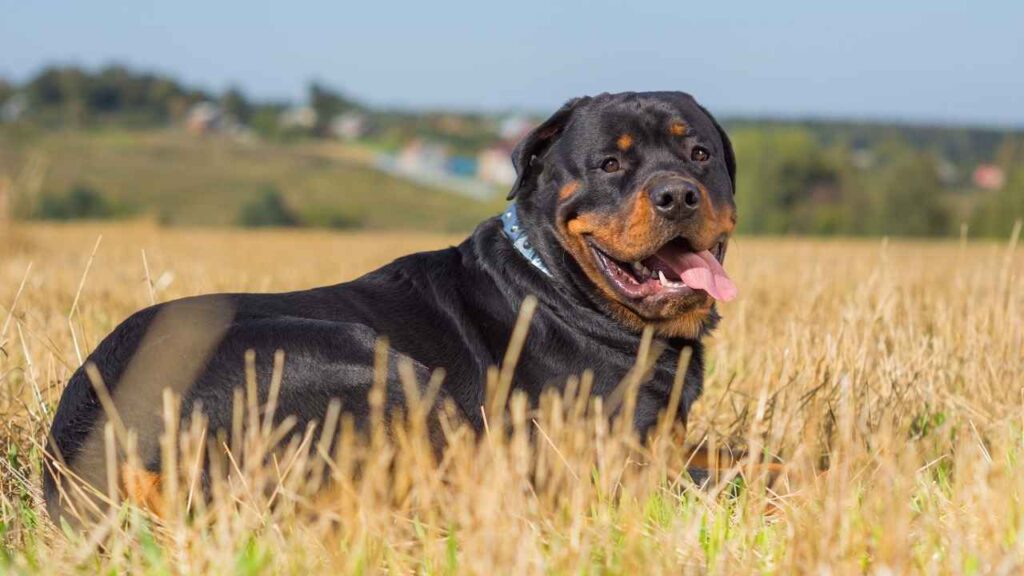
Ninety pounds of solid muscle sounds intimidating, and for a male Rottweiler, that number is fairly average. Rottweilers carry a broad chest, a large head, and a compact, powerful frame that reads as pure strength. Males typically stand between 22 and 27 inches and weigh 80 to 135 pounds.
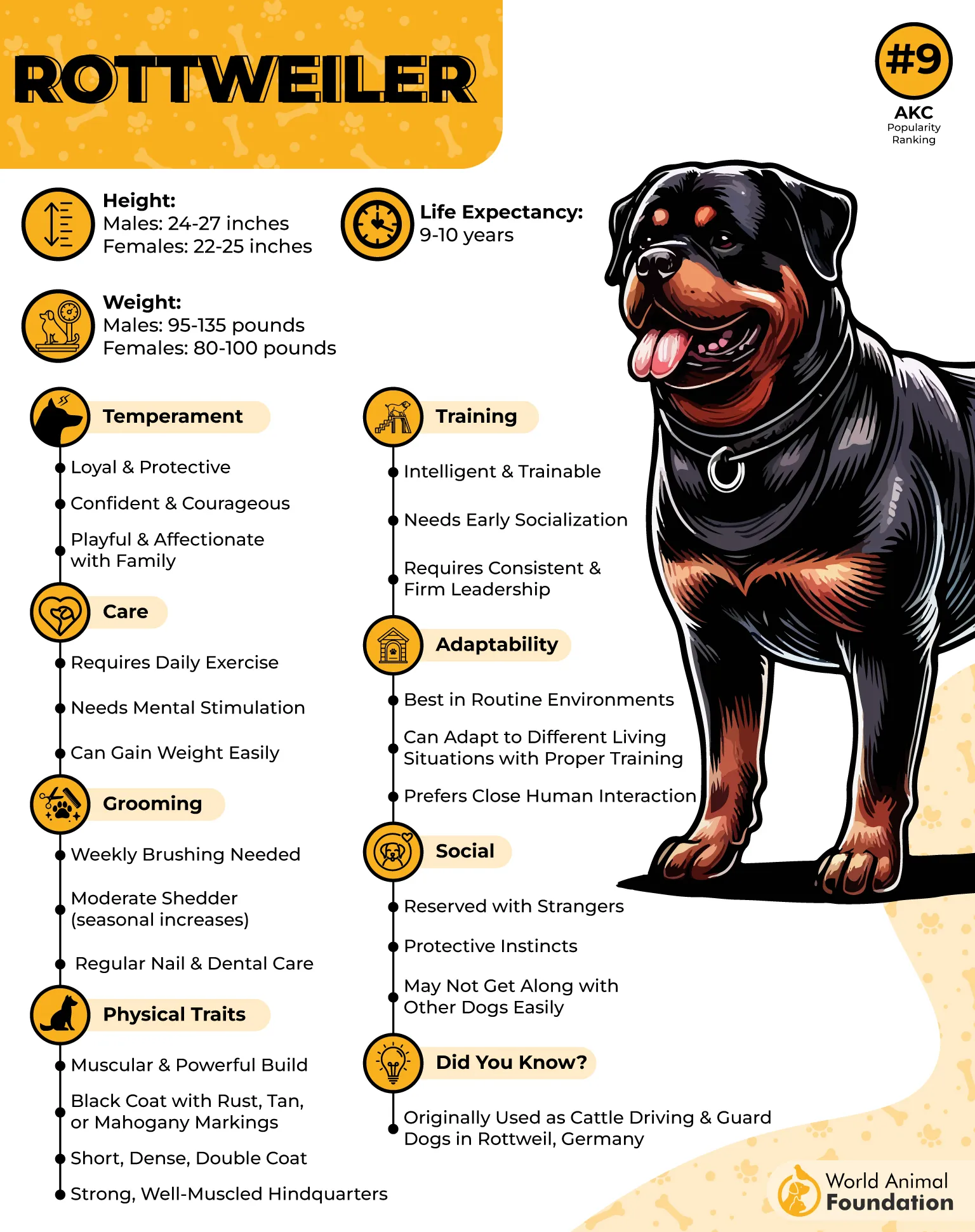
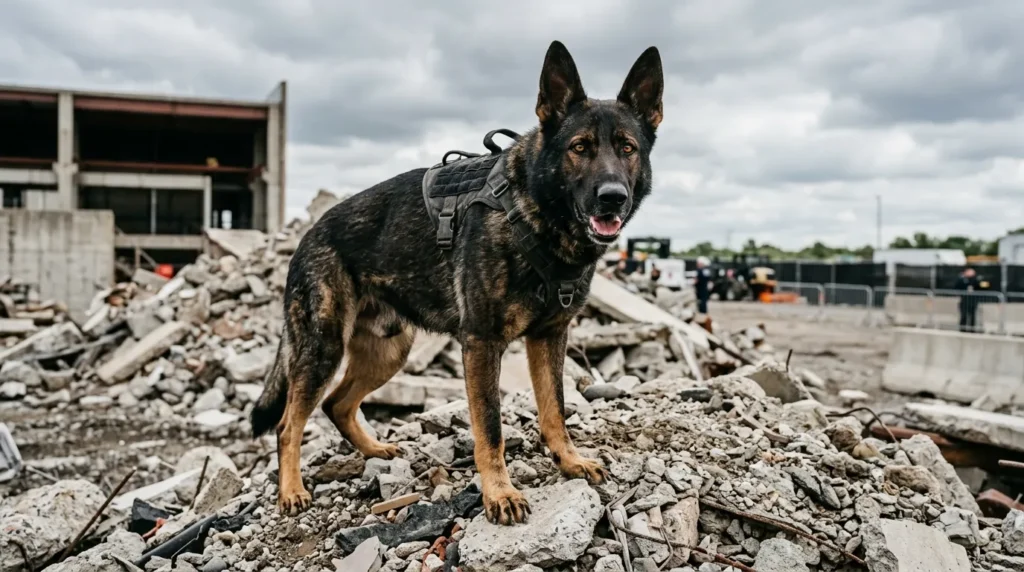
German Shepherds build their strength differently. They stand slightly shorter, around 22 to 26 inches for males, and weigh less, usually between 50 and 90 pounds. Their body runs longer than it is tall, with a sloped back built for endurance rather than raw bulk.
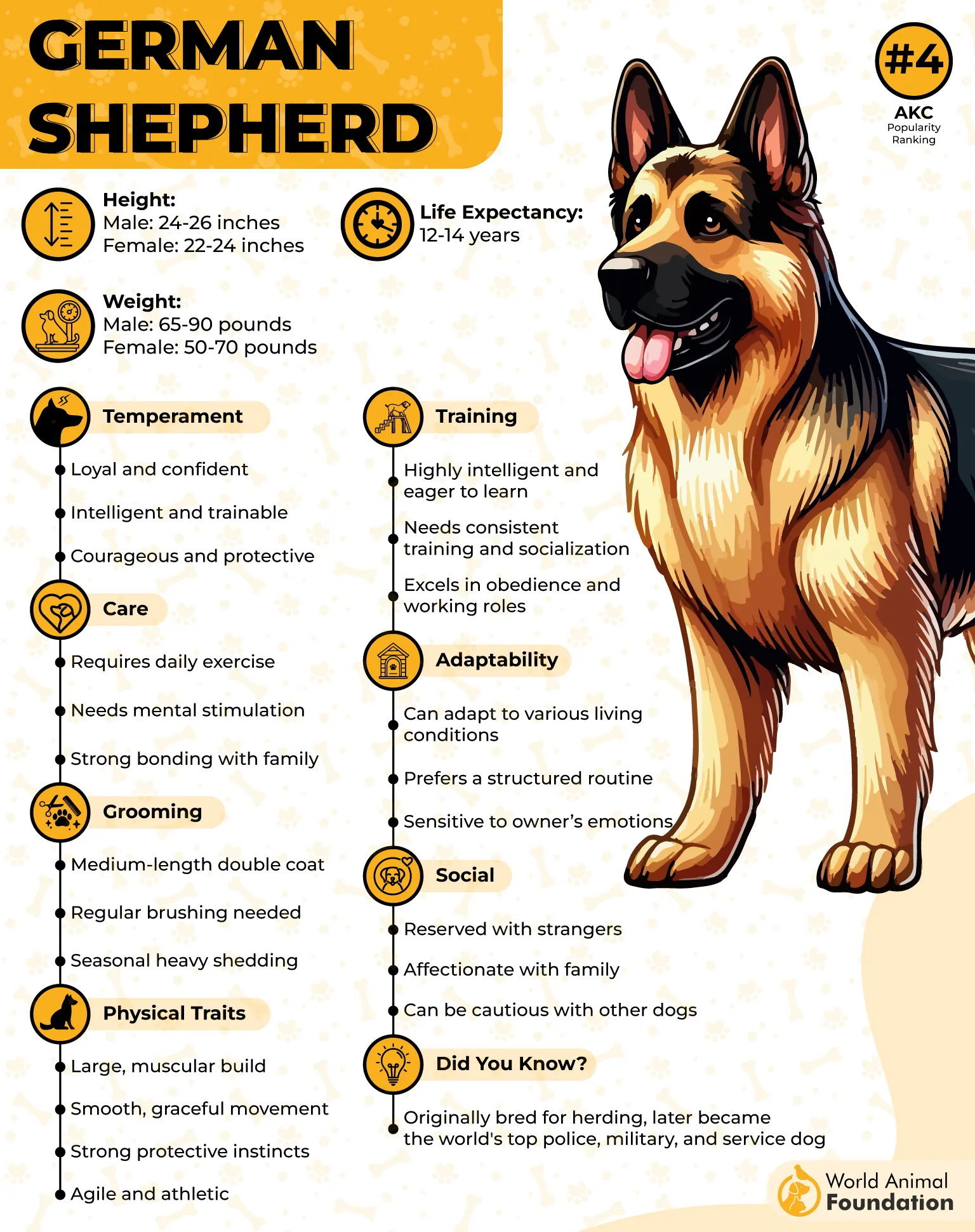
Side by side, the Rottweiler looks like a linebacker while the German Shepherd looks like a marathon runner. Both breeds have larger heads than most family pets, and both carry themselves with the confidence of a working dog that knows its job.
Temperament & Personality
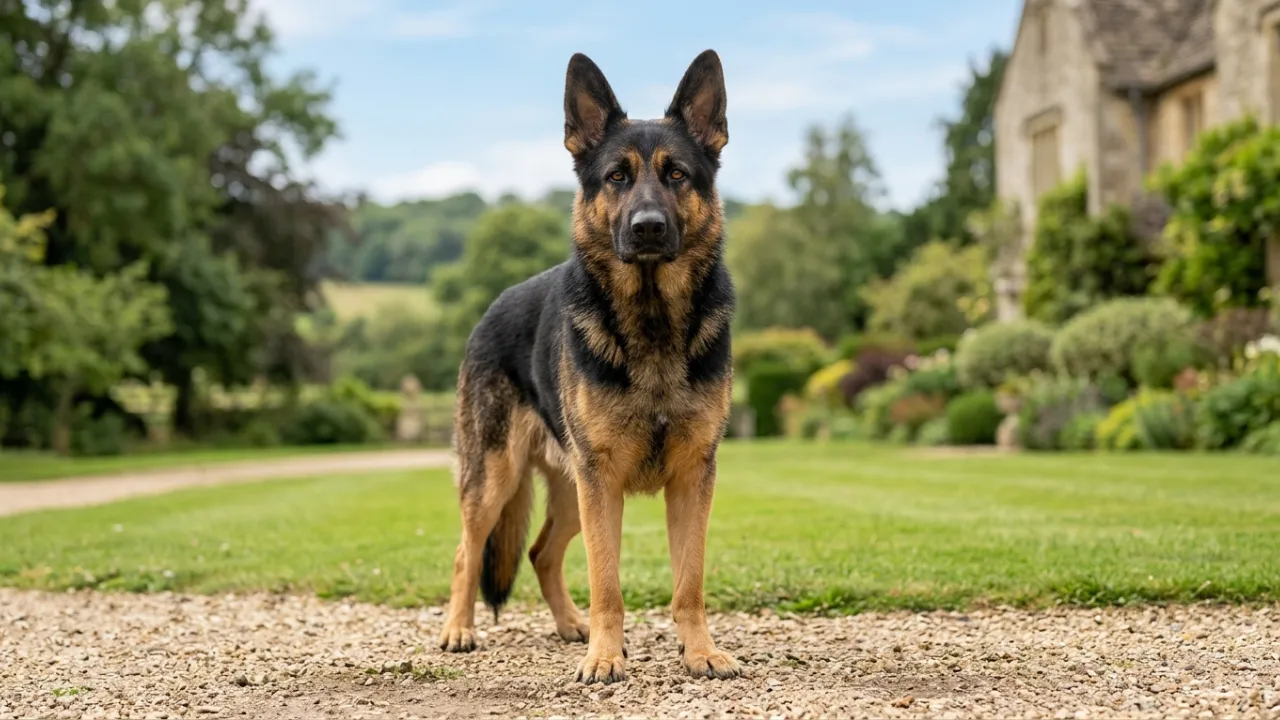
What actually happens when a stranger knocks on the door? A German Shepherd tends to size up the situation first, watching closely before deciding how to react. That alertness makes them excellent watchdogs, though it can tip into wariness without proper socialization.
Rottweilers approach the same moment with quiet confidence rather than suspicion. They are naturally protective of their family but calmer in unfamiliar settings once they trust their owner’s lead. Both breeds bond deeply with their people and rarely warm up instantly to outsiders.
Neither dog suits a household that wants a dog to greet every visitor like a long-lost friend. Both were bred as guard dogs first, and that loyalty runs through everything they do, from lying by the door to shadowing their owner room to room.
Exercise & Energy Levels
Two hours a day sounds like a lot, and for a German Shepherd, it barely scratches the surface. This breed carries serious herding stamina and needs structured activity such as running, agility, or long working sessions to stay balanced. Boredom shows up fast as chewing, digging, or restless pacing.
Rottweilers need less volume but still require real effort. A solid hour of walking, combined with some strength-based play like tug or weight pulling, keeps their energy in check. Left idle, Rottweilers gain weight quickly given their heavy frame.
Neither breed fits an apartment dweller who works twelve-hour shifts. Purina notes that a Rottweiler’s exercise needs should scale with age and health, since overexertion in puppies can stress developing joints before the growth plates close.
Training & Intelligence
Here is a fact that surprises new owners: intelligence does not always mean easy. German Shepherds learn commands in a handful of repetitions and thrive on structured, engaging training. Their long history in police and service work reflects a brain built to problem-solve alongside a handler.
Rottweilers are just as sharp but think more independently. They often pause to evaluate a command before following it, which owners can mistake for stubbornness rather than confident decision-making. Firm, consistent, reward-based training works best for both breeds.
Neither dog responds well to harsh corrections. Both breeds bond through trust, and that bond becomes the foundation for reliable commands, whether the goal is a well-mannered family pet or serious protection training down the line.
Grooming Frequency
Brace for fur season twice a year if a German Shepherd joins the family. Their thick double coat sheds year-round and blows out heavily during seasonal changes, according to PetMD’s coverage of the breed. Weekly brushing becomes daily during those stretches.
Rottweilers shed too, just with less drama. Their short double coat needs a weekly brush to manage loose hair and keep the skin healthy.
German Shepherd: Brush 3 to 5 times weekly, daily during shedding season
Rottweiler: Brush once weekly, more often in spring and fall
Both breeds: occasional bathing, regular nail trims, routine ear checks
Neither breed demands professional grooming visits, which makes upkeep manageable for most pet parents willing to keep a vacuum handy.
Health & Lifespan
Thirteen years sits at the top end of what a German Shepherd owner can expect, while a Rottweiler’s lifespan typically runs shorter. That gap matters when planning for a dog that will likely outlive and not leave sooner than expected.
German Shepherd lifespan: 12 to 14 years
Rottweiler lifespan: 9 to 10 years
Shared risks: hip and elbow dysplasia, bloat, joint strain from rapid growth
German Shepherds also face a higher rate of degenerative myelopathy, a spinal condition that affects mobility later in life. Rottweilers carry a higher risk of certain cancers and heart conditions such as subaortic stenosis.
The VCA Animal Hospitals breed guide recommends early screening for both joint and cardiac issues in large breed puppies. Pet insurance and regular vet checkups go a long way for both breeds.
German Shepherd vs. Rottweiler: Which One is Best For You?
The right breed depends entirely on the household, not on which dog wins on paper.
The active single professional with a yard. A German Shepherd fits well here, especially for someone who wants a jogging partner and enjoys structured training. The breed rewards owners who show up consistently with mental and physical challenges.
The experienced family with older kids. A Rottweiler can thrive in this setting, particularly when raised alongside children from puppyhood. Their calm confidence and protective nature make them steady family watchdogs once properly socialized.
The first-time owner in a small apartment with a busy schedule. Neither breed is a good fit here. Both need space, consistent training, and real daily exercise that a cramped, unpredictable schedule cannot provide.
The rural homeowner who wants a working partner. Either breed works, though the German Shepherd suits herding-style tasks while the Rottweiler suits guarding livestock and property. Both deliver loyalty, endurance, and genuine protection when their needs are met.
Conclusion
Every comparison above circles back to the same truth: both breeds were built to work, and that instinct never fully switches off, even in a living room. Whatever the household looks like, the reward is a loyal companion who shows up fully- guard dogs and family watchdogs both- once training and structure are in place.
Ready to figure out which fits your home? Talk to a breeder or rescue with real experience in working dog breeds, ask pointed questions about temperament and exercise needs, and spend time with an adult dog before committing.
Dog owners who do that homework end up with pet parents’ favorite outcome: a canine partner whose loyalty and endurance make every walk worth it.
