




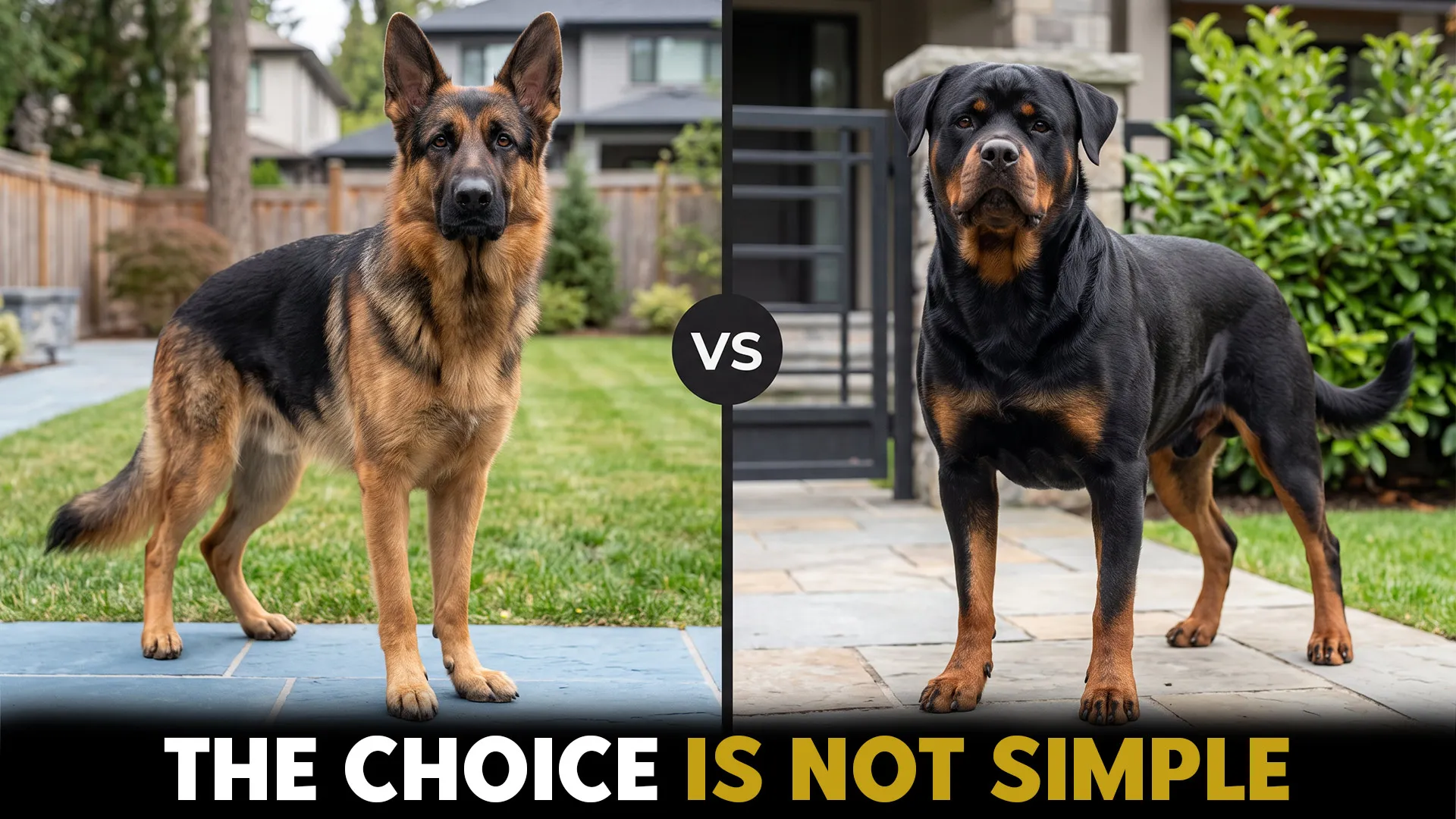
A dog can seem like the perfect match until its daily needs meet your routine. That matters when comparing two breeds known for strength, intelligence, loyalty, and protective behavior.
One was developed in Germany as a herding and working dog and later became widely used in police, military, service, and search roles. The other developed from working dogs associated with Rottweil, Germany, and was historically used for cattle driving, guarding, and practical farm work. Those origins still help explain some differences in behavior today.
One may bring a more responsive, task-focused style, while the other can have a steadier, more confident presence. Neither description tells the whole story because individual temperament, breeding, training, and socialization all influence behavior. The interesting part is seeing where their needs actually overlap and where they separate.
This article breaks down those differences so the choice feels less like guesswork and more like a clear comparison.
German Shepherd vs. Rottweiler: Must-Know Traits Before You Choose
German Shepherds and Rottweilers are both strong, loyal, and protective dogs, but they have different personalities and care needs. Knowing their key traits can help you decide which breed is the better match for your family and lifestyle.
Origins & Purpose
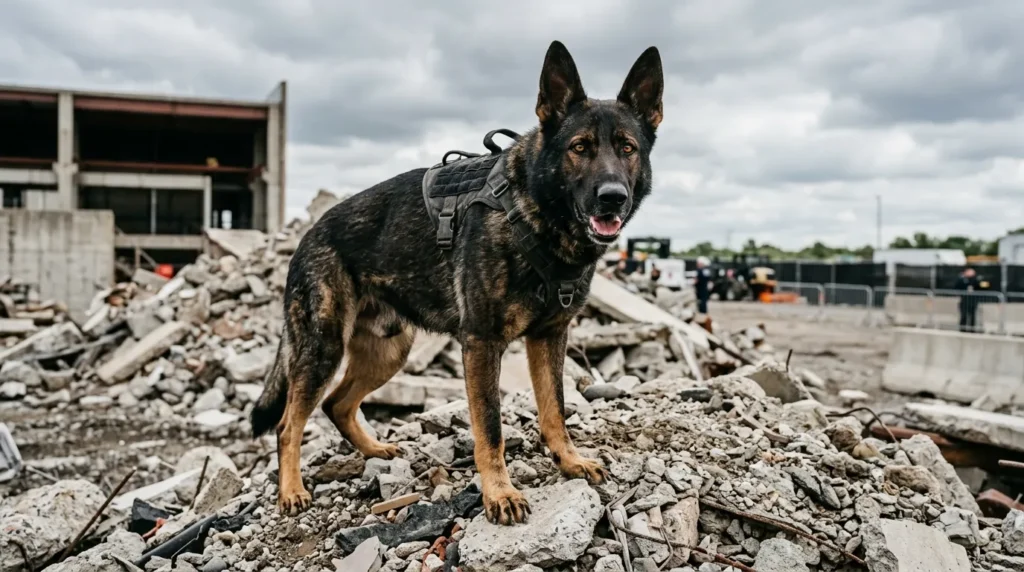
German Shepherds were shaped in the late 1800s through Captain Max von Stephanitz’s efforts to create a capable German herding dog. He brought together dogs from northern and central Germany to produce a dependable worker that could manage sheep while helping protect them from predators.
As herding became less essential in the 1900s, von Stephanitz promoted the breed for police and K9 work. The American Kennel Club recognized the German Shepherd in 1908, and its popularity among U.S. families grew further through the famous Rin-Tin-Tin films and television stories, as Chewy mentioned.
Rottweilers have a less certain early history, with their ancestry often linked to mastiff-type dogs and ancient Roman drovers. Their later development centered on Rottweil, Germany, where they worked with cattle and sometimes served in police roles. Their earlier name, Rottweiler Metzgerhund, reflected their connection to the local butcher trade.
The breed returned to police work in the early 20th century and gained popularity in the United States. The American Kennel Club recognized Rottweilers in 1931, while their reputation as hardworking working dogs helped establish their place in modern households.
Size & Build
German Shepherds typically stand around 2 feet 1 inch for males and 1 foot 10 inches for females, with males weighing about 77 pounds and females around 60 pounds. Their longer body, athletic proportions, and moderate bone give them a balanced build without excessive bulk.

Males generally have a broader skull, thicker neck, and more substantial forequarters, while females tend to have lighter bone and a narrower head. Both retain the same recognizable outline and functional structure, with working lines emphasizing soundness and athletic ability.
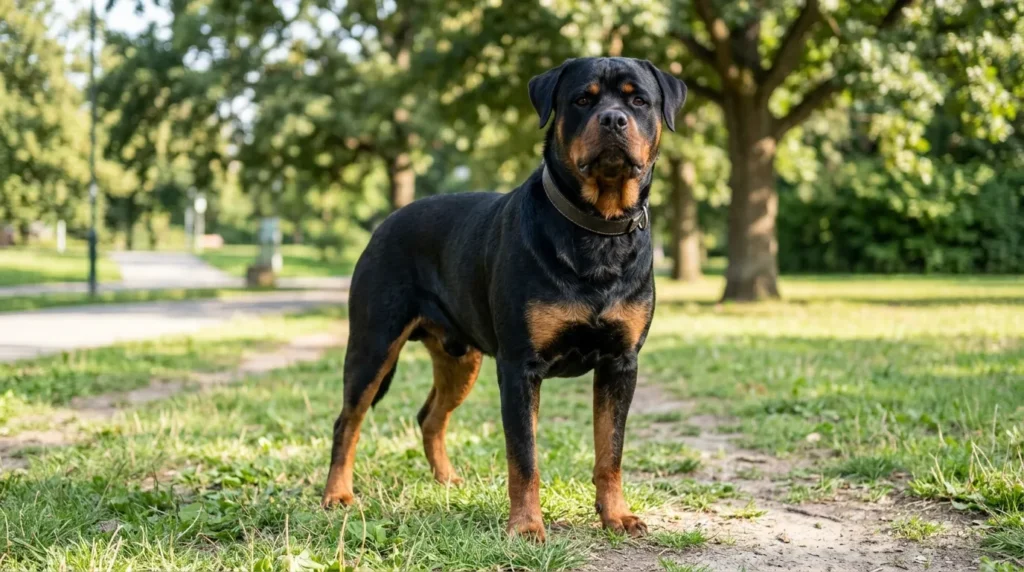
Rottweilers are slightly taller and substantially heavier, with males reaching about 2 feet 2 inches and females around 1 foot 11 inches. Males average about 121 pounds, while females weigh around 91 pounds, giving the breed a noticeably more powerful physical presence.
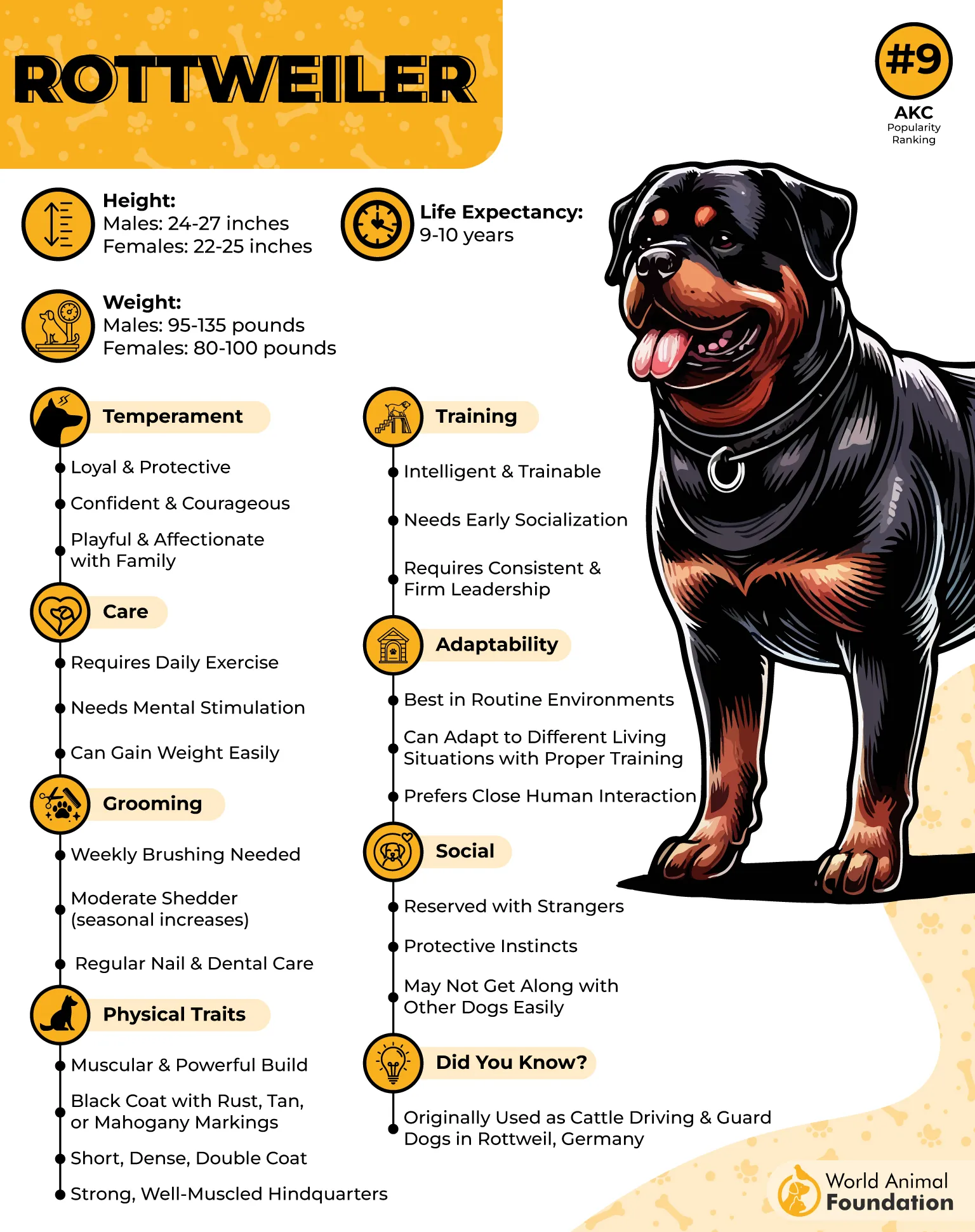
Males typically have heavier bone, a broader chest, a thicker neck, and a more blocky head, while females have a lighter frame and a more refined head, as noted by Orvis. Their substantial musculature and compact proportions create a sturdier silhouette than the German Shepherd.
Pricing & Availability
German Shepherd puppies generally cost around $1,500 to $3,500 from breeders, although prices can vary by breeder and location. If you choose this route, looking for a responsible breeder is important when considering both the puppy and its long-term care.
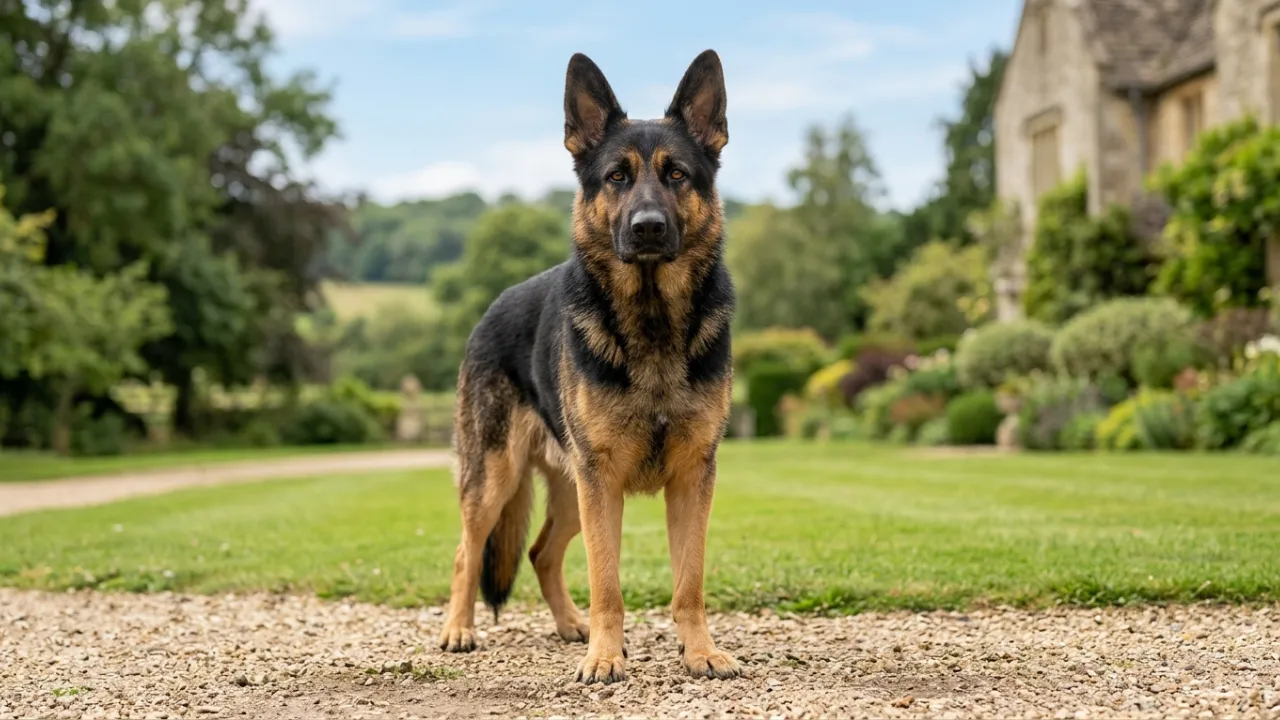
Adoption can offer another route to finding a German Shepherd. Local animal shelters and breed-specific rescues may have dogs looking for homes, so checking nearby organizations can expand your options beyond breeders.
Rottweiler puppies generally start at around $1,500 when purchased from a breeder. Working with a reputable breeder can help you make a more informed choice when looking for a puppy and learning about its background.
Adoption is another option worth considering if you are open to bringing home an adult dog or a rescue. Online adoption databases and Rottweiler-specific rescue organizations can make it easier to connect with dogs that are waiting for the right home.
Temperament & Personality
German Shepherds tend to be self-assured, alert, and discerning about the people they trust. Once someone earns their confidence, they can be deeply loyal and protective, while their intelligence makes them highly trainable and eager to have a role within family life.
They often enjoy human company and may struggle with being left alone for long periods. Early socialization can also help them live comfortably with children and other pets, although their size and occasional prey drive mean young children and smaller animals still need supervision.
Rottweilers can be calm, affectionate, and devoted when given proper training and socialization from an early age. They have a natural protective instinct and can be stubborn or pushy at times, making consistent boundaries especially important during their development.

The loving side of this excellent guard dog can make them wonderful family companions, but their size and exuberant play can be overwhelming for young children or older adults. They may also live with other dogs or cats when introduced carefully, while territorial behavior toward unfamiliar dogs can still occur.
Exercise Needs & Energy Levels
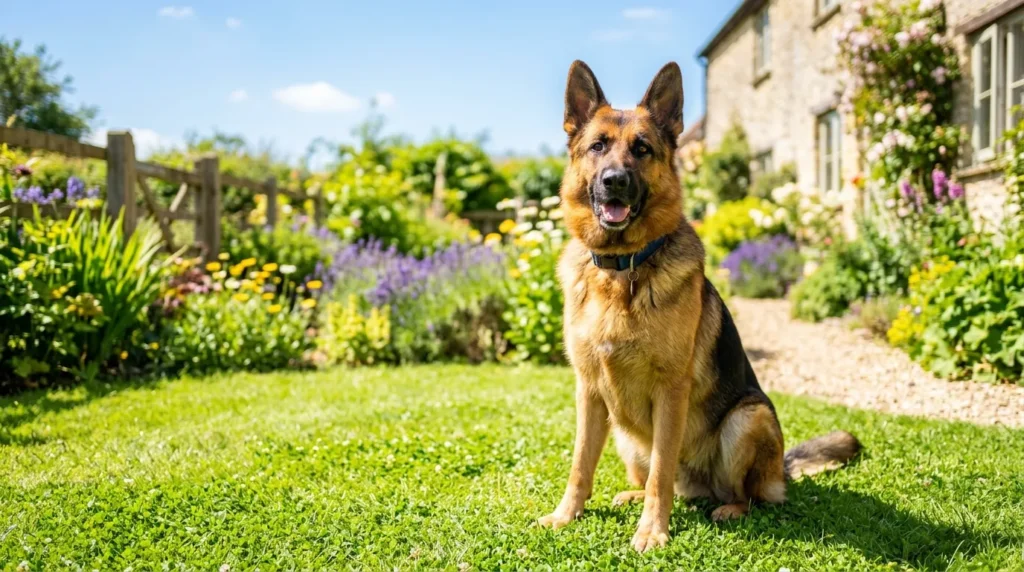
German Shepherds have a very high energy level and need consistent physical and mental activity to stay settled. Around two to three hours of exercise and engagement each day can include brisk walks, scent-based activities, jogging, fetch, hiking, or swimming when the weather is warm.
Mental challenges are just as useful at home, especially activities that make them search, solve problems, or work for treats. Keeping them on a leash outside a securely fenced area is also important, as an interesting scent can quickly send them running.
Rottweilers typically need around one to three hours of activity each day, and simply letting them roam around the backyard will not provide enough stimulation. Their working background makes them particularly responsive to activities that give them a clear goal or something to focus on.
Training sessions, fetch, changing walking routes, hiking, camping, dock diving, and visits to a dog park can all add variety to their routine when they are properly socialized, as PetMD notes. Regular exercise also helps channel their energy and can reduce boredom-related behaviors such as chewing.
Trainability & Obedience
German Shepherds respond well when training starts early and stays positive. Treats, toys, and praise can make lessons rewarding, while puppy school provides useful practice with basic obedience, leash manners, people, animals, and unfamiliar situations.
Their need for mental stimulation gives owners plenty of ways to keep training interesting. Puzzle toys, scent walks, agility, tracking, and herding can turn their natural abilities into productive activities while keeping them occupied at home and outdoors.
Rottweilers are intelligent dogs that can pick up new lessons quickly when training begins early. Positive reinforcement, treats, and guidance from a certified trainer can help shape good manners while teaching practical skills such as sitting, staying, and walking calmly on a leash.
The early months are also a good time to work on socialization, rather than leaving those experiences until later. When owners learn how to communicate with their dog and gradually introduce new people, places, and situations, everyday behavior can become much easier to manage.
Grooming Needs & Shedding
German Shepherds need regular brushing to keep shedding under control, with weekly brushing helping remove dead hair and support healthy coat growth. Their coat should not be clipped, since seasonal shedding naturally replaces old hair, while light scissoring can help tidy the coat when needed.
Monthly baths can help maintain healthy skin and coat, while the nose and paw pads deserve attention to prevent dryness and cracking. Professional grooming every 8 to 12 weeks can also help manage maintenance, with more frequent visits useful during the heavier shedding periods in spring and autumn.
Rottweilers have a short, dense coat that requires moderate maintenance. Brushing once or twice a week with a rubber brush, grooming glove, or natural bristle brush can remove loose hair and help maintain the coat’s natural shine, with more frequent brushing during shedding seasons.
They do not need haircuts, although dead hair can be removed during brushing and the paws lightly tidied when necessary. Baths are generally needed every 4 to 8 weeks, while regular checks of the ears, skin, nails, and any facial folds help keep routine grooming under control.
Guarding Instincts & Alertness
German Shepherds have a strong protective instinct and can be highly attentive to changes around their home or people. They may scan their surroundings, alert with barking, and stay focused on unusual activity, although training is important to keep that vigilance from becoming unnecessary reactivity.
Their working mindset also makes structured tasks valuable. Carrying objects, following familiar routes, and learning routines can give them a clear purpose, while regular training helps prevent those learned patterns from becoming automatic responses without enough attention to the situation.
Rottweilers often show strong territorial and guardian tendencies, with some naturally choosing positions where they can monitor doors, pathways, or activity around the home. They may watch quietly before giving a deeper warning bark when they decide something deserves attention.
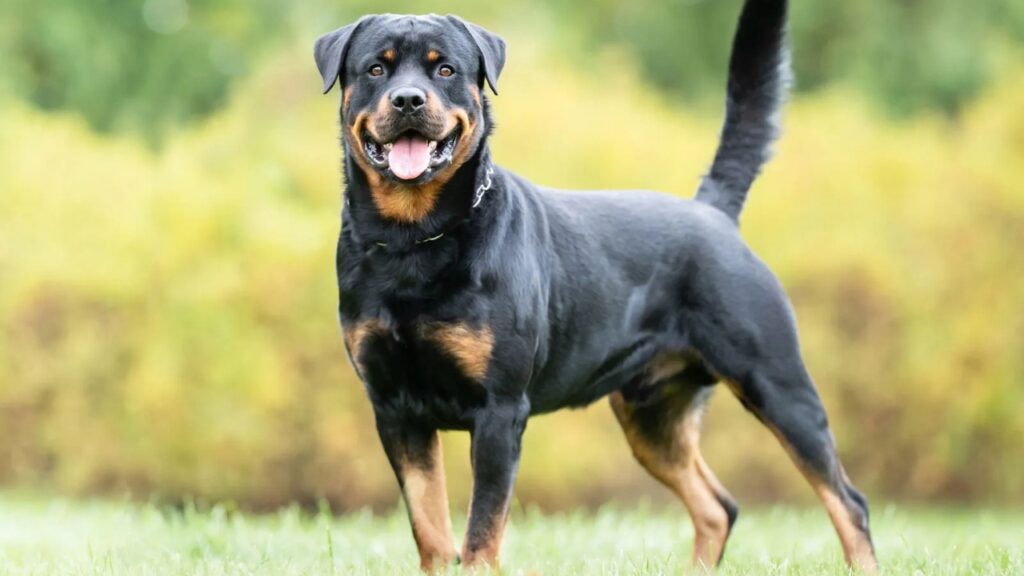
Their protective behavior can also appear through body positioning, such as placing themselves between their family and something they perceive as concerning. Early socialization and structured training help channel these instincts appropriately, while supervised play can give their carrying and tugging habits a useful outlet.
Health & Lifespan
German Shepherds generally have a lifespan of around 12 to 14 years and are considered healthy overall, though responsible breeding includes screening for hip and elbow dysplasia and degenerative myelopathy. Owners should also know the signs of bloat, which can cause sudden and potentially life-threatening abdominal swelling.
Regular veterinary care and awareness of breed-related concerns can help owners stay attentive to their dog’s health throughout its life.
Rottweilers generally live around 9 to 10 years and can face concerns involving the hips, eyes, heart, and, as with dogs generally, cancer. Responsible breeders screen potential breeding dogs for these conditions, helping identify health concerns before they are passed through future generations.
Recommended screening includes hip and elbow evaluations, a cardiac exam, an ophthalmologist evaluation, and a DNA test for Juvenile Laryngeal Paralysis & Polyneuropathy. These checks give owners and breeders important information about potential health risks from an early stage.
German Shepherd vs. Rottweiler: Which Loyal Guard Dog Fits Your Lifestyle Best?
A German Shepherd can be a great match if you want a dog that stays involved in your day and actually enjoys having something to do. Training, walks, outdoor activities, and time with its people can all become part of its routine, so it suits an owner who likes being active and engaged with their dog rather than simply having a pet around the house.
A Rottweiler may feel more fitting if you prefer a larger, powerful dog with a calm and confident presence. Its strength makes responsible training and everyday handling especially important, but for an owner who is comfortable with that level of commitment, it can become a deeply devoted companion that takes its role within the household seriously.
Conclusion
Strength and loyalty can make either of these dogs appealing, but everyday ownership depends on much more than a protective nature. Exercise, training, socialization, grooming, health screening, and household space all shape the experience. Both German Shepherds can bring a more athletic and task-focused style, while the other offers a heavier build and a steady presence.
Pet parents of these wonderful guard dogs should also think about children, other pets, visitors, training time, and how confidently they can handle a powerful companion. Looking at those practical details, along with consistent training, can make the comparison clearer. Both breeds are generally healthy dogs, but their needs still need to fit comfortably with your daily life and experience.
