




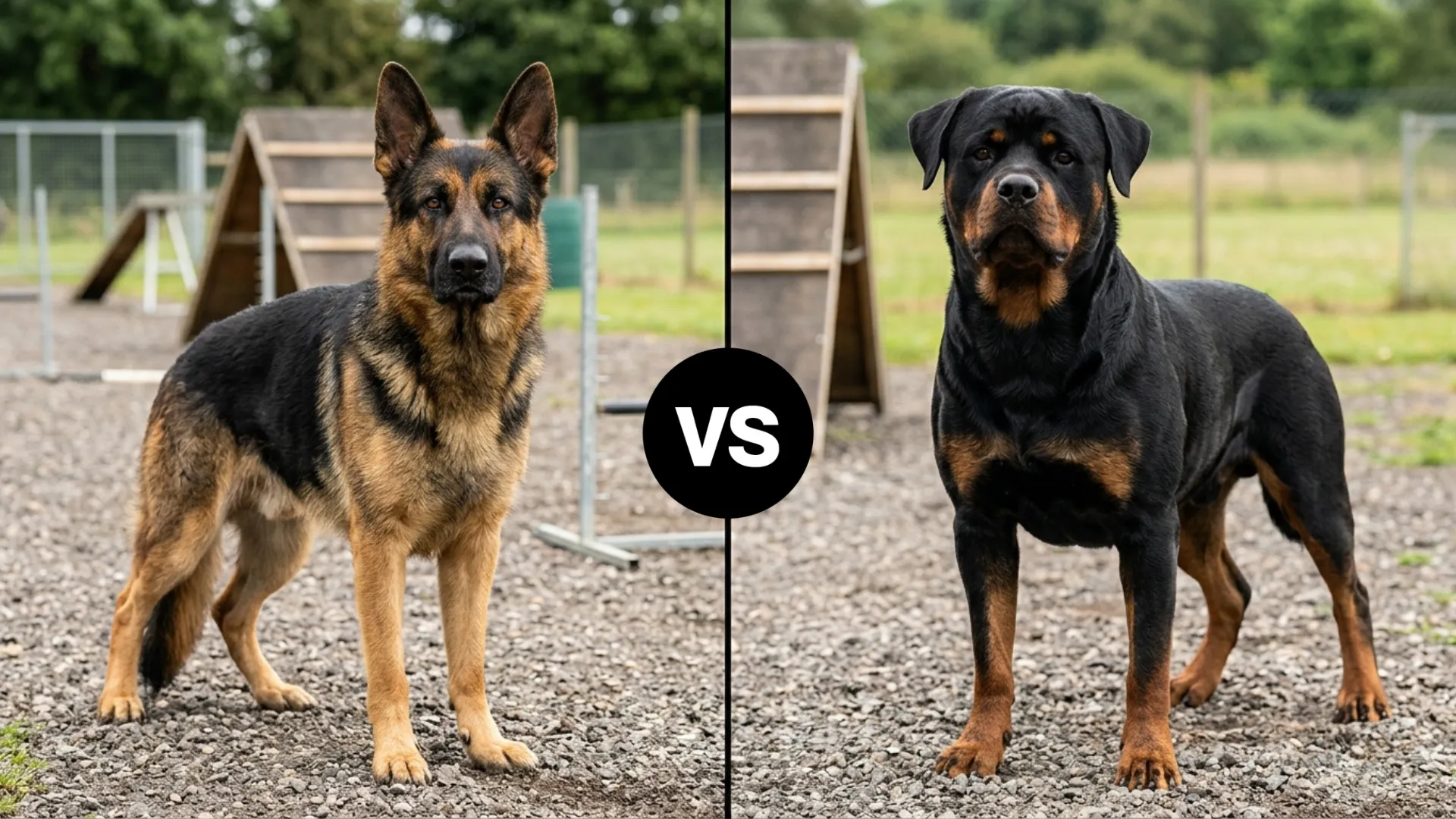
When it comes to powerful, loyal, and intelligent dogs, the German Shepherd and the Rottweiler are two of the most respected breeds in the world.
Both are trusted working dogs known for their strength, courage, and protective instincts, making them popular choices for families, law enforcement, and security work.
While these breeds share many admirable qualities, they differ in personality, energy levels, and care needs. The German Shepherd is highly active and versatile, while the Rottweiler is known for its calm confidence and powerful build. Understanding these differences is key to choosing the right companion.
In this German Shepherd vs. Rottweiler comparison, we’ll break down the key traits of both breeds, including their temperament, trainability, exercise needs, grooming, and overall suitability for different lifestyles.
Key Takeaways
German Shepherd or Rottweiler? Discover which powerful protector truly matches your lifestyle.
See how the German Shepherd and Rottweiler compare in temperament, training, and intelligence.
Find out whether the German Shepherd or Rottweiler is easier to groom, exercise, and live with.
Compare size, health, guarding instincts, and long-term care before making your final choice.
German Shepherd vs. Rottweiler: Key Traits of These Powerful Dog Breeds
Origins & Purpose
German Shepherd
The German Shepherd was developed in Germany during the late 1800s by Captain Max von Stephanitz, who aimed to create the ideal herding and working dog, according to the American Kennel Club. His focus on intelligence, athleticism, and obedience resulted in one of the world’s most versatile breeds.
Originally bred to herd and protect livestock, German Shepherds quickly proved capable of much more. Today, they’re widely used in demanding working roles thanks to their sharp minds and eagerness to learn.
Key purposes of the breed include:
Herding cattle and livestock management
Police and military work
Search and rescue operations
Service and assistance work
Family protection and companionship
Rottweiler
The Rottweiler’s history dates back to ancient Rome, where its ancestors were used as drover dogs to move cattle and guard supplies during military campaigns.
As these dogs reached Germany, they became closely associated with the town of Rottweil, where they were further developed into the powerful working breed we know today.
Over time, Rottweilers earned a reputation for their strength, confidence, and natural guarding ability, making them dependable protectors and hardworking companions.
Key purposes of the breed include:
Herding and driving livestock
Guarding property and valuables
Working alongside butchers and cattle handlers
Search and rescue work
Family guarding and companionship
Size & Build
German Shepherd
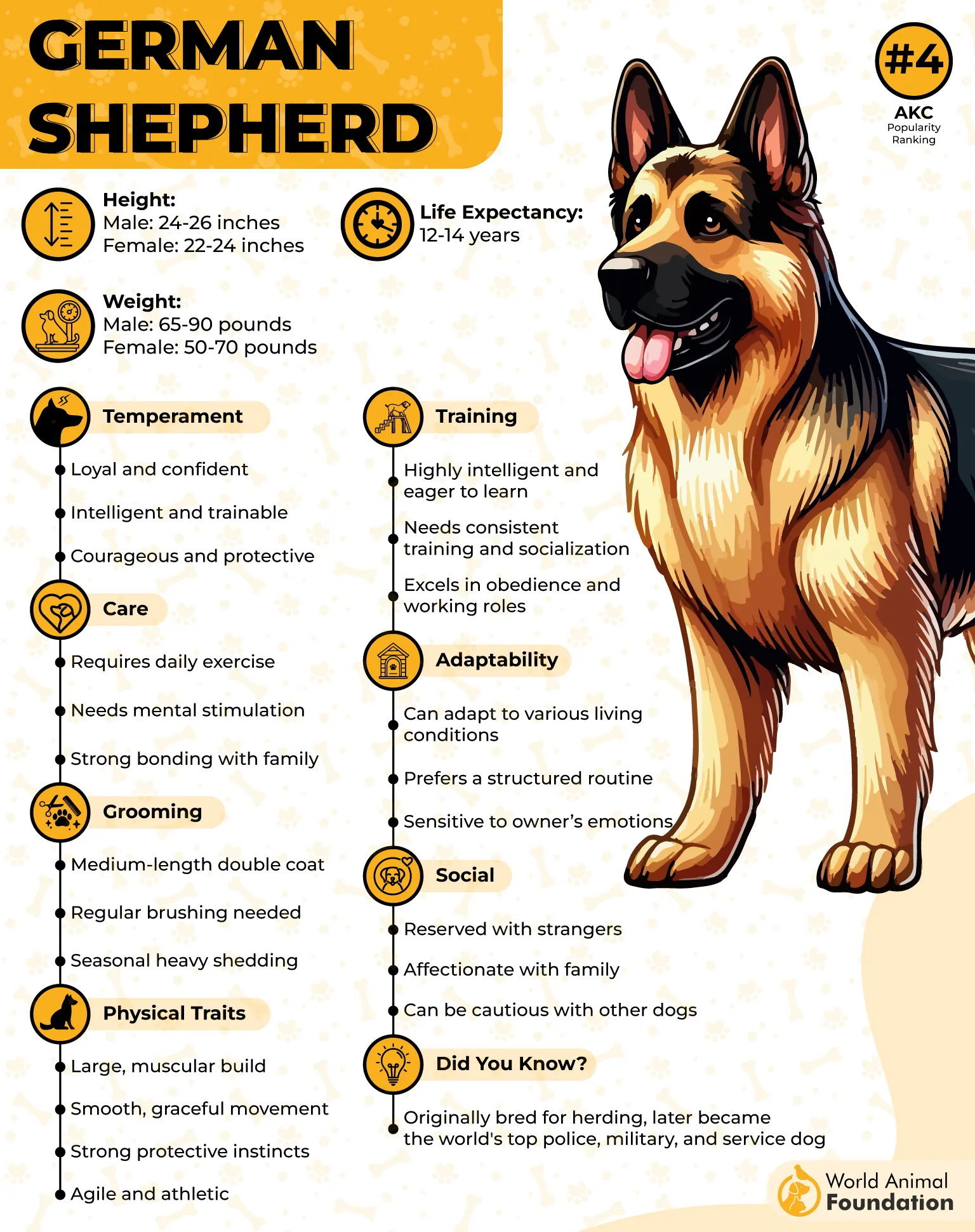
German Shepherds have a lean, athletic frame designed for endurance and quick movement. Their balanced build allows them to excel in physically demanding jobs that require speed, agility, and stamina.
Height: 22–26 inches
Weight: 50–90 pounds
Lean, muscular, and athletic build
Built for agility and endurance
Rottweiler
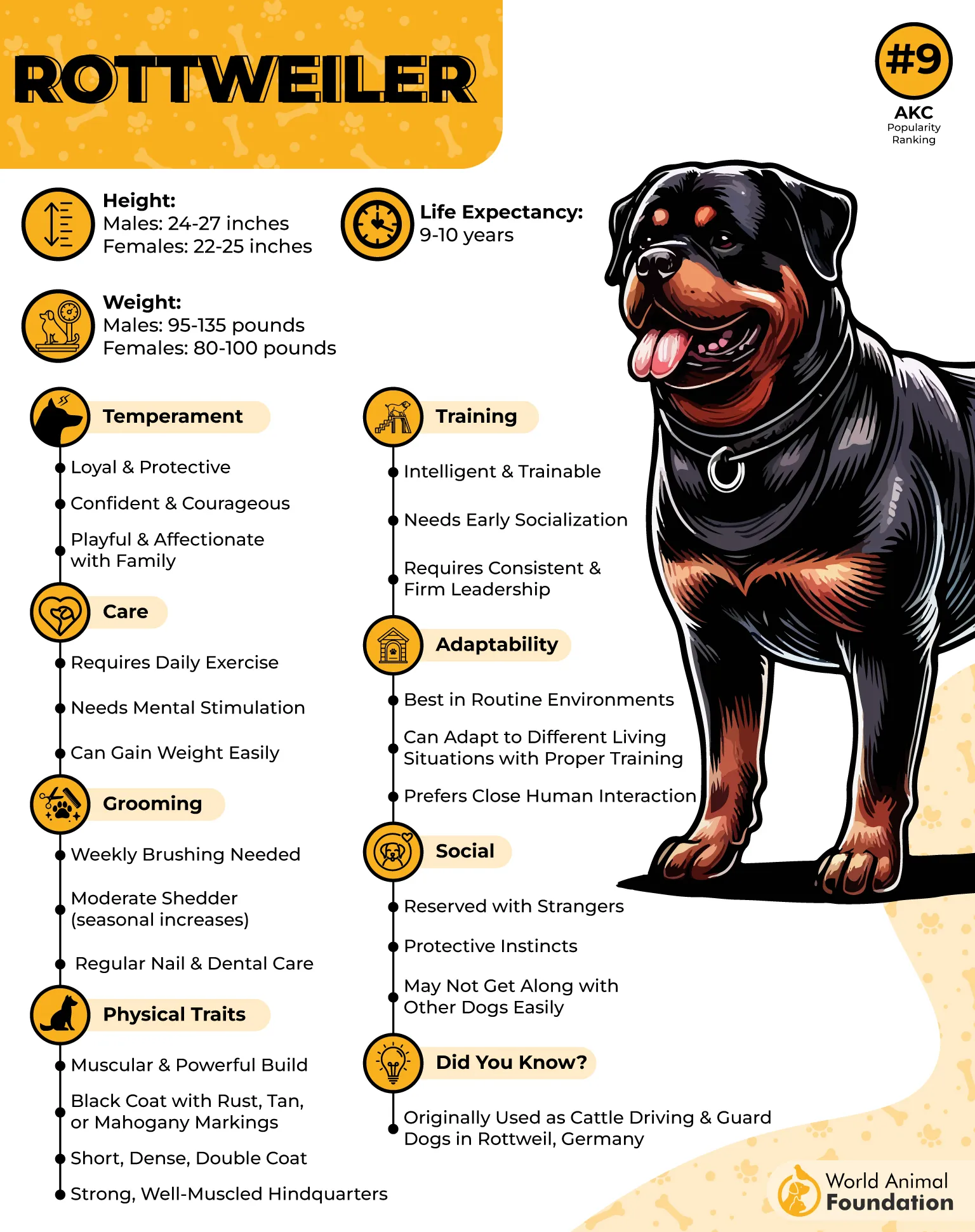
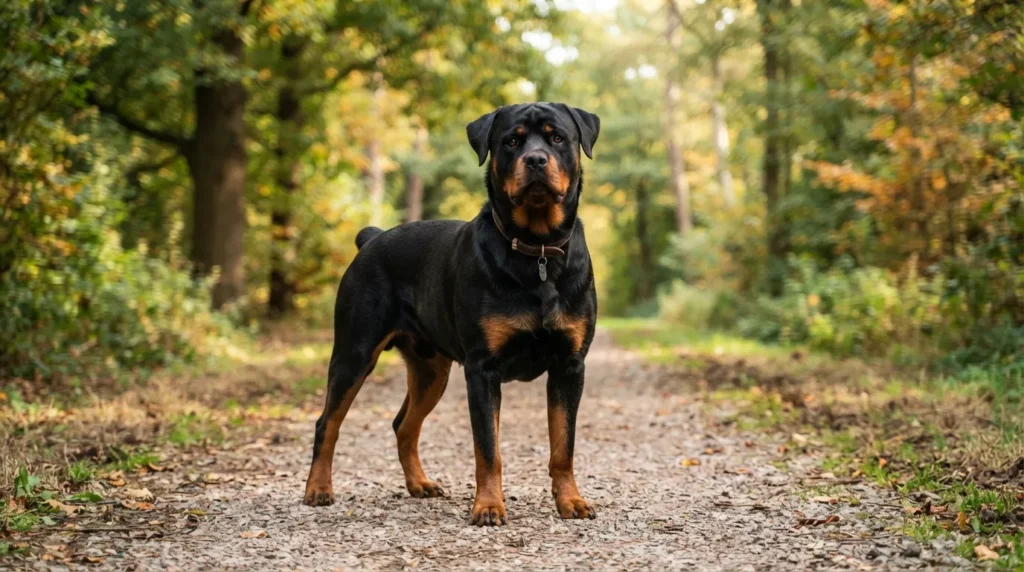
Rottweilers are larger, stockier dogs with a broad chest and heavily muscled body. Their powerful build gives them exceptional strength, making them well-suited for guarding and other physically demanding work.
Height: 22–27 inches
Weight: 80–135 pounds
Broad, muscular frame
Built for power and stability
Pricing & Availability
German Shepherd
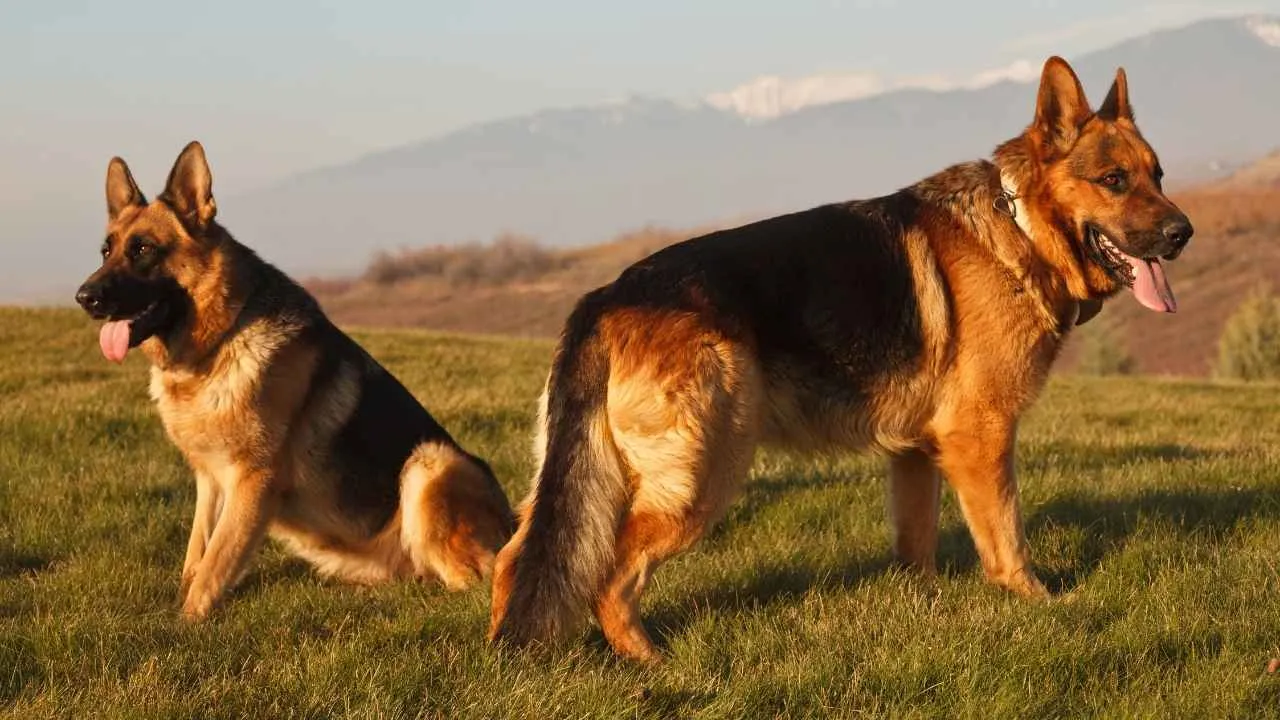
German Shepherds are widely available from reputable breeders, making them easier to find in many regions. They generally have a lower purchase price than Rottweilers.
Typical costs:
Puppy price: $1,500–$3,000 (varies by breeder and location)
Moderate monthly food costs
Routine veterinary care and preventive health expenses
Training and pet insurance are strongly recommended
Rottweiler
Rottweiler puppies often cost more because of breeding, health testing, and demand. Their larger size also means higher ongoing expenses, especially for food and healthcare.
Typical costs:
Puppy price: $2,000–$4,000 (varies by breeder and location)
Higher monthly food costs due to their larger size
Veterinary care and insurance can be more expensive
Some areas have breed-specific regulations or ownership restrictions, so check your local laws before bringing one home
Temperament & Personality
German Shepherd
German Shepherds are highly intelligent, eager to learn, and always ready for a challenge. They thrive when given a job to do and enjoy staying involved in their owner’s daily activities. Because they’re energetic and mentally driven, they need plenty of exercise, training, and enrichment to stay happy.
Without enough stimulation, they can become bored or develop unwanted behaviors. Their loyalty, confidence, and willingness to work have made them one of the world’s most versatile working breeds.
Rottweiler
Rottweilers are equally loyal and intelligent but tend to have a calmer, more composed personality. Once their daily exercise and training needs are met, they’re often content to relax with their families.
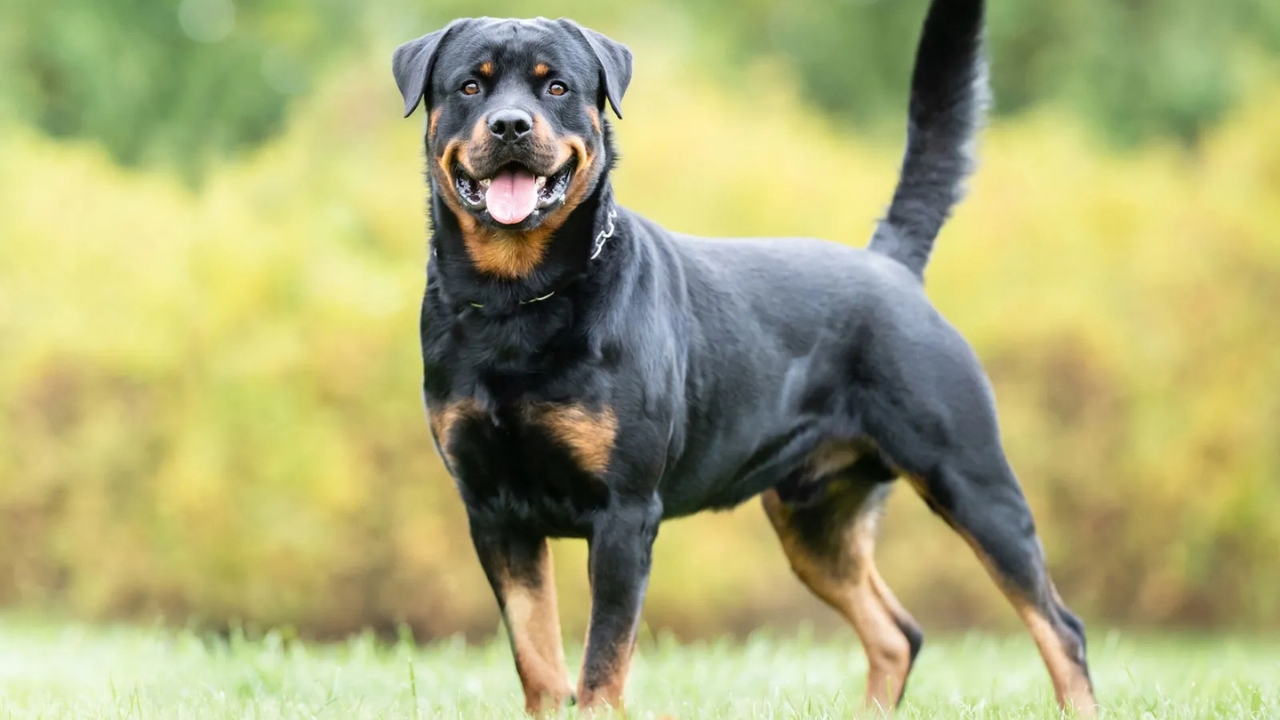
They are naturally confident and protective, usually approaching unfamiliar people with caution rather than excitement. While they enjoy learning and working, they’re generally less high-energy than German Shepherds and often have a more easygoing nature around the home.
Exercise Needs & Energy Levels
German Shepherd
German Shepherds are energetic, athletic dogs that thrive when they have both a physical and mental outlet. Many working-line German Shepherds have especially intense exercise needs and are happiest when given a job to do, whether it’s advanced obedience, scent work, agility, or other dog sports.
Even show-line German Shepherds require plenty of daily activity to prevent boredom and destructive behaviors.
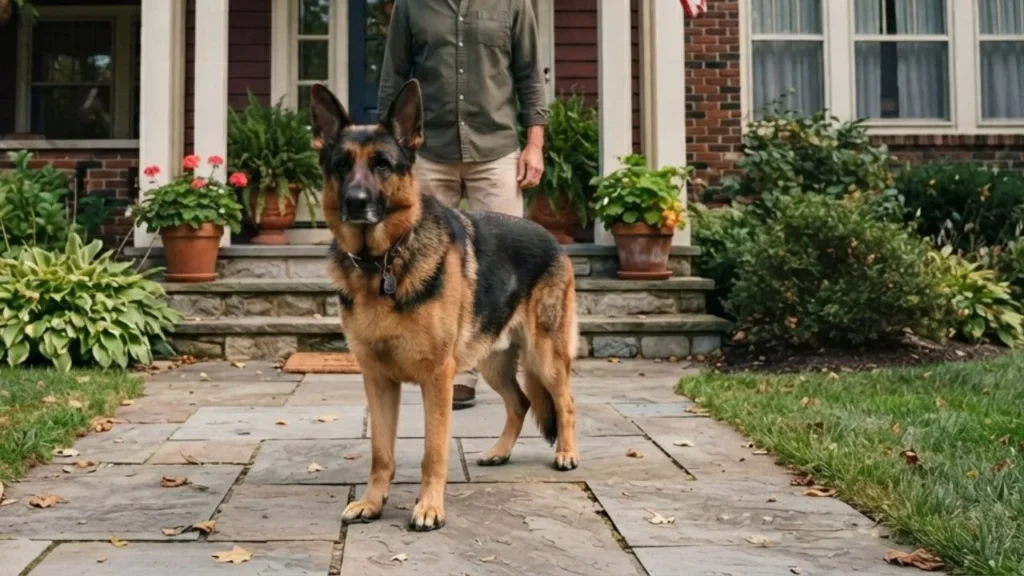
According to PetMD, most German Shepherds need around one to two hours of exercise each day, along with regular training sessions and mentally stimulating games. They also form strong bonds with their owners and enjoy activities they can do together.
Rottweiler
Rottweilers are also energetic working dogs, but they generally have a more moderate activity level. They enjoy long walks, playtime, obedience training, and mentally engaging activities such as scent games or tracking. Once their exercise needs are met, they’re usually content to relax with their families.
Although a securely fenced yard is a bonus, it should never replace daily walks or structured exercise. Because Rottweilers are large, heavy dogs, they also benefit from low-impact activities that help protect their joints while keeping them physically and mentally engaged.
Trainability & Obedience
German Shepherd
German Shepherds are among the easiest dog breeds to train thanks to their intelligence, eagerness to please, and strong work ethic. They learn new commands quickly and genuinely enjoy having tasks to complete, making them excellent candidates for obedience, service work, police work, and dog sports.
Because they’re so eager to learn, German Shepherds thrive with regular training sessions and mental stimulation. Early socialization and clear, consistent leadership help them grow into confident, well-mannered adults.
Rottweiler
Rottweilers are equally intelligent but tend to be more independent and deliberate in their approach to training. They may take longer to master new commands and are more likely to question instructions rather than obey automatically. For this reason, they respond best to patient, confident owners who use consistent, positive reinforcement.
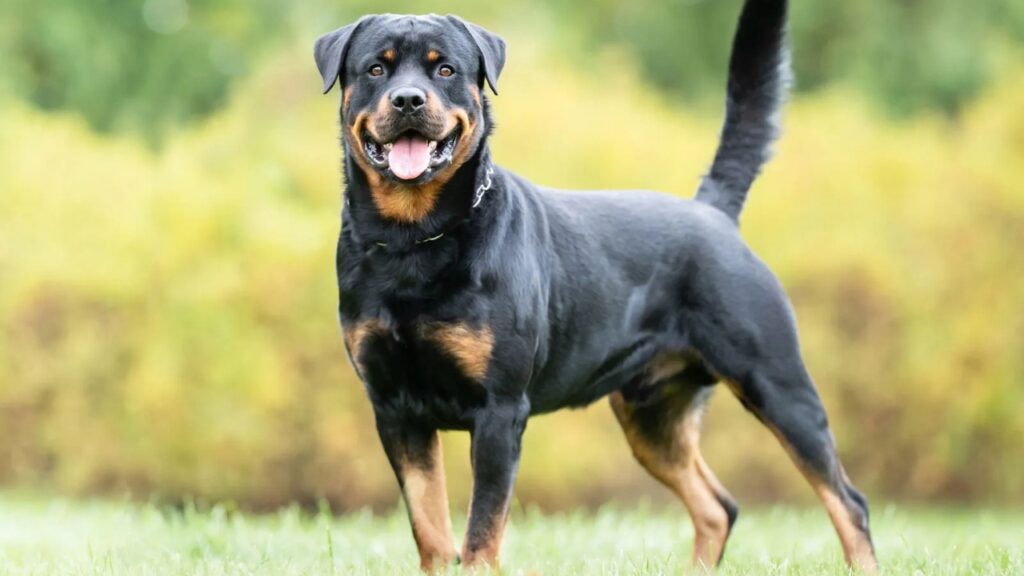
Early socialization is especially important, as Rottweilers are naturally protective and can be reserved around unfamiliar people, as mentioned by Britannica. With proper guidance, they develop into calm, reliable, and exceptionally obedient companions that are devoted to their families.
Grooming Needs & Shedding
German Shepherd
German Shepherds have a thick double coat that sheds throughout the year, with especially heavy shedding during the spring and fall. Their dense undercoat can quickly fill your home with loose fur if it’s not managed regularly.
To keep their coat healthy and reduce shedding, brush your German Shepherd several times a week, or daily during peak shedding seasons. Routine nail trimming, ear cleaning, and dental care should also be part of their grooming routine.
Rottweiler
Rottweilers have a short, dense coat that requires much less maintenance. While they also shed year-round and experience seasonal increases in shedding, the amount of loose hair is generally more manageable than that of a German Shepherd.
Weekly brushing is usually enough to remove dead hair and keep their coat looking healthy and glossy. Like German Shepherds, they also benefit from regular nail trims, ear cleaning, and dental care to stay in good overall condition.
Guarding Instincts & Alertness
German Shepherd
German Shepherds are highly alert and proactive. They tend to notice changes in their surroundings immediately and are more likely to bark to warn their owners of unfamiliar people or suspicious activity.
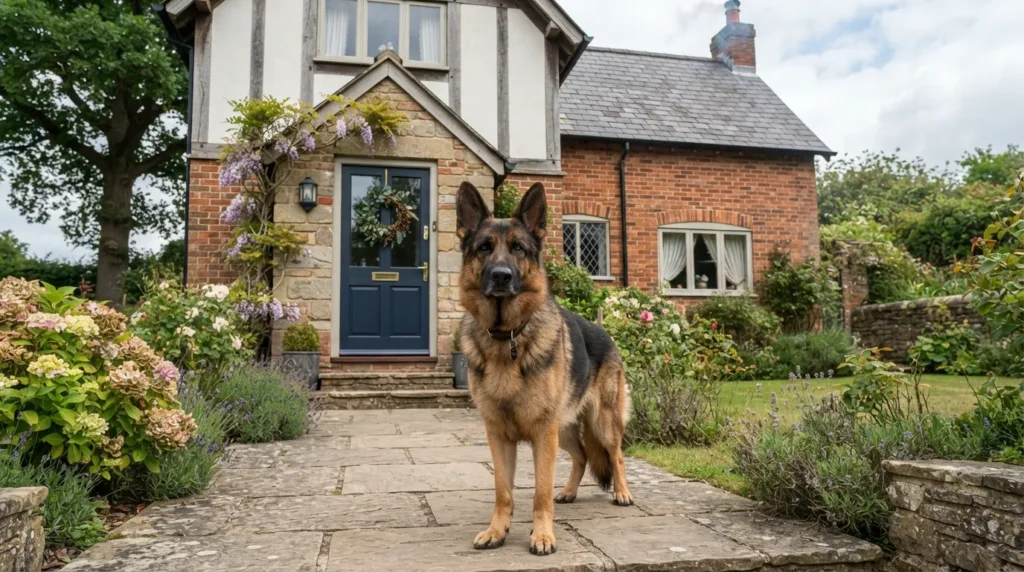
Their intelligence, confidence, and trainability make them wonderful guard dogs and one of the most trusted breeds for police, military, and personal protection work.
Rottweiler
Rottweilers are generally quieter but equally protective. Rather than reacting quickly, these loyal dogs often observe a situation before deciding how to respond.
Their calm confidence, powerful presence, and natural territorial instincts make them excellent guard dogs that can deter intruders without excessive barking.
Health & Lifespan
German Shepherd
German Shepherds are generally healthy dogs that typically live 9–13 years. However, they are still prone to several breed-specific health conditions, particularly those affecting the joints and nervous system.
Common health problems include:
Hip dysplasia
Elbow dysplasia
Degenerative myelopathy
Exocrine pancreatic insufficiency (EPI)
Bloat and gastric dilatation-volvulus (GDV)
Rottweiler
Rottweilers generally have a lifespan of 8–10 years. Their larger size puts extra stress on their joints, and they’re also more susceptible to certain heart conditions and orthopedic injuries.
Common health concerns include:
Hip dysplasia
Elbow dysplasia
Dilated cardiomyopathy (DCM) and other heart diseases
Cranial cruciate ligament (CCL) tears
Juvenile Laryngeal Paralysis & Polyneuropathy (JLPP)
Bone cancer (osteosarcoma)
Bloat and gastric dilatation-volvulus (GDV)
German Shepherd vs. Rottweiler: Which Protective Breed Fits Your Lifestyle Best?
Choosing between a German Shepherd and a Rottweiler comes down to your lifestyle, experience, and what you expect from a canine companion. Both breeds are intelligent, loyal, and naturally protective, but they have different personalities and care requirements.
If you’re an active person who enjoys outdoor adventures, regular training sessions, and mentally stimulating activities, the German Shepherd is likely the better fit. This breed thrives on having a job to do and is happiest with owners who can dedicate plenty of time to exercise, training, and engagement.
The Rottweiler is a great choice for those who want a calm, confident guardian that’s equally devoted to its family. While it still needs consistent training and daily exercise, it’s generally more relaxed at home once its physical and mental needs are met. Experienced owners who can provide firm, positive leadership often find the Rottweiler to be an incredibly loyal and dependable companion.
Conclusion
Both German Shepherds and Rottweilers are exceptional working breeds known for their intelligence, loyalty, and protective instincts.
While the German Shepherd stands out for its high energy, versatility, and eagerness to learn, the Rottweiler offers calm confidence, incredible strength, and unwavering devotion.
Understanding their differences in temperament, exercise needs, grooming, and health can help you choose the breed that best fits your home and lifestyle.
No matter which breed you choose, responsible ownership is the key to raising a happy, well-balanced dog. Invest in early training, proper socialization, regular veterinary care, and plenty of quality time together.
With the right commitment, either a German Shepherd or a Rottweiler can become not only a reliable protector but also a lifelong companion you’ll cherish for years to come.
