




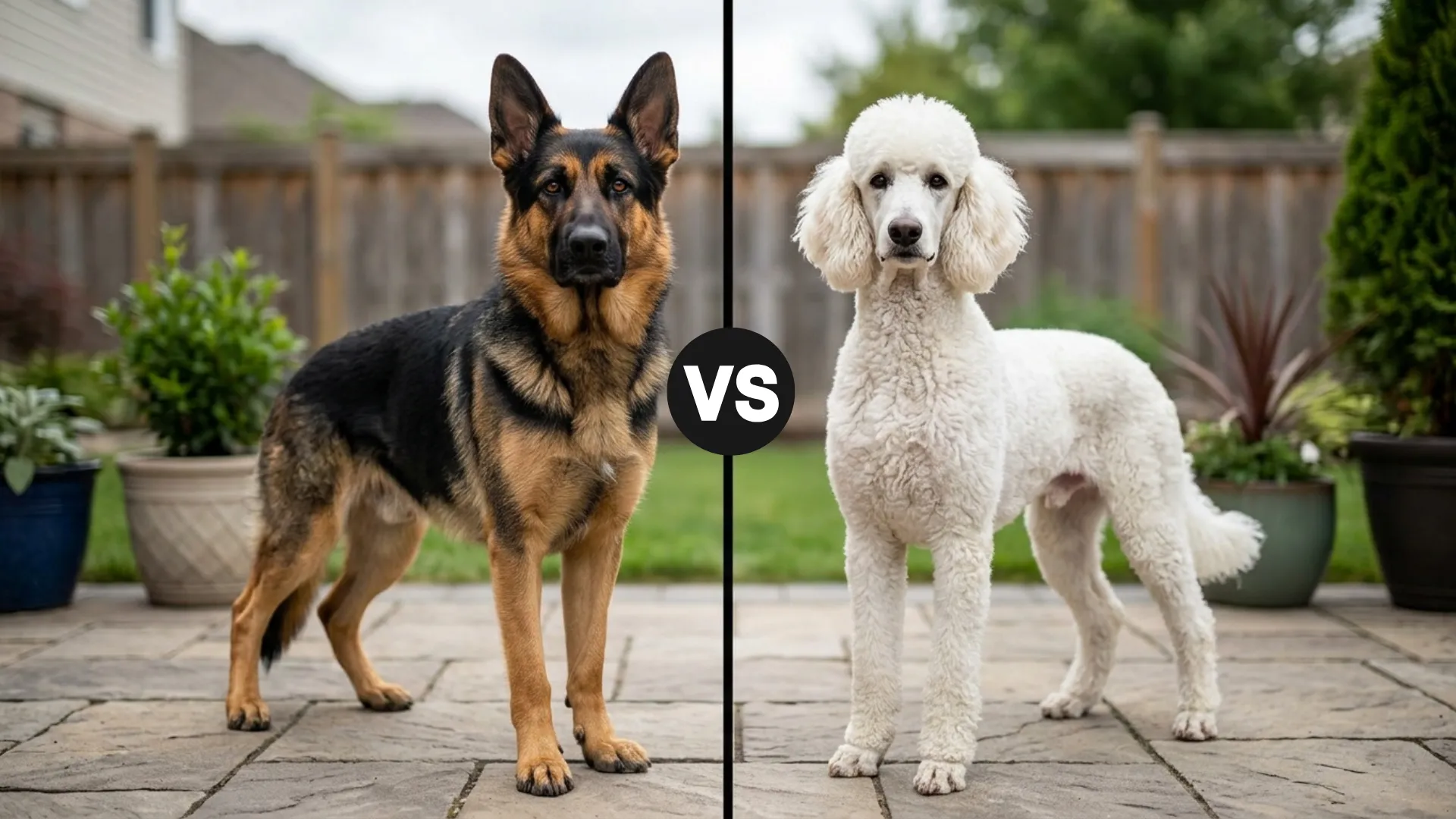
Only one AKC breed comes in three official sizes, adds PCA. The Poodle earns that title, standing anywhere from a compact toy to a full standard frame, while the German Shepherd sticks to one unmistakable silhouette.
Yet size is where their differences barely begin. Beneath that curly coat and that classic saddle marking are two of the most intelligent, trainable dogs in the world, each shaped by a completely different job history.
So which brainy breed actually fits your home, your energy level, and your grooming tolerance? Keep reading to find out.
German Shepherd vs. Poodle: Key Dog Breed Traits You Should Know
Not sure if a German Shepherd or a Poodle is your perfect match? Read the full breakdown below to see how these two brilliant breeds compare on size, cost, energy, grooming, and health, then find out which one actually fits your lifestyle.
Origins & Purpose
Germany, 1899: That is roughly when the German Shepherd was formalized as a working breed built to herd and guard livestock, a history the American Kennel Club (AKC) still references in its breed standard today. The role expanded fast, and German Shepherds went on to become police dogs, military dogs, and dependable service animals thanks to their focus and nerve.
The Poodle’s story runs in a different direction entirely, starting as a skilled water retriever bred to pull downed waterfowl from cold lakes and rivers. One breed was shaped for open fields, the other for open water, and that early split still shows up in how each dog moves through the world today.
Size & Build
Seventy pounds is a fair average for a full-grown male German Shepherd, with the breed typically standing 24 to 26 inches at the shoulder and built for stamina over speed.

Poodles are trickier to pin down because the breed comes in three official sizes, standard, miniature, and toy, ranging from a compact ten pounds up past 60 for a large Standard Poodle.
A German Shepherd carries a straight, athletic frame with a sloped topline built for endurance work. A Standard Poodle carries a squarer, springier frame built for swimming and agility, and that structural difference explains a lot about how each breed handles exercise later on.
Pricing & Availability
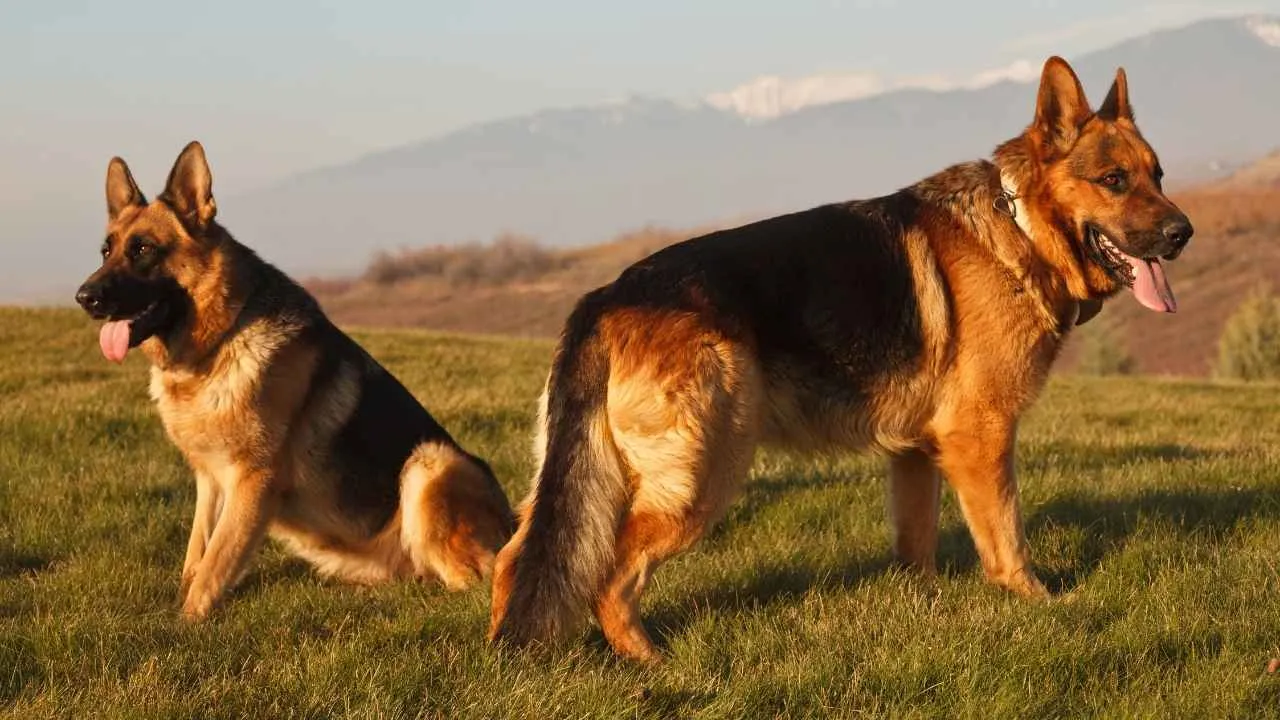
What should a puppy actually cost? A German Shepherd from a responsible breeder typically lands between 1,000 and 2,500 dollars, with working line or import pedigrees pushing higher, according to Forbes.
Poodle pricing follows a similar range but climbs faster for standard poodles with show lineage, sometimes crossing 3,000 dollars depending on color and coat quality.
Both breeds are widely available through breed clubs and reputable rescues, though miniature poodle litters and shepadoodle puppies tend to move fastest once posted.
Budget for ongoing veterinary care too, since both breeds carry inherited health conditions worth insuring against from puppyhood. A little research into a responsible breeder’s health testing record goes a long way before any deposit changes hands.
Temperament & Personality
Loyalty runs deep in both breeds, but it shows up differently day to day. A German Shepherd tends toward protective instincts and a serious, watchful nature around strangers, making early socialization essential so the dog reads new people and other animals correctly.
Poodles lean towards being more playful and expressive, often described as velcro dogs that shadow their favorite family members from room to room without ever losing their confident streak, according to Petplan. Neither breed does well being ignored in a backyard, and both were built to work alongside people.
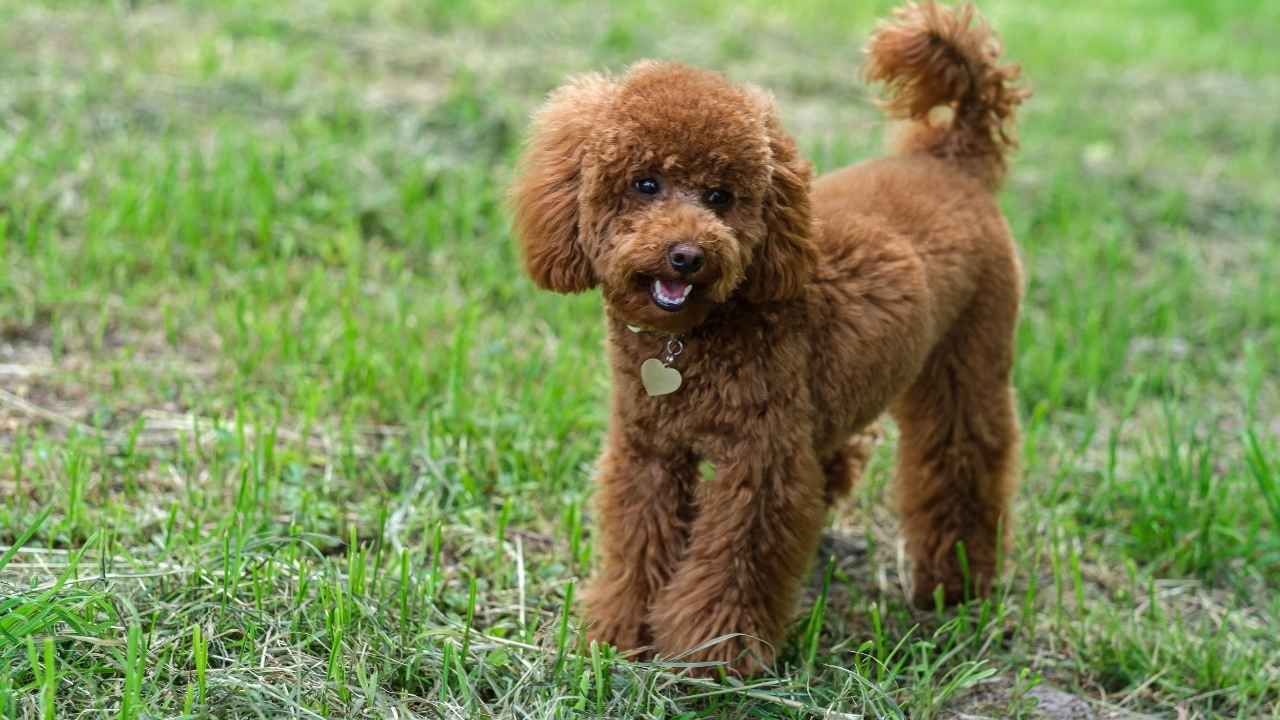
That means family life with either dog is really a partnership, not just ownership. A German Shepherd dog offers steady, watchful affection, while a Poodle offers bubbly, ever-present companionship.
Exercise Needs & Energy Level
Sixty minutes a day is the baseline most veterinary sources recommend for an adult German Shepherd, and that number climbs for working line dogs bred for endurance.
Poodles need less raw volume, generally thriving on 30 to 45 minutes of varied activity, though standard poodles happily match a German Shepherd’s pace if given the chance.
High energy is the shared thread here, and neither breed settles well on short leash walks alone. Swimming suits the Poodle’s retriever roots particularly well, while the German Shepherd tends to prefer structured tasks like fetch, tracking games, or a solid jog over open ground.
Trainability & Obedience
Are these really the two easiest breeds to train? Most trainers would say yes, and it comes down to inherited working drive paired with high intelligence.
Both breeds show up on nearly every list of highly intelligent dogs; both make excellent service dogs and therapy dogs, and both have loyal fan bases who will happily argue their pick is the best.
German Shepherds respond fast to consistent training and structure, often mastering commands within a handful of repetitions when positive reinforcement is used correctly.
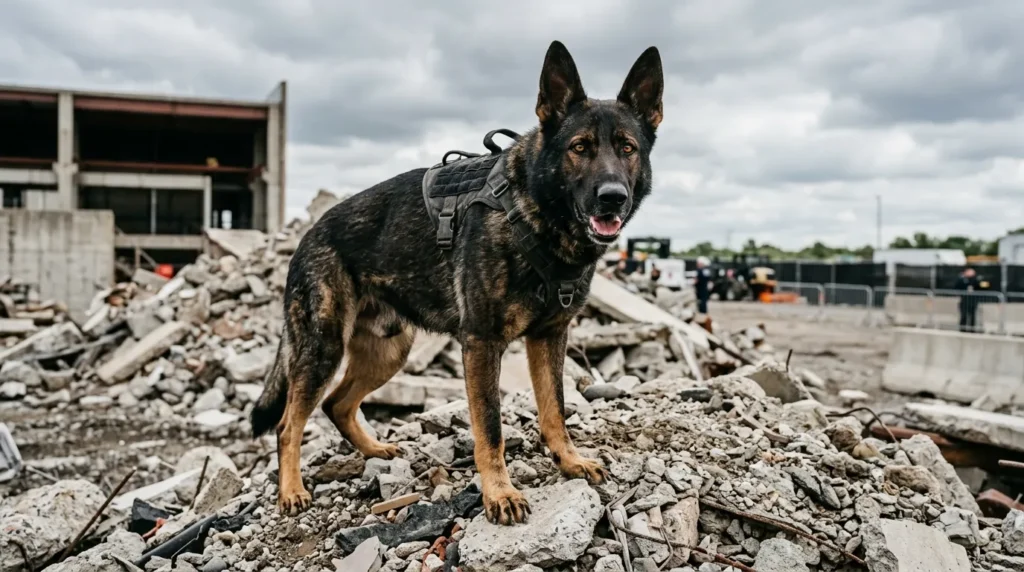
Poodles rank among the smartest dogs by most obedience trial standings and pick up complex cues with the same speed, sometimes outpacing German Shepherds on abstract problem-solving tasks, notes PetMD.
Both breeds get bored without mental challenge, so a well-behaved adult of either breed usually reflects a pet owner who kept training sessions short, frequent, and genuinely engaging.
Grooming Needs & Shedding
Brace for fur everywhere, because the German Shepherd is a heavy, near-constant shedder that blows its undercoat twice a year and needs brushing two to three times weekly to keep it manageable.
The Poodle flips that experience entirely, growing a dense curly coat that sheds minimally but mats quickly without regular grooming, typically requiring a trim every four to six weeks.
German Shepherd: Brushing two to three times weekly, heavy seasonal coat blow twice yearly
Poodle: Trimming every four to six weeks, minimal shedding but prone to matting
Prospective pet parents allergic to dander often lean toward a Poodle for exactly this reason, while German Shepherd owners simply learn to live with fur on the couch.
Outdoor Adventure & Exploration
Twenty miles of trail would barely tire a fit German Shepherd, a breed built for long working days and comfortable in cold weather thanks to that thick double coat.
Poodles adapt just as readily to hiking and open water adventures, and their curly coat sheds water efficiently, making lake days and boat trips a natural fit for the breed’s retriever background.
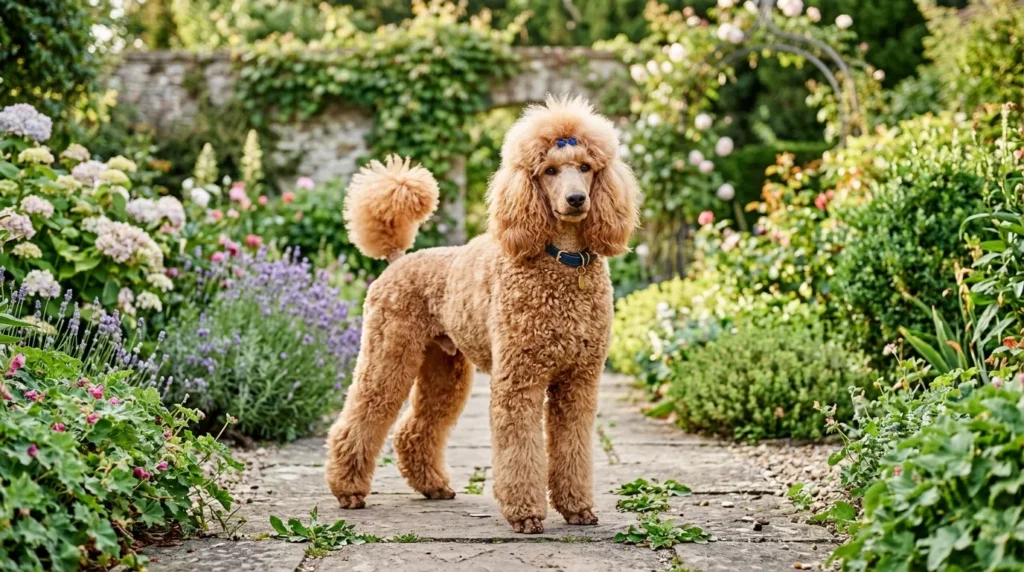
Both breeds handle new environments and surroundings with confidence when properly socialized as puppies, though a German Shepherd tends to stay closer to its handler out of protective instinct.
A Poodle, by contrast, often explores a little further afield before checking back in, driven by that same curious, expressive personality.
Health & Lifespan
How long can pet parents expect to have these dogs around? German Shepherds typically live 9 to 13 years and carry a well-documented risk for hip dysplasia along with other joint and digestive issues, according to the PDSA.
German Shepherd: 9 to 13 years, prone to hip dysplasia and bloat
Standard Poodle: 10 to 18 years, prone to bloat and certain eye conditions
Miniature and Toy Poodle: Often long-living, thanks to lower body mass
Regular veterinary care, weight management, and a quality diet matter enormously for both breeds regardless of which health conditions run in a particular line.
German Shepherd vs. Poodle: Which Smart Dog Breed Is Right for You?
The right mix of breed and owner depends entirely on lifestyle, not just admiration for smart dogs.
The active, experienced owner with a yard: A German Shepherd fits families ready for daily structured exercise, consistent training, and a dog that bonds hard with its people and stays wary of outsiders.
The allergy-prone apartment dweller: A Miniature or Standard Poodle suits owners who want an intelligent, low-shedding companion that adapts well to smaller spaces and regular grooming routines.
The outdoorsy, water-loving family: Either breed works well here, since a Standard Poodle’s swimming ability and a German Shepherd’s trail stamina both reward an active household.
The first-time owner with a passive routine: Neither breed is a good fit. Both demand daily mental stimulation and real companionship, and a dog left alone too often will develop excessive barking or anxious habits regardless of pedigree.
Conclusion
Smart dogs are never a shortcut. Both breeds prove that high intelligence just means the dog notices everything, including every gap in your training, your exercise routine, and your patience.
Before you fall for the fur or the floppy ears, sit down and map your actual week: your daily minutes for exercise, your grooming budget, your tolerance for a velcro dog underfoot. Then find a responsible breeder or rescue for the breed that matches, and ask to meet the parent dogs before you commit.
