




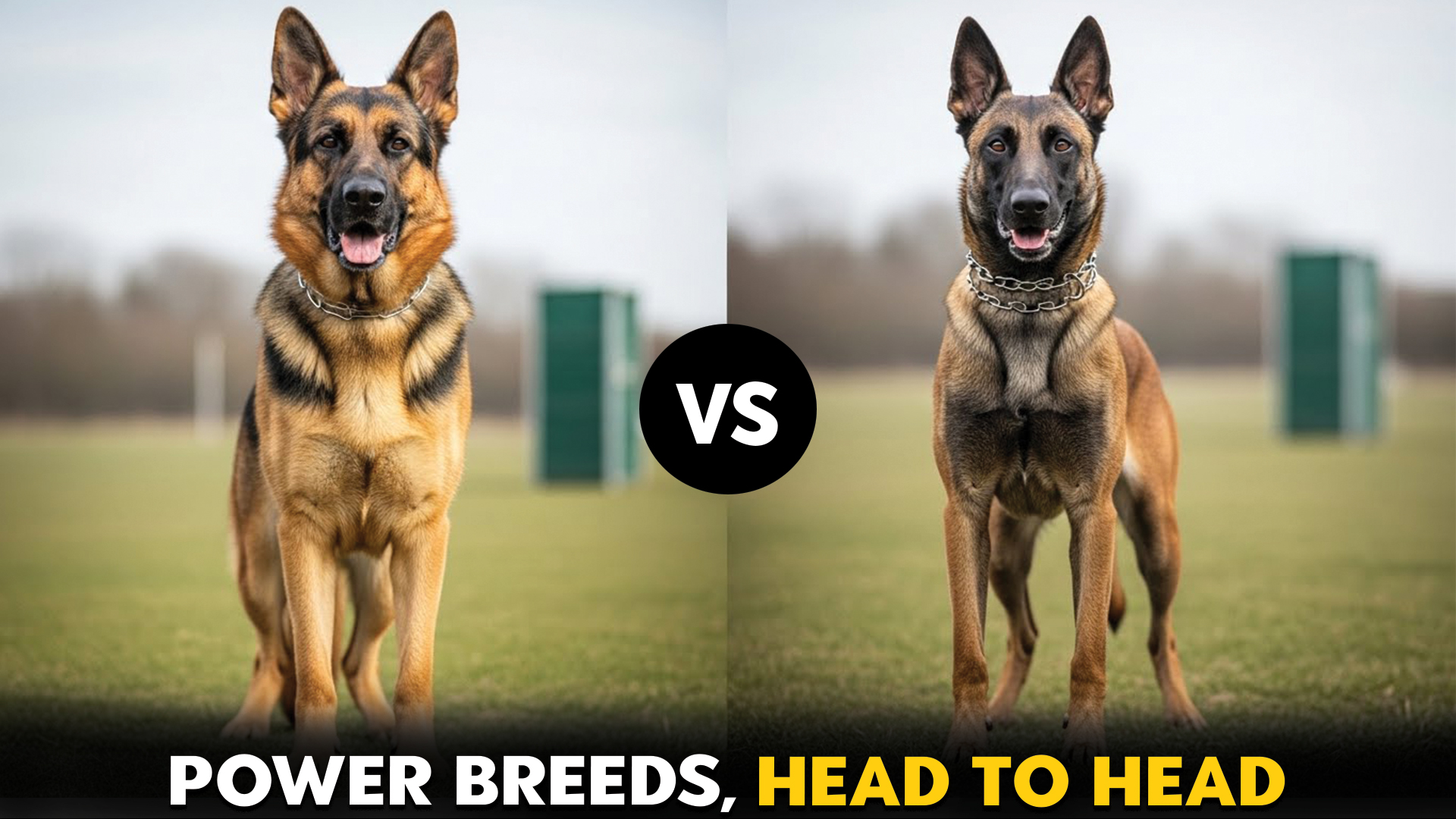
There are very few dog breeds that are a perfect blend of intelligence, loyalty, and athleticism. Fortunately, we are going to discuss two of them in our blog. At first glance, they may look alike with similar temperaments, but there are some key traits that make them different and unique in their own ways.
German shepherds are among the most famous dogs worldwide due to their trainability and kind yet guarding disposition. They reflect adaptability and faithfulness that make them ideal companions both at home and at work. However, Belgian Malinois are happier in environments where speed, precision, and agility are valued.
Let’s explore more about them to find a few key differences so that one can understand which breed best suits its lifestyle and expectations.
German Shepherd vs. Belgian Malinois: Breed Overview
German Shepherd Dogs and Belgian Malinois both are herding breeds and were mostly used as livestock guardians. The purpose may look similar, but actually, these canines’ breeding goals were slightly different, that reflect in today’s modern dogs as well.
GSD came from Germany and was discovered by Captain Max Von Stephanitz in the late 18th century. The goal was to have a breed that is versatile, reliable, and intelligent, which also balances its independence and obedience together.
Belgian Malinois was developed in Belgium for agility, alertness, and high work drive. Interestingly enough, in 1908, these working dogs were imported to the USA for the police force in New York. Professor Adolphe Ruel was the founder of this medium to large sized dog.
Physical Structure: Size, Strength & Athletic Build Comparison
Both of these dogs are blessed with large size and muscular build. To an untrained eye, the height of German shepherds and Belgian Malinois dogs does look the same, as it ranges from 24 inches to 26 inches. There are a few structural differences that tell stories about their demands and endurance.
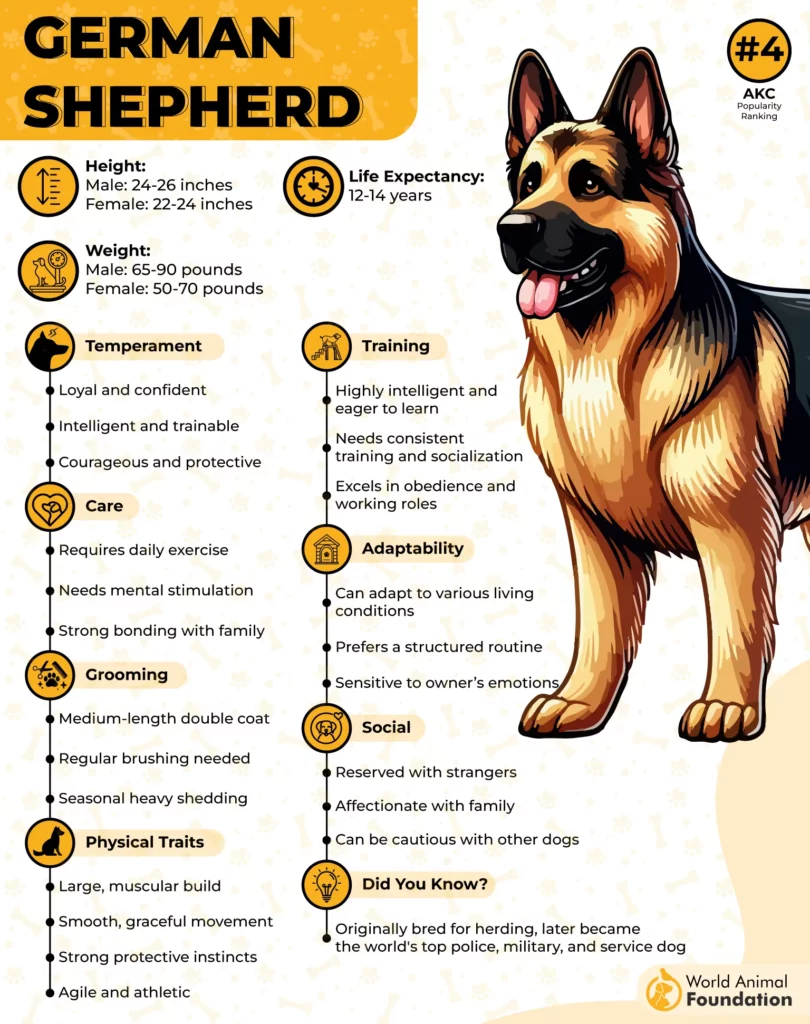
German shepherds are larger and heavier, weighing from 50 to 90 pounds, with an imposing presence. In contrast, Belgian Malinois is slightly smaller and lighter, with an average weight of 40 to 60 pounds. GSDs excel in roles for strength, while Malinois thrives in tasks involving fast responses.
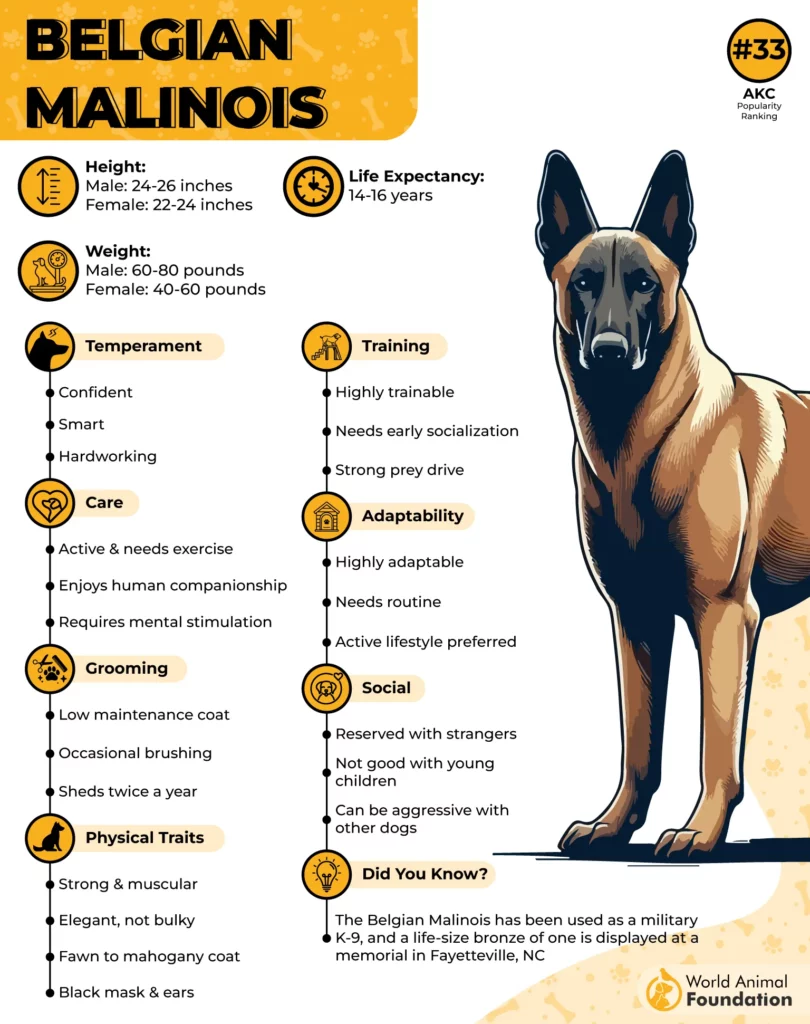
The ear shapes of Malinois look more triangular than those of German Shepherds. Moreover German Shepherd carries a naturally smooth, curved body that adds length instead of height, says the American Kennel Club (AKC). Belgian Malinois is characterized by a boxy frame but lacks width and heaviness as well.
Temperament, Nature & Personality Traits
The temperament of a dog defines how they will behave in a particular lifestyle and training sessions. While bringing any pooch, pet parents should consider this vital factor first. These two breeds share some common traits that define their elegance more, such as loyalty and smartness.
Belgian Malinois is a hard-working dog and is characterized by a highly alert and reactive temperament. They make bonds with one person and are purpose-driven canines. Their high-energy breed demands an experienced and committed owner.
When it comes to the German Shepherd, this versatile breed is equally adaptable as a family and service dog. Their loving and gentle temperament makes them great family pets. With strong protective instincts, these devoted canines excel as guardians too and remain reserved around strangers.
Activity Demands: Exercise Intensity & Energy Levels
German Shepherd Dogs and Belgian Malinois both have high energy levels, but channeling them requires a different approach. It is a very crucial factor while selecting a dog breed according to your lifestyle. GSDs fit more perfectly as a family dog, where it remains calm after completing their purpose.
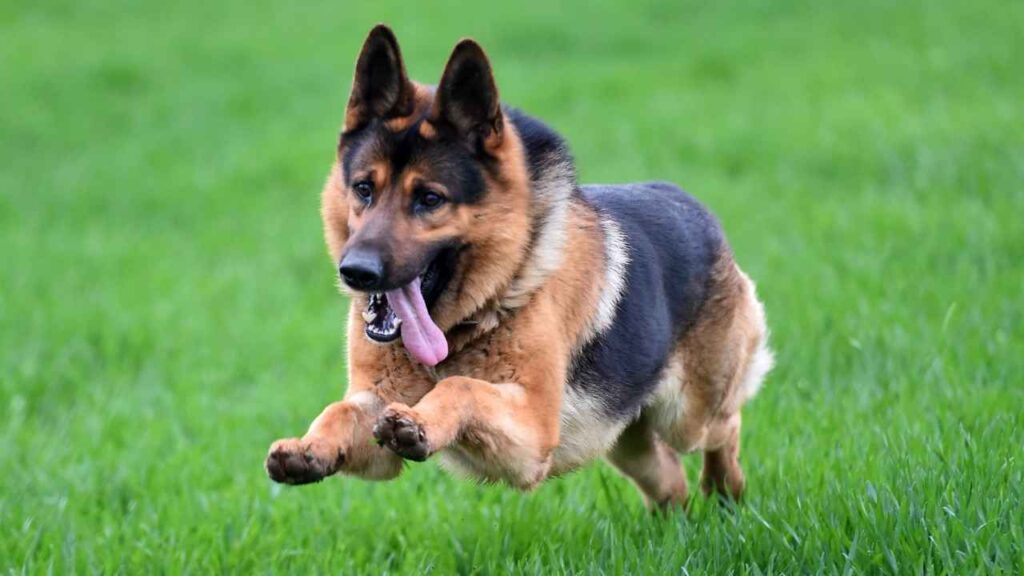
Belgian Malinois have boundless energy that needs constant physical and mental stimulation compared to the German Shepherd. If you are crazy for outdoor adventures, Malinois suits your lifestyle well. According to Orvis, simple daily walks are not enough to meet their never-ending energy levels.
On the other hand, German shepherd does need an ample amount of physical and mental engagement that can be satisfied via dog sports and daily long walks. Once they reach four years of their lives, these dogs become calm, but it does not mean their love for high-energy workouts diminishes forever.
Intelligence, Trainability & Working Drive
Both the German Shepherd Dog and Belgian Malinois are highly intelligent breeds. However, their intellect is expressed in different ways. GSD’s intelligence makes him adaptable, more thoughtful, and versatile, while Malinois are exceptionally fast and focused learners.
Eagerness to please their owners makes them very trainable dogs. Malinois need a professional trainer from a young age, while German shepherds only need an experienced household. Consistency and patience, along with positive reinforcement methods, are the keys to better training.
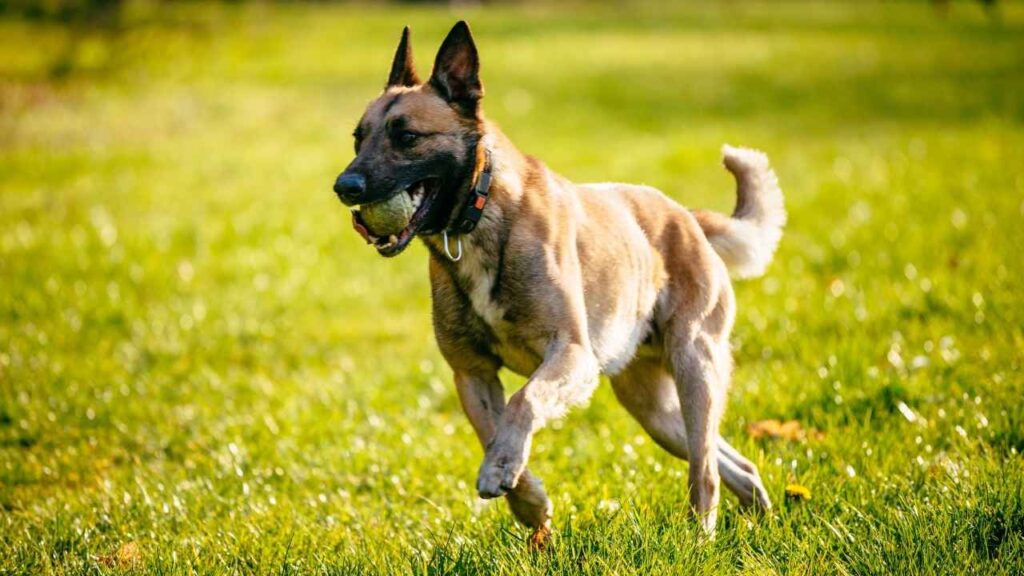
Belgian Malinois has a strong prey drive, and it always ends up chasing after objects and living beings with swift movements, according to PetMD. Regardless of having a history as herding dogs, German shepherds can be trained and socialized to live with children and other dogs.
Vocal Tendencies, Alertness & Responsiveness
German shepherds tend to bark more, alerting their families and owners about unusual surroundings or threats. They only develop excessive barking unless constantly bothered or not physically fit. Belgian Malinois shows its concern with lots of movements instead of vocalization.
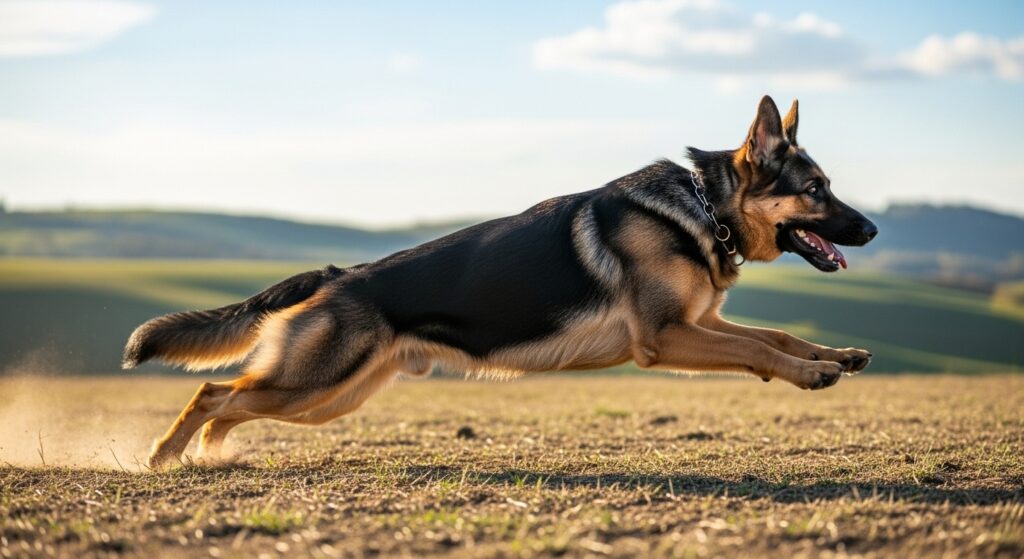
German shepherds are considered highly alert dogs, but with a calmer temperament as compared to Belgian Malinois, which are sharp and aggressive dogs. With strong instincts, the latter dog breed excels more beautifully in military work, especially in detection.
Belgian Malinois reacts simultaneously to stimuli, even if trained and socialized. These dogs make ideal partners where high intensity and focused work are required. GSDs follow commands and are considered an all-purpose dog, whether it’s at home or in the field, one of the reasons making them a popular breed.
Coat Type, Shedding Patterns & Grooming Requirements
German Shepherd Dogs have a double coat with a soft undercoat and tight outercoat. These large dogs shed heavily, especially in winter and autumn. Thus, regular grooming is necessary and can be done at home easily via regular brushing.
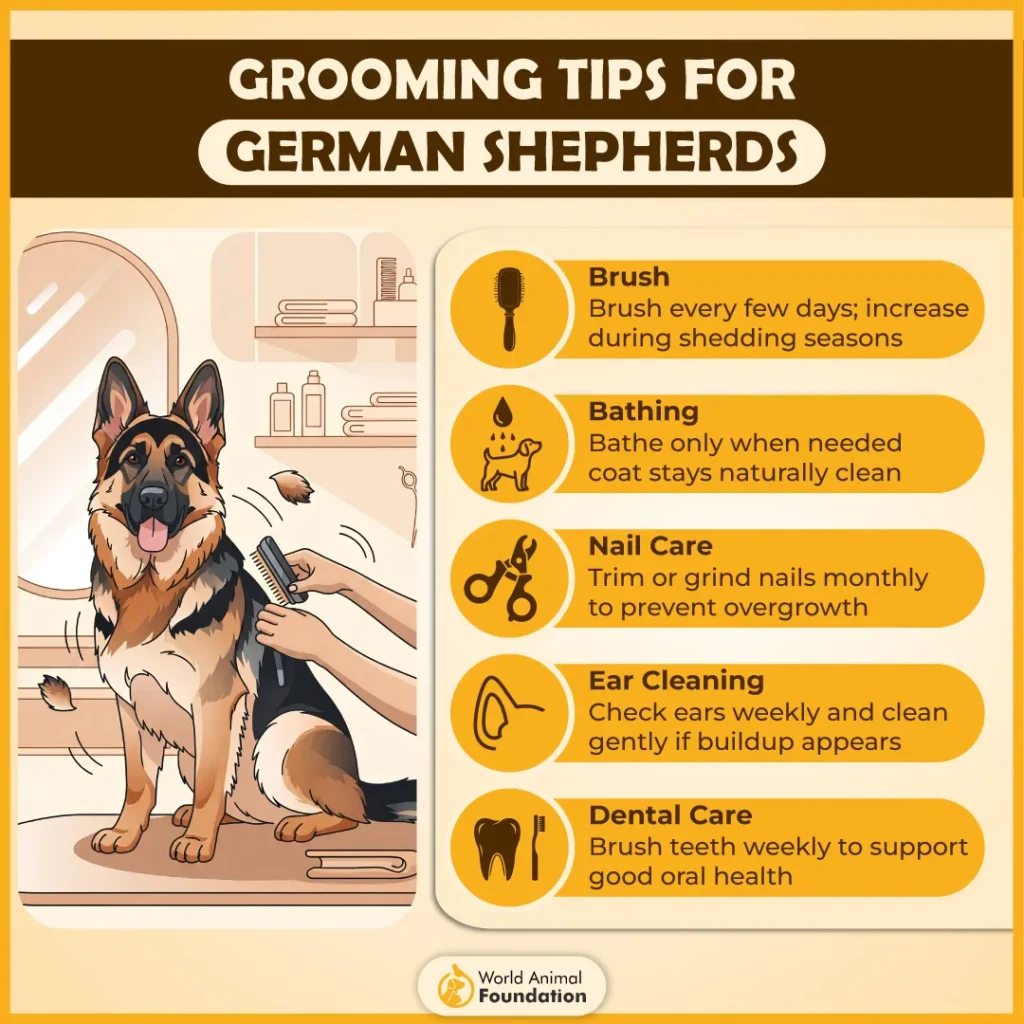
Belgian Malinois is blessed with a short, dense, and waterproof coat. Regardless of being a moderate shedder, this breed is relatively of low maintenance. Occasional baths and quick brushing are enough to keep your Malinois healthy and happy.
Pet parents should be cautious of excessive bathing as it may strip off the necessary oil from the body, which protects the skin and undercoat. Moreover, attention to ears, eyes, and teeth is essential. Belgian Malinois are more convenient dogs in terms of grooming needs
Health Concerns, Genetic Risks & Average Lifespan
Malinois and German shepherds are healthy dog breeds. Still, both of them are prone to several health issues, making a responsible breeder an important find before purchasing. If you want to adopt any of them, must collect the information regarding health.
German Shepherds’ average lifespan is 7 to 10 years. They are mostly prone to bloating, which can be life-threatening if not treated on time. Screening tests for joint health are also important as they may develop hip and elbow dysplasia at any stage of their lives.
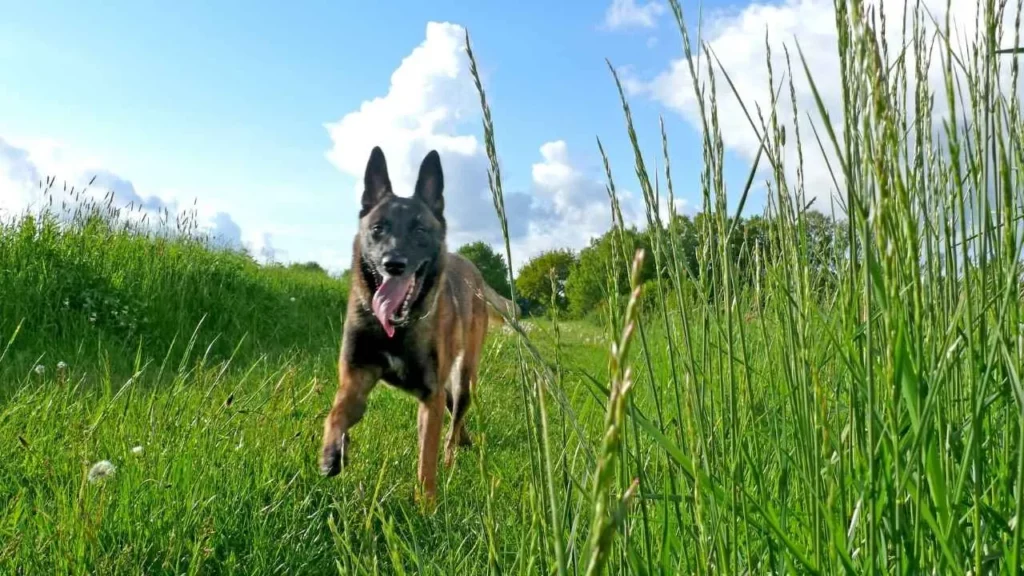
On average, Belgian Malinois’ lifespan ranges from 10 to 14 years. However, these relatively healthier dogs develop progressive retinal atrophy that leads to blindness. Unfortunately, you cannot screen out this test, but a breed history can save you a bit in this context.
Suitability Comparison: Professional Working Roles, Home Security & Family Environment
German shepherds, as defined earlier, are all-around dogs excelling as police dogs, search and rescue dogs, and family guardians. While Belgian Malinois shines more gracefully in top-notch law enforcement agencies and high-profile security.
Protecting the owners are foremost duty of both dogs, but the way of protection is one of the key differences present among these breeds. GSDs offer more reliable and composed security in homes, and Belgian Malinois reacts to threats and intruders immediately.
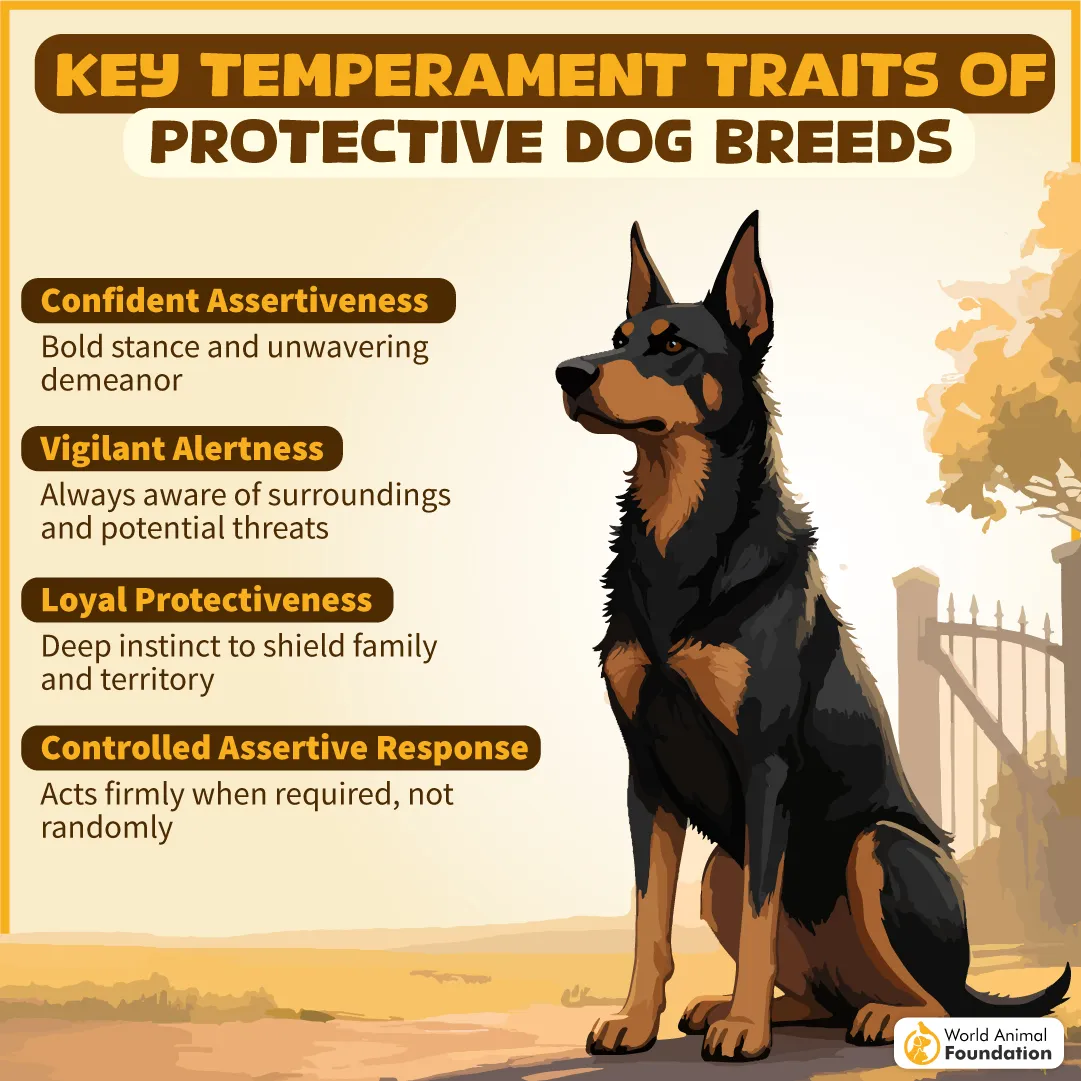
Activity levels and lifestyle are necessary considerations before bringing any of them as a family companion. German shepherds form deep bonds with all family members, including kids. Malinois also craves full companionship from their owners, but needs consistent training throughout their life.
Conclusion
If your only choice is just a large dog breed with lots of devotion and protection, you cannot go wrong with either breed. Both of them are considered highly affectionate dogs who thrive in active households only.
But, for a better family environment, you can adopt a German shepherd and if you are an individual and can meet the consistent activities of a Belgian Malinois, it will be a great companion for you as well. Whichever dog you select for your upcoming years, you will never feel disappointed, as both are capable of bringing love, warmth, and safety in one package.
