




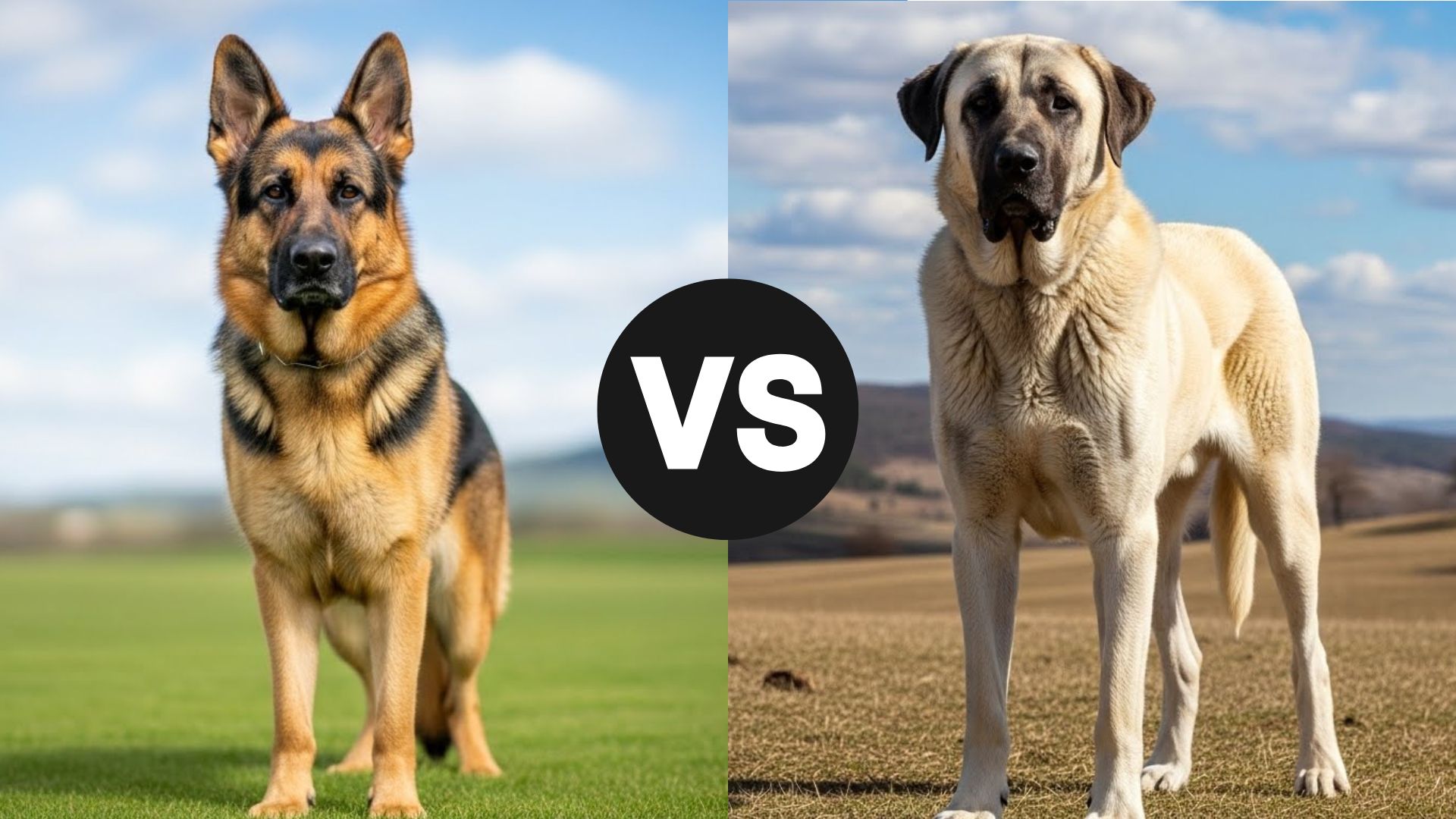
When it comes to choosing a loyal, protective, and intelligent canine companion, two breeds often capture the spotlight: the German Shepherd and the Kangal. Both are impressive, but each has distinct qualities that make it unique.
Picture the German Shepherd, sleek, agile, and endlessly trainable, excelling as a working dog, family protector, and companion in countless households worldwide.
Then imagine the Kangal, a massive guardian hailing from the Turkish plains, renowned for its calm demeanor, immense strength, and unwavering loyalty to its flock—or family.
Understanding these traits is crucial for anyone seeking a dog that fits seamlessly into their lifestyle. Are you looking for a smaller, versatile protector or a gentle giant that commands attention with just a glance?
We will explore the nuances of temperament, training, socialization, and daily care. Whether you’re a first-time dog parent or a seasoned enthusiast, by the end, you’ll know which powerhouse breed aligns perfectly with your home and heart.
German Shepherd vs. Kangal
Size & weight
When it comes to doggy dynamos, the German Shepherd dog and the Kangal breed are both heavy hitters—but they play in slightly different leagues. Let’s size them up (literally).
German Shepherd
The German Shepherd is like the all-star athlete of the dog world: sleek, smart, and muscular without being over-the-top.
Weight
Male: 65–90 pounds
Female: 50-70 pounds
Height: 22–26 inches tall
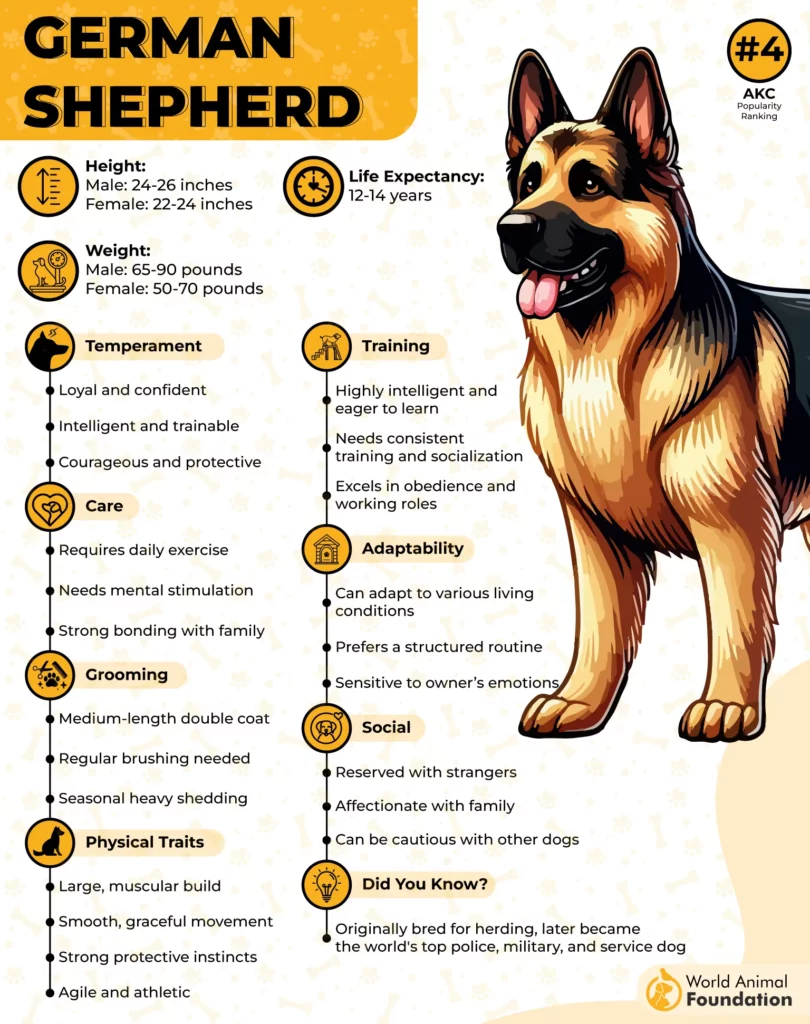
These numbers give them a perfect balance: big enough to impress, but not so big that you need a forklift to take them for a walk. Think of them as the Goldilocks of dog sizes—just right.
Kangal Dog
Now, meet the Kangal—the gentle giant of the Anatolian plains. These large dogs make German Shepherds look like lapdogs (well, almost).
Weight
Male: 110–145 pounds
Females: 90–120 pounds
Height: 28–32 inches at the shoulder.
That’s basically a dog you could mistake for a small horse if you squint and have a vivid imagination. Their sheer size is enough to make a burglar think twice—and maybe consider a career in pottery instead.
Origin and purpose
German Shepherd
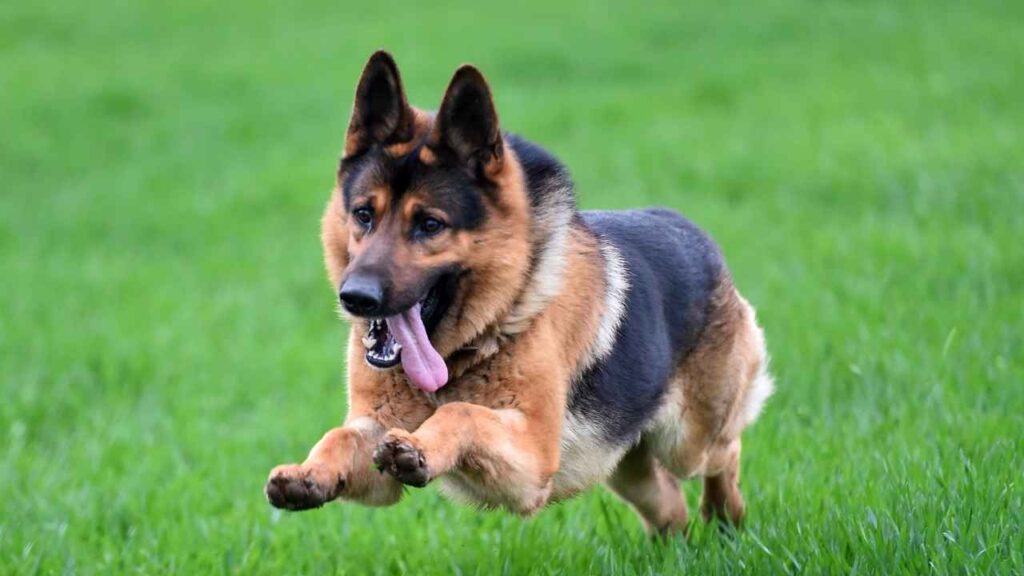
The German Shepherd is basically Germany’s canine superhero—born in the late 19th century to be the ultimate all-purpose dog. Captain cleverness and work ethic rolled into one furball.
Originally bred for herding sheep, these dogs had to be smart, obedient, and tough enough to handle a flock that didn’t always know who the boss was.
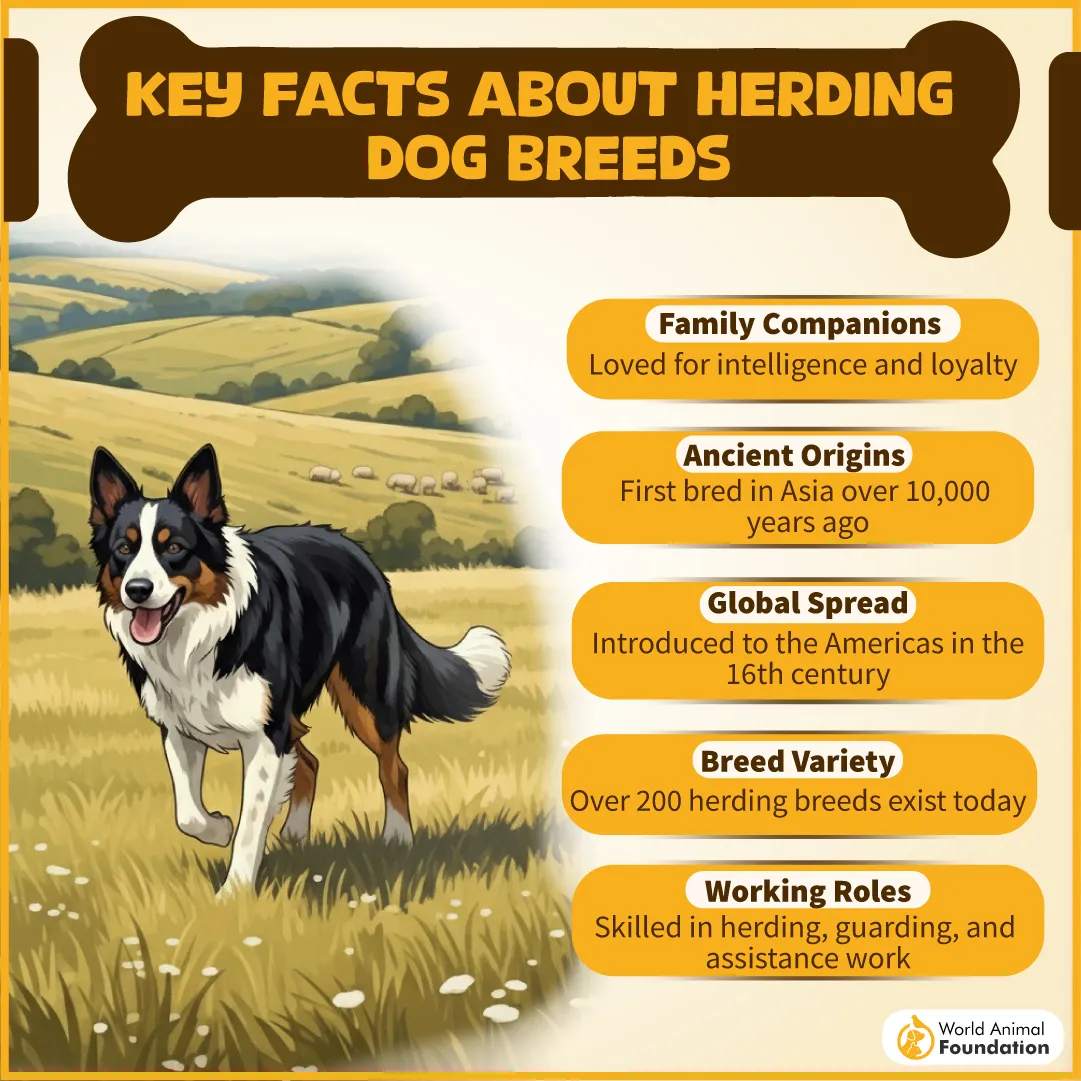
But the Shepherd didn’t stop there—oh no—they quickly became police dogs, search-and-rescue heroes, and military champions. Think of them as the James Bond of dogs: adaptable, loyal, and always ready for action… preferably in a sleek coat and sharp ears.
Kangal Dog
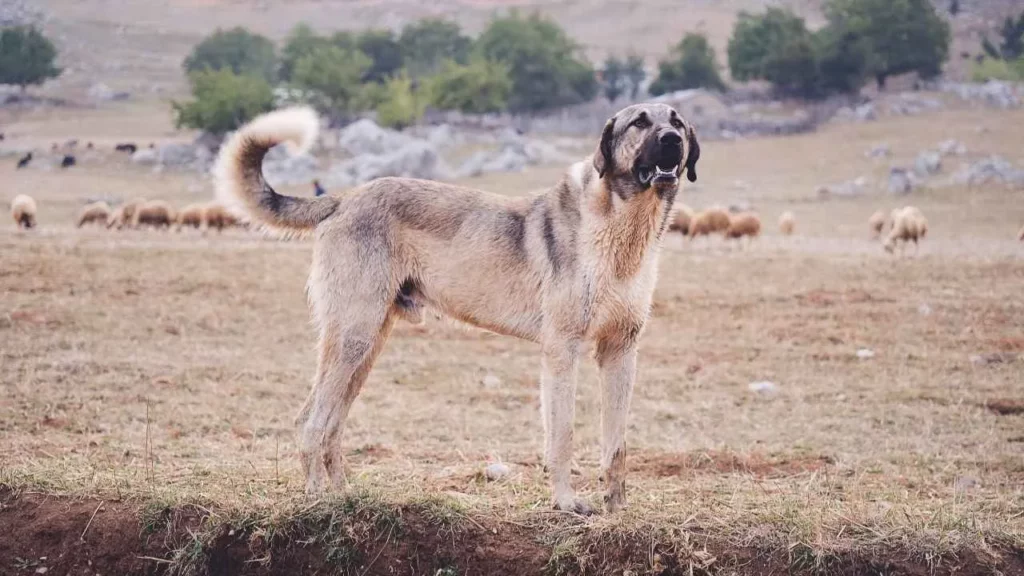
The Kangal, on the other hand, is like a hulking medieval knight in dog form. Hailing from Turkey, specifically the Anatolian region, this breed has been protecting livestock from wolves, bears, and other threats for centuries.
With its massive size, incredible strength, and fearsome bark, the Kangal isn’t just a herder—it’s a fortress on four legs. These dogs have a single mission: keep your flock safe, and do it with the kind of confidence that makes predators think, “Maybe I’ll just try next door instead.”
Despite their intimidating presence, Kangals are famously gentle with their families, making them the ultimate mix of guardian and cuddle buddy.
Temperament and Personality
When it comes to personality, both German Shepherds and Kangals are loyal, intelligent, and protective—but they express it in very different ways. Let’s dive in:
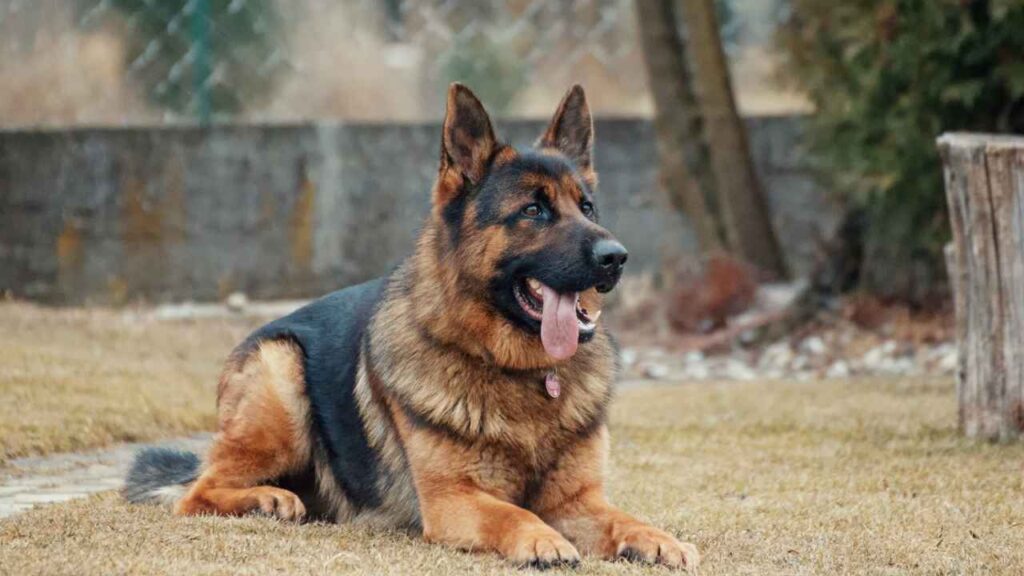
German Shepherd
Highly intelligent and trainable – practically a canine Einstein.
Loyal and devoted to family, often forming strong bonds with one or two “favorite humans.”
Alert and courageous, making them excellent watchdogs.
Can be wary of strangers if not properly socialized, but rarely aggressive without reason.
Kangal Dog
Calm, confident, and composed—think “Zen master with muscles.”
Fiercely protective of livestock and family, often intimidating to strangers or perceived threats.
Loyal and gentle with those they know, especially children.
Less hyperactive than German Shepherds, preferring to observe and act only when necessary.
If you want a dog that’s versatile, brilliant, and ready for a variety of jobs, the German Shepherd is your go-to. If you want a dog whose very existence screams “Stay away from my humans and livestock,” the Kangal is the legendary protector you’re looking for.
Trainability & Socialization Needs
When it comes to training and social skills, German Shepherds and Kangals couldn’t be more different in style, even if both are fiercely loyal.
German Shepherd
When it comes to brains and manners, the German Shepherd is the poster child for “teach me everything, please!”
✔ These dogs have a ravenous appetite for learning—they soak up commands, tricks, and tasks like a sponge, all while trying to earn your approval.
✔ Their eagerness to please makes training almost effortless, as long as it’s consistent and fair.
But don’t be fooled: a bored Shepherd can become a mischievous whirlwind, turning your favorite shoes into chew toys or redecorating your living room with their energy.
Socialization is equally important—they thrive when introduced early to different people, pets, and environments, which helps prevent shyness or overprotectiveness.
Kangal Dog
The Kangal, on the other hand, marches to the beat of its own drum. These gentle giants are incredibly intelligent but also independent, with a “think for myself first, obey second” attitude.
✔ Training a Kangal isn’t about pushing commands; it’s about earning their respect and guiding them patiently.
✔ Their protective instincts are strong, so early socialization is non-negotiable if you want them to be comfortable with visitors, family, and other animals.
Unlike German Shepherds, Kangals don’t chase praise or treats—they respond to calm authority, routine, and trust.
A well-socialized Kangal becomes a serene yet formidable guardian, the kind of dog that will quietly assess a situation and act decisively if needed, all while being gentle and affectionate with those they love.
Life Span
When it comes to longevity, these two breeds tell very different stories—sort of like comparing a sprinter to a marathoner.
German Shepherd
German Shepherds are robust, active, and full of life, but their fast-paced lifestyle can sometimes take a toll. On average, they live 9–13 years. Their lifespan is influenced by genetics and health issues such as:
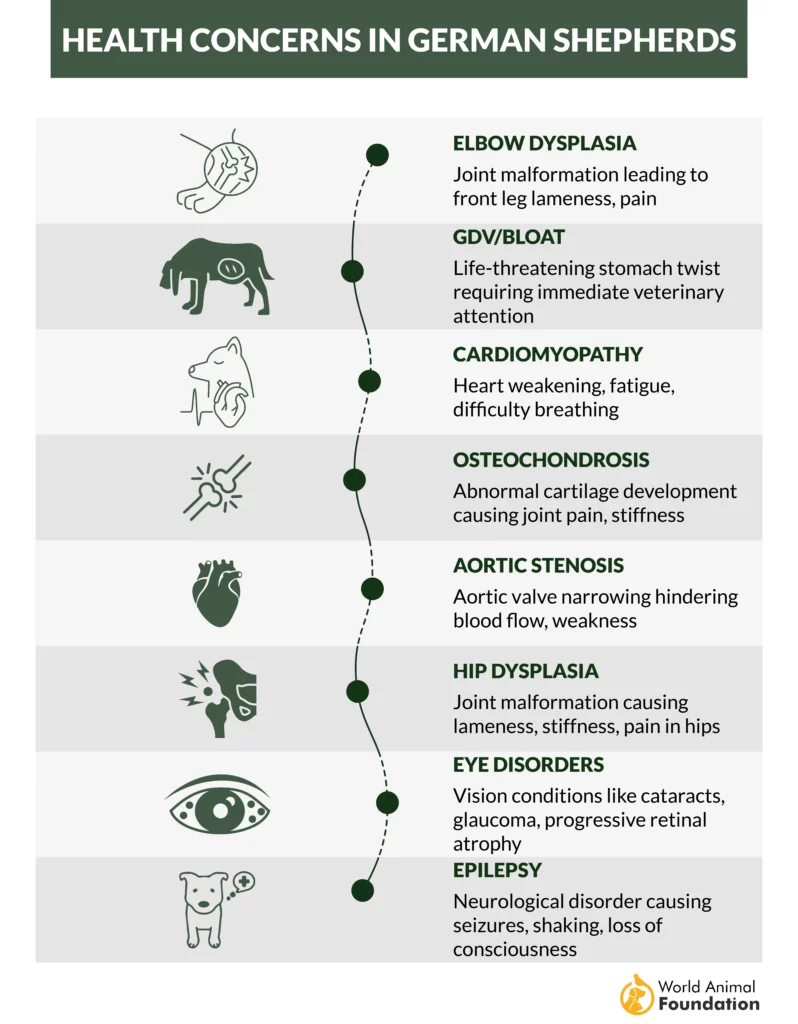
Hip dysplasia
Elbow dysplasia
Degenerative myelopathy
Bloat (gastric dilatation-volvulus)
Exocrine pancreatic insufficiency
Allergies (skin and food-related)
Epilepsy
Kangal Dog
Kangals, the serene giants of the Anatolian plains, tend to have a slightly longer and sturdier track record, living around 12–15 years, but they can be prone to certain health conditions, like:
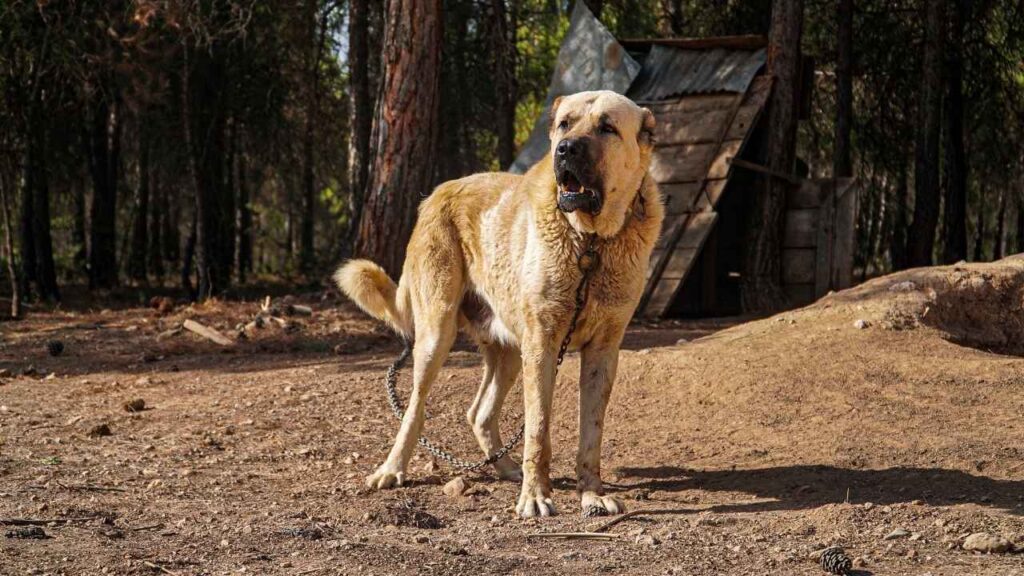
Hip dysplasia
Elbow dysplasia
Obesity (if overfed or under-exercised)
Bloat (gastric torsion, less common than in Shepherds)
Minor joint issues due to the large size
With proper care, both breeds can remain a protective and loving companion well into their teens, quietly ruling your backyard with wisdom and authority.
Intelligence
German Shepherd
German Shepherds are the geniuses of the dog world, often ranking near the top in canine intelligence charts. They are quick learners, highly trainable, and excel in tasks that require problem-solving, obedience, and adaptability.
From herding sheep to serving in police or military roles, their brains work as fast as their bodies. In short, if there’s a “dog IQ test,” the German Shepherd is likely raising its paw first.
Kangal Dog
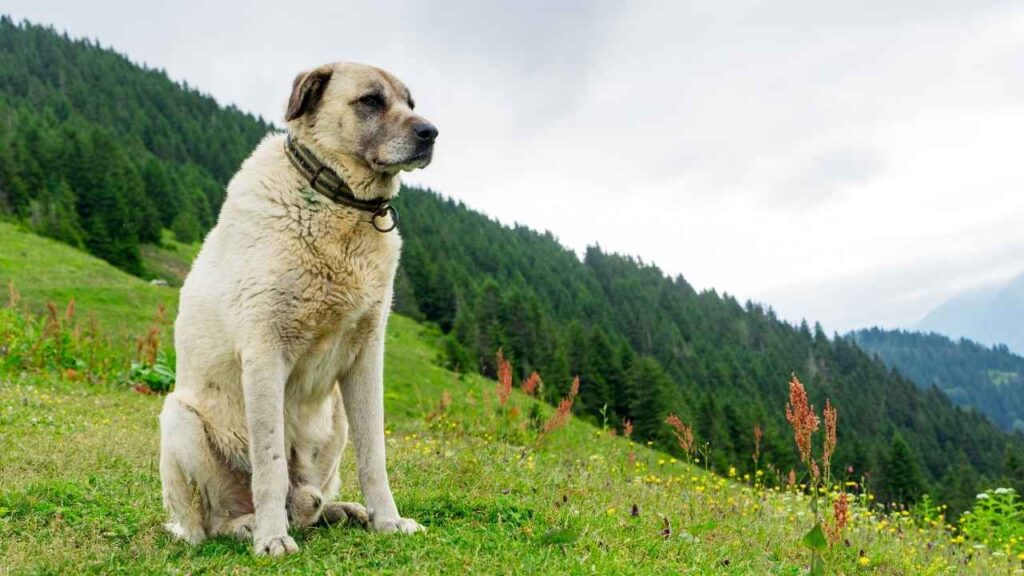
Kangals are smart too, but in a different, more independent way. Their intelligence leans heavily toward judgment and instinct rather than following commands.
They’re natural guardians, capable of assessing threats and making decisions on their own, which is why they’ve been trusted to protect flocks for centuries. You might not teach a Kangal to fetch your slippers on day one, but you can trust it to protect your home without hesitation.
Coat Maintenance
When it comes to coat care, both the German Shepherd and the Kangal have double coats, but their maintenance needs are quite different.
German Shepherd Coat Care
The German Shepherd’s fur is thick, dense, and beautiful—but it demands regular attention. Without consistent grooming, hair can accumulate quickly around the house, especially during shedding season.
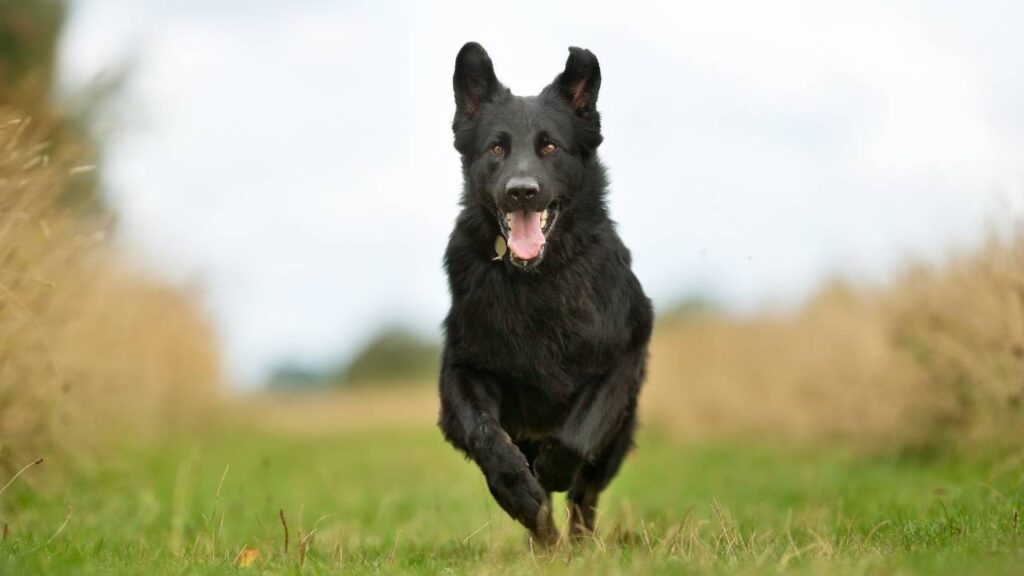
Dense double coat requires weekly brushing, daily during heavy shedding seasons.
Sheds heavily in spring and fall; hair can be everywhere.
Occasional baths are sufficient unless the dog gets very dirty.
Coat care helps prevent matting, skin issues, and keeps fur shiny.
Kangal Coat Care
Kangals, on the other hand, are built for practicality. Their double coat is shorter, denser, and naturally resilient to harsh outdoor conditions. This means less dramatic shedding and lower overall maintenance.
A short, dense coat is easier to manage than a Shepherd’s.
Brushing a few times a week removes loose hair.
Less prone to heavy shedding, even seasonally.
Bathing is only needed when truly necessary.
German Shepherds are the glamorous, high-maintenance breed of the two—worth the effort if you love that classic Shepherd look. Kangals are the practical, low-fuss giant, built to withstand outdoor life with minimal grooming. Both, however, benefit from regular brushing to stay healthy and happy.
Conclusion
When comparing German Shepherd vs. Kangal, both are powerful guard dogs, but their key differences matter for every owner concerned about safety, property protection, and living around kids, other animals, or a busy neighborhood.
The Kangal, known for its incredible bite force, excels against large predators such as foxes, possums, or threats to chickens on farms, which is why many farmers rely on their natural guarding ability.
German Shepherds, on the other hand, are highly trainable, responsive to recall, better on a leash, and more tolerant of strange dogs, making them functional for protection work, course training, and everyday life.
Both breeds may bark, jump, or chase if young or without proper guidance, so knowledge, consistent handling, and avoiding common training mistakes are essential.
Each dog can be a loyal friend, offering strong protection, but choosing the right one depends on what you’ve heard, your lifestyle, and the functional needs of your yard, home, or farm.
