




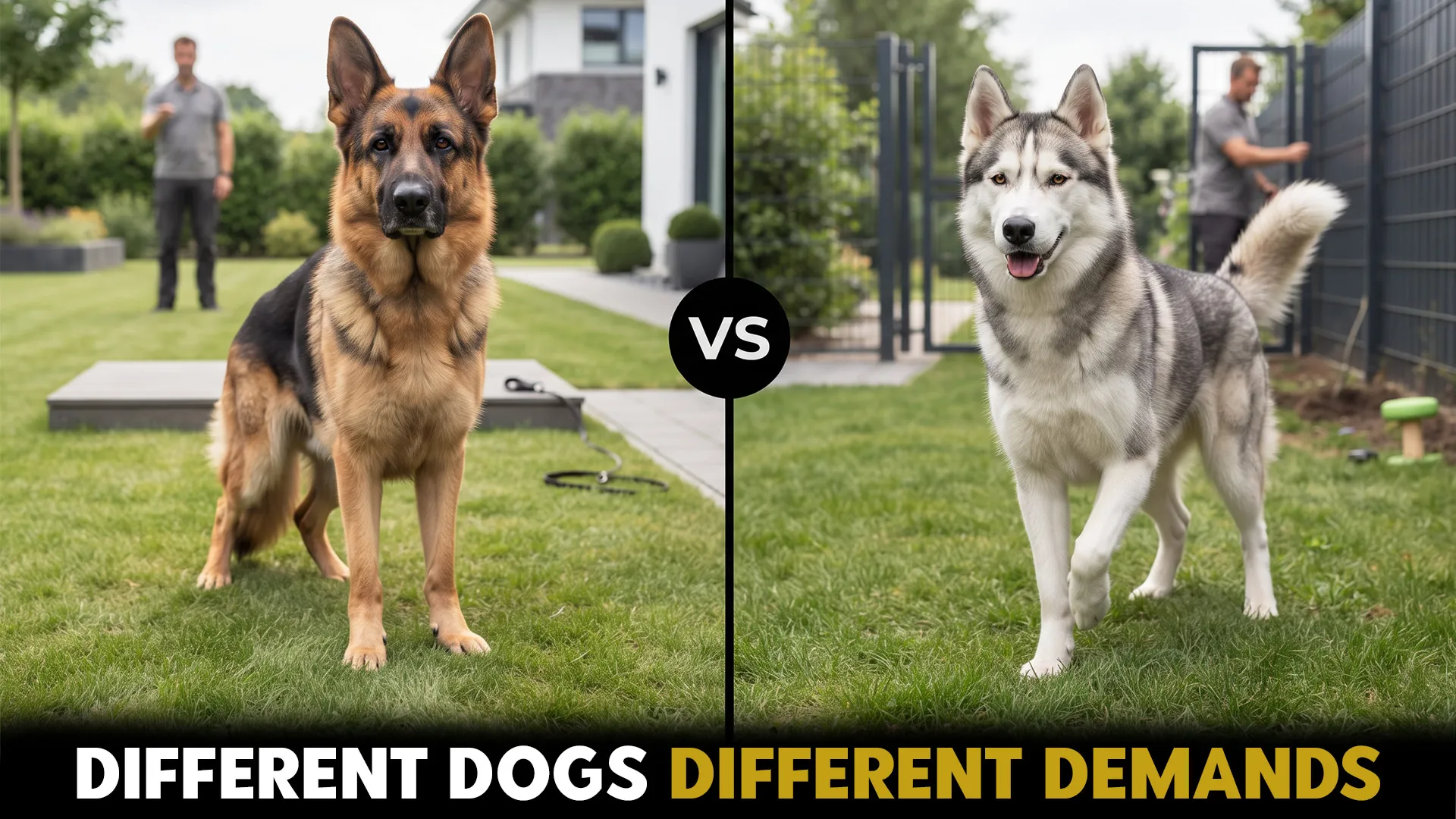
Picture two dogs standing beside you: one watching the world with a calm, protective gaze, the other bursting with restless energy and a spirit that seems ready to run anywhere. That contrast captures much of what makes German Shepherds and Huskies so appealing, and so different to live with.
Both breeds are intelligent, athletic, beautiful, and capable of becoming wonderful companions, but their personalities and daily demands can shape the ownership experience in very different ways.
German Shepherds are loyal, protective, and highly trainable, while Huskies are social, energetic, independent, and guided strongly by their instincts. Both need regular exercise, socialisation, grooming, and attentive care.
For someone dreaming of bringing either breed home, appearance alone should not make the decision. Consider your routine, living environment, experience, and the time you can dedicate to training and activity. The best match is the dog whose needs naturally fit the life you can provide.
Key Takeaways
Both breeds need substantial daily exercise and mental stimulation to stay healthy and well-behaved.
German Shepherds may be wary of strangers, making early socialisation particularly important.
Huskies have a strong prey drive and may be difficult to keep with small pets without careful management.
Both breeds have thick double coats and shed throughout the year, requiring regular brushing.
German Shepherds have an average lifespan of 9–13 years, while Huskies typically live 12–15 years.
German Shepherd vs. Husky: Which Dog Is Harder to Manage?
1. Physical Features
The German Shepherd and Siberian Husky are both athletic, double-coated breeds, but their physical features reflect their different working backgrounds. The German Shepherd is a large, muscular dog with a noble appearance, erect ears, a strong build, and a graceful outline.
Males typically stand 24–26 inches tall, while females measure 22–24 inches. Their dense, medium-length double coat has a harsh outer layer and a softer undercoat, requiring regular brushing to manage shedding.

In comparison, the Siberian Husky is a medium-sized dog with a compact, balanced body, erect ears, a thick double coat, and a bushy tail. Males generally stand 21–23.5 inches tall, while females measure 20–22 inches.
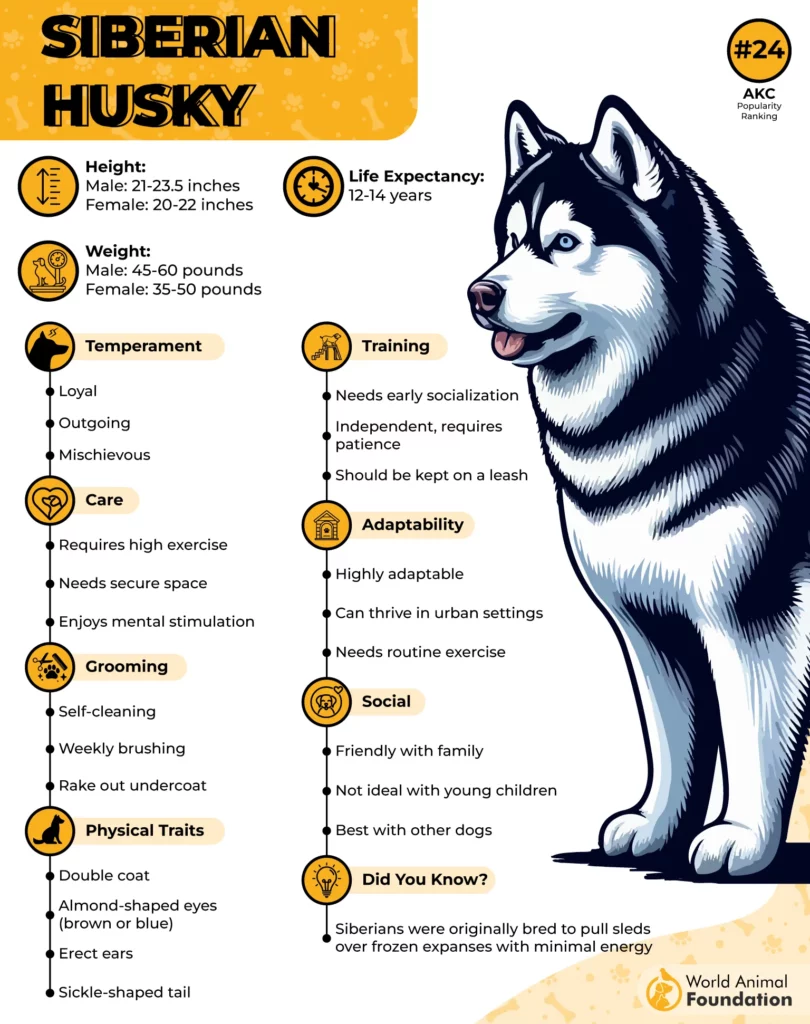
Their coats come in various colours, including black, white, grey, copper and red, often accompanied by striking blue or brown eyes. Both breeds shed heavily, particularly during seasonal coat changes, making regular grooming an important part of responsible ownership.
2. Speed & Strength
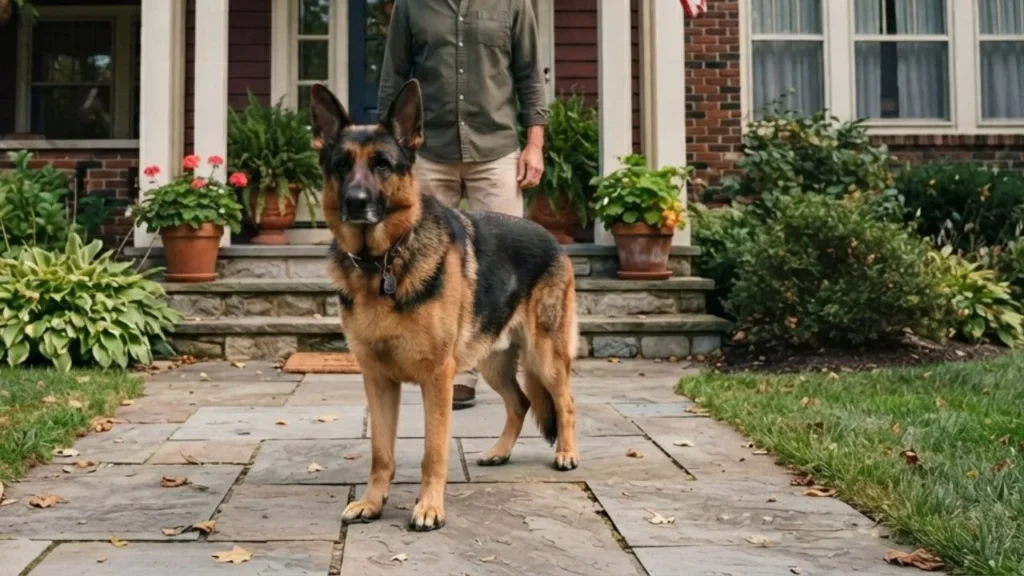
Both German Shepherds and Siberian Huskies possess impressive athletic abilities, but their strength and endurance serve different purposes. German Shepherds were originally developed as herding dogs, requiring agility, muscular strength, and the ability to cover large areas while managing livestock.
Their powerful build, confident movements, and remarkable versatility have also made them valuable in police, military, and search-and-rescue work. Their natural gait is a smooth, effortless trot, although they can accelerate when necessary.
Siberian Huskies, on the other hand, were bred to pull relatively light loads over long distances in harsh Arctic conditions. Their compact, athletic bodies are built for sustained movement, speed, and exceptional endurance rather than sheer muscular power.
They can maintain an energetic pace for extended periods, making them particularly demanding companions for owners who prefer a relaxed lifestyle.
While German Shepherds combine strength with agility and versatility, Huskies bring remarkable stamina and a strong instinct to run. Both require secure handling and appropriate exercise to channel their physical abilities safely.
3. Exercise & Energy Levels
German Shepherds and Siberian Huskies are energetic working breeds that need considerable daily exercise and mental stimulation. German Shepherds generally require one to two hours of physical activity daily, including walks, playtime, and structured training.
Their intelligence and working instincts make activities such as agility, tracking, herding, and scent games particularly rewarding, according to the American Kennel Club.
Without sufficient exercise and engagement, they may become bored, restless, or develop unwanted behaviors, including excessive barking and destructive chewing. Their strong attachment to their families also means they benefit from regular companionship.
Siberian Huskies are equally demanding, often requiring more than two hours of vigorous exercise each day, along with opportunities to run safely. Their exceptional endurance, independent nature and strong desire to explore can make them particularly challenging for owners with limited time.
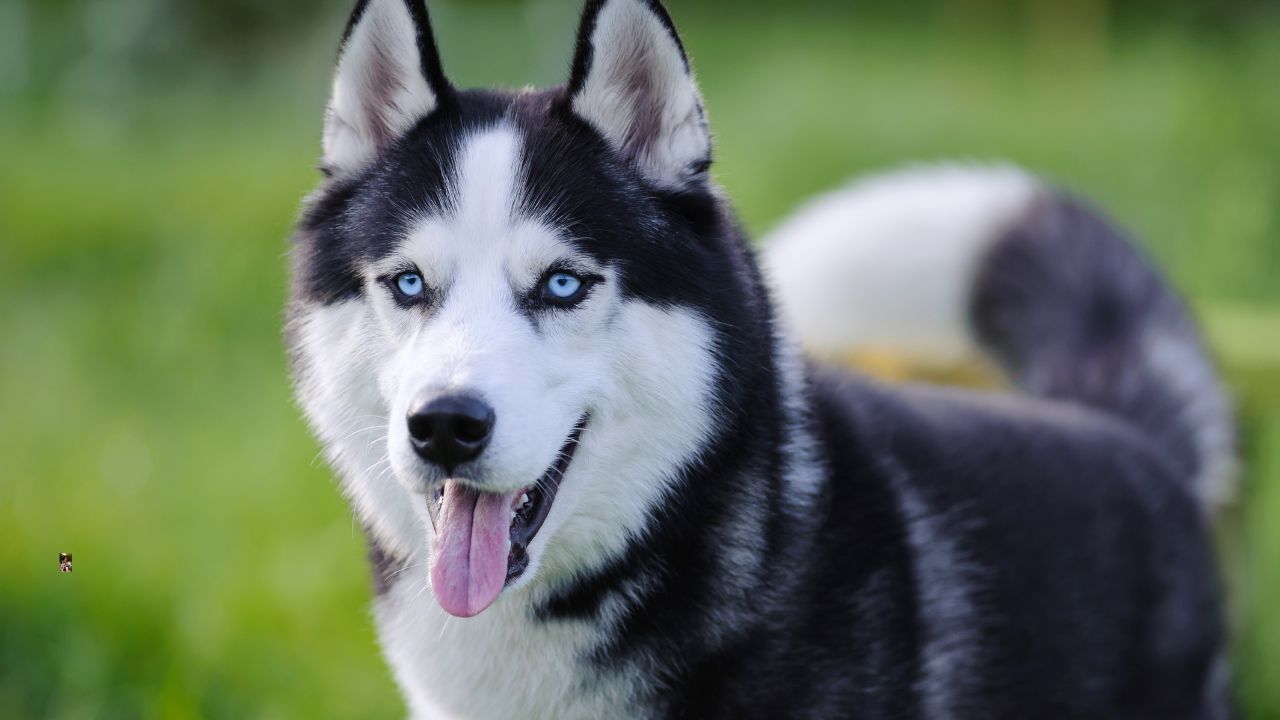
They also need mental enrichment through puzzle toys, scent games and interactive activities. Without adequate stimulation, Huskies may dig, howl, chew, or attempt to escape. Both breeds need active households, but Huskies’ sustained exercise requirements and determination to roam can make their daily management especially demanding.
4. Training & Intelligence
German Shepherds are renowned for their intelligence, loyalty and willingness to learn, making them highly trainable when given consistent guidance. Their strong working instincts and eagerness to please allow them to excel in obedience, tracking, agility and various specialised tasks.
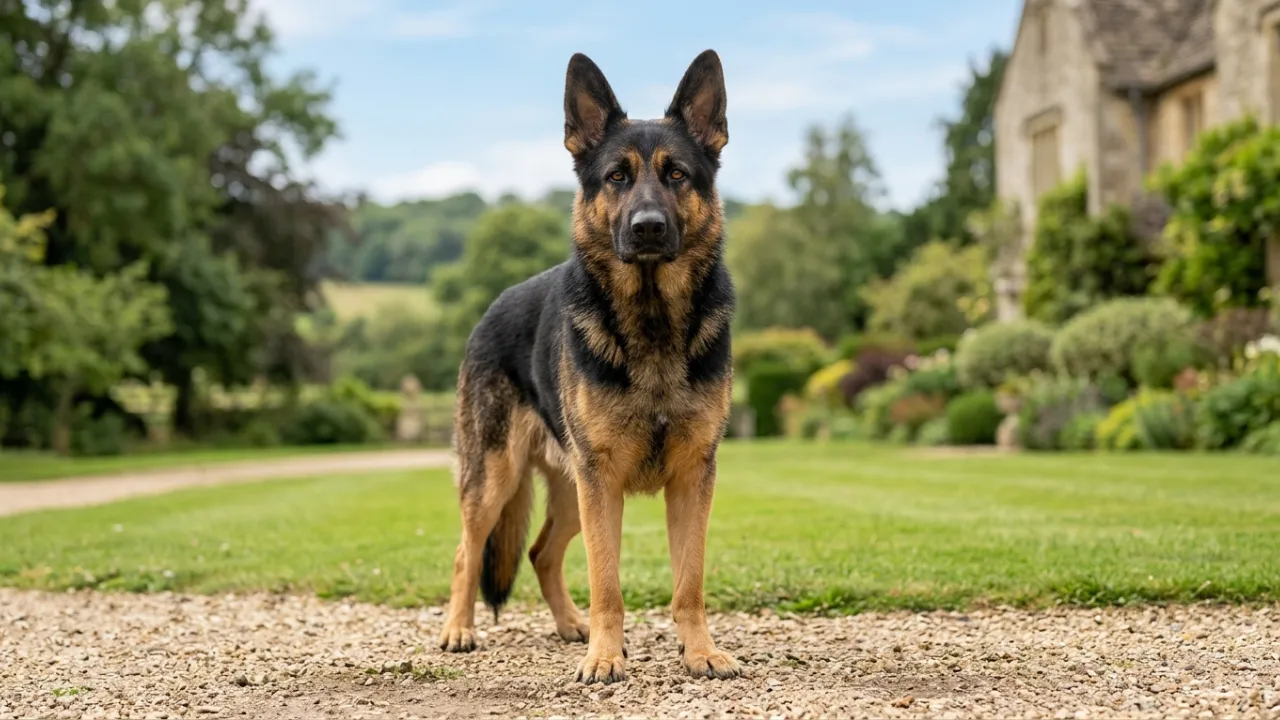
Early socialization, positive reinforcement and clear boundaries help develop their confidence and encourage appropriate behaviour. However, their protective instincts and natural wariness around strangers require thoughtful training to prevent unwanted guarding behaviours.
They also benefit from regular mental challenges to keep their sharp minds engaged.
Siberian Huskies are intelligent too, but their independent and sometimes stubborn personalities can make training more demanding. Bred to work alongside other dogs while pulling sleds over long distances, they are accustomed to making decisions and may not respond consistently to commands.
Their strong prey drive, desire to run, and impressive escape abilities make reliable recall particularly challenging, as stated by Greencross Vets. They respond well to engaging activities, patience, and consistent training, although food rewards may be less motivating for some individuals.
While both breeds need early socialisation and structured guidance, German Shepherds are generally more responsive to obedience training, whereas Huskies require greater persistence and creative motivation.
5. Socialization & Living Environment
German Shepherds and Huskies both need early socialisation, but their different temperaments can influence how easily they adapt to a household. German Shepherds are loyal and protective, and may be wary of unfamiliar people.
Introducing them gradually to different people, dogs, sounds, and environments from puppyhood can help them become more confident and well-mannered. They can live with children and other pets when properly socialised and supervised.
Huskies are generally friendly and outgoing, often welcoming strangers, but their strong prey drive can make living with cats or smaller animals more challenging, as stated by Pooch and Mutt. Both breeds suit active households that can provide daily exercise, attention, and mental stimulation.
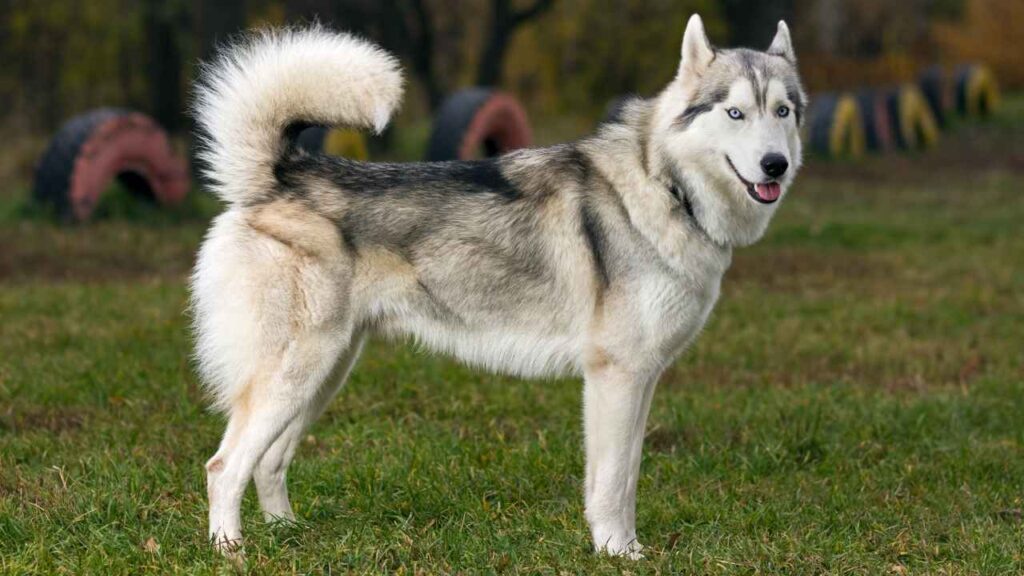
German Shepherds often benefit from a structured home with consistent routines, while Huskies need secure outdoor spaces because they are known to dig and escape. Either breed can adapt to different homes, including apartments, if their needs are met, although their size, energy, and vocal behavior may require additional consideration.
6. Grooming Needs
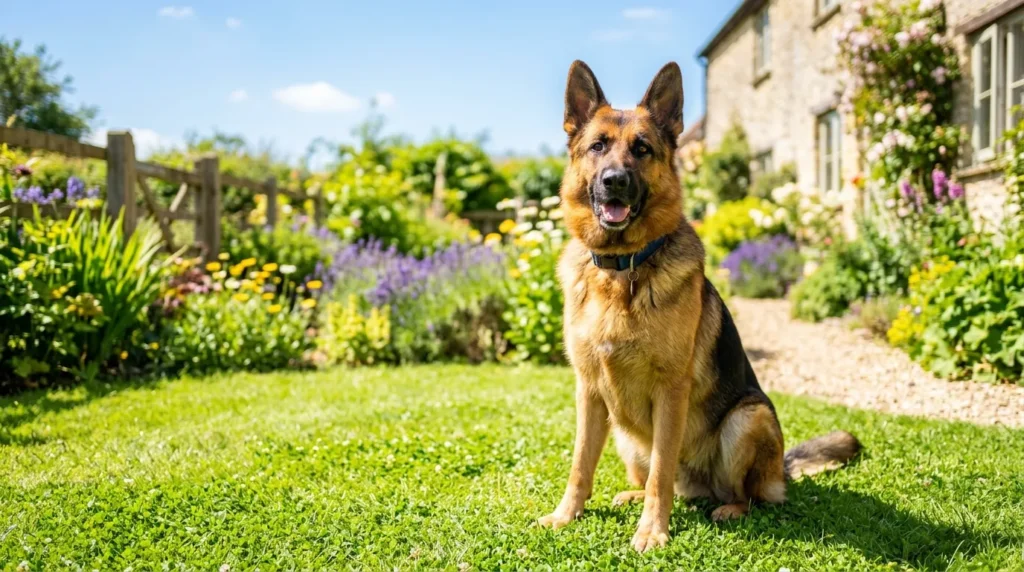
Both German Shepherds and Huskies have thick double coats that shed throughout the year, with heavier shedding during seasonal coat changes. German Shepherds typically have a dense coat that requires regular brushing to remove loose hair and prevent tangles.
Brushing at least once a week, and more frequently during shedding seasons, helps keep their coat manageable, according to Zooplus.
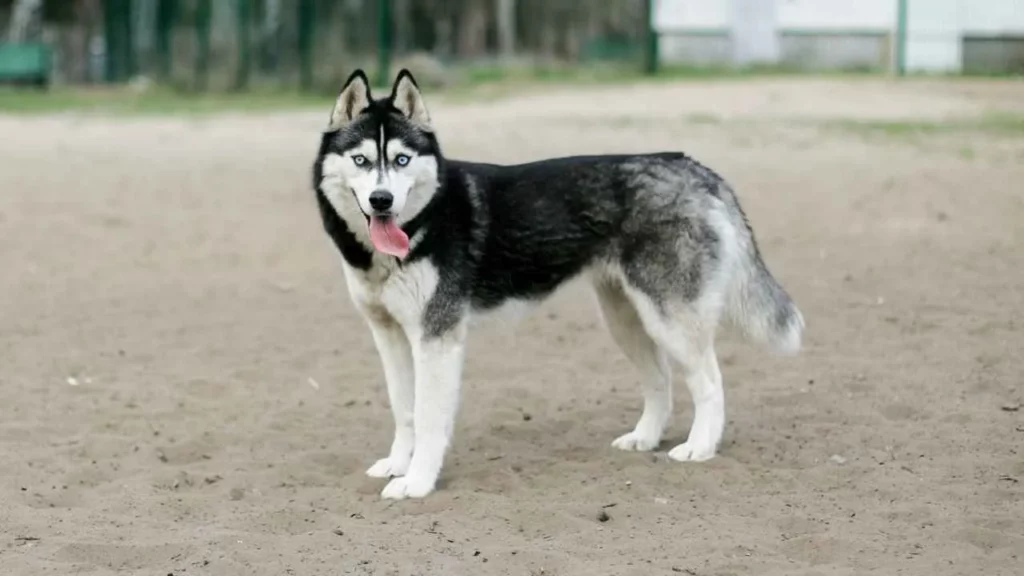
Huskies also shed heavily and can release large amounts of undercoat during spring and autumn.
Their coat generally needs brushing two to three times a week, with daily brushing during peak shedding periods. Although Huskies are naturally clean and tend to have little doggy odour, their dense coat still requires consistent care.
Both breeds need routine nail trimming, ear checks, and dental care, while baths should be given when necessary rather than excessively. Neither is a low-shedding dog, so owners should expect regular vacuuming and loose fur around the home.
Grooming can be manageable with a consistent routine, but seasonal shedding makes both breeds demanding for owners who prefer a hair-free home.
7. Health & Lifespan
German Shepherds and Siberian Huskies generally live around 12-14 years, although individual longevity varies. Both breeds can develop inherited health conditions, making responsible breeding and routine veterinary care important.
German Shepherds are particularly associated with hip and elbow dysplasia, degenerative myelopathy, allergies, and certain digestive problems, including potentially life-threatening bloat. Their joint health deserves attention, especially as they age.
Huskies may experience eye conditions such as cataracts, progressive retinal atrophy and corneal dystrophy, as well as hip dysplasia and hypothyroidism. Regular veterinary check-ups can help identify concerns early, while appropriate nutrition, exercise and weight management support overall wellbeing.
Prospective owners should seek health records and relevant screening information from reputable breeders, or request available medical details when adopting. Although Huskies have a longer typical lifespan, neither breed is free from health risks.
Their long-term care needs can involve veterinary visits, preventive treatment, and ongoing attention to breed-related conditions.
Conclusion
Choosing between a German Shepherd and a Husky depends on your lifestyle, experience and ability to meet a dog’s daily needs. German Shepherds are loyal, protective and highly trainable, making them suitable for owners who can provide consistent guidance, regular exercise and mental stimulation.
Huskies are friendly, energetic and independent, but their strong prey drive, escape tendencies and need for activity can make them challenging to manage. Both breeds require early socialisation, regular grooming and attentive healthcare, although their temperaments and training needs differ.
German Shepherds may suit households seeking a devoted, watchful companion, while Huskies can appeal to active owners who enjoy an outgoing and adventurous dog.
Neither breed is ideal for a sedentary lifestyle or owners with limited time for exercise and care. Ultimately, the right choice is the dog whose energy, temperament, and needs best match your home and daily routine.
