




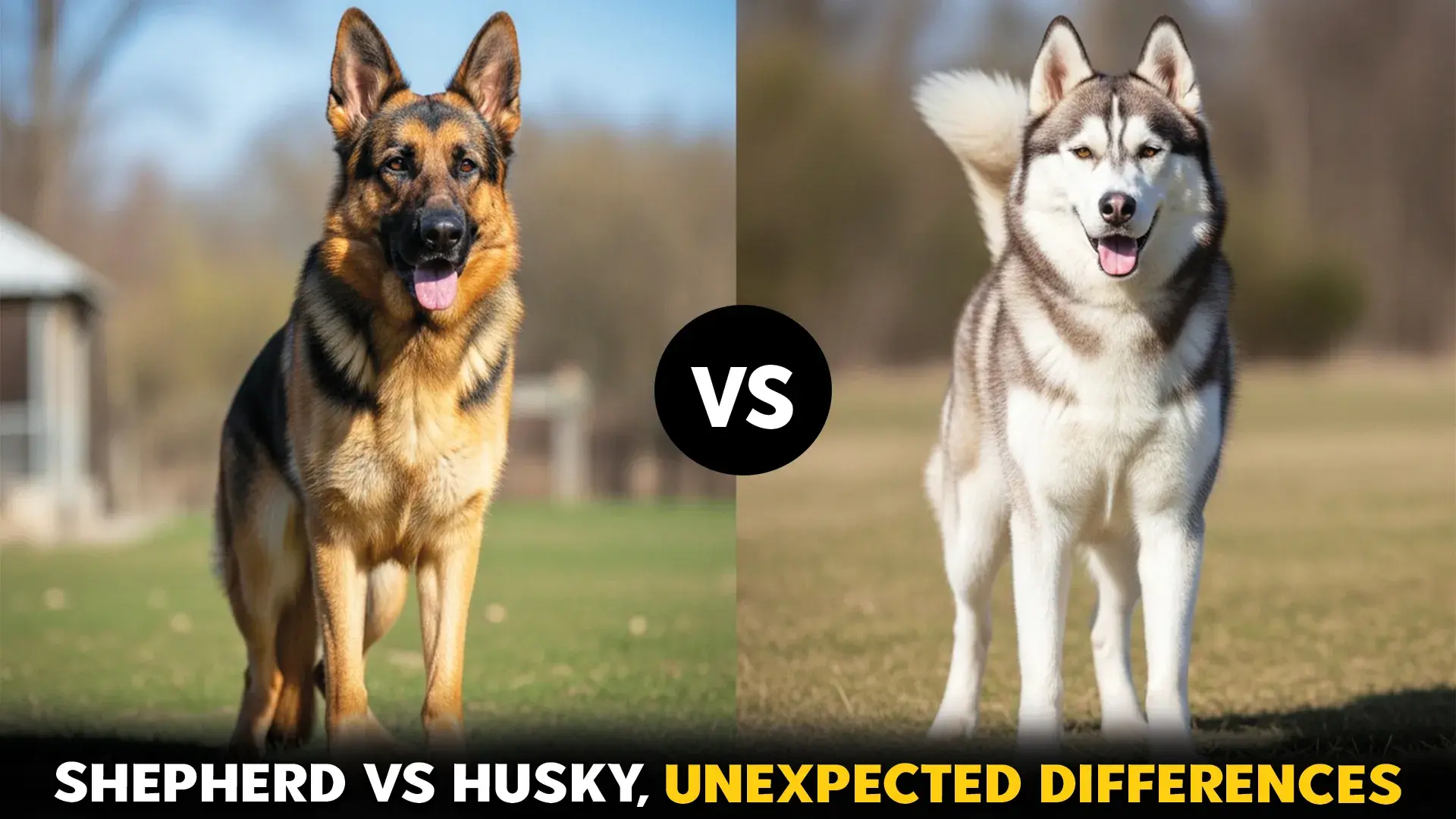
When it comes to choosing between two of the world’s most admired dog breeds, the German Shepherd and the Siberian Husky offer a fascinating contrast that often surprises even experienced dog lovers.
The German Shepherd stands out as a powerful, intelligent, and deeply loyal companion, built for versatility and known for excelling in roles that demand courage, discipline, and quick learning.
With a strong, muscular frame and a confident presence, this breed thrives as both a devoted family protector and a dependable working partner.
On the other hand, the Siberian Husky brings a completely different charm. Bred for endurance rather than authority, Huskies are energetic, graceful, and highly social dogs that flourish in active environments.
Their friendly and mischievous nature makes them wonderful companions, though not the best guard dogs. Unlike the more reserved German Shepherd, Huskies are naturally outgoing and pack-oriented.
This comparison reveals more than physical differences—it highlights two breeds with distinct personalities, each exceptional in its own way.
German Shepherd vs Husky
While both the German Shepherd and the Siberian Husky are iconic working breeds with striking silhouettes, their personalities and care needs couldn’t be more different. This comparison dives into the unexpected ways these two powerhouse breeds contrast in loyalty, energy, and training.
At first glance, these two breeds share a wolf-like nobility, but the similarities often end at the surface. Whether you are looking for a focused protector or a free-spirited adventurer, here is how the German Shepherd and Husky truly stack up against one another.
Origins & Purpose
The story behind the German Shepherd Dog begins with the vision of Max Emil Friedrich von Stephanitz, a 19th-century German cavalry officer determined to preserve the intelligence and working ability of traditional herding dogs, as noted by the AKC.
As industrialization reduced the need for sheepdogs, he set out to create a standardized breed that combined discipline, strength, and trainability.
The result was a versatile working dog designed not just for herding, but for protection, service, and complex tasks requiring sharp instincts and loyalty.

In contrast, the Siberian Husky traces its roots to the harsh Arctic regions, where it was bred by the Chukchi people for endurance and teamwork.
Unlike the German Shepherd’s focus on control and protection, the Husky’s purpose was to pull sleds across long distances in extreme cold as a sled dog.
This background explains its energetic nature, resilience, and strong pack instincts, making it more independent yet highly adaptable in active environments.
Size & Physical Build
When comparing the German Shepherd Dog and the Siberian Husky, their physical differences are immediately striking.
German Shepherds are large, powerful dogs with a balanced, muscular build. Standing between 22 and 26 inches at the shoulder and weighing 50 to 90 pounds, they carry a presence of strength and agility.
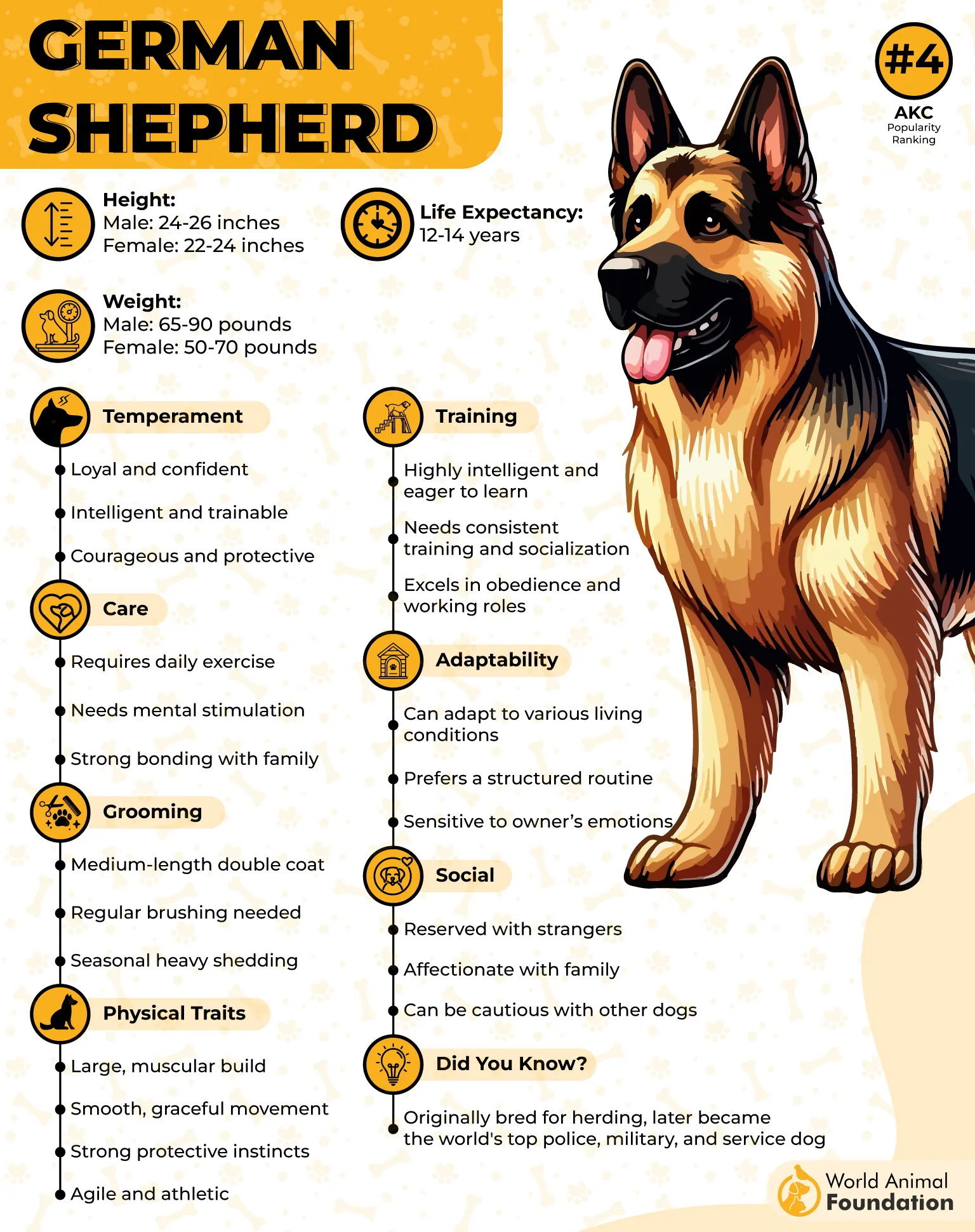
Their bodies are designed for versatility, combining endurance with speed, making them exceptional working dogs. The outline of a German Shepherd displays smooth, graceful curves, reflecting both elegance and athleticism, while their gait exudes confidence and efficiency.
By contrast, the Siberian Husky is medium-sized, slightly longer than tall, with a height ranging from 20 to 23.5 inches and weighing between 35 and 60 pounds.
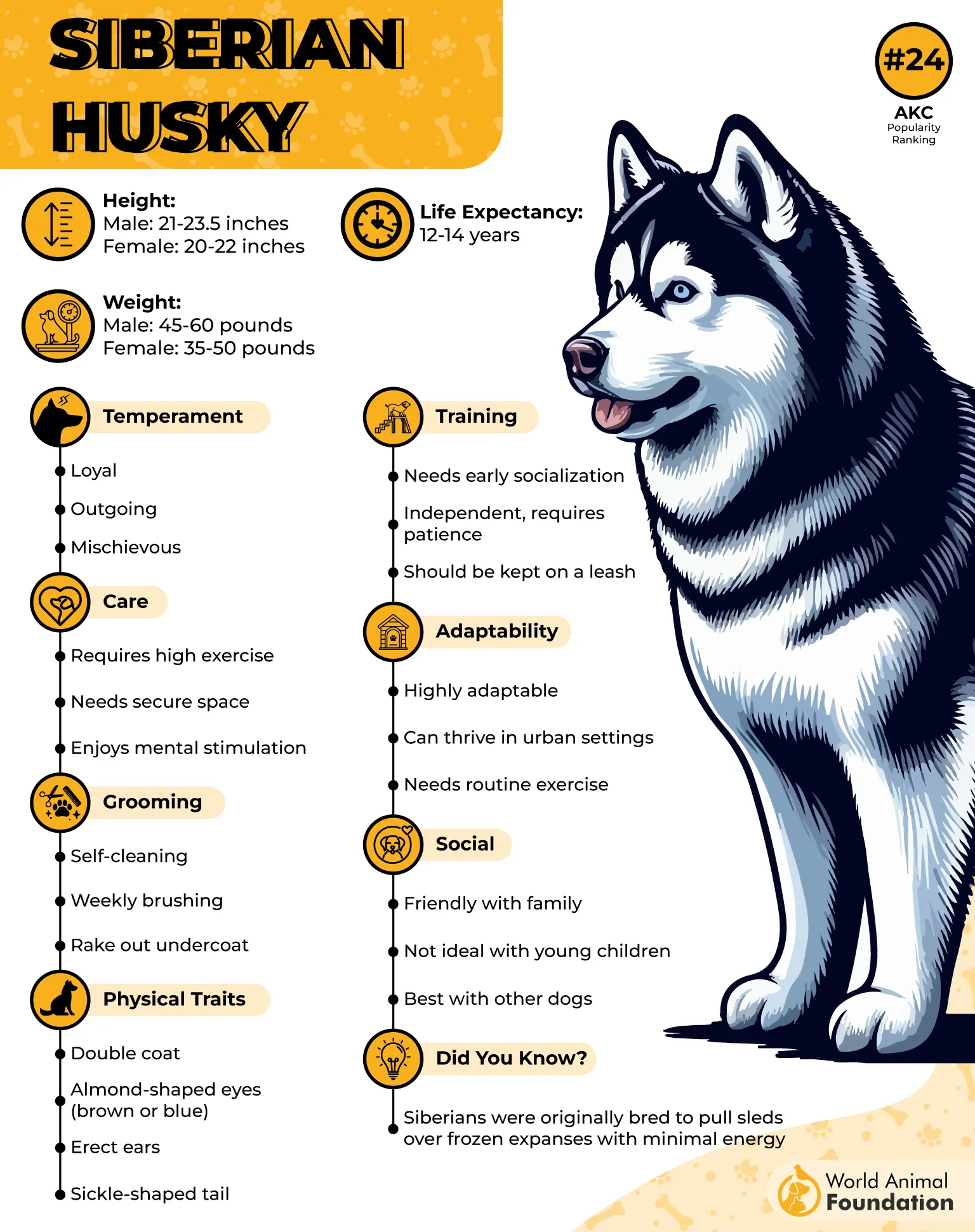
Built for stamina over raw power, Huskies are lighter, more compact, and incredibly agile, reflecting their sled-pulling heritage.
Their lean, well-proportioned frame supports effortless movement across long distances, while their thick double coat insulates against extreme cold.
While the Shepherd’s form conveys authority and readiness, the Husky’s structure radiates energy, speed, and playful endurance, highlighting how purpose shapes the body in each breed.
Temperament & Personality
When it comes to temperament, the Shepherds and Huskies could not be more different, yet both shine in their own ways.
German Shepherds are deeply loyal, alert, and protective, personality traits rooted in their history as herders and guardians. They form strong bonds with family, showing gentleness and patience with children, while often remaining reserved or cautious around strangers.
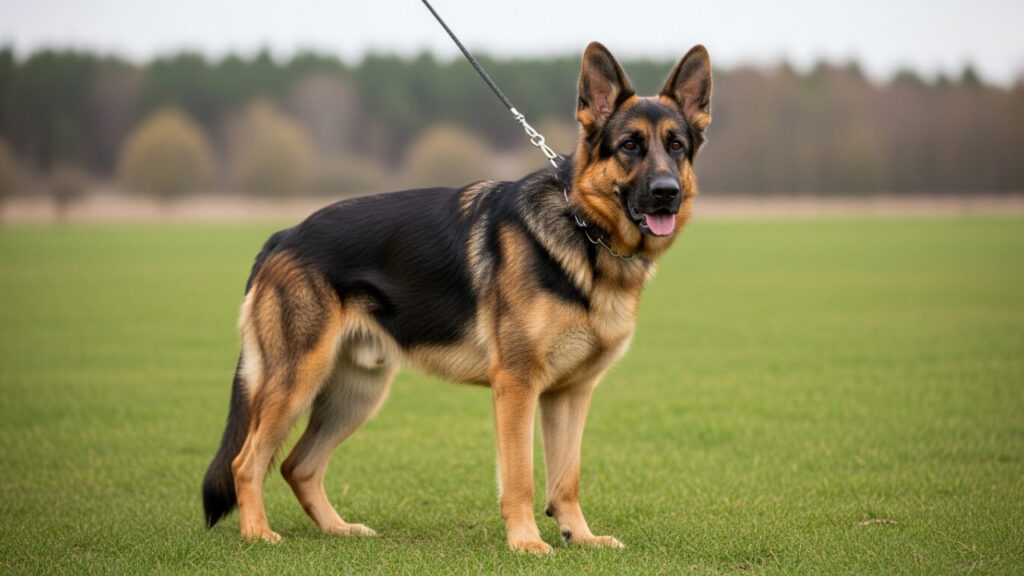
Socialization and training are key, as well as teaching children how to interact respectfully, ensuring safe and harmonious relationships.
Siberian Huskies, by contrast, are energetic, intelligent, and outgoing, with an independent streak that can make them mischievous if not properly engaged, as mentioned by PetMD.
They thrive in active households and require ample physical and mental stimulation to prevent boredom, which can manifest as destructive behavior or attempts to escape.
Friendly with children and other pets, Huskies demand consistent guidance from an early age, ideally with positive, minimally invasive training methods.
While Shepherds exude disciplined focus, Huskies radiate playful independence, offering companionship that is spirited, social, and full of adventure.
Exercise & Energy Levels
When it comes to activity and energy, the Siberian Husky and the German Shepherd Dog have distinct needs that reflect their origins and purposes. Huskies are born athletes, bred to pull sleds over long distances in harsh Arctic conditions.
They thrive on regular, vigorous exercise and need daily outlets for their boundless energy, whether it’s running on a leash, exploring a secure yard, or participating in activities like agility, obedience, or rally events.
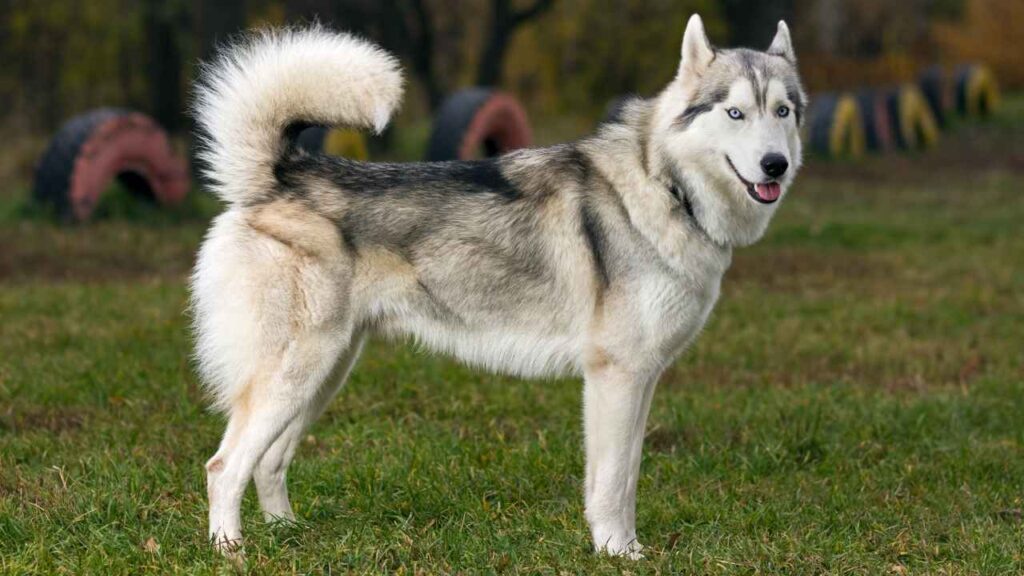
Mental stimulation is just as important as physical activity, as a bored Husky can become mischievous or destructive. Urban owners can adapt by incorporating long walks, playgroups, or structured physical exercise routines.
German Shepherds, while equally energetic, channel their vitality differently. With a medium-length double coat and a strong, muscular frame, they excel in structured physical and mental challenges such as training exercises, herding tasks, or obedience work.
Moderate daily exercise, brisk walks, and interactive play keep them happy and healthy. Grooming is straightforward, though seasonal shedding requires more frequent brushing.
Both breeds flourish with an active lifestyle, but Huskies demand higher-intensity, freedom-driven activity, whereas Shepherds thrive on purposeful engagement with their humans.
Training & Intelligence
Training is where the contrast between the German Shepherd Dog and the Siberian Husky becomes especially fascinating.
German Shepherds are widely admired for their exceptional intelligence, focus, and eagerness to learn. With consistent, reward-based training and early socialization, these smart breeds quickly develop into obedient, adaptable companions.
Their natural desire to please and strong bond with their family make them highly responsive to commands, which is why they excel in roles requiring discipline and precision.
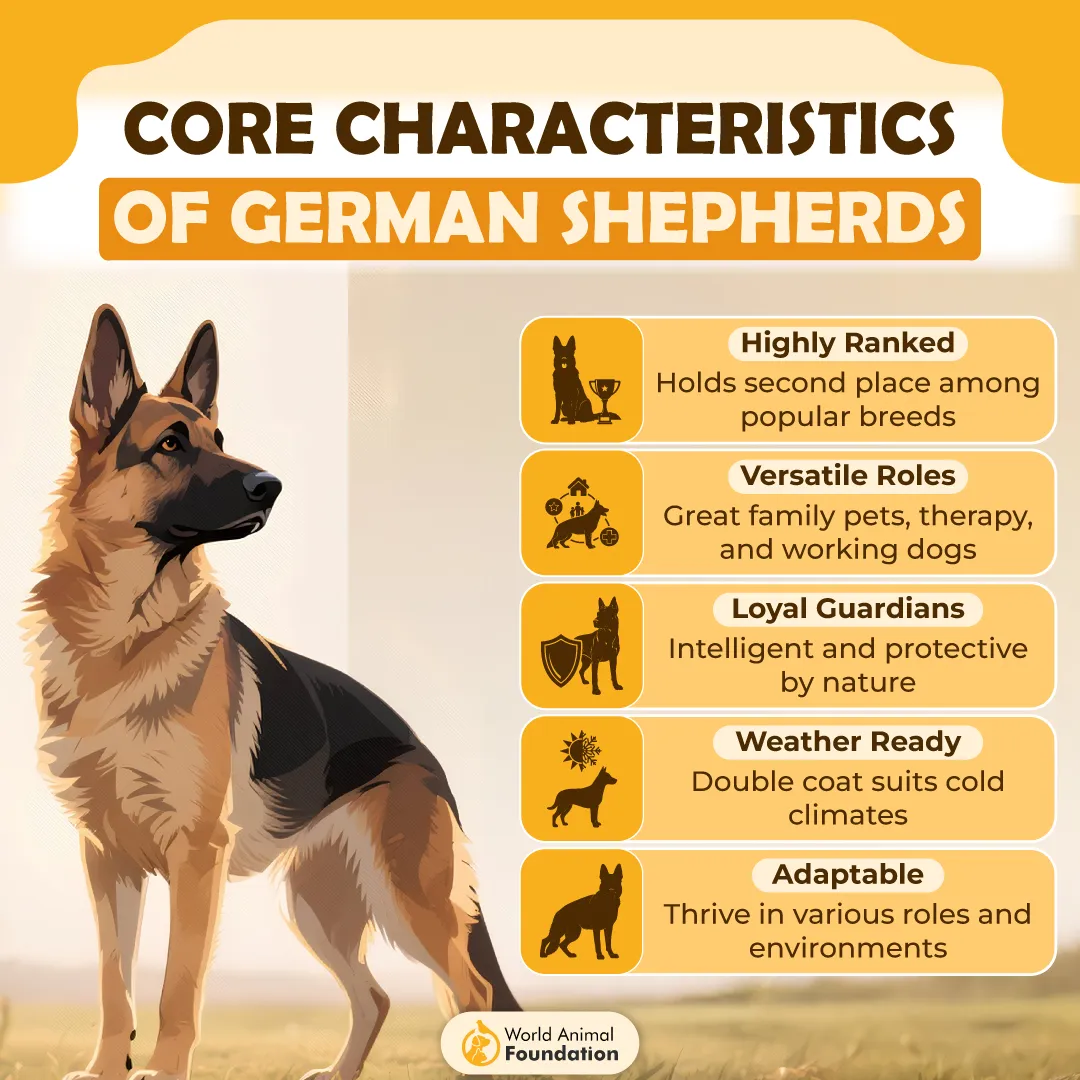
Keeping them involved in daily family life further strengthens their confidence and behavior, making them good family dogs.
Siberian Huskies, while equally intelligent, approach training with a very different mindset. Independent and strong-willed, they tend to think for themselves, which can make training more challenging for inexperienced owners, as mentioned by Chewy.
Early socialization and consistent guidance are essential, along with patience and a playful approach that keeps them engaged. Huskies respond best when training feels like a game rather than a task.
Their social nature means they dislike being left alone for long periods, and their instinct to run requires secure environments at all times.
While Shepherds impress with obedience, Huskies stand out for their clever, free-spirited intelligence.
Grooming Frequency
Grooming needs reveal another interesting contrast between the Siberian Husky and the German Shepherd Dog.
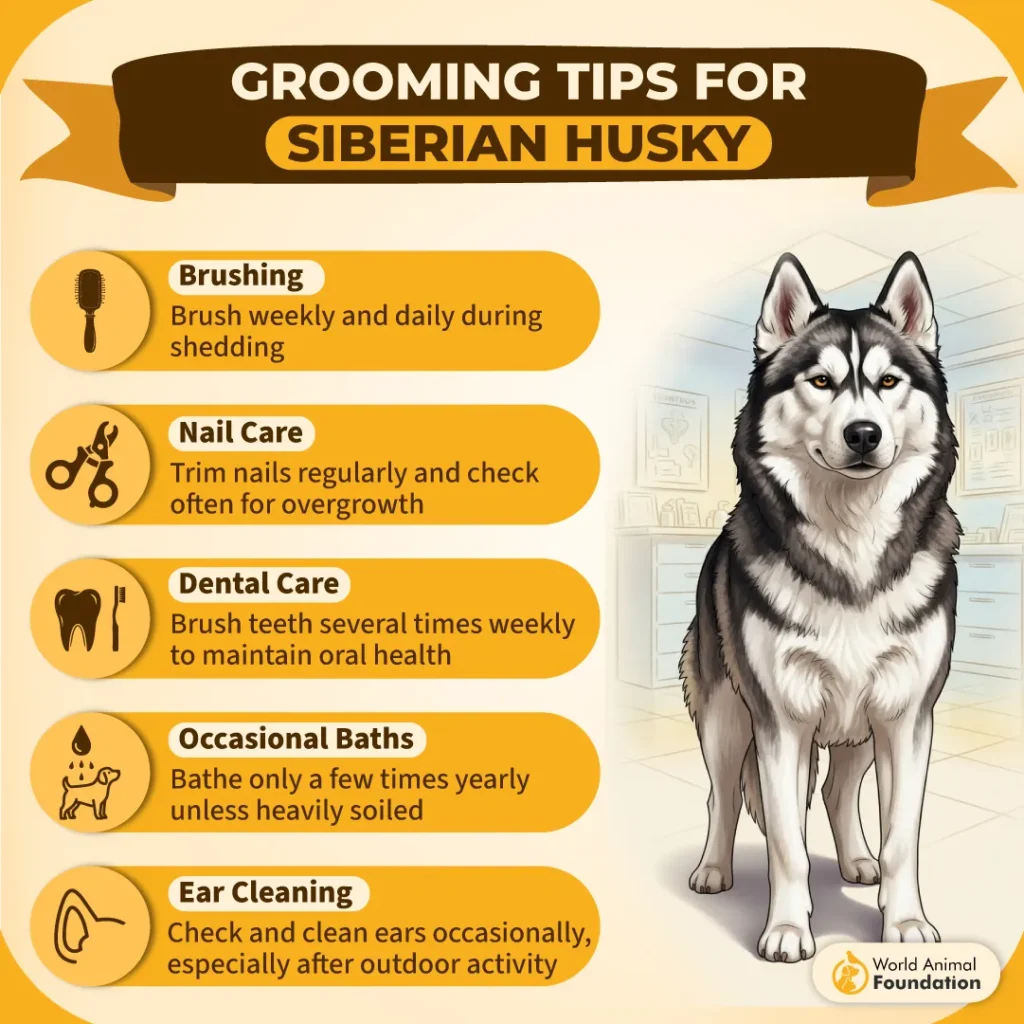
Siberian Huskies shed less and are often praised as a naturally clean breed, requiring surprisingly few baths throughout the year. Their thick double coat—made up of a soft insulating undercoat and protective guard hairs—does much of the work itself.
Regular weekly brushing helps maintain skin health, but during seasonal shedding periods, more intensive grooming is essential to remove loose fur and prevent matting. Nail care is equally important to support proper movement and overall comfort.
German Shepherds, while also equipped with a dense double coat, require a slightly different routine. A quick brush every few days is usually enough to manage everyday shedding and keep their coat healthy.
However, they experience heavier shedding once or twice a year, during which more frequent grooming becomes necessary to control loose hair around the home. Baths are only needed occasionally, but consistent nail trimming is crucial to avoid discomfort or structural issues.
While Huskies lean toward low-odor, self-cleaning care, Shepherds demand more regular maintenance overall.
Health & Lifespan
When comparing the Siberian Husky and the German Shepherd Dog, their health profiles and lifespans highlight important differences for potential owners.
Siberian Huskies generally enjoy a longer life expectancy, often living around 12 years or more. They are considered a relatively healthy and “natural” breed, though they can be prone to certain eye problems such as cataracts, corneal dystrophy, and progressive retinal atrophy (PRA).
Regular veterinary checkups and responsible breeding practices play a key role in maintaining their overall well-being.
German Shepherds’ life expectancy is 7 to 12 years, and, like many large dog breeds, they are more susceptible to structural and internal health issues, as noted by Orvis.
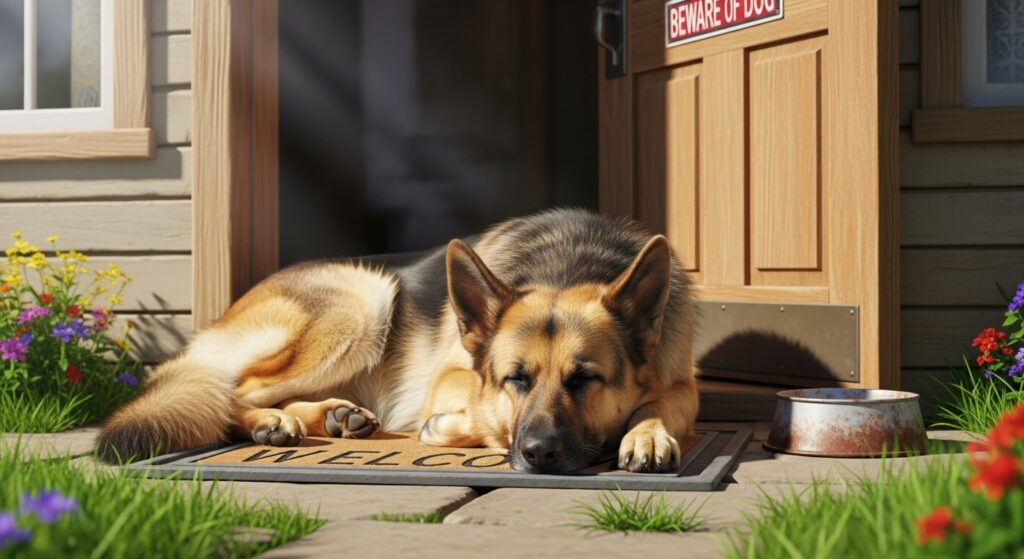
Common concerns include hip dysplasia and elbow dysplasia, as well as conditions like exocrine pancreatic insufficiency and pancreatitis. More serious risks, such as bloat and degenerative myelopathy, require careful monitoring and early intervention.
Choosing a reputable breeder who performs health screenings can significantly reduce these risks. While Huskies often benefit from greater natural resilience, German Shepherds require more proactive health management to ensure a long, active life.
German Shepherd vs Husky: Which one is best for you?
Choosing between the German Shepherd Dog and the Siberian Husky ultimately comes down to your lifestyle, experience, and expectations from a canine companion. Both breeds are exceptional, but they suit very different types of owners.
If you’re looking for a loyal, protective, and highly trainable dog, the German Shepherd is often the better choice. They thrive in structured environments, enjoy learning tasks, and form deep bonds with their families.
This breed is ideal for owners who can provide consistent training, mental stimulation, and a sense of purpose. They are especially well-suited for families seeking both a companion and a reliable guardian.
On the other hand, if you lead an active, outdoorsy lifestyle, the Siberian Husky may be a perfect match.
Huskies are energetic, social, and adventurous dogs that need plenty of exercise and freedom to run. They are best for owners who have time, space, and patience to manage their independent nature and high energy levels.
In simple terms, choose a German Shepherd for loyalty and discipline, or a Husky for energy and adventure—your lifestyle will decide the winner.
Conclusion
In the end, choosing between a husky and a German Shepherd comes down to your lifestyle and expectations.
The German Shepherd Dog excels in loyalty, protection, and trainability, making it perfect for structured homes seeking a dependable companion.
Meanwhile, the Siberian Husky offers energy, friendliness, and a love for adventure, the right breed for active owners.
Both breeds are exceptional in their own ways, but the right choice depends on how well their traits match your daily routine and environment.
