




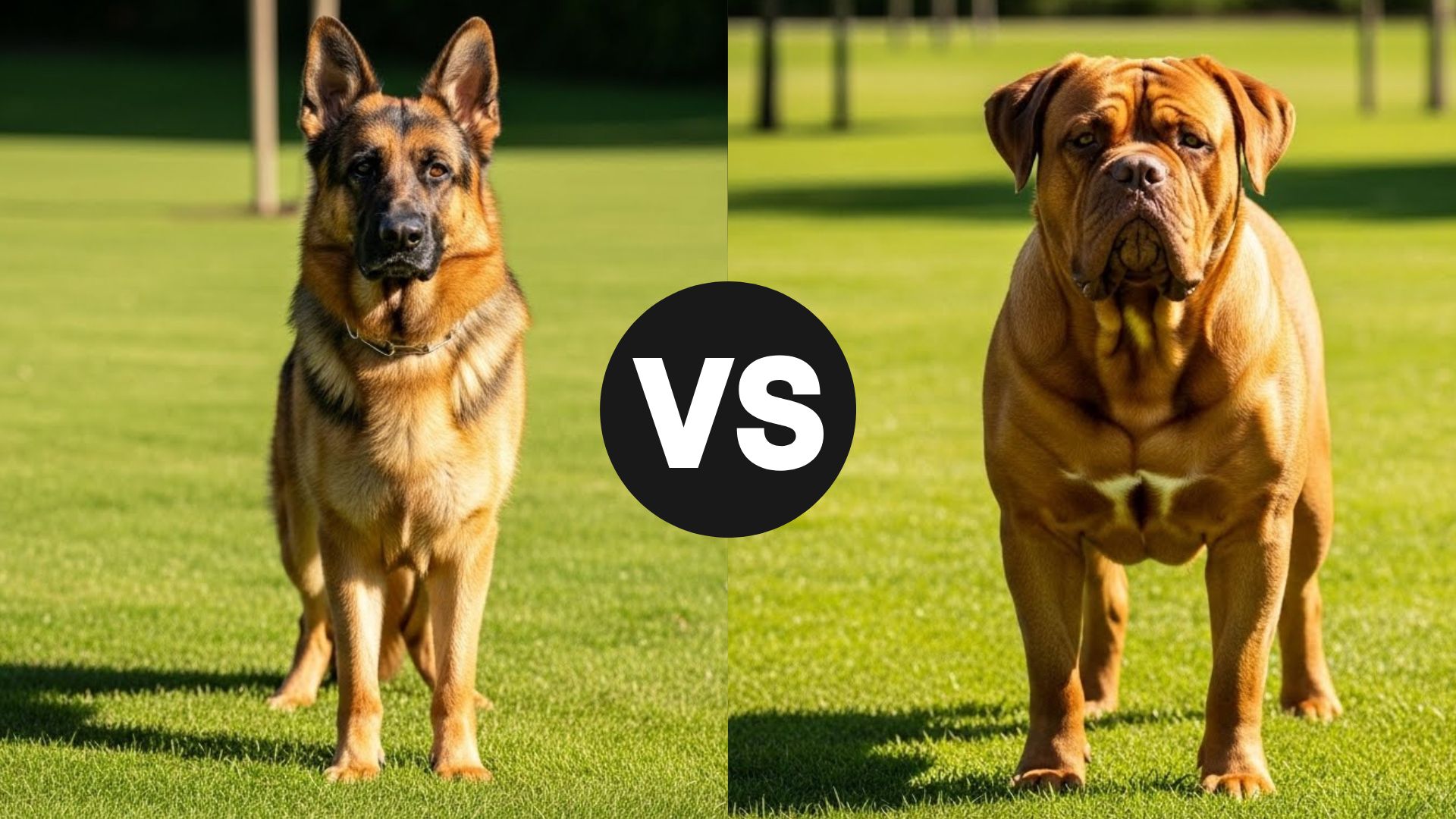
When it comes to choosing a dog, size, temperament, and personality all play a starring role—but what if your heart is torn between two giants in the canine world?
Meet the German Shepherd and the Dogue de Bordeaux—two breeds that may share the title of “loyal companion,” but offer vastly different experiences. The German Shepherd, sleek and intelligent, is known for its agility, loyalty, and versatility in everything from family life to service work.
Meanwhile, the Dogue de Bordeaux, a stocky powerhouse with a gentle heart, is the epitome of calm strength, devoted to its family with a loving, patient nature.
Choosing between these two breeds isn’t just about looks or size—it’s about lifestyle, energy levels, and how you connect with a dog’s personality.
We’ll break down everything you need to know: their exercise needs, temperament, grooming requirements, and overall suitability for families, singles, or active adventurers. By the end, you’ll see which breed fits like a glove—or rather, a paw—into your life.
German Shepherd vs. Dogue de Bordeaux
History & Purpose
German Shepherd
The German Shepherd was born in late 19th-century Germany, thanks to Captain Max von Stephanitz, who wanted a breed that combined intelligence, strength, and versatility.
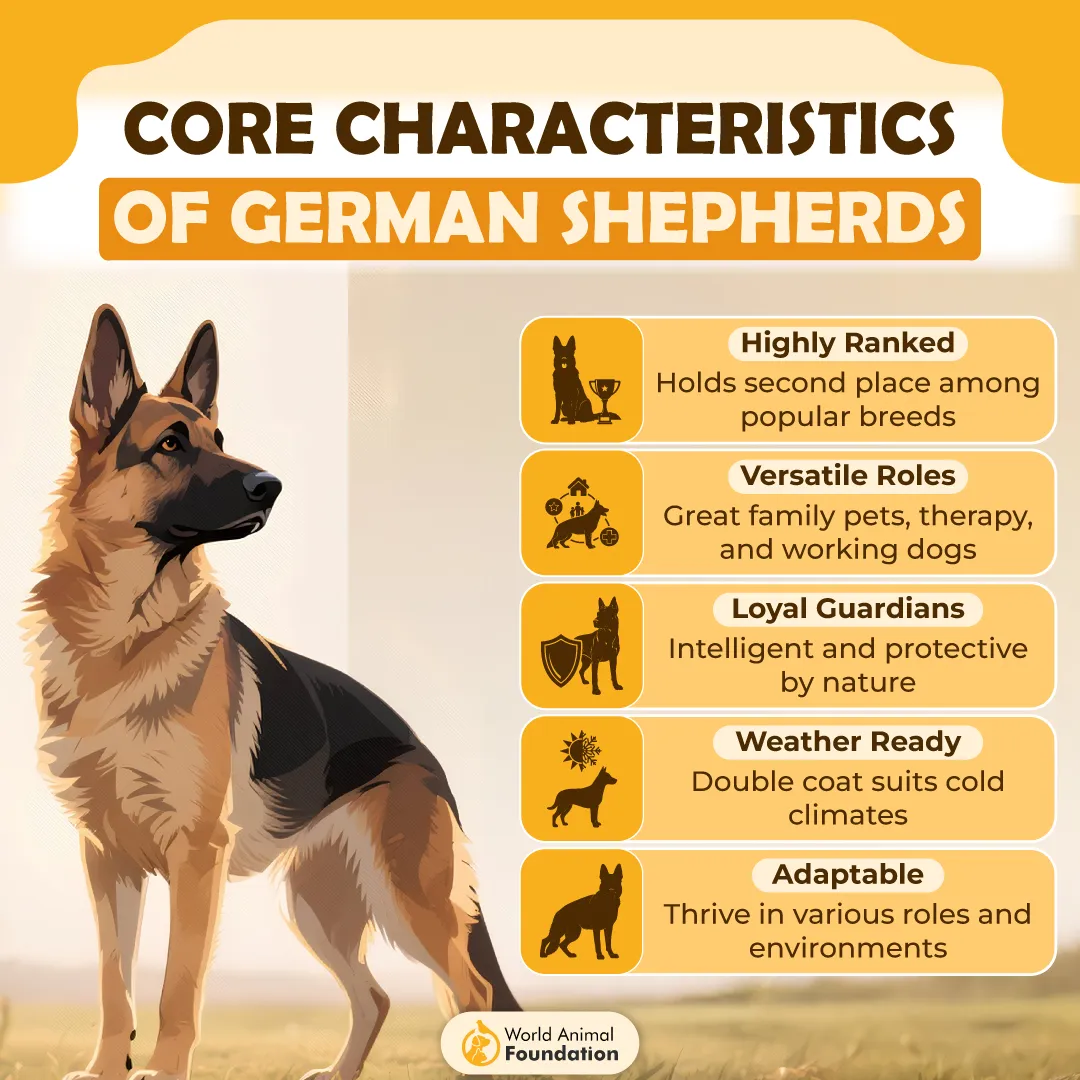
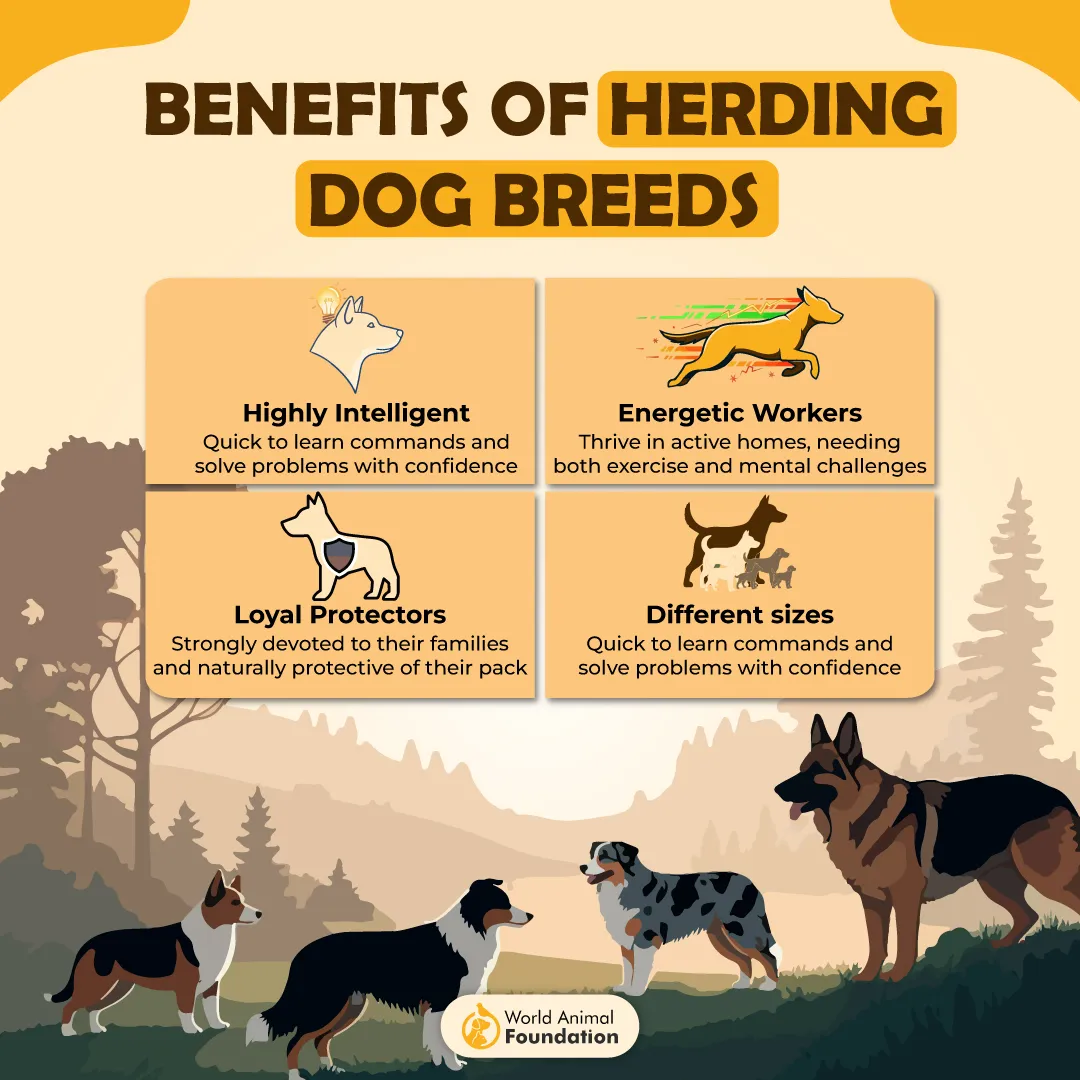
Originally, they were herding dogs, designed to manage sheep efficiently and reliably. But their smart brains and courage quickly made them stars in police work, search-and-rescue missions, and military service, says Wikipedia.
Origin: Germany, late 1800s
Original Purpose: Herding and working dog
Modern Roles: Police work, service and therapy dogs, search-and-rescue, loyal family companion
In short, German Shepherds were crafted to think, act, and protect—making them one of the most versatile dog breeds in the world.
Dogue de Bordeaux
One of the largest and most powerful dog heads in the world, full of wrinkles that give it a permanently contemplative expression. The Dogue de Bordeaux hails from southwestern France and boasts a history as impressive as its size.
Descended from ancient mastiffs and war dogs, they were bred to guard property, herd cattle, and even assist in hunting. These dogs are built for strength and intimidation, but their purpose wasn’t just muscle—they were also trusted family protectors.
Origin: Bordeaux region, France
Original Purpose: Guarding, protection, herding, cart pulling
Modern Roles: Family guardian, companion, occasional working dog
In short, the Dogue de Bordeaux is a living piece of history—a powerful, loyal guardian designed to protect people and property while remaining a gentle family companion.
Physical appearance
German Shepherd
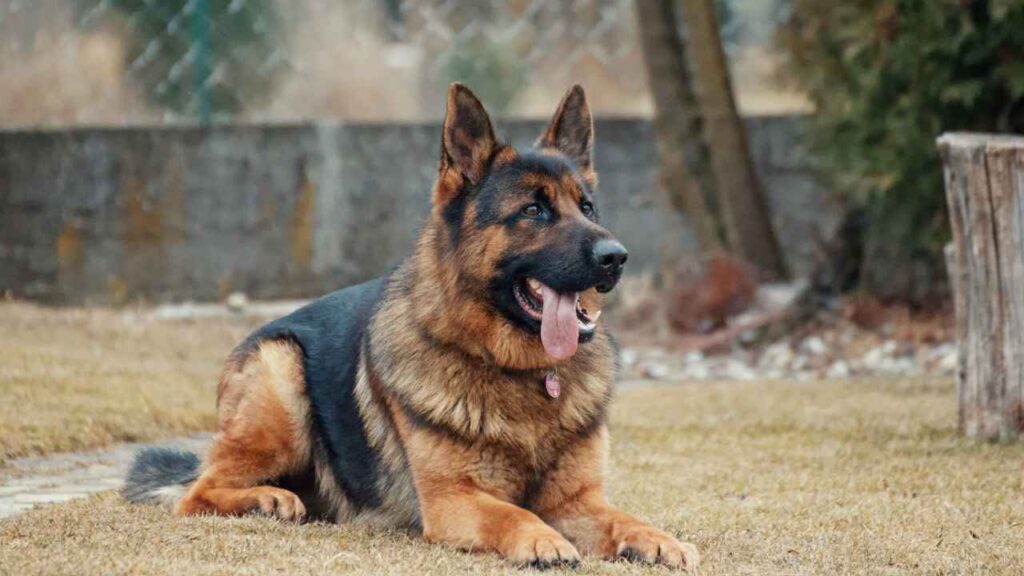
Sleek, athletic, and alert, the German Shepherd looks like it stepped straight out of an action movie. Their body is designed for agility and endurance, giving them a graceful yet powerful presence, as noted by the American Kennel Club.
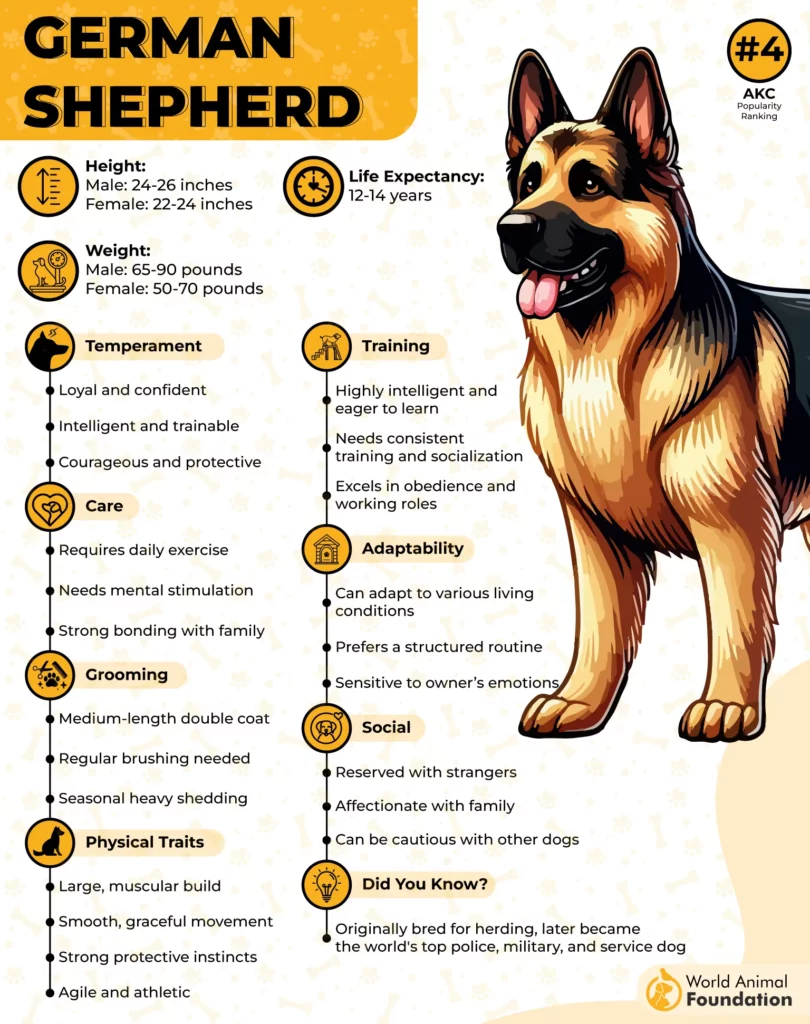
Size & Build: Medium to large, muscular but not bulky. Agile with a strong back and long legs for sprinting.
Coat & Color: Double coat for protection; classic black-and-tan is most common, though sable, all-black, and white varieties exist.
Head & Expression: Noble head, almond-shaped eyes full of intelligence, and ears that stand like radar dishes. Always looks ready for action… or a stern “Did you do that?” glance.
Tail: Bushy and expressive, often reflecting mood—happy swish included.
Overall, German Shepherds combine athleticism with style, perfectly suited for work, play, and occasionally, stealing the show in photos.
Dogue de Bordeaux
The Dogue de Bordeaux is all power and presence, wrapped in a surprisingly soft, droopy, wrinkled face. Think of a gentle giant who could win both a tug-of-war and your heart simultaneously.
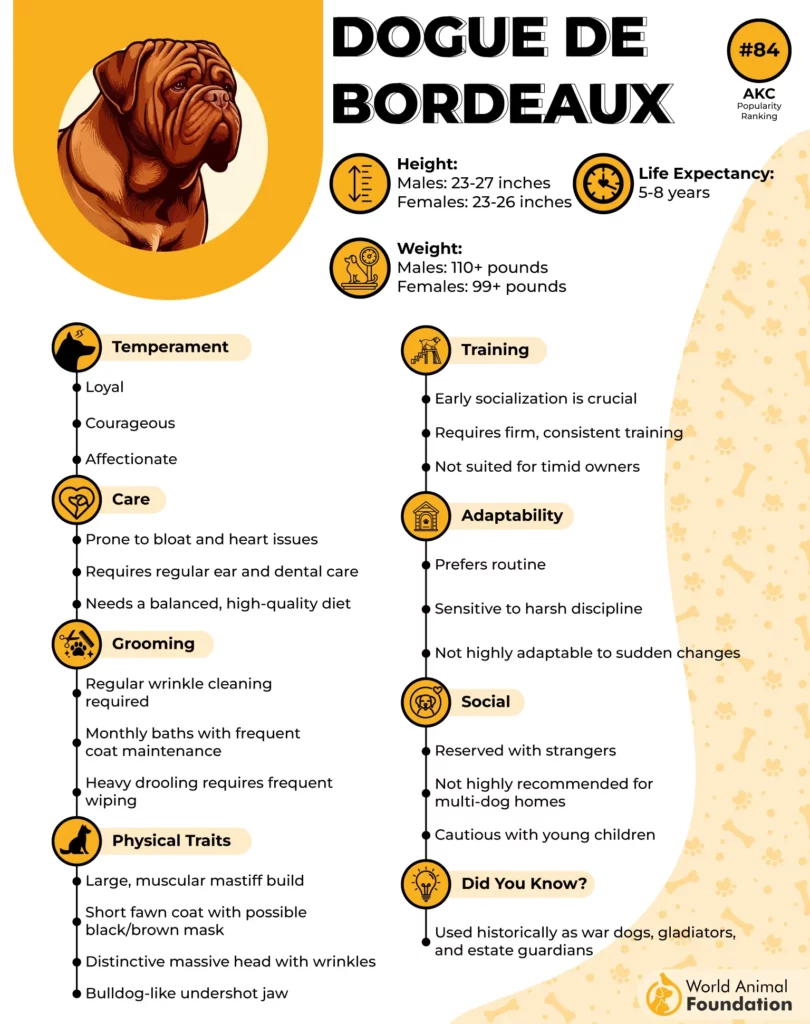
Size & Build: Large, stocky, and muscular; adults often weigh 110–145 lbs (50–66 kg). Broad chest and thick neck give them a commanding presence.
Coat & Color: Short, soft coat in shades of fawn or mahogany. Low maintenance, but that jowl drool… unavoidable.
Head & Expression: Massive, wrinkled head that seems both contemplative and “don’t mess with me.” Eyes are surprisingly soft and expressive.
Special Traits: Droopy jowls and loose skin—adorable but very drool-prone.
Beneath their intimidating size is a gentle, affectionate personality. They might look like a tank, but they’re really a big teddy bear at heart, PetMD noted.
Temperament & Personality
German Shepherd
German Shepherds are the intellectual overachievers of the dog world. Loyal, alert, and confident, they thrive when they have a job to do—whether it’s protecting their family, assisting in police work, or mastering the latest trick.
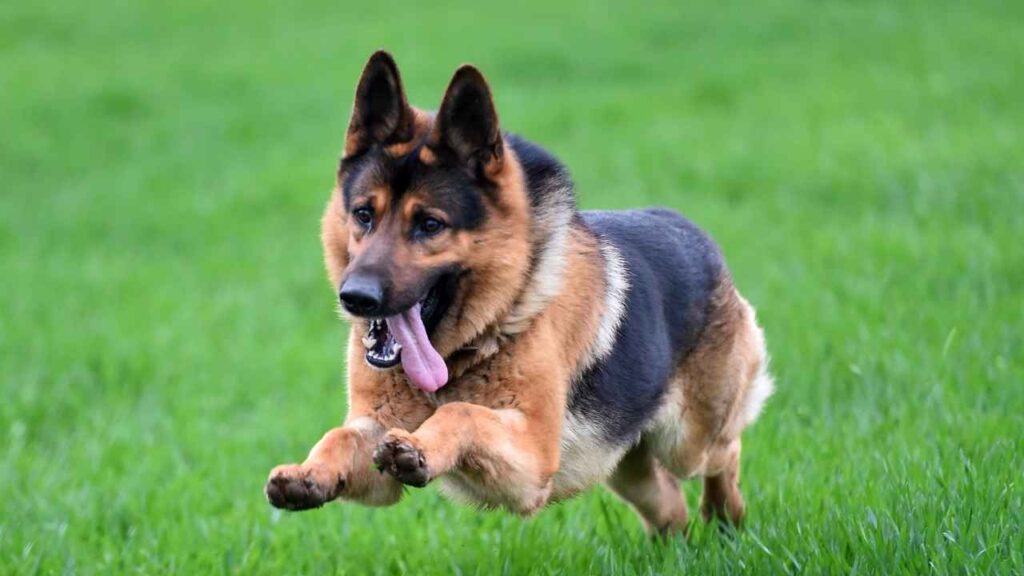
✅ Extremely intelligent and quick learners
✅ Deeply loyal and protective of family
✅ Courageous, confident, and alert
Dogue de Bordeaux
The Dogue de Bordeaux is a study in contrasts: imposing in size yet gentle at heart, strong yet incredibly affectionate. They’re the kind of dog who could intimidate an intruder, then immediately flop onto your lap for a snuggle.
✅ High intelligence, but sometimes stubborn
✅ Extremely devoted and protective of loved ones
✅ Calm, steady, and affectionate
✅ Naturally intimidating to strangers by presence alone
Exercise & Energy Levels
German Shepherd
German Shepherds are the Energizer Bunnies of the dog world—smart, athletic, and always ready for action. They thrive when their minds and bodies are challenged, so a lazy day on the couch can leave them bored… and maybe scheming.
Exercise Needs: High—require at least 1–2 hours of physical activity daily, including walks, runs, and playtime.
Mental Stimulation: Critical; they excel at obedience training, puzzle toys, and tasks that make them think.
Play Style: Energetic and interactive; loves games like fetch, frisbee, or herding-inspired activities.
Behavior Without Exercise: Can become restless, anxious, or mischievous if under-stimulated.
German Shepherds are happiest when active—think long walks, training sessions, or adventures where their brain and body get equal workouts. They’re not couch potatoes, unless that couch comes with agility hurdles.
Dogue de Bordeaux
The Dogue de Bordeaux is more of a “gentle giant” when it comes to energy. They enjoy playtime but are perfectly content with long, lazy afternoons curled up next to you. Think of them as the bulldozer version of a soft, snoring teddy bear.
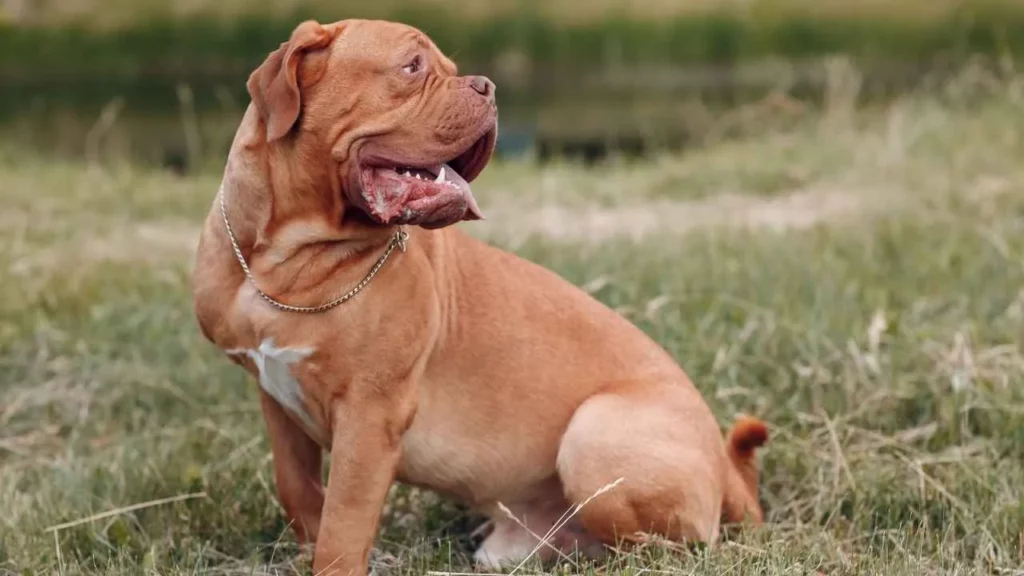
Exercise Needs: Moderate—daily walks and some playtime are sufficient to keep them healthy and happy.
Activity Style: Less about speed, more about slow, steady movement; they enjoy exploring and strolls.
Playfulness: They can be surprisingly playful with family members, but tire out faster than high-energy breeds.
Behavior Without Exercise: Typically calm; they may get a little stubborn or grumpy if not exercised enough, but not destructive like high-energy dogs.
Dogue de Bordeaux are not marathon runners—they’re more “strolls in the park, then nap” kind of dogs. Perfect for owners who want a loyal, protective companion without the constant need for high-octane activity.
Training & Intelligence
German Shepherd
German Shepherds are the overachievers of the dog world—they practically live for training and mental challenges. They thrive when given clear guidance and love learning new skills, which makes them stars in obedience, agility, and service work.
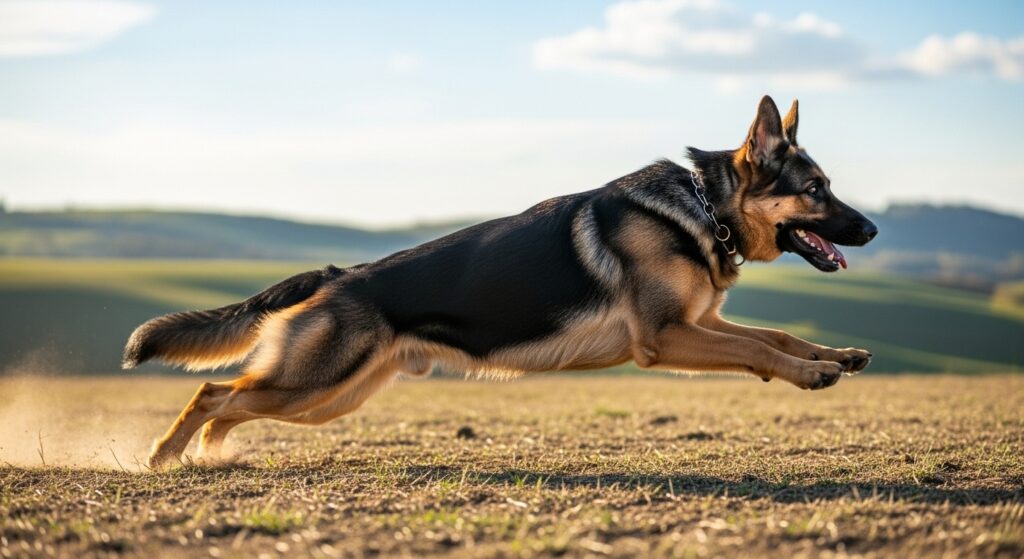
Intelligence: Extremely high; considered one of the smartest dog breeds in the world.
Trainability: Very responsive to consistent, positive reinforcement training; they enjoy having a “job” to do.
Learning Style: Quick to pick up commands, patterns, and routines; thrives on mental stimulation.
Training Challenges: Can become bored or frustrated if training is repetitive or lacks variety.
Personality Benefit: Their intelligence pairs with loyalty and protective instincts, making them excellent family guardians and working dogs.
German Shepherds are like canine brainiacs who also happen to be athletic superheroes. With the right training, they excel at almost anything you put them to.
Dogue de Bordeaux
The Dogue de Bordeaux is smart, but they’re more laid-back and sometimes a little stubborn—think of a wise, strong-willed friend who marches to the beat of their own drum. Training is definitely possible, but it requires patience, consistency, and a gentle hand.
Intelligence: High, but expressed differently; they understand routines and commands but may take their time executing them.
Trainability: Responsive to positive reinforcement; harsh methods are counterproductive.
Learning Style: Patient learners; they often surprise owners with clever problem-solving when motivated.
Training Challenges: Can be stubborn and easily distracted if not motivated by food or praise.
Personality Benefit: Their loyalty and affectionate nature make training a bonding experience, rather than a chore.
Dogue de Bordeaux is a thinker, not a sprinter—they may not master every trick on the first try, but with patience, they’ll impress you with their cleverness and devotion.
Grooming and Shedding
German Shepherd
German Shepherds are double-coated dynamos—beautiful, functional, and yes… shedding machines. Their fur keeps them warm in winter and cool in summer, but it does mean hair on everything you own (and possibly your neighbor’s car).
Coat Type: Double coat; dense undercoat with a straighter outer coat.
Shedding Level: High; heavy shedding occurs twice a year (“blowing coat”), lighter shedding year-round.
Grooming Needs: Weekly brushing is a must; during heavy shedding, daily brushing helps manage hair.
Bathing: Occasional baths are fine; too much can strip natural oils.
Special Tips: Investing in a good brush and vacuum is essential—your couch may never look the same.
In short, German Shepherds are gorgeous but require commitment to grooming. Their shedding is a small price to pay for intelligence, loyalty, and that cinematic noble look.
Dogue de Bordeaux
The Dogue de Bordeaux is low-maintenance when it comes to grooming, but their drool game is next-level. They have short, smooth coats, which makes brushing easy, but don’t be surprised if they leave a trail of slobber wherever they go.
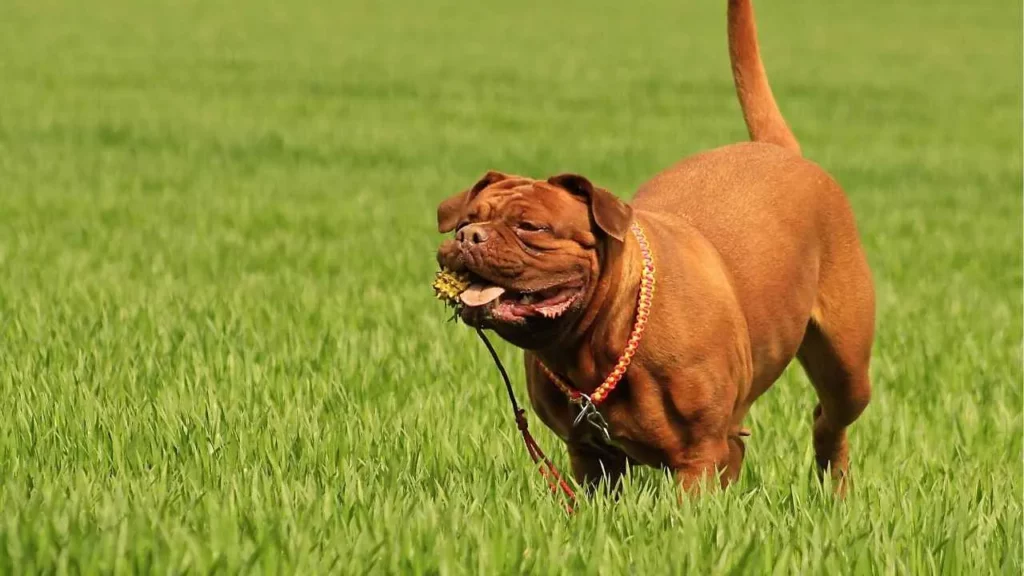
Coat Type: Short, fine coat that lies close to the body.
Shedding Level: Moderate; less noticeable than long-haired breeds but still present.
Grooming Needs: Weekly brushing keeps the coat healthy and shiny.
Bathing: Occasional baths are sufficient; check skin folds for cleanliness.
Special Tips: Clean their wrinkles and jowls regularly to prevent infections and wipe drool from furniture (and yourself).
In short, grooming a Dogue de Bordeaux is simple for the coat, slightly more “hands-on” for the drool—but that’s just part of their charming, goofy personality.
Life Expectancy
German Shepherd
Average Lifespan: 9–13 years.
German Shepherds are active, hardy dogs, but like all breeds, they have health considerations that can affect lifespan.
Common Health Concerns: Hip and elbow dysplasia, degenerative myelopathy, and some heart issues.
Tips for Longevity: Maintain a healthy weight, provide regular exercise, and schedule routine veterinary care.
German Shepherds are like lifelong athletes—keeping them fit, healthy, and mentally engaged can make their golden years even brighter.
Dogue de Bordeaux
Average Lifespan: 5–8 years.
The Dogue de Bordeaux, as a giant breed, has a shorter average lifespan. Their size and heavy build contribute to a greater risk of certain health issues, but with attentive care, they can still enjoy happy, comfortable lives.
Common Health Concerns: Hip dysplasia, heart problems (especially aortic stenosis), obesity, and bloat.
Tips for Longevity: Moderate exercise, a balanced diet, routine veterinary visits, and careful monitoring of joints and heart.
In short, Dogue de Bordeaux are powerful, loving companions who give big personalities and devotion every year they have—just a reminder to savor every slobbery snuggle.
Suitable for Guarding or Home Defense?
German Shepherds are the quintessential protectors. Their intelligence, agility, and alertness make them natural guardians who can assess situations quickly and react appropriately.
They are highly trainable and excel in obedience and protection work, making them ideal for active families who want a dog that can both protect and participate in daily life. Their loyalty and discernment mean they can tell friend from foe, providing security without unnecessary aggression.
The Dogue de Bordeaux takes a different approach to guarding. With their massive size and imposing presence, they act as natural deterrents to intruders, as noted by Orvis. They are loyal and protective of their families, but more deliberate and calm in their actions compared to high-energy breeds.
While not as quick or agile as a German Shepherd, their sheer strength and fearless demeanor make them excellent for home defense, especially in a stationary guardian role.
Conclusion
When comparing German Shepherd vs. Dogue de Bordeaux, differences in bite force, size, and temperament are notable. The French Mastiff (Dogue de Bordeaux) is taller and has a stronger bite, making it more suited to catch or biting tasks, while the German Shepherd remains highly friendly, versatile, and ideal for walking, puppy training, or as a family companion.
Research can help select the right dog breeds for individual needs, adjusting settings for comparison and choosing between options.
Over the years, breeders have developed both breeds for different purposes, thankfully giving animals traits suited for work, protection, or companionship.
For things like home life, safety, and daily activity, owners can continue learning and dispel misconceptions, appreciating the unique strengths each breed brings into their lives, both recently and years ago.
