




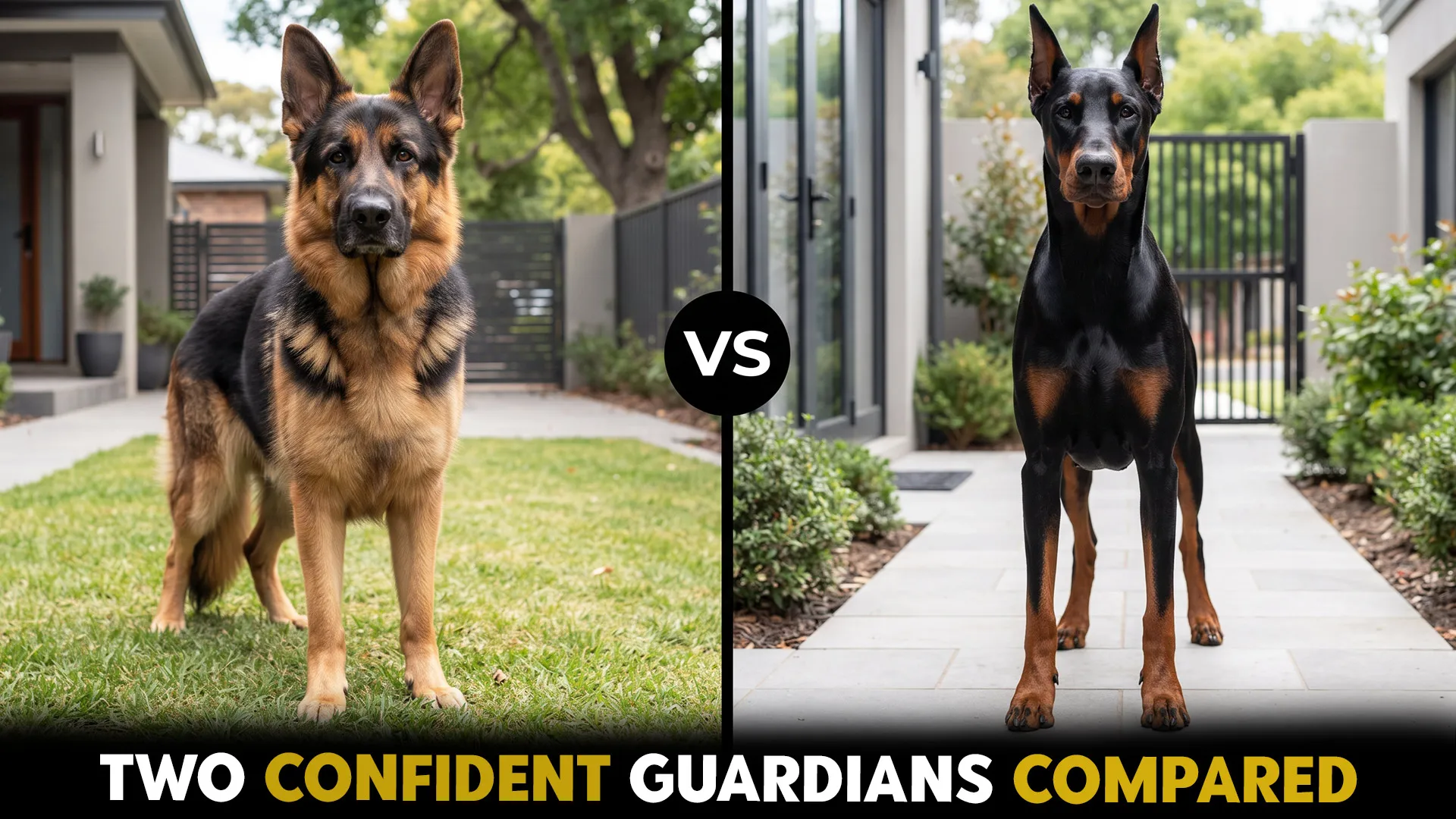
Choosing between a German Shepherd and a Doberman Pinscher is not simply a battle of who looks tougher. Both were developed in Germany for serious work, yet they protect in different ways.
The German Shepherd began as a herding and working dog, while the Doberman was developed as a personal protection dog by tax collector Louis Dobermann.
That history still shows today. A Shepherd often brings versatility, stamina, and a steady, watchful nature. A Doberman tends to be sleek, intense, highly alert, and deeply attached to its people.
Even movie star Rin Tin Tin helped shape the shepherd’s public image, but real-life protection comes down to temperament, training, and control—not Hollywood.
So, let’s read ahead to find out which one fits your home and lifestyle.
German Shepherd vs. Doberman Pinscher: Protection Traits Compared
1. Origins & Purpose
Both breeds were developed in Germany in the 19th century as high-drive working dogs; however, the basic purpose of each breed was different.
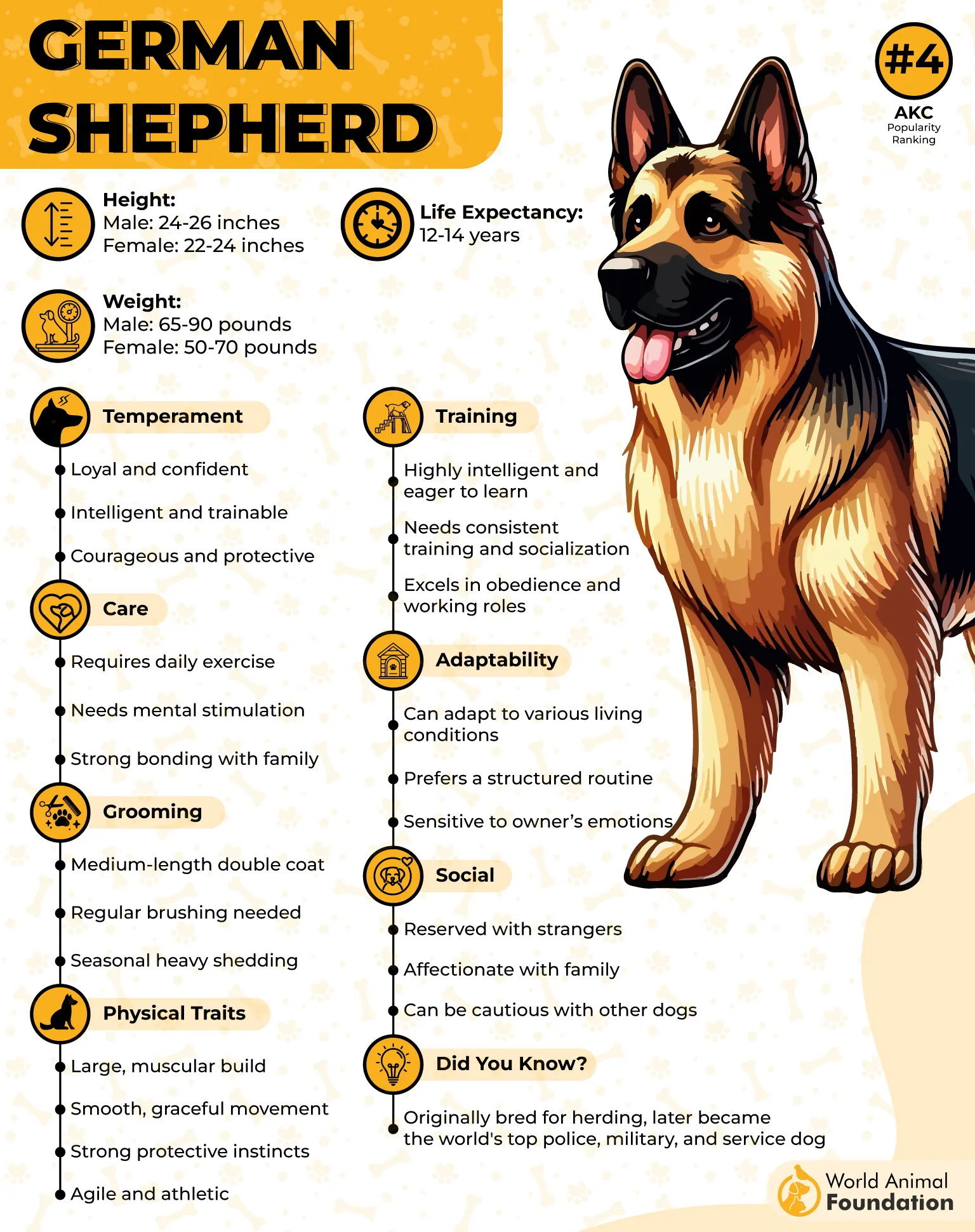
German Shepherd: This medium-to-large dog (also known as Alsatian in Britain) was developed as a herding dog in 1899 by Max von Stephanitz in Germany. However, it gained popularity after World War I. Today, it is widely used for assistance, military, police, search and rescue, and warfare purposes, says Wikipedia.
Doberman Pinscher: The dog was developed by a German tax collector, Louis Dobermann, in the late 19th century by crossing old German Shepherds, German Pinschers, Black and Tan Manchester Terriers, and Greyhounds. The primary purpose was to protect one person, but now it is kept as a family companion as well.
2. Size & Build
While the German Shepherd is a long-bodied, heavy-boned, and rugged breed, the Doberman is sleeker, taller, and streamlined.
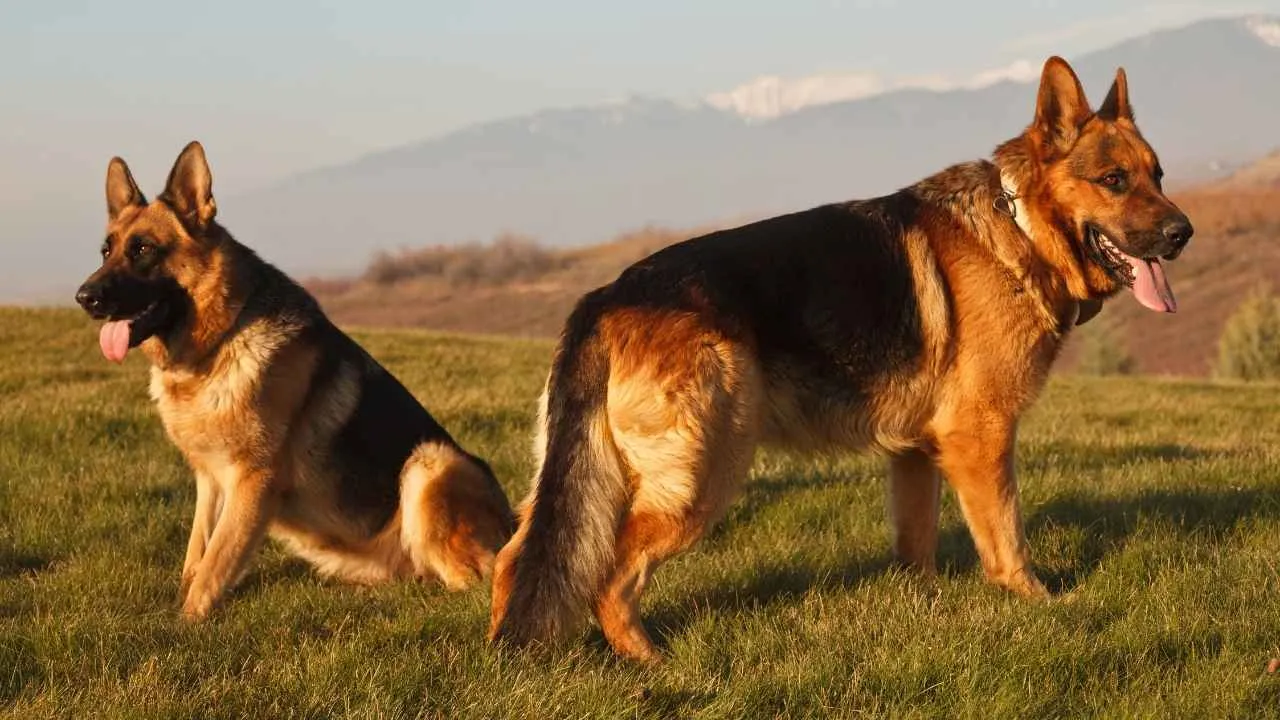
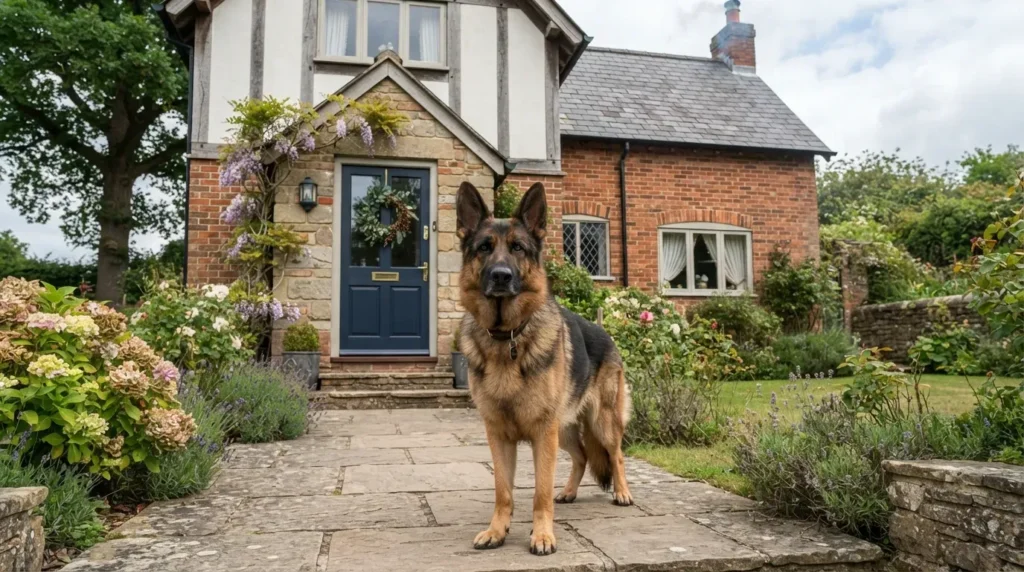
German Shepherd: The breed stands 22-26 inches tall and weighs around 50-90 pounds. It has a rectangular body with an average proportion of 10 to 8+1⁄2. It has a squared muzzle, a black nose, strong jaws, a long neck (that raises when excited), and runs at a high speed of 30 mph.
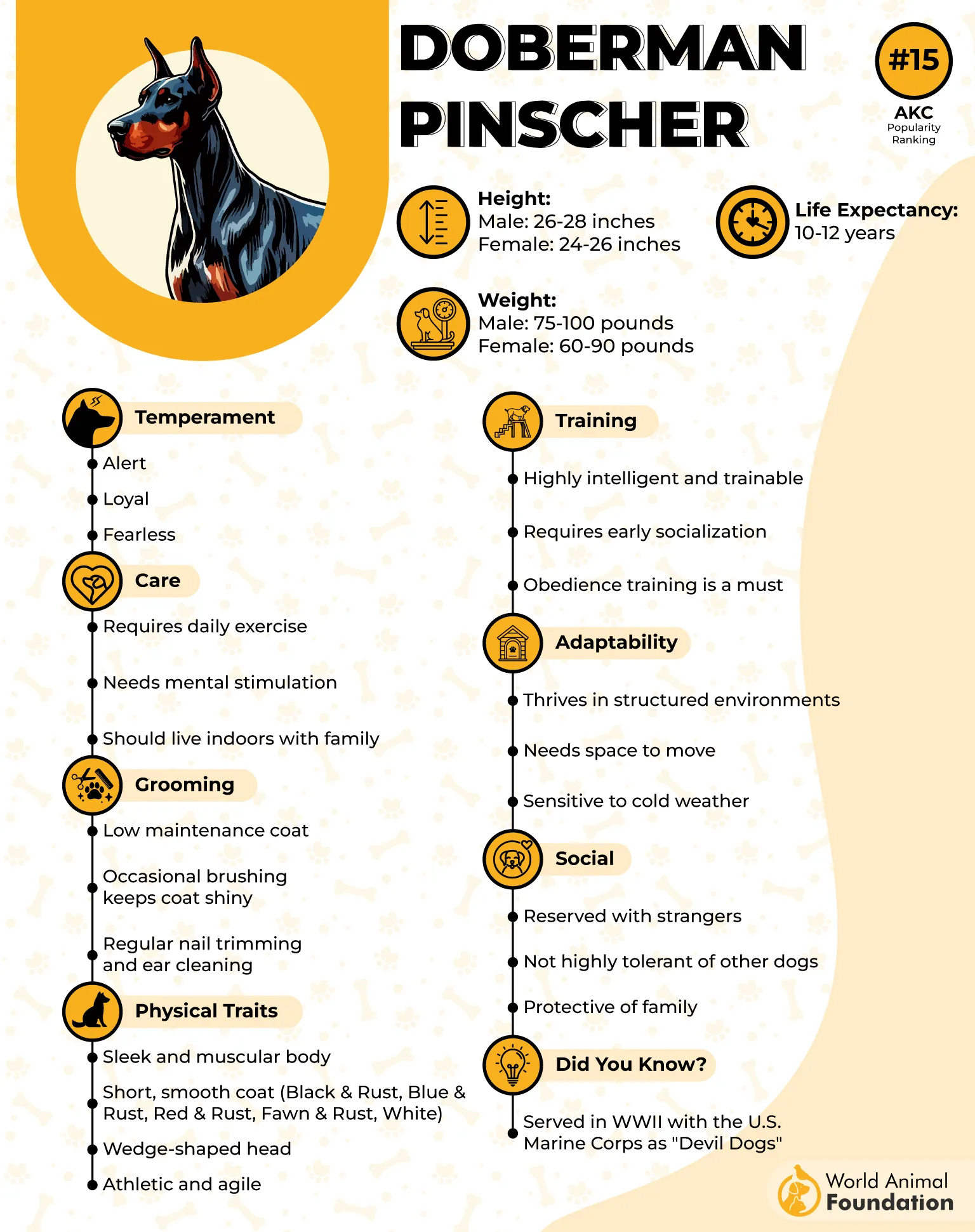
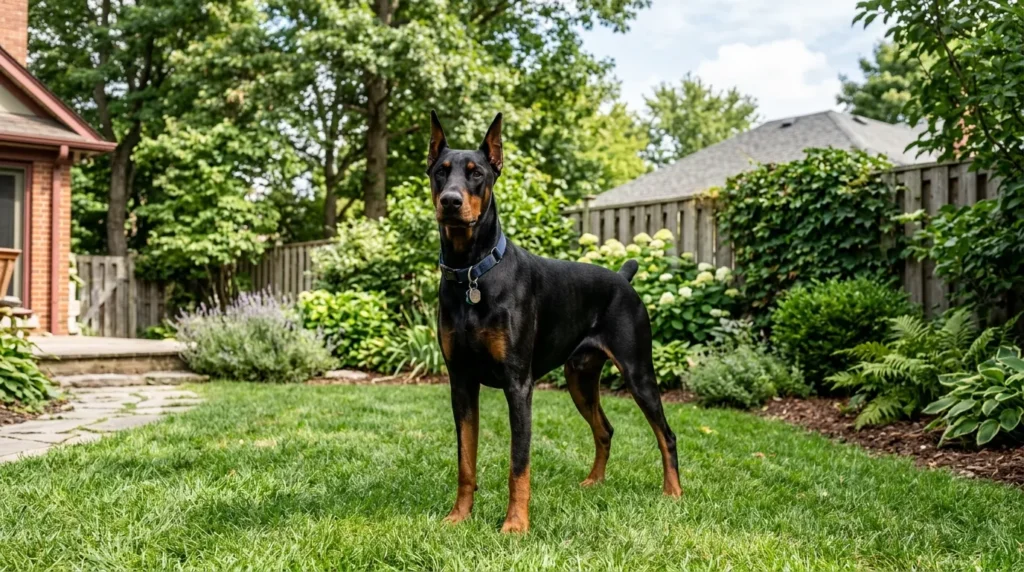
Doberman Pinscher: The muscular dog weighs around 60-100 pounds and stands 24-28 inches tall. The coat comes in blue, black, fawn, and red colors with significant rust marks. It has a square body, built for agility, high speed, and endurance. The wedge-shaped head is paired with an arched neck.
3. Pricing & Availability
A well-bred GSD typically costs between $1,500 and $4,000, while a Doberman Pinscher puppy’s average cost ranges from $1,000 to $3,500.
German Shepherd: Lineage, breeder practices, and location are the top three factors owners look for before adoption. The adoption fee ranges from $100 to $300. Options like premium food, professional training, and preventive vet care determine the overall cost of the breed. Breeder availability varies from region to region.
Doberman Pinscher: Purchasing a Doberman from a reputable breeder costs between $1,200 and $2,500. However, superior pedigree and top lineages may cost between $3,500 and $5,000.
4. Temperament & Personality
Though also used as a protection dog, the German Shepherd is adaptable and calm with strangers, while the Doberman Pinscher is more reactive and watchful.
German Shepherd: Its temperament differs by individual, and as a breed, it only makes up 9% of the dog’s behavior. The loyal and alert dog is friendly with family members and may remain reserved around strangers. Since it has a strong prey drive, it may chase moving objects, according to PetMD.
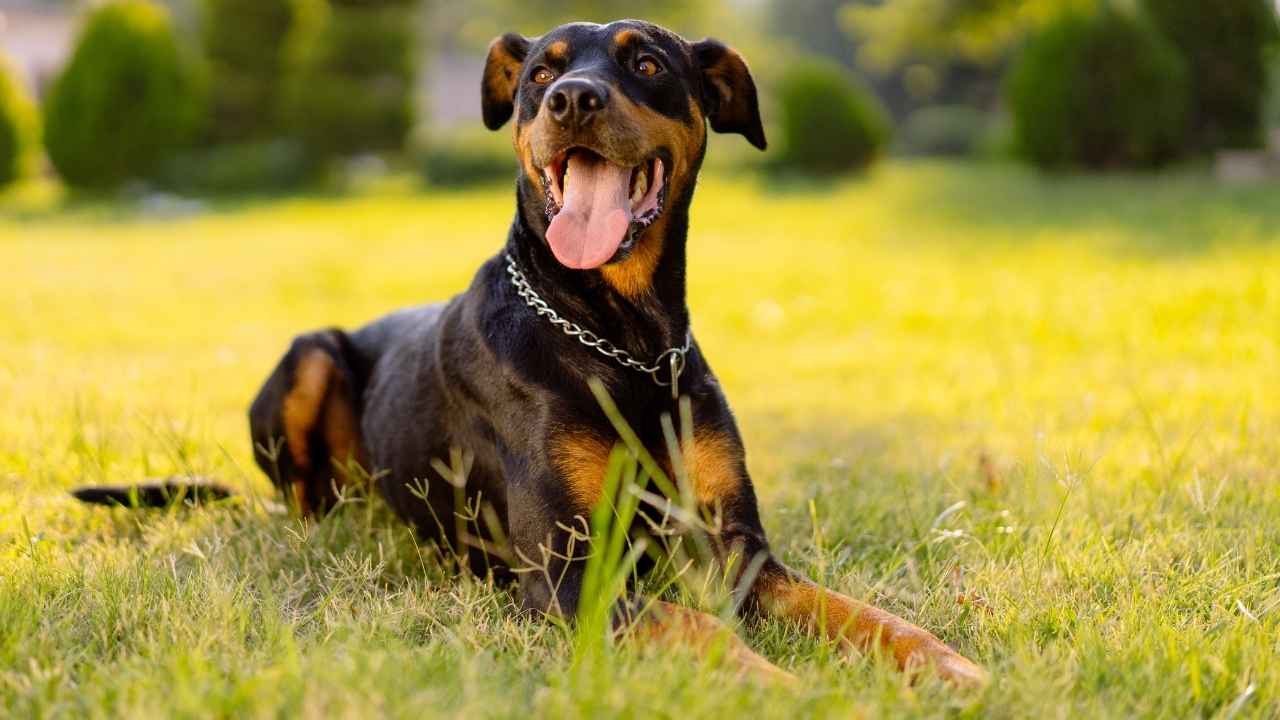
Doberman Pinscher: It is a highly energetic and alert breed and does well in a household where it gets a chance to utilize its energy. Being a Velcro dog, it may develop separation anxiety and destructive behavior if left alone for too long. The breed is patient around young kids.
5. Exercise Needs & Energy Level
Both are highly energetic breeds and need 1-2 hours of daily exercise for physical and mental stimulation.
German Shepherd: The athletic breed needs a constant job, and an under-exercised GSD can develop destructive behaviors. A German Shepherd puppy should be exposed to short walks and play sessions in a secure area. The breed excels in agility, tracking, herding, dock diving, and playing fetch.
Doberman Pinscher: The high-energy breed requires at least 2 hours of regular exercise: long walks, fetch, hide-and-seek, sniffari, scent work, dock diving, hiking, and swimming. An under-exercised Doberman is prone to chewing and digging, as noted by the AKC.
6. Trainability & Obedience
Both are highly intelligent and highly trainable dogs, but because of differences in sensitivity and focus levels, each has a different training style.
German Shepherd: Best for experienced dog owners, the GSD needs proper training and early socialization. Being the third most intelligent dog breed, this is the ideal dog for quick learning. Positive reinforcement and reward training are highly suggested to strengthen the human-dog bond.
Doberman Pinscher: Since the breed has long memories, smart socialization is recommended: introducing the puppies (8-16 weeks) to people in a controlled environment. Consistent training is required for house training. Loose leash walking and basic obedience training are highly recommended.
7. Grooming Needs & Shedding
The great family dogs have different grooming needs, since the German Shepherd dog requires more extensive grooming than the Doberman Pinscher.
German Shepherd: It sheds heavily all year and even more in the shedding seasons (summer and spring). It has a thick double coat that consists of a soft undercoat and a rough outer coat. It needs a bath every 3-4 months, daily brushing with a pin brush, and regular eye and ear cleaning to prevent infection.
Doberman Pinscher: It has a shorter coat and has minimal grooming needs. The breed requires brushing 2-3 times a week using a soft bristle brush, monthly baths, daily ear self-checkups, daily teeth brushing, and monthly nail trimming.
8. Guarding Instincts & Alertness
Both are considered elite guard dogs with naturally protective instincts; however, each has a different approach to alertness and protection.
German Shepherd: The GSD has natural watchdog instincts, and it keenly observes sounds, pays attention to movements, and alerts by barking. It quickly switches from a calm to an active state and stays neutral until given a command. It can handle noise and crowds because of its strong nervous system.
Doberman Pinscher: This guard dog has an imposing personality that scares off potential threats without any physical action. It is highly responsive to external stimuli and tends to act instantly. Both lineages: the European (for protection work) and the American (for family companionship) are loyal and can show aggressive behavior if not trained properly.
9. Health & Lifespan
While both breeds face genetic health concerns, each has an average lifespan of 9-13 years.
German Shepherd: The average life expectancy of the breed is 7-10 years. However, it is prone to several health issues, such as degenerative myelopathy, elbow/hip dysplasia, cancer, bloating, allergies, and heart diseases. Thus, contacting a reputable breeder and proper medical screening are important before adoption.
Doberman Pinscher: It lives slightly longer than the GSD (10-12 years) and is considered a healthy dog. However, it is prone to certain medical conditions, including bloating, hypothyroidism, dilated cardiomyopathy, Von Willebrand Disease, and hip dysplasia.
10. Which Guard Dog Fits Your Lifestyle Best?
German Shepherd focuses on protecting the entire family, while the Doberman Pinscher is inclined towards protecting one person.
|
Features |
German Shepherd |
Doberman Pinscher |
|
Family Bond |
It bonds closely with all family members and does well with kids when trained properly. |
It has a fierce devotion to only one person in the family. |
|
Ideal Owner |
A big, active family and a spacious house. |
Spacious living, single women living alone, and active seniors. |
|
Temperament |
Steady, strategic, and calm. Assesses situations before reacting. |
Fast, alert, and naturally suspicious of strangers. Acts like an alert system. |
Conclusion
Neither breed wins this matchup. The better choice depends on what you want from a protector and what you can give in return. A German Shepherd may suit someone who values versatility, a strong work ethic, and a dog that can shift between family life and demanding tasks.
A Doberman can be a good fit for an owner who wants an athletic, people-focused companion with a sharp, watchful presence.
In either case, responsible ownership matters more than choosing the dog with the scariest reputation. Early socialization, thoughtful training, daily activity, and good breeding can shape the experience far more than a dramatic silhouette.
The best protection dog is not the most aggressive one. It is the one you can guide, trust, and live with.
