




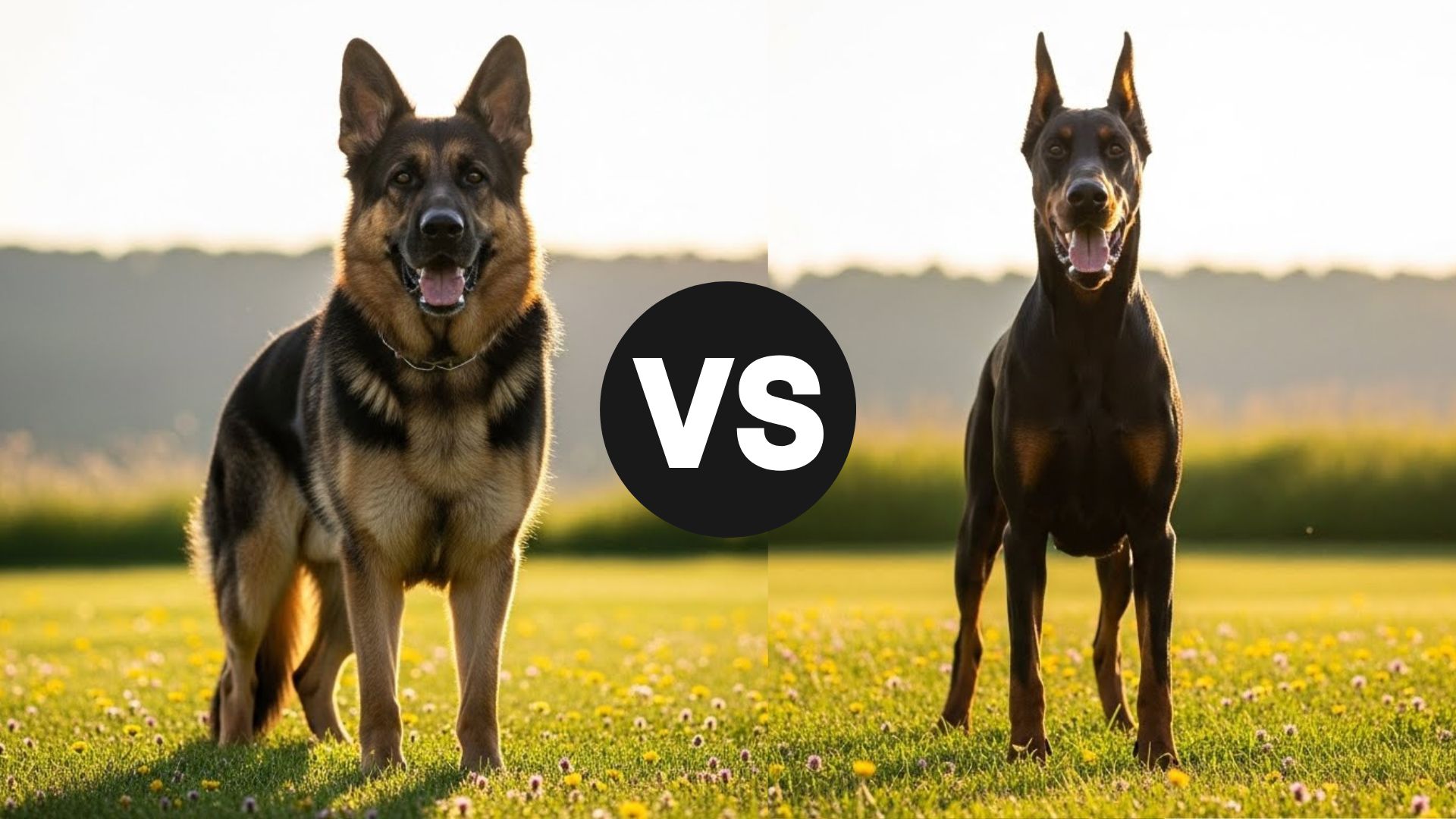
Looking for a loyal and energetic dog that can keep up with an active lifestyle? You’ve probably heard about two famous breeds that often come up when people talk about smart, strong, and protective dogs: the German Shepherd and the Doberman Pinscher.
These dogs are not only great at guarding their families but also make wonderful companions for those who enjoy outdoor adventures. Picking the right dog is a big decision, and there’s a lot to consider—from their personality to how much exercise they need.
If you’re curious about what makes the German Shepherd and Doberman Pinscher so special and how to choose the one that fits your family best, you’re in the right place. Let’s explore what sets these two iconic breeds apart in this comprehensive comparison.
German Shepherd vs. Doberman Pinscher
Key Takeaways
Discover what makes German Shepherds and Dobermans unique, from their history and size to their distinct personalities and energy levels.
Learn how each breed’s intelligence and training needs shape their behavior as family pets and excellent guard dogs.
Find out about grooming, health concerns, and lifespan so you can prepare for your dog’s long-term care.
Get the inside scoop on which breed fits your lifestyle best, whether you want a loyal hiking buddy or a vigilant protector.
History & Purpose
German Shepherd: The Versatile Working Dog
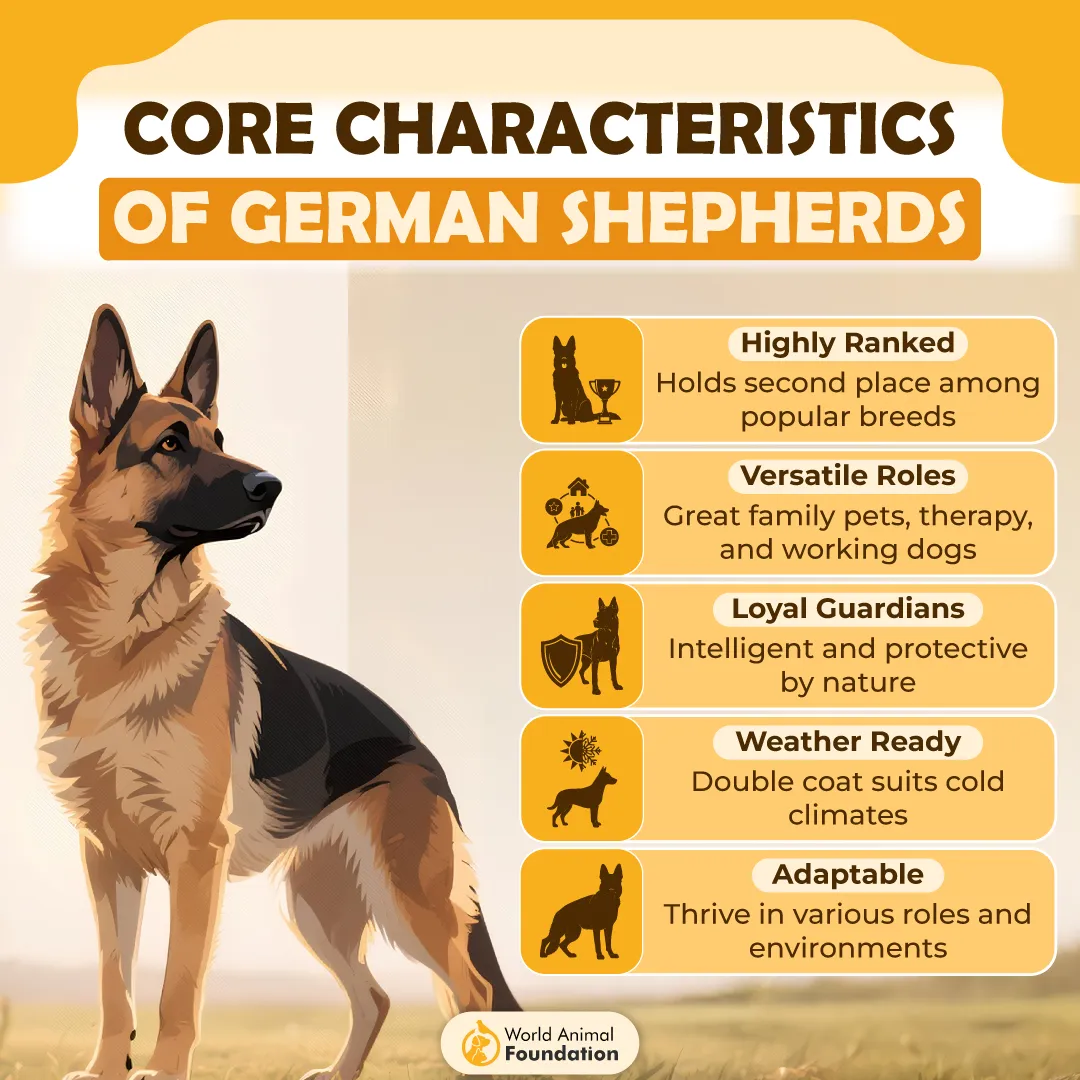
The German Shepherd was created in Germany in the late 19th century, originally bred to herd and protect sheep. But this dog’s talents didn’t stop there.
Thanks to Captain Max von Stephanitz, the breed’s founder, the German Shepherd quickly became known for its intelligence, loyalty, and incredible versatility. He wanted a dog that could do many jobs well—not just herding, but also search and rescue, police work, and guarding property.
Over time, German Shepherds have earned their reputation as excellent working dogs that can adapt to many roles. Their sharp mind and willingness to work make them true all-rounders.
Doberman Pinscher: The Fearless Protector
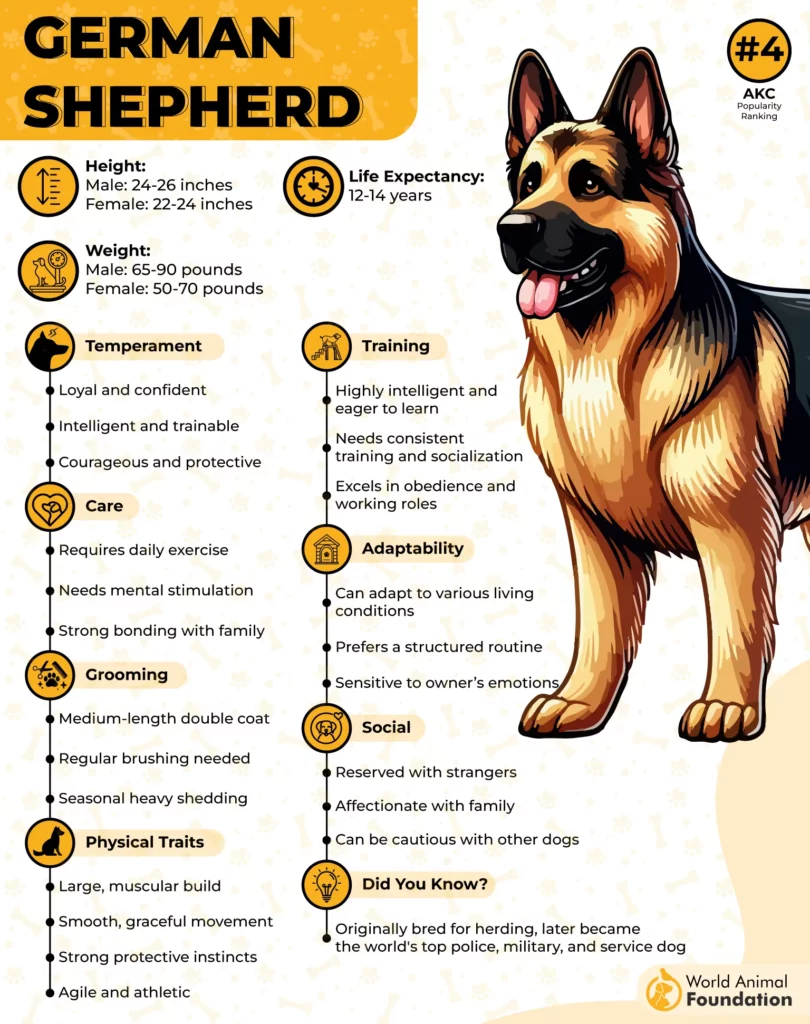
The Doberman Pinscher has a different but equally interesting origin story. This breed was developed by a German tax collector named Karl Friedrich Louis Dobermann in the late 1800s, according to Purina.
Dobermann wanted a dog that could protect him during his work, so he carefully bred dogs for strength, speed, and courage. The Doberman quickly became known as an excellent guard dog with a sleek, powerful build and sharp instincts.
Unlike the German Shepherd’s broad work roles, Dobermans were bred primarily for protection and guarding, combining agility with fearless loyalty.
Size & Physical Build
German Shepherd
German Shepherds are a bit larger and stockier, giving them a rugged and powerful look. Their medium-length double coat is weather-resistant, helping them work in various climates. Their build reflects strength and endurance, with some standout features:
Height: Around 22 to 26 inches tall
Weight: Between 50 and 90 pounds
Coat: Medium-length double coat, usually black and tan, sable, or all-black
Body Shape: Pronounced sloping back and bushy tail that adds to their wolf-like appearance
Doberman Pinscher
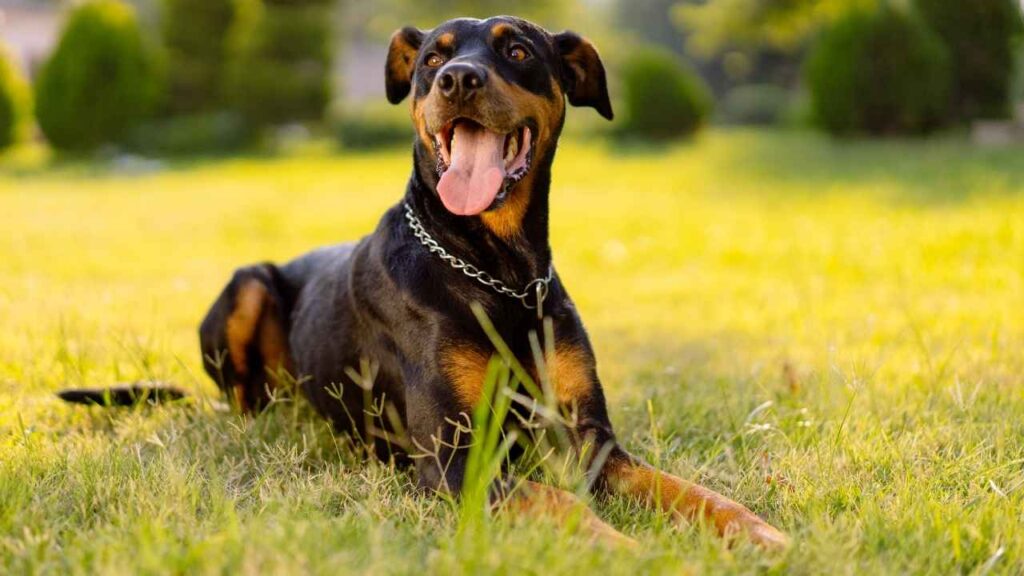
Dobermans are known for their sleek, athletic appearance that can sometimes seem a bit intimidating if you’re not familiar with the breed. Their short coat highlights a strong, muscular body built for speed and agility. Some key traits include:
Height: About 24 to 28 inches tall
Weight: Between 60 and 100 pounds
Coat: Short and smooth, most commonly black and rust, but also found in red, blue, and fawn
Head: Distinct wedge-shaped head
Ears and Tail: Often cropped ears and docked tails, though this practice is becoming less common
Temperament & Personality
When deciding between the German Shepherd and Doberman Pinscher, it helps to think about the traits you value most in a dog. While both breeds share many qualities, they also have some distinct differences that can guide you toward the right match.
German Shepherd
German Shepherds are equally loyal and protective, often forming very close bonds with their families. They have an incredible work drive and thrive when given a job to do.
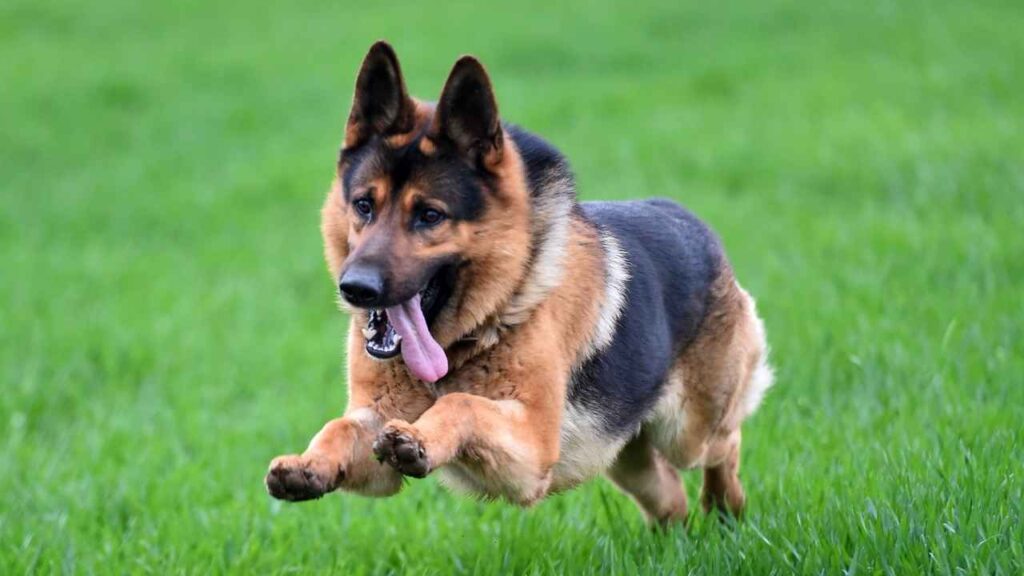
Compared to Dobermans, German Shepherds usually have better control over their prey drive, which often makes them more dependable around small children and other animals.
They are highly intelligent and need plenty of mental stimulation to stay happy and well-behaved. While they are loving and devoted, German Shepherds can be more independent and reserved with strangers, always alert and watchful.
Doberman Pinscher
Dobermans are known for their strong loyalty and deep bonds with their people. They have a high work drive and excel as working dogs in many fields.
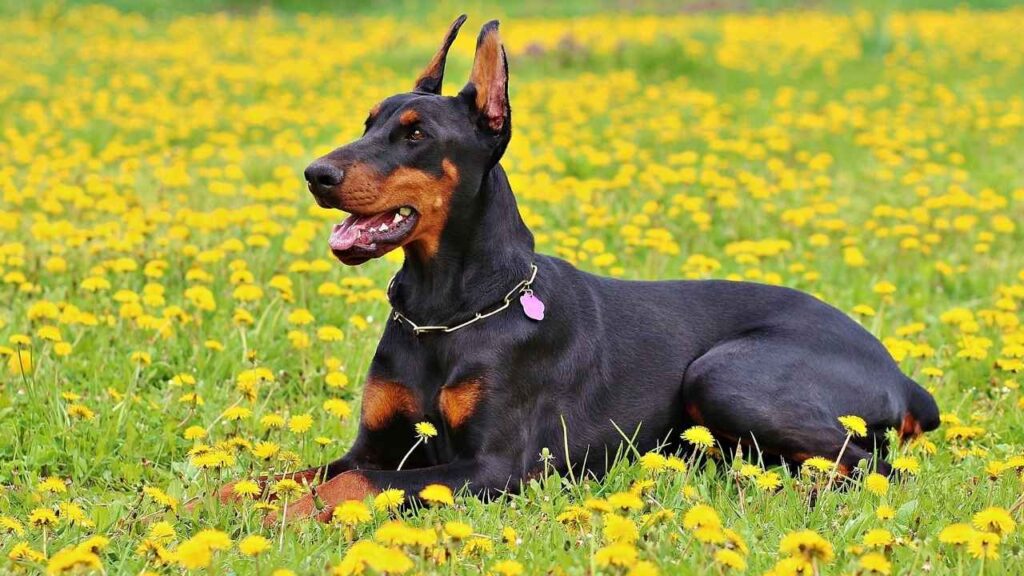
This breed also has a strong prey drive, which means they may not always get along easily with other pets and small children unless given plenty of training and socialization. Fortunately, Dobermans learn quickly and respond well to consistent, positive reinforcement.
Despite their tough appearance, they are affectionate, people-oriented, and very loving family dogs. They tend to be more reserved with strangers, making them excellent natural protectors and guard dogs.
Exercise & Energy Levels
Both German Shepherds and Doberman Pinschers are active, high-energy breeds that require daily exercise to stay happy and healthy. However, their exercise needs and preferences have some differences worth noting.
German Shepherd
German Shepherds are known for their incredible stamina and love for having a job to do. They thrive on physical activity combined with mental challenges. Regular exercise helps them stay focused and well-behaved.
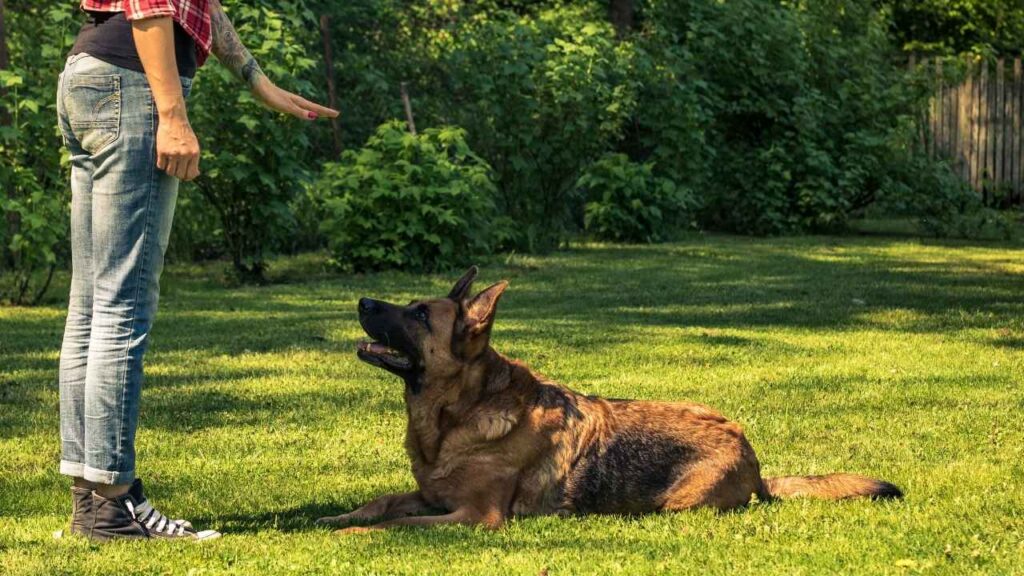
Daily Walks: Long, brisk walks are essential to help them burn off energy.
Mental Stimulation: Training sessions, obedience, and agility exercises keep their sharp minds busy.
Playtime: Interactive games like fetch or herding-style activities satisfy their natural instincts.
Variety: German Shepherds enjoy a mix of physical and mental activities to prevent boredom.
Doberman Pinscher
Dobermans are also highly energetic dogs that need plenty of exercise but tend to crave more human interaction throughout the day. Their sleek, muscular build demands activities that challenge both their body and mind.
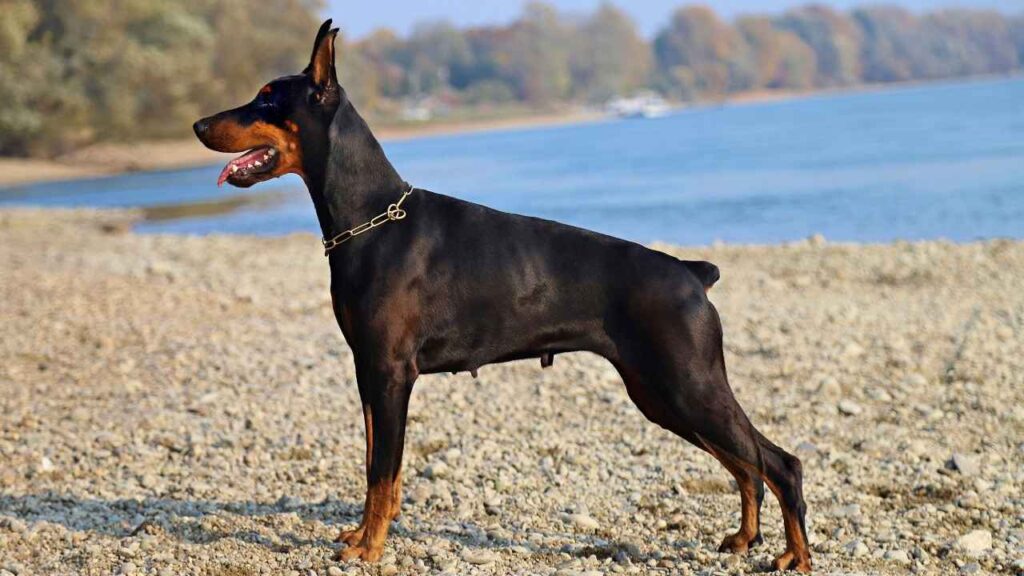
Daily Runs or Walks: Dobermans benefit from vigorous exercise like running or long walks.
Interactive Play: They enjoy games that involve their owners, such as tug-of-war or fetch.
Training & Mental Games: Puzzle toys and obedience training are important to keep their minds engaged.
Social Time: Dobermans often seek out companionship and do best when involved in family activities.
Training & Intelligence
German Shepherd
German Shepherds are also very intelligent but may sometimes show a mischievous or goofy side, especially if they don’t get enough mental stimulation as puppies. These dogs love having a job to do and excel when training is consistent and started young.
They enjoy a variety of activities like herding, agility, dock diving, nose work, and tracking, which keep their minds sharp and bodies active. Their loyalty and desire to work alongside their owners make training a rewarding experience.
Doberman Pinscher
Dobermans are sharp and eager to please, making them highly trainable. Their intelligence, combined with high energy, means they respond quickly to obedience training.
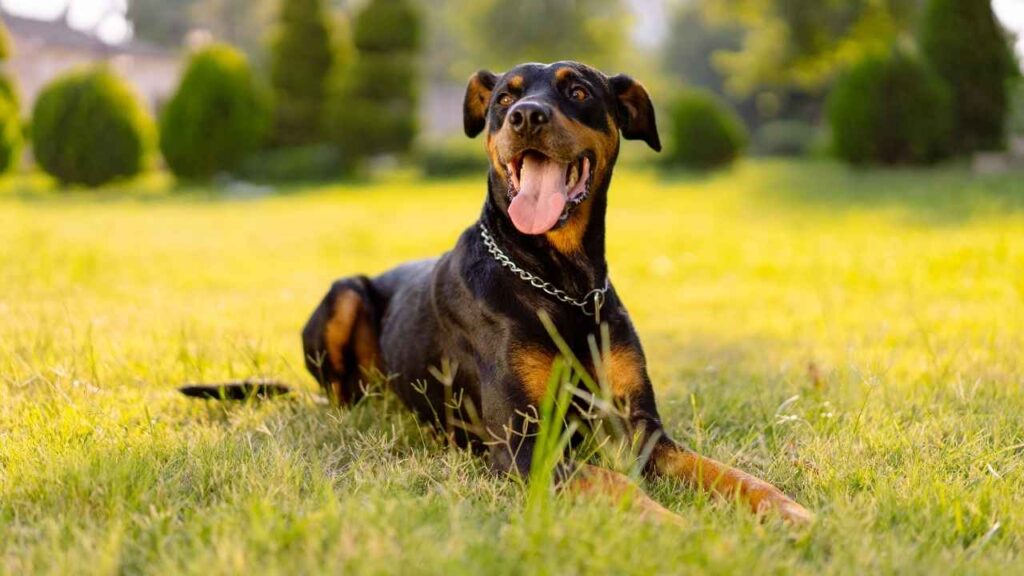
Starting early socialization and consistent training is important to prevent them from becoming assertive or developing destructive behaviors.
Dobermans thrive on positive reinforcement and clear, consistent commands, which help them grow into well-mannered protectors and loving family members.
Training Tips for Both Breeds
Start training and socialization as early as possible.
Use positive reinforcement and avoid harsh corrections, especially with Dobermans, who can be sensitive.
Provide plenty of mental stimulation through games, puzzles, and varied training activities.
Maintain consistency to strengthen the bond and encourage good behavior.
Grooming Frequency
German Shepherd
AKC mentions that the German Shepherds have a medium-length double coat that requires regular care. Their outer coat is dense and thick, while the undercoat is soft but sheds heavily.
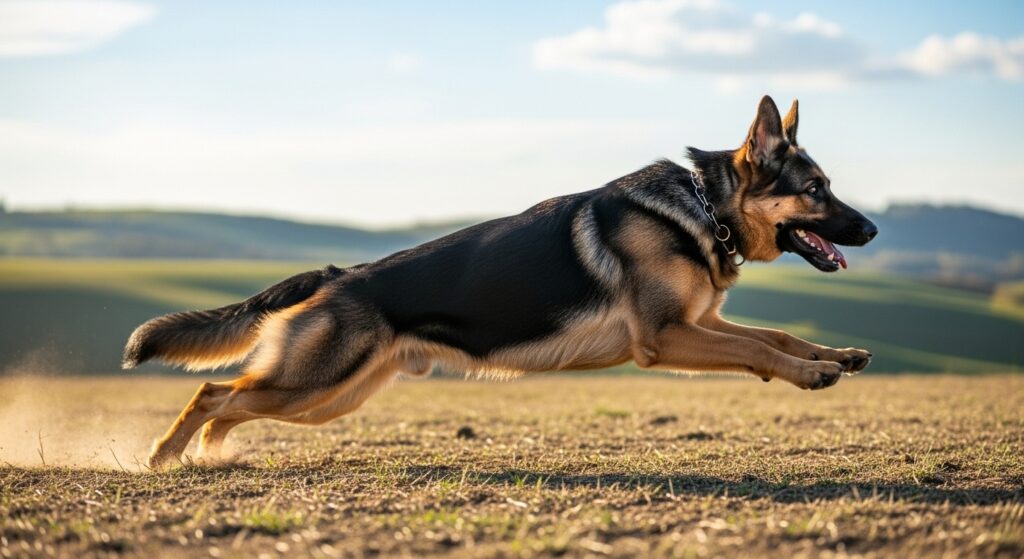
Shedding: Expect heavy shedding, especially during one or two seasonal “blowouts” each year when they lose large amounts of fur.
Brushing: Daily brushing helps remove loose hair and keeps their coat looking healthy.
Bathing: They only need occasional baths, but bathing during heavy shedding periods can help control fur around the house.
Doberman Pinscher
Dobermans are much easier to groom due to their short, smooth coat. Their skin is generally healthy and requires minimal care.
Shedding: Dobermans shed moderately but don’t go through heavy seasonal shedding like German Shepherds.
Brushing: Brushing twice a week is usually enough to manage loose hair and keep their coat shiny.
Bathing: Monthly baths are sufficient to keep them clean and fresh.
Health & Life Expectancy
Both the Doberman and German Shepherd are generally healthy breeds, but like most adult dogs, they can be prone to some serious health issues. Knowing what to watch for can help you keep your dog healthy and happy for years to come.
German Shepherd
German Shepherds tend to live a bit longer, usually between 12 and 14 years, but they have their own set of health challenges. Some common conditions include:
Bloat (gastric dilation-volvulus)
Degenerative myelopathy
Heart disease
Hip dysplasia
Elbow dysplasia
Spinal compression issues affecting nerves
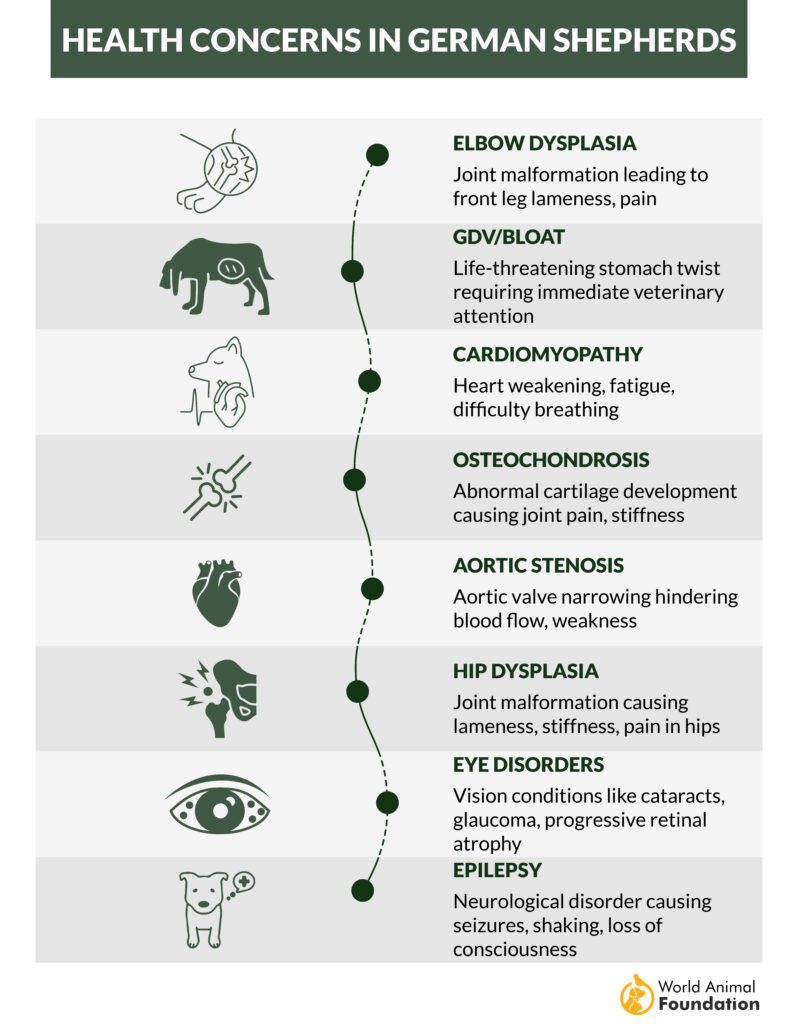
Health testing and selecting a reputable breeder who prioritizes the well-being of their dogs can help reduce the chance of serious health issues in German Shepherds.
Doberman Health
Dobermans are strong dogs, but may be vulnerable to a few genetic conditions. Common health issues to keep an eye on include:
Bloat (gastric dilation-volvulus)
Dilated cardiomyopathy
Hip dysplasia
Hypothyroidism
Progressive retinal atrophy
Von Willebrand’s disease
The typical life expectancy for a Doberman is around 10 to 12 years. Choosing a reputable breeder who performs thorough health testing is the best way to minimize the risk of these problems.
Suitability as Family Pets Vs Guard Dogs
German Shepherd
The German Shepherd breed is well-loved for its loyalty, intelligence, and strong work ethic. When raised with early socialization, German Shepherd puppies make great family dogs. They bond deeply with children and other pets, offering protection without being overly aggressive.
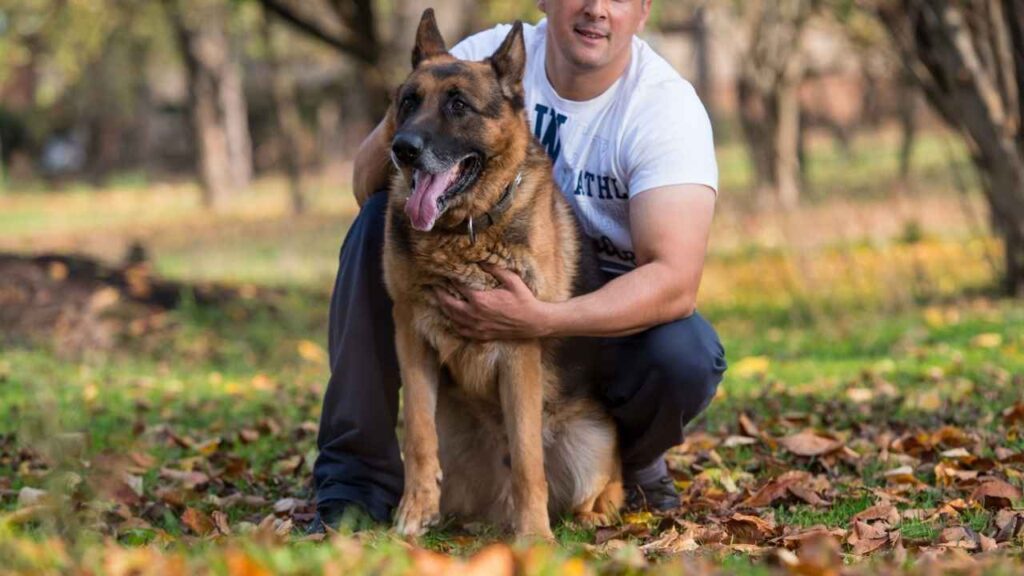
Their calm yet alert nature means they’re gentle with loved ones but always ready to step in if something feels wrong. As adult dogs, they thrive in a family environment where they get plenty of mental and physical stimulation.
At the same time, German Shepherds are natural guard dogs. Their sharp senses and protective instincts make them excellent at watching over their home and family.
They’re confident and vigilant, able to tell the difference between normal and suspicious situations thanks to proper training. Whether serving as police dogs, search and rescue dogs, or loyal protectors at home, German Shepherds combine a loving heart with a fearless spirit.
Doberman Pinscher
Doberman Pinschers are known for their sleek appearance, intelligence, and fierce loyalty. As family pets, Dobermans are affectionate and devoted, often forming strong bonds with their favorite humans.
They do have a stronger guarding instinct compared to some breeds, so early socialization and consistent training are essential to ensure they behave gently with children and other pets.
When raised properly, Dobermans make playful, loving, and trustworthy family members who enjoy being involved in daily life.
As guard dogs, Dobermans shine with their natural alertness and protective drive. They are fearless and quick to respond to potential threats, making them excellent guardians of both home and family.
Their strong instincts combined with high intelligence mean they can be trained to balance protection with good behavior. With the right care, Dobermans become confident, well-mannered dogs who keep their families safe without unnecessary aggression.
Conclusion
Choosing between a Doberman and a German Shepherd means thinking about what fits best with your lifestyle. Both popular breeds are large dogs with plenty of energy and need high exercise to stay happy and healthy.
They are loyal and often called velcro dogs because they love sticking close to their favorite humans. With proper training and the right dog food to support their health, either breed can become an ideal dog and a wonderful family member.
While both breeds excel in protection work, their personalities and needs can be quite different. Most dogs need consistent training, but these two breeds especially thrive when well-trained and mentally challenged.
Whether you prefer the Doberman breed’s sleek style or the German Shepherd’s versatile nature, both dogs bring incredible loyalty and energy. Understanding these differences will help you choose the best companion for your home and family.
