




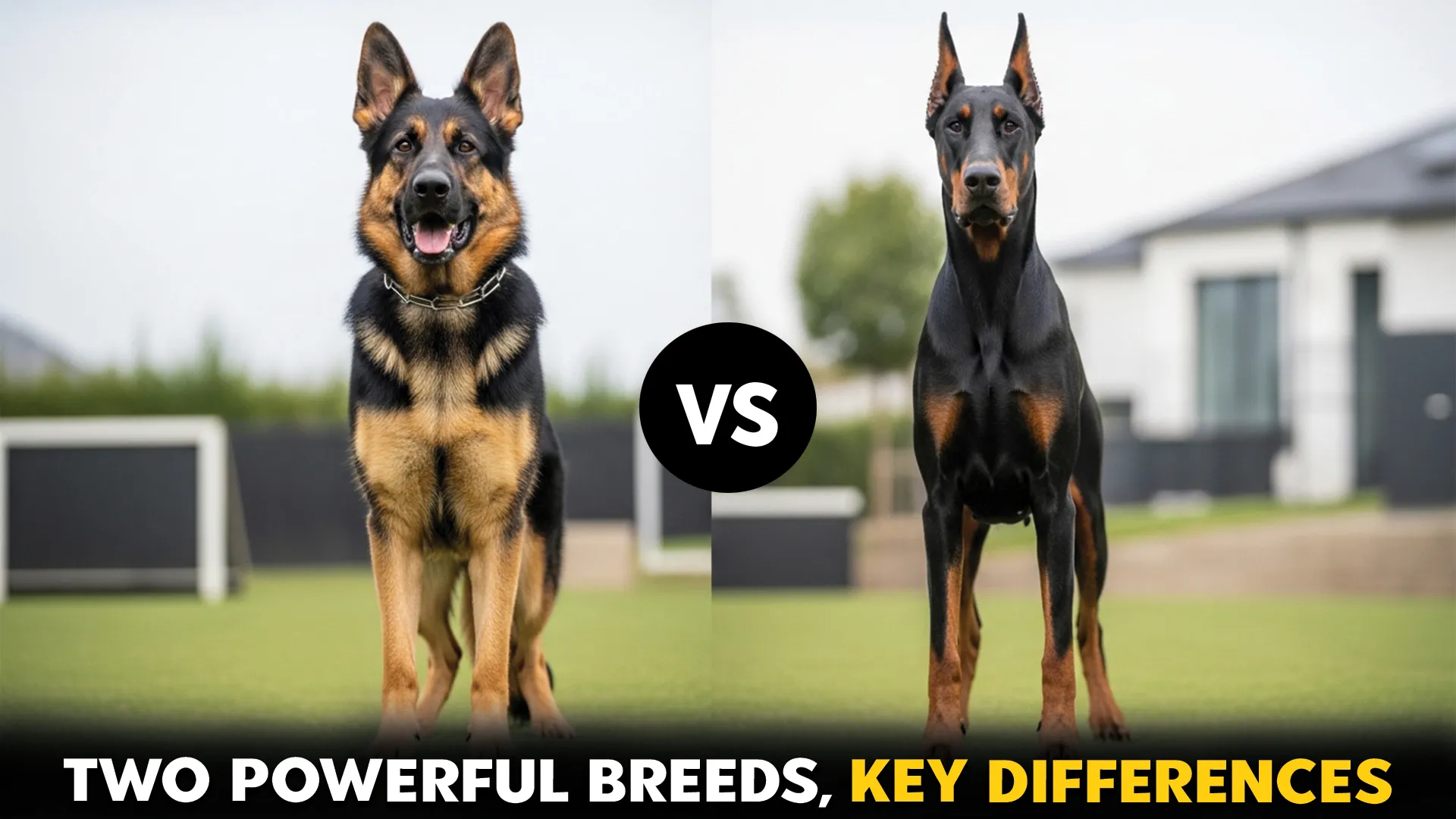
Looking for a loyal, energetic companion who can protect your home and join in on family adventures?
There are several similarities between the noble Doberman and German Shepherd, and while they are both excellent guard dogs, they make excellent pets too.
They are popular breeds for active families that enjoy an outdoor lifestyle and want an energetic dog to join their family.
If you want to add an ideal dog to the family and are looking for a loyal protector, both the Doberman and the German Shepherd are brilliant options. Deciding which one may be right for you may seem tricky, but here are some things to keep in mind:
Guarding instincts: Both breeds are naturally protective and alert.
Energy levels: Perfect for active families who enjoy outdoor activities.
Trainability: Highly Intelligent dogs that respond well to consistent training.
Companionship: Loyal and devoted, forming strong bonds with their families.
Whether you want a vigilant protector, a devoted family friend, or a mix of both, comparing these breeds side by side can help you find the perfect four-legged companion.
Here, we’re going to contrast their traits, behavior, temperament, and more—one by one.
German Shepherd vs. Doberman: Contrasting Two Powerful Dog Breeds
Size and Strength
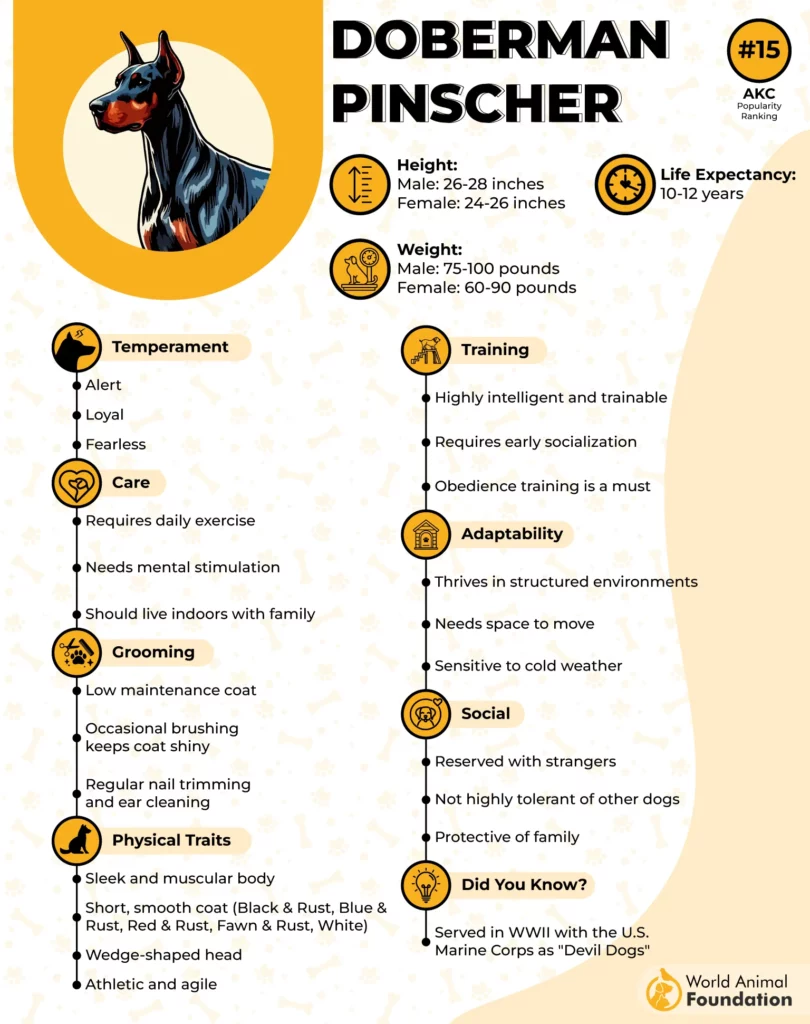
The Doberman stands slightly taller than the German Shepherd, measuring 24 to 28 inches at the shoulder, compared to the German Shepherd’s 22 to 26 inches.
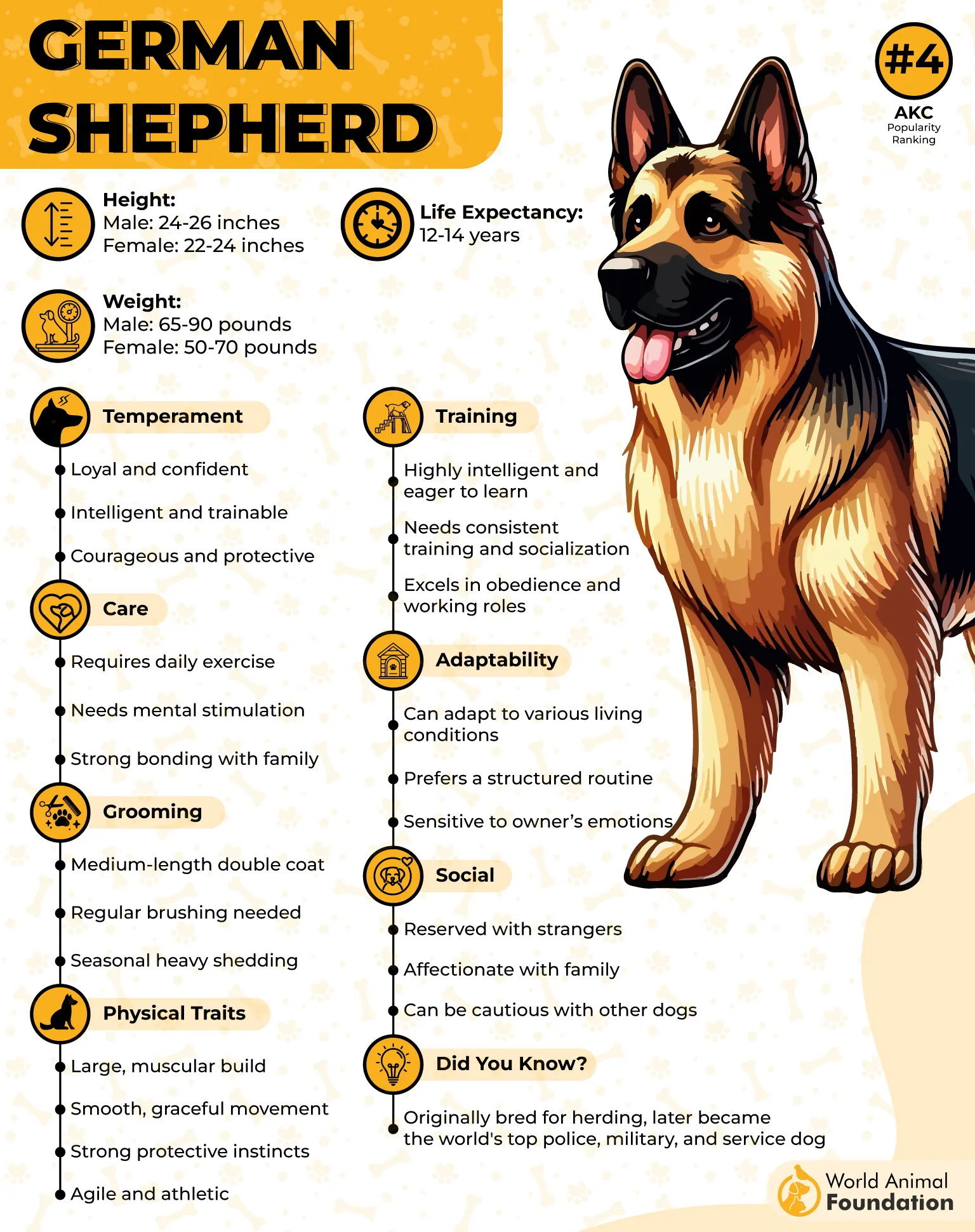
That extra height, combined with the Doberman’s weight being roughly 10 pounds heavier, gives it a slightly more commanding presence.
Even small differences in size affect how these dogs move, patrol, and interact with intruders or family members.
While both breeds are powerful and agile, the Doberman’s slightly larger frame can make it seem more imposing, whereas the German Shepherd’s slightly more compact size offers versatility in active households.
When it comes to choosing a good guard dog, size can make a big difference.
Larger dog breeds often appear more intimidating and can handle a wider range of situations with confidence. However, their size can also bring limitations, such as breed restrictions in apartments or smaller homes.
Temperament and Personality
When comparing the Doberman and German Shepherd, both breeds stand out for their intelligence, vigilance, and unwavering loyalty—but their personalities differ in meaningful ways.
German Shepherd puppies typically form deep bonds early on and are highly eager to please, making them exceptionally responsive to their owners. Dobermans, while equally smart, often display a more reserved and independent demeanor, appearing slightly aloof until strong trust is established.
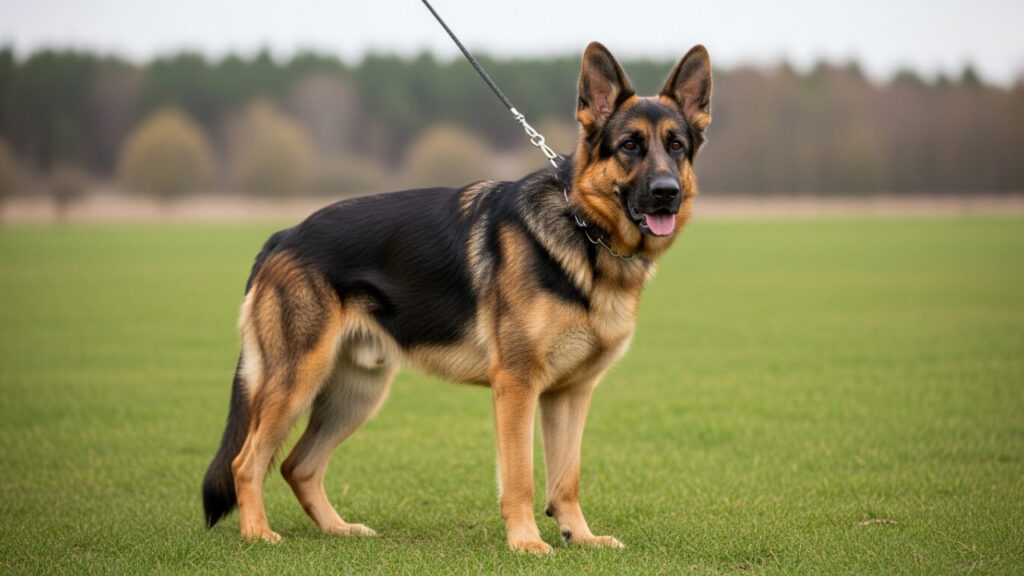
Energy levels are high in both breeds, though German Shepherds are often more restless and benefit greatly from early mental stimulation, structured exercise, and early socialization to maintain a balanced temperament.
Doberman Pinschers are also active but tend to channel their energy with focused intensity rather than constant motion.
In terms of protective instincts, both dogs can show aggression if not properly trained, but Dobermans are generally more reactive when they perceive a threat to their family.
German Shepherds, while still formidable guardians, are usually more measured. For either breed, consistent training, firm leadership, and early obedience work are essential to shape a confident and reliable companion.
Health and Lifespan
Like all purebred dogs, both the German Shepherd and the Doberman have specific health concerns that prospective owners should understand before choosing between them.
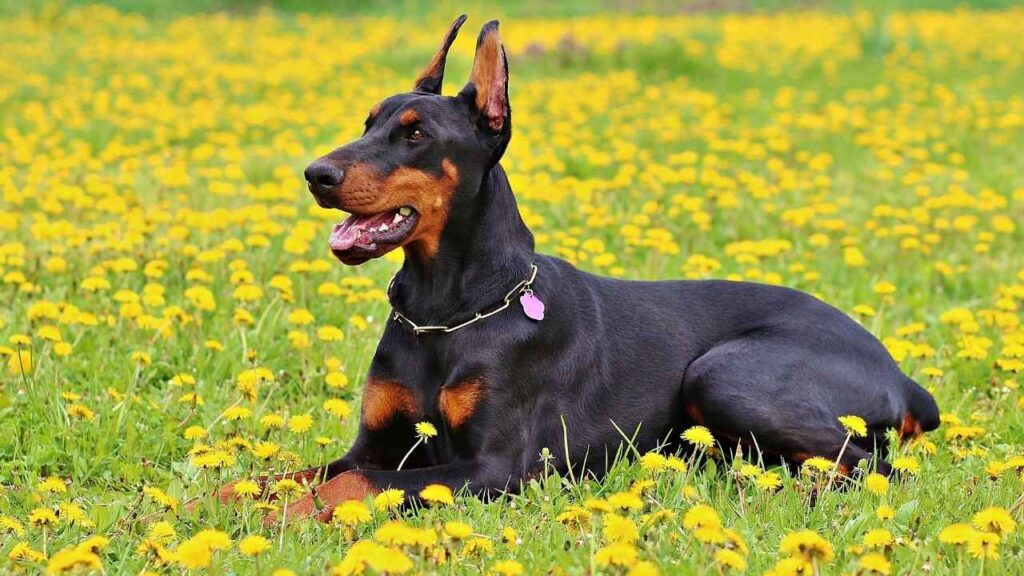
Dobermans are commonly prone to conditions such as bloat (gastric dilation-volvulus), dilated cardiomyopathy, hip dysplasia, hypothyroidism, progressive retinal atrophy, and Von Willebrand’s disease, with an average life expectancy of about 10–12 years.
German Shepherds, on the other hand, may face issues including bloat, degenerative myelopathy, heart disease, hip and elbow dysplasia, and other spinal problems that affect the nerves; however, they typically live slightly longer, around 12–14 years.
In either case, choosing a puppy from a reputable, health-focused breeder and keeping up with regular veterinary care are the most effective ways to minimize health issues and support a longer lifespan.
Responsible breeding practices help reduce inherited conditions, while routine checkups allow early detection of common issues. With proper medical attention and preventive care, both breeds can enjoy a healthier and more fulfilling life.
Training and Exercise
When comparing the exercise and training needs of the Doberman and the German Shepherd, you’ll find that both breeds demand a highly active lifestyle.
These highly intelligent, high-energy dogs require regular daily exercise along with mental stimulation to stay balanced and well-mannered. Without enough grooming for their energy, they can quickly become bored, frustrated, and prone to unwanted behaviors.
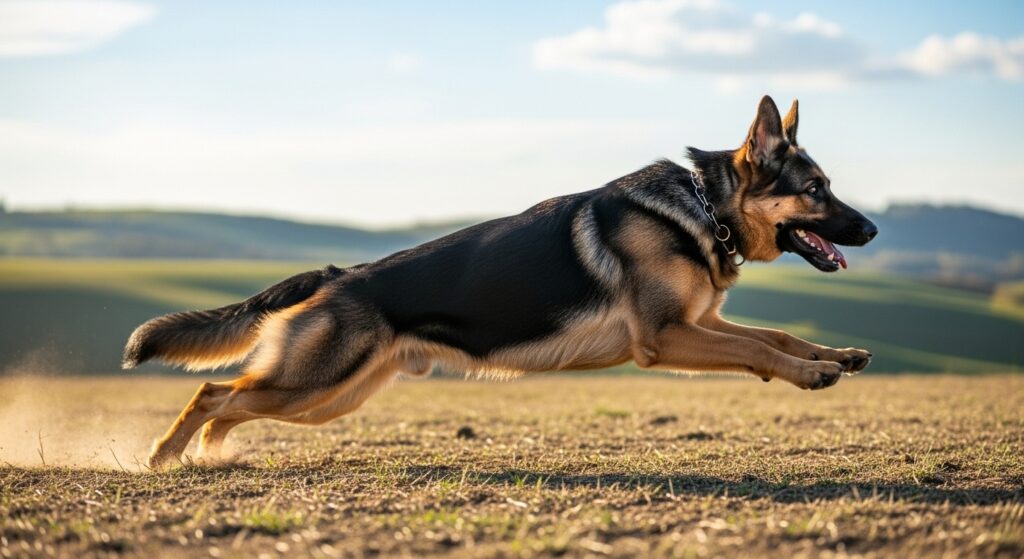
To keep either breed fit, focused, and obedient, owners should provide structured exercise and purposeful training that challenges both body and mind.
Ideal activities include hiking on varied terrain, agility work, tracking tasks, advanced obedience practice, swimming, herding games, long-distance fetch, scent games like hide-and-seek, puzzle toys, and supervised play with small children or other pets.
Prospective owners should be prepared for a long-term commitment to daily training and activity. With proper engagement, both German Shepherds and Dobermans develop into disciplined, confident companions who are not only easier to manage but also happier and more fulfilled.
Energy Level
Both the German Shepherd and the Doberman are powerhouse breeds known for their stamina, drive, and need for purposeful activity. Neither is suited to a sedentary lifestyle, as both dog breeds flourish when they have a job to do and regular outlets for their energy.
PetMD mentions that German Shepherds have a very high energy level and thrive when given one to two hours of daily activity to support both their physical condition and mental well-being.
If their need for movement and stimulation isn’t met, they can become restless and frustrated, often channeling that excess energy into undesirable behaviors.
Developed by Louis Dobermann as a courageous and dependable guardian, this breed is exceptionally intelligent, alert, and energetic, consistently demonstrating outstanding performance in obedience and protection roles, as noted by the AKC.
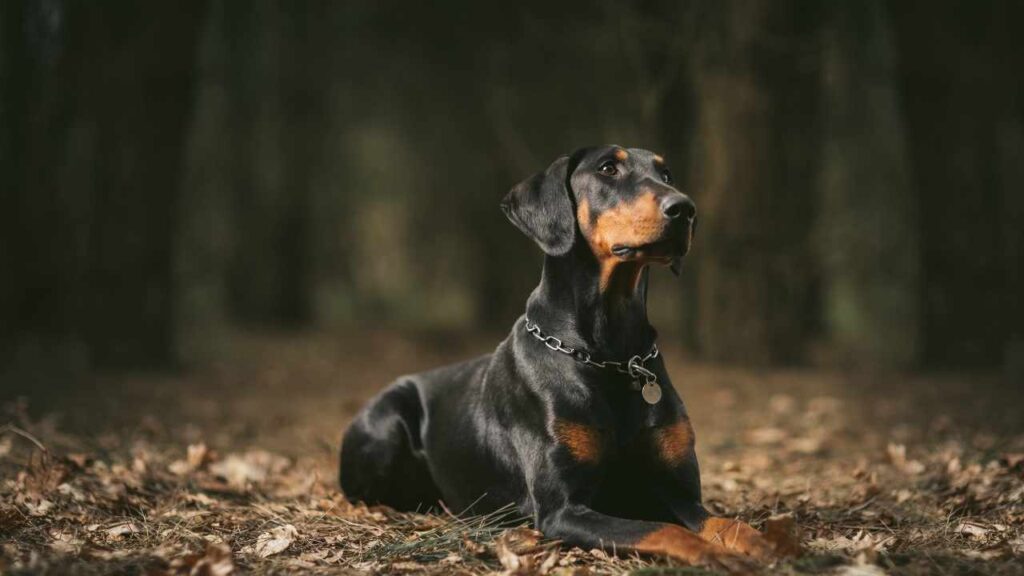
Overall, while both breeds demand consistent physical and mental engagement, the Doberman often displays sharp bursts of intensity, whereas the German Shepherd combines endurance with a steady working drive—making either dog an excellent match for active, committed owners.
Natural Guard Instincts
Both the Doberman and German Shepherd are renowned for their natural guard instincts, making them top choices for families seeking fearless and protective yet loyal companions.
These natural protectors are instinctively alert, highly aware of their surroundings, and quick to respond to potential threats.
Dobermans, in particular, display a sharp, watchful nature and can be fiercely protective of their families. They are naturally cautious around strangers but balanced enough to distinguish between real threats and everyday visitors.
German Shepherd dogs also excel in guarding, using their intelligence and confidence to assess situations and act decisively when needed.
Their natural protective instincts are complemented by loyalty and trainability, allowing owners to channel their vigilance effectively without encouraging unnecessary aggression.
Both breeds are dependable guardians, offering a combination of courage, awareness, and family-oriented devotion that makes their natural guarding abilities so exceptional.
Protective Temperament
Both Dobermans and German Shepherds are celebrated for their natural protective instincts, making them ideal choices for families seeking loyal and vigilant companions. While both breeds excel as guardians, each has unique qualities that set them apart in how they protect and interact with their families.
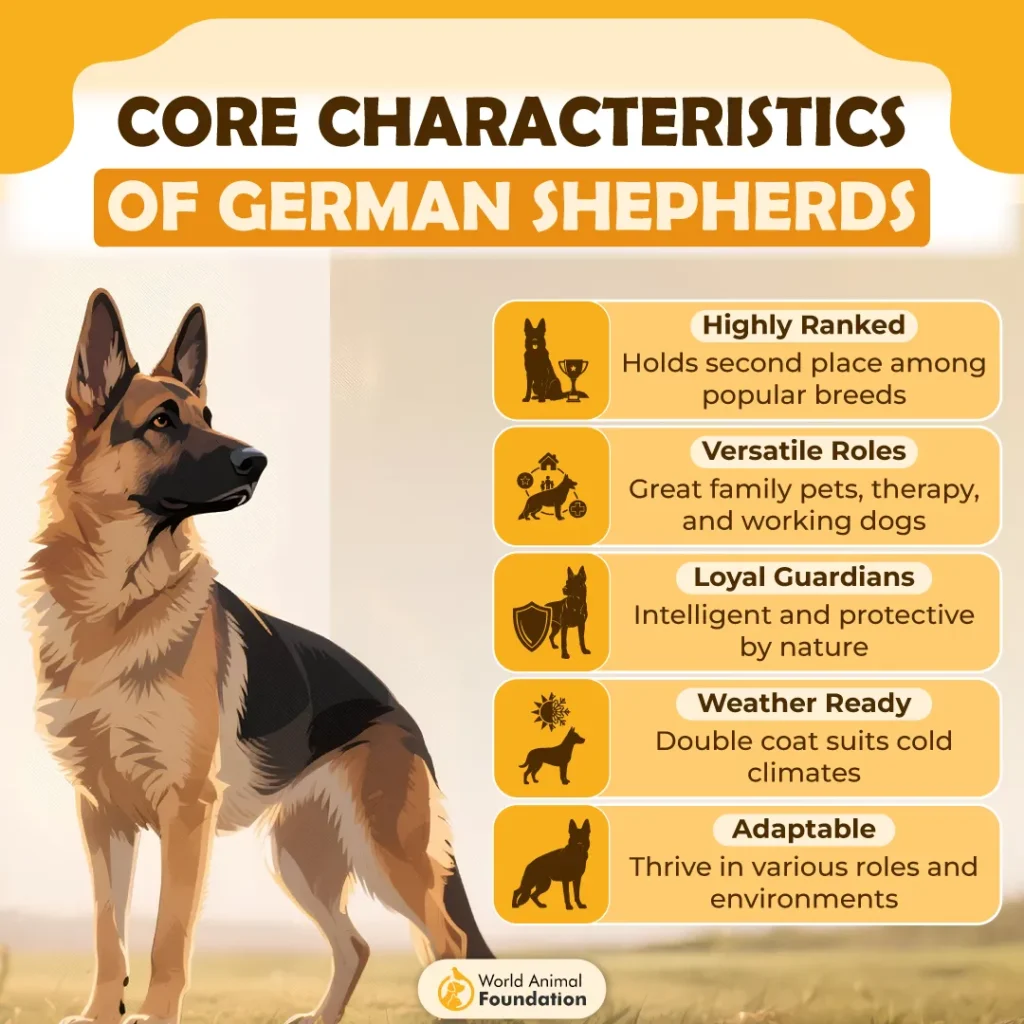
German Shepherds were originally bred as sheep herding dogs, which helped develop their bravery, intelligence, and strong protective drive. Their double-layer coat also makes them highly adaptable to various climates, enabling them to perform effectively in diverse conditions.
Confident and loyal, German Shepherds are dedicated to protecting their loved ones. They can be vocal, often barking to alert owners of potential threats, so training is essential to manage when and how they use their voice.
Doberman Pinschers, on the other hand, are natural guardians whose primary skill is assessing threats and responding swiftly. Their larger size—24 to 28 inches tall and weighing 60-100 pounds—often deters intruders without the need for confrontation.

Both breeds thrive when their protective instincts are guided with training, socialization, and trust. With proper care, German Shepherds and Dobermans become devoted, alert, and reliable guardians while remaining sweet family companions.
Conclusion
When it comes to choosing between a German Shepherd vs. Doberman, both breeds shine as loyal, intelligent, and protective companions.
German Shepherds offer steady endurance, strong family bonds, and versatile guarding instincts, while Dobermans bring sharp focus, impressive presence, and swift protective responses.
Both require consistent training, socialization, and engagement to thrive, making them ideal for active families seeking a devoted guardian who can also be a loving household companion.
Ultimately, the best choice depends on your lifestyle, space, and the type of energy and protection you want in a four-legged friend. Whether you choose the courageous German Shepherd or the vigilant Doberman, you’ll gain a steadfast, affectionate, and dependable protector who enriches your family life.
