




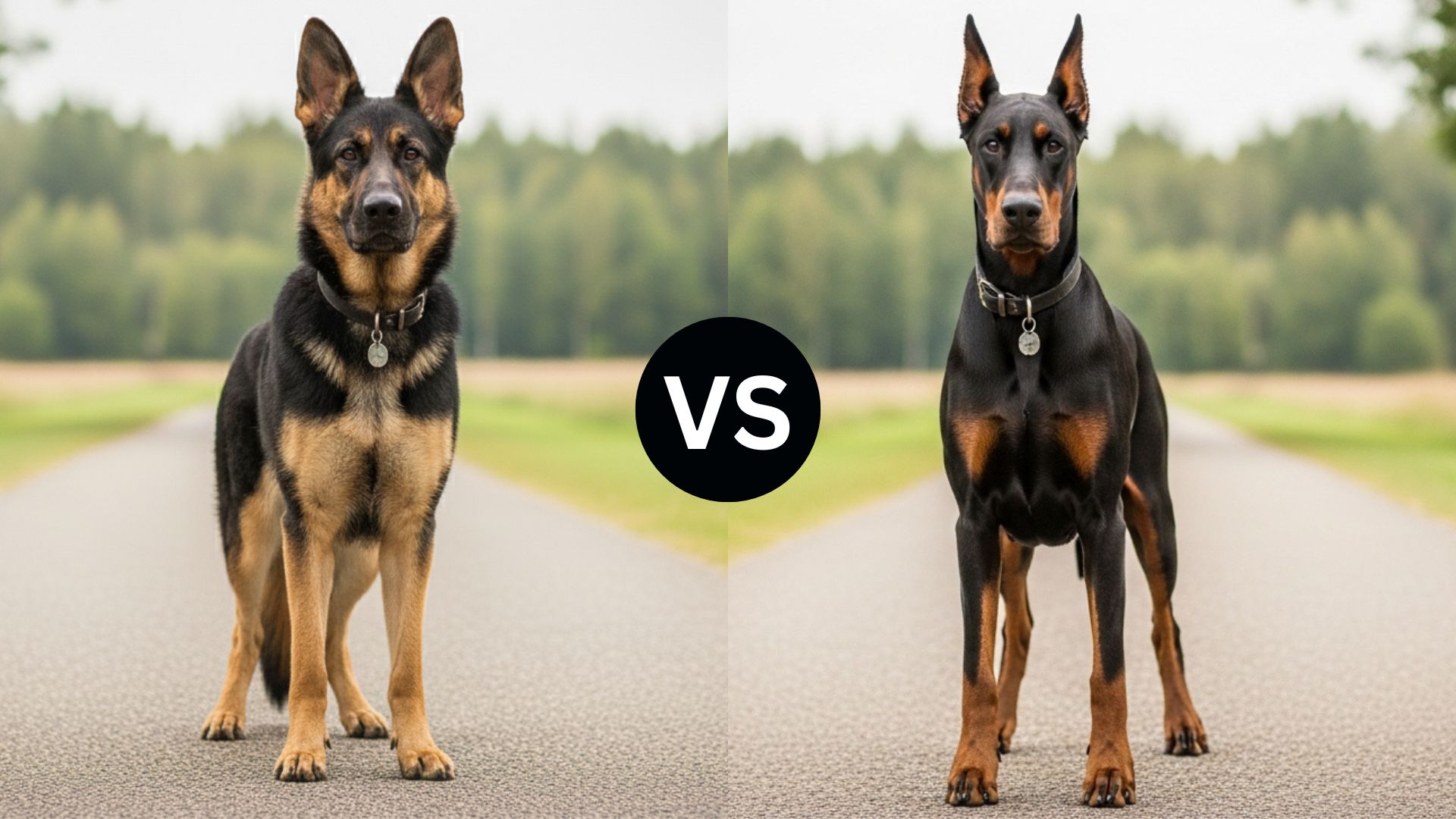
Both the Doberman and the German Shepherd are celebrated for their loyalty, intelligence, and protective instincts. These iconic breeds are not only remarkable guard dogs but also devoted family companions, making them popular choices for active households that love outdoor adventures and energetic playtime.
While the Doberman is sleek, alert, and highly trainable, the German Shepherd is versatile, courageous, and known for its unwavering dedication.
Both breeds thrive in homes where they receive consistent training, early socialization, and mental stimulation. Their similarities make choosing between them challenging, but understanding their differences can help you match the right dog to your family’s lifestyle.
German Shepherd vs. Doberman: A Close Look at Dog Breeds
We’ll compare the Doberman and the German Shepherd across traits like temperament, exercise needs, trainability, and family compatibility. By examining these factors, you’ll gain the insight needed to decide which of these ideal dog breeds fits best with your household, ensuring you bring home a loyal companion who will thrive in your care.
Origin & History
German Shepherd:
Ah, the German Shepherd—a dog that practically has “superhero” written all over it. Originating in Germany in the late 19th century, these dogs were carefully bred by Captain Max von Stephanitz to be the ultimate working dog.
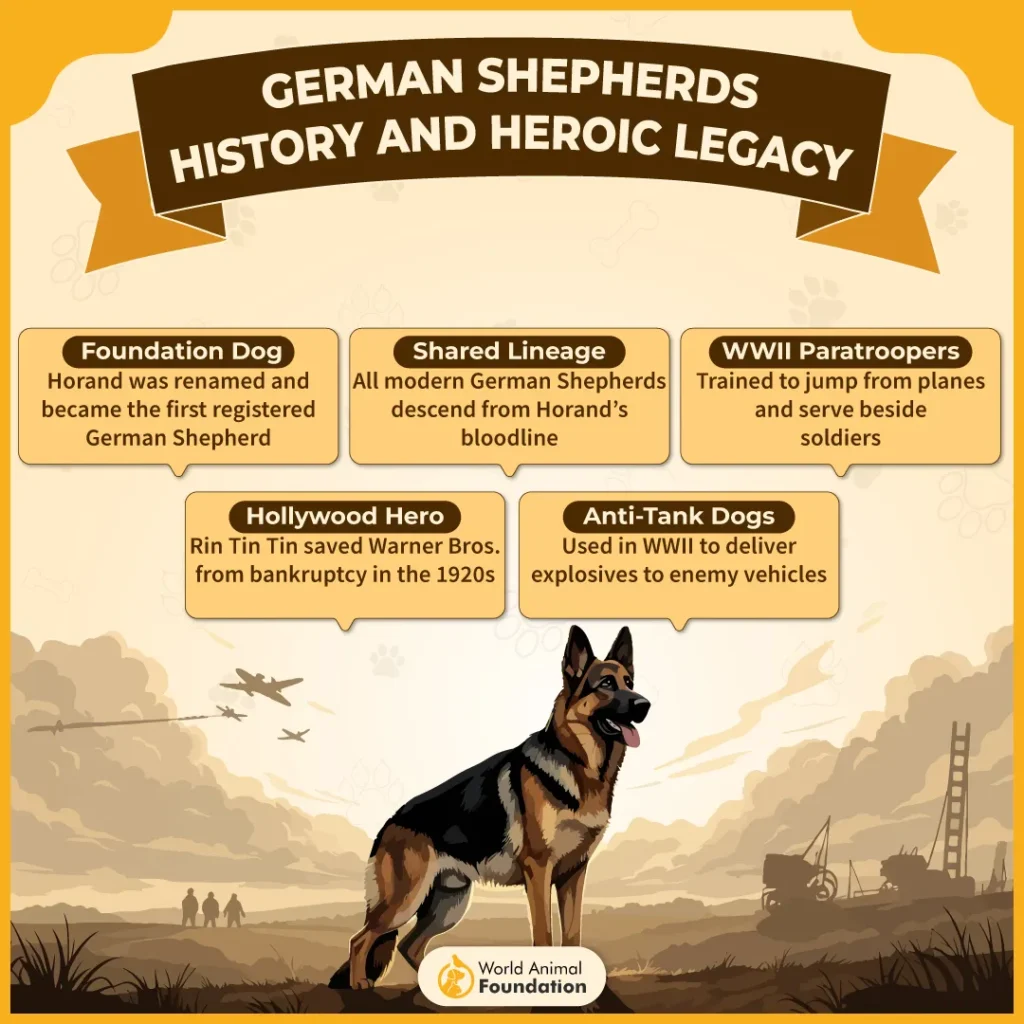
According to the American Kennel Club (AKC), German Shepherds quickly became famous for their intelligence, courage, and versatility—serving as police dogs, rescue heroes, and, let’s be honest, the dog equivalent of a Swiss Army knife. If there were an official canine resume, it would list “protector, detective, nanny, Olympic athlete” all in one line.
Fun fact: German Shepherds’ loyalty is so legendary that some people jokingly claim they’re only part dog and 90% heart. Seriously, if loyalty were a sport, they’d take home gold every time.
Doberman:
Enter the Doberman—a sleek, elegant, and slightly intimidating canine that’s basically the James Bond of the dog world. This good guard dog was created in Germany, too, around the 1890s, by a man named Karl Friedrich Louis Dobermann. Dobermann wanted a dog that could protect him while he collected taxes (because apparently tax collectors in the 19th century needed bodyguards… who knew?).
The result was a dog with speed, strength, and intelligence that could rival the most meticulous human planners. Dobermans quickly became synonymous with protection, agility, and that “don’t mess with me” stare that can melt hearts and intimidate intruders simultaneously.
Fun fact: Despite their reputation as intimidating watchdogs, Dobermans are often big softies with their families—think of them as undercover marshmallows in a leather jacket.
Size & Physical Traits
German Shepherd:
Males: 24-26 inches tall, 65-90 pounds
Females: 22-24 inches tall, 50-70 pounds
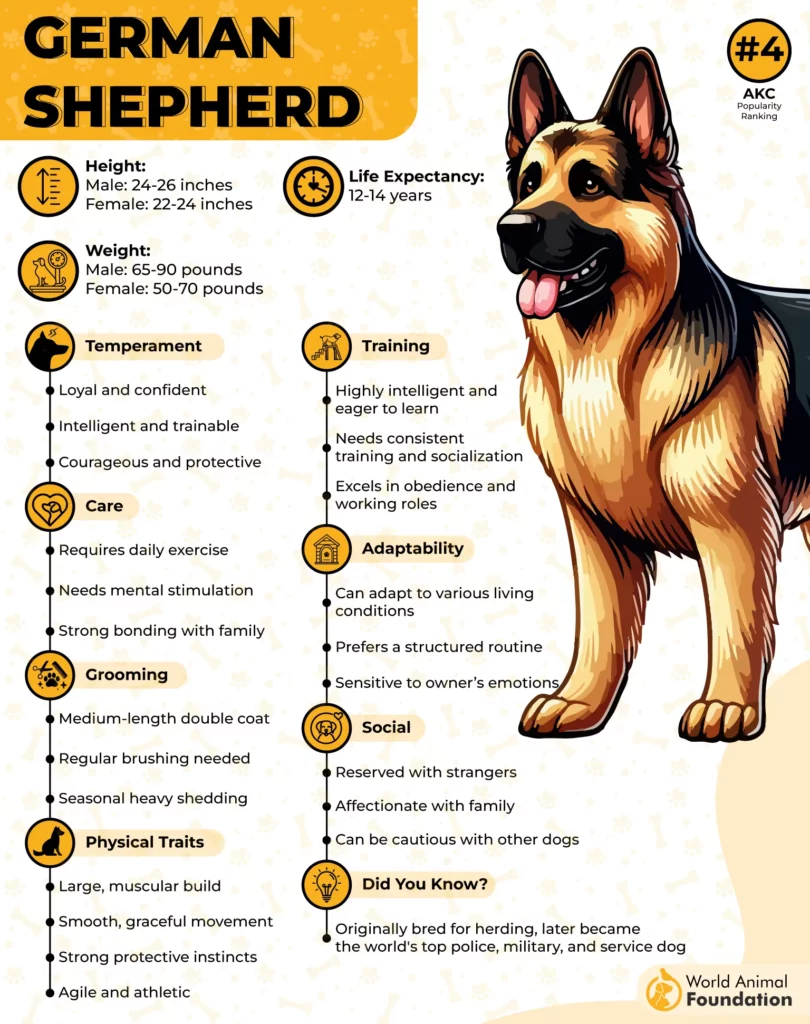
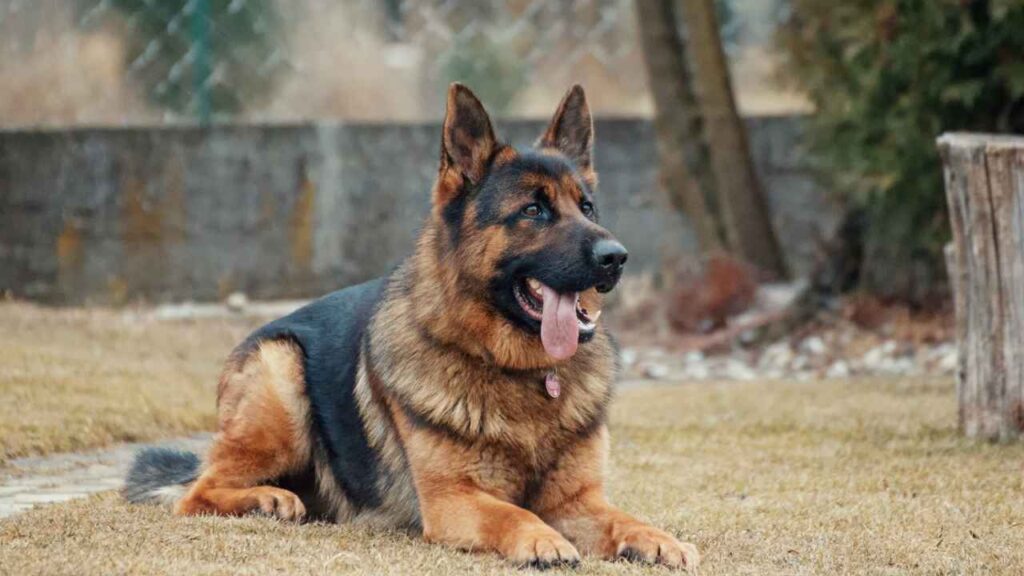
German Shepherds are the poster children for “strong and capable, but also huggable.” Their build is muscular yet agile, perfect for sprinting after frisbees—or, in their working-dog days, chasing down the bad guys. With a dense double coat that comes in classic black-and-tan (and a few other variations), they’re basically wearing nature’s tactical gear.
Doberman:
Males: 26-28 inches tall, 75-100 pounds
Females: 24-26 inches tall, 60-90 pounds
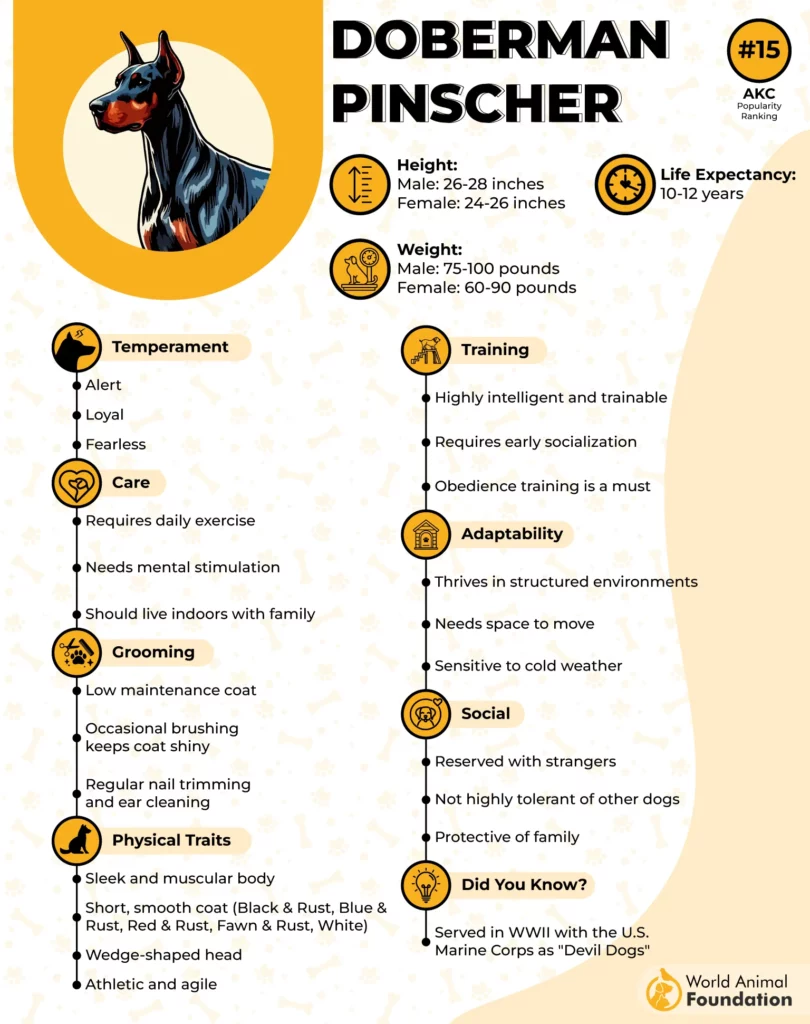
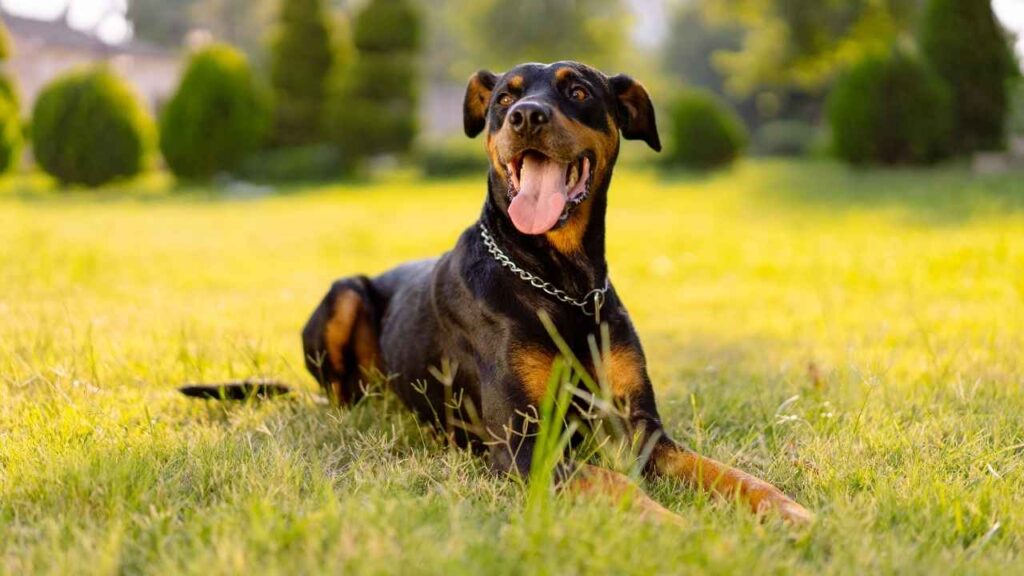
Dobermans, on the other hand, are all sleek lines and stealthy power. They have a smooth, short coat that hugs their body like a tailored suit, giving them that unmistakable, elegant-but-dangerous vibe.
Don’t be fooled by their refined appearance—they’re all muscle and speed underneath, capable of moving faster than your morning coffee disappears. Their ears and tail are sometimes cropped for that classic “alert” look, but even with floppy ears, a Doberman still has that “I mean business” aura.
Temperament & Personality
Both German Shepherds and Dobermans are loyal, highly intelligent, and protective—basically your canine bodyguards with hearts of gold. Here’s how they differ:
German Shepherd:
Loyal and devoted to family
Protective but usually reserved with strangers
Confident and courageous, yet gentle with kids
Social and versatile—adapts well to many roles
Can be a little “serious,” like they’re always on duty
Doberman:
Extremely loyal and affectionate with family
Alert and naturally protective—great watchdog instincts
Energetic and playful, sometimes a little mischievous
Intelligent and quick-thinking, loves mental challenges
Can be a bit “intense,” like a four-legged executive
Exercise & Activity Levels
Dobermans and German Shepherds aren’t the “couch potato” type—they’re more like furry rockets that need to move!
These high-energy breeds require at least 1–2 hours of physical activity every day. A simple stroll around the block just won’t cut it; they need real action to stay happy and healthy. Try mixing in activities like:
Jogging or running – perfect for keeping pace with your speedy sidekick
Fetch – because who doesn’t love a good game of chase?
Agility training – challenges their brains and bodies simultaneously
Swimming – low-impact fun that builds strength and stamina
Both breeds can sprint up to 30 MPH, making them excellent running companions (just try to keep up!). If you have a fenced yard, even better—it gives them room to safely zoom around and burn off extra energy.
Without enough exercise, these dogs may become bored, destructive, or develop unwanted behavior. Regular activity keeps them physically fit and mentally sharp, which is a win for both you and your four-legged friend.
Trainability & Intelligence
Both German Shepherds and Dobermans are top-tier brainiacs in the dog world, often leaving other breeds wondering, “Wait, are they reading my mind?” Their intelligence makes them highly trainable, but each has its own style and personality when learning new tricks.
German Shepherd:
German Shepherds are like the straight-A students of the canine universe. They thrive on structure and clear guidance, making them excellent candidates for obedience training, police work, search-and-rescue, or just impressing your friends with fancy tricks.
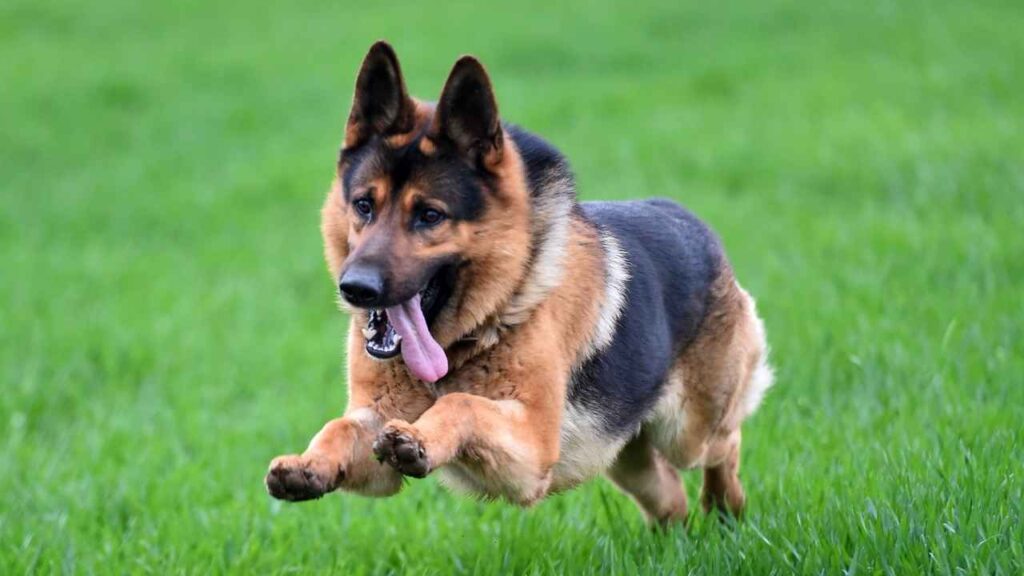
Key traits:
Quick learners who excel in obedience
Thrive on structured training and clear commands
Enjoy mental challenges and tasks
Without sufficient mental and physical exercise, German Shepherds may release their extra energy through undesirable behaviors such as chewing, excessive barking, chasing, or pulling on the leash, Petplan noted.
Doberman:
Dobermans are the clever, energetic strategists of the dog world. With consistency and positive reinforcement, they become remarkably obedient and responsive.
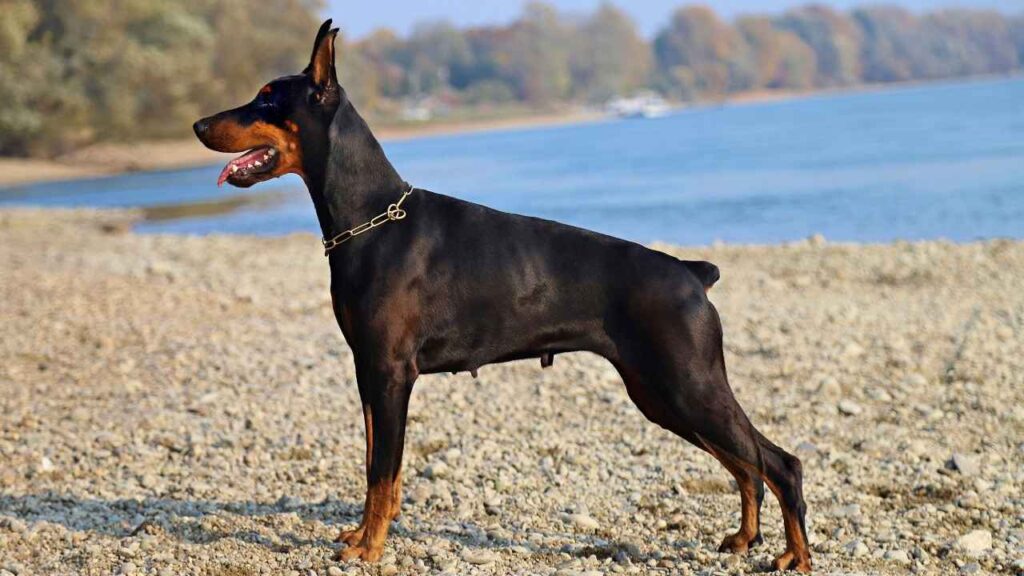
Key traits:
Extremely intelligent and quick-thinking
Respond best to consistent, positive training
Thrive on mental stimulation and interactive challenges
Can be strong-willed, so patience is key
Both breeds reward their owners with incredible loyalty and cooperation when trained properly—and a clever German Shepherd or Doberman might just convince you that they’re secretly running the household.
Grooming & Coat
German Shepherd:
German Shepherds wear a dense double coat that’s basically nature’s way of saying, “I’m ready for anything.”
Their thick fur keeps them warm in winter and protected in rough terrain—but it also means shedding is real.
Brushing a few times a week is a must, and during heavy shedding seasons, you might find fur in places you didn’t even know existed (looking at you, couch and car seats).
Baths should be occasional, just enough to keep them smelling fresh.
Don’t forget routine checks for ears, nails, and teeth—it’s all part of the maintenance for this hardworking breed.
Doberman:
Dobermans are the sleek, elegant cousins of the German Shepherd.
Their short, smooth coat is low-maintenance and sheds minimally, making them perfect for owners who prefer a tidier home.
A quick brushing every week keeps their coat shiny, while occasional baths and regular ear and nail care round out their grooming routine.
In other words, the Doberman is the “ready-for-the-red-carpet” version of dog grooming—without the drama.
Health & Lifespan
German Shepherd:
German Shepherds are generally robust, but like all breeds, they have some health concerns to watch for. Their average lifespan is 9–13 years, and they are prone to health issues such as:
Hip and elbow dysplasia – a common joint issue in larger dogs
Degenerative myelopathy – a progressive spinal condition
Skin problems – such as allergies or hot spots
With regular vet check-ups, a nutritious diet, and consistent exercise, German Shepherds can stay active, healthy, and alert well into their senior years. Think of them as lifelong guardians with a little extra need for TLC.
Doberman:
Dobermans are sleek and athletic, but have their own health considerations. Their lifespan averages 10–13 years, and they are most prone to:
Dilated cardiomyopathy (DCM) – a serious heart condition
Hip dysplasia – like many large breeds
Sensitivity to certain medications and anesthesia
With careful heart monitoring, regular vet visits, and proper nutrition, Dobermans can maintain their energetic, alert, and playful nature throughout their lives—basically, they’re the “canine fitness enthusiasts” of the dog world.
German Shepherd vs. Doberman: A Close Look at Dog Breeds
German Shepherds are loyal, courageous, and versatile—perfect for families, protection, and active lifestyles. They thrive on tasks, whether it’s obedience, agility, or guarding their loved ones, and their expressive loyalty makes them hard to resist.
Dobermans are sleek, intelligent, and energetic. They’re natural protectors with a playful, affectionate side, making them excellent watchdogs and family companions. Their athleticism and cleverness keep them engaged in activities like running, fetch, or agility training. Purina says the Doberman is highly intelligent and picks up commands quickly, which can make training straightforward at first. However, he can become bored easily, so it’s important to keep lessons engaging.
Both breeds are high-energy, requiring daily exercise and mental stimulation. Ultimately, choose a German Shepherd for versatility and devotion, or a Doberman for elegance, energy, and protective loyalty. Either way, you’re gaining a smart, loving, and devoted canine partner.
Conclusion
German Shepherd vs. Doberman Pinscher comparison highlights two breeds that excel as great family dogs and family pets. Dobermans tend to combine protection work instincts with loyalty and companionship, making them reliable with small children and other pets when properly trained.
Both breeds thrive with herding or protection tasks, bond with animals, and benefit from guidance from a reputable breeder. When comparing Dobermans to GSD, it’s clear each dog offers unique strengths in temperament, training, and adaptability, making them top choices for loving families seeking both protection and friendship.
