




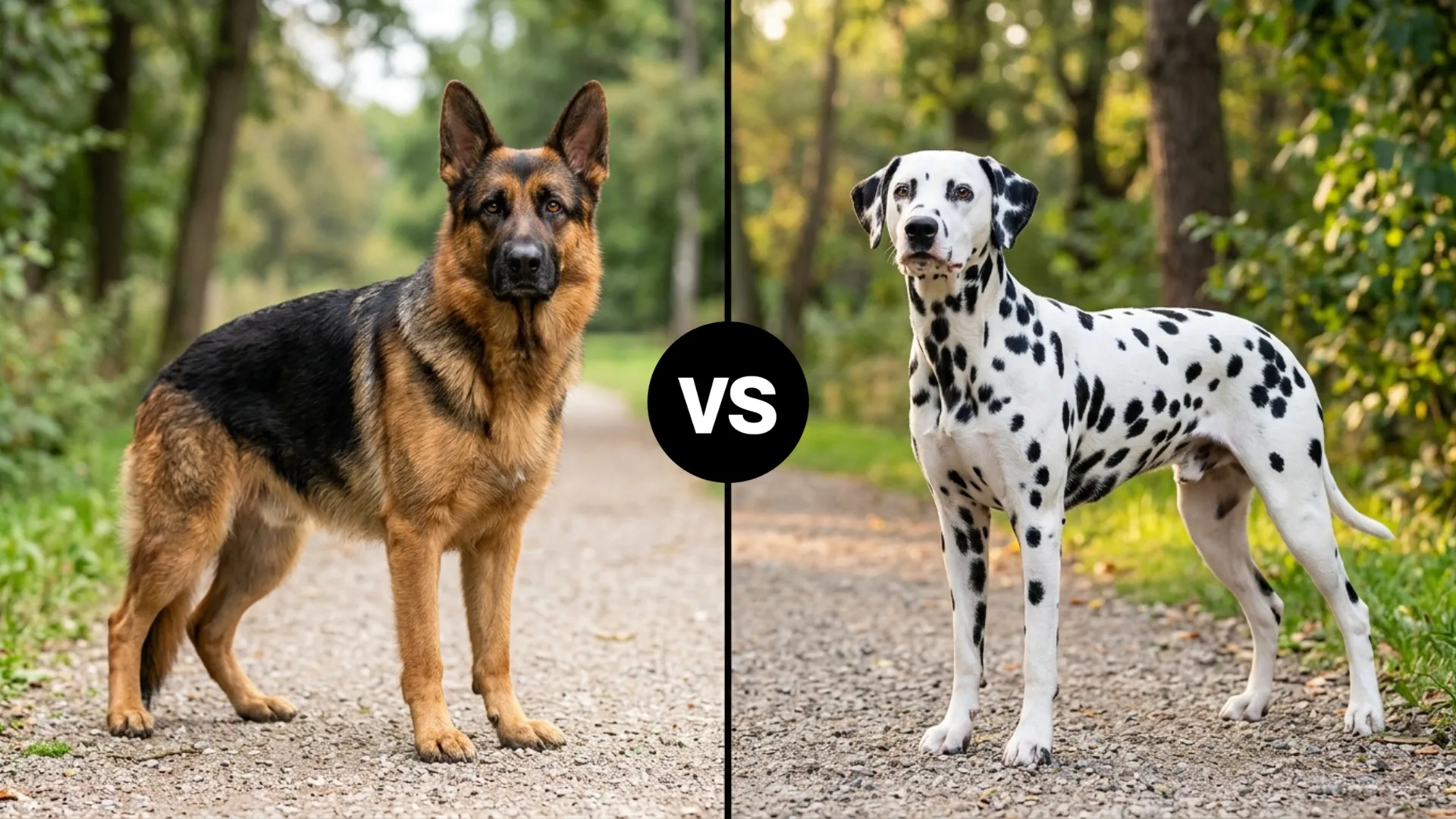
Few dogs are as instantly recognizable as the powerful German Shepherd and spotted Dalmatian. At first glance, they appear to belong to entirely different worlds; one is known for its elegance and long association with horse-drawn carriages, while the other has earned recognition as a versatile working breed.
Both breeds share impressive athletic ability, intelligence, and a strong need for purposeful engagement. Choosing between them requires looking beyond appearances and reputation. Their histories, physical build, and trainability vary considerably.
This detailed comparison explores the key differences between Dalmatians and German Shepherds, helping prospective owners understand which breed may better complement their lifestyle, experience, and expectations.
German Shepherd vs. Dalmatian: Comparing Two Distinct Dog Breeds
Origins, Background & Purpose
The origins and purpose of both breeds vary far from each other. German Shepherds started their work as herding dogs in the late 17th century, while Dalmatians were developed for running alongside horse carriages, serving as coach dogs; yet their initial times remain a blend of facts and folklore.
Dalmatians also served as firehouse mascots, exhibiting their stamina and alertness together. They used to live in stables with horses as coach dogs and formed deep bonds with them. They have remained the favorites of European aristocracy due to their loyalty and striking beauty.
German Shepherds, on the other hand, were bred by Captain Max Von Stephanitz, who selected dogs for intelligence, trainability, and endurance, and thus succeeded in developing a protective breed for livestock. Three of them were imported to America in 1908.
Size, Weight & Physical Build
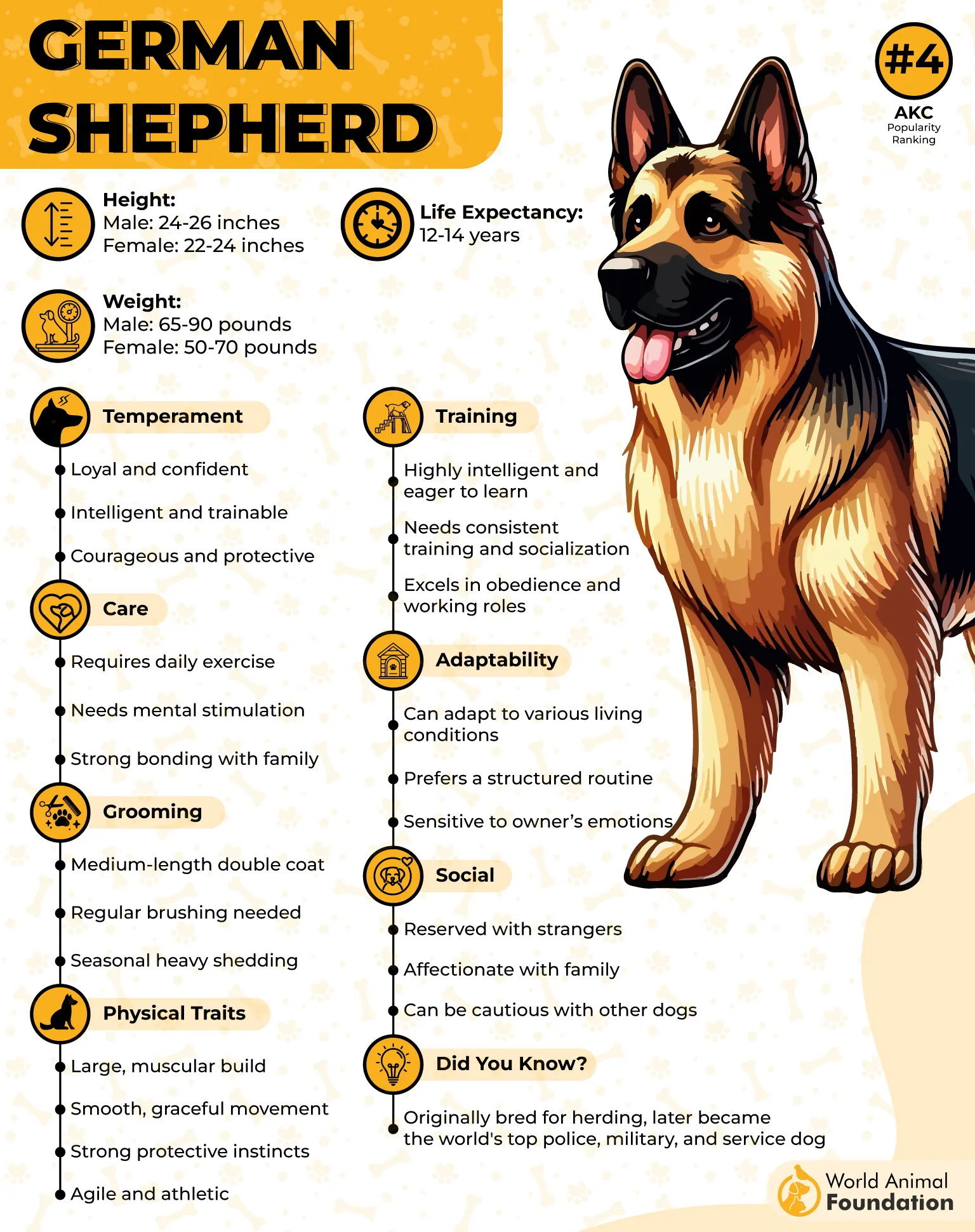
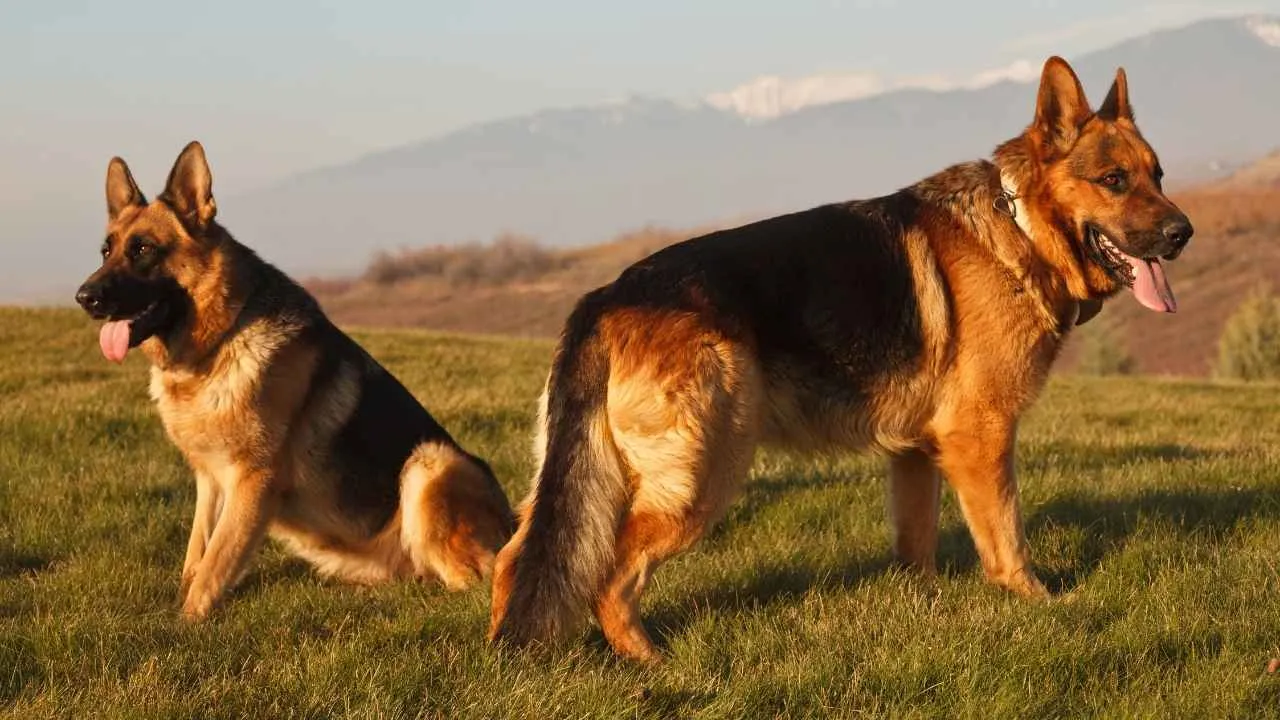
German Shepherds are generally more substantial dogs as compared to Dalmatians who are medium-sized. Male German Shepherds stand around 24-26 inches, while females are 22-24 inches tall in height, with 65 to 90 pounds and 50 to70 pounds weight respectively.
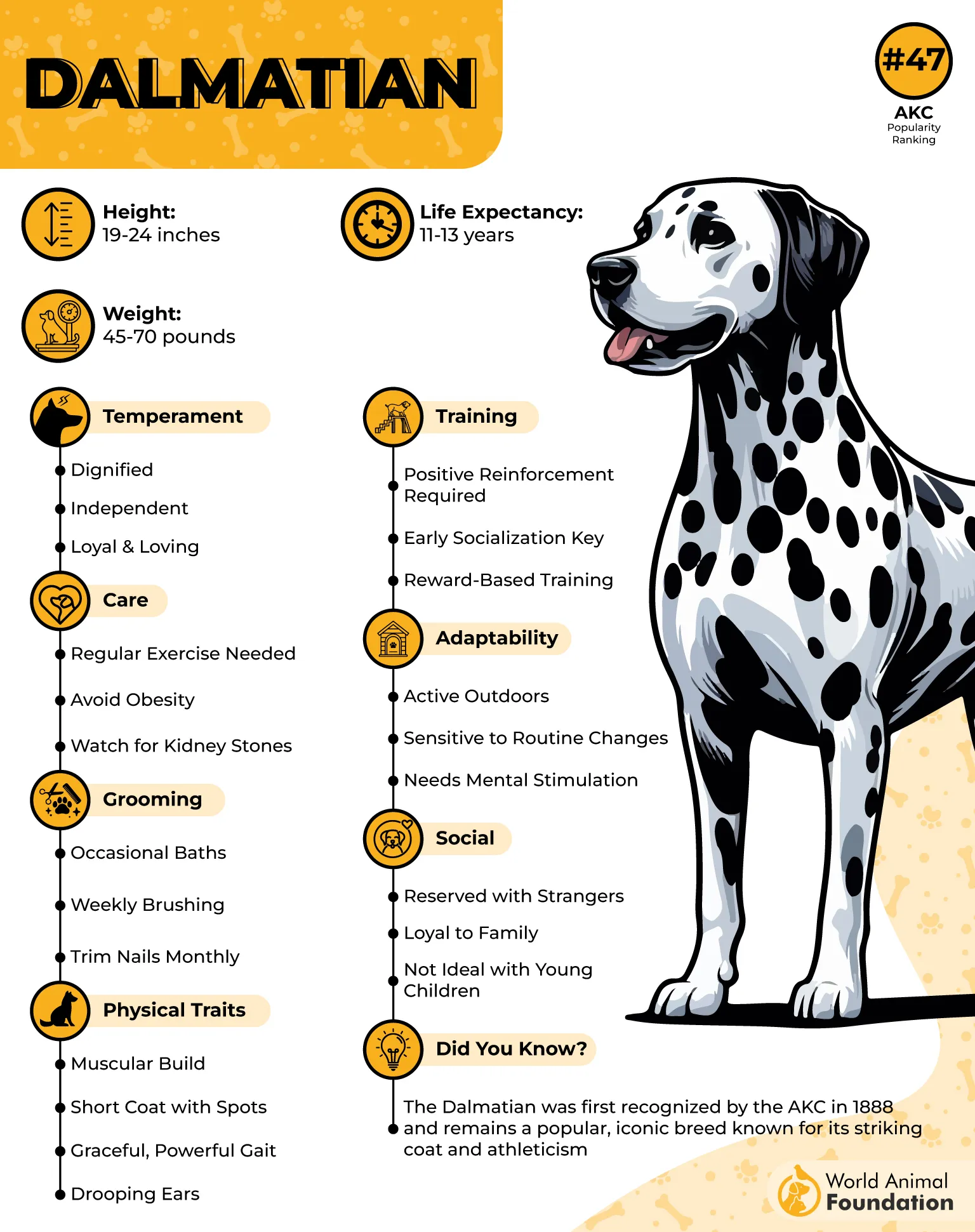
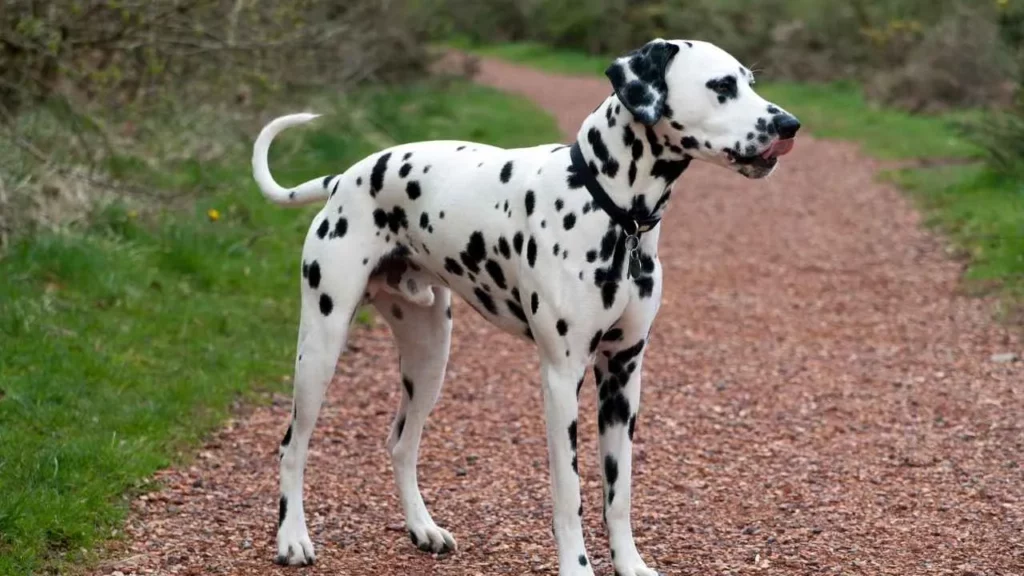
Dalmatian dogs have an average weight ranging between 45 and 70 pounds while standing at 19 to 24 inches in height, according to the American Kennel Club. They look more slender and streamlined than their actual size, that reflect their historical roles.
German Shepherds have a more robust presence when compared with Dalmatians, thanks to their strong muscular body, sturdy bone structure, and powerful hindquarters. Regardless of this appearance, these dogs are agile and athletic and come in a more powerful working dog package.
Coat Types, Grooming & Maintenance
When it comes to their coat texture, these two dog breeds tell different stories. German Shepherds have dense double coats while Dalmatians are blessed with short, dense, smooth coats. Dalmatians exhibit more stunning coats due to their black or liver spots on a white background.
German Shepherds come in mostly tan with black, red with black, and even pure black. Although both breeds shed year-round and are heavy shedders, the tendency to shed in GSDs is greater than in Dalmatians; yet both breeds benefit from regular grooming, including brushing and bathing.
The coats of Dalmatians require less grooming as it is simple to care for; they need weekly brushing and occasional baths. Routine nail trimming, ear care, and dental cleanliness complete the grooming routine of both German Shepherds and Dalmatians.
Temperament, Personality & Behavior
The temperament of each breed is different and makes it unique from each other, though this trait also varies within breeds, as one breed only makes up 9 percent of a dog’s behavior, says PetMD. The barking tendency in both of them is average, and it also depends on training and socialization.
As herders and guardians, German Shepherds are alert and loyal dogs and remain reserved in front of strangers. While in the presence of their owners, they remain loving and gentle, including towards the kids, and make wonderful companions for families.
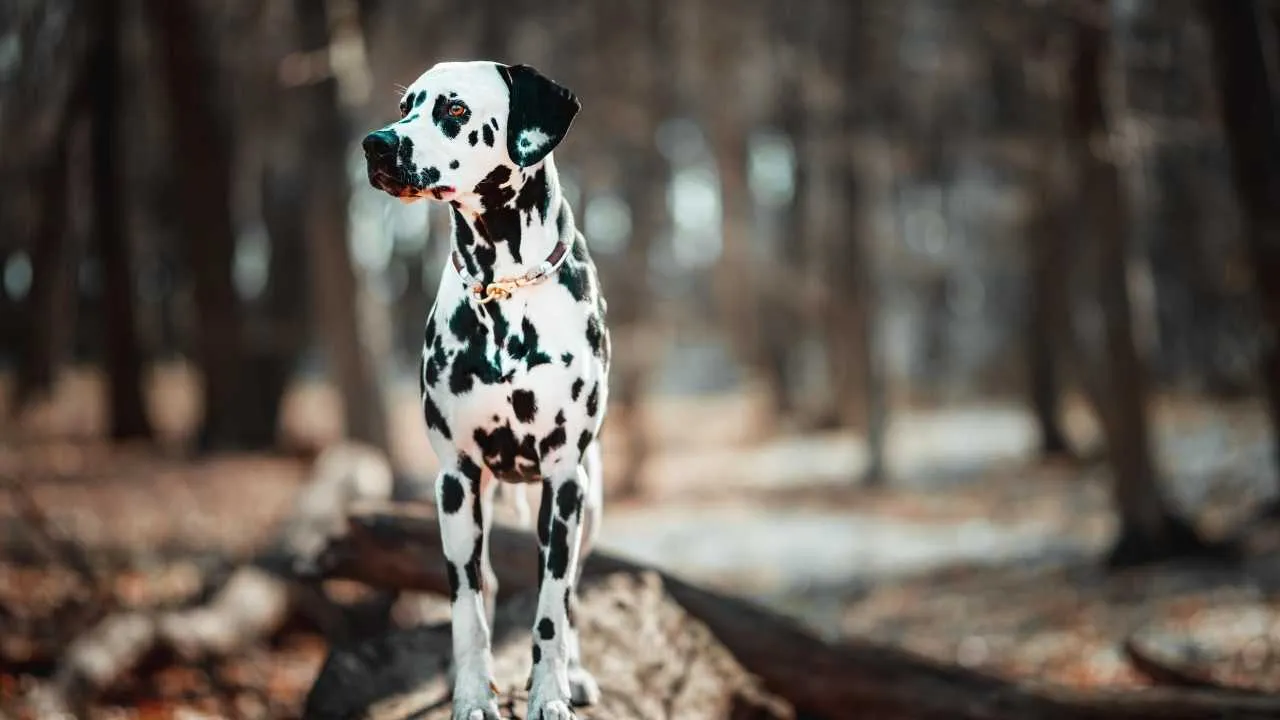
Dalmatians are also playful and get along well with children and other pets when raised together. They are aloof and do not welcome people they have never met in their lives. When it comes to unfamiliar dogs meeting, they prefer not to be friends with them.
Intelligence, Trainability & Responsiveness
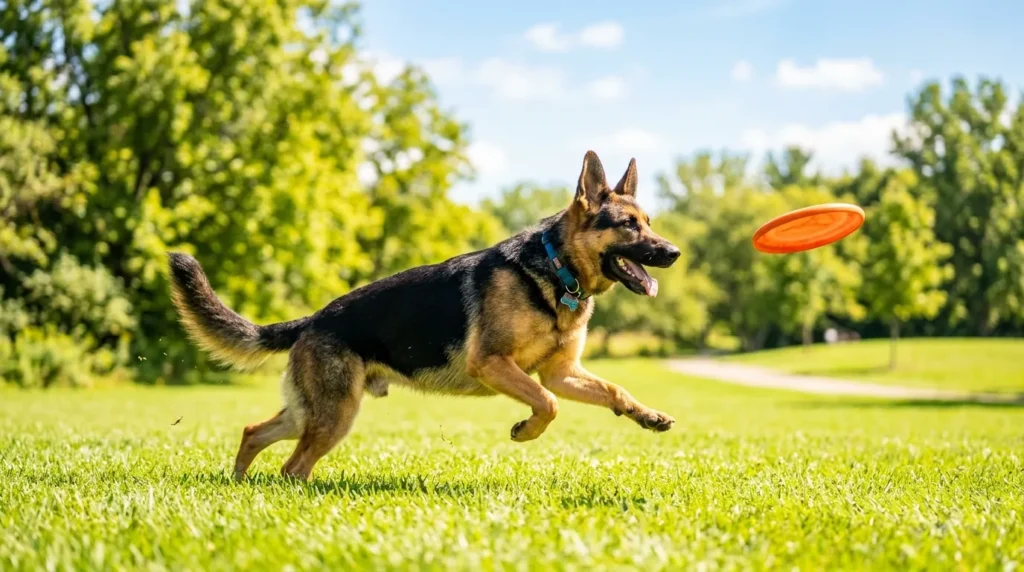
German Shepherds are incredibly intelligent as well as highly trainable dogs. They are eager to please and excel in various kinds of obedience trials from basic to advanced. Apart from being great guardians, you have often seen them as search and rescue dogs, and police and military dogs.
Dalmatians are smart, but they are independent and headstrong, which means one should have lots of patience and consistency to train them well starting from a young age. Early socialization and positive reinforcement methods work best for these energetic dogs.
GSDs thrive when given clear guidance and regular mental stimulation. Both breeds are highly capable of doing any demanding work while learning with their sharp brains; nevertheless, German Shepherds offer greater responsiveness during formal training.
Energy Levels, Activity Needs & Suitability
Baked by history, both dogs are highly energetic and make excellent companions for active households where their instincts are channelized on a regular basis; otherwise, they develop undesired behaviors including frequent barking.
To keep them fit and content, they need daily walks, opportunities to run, and sometimes adventurous trips with their owners. When their exercise needs are fulfilled consistently, they tend to adopt different living environments, such as experienced pet parents and people interested in training and canine sports.
Dalmatians are energetic companions filled with stamina and endurance, while German Shepherds demand a stronger combination of athleticism and resilience needed for purposeful mental work and structured interactions, and it is all due to their versatility and remarkable work ethic.
Health Concerns, Durability & Average Lifespans
Responsible owners must be aware of the health concerns of their dog pets, even if they are durable and healthy. German Shepherds can live up to 7 to 10 years, while Dalmatians are said to have an average life expectancy ranging from 10 to 13 years.
Dalmatians are genetically predisposed to deafness, skin problems, and urinary stones. Other health issues include hip dysplasia, heart-related problems, and allergies. Apart from appropriate care, regular vet check-ups and balanced nutrition, purchasing from reputable breeders also plays a crucial role.
German Shepherds are large dogs, and due to their size and genetics, they are prone to orthopedic and other medical conditions. Hip and elbow dysplasia are very common in these dogs. Unfortunately, there is a high chance of getting cancer at a late age in their lives.
Working Roles, Natural Instincts & Breed Strengths
The endurance of Dalmatians makes them well suited to activities like running, agility, and other physically demanding pursuits. Meanwhile, German Shepherds’ ability to learn complex tasks and cooperate closely with their handlers enables them to have an exceptionally confident and versatile personality.
Dalmatians are naturally aligned to movement and activities with a desire to stay engaged with their surroundings. GSDs possess natural instincts to protect, and these courageous dogs never hesitate to guard their loved ones even in the most dangerous situations.
In short, Dalmatians stand out endurance focused energetic companion with a history of working alongside horses, whereas the German Shepherds offer a more versatile working profile built around protection work and problem-solving tasks.
Conclusion
Choosing between a Dalmatian and German Shepherd ultimately depends on the type of companion and lifestyle an owner can manage. Neither breed is automatically the better choice for every household.
Finding the right one is based on matching each breed’s natural strengths and demands with the owner’s expectations, experience, and routine.
