




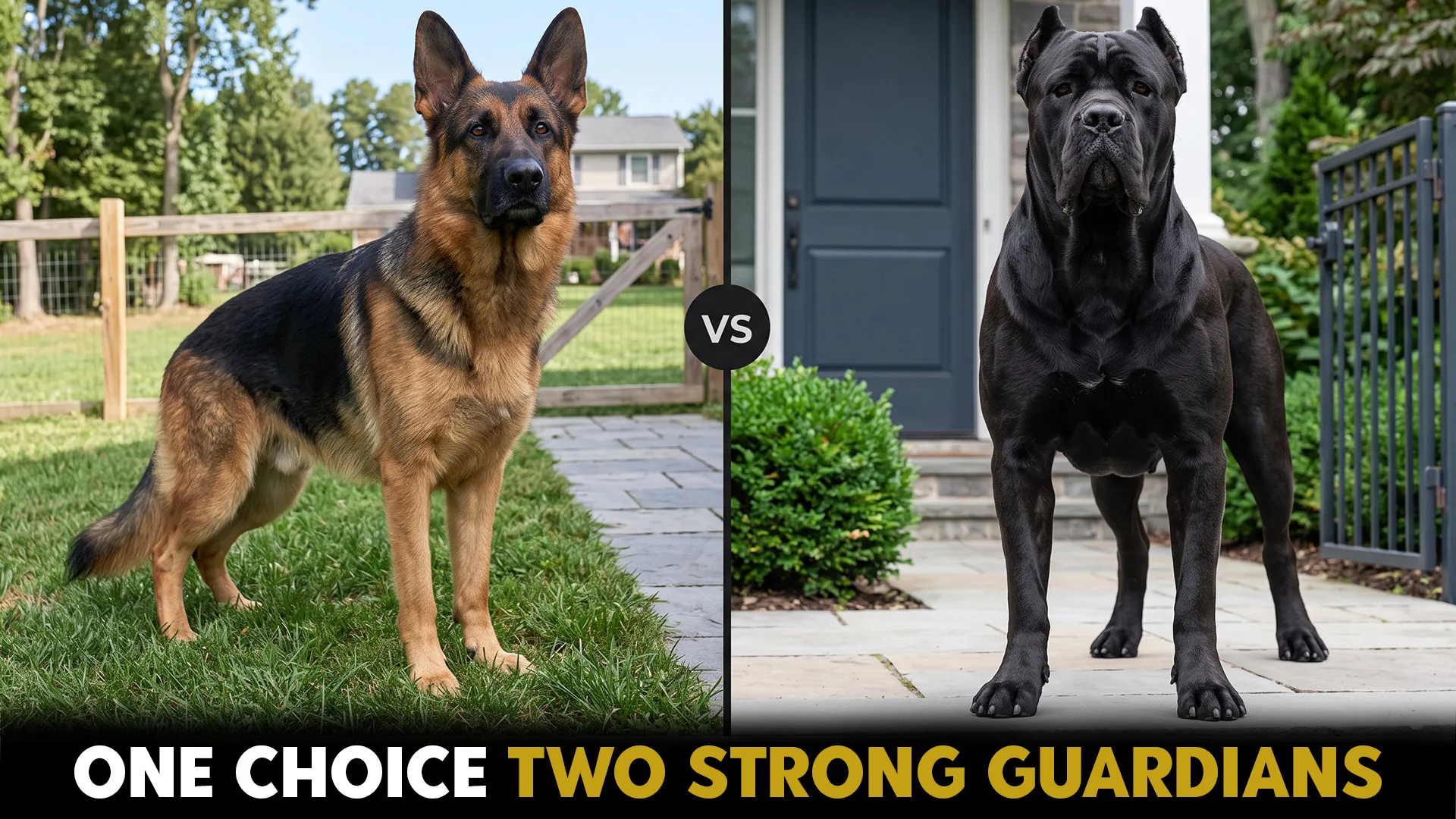
Both the German Shepherd and the Cane Corso are known for their protective nature, but they go about the job in different ways.
The German Shepherd was bred as a working dog and has since been widely used in police, military, service, and protection roles thanks to its protective instincts. It’s best known for its intelligence, responsiveness, and ability to work closely with its family.
The Cane Corso has a different history as a protector. This Italian working breed was developed to guard, hunt wild boar, and work on farms, and its physical presence is a big part of how it protects. When it comes to guarding, those differences matter.
A German Shepherd will notice when something seems off, and if you don’t give direction, it will look to its handler for guidance. A Cane Corso is naturally more suspicious of unfamiliar people and situations, and it may take on its guarding role more seriously on its own.
No breed should be chosen just for its intimidating looks. Both dogs are big and strong, and both need early socialization, proper training, plenty of exercise, and owners who know how to handle them well.
So let’s take a closer look at how their personalities compare.
German Shepherd vs. Cane Corso: Guardian Instincts Explained
German Shepherds and Cane Corsos are powerful guardian breeds, but their protective instincts and personalities differ in important ways. Understanding their temperament, training needs, and guarding style can help you choose the better fit for your family.
Size and Strength
The Cane Corso is the stronger of the two when it comes to sheer power.
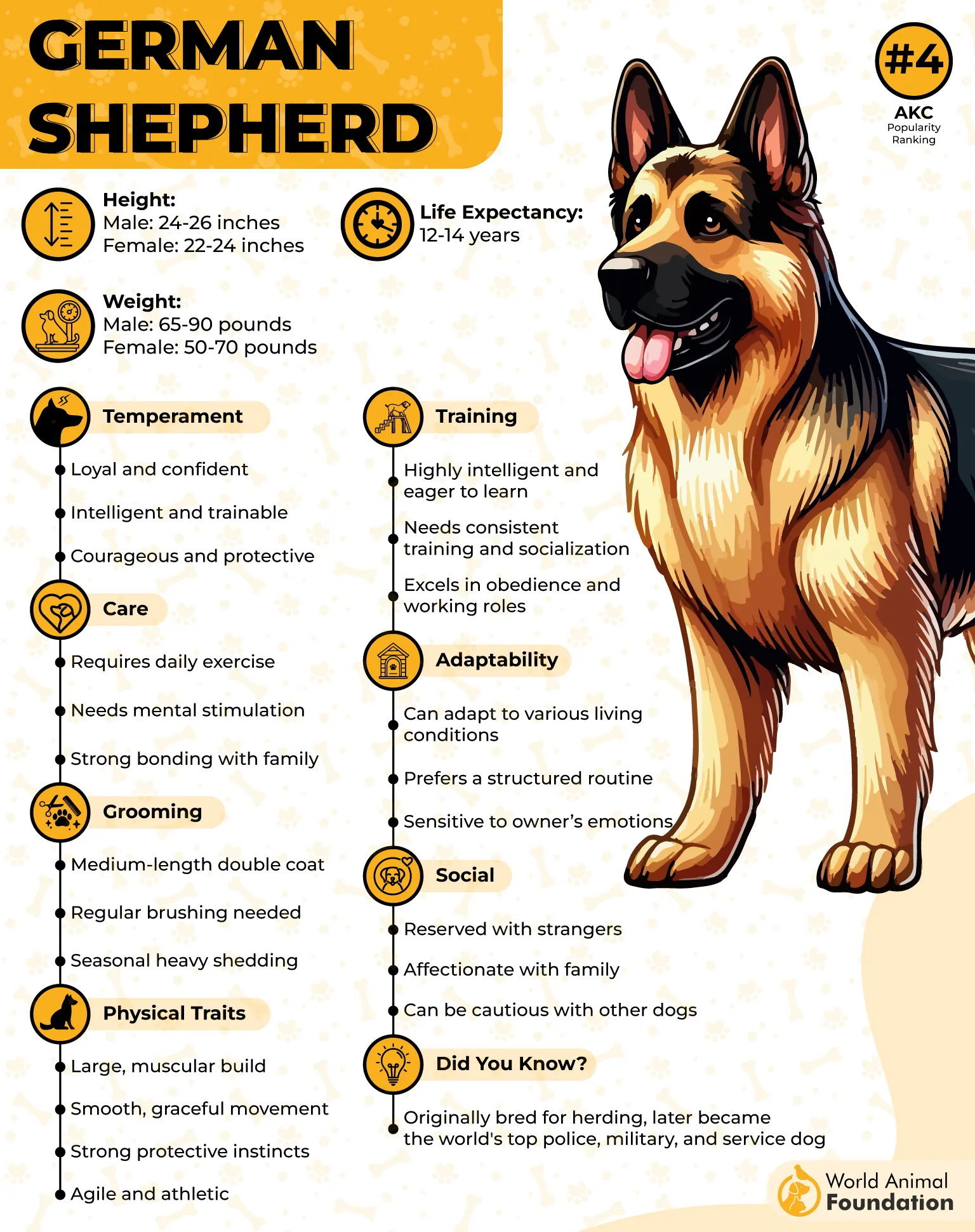
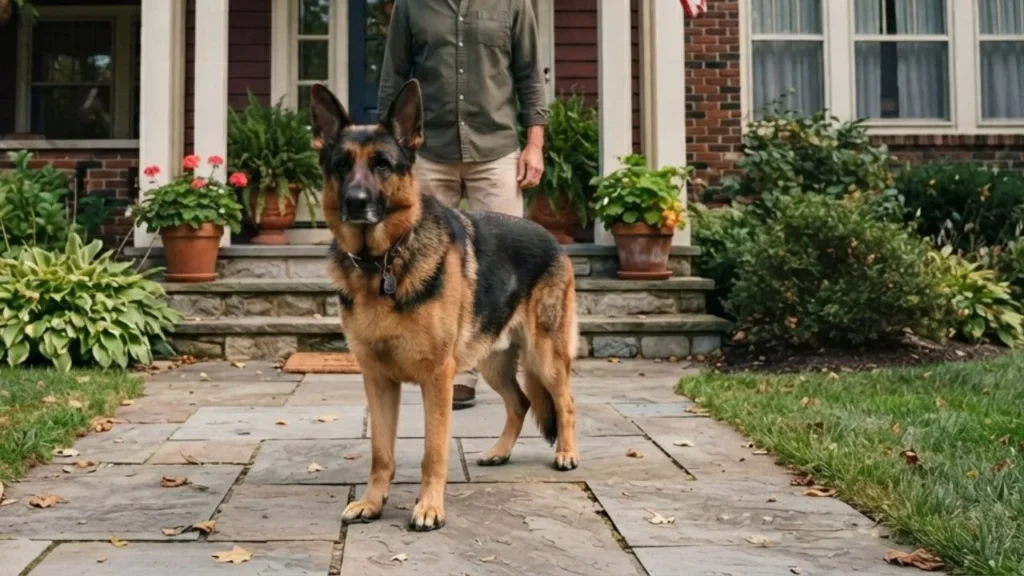
A male German Shepherd stands about 24 to 26 inches tall and weighs roughly 65 to 90 pounds, with females slightly smaller. The breed has an athletic build suited to movement, endurance, and demanding work. According to the American Kennel Club, German Shepherds live 12 to 14 years.
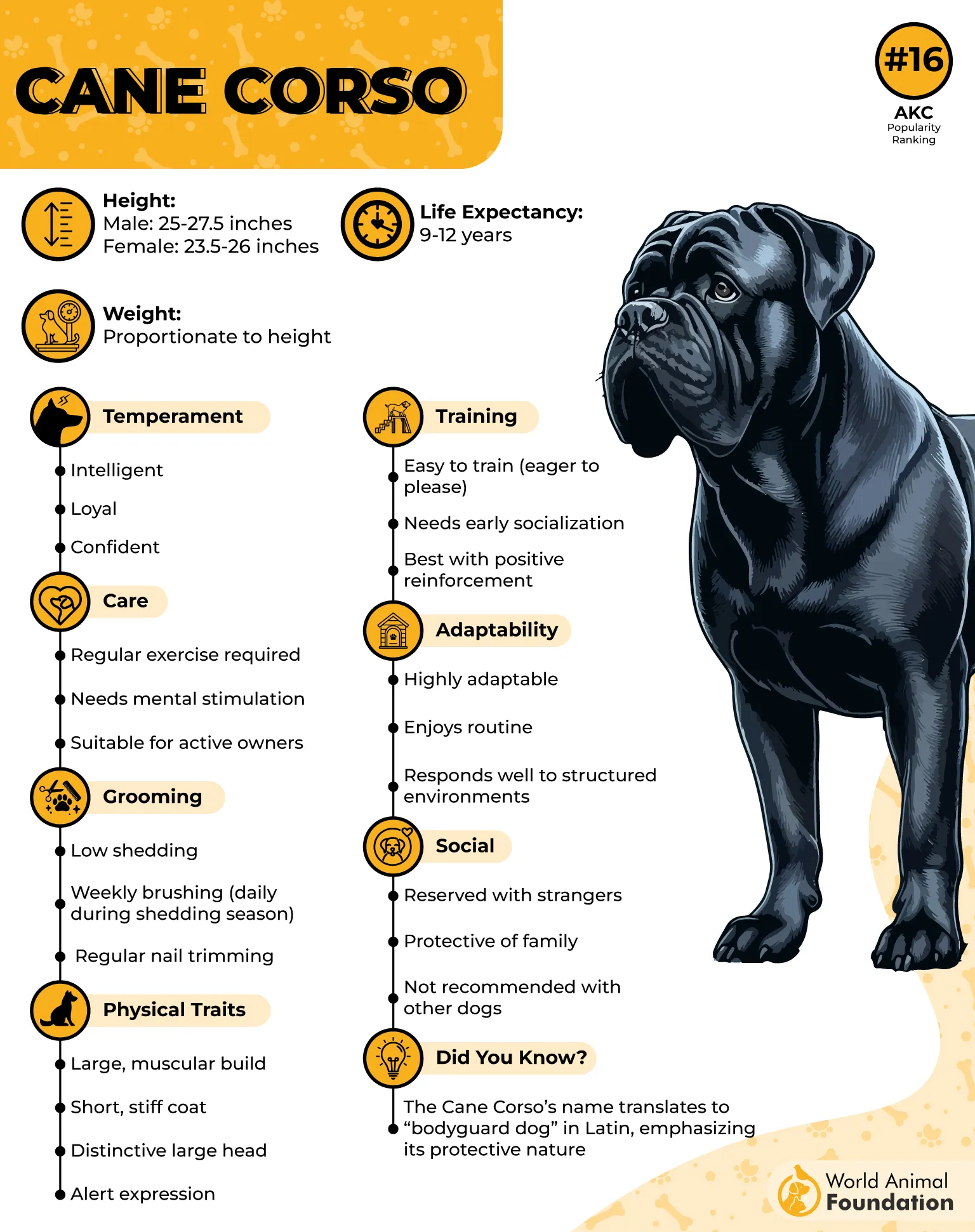
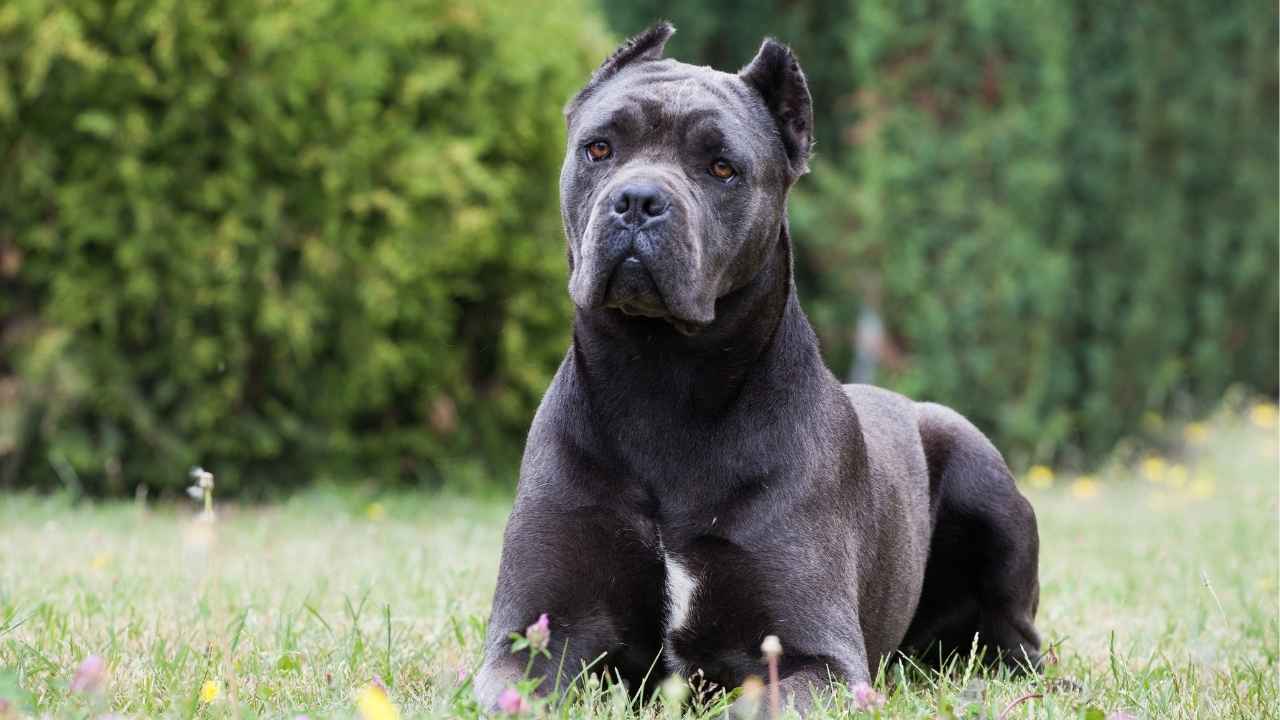
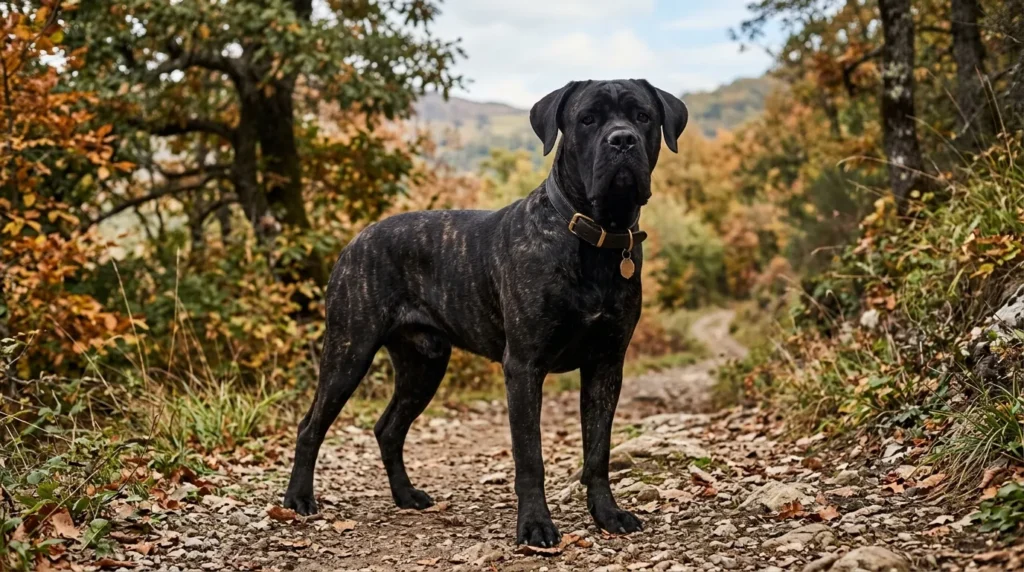
Cane Corsos are bigger and heavier. Males reach about 27.5 inches at the shoulder and females about 26 inches, and adults often weigh 90 to 100 pounds or more. Their broad chests, muscular frames, and thick bones give them a much more imposing presence. They also have a short, dense coat that offers some insulation in cold weather.
German Shepherds are built to be more mobile. They can change direction quickly, cover ground efficiently, and stay active for long stretches, which is useful when a dog needs to patrol an area or stick close to a handler.
The Cane Corso is more of a powerful, physically commanding breed, and its size does most of the work. A large, muscular Corso standing a few feet away can make a potential intruder think twice.
That doesn’t mean Corsos are better protectors, though. Guarding ability isn’t just about strength. Control, judgment, obedience, and temperament matter just as much.
Temperament and Personality
The biggest difference between these two dogs may be their personalities and the way they interact with people.
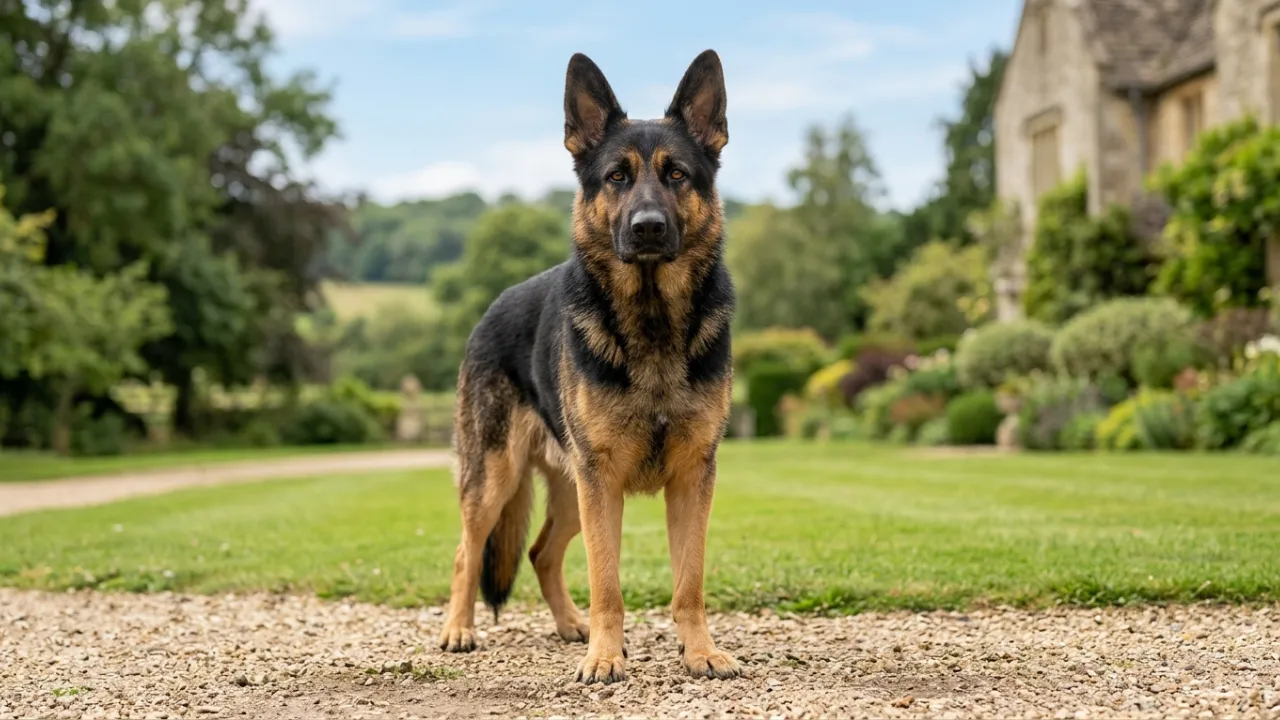
German Shepherds are usually devoted to their owners and somewhat reserved with strangers. That wariness is part of what makes them useful guardians. According to PetMD, these dogs are courageous, confident, and smart, and protectiveness has been a trait of the breed since its development.
The Cane Corso is more serious by nature and naturally suspicious. It can be very close to its family but is often more reserved around strangers and other animals. These dogs are assertive, confident, intelligent, and extremely loyal. Because of their size and strength, early socialization is especially important.
A good guardian doesn’t have to be hostile toward people. A well-socialized, confident dog can stay calm and still do its job, while excessive suspicion can cause problems in everyday life. The goal is a dog that can tell the unusual from the ordinary and doesn’t react to everyone who walks by or comes to the door.
Health and Lifespan
These are large working breeds, so responsible breeding, weight control, regular exercise, and preventive veterinary care all matter.
Overall, the German Shepherd tends to have a longer lifespan, at about 12 to 14 years. UKC lists hip dysplasia, elbow dysplasia, and bloat among the health concerns for the breed. Responsible breeders can test their breeding stock for several of these conditions.
Cane Corsos live about 9 to 12 years. Their large size makes orthopedic problems such as hip and elbow dysplasia important to watch for. They can also suffer from bloat, which may require emergency surgery.
Still, average lifespan shouldn’t be the only thing you weigh for either breed. Breeding, nutrition, body condition, veterinary care, and lifestyle all play a part in how long a dog lives.
Training, Energy and Exercise
Neither breed is a good fit for anyone hoping for a dog that sleeps most of the day.
German Shepherds are very energetic and need both physical and mental stimulation. With their high working drive, daily walks alone often aren’t enough. Training that includes tracking, obedience, agility, retrieving challenges, and hiking gives them a constructive outlet.
Intelligence is one of their standout traits, and they can learn complex commands and sequences quickly. That also means they need to stay occupied, because a bored German Shepherd can develop destructive habits that are hard to correct.
Cane Corsos also need plenty of exercise, and they’re far from lazy. They enjoy walks, structured training sessions, scent work, obedience, and hiking — anything that combines physical activity with mental stimulation. The breed was developed to work and does best with a job or purpose.
Training is especially important for Cane Corsos, since an untrained one can become very hard to handle, particularly for first-time owners. Having a 100-pound dog ignore a command is a much bigger problem than it would be with a small breed.
Early socialization matters for both breeds. Gradually introduce them to different people, surfaces, animals, and situations. The goal isn’t for them to befriend everyone. It’s for them to learn to tell calm situations from threatening ones.
If you want a highly trainable, versatile dog, the German Shepherd may have the edge. The Cane Corso can be a great working dog for owners who are ready to take charge of a more independent-minded guardian.
Natural Guard Instincts
Here’s where the comparison gets really interesting.
The German Shepherd’s guarding instinct is closely tied to its desire to work with people. The breed was developed for work ethic, character, trainability, and reliability, and those qualities helped it become a standout in police, military, service, and protection roles.
With training, a German Shepherd can detect a stranger, alert its handler, stay vigilant, and follow commands. That mix of warning and protection is highly valued by departments around the world.
The Cane Corso has a different kind of guardian instinct. Protection sits much closer to the heart of its historic mission. The breed’s name is often linked to the Latin word for “guard” or “bodyguard,” and its ancestors were used to guard property and hunt. These dogs are more likely to be territorial and more aware of strangers entering their space. They’re also not very welcoming toward unfamiliar animals on their turf.
Any good guardian should be able to tell the difference between a real concern and an everyday situation. That’s why both dogs should be gradually exposed to normal daily events, so they don’t learn to overreact to them. With thorough training, either breed can thrive in family life, and even in an apartment, as long as their exercise needs are met.
Training and socialization are essential for both. If your priority is a protective dog that stays highly responsive to your commands, the German Shepherd may be the better option. If you want a naturally serious guardian with a bigger physical presence and a stronger sense of responsibility for its family and territory, the Cane Corso has the edge.
Conclusion
The German Shepherd is a versatile dog that can fill a variety of roles. The Cane Corso shares some of those traits, but with its own distinct skill set.
The German Shepherd may suit people who want a working dog that can double as a family pet and a guardian. The Cane Corso is worth considering if you want a powerful property guardian and have the experience to provide firm but fair training and structure every day.
Most importantly, don’t choose a guardian breed based on how intimidating it looks. Good temperament, high trainability, solid manners, and a strong bond with the family are the real signs of a great guardian. First-time owners should be ready to build real handling skills, since both of these dogs are large and powerful.
The better choice comes down to what you value more and which dog breed fits your daily routine: a responsive, highly intelligent partner, or a more physical, naturally territorial guardian.
