




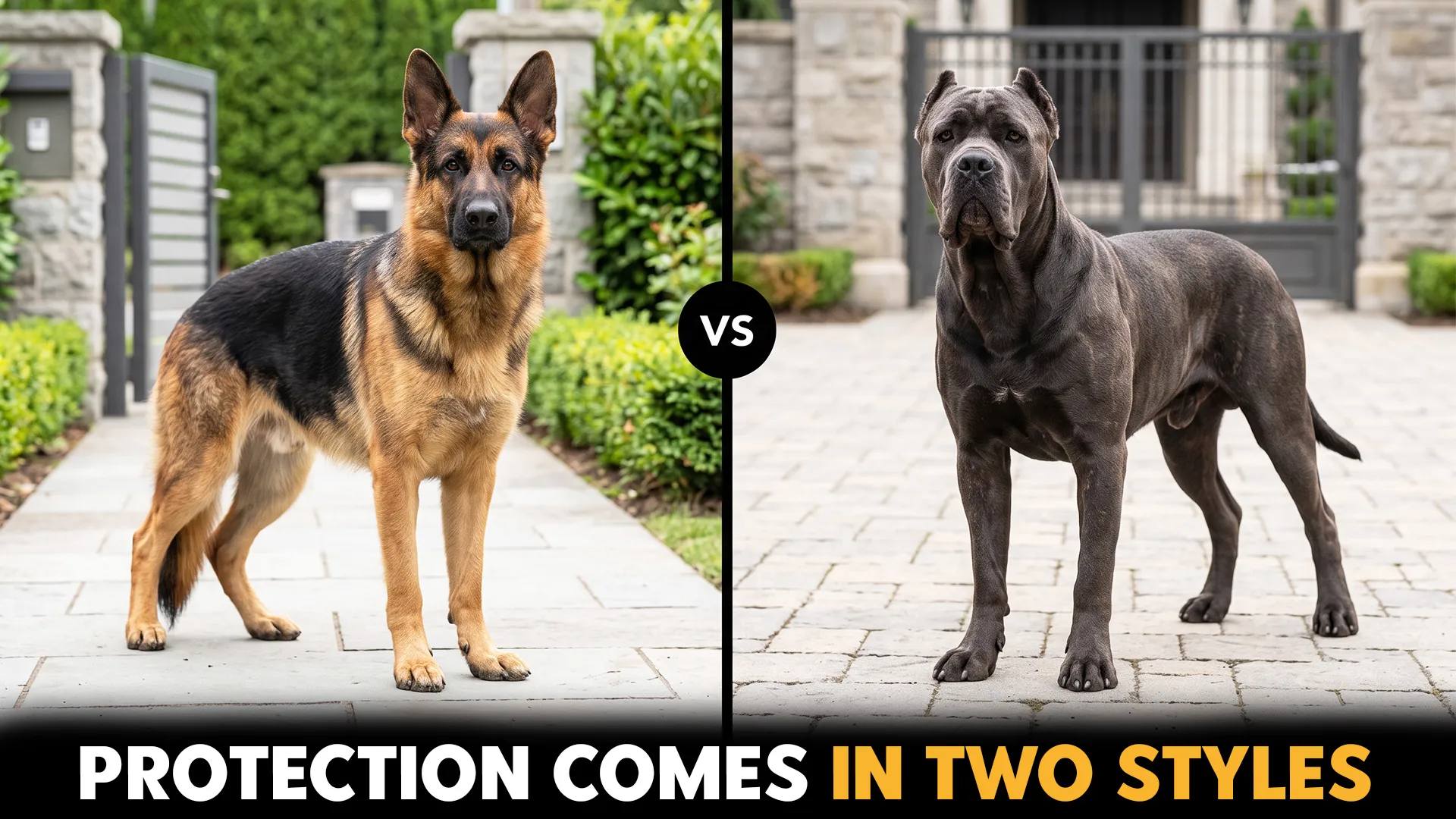
So, you want a guard dog. Not a little yappy alarm system. A REAL protector. The kind of dog that makes a stranger think twice before stepping onto your porch.
And now you are stuck between two magnificent dogs. The German Shepherd and the Cane Corso.
Both loyal, both powerful, and both have that “don’t mess with my family” look down to a science.
But the thing is… they are NOT the same dog. Not even close. One is a sharp, athletic, do-it-all working dog. The other is a massive Italian mastiff with a calm stare that says everything it needs to say.
So which one fits your life? Let’s break down the differences in this comparison guide and figure it out together.
Did You Know?
The Cane Corso almost disappeared completely. By the middle of the 20th century, farming in southern Italy had changed, and the big farm guardians just weren’t needed anymore. The breed dwindled to a small number of dogs in rural areas.
According to the American Kennel Club, in the 1970s, a group of Italian dog lovers went searching for the remaining Corsos and started a careful breeding program to bring them back.
It worked. The AKC officially recognized the Cane Corso in 2010. Today, it’s one of the most talked-about guardian breeds in America.
Not bad for a dog that nearly vanished.
German Shepherd vs. Cane Corso: Guardian Dog Differences
1. Origins & Purpose
Let’s start at the beginning.
In Germany, Captain Max von Stephanitz developed German Shepherds in the late 1890s. He wanted the ultimate herding dog. Smart, athletic, and obedient.
He got that and then some.
During World War I, German soldiers used shepherds as messengers, sentries, and Red Cross dogs. American troops were so impressed they brought the breed home. Today, German Shepherds work as military dogs, police dogs, search-and-rescue dogs, and service dogs.
Now, the Cane Corso… totally different story for this Italian dog breed.
The Cane Corso traces back to ancient Roman war dogs. After the Roman Empire fell, Cane Corsos found new work on Italian farms, guarding property, protecting livestock, and even hunting wild boar.
So one was bred to herd and work alongside people. The other was bred to guard and hold its ground.
That history still shows up in these large dogs today.
2. Size & Build
Okay, this is where the difference really jumps out.
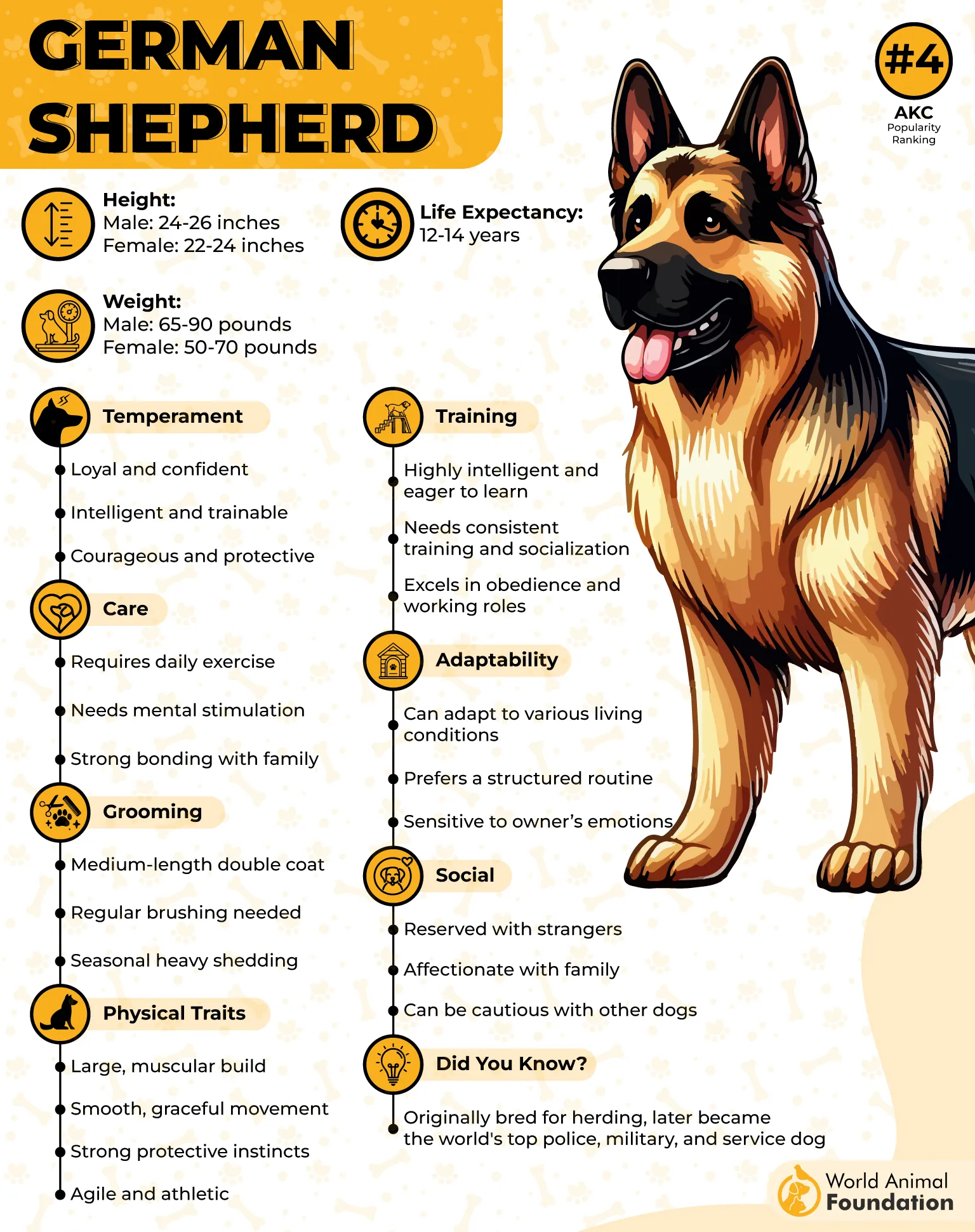
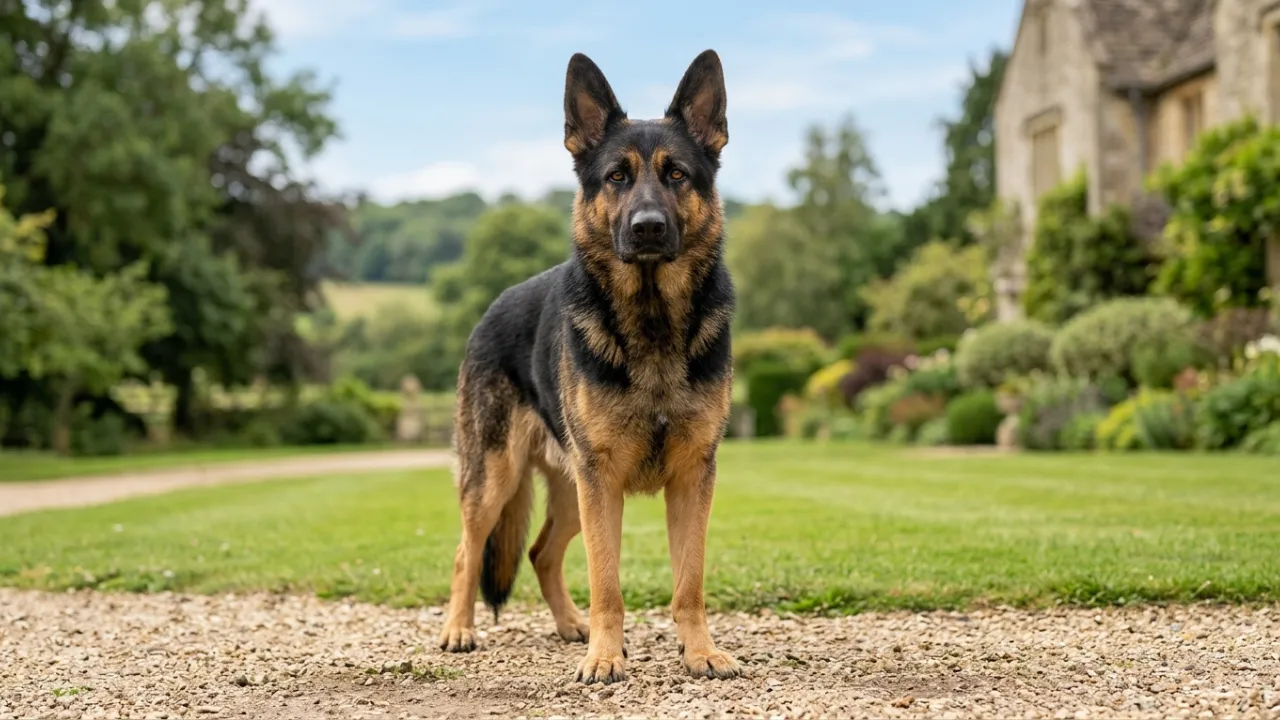
German Shepherds are medium-to-large dogs. Males usually weigh 65 to 90 pounds and stand 24 to 25 inches tall. Females are a bit smaller. They are leaner and more athletic, bred for speed and stamina.
Cane Corsos are a whole other level.
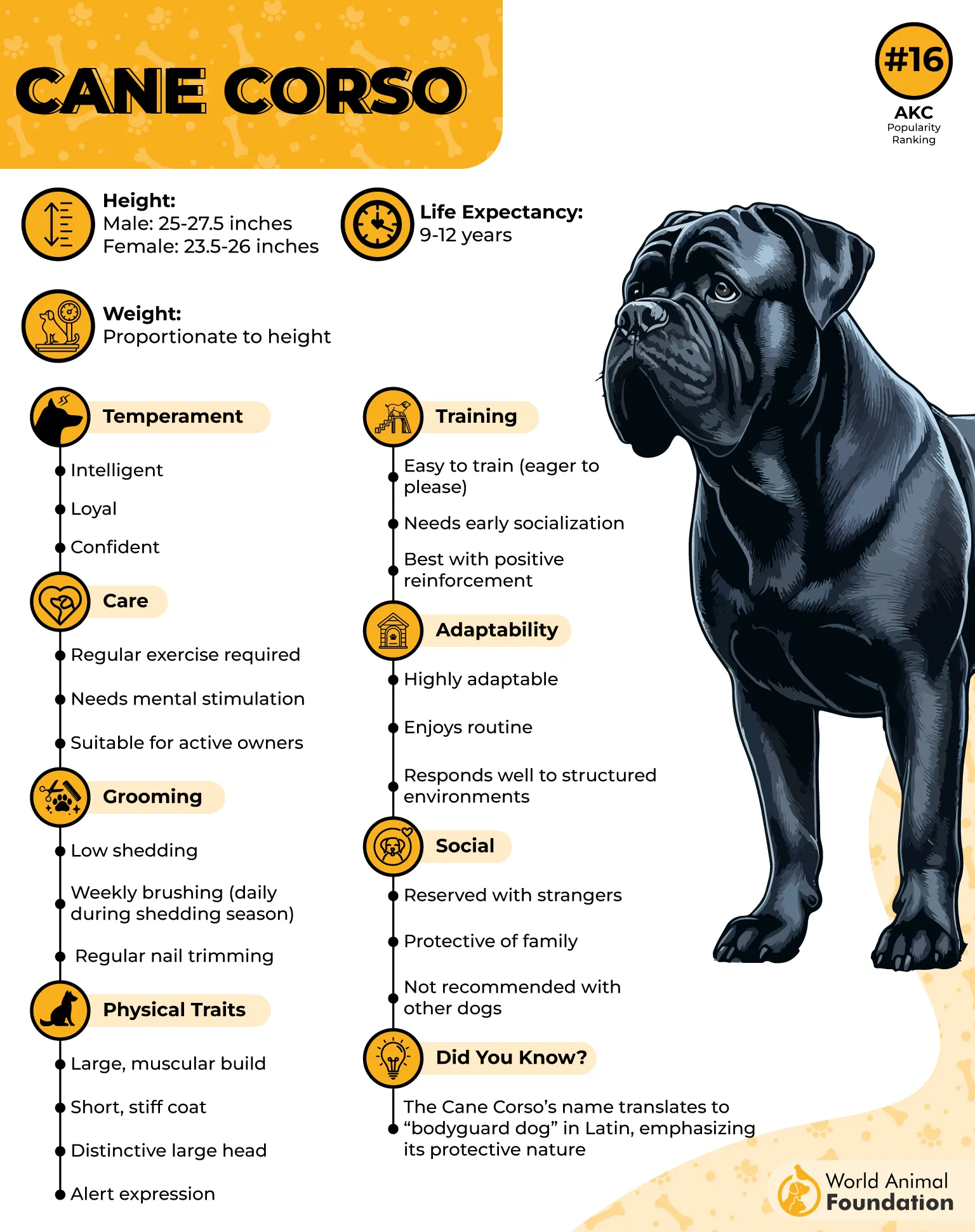
Males often weigh 88-110 pounds, and they stand around 25-27.5 inches tall. They have large, muscular bodies, broad heads, and thick necks. Cane Corsos aren’t quite as tall as some of the tallest dogs around, but they are way bulkier.
Bottom Line! If you want a leaner, more agile dog, go German Shepherd. If you want sheer size and power, the Cane Corso takes it.
3. Pricing & Availability
Let’s talk money.
German Shepherds are everywhere. You will find breeders in almost every state. A puppy from a reputable breeder usually costs around $1,500 to $3,500. But yes, it all depends on bloodlines.
Cane Corsos are less common, and good breeders can be harder to find. According to PetMD, you can expect to pay $1,500 to $2,500, or more, especially for top working or show lines.
But the puppy price is just the beginning.
Large guard dogs eat more. A LOT more. A Cane Corso can go through dog food like a teenage football player. Budget for high-quality large-breed dog food, bigger beds, sturdy dog gear, and yes, veterinary expenses.
Good news, though!
Both breeds are often available as rescue dogs. Sadly, many Cane Corsos end up in rescue because owners underestimate how much dog energy they are getting.
Rescue dogs can make amazing companions with the right home.
4. Temperament & Personality
Both breeds have similar temperaments in some ways. They are loyal, protective, and deeply bonded to their families.
But how do they show it? Different.
German Shepherds are alert, curious, and eager to be involved in everything. They want to know what you are doing and how they can help. They are intelligent and sensitive, and they love having a job.
With the right training, a German Shepherd can be an awesome family dog. They are usually great with kids and can live with other pets and small animals if socialized early.
Cane Corsos are calmer and quieter. They don’t feel the need to prove themselves because they watch, wait, and size things up.
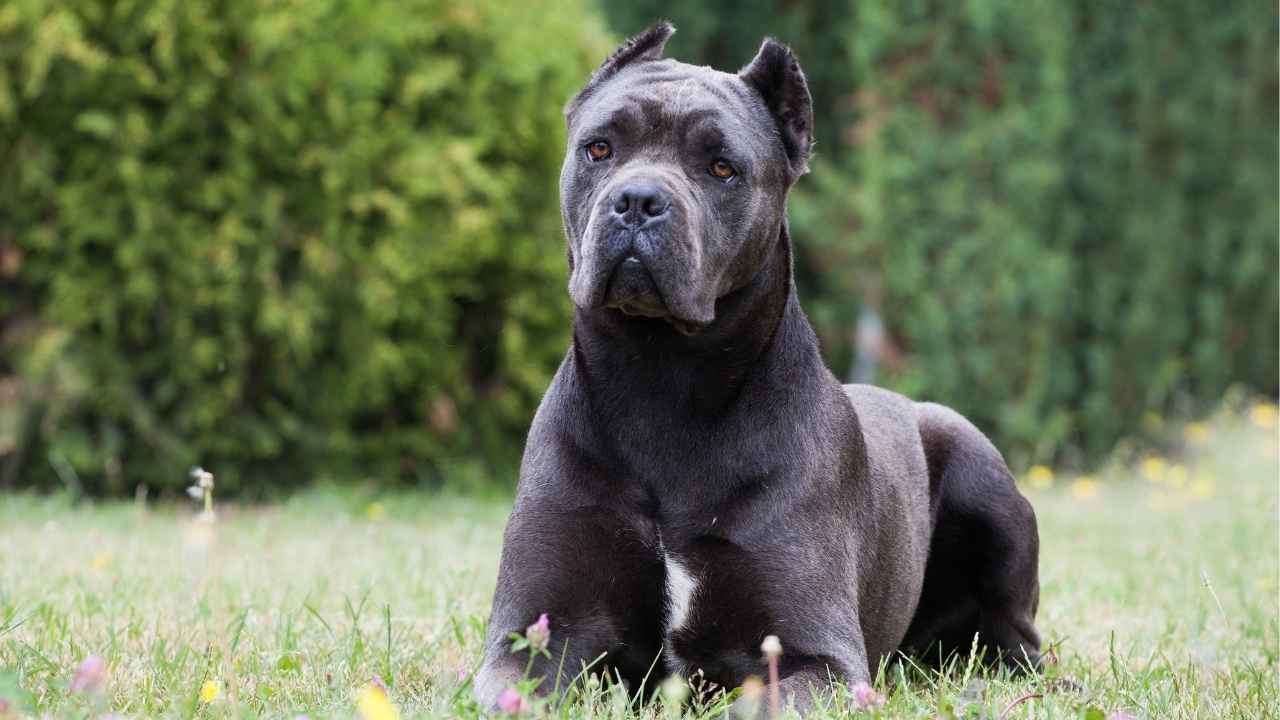
With their family, Cane Corsos are gentle and affectionate. Many owners call them giant teddy bears. But they are naturally reserved with strangers, and they can be dominant with other male dogs.
According to Pawlicy Advisor, Cane Corsos have a strong prey drive. Small animals like cats or rabbits might trigger that instinct. Supervise carefully.
5. Exercise Needs & Energy Level
German Shepherds need a lot of exercise.
They are working dogs. Long walks, jogging, fetch, agility, or training games are their strong suit. They need daily activity to stay happy. Without it, you can expect chewed shoes and holes in the yard.
Cane Corsos have a moderate energy level. They need daily walks and playtime, but they are more likely to settle down after a good workout.
BUT… Don’t confuse calm with lazy. A bored Cane Corso can get destructive, too.
Quick tip for both breeds! Avoid heavy exercise right after meals. Both breeds are prone to bloat, a serious stomach condition. Feed your dog food in smaller portions, and let them rest after eating.
6. Trainability & Obedience
German Shepherds are highly trainable. They rank among the smartest dog breeds in the world, right up there with the Border Collie. They learn fast and genuinely love working with their people.
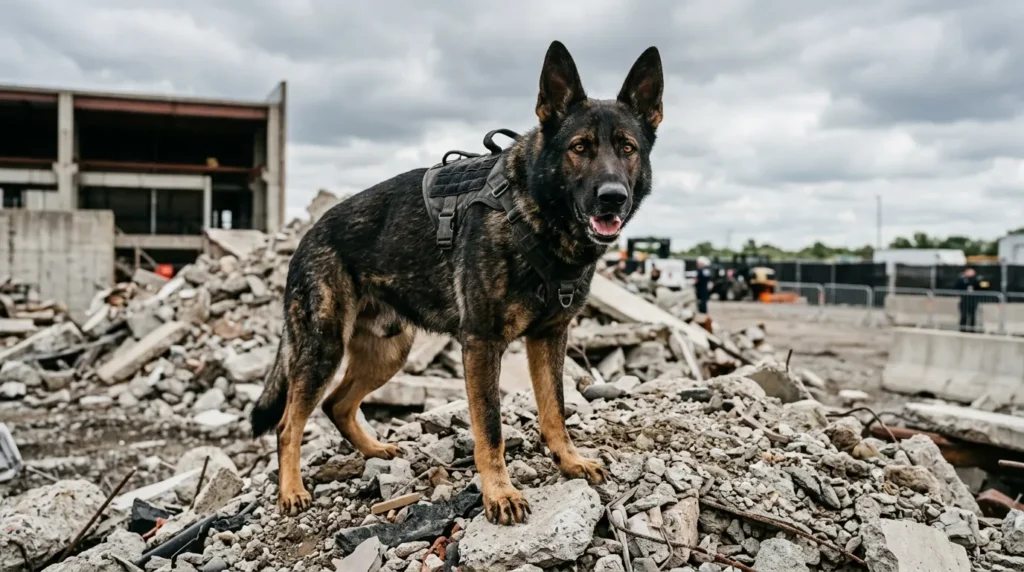
Cane Corsos are smart, too. But they are more independent. They want to know WHY they should do something before they do it.
That makes them a bit tougher to train, especially for first-time owners.
Most canine experts agree. If you are bringing home a Cane Corso, you will need to train and socialize them from day one. Same goes for German Shepherds, honestly. Both are large guard dogs, and an untrained large guard dog is a serious responsibility.
Positive reinforcement works best for both. Harsh methods can backfire.
7. Grooming Needs & Shedding
German Shepherds shed constantly.
They have a thick double coat, and twice a year, they “blow” it. That means fur everywhere. In your car. Somehow in your coffee.
Plan on brushing several times a week and daily during shedding season. A good vacuum is a must.
Cane Corsos are much easier. Their short coat sheds moderately, with a bit more in spring and fall. A quick weekly brushing is usually enough.
There is this one thing, though. Some Cane Corsos drool. Not as much as a Great Dane, but enough that you might want a towel nearby.
8. Guarding Instincts & Alertness
Okay, big question. Who is more protective?
Both are excellent guard dogs. But they do it differently.
German Shepherds are super alert. They notice everything and will bark to let you know someone’s around. They are quick to react and easy to direct, which is why police departments love them.
Cane Corsos are more of the silent type. They don’t bark at every noise. But when they sense a real threat, they will step in with full confidence.
Many owners find the Cane Corso a bit more protective in a “stand my ground” kind of way.
But that power comes with responsibility. Any large guardian breed, including German Shepherds, needs solid training. A poorly trained dog can lead to a dog attack, and that’s a nightmare nobody wants.
Some home insurance companies even restrict certain dogs. Check your policy before you bring one home.
9. Health & Lifespan
German Shepherds usually live around 12-14 years. They are prone to hip and elbow dysplasia, degenerative myelopathy, bloat, and allergies.
Cane Corsos typically live 9-12 years. Like many larger dogs, they are prone to hip dysplasia and bloat. They can also have eyelid problems and certain heart issues.
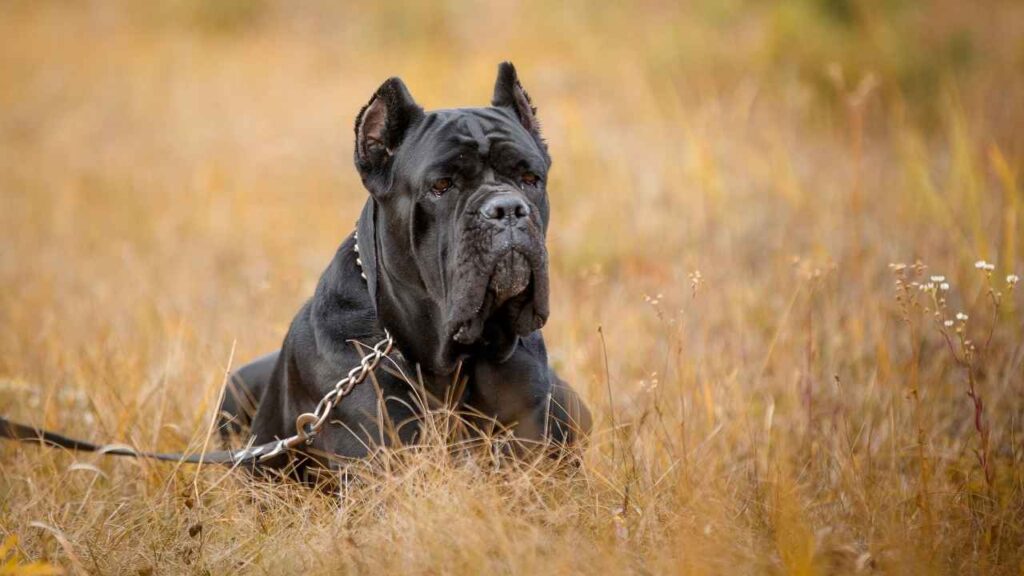
Giant and large breeds tend to have shorter lifespans than smaller dogs.
Choose a reputable breeder who does health tests, keep your dog at a healthy weight, and feed quality dog food for large breeds. Those simple steps make a BIG difference when choosing one of these four-legged companions.
10. German Shepherd vs. Cane Corso: Which Protective Breed Is Right for You?
Still stuck? Let’s make choosing your canine companion simpler.
Choose the German Shepherd if you want a highly trainable, active, family-oriented companion who loves to learn. They are perfect for active families, first-time guard dog owners (with training), and anyone who understands animal behavior and wants a dog that can do it all.
Choose the Cane Corso if you have experience with large, powerful breeds (dogs that could go dogfighting) and want a calm, imposing guardian. They are best for confident owners who can handle training and socialization.
Neither is a “Set it and forget it” dog.
Both need time, money, and commitment.
Conclusion
The German Shepherd and Cane Corso are both incredible canines. Loyal, smart, and protective to the core.
But the differences between them are important.
Neither one is better. It just depends on your lifestyle, experience, and what you want in your furry friend.
So ask yourself the hard questions. How much time do you have? How much space? How much training are you willing to put in? Answer honestly, and you will find the right fit.
These aren’t just guard dogs but four-legged companions that will be more protective than any other animal.
