




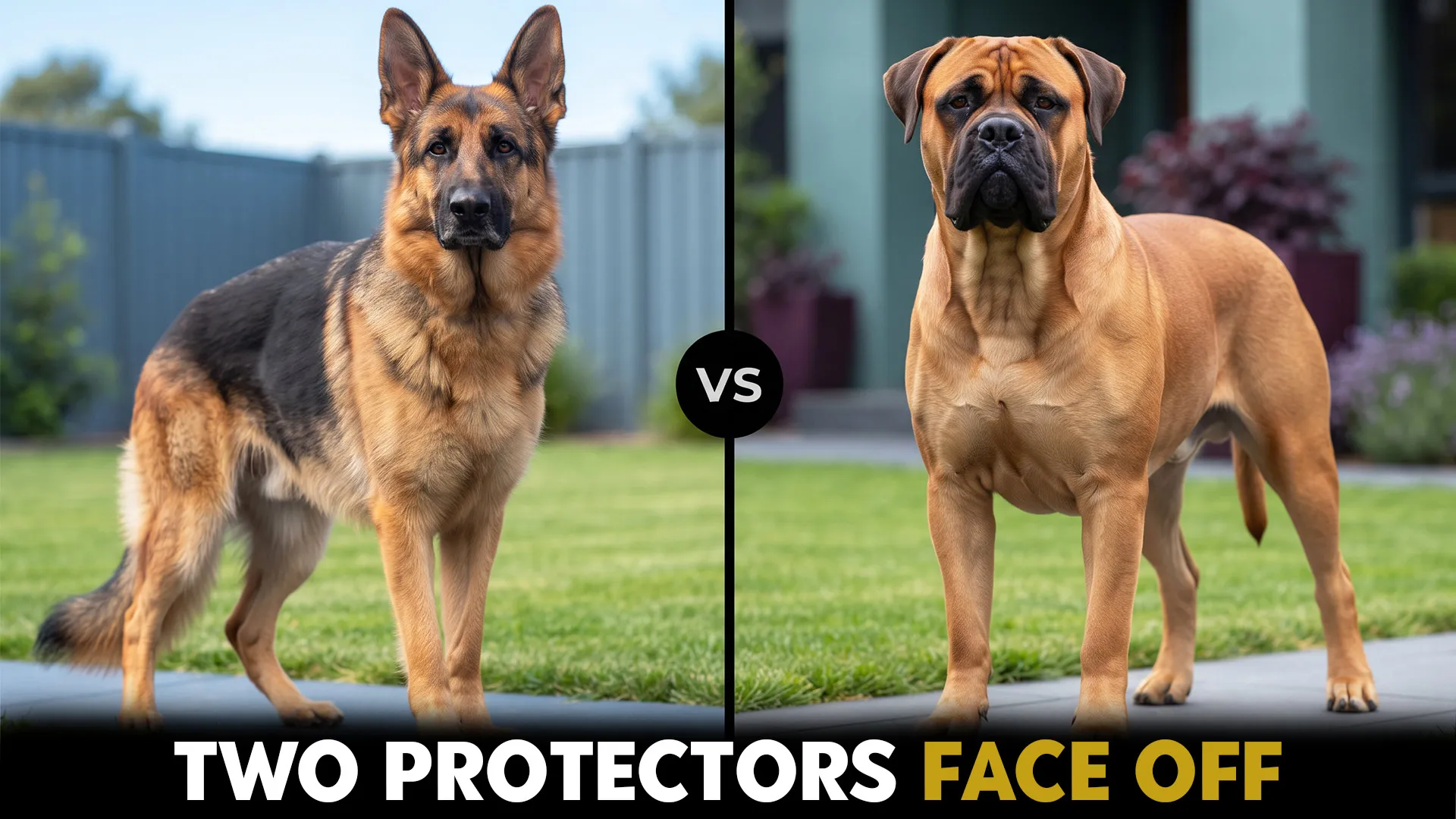
Two dogs can both earn a reputation as loyal protectors and still make very different companions. That difference comes partly from what each breed was created to accomplish.
The German herding breed behind one side of this comparison was formalized in 1899 and valued for intelligence, responsiveness, and versatility. The British guardian on the other side emerged in the 1860s from Mastiff and Bulldog crosses, with a specific job of helping gamekeepers deal with poachers.
One working role demanded close cooperation with a handler while managing livestock. The other depended on quiet tracking, speed, physical restraint, and confidence around intruders. Those foundations can still influence training, energy, social behavior, and the way each dog fits into household routines.
The rest of this comparison looks at temperament, training, exercise, grooming, health, and family life, showing where these working backgrounds can matter most in everyday ownership before choosing one for your household.
Key Takeaways
Two powerful dogs can share a protective streak and still bring a very different feel to the home.
The German Shepherd has roots in herding and working closely with people, while the Bullmastiff was created to track and restrain poachers.
One can reach speeds of around 30 miles per hour, while the other is much happier with a steady walk and plenty of time to relax.
Their differences become even clearer when you look at training, grooming, health, and what daily life with each breed can involve.
German Shepherd vs. Bullmastiff: Key Features and Differences
1. Origins & Purpose
From Farm Work to a Recognized Breed
German Shepherds descended from old shepherd and farm dogs that had served alongside people for generations. The modern breed took shape in Germany in 1899 when Capt. Max von Stephanitz founded the breed, followed by growing interest around the world during the early 1900s.
The American Kennel Club recognized the German Shepherd in 1908. During World Wars I and II, the word “German” was dropped from the breed’s name in some places, and it was also known as the Shepherd Dog or Alsatian, a name still used in parts of Europe, as noted by Britannica.
Bred to Guard Against Poachers
Bullmastiffs were originally bred in England during the mid-1800s when gamekeepers needed a dog capable of protecting estates from poachers, as noted by the AKC. Breeders crossed Bulldogs and Mastiffs to create a dog that combined the Bulldog’s determination with the Mastiff’s larger size, while brindle coats were favored for camouflage.
Their guarding role later extended beyond English estates, with Bullmastiffs imported to protect the De Beers diamond mines in South Africa. The breed was recognized by the American Kennel Club in 1933 and is now also known as a friendly companion and family dog.
2. Size & Build
Athletic Proportions and Balanced Strength
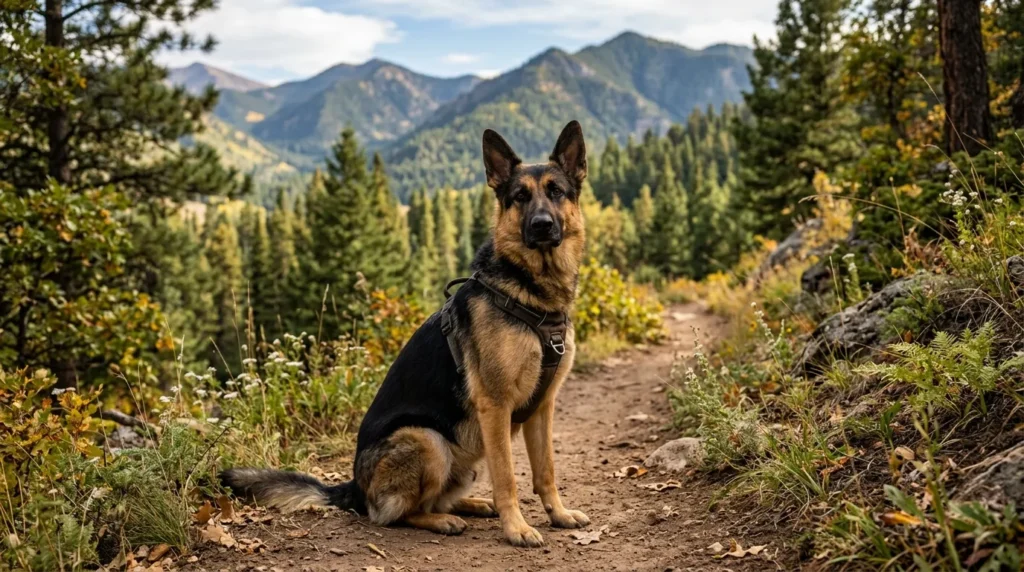
German Shepherds have a moderately sized, athletic frame, with males standing around 2 feet 1 inch and females about 1 foot 10 inches. Males typically weigh around 77 pounds, while females average about 60 pounds, with both sexes showing balanced proportions rather than exaggerated bulk.
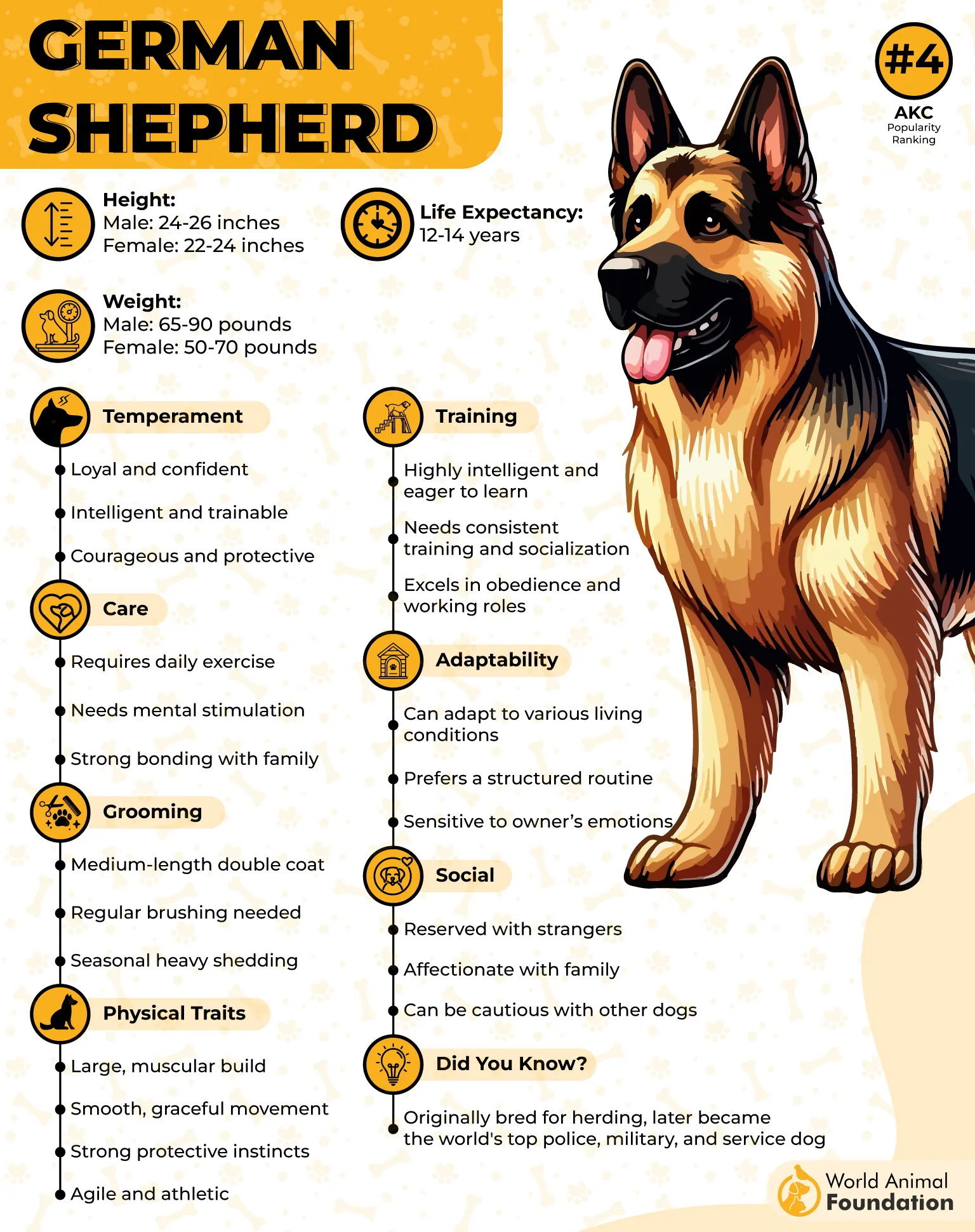
Males are generally taller, heavier, and broader through the skull, neck, and forequarters, while females tend to have lighter bone and a more streamlined outline. Their body length also exceeds their height, giving the breed its characteristic balanced, athletic silhouette.
Greater Mass With a Powerful Frame
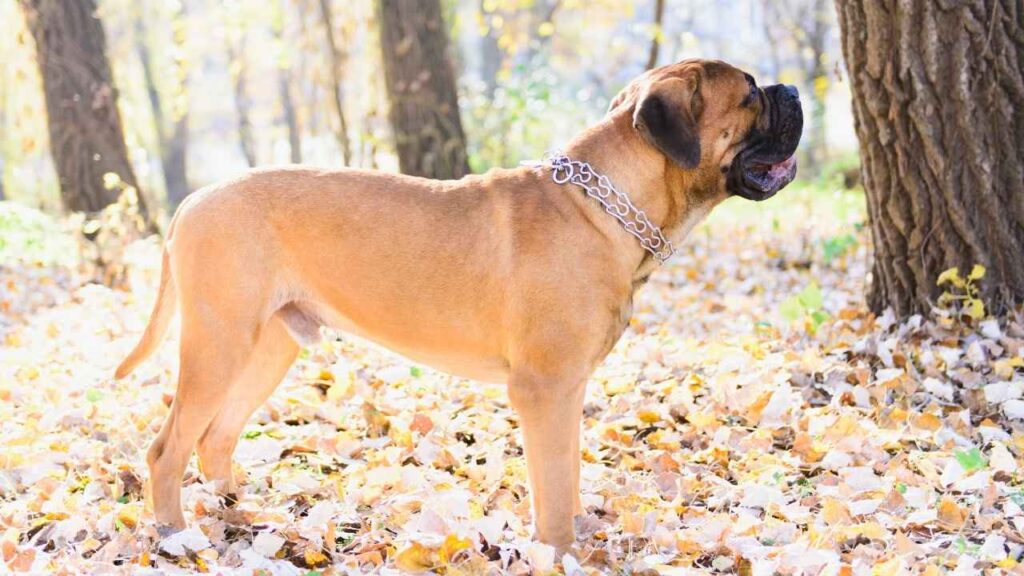
Bullmastiffs are larger and heavier overall, with males reaching about 2 feet 2 inches and females around 2 feet 1 inch. Males average roughly 120 pounds, while females average about 100 pounds, creating a noticeably more substantial build.
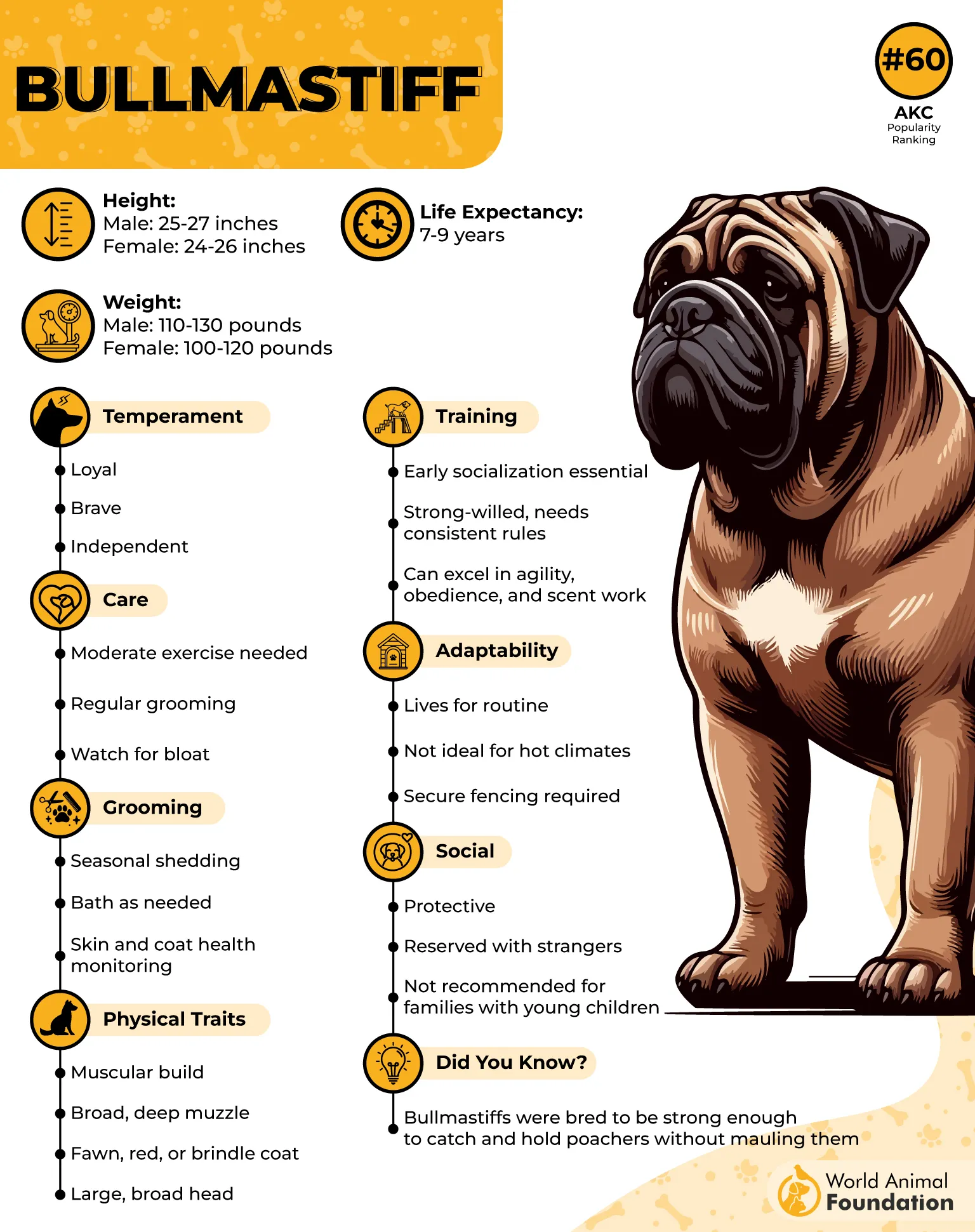
Males typically have greater bone mass, a broader head, a thicker neck, and heavier forequarters, while females are slightly smaller with a more streamlined outline. Both retain the broad, powerful structure associated with the breed, with males often showing a more imposing silhouette.
3. Pricing & Availability
More Ways to Find Your Match
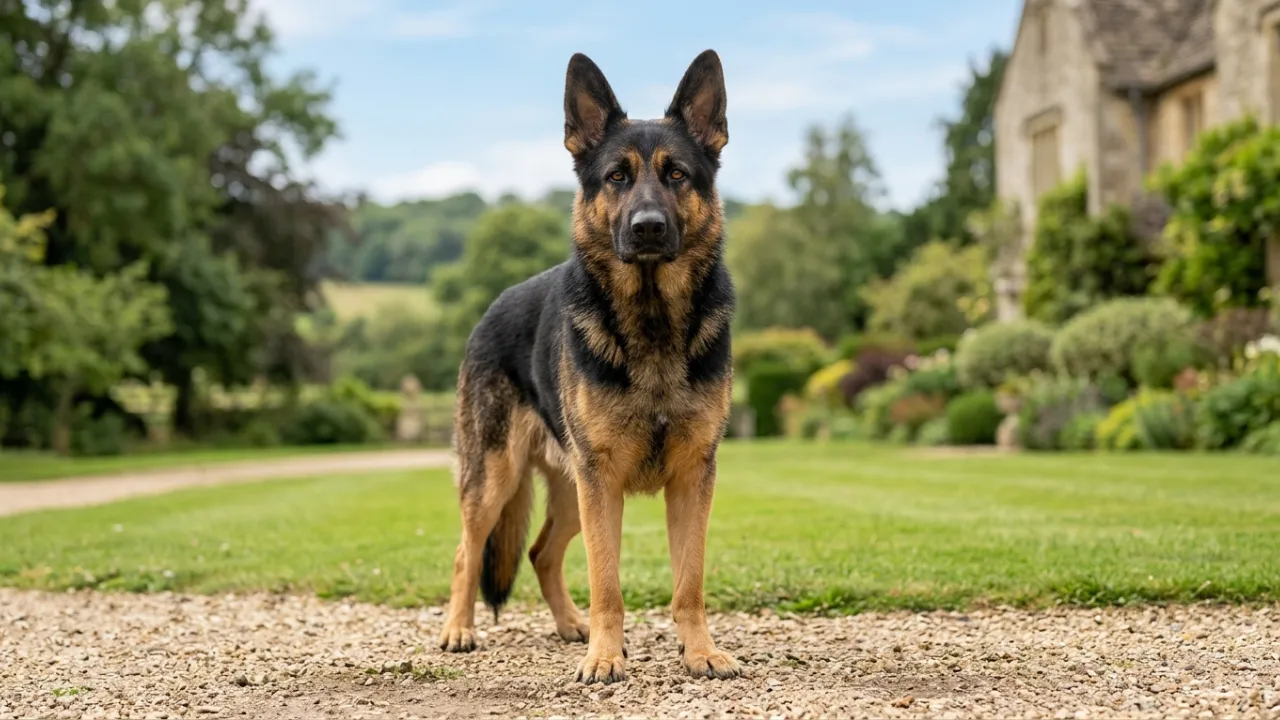
German Shepherd puppies generally cost around $1,500 to $3,500 from breeders, although prices can vary depending on the source. If you choose to buy, looking for a responsible breeder is important. Adoption is another option, with breed-specific rescues and local animal shelters worth checking for available dogs.
A Higher Starting Price
Bullmastiff puppies typically cost between $2,000 and $3,000 from breeders. Those considering this route should look for a responsible breeder, while adoption can offer another way to find one. Bullmastiff rescues, giant-breed rescues, and local animal shelters may have dogs waiting for permanent homes.
4. Temperament & Personality
Devoted, Alert, and Family-Focused
German Shepherds are deeply loyal to their families and tend to form strong bonds with the people they trust. They can be confident and protective without being naturally hostile, often staying watchful around unfamiliar people until they are satisfied that everything is safe.
At home, they can be affectionate and playful alongside their protective side. They generally enjoy being included in family life and may struggle with long periods alone, while early socialization can help them live peacefully with children, other pets, and farm animals, as noted by Orvis.
Calm Protection With a Stubborn Streak
Bullmastiffs are courageous protectors with a generally quiet and gentle personality at home. They can be patient and affectionate with children they are raised alongside, especially when properly socialized, while their protective nature remains an important part of their character.
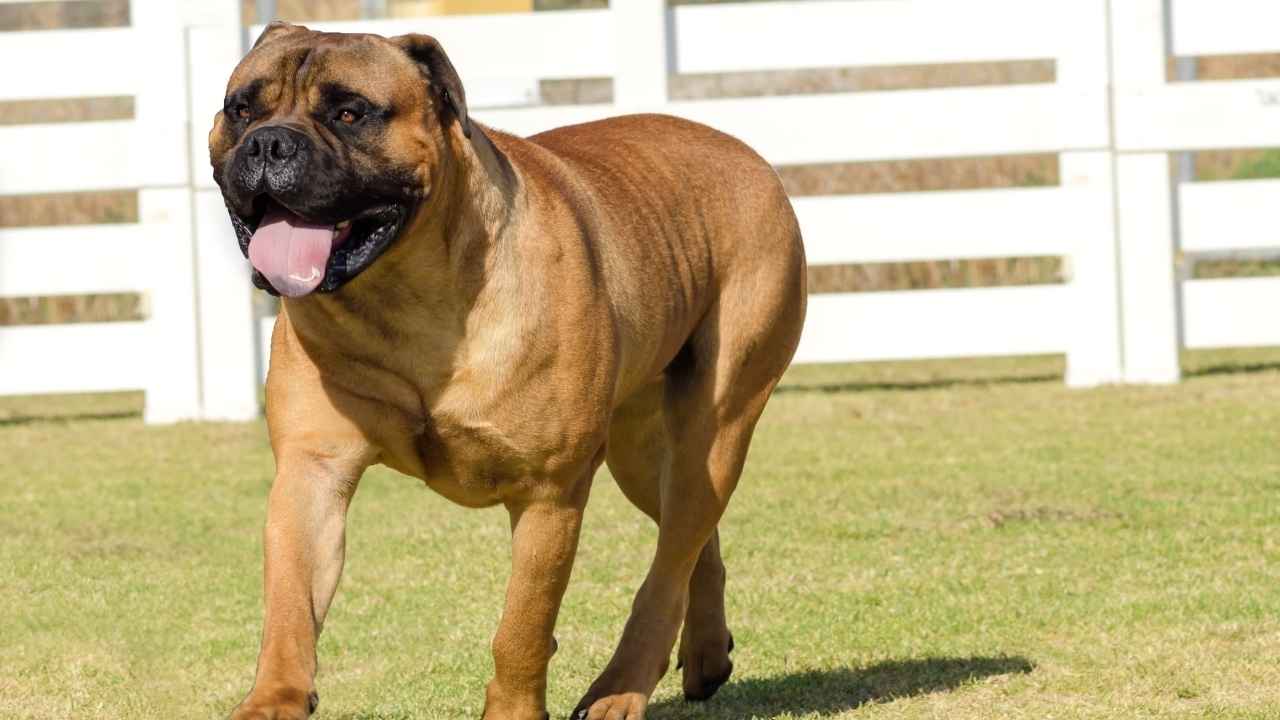
They can also be stubborn and pushy when they want their own way, so their easygoing nature should not be mistaken for complete compliance. Their strong prey drive can make life with cats difficult, and some may show aggression toward other dogs, particularly males.
5. Exercise Needs & Energy Level
High Energy That Needs an Outlet
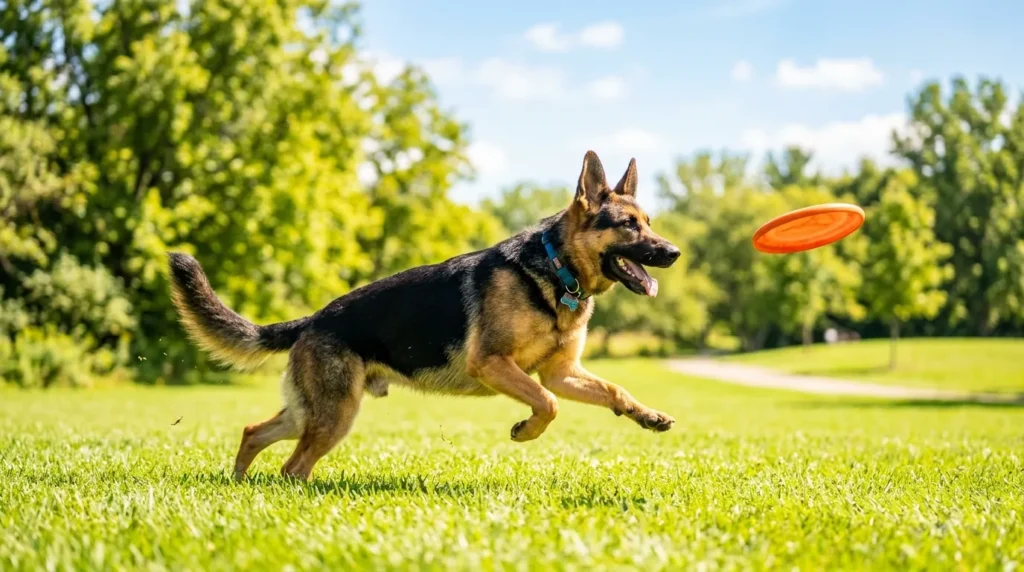
German Shepherds have a very high energy level and need plenty of daily movement to stay settled. Around two to three hours of activity can include brisk walks, scent-filled outings, jogging, fetch, hiking, or a swim when the weather allows.
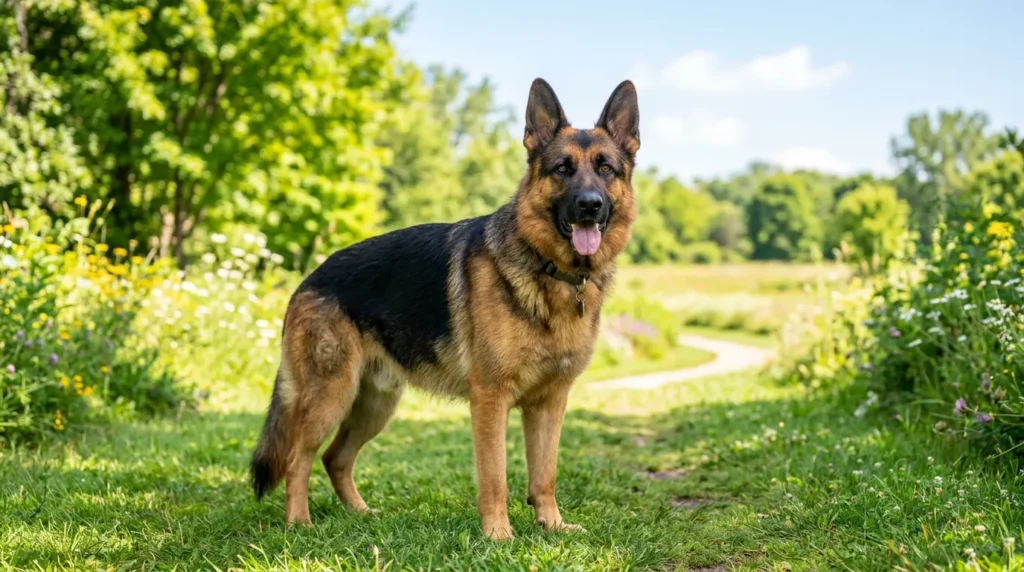
Their athletic ability means they can reach speeds of up to 30 miles per hour, so off-leash time is safest within a secure, fully fenced area. At home, hiding treats or kibble around the house can also add some variety to their daily activity and keep them mentally engaged.
Moderate Energy With a Slower Pace
Bullmastiffs have moderate exercise needs and generally require around 30 to 45 minutes of activity each day. A neighborhood walk or casual game of fetch can give them enough movement, followed by plenty of time to relax at home.
They are not built for long-distance running, so a steady walking routine suits them better than intense jogging. During warmer weather, exercise should take place during cooler hours because Bullmastiffs can be sensitive to heat and overheating.
6. Trainability & Obedience
Building Good Habits Early
German Shepherds benefit from early socialization and clear guidance, especially when they are unsure around unfamiliar people. Puppy school can introduce basic skills such as sit, stay, come, and polite leash walking while giving them regular exposure to people, animals, and new surroundings.
Their mouthy puppy stage also deserves attention because those strong jaws can make playful nipping difficult to manage. Scent walks, puzzle toys, agility, tracking, and herding activities can give them productive outlets while keeping their daily routine engaging.
Teaching a Giant Dog Good Manners
Bullmastiffs need early guidance around everyday manners because their size and strength can make simple behaviors harder to manage. Basic cues such as sit, stay, come, off, and polite leash walking can be introduced from around 7 to 8 weeks, while adult dogs can begin learning as soon as they arrive home.
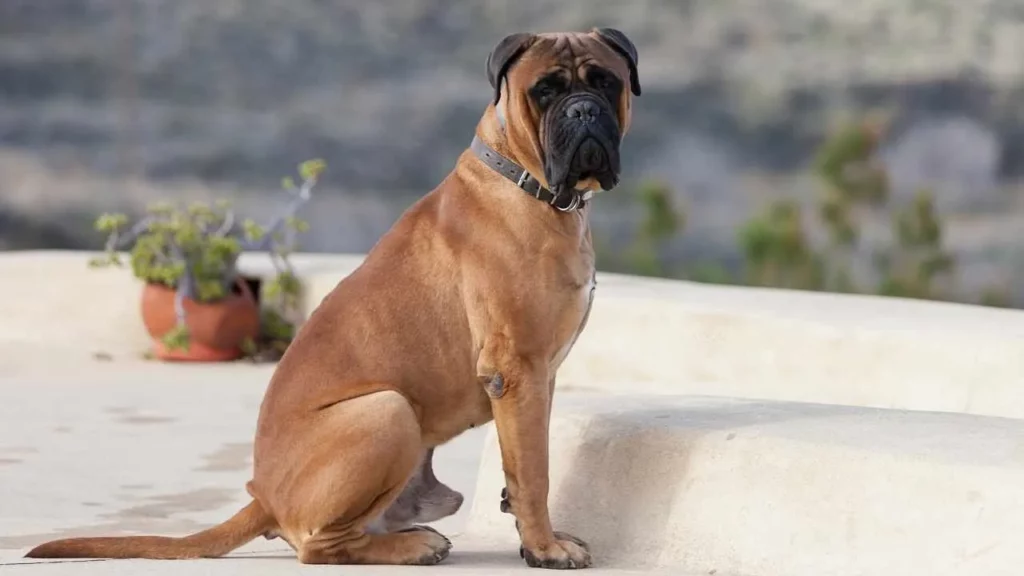
The “place” or “wait” cue can be particularly useful when guests arrive, helping a Bullmastiff remain settled instead of rushing toward visitors. Regular socialization with new people and places also helps them become more comfortable with unfamiliar situations, while a certified trainer can provide extra support when needed.
7. Grooming Needs & Shedding
Managing a Seasonal Coat
German Shepherds benefit from weekly brushing to remove loose hair and keep shedding more manageable around the home. Their double coat renews seasonally, with heavier changes during spring and autumn, so brushing becomes especially useful during these periods.
A monthly bath can help maintain a healthy coat and skin, while professional grooming every 8 to 12 weeks can help manage heavier shedding. Their coat should not be clipped, and extra care should be given to keeping the nose and paw pads from becoming dry or cracked.
Simple Care for a Short Coat
Bullmastiffs generally need weekly brushing to remove excess moulted hair, while a monthly bath helps keep the coat clean. A rubber mitt or suitable brush can lift loose hair without clipping the coat, making regular home grooming fairly straightforward.
Their elbows deserve extra attention because the skin can become dry and cracked, while skin folds should be checked for trapped dirt and bacteria. Monthly bathing with a moisturising shampoo can support both the skin and coat.
8. Guarding Instincts & Alertness
Constant Watch With a Protective Edge
German Shepherds have a strong instinct to protect their family and stay aware of what is happening around them. Their habit of checking back with their people, scanning the surroundings, and watching movement can make them highly attentive to changes around the home.
Their guarding style can also involve positioning themselves between their people and a perceived threat. Alert barking and regular perimeter checks may become part of their behavior, giving them a noticeable presence when unfamiliar activity occurs nearby.
Quiet Power at Close Range
Bullmastiffs tend to guard through physical presence and close observation rather than constant noise. They may choose doorways, hallways, or other vantage points to monitor visitors and movement, while staying close to their people throughout the home.
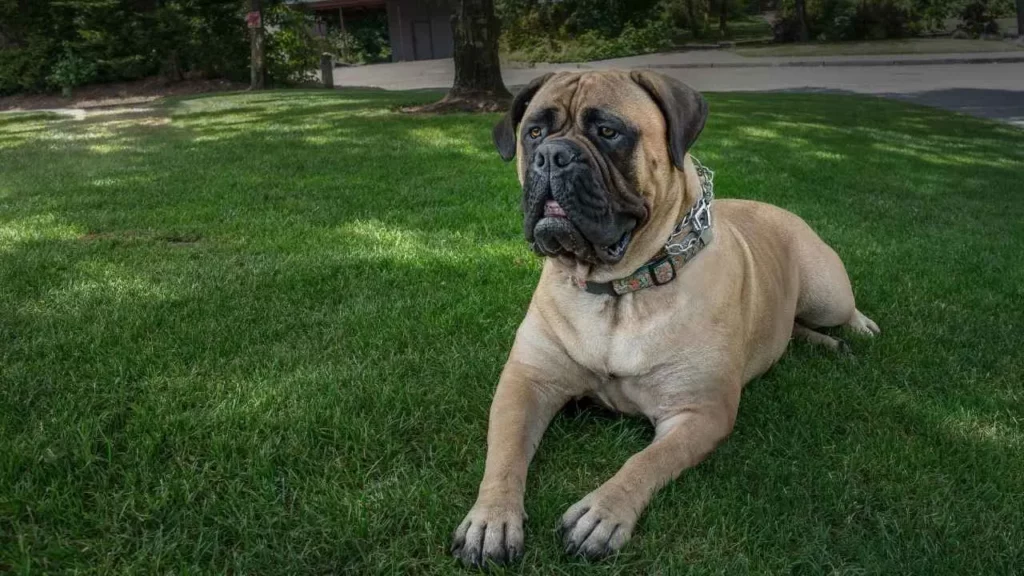
Their protective response can be remarkably controlled, with a still posture, direct stare, or squared stance serving as a strong deterrent. Generally quiet and courageous, they can also become pushy or aggressive toward other dogs, particularly without appropriate early manners.
9. Health & Lifespan
Key Health Checks to Keep in Mind
German Shepherds are generally healthy, but responsible breeding still involves screening for conditions such as hip and elbow dysplasia and degenerative myelopathy. Owners should also know the warning signs of bloat, a sudden and potentially life-threatening swelling of the abdomen.
The National Breed Club recommends hip and elbow evaluations for this loyal dog. Regular veterinary care and appropriate screening can help identify potential concerns early and support their overall health.
Screening for a Larger Breed
Bullmastiffs have heavy bone and a substantial build, making careful health screening particularly important. Responsible breeders test for cardiac issues, hip and elbow dysplasia, hypothyroidism, and eye problems, while cancer and bloat are also among the health concerns that can occur.
Recommended health testing includes hip and elbow evaluations, cardiac and ophthalmological examinations, and thyroid evaluation. Heredity and environment both influence health, so responsible breeding and attentive care remain important throughout a Bullmastiff’s life.
10. Which Protective Dog Is Right for You?
For a More Active Home
German Shepherds can make sense for owners who want a protective dog that can stay involved in everyday life. Their athletic build, alert nature, and strong presence suit households that enjoy regular outdoor activity and want a dog that feels ready to accompany them wherever the day takes them.
They also offer a more manageable physical presence than a Bullmastiff. If you prefer a protective companion that is substantial without being overwhelmingly large, the German Shepherd may feel easier to accommodate around the home and during daily outings.
For a Calmer Kind of Presence
Bullmastiffs may appeal more to owners who want protection wrapped in a quieter, more imposing package. Their larger frame and powerful build can give them a commanding presence, while their short coat keeps grooming relatively straightforward compared with a heavily coated dog.
The better fit depends on what you want your life with a protective dog to look like. A German Shepherd may suit someone who wants a more athletic companion, while a Bullmastiff can appeal to an owner who prefers a larger, heavier dog with a strong physical presence around the home.
Conclusion
Both dogs can bring loyalty and protection into a household, but their differences become important in everyday life. One offers a more athletic build, higher exercise needs, and a strong desire to work closely with its people. The other brings greater physical mass, moderate activity needs, and a quieter approach to guarding, with different personality traits that shape life at home.
Training and socialization remain important for either choice, particularly because both have the strength to make poor habits difficult to manage. Grooming is relatively straightforward, although shedding and routine care differ. Health screening also deserves attention before bringing one home.
The right fit depends on your space, lifestyle, experience, mental stimulation needs, and expectations for an intelligent guard dog breed that can suit the right person.
